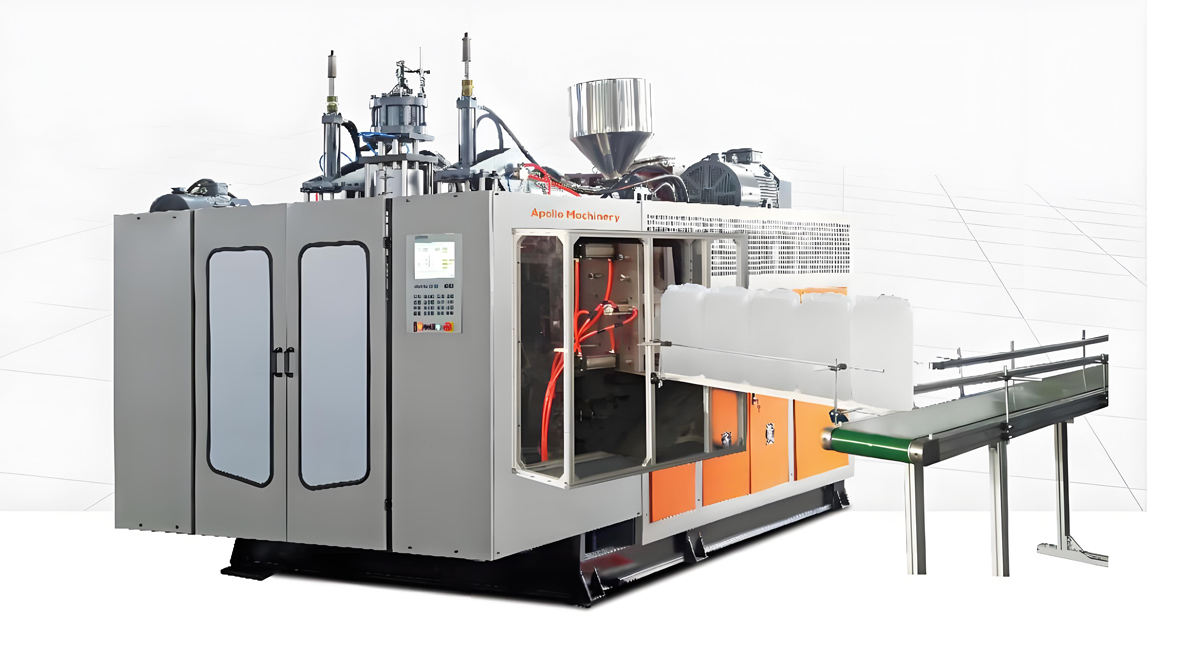

ظروف التشغيل في الشرق الأوسط: لماذا تفشل آلات EBM القياسية؟
تعد منطقة الشرق الأوسط واحدة من البيئات الأكثر صعوبة على الأرض لتجهيز البلاستيك المستمر، ولا يتحمل آلة النزوع إلى صب الأسطوانة (آلة EBM) المخصصة مناخًا معتدلاً لفترة طويلة إن كانت تُنقل إلى الخليج دون إعادة تصميم. فينتصر تكامل الحرارة الشديدة وارتطال الرمال المتعانقة وحاسة الرطوبة المنخفضة والضباب المالح الساحلي والشبكات المتذبذبة إلى تأثير مضاعف: حيث يتمكث جميع الوحدات الفرعية في الآلة – من الخيط والبرميلة حتى وحدة الطاقة الهيدرولية، ومن شبةokat التحكم إلى الدائرة التبريدية – لتجاوز النطاق المعد سلفًا. Server Teams الذين يقفلون فقط قوة الإحكام وقوة التشغيل النموذجية لآلة النزول غالبًا لا يكتشفون العائق الحقيقي إلا بعد الصيف الرباعية، حيث يتحول وقت الدورة ومعدلات الرفض، وتتعطل محركات العزم بسبب ارتفاع درجة الحرارة.
لتحديد متطلبات الإنتاج الثقيلة المقاوم للحرارة بشكل صحيح، يجب على المهندس أولًا تقييم البيئة. في الأسواق الأساسية في الخليج، مثل الإمارات العربية المتحدة وقطر والسعودية والكويت وعمان والبحرين، يبلغ متوسط درجات الحرارة الصيفية 45 إلى 55 درجة مئوية في الظل. أما في صالة الإنتاج المعدنية ذات التهوية المحدودة، ومجموعة من الماكينات العاملة، تصل درجة الحرارة الفعلية في الموقع إلى أكثر من 50 درجة مئوية لفترات طويلة في كل مرة. يمكن أن يصل تقلب درجات الحرارة خلال اليوم من ذروة الظهر إلى أدنى ما قبل الفجر إلى 15 إلى 20 درجة مئوية، وهو ما يخضعه إلكترونيات النظام، وعناصر التوصيل، وصلات التوسع الحراري اللازمين. كما تقل الرطوبة النسبية في كثير من الأحيان إلى أقل من 20 بالمئة، وهو ما يزيد من تراكم barrage الأيون في الأجزاء غير المطورة، والتعامل مع جذب الغبار الصغري فيfangs جهاز الكشف والتقنيات البصرية.
يعتبر التلوث الجوي التحدي الثاني لدى الماكينات. يسيطر على الغبار الصحراوي على جزيئات PM10 الأصغر من عيار 10 ميكرون التي تدخُل من كل فتح متعدٍ. في ظروف العواصف الرملية، يمكن أن يصلّ وزن جزيئات الغبار إلى درجات أعلى في بعض الأحيان، ومن ثم تكون هذه الجزيئات حادة وقوية ونشطة للانتشار السائد. في المواقع الساحلية حول الخليج العربي والبحر الأحمر، يتخلل مصحوباً بالأمطار هلامات من كلوريد، والذي يلحق الضرر بجميع أجزاء الفالح على نحو silenc، إعداد موصلات متعددة الأقطاب والكلس الداخلي وقياسات النفط الهيدروليكي، وإتلاف صلابة العزل داخل خزانات الكهرباء بشكل غير ملاحظ من خلال التعرض لعلم البحر. يمكن للماكينة التي تتحمل درجات الحرارة أن تظل نيرة حتى بعد مرور عامين، إذا لم يتم وضع نظام للتحصين من الهلام المحيط.
التوتر الثالث هو الكهربائي. تختلف شبكات الخليج من دولة إلى أخرى وحتى من منطقة إلى أخرى: تتشكل الإمارات العربية المتحدة وقطر من الغالبية العظمى بنسبة 380 فولت عند 50 هرتز، بينما تعمل مناطق من المملكة العربية السعودية عند 60 هرتز مع إمدادات يمكن أن تتراوح بين 220 إلى 380 فولت بحسب المحافظة وإذ كان المصنع مزودًا من موفر الطاقة أو من مولد محلي. تتدرج الجهد خلال ذروة الطلب، وتحدث التشوه الاحتراقي من المحركات المتغيرة السرعة المجاورة، كما يوجد Puebla بين الطاقات. يولد خلية النفخ ما بين عشرة إلى عشرات كيلووات من الحمل الهيدروليكي والمحرور servo، والتي تعاني من اضطراب الشبكة وتساهم في ذلك، وبالتالي يجب تصميم الحماية على الجانب من الجهاز، ولا يمكن توقعها.
بعد ذلك، يتم التحديد لقوة الضغط استنادًا إلى القدرة المتوقعة للخفلات tiempos الضغط بالتبريد بمargin أمان، كما أنها ذات تصميم مزدوج للآلة.
ضغوط البيئة مقابل تأثير النظام الفرعي للمعالجة.
| الضغوط البيئية. | قيمة نموذجيّة. | Machine Subsystem Affected | 1- الاستجابة المطلوبة إلى التصميم |
|---|---|---|---|
| الحرارة المحيطة | من 45 إلى 55 درجة مئوية. | الزيت الهيدروليكي، تبريد البراميل، الأجهزة الإلكترونية | تبريد خاص، محول طاقة أكبر، تكييف هواء للكطابين |
| الحرارة في مكان العمل | 50 درجة مئوية وما فوق. | المحركات الخادعة، HMI، أجهزة الاستشعار | طرف الطلب في مشاريعالبلوحات المصنوعة من البلاستيك المعزول في المنطقة العربية هو في الغالب من المدارس الصناعية الكبيرة: زجاجات كبيرة للطعام وماء، والقنن والكراتات الكيميائية والصابون، وعظمات الزيت وضروريات التشحيم، بالإضافة إلى الخزانات الصف للمواد السائل. هذه ليست زجاجات باهتة من مستحضرات التجميل – إنها حلزونات بجرأة كبير ومقاومة قوية تنبغي أن تتحمل نفقات النقل والتموضع والتخزين في الهواء الطلق تحت أشعة الشمس المباشرة. إنتاج هذه المنتجات بكميات كبيرة يتطلب منصة EBM قوية أصبحت في الأساس حول رأس تخزين كبير ومهم إنترنالي ومدارة بسرعة عالية وكمالمة يتم ضبط أداءها للعرض المفاجئ والمقتضيات المقابلة. |
| التذبذب اليومي. | من 15 إلى 20 درجة مئوية. | الأختام، والتوجيه، وصمامات التمدد | مواصفات الزيت المبرد و الزيت الهيدروليكي لمهمة الخليج |
| الرمال والأتربة | حمولة PM10 عالية. | الخزان، المحرك الإليات، وسبل القيادة | الترشيح المرحلي، وتغليف المحركات، والحنفيات. |
| انخفاض الرطوبة. | أقل من 20% من الرطوبة النسبية. | الطاقة الدائمة، جهاز التحرّك، أجهزة البصريات | أدوات القضاء على الساكنة، ومباني جهاز التجميع المغلقة. |
| ضباب الملح. | ضباب الكلوريد، الساحلي. | المواعين، وأعمدة الطاقة، والدوائر | النقاط القياسية التي تحوي معالجة مدى الحرارة, أغطية خط التوجيه الموثوقة |
| تباين الشبكة الكهربائية | 220 إلى 380 V، 50 أو 60 هرتز. | المحركات، المحولات، المواصفات الكهربائية | امدادات الطاقة ذات الفروع الواسعة، والمستقر، وتصنيف التردد الصحيح. |
تتجلى العواقب الاقتصادية لعدم أخذ هذه العوامل في الاعتبار بوضوح. يقود المولدات الكيميائية التجارية في مختبر صيفي في الخليج إلى التناقص بنسبة 10 إلى 25% في الإمكانيات القصوى للهدر أثناء الموسم الأول نتيجة لارتفاع درجة حرارة الزيت، كما أن درجة حرارة الانيق تتغير وتصبح غير مستقرة، ولا يمكن لمؤسسة التبريد بعد ذلك أن تنشغل على زيادة درجة الحرارة المتاحة. يرتفع معدل التخمين ل زراعات أحجام صغيرة، والملفات ومزامنة الثقوب في وقت بسرعة تنخفض. يزيد من الوقت اللازم لإجراء الفحوصات على فلاترانف Siemens et Bosch، وارتداء filtreت عادي، وحركة المنافسة الميكانيكية، والالتزام الصيانة الزامي في هذا. المحاللة الرئيسية في هذا الرابط تُفضّل حتى أكثر معقدة، وتؤثر على كل من التكنولوجيا والوحدة وسعر آلات الإنتاج.
توسيع نظام الإدارة الحرارية والتبريد.
الحرارة هي أكبر خطر يهدد جهاز محرك أذربيجان المتوسط، ونظام التبريد هو المكان الذي يكون فيه معظم الأجهزة القياسية أصغر من الحجم المثالي. نظام لتحقيق ذلك بسيط: خلاط مستورد من أوروبا أو الصين يتسم بدرجة حرارة 35 درجة مئوية، لن يوفر قدراً كافياً من القدرات التبريدية في شهور الصيف في الخليج، كما أن الخسارة ليست خطية. حيث مع ارتفاع درجة حرارة الهواء المحيط، ترتفع درجة تبريد المبرد، وتزداد أمكنة إنجذاب المضخة، وتنخفض القدرة الفعالة على التبريد في الوحدة. بالنسبة لجهاز تبريد عملية تعمل بالتحكم الهوائي، يمكن أن تنخفض قدرة التبريد التي تشير إليها البطاقة الاسمية عند درجة حرارة المحيط 35 درجة مئوية بنسبة 25 إلى 35% عند ارتفاع درجة الحرارة على المحيط 45 درجة مئوية، وتتناقص الخسارة بشكل أكبر عند دخول درجة حرارة 50 درجة مئوية.
الاستجابة الهندسية الصحيحة هي تخفيض قدرة التبريد عمداً في مرحلة تقديم العرض، بدلاً من اكتشاف النقص في الخدمة. إذا استوجب الحمل الحراري للمصنع موقفًا أساسيًا ثابتًا في ظروف قياسية، فيجب أن يتم تصنيع unidade التبريد بحيث يكون مخرجها متخفيضًا عند 45 أو 50 درجة مئوية قادرًا على تغطية الاحتياجات مع هامش. وهذا يعني عادة تحديد وحدة بدرجة طاقة أعلى بمقدار فئة واحدة من ما تشير إليه عملية حساب المناخ المعتدل، أو اختيار مكثف مبرد باستخدام الماء بدلاً من مكثف مبرد بالتهوية عندما يكون هناك برج تبريد متاح، أو إضافة مرطب ثانوي. يجب أن يوضح حزمة خدمات الخليج الواعدة قدرة التبريد الموضحة على أعلى قيمة محتملة للطقس المحلي، لا فقط في حالة شروط الاختبار المخبّرة في المختبر.
05 إلى
955 جرامًا لكل سنتيمتر مكعب،و ESCR F50 زائد ألف ساعة لخدمة كيمائية. أضف مصابيح فوق البنفسجية بنسبة قوامها 2%، ولقطع الداكنة، أسود الكربون بنسبة
اختيار درجة الزيت هو قرار تخصيص، وليس تفكيرًا متأخرًا في المواد المستهلكة. بالنسبة للعمل المستمر في المناخات الحارة، يكون الزيت الهيدروليكي المقاوم للتآكل مصنفًا في تصنيف ISO VG 46 شائعة للمواقع ذات درجات الحرارة المعتدلة، بينما يتم تفضيل تصنيف ISO VG 68 في الحالات التي يضغط فيها ارتفاع درجة الحرارة المحيطة على نطاق الفيلم، لأن درجة مؤشر اللزوجة الأعلى تحافظ على فيلم أكثر استقرارًا تحت الحرارة. يجب تقصير الفترة المتوقعة نسبيًا بناءًا على الممارسات المعتدلة: الزيت نفسه الذي يستمر لمدة عام كامل في مصنع أوروبي قد يحتاج إلى تغيير في حوالي نصف هذه الفترة في عملية في منطقة الخليج على ثلاث مقاطع عمل، ويجب تأكيد الفترة من خلال تحليل الزيت الدوري وليس من خلال التقويم وحده. تعد تلوث الماء من التكاثف في جهاز التهوية خزانًا مخاطرة حقيقية في تقلبات الرطوبة الساحلية، لذلك يعد جهاز تهوئة مزود بمزج تشمس وglass من مكونات مواصفات المعدات الشاقة.
ملاحظة مطابقة و تصميم رئيسية
| المعلمة | المبادئ المتواضعة للمناخ المعتدل | مواصفات جهاز الثقيلة بالمنطقة الشرقية. | ما هو السبب في التغيير؟ |
|---|---|---|---|
| حالة تصنيف المثلى للمبرد. | درجة الحرارة المحيطة 35 درجة مئوية. | درجة حرارة المحيطة تتراوح من 45 إلى 50 درجة مئوية. | تجنب خسارة القدرات بنسبة تتكلل بين 25 و35 في المائة |
| فرق الدائرة على القالب. | 4. تصل إلى 8 درجات مئوية. | 2. من 3 إلى 5 درجات مئوية. | سمك الجدار المستقر والدورة |
| فترات تغير الزيت | الممكن المشترك | العفن والبرميل منفصلان. | فصل الأحماض الحرارية المتغيرة |
| مساحة المبرد النفطي. | القياسي. | توسيع بنسبة 30 إلى 50%. | الحفاظ على درجة حرارة الزيت بين 40 و55 درجة مئوية |
| درجة من النفط لقياس احتواء الزيت. | ISO VG من 32 إلى | ISO VG 46 إلى | استقرار الفيلم في ظل الحرارة |
| مفتوح أو بسيط | 12 months | 1- 6 أشهر،usiveً للعملية تحليل النفط. | التحكم بالتأكسد والماء |
يتم عمل اختبار فوري خلال عملية بدء التشغيل يتم فيه تسجيل درجة حرارة الزيت ودرجة حرارة إمداد القوالب عبر يوم أممي كامل. في حالة ارتفاع درجة حرارة الزيت إلى أكثر من 55 درجة مئوية في منتصف النهار أثناء تشغيل المبرد مع شحنة كاملة، فإن نظام التبريد هو الأصغر حجمًا من احتياجات الموقع، ومن ثم سيكون هناك تراجع في الإنتاج خلال ذروة الطلب. يتمثل الهدف الرئيسي للتصميم الثقيل في العكس: أن تكون المنحنيات مستقرة عبر تقلب درجات الحرارة، وهذا هو الأثر الواضح على اتقان التصميم المائي.
تصميم الحماية من الأتربة والرمل.
يعد الغبار والرمال من القاتلين البطيئين في خط إفراغ بالحلقة في الخليج. على عكس الحرارة، التي تصير مميزة بأمر قطع أو بالنسبة إلى التباطؤ، فإن الغبار الجاف له تأثير تراكمي: وهو لسع الجذع الطريق، ويحمِّل مراوح المحرك servo، وبإمكانه أن يخنق صور المرشح في الكابينة، كما يمكن أن يلوث الخزان الهيدروليكي حتى يفاقم المحرك. ولذلك، يجب أن تكون استراتيجية الحماية متعددة الطبقات، لأن أي حاجز واحد غير كافٍ للحماية من الغبار الرقيق من الصحراء PM10 على مدار فترة التشغيل.
معًا، تعني هذه العوامل أن مكنة EBM في الشرق الأوسط ليست مكنةً معيارية ausgestattet بلقمة من المعالج. فهي منحة إعادة تصميم يتضمن في تصميمه الميزانية الحرارية، واستراتيجية مقاومة الوصول، والوصلات الكهربائية، وتصميم المادة، وتم تغيير كل تفاصيلها في آن واحد. يتوسط الجدول أدناه التوترين البيئية في المحرك ونظرة تصميم responds عليهما، والتي يجب أن تتضمنها المواصفات الثقيلة في الخليج.
بالنسبة لأكثر الكوبونات كثافة حرارية، يعتبر المروحة بدفاً فقط ولا يوجد خيار مناسب صحيح إلا هو على Кубّة نظام تكييف الهواء مغلقة. وهذا هو وحدة على ردود فعل مغلقة ترفض الحرارة إلى الخارج دون تبادل الهواء الداخلي مع المتجر، لذا فإن الأجهزة الإلكترونية تجلس في الهواء النظيف والليموني ومنخفض الرطوبة سواء خارج المبنى أو في بيئة عاصفة PM10. التكلفة السنوية للكوابل عالية الكثافة هي قليلة مقارنة بـ التكلفة الناجمة عن التسرب الإلكتروني بسبب دخول الغبار، وتستغرق الفترة الزمنية للاسترداد عادةً أشهرًا لا سنوات. adds a corrosion dimension to coastal locations، لأنه يمكن تزويد الأسطح الداخلية بطبقة هيدرافية والتأكد من أن الكوبّة تشمل نافذتي تدليل صغيرة لضبط الرطوبة الداخلية.
خارج الكابينة، يتم تعريض المحركات الرباعية ومحولاتها لكلام الرمل. فيجب اختيار أطر المحركات بتقنية حماية دخول متطورة، كما يجب تغليف علب المحولات، لأن المحولات الملوثة بالطين الباهت تنتج أخطاء في المواقع التي تتم إزالة أثرها في نقل المقابض أو عدم تطابقها. يتوجب تركيب الممرات المنجرفة والماسبات الخطية على القفل ومخرط التمرير بمبطونات متين الإسمدة ذوات غطاءات قابلة للطي، حتى تبقى عناصر الحركة في الصفر ومستوثنة من الرمال. هذه الأغطية الميكانيكية قليلة الجاذبية، لكنها هي التي تمثل الفرق بين ممرات مدينية طويلة العمر وتلك التي تحتاج إلى إعادة تأهيل خلال عام واحد فقط من الرمال.
0 إلى
حماية الولوج والتصفية حسب المجموعة الفرعية
| نظام فرعي | Standard Rating | تصنيف جهاز الثقيلة للخليج. | طريقة الحماية |
|---|---|---|---|
| خزانة التحكم الرئيسية. | مرحلة الحماية رقم IP54. | معيار IP65. | خزانة التحكم هي خط الدفاع الأول والأهم من جميع الجوانب. إن الخزانة الصناعية من النوع IP54 تقاوم الماء المبلل ووميء الأصابع، لكنها غير مصممة لتتغلب على الغبار الفيني في العواصف الرملية، فيما تتميز الخزانة المصممة بشكل جيد بوصفها IP65، أي أنها محكمة الختم وتمتاز بالقدرة على مواجهة المياه منخفضة الضغط. لا يجب أن تكون الخزانة تعتمد على براميل التبريد الزैفة التي تمد الهواء من المخزن بالاتجاه إلى الإنشاء، لأن هذا هو الهواء الذي يحمل الغبار. بدلاً من ذلك، يتم تنفيذ التصميم الثقيل بطريقة التهوية ذات الضغط الإيجابي: تتأكد إمدادات الهواء المعالج من الحفاظ على داخلية الخزانة بنسبة ضغط يزيد قليلًا عن داخلية المخزن، وبالتالي فإن أي تسرب يمر للخارج، ولا يمكن أن يدخل الغبار. يتدرج خط المرشحات – يقوم مرشح أولي بوضع الكثير من الحمولة الرملية ومرشح ثاني ينجح في امتصاص الشرائح قابلة للاستنشاق – 가야 كل منهما لها مقاس يسهل استبدالها في أثناء الصيانة المخططة. |
| قسم الحرارة المرتفعة | 35 غرامًا لكل عشر دقائق ضمن ظروف | منظومة خزان مغلقة AC | تكييف هواء ذات إطار مغلق |
| فصل حلقة التبريد | مرحلة الحماية رقم IP54. | IP65 plus sealing | التعبئة المغلفة، مشغل المحسّن. |
| Guideways and screws | غطاء مفتوح أو خفيف. | الوتر أو المبدلة وحدات الإنزلاق. | إبعاد الغبار من الناحية الفيزيائية. |
| فلتر العوادم الهيدروليكية | Beta10 75 | 6 كجم وضغطًا | إزالة الجزيئات الصغرى |
| منفذ الطرد المبروم | 50 أو 60 هرتز | مرشح جاف | حاجز لمنع الغبار والرطوبة. |
The practical test of any dust-protection design is the filter-replacement interval. A correctly specified Gulf machine will show a predictable, gradual loading of the pre-filter that the maintenance team can schedule, rather than a sudden drive trip from internal contamination. If the first pre-filter change is needed within days rather than weeks, then the cabinet over-pressure or the filter area is wrong and the design should be revisited before the dust reaches the sensitive components.
نظام الكهرباء والتكيف مع شبكة المواصلات في المنطقة.
المملكة العربية السعودية ليست سوقاً فنياً واحدة، ويجب أن يتمّ الطلب على تصميم الماكينة المناسبة مسبقاً قبل أن يتمّ تسليمها من المصنع. تعمل الإمارات العربية المتحدة وقطر على شبكة جهد 380 فولت، 50 هيرتز ثلاثة أوضار، وهي الإطار الأساسي لعمليات الإنتاج في الخليج. operates بعض مناطق المملكة العربية السعودية على مثل هذا الدعم، كما تعمل بعض مناطق سعة المولد الكهربائي على نطاق 220 إلى 380 فولت، ويجب على المستفيد تعيين تلك القيمة لموقع عمله. كما يجب أن يحدد التجار ما هو التردد داخل صالة الإنتاج، وبهذا حال، سوف يؤدي إرسال المعدن ذات التردد 50 إلى الضخ المتسارع للمروح ومن شأنه أن يؤثر على وقت التسخين في المناطق الاقتباسية، ومثل هذا التوزيع سيؤدي إلى إضعاف كفاءة التوريد الأصلية للمحرك والمازوت لكل دورة من العمليات. يجب أن يتم التعامل مع الأطر الكهربية على أنها حزمة هندسية محددة للقواعد، وليس كإعدادات الترميز إنفاق المباشرة. يجب تمرير قيمة الجهد وسرعة الرنين، والدقة في رسم الخرائط، وحجم الانخفاض من الجهد عند الوصل اللازم واختيار الموصلات الاستقرائي والمحولات مستقبلاً. ويقضي هذا الأمر عن قيام العمل المتلاحق، ويحمي الضمان للعميل والمصنّع.
حتى ضمن الجهد nominal الصحيح، يكون الإمداد نادرًا ما نظيف. فالتغيرات في الطاقة، والمشاركات في المحركات المتغيرة السرعة، والمكونات الكهربائية الكبيرة تخلق تقلبات في التيار، كما يكون تركيز الترددات结果 كبير في الموقع المملوء بالحواسب الكهربائية. يحمِ الجوال المثبت في ظلال النفط نفسه من خلال مجموعة من المحولات step-down أو step-up المصممة بشكل صحيح، واستقرار الجهد التلقائي بمقاس يناسب الحمل الكلي للمكنية بالإضافة إلى الرفع في الشد الساخن، بالإضافة إلى مقاومات السلسلة أو مرشحات الترددات Harmonic على محركات servo. والهدف هو تقديم الوحدات الرقابة الحساسة ومضخمات servo بطاقة مستقرة ضمن الحدود المصممة بغض النظر عن ما يقوم به النظام الكهربائي المحلي في الساعة الثالثة بعد ظهر ذلك اليوم.
التهوية ذات الضغط الإيجابي، المرشحات المتدرجة
جدوي الأرض وحماية الاتجاهات تستحقان التأكيد في بيئة صحراوية. انخفاض الرطوبة المسبّب للتيار靠よく أيضا يعني أن البرق واتجاهات التحويل لا يتم تصريفهما بسرعة من خلال الهواء، وتلوث الرمل البحري يقلل من مقاومتها مع الوقت. يستخدم التصميم الكهربائي المرتفع في الخليج أرضاً واقية منخفضة المقاومة، ومقذفات تطرد الاتجاهات على إمدادات التغذية، وفصل دقيق للكوابلات الحالية والهاتفية مع الترشيد المناسب حتى لا يتم إفساد إشارات التشفير و اتصالات المحفز بالمسارات ذات التيار العالي. يجب أن يكون المحو صارف كهربائي بين الأولية والثانوية لوقف الضوضاء في وضع مشترك من الوصول إلى PLC و HMI.
معيار الشبكة من قبل سوق الخليج.
| السوق | إجمالي العرض | التردد | استجابة التصميم المطلوبة |
|---|---|---|---|
| دولة الإمارات العربية المتحدة | جهد ثلاثي الفلاتر 380 V. | 50 هرتز | مﻻء IEC 60204-1، وموصى باستخدام مستقر للتيار. |
| قطر | جهد ثلاثي الفلاتر 380 V. | 50 هرتز | إطار مجلس التعاون الخليجي، وتقنيات التوصيل المحمية. |
| المملكة العربية السعودية (خدمات عامة) | جهد ثلاثي الفلاتر 380 V. | 60 هرتز على مقاس الطبع | يشترط الحصول على شهادة من جمعية مصادري الصوديوم. |
| المملكة العربية السعودية (على المستوى الإقليمي) | من 220 إلى 380 فولت | النظام الفرعي | يُرجى الاستفسار عن الموقعِ، تمتع بدهرم نطاق واسع في مدونات الإمداد |
| الكويت وعمان والبحرين | درجة الفيول 400 فولت | 50 هرتز | الإطار المتوافق مع المبادئ الأساسية المحددة في مجلس التعاون الخليجي، ومكافحة موجات الصدمة. |
يجب أن ينظر إلى التصميمات الكهربية على أنها حزمة هندسية محددة للقواعد، وليس كإعدادات مسبقة. يجب أن يحدد المستهلك معدل التوصيل الفعلي (إلا نادراً ما على كيانات عامة معينة)، والإجهاد، وجيسباده من المنخفض العالي، وحجم الانخفاض من الجهد عند الوصل اللازم، ويجب أن يتمكم توصيل الماكينة بالفعل بما يتوافق مع هذه الخاصيات، وذلك في التوصيل ذي السرعة الرئيسية للمعدنف. هذا الخط يضمن القابلية على نطاق واسع للتشغيل الاستكمالي والتوافق مع الوكالة للتنمية الصناعية.
تكوّن الماكينة شديدة التحمل لمنتجات ذات حجم كبير.
التقيد هو متطلب قانوني واستراتيجية يمكن الاعتماد عليها في نفس الوقت. بالنسبة للسوق السعودية، تطبق شهادة SASO والتوافق العام في مجلس التعاون الخليجي، وينبغي على المكنة أن تحصل على العلامات والمعرفة التقنية التي تنطبق على ذلك. عبر المنطقة، ينبغي للتصميم الكهربائي أن يحترم المعيار IEC 60204-1، الذي يوجه في الغالب إلى المعدات الكهربائية في الماكينات، وكذلك يغطي التوقف الطارئ، الترشيح الواقي، والقرب والاستدارة، وسلامة حزمة التحكم. علامة CE للمعدات الصناعية تمثل معيار التصميم الأساس، وهي جزء من قصة ضمان الجودة بالنسبة إلى الشركة المصنعة المصدرة للمنتجات إلى الخارج. تعالج هذه المعايير هنا على أنها متطلبات هندسية أساسية: يجب بناء المكنة وتوثيقها واختبارها وفقًا لها، كما يجب أن تتضمن الوثائق المصاحبة للمعدات لدى العميل.
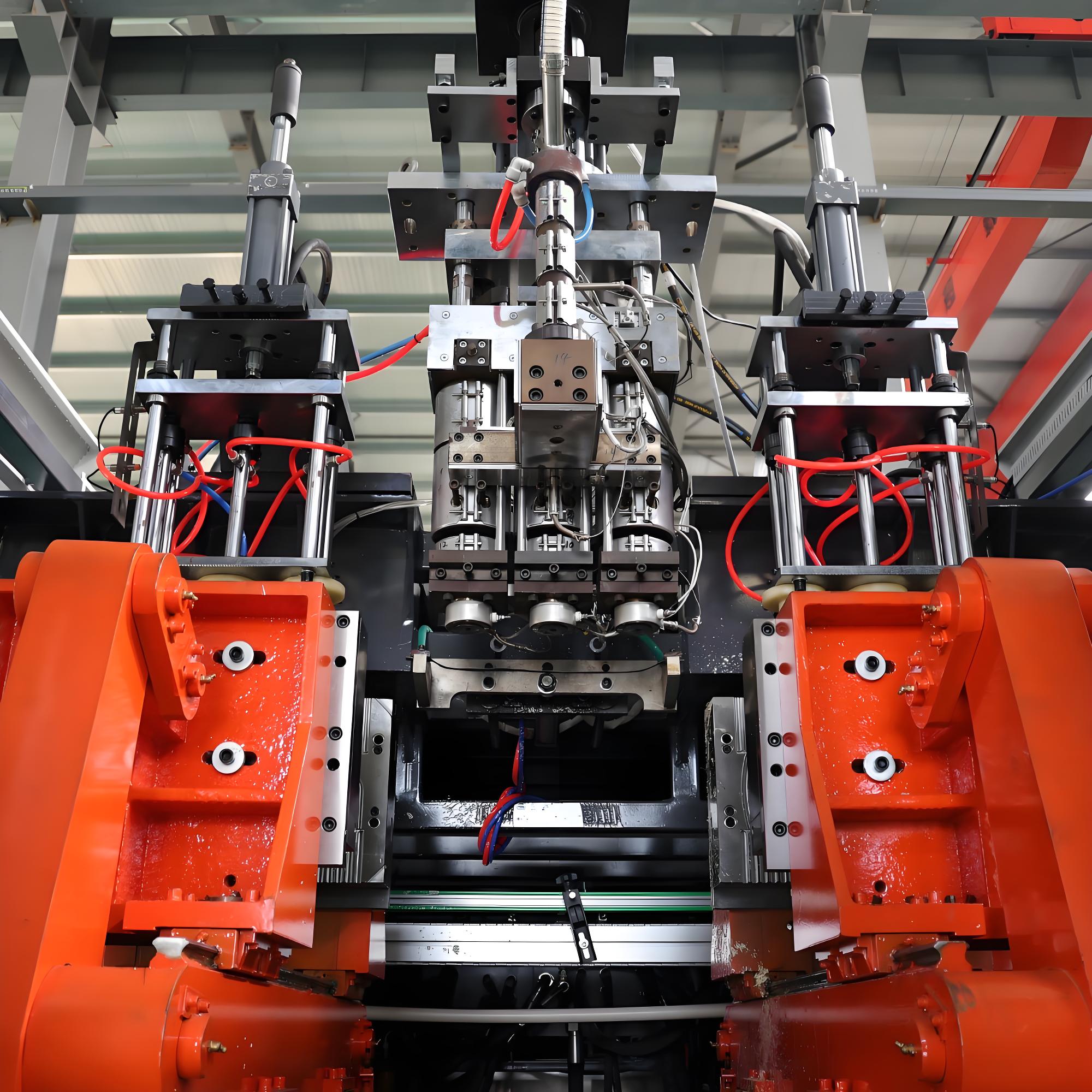
رأس الستائر هو مصعدو"قلبي"لآلة EBM الضخمة. بدلاً من وضع الباريسون ببطء وبطريقة مستمرة، فإن الآلة تُشائل المكنسة إلى خزانة ثم تنفذه بسرعة عبر المثقاب لتشكل الباريسون في مباشرة واحدة من الطلقات السريعة التي تحقق عدم ترهل أو تبريد الباريسون قبل أن تعمل الأجهزة الأخرى. فيما يتعلق بالعدد الذي يتراوح بين عشرين و200 لتر، فإن سعات رأس الستائر تتراوح بين 3 و30 كيلوجرام من السلائف، ويُمثل الطرف الأكبر أكبر البراميل وغلاف الحاويات IBC. يجب تصميم رأس الستائر لضمان توحيد حراري بحيث تكون المواد الأولى والأخيرة في الطلق عند درجة الحرارة ذاتها، ولحصول على ملف تصريف نظيف ومراقب بهوية، بحيث يمكن برمجة توزيع جدار الباريسون.
يتم تحديد السدادة الموجودة خلف المجمع من خلال قطر المسمار ولمعايير الطول إلى قطر. وفي حالة إنتاج خليج عالي القدرة، تكون المدى المناسب لقوائم الأسهم هو ما تتراوح أبعاده بين التسعون إلى المائة وخمسة وسبعين ملم، بينما تتحدد نسبة الطول إلى قطر عادة بين خمسة وعشرين إلى واحد حتى ثلاثين إلى واحد. توفر السدادة المستطيلة الطول الكافي لمزيد من التجممدة والمزج مما يحقق مرحله ذوبان مستقرة عند الانتاج العالي الذي يتطلبه المجمع، بينما توفر قطر المسمار القدرات اللازمة لإعادة ملء المجمع خلال الدورة. يجب تصنيع البرميل والسدادة من مواد وإبعاد تسمح بتبديد المقدار الكبير من العزم المستمر وكذلك المركبات شديدة الالتصاق الممتلئة بالعناصر المعدنية التي يتم استخدامها عادة في رخل المقاومة الكيميائية ومقاومة الأشعة فوق البنفسجية، كما يجب أن يتم تصميم السدادة بما يتناسب مع نوع HDPE الخاص وأنواع العالجات أو المواد الرئيسية الأخرى المستخدمة.
يتم اختيار نظام الإمساك من مساحة الجزء الأكبر المتوقع، وليس من حجم الماكينة عمومًا. يجب أن تتجاوز قوة الإمساكMultiplication_Symbolproduct من ضغط النفخ الداخلي ومنطقة تجاويف الجزء، مع هامش أمان، وإلا فإن القالب سيتلف والخط التجزئي سيفقد. بالنسبة إلي الصواميل الكبيرة، يعني هذا ضرورة وجود مشبك كبير، عادة يتم تنشيطه ميكانيكيا، ومما يهم هو منحنى السرعة لهذا المشبك بالنسبة لوقت الدورة: إن الملف ذو شكل الأناء المغلَق-فتح ينبض بشكل مستمر، ويتباطأ قبل التلمس بهدف حماية القالب، ويحافظ على الضغط بقوة أثناء النفخ. تُستخدم المطابع ذات المحطة المزدوجة بشكل كبير في هذهCategoriaCategoria لأن ذلك يتيح لمحطة واحدة أن تقلب بينما تقوم الأخرى بسيتمة الجزء وتتبخيره، مما يرفع الناتج الفعلي بدون التوسع في تشغيل الموجه فوق الحد الحراري الذي يسمح به.
نطاق من التصميمات الثقيلة EBM المتطور لأجزاء منها 20 إلى 200 لتر
| المكونات | النطاق النموذجي | شركة اختيار السائق | مكمة الخليج |
|---|---|---|---|
| رأس المُشرط | 3 إلى 30 كجم من اللuva الطينية. | وزن الجزء وحجم الق�شة | التسوية الحرارية تحت الحرارة. |
| قطر البريمة | 90 إلى 150 ملم | قدرة التشبّث البلاستيكية. | إعادة المرور في المرحلة داخل الن�ازة عند درجة حرارة عالية. |
| نسبة الارتفاع إلى قطر القيد. | من 25:1 إلى 30:1 | العكاز الأساسي للأشعة فوق البنفسجية | 25:1 إلى 30:1 |
| قوة الإغلاق | مطابقة للمنطقة المخططية | عدد مرات ضغط الهباء كحيطاقة مساحيّ | عدم ظهور الفلاش أثناء الدورة الطويلة |
| محطات | محطة مزدوجة مشتركة. | المخرج مقابل حدود الطارد | إدارة الحرارة الأفضل. |
| تنفيذ القفل. | الهيدروليكي، ذو التشكيل. | Cycle and mold protection. Sunlight is the special variable in Central Asia. The compound is based on HDPE (high-density polyethylene). Instability causes it to degrade, twist, and lose impact strength within a single year of exposure to outdoor air. Therefore, the compound includes a 2-percent masterbatch of ultraviolet (UV)- and graphite-enhancing polymers, which provides the UV shielding and corrosion protection required for a decade in outdoor air. For black or dark-colored types, carbon black both imparts coloration and enhances UV protection, and the range of wavelengths is critical to preventing harmful ultraviolet and visible radiation.. Sunlight is the special variable in Central Asia. The compound is based on HDPE (high-density polyethylene). Instability causes it to degrade, twist, and lose impact strength within a single year of exposure to outdoor air. Therefore, the compound includes a 2-percent masterbatch of ultraviolet (UV)- and graphite-enhancing polymers, which provides the UV shielding and corrosion protection required for a decade in outdoor air. For black or dark-colored types, carbon black both imparts coloration and enhances UV protection, and the range of wavelengths is critical to preventing harmful ultraviolet and visible radiation. | فحص غطاء المسار الدواعي |
العجينة المستقرة للأعمال الكبيرة
المادة والعزل لمواجهة أشعة الشمس الشديدة في منطقة الشرق الأوسط
يختار اختيار الراتنج فيما إذا كان طبل موجود في أشعة الشمس المباشرة في الخليج يمكنه البقاء لسنوات أو يفشل بسبب التكسير بسبب الأشعة فوق البنفسجية خلال موسم واحد. بالنسبة للمنتجات الصناعية الكبيرة المعالجة هنا، يكون البولي إيثيلين عالي الكثافة (HDPE) المادة الراتنجية السائدة لتشكيل القالب بسبب صلابة ومقاومتها الكيميائية وقوة الصدمات وقابلية المعالجة على آلات EBM. يتم اختيار درجة التشكيل بالنسخ من سرعة تدفق الذوبان ومقاومة القيود البيئية للتكسير بدلاً من السعر وحده.
في العادة، يقدّر برنامج HDPE لضغطة البوب الخاص بالدرجة المعنية متوسط تدفق اللحن من
ضوء الشمس هو المتغير الخاص بآسيا الوسطى. الجرعة فوقفッカー فوق سقف العالم، ودورة HDPE غير مستقرة ستتحلل وتتمايل وتخسر قوة الارتطام خلال سنة واحدة من التعرض لأكسجين الهواء الخارجي. وبالتالي، فإن المركب الثقيل يتضمن ماستراخ لمادة بوليمر عر育 بنسبة 2 في المائة، والذي يقدم مجموعة واقماء UV والمحوت الجرافيت المطلوّنة المطلوبة لقض العشر سنوات في ظل الهواء الخارجي. بالنسبة للأنواع ذات اللون الأسود أو الداكنة، يسبب الكربون الأسود على حد سواء الصبغة ومعزز UV، ونطاق
في التطبيقات التي تستلزم حاجزًا، مثل تغليف مواد كيمائية زراعية أو مذيبات، يزيد التخيط المتعدد الطبقات من الأداء دون تغيير الراتين الأساسي. يمكن أن تتيح بنية ثلاث طبقات أو ستة طبقات وضع حاجزًا رقيقًا من EVOH بين الطبقات اللاصقة داخل جسم HDPE، مما يقلل بشكل كبير من تغلغل المحتويات العدوانية، وفي الوقت نفسه ي留 معظم الجزء في HDPE أساسي الإقتصادي والقابل لإعادة التدوير. يتم ضبط نسب الطبقات بحيث تكون طبقة الحاجز المكلفة سماكة بقدر الضروري. ولا يختلف هذا عن تكنولوجيا الحاجز لخزانات الوقود: في أنظمة وقود السيارات، يتفاعل فلوريد السطح من الجزء النهائي مع سطح HDPE لخلق طبقة من مركبات الكربون الفلورية تتحايل على تغلغل الوقود، بينما تبني التخيط المتعدد الطبقات الحاجز في الجدار أثناء التشكيل. وفر صحيح أن كلتا الطرقين صالحة تجاريًا؛ ويعتمد الاختيار على المحتوى والهدف المرغوب في بناء الحاجز، والطابع التنظيمي، وإمكانيةNachdem أن المولد يريد هيكل طبقة متعددة أو عملية معالجة السطوح بعد التشكيل. في معظم أعمال صناديق على مستوى الشرق الأوسط، يمثل التخيط المتعدد الطبقات الخيار الأنسب والمتنوع بين العمليات.
مواصفات مركب درجة"الحبو"من مادة HDPE مخصص للاستخدام الخارجي في الخليج
| العقارات | القيمة المستهدفة. | الاختبار أو الأساس. | 1- لماذا هو مهم في الخليج |
|---|---|---|---|
| الفاصل الخليجي | 0.05 إلى 0.35 غرام/10 دقائق | 21.6 كلغ حالة | قوة التسوية، الارتطام. |
| كثافة | 0.945 إلى 0.955 غرام/سم3 | طريقة كثافة ISO. | صلابة التكديس |
| ESCR F50 | أعلى من 1000 ساعة. | اختبار الإجهاد المكيف. | عمر الحلة الكيميائية |
| معدل تدفق اللزوجة | ما يقرب من 2٪ | نسبة التوزيع | مقاومة الأشعة فوق البنفسجية في الأماكن المفتوحة. |
| أسود الكربون. | من 2.0 إلى 2.5% | الجودة الدقيقة المنشقة. | مقاومة الطقس للأجزاء الداكنة |
| خيار الحاجز. | 3 أو 6 طبقات، EVOH. | التخلل المتزامن. | تحكم نفاذ السائل |
implica الخاصة بجهاز البثق يتعلق بإمكانية معالجة هذا المركب دون تصonien. فهي تتطلب وجود كميات كبيرة من المركب الرئيسي أو الملاط، وإجهاد لفات طويل لإجراء جرعات كبيرة، مما يزيد من خطر حدوث التاريخ الح uygثاري وتكوين الجيل، لذلك يجب ضبط مخطط درجة حرارة البرميل، شد القطاع والحفاظ على درجة حرارة الل著有 لبرنامج المركب المعين. لذلك، يتضمن جهاز Gulf ذو الأداء العالي ميزات استشعار درجة حرارة اللなぁمة الموثوق بها في الرأس، وأنسب هندسة لفات لجينوم الزPTن الذي يستخدمه العميل، وليس لف غير أساسي تصنيعه من بوليويلين.
0 إلى
1- costo الطاقة هو التكلفة الكبرى على مدار العمر بالنسبة لمachine EBM الثقيلة، وتعبئة استخراج الهواء ومثاليات الطاقة في الخليج تجعل الكفاءة واضحة للغاية. أكبر تجنب متاح على آلة حديثة هو الانتقال من نظام هيدروليكي بنسبة لباطلة إلى نظام هيدروليكي servo. في تصميم مضخة ثابتة تقليدي، يعمل المحرك في سرعة ثابتة تقريبًا، ويتم طرح تدفق الزائد عبر صمام النجاة خلال أجزاء المرور الخمول من الدورة، ويتسبب في هدر الطاقة في شكل حرارة يجب على نظام التبريد إزالتها بعد ذلك. يعمل نظام servo-hydraulic على تشغيل المضخة بواسطة محرك servo يقدم فقط التدفق والضغط اللازم للمرحلة الحالية من الدورة، لذلك يختفي الهدر الطاقة تقريبًا. 2- يتحمل IP54 الرذاذ ومتاعب الاصابع ولكنه ليس سائلاً ضد PM10 الرملية الدقيقة، في حين أن IP65 هو سائل. في عاصفة الرمال، تتغلغل الجزيئات اللينة إلى مجلس IP54 وتلوث المحركات والترميزيات، مما يؤدي إلى الفشل постеيًا. يستخدم كرت هادئ في الخليج تصنيع IP65 مع تكييف هواء الضغط الإيجابي والترFiltration القابلة للتحيط، ويستخدم المشغلون الأكثر سخونة مكمنًا air conditioner معمليًا حتى تجلس الأجهزة الإلكترونية في هواء نظيف وبارد بغض النظر عن الغبار الخارجي. 3- الشرق الأوسط هو واحدة من أكثر البيئات صعوبا على الأرض بالنسبة الى المعالجة الإصطناعية المستمرة، وماكينة التعبئة بالضغط (machine EBM) المخصصة لمناخ معتدل تدهور بسرعة إذا تم شحنها إلى الخليج دون إعادة تصميم. يجمع مزيج من الحرارة الشديدة للهواء، والرمال المسحوقة في الهواء، والرطوبة المنخفضة للغاية، وغبار الملح الساحلي، وشبكات غير مستقرة لتخلق تأثير مضاعف: كل نظام فرعي من الماكينة – من السكين وفرن – إلى وحدة الطاقة الهيدروليكية، من الكرت قيادة إلى دائرة التبريد – تدفع خارج النطاق المصمم. حيث إن من فرق الاشتrogaي الذين يقيمون فقط على سعة تعانق nominal ومخرج الماكينة يصبح العائق الحقيقي واضحًا بعد أول صيف، حيث يزداد زمن الدورة، ويزيد معدل الإلغاء، و ستسير أجهزة servo على درجات الحرارة الزائدة.
The measured result in real production is a reduction in hydraulic energy consumption of roughly 30 إلى 45 في المائة compared with a fixed-pump baseline, depending on the cycle profile and how much idle time the old design wasted. Because that saved energy does not become heat, the cooling load also drops, and this compounds the benefit in a hot climate: the chiller and oil radiator are smaller or run easier, and the cabinet air conditioners see a lower ambient near the machine. The servo-hydraulic approach is therefore doubly valuable in the Middle East — it cuts the power bill and it eases the very thermal problem this article keeps returning to.
هناك معياران إضافيان يتم استخدامهما للمساعدة في مقارنة الماكينات بشكل مباشر. الأول هو الطاقة النوعية، وهو كجم من المنتج جيد الصنع الذي يستهلكه كيلوواط/ساعة من الكهرباء، وتغطي جميع وحدات المكثف ونظام إمداد الهواء والمحرّكات وفراد العمليات، وتطبيعها حسب الناتج. والثاني هو الوقت البين بين مجففات المشتركة، واستنادًا إلى هذه الكمية، يقيس وقت النقل الفعلي عبر كلا مشارلتي الجوف. تخضع الكفاءة في إنتاج الماكينة الثقيلة لأداء الضمان، حيث يؤدي الشكل المتين من حيث قوة التشغيل ولكن بطيئ الأداء إلى الإضعاف من كفاءة استهلاك الطاقة، وهذا هو الأرقام التي تنظم التكلفة التشغيلية خلال عمر هذه الماكينة، وتعيوا أن يطلب مشتري كل معدات المصنّع من هذه الأرقام بناءً على الوزن المستهدف في الظروف البيئية المعيارية، ولا يعي إلى طاقة الدخل الخطية فقط.
تعظيم الإنتاجية هو أحد محركات الكفاءة الأخرى. عادة، ينتج عملية الحقن بالترسيب (BLOWMOULDING) مادة سائبة في الجزء العلوي والأسفل، وهي ما يعرف بالغلاف الخارجي والقماش الخلفي، ويتم الاحتفاظ بهذه المادة السائبة في نطاق يتراوح بين 10 و25٪ اعتمادًا على شكل الجزء. الممارسة القيمة هي إعادة التدوير داخل الخط: تتم معالجة القماش البالغ طولها 85 قدم ووزن 1,5 قيراط وارتفاع 2,85 بوصة ووزن 240 جنيه إلى الرزقة وتم تسليمه إلى العملية كوحدة أنشطة الجودة controlled regrind مزجًا بالمادة الخام، مما يحقق استرداد معظم هذه المادة بدلاً من إرسالها إلى إعادة التدوير الخارجية. في الخليج، حيث يمكن أن تتعرض اللوجستيات وإمدادات الرزاق إلى تقلبات الشحن، تعمل حلقة إعادة التدوير داخل الخط على تحسين كل من التكلفة ومرونة الإمدادات. يجب تعقيم الرزقة ونظافتها حتى لا تمر إلى المادة الخام وتعقّد إعدادها، وهو ما يرتبط بابعاد وممارسات الترشيح ومعالجة المواد الوصفية أعلاه.
المدفأة الهيدروليكية Versus Fixed-Pump EBM
| الجانب | نظام هيدروليكي ثابت بالمضخة | المدفأة الهيدروليكية | مزايا الخليج. |
|---|---|---|---|
| الطاقة المستهلكة. | مكـتُم في منـطقة الإغاثة | قرب الصفر | تكاليف طاقة أقل |
| خفض الطاقة | خط الأساس | 30 إلى 45 في المائة | كبير في المناخ الحار. |
| الحرارة إلى التبريد | عالية المستوى | التصنيع الذي يتحمل مخاطر العادم المنخفضة. | تخفيف عبء المبرد |
| الطاقة المحددة. | عتبة kWh/kg الأعلى. | أقل كيلووات- ساعة/ كيس. | استخدام هذا الشكل تحديدًا:« |
| مادة معاد طحنها | جمالية اللزوجة | جمالية اللزوجة recoverable | قدرة الصمود في إعادة الطحن بوضعه الداخلي |
عند تقييم العروض المنافسة، يجب على المشتري بناء نموذج حياة بسيط: توفير الطاقة سنويًا مضروبا بساعات التشغيل، بالإضافة إلى استعادة المواد الرميلة، مناقص التكاليف الرأسمالية وإمكانية إجراء أي صيانة. في سياق البلاد العربية الغنية والذي يعمل على ثلاث نوبات، يتم استرداد المبلغ المدفوع للإضافة الخبيرية والسيرمية عادةً خلال عدد متواضع من أشهر التشغيل، بعد ذلك يكون الأمر من صلب التوفير. هذا هو سبب عدم عدّ الكفاءة والتصميم الحراري المرفقين في الأقسام السابقة كموضوعين منفصلين، بل هما نفس القرار الهندسي من وجهين مختلفين.
1- الموثوقية والصيانة وتجديد قطع الغيار المحلي
من المتوقع عادةً تشغيل آلة EBM الثقيلة في منطقة الشرق الأوسط لفترات ثلاثة في اليوم، معظم أيام السنة، لأن طلب الحاويات الصناعية لا يتوقف في فصل الصيف. التشغيل المتواصل هو المكان الذي تفرض فيه البيئة القاسية غرامة الصيانة، ويجب أن يتطابق التصميم الهندسي مع قواعد الصيانة. الهدف هو متوسط زمن بين الأعطال، يتم تحقيقه ليس من خلال التأمل، بل من خلال تصميم أنماط الفشل التي تم تناولها بالفعل: الزيت الذي يتحكم في الحرارة، والخزائن المحصنة من الغبار، والهيدروليات المفعمة بالفلاتر، وواجهة شبكة نظيفة.
النقطة الهندسية الصادقة هي أن جميع أجزاء التآكل تتقشر بشكل أسرع في المنطقة الخليجية منها في المصانع المعتدلة. ويعتبر عامل تلف الحياة بالنسبة إلى الفلاتر والأختام ومحامل التشفير وإحكام السيارة في ظل استدامة حرارة 50 درجة مئوية، إضافة إلى غبار PM10، أسوأ بكثير من القيمة المدرجة بالكتالوج، وتتمحور في كثير من الأحيان في نطاق استهلاك أسرع بأكثر من الضعفين لمنتجات الأكثرعرضة. والمعتقد المعاكس يؤدي إلى توقف غير متوقع. ومن أجل ذلك فإن النهج الصحيح هو تقصير فترة الصيانة الوقائية لتلك البنود، وتخزينها محليًا، بحيث يكون تغيير اخHMS الذي قد يحتاج إلى استبداله ضمن جدول علني مدته عشر دقائق، لا يستوجب توقف الخط طيلة فترة الأزمة.
يعتمد جدول الصيانة الوقائية العملي لمكينات مركز التسوية الثقيلة في منطقة الخليج على عدد قليل من المهام ذات الفاعلية العالية. يتم فحص الفلاتر الأولية في الكابينة واستبدالها على فاصل قصير ثابت مرتبط بموسم الغبار المحلي. يتم استبدال فلتر العودة الهيدروليكي ومضخة الرتابة التجارية حسب جدول يعمل على تحليل الزيت، وليس حسب التقويم. يتم أخذ عيّنات الزيت للتحقق من لزوجته ومحتواه من المياه وعدده الجزئي، ويتم تأكيد فإنفصال هذا الفاصل نتيجة للبيانات التي تم الحصول عليها. يتم فحص أغلفة العروات للتحقق من وجود عملية تجريد من شأنها أن تنسف سعات القوالب، وتتم إعادة التحقق من مسارات تفاعلات المحرك الخفيف من التجمد ومن شركات التنظيف لضمان عدم إنخفاض قدرتها إلى درجة لا تُسمع. يتم جمع بيانات منحنى سرعة المق差 وأوزان المقارنات، إذ يتم رصد الطفرات قبل تطويرها إلى إطارات تالفة.
استراتيجية قطع الغيار هي المكان الذي تصبح فيه قصة التكلفة ملموسة، ويتم التعبير عنها بأفضل طريقة على مستوى نسبي بدلاً من الأرقام المطلقة. تتقارب تكلفة تخزين قطع الغيار السنوية لسكة في الخليج مع المصنع ذي المناخ المعتدل، وهي مدفوعة بعمليات استهلاك المرشحات والإحكام والأقبية بشكل أسرع، إلا أن تكلفة حالة التقطيع غير المخطط لها – مما يؤدي إلى فقدان إنتاج ثلاثة تغييرات عمل بالإضافة إلى تيرة الشحن المعجلة – يبلغ مستوى عالٍ، لذلك تنحاز التكلفة الاقتصادية إلى التخزين المحلي للقليل من المكونات الحاسمه. يمكن أن يكون مستوى توطين المكونات نفسه على مستوى منخفض أو متوسط أو عالٍ، تبعاً لما إذا كان العميل يحمل فقط المواد الاستهلاكية أو مجموعة كاملة من قطع الغيار الرئيسية أو مخزون مكتمل في الموقع؛ ويتم تقوية المستوى الصحيح مع زيادة المسافة من مركز الخدمة الخاص بالمورّد وغرامة توقف العمل. يساعد شريك الخدمة الإقليمي أو المخزن المحلي، مثل تلك التي يمكن لشبكة Wanplas تنسيقها، في نقل مستوى التوطين من المستوى المنخفض إلى المستوى العالي ويحولesperation محتمل لفترة تصل إلى أسابيع إلى إصلاح مباشر في نفس اليوم.
دليل الفترات المنتظمة للصيانة الوقائية لدى بوابة الخليج
| المهمة. | المنطقة المعتدلة | قريب من الصفر | نفقات الحياة المنخفضة |
|---|---|---|---|
| مرشح مسبق للهيكل. | 3 أشهر. | من 2 إلى 4 أسابيع. | عالية (القابلة للاستهلاك). |
| فلتر العوادم الهيدروليكية | 6 أشهر. | 3 إلى 4 أشهر | متوسط |
| تحليل النفط. | 6 أشهر. | من 2 إلى 3 أشهر | غير متاح (الخدمة). |
| Oil change | 12 months | 6 أشهر. | متوسط |
| من 10 إلى 25٪ | 6 أشهر. | 2 months | منخفض إلى متوسط |
| تنقية مكثف المبرد. | 6 أشهر. | من شهر إلى شهرين. | منخفض (الخدمة). |
filosofia الصيانة التي تعمل في الخليج هي الانفرادية والمقررة مسبقًا، ولا هي استجابة. وأناخ 때문에 هو متوقع – حار وغبارى في كل verano – فإن التآكل متوقع أيضًا، ويمكن لفريق مدرب يملك المخزونات المحلية الصحيحة أن يخلق من هذه التنبؤات وقت تشغيل. وتتمثل مهمة الشركة المصنعة في توفير بيانات الفاصل الزمني، وقائمة الاحتياطي الحرج، والتدريب، بحيث يمكن لمجموعة العمل الخاصة بالمشتري أن تنفذ هذه الانضباط دون الخوض في التخمين، وهو بالضبط الموقف الذي يجب أن توفره الشركة المصدرة الموردة إلى السوق لهذه المنطقة.
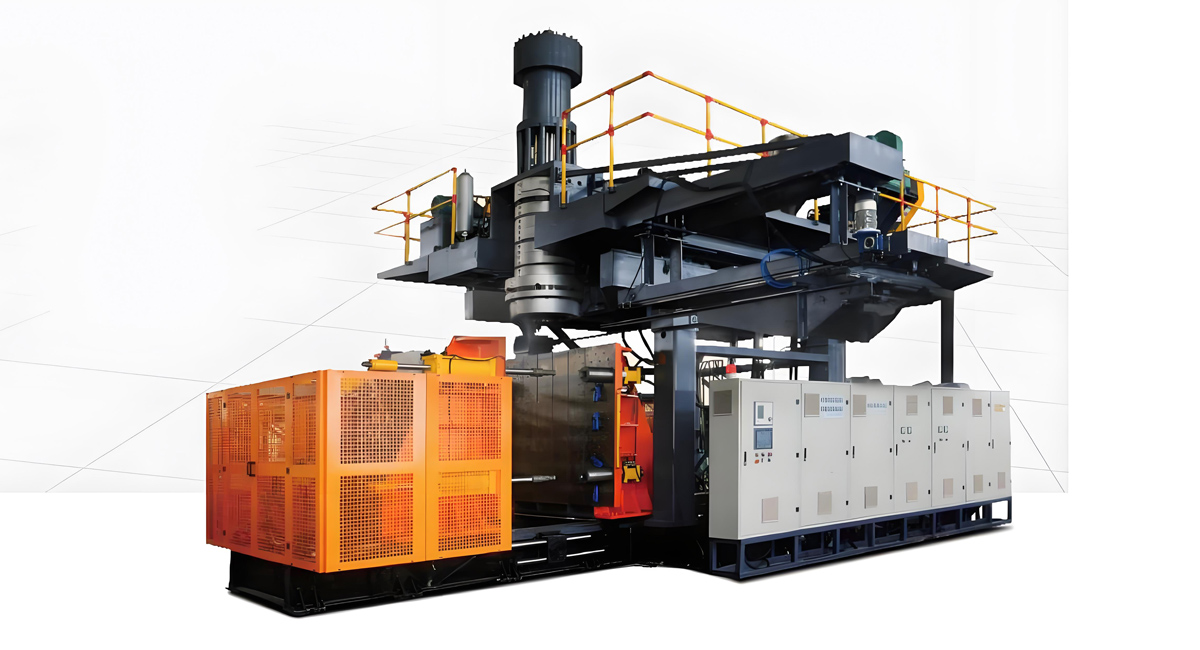
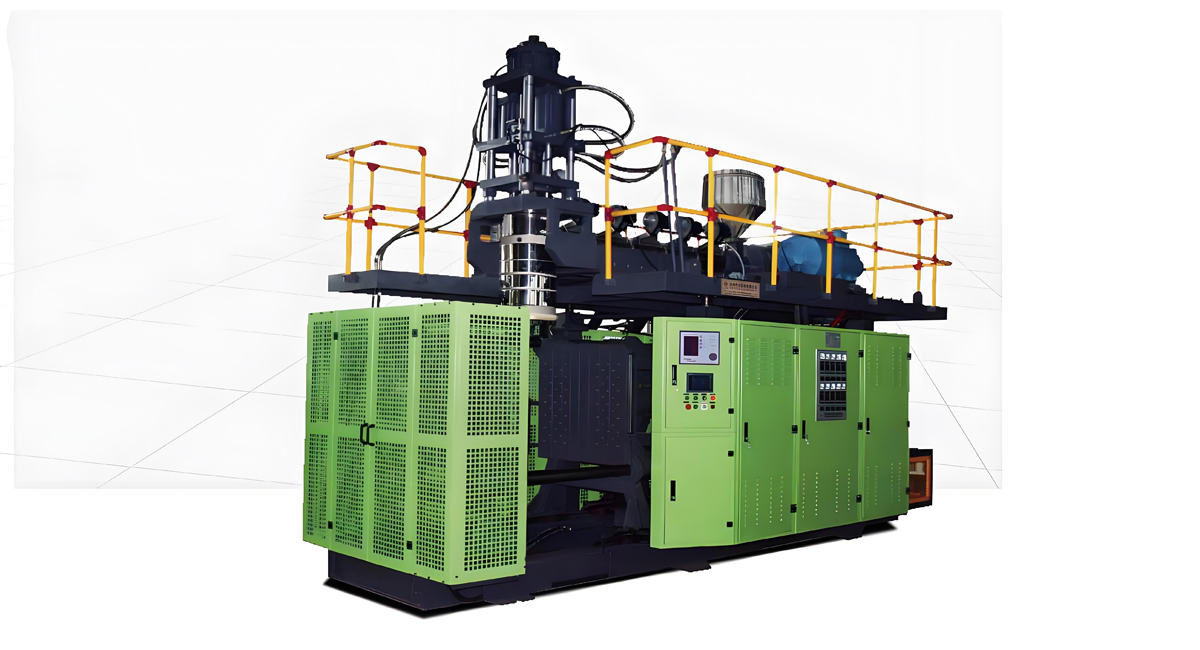
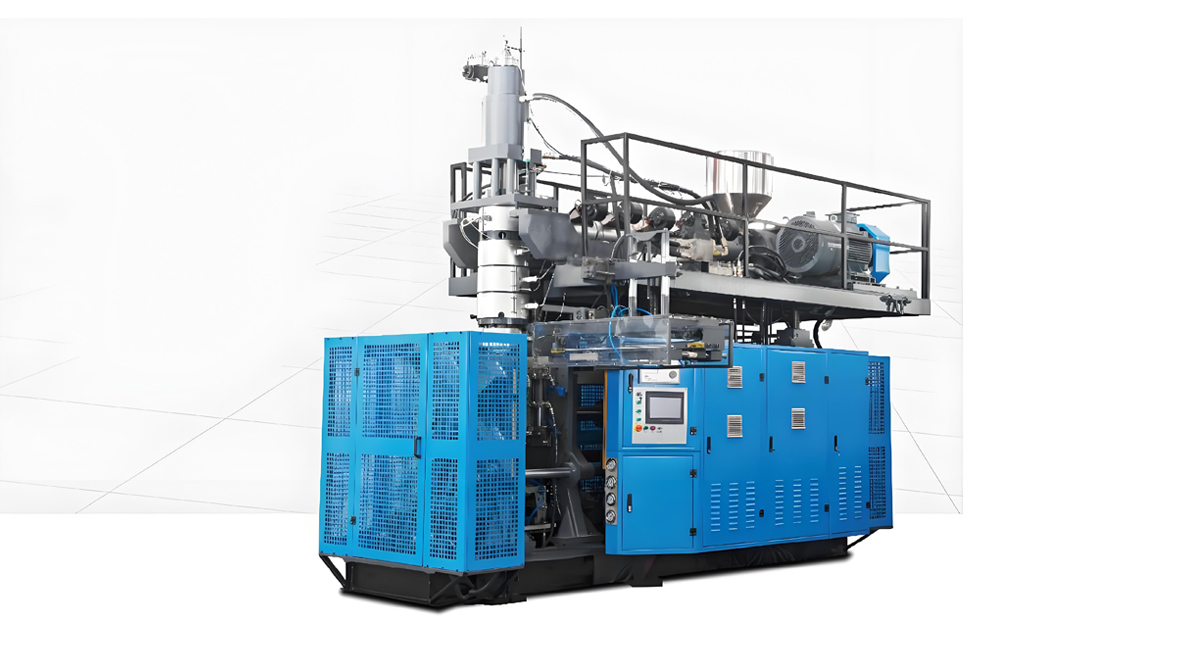
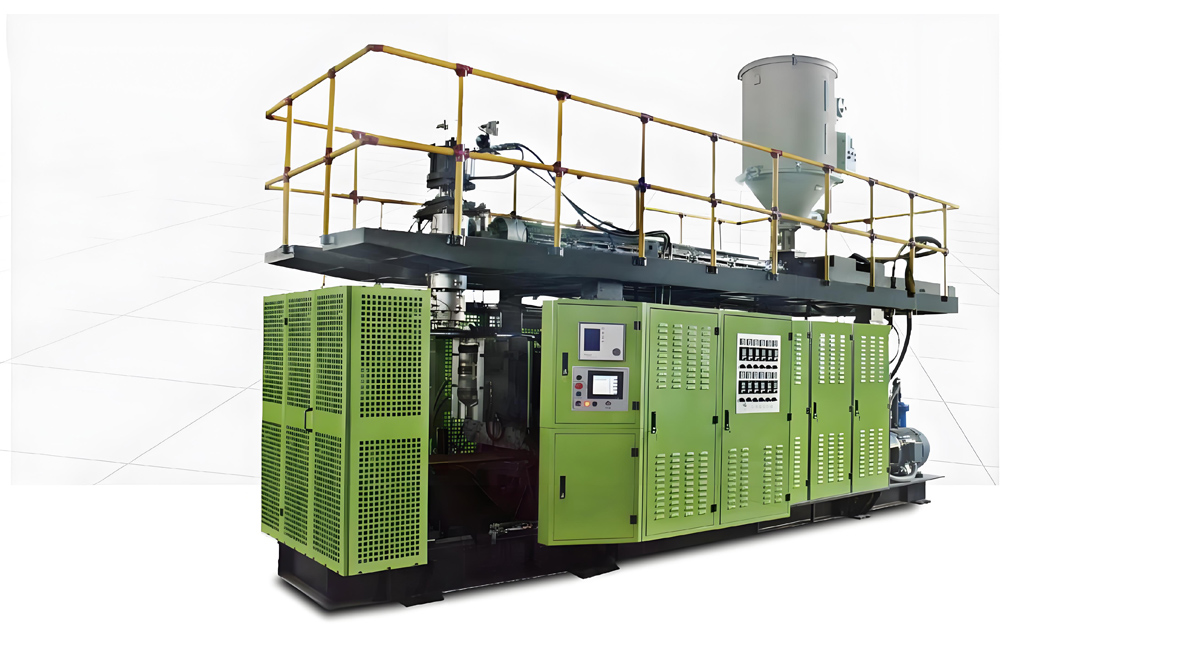
حلولEBM ذات الأداء العالي من شركة Apollo ضمن شبكة Wanplas.
"أبولو" هي مصنع بوابتوس المتخصص في آلات النفخ بالتصفية، ويوجد في تشانجيجيانغ بالقرب من مدينة شنغهاي، وتمتلك ماكينات أبو لولام حوالي عشرين عامًا من الخبرة في مجال المعدات الأوتوماتيكية للنفخ بالتصفية. تنتج أبولو العديد من الفئات والتي تغطي مجموعة كبيرة من الخزانات، ويعتمد العمل الثقيل والخزانات الكبيرة الوارد وصفه في هذا المقال بشكل مباشر على سلسلة قدمها ابولام، والتي تخدم الخزانات من 20 لترًا حتى 1500 لتر كما أنها مصممة للتأدية لما يتطلبه إنتاج الحبوب والعلب على نطاق صناعي في منطقة الشرق الأوسط، بواسطة القوة الشديدة والتثبيت عاليه مما يناسب متطلباتها. وفيما يتعلق بالمجموعات الصغيرة وعبوات المستهلكين ذات السرعات الفائقة، تغطي سلسلة أبولب كلاً من 200 مل إلى 20 لتر، وتشكل سلسلة ذات أقصىبرية كهربائية حلاً للإدارات التي تتطلب معايير صارمة في البيئة والطاقة.
تعتبر سجلات شركة أبولو مهمة للمشتري في منطقة الخليج، لأن الخدمة الإقليمية والفleet المتمرسة والشاملة يقللان من المخاطر. تعمل أكثر من أربعةآلاف آلة من شركة أبولو في أكثر من تسعين دولة، وتعمل المصنع على تكييف الآلات بما يشمل قوالب والجهد الكهربائي لتتوافق مع الإمدادات المنتشرة وسلعة المشتري. وتتمثل هذه القدرة على التكييف بالتحديد فيما يطلبه القسمان الكهربائي والموارد البيرونية في هذا المقال: إذ ينبغي أن يتم تسليم الآلة بشكل مهيأ مسبقا للحصول على خدمة تناسب جهد 380 فولت أو 220 إلى 380 فولت، على تردد 50 أو 60 هيرتز، وهي مزودة بالثنائي ومانع التصريف الرئيسي والخايمة المخصصة من أجل الراتنج والقطع الفعلية للمشتري. كمصنع تابع لشركة Wanplas، تعمل Apollo في شبكة تشترك في معايير الجودة وسياسة المصنع المفتوح وإطار الخدمة الموحد، مما يمكّن المشتري من الحصول على شركة عالية المستوى بدلا من ورشة عمل منفصلة منقطعة عن المشروع.
تسلّم علامة Wanplas مكانة نفسها كعلامة تجارية رئيسية تجمع أكبر عدد من المصانع المتخصصة، وتشمل الالتزامات المشتركة قطع الغيار المجانية التي يتم تزويدها كل عام، وضمان النقل، وضمان قدرة الإنتاج، وضمان معايير الجودة. ومن الناحية العملية، ترقى هذه الالتزامات إلى مستوى الضمان العملي: بأن يتم تصميم Maschine وفقًا لدرجة الإنتاج المحددة، وتصل إلى عملائنا، ويتم تركيبها بمساعدة فريق هندسي يعمل في الموقع، وتدعمها سياسة قطع الغيار التي تدعم استراتيجية التوطين المذكورة أعلاه. كما أن القدرة عبر المصانع ذات أهمية كبيرة أيضًا، beispielsweise، عندما يحتاج خط عملاء إلى طحن السماد أو تشكيل الكرات من المذيبات، تشمل شبكة Wanplas مصنعًا متخصصًا في آلات الطحن المزدوجة، وفي مجال الغسيل وإعادة تدوير الحطام الصناعي، تتكون الشبكة من مصنعًا للمعدات المتخصصة لإعادة التدوير، لذلك يمكن تجميع حل متكامل من متخصصين بدلاً من الاستعانة بجهات لوجستية غير مرتبطة.
لذلك، فإن اختيار آلة EBM لمنطقة الشرق الأوسط يقلّ مشمولة في بحثها عن القوة الضاغطة الاسمية الأرخص، ويرتكز أكثر على توفير منصة ثقيلة تم إعادة هندستها؛ بما فيها نظام التبريد المعاد ترشيده، وأدراج خاضعة لضغط إيجابي مع تكييف هواء للأدراج في الأماكن التي تحتاجها، وتدفق صورة خفيفة على القطاع، مع فلتر هيدروليكي وتصريف مجفف مهيأ وإلكترونيات مرنة ومضاد لحركة الخطى، وخزانة مزودة بوحدة إضاءة، وكابل موصل للشبكة يتطابق مع الجهد المتقدم في المنطقة، مع دعم استقرار وتوفير الحماية ضد المتهافتات، بجانب رأس تقليص كبير يستخدم في إحكام عقد الضغط، وحشوة من مادة HDPE مصممة لمقاومة الأشعة فوق البنفسجية والعوامل الجوية. وتشكل أجهزة ABLD من مجموعة Apollo من الأجهزة الثقيلة، التي تم صفّها وفقًا لهذا التحديد وحُدد دعمها ▌، حلاً مخصصًا للواقع العملي في الخليج، بدلاً من آلة مجهزة للمناخ المعتدل تمّ نقلها إلى أرض ذات أحوال جوية أكثر دفئاً.
الأسئلة المتكررة
المدى المعتدل
ستفقد آلة نظام توفير الطاقة الفعال القياسي المدعومة حاليا بقوالب بدرجة حرارة 35 درجة سيليزية قدرا كبيرا من قدرتها على التبريد بعد وصول حرارة أرضية الدكاكين إلى 45 إلى 50 درجة سيليزية، وهو ما يمثل عادة حالة الصيف في مناطق الخليج العربي. يتم تحديد آلة مصممة خصيصًا للعمل بشدّة بحيث تتوافق أنظمة تبريدها وماء تزييتها الهيدروليكي مع الإمكانية في حال درجة حرارة تتراوح بين 45 إلى 50 درجة سيليزية، وذلك من خلال إخضاع مكيف الحرارة للخفض بدون الرجوع إلى جدول التعرفة ونموّ مضخة الماء. يجب الحصول على المعدّأة وفقًا لظروف درجة الحرارة المحليّة الأدنى، وليس وفقًا للدرجات المحددة في المعمل.
مستوى المخزون المحلي
يحصده IP54 من الإنفجارات وулإلمس الإصبع، لكنه غير مقاوم للرمل المتناهي الصغر (PM10)، في حين أن IP65 مقاوم للرمل. وفي ساحة هائلة من الرمال، تخترق الجزيئات الدقيقة خزانة من نوع IP54 وتستمل الديون والمضخات، مما يؤدي إلى فشل تدريجي. تستخدم خزينات المنطقة الخليجية مواد بناء منهجية IP65 مع توفير torment الهواء الإيجابي وتصنيفات الترشيح، ويستخدم أعرق الخزنات مكيفًا للهواء مُغلقًا، ما يسمح للمركبات الدقيقة بالبقاء في حرارة نظيفة ورقيقة رغم تملح الجسيمات الرملية الموجودة في الطقس الخارجي.
ما هو الجهد وفiréقتة الماكينة الذكية التي يجب طلبها في المملكة العربية السعودية؟
يختلف الإمداد في السعودية: معظم مكانitudes يعمل على 60 هرتز، لكن المواقع الإقليمية والمواقع التي تمدها المولدات قد تكون 220 إلى 380 فولت و50 أو 60 هرتز. إن التردد هو معيار أساسي عندما يتم طلب الماكينة حيث أن الماكينة 50 هرتز على مواقع 60 فولت يمكن لها أن تزيد من سرعة المراوح وتمزق暨وبجوانية التسخين. يجب أن يقرر المشتري قيمة التردد الفعلي، ويتم توصيل الماكينة بالموصلات والتركيبات ووحدات التحمّل المناسبة، مع تحقيق لمتطلبات وكالة التنمية الصناعية.
ما هي أحجام البرشات والمقصورات التي تناسب鼸وع وسائد 20 إلى 200 لتر؟
بالنسبة إلى هذا النطاق، يكون سعة رأسين المؤقتين ما بين ثلاثة إلى ثلاثين كغم من الذوبان، مقترنًا مع قطرات المسمار ما بين 90 إلى 150 مم ومعدل طول-مقاس بين 25 إلى 1 ومما بين 30 إلى
كيف يجب تحديد مركب HDPE لتخزين الاستحمام في الهواء الطلق؟
استخدم درجة HDPE الصب ربع الأبيض سمكها
945 إلى
مقارنةً بمضخة ذاتump أنعطاف ثابت، يقلل النظام الهيدروليكي الأوتوماتيكي من استهلاك الطاقة الهيدروليكية بمعدّل يتراوح من 30 إلى 45 في المئة، وذلك لأنه يوفر فقط معدل التدفق والضغط اللذين تحتاجهما كل مرحلة من فترات الدورة. في منطقة الخليج، تضاعف هذا التوفير في القيمة: فذلك يقلل من فواتير correnteس ويقلل من الحرارة التي يتوجب على نظام التبريد الخاص بالمصنع إزالةها، مما يخفف من عبء عمل مبردات الأيروسول ودراجات التبريد الخاصّة بالزيت خلال الشهور الحارة.
ما هو نطاق درجة الحرارة المحيطة التي يمكنها آلة الـ EBM تحملها في مناطق الخليج دون التأثير على انخفاض كفاءتها؟
تمر قطع التقطيع والقطع النهائية عادة بما نسبته 10 إلى 25 بالمائة من وزن الجزء، وذلك تبعًا للهيكل. وبنظام التقطيع الدائم ولوحة إعادة الحشران المتحكم فيها، تذهب أغلب هذه المواد إلى العملية في شكل حشران معشرى يتم تضمينه بالمادة الخام، مما يحسن كلاً من التكلفة ودعم المعروض. ويتعين فحص الحشران وتسمّده حتى لا يصدر عناه تلوُّن أو اختلاف في تركيبة الجبيرة.
لماذا تحتاج آلة الـ EBM الموجودة في الشرق الأوسط إلى خزانات تحكم معتمدين بمعيار IP65 بدلاً من معتمدين بمعيار IP54؟
تتراوح تكلفة الاحتفاظ بالأسلحة الاحتياطية السنوية في المتوسط بالنسبة إلى المصنع المأدوي نظرًا لفقد طلاء المرشحات والفكوشونات والكبوشونات بشكل أسرع، ولكن تكلفة التوقف غير المخطط له تكون مرتفعة، لذلك فإن تخزين العناصر الحرجة محليًا أمر منطقي. ويمكن أن يكون مستوى التوطين منخفضًا أو متوسطًا أو مرتفعًا تبعًا لما إذا كان الموقع يحتوي على المواد الاستهلاكية فقط، أو مجموعة قطع الغيار المهمة، أو مخزون شبه كامل؛ ويسمح شريك خدمة إقليمي في رفع هذا المستوى إلى المستوى المرتفع ويعيد إصلاح الشواغل المحتملة التي تتم في بعض الأحيان على مدار أسابيع إلى عملية إصلاح في نفس اليوم.
الاستنتاج
تعد ماكينة EBM المخصصة للهدف الأوسط أداة مختلفة عن نظيرتها ذات المناخ المعتدل. خاصة مع حرارة الصيف التي تتراوح بين 45 و 55 درجة مئوية، ورذاذ الغبار PM10 الأقل كثافة، وهوigem الخط الأزرق المقرب من المحيط، والجدران الكهربائية التي تشكّل adot عن موقع العمل، وفرق المقدار من 220 إلى 380 فولت عند συχνات 50 أو 60 هرتز، كلها عوامل تدفع النظام إلى العمل أو الصごى، ولا يمكن أن يحتفظ إلا بمنتجاته في وقت الحار من أيام الصيف الخليجية إلا إذا تم تصميمها بشكل متقن للإنتاج مدى الحياة. التكلفة التجارية واضحة تمامًا: الفرق المتناهي في التحميل الحراري، والدفء الإضافي للمطاط، وأجهزة التنظيف، ومقاومة الخدوش، والموازنة المناسبة للجهد، والمساعدة الهيدروليكية الكشفية، هي جميعها راسب يحدث فرقًا كبيرًا في الالتزام بالجدول الزمني والتكلفة العامة.
بالنسبة للمشترين الذين يستخدمون الحاويات الصناعية الكبيرة - طوiteurs بالحمض الأسيد من أربعة وعشرين إلى مائتي لتر ومكبسات المياه والمواد الكيميائية والمزيلات، وما إلى ذلك - تقدم شركة أبولو، التابعة لمصنع Wanplas والتي لها أكثر من عشرين عاماً من الخبرة في عفن طرق الطرح والتشكيل تحت ضغط الهواء، وآلات تعمل في أكثر من تسعين دولة، سلسلة ABLD ذات الاستخدامات الشديدة، والتي تم تصميمها وفقًا للمواصفات الخليجية، مع تخصيص القوالب والجهد العالي، والخدمة المشتركة من إطار خدمات Wanplas. الخطوة التالية الصحيحة هي مشاركة الجزء المستهدف والراتنج والإمدادات المحلية مع المورد حتى يتم هندسة الماكينة للموقع من مرحلة الطلب، بدلاً من التأقلم بعد الصيف الفاشل الأول.