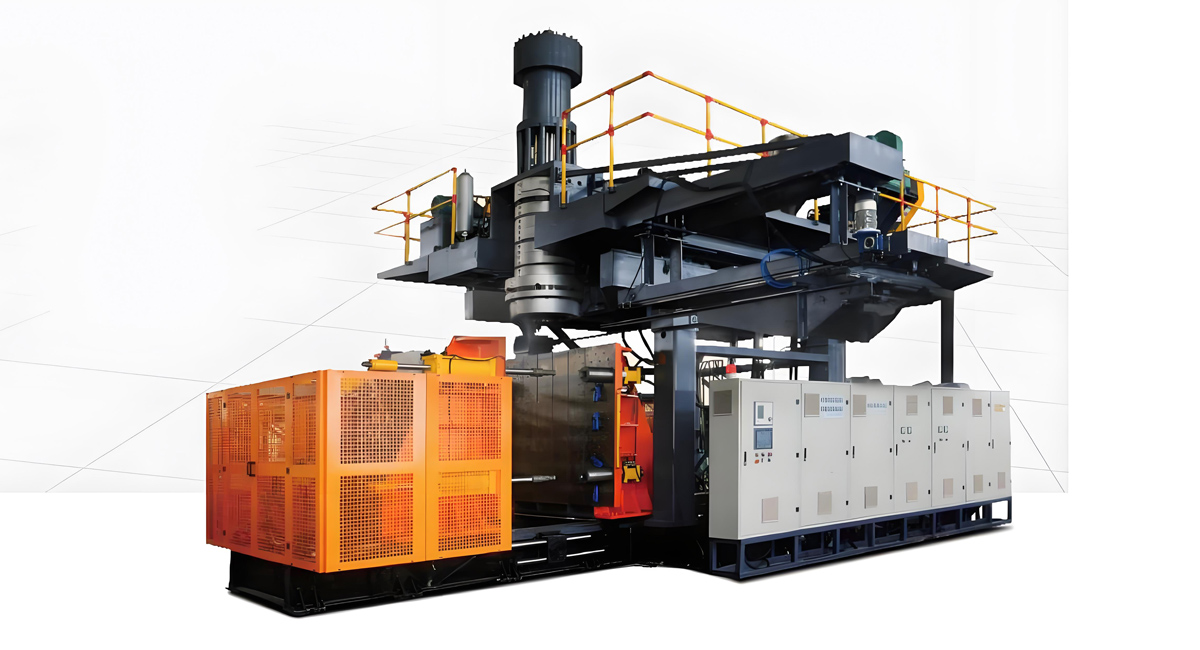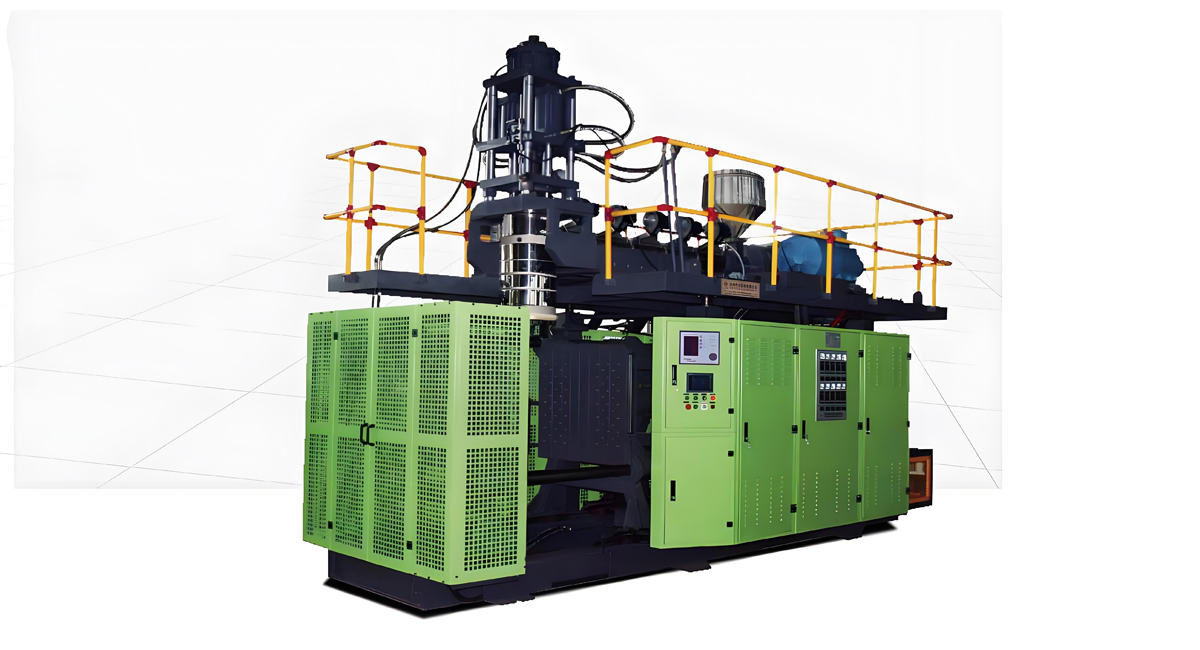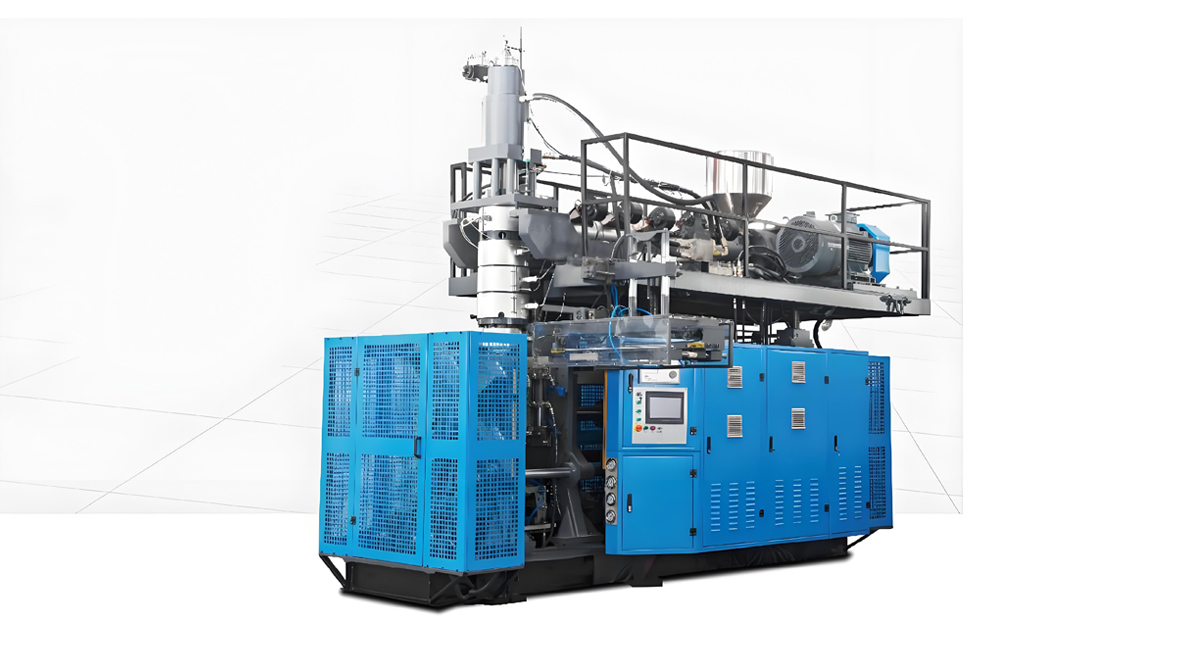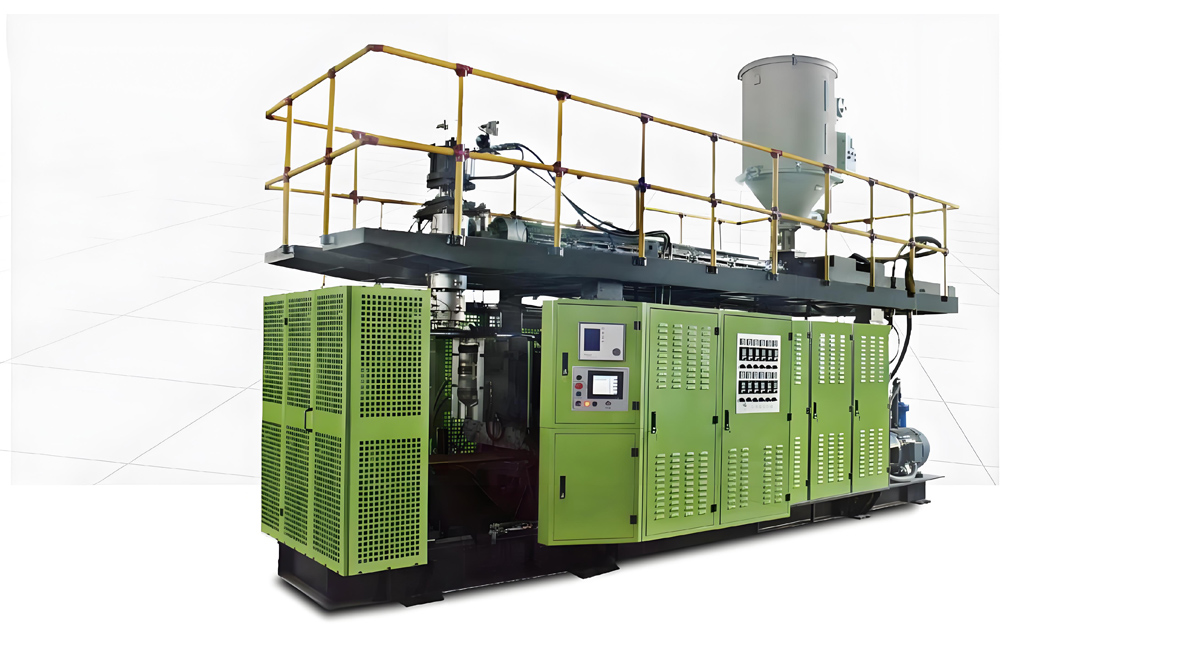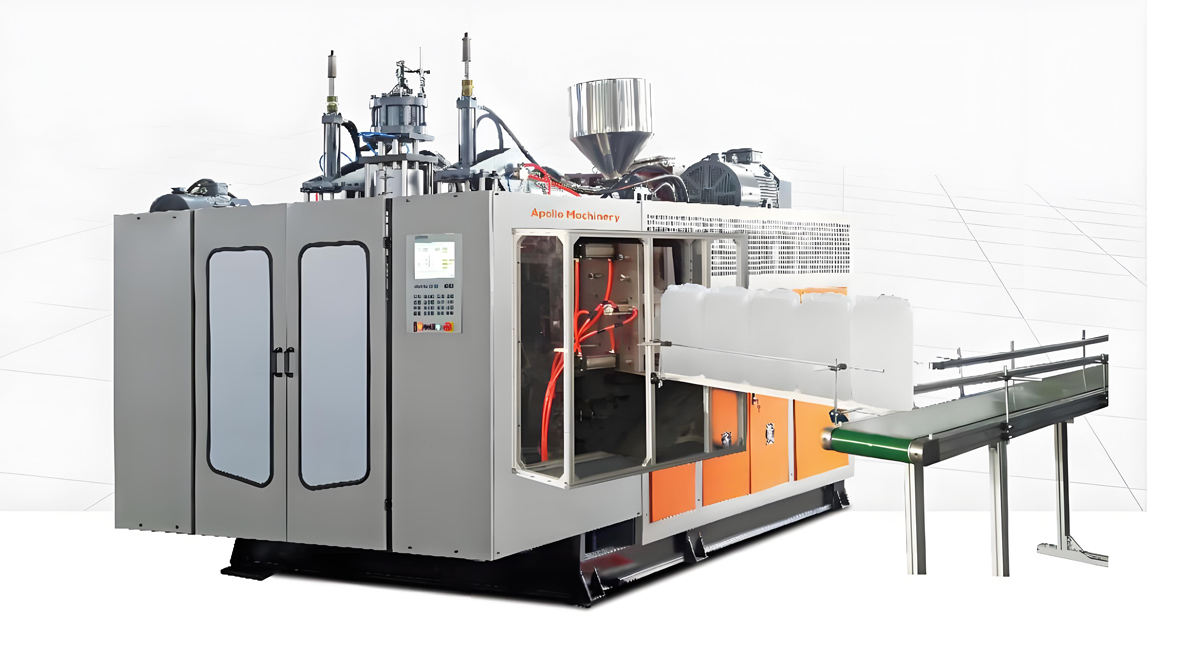
إن عملية ضخ الحقن الباريو الولايات هي واحدة من أكثر الطرق فعالية لتصنيع الحاويات البلاستيكية المجوفة على المستوى الصناعي، وما يزال الطلب على هذا النوع من الحاويات في الأسواق الأفريقية يتزايد مع توسع قطاعات التعبئة locais، الكيماويات، الأغذية والبنى التحتية. بداية من بقوارير ثلاثية الكتلة ذات سعة 20 ليترا تستخدم لتخزين الماء والزيت الصالحة للأكل، إلى عبوات دورات التنظيف، وعبوات المبيدات الحشرية، ومرسيبات التبريد للسيارات، والموانع المرورية، فإن تكاليف إنتاج هذه الأجزاء بالقرب من مكان الاستهلاك مقبولة. وليس التحدي فيما إذا كانت عملية ضخ الحقن الباريو الولايات تعمل في القارة الأفريقية أم لا؛ lecz ما إذا كان يتم تشغيل الماكينة في ظل الظروف التي تواجهها المصانع الأفريقية حقًا، التي تتمثل في ضعف التيار الكهربائي وارتفاع درجة الحرارة المحيطة والأتربة المحلقة والبيئات الرطبة واللقبية والمياه الباردة المرهقة والوصول المحدود إلى الفنيين والمكونات الليخية. ويوضح هذا المقال كيف ينبغي تخصيص ماكينة ضخ الحقن الباريو الولايات وتعيينها وتشغيلها وصيانتها بعين هذه الظروف، ويقدم حلول الإنتاج التي تتميز بها مصنع شركة Wanplas.
تعد شركة"أبولو"مصنعًا تابعًا لشركة Wanplas يقع في زانججيانغ، بالقرب من شنغهاي، ولديها تاريخ يمتد لمدة أكثر من 20 عامًا في تصنيع آلات ضغط الأسطوانات. يوفر المصنع مرافقًا مساحتها 8000 متر مربع مع تصنيف إنتاج سنوي حول 100 آلة، ويستخدم أكثر من 4000 آلة من سلسلاته العشر وأكثر من ثمانين موديلًا في أكثر من 90 دولة حول العالم. تمثل هذه السجل حسمًا للشراء من قبل المشترين الأفارقة لأنه يعكس المعرفة المتراكمة حول الأوساط المناخية الاستوائية والشبكات الضعيفة وسيناريوهات الخدمة عن بُعد. الإرشادات التي تلي هذه السطور هي عن هندسة عملية، وليست تسويقية عامة، وقد تم وضعها على أساس الممارسة العصرية لآلات ضخ البلاستيك وبنظام الآلات الحقيقي الذي يتم شحنه عالميًا.
ظروف التشغيل في أفريقيا، ولماذا决定 المتانة عوائد الاستثمار.
الأمر الأكثر أهمية عن نقل آلة صب بالإنفجار في أفريقيا هو أن بيئة التشغيل المحلية، وليس مواصفات الماكينة الاسمية، تقرر التكلفة الإجمالية للملكية. يمكن لشركة تسرب داخلية تقوم بأداء مثالي في مصنع أوروبي أو صيني مع التيار الكهربائي الثلاثي المستقر وحمأة الهواء الخارجية 22 درجة مئوية أن تتعرض للفشل خلال أشهر في موقع يعاني من انخفاض الجهد الكهربائي يوميًا، والحرارة الخارجية 45 درجة مئوية، والغبار الأسمنتي في الهواء. بالتالي فإن المدة الطويلة للحياة وقابلية الصيانة ليستان ميزات اختيارية، بل هي أساس الحالة الاستثمارية.
1- في جميع أنحاء القارة، يمكن أن bubumped إلى فئات كهربائية، حرارية، جسيمة الشريكة، والتدخلات المتعلقة بالماء. وتتمetto مقاربة كل من هذه الانخناقات إلى أنماط من الفشل في الآلة التقليدية، كما تستند إلى تدابير تصميمية لا بد منها. قبل اختيار النموذج، يتعين على المشتري التحقق من الموقع الفعلي، بدلاً من الوثوق بإيصال القياسية. من الضروري قياس التيار في لوحة الطاقة الرئيسية خلال وقت الذروة، وتسجيل أعلى درجة حرارة في قاعة الإنتاج على مدى عام كامل، وأخذ العينات من الماء المبرد لمستوى صلابة وكمية المواد المتراكمة فيها، والتوقع عدد التقنيين المؤهلين المعتمدين للموقع في غضون نصف يوم من التنقل.
الإجهاد الكهربائي: شبكات غير مستقرة ومنقطعة طوال الوقت.
تعمل العديد من المناطق الصناعية الإفريقية على شبكات تقوم بتزويد الجهد أقل من nominal للفترات الطويلة، وتتعرض لاختلال ثلاثي الفاتح، وتتلاشى تماما على أساس منتظم. عندما يعاد التيار الكهربائي، فإنه يأتي في شكل موجة في أغلب الأحيان. يمكن تعطيل وحدة التحكم في الآلة والصمام والمحرك القياسيان بسبب فقدان الفاتح، وترتيب عكس الفاتح، وارتفاع الجهد، أو انخفاضه. وتعاني مكونات سيرفو والانفرتر من هذه الأحداث، ويمكن أن تتوقف محرك المضخة الهيدروليكية أو تتعرض للاحتراق عند تراجع الإمداد. والنتيجة هي توقف غير مخطط يستمر من أيام إلى أسابيع حتى يتم شراء مكون بديل في موقع بعيد.
الإجهاد الحراري: الحرارة التي لا تدع الجهاز يبرد على الإطلاق
العلامات التجارية
الأسئلة المتكررة
تتسرب البضائع من الحمامات إلى فلetes التهوية وتتسرب على لوحات الدورة، ومقسم الطاقة، وتهوية التبريد، ما يؤدي إلى فشل التتبع وانسداد تدفق الهواء. المناطق الساحلية والرطبة تضاف لنحو الهواء المملوء بالملح وارتفاع مستوى الرطوبة relatif ما يؤدي إلى تسريع تآكل الألواح الفولاذية والمصارى والوصلات الكهربائية. آلي يتم الغلق مسكن التحكم الخاص به، وحماية الأسطح الهيكلية له، أما الآلي الذي يعتمد على التبريد غير الفعال باستخدام اللوفرات المفتوحة فسيتم �رضه أسرع.
الضغط على المياه: حلاوة مياه التبريد وتل mostrar بشكل غير مرغوب فيه.
بلع البلاستيك يستهلك المياه المبردة بشكل مكثف للهواء، وبكرة ضخ، وكثيراً ما يكون ذلك في حالة الزيت الهيدروليكي. في العديد من مواسم أفريقيا، يكون الماء المتاح صلباً، ويحمل الكالسيوم والمغنيسيوم التي تترسب على هيئة كربنة داخل القنوات الخاصة بالتركيب، وموديلات المبادلات الحرارية، واسطوانات التبريد. تؤدي الكربنة إلى عزل أسطح نقل الحرارة، وزيادة درجة الحرارة، وفي نهاية المطاف، تغلق تدفق المياه. إذا لم يتم معالجة المياه بالكامل، فقد تفقد خط الانتاج قدرته على التبريد وسيكون في حاجة إلى تخليص مستعجل، مما يعرض مكونات الخط للتلف.
الضغط البشري واللوجستي: الدعم المحلي المحدود
ربما يكون العامل الأقل تقديرًا هو المسافة إلى الدعم. في العديد من المناطق، قد يكون أقرب مهندس خدمة مؤهل، وأقرب مخزون للأختام وأجهزة الإضاءة، وأقرب مصدر لزيت الهيدروليكي الصحيح كلهم بعيدين للغاية. أصبحت الآلة التي تحتاج إلى اهتمام متخصص متكرر عبئًا. لذا، فإن هدف التصميم لنشر المنتجات الإفريقية هو آلة تعمل على فترات زمنية طويلة بين الصيانة، وتستخدم مكونات يمكن العثور عليها بسهولة، ويمكن تشخيصها عن بُعد حتى يمكن للمشغل المحلي إصلاح معظم المشكلات بحسن توجيه.
المبدأ الرئيسي: بالنسبة للإنتاج الأفريقي، تُعد الماكينة المناسبة هي التي تتعرض لأصعب أسبوع في العام في الموقع، وليس تلك التي تحتوي على أفضل مواصفات كتالوج في مزلاج الاختبارات بالمصنع.
الهندسة في مجال الطاقة غير المستقرة والبيئات القاسية.
إنشاء آلة إنشاؤها ذاتية النفخ تتحاشى الشروط الكهربائية والبيئية في أفريقيا، يبدأ من الحاوية الكهربائية وهياكل الدفع. تتحدد القرارات التي تتخذ في هذا المجال ما إذا كانت الخطا ستظل تعمل خلال فترات انقطاع الكهربائية والندوب وآثار الحرارة.
التدفق الهيدروليكي مقابل النظام الكهربائي الكامل في حالة شبكات ضعيفة.
الاختيار المعماري الأول هو بين نظام المضغط الهيدروليكي التقليدي ونظام التبلور البلاستيكي ونظام كهربائي كامل. تستخدم الآلات الهيدروليكية التقليدية مضخة تعمل بمحرك استعادي لتوليد قوة الضبط والتدوير، وتخزن الطاقة في الزيت الهيدروليكي. في ظل تذبذب الجهد، يتعرض محرك المضخة إلى فقد القوة والحرارة، ويزيد نقع الزيت نفسه في قاعة ساخنة. تحل الآلات الكهربائية الكاملة محل وحدة الطاقة الهيدروليكية بمحركات سيرفو تدفع برشيدات لالضبط ومحرك الطرد المركزي. وهذا يزيل الزيت والمضخة ومصدر الحرارة الرئيسي، وبالتالي فإن د roses servo أكثر تحملًا للبدء الناعم واستلام التزويد المتغير لأنهما يتم التحكم فيهما إلكترونيًا بدلاً من التحويل باستخدام الصمام.
بالنسبة للمواقع الأفريقية التي تعاني من انقطاعات متكررة في التيار الكهربائي أو لا توجد مبرد موثوق، تقدم السلسلة الكهربائية بالكامل (من 200 مل إلى 20 لترًا) سهولة في الصيانة ونقص في المسار الحراري. بالنسبة للحاويات الكبيرة جدًا في نطاق 20 لترًا إلى 1500 لتر، يظل التشديد الهيدروليكي الحل السليم لأن القوة المطلوبة في هذا النطاق ما زالت تقدمها بشكل أكثر اقتصادًا من الناحية الهيدروليكية، وقد تم تصميم سلسلة ABLD مع حماية قوية لأسباب سببية.
1- حماية خزانة الكهرباء والتبريد الداخلي
ضغوط المياه: ماء التبريد المفصلى والصاخ.
أجهزة حماية الطاقة ومديرية الاستقرار
يجب أن يكون أدراج التحكم الرئيسية عبارة عن منضدة دوّارة مانعة للانغلاق ومتحمسة لمقاومة الغبار مع تأمين هواء محسّن محسوب، يتم بواسطته سحب الهواء من خلال مرشح يمكن غسله وإرساله مختبساً عند الضغط الإيجابي القليل لمنع سحب الغبار من خلال الفجوات. يتم إزالة البخار من الوضع في المنطقة الداخلية (تحكم الهواء على الهواء أو تحريكه من خلال المبردات) من دون جلب أي هواء من الخارج. فهذا يحافظ على درجة حرارة بلوكت PLC والموتورات والمفاعلات وضوائر الطاقة في درجة الحرارة المقررة حتى عندما يكون المعمل داخل إلى 45 درجة مئوية.
سعة التسامح في المشغل والمحول.
الأنظمة المستقلة لسلسلة أدينتور Invertermodular وفيكنسرف غير قابلة للتلف في أنظمة الجهد المنخفض أو الأنظمة التي تعمل بدون ضوابط على الجهد أو الدقة. يوفر inverter التغذية من الجهد المنخفض وتبريد الدوار، في حين أن المحرك يمكن أن تعمل في ظروف التشغيل التي لا يتم فيها تحسين الجذور في درجة حرارة الداخلية. إنها ميزة خاصة لأجهزة التوجيه الإلكترونيةВСG، التي يعمل فيها المحرك الأوسع، ومعالجات عودة الطاقة العائمة إلى المحرك، مما يوفر وقت تشغيل مريح عندما يتم إصلاح الإطار باستخدام أدراج العوازل. تدعم التحويلات من المحركات بواسطة Invertermodular إصدارًا محسنًا من المحولات التدفئة، والتي يمكن أن تغطي عجز الطاقة في أنظمة الإنتاج المكثفة وبدقة عالية.
| ضغط الموقع الإفريقي. | الفشل النموذجي بدون حماية. | تدابير مكافحة التصاميم الخاصة بـ "أبولو" |
|---|---|---|
| انخفاض الجهد واختلال الطاقة الثلاثية الفazy. | ارتفاع درجة حرارة محرك المضخة، عطل الدفع، لحام الصمام. | مقاييس الجهد المنخفض أو المرتفع وفقد الطور، بداية ناعمة، تحمل جهاز سيرفو |
| انقطاع الكهرباء المتكرر وزيادة الإجهاد عند إعادة التشغيل. | إعادة ضبط الموتر، احتراق مكون أثناء العائد. | جهاز تشغيل تسلسل الطور وتشغيل الطور البطيء ومتداول جهد التيار الكهربائي الاختياري |
| عند إعادة الضبط، تعاني المكونات من الهادي بسبب الصدمة في الوقت الذي يتم فيه العودة. | ارتفاع درجة حرارة الزيت الهيدروليكي، وفشل الالكترونيات في الكشك. | خزانة ممسحة مختومة مزودة بتسخين داخلي ومبرد للزيوت وخيار كهربائي بالكامل. |
| جسيمات الغبار والاسمنت. | أخطاء تتبع اللوحة، وتشعب اللحام، وأخطاء المستشعرات. | تصفية الضغط الإيجابي، الغرف المغلقة، فلاتر يمكن غسلها. |
| ملح الساحل والرطوبة. | تآكل الإطار والمحاور والمفقرات. | الأجزاء الكهربائية المغلفة، وخيارات الأجهزة غير الفحمية، وتصميم الصرف |
| مياه التبريد الحارة والمقشرة. | من 35 إلى 45 درجة مئوية. | فتحات تهوية التأثر بالابخرة والرماد الناجم عن معالجة المياه وتزييتها وفلتر الجراثيم ومحطات مقاومة للتآكل |
مقاومة التآكل وعمر الخدمة الطويل: صلابة البرميل والمسمار والنقش.
انسداد القالب، وفقدان قدرة التبريد.
أنبوب معدن 38CrMoAlA ومكابس مطموس ومضغوط
4 to
خيار البرميل المزدوج المعدني للمسائسل المنقة.
عند تضمّن وصفة المركّبات أحمال أكسدة عالية أو محتوياً مركّبات إعادة الدهان أو الألياف الزجاجية، يُنصح استخدام البرميل الملوِمنّ. البرميل الملوِمن عبارة عن أنبوب قاعدة مسجّل بطبقة مقاومة للتآكل مثل ثمرة كربيد التنغستن أو مركِبة على أساس النيكل، التي توأجّب خدمة أطول نسبياً من السطح المعالج بالنترات عندما يتم استخدام مركبات هجومية. إختيار خيار البرميل الملوِمن خلال عملية الطلب أرخص بكثير من إعادة بناء البرميل الذي تآكل بعد موسمٍ من الإنتاج.
صلابة البليت، وهام العمل، والخطوط التوجيهية
يحدد مدى صلبة قفل المادة إن ظلت خط التقسيم مشدوداً وخالياً من الذبذبات على مر سنوات التشغيل. ويجب أن يحمل طبق ومسامير الثني الوضع الصحيح خلال القوة الكاملة التي يتم ارتكابها عند التأقلم الحراري. تستخدم آلات Apollo طبقاً معزّزاً وقطراً واسعاً لمسامير الثني مع تشطيب ربانر مركزي لضمان تحرك الطاولة المعادة بشكل مستقيم. يتم تقديم التشحيم إلى أعمدة الربانر ضمن دورة زمنية محددة، مما يقلل من أخطاء المشغل ويحافظ على تدك nucleo في مستوى منخفض. منع الحركة المستقيمة من تعدي المعدن التشطيب، ويعد سبباً شائعاً للذبذبات، والطلقات القصيرة، والتآكل المسبق للمعدن.
ضعف جودة القنة المختومة.
رأس القالب هو المكان الذي تتكون فيه القالب الأولية، ويجب تنظيف قنوات تدفقها الداخلية حتى تصبح ناعمة حتى لا تتجمد الشمع وتتحلل. يصبح الشمع المحتول على الحرارة المفرطة تكتلاً من الكربون ينفصل عن القالب، مما يؤدي إلى ظهور بقع داكنة وفقدان القوة في الحاوية. الرأس القابل للتسخين بشكل جيد وصغير الحجم مع حيزات لا تدار، يساهم بشكل مباشر في كل من الجودة وفترة الصيانة. كما يجب أن يصل رأس القالب إلى درجة الحرارة وتظل هذه الدرجة ثابتة، لذلك تتم ترتيب أشرطة التسخين وأجهزة الاستشعار لتوفير تحكم مستقر في مسار السهل.
إدراج بكرة أكثر صلابة ودروع ثنائية المكونات أثناء الشراء هو علاوة صغيرة تحمي جميع الخط الإنتاجي من يوم تدخُل الراتنج المتكرّر أو المملئ إلى حجرة الطرد.
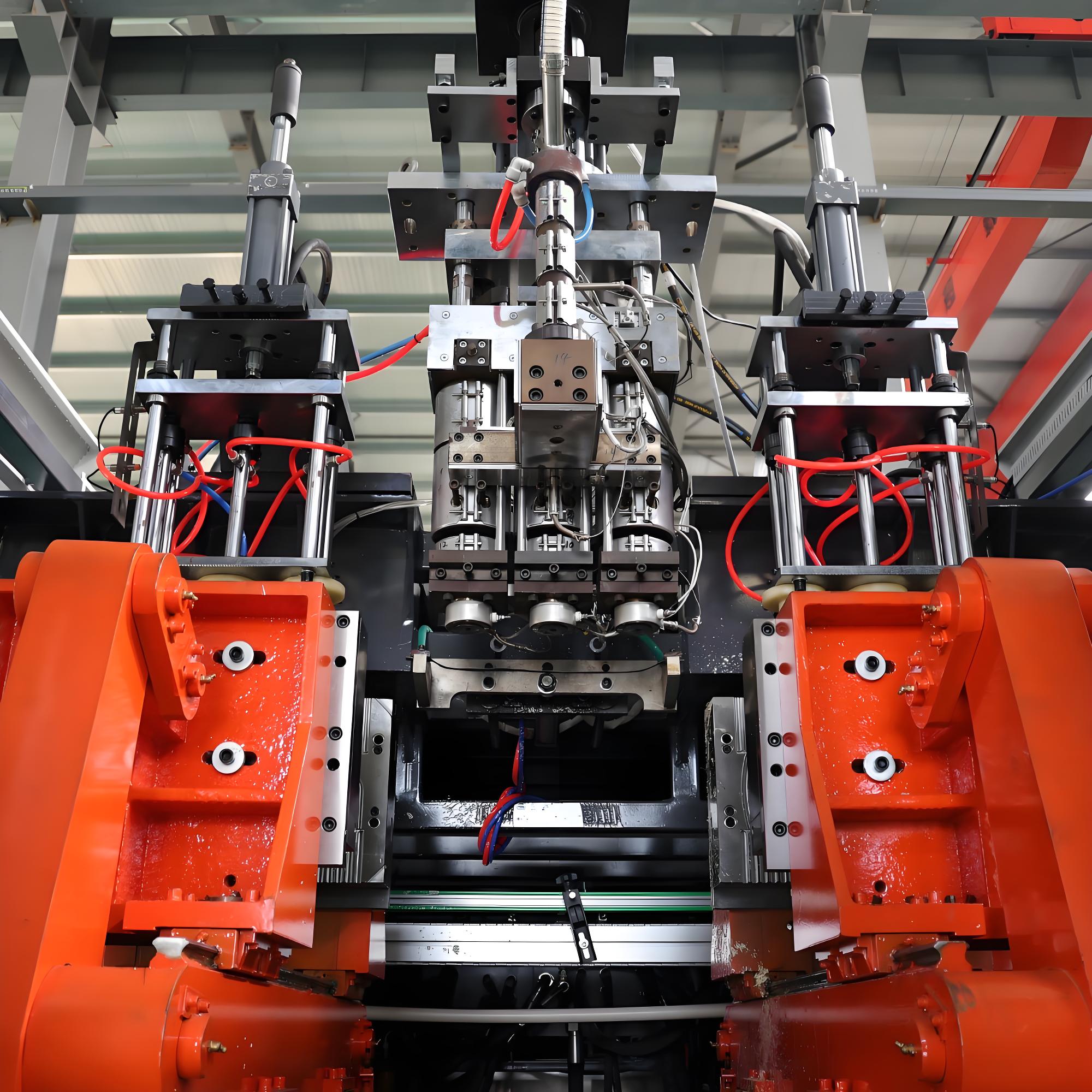
اختيار رأس القالب ونظام التحكم بسمك الجدار الحر.
هو عنصر القيادة في أي ماكينة لعملية التشكيل بالعملية، والباريل والشفرة هي المكونات التي تتعرض للتلف أولاً عند معالجة المواد المملوءة أو المعاد تدويرها. في الإنتاج الأفريقية، غالباً ما تكون نسبة المركبات المتجدد والمملوءة بالكالسيوم عالية لأن تكلفة المواد الخام تحدد خيارات التركيبة. هذا يجعل مقاومة التآكل مقياسًا رئيسيًا للقدرة على الصمود.
رأسين مستمرين مقابل الرؤوس الخاصة بالمياه الإجبارية
تُستخدم رأسيات صب الاستبدال المستمر للحاويات الأصغر، عادة في النطاق إلى حوالي 10 إلى 20 لترًا، حيث يمكن صب صلابة منتظمة وتجميعها بواسطة القالب. للحاويات الأكبر، خاصة تلك التي يتراوح حجمها بين 20 لترًا ونحوها، تُستعمل رأس مستودع الأستبدال. يُخزن المستودع كمية قياسية من الذوبان، ثم يُنفذها سريعًا لتشكيل سماكة كبيرة في تسديدة سريعة واحدة. وهذا يحول دون إضعاف الصلابة أو تبريدها بشكل غير متساو أثناء ثبات عملية صب إحدى الأجزاء الضخمة. تستخدم مجموعة ABLB رئيسات صب الاستبدال المستمر في تكوينها القياسي، في حين تم إنشاء مجموعة ABLD للحاويات من 20 لترًا إلى 1500 لترًا حول رؤوس الأستبدال المخصصة لهذه التسديدة.
برمجة سمك جدار الباريسون.
مؤشر المهام يسيطر على فجوة القالب خلال عملية التوليد لموازنة سماكة الجدار عبر طول المقذوف. الهدف هو وضع المواد في الأماكن التي تحتاج فيها الحاوية النهائية إلى قوة، مثل قاعدة الحشوة ومنطقة المقبض، وتخفيفها في الأماكن التي يتم فيها تضييع zusätzى من المادة. عدد نقاط التحكم يحدد مدى قدرتا المتحكم على متابعة الشكل المرغوب. المزيد من النقاط تعني مطابقة أكثر تعقيدا بين السماكة الفعلية والمعتبرة، مما يقلل مناستخدام المادة وحدوث بعض الأماكن الضعيفة.
| حجم العبوة | رأس الطلاء الموصى به. | نقاط تحكم بعيوب سمك الجدار. | تأثير المواد |
|---|---|---|---|
| من 200 مل إلى 5 لترات | رأس منفرد أو مزدوج مستمر. | من 16 إلى 32 نقطة | التحكم الدقيق يوفر الراتينج على احجام الزجاجة ضيقة. |
| 5 L to 20 L | رأس مستمر أو رئيس واحد أو ثنائي | 32 نقطة نموذجية | توازن قوة الأساس والمقبض. |
| من 20 إلى 220 لترًا. | رأس المُراكِم | من 32 إلى 64 نقطة. | اللصق السريع يحقق تقليل تقلص المقارنة. |
| من 220 لیترًا إلى 1500 لیترا | رأس ممتلئ، محطات متعددة | من 64 إلى 100 نقطة من الفروق الشائعة. | جدار موحد على برميلات ضخمة جدا |
تصنيف السلاك داخل القالب ومعالجة الضوء.
بالنسبة إلى زجاجات المستهلكين، يمكن دمج نظام احتياطي لملصق التعبئة مباشرة في القصدير بحيث تسجلى الملصق على القصدير أثناء عملية المظهر، مما يحد من خطوات الملصق ونقل القصدير إلى منطقة أكثر عمقًا. يُطرد الفصول، أي المادة الزائدة على خط التقسيم، بواسطة نظام تصميم سريع أداء يتمطر الرقبة والشطف. يُقليل هذا التصميم من وقت العمل المطلوب لكل جزء ويعمل على تحسين الثبات، مما يعد قيمةً عالية تلك المناطق التي لا يكون فيها المهندسون مدربين بتقنيات محددة. يجب أن يتوافق تصميم القصدير مع القصدير، بحيث يتم تقليل النفايات وإعادة تجميع المادة الناضجة لإعادتها إلى العملية.
معالجات المواد الخاصة بالإنتاج الأفريقي
0 إلى 11 ×
HDPE blow molding grade
ويدخل البولي إيثيلين شديد الكثافة (بغرض صب النفخ) عادة في درجات الصف، مع معدل تدفق اللب في النطاق من 0.3 إلى 0.8 غرام في كل 10 دقائق، ولديها كثافة بين 0.950 و 0.960 غرام لكل سنتيمتر مكعب. بالنسبة للحاويات التي تحوي منظفات أو مذيبات أو كيماويات زراعية، فإن مقاومة تكسير الإسمرار الضار بالبيئة هي سمة جوهرية؛ حيث أن الصف الذي يتمتع بمقاومة قوية للإسمرار الضار بالبيئة يحتمل أن يتحمل الكسر عندما يعرض الحاوية للضغط ويتعرض لمحتويات تشكل خطراً. وينبغي على جهات المعالجة أن تختار راتانا الملائمة للمنتج بدلاً من الصف العام، حيث أن المستوى الخاطئ لمقاومة الإسمرار الضار بالبيئة هو السبب الأكثر شيوعاً للفشل في الميدان في حال الحاويات الكيميائية ومبيدات الآفات.
نافذة المعالجة وتكوين المسمار.
عادةً ما يتم معالجة HDPE مع درجات حرارة صبغة تتراوح بين 160 و 210 درجة مئوية، اعتمادًا على الفئة والطبقة. دائمًا ما يكون نسبة الضغط بالكبير متوسطة، تتراوح بين 2.5 إلى 3.5 إلى 1، مع ضبط الضغط الخلفي لتثبيت المادة الصب وتحسين التوحيد. يتم التحكم في مناطق البرمل بشكل مستقل، بحيث يكون الجزء الخلفي أكثر برودة من الأمامي، مما يمنع الذوبان المبكر وتحسين النقل. لا يتم استخدام التجفيف بشكل عام في HDPE، ولكن بالنسبة للمواد الهلامية مثل PA و PC، تكون هناك حاجة إلى مجفف حارق حظر الرطوبة لتجنب التفكك وخطوط اللحام الضعيفة.
PP وPVC وسيطة هندسية.
تتم معالجة البولي بروبيلين في درجة حرارة أعلى بشكل طفيف من HDPE، وتوفر الشكلية والمقاومة الكيميائية التي تناسب بعض أغطية closure والقطع ذات الجدران الرفيعة. تتطلب PVC مراقبة دقيقة للدرجة الحرارة ورأس صلب مصمم لاحتياجاتها الحرارية، لأنه يفقد بسرعة قيمته إن تعرض لدرجة حرارة عالية أو توقفت في stagnation. يتم معالجة PA و PC للأجزاء الفنية مثل خزانات السيارات وأنظمة السوائل التي تتطلب القوة والمقاومة للحرارة أو الشفافية، والتي تتطلب التجفيف وضبط درجة حرارة أكثر صرامة. تتميز آلات Apollo قدرتها على معالجة البولي إيثيلين البوليمر والبلاستيك البولي بروبلين والبلاستيك البولي فينيل كلوريد والبوليمر البوليماري والبولي بروبلين والبولي سولين والبلاستيك إلى البوتيل والبول هيكولا تران وجي بي تى، مما يخلق مرونةٍ أكبر أمام المنتجين الأفارقة ضمن مجموعة كبيرة من المنتجات.
| المادة | MFR/الكتلة (المعتاد) | نطاق درجة حرارة الذوبان. | يحتاج إلى التجفيف | المنتجات النموذجية. |
|---|---|---|---|---|
| HDPE (البلاستيك العالي الكثافة). | 0 × | 160-210 درجة مئوية | غير مطلوب | كرات اليد، زجاجات، طوابق |
| PP. | MFR من 0.5 إلى 3.0 جم/10 دقيقة؛ من 0.900 إلى 0.910 جم/سم3 | من 200 إلى 240 درجة مئوية. | منخفض؛ اختياري | القبعات، الفواصل الصغيرة الجدار |
| 7 millimeters and a surface hardness of around 900 to 1050 HV. This hardened skin resists the abrasive action of pigment, filler, and regrind, and it protects against adhesive wear from the melt. The nitrided component also resists corrosion from additives and moisture, which is important in humid storage conditions. | درجة الصلبة; الكثافة من 1.35 إلى 1.45 غم/سم3 | من 170 إلى 200 درجة مئوية، ومراقبة منضبطة. | غير مطلوب | زجاجات طعام السائل، شكل |
| PA (النايلون) | يعتمد ذلك على التصنيف | 240 إلى 280 درجة مئوية | مطلوب، تجفيف الرطوبة. | أجزاء السوائل في السيارات |
| الكمبيوتر الشخصي. | كثافة 1.20 جم/سم3 | من 260 إلى 300 درجة مئوية | مطلوب، تجفيف الرطوبة. | الأجزاء التقنية الواضحة. |
وقت الدورة و التبريد
أن وقت التبريد هو الجزء الأكبر من الدورة في الخزانات ذات الجولة السميكة، ويتأثر كثيرا بكفاءة تبريد القالب والحرارة في الجو. إن القالب المصمم بشكل جيد مع قنوات تبريد متوازنة وتدفق مياه كافٍ يقصر الدورة ويحسن الاستقرار الأبعاد. ولأن الجو في أفريقيا مرتفع، يجب تحديد نظام التبريد بنسبة裕ة حتى لا تتقصي مدتها في أشهر الصيف الحارة. وبالتالي فإن تحسين دائرة التبريد هو الطريق المباشر إلى زيادة الإنتاج دون شراء آلة أكبر حجما.
تصميم منخفض الصيانة ونظام الصيانة الوقائية
تُعد الآلة التي سهلة الصيانة حجر الزاوية في واصل التشغيل في المناطق التي يكون فيها الإسناد الذي يقدمه الخبير بعيدًا. يجب أن يقلل تصميم الآلة من عدد العناصر الاستهلاكية، ويجعل من السهل الوصول إلى تلك العناصر واستبدالها، مع توفير جدول زمني واضح بحيث يعرف الفريق المحلي بالضبط ما يجب عليه فعله ومتى.
1- الزيت الهيدروليكي والتعفير
بالنسبة للأجهزة الهيدروليكية، تعتمد مدة حياة الزيت والمضخة علىความ نظافة ودرجة حرارة. ISO VG46 هي فئة زيت الهيدروليكي القياسية. في الظروف الساخنة والقشرية في أفريقيا، يُستند تغيير الزيت الكامل إلى نحو 12 شهرًا، مع استبدال خط إعادة تدوير وتفري التيسير كل 3 إلى 6 أشهر وفقًا لرصيد الغبار. يجب أن تُحافظ على درجة حرارة الزيت عند أقل من حوالي 55 درجة مئوية باستخدام المبرد الداخلي؛ فوق هذه الدرجة، تنخفض إلى حد كبير عمر المواسير وعمر المضخة. تسمحauge صافي وقياس درجة الحرارة الموجودين في الحاوية بعملية تفحص يومية بسيطة من قبل المشغل.
والفترات الزمنية للتفتيش الميكانيكي
يجب فحص المسافات بين المسمار والباريه بشكل دوري، لأن التآكل الذي يحدث بها يقلل من كفاءة التبلور ويرفع درجة حرارة الانصهار واستخدام الطاقة. يجب تخليص أنابيب تبريد القالب من التربة طبقا لجدول دقيق يعتمد على صلابة المياه في المنطقة، وذلك باستخدام مسحوق تنقية متوافق معه وتبحره بملح حمى وإشارة. يجب أن يضم خط الهواء المضغوط جهاز فصل الزيت عن المياه حتى لا يصل الماء والزيوت إلى الأسطوانات والصمامات، حيث يتسببان في الانتفاخ والتآكل. يجب أن تبقى أعمدة التحكم ملساء وأن يتم مسحها من الأتربة.
جدول الصيانة الوقائية
يُحول التقويم الصّناعيّ للمُقوّتات امتلاك فائدة لقوى الحظ إلى روتيني. الجدول التالي هو صفحة الأساس؛ يقوم مهندسو أبولو بتعديله لقطاع العمل المحدد بعد تشغيله.
| الفاصل الزمني | المهام | لماذا هو مهم في أفريقيا. |
|---|---|---|
| يوميا. | فحص مستوى الزيت ودرجه erwته، تنظيف مرشحات الخزانة، التفتيش على وجود تسريبات، التأكد من تصريف مرشحات الهواء. | يكتشف مشكلات الحرارة والغبار قبل أن تتفاقم |
| أسبوعي | ترطِّب القيود، وتحقق مطوي البراشوت، فحص مسحات ومصادر حرارة، تنظيف مصفاة المياه | 1- الطحالب والجزيئات الآمنة في المياه الصعبة تسد المنشط بسرعة. |
| شهريًا | استبدال أقطاب الشفط / الفلاتر، وإستطلاع الأحجام الكهربائية، واختبار relais الحماية. | الاهتزاز والحرارة يؤديان إلى تسريع أقسام النهاية وتآكل المفاتيح التلقائية. |
| كل 6 أشهر | زيت هيدروليكي للاختبار، تنقية قنوات القالب، موازنة أجهزة الكشف، مساعدة المواصفات | يحول دون تراكم التكتلات وفقدان البيانات في الأعطال. |
| عن كل عام | تغيير الزيت بالكامل، فحص الفجوة بين الزجاجة والمضخة، التوافي الكامل، مراجعة قطع الغيار. | يتم تنظيم ذلك مع المبلغ الشهري العام |
فلسفة قطع الغيار
بدلاً من تخزين جميع القطع، يركز الاستراتيجية على الاحتفاظ بأبعض القطع عالية القدرة التي يتم تحديدها حسب عام: أغطية الأمان، مرشحات، أجهزة استشعار، مصادر حرارة، قبعات التصريف، ومجموعة من المقاويم الكهربائية الشائعة. تشحن شركة Apollo مجموعة من قطع الغيار الموصى بها مع كل خط وتثخنها عن طريق سياسة مجموعة Wanplas التي تبلغ 500 دولار أمريكي للقطع الغيار في العام. مسؤوليتنا نحن نطرح الشريط مع خط الإنتاج. يقوم الفريق المحلي عادةً بمعالجة الاستغاثات الأساسية دون انتظار الشحن الدولي. يتم تجميع أجهزة الاستشعار الحساسة إلى أنواع صناعية مشتركة يمكن شراؤها محليًا حسب الحاجة.
أنظمة التبريد المصممة لنفس درجات الحرارة المحيطة المرتفعة.
التبريد هو العقدة الخفية في صب النفخ في المناطق المدارية.ertos في الم Massa، البرميل، والزيوت الهيدروليكية كلها ترفض الحرارة، ويجب على أجهزة التبريد نقل هذه الحرارة إلى بيئة حارة بالفعل. حيث أن البدل الخفي يقلل من الإنتاج والجودة.
قدرة المبرد وتقليل الطاقة
قدرة تبريد مكمن المياه مفاسد عادة عند درجة حرارة معتدلة، مثل 35 درجة مئوية. في الهيرات الإفريقية التي تتجاوز 45 درجة مئوية، تخفت ذاتية القدرة الحقيقية، لذلك ينبغي اختيار مكمن خاص بك مع تخفيض، وغالبا مايكون بشكل أكبر بـ 20 إلى 40% من المتطلبات المسجلة. ينبغي على مكمن الماء أن يستخدم دواءً تبريد مصمم للحد من درجات التفريغ العالية ومن خلال ذلك الحصول على مكثف كبير مع تدفق هواء جيد. في حالة محدودية إمدادات المياه، يُفضل استخدام مكمن غلق الدائرة مع بركة التبريد أو مكثف جاف، وذلك لتوفير المياه.
أعمدة التبريد ومعالجة المياه.
يعتبر برج التبريد المفتوح فعالاً في المناخات الجافة حيث أن蒸发 يكون مفييدا في نقل الحرارة، ولكنه يركز أملاحاً مذابة ويعزز الالتصاق ونمو الكائنات الحية. في هذه الحالات، يكون برنامج معالجة المياه الذي يحتوي على خافض لالتصاق ومضاد حيوي إلزاميًا، كما يساعد الترشيح بالطرف الجانبي. بالنسبة للمواقع الواقعة على الساحل أو المناطق الرطبة، يقلل الدورية المغلقة مع مبرد جاف أو مبرد سائل من خطر التآكل والتلوث. وبغض النظر عن ذلك، يجب تصفية وم就 معالجة مياة العفن حتى تبقى القنوات الداخلية نظيفة.
أولوية تبريد القالب وزيت التشطيب
مياه تبريد قوالب العفن هي الأكثر حساسية للتدفق ودرجة الحرارة لأنها تحدد مباشرة وقت الدورة جودة القالب. يجب توفيرها من حلقة مخصصة ومصفاة ومرتبطة بدرج Temperatur بدلاً من المشاركة مع برميل أو مبرد الزيت، حيثما كان ذلك ممكنا. منع فصل اللواحات من تجويع القالب. نصيحة تخطيط شركة Apollo خلال التثبيت تضع هذه اللواحات على نحو صحيح بالنسبة للمياه المحلية وتساعد المشتري في اختيار ما بين المبرد أو البرج أو الهجين استنادًا إلى توافر المياه وتكلفتها.
خطوط منتجات Apollo: ABLB و ABLD وسلسلة كهربائية بالكامل.
تقوم شركة Apollo ببناء عشرة سلاسل مع أكثر من ثمانين طرازًا، مما يمنح البائعين الأفارقة آلة مناسبة تقريبًا لكل معصرة سائلة تبدأ من زجاجة أدوية مساحتها 200 مل إلى برميل صناعي مساحته 1500 ل. وتصف الأسطر التالية ثلاث سلاسل ذات أهمية كبيرة في الإنتاج الصناعي الأفريقي مع نطاقات المواصفات التمثيلية. تعتبر القيم للقطاعات الإنشائية النموذجية للموديلات في كل سلسلة. يتم تأكيد الأرقام الدقيقة لموديل معين بموجب التكوين المطلوب.
مجموعة ABLB (20 مل إلى 20 لتر) – صب حقن الزجاجة بالسحق بشكل قياسي.
سلسلة ABLB هي العمل جوهري، وهي تضم ثمانية نماذج تغطي الحاويات من 200 مل إلى 20liter. إنها منصة الطدفق باللفخ والتعليق القياسية للزجاجات والبراميل ومستحضرات التنظيف، وكل ذلك من مادة HDPE وPP والبوليفينيل الكليروس. وتوفر الدعم لأدوات التركيب الثنائية والمخارج المتصلة بشكل مستمر، والتحكم المتكيف بسمك جدار الوعاء. بالنسبة إلى المشترين الأفارقة، تعتبر سلسلة ABLB 출발اً مثالياً لمعظم خطوط حاويات التغليف والمستلزمات الكيميائية حتى سعة 20 لتر.
| المعلمة | نطاق سلسلة ABLB (8 نماذج) | ملاحظات |
|---|---|---|
| sorozat ABLB هي المحرك الأساسي، التي تتألف من ثماني نماذج تغطي الحاويات من 200 مل إلى 20 لترًا. إنها منصة عصر حقنة تشكيل قياسية الحاويات وعلب المشروبات وأطر الأعراس الصغيرة من HDPE وPP وPVC. تدعم آلات التمرير الرأسية والمرشحات المتتابعة وتعديل سمك الحائط الداكن. بالنسبة لجميع المشترين الإفريقيين، يعتبر ABLB نقطة بداية مثالية لمعظم خطوط العبوات والحاويات الكيميائية حتى 20 لترًا. | نطاق حجم الحاويات | خلاّبة واحدة أو مزدوجة |
| قوة الإغلاق | من 40 إلى 220 كنيون. | توربينات ابعادها تكون متساوية مع نموذج الجهاز. |
| حجم البلاطة. | 300 × 350 إلى 700 × 800 مم. | يعتمد على عدد الكمبات |
| قطر البريمة | 45 إلى 90 ملم | شرفة أكبر للأجزاء الأكبر. |
| نسبة الطول إلى القطر (L/D) | من 20 إلى 24 إلى 1 طن. | 200 مل إلى 20 لتر |
| إنتاج الطرح | توحيد الانصهار الجيد | مرجحة بلاستيك عالي الكثافة |
| نوع رأس الجوال. | خان واحد أو مزدوج. | بطارية اختيارية على المنتجات الأكبر حجمًا. |
| نقاط التحكم في سمك الجدران. | من 16 إلى 32 نقطة | مقارنة قابلة للبرمجة |
| من 40 إلى 160 كلغ/ساعة | من 15 إلى 55 كيلو واط. | لا يشمل أجهزة إضافية. |
| القدرة المثبتة | من 4 إلى 12 طن. | وزن الماكينة |
| الأبعاد العامة | يعتمد على الموديل | وضع الرسم وفقا لذلك |
سلسلة ABLD (20 لتر إلى 1500 لتر) – صب النفخ الشاق
تشمل سلسلة ABLD ثلاثة نماذج مصممة للحاويات الكبيرة والمنتجات الصناعية بدءًا من 20 لترًا وحتى 1500 لترًا، بما في ذلك البراميل والخزانات والتعبئة الجريدية. وتتميز هذه الآلات بالتصميم القوي والمفتاحين المحركات، وقوة الفتح المرتفعة، واللواحات الكبيرة، التي تتيح التعامل مع قوالب كبيرة وقطع خشبية سميكة. وتعد هذا الاختيار المناسب عندما يكون المنتج برميلًا كيميائيًا، أو خزانًا للماء، أو حاجزًا على الطرق يتجاوز تغطية نافذة ABLB.
| المعلمة | مجموعة ABLD (3 نماذج) | ملاحظات |
|---|---|---|
| sorozat ABLB هي المحرك الأساسي، التي تتألف من ثماني نماذج تغطي الحاويات من 200 مل إلى 20 لترًا. إنها منصة عصر حقنة تشكيل قياسية الحاويات وعلب المشروبات وأطر الأعراس الصغيرة من HDPE وPP وPVC. تدعم آلات التمرير الرأسية والمرشحات المتتابعة وتعديل سمك الحائط الداكن. بالنسبة لجميع المشترين الإفريقيين، يعتبر ABLB نقطة بداية مثالية لمعظم خطوط العبوات والحاويات الكيميائية حتى 20 لترًا. | من 20 إلى 1500 لتر | الإطارات، الحاويات، الحواجز |
| قوة الإغلاق | من 300 إلى 1200 كيلو نيوتن. | هيكل طلاء ثقيل. |
| حجم البلاطة. | من 800 × 900 إلى 1600 × 1800 مم. | من |
| قطر البريمة | من 100 إلى 180 ملم | 2 × |
| نسبة الطول إلى القطر (L/D) | 18 إلى 22 إلى 1 | تحليل متحرك كبير مستقر |
| إنتاج الطرح | من 180 إلى 600 كجم/ساعة | مرجحة بلاستيك عالي الكثافة |
| نوع رأس الجوال. | رأس التجميع (الاحتفاظ بالبذرة). | عملية قرصية سريعة. |
| نقاط التحكم في سمك الجدران. | تتراوح تقييماتها من 32 إلى 100 نقطة. | الجدار الموحد على الأجزاء الكبيرة. |
| من 40 إلى 160 كلغ/ساعة | من 75 إلى 250 كيلووات. | لا يشمل أجهزة إضافية. |
| القدرة المثبتة | من 18 إلى 60 طن. | 0 × |
| الأبعاد العامة | 6.0 × | وضع الرسم وفقا لذلك |
سلسلة كهربائية بالكامل. (نطاق حجم الحاويات) — no hydraulics, low maintenance
تغطي السلسلة الكهربائية تماما نفس نطاق الحاويات المتوسطة الحجم من 200 مل إلى 20 لتر، ولكنها تتميز بأن سلسة التحكم بالكامل بالكهرباء تحل محل النظام الهيدروليكي كليا باستخدام نظام قفل وقيادة يعملان بالسرفو والكهرباء. وهذا يمتنع من استمرار التدفق إلى الزيت الهيدروليكي والمحركات ومصدر للحرارة، ما يشكل ميزة قوية في المواقع ذات التيار الكهربائي غير المستقر أو التي تتميز بقدرة مبردات منخفضة. كما أن السيارات الكهربائية تقلل من خطر التلوث في التطبيقات النظيفة أو التي ينبغي أن تتعامل مع الأطعمة، وتخفض استهلاك الطاقة لكل جزءًا. فهي الخيار الموصى به عندما يكون حجم الحاوية أقل من 20 لتر، ووجود البيئة التشغيلية مرهق بشكل خاص.
| المعلمة | مجموعة السيارات الكهربائية完全 | ملاحظات |
|---|---|---|
| sorozat ABLB هي المحرك الأساسي، التي تتألف من ثماني نماذج تغطي الحاويات من 200 مل إلى 20 لترًا. إنها منصة عصر حقنة تشكيل قياسية الحاويات وعلب المشروبات وأطر الأعراس الصغيرة من HDPE وPP وPVC. تدعم آلات التمرير الرأسية والمرشحات المتتابعة وتعديل سمك الحائط الداكن. بالنسبة لجميع المشترين الإفريقيين، يعتبر ABLB نقطة بداية مثالية لمعظم خطوط العبوات والحاويات الكيميائية حتى 20 لترًا. | نطاق حجم الحاويات | نظيفة، تعمل بدون زيوت |
| قوة الإغلاق | 40 إلى 200 كني | مشبك أفضلية بالكرة. |
| حجم البلاطة. | 300 × 350 إلى 700 × 800 مم. | يتفق مع مستطيل ABLB. |
| قطر البريمة | 45 إلى 80 ملم. | الطرح بالطاقة الخادعة |
| نسبة الطول إلى القطر (L/D) | من 20 إلى 24 إلى 1 طن. | الذوبان المتسق. |
| إنتاج الطرح | 35 إلى 140 كجم/ساعة | مرجحة بلاستيك عالي الكثافة |
| نوع رأس الجوال. | خان واحد أو مزدوج. | مقارنة قابلة للبرمجة |
| نقاط التحكم في سمك الجدران. | من 16 إلى 32 نقطة | نفس نظام التحكم مثل CBLB |
| من 40 إلى 160 كلغ/ساعة | 12 to 45 kW | أقل من الهيدروليك |
| القدرة المثبتة | من 3.5 إلى 10 طن | بدون خزانات زيتية |
| الأبعاد العامة | 3.2 × 2.0 × 2.4 إلى 5.4 × 2.6 × 3.0 متر | مساحة صغيرة جداً. |
التطبيقات في مختلف الصناعات في أفريقيا والمنتجات النهائية.
تُوفِّر آلات آبلو مجموعة واسعة من الصناعات التي تتوافق مع متطلبات النمو الأسرع في أفريقيا: المواد الغذائية والمشروبات، والمنتجات الكيماوية اليومية، والصناعة الكيماوية، ومواد البناء، والمواد الطبية وال Lot؛ وإنتاج السيارات؛ والنقل؛ وكذلك البضائع الثقافية والرياضية. وت تشمل أنواع الحاويات العملية التي تُجرى تصنيعها على هذه الخطوط في الأسواق الأفريقية الحالات العملية التالية.
الأغذية ومنتجات الشراب.
يتم إنتاج زجاجات الزيت الطعام وقوارير المياه وشقق الجبن وعقيم الصلصات وعوامات تخزين المياه من البلاستيك HDPE وPP. بالنسبة للتواصل الممول بالمياه، مطلوب راتنج مصنف klasse alimentar وتجهيز نظيف، كما أن السلسلة الكهربائية بالكامل تدعم المظهر المنخفض التلوث الذي يفضله بعض المشترين.
المذيبات والتنظيف اليومي.
تُشكل زجاجات الغسيل، وزجاجات الشامبو ومستحضرات التجميل، ووعاء المساحيق المنزلية من المنتوجات عالية الاستهلاك. وتتطلب هذه المنتجات كفاءة في التصنيع من حيث التكلفة لأن محتوى العبوة يمكن أن يشكل ضغط كبير على جدار الحاوية. تنغمس سلسلة ABLB في كامل نطاق المنتجات من الزجاجات الصغيرة حتى علب المياه من 20 لتر.
الكيميائية والزراعية والصناعية
زجاجات الزيوت التشحيم وبيوتات المشروبات الزراعية وحاويات السموم الزراعية وحاويات الأسمدة السائلة تتطلب حماية شاملة ضد الثورة والقصور (ESCR) واتساق الجدران. سلسلة ABLD تنتج براميل الأسمدة الزراعية والزيوت التشحيم ذات الحجم الكبير التي تتراوح بين 20 لتر و220 لتر، في حين تغطي سلسلة ABLB العبوات الأصغر.
صناعة السيارات والنقل والمباني.
تُصنع خزانات مبردات السيارات ومقصات تنظيف الزجاج، وأنابيب تشحيم الوقود، وخزانات السوائل تحت الحائط من مادة HDPE وأحيانًا من PA أو PC لتحقيق مقاومة للحرارة. وتستخدم في النقل conos الطريق وعوائق العزل، وهي يتم إنتاجها في آلات ABLD الأكبر كأجزاء دواية وقوية للمقاومة الضارة. وتشمل مواد البناء خزانات المياه وقنواتها.
الطبية، الدوائية، والرياضية
تُنتج الزجاجات الدوائية والحاويات الفنية حيث تُعد التشغيل النظيف وخدمة سمك الجدران الموحدة من العوامل الفريدة الأهمية. تشمل سلع الثقافة والرياضة الكرات والمفاتيح والمكونات الرياضية التي يتم تشكيلها. القدرة على تشغيل البوليمر PE وPP وPVC والسيارات ذات الحمولات الثقيلة على نفس المنصة تُتيح لمصنع واحد خدمة العديد من هذه الأسواق.
فيما يتعلق بتلك القطاعات، فإن الخيط المشترك هو ضرورة الحفاظ على سلامة الحاوية في ظروف تخزين ونقل أفريقية: ارتفاع الحرارة والمناورات الخرقاء والمخاطر البيئية. يجب اختيار الآلات والمواد مع مراعاة الاستخدام النهائي ذلك.
جدول المحتويات
إن اختيار السلسلة الصحيحة يمنع إحباط حالة نقص الطاقة وزيادة الاستثمار في قوة وخط تحتاج إليها. ويبين الجدول أدناه ضرورة نوعية ما إلى سلسلة "أبولو" الموصى بها. تكون أرقام الانتاج إرشادية وتعتمد على عدد الحلق، سمك الجدران، والتبريد. ويقوم مهندسو "أبولو" بتأكيد الترتيب المحدد في إطار العرض.
| الميزان الوظيفي. | سلسلة مضمونة. | السبب. |
|---|---|---|
| من 200 مل إلى 5 لترات bottles, medium output, HDPE/PP | 16000-28000 | قياسية وسريعة والآمنة |
| جرىكان بحجم 5 ليترات إلى 20 لترا، به ف cisس أو علبة إمداء واحدة أو عشوائية. | 16000-28000 | يغطي نطاق البراميل الصغيرة والمتوسطة |
| درجات حرارة عالية، شبكات غير مستقرة، والتواصل مع الأطعمة، أقل من 20 لتر | سلسلة كهربائية بالكامل. | لا توجد أجهزة هيدروليكية، حرارة منخفضة، تشغيل نظيف. |
| أنابيب وحنوف سعة 20 إلى 220 لترا. | سلسلة ABLD. | رأس الـاﻷكستراﺋتر، قوة القابض عالية. |
| حاويات الجملة سعتها من 220 إلى 1500 لتر، والسدود. | ABLD Series (large model) | الهيكل القوي والطبقة الكبيرة |
| بلاستيك كربونات البوليمر أو المركبات الضعيفة أمام الحرارة | سلسلة ABLB أو الفولاذ الكهربائي المصبوب بـ PVC | 1- المسمار المتطابق والتحكم الدقيق في درجة الحرارة |
| أجزاء السيارات التقنية من مادة البولي أمين كلوريد والأكيليكتريك البولي كلوريد | نظام النقل عن طريق الأجزاء (ABLB) أو الحركة الكهربائية الكاملة مع مجفف | الحاجة إلى التجفيف والتحكم الحراري الدقيق. |
التكلفة النسبية وإيراد الاستثمار.
لمكافحة المفارقة في المقارنة دون ذكر المبالغ، يمكن説ّح سير العملية الاستثمارية والتشغيل في كل سلسلة على أساس مؤشر حيث يُحدد خط هيدروليكي صغير كميرجع لنقطة الأساس، وهو 100 نقطة مؤشر. تحمل السلسلة الكهربائية بالكامل مؤشر أكبر على التسعير، لكنه أدنى على مؤشر التكاليف التشغيلية لأنه يستهلك كمية أقل من الطاقة ولا يحتاج إلى خدمة للسياسات أو مضخات الزيت الهيدروليكي. وتحمل سلسلة ABLD مؤشراً أعلى في مجال التسعير واحتلال المساحة، بسبب حجمها وقوتها، ولكنها الخيار الوحيد للحاويات الضخمة جداً. يستعين الجدول أدناه بميادين"اقل"،"وسط"،"أعلى"،"بالغ الأرتفاع"،"افضل"،بالإضافة إلى نقاط المؤشرات، لنتمكن من معايرة الفوارق بشكل موضوعي.
| العامل | 16000-28000 | سلسلة كهربائية بالكامل. | سلسلة ABLD. |
|---|---|---|---|
| تكلفة الاسترجاع (مستوى البداية 100). | متوسط إلى منخفض (100 إلى 130). | متوسط إلى مرتفع (130 to 170) | عالية للغاية إلى متميزة (300 إلى 600) |
| كفاءة الاستهلاك | متوسط | منخفض | عالية المستوى |
| حمل الصيانة | متوسط | منخفض | متوسط إلى مرتفع |
| التسخين المرفوض إلى الصالة. | متوسط | منخفض | عالية المستوى |
| مؤشر مساحة الأرضية | منخفضة (100) | منخفضة (100) | عالي للغاية (من 250 إلى 400) |
| ملاءمة الاسترداد. | عبوات ذات حجم كبير. | المواقع القاسية الأجزاء النظيفة. | طلب الحاويات الكبيرة. |
الخدمة والدعم للعمليات طويلة الأمد.
خط صب الحقن هوasset طويل العمر، وتعتمد ربحيته على الدعم المتوفر لها ليس فقط ولكنه يعتمد أيضاً على الفولاذ المتواجد أمامك. تقدم أبلو، كمصنع Wanplas، نموذج دعم مصمم للأسواق النائية والمتطلبة.
الإشراف على الشحن قبل التصدير وعمليات الاختبار
يتم تشغيل كل ماكينة وفحصها بالمصنع قبل الشحن، بما في ذلك الإنتاج التجريبي على العفن المطلوب حتى يتم التأكد من الأداء بالمشاصة ومنتجها. يجعل اشتراط مشاهدة هذا الفحص جميع المشترين مرحبين، وهو جزء من سياسة المصانع المفتوحة المماثلة في مجموعة Wanplas.
التثبيت وتشغيل الماكينة في الموقع
يقوم مهندسو آبلو بزيارة موقع المشتري من أجل التثبيت والتشغيل، وتثبيت الجهاز وتعديل برنامج التصنيع والتحقق من التبريد وحماية التيار الكهربائي، وتدريب الفريق المحلي. وفعلياً، فإن هذه العملية الأولية تقلل من المنحنيات الطويلة التي تتخلل عملية التعلم والتي تواجهها المشتري عن بعد.
قطع غيار، تدريب، وتتبع عن بعد
توفر سياسة مجموعة Wanplas قطعًا مجانية بقيمة 500 دولار أمريكي في السنة، تُضاف إليها حزمة قطع غيار موصى بها يتم شحنها مع الخط. يتلقى المشغلون تدريبًا في التشغيل والصيانة، على مستويات ranging من الفحص اليومي الأساسي، إلى التشخيص المحتمل. يتيح تتبع حالة التشغيل عن بعد لمهندسي Apollo مراقبة الحالة الجارية والتعرف على المشكلات في وقت مبكر، فيما تحافظ الزيارات غير المنتظمة على تكييف الخط بعد التعيين.
تقدم الضمانات التي تحمي الاستثمار
تقدّم شركة Apollo تأشيرة النقل والتأكد من قدرة الانتاج وضمانات بنظام معايير الجودة. وفي ظل ضمان الجودة، إذا عجزت المعدات عن تلبية المعيار المتفق عليه، توفر السياسة استرداد النقود مع تعويض بنسبة 10 بالمئة. وتترجم هذه الالتزامات عن نقل المخاطر عن المشتري، كما تعبر عن الثقة التي بنyت من أكثر من 4000 آلة تعمل في أكثر من 90 دولة.
دعم الاحترافية اللغوية.
لكي تكون الخط مستقلًا تمامًا، تساعد Apollo على تصنيف المراقبين حسب مستوى المهارة، وتوفر واجهة تشغيل ثنائية اللغة عند الضرورة، وتقدم توصيات بشأن المخزون المحلي من المستلزمات. والهدف هو حل التوقفات الروتينية في الموقع خلال نفس turno العمل، مع توفير الدعم الهندسي عن بعد على بعد رسالة واحدة في حالة وجود عطل معقد نادر.
دليل الاختيار: التطابق بين الحجم والإخراج والمادة وماكينة مناسبة.
ما هو أفضل سلسلة من صب حقن الزجاجة من أجل صينية قابلة للتكديس ذات حجم 20 لتر في أفريقيا؟
فيما يتعلق معiene Jerrican HDPE 20 لتر، تغطي سلسلة ABLB نطاق من 200 مل إلى 20 لتر، وتعد الخيار القياسي لأدوات جديرانكران التدوير الأحادي والزدلي. تبدأ سلسلة ABLD من 20 لتر، وتُوصي بها عند الحاجة إلى ضخات أحادية أكبر، أو أقسام جدران أكثر سمكاً، أو رؤوس موتورات تستخدم في عمليات إنتاج عالية الجودة. تعمل النوعان بشكل جيد في الظروف الأفريقية عندما يتم دمجهما مع الحماية الكهربائية المناسبة.
هل ينبغي أن أختار آلة التشكيل بالفراغ الهيدروليكية أم الكهربائية بالكامل في حالة نظام الطاقة لا يضمن استقرار العمل؟
تتيح الماكينة الكهربائية بالكامل إزالة وحدة الطاقة الهيدروليكية، وبذلك لا يوجد زيت هيدروليك للتدفئة الزائدة، ولا تآكل المضخة جراء تقلبات الجهد، ومحركات الخدمة تتحمل التوقف والخدش بسبب الاختلافات في المراحل، مع الحد من المتطلبات المرتبطة بالاصلاح والصيانة، وكذلك خفض هدر الحرارة. يظل الماكينات الهيدروليكية معدلا أنسب في أحجام الحاويات الهائلة حيث يكون الاقتصاد في قوة القفل هو الأمر الأهم.
كيف تحمي Apollo الآلات من الغبار في درجات حرارة ambiente عالية؟
يستخدم الخزانة الكهربائية الرئيسية مَصحَّة محكمة وغرفة تنقية مع نظام تهوية مرن وعودة حرارية داخلية. تعمل دوائر التحميل والبصريات والتحتويات والتدعى الكمالية والموازين الخاطئة، بالإضافة إلى المؤخرات العادية وحساسات الجهد المتردد وقنةاوتة علامات الاستقرار للجهد، على حماية نظام التشغيل من الاضطرابات الموجودة في الشبكة في المناطق الصناعية الأفريقية. كما أن الخيار الكهربائي المستخدم يقلل من الحرارة المتصاعدة في الصالة.
ما هي المواد المستخدمة في البراميل والمقابض لضمان عمر خدمة طويل؟
يتم تصنيع البرميل القياسي والمسمار من فولاذ ينشأ من أمولوجيا 38CrMoAlA مع معالجة التعريض بالنتريد، مما يعطي سطح متين مقاوم للتآكل من مركبات تمتلئ مع مواد ملء. تُخضِّم برميلان ملحومتان لمجموعة المواد التي تحتوي على مواد abrazية أو مواد تم إعادة تدويرها من أجل تمديد فترة خدمة. وتُ择 إختيار كل منها أثناء عناء الطلب على أساس مزيج المواد المخطط له.
ما هو تواتر تغيير الزيوت والشاشات الهيدروليكية في المناخات الحارة؟
مع زيت هيدروليكي ISO VG46، يجب إجراء تغيير زيت كامل كل 12 شهر تقريبًا في الظروف الأفريقية الحارة والممطرة، مع استبدال عنصر فلتر الخط العائد والفيرّاب خلال 3 إلى 6 أشهر. يجب أن يتم الحفاظ على درجة حرارة الزيت أقل من حوالي 55 درجة مئوية باستخدام المبرد المدمج لحماية الأختام وحياة المضخة. تشمل الفحص اليومي مستوى الزيت ودرجة الحرارة في الخزان.
هل شركة أبولو تستطيع تصميم آلت خاصة للهدف المحلي من حيث العُقد والجوانب الهندسية؟
نعم. تزندمو شركة أبولو في التهيئة الكهربائية، وأدوات صب الأجزاء، وبرمجة النماذج وتغليف المساعدات للتوافق مع إمدادات الطاقة المحلية (380 فولت، 415 فولت، أو 220 فولت، 50 هرتز) وخرائط الحاويات والكميات الانتاجية المستهدفة. ويقوم المهندسون بفترة التثبيت والاختبار الاستهلالي في الموقع، كما ترحب المصنع بفحص المختبرات والتجارب التحليلية قبل الشحن.
كيف تتم معالجة التبريد عندما تصل درجة حرارة الجو إلى 45 درجة مئوية؟
يتم تحديد حجم المبرد باستخدام تخفيض الطاقة للبيئة الساخنة؛ وغالبًا ما يكون من 20 إلى 40 بالمائة فوق الطاقة nominal، وذلك باستخدام مواسير تبريد كبيرة ومحول تبريد bereated لحجم درجة حرارة التبريد العالية.يتم تجهيز القالب والعتاد ومكيفات الزيت في حلقات مستقلة أو ذات أولوية، وعملية معالجة المياه يمنع تكوين الكالسيوم في المناطق المائية القاسية. وهذا يحافظ على استقرار زمن الدورة خلال الموسم الحار.
ما هي قطع الغيار التي ينبغي على المشتري الإفريقي أن يضعها في مخزنة الآلة؟
معدات مقاومة للبقع من الفولاذ الاستانلس، طلاء موحد، خزانة منحوثة
الاستنتاج
يعد التشكيل بالفراغ طريقة استثمار صناعية جيدة للأسواق الأفريقية، ولكن فقط عندما يتم تصميم الماكينة بما يتناسب مع الظروف التي ستقابلها: انعدام الاستقرار في التيار الكهربائي، الحرارة المرتفعة، الغبار، الماء الصلب، الدعم المحلي المحدود. الحل المناسب يجمع بين منصة قوية وموفرة للصيانة مع الحماية الكهربائية المناسبة، والاحتياط المتاح للتبريد، والبرغي والقضيب المتحمل للاهتراء، والتهدئة الدقيقة، ونظام الصيانة الوقائي الذي يمكن للفريق المحلي إدارته. إن Apollo، مصنع Wanplas الممتد أكثر من 20 عاماً، و الذي يشغل منشأة تبلغ مساحتها 8000 متر مربع وقادر على إنتاج 100 آلة في السنة وأكثر من 4000 آلة تعمل في أكثر من 90 دولة، يصنع هذا النوع من المعدات بالضبط. تغطي السلسلة ABLB العبوات القياسية التي تتراوح حجمها بين 200 مل إلى 20 لتر. وتتعامل السلسلة ABLD مع براميل الحمولة الثقيلة والتي تتراوح حجمها بين 20 لتر إلى 1500 لتر، وتقدم السلسلة الكهربائية بالكامل خيارًا خاليًا من أنابيب التشكيل الهيدروليكية، ومنخفض الحرارة، للظروف الأكثر قسوة دون حدود وزن 20 لتر.
إذا كنت تخطط للإنتاج، ندعوكم إلى مشاركة الرسم الخاص بالحاوية، والقيمة المستهدفة للإنتاج اليومي، ومتطلبات الشبكة المحلية، ώστε يمكننا تكوين الآلية الأكثر ملاءمة، والعفن، والهدايا المساعدة لموقعك. نرحب بكم بزيارة المصنع لإجراء تفتيش، ومراجعة التشغيل التجريبي على العفن الخاص بك، والتحقق من الأداء قبل الشحن. سيوفر مهندسينا الدعم لفك تركيب الماكينة والتشغيل والتدريب على الموقع، ومن خلال التتبع عن بعد، نستطيع الحفاظ على عمل خطك بعد التركيب والتشغيل.