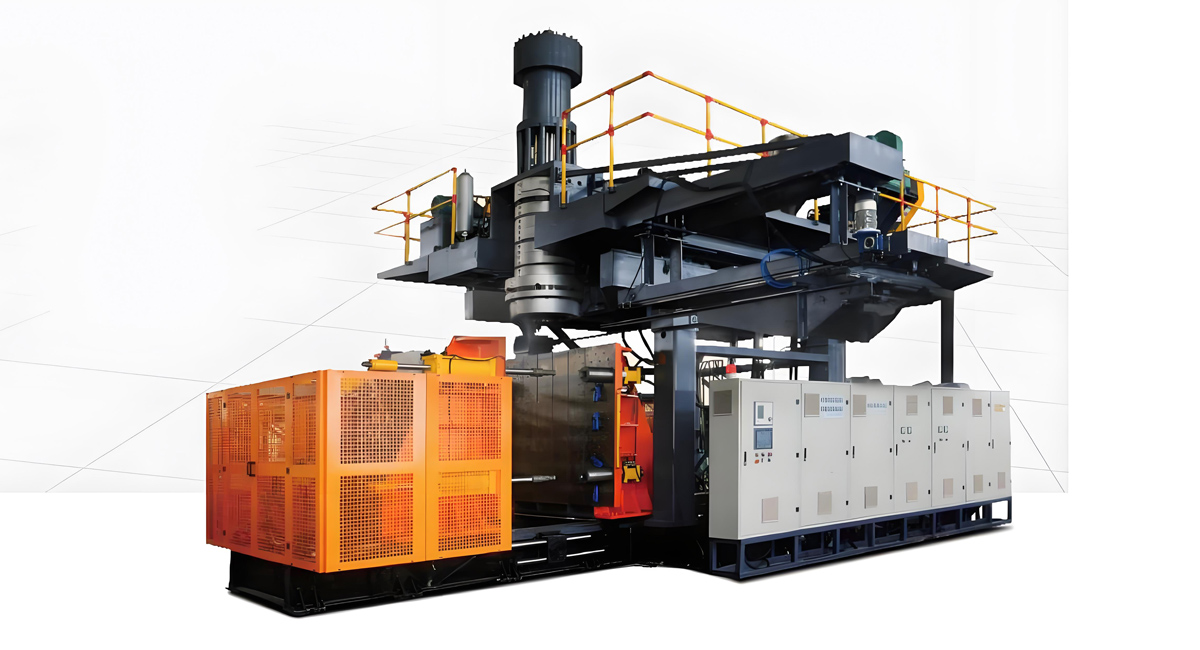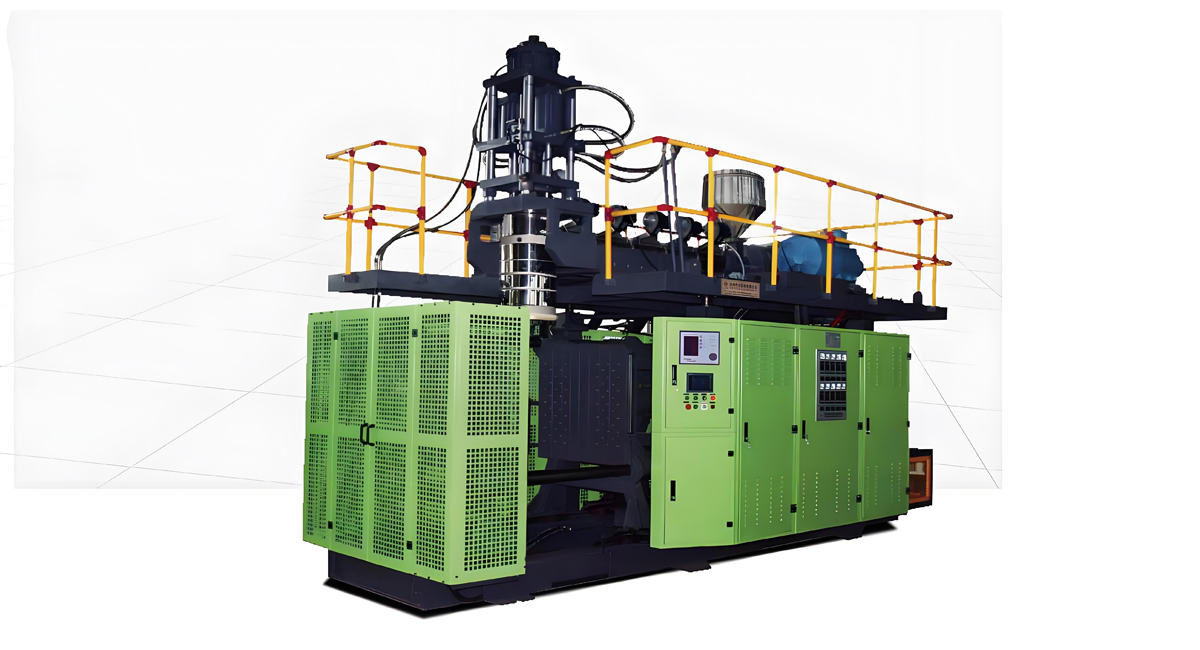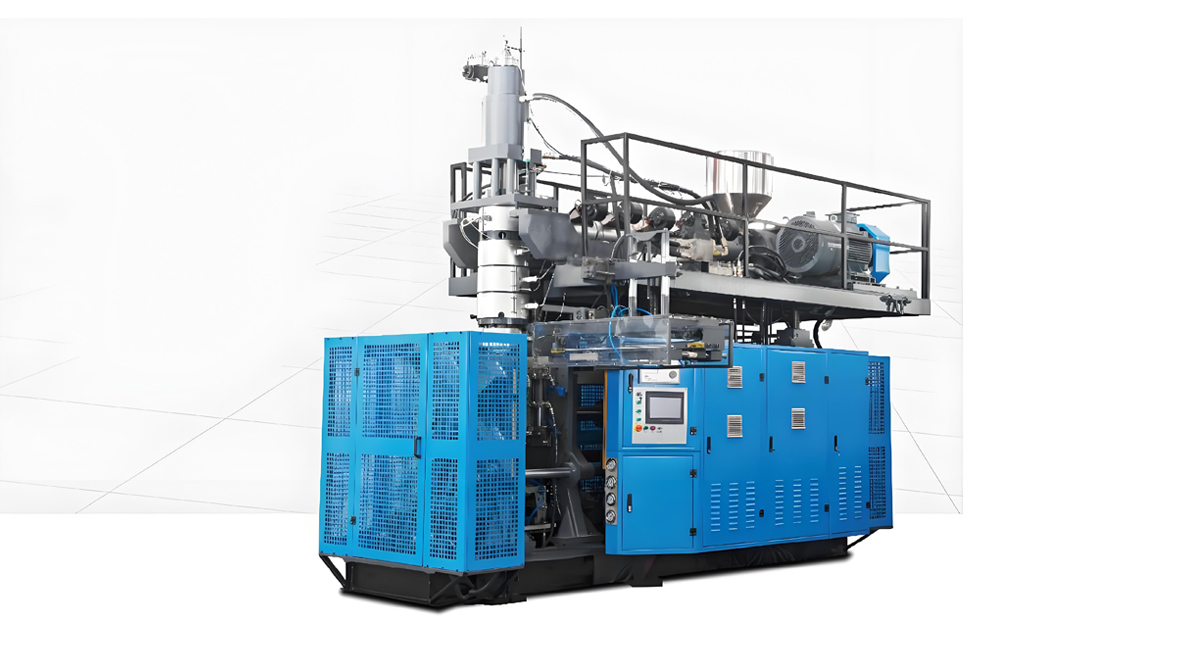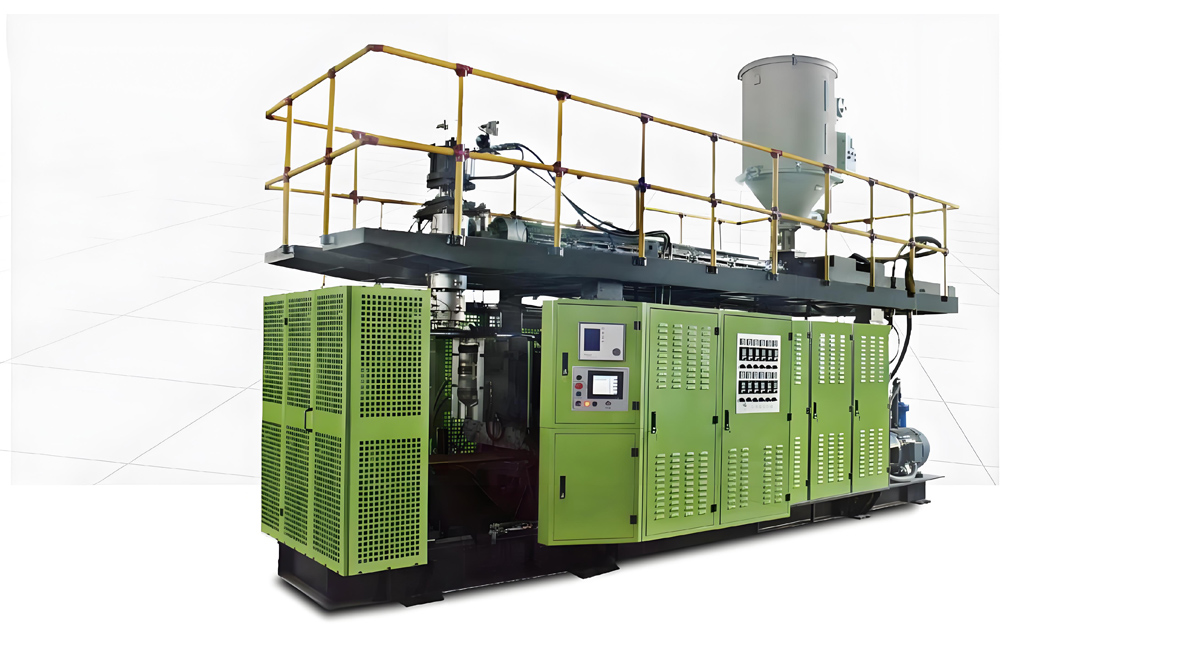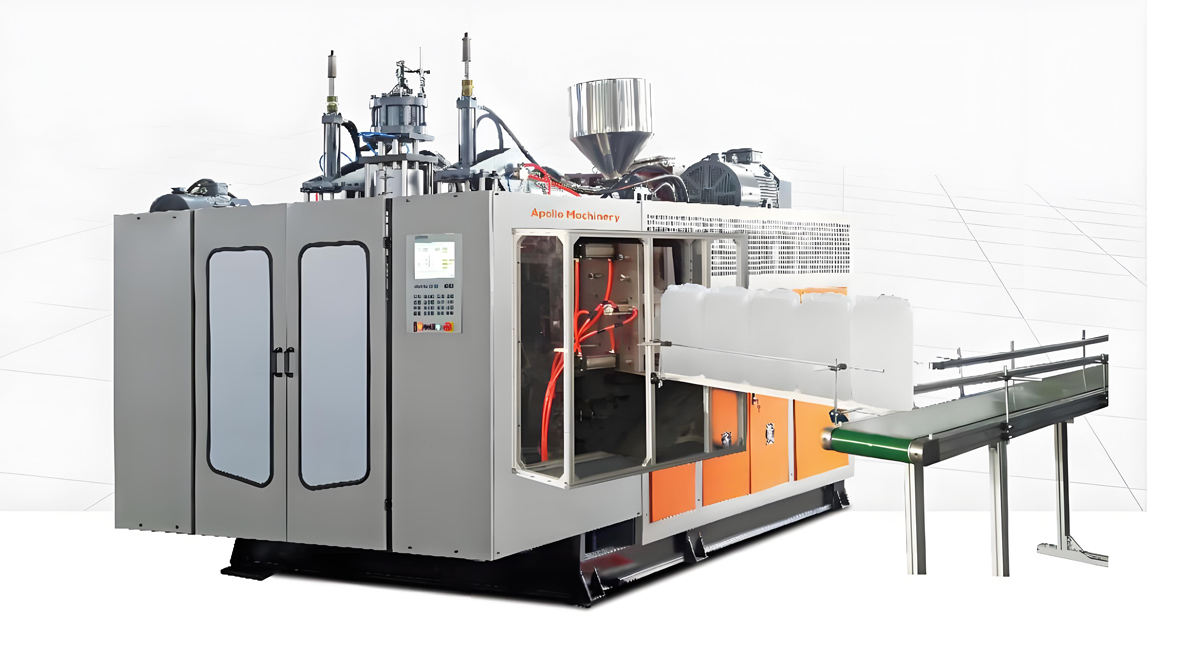
Extrusion Blow Molding Machine (EBM) technology has evolved rapidly to meet the growing demands of modern plastic container manufacturing, balancing high precision output, stable operational performance, and sustainable energy consumption. For industrial manufacturers producing hollow plastic containers ranging from small daily packaging bottles to large industrial storage drums, the choice between hydraulic-driven and fully electric-driven blow molding equipment directly affects product quality, hourly output, long-term operating costs, and overall production profitability. APOLLO, as a professional developer and manufacturer of high-performance extrusion blow molding machine solutions, has launched two mature ABLB series EBM configurations, including traditional hydraulic ABLB blow molding machines and upgraded fully electric ABLB blow molding machines, targeting different production scales and industrial application scenarios.
Many plastic processing enterprises face obvious selection confusion in actual procurement: hydraulic EBM machines feature strong load capacity and low initial investment, while fully electric EBM machines excel in high precision, low noise, and ultra-low energy consumption. Clarifying the core differences in mechanical performance, molding accuracy, energy efficiency, maintenance cost, and applicable product scenarios between the two ABLB models is the key to realizing customized low-cost and high-efficiency production. This side-by-side comparison guide systematically analyzes the structural principles, core performance parameters, real energy consumption data, investment and operating costs, advantages and limitations, and application matching of ABLB hydraulic and fully electric extrusion blow molding machines, covering all decision-making information for equipment selection, production line upgrading, and cost optimization.
All data and equipment characteristics involved in this article are based on APOLLO’s official industrial manufacturing standards and actual field operation data, ensuring authentic and referential technical and economic indicators for global blow molding manufacturers.
1. Basic Overview of ABLB Series Extrusion Blow Molding Machines
The ABLB series is a mature general-purpose extrusion blow molding machine independently developed by APOLLO, focusing on medium and small to medium-sized hollow plastic container production. This series of equipment is widely applicable to HDPE, PP, PETG, and other common plastic raw materials, covering food packaging containers, daily chemical bottles, pharmaceutical plastic containers, industrial small drums, and other mainstream products. According to different driving modes, the ABLB series is divided into two core versions: hydraulic drive type and fully electric drive type. Although both belong to APOLLO’s standard extrusion blow molding machine product line, they adopt completely different power transmission and control systems, resulting in fundamental differences in overall performance and operating costs.
The hydraulic ABLB EBM adopts a traditional hydraulic oil circuit transmission structure, relying on hydraulic pump stations, oil cylinders, and hydraulic proportional valves to complete mold opening and closing, blowing positioning, and mechanical action transmission. It features strong impact resistance, heavy-load operation stability, and low requirements for production environment, suitable for long-term continuous industrial production with complex working conditions. The fully electric ABLB EBM abandons the traditional hydraulic system and adopts full servo motor drive and ball screw transmission technology, realizing full-electronic precise control of all mechanical actions. It has outstanding advantages in motion accuracy, energy-saving performance, and low-noise operation, meeting the high-precision and green production needs of high-end plastic container manufacturing.
Both versions inherit APOLLO’s core optimized configurations including high-efficiency extrusion systems, intelligent wall thickness control systems, and integrated frame structures, ensuring stable basic molding quality. The core differences lie in power driving logic, action control accuracy, energy consumption level, and later maintenance costs, which determine their respective applicable industrial scenarios and long-term economic benefits.
2. Core Structural and Working Principle Differences
The essential performance gap between ABLB hydraulic EBM and fully electric EBM stems from the difference in internal drive structures and working principles. A comprehensive understanding of structural characteristics helps manufacturers accurately judge equipment adaptability and avoid mismatched selection caused by superficial parameter differences.
2.1 Structural Composition of ABLB Hydraulic EBM
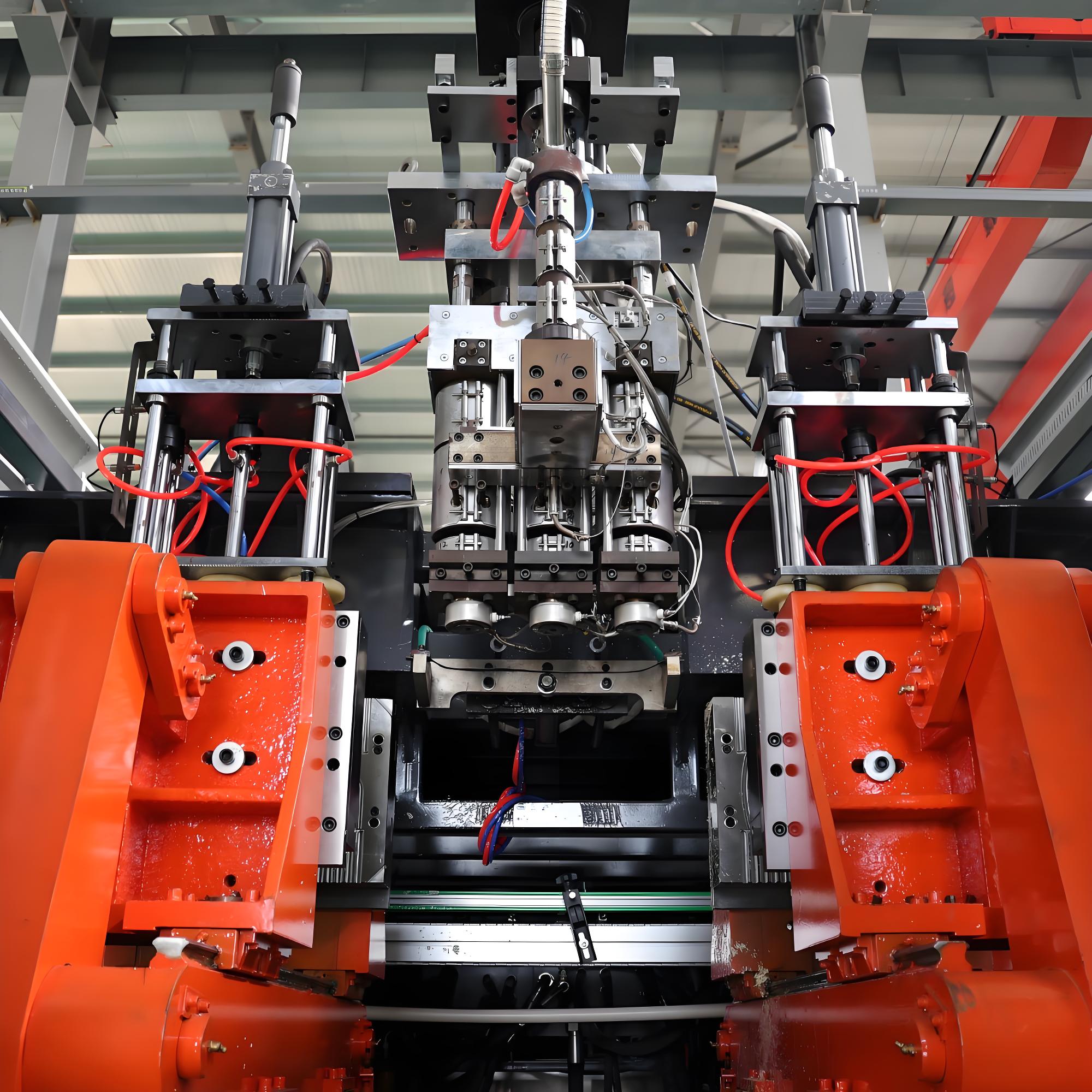
The hydraulic ABLB extrusion blow molding machine takes the hydraulic system as the core power source, and its main structural components include a hydraulic pump station, hydraulic oil cylinder, proportional pressure regulating valve, oil circuit cooling system, mechanical transmission mechanism, extrusion system, and mold locking system. The equipment converts electric energy into hydraulic pressure energy through the hydraulic pump station, and drives the mold opening and closing, clamping, blowing, and reset actions of the equipment through the flow and pressure adjustment of hydraulic oil. The whole set of power transmission structure has strong mechanical tolerance and can bear instantaneous impact load generated by mold closing and high-pressure blowing.
In order to adapt to long-term heavy-duty operation, the hydraulic ABLB EBM is equipped with an independent oil circulation cooling and filtering system, which avoids equipment failure caused by high-temperature oil deterioration and oil circuit impurity blockage. The hydraulic proportional valve realizes stepless adjustment of mold clamping force and action speed, meeting the molding requirements of different specifications of plastic containers. The structural design focuses on operational stability and load resistance, with low sensitivity to raw material fluctuations and environmental temperature changes.
2.2 Structural Composition of ABLB Fully Electric EBM
The fully electric ABLB extrusion blow molding machine completely cancels the hydraulic pump station, oil cylinder, and hydraulic oil circuit system. All mechanical actions such as mold opening and closing, clamping, and stretching are driven by high-precision servo motors and transmitted by high-rigidity ball screws and synchronous belts. The equipment adopts full digital signal control, and the servo system accurately converts electric energy into mechanical kinetic energy, realizing precise positioning and fixed-speed operation of each action link without intermediate energy conversion links.
The core structure of the fully electric model includes a multi-axis servo control system, high-precision ball screw transmission pair, intelligent servo driver, high-efficiency extrusion host, and integrated precision mold locking mechanism. The whole machine has no hydraulic oil pollution risk, with a simpler and more compact structure, fewer vulnerable parts, and higher transmission efficiency. The full electronic control mode supports micro-adjustment of multiple action parameters, realizing ultra-precise control of molding strokes and clamping force.
2.3 Fundamental Working Principle Differences
The hydraulic ABLB EBM realizes energy transmission through secondary conversion of electric energy-hydraulic energy-mechanical energy. There is inevitable energy loss in the hydraulic oil circulation, pressure regulation, and heat dissipation links, and the action response has slight hysteresis. Its working advantage lies in stable pressure output and strong overload resistance, which can adapt to high-load and frequent start-stop production.
The fully electric ABLB EBM realizes direct energy transmission from electric energy to mechanical energy without intermediate conversion links, with extremely low energy loss and instantaneous action response. The servo motor can realize precise start-stop and variable-speed operation according to production demands, completely avoiding invalid energy consumption. The working principle determines its high precision and high energy-saving characteristics, which are far superior to hydraulic models in fine production scenarios.
3. Side-by-Side Operational Performance Comparison
Operational performance is the core index to measure the production capacity of extrusion blow molding machines, including molding precision, mold clamping stability, action response speed, production cycle, product qualification rate, and raw material adaptability. This chapter conducts a comprehensive quantitative comparison of the two ABLB models based on actual industrial operation data.
3.1 Molding Precision and Wall Thickness Control Accuracy
Molding precision directly determines the appearance quality and structural stability of plastic containers, especially for thin-wall precision containers and high-pressure resistant industrial bottles. The ABLB hydraulic EBM adopts hydraulic proportional control, affected by oil circuit pressure fluctuation and mechanical hysteresis, the mold closing gap error is controlled within ±0.08mm, and the finished product wall thickness error is stabilized at ±0.2mm. This precision can fully meet the production requirements of ordinary industrial containers and daily chemical packaging products, but it is slightly insufficient for high-end precision products with ultra-strict tolerance standards.
The fully electric ABLB EBM adopts full servo closed-loop precision control, with mold positioning accuracy up to ±0.02mm and finished product wall thickness error controlled within ±0.05mm. The servo system can dynamically adjust the mold clamping speed and pressure in real time according to the molding state, completely eliminating pressure fluctuation and mechanical displacement. For high-precision pharmaceutical containers, food-grade thin-wall bottles, and high-airtight industrial packaging products, the fully electric model can effectively avoid defective problems such as uneven wall thickness, flash, and deformation, with a product qualification rate 2% to 3% higher than that of the hydraulic model.
3.2 Production Efficiency and Molding Cycle
In terms of production cycle, the action response of ABLB hydraulic EBM is relatively slow due to the hysteresis of hydraulic oil circuit pressure transmission. The single molding cycle of conventional 500ml to 5L containers is 18 to 22 seconds, with an hourly output of 160 to 200 pieces. The hydraulic system needs a certain pressure build-up time during frequent start-stop and mold switching, resulting in certain efficiency loss in multi-specification flexible production.
The fully electric ABLB EBM has fast servo response and no pressure build-up delay, with a single product cycle shortened to 14 to 18 seconds for the same specification products, and the hourly output can reach 220 to 260 pieces. The overall production efficiency is increased by about 25% compared with the hydraulic model. In continuous mass production of single-specification products and frequent mold switching production scenarios, the efficiency advantage of the fully electric model is more prominent, which can effectively expand the single-machine daily output of enterprises.
3.3 Operational Stability and Anti-Interference Ability
The ABLB hydraulic EBM has strong structural shock resistance and overload resistance. The hydraulic oil circuit can buffer the mechanical vibration and impact generated by high-speed mold closing and blowing, with stable long-term heavy-load operation performance. It is not sensitive to environmental temperature fluctuation and raw material viscosity change, and can adapt to harsh production environments such as high temperature and dust in ordinary processing workshops. The failure rate of continuous 24-hour operation is low, and the equipment stability is suitable for large-scale uninterrupted industrial production.
The fully electric ABLB EBM has high operational flatness and no mechanical vibration, with extremely stable molding parameters. However, the servo control system and precision transmission components have high requirements for workshop environment, requiring clean and constant-temperature production conditions. In harsh environments with excessive dust and temperature mutation, the precision components are prone to parameter drift, and regular calibration is needed to maintain production accuracy. Its stability is more suitable for standardized and dust-free high-end production workshops.
3.4 Raw Material and Product Adaptability
The ABLB hydraulic EBM has strong adaptability to raw materials, and can stably process ordinary HDPE, PP, recycled modified materials, and high-viscosity mixed raw materials. The stable high-pressure output can meet the molding needs of thick-wall industrial containers and high-hardness modified plastic products, with wide product coverage and strong production flexibility.
The fully electric ABLB EBM is more suitable for processing high-purity raw materials, food-grade raw materials, and low-viscosity precision molding raw materials. Its precise micro-pressure control can avoid raw material over-extrusion and residual stress, ensuring the uniformity and stability of high-end product quality. For recycled materials with unstable viscosity and impure composition, the adaptability is slightly lower than that of hydraulic models.
4. Energy Consumption Performance Comprehensive Comparison
Energy consumption cost accounts for a high proportion of the daily operating cost of extrusion blow molding machines. The difference in driving modes leads to a huge gap in power consumption between hydraulic and fully electric ABLB EBM models. Combined with long-term field operation monitoring data, this chapter analyzes the energy-saving advantages and power consumption characteristics of the two models in detail.
4.1 Working Power Consumption Principle Analysis
The hydraulic ABLB EBM’s hydraulic pump maintains continuous operation during the whole production cycle. Even in the non-working states such as mold cooling and material pre-plasticization, the hydraulic system still consumes a lot of idle power, accompanied by heat loss generated by hydraulic oil friction. The secondary energy conversion determines its low energy utilization rate, with most electric energy converted into heat energy loss rather than effective mechanical kinetic energy.
The fully electric ABLB EBM’s servo motor works on demand, starting only when mechanical actions such as mold opening and closing are required, and entering a zero-power standby state in cooling and static molding links. There is no idle energy consumption and intermediate heat loss, and the electric energy utilization rate is extremely high, forming a fundamental energy-saving advantage compared with hydraulic equipment.
4.2 Quantitative Power Consumption Data Comparison
Under the same production conditions, processing 5L standard HDPE containers and operating 24 hours continuously, the average daily power consumption of ABLB hydraulic EBM is 320 to 380 kWh, with an annual power consumption of about 116,800 kWh to 138,700 kWh. Affected by idle operation and heat loss, the effective energy utilization rate of hydraulic models is only about 55%.
The average daily power consumption of fully electric ABLB EBM is only 180 to 220 kWh under the same production conditions, with an annual power consumption of 65,700 kWh to 80,300 kWh. The overall energy saving rate reaches 40% to 45%, and the effective energy utilization rate is as high as 92%. For enterprises with long-term continuous production, the fully electric model can save a huge amount of electricity costs every year.
4.3 Seasonal and Working Condition Energy Consumption Difference
In high-temperature summer environments, the hydraulic ABLB EBM needs to start the oil circuit cooling system for a long time, resulting in an additional 15% to 20% increase in power consumption. The hydraulic oil temperature rise will also lead to reduced system efficiency and increased invalid loss. The fully electric model has no oil circuit cooling demand, and the power consumption fluctuation with seasonal temperature is less than 5%, with extremely stable energy-saving performance throughout the year.
In intermittent production mode with frequent start and stop, the energy-saving advantage of fully electric EBM is more obvious. The hydraulic model will generate a large amount of invalid energy consumption during repeated pressure build-up and release, while the servo electric model can intelligently adjust power output according to working conditions, avoiding energy waste to the greatest extent.
5. Investment and Full-Cycle Operating Cost Analysis
Equipment comprehensive cost includes initial purchase cost and long-term operating maintenance cost. This chapter provides accurate FOB price estimation and full-cycle cost-benefit analysis for ABLB hydraulic and fully electric extrusion blow molding machines, helping users evaluate input-output ratio scientifically.
5.1 Initial Equipment Purchase Price Comparison
The FOB price of APOLLO ABLB hydraulic extrusion blow molding machine ranges from 48,200 US dollars to 56,800 US dollars. The hydraulic system has mature technology and low manufacturing cost, with a low initial investment threshold, which is suitable for budget-limited production projects.
The FOB price of APOLLO fully electric ABLB extrusion blow molding machine ranges from 62,500 US dollars to 71,300 US dollars. The high-precision servo system and customized transmission structure increase the manufacturing cost, resulting in an initial investment increase of about 30% compared with the hydraulic model.
5.2 Daily Operating Cost Breakdown
In terms of electricity cost, calculated according to industrial electricity tariff standards, the ABLB hydraulic model has an annual electricity cost of 10,500 to 12,500 US dollars, while the fully electric model only needs 5,900 to 7,200 US dollars, saving 4,600 to 5,300 US dollars in electricity costs every year.
In terms of maintenance cost, the ABLB hydraulic model needs regular replacement of hydraulic oil, sealing rings, filter elements, and other vulnerable parts, with an annual maintenance cost of 1,200 to 1,500 US dollars. Long-term oil circuit aging and blockage will also lead to additional maintenance and cleaning costs. The fully electric model has no hydraulic vulnerable parts, only regular calibration of servo parameters and lubrication of transmission components, with an annual maintenance cost of only 400 to 600 US dollars, reducing maintenance expenditure by more than 60%.
In terms of product loss cost, the high precision of the fully electric model reduces the defective rate to below 0.5%, while the defective rate of the hydraulic model is about 1.2%. Based on medium-scale annual output, the fully electric model can save more than 3,000 US dollars in annual raw material waste and rework costs.
5.3 Comprehensive Payback Period Calculation
Although the initial investment of the fully electric ABLB EBM is about 14,000 US dollars higher than that of the hydraulic model, the annual comprehensive cost saving of electricity, maintenance, and defective loss exceeds 7,000 US dollars. The extra investment payback period is only 20 to 24 months. After two years of operation, the fully electric model will form stable annual cost advantages, and the long-term economic benefit is far better than the hydraulic model.
The hydraulic model has a short-term investment advantage, with a quick entry into profit state for short-cycle small-batch production projects. For long-term continuous mass production projects, the fully electric model has lower full-cycle comprehensive cost and higher return on investment.
6. Advantage and Limitation Analysis of Two EBM Models
6.1 ABLB Hydraulic EBM Core Advantages and Limitations
The core advantages of ABLB hydraulic extrusion blow molding machine are low initial investment, strong overload resistance, wide raw material adaptability, low environmental requirements, and stable heavy-duty operation. The mature hydraulic technology leads to low equipment failure rate and simple maintenance operation, with low technical threshold for operators. It can adapt to complex working conditions such as recycled material processing, thick-wall container molding, and harsh workshop environment, covering most low and medium-end blow molding production scenarios.
The main limitations are high energy consumption, low molding precision, relatively low production efficiency, large operational vibration and noise, and easy hydraulic oil pollution. The secondary energy conversion loss leads to high long-term operating costs, and it cannot meet the production standards of high-precision and high-cleanliness container products.
6.2 ABLB Fully Electric EBM Core Advantages and Limitations
The core advantages of fully electric ABLB extrusion blow molding machine are ultra-low energy consumption, high molding precision, high production efficiency, low noise and pollution, stable product quality, and low later maintenance cost. The full servo precision control realizes fine production of high-end containers, meets food-grade and pharmaceutical-grade production cleanliness standards, and conforms to green and energy-saving industrial development trends. The intelligent parameter adjustment function also reduces manual debugging errors and improves production standardization.
The main limitations are high initial purchase cost, high requirements for workshop environment and operator professionalism, poor adaptability to harsh working conditions and impure recycled materials, and slightly higher equipment failure risk in ultra-long-term overload operation.
7. Applicable Scenario Selection Guide
Scientific equipment selection must be matched with actual production scenarios. Based on the performance and cost differences between the two models, the applicable production scenarios are accurately sorted out to help enterprises avoid selection mistakes.
7.1 Scenarios Suitable for ABLB Hydraulic EBM
The ABLB hydraulic model is the best choice for small and medium-sized enterprises with limited initial budget, ordinary product positioning, and complex production conditions. It is suitable for mass production of ordinary industrial plastic barrels, low-end daily chemical packaging bottles, thick-wall plastic containers, and products using recycled modified raw materials. It is also applicable to ordinary workshops with poor environmental conditions, intermittent small-batch production, and processing projects with low precision requirements and high cost sensitivity.
7.2 Scenarios Suitable for ABLB Fully Electric EBM
The fully electric ABLB model is suitable for medium and large enterprises focusing on long-term operation, high product quality requirements, and green energy-saving production. It is widely used in food-grade packaging containers, pharmaceutical plastic bottles, high-precision cosmetic packaging, thin-wall lightweight containers, and high-cleanliness blow molding products. It is also the preferred equipment for standardized intelligent workshops, long-term continuous mass production, and projects requiring low noise and zero pollution production environments.
8. Daily Operation and Maintenance Optimization Suggestions
Targeted maintenance and operation optimization can maximize the performance advantages of the two ABLB EBM models and reduce comprehensive operating costs.
8.1 Maintenance Optimization for Hydraulic ABLB EBM
Regularly replace hydraulic oil and filter elements every six months to avoid oil circuit blockage and oil deterioration caused by long-term operation. Check the sealing performance of oil cylinders and oil pipes monthly to prevent oil leakage and pollution. Clean the hydraulic cooling system regularly to ensure stable oil temperature and reduce invalid energy consumption. Avoid long-term idle operation to reduce unnecessary power loss and extend the service life of hydraulic components.
8.2 Maintenance Optimization for Fully Electric ABLB EBM
Keep the workshop environment clean and constant temperature to prevent dust and temperature mutation from affecting servo precision. Regularly calibrate servo parameters and mold positioning accuracy every month to ensure long-term molding stability. Lubricate the ball screw transmission system regularly to reduce mechanical wear. Set reasonable servo start-stop parameters to avoid frequent overload start and stop, protecting the servo motor and driver.
9. Long-Term Industrial Value and Trend Analysis
With the continuous improvement of global industrial energy-saving standards and product precision requirements, fully electric extrusion blow molding machines have become the mainstream development trend of the industry. Although hydraulic EBM equipment still occupies a large market share in low-end ordinary production scenarios due to cost advantages, fully electric models have obvious iterative advantages in energy conservation, environmental protection, and product upgrading.
For long-term developed production enterprises, the fully electric ABLB EBM can continuously reduce production energy consumption and maintenance costs, help enterprises meet green production certification standards, and support high-end product upgrading and market expansion. For small and medium-sized enterprises focusing on short-term cost control and ordinary product production, the hydraulic ABLB EBM can meet basic production demands with low investment risk.
10. Conclusion
There is no absolute advantage or disadvantage between ABLB hydraulic extrusion blow molding machine and fully electric extrusion blow molding machine, only scenario matching difference. The hydraulic ABLB EBM features low initial investment, strong stability, and wide adaptability, which is suitable for cost-sensitive and ordinary standard production scenarios. The fully electric ABLB EBM takes the lead in precision, efficiency, energy saving, and environmental protection, with prominent long-term cost-saving benefits and high-end product matching ability.
As a professional supplier of high-performance extrusion blow molding machine solutions, APOLLO provides differentiated ABLB series driving configuration options for global customers. Enterprises can select hydraulic or fully electric models according to their own product positioning, production scale, budget conditions, and long-term development planning. Scientific matching of equipment and production demands can effectively improve production efficiency, reduce comprehensive operating costs, and enhance the core market competitiveness of blow molding processing business.