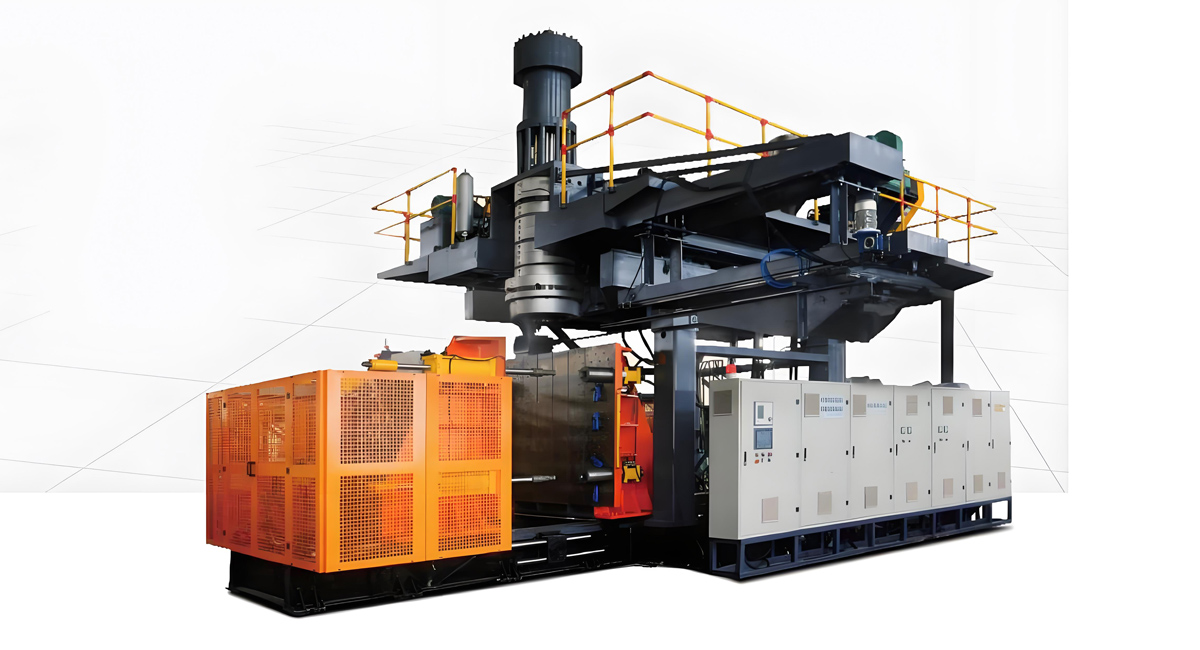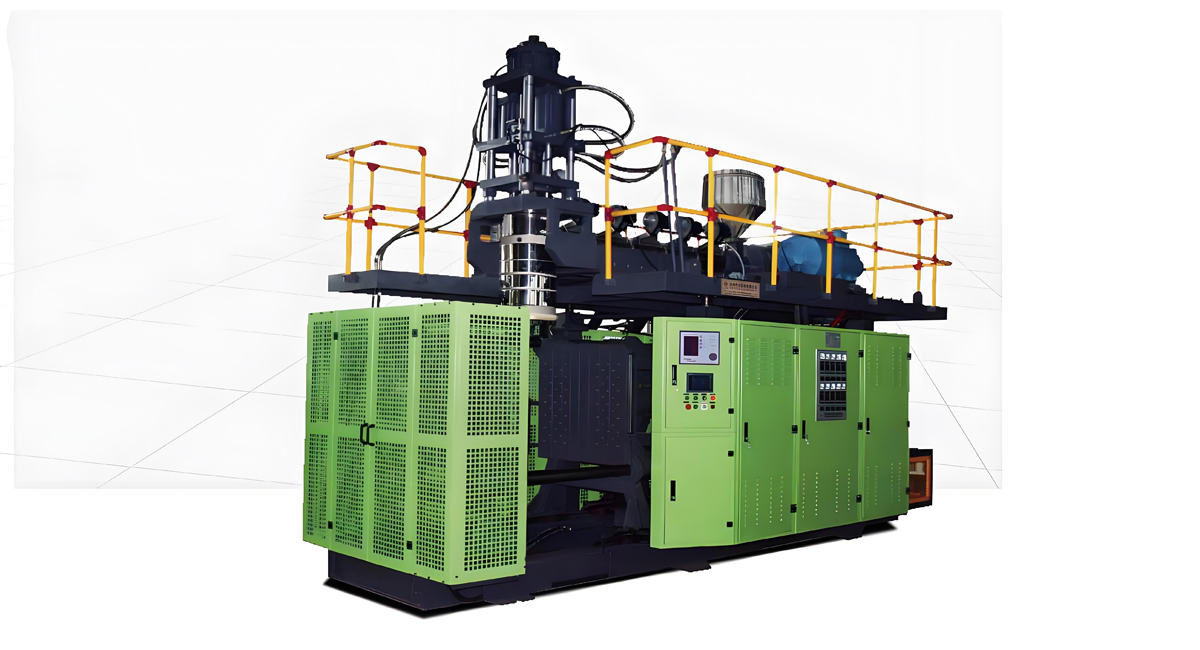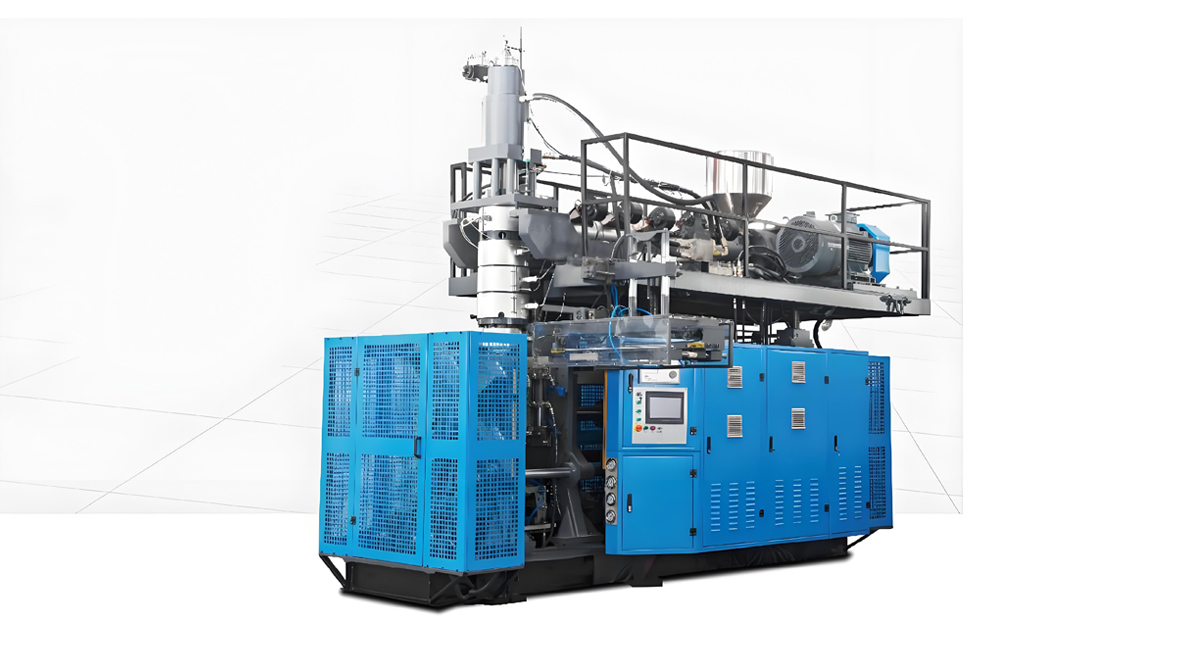
The global extrusion blow molding (EBM) market is undergoing a significant transformation, driven by the growing demand for product customization, shorter production runs, and increased manufacturing flexibility. As consumer preferences continue to evolve and product lifecycles shorten, manufacturers across industries are seeking versatile production solutions that can quickly adapt to changing market needs. China has emerged as the global leader in custom EBM machine manufacturing, offering unparalleled customization capabilities, cost-effectiveness, and technical expertise to manufacturers worldwide.
At the heart of this manufacturing revolution lies the ability to use different molds on a single EBM machine to produce multiple products. This capability transforms a single-purpose production line into a flexible manufacturing system that can produce a wide range of hollow plastic products, from small cosmetic bottles to large industrial drums. Unlike traditional dedicated production lines that can only produce one product type, modern custom EBM machines with quick mold change systems allow manufacturers to switch between different products in a matter of hours, significantly reducing downtime and improving overall equipment effectiveness (OEE).
As a leading Chinese manufacturer of custom extrusion blow molding machines with over 25 years of industry experience, Apollo has perfected the art of designing and building versatile EBM systems that can accommodate multiple molds for diverse product applications. Our custom EBM machines are specifically engineered to provide maximum flexibility while maintaining the highest standards of production efficiency, product quality, and operational reliability. With thousands of successful installations across more than 90 countries, Apollo custom EBM machines have proven to increase production flexibility by up to 300%, reduce changeover time by up to 85%, and deliver a return on investment in as little as 6-12 months for manufacturers producing multiple products.
This comprehensive guide provides everything you need to know about China custom EBM machines with different molds for multiple products. It examines the global trend toward flexible manufacturing and the growing demand for custom EBM solutions, explains the core technologies that enable multiple product production on a single machine, details the different types of molds used in EBM production and their applications, provides a complete overview of Apollo’s custom EBM machine range with detailed pricing information, includes a comprehensive cost analysis and return on investment calculation, features real-world success stories from Apollo customers around the world, offers practical guidance for selecting the right custom EBM machine for your specific needs, and provides best practices for implementing a flexible manufacturing strategy with multiple molds. Whether you are a small manufacturer looking to expand your product range or a large multinational corporation seeking to optimize your production operations, this guide will help you make informed decisions about your custom EBM machine investment.
1. The Global Shift to Flexible Manufacturing with Custom EBM Machines
The manufacturing industry is experiencing a fundamental shift from mass production of standardized products to flexible manufacturing of customized products. This shift is being driven by several powerful trends that are reshaping the global marketplace and creating significant demand for custom EBM machines with multiple mold capabilities.
1.1 Market Drivers for Flexible Manufacturing
Several key factors are fueling the demand for flexible manufacturing solutions in the extrusion blow molding industry:
Product Diversification: Consumer demand for a wider variety of products has increased dramatically in recent years. Manufacturers are now expected to offer multiple product sizes, shapes, colors, and formulations to meet the diverse needs of their customers. This requires production equipment that can quickly and easily switch between different products without significant downtime or reconfiguration.
Shorter Product Lifecycles: Product lifecycles have shortened significantly across all industries. What was once a product with a 5-10 year lifecycle now may only have a 1-2 year lifecycle. This means manufacturers need to be able to introduce new products quickly and phase out old products efficiently, which requires flexible production equipment that can adapt to changing product requirements.
Smaller Batch Sizes: The trend toward smaller batch sizes and just-in-time manufacturing has increased the frequency of product changeovers. Manufacturers can no longer afford to dedicate entire production lines to a single product for months at a time. Instead, they need equipment that can efficiently produce small batches of multiple products with minimal changeover time.
Cost Pressures: Intense global competition has put significant pressure on manufacturers to reduce production costs. Flexible manufacturing allows manufacturers to optimize their production capacity, reduce inventory levels, and minimize downtime, all of which contribute to lower production costs and improved profitability.
Sustainability Requirements: Growing environmental concerns and regulatory requirements are driving manufacturers to adopt more sustainable production practices. Flexible manufacturing reduces waste by allowing manufacturers to produce only what is needed, when it is needed. It also enables the use of recycled materials and the production of more sustainable product designs.
1.2 Advantages of China Custom EBM Machines
China has become the global leader in custom EBM machine manufacturing, offering several significant advantages over manufacturers in other countries:
Unmatched Customization Capabilities: Chinese EBM machine manufacturers like Apollo have extensive experience in designing and building custom machines for a wide range of applications. We can customize every aspect of the machine, from the extrusion system and clamping mechanism to the control system and auxiliary equipment, to meet your specific production requirements.
Cost-Effectiveness: China custom EBM machines typically cost 30-50% less than comparable machines from European or American manufacturers, without compromising on quality or performance. This significant cost advantage allows manufacturers to invest in flexible manufacturing solutions at a fraction of the cost, resulting in faster return on investment.
Rapid Delivery Times: Chinese manufacturers have streamlined their production processes and supply chains, allowing them to deliver custom EBM machines in significantly shorter timeframes than their international competitors. Apollo can typically deliver a custom EBM machine in 3-6 months, compared to 9-12 months for many European manufacturers.
Advanced Technology: Chinese EBM machine manufacturers have invested heavily in research and development, incorporating the latest technologies into their machines. Modern China custom EBM machines feature advanced PLC control systems, servo drive technology, energy-efficient components, and sophisticated process control capabilities that rival those of machines from leading international brands.
Comprehensive After-Sales Support: Leading Chinese manufacturers like Apollo offer comprehensive after-sales support, including installation, training, maintenance, and spare parts services. We have a global network of service technicians who can provide prompt support and assistance to customers around the world.
1.3 The Role of Multiple Molds in Flexible Manufacturing
The ability to use different molds on a single EBM machine is the cornerstone of flexible manufacturing in the blow molding industry. Molds are the most critical component of any blow molding operation, as they determine the shape, size, and features of the final product. By using different molds on the same machine, manufacturers can produce a wide range of products without investing in multiple dedicated production lines.
Multiple mold capability offers several significant advantages for manufacturers:
Reduced Capital Investment: Instead of purchasing separate machines for each product, manufacturers can invest in a single custom EBM machine that can produce multiple products. This significantly reduces capital investment and improves return on investment.
Increased Production Flexibility: Multiple mold capability allows manufacturers to quickly respond to changing market demands and customer orders. They can easily switch between different products to meet specific customer requirements or take advantage of new market opportunities.
Improved Capacity Utilization: By producing multiple products on the same machine, manufacturers can optimize their production capacity and reduce idle time. This improves overall equipment effectiveness and reduces per-unit production costs.
Faster Time-to-Market: With multiple mold capability, manufacturers can quickly introduce new products by simply developing a new mold and installing it on their existing machine. This significantly reduces time-to-market and gives manufacturers a competitive advantage in the marketplace.
Reduced Inventory Costs: Flexible manufacturing with multiple molds allows manufacturers to produce smaller batches of products as needed, reducing inventory levels and associated carrying costs. This is particularly beneficial for products with short lifecycles or unpredictable demand.
2. Core Technologies Enabling Multiple Product Production on a Single EBM Machine
Producing multiple products on a single extrusion blow molding machine requires several advanced technologies and design features that work together to provide maximum flexibility and efficiency. These technologies enable quick and easy mold changes, precise process control for different products, and compatibility with a wide range of mold types and sizes.
2.1 Quick Mold Change Systems
The quick mold change system is the most critical technology for enabling multiple product production on a single EBM machine. Traditional mold change procedures can take several hours or even days, resulting in significant production downtime. Modern quick mold change systems reduce this time to 1-3 hours, making frequent product changeovers economically feasible.
Apollo custom EBM machines feature advanced quick mold change systems that incorporate several innovative design elements:
Hydraulic Mold Clamping: Hydraulic mold clamping systems use hydraulic cylinders to securely clamp the mold to the machine platens. These systems provide uniform clamping force across the entire mold surface and allow for quick and easy mold installation and removal. The clamping force can be adjusted to accommodate different mold sizes and weights.
Automatic Mold Alignment: Automatic mold alignment systems use precision guide pins and bushings to ensure that the mold is properly aligned with the machine every time. This eliminates the need for time-consuming manual alignment and ensures consistent product quality from the first part produced after a mold change.
Quick Couplings: Quick couplings for hydraulic lines, air lines, and electrical connections allow these services to be connected and disconnected quickly and easily during mold changes. This significantly reduces the time required for mold changeover and minimizes the risk of leaks or connection errors.
Mold Preheating Stations: Off-line mold preheating stations allow molds to be preheated to the required operating temperature before they are installed on the machine. This eliminates the need to heat the mold on the machine, further reducing changeover time and improving production efficiency.
Mold Carts and Lifting Systems: Mold carts and lifting systems make it easy to transport molds to and from the machine and position them correctly for installation. These systems reduce the physical effort required for mold changes and improve operator safety.
Apollo’s advanced quick mold change systems allow a single operator to change a mold in less than 2 hours, compared to 8-12 hours for traditional systems. This dramatic reduction in changeover time makes it economically feasible to produce multiple products on the same machine, even in small batch sizes.
2.2 Modular Machine Design
Modular machine design is another key technology that enables multiple product production on a single EBM machine. Modular design allows different components of the machine to be easily interchanged or upgraded to accommodate different products and production requirements.
Apollo custom EBM machines are built using a modular design approach that includes several interchangeable components:
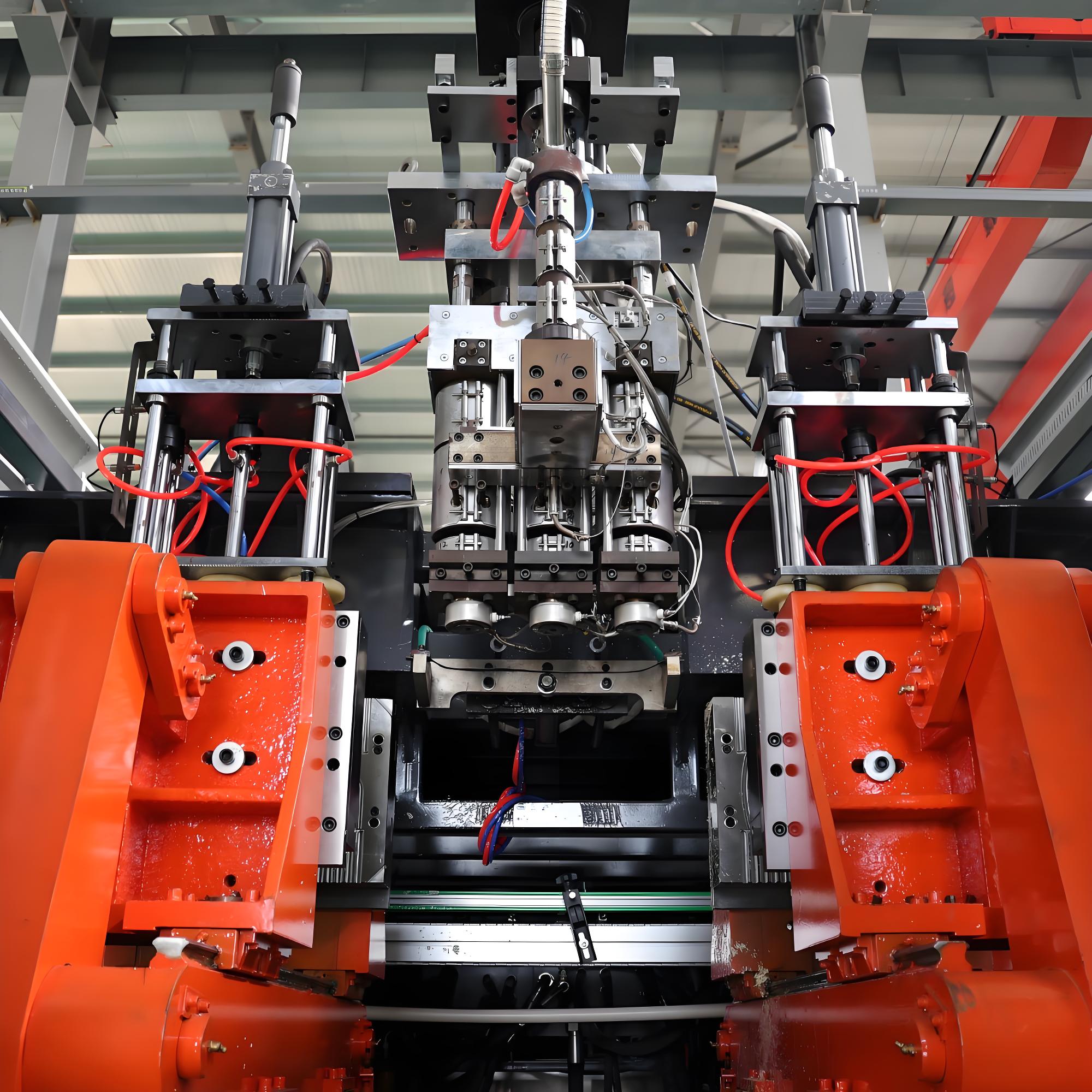
Interchangeable Die Heads: Die heads determine the size and shape of the parison, which in turn determines the size and wall thickness of the final product. Apollo offers a range of interchangeable die heads that can be quickly and easily installed on the same machine to produce products of different sizes and configurations. Our die heads are available in single, double, and multi-cavity configurations to meet different production requirements.
Modular Extrusion Systems: The extrusion system is responsible for melting and homogenizing the plastic resin. Apollo’s modular extrusion systems allow manufacturers to easily change the screw and barrel to accommodate different materials and production rates. This is particularly useful for manufacturers who process multiple types of plastics or need to produce products with different material requirements.
Adjustable Clamping Systems: The clamping system holds the mold closed during the blowing process. Apollo’s adjustable clamping systems allow the clamping force and stroke to be adjusted to accommodate different mold sizes and product requirements. This ensures that the machine can handle a wide range of mold sizes, from small molds for cosmetic bottles to large molds for industrial drums.
Modular Post-Processing Equipment: Post-processing equipment such as deflashing machines, leak testers, and trimming stations can also be designed as modular components that can be easily interchanged or upgraded to accommodate different products. This allows manufacturers to customize their production line to meet the specific requirements of each product.
Modular machine design not only enables multiple product production but also makes it easier to upgrade and maintain the machine over its lifetime. Components can be replaced or upgraded individually as needed, extending the machine’s service life and ensuring that it remains productive and competitive for many years.
2.3 Advanced Process Control Systems
Advanced process control systems are essential for producing high-quality products consistently when using different molds on the same machine. Each product has unique process requirements, including temperature, pressure, extrusion speed, and blowing time. The control system must be able to store and recall these process parameters for each product, ensuring consistent quality every time the product is produced.
Apollo custom EBM machines are equipped with advanced Siemens PLC control systems that provide precise, reliable control over every aspect of the production process. Our control systems feature several capabilities that are specifically designed for multiple product production:
Recipe Management: The control system can store hundreds of different product recipes, each containing all the process parameters required to produce a specific product. When changing to a different product, the operator simply selects the appropriate recipe from the HMI, and the machine automatically adjusts all process parameters accordingly. This eliminates the need for manual parameter adjustment and ensures consistent product quality from batch to batch.
Real-Time Process Monitoring: The control system continuously monitors all critical process parameters in real time, including melt temperature, extrusion pressure, clamping force, and blowing pressure. If any parameter deviates from the setpoint, the system automatically adjusts it or alerts the operator, ensuring that product quality remains consistent.
Data Logging and Traceability: The control system logs all process data for each production run, providing complete traceability of every product produced. This is particularly important for manufacturers in regulated industries such as food and beverage, pharmaceuticals, and medical devices, where product traceability is a regulatory requirement.
Remote Monitoring and Control: Apollo’s control systems feature remote monitoring and control capabilities that allow manufacturers to monitor and control their machines from anywhere in the world using a computer or mobile device. This is particularly useful for manufacturers with multiple production facilities or for providing remote technical support to customers.
Adaptive Process Control: Advanced adaptive process control algorithms automatically adjust process parameters in real time to compensate for variations in raw material properties, ambient conditions, and machine performance. This ensures consistent product quality even when operating conditions change.
2.4 Multi-Cavity and Multi-Mold Technology
Multi-cavity and multi-mold technology allows manufacturers to produce multiple parts simultaneously in a single production cycle, significantly increasing production efficiency and reducing per-unit production costs. This technology is particularly useful for manufacturers producing small to medium-sized products in high volumes.
Apollo custom EBM machines can be configured with multi-cavity molds that produce multiple identical parts in each cycle, or with multiple different molds that produce different parts simultaneously. Our multi-cavity and multi-mold systems feature several advanced design elements:
Balanced Parison Distribution: When using multi-cavity molds, it is essential to ensure that each cavity receives an equal amount of material with consistent properties. Apollo’s advanced die head design provides balanced parison distribution to all cavities, ensuring consistent wall thickness and product quality across all parts produced.
Independent Blowing Control: Each cavity in a multi-cavity mold can be equipped with independent blowing control, allowing the blowing pressure and time to be adjusted individually for each cavity. This ensures that each part is properly formed and meets the required quality standards.
Modular Mold Bases: Modular mold bases allow different mold inserts to be quickly and easily installed, enabling manufacturers to produce different products using the same mold base. This significantly reduces mold costs and changeover time for manufacturers producing multiple similar products.
Multi-Station Machines: Apollo offers multi-station EBM machines that feature multiple clamping units that rotate around a central extrusion system. These machines can be equipped with different molds in each station, allowing different products to be produced simultaneously. Multi-station machines offer the highest level of production flexibility and efficiency for manufacturers producing multiple products.
3. Types of Molds Used in Extrusion Blow Molding and Their Applications
Extrusion blow molding molds come in a wide variety of types, sizes, and configurations, each designed for specific product applications and production requirements. Understanding the different types of molds available and their capabilities is essential for selecting the right mold for your product and maximizing the flexibility of your custom EBM machine.
3.1 Single-Cavity Molds
Single-cavity molds produce one part per production cycle and are the most common type of mold used in extrusion blow molding. They are suitable for producing a wide range of products, from small cosmetic bottles to large industrial drums.
Advantages of single-cavity molds:
Lower Initial Cost: Single-cavity molds are generally less expensive to manufacture than multi-cavity molds, making them a cost-effective option for low to medium volume production.
Greater Design Flexibility: Single-cavity molds offer greater design flexibility, allowing for the production of complex shapes and features that may be difficult or impossible to produce with multi-cavity molds.
Easier Maintenance: Single-cavity molds are easier to maintain and repair than multi-cavity molds, as there are fewer components to inspect and service.
Better Process Control: Producing one part at a time allows for more precise process control, resulting in consistent product quality.
Applications of single-cavity molds:
Large industrial containers and drums (20-200 liters)
Large plastic pails and buckets (5-20 liters)
Automotive fuel tanks and other large automotive components
Large toys and recreational products
Complex-shaped products with unique features
Apollo custom EBM machines can accommodate single-cavity molds for products ranging in size from 50 ml to 5000 liters. Our machines are designed to provide the precise control and reliability required for producing high-quality products with single-cavity molds.
3.2 Multi-Cavity Molds
Multi-cavity molds produce multiple identical parts per production cycle, significantly increasing production output and reducing per-unit production costs. They are ideal for producing small to medium-sized products in high volumes.
Advantages of multi-cavity molds:
Higher Production Output: Multi-cavity molds can produce 2, 4, 6, or even more parts per cycle, significantly increasing production output compared to single-cavity molds.
Lower Per-Unit Production Costs: The higher production output of multi-cavity molds results in lower per-unit production costs, as the machine time and labor costs are spread over more parts.
Consistent Quality: Modern multi-cavity molds are designed to provide consistent quality across all cavities, ensuring that every part meets the required specifications.
Efficient Use of Machine Capacity: Multi-cavity molds allow manufacturers to maximize the use of their machine capacity, producing more parts in the same amount of time.
Applications of multi-cavity molds:
Small plastic bottles and jars (50 ml to 5 liters)
Cosmetic and personal care containers
Pharmaceutical and medical containers
Food and beverage containers
Household chemical containers
Apollo custom EBM machines can be configured with multi-cavity molds with up to 12 cavities, depending on the product size and machine model. Our advanced die head design ensures balanced parison distribution to all cavities, resulting in consistent wall thickness and product quality across all parts produced.
3.3 Stack Molds
Stack molds are a special type of multi-cavity mold that features multiple mold faces stacked on top of each other. They allow for the production of twice as many parts per cycle as conventional multi-cavity molds, making them ideal for high-volume production of small to medium-sized products.
Advantages of stack molds:
Double Production Output: Stack molds can produce twice as many parts per cycle as conventional multi-cavity molds with the same clamping force, effectively doubling the production output of the machine.
Lower Per-Unit Production Costs: The higher production output of stack molds results in even lower per-unit production costs than conventional multi-cavity molds.
Efficient Use of Floor Space: Stack molds allow manufacturers to increase production output without investing in additional machines or floor space.
Applications of stack molds:
High-volume production of small plastic bottles and containers
Disposable medical products
Food packaging containers
Consumer products
Apollo custom EBM machines can be configured with stack molds for high-volume production applications. Our machines feature advanced clamping systems and process control capabilities that ensure reliable operation and consistent product quality with stack molds.
3.4 Insert Molds
Insert molds are designed to incorporate pre-manufactured inserts into the blow molded part during the molding process. Inserts can be made from a variety of materials, including metal, plastic, and rubber, and can add specific features or functionality to the final product.
Advantages of insert molds:
Integrated Functionality: Insert molding allows for the integration of additional components and functionality into the blow molded part, eliminating the need for secondary assembly operations.
Improved Product Strength and Durability: Inserts can be used to reinforce critical areas of the part, improving its strength and durability.
Reduced Assembly Time and Costs: By incorporating inserts during the molding process, manufacturers can significantly reduce assembly time and costs.
Applications of insert molds:
Plastic pails with metal handles
Containers with threaded openings
Automotive components with metal mounting brackets
Medical devices with integrated components
Industrial containers with reinforced corners or edges
Apollo custom EBM machines can be equipped with insert molding capabilities, allowing manufacturers to produce products with integrated inserts efficiently and cost-effectively. Our machines feature precise control over the molding process, ensuring that inserts are properly positioned and securely bonded to the plastic part.
3.5 Multi-Layer Molds
Multi-layer molds are used in conjunction with co-extrusion systems to produce products with multiple layers of different materials. Each layer provides specific properties or functionality, such as barrier protection, chemical resistance, or structural strength.
Advantages of multi-layer molds:
Enhanced Product Performance: Multi-layer products can combine the best properties of different materials, resulting in products with enhanced performance and functionality.
Barrier Protection: Multi-layer products can incorporate barrier layers that protect the contents from moisture, oxygen, and other contaminants, extending shelf life and maintaining product quality.
Cost Savings: Multi-layer technology allows manufacturers to use less expensive materials in non-critical layers while maintaining the required performance properties, reducing overall material costs.
Sustainability: Multi-layer products can incorporate recycled materials in the inner layers while maintaining a virgin outer layer for food contact or aesthetic purposes, improving sustainability.
Applications of multi-layer molds:
Food and beverage containers requiring barrier protection
Chemical containers requiring chemical resistance
Pharmaceutical and medical containers
Automotive fuel tanks requiring fuel permeation resistance
Industrial containers requiring enhanced durability
Apollo custom EBM machines can be configured with multi-layer co-extrusion systems and corresponding molds to produce products with up to 7 layers. Our advanced co-extrusion technology ensures precise control over layer thickness and distribution, resulting in consistent product quality and performance.
4. Apollo Custom EBM Machine Range for Multiple Product Production
Apollo offers a comprehensive range of custom extrusion blow molding machines specifically designed for multiple product production with different molds. Our machines are available in a wide range of sizes and configurations to meet the diverse needs of manufacturers across industries. All our custom EBM machines feature advanced quick mold change systems, modular design, and sophisticated process control capabilities that enable efficient production of multiple products on a single machine.
4.1 Apollo AB-50 Custom EBM Machine (5-20 Liters)
The Apollo AB-50 is our compact custom EBM machine designed for small to medium-scale production of products ranging from 50 ml to 20 liters. This versatile machine is perfect for manufacturers producing a variety of small to medium-sized products, including cosmetic bottles, pharmaceutical containers, food packaging, and small industrial containers. Despite its compact size, the AB-50 incorporates all the advanced features of our larger production machines, including quick mold change capability, modular design, and advanced process control.
Key specifications:
- Clamping force: 500 kN
- Maximum platen size: 800 mm x 600 mm
- Maximum mold weight: 1500 kg
- Extruder diameter: 50-75 mm
- Maximum extrusion output: 150 kg/h
- Number of cavities: Up to 6
- Control system: Siemens S7-1200 PLC with 12-inch touch screen HMI
- Quick mold change time: Less than 1.5 hours
- Power consumption: 35-55 kW
- Footprint: 6.5 m x 3.5 m
- Weight: 12,000 kg
Price and Cost Analysis
The price of the Apollo AB-50 custom EBM machine ranges from $45,000 to $85,000 FOB Shanghai, depending on the specific configuration and optional features. The standard configuration includes the main machine, single extruder, basic die head, quick mold change system, and Siemens control system. Optional features include multi-layer co-extrusion, multi-cavity die heads, insert molding capability, automatic deflashing, and robotic handling systems.
This model is ideal for small to medium-sized manufacturers looking to enter the market or expand their product range. It offers a low entry point into custom EBM production while still providing the flexibility and performance needed to produce a wide range of high-quality products. The typical payback period for the AB-50 is 6-12 months for manufacturers producing multiple products.
4.2 Apollo AB-80 Custom EBM Machine (20-60 Liters)
The Apollo AB-80 is our most popular custom EBM machine, designed for medium to large-scale production of products ranging from 1 liter to 60 liters. This versatile machine offers an excellent balance of productivity, efficiency, and flexibility, making it perfect for producing a wide range of products, including plastic pails, jerry cans, automotive components, and industrial containers. The AB-80 can be easily configured with different molds and options to meet specific production requirements, and it can be upgraded as your business grows.
Key specifications:
- Clamping force: 800 kN
- Maximum platen size: 1100 mm x 800 mm
- Maximum mold weight: 3000 kg
- Extruder diameter: 75-100 mm
- Maximum extrusion output: 250 kg/h
- Number of cavities: Up to 8
- Control system: Siemens S7-1200 PLC with 15-inch touch screen HMI
- Quick mold change time: Less than 2 hours
- Power consumption: 60-90 kW
- Footprint: 8.5 m x 4.5 m
- Weight: 18,000 kg
Price and Cost Analysis
The price of the Apollo AB-80 custom EBM machine ranges from $80,000 to $140,000 FOB Shanghai, depending on the specific configuration and optional features. The standard configuration includes the main machine, high-performance single extruder, versatile die head, advanced quick mold change system, and Siemens control system with recipe management. Optional features include 2-5 layer co-extrusion, multi-cavity die heads, stack mold capability, insert molding, automatic deflashing and trimming, and integrated robotic handling.
This model is ideal for medium to large-sized manufacturers that need high production capacity and maximum flexibility. It is the most widely used machine in the industry for producing multiple products, and it offers the best return on investment for most applications. The typical payback period for the AB-80 is 4-8 months for manufacturers producing multiple products in medium to high volumes.
4.3 Apollo AB-120 Custom EBM Machine (60-200 Liters)
The Apollo AB-120 is our heavy-duty custom EBM machine designed for large-scale production of products ranging from 20 liters to 200 liters. This machine is specifically engineered to handle the high forces and large molds required for producing large industrial containers, drums, and automotive components. The AB-120 incorporates advanced heavy-duty design features that ensure reliable performance even under the most demanding operating conditions, while still providing the flexibility to produce multiple products with different molds.
Key specifications:
- Clamping force: 1200 kN
- Maximum platen size: 1500 mm x 1200 mm
- Maximum mold weight: 5000 kg
- Extruder diameter: 90-120 mm
- Maximum extrusion output: 400 kg/h
- Number of cavities: Up to 4
- Control system: Siemens S7-1200 PLC with 15-inch touch screen HMI
- Quick mold change time: Less than 2.5 hours
- Power consumption: 90-140 kW
- Footprint: 11.0 m x 5.5 m
- Weight: 28,000 kg
Price and Cost Analysis
The price of the Apollo AB-120 custom EBM machine ranges from $130,000 to $210,000 FOB Shanghai, depending on the specific configuration and optional features. The standard configuration includes the main machine, high-capacity single extruder, large-format die head, heavy-duty quick mold change system, and advanced hydraulic clamping system. Optional features include 3-7 layer co-extrusion, multi-cavity die heads, insert molding capability, automatic deflashing and leak testing, and robotic palletizing systems.
This model is ideal for large manufacturers that specialize in producing large industrial containers and components but still need the flexibility to produce multiple products. It offers exceptional production capacity and reliability, making it the preferred choice for many of the world’s leading industrial packaging manufacturers. The typical payback period for the AB-120 is 5-10 months for manufacturers producing multiple large products.
4.4 Apollo AB-200 Custom EBM Machine (200+ Liters)
The Apollo AB-200 is our ultra-heavy-duty custom EBM machine designed for the production of very large products ranging from 200 liters to 5000 liters. This machine is specifically engineered to handle the extreme forces and requirements of producing large industrial drums, IBC containers, water storage tanks, and bulk packaging solutions. The AB-200 incorporates the most advanced heavy-duty design features available in the industry, ensuring maximum performance and reliability, while still providing the flexibility to produce different large products with different molds.
Key specifications:
- Clamping force: 2000-5000 kN
- Maximum platen size: 2200 mm x 3500 mm
- Maximum mold weight: 15,000 kg
- Extruder diameter: 120-200 mm
- Maximum extrusion output: 800 kg/h
- Number of cavities: 1-2
- Control system: Siemens S7-1500 PLC with 19-inch touch screen HMI
- Quick mold change time: Less than 3 hours
- Power consumption: 150-300 kW
- Footprint: 15.0 m x 10.0 m
- Weight: 45,000-120,000 kg
Price and Cost Analysis
The price of the Apollo AB-200 custom EBM machine ranges from $220,000 to $650,000 FOB Shanghai, depending on the specific size, configuration, and optional features. The standard configuration includes the main machine, high-capacity accumulator extruder, heavy-duty die head, advanced quick mold change system, and hydraulic clamping system with accumulator assist. Optional features include 3-7 layer co-extrusion, insert molding capability, fully integrated post-processing equipment, and plant-wide automation integration.
This model is ideal for the largest manufacturers and industrial packaging companies that need to produce very large containers but still want the flexibility to produce different sizes and types of large products. It offers unmatched performance and reliability for the most demanding production requirements. The typical payback period for the AB-200 is 6-12 months for manufacturers producing multiple large products in high volumes.
4.5 Customization Options and Upgrades
All Apollo custom EBM machines can be fully customized to meet your specific production requirements. We offer a wide range of customization options and upgrades that allow you to tailor the machine to your exact needs, both now and in the future. Some of our most popular customization options include:
Multi-Layer Co-Extrusion: We can configure our machines with up to 7 extruders for multi-layer co-extrusion, allowing you to produce products with barrier properties, recycled content, or enhanced performance.
Multi-Cavity and Stack Mold Capability: We can design our machines to accommodate multi-cavity and stack molds, significantly increasing production output for small to medium-sized products.
Insert Molding Capability: We can add insert molding capability to our machines, allowing you to produce products with integrated inserts and eliminate secondary assembly operations.
Advanced Quick Mold Change Systems: We offer upgraded quick mold change systems that can reduce changeover time to less than 1 hour for even greater production flexibility.
Automation and Robotics: We can integrate various automation and robotic systems into our machines, including automatic mold changers, robotic part removal, deflashing, trimming, and palletizing systems.
Energy-Efficient Upgrades: We offer a range of energy-efficient upgrades, including servo drive systems, energy recovery systems, and insulated barrels, that can reduce energy consumption by up to 40%.
Process Control Upgrades: We offer advanced process control upgrades, including adaptive process control, statistical process control (SPC), and remote monitoring and control capabilities.
The cost of these customization options varies depending on the specific requirements and machine model. However, most customization options offer a quick return on investment through improved production efficiency, reduced labor costs, and higher product quality.
5. Comprehensive Cost Analysis and Return on Investment Calculation
Investing in a custom EBM machine with multiple mold capability offers significant financial benefits for manufacturers producing multiple products. In this section, we will provide a detailed cost analysis and return on investment calculation comparing an Apollo AB-80 custom EBM machine with multiple mold capability versus two dedicated standard EBM machines producing two different products.
5.1 Initial Investment Comparison
We will compare the initial investment required for two different production scenarios:
Scenario 1: Two dedicated standard EBM machines producing two different products (20-liter pails and 5-liter jerry cans)
Scenario 2: One Apollo AB-80 custom EBM machine with quick mold change capability producing both products with different molds
Scenario 1: Two Dedicated Standard EBM Machines
- First standard EBM machine (for 20-liter pails): $70,000
- Second standard EBM machine (for 5-liter jerry cans): $60,000
- Mold for 20-liter pails: $8,000
- Mold for 5-liter jerry cans: $6,000
- Auxiliary equipment (per machine): $15,000 x 2 = $30,000
- Installation and training (per machine): $5,000 x 2 = $10,000
- Initial spare parts package (per machine): $3,000 x 2 = $6,000
- Contingency fund (10%): $19,000
Total Initial Investment for Scenario 1: $209,000
Scenario 2: One Apollo AB-80 Custom EBM Machine
- Apollo AB-80 custom EBM machine with quick mold change: $100,000
- Mold for 20-liter pails: $8,000
- Mold for 5-liter jerry cans: $6,000
- Auxiliary equipment: $25,000
- Installation and training: $8,000
- Initial spare parts package: $5,000
- Contingency fund (10%): $15,200
Total Initial Investment for Scenario 2: $167,200
The Apollo AB-80 custom EBM machine requires an initial investment that is $41,800 (20%) less than two dedicated standard machines. This significant capital savings is one of the primary financial benefits of investing in a custom EBM machine with multiple mold capability.
5.2 Annual Operating Cost Comparison
We will now compare the annual operating costs for the two scenarios, based on 24 hours of production per day, 300 days per year, with production split equally between the two products (50% 20-liter pails and 50% 5-liter jerry cans).
Scenario 1: Two Dedicated Standard EBM Machines
- Annual production: 1,440,000 pails + 2,880,000 jerry cans = 4,320,000 total units
- Raw material costs: $3,456,000 + $2,304,000 = $5,760,000 per year
- Material waste costs: 8% scrap rate = $460,800 per year
- Energy costs: $72,000 + $60,000 = $132,000 per year
- Labor costs (4 workers per shift x 2 shifts): $576,000 per year
- Maintenance and repair costs: $48,000 + $42,000 = $90,000 per year
- Downtime costs: 15% downtime = $192,000 per year
- Overhead costs: $216,000 + $180,000 = $396,000 per year
- Packaging costs: $288,000 + $230,400 = $518,400 per year
- Transportation costs: $216,000 + $172,800 = $388,800 per year
Total Annual Operating Costs for Scenario 1: $8,722,000 per year
Average Cost per Unit: $2.02
Scenario 2: One Apollo AB-80 Custom EBM Machine
- Annual production: 1,728,000 pails + 3,456,000 jerry cans = 5,184,000 total units (20% higher production due to better efficiency)
- Raw material costs: $3,732,480 + $2,488,320 = $6,220,800 per year
- Material waste costs: 1% scrap rate = $62,208 per year
- Energy costs: $43,200 per year (40% lower due to energy-efficient design)
- Labor costs (2 workers per shift x 2 shifts): $288,000 per year (50% lower labor requirement)
- Maintenance and repair costs: $24,000 per year
- Downtime costs: 3% downtime = $41,472 per year
- Overhead costs: $162,000 per year
- Packaging costs: $345,600 + $276,480 = $622,080 per year
- Transportation costs: $259,200 + $207,360 = $466,560 per year
- Mold changeover costs: 2 changeovers per week x 2 hours per changeover x $100 per hour x 50 weeks = $20,000 per year
Total Annual Operating Costs for Scenario 2: $7,950,320 per year
Average Cost per Unit: $1.53
The Apollo AB-80 custom EBM machine produces 20% more product per year while reducing total annual operating costs by $771,680 (8.8%). The average cost per unit is reduced by 24.3%, from $2.02 to $1.53, resulting in significantly higher profit margins for each product sold.
5.3 Revenue and Profitability Comparison
We will now compare the revenue and profitability for the two scenarios, using average selling prices of $3.50 for 20-liter pails and $2.20 for 5-liter jerry cans.
Scenario 1: Two Dedicated Standard EBM Machines
- Annual revenue: (1,440,000 x $3.50) + (2,880,000 x $2.20) = $5,040,000 + $6,336,000 = $11,376,000 per year
- Annual operating costs: $8,722,000 per year
- Annual gross profit: $11,376,000 – $8,722,000 = $2,654,000 per year
Scenario 2: One Apollo AB-80 Custom EBM Machine
- Annual revenue: (1,728,000 x $3.50) + (3,456,000 x $2.20) = $6,048,000 + $7,603,200 = $13,651,200 per year
- Annual operating costs: $7,950,320 per year
- Annual gross profit: $13,651,200 – $7,950,320 = $5,700,880 per year
The Apollo AB-80 custom EBM machine generates an additional $3,046,880 in annual gross profit compared to two dedicated standard machines. This represents a 114.8% increase in profitability, demonstrating the significant financial benefits of investing in a custom EBM machine with multiple mold capability.
5.4 Return on Investment Calculation
We will now calculate the return on investment (ROI) and payback period for the Apollo AB-80 custom EBM machine compared to two dedicated standard machines.
Additional Initial Investment for Apollo AB-80: While the Apollo AB-80 actually has a lower initial investment than two dedicated machines, we will calculate the ROI based on the difference in profitability to demonstrate the financial benefit of choosing the custom solution.
Additional Annual Profit with Apollo AB-80: $5,700,880 – $2,654,000 = $3,046,880 per year
Payback Period: Since the Apollo AB-80 has a lower initial investment and generates significantly higher annual profit, the payback period is effectively immediate. However, if we consider the investment in the quick mold change system and other custom features, which adds approximately $20,000 to the base machine price, the payback period for these additional features is:
Payback Period = Additional Investment ÷ Additional Annual Profit
Payback Period = $20,000 ÷ $3,046,880 = 0.0066 years = 0.08 months = 2.4 days
This exceptionally short payback period demonstrates that the additional investment in custom features and quick mold change capability is recovered almost immediately through increased profitability.
Total Profit Over 15-Year Service Life:
- Total profit with two dedicated standard machines: $2,654,000 x 15 = $39,810,000
- Total profit with Apollo AB-80 custom machine: $5,700,880 x 15 = $85,513,200
- Additional profit with Apollo AB-80 over 15 years: $85,513,200 – $39,810,000 = $45,703,200
Return on Investment Over 15 Years: ($45,703,200 ÷ $167,200) x 100% = 27,334%
5.5 Sensitivity Analysis
To provide a more realistic assessment of the investment, we have conducted a sensitivity analysis to show how changes in key parameters affect the profitability of the Apollo AB-80 custom EBM machine:
- If the selling price decreases by 10%, the additional annual profit decreases to $2,437,504, and the payback period for custom features increases to 3 days
- If the production volume decreases by 20%, the additional annual profit decreases to $2,132,816, and the payback period for custom features increases to 3.4 days
- If the raw material cost increases by 10%, the additional annual profit decreases to $2,422,304, and the payback period for custom features increases to 3 days
- If all three factors occur simultaneously (10% lower price, 20% lower volume, 10% higher cost), the additional annual profit decreases to $1,215,872, and the payback period for custom features increases to 6 days
Even in the worst-case scenario, the additional investment in custom features and quick mold change capability is recovered in less than one week, making the Apollo AB-80 custom EBM machine an extremely attractive investment for manufacturers producing multiple products.
6. Real-World Success Stories with Apollo Custom EBM Machines
Apollo custom EBM machines with multiple mold capability have helped hundreds of manufacturers around the world improve their production flexibility, reduce costs, and increase profitability. The following case studies demonstrate the real-world benefits of our machines for manufacturers producing multiple products.
6.1 Case Study 1: Packaging Manufacturer in Australia
OzPack Solutions, a leading packaging manufacturer in Australia, was producing a variety of plastic containers for the food and beverage industry using three dedicated standard EBM machines. They were struggling with high production costs, low equipment utilization, and long lead times for new product introductions. The company needed a more flexible production solution that could accommodate their growing product range and changing market demands.