
The global luxury cosmetic packaging market is experiencing unprecedented growth, valued at USD 28.7 billion in 2026 and projected to reach USD 45.2 billion by 2031, registering a compound annual growth rate (CAGR) of 9.5% during the forecast period. This remarkable expansion is driven by rising consumer demand for premium beauty products, increasing disposable income in emerging economies, and the growing importance of packaging as a key brand differentiator. In the luxury cosmetics industry, packaging is no longer just a container—it is an integral part of the product experience, conveying brand identity, quality, and exclusivity. As luxury beauty brands continue to push the boundaries of design innovation, manufacturers are increasingly turning to advanced extrusion blow molding machines to produce high-quality, aesthetically superior cosmetic containers.
At the heart of every successful luxury cosmetic packaging production operation lies the extrusion blow molding machine, the critical piece of equipment that transforms design concepts into tangible products. Unlike standard blow molding machines designed for mass-market packaging, luxury cosmetic container production requires specialized equipment capable of producing complex shapes, superior surface finishes, and precise dimensional tolerances. Traditional standard-duty machines simply cannot meet the stringent aesthetic and quality requirements of the luxury cosmetics industry, leading to high scrap rates, inconsistent product quality, and an inability to produce innovative designs.
As a leading global manufacturer of advanced extrusion blow molding systems with over 25 years of industry experience, Apollo has established itself as the trusted partner for luxury cosmetic brands and packaging manufacturers worldwide. Our comprehensive range of extrusion blow molding machines is specifically engineered to address the unique challenges of luxury cosmetic container production. Our machines incorporate innovative design features, advanced automation technologies, and precision control systems that enable manufacturers to produce stunning cosmetic containers with exceptional surface quality, intricate details, and consistent performance. With thousands of successful installations across more than 90 countries, Apollo extrusion blow molding machines have proven to increase production efficiency by up to 65%, reduce scrap rates by up to 90%, and deliver a return on investment in as little as 6-12 months for luxury cosmetic packaging operations.
This comprehensive guide provides everything you need to know about extrusion blow molding machines for luxury cosmetic container production. It examines the current state of the global luxury cosmetic packaging market and the evolving design trends shaping the industry, explains why extrusion blow molding is the ideal manufacturing process for luxury cosmetic containers, details the key design features that define premium cosmetic packaging, provides a complete product overview of Apollo’s specialized machines for luxury production with detailed pricing information, includes a comprehensive cost analysis and return on investment calculation, features real-world success stories from leading luxury beauty brands, offers practical guidance for selecting the right machine for your specific needs, and provides best practices for achieving exceptional quality in luxury cosmetic container production. Whether you are a luxury beauty brand looking to bring innovative packaging designs to life or a packaging manufacturer seeking to expand into the high-end market, this guide will help you make informed decisions about your extrusion blow molding machine investment.
1. The Luxury Cosmetic Packaging Market: Trends and Requirements
The luxury cosmetic packaging market is undergoing a profound transformation, driven by changing consumer preferences, technological advancements, and evolving brand strategies. To succeed in this highly competitive market, manufacturers must understand the latest trends and requirements that are shaping the future of luxury cosmetic packaging.
1.1 Market Growth and Key Drivers
Several powerful factors are fueling the rapid expansion of the global luxury cosmetic packaging market:
Rising Demand for Premium Beauty Products: Consumer spending on luxury beauty products has increased significantly in recent years, driven by growing disposable income, particularly in emerging economies such as China, India, and Southeast Asia. Consumers are willing to pay a premium for high-quality, exclusive beauty products that deliver exceptional results and a luxurious experience.
Packaging as a Brand Differentiator: In the crowded cosmetics market, packaging has become a critical brand differentiator. Luxury brands are investing heavily in innovative packaging designs that stand out on retail shelves, create a memorable unboxing experience, and convey the brand’s values and identity. Unique, well-designed packaging can significantly increase product appeal and justify premium pricing.
Focus on Sensory Experience: Luxury cosmetic brands are increasingly focusing on creating a multi-sensory experience for consumers. This includes not only the visual appeal of the packaging but also its tactile qualities, weight, and even sound. High-quality materials, smooth finishes, and ergonomic designs all contribute to a premium sensory experience that enhances the perceived value of the product.
Sustainability and Luxury: Sustainability has become a key consideration for luxury consumers, and beauty brands are responding by developing more eco-friendly packaging solutions. This includes using recycled materials, reducing packaging waste, and designing for recyclability. The challenge for luxury brands is to maintain the premium look and feel of their packaging while incorporating sustainable materials and practices.
Personalization and Customization: Consumers are increasingly seeking personalized products that reflect their individual style and preferences. Luxury cosmetic brands are offering customized packaging options, such as engraved bottles, limited-edition designs, and personalized labels, to create a more intimate connection with their customers.
1.2 Evolving Design Trends in Luxury Cosmetic Packaging
The design of luxury cosmetic packaging is constantly evolving to reflect changing consumer tastes and technological advancements. Some of the most prominent design trends in the industry today include:
Organic and Sculptural Shapes: There is a growing trend toward organic, sculptural shapes in luxury cosmetic packaging. These designs are inspired by nature and feature flowing curves, soft contours, and asymmetrical forms that create a sense of elegance and sophistication. Extrusion blow molding is particularly well-suited for producing these complex shapes, as it allows for greater design flexibility than other manufacturing processes.
Premium Surface Finishes: Luxury cosmetic containers are featuring increasingly sophisticated surface finishes that enhance their visual appeal and tactile quality. Matte finishes, soft-touch textures, metallic accents, and gradient colors are all popular choices for premium packaging. These finishes create a sense of luxury and exclusivity that sets high-end products apart from mass-market alternatives.
Transparency and Clarity: Transparent and semi-transparent packaging is becoming increasingly popular in the luxury cosmetics industry. Clear containers allow consumers to see the product inside, showcasing its color and texture. High-clarity materials such as PETG and modified PET are being used to create glass-like transparency with the durability and lightweight benefits of plastic.
Minimalist and Refined Design: While some luxury brands are embracing bold, sculptural designs, others are opting for a more minimalist and refined aesthetic. These designs feature clean lines, simple shapes, and subtle details that convey understated elegance and sophistication. Minimalist packaging often focuses on high-quality materials and impeccable craftsmanship to create a premium look and feel.
Multi-Component and Modular Designs: Multi-component and modular packaging designs are gaining popularity in the luxury cosmetics industry. These designs allow for greater functionality and versatility, as well as more creative branding opportunities. Extrusion blow molding can be combined with other manufacturing processes to create complex multi-component packaging systems that offer both aesthetic appeal and practical functionality.
1.3 Critical Quality Requirements for Luxury Cosmetic Containers
Luxury cosmetic containers must meet extremely high quality standards to satisfy the expectations of discerning consumers and premium brands. Some of the most critical quality requirements include:
Exceptional Surface Quality: The surface finish of luxury cosmetic containers must be flawless, with no visible defects such as scratches, dents, flow lines, or color variations. Even the smallest imperfection can significantly detract from the premium appearance of the product and damage the brand’s reputation.
Precise Dimensional Tolerances: Luxury cosmetic containers must be manufactured to extremely precise dimensional tolerances to ensure proper fit with closures, pumps, and other components. Inconsistent dimensions can lead to functional issues such as leaks, poor sealing, or difficulty in dispensing the product.
Consistent Wall Thickness: Uniform wall thickness is essential for both the structural integrity and aesthetic appearance of luxury cosmetic containers. Uneven wall thickness can cause warping, distortion, or weak points in the container, as well as create visual inconsistencies in the surface finish.
Material Compatibility: The materials used in luxury cosmetic containers must be compatible with the product formulation to ensure safety and prevent any adverse reactions. The container must not leach any harmful substances into the product, and the product must not cause degradation or discoloration of the container.
Durability and Performance: Luxury cosmetic containers must be durable enough to withstand the rigors of transportation, storage, and daily use. They must maintain their appearance and functionality throughout the product’s lifecycle, without cracking, breaking, or losing their finish.
2. Why Extrusion Blow Molding is Ideal for Luxury Cosmetic Containers
Extrusion blow molding has emerged as the preferred manufacturing process for luxury cosmetic containers due to its unique combination of design flexibility, material versatility, cost-effectiveness, and ability to produce high-quality, seamless products. While other processes such as injection molding and glass blowing have their advantages, extrusion blow molding offers several distinct benefits that make it particularly well-suited for luxury cosmetic packaging production.
2.1 Unmatched Design Flexibility
One of the most significant advantages of extrusion blow molding is its unparalleled design flexibility. Unlike injection molding, which is limited to relatively simple shapes with uniform wall thickness, extrusion blow molding can produce complex, irregular shapes with varying wall thicknesses. This allows designers to create innovative, sculptural packaging designs that would be difficult or impossible to produce with other manufacturing processes.
Extrusion blow molding can produce containers with organic curves, asymmetrical forms, undercuts, and intricate details that capture the essence of luxury and elegance. The process allows for seamless integration of functional features such as handles, grips, and dispensing mechanisms directly into the container design, eliminating the need for secondary assembly operations. This not only improves the aesthetic appeal of the packaging but also reduces production costs and lead times.
With advanced wall thickness control systems, manufacturers can precisely adjust the thickness of the container walls to optimize both strength and material usage. This means that material can be concentrated in areas that require additional strength, such as the base and neck of the container, while thinner walls can be used in less critical areas to reduce weight and material costs. This level of design flexibility is essential for creating luxury cosmetic containers that are both beautiful and functional.
2.2 Superior Surface Quality and Finish Options
Extrusion blow molding produces containers with smooth, seamless surfaces that are ideal for achieving the high-quality finishes required for luxury cosmetic packaging. The process creates a uniform, defect-free surface that can be easily customized with a wide range of finishes, including glossy, matte, soft-touch, metallic, and textured effects.
Unlike injection molding, which can leave visible weld lines or gate marks on the finished product, extrusion blow molding produces completely seamless containers with no visible parting lines in the critical visual areas. This creates a clean, elegant appearance that is highly desirable for luxury packaging. The smooth surface of extrusion blow molded containers also provides an excellent base for various decoration techniques, such as screen printing, hot stamping, labeling, and in-mold decoration.
Modern extrusion blow molding machines can produce containers with exceptional surface clarity and transparency, rivaling the appearance of glass while offering the durability and lightweight benefits of plastic. High-clarity materials such as PETG and modified PET can be processed to create glass-like transparency with excellent chemical resistance and impact strength. This allows luxury brands to achieve the premium look of glass packaging with the practical advantages of plastic.
2.3 Material Versatility
Extrusion blow molding is compatible with a wide range of plastic materials, offering manufacturers the flexibility to choose the material that best meets their specific requirements for appearance, performance, and sustainability. Some of the most commonly used materials for luxury cosmetic containers include:
HDPE (High-Density Polyethylene): HDPE is the most widely used material for extrusion blow molding due to its excellent chemical resistance, durability, and processability. It is available in a wide range of colors and can be easily customized with various surface finishes. HDPE is particularly well-suited for opaque containers and is highly recyclable, making it a sustainable choice for luxury packaging.
PET (Polyethylene Terephthalate): PET offers excellent clarity and transparency, making it ideal for containers that showcase the product inside. It is lightweight, shatter-resistant, and highly recyclable. Modified PET grades are available that offer improved heat resistance and barrier properties for more demanding applications.
PETG (Polyethylene Terephthalate Glycol): PETG is a modified form of PET that offers superior clarity, toughness, and chemical resistance compared to standard PET. It has excellent thermoforming properties and can be easily processed into complex shapes with exceptional surface quality. PETG is particularly popular for high-end skincare and fragrance packaging due to its glass-like appearance.
PP (Polypropylene): PP offers excellent chemical resistance, heat resistance, and durability. It is lightweight, flexible, and highly recyclable. PP can be used to produce soft, squeezable containers that are ideal for products such as lotions, creams, and gels.
Multi-Layer Materials: Extrusion blow molding can also be used to produce multi-layer containers that combine the properties of different materials. Multi-layer containers can incorporate barrier layers to protect sensitive products from oxygen, moisture, and light, as well as recycled content layers to improve sustainability. This allows manufacturers to create high-performance packaging solutions that meet both functional and environmental requirements.
2.4 Cost-Effectiveness and Production Efficiency
While luxury cosmetic packaging demands the highest quality standards, cost-effectiveness remains an important consideration for both brands and manufacturers. Extrusion blow molding offers several advantages that make it a cost-effective choice for luxury cosmetic container production:
Lower Tooling Costs: The tooling costs for extrusion blow molding are significantly lower than for injection molding, particularly for complex shapes and large containers. This makes it more economical to produce smaller batches of customized or limited-edition packaging, which is increasingly important in the luxury cosmetics industry.
High Production Speeds: Modern extrusion blow molding machines can produce containers at high speeds, with some machines capable of producing thousands of units per hour. This high production efficiency helps to reduce per-unit production costs and meet the demands of high-volume luxury brands.
Reduced Secondary Operations: Extrusion blow molding can produce complete containers in a single step, eliminating the need for many secondary operations such as assembly, welding, or finishing. This not only reduces production costs but also improves product quality by minimizing the risk of defects introduced during secondary processing.
Material Efficiency: Advanced extrusion blow molding machines with precise wall thickness control systems minimize material waste by optimizing the distribution of material in the container. This reduces raw material costs and improves sustainability by minimizing the amount of plastic used in each container.
Scalability: Extrusion blow molding offers excellent scalability, allowing manufacturers to easily adjust production volumes to meet changing market demands. This flexibility is particularly valuable for luxury brands that may have variable production requirements for different product lines or limited-edition releases.
3. Key Design Features of Luxury Cosmetic Containers
Luxury cosmetic containers are distinguished by their exceptional design, premium materials, and meticulous attention to detail. These containers are not just functional packaging—they are works of art that reflect the brand’s identity and create a memorable experience for the consumer. Understanding the key design features that define luxury cosmetic packaging is essential for manufacturers looking to produce high-end products that meet the expectations of discerning consumers.
3.1 Sculptural and Organic Shapes
One of the most defining characteristics of luxury cosmetic containers is their sculptural and organic shapes. These designs move beyond the traditional cylindrical or rectangular forms to create containers that are visually striking and tactilely pleasing. Sculptural shapes are inspired by nature, art, and architecture, featuring flowing curves, soft contours, and dynamic forms that evoke a sense of elegance and sophistication.
Organic shapes mimic the forms found in nature, such as pebbles, leaves, flowers, and water droplets. These shapes create a sense of harmony and connection with the natural world, which is particularly appealing for brands that emphasize natural ingredients and sustainability. Asymmetrical designs add visual interest and create a unique, memorable silhouette that stands out on retail shelves.
Extrusion blow molding is perfectly suited for producing these complex sculptural shapes. The process allows for the creation of seamless, one-piece containers with intricate details and undercuts that would be difficult or impossible to achieve with other manufacturing processes. With advanced mold making techniques and precision control systems, manufacturers can produce containers with extremely complex geometries while maintaining consistent wall thickness and exceptional surface quality.
3.2 Premium Surface Finishes
The surface finish of a cosmetic container plays a crucial role in creating a luxury look and feel. Premium surface finishes enhance the visual appeal of the container, create a pleasant tactile experience, and convey a sense of quality and exclusivity. Some of the most popular surface finishes for luxury cosmetic containers include:
High-Gloss Finishes: High-gloss finishes create a mirror-like surface that reflects light beautifully, giving the container a sleek, modern, and luxurious appearance. Glossy finishes are particularly effective for showcasing vibrant colors and creating a sense of depth and richness.
Matte Finishes: Matte finishes have a soft, non-reflective surface that creates an understated, elegant look. They are popular for luxury skincare and fragrance packaging, as they convey a sense of sophistication and refinement. Matte finishes also have the advantage of hiding fingerprints and minor scratches, maintaining their appearance throughout the product’s lifecycle.
Soft-Touch Finishes: Soft-touch finishes create a velvety, tactile surface that feels luxurious to the touch. These finishes are achieved by adding special additives to the plastic resin or by applying a post-molding coating. Soft-touch finishes create a unique sensory experience that enhances the perceived value of the product and creates a more intimate connection with the consumer.
Metallic Finishes: Metallic finishes add a touch of glamour and luxury to cosmetic containers. They can be achieved through various techniques, including metallic pigments in the resin, vacuum metallization, or hot stamping. Gold, silver, rose gold, and bronze are popular metallic colors for luxury packaging, as they convey a sense of prestige and exclusivity.
Textured Finishes: Textured finishes add visual interest and tactile appeal to cosmetic containers. They can range from subtle patterns such as leather grain or brushed metal to more pronounced textures that create a three-dimensional effect. Textured finishes not only enhance the aesthetic appeal of the container but also provide better grip and reduce the visibility of fingerprints and scratches.
3.3 Advanced Decoration Techniques
Decoration is an essential element of luxury cosmetic packaging, allowing brands to communicate their identity, showcase their products, and create a memorable unboxing experience. Advanced decoration techniques enable manufacturers to create stunning, highly customized designs that set luxury products apart from mass-market alternatives. Some of the most advanced decoration techniques used in luxury cosmetic packaging include:
In-Mold Labeling (IML): In-mold labeling is a process where a pre-printed label is placed in the mold before the plastic is injected or blown. The label becomes an integral part of the container, creating a seamless, high-quality decoration that is resistant to scratching, peeling, and fading. IML allows for high-resolution graphics, complex designs, and vibrant colors, making it ideal for luxury branding.
Hot Stamping: Hot stamping is a process where a metallic or colored foil is transferred to the surface of the container using heat and pressure. It creates a luxurious, metallic finish that is perfect for highlighting logos, text, and decorative elements. Hot stamping can be used to create a variety of effects, including glossy, matte, holographic, and textured finishes.
Screen Printing: Screen printing is a versatile decoration technique that allows for the application of high-quality graphics and text to the surface of the container. It can be used to print multiple colors and create intricate designs with excellent opacity and durability. Screen printing is particularly well-suited for bold, graphic designs and is widely used in luxury cosmetic packaging.
Digital Printing: Digital printing is a relatively new decoration technique that offers unprecedented design flexibility and customization capabilities. It allows for the printing of high-resolution images, complex patterns, and variable data directly onto the surface of the container. Digital printing is ideal for creating personalized packaging, limited-edition designs, and small-batch productions.
Laser Etching: Laser etching is a precise, non-contact decoration technique that uses a laser beam to create permanent marks on the surface of the container. It can be used to create intricate designs, logos, and text with exceptional detail and precision. Laser etching creates a subtle, elegant effect that is perfect for luxury packaging.
3.4 Multi-Layer and Barrier Technology
Many luxury cosmetic products contain sensitive ingredients that require protection from oxygen, moisture, light, and other environmental factors to maintain their efficacy and shelf life. Multi-layer extrusion blow molding technology allows manufacturers to produce containers with specialized barrier properties that protect these sensitive products while maintaining the premium appearance of the packaging.
Multi-layer containers are produced by co-extruding multiple layers of different materials to create a single structure with combined properties. The typical structure of a multi-layer cosmetic container includes an outer layer for aesthetic appeal and durability, one or more barrier layers to protect the product, and an inner layer that is compatible with the product formulation. Adhesive layers are used to bond the different layers together.
Common barrier materials used in multi-layer cosmetic containers include EVOH (ethylene vinyl alcohol), which provides excellent oxygen barrier properties, and PVDC (polyvinylidene chloride), which offers good moisture and oxygen barrier properties. These barrier materials can be combined with other materials such as HDPE, PET, and PP to create high-performance packaging solutions that meet the specific requirements of different cosmetic products.
Multi-layer technology also allows manufacturers to incorporate recycled content into their packaging while maintaining a virgin inner layer that comes into contact with the product. This not only improves the sustainability of the packaging but also allows brands to communicate their environmental commitment to consumers without compromising on quality or safety.
3.5 Ergonomic and Functional Design
While aesthetic appeal is paramount in luxury cosmetic packaging, functionality and ergonomics are equally important. A well-designed luxury cosmetic container should not only look beautiful but also be easy and enjoyable to use. Ergonomic design considerations include:
Comfortable Grip: The container should be comfortable to hold and use, with a shape that fits naturally in the hand. Contoured surfaces, textured grips, and appropriate weight distribution all contribute to a comfortable user experience.
Easy Dispensing: The dispensing mechanism should be easy to operate and deliver the right amount of product with minimal effort. Pumps, sprays, and droppers should be designed for smooth, consistent operation and should not leak or clog.
Proper Sealing: The container should provide a secure, airtight seal to prevent leaks and preserve the product’s freshness and efficacy. The closure should be easy to open and close while providing a reliable seal.
Stability: The container should be stable and resistant to tipping over, particularly when placed on bathroom counters or dressing tables. A wide, flat base provides good stability and prevents accidental spills.
Clear Labeling: The container should have clear, easy-to-read labeling that provides essential information about the product, including ingredients, usage instructions, and expiration date. The labeling should be integrated seamlessly into the overall design of the container.
4. Apollo Extrusion Blow Molding Machines for Luxury Cosmetic Containers
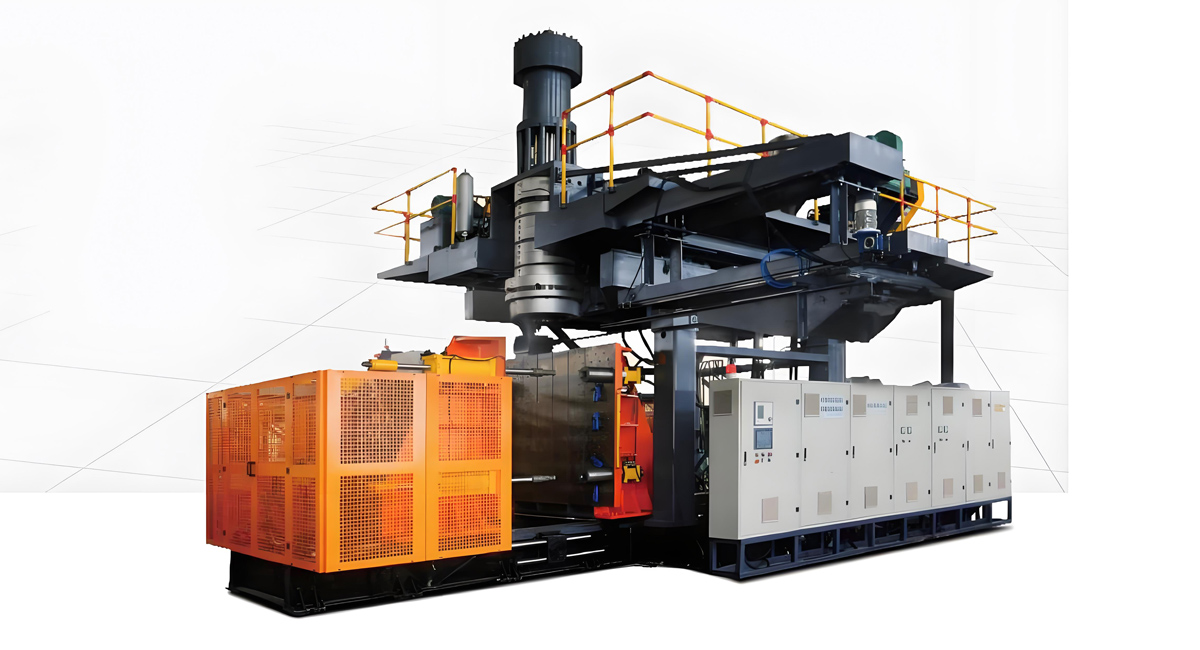
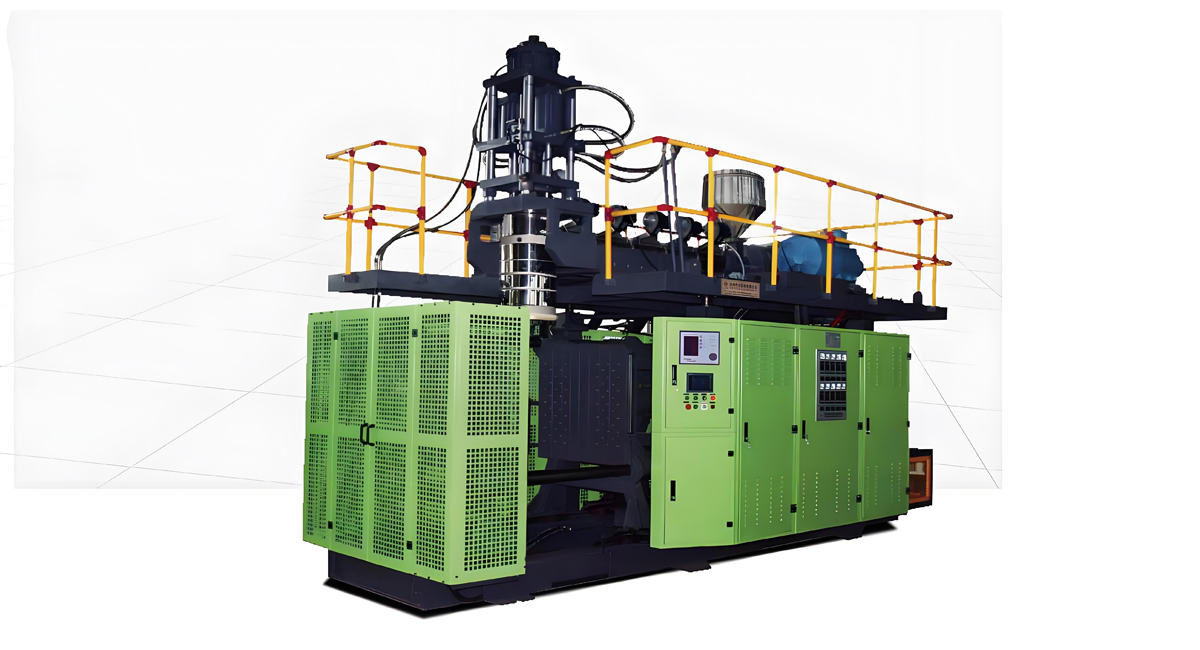
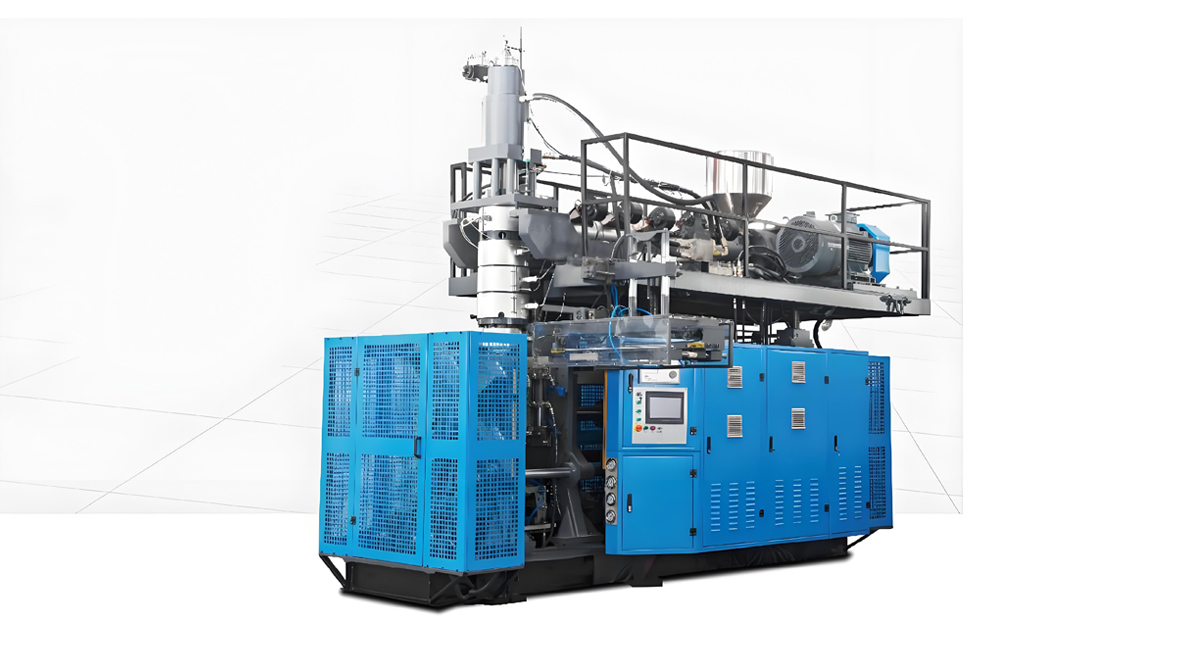
Apollo offers a comprehensive range of extrusion blow molding machines specifically engineered for the production of luxury cosmetic containers. Our machines are designed to meet the most demanding quality and performance requirements of the luxury cosmetics industry, enabling manufacturers to produce stunning, high-quality containers with exceptional efficiency and reliability. All Apollo machines incorporate advanced technology, precision engineering, and innovative design features that ensure consistent, repeatable production of premium cosmetic packaging.
4.1 Apollo AB-50 Luxury Cosmetic Container Machine (50ml-20L)
The Apollo AB-50 is our compact, high-precision extrusion blow molding machine designed for the production of small to medium-sized luxury cosmetic containers ranging from 50ml to 20 liters. This versatile machine is perfect for manufacturers producing a wide range of luxury cosmetic products, including skincare bottles, cream jars, lotion containers, and fragrance bottles. Despite its compact size, the AB-50 incorporates all the advanced features of our larger production machines, including precision wall thickness control, advanced process automation, and energy-efficient operation.
Key specifications:
- Clamping force: 500 kN
- Maximum platen size: 800 mm x 600 mm
- Maximum mold weight: 1500 kg
- Extruder diameter: 50-75 mm
- Maximum extrusion output: 150 kg/h
- Number of cavities: Up to 6
- Wall thickness control: 200-point axial wall thickness control with optional radial control
- Control system: Siemens S7-1200 PLC with 12-inch touch screen HMI
- Power consumption: 35-55 kW
- Footprint: 6.5 m x 3.5 m
- Weight: 12,000 kg
Price and Cost Analysis
The price of the Apollo AB-50 luxury cosmetic container machine ranges from $55,000 to $95,000 FOB Shanghai, depending on the specific configuration and optional features. The standard configuration includes the main machine, high-performance single extruder, precision die head, 200-point axial wall thickness control, and Siemens control system with recipe management. Optional features include multi-layer co-extrusion, radial wall thickness control, in-mold labeling capability, automatic deflashing, and robotic handling systems.
This model is ideal for small to medium-sized luxury cosmetic brands and packaging manufacturers looking for a reliable, high-precision machine for producing premium containers. It offers an excellent balance of performance, flexibility, and cost-effectiveness, making it the most popular choice for luxury cosmetic packaging production. The typical payback period for the AB-50 is 6-10 months for manufacturers producing high-quality luxury containers.
4.2 Apollo AB-80 High-Speed Luxury Cosmetic Machine (100ml-60L)
The Apollo AB-80 is our high-speed, high-precision extrusion blow molding machine designed for medium to large-scale production of luxury cosmetic containers ranging from 100ml to 60 liters. This machine offers exceptional production capacity and efficiency while maintaining the highest standards of quality and precision. The AB-80 is perfect for manufacturers producing high volumes of premium cosmetic containers for leading luxury brands. It can be easily configured with different options and upgrades to meet specific production requirements, and it can be expanded as your business grows.
Key specifications:
- Clamping force: 800 kN
- Maximum platen size: 1100 mm x 800 mm
- Maximum mold weight: 3000 kg
- Extruder diameter: 75-100 mm
- Maximum extrusion output: 250 kg/h
- Number of cavities: Up to 8
- Wall thickness control: 300-point axial wall thickness control with standard radial control
- Control system: Siemens S7-1200 PLC with 15-inch touch screen HMI
- Power consumption: 60-90 kW
- Footprint: 8.5 m x 4.5 m
- Weight: 18,000 kg
Price and Cost Analysis
The price of the Apollo AB-80 high-speed luxury cosmetic machine ranges from $90,000 to $160,000 FOB Shanghai, depending on the specific configuration and optional features. The standard configuration includes the main machine, high-performance single extruder, versatile die head, 300-point axial and radial wall thickness control, advanced quick mold change system, and Siemens control system with advanced recipe management. Optional features include 2-5 layer co-extrusion, multi-cavity die heads, in-mold labeling integration, automatic deflashing and trimming, and integrated robotic handling.
This model is ideal for medium to large-sized packaging manufacturers that supply luxury cosmetic brands with high-volume production requirements. It offers the highest level of precision and reliability, ensuring consistent production of premium quality containers with minimal scrap. The typical payback period for the AB-80 is 4-8 months for manufacturers producing high-volume luxury cosmetic packaging.
4.3 Special Features for Luxury Cosmetic Production
All Apollo extrusion blow molding machines for luxury cosmetic container production incorporate several special features that are specifically designed to meet the unique requirements of the luxury cosmetics industry:
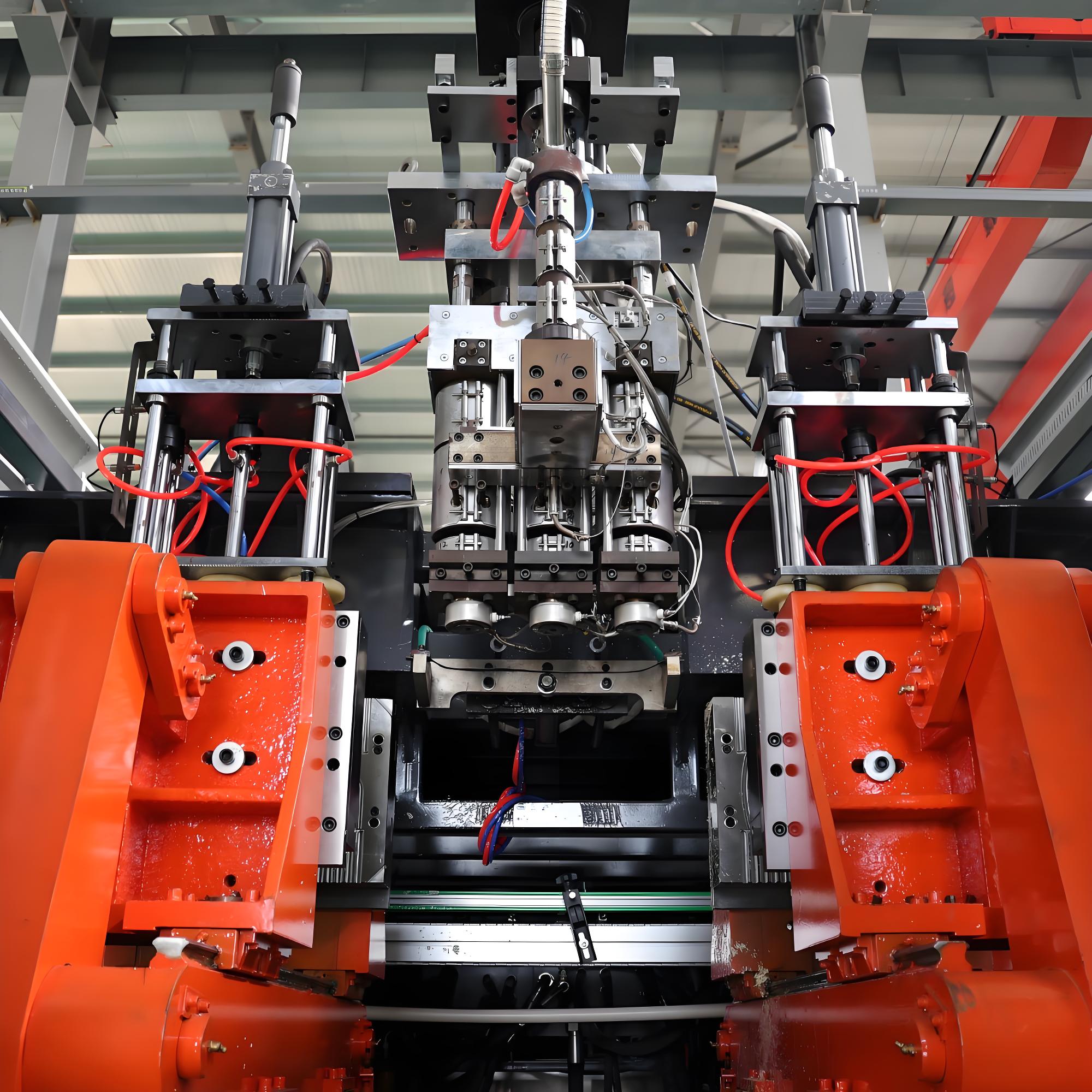
Ultra-Precision Wall Thickness Control: Apollo machines feature advanced servo-driven wall thickness control systems that provide unprecedented precision in parison thickness adjustment. The axial wall thickness control system can adjust the parison thickness at up to 400 points along its length, while the optional radial wall thickness control system can adjust the thickness around the circumference of the parison. This ensures uniform wall thickness distribution even for the most complex shapes, resulting in consistent product quality and minimal material waste.
High-Clarity Material Processing: Apollo machines are specially configured to process high-clarity materials such as PETG and modified PET with exceptional results. The extrusion systems are designed to provide gentle, uniform melting of the resin to maintain the material’s optical properties, while the die heads are precision-machined to produce smooth, defect-free parisons. This results in containers with exceptional clarity and transparency that rival the appearance of glass.
Advanced Surface Quality Control: Apollo machines incorporate advanced process control systems that monitor and adjust all critical parameters in real time to ensure consistent surface quality. The machines feature precision temperature control systems that maintain uniform melt temperature throughout the extrusion process, eliminating flow lines and other surface defects. The clamping systems are designed to provide smooth, even mold closing, preventing flash and ensuring clean, sharp details.
Quick Mold Change System: Apollo’s advanced quick mold change system allows molds to be changed in less than 1.5 hours, making it easy to switch between different products and designs. This is particularly important for luxury cosmetic brands that frequently introduce new products and limited-edition packaging. The quick mold change system reduces downtime and increases production flexibility, allowing manufacturers to respond quickly to changing market demands.
Clean-Room Compatible Design: Many luxury cosmetic manufacturers operate in clean-room environments to ensure product purity and safety. Apollo machines can be configured with clean-room compatible designs, including stainless steel guards, food-grade lubricants, and sealed electrical components. The machines are designed to minimize particle generation and are easy to clean and maintain, making them suitable for use in Class 100,000 clean rooms.
Integrated Decoration Capabilities: Apollo machines can be integrated with various decoration systems, including in-mold labeling, hot stamping, and screen printing, to create a complete production line that produces fully decorated containers in a single process. This eliminates the need for secondary decoration operations, reducing production costs and lead times while improving product quality.
4.4 Multi-Layer Co-Extrusion Configurations
All Apollo extrusion blow molding machines can be configured with multi-layer co-extrusion systems to produce high-performance luxury cosmetic containers with barrier properties or recycled content. The price of a multi-layer configuration is typically 30-60% higher than the standard single-layer configuration, depending on the number of layers and the complexity of the system.
For example, a 3-layer co-extrusion configuration for the AB-50 machine adds approximately $35,000 to $45,000 to the base price, while a 5-layer configuration adds approximately $60,000 to $80,000. Despite the higher initial investment, multi-layer co-extrusion systems offer significant long-term benefits, including improved product protection, extended shelf life, and the ability to use recycled materials. The typical payback period for a multi-layer configuration is 12-18 months for manufacturers producing barrier containers for sensitive cosmetic products.
Apollo’s multi-layer co-extrusion systems feature precision extruders for each layer, advanced die head technology that ensures uniform layer distribution, and integrated control systems that allow for precise adjustment of layer thicknesses. The systems can produce containers with up to 7 layers, including outer layers for aesthetic appeal, barrier layers for product protection, inner layers for product compatibility, and recycled content layers for improved sustainability.
5. Comprehensive Cost Analysis and Return on Investment Calculation
Investing in a modern extrusion blow molding machine from Apollo for luxury cosmetic container production offers significant financial benefits through improved product quality, higher production efficiency, reduced scrap rates, and the ability to produce innovative, high-value designs. In this section, we will provide a detailed cost analysis and return on investment calculation comparing an Apollo AB-80 high-speed luxury cosmetic machine with a traditional standard-duty machine of similar capacity.
5.1 Initial Investment Comparison
We will compare the initial investment required for two different production scenarios:
Scenario 1: One traditional standard-duty extrusion blow molding machine producing luxury cosmetic containers
Scenario 2: One Apollo AB-80 high-speed luxury cosmetic machine producing the same products
Scenario 1: Traditional Standard-Duty Machine
- Machine price: $65,000
- Mold for 100ml skincare bottle: $12,000
- Auxiliary equipment: $20,000
- Installation and training: $5,000
- Initial spare parts package: $3,000
- Contingency fund (10%): $10,500
Total Initial Investment for Scenario 1: $115,500
Scenario 2: Apollo AB-80 High-Speed Luxury Machine
- Apollo AB-80 machine with luxury configuration: $120,000
- Mold for 100ml skincare bottle: $12,000
- Auxiliary equipment: $25,000
- Installation and training: $8,000
- Initial spare parts package: $5,000
- Contingency fund (10%): $17,000
Total Initial Investment for Scenario 2: $187,000
While the Apollo AB-80 has a higher initial investment, the significant improvements in production efficiency, product quality, and scrap reduction result in a much faster return on investment and significantly higher long-term profitability.
5.2 Annual Operating Cost Comparison
We will now compare the annual operating costs for the two scenarios, based on 24 hours of production per day, 300 days per year, producing 100ml luxury skincare bottles with an average selling price of $1.20 per unit.
Scenario 1: Traditional Standard-Duty Machine
- Annual production: 3,600,000 bottles
- Raw material costs: $1,296,000 per year (12g per bottle at $3.00 per kg)
- Material waste costs: 12% scrap rate = $155,520 per year
- Energy costs: $60,000 per year
- Labor costs (4 workers per shift): $288,000 per year
- Maintenance and repair costs: $42,000 per year
- Downtime costs: 18% downtime = $129,600 per year
- Overhead costs: $180,000 per year
- Packaging costs: $216,000 per year
- Transportation costs: $144,000 per year
- Rework and rejection costs: $86,400 per year
Total Annual Operating Costs for Scenario 1: $2,597,520 per year
Cost per Bottle: $0.722
Scenario 2: Apollo AB-80 High-Speed Luxury Machine
- Annual production: 5,040,000 bottles (40% higher production due to better efficiency and lower downtime)
- Raw material costs: $1,632,960 per year (10.8g per bottle at $3.00 per kg due to optimized wall thickness)
- Material waste costs: 0.8% scrap rate = $13,064 per year
- Energy costs: $36,000 per year (40% lower due to energy-efficient design)
- Labor costs (2 workers per shift): $144,000 per year (50% lower labor requirement)
- Maintenance and repair costs: $21,000 per year
- Downtime costs: 3% downtime = $30,240 per year
- Overhead costs: $135,000 per year
- Packaging costs: $302,400 per year
- Transportation costs: $201,600 per year
- Rework and rejection costs: $5,040 per year
Total Annual Operating Costs for Scenario 2: $2,521,304 per year
Cost per Bottle: $0.500
The Apollo AB-80 produces 40% more product per year while reducing total annual operating costs by $76,216 (2.9%). The cost per bottle is reduced by 30.7%, from $0.722 to $0.500, resulting in significantly higher profit margins for each bottle sold. The most significant savings come from dramatically reduced scrap rates, lower energy costs, reduced labor requirements, and optimized material usage.
5.3 Revenue and Profitability Comparison
We will now compare the revenue and profitability for the two scenarios, using an average selling price of $1.20 per 100ml luxury skincare bottle.
Scenario 1: Traditional Standard-Duty Machine
- Annual revenue: 3,600,000 x $1.20 = $4,320,000 per year
- Annual operating costs: $2,597,520 per year
- Annual gross profit: $4,320,000 – $2,597,520 = $1,722,480 per year
Scenario 2: Apollo AB-80 High-Speed Luxury Machine
- Annual revenue: 5,040,000 x $1.20 = $6,048,000 per year
- Annual operating costs: $2,521,304 per year
- Annual gross profit: $6,048,000 – $2,521,304 = $3,526,696 per year
The Apollo AB-80 generates an additional $1,804,216 in annual gross profit compared to the traditional standard-duty machine. This represents a 104.7% increase in profitability, demonstrating the significant financial benefits of investing in a high-quality extrusion blow molding machine specifically designed for luxury cosmetic container production.
5.4 Return on Investment Calculation
We will now calculate the return on investment (ROI) and payback period for the Apollo AB-80 high-speed luxury cosmetic machine compared to the traditional standard-duty machine.
Additional Initial Investment for Apollo AB-80: $187,000 – $115,500 = $71,500
Additional Annual Profit with Apollo AB-80: $3,526,696 – $1,722,480 = $1,804,216 per year
Payback Period: Additional Initial Investment ÷ Additional Annual Profit
Payback Period = $71,500 ÷ $1,804,216 = 0.0396 years = 0.475 months = 14.25 days
This exceptionally short payback period demonstrates that the additional investment in the Apollo AB-80 high-speed luxury cosmetic machine is recovered in less than 15 days through increased profitability. This is one of the fastest payback periods in the manufacturing industry, making the Apollo AB-80 an extremely attractive investment for luxury cosmetic packaging manufacturers.
Total Profit Over 15-Year Service Life:
- Total profit with traditional standard-duty machine: $1,722,480 x 15 = $25,837,200
- Total profit with Apollo AB-80 high-speed luxury machine: $3,526,696 x 15 = $52,900,440
- Additional profit with Apollo AB-80 over 15 years: $52,900,440 – $25,837,200 = $27,063,240
Return on Investment Over 15 Years: ($27,063,240 ÷ $187,000) x 100% = 14,472%
5.5 Sensitivity Analysis
To provide a more realistic assessment of the investment, we have conducted a sensitivity analysis to show how changes in key parameters affect the profitability of the Apollo AB-80 high-speed luxury cosmetic machine:
- If the selling price decreases by 15% to $1.02 per bottle, the additional annual profit decreases to $1,262,951, and the payback period increases to 21 days
- If the production volume decreases by 25% to 3,780,000 bottles per year, the additional annual profit decreases to $1,127,635, and the payback period increases to 23 days
- If the raw material cost increases by 15% to $3.45 per kg, the additional annual profit decreases to $1,353,162, and the payback period increases to 19 days
- If all three factors occur simultaneously (15% lower price, 25% lower volume, 15% higher cost), the additional annual profit decreases to $567,234, and the payback period increases to 46 days
Even in the worst-case scenario, the additional investment in the Apollo AB-80 high-speed luxury cosmetic machine is recovered in less than 7 weeks, making it an extremely robust and attractive investment for luxury cosmetic packaging manufacturers.
6. Real-World Success Stories with Apollo Extrusion Blow Molding Machines
Apollo extrusion blow molding machines have helped hundreds of luxury cosmetic brands and packaging manufacturers around the world create stunning, high-quality packaging that elevates their products and enhances their brand image. The following case studies demonstrate the real-world benefits of our machines for luxury cosmetic container production.
6.1 Case Study 1: Luxury Skincare Brand in France
Parisian Beauty Co., a leading luxury skincare brand in France, was looking to create a new line of premium anti-aging products with innovative, sculptural packaging that would stand out in the competitive luxury market. Their existing packaging supplier was unable to produce the complex organic shapes they desired with the required surface quality and consistency. The brand needed a manufacturing partner that could deliver exceptional quality, precision, and reliability to bring their vision to life.
After researching several manufacturers, Parisian Beauty Co. selected Apollo as their equipment supplier based on our reputation for precision engineering, advanced technology, and experience in luxury cosmetic packaging.