
Overview of China Extrusion Blow Molding Machine Exports
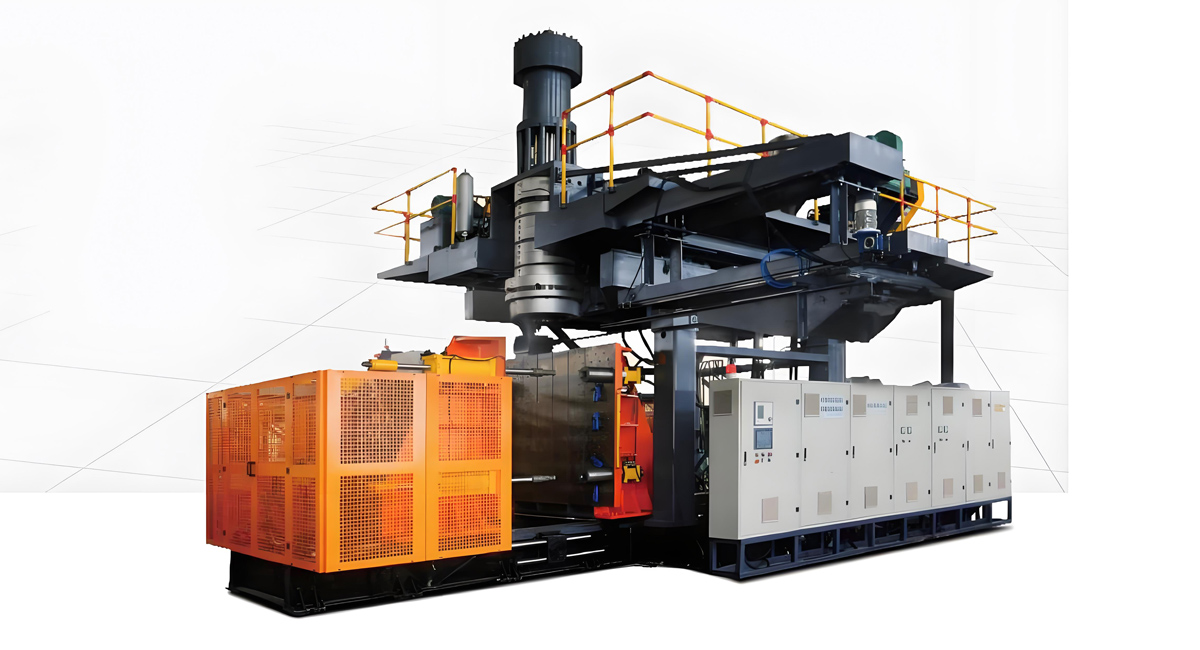
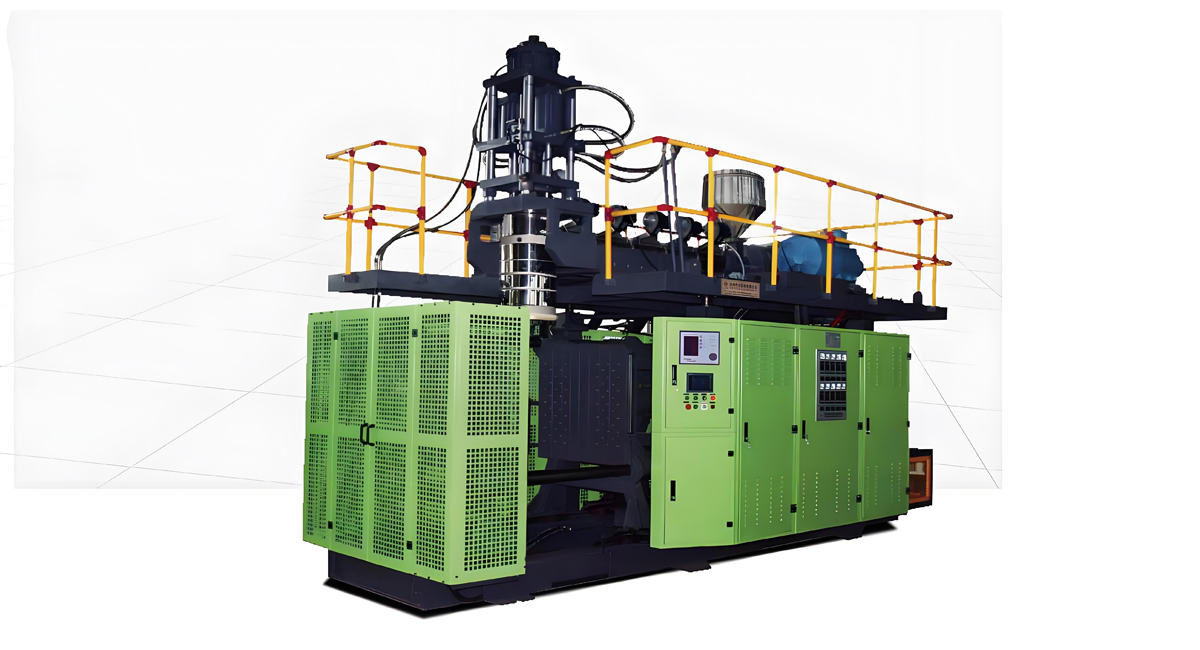
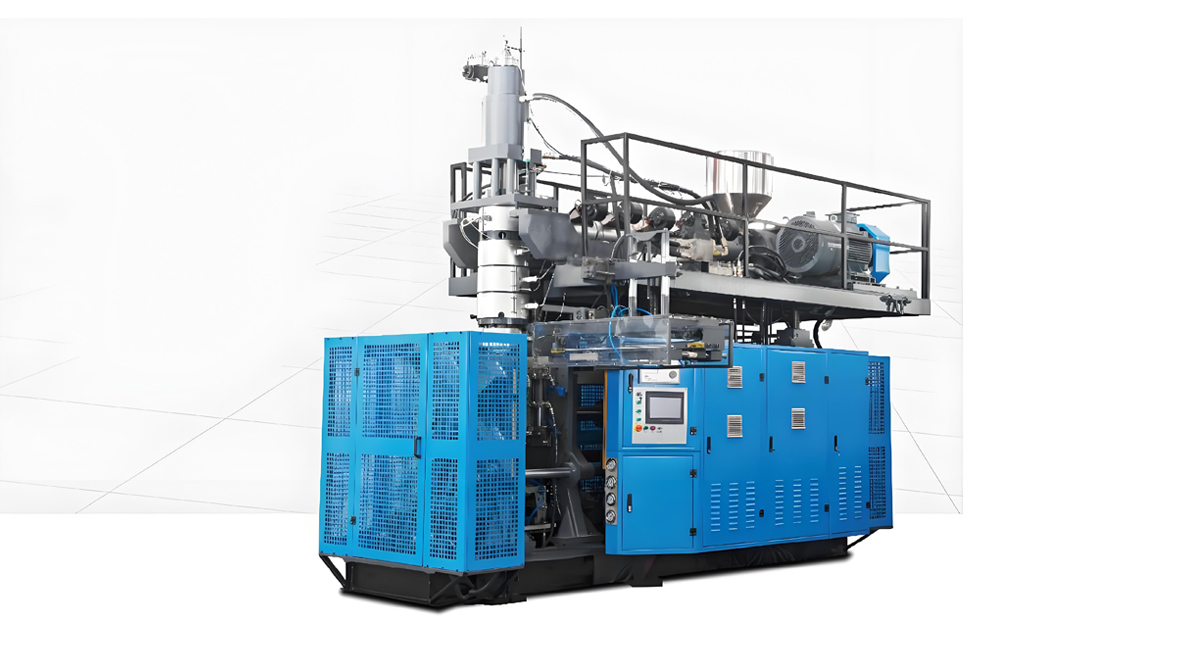
China has emerged as a global leader in extrusion blow molding machine manufacturing and export, supplying equipment to manufacturers worldwide across diverse industries. With over 20 years of manufacturing expertise, Apollo Machinery Co., Ltd. exemplifies the capabilities of Chinese manufacturers, producing high-quality extrusion blow molding machines that compete effectively with international brands while offering significant cost advantages. The export of Chinese extrusion blow molding machines represents a sophisticated international trade process requiring understanding of shipping logistics, customs procedures, documentation requirements, and cost structures to ensure smooth international transactions.
The global extrusion blow molding machine market has increasingly turned to Chinese manufacturers due to the excellent combination of quality, technology, and competitive pricing that Chinese manufacturers offer. Apollo, along with other established Chinese manufacturers, produces equipment incorporating advanced technologies including servo-driven systems, fully electric operation, precision control systems, and automated features that meet international quality standards. These machines have been exported to over 90 countries and regions, establishing Chinese equipment as reliable options for manufacturers seeking cost-effective production solutions without sacrificing quality or performance.
Exporting extrusion blow molding machines from China involves navigating complex international shipping procedures, customs regulations, documentation requirements, and logistical considerations. The substantial size and weight of these machines, ranging from compact 5-ton units to massive 72-ton industrial equipment, require specialized shipping solutions and careful coordination between manufacturers, freight forwarders, customs brokers, and customers. Understanding the complete export process enables international buyers to plan purchases effectively, anticipate costs accurately, and avoid delays or complications that can disrupt production schedules.
Export Process and Procedures
The export process for Chinese extrusion blow molding machines follows established procedures designed to ensure compliance with international trade regulations while facilitating efficient equipment delivery. Understanding each step of this process enables buyers to coordinate effectively with suppliers and manage expectations regarding timing, documentation, and responsibilities.
Pre-Shipment Preparation Phase
The export process begins once purchase orders are confirmed and payment arrangements are established. The pre-shipment preparation phase typically requires 4-6 weeks, during which manufacturers finalize production, perform quality testing, prepare documentation, and coordinate shipping arrangements. Apollo and other Chinese manufacturers typically conduct comprehensive testing of equipment before shipping, including performance verification, safety checks, and operational testing to ensure machines meet specification requirements and international standards.
During this phase, manufacturers prepare essential documentation including commercial invoices, packing lists, bill of lading, certificates of origin, and equipment specifications. Export documentation must be accurate and complete to avoid customs delays. Manufacturers also coordinate with freight forwarders to arrange appropriate shipping methods, schedule shipping dates, and ensure packaging meets international shipping requirements for heavy machinery. The pre-shipment phase concludes with machine loading and departure from the manufacturing facility to the port of export.
Shipping Method Selection
Shipping method selection for extrusion blow molding machines depends on machine size, destination location, urgency requirements, and budget considerations. Container shipping represents the most common method for most extrusion blow molding machines due to cost-effectiveness and standardized procedures. Smaller machines such as ABLB 45 or ABLB 55 models typically fit in 20-foot containers, while medium-sized machines like ABLB 90 or ABLE 100 models require 40-foot containers. Very large machines such as ABLD 150 may require specialized heavy-lift shipping due to size and weight exceeding container capacity.
Container shipping options include Full Container Load (FCL) and Less than Container Load (LCL), though FCL is almost universally used for complete extrusion blow molding machines to prevent damage from multiple shippers sharing container space. Shipping times vary by destination: 2-4 weeks to European destinations, 2-3 weeks to North American ports, 1-2 weeks to Southeast Asia, 3-5 weeks to South America, and 2-4 weeks to Africa. Express air shipping is available for urgent requirements but costs 5-10 times more than ocean shipping, making it practical only for urgent small parts or components rather than complete machines.
Freight Forwarding and Logistics
Professional freight forwarding services are essential for successful international shipment of extrusion blow molding machines. Experienced freight forwarders understand the specific requirements for shipping heavy machinery, including proper packing, documentation, customs procedures, and inland transportation coordination. Apollo typically works with established freight forwarding companies experienced in exporting machinery to international markets, ensuring professional handling throughout the shipping process.
Freight forwarders coordinate multiple aspects including booking shipping space, arranging inland trucking to ports, handling export customs procedures, managing documentation, coordinating with shipping companies, and arranging import procedures at destination ports. They also provide valuable guidance on optimal shipping routes, transit times, and potential complications to avoid. Working with professional freight forwarders reduces shipping risks and ensures compliance with all international shipping regulations.
Customs Clearance and Documentation
Customs clearance represents one of the most critical aspects of exporting extrusion blow molding machines from China, requiring accurate documentation and compliance with both export and import regulations. Understanding customs procedures and requirements helps prevent delays and additional costs that can significantly impact total landed costs.
Export Customs Procedures in China
Export customs procedures in China must be completed before equipment can be shipped internationally. Manufacturers must submit export declarations including equipment specifications, value information, destination country, and end-use details. Chinese customs officials verify export licenses, check for dual-use technology restrictions, and ensure compliance with international trade agreements. Most extrusion blow molding machines for commercial industrial use do not require special export licenses, though some advanced technology models may have additional restrictions depending on destination and technology features.
The export customs clearance process typically takes 2-5 working days, during which customs officials review documentation and may physically inspect equipment to verify accuracy of declared specifications. Proper classification under Harmonized System (HS) codes is essential for accurate customs processing. Extrusion blow molding machines typically fall under HS code 8477.20.00, identifying them as plastics processing machinery. Accurate classification ensures correct duty rates and compliance with regulations.
Import Customs Procedures
Import customs procedures at the destination country typically represent the most complex and time-consuming aspect of international equipment acquisition. Importers must prepare and submit comprehensive documentation to customs authorities, including commercial invoices, bills of lading, packing lists, certificates of origin, equipment manuals, and specific import licenses or permits required by destination countries. Import customs officials verify documentation accuracy, calculate applicable duties and taxes, inspect equipment to verify declared specifications, and process release of equipment.
Import processing times vary significantly by country, ranging from 2-3 days for efficient customs systems to several weeks for countries with more complex procedures. Importers should engage professional customs brokers or agents familiar with local procedures and regulations. These professionals can expedite clearance, prevent unnecessary delays, and ensure compliance with all regulatory requirements. Importers must also ensure compliance with safety standards, electrical requirements, and environmental regulations applicable in their countries.
Essential Documentation Requirements
Successful customs clearance requires complete and accurate documentation prepared according to both export and import requirements. Essential documentation includes commercial invoices detailing equipment value, specifications, and payment terms. Commercial invoices must include accurate equipment descriptions, HS codes, values in agreed currencies, and manufacturer information. Packing lists detail shipping contents including weights, dimensions, and packing materials. Bills of lading serve as shipping receipts and title documents, essential for claiming equipment at destination ports.
Certificates of origin verify manufacturing country information and may qualify equipment for preferential duty rates under trade agreements. Equipment certificates and technical documentation verify specifications, safety features, and compliance with standards. Insurance policies covering international transit protect against shipping losses or damage. Import licenses or permits specific to destination country requirements may be necessary depending on equipment type and destination regulations.
Shipping Costs and Cost Analysis
Understanding the complete cost structure for exporting extrusion blow molding machines from China requires analysis of shipping costs, insurance, duties, taxes, and additional expenses that contribute to total landed costs. Accurate cost analysis enables budget planning and comparison of total acquisition costs across different suppliers and shipping options.
Freight Shipping Costs
Freight shipping costs represent a significant component of total export costs, varying by machine size, destination, shipping method, and current market conditions. Ocean shipping costs typically range from $3,000-$8,000 for 20-foot containers and $4,000-$12,000 for 40-foot containers to major international destinations. These rates fluctuate based on shipping demand, fuel prices, carrier capacity, and seasonal factors. Smaller machines such as ABLB 45 models typically ship in 20-foot containers at the lower end of this range, while larger machines requiring 40-foot containers incur higher shipping costs.
Destination significantly impacts shipping costs, with East Asian destinations ($3,000-$6,000), European destinations ($4,000-$9,000), North American destinations ($4,000-$10,000), South American destinations ($5,000-$12,000), and African destinations ($5,000-$13,000) representing typical cost ranges. Additional inland transportation costs at destination ports, typically $500-$2,000 depending on distance from port to final location, must be added to ocean freight costs for complete shipping cost assessment.
Insurance and Risk Coverage
International shipping insurance protects against losses, damage, or theft during transit, typically representing 0.5-1.5 percent of equipment value including shipping costs. This insurance coverage is essential for high-value equipment such as extrusion blow molding machines where shipping incidents could result in substantial financial losses. Insurance policies cover All-Risk conditions including equipment damage, shipping losses, theft, and delivery failures. Premiums vary based on coverage limits, deductible amounts, shipping routes, and equipment value.
For a typical mid-size extrusion blow molding machine valued at $120,000 with shipping costs of $6,000, insurance premiums might range from $600-$1,200 for comprehensive All-Risk coverage. This investment provides protection against potentially catastrophic losses during international shipping. Buyers should carefully review insurance terms, coverage limits, and claim procedures to ensure adequate protection for their specific circumstances.
Import Duties and Taxes
Import duties and taxes vary significantly by destination country and represent substantial components of total landed costs. Most countries impose import duties on plastics processing machinery, typically ranging from 5-15 percent of CIF value (Cost, Insurance, Freight). Value-added taxes (VAT) or goods and services taxes (GST) apply in many countries, typically ranging from 10-25 percent of CIF value plus duty amounts. These taxes and duties can add 15-40 percent to equipment costs depending on destination country regulations.
Trade agreements may reduce or eliminate duties for equipment imported from China under preferential trade arrangements. Certificates of origin are essential for claiming these preferential rates. Some countries offer duty exemptions or reductions for imported manufacturing equipment intended for production purposes. Buyers should investigate duty relief programs applicable in their countries that could substantially reduce import costs.
Total Landed Cost Analysis
Total landed cost analysis provides comprehensive understanding of actual acquisition costs including equipment price, shipping costs, insurance, duties, taxes, and additional expenses. For a typical mid-size extrusion blow molding machine purchased from China, total landed costs might include equipment cost $100,000, ocean shipping $6,000, insurance $800, import duty $5,000, VAT/GST $11,160, inland transportation $1,000, customs broker fees $1,500, installation training $6,000, and spare parts initial supply $2,500, resulting in total landed cost of $132,960, representing 32.96 percent additional cost above equipment price.
Understanding these total landed costs enables accurate budget planning and realistic comparison with alternative sourcing options. While Chinese equipment typically offers lower base prices than equipment from other manufacturing regions, total landed costs including shipping, duties, and taxes should be calculated for accurate comparison with domestic or regionally sourced alternatives.
Equipment Packaging and Protection
Proper packaging and protection for international shipping of extrusion blow molding machines is critical to prevent damage during transit and ensure equipment arrives in optimal condition. Heavy machinery requires specialized packaging approaches beyond standard shipping methods used for less sensitive cargo.
Container Loading and Securing
Extrusion blow molding machines loaded into shipping containers require careful positioning and securing to prevent movement during ocean transport. Machines are typically loaded onto reinforced steel bases or skids designed to distribute weight evenly across container floors. Heavy-duty steel frames provide structural support during lifting and handling operations. Equipment components are disassembled as necessary to fit within container dimensions, with vulnerable parts removed, protected, and secured separately within the container.
Securement methods include steel chains, heavy-duty straps, blocking and bracing with wood or steel beams, and welding points where appropriate. All movable parts are locked or secured to prevent movement during transit. Container interiors are padded with protective materials including foam, rubber mats, or wooden barriers to prevent direct contact between machine components and container walls. Proper weight distribution ensures containers meet maritime safety requirements for stability.
Component Protection
Machine components requiring special protection include control panels, electronic systems, precision components, motors, pumps, and exposed mechanical parts. Control panels and electrical components are wrapped in anti-static materials, protected with waterproof coverings, and crated to prevent impact damage. Precision components are coated with protective lubricants to prevent corrosion during shipping. Motors and pumps are sealed against moisture ingress and protected from impact.
Desiccants and moisture-absorbing materials are placed inside packaging to control humidity and prevent corrosion during ocean shipping where equipment may be exposed to salt air and high humidity conditions. Rust-preventive treatments protect exposed metal surfaces. Documentation including installation manuals and wiring diagrams is packed in waterproof containers secured inside the shipping container for easy access upon arrival.
Weather Protection
International shipping exposes equipment to various weather conditions including salt air, high humidity, rain, and temperature extremes that can damage sensitive components. Protective measures include waterproof wrapping of electrical systems, desiccants for moisture control, corrosion inhibitors on metal surfaces, and climate-controlled storage where available. Equipment is loaded into containers under cover to minimize exposure to weather conditions before departure.
Container selection considers weather protection needs, with newer containers offering better seals and reduced moisture ingress. For equipment particularly sensitive to environmental conditions, ventilated containers with moisture-control features may be specified. Additional protective coatings and sealants are applied to vulnerable components to enhance resistance to corrosive shipping environments.
Installation and Commissioning
Installation and commissioning represent critical final phases of acquiring extrusion blow molding machines from international suppliers, ensuring equipment operates correctly according to specifications and meets production requirements. Proper installation and commissioning protect equipment investment and enable rapid achievement of full production capability.
Site Preparation Requirements
Proper site preparation before equipment arrival is essential for smooth installation. Site preparation includes concrete foundation installation capable of supporting equipment weight and vibrations, adequate floor space for machine operation and maintenance access, electrical power supply meeting machine specifications with appropriate voltage, amperage, and phases, compressed air supply systems meeting pressure and flow requirements, cooling water supply and drainage systems, material storage areas for raw materials and finished products, overhead lifting equipment for heavy component installation, and environmental controls for temperature and humidity where required.
Foundation requirements vary by machine size, with small machines requiring reinforced concrete slabs while large machines may need specialized foundations with vibration isolation. Electrical requirements typically include three-phase power at 380V, 400V, or 415V depending on destination country standards. Proper site preparation completed before equipment arrival prevents installation delays and additional costs for site modifications.
Installation Procedures
Professional installation typically takes 1-2 weeks depending on machine size, complexity, and site readiness. Installation procedures include equipment unloading and positioning, component assembly and connection, electrical system installation and testing, hydraulic or pneumatic system setup, control system programming, safety system verification, calibration for production specifications, trial runs and testing, and operator training. Apollo typically provides installation services either through traveling technicians or coordination with local installation partners.
Installation costs typically range from 8-12 percent of equipment value including technician travel costs, labor, and local support services. For a $120,000 machine, installation costs might range from $9,600-$14,400. Professional installation ensures equipment operates correctly, complies with safety standards, and is ready for production immediately upon completion.
Commissioning and Testing
Commissioning involves comprehensive testing of all machine systems and functions under operating conditions to ensure equipment meets specification requirements and quality standards. Commissioning procedures include functionality testing of all machine systems, production of test samples using actual production materials, quality verification of produced samples, adjustment and optimization of operating parameters, documentation of recommended operating settings, final acceptance testing and sign-off, and handover of equipment to customer operation.
Commissioning typically produces 500-2000 production units for quality verification depending on product size and complexity. This process ensures equipment functions correctly with actual production materials and settings. Any issues identified during commissioning are corrected before final acceptance, preventing problems during regular production operations.
Training and Handover
Comprehensive operator training ensures equipment operators understand machine operation, safety procedures, maintenance requirements, and troubleshooting approaches. Training typically includes machine operation procedures, safety protocols and emergency procedures, parameter adjustment and optimization, routine maintenance tasks, basic troubleshooting and problem resolution, quality control procedures, and documentation and record-keeping requirements.
Training typically requires 1-2 weeks for experienced operators and 2-4 weeks for operators new to extrusion blow molding technology. Apollo provides comprehensive training materials including operation manuals, maintenance guides, troubleshooting procedures, and quick-reference guides. Proper training ensures operators can maximize machine performance and minimize downtime through proper operation and maintenance practices.
Warranty and After-Sales Support
Warranty coverage and after-sales support are critical considerations for international equipment purchases, ensuring long-term equipment reliability and access to technical support when needed. Understanding warranty terms and support capabilities enables realistic expectations regarding service availability and response times.
Warranty Coverage and Terms
Apollo typically provides comprehensive warranty coverage for extrusion blow molding machines including 12 months warranty period from delivery date, coverage of manufacturing defects and component failures, free replacement parts for defective components, remote technical support and troubleshooting, and on-site service support for serious issues. Warranty terms specify response times, typically 24-48 hours for remote support response and 1-2 weeks for on-site service depending on location and travel arrangements.
Warranty coverage excludes normal wear components, damage from misuse or improper operation, damage from unauthorized modifications, and damage from improper installation or maintenance. Understanding warranty terms enables proper equipment operation and maintenance to preserve warranty coverage while managing expectations regarding service support.
Spare Parts Availability
Reliable spare parts availability is essential for long-term equipment operation and minimal downtime. Apollo and other Chinese manufacturers typically maintain comprehensive spare parts inventories and ship replacement parts internationally to support installed equipment. Critical spare parts recommended for initial inventory include control system components, electrical components, hydraulic seals and valves, sensor and transducer replacements, drive system components, heating elements and temperature controls, and commonly used fasteners and connectors.
Spare parts availability includes shipping times typically 1-2 weeks for standard parts to international destinations, emergency parts shipping with express delivery available at additional cost, local parts stocking arrangements for major markets, and component compatibility with standard industrial sources. Recommended initial spare parts investment typically represents 2-3 percent of equipment value, approximately $2,400-$3,600 for a $120,000 machine.
Technical Support Services
Technical support services provide ongoing assistance throughout equipment operational life. Apollo offers multiple support channels including remote technical support via phone and email, video conference support for complex issues, online knowledge base and documentation, on-site technical service for serious problems, regular maintenance service options, and upgrade and modification services. Response times vary by issue severity and location, with typical response times of 24-48 hours for standard support requests.
Technical support capabilities include troubleshooting assistance, parameter optimization recommendations, maintenance guidance, process improvement suggestions, and upgrade options for technology enhancements. Ongoing support relationships ensure equipment remains productive throughout its operational life and can adapt to changing production requirements.
Common Challenges and Solutions
International equipment acquisition presents various challenges that can complicate the export and import process. Anticipating these challenges and implementing appropriate solutions prevents delays, reduces costs, and ensures successful equipment acquisition.
Documentation Issues
Documentation errors or omissions represent common causes of customs delays and shipping complications. Common documentation problems include incomplete commercial invoices, missing certificates of origin, inaccurate HS code classifications, incorrect equipment specifications, missing import licenses, and translation issues. Prevention strategies include working with experienced export professionals, verifying all documentation before shipping, engaging professional customs brokers, maintaining backup documentation copies, and using clear, consistent language throughout all documentation.
When documentation issues arise, prompt communication with manufacturers, freight forwarders, and customs officials typically enables resolution. Having established relationships with experienced export professionals provides access to expertise for resolving documentation complications efficiently.
Shipping Delays
Shipping delays can occur due to various factors including port congestion, weather disruptions, equipment scheduling issues, or customs processing delays. Mitigation strategies include flexible production scheduling to accommodate potential delays, buffer time in project planning for international shipments, contingency planning for alternative shipping methods if urgent, regular communication with freight forwarders regarding shipment status, and insurance coverage covering delays where available.
Building relationships with reliable freight forwarders and shipping companies improves ability to navigate delays when they occur. Understanding typical shipping timeframes allows realistic planning and expectation management for production scheduling after equipment arrival.
Equipment Damage Claims
Equipment damage during international shipping, while relatively uncommon with proper packaging, can occur and requires prompt attention to minimize operational impact. Immediate actions upon discovering damage include documenting all damage thoroughly with photographs and detailed descriptions, notifying freight forwarders and insurance companies immediately, obtaining inspection reports from qualified technicians, preserving damaged equipment for inspection if required, and beginning repair or replacement processes promptly.
Insurance claims typically require comprehensive documentation including shipping documents, insurance policies, damage reports, repair estimates, and original purchase documentation. Working with experienced insurance brokers facilitates claims processing and ensures appropriate compensation for losses.
Import Regulation Changes
Import regulations can change between purchase order placement and equipment delivery, potentially affecting import procedures, duty rates, or documentation requirements. Staying informed about regulatory developments through customs brokers, trade associations, and industry news enables proactive adaptation to regulation changes. Building flexibility into purchasing agreements allows accommodation of regulation changes that may affect costs or procedures.
When regulation changes cause complications, working with experienced import professionals helps identify alternative approaches or regulatory exemptions that may apply. Maintaining open communication with manufacturers regarding regulatory impacts ensures coordinated response to changing requirements.
Conclusion: Strategic Value of Chinese Equipment
Exporting extrusion blow molding machines from China represents a strategic sourcing approach offering excellent value through competitive pricing, quality manufacturing, and comprehensive support. Apollo Machinery Co., Ltd. exemplifies the capabilities of Chinese manufacturers, providing equipment that meets international quality standards while offering 30-50 percent cost advantages compared to equipment from Western manufacturers.
Understanding the complete export process including shipping procedures, customs clearance, documentation requirements, and total landed costs enables international buyers to make informed decisions and manage expectations realistically. While international acquisition involves complexity beyond domestic purchasing, the substantial cost advantages and quality available from Chinese manufacturers justify the additional planning and coordination required.
The combination of competitive pricing, quality equipment, comprehensive export support, and after-sales service makes Chinese extrusion blow molding machines excellent options for manufacturers seeking to improve production capabilities while managing equipment acquisition costs effectively. With proper planning and professional support, international equipment acquisition from China delivers substantial value and enables manufacturers to access advanced technology at competitive prices.