
Understanding Touch Screen Control Systems in Extrusion Blow Molding
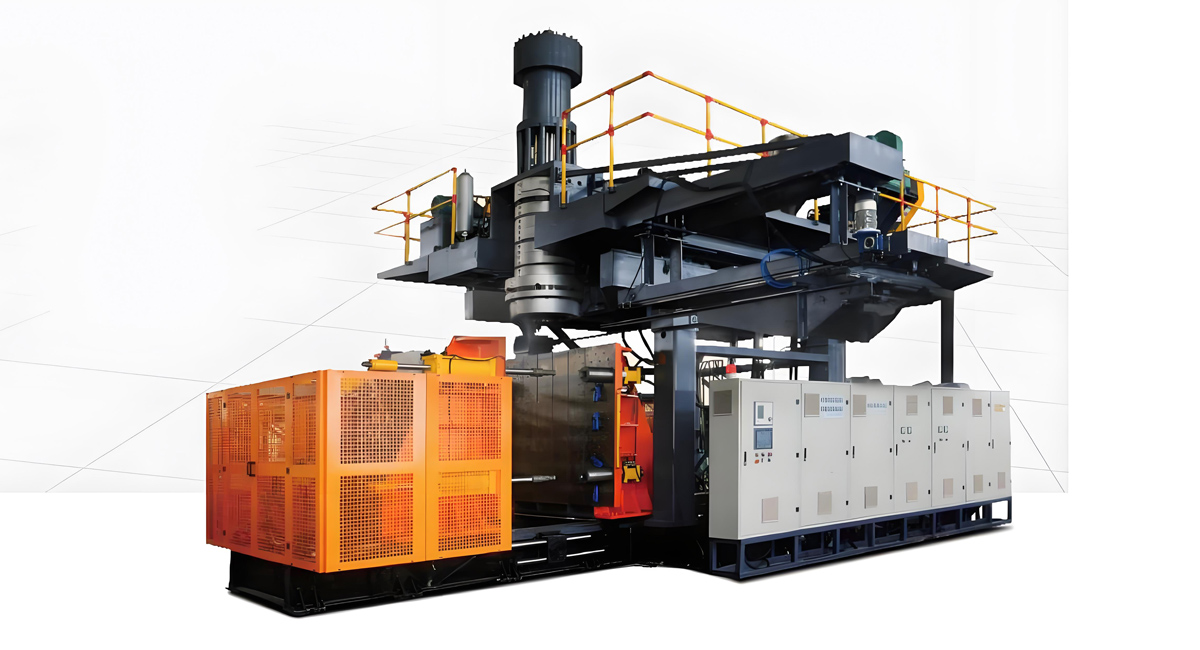
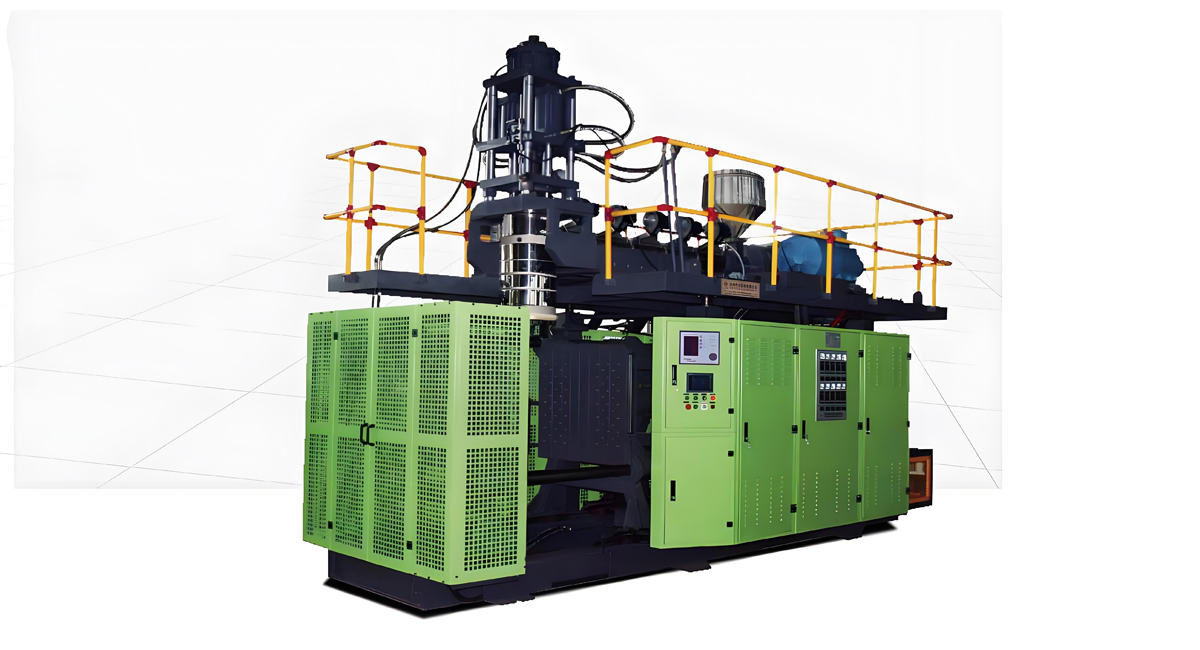
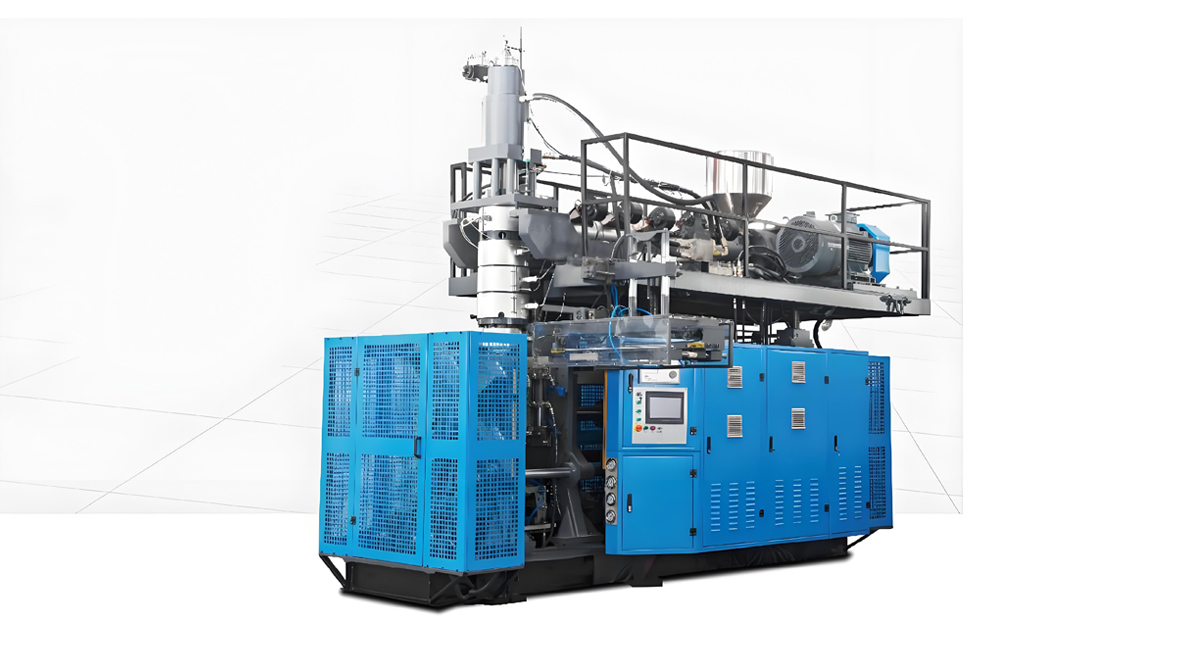
Touch screen control systems represent the forefront of extrusion blow molding machine automation, providing plastic factories with sophisticated interfaces that enhance operational efficiency, improve product quality, and reduce operator dependency. These advanced control systems integrate programmable logic controllers (PLC), human-machine interfaces (HMI), and real-time monitoring capabilities into intuitive touch screen interfaces that enable precise control of complex machine operations. Apollo Machinery Co., Ltd., with over 20 years of expertise in plastic machinery manufacturing, incorporates advanced touch screen control systems across all extrusion blow molding machine series, delivering smart operation capabilities that transform traditional plastic manufacturing into modern, efficient production environments.
The evolution from traditional button-based controls to modern touch screen interfaces represents a significant advancement in plastic manufacturing technology. Traditional machines required multiple control panels, numerous buttons and switches, analog gauges, and separate monitoring systems that made operation complex and prone to errors. Modern touch screen control systems consolidate all machine functions into centralized digital interfaces that provide comprehensive control and monitoring through intuitive visual displays. This transformation dramatically simplifies machine operation while providing advanced capabilities previously unavailable on conventional control systems.
Touch screen control systems in extrusion blow molding machines serve multiple critical functions including parameter setting and adjustment, real-time process monitoring, production data tracking, fault diagnosis and troubleshooting, recipe management for product variations, automated sequence control, and operator guidance and training support. These comprehensive capabilities enable operators to manage complex production processes with significantly reduced training time while achieving more consistent product quality and higher production efficiency than traditional control systems allow.
Apollo Touch Screen Control Technology
Apollo extrusion blow molding machines feature advanced touch screen control systems designed to provide maximum operational convenience while delivering superior process control. The control system architecture incorporates multiple components working together to deliver comprehensive automation and monitoring capabilities suitable for modern plastic factory environments.
PLC-Based Control Architecture
Apollo touch screen systems are built around high-performance programmable logic controllers from Siemens and other leading automation manufacturers. These PLC systems provide real-time control of all machine functions including screw rotation speed, temperature zone management, parison programming and wall thickness control, mold opening and closing sequences, blow molding pressure and timing, clamping force control, and auxiliary equipment coordination. The high-speed processing capabilities of modern PLC systems enable precise control with response times measured in milliseconds, ensuring consistent product quality even during high-speed production.
The PLC architecture incorporates distributed input-output modules positioned throughout the machine for optimal signal processing, reducing response times and improving reliability. Advanced communication networks connect all machine systems including servo drives, temperature controllers, pressure sensors, position sensors, safety systems, and auxiliary equipment into integrated control networks. This comprehensive connectivity enables coordinated control of complex production sequences while monitoring system health and performance continuously throughout operation.
Advanced HMI Touch Screen Interfaces
Apollo machines feature high-resolution touch screen displays typically ranging from 10 to 15 inches in size, providing clear visibility and easy interaction with machine controls. The interface design emphasizes intuitive navigation with menu structures organized logically by machine function, production phase, or operational mode. Color-coded displays highlight critical parameters, alarm conditions, and status indicators for immediate visual recognition. Multi-language support enables operation by diverse operator teams without language barriers, supporting English, Spanish, Chinese, and other major languages based on customer requirements.
The touch screen interface displays include overview screens showing complete machine status, detailed parameter adjustment screens for each machine function, real-time production monitoring with statistics and counters, alarm and fault history screens for troubleshooting, maintenance scheduling and tracking screens, production recipe storage and management systems, and trend graphs showing parameter variations over time. This comprehensive display system provides operators with complete visibility into machine operation and production status at all times.
Precision Parison Wall Thickness Control
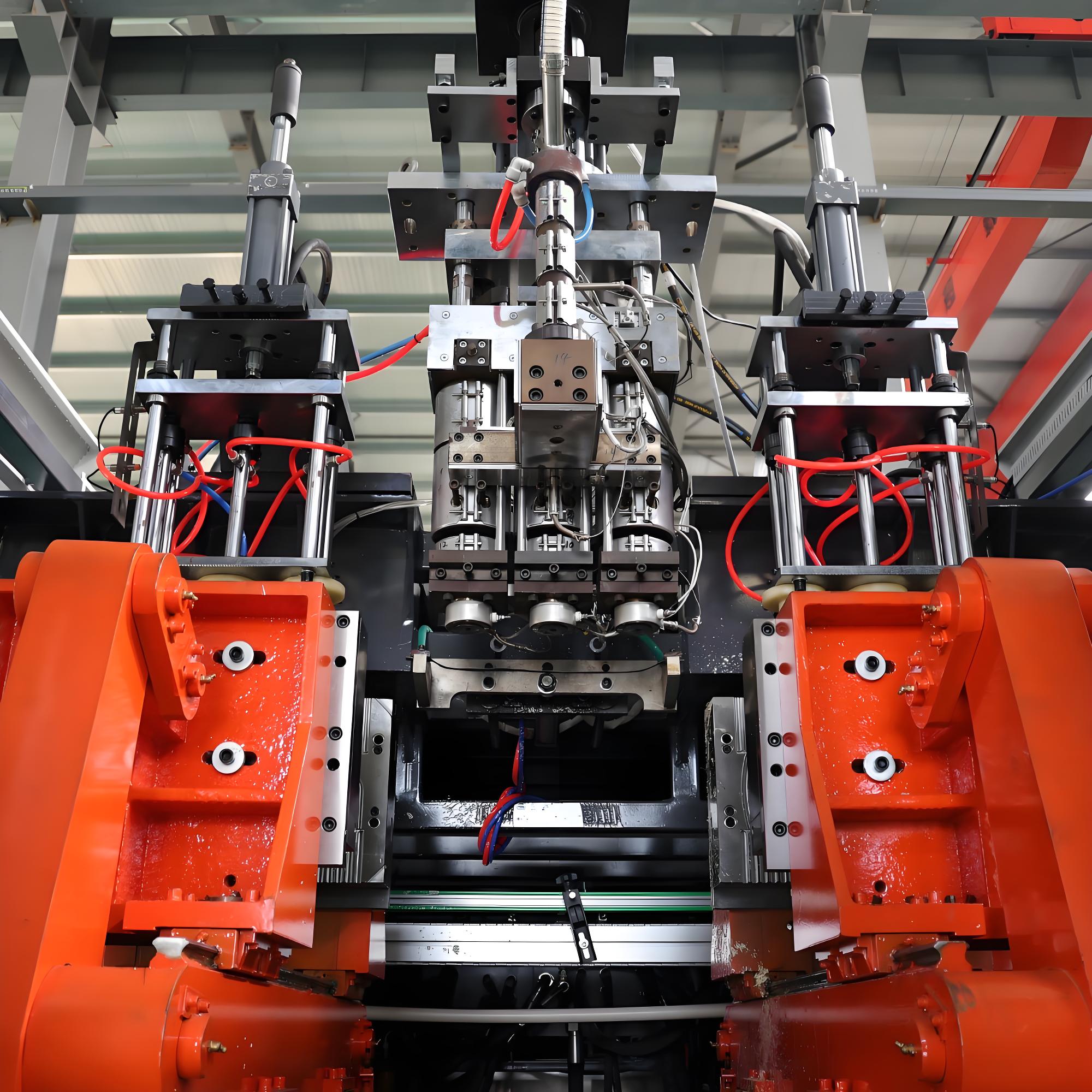
One of the most sophisticated capabilities of Apollo touch screen control systems is advanced parison wall thickness control. This critical function enables precise control of material distribution throughout the parison, determining final product wall thickness distribution, weight consistency, and product quality. Touch screen interfaces provide comprehensive programming capabilities including multi-point wall thickness programming along parison length, independent control of multiple parison stations in multi-cavity machines, real-time wall thickness feedback from ultrasonic sensors, automatic compensation based on production data, and storage and recall of wall thickness profiles for different products.
The wall thickness control system typically provides 20-100 programming points along parison length, with wall thickness control accuracy of plus or minus 0.05mm. This exceptional precision capability enables production of containers with complex wall thickness requirements, material optimization through strategic thickness distribution, and consistent weight control within plus or minus 0.5 grams for most applications. Touch screen interfaces enable easy adjustment of wall thickness profiles through intuitive graphical displays, making sophisticated parison programming accessible to operators without specialized technical training.
Operational Efficiency Advantages
Touch screen extrusion blow molding machines provide substantial operational efficiency advantages that translate directly into improved productivity, reduced costs, and enhanced competitiveness for plastic factories. These advantages extend beyond convenience to deliver measurable improvements in production performance.
Reduced Changeover Times
Touch screen control systems dramatically reduce production changeover times through recipe management systems that store complete parameter sets for different products. Traditional machines requiring manual adjustment of numerous individual parameters could take several hours for complete changeover between different products. Apollo touch screen systems enable changeover in 30-60 minutes for most applications through one-button recipe recall that automatically sets all machine parameters to stored values for the selected product.
Recipe management systems can store hundreds of different product recipes, each containing complete parameter sets for temperature profiles, screw speed settings, parison wall thickness profiles, pressure settings, timing sequences, and all other machine functions. This extensive recipe storage capability enables manufacturers to maintain complete parameter libraries for their entire product portfolio, making rapid changeovers between different products feasible without sacrificing production consistency or requiring specialized technical personnel for each product change.
Reduced Operator Training Requirements
The intuitive nature of touch screen interfaces significantly reduces operator training requirements compared to traditional control systems. New operators can achieve basic operational competency in 1-2 weeks with touch screen systems compared to 4-8 weeks required for traditional button-based controls. The clear visual displays, logical menu structures, intuitive navigation, and automated guidance features reduce learning curves substantially. This reduced training time enables faster ramp-up of new operators, reduced labor costs associated with training, and greater flexibility in workforce management.
Advanced training features built into Apollo touch screen systems include interactive help screens explaining each function, on-screen guidance through operational procedures, video demonstrations of maintenance tasks, simulation modes for practice without affecting production, and integrated troubleshooting guides that guide operators through problem resolution. These comprehensive training features integrated into the control system reduce dependency on external training resources while accelerating operator skill development.
Improved Product Consistency
Touch screen control systems enable improved product consistency through automated parameter control, real-time monitoring, and closed-loop feedback systems. Unlike manual controls where operator technique and attention to detail significantly affect consistency, automated control systems maintain identical parameters throughout production runs regardless of operator changes or shift rotations. Parameter consistency delivered by automated control translates directly into product quality consistency, with weight variation typically reduced from plus or minus 2-3 percent on manually controlled machines to plus or minus 0.5-1 percent on touch screen automated machines.
Real-time monitoring capabilities enable immediate detection of parameter drift or process variations that could affect product quality. Automatic compensation systems can adjust parameters to maintain target conditions, preventing quality variations before they occur. Trend analysis features track parameter variations over time, enabling predictive adjustments before quality issues develop. These capabilities combine to produce highly consistent product quality while reducing scrap rates by 30-50 percent compared to manually controlled machines.
Enhanced Production Data Management
Touch screen control systems provide comprehensive production data management capabilities that enable data-driven decision making and continuous process improvement. Production tracking systems record comprehensive data for each production run including start and end times, total production quantity, scrap quantities and reasons, parameter settings and variations, machine downtime and causes, energy consumption, and maintenance events. This data is automatically captured and stored in databases that enable analysis of production performance, identification of improvement opportunities, and documentation of production history for quality assurance purposes.
Advanced data management features include production reporting with customizable report formats, trend analysis identifying patterns and anomalies, comparative analysis between different production runs, OEE (Overall Equipment Effectiveness) calculation and tracking, and data export capabilities for external analysis. This comprehensive data management transforms production operations from experience-based to data-driven, enabling continuous improvement and informed decision making based on actual performance data rather than intuition or incomplete information.
Smart Features and Automation Capabilities
Apollo touch screen extrusion blow molding machines incorporate sophisticated smart features and automation capabilities that advance beyond simple control to deliver intelligent production systems that can optimize operations automatically and adapt to changing conditions.
Automated Sequence Control
Touch screen control systems enable complete automation of production sequences including automatic startup procedures bringing machines from cold start to steady production, automated production cycles performing all operations without operator intervention, automatic shutdown procedures safely stopping machines for scheduled stops or emergencies, and automated changeover sequences performing necessary parameter adjustments when changing products. These automated sequences reduce operator requirements for routine operations while ensuring consistent execution of procedures according to established best practices.
Sequence automation includes safety interlocks preventing unsafe operations, conditional logic adapting sequences based on process conditions, and verification steps ensuring each step completes properly before proceeding to the next step. This intelligent automation enables reliable unattended operation of many machine functions, reducing labor requirements while maintaining safety and quality standards.
Predictive Maintenance Capabilities
Advanced touch screen systems incorporate predictive maintenance capabilities that monitor machine health and anticipate maintenance requirements before breakdowns occur. Condition monitoring systems continuously track critical parameters including motor temperatures and vibration levels, bearing condition indicators, hydraulic oil condition and temperatures, electrical system performance metrics, wear on moving components, and calibration drift in measurement systems. This continuous monitoring enables detection of developing issues early, when maintenance is more convenient and less expensive than emergency repairs.
Intelligent analysis of condition data enables prediction of remaining useful life for components, identification of maintenance requirements before failure occurs, scheduling of maintenance during planned downtime rather than emergencies, and optimization of spare parts inventory based on predicted requirements. These predictive maintenance capabilities reduce unplanned downtime by 40-60 percent compared to reactive maintenance approaches, extend equipment life through early intervention, and reduce maintenance costs through planned rather than emergency repairs.
Energy Optimization Systems
Touch screen control systems incorporate energy optimization features that reduce energy consumption while maintaining production performance. These features include automatic adjustment of heating power based on production demand, optimization of motor speeds for actual power requirements rather than fixed speeds, scheduling of high-energy functions during off-peak electricity rate periods, automatic shutdown of non-essential systems during idle periods, and continuous monitoring of energy consumption with efficiency feedback. These energy optimization capabilities typically reduce energy consumption by 10-20 percent compared to manually controlled machines without affecting production output or product quality.
Real-time energy monitoring displays energy consumption patterns, identifies inefficient operations, and suggests optimization opportunities. Energy management systems can automatically adjust operational parameters to minimize energy use while meeting production targets, schedule operations to take advantage of favorable electricity rates, and document energy savings achieved through optimization measures. These capabilities directly reduce operating costs while demonstrating environmental responsibility through reduced energy consumption.
Quality Control Integration
Touch screen control systems integrate with quality measurement systems to enable comprehensive quality control and process adjustments based on real-time quality feedback. Integrated quality systems include automated weight checking with automatic compensation for weight drift, wall thickness measurement with automatic parison profile adjustments, dimensional verification with automatic mold positioning corrections, visual inspection systems detecting surface defects, and statistical process control tracking quality trends.
Quality feedback loops enable automatic adjustment of production parameters when quality variations exceed specified limits, triggering corrective actions before significant quantities of non-conforming products are produced. Quality trend analysis enables predictive adjustments before quality issues occur. Documentation of quality data provides traceability essential for many industries including food, pharmaceutical, and medical applications where quality documentation is required for regulatory compliance.
Industry-Specific Applications
Touch screen extrusion blow molding machines serve diverse industry applications with specific requirements that smart control systems are particularly well-suited to address. Different industries benefit from different features of touch screen technology based on their production characteristics and quality requirements.
Food and Beverage Industry
The food and beverage industry requires exceptional consistency, hygiene, and documentation for packaging production. Touch screen control systems enable compliance with these requirements through automated parameter control ensuring consistent product quality, comprehensive documentation capabilities recording production parameters for traceability, recipe management enabling rapid changeover between different food product containers, integration with food industry quality systems including HACCP requirements, and cleaning validation programs ensuring proper sanitation procedures are followed.
Food industry benefits include reduced risk of human error affecting product quality, complete documentation for regulatory compliance, rapid changeover enabling production of diverse product varieties, and data traceability essential for food safety investigations. Touch screen systems also facilitate compliance with food industry standards including ISO 22000, BRC, and IFS through automated documentation and process control features.
Pharmaceutical and Medical Packaging
Pharmaceutical and medical packaging applications demand the highest levels of precision, consistency, and documentation. Touch screen control systems provide essential capabilities for these demanding applications including exceptional parameter control accuracy meeting pharmaceutical specifications, comprehensive data recording for regulatory submissions, integration with quality systems complying with GMP requirements, automated quality monitoring ensuring consistent compliance, and security features preventing unauthorized parameter changes that could affect product quality.
Medical industry benefits include reduced risk of cross-contamination through automated operation, complete traceability required for medical device regulations, precise control enabling production of complex medical containers, and documentation capabilities supporting quality system requirements including FDA 21 CFR Part 11 compliance for electronic records. Touch screen systems also facilitate validation activities required for pharmaceutical and medical equipment through comprehensive data recording and control system documentation features.
Chemical and Industrial Container Production
Chemical and industrial container production involves heavy-duty production requirements where touch screen control systems provide substantial benefits through automated operation reducing operator fatigue, comprehensive monitoring ensuring reliable operation of large equipment, predictive maintenance preventing costly equipment failures, production optimization maximizing output from expensive large equipment, and integration with factory automation systems for coordinated plant operations.
Industrial container production benefits include reduced labor requirements for large machine operation, improved reliability through automated monitoring and early fault detection, reduced downtime through predictive maintenance, and optimized production maximizing utilization of high-value equipment. Touch screen systems enable consistent operation of large machines that would be challenging to control manually, improving reliability and reducing operator error risks.
Cost Analysis and Return on Investment
Investment in touch screen extrusion blow molding machines requires analysis of costs and benefits to determine return on investment and economic justification for the additional technology compared to traditional control systems.
Equipment Cost Comparison
Touch screen control systems add premium costs to extrusion blow molding machines compared to traditional control systems. For small capacity machines (200ml-5L), touch screen systems typically add $5,000-$8,000 to machine prices. For medium capacity machines (5L-20L), touch screen premiums typically range from $8,000-$12,000. For large capacity machines (20L-1500L), touch screen premiums typically range from $12,000-$20,000 depending on specific features and capabilities included.
Total machine prices including touch screen control systems for Apollo machines range as follows. Small capacity ABLB series models with touch screen controls cost $50,000-$85,000 compared to $45,000-$75,000 for traditional controls. Medium capacity ABLB series models with touch screen controls cost $95,000-$145,000 compared to $85,000-$130,000 for traditional controls. Large capacity ABLD series models with touch screen controls cost $195,000-$320,000 compared to $180,000-$300,000 for traditional controls. Fully electric ABLE series models include touch screen controls as standard equipment, with prices ranging from $145,000-$285,700 depending on capacity and configuration.
Operational Cost Savings
Touch screen control systems generate operational cost savings through multiple mechanisms that can provide substantial return on investment. Reduced labor requirements typically save 10-20 percent on labor costs because operators can manage more machines due to simplified operation and automated features. Energy savings of 10-20 percent through optimization features provide substantial annual savings given that energy typically represents 30-40 percent of operating costs. Reduced scrap rates of 30-50 percent lower material waste directly reduce material costs. Reduced downtime through predictive maintenance and improved reliability increases production output without additional equipment investment.
For a typical $120,000 machine operating 6000 hours annually with energy costs of $30,000, material costs of $200,000, and labor costs of $50,000, touch screen systems might generate annual savings of $5,000-$10,000 in labor costs, $3,000-$6,000 in energy costs, $10,000-$20,000 in reduced scrap, and $5,000-$10,000 in reduced downtime costs, totaling $23,000-$46,000 in annual savings. These savings provide payback periods of 1-2 years on the touch screen system premium investment.
Quality Improvement Value
Quality improvements from touch screen control systems generate value through multiple channels beyond direct cost savings. Improved consistency reduces customer complaints and returns, typically saving 1-2 percent of sales revenue. Enhanced documentation capabilities enable regulatory compliance without additional documentation costs, particularly valuable for food, pharmaceutical, and medical applications. Reduced production variability enables tighter weight control, saving 2-5 percent in material costs through reduced overfilling. Improved quality reputation enables premium pricing opportunities in quality-sensitive markets.
For manufacturers producing $2 million in annual product value, these quality improvements might generate $20,000-$40,000 in direct savings from reduced returns and complaints, $10,000-$20,000 in regulatory compliance cost avoidance, $4,000-$10,000 in material savings from weight control, and potentially $50,000-$100,000 in premium pricing opportunities through enhanced quality reputation. These quality-related benefits significantly enhance return on investment for touch screen control systems.
Strategic Competitive Advantages
Touch screen control systems provide strategic competitive advantages beyond measurable cost savings. Enhanced production flexibility through rapid changeovers enables faster response to customer demands, reducing lead times and improving customer satisfaction. Data-driven operations enable continuous improvement and optimization, creating advantages in productivity and efficiency. Modern equipment image attracts skilled operators and customers requiring advanced technology. Integration capabilities with smart factory initiatives enable Industry 4.0 adoption and digital transformation strategies.
These strategic advantages provide long-term value difficult to quantify precisely but essential for competitiveness in modern manufacturing environments. Manufacturers adopting touch screen control systems position themselves for future competitiveness while gaining immediate operational benefits through improved efficiency, quality, and cost-effectiveness.
Implementation and Best Practices
Successful implementation of touch screen extrusion blow molding machines requires attention to best practices during selection, installation, training, and operation to maximize benefits and realize full potential of the technology.
System Selection and Configuration
Selecting appropriate touch screen control system configuration requires analysis of specific production requirements, operational characteristics, and strategic goals. Key considerations include required functionality for specific products and production processes, integration requirements with existing factory systems, operator skill levels and training requirements, maintenance capabilities and technical support availability, and future expansion needs for production increases or product additions.
Configuration options include different screen sizes and resolutions, language support requirements, data storage and management capabilities, communication interfaces for factory integration, security features for controlled access to functions, and backup and recovery capabilities. Working with manufacturers like Apollo to select optimal configuration ensures systems meet specific requirements while avoiding unnecessary complexity or costs for features not needed for particular applications.
Operator Training and Adoption
Comprehensive operator training ensures full utilization of touch screen capabilities rather than limited use of basic features. Effective training programs include structured progression from basic operation to advanced features, hands-on practice with actual equipment rather than just theoretical instruction, mentoring programs pairing experienced operators with trainees, documentation and reference materials for ongoing support, and continuing education as new features are implemented.
Encouraging operator adoption of advanced features creates maximum benefit from touch screen investment. Adoption strategies include involving operators in system selection and configuration, demonstrating benefits of advanced features, providing incentives for learning and utilizing advanced capabilities, and creating environments where operators are encouraged to experiment with optimization features rather than limiting operation to basic functions only.
Data Management and Utilization
Effective utilization of data management capabilities transforms production from experience-based to data-driven operations. Data management best practices include establishing data analysis processes to extract insights from production data, defining key performance indicators tracked through the system, regular review of production data to identify improvement opportunities, benchmarking performance across different production runs and time periods, and implementing continuous improvement initiatives based on data analysis.
Data security measures must be implemented to protect production data and prevent unauthorized system modifications. Security best practices include restricting access to critical functions, regular backup of production data and parameter settings, version control for parameter changes, and audit trails documenting parameter modifications and system accesses.
System Integration and Connectivity
Integrating touch screen control systems with broader factory automation and management systems enhances overall operational efficiency. Integration opportunities include connections to factory MES (Manufacturing Execution Systems), integration with ERP (Enterprise Resource Planning) systems for production planning, data sharing with quality management systems, connections to maintenance management systems, and communication with upstream material handling and downstream packaging equipment.
Successful integration requires planning during system selection to ensure compatibility with existing or planned systems. Standard communication protocols such as OPC, Modbus, and Ethernet IP facilitate integration with diverse equipment. Working with automation engineers and IT specialists during system planning ensures touch screen control systems enhance overall factory operations rather than functioning as isolated islands of automation.
Conclusion: Strategic Value of Smart Control Technology
Touch screen extrusion blow molding machines from Apollo provide substantial strategic value for plastic factories seeking modern production capabilities with improved efficiency, quality, and competitiveness. The combination of intuitive operation, advanced automation capabilities, comprehensive data management, and integration features transforms traditional manufacturing into smart production systems ready for Industry 4.0 and digital transformation initiatives.
Investment in touch screen control technology represents commitment to operational excellence and continuous improvement rather than simply equipment upgrades. The benefits extend beyond immediate cost savings to include strategic advantages in flexibility, quality, data-driven decision making, and future-ready capabilities. These advantages position manufacturers for long-term success in increasingly competitive global markets where technology adoption and operational efficiency determine competitiveness.
Apollo Machinery Co., Ltd. combines 20 years of plastic machinery expertise with advanced touch screen control technology to deliver extrusion blow molding machines that provide the foundation for smart manufacturing operations. Whether through enhanced operational efficiency, improved product quality, reduced production costs, or strategic competitive advantages, Apollo touch screen machines deliver comprehensive value for manufacturers seeking to modernize their production capabilities and succeed in technology-driven manufacturing environments.