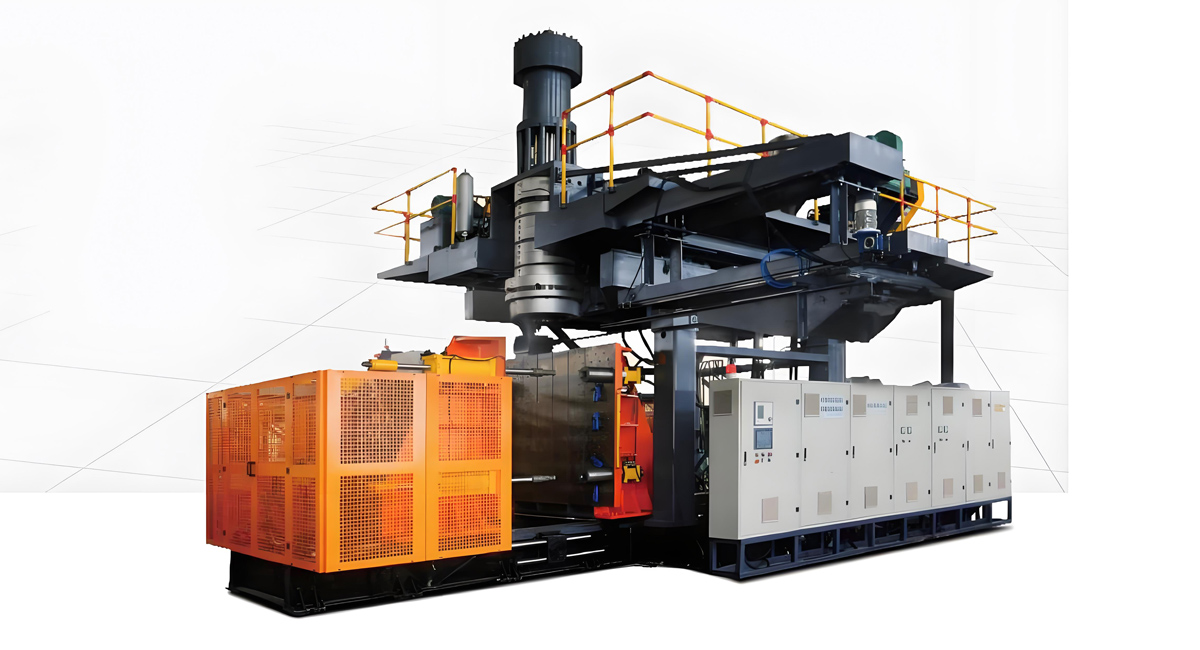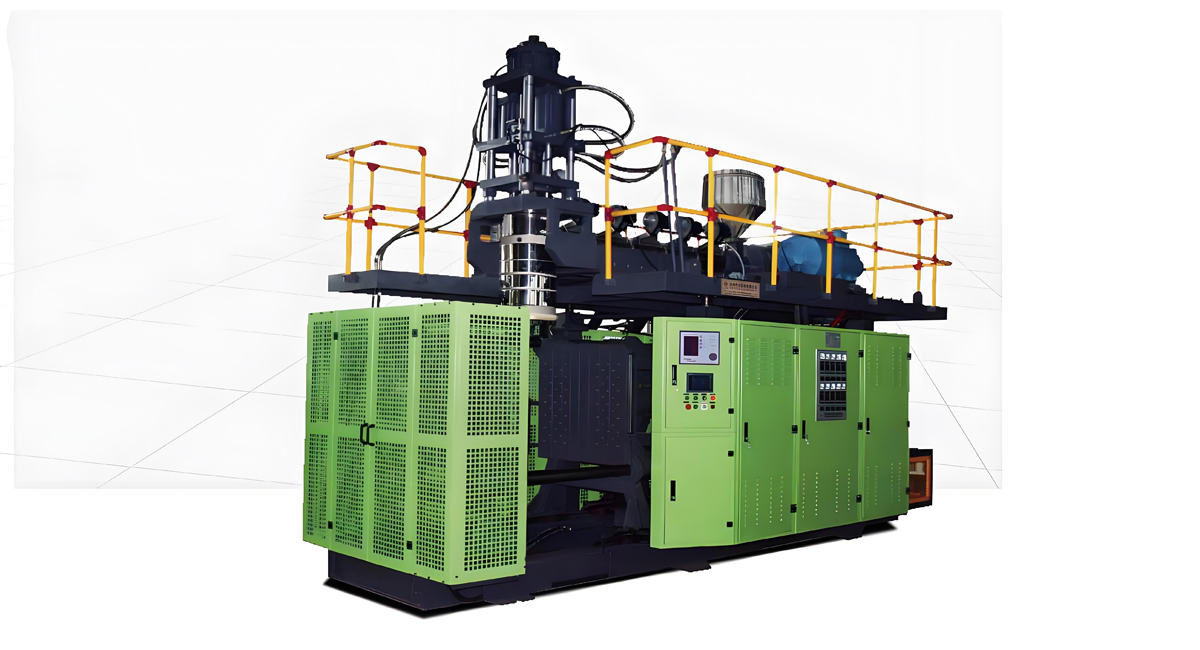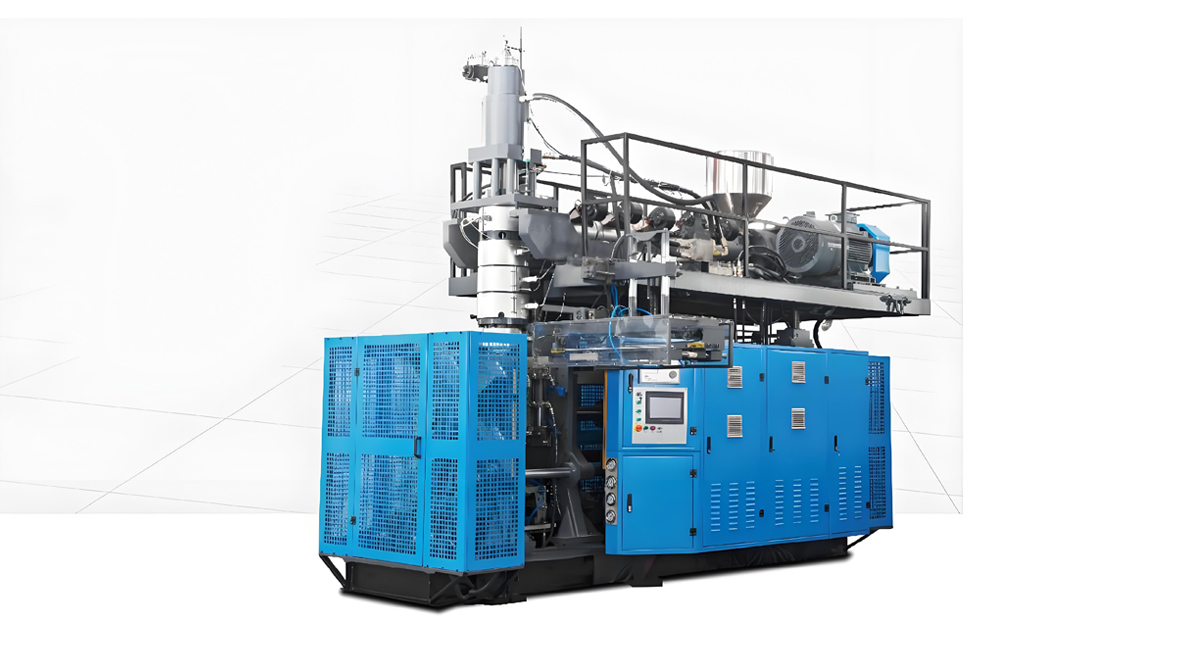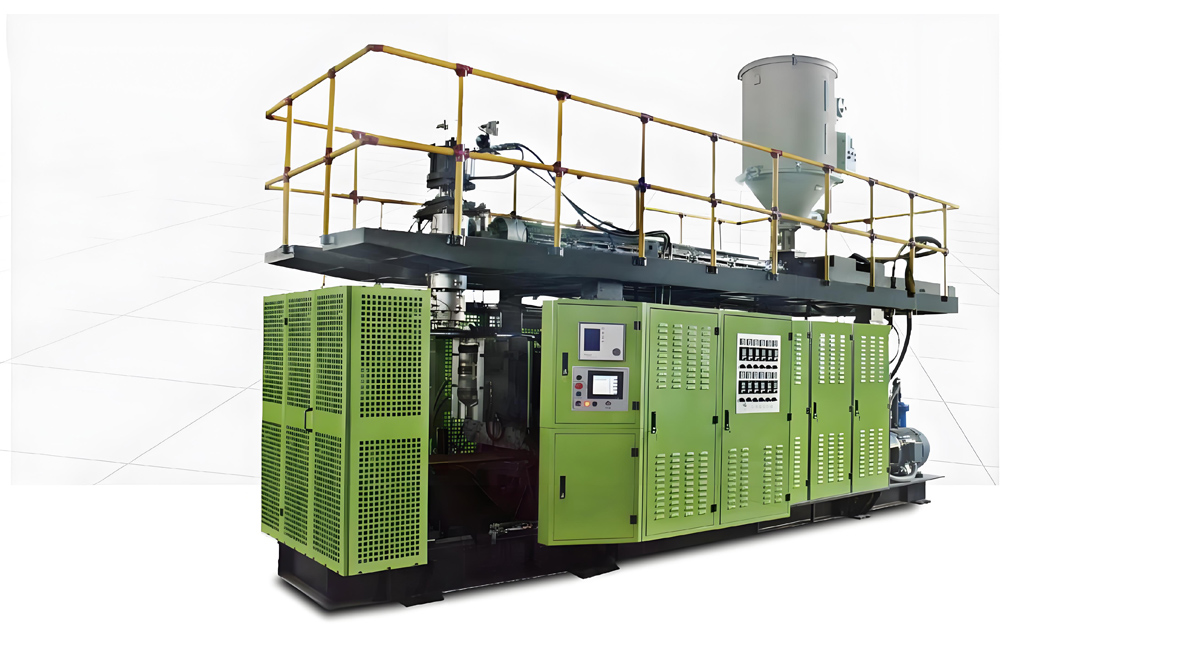
Introduction to Apollo After-Sales Service
Purchasing an extrusion blow molding machine represents a significant investment for any manufacturing operation. At Apollo Machinery, we understand that exceptional after-sales service is just as critical as the quality of the equipment itself. Our comprehensive after-sales service program ensures that customers receive the support they need throughout the entire equipment lifecycle, from initial installation and commissioning through years of productive operation. Apollo has established itself as a trusted partner in the global plastic machinery industry, not only through superior equipment quality but also through unwavering commitment to customer support and service excellence.
Apollo Machinery, based in Zhangjiagang, China, has been serving customers worldwide for over 20 years with more than 4,000 machines operating in over 90 countries. This extensive global presence has enabled Apollo to develop a mature and comprehensive after-sales service system that addresses the diverse needs of customers across different industries and geographic regions. Our after-sales service philosophy centers on proactive support, rapid response, and long-term partnership, ensuring that customers can maximize the value of their equipment investment and maintain optimal production efficiency.
Scope of Apollo After-Sales Services
Apollo’s after-sales service encompasses a comprehensive range of support services designed to address every aspect of equipment operation and maintenance. Our service approach goes beyond simple troubleshooting to include preventive maintenance, training, technical support, and continuous improvement. Understanding the full scope of available services helps customers optimize their equipment utilization and minimize operational disruptions.
Installation and Commissioning Services
Professional installation and commissioning represent the foundation of reliable equipment operation. Apollo provides experienced engineering teams to travel to customer facilities worldwide for on-site installation and commissioning. This service includes equipment positioning, utility connections, initial calibration, and performance testing to ensure that machines meet all specified production requirements. Installation engineers also provide initial operator training to familiarize customer personnel with equipment operation and basic maintenance procedures.
Installation services typically require 3-7 days depending on machine complexity and customer facility readiness. Apollo’s installation engineers arrive with comprehensive tooling and diagnostic equipment to ensure efficient installation. The commissioning process includes verification of all machine functions, production of sample containers according to customer specifications, and adjustment of processing parameters to achieve optimal performance. This comprehensive approach ensures that customers can begin productive operation immediately following installation.
Installation Cost Considerations
Installation costs are typically included for customers purchasing machines from Apollo, though certain expenses may be additional depending on location and specific requirements. Included services typically cover engineer travel, accommodation during the installation period, and basic commissioning activities. Additional costs may include customer facility preparation, utility connections not included in standard installation scope, and extended commissioning beyond standard timeframes.
Customers should ensure that facility preparations are complete before installation engineers arrive to minimize installation time and associated costs. Facility preparation includes adequate floor space with appropriate load-bearing capacity, electrical power supply matching machine specifications, compressed air supply where required, and crane or lifting equipment for machine positioning. Proper preparation typically reduces installation time by 30-50% compared to facilities requiring extensive preparation work.
Comprehensive Training Programs
Operator and maintenance training represents a critical component of Apollo’s after-sales service program. Well-trained personnel are essential for maximizing equipment productivity, minimizing downtime, and preventing operational issues that could affect product quality or equipment reliability. Apollo provides structured training programs covering equipment operation, maintenance procedures, troubleshooting, and quality control.
Training programs are customized based on customer personnel backgrounds and specific production requirements. Basic operator training typically requires 1-2 days and covers machine operation fundamentals, control system functions, production startup and shutdown procedures, basic troubleshooting, and quality monitoring. Advanced maintenance training typically requires 2-3 days and covers preventive maintenance procedures, component identification, detailed troubleshooting techniques, and major component servicing. Training can be conducted during installation commissioning or scheduled separately based on customer preference and needs.
Technical Support Services
Ongoing technical support ensures that customers can resolve issues promptly and maintain optimal equipment performance. Apollo provides multiple channels for technical support including telephone, email, and remote diagnostic capabilities. Our technical support team includes experienced engineers with expertise in all aspects of extrusion blow molding machine operation and maintenance.
Technical support services address a wide range of issues including processing problems, equipment malfunctions, quality issues, and performance optimization. Customers can access technical support during business hours with emergency support available for critical issues. Apollo maintains detailed equipment records for each customer machine, enabling technicians to provide informed support based on specific machine configuration and operating history. This personalized approach ensures faster problem resolution and more effective support.
Warranty Coverage and Policies
Comprehensive warranty coverage provides customers with assurance of equipment quality and protects against unexpected failures during initial operation. Apollo offers industry-leading warranty terms that demonstrate confidence in equipment reliability and commitment to customer satisfaction. Understanding warranty coverage helps customers maximize warranty benefits and maintain proper documentation for warranty claims.
Warranty Period and Coverage Details
Apollo provides comprehensive warranty coverage for equipment components and workmanship. Standard warranty coverage typically extends for 12 months from equipment commissioning or 15 months from equipment shipment, whichever occurs first. This warranty covers defects in materials and workmanship under normal operating conditions. Coverage includes replacement or repair of defective components at Apollo’s expense, including both parts and labor for warranty service calls.
Warranty coverage excludes consumable items including seals, wear parts, and items subject to normal wear and tear. Specific exclusions may include electrical components damaged by power surges, damage from improper operation, unauthorized modifications, and use of non-recommended materials. Apollo provides detailed warranty documentation with each equipment purchase, specifying covered components, exclusions, and procedures for warranty claim processing.
Warranty Claim Processing
Warranty claim processing is designed for efficiency and customer convenience. When customers identify potential warranty issues, they should contact Apollo technical support to report the problem and receive guidance. Technical support will attempt to diagnose issues remotely and may request additional information including photos or videos to support warranty determination. If remote diagnosis confirms a covered defect, Apollo will arrange for service either through local service agents or by dispatching technicians from Apollo headquarters.
Warranty service typically includes diagnostic time to confirm the issue, replacement parts installation, and verification that the resolved issue eliminates the problem. Customers should maintain detailed documentation including purchase date, commissioning date, maintenance records, and records of any issues encountered. Proper documentation facilitates warranty claim processing and helps ensure rapid resolution of covered issues. Apollo aims to resolve warranty claims within 10-15 business days for most issues, though complex problems may require additional time.
Extended Warranty Options
Extended warranty options provide additional protection beyond the standard warranty period. Customers can purchase extended warranty coverage that continues protection for an additional 1-3 years beyond the standard warranty period. Extended warranty provides similar coverage to the standard warranty, protecting against component failures and workmanship issues. Extended warranty represents an excellent option for customers planning long-term production operations who want to minimize unexpected repair costs.
Extended warranty costs typically range from 3-8% of original equipment value per year depending on machine complexity and coverage level. Customers considering extended warranty should evaluate potential repair costs for major components including extrusion systems, clamping units, and control systems. Extended warranty provides peace of mind and predictable maintenance costs for long-term operation. Apollo recommends evaluating extended warranty options before the standard warranty expires to ensure continuous protection.
Spare Parts and Logistics Support
Reliable spare parts availability and logistics support are essential for minimizing downtime and maintaining production schedules. Apollo maintains comprehensive spare parts inventory and efficient distribution systems to ensure customers can obtain needed parts promptly. Understanding spare parts management helps customers optimize their inventory and minimize production disruptions.
Comprehensive Spare Parts Inventory
Apollo maintains extensive spare parts inventory covering components for all machine models, including current production machines and older legacy models. Parts inventory includes common wear items, critical components, electronic parts, and complete subassemblies. This comprehensive inventory enables rapid response to customer parts requests and supports long-term machine operation even for equipment that may be several years old.
Parts inventory is organized by machine model and component category, with detailed parts catalogs available to assist customers in identifying correct parts. Parts are identified by unique part numbers to ensure accuracy and prevent ordering errors. Apollo continuously monitors parts usage patterns to maintain appropriate inventory levels of high-demand items while ensuring availability of less common parts through expedited ordering from suppliers when necessary.
Parts Ordering and Delivery
Parts ordering processes are designed for efficiency and accuracy. Customers can order parts through Apollo’s service team using the equipment serial number and part number from the parts catalog. Apollo’s service team verifies parts compatibility and provides pricing including shipping costs. For urgent parts requirements, customers can request expedited shipping to minimize production downtime.
Delivery times vary based on part availability and shipping method. In-stock parts typically ship within 1-2 business days, with delivery times varying based on shipping destination. Standard air freight typically requires 3-7 business days for international delivery, while expedited air freight can reduce delivery time to 2-3 business days. Customers should maintain recommended spare parts inventory for critical components to minimize production disruption while waiting for parts delivery. Apollo provides recommended spare parts lists for each machine model to assist with inventory planning.
Annual Free Parts Program
Apollo provides an annual free parts program as a standard benefit for customers, demonstrating commitment to long-term equipment support. This program includes 500 US dollars worth of free spare parts annually for each machine purchased from Apollo. Customers can select from recommended maintenance parts or other needed components, enabling cost-effective maintenance and inventory replenishment.
The annual free parts program represents significant value for customers, typically covering the cost of 5-15 common maintenance items depending on part selection. Customers should coordinate with Apollo’s service team to optimize their annual parts selection based on machine usage and maintenance requirements. This program helps reduce annual maintenance costs while ensuring customers maintain appropriate parts inventory for preventive maintenance and minor repairs.
Recommended Spare Parts Inventory
Maintaining appropriate spare parts inventory enables rapid response to maintenance needs without production disruption. Apollo provides recommended spare parts lists tailored to each machine model based on component reliability and typical usage patterns. Recommended parts include critical components, common wear items, and items with longer lead times for replacement.
Recommended spare parts inventory typically represents 2-3% of initial equipment value. For a typical mid-sized extrusion blow molding machine, recommended spare parts might include extruder screw elements, heater bands, thermocouples, seals and gaskets, valve components, electrical relays, sensors, and hydraulic hoses. Maintaining this inventory enables customers to address common issues immediately without waiting for parts delivery. Apollo can provide customized parts recommendations based on specific customer production schedules and risk tolerance for production downtime.
Parts Quality and Compatibility
Apollo spare parts are manufactured to exacting specifications to ensure compatibility and reliability. Genuine Apollo parts provide assurance of quality and fit, preventing issues that can arise from using non-genuine or counterfeit parts. Parts quality is controlled through supplier qualification, incoming inspection, and ongoing quality monitoring.
Customers should be cautious about using non-genuine parts which may have inferior quality or dimensional inconsistencies. While non-genuine parts may appear less expensive initially, they often have shorter service life and may cause damage to other components, resulting in higher total cost. Apollo strongly recommends using genuine Apollo parts to maintain equipment reliability and protect warranty coverage. Parts obtained from unauthorized sources may void warranty coverage on related components.
Preventive Maintenance Programs
Preventive maintenance programs represent the most effective strategy for minimizing unplanned downtime and extending equipment life. Apollo provides comprehensive preventive maintenance guidelines and support to help customers implement effective maintenance practices. Regular preventive maintenance reduces the likelihood of unexpected failures, maintains equipment performance, and extends service life of critical components.
Daily Maintenance Requirements
Daily maintenance tasks are relatively simple but essential for maintaining equipment reliability. These tasks should be performed by operators at the beginning or end of each production shift. Daily maintenance includes visual inspection for leaks or unusual conditions, checking oil levels in hydraulic and lubrication systems, verifying cooling water flow and temperature, cleaning accessible machine areas, and checking safety system operation.
Daily maintenance typically requires 15-30 minutes per machine and can prevent many common problems. Operators should be trained to recognize normal operating conditions and identify potential issues requiring further attention. Daily maintenance records should be maintained to track machine condition over time and identify developing trends that may indicate maintenance needs. Apollo provides daily maintenance checklists tailored to each machine model.
Weekly and Monthly Maintenance
Weekly and monthly maintenance tasks address aspects that require less frequent attention but are still critical for equipment reliability. Weekly maintenance typically includes more thorough inspection of machine functions, lubrication of specific components, cleaning of areas not accessible during daily maintenance, and verification of processing parameter consistency.
Monthly maintenance includes more detailed inspection of wear components, testing of safety systems, calibration verification for critical sensors, and performance monitoring. Monthly maintenance typically requires 1-2 hours and should be performed by maintenance personnel rather than production operators. Apollo provides detailed weekly and monthly maintenance schedules specifying required tasks, recommended intervals, and acceptance criteria for each maintenance activity.
Quarterly and Annual Maintenance
Quarterly and annual maintenance address components and systems requiring periodic replacement or detailed inspection. Quarterly maintenance typically includes replacement of specific filters, detailed inspection of electrical connections, lubrication of bearings and other lubricated components, and performance testing of machine functions.
Annual maintenance represents the most comprehensive maintenance activity and should include detailed inspection of all machine systems, replacement of wear components based on condition or manufacturer recommendations, calibration of control systems and sensors, and performance verification testing. Annual maintenance typically requires 1-2 days and may involve Apollo service personnel depending on machine complexity and customer capabilities. Apollo recommends scheduling annual maintenance during planned production downtime to minimize production disruption.
Preventive Maintenance Cost Analysis
Preventive maintenance costs represent a relatively small investment compared to the cost of unplanned downtime and emergency repairs. Annual preventive maintenance costs typically range from 2,000 to 6,000 US dollars depending on machine size and operating hours. These costs include replacement parts, lubricants and fluids, calibration services, and labor for maintenance activities.
Preventive maintenance typically reduces unplanned downtime by 60-80% compared to reactive maintenance approaches. Considering that unplanned downtime can cost 500-2,000 US dollars per hour in lost production depending on product value, even a single avoided downtime event can justify an entire year of preventive maintenance. Additionally, preventive maintenance extends component life by 30-50%, reducing replacement part costs over equipment life. The return on investment for preventive maintenance typically ranges from 300-500% over equipment life.
Remote Monitoring and Support
Modern technology enables remote monitoring and support capabilities that enhance service effectiveness and reduce response times. Apollo incorporates advanced monitoring and diagnostic capabilities into machine control systems, enabling remote problem diagnosis and proactive support. Understanding these capabilities helps customers maximize service effectiveness.
Remote Diagnostic Capabilities
Modern Apollo machines include remote diagnostic capabilities that enable Apollo service engineers to access machine control systems through secure internet connections. These capabilities allow Apollo technicians to view machine status, review alarm histories, analyze processing parameters, and in some cases adjust parameters to optimize performance. Remote diagnostics dramatically reduce troubleshooting time and often resolve issues without the need for on-site service visits.
Remote diagnostic capabilities require internet connectivity at customer facilities and appropriate security configurations. Apollo provides guidance on network requirements and security considerations for remote access. Customers can authorize remote access on a case-by-case basis or establish ongoing remote monitoring arrangements based on their preferences. Remote diagnostics typically resolve 40-60% of technical issues without requiring on-site service calls, saving both time and money.
Proactive Monitoring Services
Proactive monitoring services represent an advanced level of support where Apollo actively monitors machine operation to identify potential issues before they cause production problems. These services utilize data collection and analysis to detect trends indicating developing problems. Apollo can notify customers of potential issues and recommend corrective actions before failures occur.
Proactive monitoring services are particularly valuable for critical production equipment or customers with limited in-house technical capabilities. These services typically require additional subscription fees ranging from 1,500 to 4,000 US dollars per year depending on monitoring scope and machine complexity. The value of proactive monitoring becomes evident in reduced unplanned downtime, extended component life, and optimized machine performance. Many customers find that proactive monitoring pays for itself through prevented downtime events.
Equipment Upgrade and Modernization
Technology advances and changing production requirements may create opportunities for equipment upgrades and modernization. Apollo provides upgrade options that enhance equipment capabilities, improve performance, and extend equipment life. Understanding upgrade options helps customers make informed decisions about equipment investments.
Control System Upgrades
Control system upgrades represent one of the most common upgrades, offering improved operator interfaces, enhanced programming capabilities, and better performance monitoring. Older machines can benefit from upgraded control systems that incorporate modern touch screen interfaces, expanded data logging, improved connectivity for Industry 4.0 integration, and enhanced processing capabilities.
Control system upgrades typically cost 15,000 to 40,000 US dollars depending on upgrade scope and machine complexity. Upgrades can be completed during planned downtime, typically requiring 3-7 days for installation and commissioning. Benefits include improved operator efficiency, better quality control, enhanced troubleshooting capabilities, and compatibility with modern accessories including automated quality control systems. Most control system upgrades achieve payback in 18-36 months through improved productivity and reduced downtime.
Energy Efficiency Upgrades
Energy efficiency upgrades reduce operating costs and improve environmental performance. Upgrade options include servo-driven systems replacing hydraulic systems, improved heating and cooling systems, variable frequency drives for motors, and advanced control algorithms that optimize energy consumption. Energy upgrades can reduce energy consumption by 30-50%, providing significant cost savings over equipment life.
Energy upgrade costs vary significantly based on upgrade scope. Simple upgrades including variable frequency drives may cost 5,000 to 15,000 US dollars, while comprehensive servo system upgrades may cost 40,000 to 120,000 US dollars. Payback periods for energy upgrades typically range from 24 to 60 months depending on local energy costs and production hours. Environmental benefits include reduced carbon footprint and compliance with increasing environmental regulations.
Automation Integration
Automation upgrades enhance productivity and reduce labor requirements. Options include automatic takeout systems, integrated leak testing, automated container handling, and complete packaging line integration. Automation upgrades can increase productivity by 50-150% while reducing labor requirements by 1-3 operators per machine.
Automation upgrade costs vary based on complexity and scope. Basic automation including automatic takeout may cost 20,000 to 55,000 US dollars, while comprehensive automation including quality inspection and packaging may cost 60,000 to 200,000 US dollars. Payback typically occurs within 12-30 months depending on labor costs and productivity gains. Automation also improves consistency and quality while reducing human error factors in production.
Customer Training and Knowledge Transfer
Comprehensive customer training ensures that customer personnel have the knowledge and skills necessary to operate and maintain equipment effectively. Apollo provides various training options tailored to different customer needs and learning preferences. Investing in training yields significant returns through improved equipment utilization, reduced downtime, and better product quality.
On-Site Training Programs
On-site training provides hands-on instruction tailored to the specific equipment and production environment. Apollo trainers visit customer facilities to provide customized training covering equipment operation, maintenance procedures, troubleshooting, and quality control. On-site training can be scheduled during installation commissioning or as separate training sessions.
On-site training costs typically include trainer travel expenses and training fees. Training fees range from 1,000 to 3,000 US dollars per day depending on training scope and number of participants. On-site training is particularly valuable for new employees, when introducing new equipment models, or when expanding production capabilities. Hands-on training with actual equipment provides the most effective learning experience and ensures that training addresses specific customer needs.
Virtual Training Programs
Virtual training programs provide cost-effective training delivery using web-based conferencing and interactive learning platforms. Virtual training can cover theoretical knowledge, control system operation, maintenance procedures, and troubleshooting techniques. While virtual training cannot provide hands-on equipment experience, it offers flexibility and reduced travel costs.
Virtual training typically costs 500 to 1,500 US dollars per day and can accommodate multiple participants at different locations. Virtual training is particularly effective for refresher training, training on new features or processes, or training personnel who have basic equipment experience. Combining virtual training with hands-on practice on customer equipment provides effective knowledge transfer at reduced cost compared to fully on-site training.
Documentation and Knowledge Resources
Comprehensive documentation provides ongoing reference resources for customer personnel. Apollo provides detailed documentation including operation manuals, maintenance manuals, parts catalogs, troubleshooting guides, and technical bulletins. Documentation is available in multiple languages and can be provided in both electronic and printed formats.
Documentation represents an often overlooked but critical component of effective knowledge transfer. Well-written manuals with clear illustrations and procedures enable personnel to find answers quickly when questions arise. Apollo continuously updates documentation based on field experience and customer feedback, ensuring that resources reflect current best practices and lessons learned. Customers should maintain current documentation and ensure that personnel have access to relevant resources.
Service Quality Assurance
Service quality assurance processes ensure that customers receive consistently high-quality service regardless of location or service provider. Apollo implements comprehensive service quality programs including service standardization, technician training, customer feedback collection, and performance monitoring. Understanding service quality assurance provides confidence in service reliability.
Service Standardization
Service standardization ensures consistent service delivery across different geographic regions and service personnel. Apollo develops standardized service procedures for common activities including installation, maintenance, troubleshooting, and repairs. Standardized procedures ensure that all service personnel follow best practices and achieve consistent results regardless of experience level or location.
Service standardization includes documentation of procedures, training on standardized approaches, and quality audits to verify compliance. Benefits of standardization include predictable service quality, faster service completion through optimized procedures, and consistent customer experience. Standardization also facilitates continuous improvement as best practices can be identified and disseminated throughout the service organization.
Service Personnel Training and Certification
Service personnel receive comprehensive training and certification to ensure technical competence and service quality. Training programs cover technical knowledge of equipment systems, service procedures, customer service skills, and safety practices. Certification programs verify that service personnel meet competency standards before providing independent service.
Service personnel undergo both initial training and ongoing continuing education as equipment and technologies evolve. Advanced certification may be required for complex systems or specialized services. Customers can have confidence that Apollo service personnel have appropriate training and certification for the services they provide. Certified service personnel provide higher quality service, faster problem resolution, and better customer experience.
Customer Feedback and Continuous Improvement
Customer feedback collection and analysis drives continuous improvement in service quality. Apollo systematically collects feedback through post-service surveys, regular customer reviews, and informal communication channels. Feedback analysis identifies strengths and opportunities for improvement in service delivery.
Continuous improvement processes ensure that service quality continually evolves based on customer needs and feedback. Improvements may include procedure refinements, additional training for service personnel, enhanced documentation, or new service offerings. Customers are encouraged to provide honest feedback about their service experience, as this input drives improvements that benefit all customers. Apollo values customer feedback and uses it as the foundation for service quality enhancement.
Global Service Network
Apollo’s global service network ensures that customers receive timely support regardless of geographic location. With over 4,000 machines operating in more than 90 countries, Apollo has established service capabilities and partnerships worldwide. Understanding the global service network helps customers know what to expect for service support.
Direct Service Coverage
Direct service coverage from Apollo headquarters provides comprehensive support for customers in major markets. Apollo maintains service teams based in Zhangjiagang with the capability to travel internationally for installation, major repairs, and complex technical issues. Direct service teams have the deepest knowledge of equipment design and the most extensive experience with complex problems.
Direct service coverage is available for all customers worldwide, though travel times and costs vary based on location. For customers requiring frequent service or complex technical support, direct service from Apollo headquarters ensures access to the most knowledgeable service resources. Apollo strives to minimize travel time through efficient scheduling and coordination with local partners when available.
Authorized Service Partners
Authorized service partners extend Apollo’s service capabilities to provide local support in major markets worldwide. Partners are carefully selected based on technical capabilities, service infrastructure, and commitment to customer service. Partners receive training from Apollo and have access to technical documentation and spare parts inventory.
Authorized partners provide advantages including faster response times, local language capability, and knowledge of local market conditions. Partners are held to Apollo service quality standards and receive ongoing support from Apollo headquarters. Customers can be confident that authorized partners provide the same high-quality service as direct Apollo service personnel. Apollo continuously expands its partner network to improve local service coverage.
Service Response Time Commitments
Service response time commitments provide customers with expectations for service availability. Apollo aims to provide initial response to service inquiries within 24 hours during business days. For urgent issues affecting production, Apollo strives to provide initial response within 8 hours regardless of time zone differences.
On-site service response times vary based on location and service resource availability. In regions with direct Apollo service presence, on-site response typically occurs within 3-5 business days depending on urgency. In regions relying on authorized partners, response times may be 1-3 days due to local proximity. For critical production issues requiring immediate response, Apollo works to arrange the fastest possible support including emergency travel when necessary. Customers should communicate urgency clearly to ensure appropriate priority and response.
Service Cost Considerations
Understanding service cost considerations helps customers budget for ongoing support and make informed decisions about service options. Service costs vary based on service type, location, and complexity. Proper budgeting ensures that customers can maintain equipment effectively while controlling total cost of ownership.
Service Call Cost Structure
Service call costs typically include labor, travel, and parts components. Labor costs vary based on technician skill level and regional labor rates. Travel costs include transportation, accommodation, and per diem expenses. Parts costs vary based on components required. Apollo provides detailed cost estimates before service work begins, enabling customers to approve costs in advance.
Standard service calls during business hours typically range from 150 to 300 US dollars per hour for labor plus travel and parts. Emergency service or after-hours service may incur premium rates. Customers can reduce service costs through preventive maintenance, proper operator training, and utilizing remote diagnostics when possible. Proactive service management significantly reduces total service expenditures over equipment life.
Annual Service Budgeting
Annual service budgets should account for preventive maintenance, anticipated repairs, and occasional major service events. Typical annual service costs range from 3% to 8% of initial equipment value depending on machine age, operating intensity, and application requirements. Newer equipment under warranty may have lower service costs, while older equipment may require higher service budgets.
For a typical mid-sized extrusion blow molding machine valued at 100,000 US dollars, annual service budgeting might include 3,000 US dollars for preventive maintenance, 2,000 US dollars for anticipated repairs, and allocation for major component replacement every 5-10 years. Actual costs vary based on operating conditions and maintenance practices. Customers should monitor actual service costs and adjust budgeting accordingly over time.
Warranty and Service Cost Management
Warranty coverage significantly reduces service costs during the initial period of equipment operation. Maximizing warranty benefits requires proper documentation, timely issue reporting, and using Apollo-authorized service. After warranty expiration, service contract options provide predictable service costs while ensuring comprehensive support.
Service contracts provide comprehensive coverage including preventive maintenance visits, labor for repairs, and parts coverage for various failure scenarios. Service contracts typically cost 5-12% of initial equipment value annually depending on coverage level. Service contracts provide budget certainty and often include priority response times. Customers evaluating service contracts should compare contract costs to historical or projected service costs to determine cost-effectiveness.
Customer Success Stories
Customer success stories demonstrate the value of Apollo’s after-sales service commitment. These stories illustrate how comprehensive service support enables customers to achieve production goals, overcome challenges, and maximize return on equipment investment. Success stories provide real-world examples of service benefits.
Production Startup Support
A customer in South America invested in a multi-cavity extrusion blow molding machine for cosmetic bottle production. Despite local technical capabilities, the customer required comprehensive support during production startup. Apollo provided installation, commissioning, and extensive training services. When initial production encountered quality issues with container weight variation, Apollo engineers provided remote diagnostics and ultimately on-site support to identify and resolve processing parameter optimization issues. The customer achieved full production targets within three months of equipment delivery and continues to operate successfully with Apollo’s ongoing support.
Long-Term Reliability
A packaging manufacturer in Europe has operated Apollo extrusion blow molding machines for over eight years with minimal downtime. Through regular preventive maintenance and prompt service support when needed, the customer has achieved equipment utilization exceeding 95%. When a major component required replacement after seven years of operation, Apollo provided prompt parts delivery and technical support to complete the repair within three days. The customer reports that Apollo’s service reliability has been a key factor in their production success and plans additional equipment purchases.
Global Support Capability
A customer in Africa with limited local technical resources relies on Apollo for comprehensive equipment support. When equipment issues arise, Apollo provides remote diagnostics and works with local authorized partners for on-site service when needed. The customer appreciates Apollo’s responsiveness and technical expertise, noting that service support enables reliable operation despite local technical resource limitations. The customer has expanded production capacity multiple times based on positive experience with Apollo equipment and service.
Conclusion
Apollo’s comprehensive after-sales service program represents a fundamental commitment to customer success. From installation and commissioning through years of productive operation, Apollo provides the support services customers need to maximize equipment value and maintain production efficiency. Service capabilities include installation support, comprehensive training, warranty coverage, spare parts availability, preventive maintenance, remote monitoring, and global service network support.
Investing in Apollo equipment means investing in a long-term partnership focused on customer success. Apollo’s service excellence, technical expertise, and commitment to customer satisfaction provide assurance that customers will receive the support needed throughout equipment lifecycle. Understanding the full scope of after-sales services enables customers to optimize equipment utilization, control total cost of ownership, and achieve production goals with confidence in ongoing support from Apollo Machinery.
For more information about Apollo’s after-sales service capabilities or to discuss specific service needs, contact Apollo Machinery directly or visit the official website at www.apollo-china.com. Apollo’s service team is ready to discuss how comprehensive service support can enhance your production success with Apollo extrusion blow molding equipment.