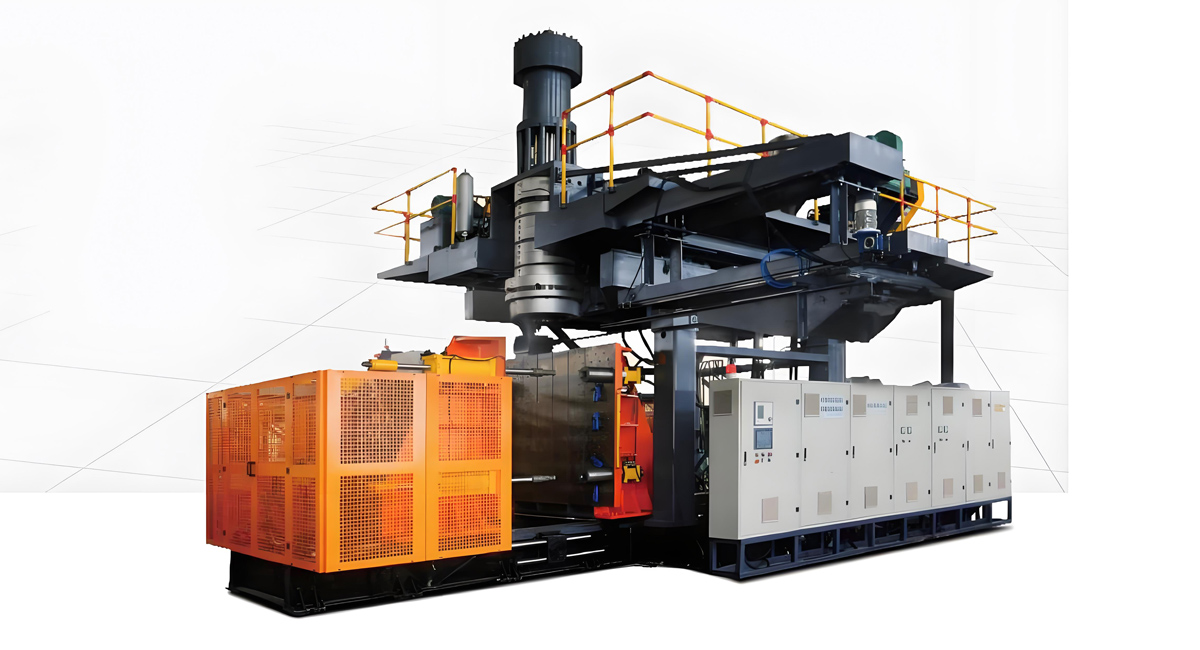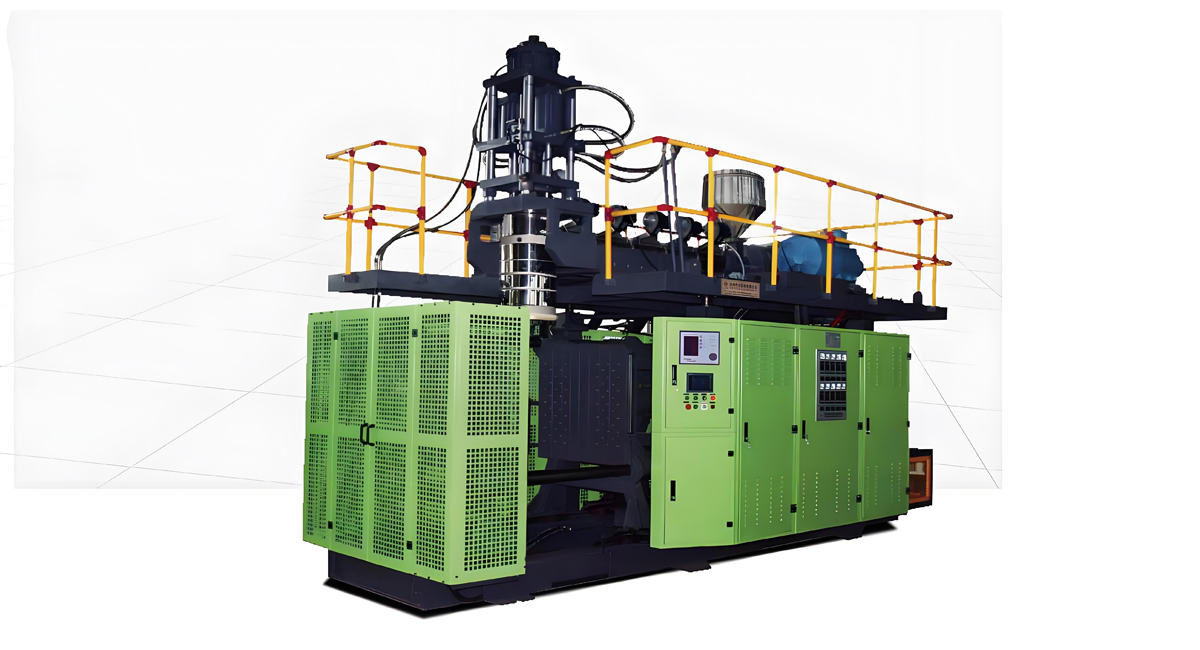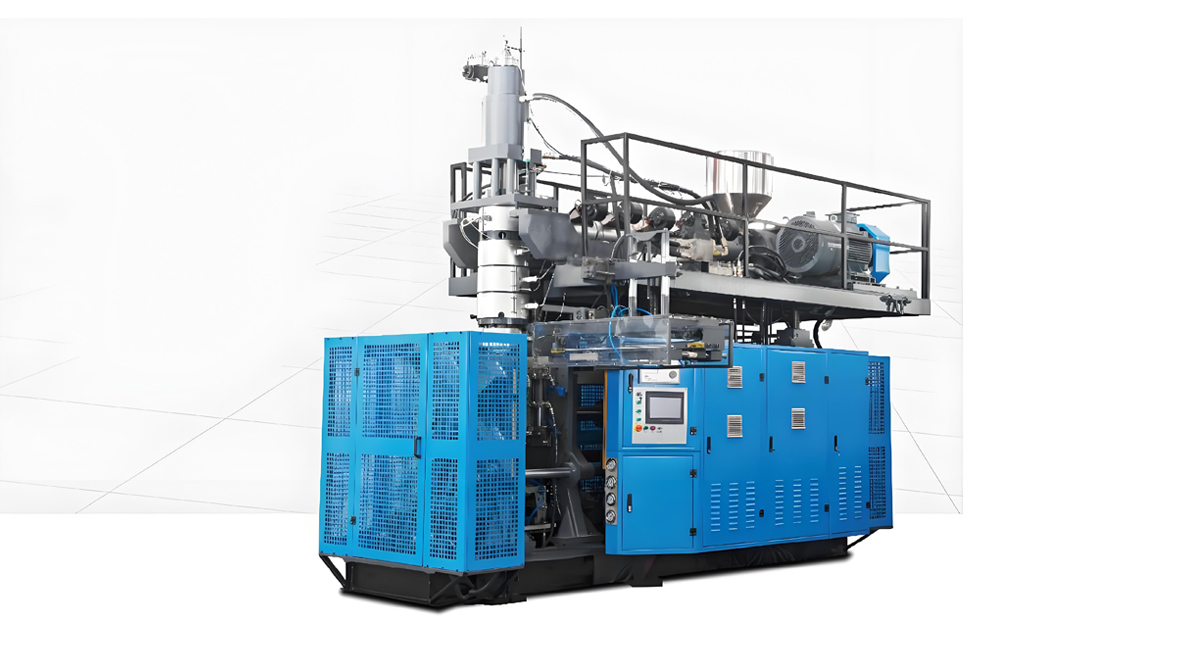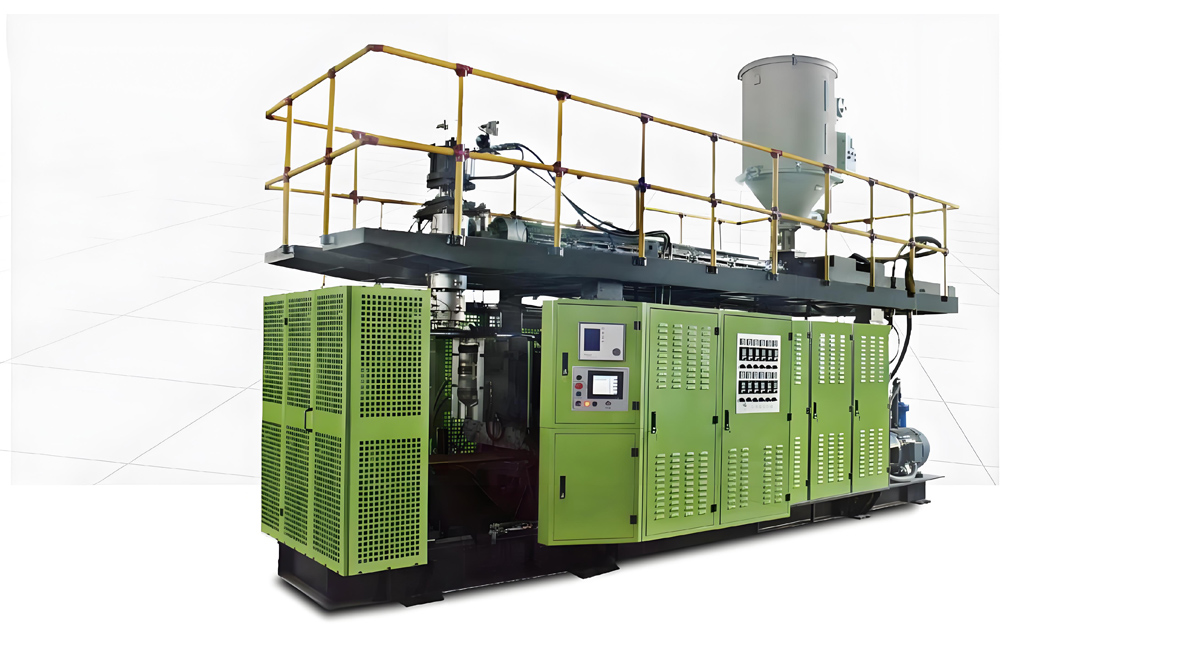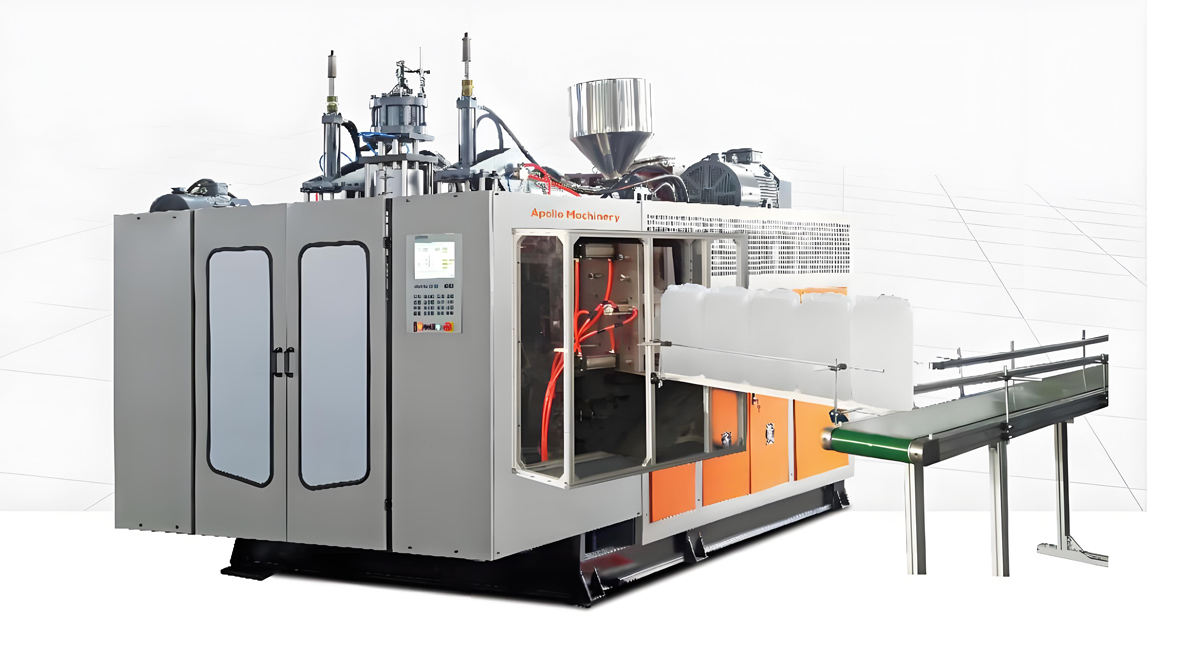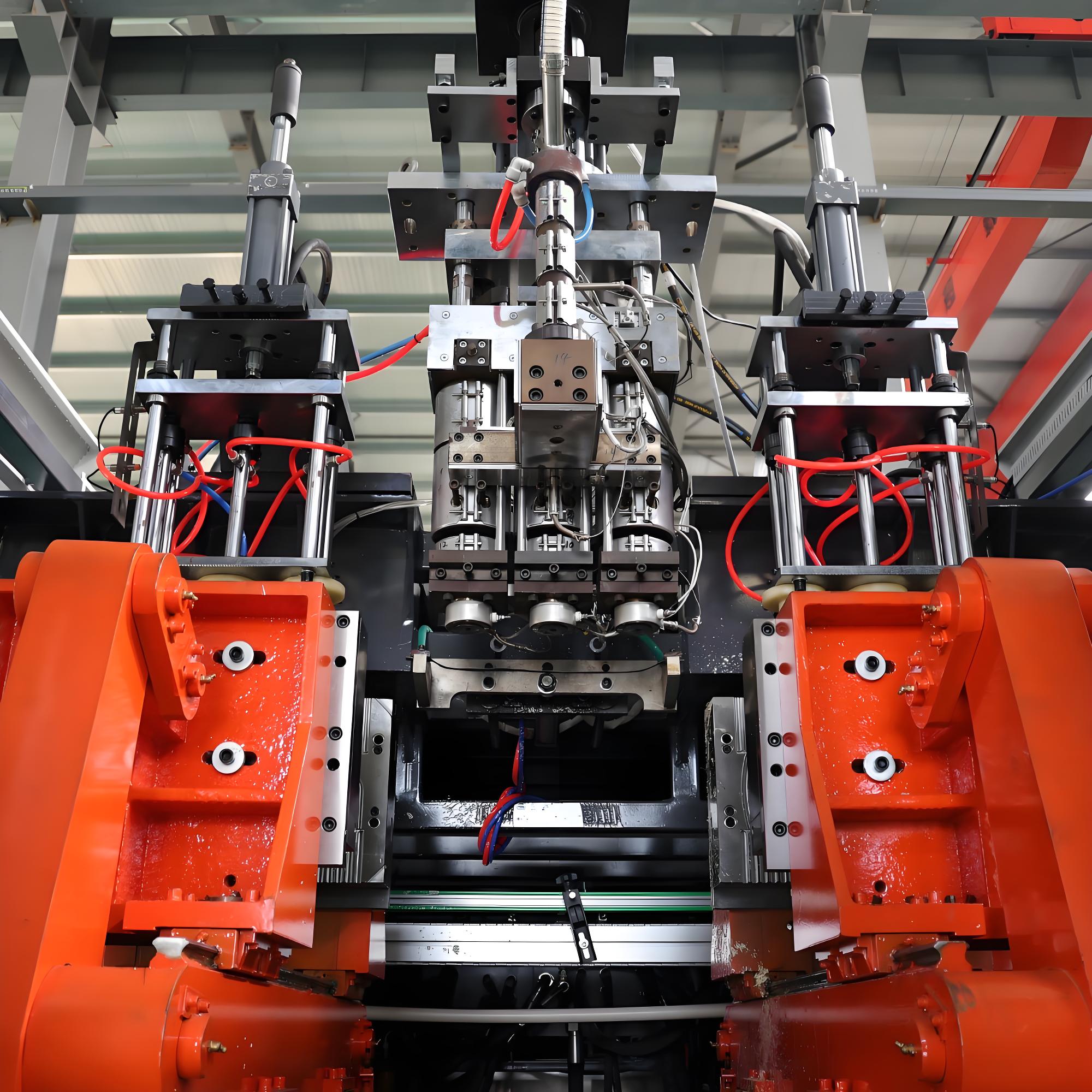
The global extrusion blow molding machine market has increasingly turned to Chinese manufacturers for cost-effective equipment solutions, making quality control and inspection protocols essential for ensuring equipment reliability and performance. Apollo Machinery, with over 20 years of manufacturing experience and more than 4,000 machines operating in over 90 countries, demonstrates that Chinese manufacturers can deliver exceptional quality when proper quality control systems are implemented. This comprehensive guide provides essential knowledge for evaluating, inspecting, and ensuring quality in China-made extrusion blow molding machines, with specific insights into Apollo’s quality assurance processes that have earned them global customer trust and market recognition.
Understanding Quality Control Importance
Quality control represents the foundation of reliable extrusion blow molding machine performance and long-term operational success. The complexity of these machines, which integrate extrusion, clamping, blowing, and control systems, makes comprehensive quality assurance essential for avoiding costly downtime, production issues, and equipment failures. Apollo’s experience across diverse global markets has taught them that rigorous quality control practices directly correlate with customer satisfaction and equipment longevity. Understanding the importance of quality control helps buyers implement effective inspection processes that protect their investment and ensure reliable production.
The financial impact of quality issues extends far beyond the initial equipment purchase. Poor quality equipment can result in production interruptions, increased maintenance costs, reduced product quality, and premature equipment failure. These factors compound to dramatically increase total cost of ownership despite potentially lower initial purchase prices. Apollo’s commitment to providing quality equipment rather than simply the cheapest options reflects understanding that long-term value requires quality manufacturing practices. Evaluating equipment quality comprehensively protects against these hidden costs and ensures that lower initial prices don’t result in higher long-term expenses.
Quality control encompasses multiple aspects including material quality, component manufacturing, assembly precision, system integration, and final testing. Each stage of the manufacturing process requires specific inspection points and quality standards to ensure final equipment performance. Apollo’s manufacturing processes incorporate quality control at every stage, from raw material inspection through final testing. Understanding these quality control stages enables buyers to implement comprehensive inspection protocols that catch quality issues before equipment leaves the factory.
Pre-Production Quality Assurance
Effective quality control begins before manufacturing starts with comprehensive supplier qualification and material certification processes. Apollo maintains strict quality standards for all component suppliers, requiring certification and regular audits to ensure consistent component quality. This pre-production quality assurance prevents quality issues from entering the manufacturing process at their source. Buyers should verify that manufacturers implement comprehensive supplier qualification processes that ensure component quality meets requirements before production begins.
Material certification and traceability represent critical aspects of pre-production quality control. Apollo requires material certificates for all structural components, fasteners, electrical components, and other critical parts. These certificates verify that materials meet specified grades and standards, ensuring consistent quality and performance. Buyers should request material certification documentation for critical machine components, particularly those affecting safety and performance.
Design verification and validation processes ensure that manufacturing drawings and specifications accurately reflect design requirements. Apollo maintains rigorous design verification procedures that review all engineering documents before production begins. This process prevents manufacturing errors that could result from incorrect or incomplete specifications. Buyers should verify that manufacturers have documented design verification processes that ensure production follows validated engineering standards.
In-Process Quality Control
In-process quality control monitoring during manufacturing ensures that each production stage meets quality requirements before proceeding to subsequent operations. Apollo implements comprehensive in-process inspection protocols that monitor component quality at critical manufacturing stages. These inspections catch quality issues early when they can be corrected more efficiently, preventing cascading defects that become increasingly expensive to address later in production. Understanding in-process inspection points helps buyers implement quality verification throughout manufacturing rather than relying solely on final inspections.
Machining quality control ensures that all machined components meet dimensional tolerances and surface finish requirements. Apollo utilizes precision machining equipment and implements regular dimensional verification to ensure component accuracy. Critical machined components undergo statistical process control monitoring to detect potential quality issues before they exceed acceptable limits. Buyers should verify that manufacturers implement appropriate machining quality controls including regular dimensional verification and process monitoring.
Welding quality control represents a critical inspection point for structural components that affect machine safety and longevity. Apollo employs certified welders and implements comprehensive welding inspection procedures including visual inspection, non-destructive testing where required, and documentation of welding parameters. These procedures ensure structural integrity and prevent weld failures that could cause safety issues or equipment damage. Buyers should verify welding quality control procedures including welder certification, inspection documentation, and testing procedures.
Assembly quality control ensures that components fit together correctly and operate as intended. Apollo implements assembly verification procedures that check proper fit, alignment, and operation of moving parts before proceeding to final testing. This stage-by-stage assembly verification prevents assembly errors that could affect machine performance or safety. Buyers should verify that manufacturers implement assembly verification procedures that check critical assemblies before proceeding to final machine completion.
Pre-Shipment Inspection Protocols
Pre-shipment inspection represents the final comprehensive verification before equipment leaves the factory. This inspection should verify that all machine specifications meet requirements, all functions operate correctly, and the equipment is ready for installation and operation. Apollo implements comprehensive pre-shipment inspection protocols that verify every aspect of machine performance and quality. Understanding these inspection protocols helps buyers implement effective verification procedures or engage third-party inspection services for objective quality verification.
Dimensional verification ensures that machine dimensions match specified requirements and that critical alignments are within tolerance. Apollo utilizes precision measurement equipment to verify machine geometry and critical component alignments. This verification ensures that machines will fit into designated spaces and operate as designed. Buyers should include dimensional verification in pre-shipment inspections, particularly for machines with specific space constraints or integration requirements.
Functional testing verifies that all machine systems operate correctly and meet performance specifications. Apollo conducts comprehensive functional testing that exercises all machine functions including extrusion, clamping, blowing, and control systems. This testing identifies functional issues that require correction before shipment. Buyers should verify that manufacturers conduct comprehensive functional testing rather than limited verification of basic operations.
Safety system verification ensures that all safety devices operate correctly and provide specified protection. Apollo tests all safety interlocks, emergency stops, guards, and other safety devices to verify proper operation. This verification protects operators and prevents safety-related issues after installation. Buyers should specifically verify that safety systems have been tested and function correctly before accepting equipment shipment.
Performance testing verifies that machine meets specified production parameters including output capacity, cycle time, and energy consumption. Apollo conducts production testing using actual materials and molds to verify real-world performance. This testing ensures that machines will perform as required in actual production environments. Buyers should verify that manufacturers conduct performance testing under realistic conditions rather than theoretical testing that may not reflect actual production capabilities.
Documentation Review
Comprehensive documentation provides critical information for equipment installation, operation, maintenance, and troubleshooting. Apollo provides complete documentation packages including installation manuals, operation manuals, maintenance schedules, wiring diagrams, and spare parts lists. This documentation enables proper installation and long-term maintenance of equipment. Buyers should verify that manufacturers provide complete documentation packages before shipment to ensure that necessary information is available for installation and operation.
Technical documentation should include detailed specifications for all machine components and systems. Apollo provides comprehensive technical documentation including component specifications, adjustment procedures, and troubleshooting guides. This information enables proper operation and maintenance throughout equipment life. Buyers should review technical documentation completeness and accuracy as part of pre-shipment inspection to ensure that necessary information is available.
Quality certification documents verify that equipment meets relevant standards and regulations. Apollo provides appropriate certifications including electrical safety certifications, CE marking where applicable, and other relevant compliance documentation. These certifications ensure that equipment meets specified quality and safety standards. Buyers should verify that manufacturers provide appropriate quality certifications for the intended installation location and regulatory requirements.
Third-Party Inspection Services
Third-party inspection services provide objective quality verification independent of manufacturer interests. These services can be particularly valuable when purchasing from overseas manufacturers where buyer representation at the factory is not practical. Apollo welcomes third-party inspections as part of their commitment to quality assurance and customer satisfaction. Understanding the benefits and limitations of third-party inspection services helps buyers make informed decisions about incorporating independent verification into their procurement processes.
Independent quality inspection provides unbiased assessment of equipment quality and compliance with specifications. Apollo’s confidence in their quality processes enables them to welcome independent verification rather than resist outside inspection. Third-party inspectors can provide objective assessment of equipment condition and identify issues that manufacturer inspectors might overlook or downplay. This independent verification provides additional assurance that equipment meets quality requirements.
Inspection scope should be clearly defined and based on equipment specifications and buyer requirements. Apollo works with third-party inspectors to ensure that inspection protocols cover all critical aspects of machine quality and performance. Comprehensive inspection scope should include dimensional verification, functional testing, safety system verification, and documentation review. Defining inspection scope clearly ensures that third-party inspections provide meaningful verification rather than superficial checks that don’t assess critical quality aspects.
Reporting format and deliverables should be specified before inspection begins to ensure that results are documented and communicated effectively. Apollo cooperates with third-party inspectors to ensure that inspection reports accurately reflect equipment condition and any identified issues. Clear reporting format specifications ensure that inspection results provide actionable information for shipment decisions or pre-shipment corrections. Buyers should specify reporting requirements including photo documentation, measurement records, and issue classification systems.
Shipping and Receiving Inspection
Equipment shipping and receiving inspection verifies that equipment arrives in proper condition and hasn’t been damaged during transportation. Despite careful packaging and handling, shipping can cause damage that must be identified and addressed before installation. Apollo’s shipping procedures include protective packaging and careful loading procedures to minimize shipping damage risk. Understanding shipping inspection protocols helps buyers identify transportation damage promptly and initiate appropriate resolution procedures.
Packaging inspection before shipment verifies that equipment is properly protected for transportation. Apollo implements comprehensive packaging procedures that include protective wrapping, secure blocking and bracing, and moisture protection where appropriate. Verifying packaging adequacy before shipment prevents many transportation damage issues. Buyers should verify packaging procedures and potentially request additional protection for particularly sensitive components or long-distance shipping.
Container loading inspection verifies that equipment is properly secured and protected within shipping containers. Apollo’s shipping personnel follow documented loading procedures that ensure equipment protection during ocean freight or other transportation modes. Inspecting container loading before container closure ensures that equipment won’t shift or be damaged during transportation. Buyers should include container loading verification in inspection procedures or request photographic documentation of loading.
Receiving inspection upon arrival identifies any shipping damage or other issues before installation begins. Apollo’s shipping guarantee provides replacement parts at no cost for transportation damage, but prompt identification and documentation is required for coverage claims. Prompt receiving inspection enables rapid resolution of any transportation issues and prevents installation delays. Buyers should implement comprehensive receiving inspection procedures that document equipment condition before installation personnel begin work.
Installation Quality Verification
Installation quality verification ensures that equipment is installed correctly and meets performance requirements. Apollo provides installation services with engineer site visits to ensure proper installation and initial operation. This installation verification prevents installation errors that could affect performance or safety. Understanding installation verification requirements helps buyers ensure that equipment achieves specified performance from initial startup.
Site preparation verification ensures that installation site meets requirements including structural support, utilities, and space. Apollo provides detailed site preparation requirements before equipment shipment to ensure that installation sites are ready for installation. Verifying site preparation before equipment arrival prevents installation delays caused by site deficiencies. Buyers should verify that installation sites meet all specified requirements before equipment delivery to prevent installation delays and additional costs.
Installation alignment verification ensures that equipment components are properly aligned according to specifications. Apollo’s installation personnel use precision measurement equipment to verify critical alignments during installation. Proper alignment is essential for equipment performance, component life, and safe operation. Buyers should verify that installation procedures include comprehensive alignment verification and documentation of alignment measurements.
Initial startup testing verifies that equipment operates correctly in the installed configuration. Apollo conducts comprehensive startup testing as part of installation services to ensure that equipment performs as specified. This testing verifies that installation is correct and identifies any issues that require correction before production begins. Buyers should require comprehensive startup testing and verification that equipment meets all performance specifications before accepting installation completion.
Performance Monitoring and Validation
Performance monitoring after installation verifies that equipment achieves specified production parameters and quality standards. Apollo’s production capacity guarantee provides compensation if production capacity doesn’t meet specified standards, but proper monitoring and documentation is required to claim under this guarantee. Understanding performance monitoring requirements enables buyers to validate equipment performance and initiate any necessary corrections or warranty claims.
Production rate monitoring verifies that equipment achieves specified output capacity under actual production conditions. Apollo’s equipment is specified for production capacity under defined conditions, and actual production should meet or exceed these specifications. Monitoring production rate over time validates that equipment achieves required output and identifies any performance issues that may require correction. Buyers should implement production rate monitoring as part of initial production to validate equipment performance.
Product quality monitoring verifies that equipment produces products meeting specified quality standards. Apollo’s equipment is designed to produce consistent quality when properly operated and maintained. Monitoring initial production quality validates that equipment produces acceptable products and identifies any quality issues that may require adjustment or correction. Buyers should implement comprehensive quality monitoring during initial production to ensure that equipment meets quality requirements.
Long-Term Quality Assurance
Long-term quality assurance practices ensure that equipment maintains quality and performance throughout its operational life. Apollo provides comprehensive after-sales service including regular inspections and support to maintain equipment quality over time. Understanding long-term quality assurance requirements helps buyers implement maintenance and monitoring practices that preserve equipment quality and performance.
Preventive maintenance programs maintain equipment quality and prevent performance degradation. Apollo provides detailed maintenance schedules and procedures that help maintain equipment performance over time. Implementing these preventive maintenance programs prevents quality issues caused by component wear or deterioration. Buyers should implement comprehensive preventive maintenance programs based on manufacturer recommendations and adapted to their specific operating conditions.
Regular performance monitoring identifies developing issues before they cause production problems. Apollo recommends regular performance verification to ensure that equipment continues to meet specifications. This monitoring enables proactive maintenance that prevents unexpected failures and maintains consistent performance. Buyers should implement regular performance monitoring procedures that track key parameters over time and identify developing trends that may require attention.
Apollo’s after-sales support provides ongoing quality assurance through factory visits, technical support, and periodic inspections. Apollo engineers conduct customer visits to inspect machines and track usage status, providing proactive maintenance recommendations. This ongoing support helps maintain equipment quality and performance throughout equipment life. Buyers should take advantage of available after-sales support programs to maximize equipment value and reliability.
Apollo Quality Assurance Processes
Apollo’s quality assurance processes reflect 20 years of manufacturing experience and continuous improvement based on feedback from 4,000 machines operating in over 90 countries. These processes have evolved to address quality issues identified through extensive global experience, resulting in comprehensive quality control systems that deliver reliable equipment performance. Understanding Apollo’s quality assurance processes provides insight into how Chinese manufacturers can deliver exceptional quality when proper systems are implemented.
Apollo’s manufacturing quality management system includes documented procedures for all quality-critical operations including material inspection, in-process verification, final testing, and documentation. These procedures ensure consistent quality regardless of which production line or shift produces the equipment. The comprehensive nature of these systems has enabled Apollo to maintain quality consistency as they have grown from a local manufacturer to a global supplier serving diverse markets worldwide.
Testing and validation protocols at Apollo include comprehensive functional testing, load testing, and production simulation. These tests verify equipment performance under realistic conditions rather than theoretical testing that may not reflect actual usage. The extensive testing protocol has been refined through years of experience with diverse applications and materials, ensuring that equipment performs reliably in various production environments.
Quality assurance documentation at Apollo provides complete traceability from raw materials through final testing and shipment. This documentation enables quality issue investigation and continuous improvement based on feedback from global operations. The comprehensive documentation system supports Apollo’s commitment to continuous quality improvement and customer satisfaction.
Quality commitment extends beyond manufacturing through Apollo’s warranty terms that provide free parts annually, free replacement for damaged parts during warranty, production capacity guarantees, and comprehensive quality guarantees. These terms demonstrate Apollo’s confidence in their equipment quality and provide buyer protection against quality issues. The strength of these commitments reflects Apollo’s experience-based understanding of quality requirements for reliable extrusion blow molding equipment.
Common Quality Issues and Red Flags
Understanding common quality issues and red flags helps buyers identify potential problems during inspection and procurement processes. While reputable manufacturers like Apollo implement comprehensive quality controls, not all manufacturers maintain equivalent quality standards. Recognizing common issues enables buyers to avoid quality problems and select manufacturers who prioritize equipment quality.
Component quality issues often manifest through premature failure, poor surface finish, or dimensional inaccuracy. These issues typically result from material substitution or inadequate quality control. Buyers should inspect critical components for quality indications including material certification, surface finish quality, and dimensional accuracy. Apollo’s use of certified materials and comprehensive component quality control prevents these common issues.
Assembly quality issues can include loose fasteners, misaligned components, or inadequate lubrication. These issues result from poor assembly procedures or insufficient quality verification during assembly. Buyers should inspect critical assemblies for proper alignment, secure fastening, and appropriate lubrication. Apollo’s assembly verification procedures prevent these common assembly-related quality problems.
Documentation issues including missing or incomplete manuals, missing certification documents, or inaccurate specifications indicate poor quality control systems. These issues often correlate with other quality problems since manufacturers who can’t maintain proper documentation typically struggle with other quality aspects as well. Apollo provides comprehensive documentation packages as part of their quality commitment.
Conclusion
Quality control and inspection represent critical processes for ensuring that China-made extrusion blow molding machines deliver reliable performance and value. Apollo Machinery demonstrates through 20 years of experience and 4,000 machines operating in over 90 countries that Chinese manufacturers can deliver exceptional quality when proper quality assurance systems are implemented. Comprehensive quality control from material selection through final testing, combined with thorough inspection protocols and proper documentation, enables buyers to select equipment that meets quality requirements and provides reliable long-term performance.
Implementing effective quality control processes requires understanding of inspection procedures, quality standards, and verification methods at each stage from manufacturer selection through installation and operation. Apollo’s quality assurance processes, comprehensive warranty terms, and after-sales support provide models for what buyers should expect from quality-focused manufacturers. These systems, combined with buyer diligence in inspection and verification, enable confident procurement of China-made equipment that delivers exceptional value and reliability.
The decision to purchase China-made extrusion blow molding equipment should be based on comprehensive quality assessment rather than simply initial price considerations. Apollo’s experience demonstrates that quality-focused Chinese manufacturers can provide equipment that competes effectively with higher-priced alternatives from other regions while still offering cost advantages. Proper quality control and inspection processes enable buyers to identify these quality-focused manufacturers and avoid equipment quality problems that can significantly increase total cost of ownership despite lower initial purchase prices.