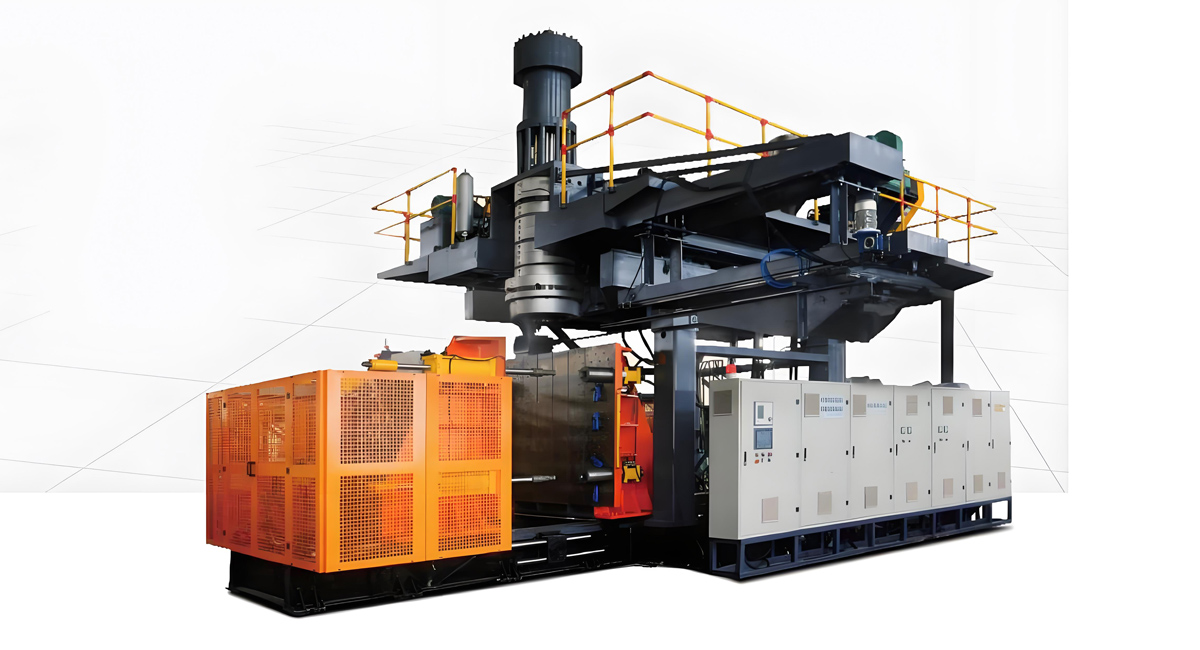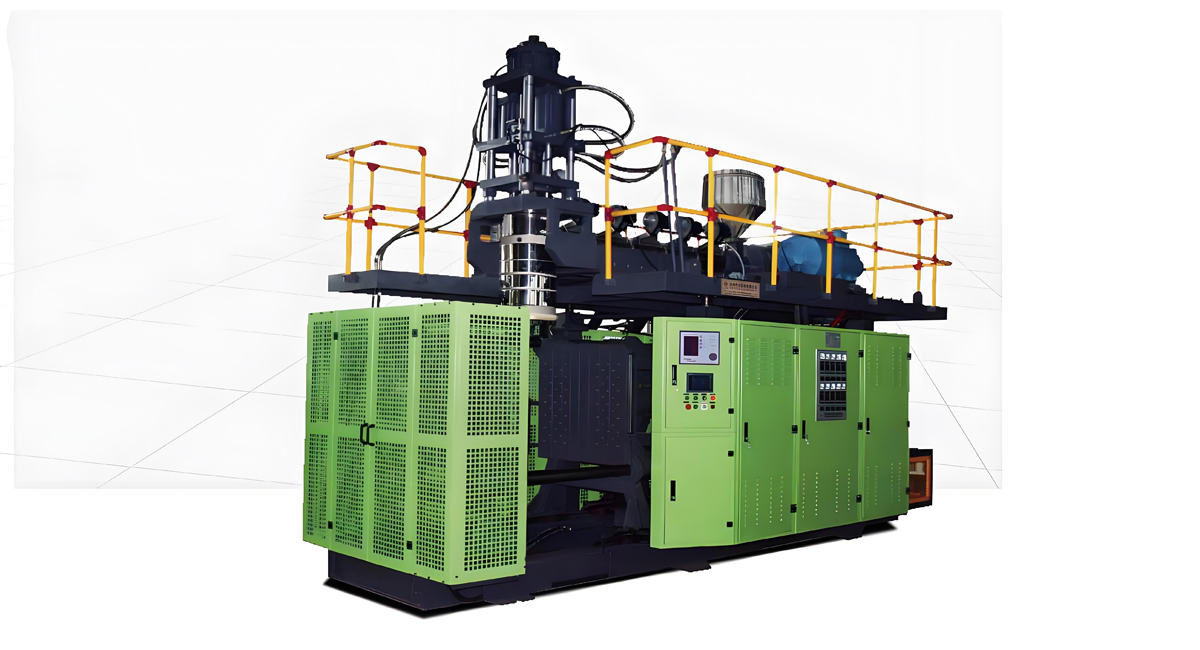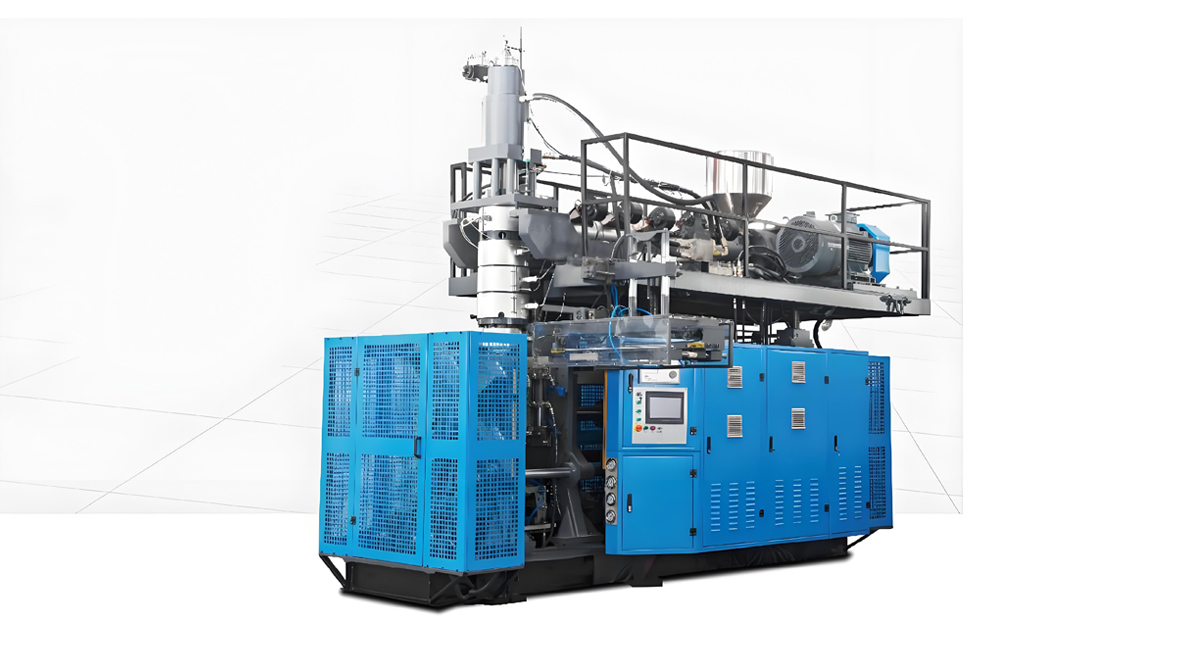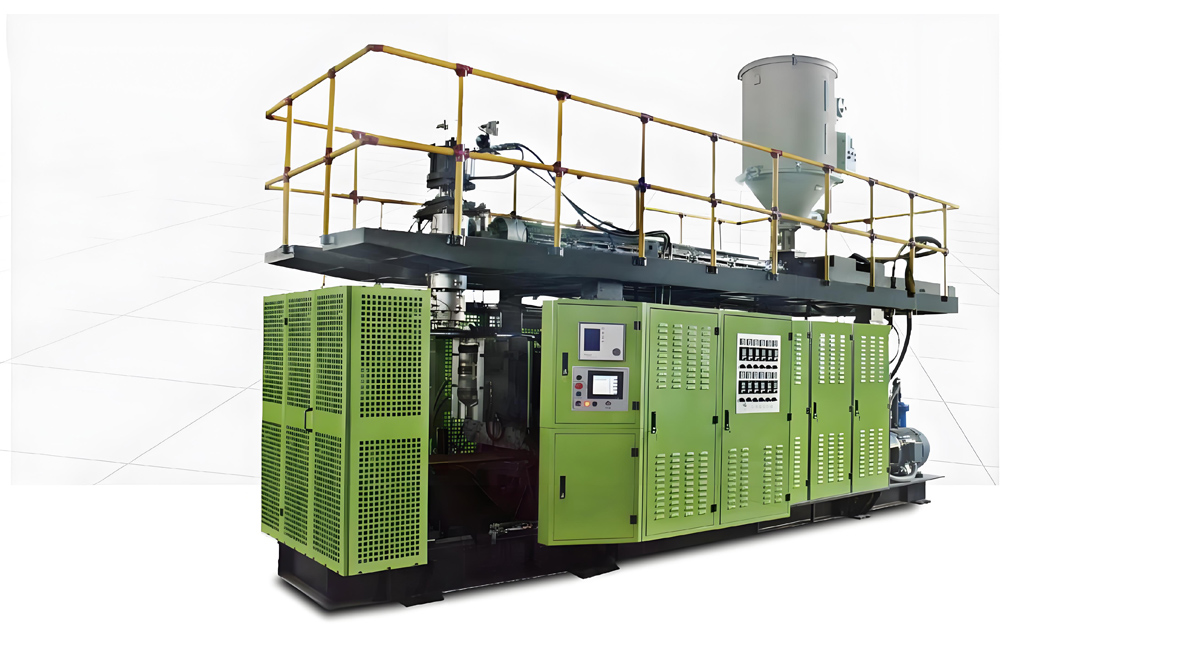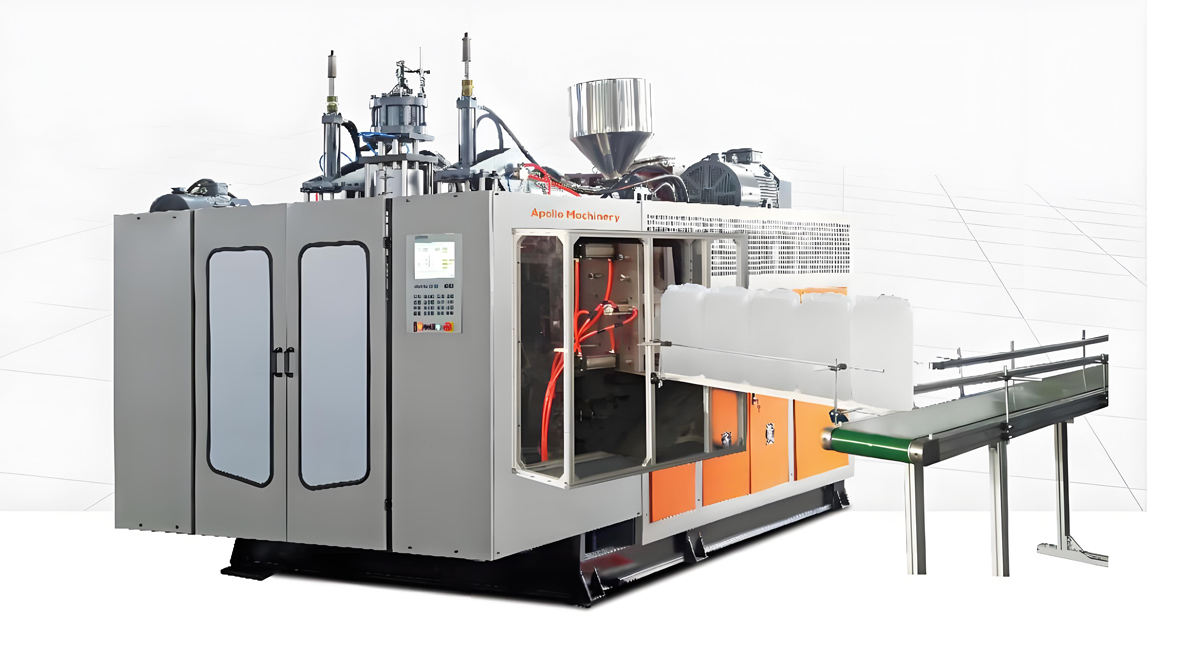
The choice between electric and hydraulic drive systems represents one of the most critical decisions when investing in extrusion blow molding equipment. As global manufacturing increasingly focuses on sustainability and operational efficiency, electric extrusion blow molding machines have emerged as superior alternatives to traditional hydraulic models. Apollo Machinery, with its fully electric series designed for 200ml to 20L container production, leads the market in energy-efficient solutions that significantly reduce operational costs while maintaining or enhancing production quality. This comprehensive analysis examines the key differences between electric and hydraulic systems, helping manufacturers make informed decisions that align with their production requirements, environmental goals, and long-term profitability objectives.
Understanding Drive System Fundamentals
Extrusion blow molding machines rely on drive systems to power the various components necessary for plastic container production. These systems provide the mechanical energy required for extrusion, mold clamping, blow pin operation, and machine movements. Traditional hydraulic systems have dominated the industry for decades, using hydraulic fluid under pressure to transmit power throughout the machine. In contrast, electric drive systems utilize servo motors and direct mechanical drives to provide precise control and energy efficiency. Apollo’s 20 years of experience in manufacturing both systems provides unique insights into the comparative advantages and applications of each technology.
Hydraulic systems operate through pumps that pressurize hydraulic fluid, which then flows through valves and actuators to power machine functions. This technology offers robust performance and has proven reliable in industrial applications worldwide. However, hydraulic systems inherently suffer from energy inefficiencies due to constant operation of pumps regardless of actual power requirements, energy losses through heat generation, and the need for complex plumbing and fluid maintenance. Despite these drawbacks, hydraulic systems continue to serve specific applications where their characteristics provide advantages.
Electric drive systems, as implemented in Apollo’s fully electric series, represent a more modern approach to machine actuation. These systems utilize servo motors that consume power only when needed and can rapidly accelerate or decelerate with precise control. The direct mechanical coupling eliminates the energy losses associated with hydraulic fluid transmission and provides immediate response to control commands. This technology particularly suits applications requiring precise control, high-speed operation, and minimal energy consumption.
Energy Efficiency Comparison
Energy consumption represents one of the most significant differentiators between electric and hydraulic extrusion blow molding machines. Studies consistently demonstrate that electric systems can achieve energy savings ranging from 30% to 70% compared to hydraulic equivalents. This substantial reduction stems from multiple factors that make electric systems inherently more efficient. Apollo’s fully electric machines exemplify these efficiency advantages, offering significant operational cost savings over the equipment’s lifespan.
Hydraulic systems suffer from multiple sources of energy waste. The primary inefficiency involves hydraulic pumps that operate continuously to maintain system pressure regardless of actual power requirements. During idle or low-power periods, these pumps continue consuming energy without performing productive work. Additionally, energy losses occur through fluid friction in pipes, valve restrictions, and heat generation within the hydraulic system. The continuous operation of cooling systems to dissipate this generated heat further increases energy consumption. Over time, these efficiency losses compound into substantial operational costs.
Electric systems eliminate most of these inefficiencies through their fundamentally different design. Servo motors consume power only when torque is required, drawing minimal energy during idle periods. The direct mechanical coupling eliminates the energy losses associated with fluid transmission, while regenerative braking capabilities in advanced systems can actually recover energy during deceleration phases. Apollo’s electric machines demonstrate these principles, achieving significantly lower energy consumption while maintaining or improving production performance.
Energy consumption directly translates to operational cost and environmental impact. With electricity costs representing a significant portion of blow molding operational expenses, the energy savings from electric systems can substantially improve profitability. For facilities operating multiple machines or running extended production shifts, these savings become particularly significant. Additionally, reduced energy consumption directly correlates with lower carbon emissions, aligning with corporate sustainability initiatives and regulatory requirements. Apollo’s electric solutions help manufacturers achieve both economic and environmental objectives simultaneously.
Precision and Performance Capabilities
Precision control represents another critical advantage of electric extrusion blow molding machines. The ability to precisely control machine movements and timing directly affects product quality, consistency, and production efficiency. Electric systems provide superior control through servo motors that can be programmed with extremely high accuracy for position, speed, and acceleration. This precision capability enables more consistent container production with reduced variation and fewer defects.
Hydraulic systems traditionally struggle with precision due to fluid compressibility and the slower response times of hydraulic actuators. While modern hydraulic systems have improved through electronic control integration, they fundamentally cannot match the precision capabilities of electric drives. The compressibility of hydraulic fluid creates compliance in the system that can result in position inaccuracy, particularly during rapid movements or when changing direction. This characteristic can affect product quality in applications requiring tight dimensional tolerances or consistent wall thickness distribution.
Apollo’s fully electric machines leverage the precision capabilities of servo drives to achieve superior product quality and consistency. The precise control of extrusion screw rotation speed enables consistent material delivery and parison formation. Accurate mold clamping control ensures proper sealing and reduces mold wear. Blow pin positioning accuracy enables optimal air distribution and container formation. These precision advantages combine to produce more consistent products with reduced scrap rates and improved quality metrics.
Performance capabilities beyond precision also favor electric systems in many applications. Electric motors provide instant torque and rapid acceleration capabilities that can reduce cycle times compared to hydraulic equivalents. The ability to precisely control acceleration and deceleration profiles enables smoother machine operation that reduces mechanical stress and extends equipment life. Apollo’s electric machines demonstrate these performance advantages while maintaining the robust characteristics required for industrial production environments.
Maintenance and Reliability Considerations
Maintenance requirements significantly impact the total cost of ownership and production uptime for extrusion blow molding equipment. Electric systems offer substantial advantages in maintenance simplicity and reduced downtime compared to hydraulic alternatives. The elimination of hydraulic fluid removes the need for fluid monitoring, replacement, and disposal. Without hydraulic pumps, valves, and actuators, electric systems have fewer moving parts that can fail, resulting in higher reliability and reduced maintenance costs.
Hydraulic systems require regular maintenance to ensure reliable operation. Hydraulic fluid degrades over time, requiring periodic replacement to maintain proper lubrication and cooling properties. Contamination from system wear or external sources can cause component failure, necessitating fluid filtration and system cleaning. Hydraulic pumps, valves, and seals all represent wear items that require periodic replacement. This maintenance complexity translates to higher operational costs and potential production downtime for service activities. Apollo’s experience with both system types confirms the maintenance advantages of electric machines.
Electric systems dramatically simplify maintenance requirements. Servo motors are highly reliable components with long service lives and minimal maintenance needs. The absence of fluid eliminates the risk of leaks that can cause production interruptions or environmental contamination. Predictive maintenance technologies can be more effectively applied to electric systems, enabling condition-based maintenance scheduling rather than reactive approaches. These factors combine to reduce maintenance costs and increase equipment availability for production.
Reliability considerations also favor electric systems in many applications. The elimination of hydraulic fluid removes the risk of system contamination from degraded fluid or external sources. Electric systems are less susceptible to temperature variations that can affect hydraulic fluid viscosity and system performance. Apollo’s electric machines demonstrate excellent reliability characteristics, contributing to consistent production output and reduced unplanned downtime.
Environmental Impact and Sustainability
Environmental considerations have become increasingly important in manufacturing operations, with both regulatory requirements and corporate sustainability initiatives driving equipment selection. Electric extrusion blow molding machines offer significant environmental advantages over hydraulic systems, aligning with global trends toward more sustainable manufacturing practices. Apollo’s fully electric series represents the company’s commitment to providing environmentally responsible solutions to customers worldwide.
Hydraulic systems present multiple environmental challenges. Hydraulic fluid represents potential environmental contamination risk if leaked or spilled. The disposal of used hydraulic oil requires special handling to prevent environmental harm. The energy inefficiencies inherent in hydraulic systems result in higher carbon emissions compared to more efficient alternatives. Oil heating for maintaining optimal operating temperature in cold environments adds to energy consumption and environmental impact. These factors make hydraulic systems less compatible with increasingly stringent environmental regulations and sustainability goals.
Electric systems address many of these environmental concerns. The elimination of hydraulic fluid removes the risk of oil contamination and simplifies disposal considerations. Reduced energy consumption directly correlates with lower carbon emissions, helping manufacturers meet environmental targets and reduce their carbon footprint. The absence of oil heating requirements further reduces energy consumption, particularly in facilities operating in climate-controlled environments. Apollo’s electric machines enable manufacturers to improve their environmental performance while enhancing operational efficiency.
Sustainability extends beyond environmental impact to include resource efficiency and long-term viability. Electric systems typically have longer equipment lifespans due to reduced wear and maintenance requirements. The ability to recover energy through regenerative braking capabilities in advanced systems improves overall resource utilization. Apollo’s commitment to quality manufacturing ensures that electric machines provide reliable service over extended operational periods, reducing the need for frequent equipment replacement and the associated resource consumption.
Initial Investment Considerations
Initial investment represents a significant factor in equipment selection decisions, and this area traditionally favored hydraulic systems due to their lower upfront costs. However, the total cost of ownership analysis often reveals that electric systems provide better long-term value despite higher initial investment. Understanding the complete cost picture over the equipment’s operational life enables more informed decision-making that considers total economics rather than just purchase price.
Hydraulic systems generally require lower initial investment due to established manufacturing processes, economies of scale, and mature technology. The widespread adoption of hydraulic technology has driven down costs through competition and manufacturing efficiency. For budget-constrained projects or situations where production volumes cannot justify higher upfront costs, hydraulic systems may represent the most economically viable option. Apollo’s experience serving diverse customer needs includes both hydraulic and electric options to accommodate different budgetary requirements.
Electric systems typically command higher initial prices due to more sophisticated technology, servo motor costs, and lower production volumes. However, this higher initial investment must be evaluated against operational cost savings over the equipment’s life. Energy savings alone can often justify the incremental investment within a reasonable payback period. Reduced maintenance costs, lower scrap rates, and improved productivity further enhance the economic case for electric systems. Apollo’s fully electric machines are priced competitively to provide excellent value considering total cost of ownership.
Production Application Suitability
The choice between electric and hydraulic systems should consider specific production requirements and application characteristics. Different applications may favor one technology over the other based on production volume, container specifications, material requirements, and operational priorities. Apollo’s diverse product range, including both hydraulic and electric options, enables manufacturers to select the most appropriate technology for their specific needs.
High-volume production applications typically benefit most from electric systems due to their energy efficiency and precision advantages. Facilities operating multiple shifts or running continuous production can achieve substantial energy savings that quickly justify the higher initial investment. Applications requiring precise control of container dimensions, wall thickness distribution, or weight consistency benefit from the superior precision capabilities of electric systems. Food and beverage packaging, medical containers, and premium consumer products represent applications where electric system advantages are most pronounced.
Lower volume or intermittent production applications may still justify hydraulic systems when cost considerations dominate. If production volumes are insufficient to realize energy savings within an acceptable payback period, hydraulic systems may represent more economically viable options. Applications with less stringent quality requirements may not benefit sufficiently from electric system precision advantages to justify higher costs. Apollo’s product range includes both hydraulic and electric options to accommodate diverse production scenarios.
Large container production, particularly in the 20L to 1500L range served by Apollo’s ABLD series, may present different considerations. The high forces required for large container production have traditionally favored hydraulic systems. However, advances in electric drive technology have enabled electric solutions for increasingly large applications. Apollo’s ongoing development efforts continue to expand electric capabilities across their product range, potentially making electric systems viable for more large-container applications in the future.
Operational Environment Considerations
The operational environment influences the suitability of electric versus hydraulic systems. Factors such as ambient temperature variations, cleanliness requirements, facility infrastructure, and space constraints all affect technology selection. Understanding these environmental factors helps ensure optimal equipment performance and longevity in specific installation locations.
Temperature variations affect hydraulic systems through their impact on fluid viscosity. In cold environments, hydraulic oil thickens, requiring heating systems that add to energy consumption. In hot environments, oil thinning can affect system performance and may require additional cooling. Electric systems are less affected by ambient temperature variations, maintaining consistent performance across a broader temperature range. This characteristic makes electric systems suitable for facilities with limited climate control or extreme operating conditions.
Cleanliness requirements particularly favor electric systems. Hydraulic systems present potential contamination risks from fluid leaks or spills that can compromise product quality, especially in food, beverage, or medical applications. The absence of oil eliminates this contamination source and simplifies cleanliness maintenance. Apollo’s fully electric machines are particularly suited to applications with stringent cleanliness requirements, including food and beverage packaging, medical containers, and pharmaceutical packaging.
Facility infrastructure requirements also differ between systems. Hydraulic systems require oil storage, filtration systems, and oil disposal capabilities. Electric systems require robust electrical infrastructure to handle the potentially higher peak power demands of servo motors. Apollo provides installation support to ensure facility compatibility with selected equipment, helping customers optimize their production environments for selected technology.
Apollo’s Electric Solutions
Apollo Machinery has developed comprehensive electric extrusion blow molding machine solutions that embody the advantages of electric drive technology while maintaining the reliability and robustness required for industrial production. The fully electric series, designed for 200ml to 20L container production, represents the culmination of Apollo’s 20 years of experience and technological development in the blow molding industry. These machines demonstrate how electric technology can be successfully implemented to provide superior performance, efficiency, and value.
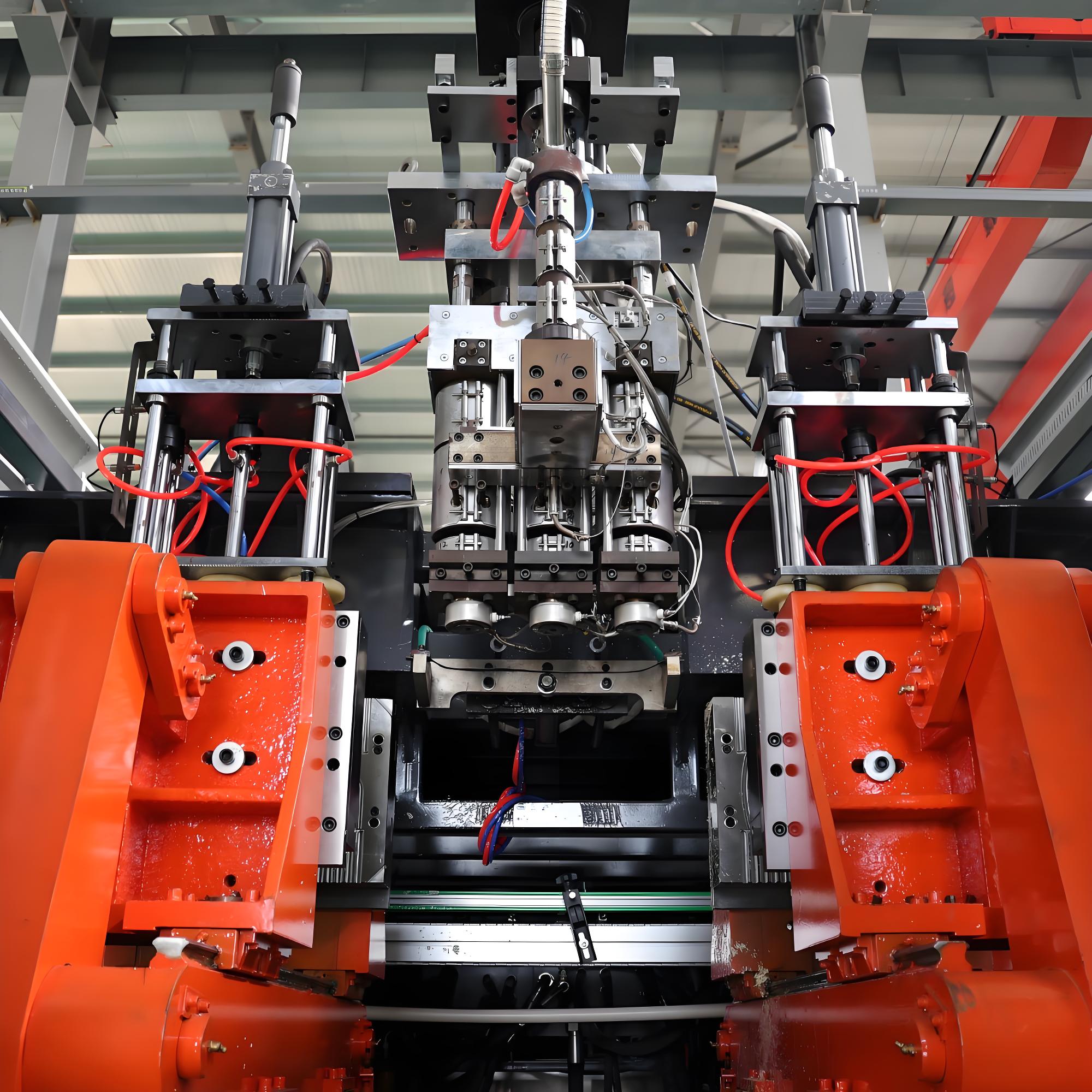
Apollo’s electric machines incorporate advanced servo drive systems that provide precise control over all machine functions. The extrusion system utilizes servo-driven screw rotation that enables precise control of material delivery and parison formation. Mold clamping systems employ electric actuators that provide consistent clamping force and precise positioning. Blow pin systems benefit from servo control that enables accurate air delivery and timing optimization. These capabilities combine to produce containers with exceptional consistency and quality.
The energy efficiency of Apollo’s electric machines has been validated through extensive testing and customer feedback. Typical energy savings compared to hydraulic equivalents range from 40% to 60%, depending on application and operating conditions. These savings directly translate to reduced operating costs and improved profitability. The reduced energy consumption also helps customers meet sustainability goals and comply with increasingly stringent environmental regulations.
Apollo’s electric machines maintain the build quality and reliability characteristics that have made Apollo equipment trusted in over 90 countries worldwide. The robust construction ensures long service life even in demanding production environments. Comprehensive quality control processes during manufacturing ensure that electric machines meet Apollo’s stringent quality standards. The company’s commitment to customer satisfaction is demonstrated through their warranty terms and after-sales support, including free parts annually and production capacity guarantees.
Future Trends and Developments
The future of extrusion blow molding technology clearly favors electric systems as the industry standard. Ongoing developments in servo motor technology, power electronics, and control systems continue to enhance electric machine capabilities while reducing costs. These developments will make electric systems increasingly attractive across a broader range of applications and price points. Apollo’s ongoing investment in research and development ensures that their electric solutions continue to advance with industry trends.
Regulatory pressures regarding energy efficiency and environmental impact will continue to drive electric system adoption. Many regions are implementing stricter energy efficiency standards for industrial equipment that favor electric systems. Carbon reduction initiatives increasingly focus on industrial energy consumption, making energy efficiency a competitive advantage. Apollo’s electric solutions position customers to meet current and future regulatory requirements while achieving sustainability goals.
Industry 4.0 initiatives and the trend toward smart manufacturing also favor electric systems. The precise control and digital interfaces inherent in electric systems enable advanced monitoring, predictive maintenance, and optimization capabilities that integrate seamlessly with digital manufacturing platforms. Apollo’s electric machines incorporate these connectivity features, enabling customers to leverage data analytics and smart manufacturing practices for continuous improvement.
Conclusion
The choice between electric and hydraulic extrusion blow molding machines requires careful consideration of multiple factors including energy efficiency, precision, maintenance requirements, environmental impact, initial investment, and application suitability. Electric systems offer compelling advantages across most criteria, with energy savings, precision control, reduced maintenance, and environmental benefits making them increasingly attractive. Apollo Machinery’s fully electric series demonstrates how these advantages can be successfully implemented in production environments serving applications from 200ml to 20L container production.
While hydraulic systems continue to serve specific applications where their characteristics provide advantages, the clear trend in the industry favors electric systems as the technology of choice for new installations. Apollo’s 20 years of experience, 4,000 machines operating in over 90 countries, and commitment to quality and innovation provide customers with confidence in their electric solutions. The total cost of ownership analysis typically favors electric systems when energy savings, reduced maintenance, and quality improvements are considered over the equipment’s operational life.
Manufacturers evaluating extrusion blow molding equipment should carefully consider their specific requirements, production volumes, and long-term objectives when selecting between electric and hydraulic systems. Apollo offers both options and can provide expert guidance to help customers select the most appropriate technology for their needs. As environmental regulations tighten and energy costs continue to increase, the advantages of electric systems become increasingly compelling, making them the preferred choice for forward-thinking manufacturers committed to operational excellence and sustainability.