Introduction
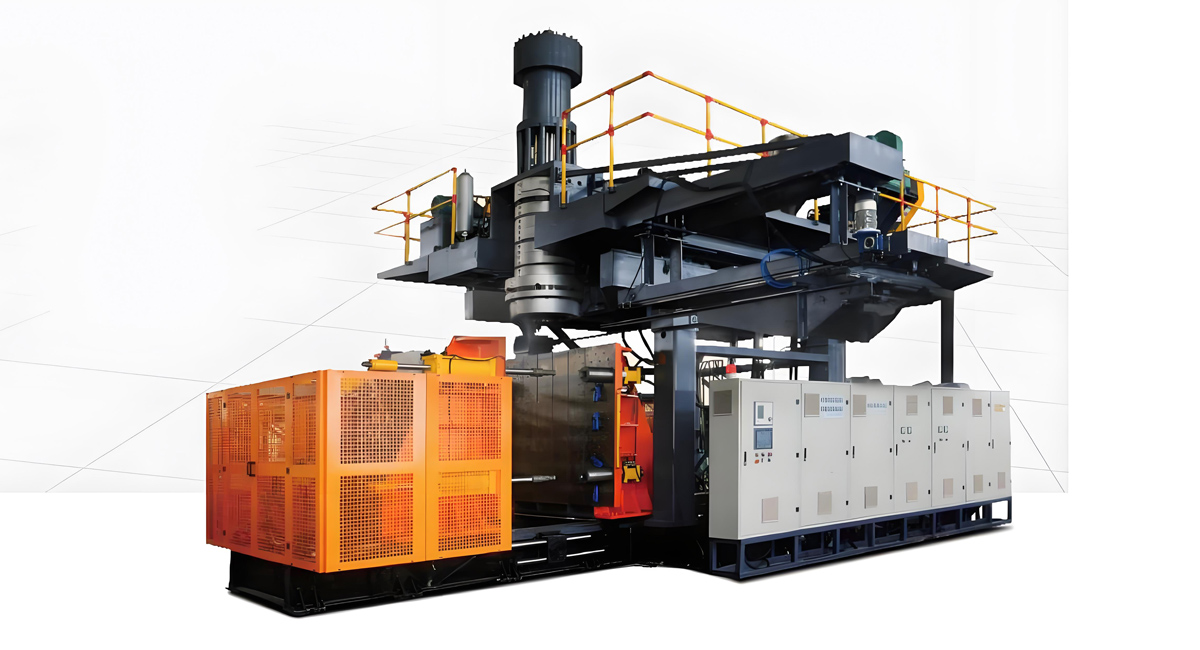
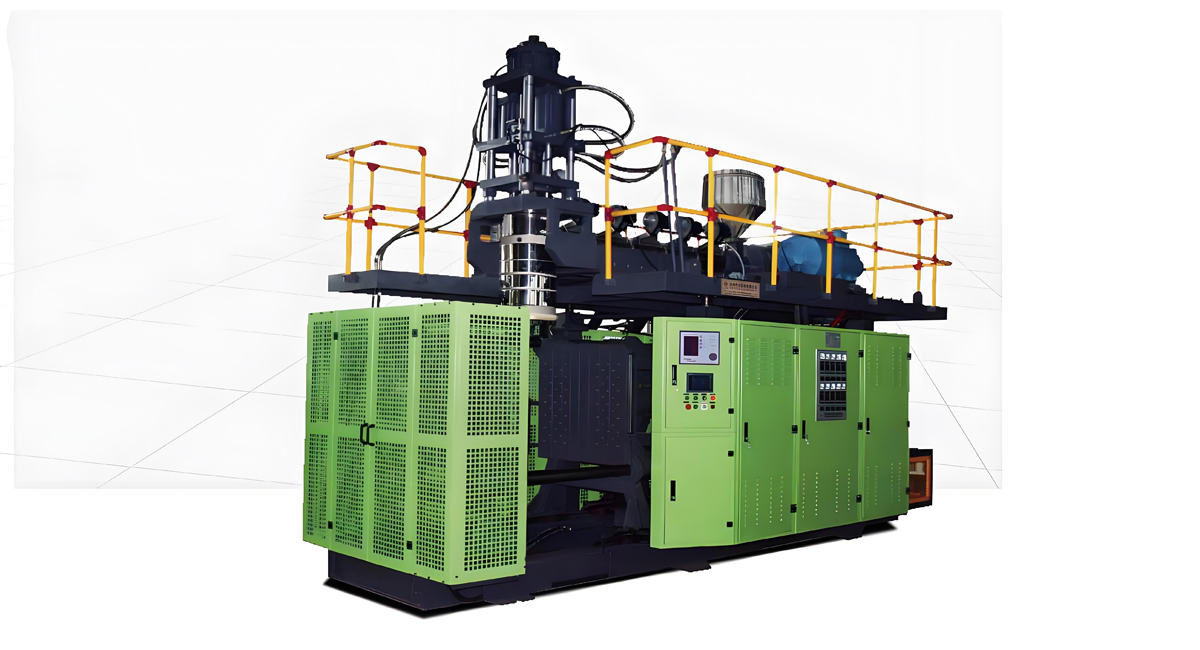
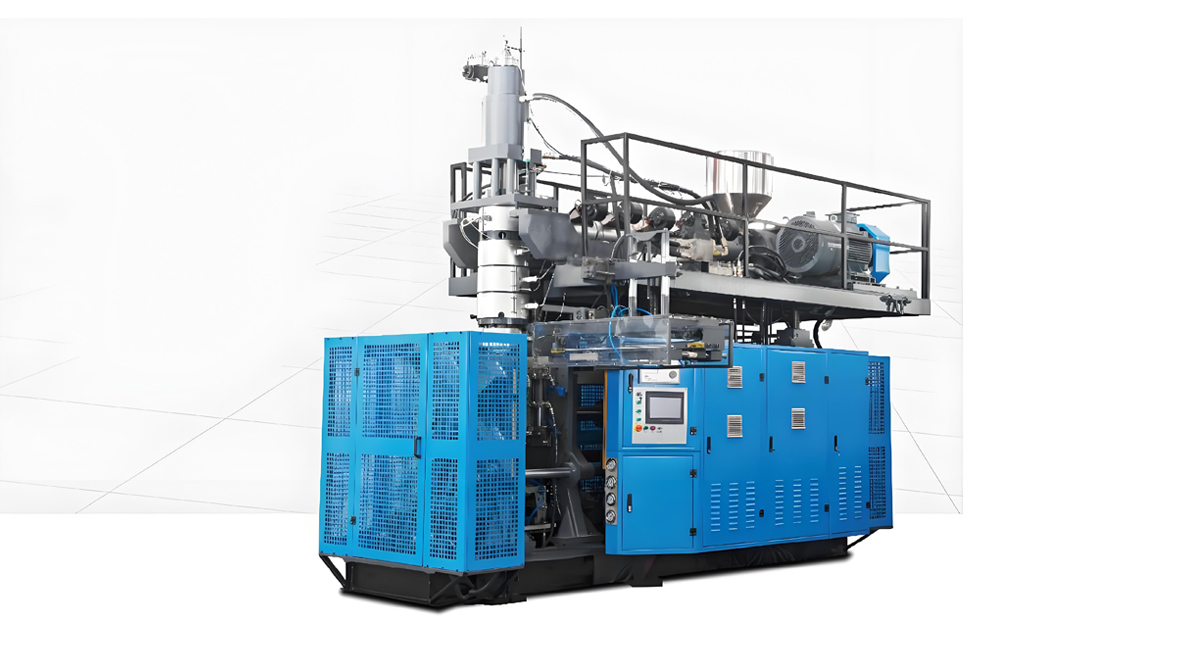
Plastic toy manufacturing demands exceptional safety standards, precision control, and consistent quality to protect child health while meeting consumer expectations. Apollo Machinery (www.apollo-china.com), with over 20 years experience and 4,000+ machines operating globally, provides extrusion blow molding machines specifically engineered for safe and precise plastic toy production. The global toy market valued at $95 billion continues growing, with plastic toys representing approximately 60% of total market share. Safety regulations including ASTM F963 (United States), EN71 (Europe), and GB 6675 (China) impose strict requirements on toy materials and manufacturing processes, making machine selection critical for compliance and market access.
EBM (Extrusion Blow Molding) technology offers ideal characteristics for toy production including hollow product capability, material versatility, dimensional consistency, and cost-effective high-volume production. Apollo ABLB series machines (200ML-20L) provide perfect capacity range for most toy applications, with fully electric series offering clean production required for premium toy manufacturers. Precision control systems ensure wall thickness uniformity within plus or minus 0.05mm, critical for toy strength and safety. Apollo machines produce toys from food-grade, BPA-free materials including HDPE, PP, PET, and TPU, meeting all major international safety standards.
Investment in Apollo EBM machines for toy production yields payback periods of 12-24 months depending on production volume and product complexity. Machine investment analysis for typical toy manufacturing applications demonstrates total cost of ownership advantages: ABLB 75 (8L) machine investment $45,000 producing 800,000 toy units annually yields $0.056 per unit equipment cost at 20% annual capacity utilization. Production cost breakdown typically shows material cost 55%, labor 15%, equipment depreciation 8%, overhead 22%, demonstrating equipment represents reasonable portion of total cost while enabling high-volume production capabilities. Apollo machines deliver exceptional return on investment through combination of precision control, reliability, and energy efficiency.
Safety Standards and Material Requirements for Toy Production
Understanding safety standards and material requirements represents critical first step for manufacturers entering plastic toy production market. Compliance with international standards ensures market access and protects children from potentially harmful materials.
International Toy Safety Standards
Major international toy safety standards establish comprehensive requirements for toy materials, design, and manufacturing processes ensuring child safety. Understanding these requirements enables manufacturers to select appropriate equipment and production methods.
ASTM F963 (United States) represents comprehensive toy safety standard covering physical and mechanical properties, flammability, electrical safety, and chemical content. The standard establishes limits for heavy metals including lead (90ppm limit), cadmium (75ppm limit), mercury (60ppm limit), and other hazardous substances. Apollo machines designed for toy production feature all-stainless steel material contact surfaces preventing contamination and easy cleaning. Equipment design eliminates lubrication exposure to toy surfaces ensuring compliance with strict chemical limits. Production using Apollo ABLB series machines consistently meets ASTM F963 requirements when using certified food-grade materials.
EN71 (European Union) comprises multiple standards covering mechanical properties, flammability, migration of certain elements, organic chemical compounds, and graphic warnings. EN71-3 specifically limits migration of 19 elements including aluminum, antimony, arsenic, barium, boron, cadmium, chromium (III and VI), cobalt, copper, lead, manganese, mercury, nickel, selenium, strontium, tin, organic tin, and zinc. Apollo machine construction using stainless steel and food-grade polymers ensures compliance with migration limits. Temperature control precision maintaining plus or minus 2 C prevents thermal degradation producing potentially harmful byproducts. European toy manufacturers using Apollo equipment consistently achieve EN71 certification for their products.
GB 6675 (China) establishes comprehensive safety requirements for toys similar to international standards including GB 6675.2 (mechanical and physical properties), GB 6675.3 (flammability), and GB 6675.4 (migration of certain elements). Chinese toy manufacturers using Apollo machines benefit from equipment designed specifically for compliance with Chinese regulations. Apollo maintains relationships with Chinese certification bodies providing updated regulatory information to customers. Production using Apollo ABLB and fully electric series machines consistently meets GB 6675 requirements enabling domestic market sales and export to international markets requiring equivalent standards.
BPA-Free and Food-Grade Material Requirements
Bisphenol A (BPA) represents significant concern for toy manufacturers due to potential health effects on children. BPA-free production using food-grade materials represents critical requirement for premium toy manufacturers and necessary for market acceptance in health-conscious markets.
BPA concerns stem from endocrine-disrupting properties potentially affecting child development. While primarily concern for plastic food containers, BPA in toys presents risk through mouthing and hand-to-mouth exposure patterns typical for young children. BPA regulations vary by jurisdiction with many countries restricting BPA in toys for children under 3 years. Apollo machines provide BPA-free production capability through material compatibility and equipment design preventing cross-contamination. Machine surfaces contact only virgin materials eliminating BPA introduction through recycled material contamination.
Food-grade HDPE (High-Density Polyethylene) represents most common material for toy production due to chemical resistance, impact strength, and processing ease. Food-grade HDPE certified by FDA (United States), EFSA (Europe), and other regulatory bodies ensures compliance with toy safety requirements. Apollo machines optimize processing parameters for HDPE including melt temperature (170-200 C), mold temperature (20-40 C), and blow pressure (4-6 bar) ensuring optimal material properties. Precise temperature control maintaining plus or minus 2 C prevents thermal degradation potentially creating harmful byproducts. Apollo ABLB series machines feature HDPE-specific screw and die head designs maximizing material properties for toy applications.
Food-grade PP (Polypropylene) offers alternative material for toy production providing higher temperature resistance and stiffness compared to HDPE. PP applications include toys requiring higher heat deflection or mechanical strength. Apollo machines process PP using optimized parameters: melt temperature (200-240 C), mold temperature (20-40 C), and blow pressure (5-7 bar). PP processing requires careful temperature control preventing polymer chain scission and degradation. Apollo temperature control systems with precise PID algorithms maintain required temperature stability ensuring consistent PP processing and toy quality.
TPU (Thermoplastic Polyurethane) represents premium material for toy production offering flexibility, durability, and excellent surface finish. TPU applications include soft toys, squeeze toys, and toys requiring specific tactile properties. Apollo fully electric machines particularly suited for TPU processing providing clean production without hydraulic oil contamination risks. TPU processing parameters: melt temperature (190-220 C), mold temperature (20-40 C), and blow pressure (4-6 bar). TPU requires precise moisture control with recommended moisture content below 0.02% preventing processing defects. Apollo machines feature optional drying units ensuring proper TPU processing conditions.
Material Traceability and Certification
Material traceability and certification represent critical requirements for toy production ensuring compliance with safety standards and providing documentation for regulatory verification and consumer confidence.
Material certification from suppliers provides baseline assurance of material compliance with toy safety standards. Apollo recommends sourcing materials from certified suppliers providing certificates of analysis (COA), compliance statements, and safety data sheets (SDS). Material certifications typically include: FDA food contact compliance, EU REACH compliance, EN71 compliance, and BPA-free certification. Apollo equipment design supports material traceability through clear material separation and dedicated storage capabilities. Machine documentation includes material compatibility charts listing approved toy materials and processing parameters.
Batch tracking systems enable manufacturers to trace toy products back to specific material batches supporting recall management and quality verification. Apollo machines interface with batch tracking systems through PLC data logging capabilities. The system can record material batch information, production timestamps, and processing parameters for each production run. This data supports traceability requirements and enables rapid response to material quality issues. Apollo PLC systems with data storage capacity enable batch tracking without additional hardware investment.
Third-party material testing provides independent verification of material compliance with safety standards. Testing typically includes: heavy metal analysis (ICP-MS), phthalate content (GC-MS), BPA content (HPLC), and mechanical testing (tensile strength, impact resistance). Apollo recommends quarterly material testing for compliance verification, with increased frequency when supplier changes occur or processing issues arise. Test documentation supports regulatory audits and provides evidence of due diligence for compliance verification. Apollo maintains relationships with qualified testing laboratories providing toy material testing services.
Apollo EBM Machine Features for Toy Production
Apollo extrusion blow molding machines incorporate specific features optimizing production for toy manufacturing applications. These features ensure precision, safety, and quality required for demanding toy market.
Precision Wall Thickness Control
Wall thickness uniformity represents critical quality factor for toy strength and safety. Apollo machines feature advanced wall thickness control systems ensuring consistent product quality and material efficiency.
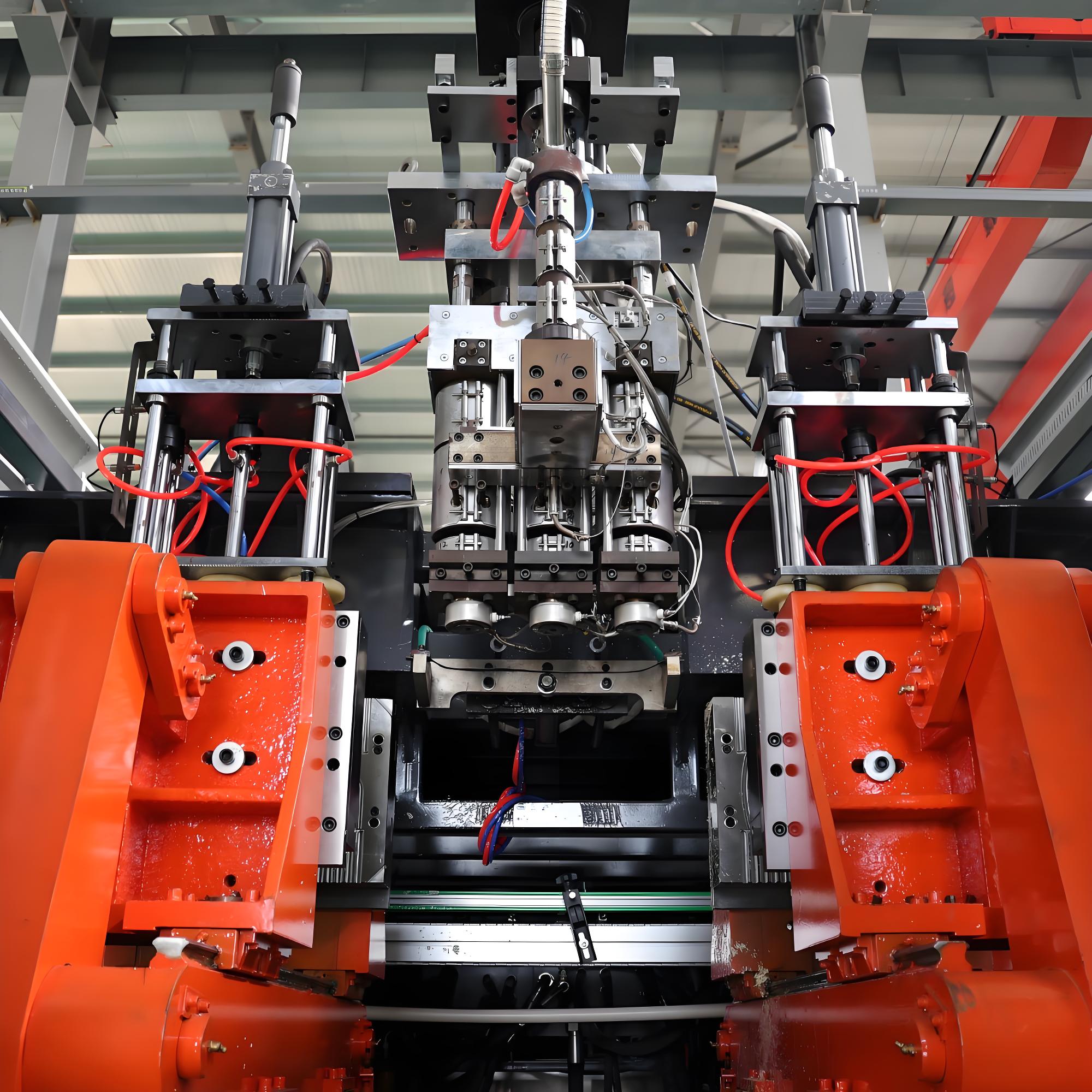
Wall thickness control system uses parison programming controlling die gap during extrusion cycle. The system adjusts die lip position based on pre-programmed profile optimizing wall thickness distribution across product height. Apollo wall thickness control systems feature 32-point control for ABLB 75 machines and 64-point control for larger models, providing fine resolution for complex toy shapes. System accuracy within plus or minus 0.02mm enables precise control over wall thickness distribution. Wall thickness variation across toy products typically maintained within plus or minus 0.05mm exceeding most toy quality requirements.
Parison programming flexibility enables production of diverse toy shapes using single mold through programmable wall thickness profiles. Complex toy shapes including varying diameter, multiple sections, or specific strength requirements benefit from parison programming capability. Apollo parison programming software provides intuitive interface for profile development and storage of multiple profiles for different products. Typical parison programming time for new toy product ranges from 30-60 minutes, enabling rapid product changeover. Stored profiles enable consistent production across different shifts and operators ensuring quality consistency.
Wall thickness monitoring systems provide real-time measurement and feedback control for continuous quality assurance. Non-contact laser sensors measure parison wall thickness during extrusion cycle, with control system adjusting die gap maintaining target thickness. Monitoring systems typically measure parison at multiple locations providing comprehensive wall thickness data. Apollo wall thickness monitoring systems reduce material scrap by 15-25% compared to manual control methods while ensuring consistent product quality. System data logging provides quality documentation supporting compliance verification and process improvement.
Stainless Steel and Food-Grade Construction
Apollo machines feature stainless steel construction and food-grade components ensuring compliance with toy safety requirements and preventing product contamination.
Material contact surfaces including extruder barrel, die head, and mold mounting surfaces feature 304 or 316 stainless steel construction providing corrosion resistance and easy cleaning. Stainless steel surfaces resist chemical cleaning agents and maintain sanitary condition over extended operation periods. Apollo machines designated for toy production undergo passivation treatment ensuring chromium oxide layer integrity preventing material adhesion and contamination. Stainless steel construction meets food equipment standards (NSF, ISO 14159) ensuring appropriate for toy production applications.
Hydraulic system isolation prevents hydraulic oil exposure to toy products. Apollo machines feature sealed hydraulic systems preventing oil leakage onto product surfaces. Critical seals and gaskets using food-grade materials ensure compliance with contamination prevention requirements. Hydraulic oil reservoir features vent filtration preventing airborne contamination of hydraulic fluid. Isolation design enables use of standard hydraulic oils while maintaining product purity for toy production. For premium applications requiring maximum contamination protection, Apollo fully electric machines eliminate hydraulic systems entirely.
Clean-in-place (CIP) capabilities enable thorough equipment cleaning between material changes or production runs. Apollo machines feature CIP design including drainage ports, smooth surface finishes, and chemical-resistant seals. CIP procedures typically use hot water (70-80 C) with approved cleaning agents for 30-60 minute cycles, followed by water rinse. Machine design enables complete drain of cleaning solution preventing residue accumulation. CIP systems reduce material changeover time by 50-70% compared to manual cleaning while ensuring complete material separation preventing cross-contamination.
Fully Electric Machine Options
Apollo fully electric EBM machines provide clean production ideal for premium toy manufacturing requiring maximum contamination prevention and environmental compliance.
Hydraulic system elimination removes contamination risk entirely while providing environmental and operational benefits. Fully electric machines use servo motors replacing hydraulic actuators for clamping, extrusion, and mold movement functions. Servo motors provide precise control without hydraulic oil leakage risk or contamination potential. Clean room compliance enables production in ISO Class 8 environments meeting requirements for premium toy brands requiring controlled manufacturing environments. Apollo fully electric machines produce zero hydraulic oil waste reducing environmental impact and disposal costs.
Energy efficiency improvements provide operational cost savings beyond contamination prevention. Servo motor systems consume energy only during actual motion, unlike hydraulic systems requiring continuous pump operation. Energy savings of 30-40% compared to hydraulic models reduce operating costs. Reduced heat generation lowers air conditioning requirements in climate-controlled production facilities. Energy consumption for ABLE 80 fully electric machine producing toys typically 25-35 kWh compared to 45-55 kWh for hydraulic equivalent. Energy savings of 15-25 kWh per hour provide substantial annual cost savings at high production volumes.
Precision and repeatability improvements benefit toy quality consistency. Servo motors provide positioning accuracy within plus or minus 0.05mm compared to plus or minus 0.1mm for hydraulic actuators. Precise motion control results in consistent cycle times and product quality. Reduced machine vibration during operation improves dimensional accuracy and surface finish. Apollo fully electric machines produce toys with dimensional tolerance within plus or minus 0.1mm exceeding requirements for most toy applications. Precision improvement reduces scrap rates by 20-30% compared to hydraulic machines.
Toy Production Applications and Machine Selection
Apollo EBM machines serve diverse toy production applications requiring specific machine configurations and capabilities. Understanding machine selection criteria ensures optimal equipment choice for specific toy manufacturing requirements.
Small Toys and Educational Products
Small toys and educational products represent high-volume production applications requiring cost-effective machines capable of high cycle speeds. Apollo ABLB 55 (2-3L) and ABLB 75 (8L) models provide ideal capacity range for these applications.
Building blocks and construction toys require precise dimensional control and consistent color quality. ABLB 55 machine producing 2L building blocks achieves 950 cycles per hour for single station or 1,900 cycles per hour for double station configuration. Dimensional accuracy within plus or minus 0.1mm ensures block interlocking functionality. Color consistency achieved through precise temperature control maintaining plus or minus 2 C throughout production run. Material usage efficiency 95%+ minimizes waste and material cost. Production capacity 1,500,000 blocks annually (assuming 2L blocks, 1,900 cycles/hour, 80% uptime) justifies equipment investment through high volume production.
Educational toys including counting toys, sorting toys, and educational puzzles benefit from ABLB 75 machine capability for larger products. 5L educational toy production capacity 800 cycles per hour single station or 1,600 cycles per hour double station. Complex educational toys requiring multiple components benefit from Apollo multi-cavity mold capability producing up to 4-8 cavities per cycle depending on product size. Production capacity 3,200,000 toy components annually (assuming 5L toys, 4-cavity mold, 80% uptime) provides substantial volume for educational toy market.
Investment analysis for small toy production demonstrates attractive economics. ABLB 55 machine investment $35,000 producing 2L toys at 950 cycles/hour yields $0.005 per cycle equipment cost. At material cost $0.05 per toy (HDPE, 2L, 35g), labor cost $0.02, and overhead $0.03, total cost $0.105 per toy. Selling price $0.30-0.50 yields gross margin $0.195-0.395 per toy. Payback period 6-12 months depending on production utilization. Apollo machines provide excellent return on investment for high-volume small toy production.
Medium Toys and Outdoor Products
Medium toys and outdoor products require larger machine capacity while maintaining precision and quality. Apollo ABLB 90 (16L) and ABLD 90 (30-60L) models provide appropriate capacity for these applications.
Ride-on toys and wheeled toys require strong, lightweight construction and precise dimensional control for component fit. ABLB 90 machine producing 16L ride-on toy bodies achieves 500 cycles per hour single station or 1,000 cycles per hour double station. Wall thickness uniformity within plus or minus 0.05mm ensures structural integrity for supporting child weight. Material using HDPE with impact modifiers provides strength and weather resistance for outdoor use. Production capacity 400,000 ride-on toys annually (assuming 16L toys, 500 cycles/hour, 80% uptime) enables substantial market penetration.
Sports toys and recreational products including ball storage, equipment organizers, and game components benefit from ABLD 90 accumulator machine capability for larger products. 30L sports toy production using accumulator machine provides consistent parison quality for large, thin-walled products. Cycle time 180-240 seconds depending on product complexity. Production capacity 40,000 large sports toys annually (assuming 30L toys, 180 second cycle, 80% uptime) provides capacity for niche premium market segments. Accumulator design ensures excellent wall thickness distribution on large products.
Investment analysis for medium toy production demonstrates favorable economics for premium products. ABLB 90 machine investment $55,000 producing 16L toys at 500 cycles/hour yields $0.018 per cycle equipment cost. Material cost $0.40 per toy (HDPE, 16L, 280g), labor cost $0.08, and overhead $0.10, total cost $0.598 per toy. Premium pricing $1.50-3.00 yields gross margin $0.902-2.402 per toy. Payback period 3-9 months depending on premium pricing achieved. Apollo machines enable premium product positioning through quality and consistency.
Soft Toys and Special Applications
Soft toys and special applications require specific material capabilities and machine configurations. Apollo fully electric machines and specialized options address these requirements.
Soft squeeze toys and sensory toys require TPU or soft material capability. Apollo fully electric ABLE 80 machine eliminates hydraulic contamination risks important for sensitive materials. TPU processing parameters: melt temperature 200-220 C, mold temperature 25-35 C, blow pressure 4-5 bar. Production capacity 500 cycles per hour for 5L soft toys. Wall thickness thinning capability down to 0.8mm provides soft feel while maintaining durability. Production capacity 160,000 soft toys annually (assuming 5L toys, 500 cycles/hour, 80% uptime) serves premium market segment.
Multi-material toys and color-changing toys require specialized processing capabilities. Apollo machines support multi-color and multi-material processing through co-extrusion options and rapid material changeover capabilities. Co-extrusion die heads produce toys with multiple colors or material layers in single operation. Rapid changeover enables production of color assortments meeting toy line diversity requirements. Multi-material capability enables production of toys with varying material properties across single product.
Investment analysis for specialty toy production demonstrates value through premium positioning and reduced competition. ABLE 80 fully electric machine investment $65,000 producing 5L specialty toys at 500 cycles/hour yields $0.038 per cycle equipment cost. Material cost $0.30 per toy (TPU, 5L, 150g), labor cost $0.06, and overhead $0.08, total cost $0.478 per toy. Premium pricing $1.20-2.50 yields gross margin $0.722-2.022 per toy. Payback period 6-14 months depending on premium market positioning achieved. Apollo fully electric machines enable premium market entry through clean production and precision capabilities.
Production Process Optimization for Toy Manufacturing
Optimizing production processes for toy manufacturing requires attention to specific factors including quality control, efficiency improvement, and safety management. Apollo equipment features and best practices enable effective process optimization.
Quality Control and Inspection
Comprehensive quality control systems ensure consistent toy quality meeting safety and customer expectations. Apollo machines provide features enabling effective quality control implementation.
In-line quality monitoring systems provide real-time quality data enabling immediate correction of production issues. Apollo wall thickness monitoring systems measure parison dimensions during extrusion with feedback control ensuring product consistency. Weight monitoring systems weigh finished toys detecting weight variations indicating processing issues. Visual inspection systems detect surface defects, flash, or color variations. In-line monitoring reduces scrap by 15-25% compared to post-production inspection while providing continuous quality assurance.
Statistical process control (SPC) implementation enables data-driven quality improvement and preventive maintenance. Apollo PLC systems provide data logging capability supporting SPC implementation. Critical parameters including temperature, pressure, cycle time, and weight automatically recorded for each production cycle. Control charts identify trends indicating process shifts before quality issues occur. SPC implementation reduces scrap by 20-30% while improving process capability indices (Cpk). Apollo provides SPC templates and training supporting customer implementation.
Third-party quality verification provides independent assurance of product quality and compliance. Apollo recommends periodic third-party testing for new toy products and after process changes. Testing typically includes dimensional verification, mechanical testing (drop testing, impact testing), and chemical analysis (heavy metals, phthalates). Test documentation supports regulatory compliance and provides evidence of due diligence. Apollo maintains relationships with qualified testing laboratories providing toy product testing services.
Efficiency Improvement Strategies
Production efficiency directly impacts toy manufacturing profitability. Apollo machines incorporate features enabling efficiency improvements through reduced cycle times, material savings, and minimized downtime.
Cycle time optimization through parison programming and process tuning reduces production time per toy. Apollo parison programming systems enable precise control over parison thickness distribution reducing material waste and blow time. Process optimization typically reduces cycle time 10-20% compared to baseline settings. For ABLB 75 machine producing 5L toys, cycle time reduction from 8 seconds to 6.5 seconds increases production capacity from 450 to 550 toys per hour. Cycle time improvements yield 22% production increase without additional equipment investment.
Material efficiency improvements through wall thickness control and scrap reduction significantly impact cost structure. Apollo wall thickness control systems reduce material usage 15-25% while maintaining product strength. Scrap reduction through process optimization reduces material waste below 2% for mature processes. For $0.05 per kg HDPE material cost, 5L toy using 200g material has $0.010 material cost. Material efficiency improvement reducing usage from 220g to 190g saves $0.0015 per toy or $2,400 annually for 1,600,000 toy production volume.
Downtime reduction through preventive maintenance and rapid changeover capabilities maximizes production availability. Apollo machines feature modular design enabling rapid mold changeover within 15-30 minutes. Preventive maintenance program based on operating hours reduces unplanned downtime by 40-60% compared to reactive maintenance. Quick-change die head kits further reduce changeover time. Downtime reduction from 10% to 5% availability increases effective production capacity 5.3% (10% downtime means 90% available time, 5% downtime means 95% available time, improvement 5.3% of available time).
Safety and Environmental Management
Safety and environmental considerations represent critical aspects of toy manufacturing operations. Apollo machines provide features supporting safe operation and environmental compliance.
Machine safety features protect operators and ensure regulatory compliance. Apollo machines include comprehensive safety systems including emergency stop buttons, safety gate interlocks, light curtains, and two-hand control systems for mold operations. Safety systems comply with international standards including ISO 13849 and ANSI B11.19. Regular safety device testing ensures proper function and compliance. Apollo provides safety documentation and training supporting customer safety program implementation.
Environmental compliance addresses energy consumption, waste generation, and emissions management. Apollo energy-efficient machines reduce energy consumption 30-40% compared to conventional designs. Material efficiency improvements reduce scrap waste. Fully electric machines eliminate hydraulic oil waste and disposal requirements. ISO 14001 environmental management system implementation supported by Apollo machine features enabling tracking of energy consumption, material usage, and waste generation. Apollo provides environmental compliance guidance helping customers achieve certification.
Worker safety measures beyond machine safety include hearing protection, ventilation, and ergonomics. Apollo machines feature noise levels below 85 dB(A) at 1 meter distance enabling operation without mandatory hearing protection in some jurisdictions. Proper ventilation removes material fumes during processing maintaining air quality. Ergonomic design of control panels and mold areas reduces worker fatigue and injury risk. Apollo provides workplace safety recommendations supporting comprehensive safety program.
Cost Analysis and Return on Investment
Understanding cost structure and return on investment enables informed machine selection and production planning for toy manufacturing applications.
Machine Investment Cost Breakdown
Comprehensive cost breakdown enables accurate budgeting and investment analysis for toy production equipment acquisition.
Machine base pricing for Apollo EBM machines varies by model and configuration. ABLB 55 (2-3L) machine base price $35,000-45,000. ABLB 75 (8L) machine base price $40,000-55,000. ABLB 90 (16L) machine base price $55,000-75,000. ABLE 80 fully electric (10L) machine base price $65,000-90,000. ABLD 90 accumulator (30-60L) machine base price $90,000-130,000. Base pricing varies depending on configuration options and customization requirements. Factory-direct pricing eliminates distributor margins providing 20-35% cost advantage compared to European or North American alternatives.
Optional equipment and customization costs add to base machine investment depending on specific application requirements. Common options include: wall thickness control system $8,000-12,000, multi-cavity mold capability $10,000-25,000, co-extrusion die head $15,000-30,000, rapid changeover system $5,000-10,000, cooling tower and chiller $10,000-25,000, material drying system $8,000-15,000. Total investment with options typically 30-70% above base machine cost. Apollo provides detailed quotations specifying all included items and optional costs.
Installation and commissioning costs cover machine delivery, setup, and initial production support. Installation supervision $5,000-10,000 per machine including engineer travel and expenses. Foundation and utility connections vary by facility but typically $10,000-20,000 for concrete foundation, electrical service, and compressed air system. Operator and maintenance training $5,000-10,000 for 2-3 day training program. Commissioning including production setup and quality verification $8,000-15,000. Total installation and commissioning typically $28,000-55,000 depending on machine size and facility condition.
Initial spare parts investment ensures production continuity during early operation period. Recommended spare parts package $5,000-15,000 depending on machine size. Critical spare parts include: screw and barrel set $8,000-15,000, heater bands set $2,000-4,000, critical hydraulic components $3,000-8,000, electrical spare parts $2,000-5,000. Spare parts investment represents 10-20% of machine base cost but prevents extended downtime awaiting parts delivery. Apollo provides spare parts recommendations customized for specific operating conditions.
Operating Cost Structure
Operating cost structure for toy production includes material, labor, energy, maintenance, and overhead components. Understanding cost breakdown enables cost optimization and pricing decisions.
Material cost represents largest cost component for toy production typically 45-60% of total cost. Material cost calculated: product weight x material price x yield. For 5L HDPE toy weighing 200g with material price $0.05/gram and 95% yield: 200g x $0.05 x (1/0.95) = $10.53 per kg of toys or $0.0105 per toy. Material efficiency improvements through wall thickness control provide significant savings opportunities. Material sourcing from certified suppliers meeting toy safety requirements ensures compliance but may carry 10-20% premium over commodity grades.
Labor cost varies by production automation level and local wage rates. Single operator managing 2-3 machines typical for semi-automated production. Labor cost per toy: (hourly wage x shifts x hours per shift) divided by annual production volume. For $15/hour wage, 3 shifts daily, 8 hours per shift, 3 machines producing 500 toys/hour each: ($15 x 3 x 8 x 365) divided by (500 x 3 x 8 x 365 x 0.8 availability) = $0.0075 per toy. Labor cost represents 7-12% of total cost for well-automated production.
Energy cost calculation considers electrical power consumption for motors, heaters, and auxiliary systems. ABLB 75 machine total power consumption 45-55 kW average including extruder, hydraulic pump, and heating systems. Energy cost per toy: (kW consumption x electricity rate) divided by toys per hour. For 50 kW consumption at $0.10/kWh rate, 500 toys/hour production: (50 x $0.10) divided by 500 = $0.010 per toy. Energy represents 8-12% of total cost. Fully electric machines provide 30-40% energy savings reducing this cost component.
Maintenance cost includes preventive maintenance, repairs, and component replacement. Annual maintenance cost typically 3-6% of machine initial investment. For $45,000 ABLB 75 machine, annual maintenance cost $1,350-2,700. Maintenance cost per toy: annual maintenance divided by annual production. For 1,000,000 annual production: $2,000 divided by 1,000,000 = $0.002 per toy. Maintenance represents 2-4% of total cost for well-maintained machines. Preventive maintenance reduces total maintenance cost 30-50% compared to reactive maintenance.
Overhead costs include facility, depreciation, insurance, and administrative overhead. Overhead allocation typically 20-30% of direct costs (material + labor + energy + maintenance). For direct cost $0.025 per toy, overhead $0.005-0.008 per toy. Overhead represents 5-8% of total cost. Efficient facility utilization and production scheduling reduce overhead allocation per unit.
Return on Investment Analysis
Return on investment analysis demonstrates financial viability of toy production equipment investment. Payback periods, net present value, and internal rate of return provide decision support.
Payback period calculation divides total investment by annual profit. For ABLB 75 machine investment: machine $50,000 + options $15,000 + installation $30,000 + spares $8,000 = $103,000 total investment. Production 1,000,000 toys annually with $0.03 profit per toy: annual profit $30,000. Payback period $103,000 divided by $30,000 = 3.4 years. For premium toys with $0.08 profit per toy: annual profit $80,000, payback period 1.3 years. Payback period 1-3 years considered excellent, 3-5 years acceptable, over 5 years requires careful evaluation.
Net present value (NPV) analysis considers time value of money providing more comprehensive investment evaluation. Assuming 10-year machine life, 10% discount rate, and consistent annual cash flow: For $30,000 annual profit and $103,000 investment: NPV = present value of annuity ($30,000 annually for 10 years at 10%) minus investment = ($30,000 x 6.1446) – $103,000 = $184,338 – $103,000 = $81,338 positive NPV. Positive NPV indicates investment creates value. Higher NPV achieved with premium pricing strategies improving annual profit.
Internal rate of return (IRR) represents discount rate making NPV equal zero, indicating actual investment return. For $103,000 investment and $30,000 annual profit over 10 years: IRR approximately 26%. IRR above company cost of capital (typically 10-15%) indicates attractive investment. Premium toys with $80,000 annual profit yield IRR approximately 76%. IRR analysis enables comparison across investment alternatives.
Conclusion
Apollo extrusion blow molding machines provide ideal solution for plastic toy manufacturers seeking safe, precise, and efficient production capabilities. Comprehensive safety features, BPA-free material compatibility, and precision control systems ensure compliance with international toy safety standards while enabling production of high-quality products. Machine investment yields attractive returns through combination of high production capacity, material efficiency, and operational reliability.
With 20+ years experience and 4,000+ machines in global operation, Apollo has established expertise supporting toy manufacturers through equipment selection, process optimization, and ongoing support. Comprehensive product portfolio spanning ABLB series, ABLD series, and fully electric machines provides appropriate solutions for diverse toy production applications from small educational toys to large ride-on toys and specialty products.
Contact Apollo Machinery today for consultation on machine selection for your toy production requirements. Factory visits available enabling evaluation of equipment capabilities and discussion of specific production needs. Apollo engineering team provides customized solutions optimizing production for your toy product portfolio ensuring safety, quality, and profitability.