Introduction
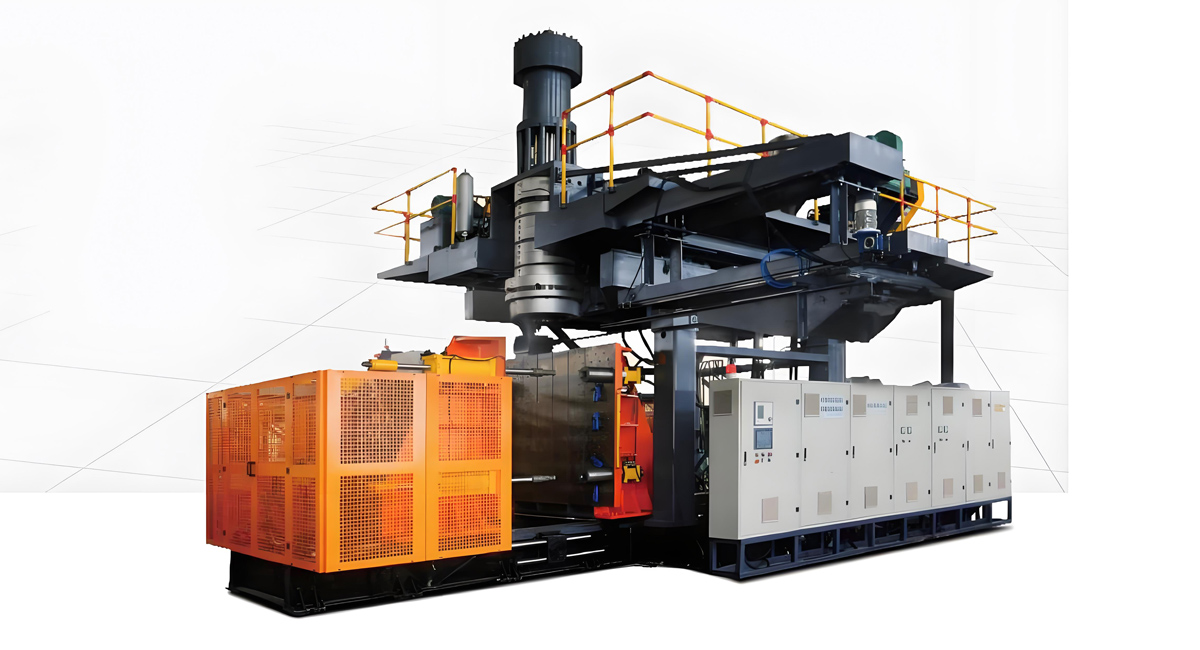
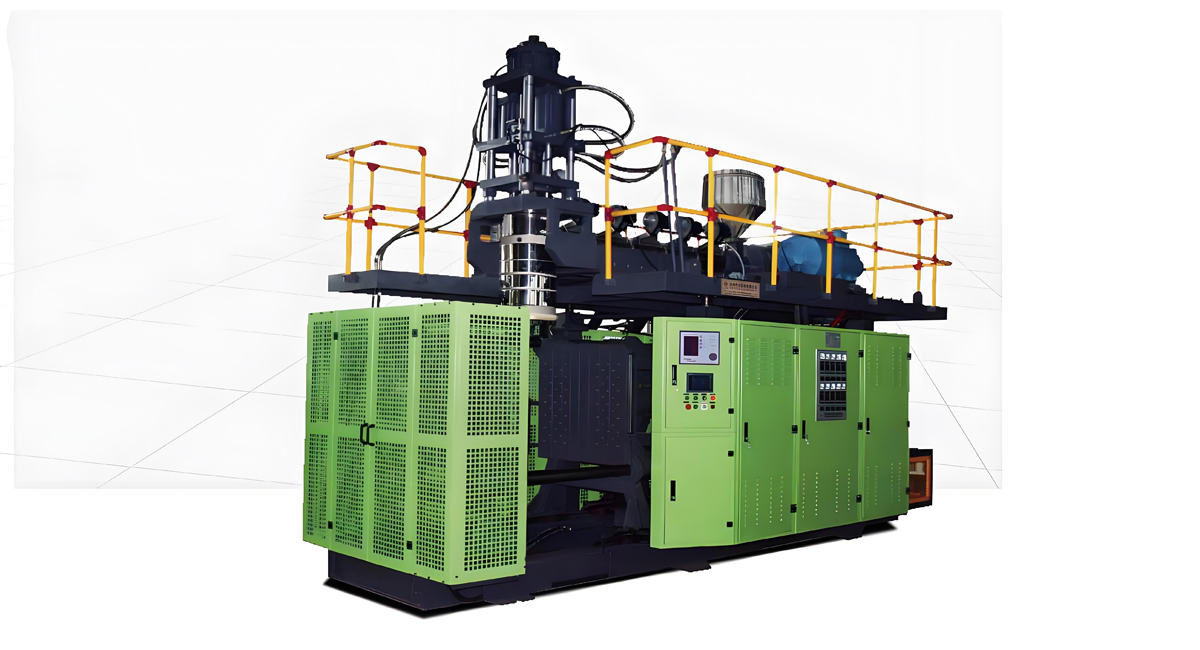
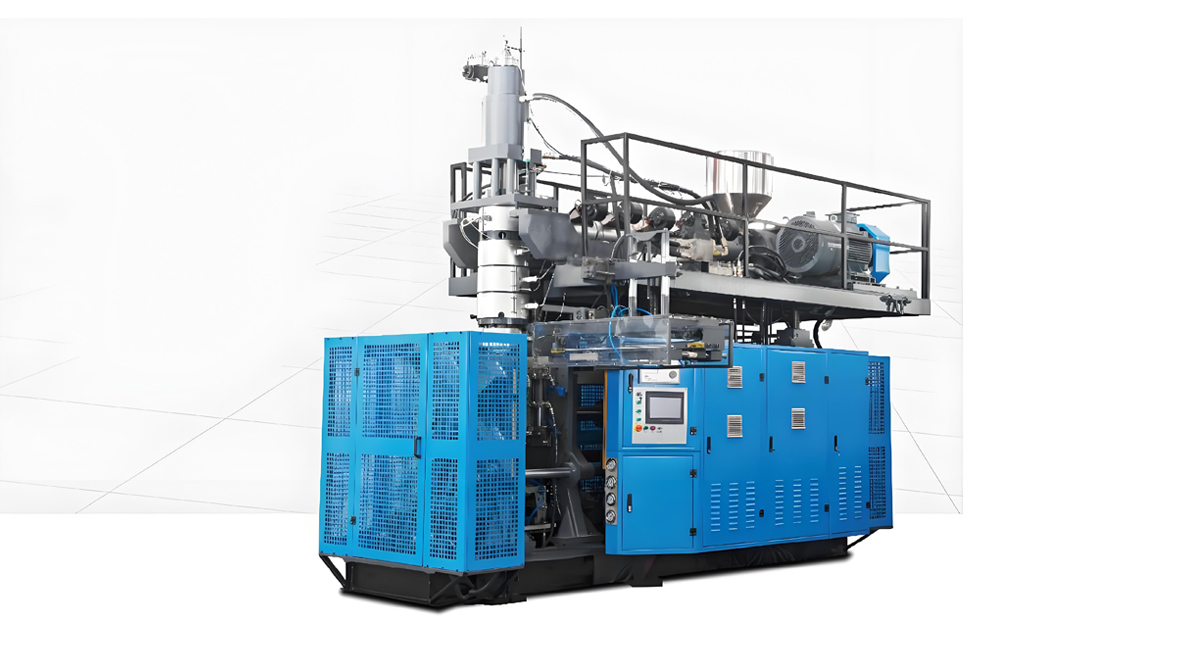
Garden plastic products represent a significant market segment requiring specialized extrusion blow molding machines capable of producing custom designs with precise specifications. The global garden products market continues to expand, driven by increasing consumer interest in home gardening, outdoor living spaces, and sustainable product solutions. Apollo extrusion blow molding machines (www.apollo-china.com) have emerged as preferred equipment for manufacturers of garden plastic products including flower pots, watering cans, storage containers, irrigation components, and specialized horticultural products. With over 20 years of experience and more than 4,000 machines operating in 90+ countries, Apollo Machinery has developed deep expertise in custom blow molding solutions for garden product applications.
The unique requirements of garden plastic products demand extrusion blow molding machines with specific capabilities including UV stability, weather resistance, color consistency, and the ability to produce complex geometries with precise wall thickness distribution. Garden products face demanding environmental conditions including UV exposure, temperature extremes, moisture, and chemical exposure from fertilizers and pesticides. Apollo machines from ABLB series (200ML-20L), ABLD series (20L-1500L), and fully electric series (200ML-20L) offer the versatility and precision required for garden product manufacturing. These machines support various materials including HDPE, PP, PVC, and specialty compounds engineered for outdoor applications.
Custom design capabilities represent critical differentiator in garden product market, where unique product shapes, branded designs, and functional innovations create market advantages. Apollo Machinery provides comprehensive custom design services including custom mold development, machine configuration optimization, and process development support. Garden product manufacturers can leverage Apollo’s custom solutions to produce distinctive products that stand out in competitive markets. The investment in custom extrusion blow molding equipment typically ranges from $40,000 to $150,000 depending on machine size and automation level, with payback periods of 12-24 months based on production efficiency and product differentiation advantages.
Market Overview for Garden Plastic Products
The garden and horticultural products market represents substantial growth opportunity for manufacturers with specialized extrusion blow molding capabilities. Understanding market dynamics and requirements enables informed equipment selection and investment decisions.
Global Garden Products Market Trends
The global garden products market has experienced consistent growth, reaching approximately $120 billion in 2025 and projected to expand at 5-7% annually through 2030. Several key factors drive this growth including urban gardening trends, increased interest in sustainable living, rising disposable income in emerging markets, and growing consumer demand for home-based food production. The COVID-19 pandemic accelerated interest in home gardening, creating sustained demand increases that continue in post-pandemic period. Consumer preferences have shifted toward premium garden products with enhanced functionality, aesthetic appeal, and environmental sustainability characteristics.
Plastic garden products constitute approximately 35-40% of total garden products market by value, representing $42-48 billion annual market size. Plastic products dominate categories including containers, pots, irrigation equipment, storage solutions, and specialized horticultural tools. The advantages of plastic for garden applications include durability, weather resistance, cost-effectiveness, design flexibility, and recyclability. HDPE and PP materials account for approximately 70% of garden plastic products, with PVC used for specialized applications requiring rigidity or chemical resistance.
Regional market variations influence product design and manufacturing requirements. European markets emphasize sustainability, with strong demand for recycled content, biodegradable materials, and product end-of-life considerations. North American markets prioritize durability and UV resistance, with requirements for 5+ year outdoor service life. Asian markets focus on cost-effectiveness and rapid product turnover, with emphasis on value for money and functional design. Apollo Machinery’s global experience enables understanding of regional requirements and ability to configure machines for specific market needs. Machines exported to different regions incorporate appropriate material handling capabilities, mold designs, and quality control features.
Product Categories and Requirements
Garden plastic products encompass diverse categories with distinct technical requirements and manufacturing challenges. Understanding specific category requirements enables optimal machine selection and configuration.
Flower pots and planters represent the largest category of garden plastic products, comprising approximately 25-30% of market value. Products range from small 200ml seedling pots to large 50L+ planters for specimen plants. Key requirements include drainage hole precision, wall thickness uniformity for structural integrity, UV resistance for multi-year outdoor exposure, and aesthetic surface finish. Production volume varies widely from high-volume commodity products requiring 10,000+ pieces daily to premium low-volume designs producing 1,000-2,000 pieces daily. Apollo ABLB series machines with screw diameters from 55mm to 110mm are ideal for flower pot production, offering cycle times from 6-25 seconds depending on product size and complexity.
Watering cans and irrigation equipment constitute approximately 15-20% of garden plastic products market. Products range from simple watering cans to complex irrigation components including drip emitters, spray nozzles, and distribution manifolds. Critical requirements include leak-tight sealing at assembly points, precise wall thickness at stress concentrations, UV-stable colors that maintain appearance outdoors, and chemical resistance to fertilizers and pesticides. Production requirements often incorporate multi-component assembly, requiring extrusion blow molding machines with precise dimensional control. Apollo ABLB 75 and ABLB 90 models are frequently selected for watering can production, offering appropriate size range and precision capabilities.
Storage and organization products represent growing category including tool storage, potting soil containers, compost bins, and specialized storage solutions. Products range from 2L containers to 100L+ bulk storage systems. Key requirements include structural strength for heavy loads, weather-resistant sealing, stable color in UV exposure, and often ergonomic design features for user convenience. Storage products typically require higher material specifications including impact-modified HDPE or PP compounds. Apollo ABLD series machines with 20L-1500L capacity are suitable for larger storage products, while ABLB series handle smaller storage containers up to 20L capacity.
Technical Challenges and Solutions
Garden plastic products present unique technical challenges requiring specialized machine capabilities and process development expertise. Apollo Machinery’s experience addressing these challenges provides reliable solutions for demanding garden product applications.
UV stability represents critical requirement for outdoor garden products with multi-year service life. UV degradation causes color fading, surface chalking, loss of mechanical properties, and premature failure. Solutions include UV-stabilized masterbatches with HALS (hindered amine light stabilizers) and UV absorbers, incorporation of carbon black for maximum UV protection in dark-colored products, and selection of inherently UV-stable base polymers. Apollo machines incorporate precise temperature control enabling proper UV additive dispersion and melt homogeneity. Temperature variation within plus or minus 2 degree Celsius across melt stream ensures uniform additive distribution, preventing localized UV weak points. The cost for UV-stabilized materials typically adds 15-25% to raw material costs, but extends product service life from 1-2 years to 5-8 years, justifying the additional material expense.
Color consistency presents significant challenge for garden products where appearance represents key purchase criterion. Color variations between production runs create quality issues and customer dissatisfaction. Apollo machines incorporate MOOG parison control systems with 100-point control capability, enabling precise wall thickness and color distribution control. Masterbatch feeding accuracy better than 0.5% ensures consistent color concentration from batch to batch. Temperature control with zone accuracy better than plus or minus 0.5 degree Celsius maintains consistent color development. Combined, these capabilities achieve color consistency with Delta E values below 0.3, meeting demanding color specifications for premium garden products. Investment in precise control systems typically adds 10-15% to machine cost but reduces color-related rejects from 5-8% to less than 1%, providing substantial quality cost savings.
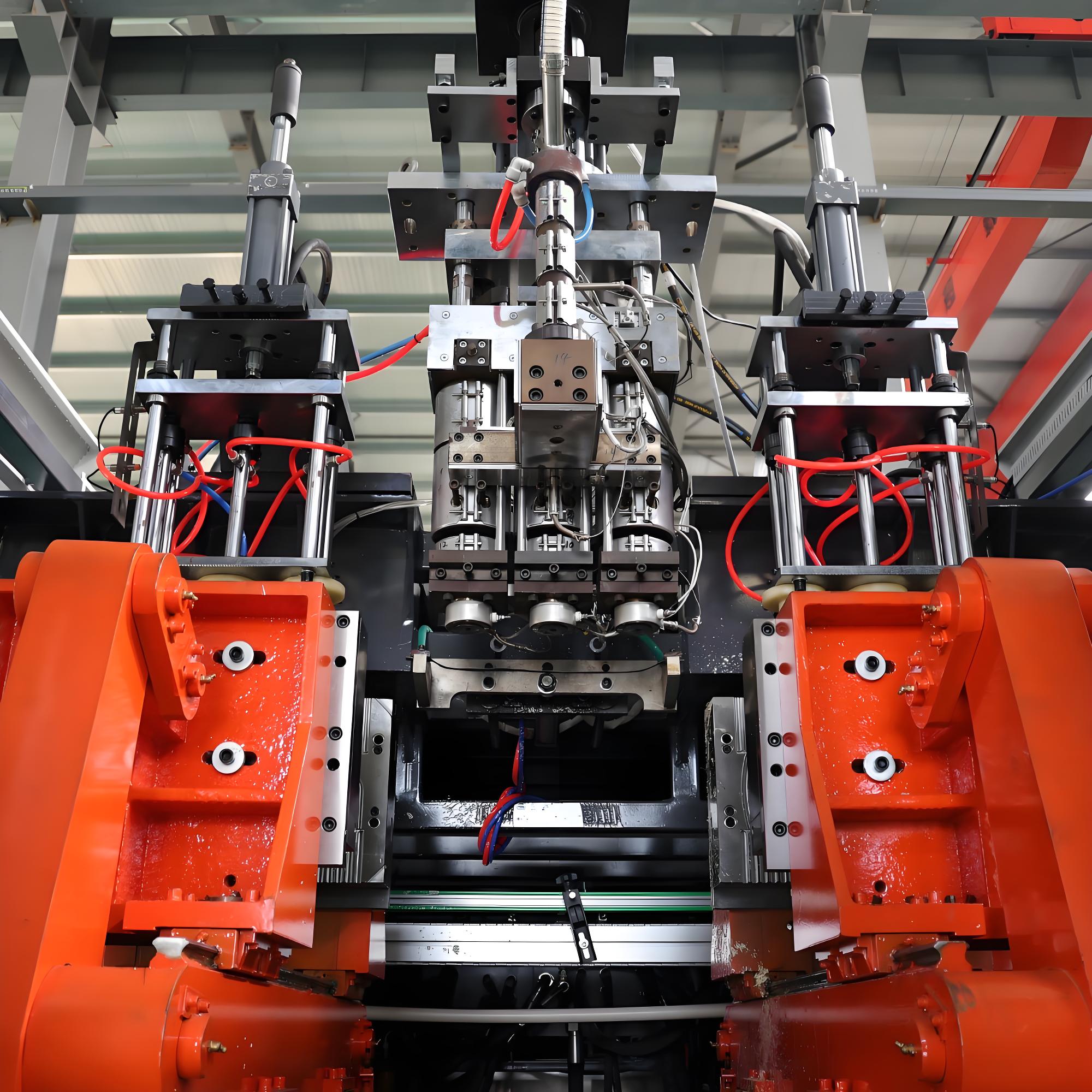
Complex geometry requirements arise from unique product designs and functional features. Garden products often incorporate complex shapes including textured surfaces, reinforced rims, integrated handles, and multi-wall construction. Apollo machines feature customizable mold capabilities and die head designs enabling production of complex geometries. Extrusion blow molding process optimization includes parison programming for variable wall thickness distribution, precise mold temperature control for detail definition, and advanced blowing systems achieving uniform cavity filling. Apollo’s engineering support includes mold design assistance ensuring manufacturable designs with optimal wall thickness distribution and minimal material usage. Custom mold development costs typically range from $8,000-25,000 depending on complexity, but enable product differentiation supporting premium pricing of 20-40% over commodity products.
Apollo Extrusion Blow Molding Machine Capabilities for Garden Products
Apollo Machinery offers comprehensive extrusion blow molding machine solutions specifically configured for garden product manufacturing. Machine capabilities match the diverse requirements of garden product categories while providing efficiency, reliability, and quality necessary for competitive production.
ABLB Series for Small to Medium Garden Products
Apollo ABLB series machines (200ML-20L capacity) are ideal for most garden product applications including flower pots, watering cans, small storage containers, and irrigation components. The series includes 8 machine models with screw diameters from 55mm to 110mm, providing appropriate capacity for diverse garden product sizes.
ABLB 55 model (2L-3L capacity) is suitable for small garden products including seedling pots, small storage containers, and irrigation components. Technical specifications include 55mm screw diameter with 24:1 L/D ratio, 15KW screw drive power, 45KN clamping force, and cycle capability of 950 pieces per hour for 2L products or 110 pieces per hour for 3L products. Machine dimensions are 3.4×2.0×2.7 meters with weight of 4.8-5.2 tons depending on single or double station configuration. This model is particularly suitable for high-volume small product production, offering excellent energy efficiency and compact footprint for facilities with limited space. Estimated investment cost for ABLB 55 ranges from $35,000-45,000 depending on automation level and configuration.
ABLB 75 model (8L capacity) represents popular choice for medium-sized garden products including flower pots, medium storage containers, and watering cans. Specifications include 75mm screw diameter with 24:1 L/D ratio, 22KW screw drive power, 80KN clamping force, and cycle capability of 800 pieces per hour for single station or 1,600 pieces per hour for double station configuration. Machine dimensions are 4.2×2.0×2.7 meters with weight of 6.8-7.5 tons. This model offers excellent versatility for garden product manufacturers producing multiple product sizes on shared equipment. Investment cost for ABLB 75 ranges from $40,000-55,000 depending on features and configuration.
ABLB 90 model (16L capacity) is ideal for larger garden products including specimen planters, bulk storage containers, and large watering cans. Technical specifications include 90mm screw diameter with 24:1 L/D ratio, 45KW screw drive power, 120KN clamping force, and cycle capability of 500 pieces per hour for single station or 1,000 pieces per hour for double station configuration. Machine dimensions are 4.3×2.3×3.0 meters with weight of 8-11 tons depending on configuration. The ABLB 90 provides sufficient capacity for most garden product applications while maintaining reasonable energy consumption. Investment cost ranges from $55,000-75,000 depending on automation level and optional features including servo hydraulic systems.
ABLB 110 model (30L capacity) extends capability to large garden products including large planters, bulk storage solutions, and specialized horticultural containers. Specifications include 110mm screw diameter with 28:1 L/D ratio, 75KW screw drive power, 230KN clamping force, and cycle capability of 360 pieces per hour for single station configuration. Machine dimensions are 5.0×3.0×3.2 meters with weight of 15 tons. This model provides capacity for large garden products where production volumes justify equipment investment. Investment cost for ABLB 110 ranges from $85,000-120,000 depending on configuration and features.
ABLD Series for Large Garden Products
Apollo ABLD series machines (20L-1500L capacity) serve specialized garden product applications requiring large capacity including water storage tanks, compost bins, bulk material containers, and industrial horticultural products. The series includes 3 machine models designed for large-scale production.
ABLD 90 model (30L-60L capacity) is suitable for medium-large garden products including large planters, intermediate storage tanks, and bulk containers. Technical specifications include 90mm screw diameter with 25:1 L/D ratio, 45KW screw drive power, 320KN clamping force, and material storage capacity of 6.6L for accumulator-type operation. Machine dimensions are 5.2×2.9×4.6 meters with weight of 13.5 tons. The accumulator design enables production of large products with consistent parison quality, critical for wall thickness control in large products. Investment cost for ABLD 90 ranges from $90,000-130,000 depending on configuration.
ABLD 110 model (60L-200L capacity) serves large garden product applications including water storage tanks, large compost bins, and industrial horticultural containers. Specifications include 110mm screw diameter with 28:1 L/D ratio, 75KW screw drive power, 900KN clamping force, and material storage capacity of 14L. Machine dimensions are 5.4×2.5×4.5 meters with weight of 15 tons. This model provides capability for large garden products where production volumes justify substantial equipment investment. Investment cost for ABLD 110 ranges from $120,000-180,000 depending on configuration and features.
ABLD 150 model (200L-1500L capacity) enables production of very large garden products including bulk water storage, industrial composting systems, and large-scale horticultural containers. Specifications include 120mm twin screw with 33:1 L/D ratio, 132KW screw drive power, 1,800KN clamping force, and material storage capacity of 40-100L depending on product size. Machine dimensions are 7.5×3.5×5.5 meters with weight of 36 tons. This model represents significant capital investment but enables production of large garden products with high efficiency and quality. Investment cost for ABLD 150 ranges from $180,000-350,000 depending on configuration and level of automation.
Fully Electric Series for Premium Garden Products
Apollo fully electric series machines (200ML-20L capacity) provide clean, precise production ideally suited for premium garden products requiring exceptional quality and environmental compliance. These machines are completely powered by electricity, eliminating hydraulic oil and reducing environmental impact.
ABLE 80 model (10L capacity) offers fully electric operation for small to medium garden products requiring clean production environment. Technical specifications include 80mm screw diameter with 24:1 L/D ratio, 30KW screw drive power using servo motors, 100KN clamping force, and cycle capability of 500 pieces per hour for single station configuration. Machine dimensions are 4.4×2.0×2.7 meters with weight of 7.5 tons. The fully electric design provides energy savings of 30% compared to hydraulic machines, clean operation without hydraulic oil, and exceptional positioning accuracy with deviation within plus or minus 0.1mm. Investment cost for ABLE 80 ranges from $65,000-90,000, premium of 50-80% compared to hydraulic equivalents but justified by energy savings and premium product quality capabilities.
ABLE 100 model (30L capacity) extends fully electric capability to larger garden products. Specifications include 100mm screw diameter with 25:1 L/D ratio, 55KW screw drive power using servo motors, 230KN clamping force, and cycle capability of 360 pieces per hour for single station configuration. Machine dimensions are 5.0×3.0×3.2 meters with weight of 15 tons. This model provides fully electric operation for larger garden products while maintaining energy efficiency and clean operation advantages. Investment cost for ABLE 100 ranges from $100,000-150,000, premium of 40-60% compared to hydraulic alternatives but justified by energy cost savings of $8,000-15,000 annually and premium product quality enabling price premiums of 15-25%.
ABLE 110 model (30L capacity) provides enhanced capability for fully electric production. Specifications include 110mm screw diameter with 28:1 L/D ratio, 75KW screw drive power using servo motors, 230KN clamping force, and cycle capability of 360 pieces per hour for single station configuration. Machine dimensions are 5.0×3.0×3.2 meters with weight of 15 tons. This model offers increased output capacity (240KG/H HDPE output) compared to ABLE 100, suitable for higher volume production requirements. Investment cost for ABLE 110 ranges from $120,000-170,000, justified by increased production capacity and enhanced efficiency.
Custom Design Capabilities and Services
Custom design represents critical competitive advantage in garden product market, where unique shapes, branded designs, and functional innovations create market differentiation. Apollo Machinery provides comprehensive custom design services enabling manufacturers to produce distinctive garden products that command premium prices.
Custom Mold Development
Custom mold development capabilities enable production of unique garden product designs that stand out in competitive markets. Apollo’s mold development process combines customer design requirements with manufacturing expertise ensuring optimal designs for extrusion blow molding production.
Mold design process begins with comprehensive requirements analysis including product specifications, production volume targets, material selection, quality requirements, and cost considerations. Apollo engineers review customer product designs and provide feedback on manufacturability, suggesting modifications that improve production efficiency or reduce material usage while maintaining functional and aesthetic requirements. Design for manufacturing (DFM) review typically identifies opportunities to reduce cycle time by 10-25%, material usage by 5-15%, and tooling costs by 10-20% while meeting or improving product performance. This engineering expertise provides substantial value, particularly for manufacturers without extensive blow molding experience.
Mold construction incorporates premium materials and precision manufacturing ensuring long tool life and consistent product quality. Garden product molds typically use P20 or 718 pre-hardened steel for moderate volume production, with H13 tool steel for high-volume applications. Mold cavities are CNC machined to tolerances better than 0.02mm, with surface finishes ranging from 0.4-0.8 micrometers Ra depending on product appearance requirements. Mold design incorporates optimized cooling channels ensuring uniform cooling and minimal cycle time. Apollo’s mold manufacturing partners provide molds with typical tool life of 500,000-2,000,000 cycles depending on material and product complexity. Mold investment typically ranges from $8,000-25,000 depending on size, complexity, and material selection.
Multi-cavity mold configurations enable high-volume production of smaller garden products. Apollo machines support multi-cavity molds from 2 to 16 cavities depending on product size and machine capacity. Multi-cavity molds increase production throughput proportionally to cavity count, reducing per-unit production costs substantially. For example, producing 200ml flower pots on 8-cavity mold reduces cycle time per pot from 6 seconds to effectively 0.75 seconds, dramatically increasing daily production capacity. Multi-cavity mold investment ranges from $15,000-60,000 depending on cavity count and complexity, but typically achieves payback within 6-12 months through labor and overhead cost savings.
Process Development and Optimization
Process development expertise ensures optimal production parameters for custom garden product designs. Apollo’s process development services accelerate production startup, reduce scrap during development, and ensure efficient ongoing production.
Parameter optimization identifies ideal processing conditions for custom designs including temperature profile, parison programming, blowing pressure and timing, and cooling system settings. Apollo engineers use both empirical methods and computational modeling to optimize processing parameters. Temperature profile optimization considers material characteristics, part geometry, and desired properties, ensuring proper melt temperature at die exit while minimizing thermal degradation. Parison programming determines wall thickness distribution throughout product, critical for structural integrity and material efficiency. Blowing system optimization ensures complete cavity filling without flash formation or wall thickness variations. Comprehensive parameter optimization typically reduces scrap during startup from 15-25% to less than 5% and improves cycle time by 5-15% compared to trial-and-error parameter determination.
Material selection support assists garden product manufacturers in selecting optimal materials for specific applications. Apollo’s material expertise includes understanding of UV stabilizer packages, color masterbatch compatibility, fillers and reinforcements, and specialty additives. Material selection considers product requirements including UV exposure, chemical exposure, temperature extremes, mechanical loads, and regulatory compliance. Apollo provides material recommendations balancing performance requirements with cost considerations, often suggesting alternative materials that provide equivalent performance at 10-20% lower cost. For garden products, Apollo frequently recommends HDPE with 2-3% HALS UV stabilizer for most applications, with PP used where higher temperature resistance or clarity are required.
Trial production and validation services verify that custom designs meet production requirements before full-scale production investment. Apollo’s facilities support trial production runs using customer molds or prototype molds to validate production feasibility and optimize parameters. Trial runs typically produce 500-2,000 samples representing various production conditions including startup, steady state, and after material changeover. Trial production identifies potential issues including wall thickness variations, dimensional tolerances, appearance defects, and production rate limitations. Early identification of issues enables mold or parameter adjustments before full-scale production, avoiding costly startup problems. Trial production services typically cost $3,000-8,000 depending on duration and complexity, but prevent startup scrap costs of $10,000-50,000 and production delays of 2-4 weeks.
Machine Customization Options
Machine customization capabilities enable Apollo machines to meet specific garden product production requirements beyond standard equipment configurations. Customization options address specialized processing needs, automation requirements, and integration with existing production lines.
Specialized screw designs optimize processing for specific materials and products. Apollo offers custom screw geometries optimized for recycled content materials, filled materials (including UV-stabilized compounds with high filler loading), and materials requiring gentle processing. Recycled material screws incorporate mixing elements enhancing homogeneity of recycled materials with potential variation in properties. Filled material screws use hardened flights and special coatings to resist abrasive wear from UV stabilizers, carbon black, and other additives. Custom screw designs typically cost 20-30% premium over standard screws but improve processing stability, reduce scrap by 30-50%, and extend screw life by 50-100% for challenging applications.
Custom die head configurations address unique product geometries and production requirements. Options include multi-layer co-extrusion for products with functional layers, accumulator heads for large products, and special head designs for complex geometries. Multi-layer co-extrusion enables garden products with barrier layers, aesthetic layers, or layers with different material properties. For example, flower pots might incorporate inner layer with UV-stabilized material and outer layer with colored material for aesthetics, optimizing material costs and performance. Multi-layer co-extrusion adds approximately 25-40% to machine cost but enables product differentiation supporting price premiums of 20-35% and material cost savings of 10-15% through optimized material placement.
Automation and integration options enhance production efficiency and reduce labor requirements. Apollo machines can be integrated with automatic takeout systems, inline quality inspection, conveyor systems, and packaging equipment. Automatic takeout systems remove products from molds and place on conveyors, reducing operator requirements and improving consistency. Inline quality inspection systems automatically measure critical dimensions and reject non-conforming products, ensuring quality without manual inspection. Full integration with packaging equipment enables continuous production from raw material to finished packaged product. Automation integration typically adds $20,000-50,000 depending on complexity but reduces labor costs by 1-2 operators per shift, saving $40,000-120,000 annually assuming 2-shift operation.
Cost Analysis and Return on Investment
Comprehensive cost analysis demonstrates compelling return on investment for Apollo extrusion blow molding machines in garden product production. The combination of production efficiency, quality improvements, energy savings, and product differentiation capabilities provides substantial economic benefits.
Initial Investment and Configuration Options
Initial investment for Apollo extrusion blow molding machines varies based on machine size, automation level, and customization requirements. Understanding investment levels and associated capabilities enables informed equipment selection aligned with production requirements and budget considerations.
Small machine category (ABLB 55-75) ranges from $35,000-55,000 for basic configuration with manual operation to $55,000-80,000 for automated configuration including servo hydraulic systems, automatic takeout, and advanced controls. These machines are ideal for garden product manufacturers entering market or expanding product range with moderate production volumes. Investment in this category typically targets production volumes of 1,000-5,000 units daily with product sizes ranging from 200ml to 8L capacity. Payback period for investment in this category typically ranges from 12-18 months based on labor savings, quality improvements, and production efficiency gains compared to outsourcing or older equipment.
Medium machine category (ABLB 90-110, ABLD 90) ranges from $70,000-130,000 for standard hydraulic configuration to $120,000-200,000 for fully electric or highly automated configurations. These machines suit established garden product manufacturers with production volumes of 3,000-8,000 units daily and product sizes up to 30-60L capacity. Investment in this category typically targets market expansion, product quality improvement, or replacement of older equipment with efficiency gains of 25-40%. Payback period typically ranges from 18-30 months based on increased production capacity, energy savings of 20-30%, and reduced labor requirements.
Large machine category (ABLD 110-150) ranges from $150,000-350,000 depending on configuration and level of automation. These machines serve high-volume production facilities producing 8,000-20,000+ units daily with product sizes up to 1500L capacity. Investment in this category targets large-scale production efficiency, product expansion into large product categories, or replacement of multiple smaller machines with single larger machine. Payback period typically ranges from 24-48 months based on consolidation benefits, labor reduction of 3-6 operators, energy efficiency gains of 30-40%, and increased production capacity enabling market expansion.
Operating Cost Breakdown
Understanding operating cost structure enables accurate production costing and identification of cost reduction opportunities. Apollo extrusion blow molding machines achieve favorable operating costs through energy efficiency, material optimization, and labor reduction.
Energy consumption represents significant operating cost for extrusion blow molding machines, typically 0.20-0.40 kWh per unit depending on product size and material. Apollo machines achieve energy consumption at lower end of this range through efficient screw design, servo motor options, and optimized process parameters. For ABLB 90 producing 8L flower pots, energy consumption typically ranges 0.25-0.30 kWh per unit. At electricity cost of $0.12 per kWh, energy cost per unit ranges $0.03-0.036. For annual production of 2,000,000 units (approximately 8,000 daily production with 250 operating days), annual energy cost ranges $60,000-72,000. Fully electric machines reduce energy consumption by 30% compared to hydraulic equivalents, saving $18,000-22,000 annually for same production volume, partially offsetting higher initial investment in electric machines.
Material cost typically represents 50-60% of total production cost for garden products, making material efficiency critical to profitability. Apollo’s precise process control and parison programming optimize material usage, achieving material yield efficiency of 92-96% compared to 85-90% for less controlled equipment. For 8L flower pots requiring 250g of material, 5% improvement in material efficiency saves 12.5g per unit, equivalent to $0.007-0.009 per unit at $0.60 per kilogram HDPE cost. For annual production of 2,000,000 units, this represents annual material cost savings of $14,000-18,000. Material efficiency gains also reduce scrap costs, with scrap reduction from 5% to 2% saving additional material equivalent to 60g per unit or $0.036 per unit, representing additional annual savings of $72,000.
Labor cost reduction provides substantial operating benefit, particularly with automated configurations. Manual operation typically requires 2-3 operators per shift for material loading, product takeout, and quality inspection. Automated configurations with automatic takeout, inline quality inspection, and integrated packaging reduce operator requirements to 0.5-1 operator per shift for machine monitoring and intervention. Labor cost reduction of 1.5-2.5 operators per shift saves $60,000-120,000 annually assuming $40,000 per operator annual cost and 2-shift operation. Higher automation configurations including servo hydraulic systems and advanced controls may increase initial investment by 20-40% but provide labor cost payback within 18-30 months.
Quality Cost Reduction
Quality improvements from Apollo extrusion blow molding machines reduce quality-related costs including scrap, rework, warranty claims, and customer returns. High production quality directly improves profitability and customer satisfaction.
Scrap reduction represents immediate quality cost saving. Apollo machines achieve scrap rates of 2-4% for garden products compared to 8-15% for older or less capable equipment. For annual production of 2,000,000 units, scrap reduction from 8% to 3% saves 100,000 units annually. At production cost of $1.50 per unit for 8L flower pots, scrap reduction saves $150,000 annually. Scrap reduction also provides indirect benefits including lower material waste, reduced handling of defective products, and improved production line utilization. Total scrap reduction benefit including direct material savings plus indirect savings typically reaches $200,000-300,000 annually for medium-sized garden product production facilities.
Rework and warranty claim reduction provides additional quality cost benefit. Consistent quality from Apollo machines reduces need for rework operations that might be required for products with dimensional variations or appearance defects. Rework operations typically cost $0.10-0.20 per unit when required. Reduction from 5% rework rate to 1% saves $0.04-0.08 per unit, equivalent to $80,000-160,000 annually for 2,000,000 unit production. Warranty claim reduction from improved product durability and consistency provides similar savings. Reduction in warranty claims from 2% to 0.5% saves $0.03-0.05 per unit based on average claim value, equivalent to $60,000-100,000 annually.
Customer satisfaction improvement provides indirect economic benefit through repeat business and market reputation. Consistent quality and reliable performance of garden products from Apollo machines enhances customer satisfaction, leading to increased repeat purchase rates and positive word-of-mouth marketing. Repeat purchase rate improvement from 60% to 75% represents substantial revenue increase, particularly for consumable garden products with annual repurchase cycles. Customer satisfaction also reduces returns and complaints, lowering handling costs and protecting brand reputation. While difficult to quantify precisely, customer satisfaction improvements typically generate revenue increase of 5-15% over time as reputation builds and customer loyalty increases.
Conclusion
Apollo extrusion blow molding machines provide comprehensive solutions for garden plastic products manufacturing, offering machine capabilities, custom design services, and process expertise specifically developed for this demanding market. The diverse product categories in garden market require specialized equipment capabilities including UV stability, color consistency, and complex geometry production. Apollo’s ABLB, ABLD, and fully electric series machines provide appropriate solutions for products ranging from small 200ml pots to large 1500L storage containers, with investment levels from $35,000-350,000 depending on production requirements.
Custom design capabilities represent critical differentiator enabling garden product manufacturers to produce distinctive products that command premium prices. Apollo’s comprehensive custom services include mold development, process optimization, and machine customization options that enable unique product designs while ensuring manufacturability and production efficiency. Investment in custom designs typically adds 15-30% to tooling costs but supports price premiums of 20-40% and market differentiation critical in competitive garden product markets.
Economic analysis demonstrates compelling return on investment for Apollo extrusion blow molding machines in garden product production. Operating cost reductions from energy efficiency (savings of $18,000-22,000 annually for medium production), material optimization (savings of $86,000-90,000 annually), labor reduction (savings of $60,000-120,000 annually), and quality improvements (savings of $140,000-260,000 annually) combine for total annual benefits of $204,000-492,000 for typical medium-sized production facilities. Against machine investments of $70,000-200,000, payback periods of 6-24 months are achievable, with ongoing annual savings providing substantial profitability improvement.
Apollo Machinery’s 20+ years of experience, 4,000+ machines in operation globally, and comprehensive support services provide confidence for garden product manufacturers seeking equipment investment. Contact Apollo Machinery today to discuss specific garden product requirements and obtain customized machine recommendations with detailed ROI analysis for your production applications.