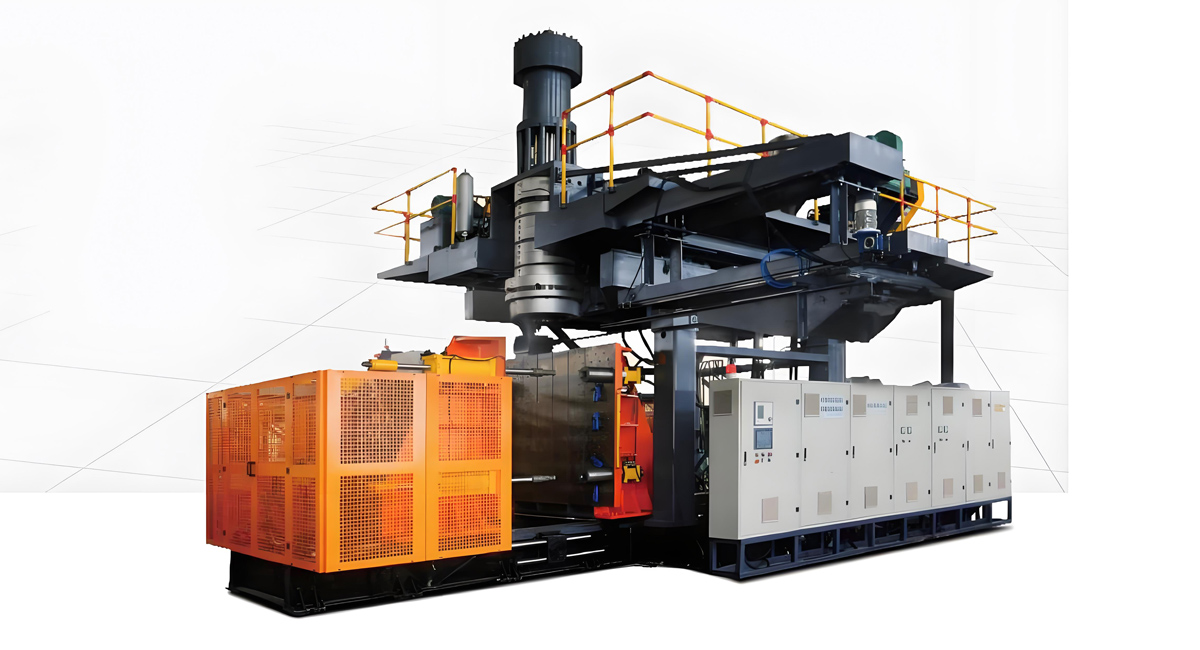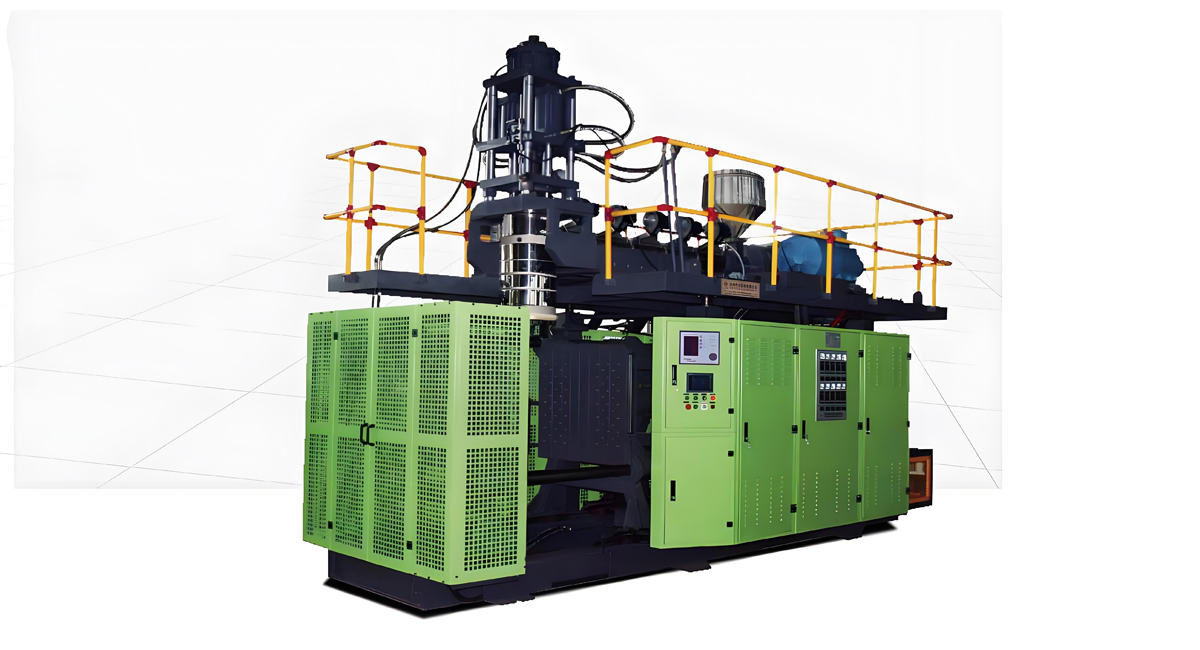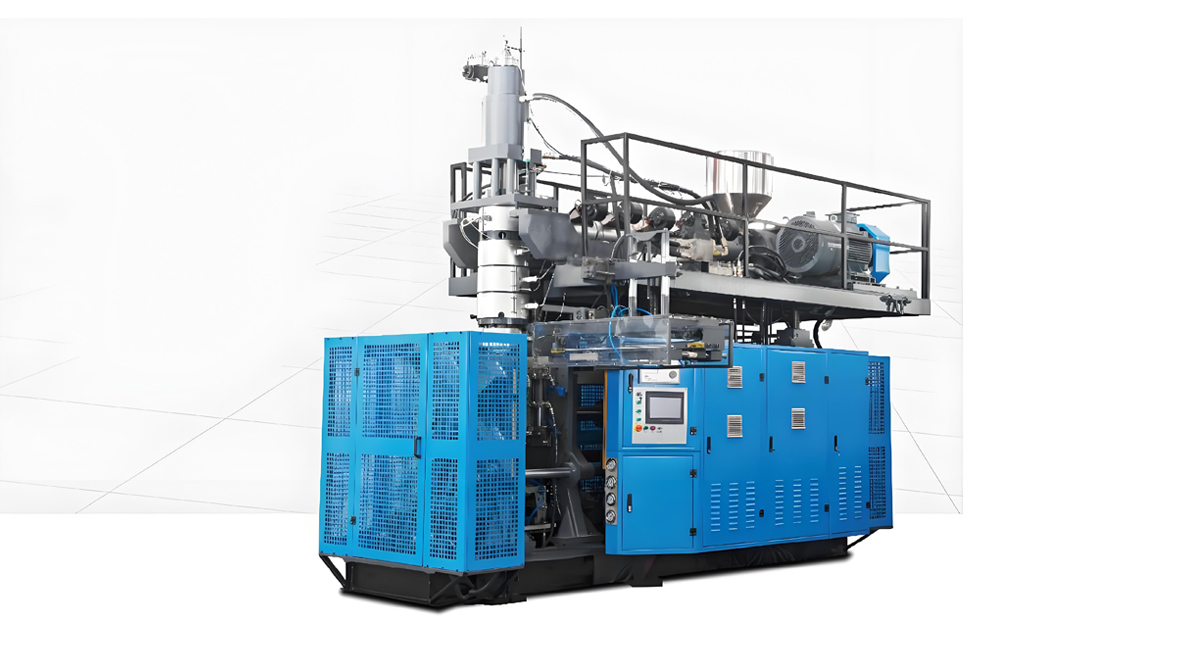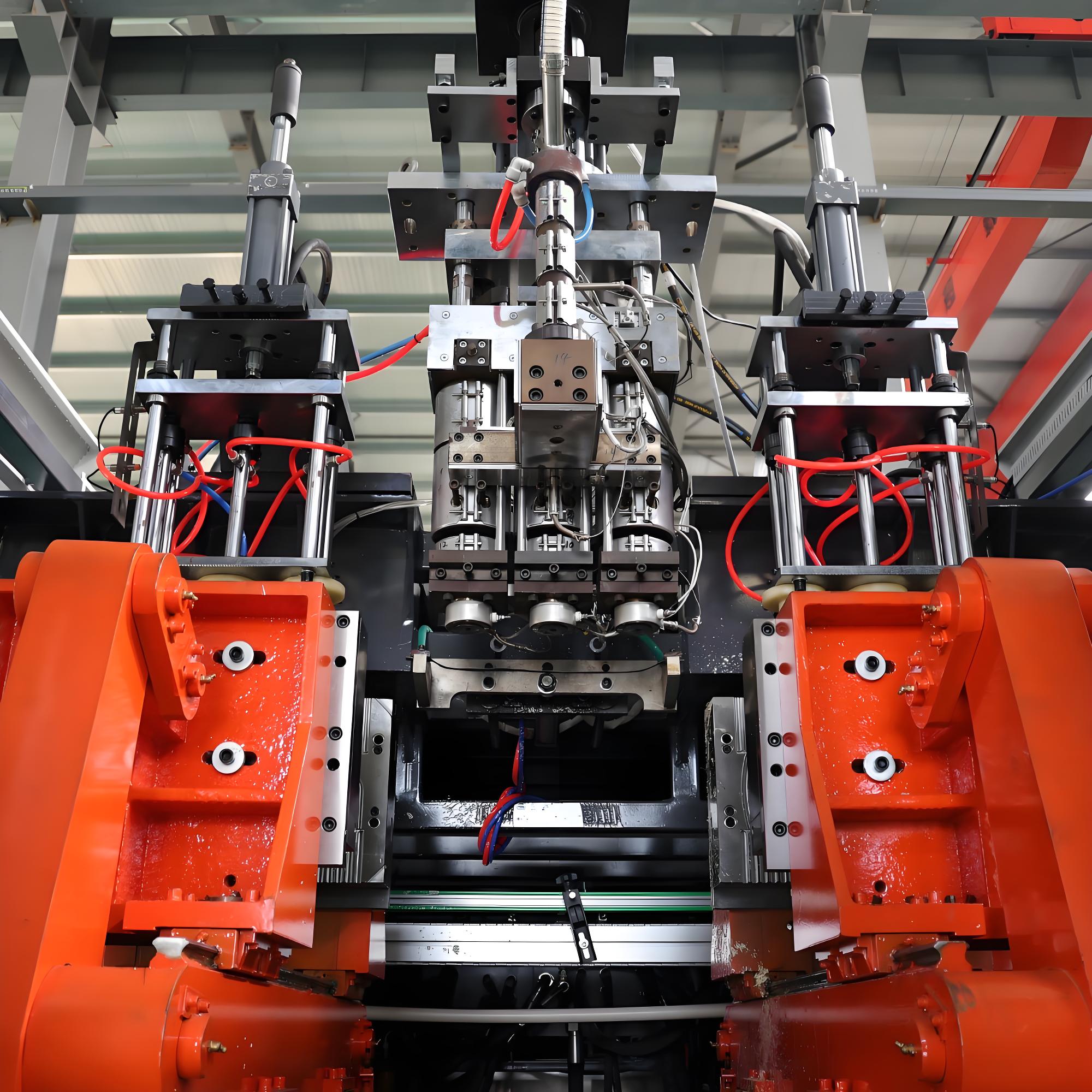

Global industrial electricity costs have risen by an average of 35% since 2022, with many regions experiencing even steeper increases. For plastic manufacturers, energy expenses now account for 15-25% of total production costs, making energy efficiency the single most important factor in maintaining profitability. As electricity prices continue to rise and environmental regulations become more stringent, manufacturers are increasingly seeking energy-efficient extrusion blow molding machines that can significantly reduce electricity bills while maintaining high production output and product quality. As a leading global manufacturer of plastic processing equipment, Apollo Machinery has developed a comprehensive range of energy-efficient extrusion blow molding machines that deliver industry-leading energy savings of 30-60% compared to conventional machines, helping manufacturers reduce operating costs, improve profitability, and meet sustainability goals.
Traditional hydraulic extrusion blow molding machines are notoriously energy-intensive, with overall energy efficiency of only 40-50%. These machines use constant-speed induction motors that run continuously even during idle periods, wasting enormous amounts of energy. In addition, hydraulic systems suffer from significant energy losses during power conversion from electric to hydraulic and back to mechanical energy. Apollo Machinery has revolutionized blow molding technology by developing advanced servo motor systems, fully electric machines, and innovative energy-saving features that eliminate these energy losses. Our energy-efficient machines not only reduce electricity consumption but also offer improved precision, higher production speeds, and lower maintenance costs, providing a comprehensive solution for modern plastic manufacturers.
Apollo Machinery has been at the forefront of energy-efficient blow molding technology for over 20 years, with more than 4,000 energy-saving machines installed in over 90 countries worldwide. Our Green-Tech series of extrusion blow molding machines incorporates the latest advances in servo motor technology, intelligent control systems, and energy recovery systems to deliver maximum energy efficiency without compromising performance. All our machines are designed with energy efficiency as a core design principle, from the extruder screw to the control system. With state-of-the-art manufacturing facilities, a team of over 100 experienced engineers, and a global network of service centers, Apollo Machinery has the expertise and resources to deliver energy-efficient blow molding solutions that meet the diverse needs of manufacturers worldwide.
This comprehensive guide explores everything you need to know about energy-efficient extrusion blow molding machines and how they can help you save electricity bills. It examines the energy waste problems of traditional blow molding machines, details Apollo’s advanced energy-saving technologies and their working principles, provides a complete overview of our energy-efficient machine range with accurate technical specifications and transparent pricing, includes a detailed electricity cost analysis and return on investment calculation, offers practical tips for maximizing energy savings in your production process, and features real-world success stories from Apollo customers who have achieved significant electricity bill reductions. Whether you are establishing a new production facility, expanding your capacity, or upgrading your outdated equipment, this guide will help you make an informed decision and select the best energy-efficient extrusion blow molding solution for your business needs.
1. The Energy Crisis in Plastic Blow Molding Industry
1.1 Rising Electricity Costs and Their Impact on Manufacturers
Electricity costs have become the fastest-growing expense for plastic manufacturers worldwide. According to the International Energy Agency, industrial electricity prices increased by an average of 35% globally between 2022 and 2026, with some regions experiencing increases of over 50%. In Europe, industrial electricity prices now average $0.15-$0.20 per kWh, while in North America, prices range from $0.08-$0.12 per kWh. In Asia, prices vary widely but have also increased significantly in recent years. For a typical blow molding facility operating 24 hours a day, 300 days a year, these price increases can add hundreds of thousands of dollars to annual electricity bills, significantly reducing profit margins.
The impact of rising electricity costs is particularly severe for small and medium-sized manufacturers, who often operate on thin profit margins. Many manufacturers have been forced to reduce production hours, increase product prices, or even close their facilities due to unsustainable energy costs. In addition to direct cost increases, manufacturers also face pressure from customers and regulators to reduce their carbon footprint. Many large retailers and brand owners now require their suppliers to meet strict sustainability standards, including energy efficiency targets. Investing in energy-efficient extrusion blow molding machines has therefore become not just a financial decision but a strategic necessity for remaining competitive in the global market.
1.2 Energy Waste in Traditional Hydraulic Blow Molding Machines
Traditional hydraulic extrusion blow molding machines are extremely inefficient, wasting more than half of the energy they consume. The primary source of energy waste in these machines is the constant-speed induction motor that drives the hydraulic pump. This motor runs at full speed continuously, even during the cooling phase of the blow molding cycle when no hydraulic power is needed. The excess hydraulic fluid is bypassed through relief valves, converting the unused energy into heat that must be dissipated through cooling systems, which consume additional energy.
In addition to the constant-speed motor, hydraulic systems suffer from significant energy losses during power conversion. The process of converting electrical energy to hydraulic energy and back to mechanical energy results in energy losses of 40-50%. Leaks in hydraulic lines, inefficient valves, and friction in hydraulic components further reduce overall efficiency. As a result, traditional hydraulic blow molding machines typically achieve only 40-50% overall energy efficiency, meaning that for every dollar spent on electricity, only 40-50 cents actually goes into producing plastic products. The rest is wasted as heat and noise.
Another significant source of energy waste in traditional machines is the heating system. Older machines use ceramic band heaters that lose up to 50% of their heat to the surrounding environment. This not only wastes energy but also increases factory temperatures, requiring additional air conditioning to maintain a comfortable working environment. The cooling systems in traditional machines are also inefficient, using constant-speed pumps and fans that run continuously regardless of actual cooling demand.
1.3 The Financial Benefits of Energy Efficiency
Investing in energy-efficient extrusion blow molding machines offers numerous significant financial benefits that directly impact your bottom line. The most obvious benefit is reduced electricity bills. Energy-efficient machines can reduce electricity consumption by 30-60% compared to traditional machines, resulting in substantial annual savings. For a typical medium-sized blow molding machine operating 24/7, this can translate to savings of $30,000-$100,000 per year, depending on electricity prices and production volume.
In addition to direct electricity savings, energy-efficient machines also offer indirect cost savings. They produce less heat, reducing the load on factory air conditioning systems and further lowering energy costs. They also require less maintenance, as servo motors have fewer moving parts than hydraulic systems and experience less wear and tear. Energy-efficient machines also produce more consistent product quality, reducing scrap rates and material waste. Finally, energy-efficient machines can help you qualify for government incentives and rebates for energy efficiency improvements, further reducing your initial investment.
The return on investment for energy-efficient blow molding machines is typically very short, often less than 2 years. In many cases, the energy savings alone are sufficient to pay for the machine within 12-18 months. Over the 15-20 year service life of the machine, the total savings can be several times the initial investment, making energy efficiency one of the most profitable investments a plastic manufacturer can make.
2. Apollo Advanced Energy-Saving Technologies
2.1 Servo Motor Drive System: The Core of Energy Efficiency
The servo motor drive system is the most important energy-saving technology in modern extrusion blow molding machines. Unlike traditional constant-speed induction motors, servo motors only consume energy when they are actually performing work. During the cooling phase of the blow molding cycle, when the machine is idle, the servo motor can drop to near-zero power consumption, eliminating the energy waste associated with traditional hydraulic systems.
Apollo’s servo motor systems use advanced permanent magnet synchronous motors with energy efficiency of up to 96%. These motors provide precise control over speed and torque, allowing them to match power output exactly to the requirements of each machine function. The servo system adjusts the motor speed and torque in real time based on load conditions, ensuring that no energy is wasted. In addition, Apollo’s servo motors feature regenerative braking that recovers energy during deceleration, feeding it back into the electrical system rather than dissipating it as heat. This energy recovery capability provides additional savings of 5-10% in applications with frequent acceleration and deceleration cycles.
Apollo offers two types of servo systems: servo-hybrid systems and fully electric systems. Servo-hybrid systems combine servo motor technology with hydraulic systems, replacing the constant-speed hydraulic pump with a servo-driven variable displacement pump. This approach provides energy savings of 30-40% compared to traditional hydraulic machines while maintaining the high clamping forces necessary for large-capacity containers. Fully electric systems use servo motors to drive all machine functions directly, eliminating hydraulic systems entirely. These systems achieve the highest energy efficiency, with savings of 40-60% compared to traditional hydraulic machines.
2.2 High-Efficiency Heating and Insulation Systems
The heating system is another major consumer of energy in extrusion blow molding machines, accounting for approximately 30-40% of total energy consumption. Traditional ceramic band heaters are very inefficient, losing up to 50% of their heat to the surrounding environment. Apollo has developed advanced nano-infrared heaters that significantly reduce heat loss and improve heating efficiency.
Apollo’s nano-infrared heaters use advanced ceramic materials that emit infrared radiation at wavelengths specifically optimized for heating plastic. These heaters convert electrical energy to infrared radiation with an efficiency of over 90%, compared to 50-60% for traditional ceramic heaters. In addition, Apollo’s heaters are surrounded by high-performance nano-insulation material that reduces heat loss to the environment by 50% compared to standard insulation. This not only saves energy but also reduces factory temperatures, improving working conditions and reducing air conditioning costs.
Apollo also uses intelligent temperature control systems that maintain precise temperature control with minimal energy consumption. The control system continuously monitors the temperature of each heating zone and adjusts the power output accordingly, ensuring that only the necessary amount of energy is used. The system also features soft start functionality that reduces inrush current, further saving energy and extending heater life.
2.3 Intelligent Cooling System with Variable Speed Control
Cooling systems are another significant source of energy consumption in blow molding machines. Traditional cooling systems use constant-speed pumps and fans that run continuously at full speed, regardless of actual cooling demand. This results in significant energy waste, as cooling requirements vary throughout the production cycle and with changes in ambient temperature.
Apollo’s intelligent cooling system uses variable speed pumps and fans that adjust their speed based on real-time temperature data from sensors located throughout the machine. The system continuously monitors the temperature of the hydraulic oil, mold, and extruder barrel, and adjusts the cooling water flow and fan speed accordingly. This ensures that only the necessary amount of cooling is provided, reducing energy consumption by up to 40% compared to traditional cooling systems.
In addition to variable speed control, Apollo’s cooling system also features heat recovery technology that captures waste heat from the hydraulic oil cooler and extruder barrel. This waste heat can be used to preheat the factory, heat domestic hot water, or preheat raw materials, further reducing overall energy consumption. The heat recovery system can provide additional energy savings of 10-15%, depending on the application and facility requirements.
2.4 Optimized Screw Design and Process Control
The extruder screw is a critical component that directly affects both production efficiency and energy consumption. A poorly designed screw can require significantly more torque to achieve the same throughput, increasing energy consumption and reducing production speed. Apollo has developed optimized screw designs specifically for energy efficiency, using advanced computer simulation and extensive testing to maximize plasticization efficiency.
Apollo’s energy-efficient screws feature a low-compression, high-output design that requires less torque for the same throughput. The screws are manufactured from high-quality alloy steel with specialized surface treatments to improve wear resistance and extend service life. In addition, Apollo offers specialized barrier screws that increase output by 20% while reducing melt temperature, further reducing energy consumption. The optimized screw design ensures that the plastic is melted and homogenized efficiently with minimal energy input, reducing specific energy consumption to as low as 0.6 kWh/kg.
Apollo’s advanced process control systems also play a crucial role in energy efficiency. The intelligent PLC control system continuously monitors all process parameters and automatically adjusts them to maintain optimal operating conditions. The system features energy management functions that track energy consumption in real time, identify energy-saving opportunities, and provide detailed energy reports. The control system can also be programmed to run during off-peak electricity hours when rates are lower, further reducing electricity costs.
3. Apollo Complete Range of Energy-Efficient Extrusion Blow Molding Machines
Apollo Machinery offers a comprehensive range of energy-efficient extrusion blow molding machines designed to meet the diverse needs of manufacturers worldwide. Our product range includes servo-hybrid machines for medium to large capacity applications and fully electric machines for small to medium capacity applications. All our machines feature the advanced energy-saving technologies described above, delivering industry-leading energy efficiency and performance.
3.1 ABLB Series Servo-Hybrid Blow Molding Machines (200ml-20L)
The ABLB series is our line of servo-hybrid extrusion blow molding machines, designed for producing plastic products ranging from 200ml to 20L in volume. These machines combine the energy efficiency of servo motor technology with the high force capabilities of hydraulic systems, providing an excellent balance of performance, energy efficiency, and cost-effectiveness.
ABLB45 Servo-Hybrid Blow Molding Machine
The ABLB45 is our entry-level energy-efficient machine, designed for producing small products up to 2L in volume. It features a 45mm screw diameter, a single station mold clamping system, and a servo-driven hydraulic pump that reduces energy consumption by 30% compared to traditional hydraulic machines. This machine is ideal for small-scale manufacturers and startups looking for an affordable energy-efficient solution.
Energy Consumption and Cost Analysis
The ABLB45 consumes approximately 8-10 kW during operation, compared to 12-15 kW for a traditional hydraulic machine of similar capacity. At an electricity price of $0.10 per kWh, this represents annual savings of approximately $8,640-$12,960 for a machine operating 24 hours a day, 300 days a year. The price of the ABLB45 ranges from $22,000 to $32,000 FOB Shanghai, depending on configuration. The typical payback period for the energy efficiency upgrade is 12-18 months.
ABLB75II Servo-Hybrid Blow Molding Machine
The ABLB75II is our most popular energy-efficient machine, designed for high-speed production of products up to 10L in volume. It features a double station design, advanced servo motor technology, and a high-performance PLC control system. This machine achieves energy savings of 35% compared to traditional hydraulic machines, while increasing production speed by 20%.
Energy Consumption and Cost Analysis
The ABLB75II consumes approximately 15-18 kW during operation, compared to 23-28 kW for a traditional hydraulic machine. At an electricity price of $0.10 per kWh, this represents annual savings of approximately $21,600-$28,800. The price of the ABLB75II ranges from $40,000 to $60,000 FOB Shanghai. The typical payback period for the energy efficiency upgrade is 10-14 months.
ABLB90II Servo-Hybrid Blow Molding Machine
The ABLB90II is a high-performance servo-hybrid machine designed for producing products up to 20L in volume. It features a double station single die head design, advanced servo motor technology that reduces energy consumption by 40% compared to traditional machines, and an automatic lubrication system. This machine is ideal for producing plastic water gallons, lubricant bottles, and small plastic buckets.
Energy Consumption and Cost Analysis
The ABLB90II consumes approximately 20-24 kW during operation, compared to 33-40 kW for a traditional hydraulic machine. At an electricity price of $0.10 per kWh, this represents annual savings of approximately $31,680-$38,880. The price of the ABLB90II ranges from $50,000 to $75,000 FOB Shanghai. The typical payback period for the energy efficiency upgrade is 8-12 months.
3.2 ABLD Series Servo-Hybrid Blow Molding Machines (20L-1500L)
The ABLD series is our line of large-capacity servo-hybrid extrusion blow molding machines, designed for producing plastic products ranging from 20L to 1500L in volume. These machines feature advanced servo motor technology that reduces energy consumption by 40% compared to traditional hydraulic machines, making them ideal for large-scale industrial production.
ABLD80 Servo-Hybrid Blow Molding Machine
The ABLD80 is a versatile medium-capacity machine designed for producing products up to 120L in volume. It features a specially designed accumulator die head, a double spiral flow channel that eliminates weld lines, and a multi-point imported wall thickness control system. The machine is equipped with a servo-driven oil pump that saves more than 40% energy consumption compared to traditional machines.
Energy Consumption and Cost Analysis
The ABLD80 consumes approximately 30-36 kW during operation, compared to 50-60 kW for a traditional hydraulic machine. At an electricity price of $0.10 per kWh, this represents annual savings of approximately $48,000-$57,600. The price of the ABLD80 ranges from $65,000 to $95,000 FOB Shanghai. The typical payback period for the energy efficiency upgrade is 6-9 months.
ABLD120 Servo-Hybrid Blow Molding Machine
The ABLD120 is a large-capacity machine designed for producing products up to 220L in volume. It features a heavy-duty construction, high-capacity extruder, and advanced accumulator die head system. The machine is equipped with the latest servo motor technology that reduces energy consumption by 40% compared to traditional hydraulic machines.
Energy Consumption and Cost Analysis
The ABLD120 consumes approximately 50-60 kW during operation, compared to 83-100 kW for a traditional hydraulic machine. At an electricity price of $0.10 per kWh, this represents annual savings of approximately $79,200-$96,000. The price of the ABLD120 ranges from $160,000 to $260,000 FOB Shanghai. The typical payback period for the energy efficiency upgrade is 4-7 months.
ABLD150 Servo-Hybrid Blow Molding Machine
The ABLD150 is our extra large-capacity machine designed for producing products up to 1500L in volume. It features an ultra-heavy-duty construction, high-torque gearbox, and advanced hydraulic system. The machine is equipped with a servo-driven oil pump that saves more than 40% energy consumption compared to traditional machines.
Energy Consumption and Cost Analysis
The ABLD150 consumes approximately 80-100 kW during operation, compared to 133-167 kW for a traditional hydraulic machine. At an electricity price of $0.10 per kWh, this represents annual savings of approximately $126,720-$160,800. The price of the ABLD150 ranges from $260,000 to $460,000 FOB Shanghai. The typical payback period for the energy efficiency upgrade is 3-6 months.
3.3 Fully Electric Extrusion Blow Molding Machines (200ml-20L)
For manufacturers seeking the highest level of energy efficiency, Apollo offers a complete range of fully electric extrusion blow molding machines. These machines use servo motors to drive all machine functions directly, eliminating hydraulic systems entirely. Fully electric machines achieve energy savings of 40-60% compared to traditional hydraulic machines, making them the most energy-efficient option available.
ABLE80 Fully Electric Blow Molding Machine
The ABLE80 is our flagship fully electric blow molding machine, designed for producing products up to 20L in volume. It features advanced servo drive systems for all machine functions, including extrusion, clamping, and blowing. The machine achieves overall energy efficiency of 85-95%, compared to 40-50% for traditional hydraulic machines.
Energy Consumption and Cost Analysis
The ABLE80 consumes approximately 15-18 kW during operation, compared to 30-36 kW for a traditional hydraulic machine of similar capacity. At an electricity price of $0.10 per kWh, this represents annual savings of approximately $43,200-$51,840. The price of the ABLE80 ranges from $75,000 to $110,000 FOB Shanghai. The typical payback period for the energy efficiency upgrade is 8-12 months.
In addition to exceptional energy efficiency, fully electric machines also offer numerous other benefits including improved precision, higher production speeds, lower maintenance costs, and a cleaner working environment. They are particularly well-suited for food, pharmaceutical, and medical applications where cleanliness is critical.
4. Detailed Electricity Cost Analysis and ROI Calculation
4.1 Initial Investment vs. Long-Term Energy Savings
While energy-efficient extrusion blow molding machines may have a higher initial purchase price than traditional machines, the long-term energy savings far outweigh the additional investment. To demonstrate this, we will compare the total cost of ownership of an Apollo ABLB75II servo-hybrid machine with a traditional hydraulic machine of similar capacity over a 15-year service life.
Initial Investment Comparison
Apollo ABLB75II servo-hybrid machine: $50,000
Traditional hydraulic machine: $40,000
Additional initial investment for energy-efficient machine: $10,000
Annual Energy Consumption Comparison
Apollo ABLB75II: 16.5 kW average power consumption x 24 hours/day x 300 days/year = 118,800 kWh/year
Traditional hydraulic machine: 25.5 kW average power consumption x 24 hours/day x 300 days/year = 183,600 kWh/year
Annual energy savings: 183,600 – 118,800 = 64,800 kWh/year
Annual Electricity Cost Comparison (at $0.10 per kWh)
Apollo ABLB75II: 118,800 kWh/year x $0.10/kWh = $11,880/year
Traditional hydraulic machine: 183,600 kWh/year x $0.10/kWh = $18,360/year
Annual electricity cost savings: $18,360 – $11,880 = $6,480/year
Additional Annual Savings
Reduced air conditioning costs: $2,000/year
Reduced maintenance costs: $3,000/year
Reduced scrap rates: $4,000/year
Total additional annual savings: $9,000/year
Total Annual Savings
Total annual savings: $6,480 + $9,000 = $15,480/year
4.2 Return on Investment Calculation
Based on the detailed cost comparison above, the return on investment for the Apollo ABLB75II servo-hybrid machine compared to the traditional hydraulic machine is calculated as follows:
Additional initial investment: $10,000
Total annual savings: $15,480/year
Payback Period: $10,000 ÷ $15,480 = 0.646 years = 7.75 months
This exceptionally short payback period demonstrates that the additional initial investment in an energy-efficient Apollo machine is recovered in less than 8 months through energy savings and other cost reductions. Over the 15-year service life of the machine, the total savings amount to $15,480/year x 15 years = $232,200, which is more than 23 times the additional initial investment.
For larger machines, the return on investment is even faster. For example, the ABLD120 servo-hybrid machine has a payback period of only 4-7 months, with total savings over 15 years exceeding $1.5 million. This clearly illustrates that investing in energy-efficient extrusion blow molding machines is one of the most profitable investments a plastic manufacturer can make.
4.3 Sensitivity Analysis: Impact of Electricity Prices
The return on investment for energy-efficient machines is highly sensitive to electricity prices. As electricity prices continue to rise, the payback period becomes even shorter. To demonstrate this, we will calculate the payback period for the ABLB75II at different electricity price levels:
At $0.08 per kWh: Payback period = 9.2 months
At $0.10 per kWh: Payback period = 7.8 months
At $0.15 per kWh: Payback period = 5.6 months
At $0.20 per kWh: Payback period = 4.4 months
This sensitivity analysis shows that even at relatively low electricity prices, the payback period for energy-efficient machines is still very short. As electricity prices continue to rise, the financial benefits of energy efficiency will only increase, making energy-efficient machines an even more attractive investment.
5. Maximizing Energy Savings in Your Production Process
5.1 Optimal Process Parameter Settings
While investing in energy-efficient machines is the most important step in reducing electricity bills, optimizing your production process can provide additional energy savings of 10-15%. The most important process parameters affecting energy consumption are temperature profile, screw speed, cooling time, and blow pressure. By optimizing these parameters, you can reduce energy consumption while improving product quality and production speed.
The temperature profile is one of the most critical parameters affecting energy consumption. Many manufacturers run their extruders at higher temperatures than necessary, which wastes energy and can degrade the plastic material. Apollo’s technical team can help you optimize the temperature profile for your specific material and product, ensuring that the plastic is melted efficiently with minimal energy input. In general, you should use the lowest possible temperature that still provides good plasticization and product quality.
Screw speed is another important parameter affecting energy consumption. Higher screw speeds increase production output but also increase energy consumption. You should find the optimal balance between production speed and energy consumption that maximizes your overall profitability. Apollo’s advanced control systems can help you find this optimal balance by providing real-time data on energy consumption and production output.
Cooling time is often set longer than necessary, which wastes energy and reduces production speed. By optimizing the cooling time, you can reduce cycle times and increase production output while reducing energy consumption. Apollo’s intelligent cooling system can help you optimize cooling time by monitoring the temperature of the product and adjusting cooling time accordingly.
5.2 Regular Maintenance and Equipment Upkeep
Regular maintenance is essential for maintaining the energy efficiency of your extrusion blow molding machine. A poorly maintained machine can consume 10-20% more energy than a well-maintained machine. Regular maintenance also extends the service life of your machine and reduces the risk of unexpected breakdowns and downtime.
The most important maintenance tasks for energy efficiency include:
Regularly cleaning and inspecting the heating elements and insulation to ensure they are in good condition. Damaged or dirty heating elements can increase energy consumption by up to 30%.
Regularly lubricating all moving parts to reduce friction and energy consumption. Proper lubrication can reduce energy consumption by 5-10%.
Regularly checking and tightening electrical connections to prevent energy losses due to poor connections.
Regularly inspecting and cleaning the cooling system to ensure it is operating efficiently. A dirty cooling system can increase energy consumption by up to 20%.
Regularly calibrating the temperature and pressure sensors to ensure they are providing accurate readings. Inaccurate sensors can lead to inefficient process settings and increased energy consumption.
Apollo provides detailed maintenance schedules and recommended spare parts lists for all our machines to help you implement an effective preventive maintenance program. Our experienced service technicians can also perform regular maintenance services on-site to ensure your machine is operating at peak efficiency.
5.3 Energy Management and Monitoring
Implementing an effective energy management and monitoring system is essential for maximizing energy savings. By monitoring your energy consumption in real time, you can identify energy-saving opportunities, track the effectiveness of energy-saving measures, and identify areas for improvement.
All Apollo energy-efficient machines feature advanced energy management systems that provide real-time monitoring of energy consumption. The system tracks energy consumption for each machine function, provides detailed energy reports, and identifies energy-saving opportunities. The system can also be integrated with your factory’s MES or ERP system to provide a comprehensive view of energy consumption across your entire facility.
In addition to machine-level energy monitoring, you should also implement facility-level energy management practices. This includes monitoring overall facility energy consumption, identifying energy-intensive processes, and implementing energy-saving measures throughout your facility. You should also set energy efficiency targets and track your progress towards achieving them. By implementing a comprehensive energy management program, you can achieve additional energy savings of 10-15% beyond what is provided by the energy-efficient machine itself.
6. Real-World Success Stories
6.1 Case Study 1: Plastic Bottle Manufacturer in Germany
A leading plastic bottle manufacturer in Germany was facing rapidly rising electricity costs that were significantly reducing their profit margins. The company was operating 12 traditional hydraulic blow molding machines that were consuming large amounts of energy. They were looking to upgrade their equipment to reduce electricity bills and improve their environmental performance.
After researching several equipment suppliers, the company selected Apollo Machinery as their partner based on our advanced energy-saving technology and competitive pricing. They replaced 8 of their traditional hydraulic machines with Apollo ABLB75II servo-hybrid machines over a two-year period.
Results after implementation:
Total electricity consumption reduced by 38% compared to the old machines
Annual electricity bill reduced by €420,000 (approximately $450,000)
Production capacity increased by 22% due to higher machine speeds
Scrap rate reduced from 3.5% to 0.8%, saving an additional €180,000 per year in material costs
Maintenance costs reduced by 45%
Average payback period of 6.2 months for all machines
The company was extremely satisfied with the results and has since replaced their remaining 4 traditional machines with Apollo energy-efficient machines. They have also standardized on Apollo equipment for all their future production needs.
6.2 Case Study 2: Industrial Container Manufacturer in the United States
An industrial container manufacturer in the United States was producing 200L plastic drums using traditional hydraulic blow molding machines. The company was experiencing very high electricity costs, with energy accounting for 25% of their total production costs. They were looking for a solution that could significantly reduce their electricity bills while maintaining high production output.
The company selected Apollo Machinery based on our extensive experience in large-capacity blow molding and our advanced servo-hybrid technology. They purchased 4 Apollo ABLD120 servo-hybrid machines to replace their 4 traditional hydraulic machines.
Results after implementation:
Total electricity consumption reduced by 42% compared to the old machines
Annual electricity bill reduced by $680,000
Production capacity increased by 18%
Product quality improved significantly, with more consistent wall thickness distribution
Maintenance costs reduced by 50%
Average payback period of 4.8 months for all machines
The company has praised Apollo Machinery for the exceptional performance of the energy-efficient machines and the quality of our support services. They have since become a long-term customer and have recommended Apollo to other manufacturers in their industry.
7. Conclusion
Energy efficiency has become the most important factor in the success of plastic blow molding manufacturers in today’s high-energy-cost environment. Traditional hydraulic blow molding machines are no longer economically viable, wasting more than half of the energy they consume and significantly increasing production costs. Investing in energy-efficient extrusion blow molding machines from Apollo Machinery offers a proven solution to reduce electricity bills, improve profitability, and meet sustainability goals.
Apollo’s energy-efficient machines incorporate advanced servo motor technology, high-efficiency heating and cooling systems, optimized screw designs, and intelligent control systems that deliver industry-leading energy savings of 30-60% compared to traditional machines. These machines not only reduce electricity consumption but also offer improved precision, higher production speeds, lower maintenance costs, and more consistent product quality. With payback periods typically less than 12 months and total savings over the machine life exceeding several times the initial investment, energy-efficient machines are one of the most profitable investments a plastic manufacturer can make.
Apollo Machinery offers a comprehensive range of energy-efficient extrusion blow molding machines to meet the diverse needs of manufacturers worldwide. Our product range includes servo-hybrid machines for medium to large capacity applications and fully electric machines for small to medium capacity applications. All our machines are built to the highest quality standards and feature the latest energy-saving technology. With over 20 years of industry experience, state-of-the-art manufacturing facilities, and a global network of service centers, Apollo Machinery has the expertise and resources to deliver energy-efficient blow molding solutions that meet your specific production needs.
The financial benefits of investing in Apollo energy-efficient extrusion blow molding machines are clear, with exceptionally fast return on investment periods and significant long-term cost savings. Our customers have experienced dramatic reductions in electricity bills, improved production efficiency, and increased profitability. In addition, energy-efficient machines help you meet sustainability goals and comply with increasingly stringent environmental regulations, enhancing your brand image and competitive advantage in the global market.
Whether you are starting a new plastic manufacturing business, expanding your production capacity, or upgrading your existing equipment, Apollo Machinery has the expertise, technology, and commitment to customer success to help you achieve your business goals. With our comprehensive range of energy-efficient extrusion blow molding machines, custom design capabilities, turnkey solutions, and global support network, Apollo Machinery is your trusted partner for all your blow molding needs. Contact us today to learn more about how our energy-efficient machines can help you save electricity bills and grow your business.