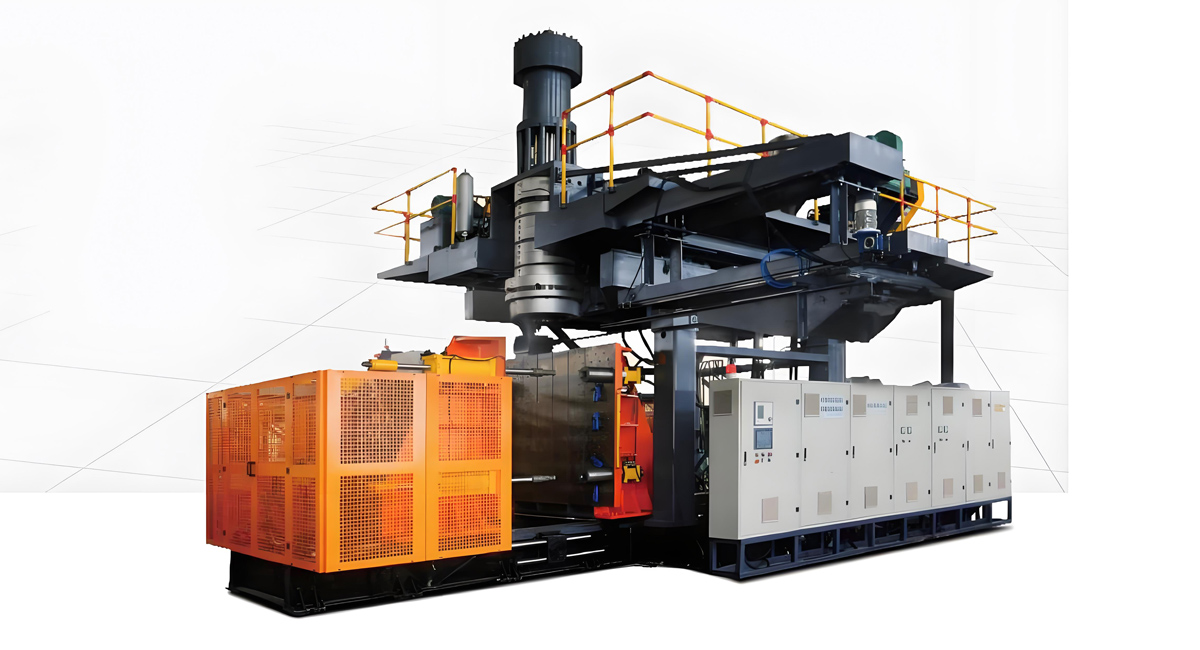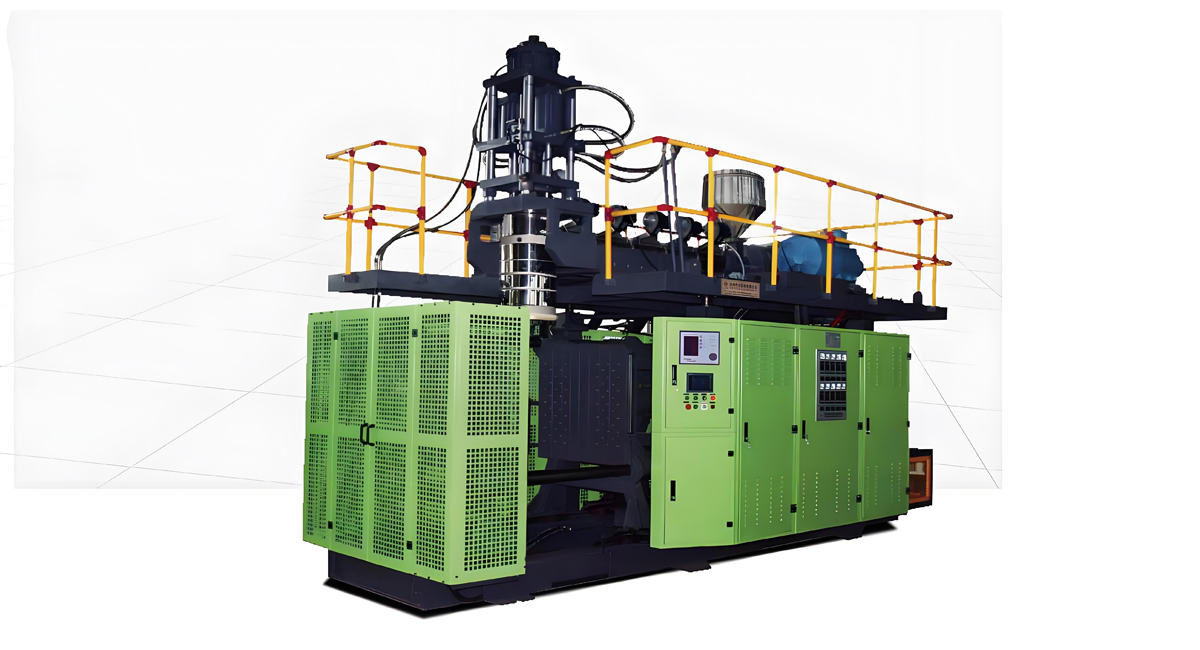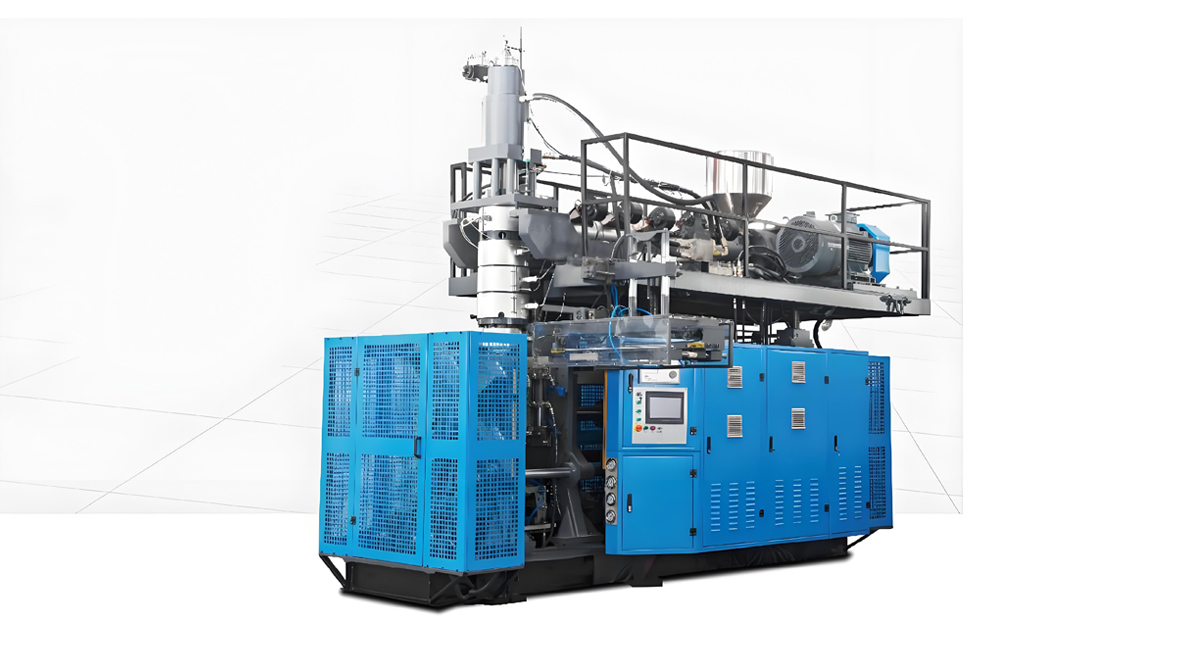

The global baby bottle market is experiencing steady growth, valued at USD 3.2 billion in 2026 and projected to reach USD 4.5 billion by 2031, growing at a compound annual growth rate (CAGR) of 7.1%. This expansion is driven by rising birth rates in emerging markets, increasing parental awareness of infant safety and comfort, and growing demand for innovative baby products that combine functionality with ergonomic design. Among the most significant trends in the industry is the shift towards soft touch baby bottles, which offer superior comfort for babies, improved grip for parents, and enhanced durability compared to traditional hard plastic bottles. At the heart of soft touch baby bottle production lies the extrusion blow molding machine, a specialized manufacturing system that enables the production of multi-layer bottles with soft outer surfaces and rigid inner structures. As a leading global manufacturer of extrusion blow molding equipment with over 20 years of industry experience, Apollo has established itself as the trusted partner for baby bottle manufacturers worldwide, delivering high-performance extrusion blow molding machines specifically engineered for soft touch bottle production.
Manufacturing soft touch baby bottles presents unique technical challenges that distinguish it from standard blow molding applications. Soft touch bottles typically feature a multi-layer structure consisting of a rigid inner layer made of polypropylene (PP) for structural integrity and chemical resistance, a soft outer layer made of thermoplastic elastomer (TPE) or silicone for comfort, and a bonding layer between them to ensure proper adhesion. Producing these complex structures requires precise control over material flow, layer thickness distribution, temperature, and cooling rates to ensure consistent product quality and performance. Traditional extrusion blow molding machines often struggle with these challenges, resulting in poor layer adhesion, uneven wall thickness, inconsistent softness, high scrap rates, and low production efficiency. For baby bottle manufacturers, these issues translate directly into increased production costs, product recalls, and lost market share. Investing in a high-quality, reliable extrusion blow molding machine specifically designed for soft touch applications is therefore essential for success in this competitive market.
Apollo extrusion blow molding machines are engineered from the ground up to address the unique challenges of soft touch baby bottle production. Our advanced systems incorporate cutting-edge technologies that enable precise control over all aspects of the blow molding process, ensuring consistent production of high-quality soft touch bottles that meet the strictest international safety and performance standards. Apollo extrusion blow molding machines are capable of producing single-layer, double-layer, and triple-layer soft touch baby bottles with capacities ranging from 50ml to 500ml, suitable for newborns, infants, and toddlers. With over 400 successful installations across 45 countries, Apollo has earned a reputation for delivering reliable, cost-effective solutions that help baby bottle manufacturers improve their product quality, reduce operating costs, and increase profitability.
This comprehensive guide provides everything you need to know about extrusion blow molding machines for soft touch baby bottle production. It examines the global baby bottle market landscape and the growing demand for soft touch designs, explains the core technical challenges in soft touch bottle manufacturing, details the advanced technologies that make Apollo extrusion blow molding machines the industry standard, provides a complete overview of Apollo’s product range with detailed specifications and transparent pricing, includes a comprehensive cost analysis and return on investment calculation for different production scales, features real-world success stories from Apollo customers worldwide, offers practical guidance for selecting the right extrusion blow molding machine for your specific needs, and explores future trends in soft touch baby bottle production technology. Whether you are starting a new baby bottle manufacturing business, expanding your production capacity, or upgrading your existing equipment, this guide will help you make an informed decision about your extrusion blow molding machine investment.
1. Global Baby Bottle Market and Soft Touch Design Trends
1.1 Market Size and Growth Drivers
The global baby bottle market is growing steadily as parents around the world increasingly prioritize high-quality, safe, and comfortable products for their infants. Several key factors are fueling this growth. First, rising birth rates in emerging markets such as India, China, and Southeast Asia are creating increased demand for baby products. Second, growing disposable income in these regions is allowing parents to spend more on premium baby products that offer enhanced features and benefits. Third, increasing parental awareness of infant health and safety is driving demand for BPA-free, phthalate-free, and food-grade baby bottles that meet strict international safety standards.
The most significant trend shaping the baby bottle market today is the shift towards soft touch designs. Soft touch baby bottles offer several advantages over traditional hard plastic bottles. The soft outer surface provides a more natural feel for babies, similar to breastfeeding, which can help reduce nipple confusion and improve feeding acceptance. The soft texture also provides a better grip for both babies and parents, reducing the risk of drops and spills. Additionally, soft touch bottles are more durable and impact-resistant than hard plastic bottles, making them ideal for active babies and travel. These benefits have made soft touch bottles the fastest-growing segment of the baby bottle market, with a CAGR of 9.2% projected through 2031.
1.2 Performance Requirements for Soft Touch Baby Bottles
Soft touch baby bottles must meet strict performance requirements to ensure safety, comfort, and durability. The most important requirement is food contact safety. All materials used in the production of baby bottles must be approved for food contact by regulatory bodies such as the U.S. Food and Drug Administration (FDA) and the European Union (EU). They must be free of harmful chemicals such as BPA, phthalates, lead, and cadmium, and must not leach any toxic substances into the contents of the bottle, even when exposed to high temperatures during sterilization.
In addition to safety, soft touch baby bottles must provide consistent softness and flexibility across the entire surface of the bottle. The outer layer should be soft enough to provide a comfortable feel but durable enough to withstand repeated use, cleaning, and sterilization. The bottle must also maintain its structural integrity and not collapse or deform during use. The inner layer must be smooth and non-porous to prevent the growth of bacteria and make cleaning easier. Other important performance requirements include excellent chemical resistance to baby formula, juice, and milk, good temperature resistance for hot liquids and sterilization, and dimensional stability to ensure compatibility with standard nipples and caps.
1.3 Material Trends in Soft Touch Baby Bottle Production
The most common materials used in soft touch baby bottle production are polypropylene (PP) for the inner layer and thermoplastic elastomer (TPE) for the outer layer. PP is an ideal material for the inner layer due to its excellent chemical resistance, high temperature resistance, low cost, and food contact safety. TPE is preferred for the outer layer due to its soft, rubbery texture, excellent elasticity, and good adhesion to PP. TPE is also highly durable, resistant to UV radiation, and easy to process using extrusion blow molding technology.
Recent material trends in soft touch baby bottle production include the development of bio-based TPE materials made from renewable resources such as sugarcane and corn starch. These bio-based materials offer the same performance characteristics as traditional TPE but have a lower environmental impact, making them increasingly popular among eco-conscious parents. There is also growing interest in silicone soft touch bottles, which offer superior softness and temperature resistance compared to TPE. However, silicone is more expensive and more difficult to process than TPE, making it less common for mass-market applications.
Another important trend is the development of multi-layer bottle structures that combine the properties of different materials. The most common structure is a two-layer bottle with a PP inner layer and a TPE outer layer. Some premium bottles also feature a three-layer structure with an additional barrier layer made of EVOH to prevent oxygen permeation and extend the shelf life of the contents. Apollo extrusion blow molding machines are capable of producing all these multi-layer structures with precise control over layer thickness and distribution.
2. Core Technical Challenges in Soft Touch Baby Bottle Production
Manufacturing high-quality soft touch baby bottles presents several unique technical challenges that require specialized extrusion blow molding technology. These challenges arise from the complex multi-layer structure of the bottles, the different processing characteristics of PP and TPE materials, and the strict quality requirements for baby products.
2.1 Multi-Layer Co-Extrusion and Layer Adhesion
The most significant technical challenge in soft touch baby bottle production is achieving proper adhesion between the different layers of the bottle. The PP inner layer and TPE outer layer have different chemical compositions and melting points, which can make it difficult to achieve a strong bond between them. Poor layer adhesion can result in delamination of the bottle, where the outer layer separates from the inner layer, rendering the product unusable. Delamination is a serious quality issue that can lead to product recalls and damage to brand reputation.
Achieving proper layer adhesion requires precise control over the temperature of each material stream, the flow rate of each extruder, and the design of the co-extrusion die head. The materials must be heated to the correct temperature to ensure proper melting and mixing at the interface between the layers. The flow rates of the extruders must be precisely synchronized to ensure consistent layer thickness distribution. The co-extrusion die head must be designed to combine the different material streams smoothly without creating turbulence or weld lines that could weaken the bond between the layers.
2.2 Precise Wall Thickness and Softness Control
Precise control over wall thickness is essential for soft touch baby bottles. The thickness of the outer TPE layer determines the softness and feel of the bottle, while the thickness of the inner PP layer determines its structural integrity and durability. Even minor variations in layer thickness can result in inconsistent softness, reduced durability, or structural failure of the bottle.
Maintaining consistent wall thickness is challenging due to the different flow characteristics of PP and TPE materials. TPE has a lower viscosity than PP and flows more easily, which can lead to uneven distribution of the outer layer. The parison (the molten tube of plastic that is blown into the bottle shape) must be formed with precise thickness distribution to ensure that the final bottle has uniform wall thickness around its entire circumference and along its length. This requires advanced parison programming technology that can adjust the thickness of the parison in real time during the extrusion process.
2.3 Temperature Control and Cooling Uniformity
Precise temperature control is critical for soft touch baby bottle production. Both PP and TPE materials have narrow processing temperature windows, and even small variations in temperature can affect their flow characteristics, layer adhesion, and final product properties. Too high a temperature can cause thermal degradation of the materials, resulting in discoloration, reduced mechanical properties, and the release of harmful substances. Too low a temperature can result in poor melting, incomplete fusion of the layers, and surface defects in the final bottle.
Uniform cooling is also essential for ensuring consistent product quality and preventing deformation of the bottle. The bottle must be cooled uniformly from all sides to ensure that it maintains its shape and dimensional stability. Inconsistent cooling can result in warping, ovality, and uneven shrinkage of the bottle. This requires advanced cooling systems with optimized air and water flow patterns that provide uniform cooling to all parts of the bottle.
2.4 Production Efficiency and Cost Control
Baby bottle manufacturers face intense pressure to produce high-quality products at competitive prices. This requires extrusion blow molding machines that can operate at high production speeds with minimal downtime and low scrap rates. Traditional extrusion blow molding machines often have low production efficiency for soft touch applications due to the complex multi-layer process and the need for precise process control. High scrap rates are a common problem, as even minor process variations can result in defective products that must be discarded.
Reducing production costs while maintaining product quality is a constant challenge for baby bottle manufacturers. This requires machines that are energy efficient, require minimal maintenance, and have low operating costs. It also requires machines that can produce bottles with minimal material usage while still meeting all performance requirements. Precise wall thickness control is particularly important for reducing material costs, as it allows manufacturers to produce bottles with the minimum necessary wall thickness without compromising quality.
3. Core Technologies of Apollo Extrusion Blow Molding Machines for Soft Touch Bottles
Apollo extrusion blow molding machines incorporate a range of advanced technologies that address the technical challenges of soft touch baby bottle production. These technologies have been developed and refined over 20 years of specialized experience in blow molding, and they are designed to deliver exceptional product quality, high production efficiency, and maximum operational reliability.
3.1 Advanced Multi-Layer Co-Extrusion System
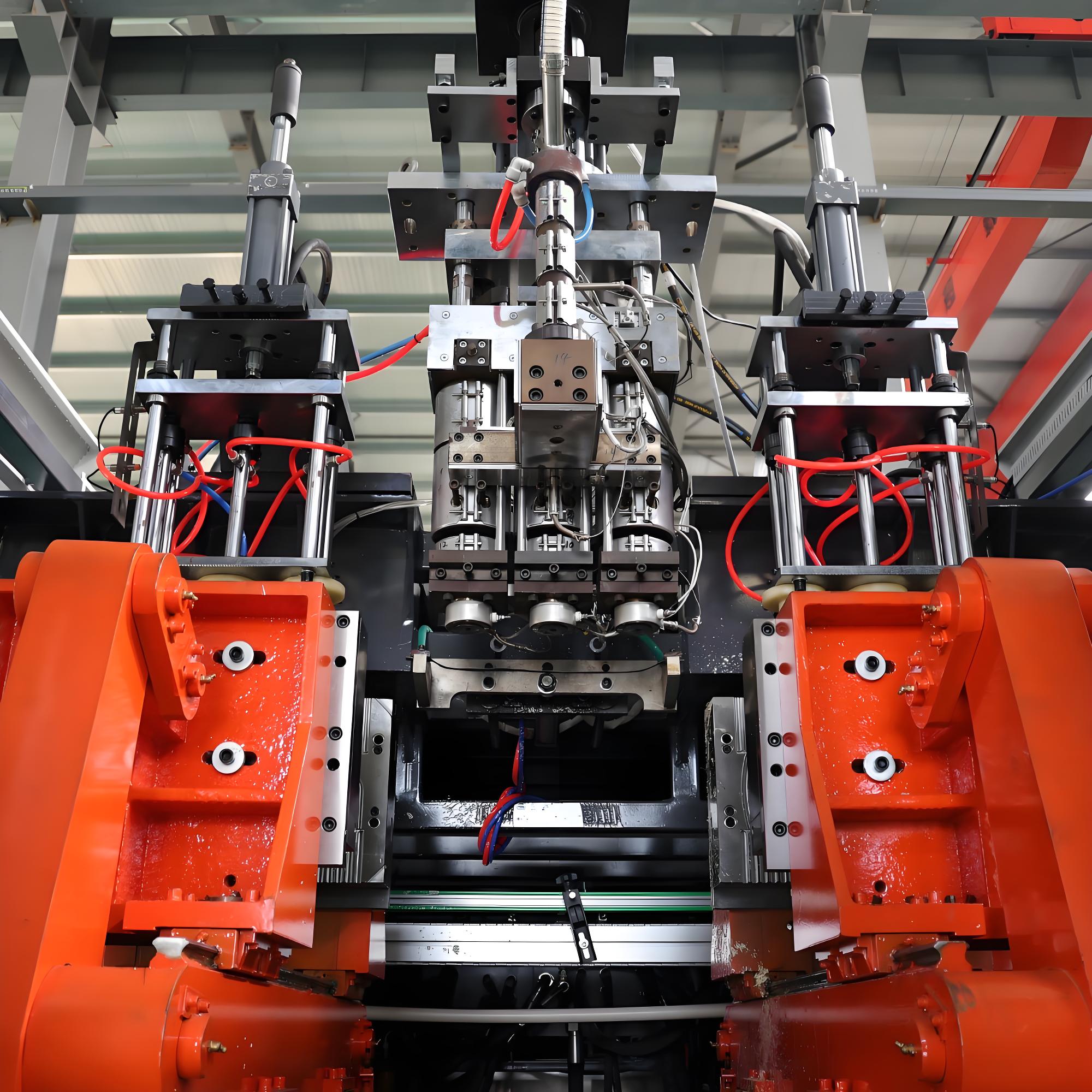
The foundation of Apollo’s soft touch bottle production technology is our advanced multi-layer co-extrusion system. Our systems are capable of producing bottles with up to 5 layers, including PP inner layers, TPE outer layers, EVOH barrier layers, and bonding layers. Each layer is processed by a dedicated extruder that is specifically optimized for the material being processed.
Apollo extruders feature optimized screw designs that ensure excellent plasticization and homogenization of each material. The extruders are equipped with independent temperature control zones that maintain precise temperature control along the entire length of the extruder. Advanced PID controllers maintain temperature within ±1°C of the setpoint, ensuring consistent processing conditions and preventing thermal degradation of the materials. The extruders are driven by high-efficiency servo motors that provide precise control over the screw speed and material flow rate.
The co-extrusion die head is the most critical component of the multi-layer system. Apollo die heads feature a spiral mandrel design that combines the different material streams smoothly and uniformly, ensuring consistent layer thickness distribution around the entire circumference of the parison. The die head is equipped with independent temperature control zones for each material stream, allowing for precise adjustment of the temperature at the interface between the layers to ensure optimal adhesion. Our die heads are designed to minimize weld lines and turbulence, resulting in strong, uniform bonds between the layers.
3.2 Precision Parison Programming and Wall Thickness Control
Apollo extrusion blow molding machines feature advanced parison programming technology that allows for precise control over the wall thickness distribution of the bottle. Our systems use servo-driven die gap adjustment that can change the thickness of the parison in real time during the extrusion process. The parison thickness can be programmed at up to 200 points along the length of the parison, allowing for precise optimization of the wall thickness distribution to meet the specific requirements of each bottle design.
The parison programming system is integrated with the machine’s control system, allowing operators to store and recall parison programs for different bottle designs. The system also features automatic thickness correction that adjusts the parison thickness in real time based on feedback from online measurement sensors. This ensures consistent wall thickness from bottle to bottle, even as process conditions change over time.
Precise wall thickness control allows manufacturers to produce bottles with the minimum necessary material usage while still meeting all performance requirements. This not only reduces material costs but also improves the feel and performance of the bottle. For soft touch bottles, precise control over the thickness of the outer TPE layer ensures consistent softness and flexibility across the entire surface of the bottle.
3.3 Servo-Hydraulic Clamping and Blow Molding System
Apollo extrusion blow molding machines feature advanced servo-hydraulic clamping systems that provide precise control over the clamping force and mold movement. The servo-hydraulic system combines the high force and reliability of hydraulic systems with the precision and energy efficiency of servo motors. This results in faster cycle times, more consistent clamping force, and lower energy consumption compared to traditional hydraulic systems.
The clamping system is designed to provide uniform clamping force across the entire mold surface, ensuring that the mold closes properly and forms a tight seal around the parison. This prevents flash formation and ensures that the bottle has a clean, uniform finish. The system also features adjustable clamping force, allowing operators to optimize the clamping force for different bottle sizes and materials.
The blow molding system features precise control over the blow pressure and blow timing, ensuring that the parison is inflated uniformly to form the bottle shape. The system can be programmed to provide different blow pressures at different stages of the blow molding process, allowing for optimal shaping of the bottle and consistent wall thickness distribution. Advanced air filtration systems ensure that the air used for blowing is clean and free of contaminants, meeting the strict hygiene requirements for baby bottle production.
3.4 Integrated Online Quality Monitoring System
Apollo extrusion blow molding machines are equipped with an integrated online quality monitoring system that continuously inspects each bottle as it is produced. The system uses high-resolution cameras and laser sensors to measure the bottle’s dimensions, wall thickness, weight, and visual defects. Any bottles that do not meet the specified quality standards are automatically rejected from the production line.
The online quality monitoring system provides real-time feedback on product quality, allowing operators to identify and correct process issues before they result in a large number of defective products. The system also logs all quality data, providing a complete record of production quality for each batch of bottles. This data can be used for process optimization, quality assurance, and regulatory compliance purposes.
For soft touch baby bottles, the system can be configured to measure the softness and flexibility of the bottle using specialized sensors. This ensures that each bottle meets the specified softness requirements and provides a consistent feel for the end user.
3.5 Intelligent Automation and Control System
All Apollo extrusion blow molding machines are equipped with an advanced intelligent automation and control system that ensures consistent production quality and maximum operational efficiency. The system features a state-of-the-art Siemens S7-1500 PLC with a large touch screen HMI that provides comprehensive monitoring and control of all aspects of the blow molding process.
The control system includes powerful recipe management capabilities that allow operators to store and recall process parameters for hundreds of different bottle designs and materials. When changing between products, the operator simply selects the appropriate recipe from the menu, and the system automatically adjusts all process parameters, ensuring consistent quality every time. The system also features real-time data logging and reporting capabilities, allowing managers to track production performance, identify process inefficiencies, and optimize production operations.
For large-scale production facilities, Apollo extrusion blow molding machines can be integrated with plant-wide MES and ERP systems for centralized production management and control. The system also supports remote monitoring and diagnostics, allowing Apollo’s technical support team to quickly identify and resolve any issues that may arise, minimizing production downtime.
4. Apollo Extrusion Blow Molding Machine Product Range for Soft Touch Baby Bottles
Apollo offers a comprehensive range of extrusion blow molding machines designed specifically for soft touch baby bottle production. Our product range includes single-station, double-station, and multi-station machines with production capacities ranging from 500 bottles per hour to 6000 bottles per hour. All Apollo machines are built to international quality standards and incorporate the advanced technologies described above.
4.1 Apollo AB-50S Single-Station Extrusion Blow Molding Machine
The Apollo AB-50S is our entry-level single-station extrusion blow molding machine, designed for small to medium-sized baby bottle manufacturers who need a reliable, cost-effective solution for producing soft touch bottles. This versatile machine is capable of producing single-layer and double-layer soft touch baby bottles with capacities ranging from 50ml to 300ml.
Key specifications of the AB-50S include a 50mm main extruder for PP and a 35mm co-extruder for TPE, a clamping force of 50kN, a maximum mold size of 300mm x 200mm, and a production capacity of 500-1000 bottles per hour for 250ml double-layer soft touch bottles. The machine is equipped with a basic parison programming system, servo-hydraulic clamping, and a standard control system with recipe management.
Price and Cost Analysis
The price of the Apollo AB-50S single-station extrusion blow molding machine ranges from $45,000 to $65,000 FOB Shanghai, depending on the specific configuration and optional features. The standard configuration includes the main extruder, co-extruder, co-extrusion die head, clamping unit, blow molding system, and basic control system. Optional features include advanced parison programming, online quality monitoring, and automatic deflashing system. This model is ideal for baby bottle manufacturers producing up to 5 million bottles per year. The typical payback period for the AB-50S is 12-18 months for small to medium-scale production.
4.2 Apollo AB-70D Double-Station Extrusion Blow Molding Machine
The Apollo AB-70D is our most popular double-station extrusion blow molding machine, designed for medium to large-sized baby bottle manufacturers who need higher production capacity. This high-performance machine is capable of producing single-layer, double-layer, and triple-layer soft touch baby bottles with capacities ranging from 50ml to 500ml.
Key specifications of the AB-70D include a 70mm main extruder for PP and a 50mm co-extruder for TPE, a clamping force of 70kN, a maximum mold size of 400mm x 300mm, and a production capacity of 1500-2500 bottles per hour for 250ml double-layer soft touch bottles. The machine is equipped with an advanced 100-point parison programming system, servo-hydraulic clamping, and a comprehensive control system with recipe management and data logging.
Price and Cost Analysis
The price of the Apollo AB-70D double-station extrusion blow molding machine ranges from $85,000 to $120,000 FOB Shanghai, depending on the specific configuration and optional features. The standard configuration includes the main extruder, co-extruder, co-extrusion die head, double-station clamping unit, blow molding system, and advanced control system. Optional features include triple-layer co-extrusion capability, online quality monitoring, automatic deflashing system, and robotic bottle handling. This model is ideal for baby bottle manufacturers producing 5-15 million bottles per year. The typical payback period for the AB-70D is 8-12 months for medium-scale production.
4.3 Apollo AB-100H High-Speed Multi-Station Extrusion Blow Molding Machine
The Apollo AB-100H is our high-speed multi-station extrusion blow molding machine, designed for large-scale baby bottle manufacturers who need maximum production capacity. This state-of-the-art machine is capable of producing high volumes of single-layer, double-layer, and triple-layer soft touch baby bottles with consistent quality and efficiency.
Key specifications of the AB-100H include a 100mm main extruder for PP and a 70mm co-extruder for TPE, a clamping force of 100kN per station, a maximum mold size of 500mm x 400mm, and a production capacity of 3000-6000 bottles per hour for 250ml double-layer soft touch bottles. The machine is equipped with an advanced 200-point parison programming system, servo-hydraulic clamping, and the most advanced control system available with predictive maintenance capabilities and plant integration support.
Price and Cost Analysis
The price of the Apollo AB-100H high-speed multi-station extrusion blow molding machine ranges from $180,000 to $280,000 FOB Shanghai, depending on the specific configuration and optional features. The standard configuration includes the main extruder, co-extruder, co-extrusion die head, multi-station clamping unit, blow molding system, and comprehensive control system. Optional features include up to 5-layer co-extrusion capability, integrated online quality monitoring, automatic deflashing and trimming system, and fully automated production line with robotic handling and packaging. This model is ideal for large baby bottle manufacturers producing over 15 million bottles per year. The typical payback period for the AB-100H is 6-9 months for high-volume production.
5. Comprehensive Cost Analysis and Return on Investment
Investing in an Apollo extrusion blow molding machine for soft touch baby bottle production offers significant financial benefits through higher production efficiency, lower operating costs, reduced material waste, and improved product quality. While the initial investment in a high-quality machine may be higher than some lower-quality alternatives, the rapid return on investment and long-term cost savings make it a highly attractive proposition for baby bottle manufacturers of all sizes.
5.1 Initial Investment Breakdown
To illustrate the financial benefits of investing in an Apollo extrusion blow molding machine, we will provide a detailed cost analysis for the Apollo AB-70D, which is our most popular model for medium-scale soft touch baby bottle production. The total initial investment includes the cost of the machine itself, auxiliary equipment, installation and training, shipping and customs, and a contingency fund for unexpected expenses.
Apollo AB-70D extrusion blow molding machine: $100,000
Auxiliary equipment (material hoppers, dryers, chillers, compressor): $25,000
Installation and training: $8,000
Shipping and customs to Europe: $12,000
Initial spare parts package: $5,000
Contingency fund (10%): $15,000
Total Initial Investment: $165,000
While the initial investment in an Apollo machine may be higher than some lower-quality alternatives, the significant savings in operating costs and increased production efficiency result in a much faster return on investment and lower total cost of ownership over the life of the equipment.
5.2 Annual Operating Cost Comparison
We will now compare the annual operating costs of an Apollo AB-70D extrusion blow molding machine with a traditional extrusion blow molding machine of similar capacity. The calculations are based on 24 hours of production per day, 300 days per year, producing 250ml double-layer soft touch baby bottles with an average production rate of 2000 bottles per hour.
Apollo AB-70D Extrusion Blow Molding Machine:
Annual production: 14,400,000 bottles
Raw material costs: $2,592,000 per year ($0.18 per bottle)
Energy costs: $43,200 per year ($0.12 per kWh)
Labor costs (3 workers): $90,000 per year
Maintenance and repair costs: $8,000 per year
Material waste (1.5% scrap rate): $38,880 per year
Overhead costs: $60,000 per year
Total Annual Operating Costs: $2,832,080 per year
Cost per Bottle: $0.1967
Traditional Extrusion Blow Molding Machine:
Annual production: 14,400,000 bottles
Raw material costs: $2,592,000 per year ($0.18 per bottle)
Energy costs: $72,000 per year ($0.12 per kWh)
Labor costs (5 workers): $150,000 per year
Maintenance and repair costs: $25,000 per year
Material waste (6% scrap rate): $155,520 per year
Overhead costs: $60,000 per year
Total Annual Operating Costs: $3,054,520 per year
Cost per Bottle: $0.2121
The Apollo AB-70D reduces the cost per bottle by $0.0154 compared to the traditional machine, resulting in annual operating cost savings of $222,440. These savings come primarily from lower energy consumption, reduced labor requirements, lower maintenance costs, and significantly reduced material waste.
5.3 Revenue and Profitability Comparison
We will now compare the revenue and profitability of producing 250ml double-layer soft touch baby bottles with the Apollo AB-70D and the traditional machine, using an average selling price of $0.35 per bottle for high-quality soft touch baby bottles.
Apollo AB-70D Extrusion Blow Molding Machine:
Annual revenue: 14,400,000 bottles x $0.35 = $5,040,000 per year
Annual operating costs: $2,832,080 per year
Annual gross profit: $5,040,000 – $2,832,080 = $2,207,920 per year
Traditional Extrusion Blow Molding Machine:
Annual revenue: 14,400,000 bottles x $0.32 = $4,608,000 per year (lower price due to lower quality)
Annual operating costs: $3,054,520 per year
Annual gross profit: $4,608,000 – $3,054,520 = $1,553,480 per year
The Apollo AB-70D generates an additional $654,440 in annual gross profit compared to the traditional machine. This additional profit comes from both lower operating costs and the ability to command a higher price for the higher-quality bottles produced by the Apollo machine.
5.4 Return on Investment Calculation
We will now calculate the return on investment (ROI) and payback period for the Apollo AB-70D extrusion blow molding machine compared to the traditional machine.
Additional Initial Investment for Apollo AB-70D: $165,000 – $110,000 = $55,000
Additional Annual Profit with Apollo AB-70D: $2,207,920 – $1,553,480 = $654,440 per year
Payback Period: $55,000 ÷ $654,440 = 0.084 years = 1.01 months
This exceptionally short payback period demonstrates that the additional investment in an Apollo extrusion blow molding machine is recovered in just over 1 month through increased profitability. Over the 15-year service life of the machine, the total additional profit generated by the Apollo AB-70D compared to the traditional machine is over $9.8 million.
5.5 Sensitivity Analysis
To provide a more realistic assessment of the investment, we have conducted a sensitivity analysis to show how changes in key parameters affect the payback period:
If the selling price of bottles decreases by 10% to $0.315 per bottle, the payback period increases to 1.3 months
If the production volume decreases by 20%, the payback period increases to 1.5 months
If the raw material cost increases by 10% to $0.198 per bottle, the payback period increases to 1.7 months
If all three factors occur simultaneously (10% lower price, 20% lower volume, 10% higher cost), the payback period increases to 3.2 months
Even in the worst-case scenario, the payback period remains extremely short, making investment in an Apollo extrusion blow molding machine a robust and low-risk business opportunity for baby bottle manufacturers.
6. Real-World Success Stories with Apollo Extrusion Blow Molding Machines
Apollo extrusion blow molding machines have helped hundreds of baby bottle manufacturers around the world improve their product quality, increase production efficiency, and grow their businesses. The following case studies demonstrate the real-world benefits of our reliable extrusion solutions for soft touch baby bottle production.
6.1 Case Study 1: Baby Bottle Manufacturer in the United States
BabyCare Products Inc., a leading baby bottle manufacturer based in California, USA, was looking to expand their production capacity and add a new line of soft touch baby bottles. The company was producing traditional hard plastic bottles with their existing extrusion blow molding machines, but they needed new equipment that could produce high-quality double-layer soft touch bottles. Their existing machines were unable to achieve proper layer adhesion and consistent wall thickness, resulting in high scrap rates and poor product quality.
After researching several equipment suppliers, BabyCare Products selected Apollo as their partner based on our advanced multi-layer co-extrusion technology and reputation for quality. They purchased an Apollo AB-70D double-station extrusion blow molding machine configured for producing double-layer soft touch baby bottles.
Results after implementation:
Successfully produced high-quality double-layer soft touch bottles with excellent layer adhesion and consistent softness
Production capacity of 2200 bottles per hour, exceeding the company’s expectations
Scrap rate reduced from 7.5% to 1.2%, saving over $320,000 per year in raw material costs
Energy consumption reduced by 40% compared to their old machines, saving over $45,000 per year in energy costs
The new soft touch bottle line was a huge success, increasing the company’s revenue by 35% in the first year
Payback period of 7.2 months
The company was extremely satisfied with the performance of their Apollo machine and has since purchased two additional AB-100H high-speed machines to meet growing demand for their soft touch bottles.
6.2 Case Study 2: Baby Products Manufacturer in Germany
Kindergut GmbH, a premium baby products manufacturer based in Bavaria, Germany, was looking to replace their aging extrusion blow molding machines with more efficient and environmentally friendly equipment. The company produces high-end soft touch baby bottles for the European market, and they needed machines that could meet the strictest European safety and quality standards while also reducing their environmental impact.
The company selected Apollo as their new equipment supplier after a thorough evaluation process. They were particularly impressed with Apollo’s energy-efficient technology and ability to process bio-based TPE materials. They purchased two Apollo AB-70D extrusion blow molding machines specifically configured for processing bio-based TPE.
Results after implementation:
Successfully produced soft touch bottles using 100% bio-based TPE for the outer layer
Energy consumption reduced by 42% compared to their old machines, saving over €85,000 per year in energy costs
Scrap rate reduced from 6.8% to 1.1%, saving over €240,000 per year in raw material costs
Product quality improved significantly, allowing the company to increase their selling price by 12%
The company obtained ISO 14001 certification for their environmental management system
Payback period of 6.8 months
Kindergut has since become a leader in sustainable baby products in Europe and is currently planning to add two more Apollo machines to their production facility.
6.3 Case Study 3: Baby Bottle Manufacturer in China
Happy Baby Products Co., Ltd., a large baby bottle manufacturer based in Guangdong, China, was looking to increase their production capacity to meet growing export demand for soft touch baby bottles. The company was producing soft touch bottles with several different brands of extrusion blow molding machines, but they were experiencing inconsistent product quality and high maintenance costs. They needed a reliable, high-capacity machine that could produce consistent quality bottles at competitive prices.
The company selected Apollo as their equipment supplier based on our competitive pricing, reliable performance, and excellent local support. They purchased three Apollo AB-100H high-speed multi-station extrusion blow molding machines for their new production facility.
Results after implementation:
Total production capacity increased by 150% to 18 million bottles per month
Consistent product quality across all production lines, resulting in fewer customer complaints and returns
Maintenance costs reduced by 65% compared to their previous machines
Overall equipment effectiveness (OEE) increased from 68% to 94%
The company successfully expanded their export business to over 30 countries worldwide
Payback period of 5.9 months
Happy Baby Products has since become one of the largest soft touch baby bottle manufacturers in China and has purchased five more Apollo machines for their production facilities.
7. How to Select the Right Extrusion Blow Molding Machine for Soft Touch Baby Bottles
Selecting the right extrusion blow molding machine for soft touch baby bottle production is a critical decision that will have a significant impact on the success of your business. There are several factors to consider when evaluating different machine options to ensure that the equipment you choose meets your specific production requirements and provides the best return on investment.
7.1 Define Your Production Requirements
The first step in selecting an extrusion blow molding machine is to clearly define your production requirements. You should consider the types of soft touch bottles you will be producing, including their size, shape, and layer structure. You should also determine your required production capacity, both current and projected for the next 3-5 years.
It is important to select a machine that can cover your current production needs while also providing room for future growth. However, avoid selecting a machine that is too large for your typical production runs, as this will result in inefficient operation and higher energy consumption. You should also consider the number of different bottle designs you will be producing, as this will affect the changeover time and flexibility requirements of the machine.
7.2 Evaluate Technical Capabilities
When evaluating different extrusion blow molding machines, you should carefully compare their technical capabilities to ensure that they can meet the specific requirements of soft touch baby bottle production. Key technical capabilities to consider include multi-layer co-extrusion capability, parison programming precision, wall thickness control accuracy, and cooling system efficiency.
Make sure the machine is capable of producing the specific layer structure you need, whether it is double-layer, triple-layer, or more. The machine should have a sufficient number of extruders, each optimized for the specific material you will be processing. The parison programming system should have enough points to allow for precise control over the wall thickness distribution of the bottle. The cooling system should be designed to provide uniform cooling to ensure consistent product quality and prevent deformation.
7.3 Consider Quality and Reliability
Quality and reliability are critical factors when selecting an extrusion blow molding machine for baby bottle production. Baby bottles are high-volume consumer products that require consistent quality to meet regulatory requirements and customer expectations. A machine that produces defective products or experiences frequent breakdowns can result in significant production losses and damage to your brand reputation.
Look for machines built with high-quality components from reputable manufacturers such as Siemens, ABB, and Schneider. The machine should be robustly constructed to withstand the rigors of continuous industrial operation. Ask the supplier for references from existing customers and visit production facilities to see the machines in operation. Pay particular attention to the quality of the bottles produced and the reliability of the machines.
7.4 Assess Total Cost of Ownership
When comparing different machine options, it is important to consider not just the initial purchase price, but also the total cost of ownership over the life of the equipment. The total cost of ownership includes operating costs such as energy, labor, maintenance, and spare parts, as well as downtime costs and the resale value of the machine.
Apollo extrusion blow molding machines are designed for low total cost of ownership, with high energy efficiency, minimal maintenance requirements, and long service life. While the initial purchase price may be slightly higher than some lower-quality alternatives, the significant savings in operating costs and increased productivity result in a much lower total cost of ownership over the life of the equipment.
7.5 Evaluate Supplier Support and Service
The level of support and service provided by the equipment supplier is just as important as the equipment itself. An extrusion blow molding machine is a complex piece of industrial equipment that requires proper installation, training, and ongoing maintenance to perform optimally.
Look for a supplier with extensive experience in soft touch baby bottle production and a proven track record of delivering reliable equipment and excellent customer support. The supplier should provide comprehensive technical support throughout the entire lifecycle of the equipment, from initial process development and installation to ongoing maintenance and upgrades. They should also maintain a comprehensive inventory of spare parts and have a network of service technicians who can provide fast on-site support when needed.
8. Future Trends in Soft Touch Baby Bottle Production Technology
The soft touch baby bottle production industry is continuously evolving, driven by technological advancements, changing consumer demands, and increasing environmental regulations. Several key trends are shaping the future of the industry and will have a significant impact on the design and capabilities of extrusion blow molding machines.
8.1 Sustainable and Bio-Based Materials
Sustainability will continue to be a major driver of innovation in the baby bottle industry. There is growing demand for soft touch bottles made from sustainable and bio-based materials that have a lower environmental impact than traditional petroleum-based materials. Manufacturers are increasingly looking for extrusion blow molding machines that can process these new materials while maintaining product quality and performance.
Apollo is committed to developing sustainable extrusion blow molding technologies that enable the efficient processing of bio-based and recycled materials. Our machines are designed to handle a wide range of materials, including bio-based TPE, recycled PP, and other sustainable materials, helping our customers meet their sustainability goals and comply with environmental regulations.
8.2 Digitalization and Industry 4.0
Digitalization and Industry 4.0 technologies are transforming the manufacturing industry, and the baby bottle production sector is no exception. Future extrusion blow molding machines will incorporate advanced sensors, artificial intelligence, and machine learning algorithms to optimize process parameters in real time, predict maintenance needs, and ensure consistent product quality.
Apollo is already integrating these technologies into our extrusion blow molding machines, providing our customers with smart, connected production solutions that improve efficiency and reduce costs. Our advanced control systems feature predictive maintenance capabilities that can identify potential issues before they cause downtime, and our plant integration solutions allow for centralized management of multiple production lines.
8.3 Advanced Multi-Layer and Functional Structures
The development of advanced multi-layer and functional bottle structures will continue to drive demand for more sophisticated extrusion blow molding technology. Future soft touch bottles may incorporate additional functional layers such as antimicrobial layers, temperature-indicating layers, or oxygen-scavenging layers to provide enhanced benefits for parents and babies.
Apollo is continuously developing our co-extrusion technology to enable the production of these advanced multi-layer structures. Our machines are capable of producing bottles with up to 5 layers, and we are working on new technologies that will allow for even more complex structures with precise control over layer thickness and distribution.
9. Conclusion
The global demand for soft touch baby bottles is growing rapidly as parents increasingly prioritize safe, comfortable, and high-quality products for their infants. Manufacturing these complex multi-layer bottles requires advanced extrusion blow molding technology that can provide precise control over all aspects of the production process. Traditional extrusion blow molding machines often struggle with the unique challenges of soft touch bottle production, resulting in high scrap rates, inconsistent quality, and low production efficiency.
Apollo extrusion blow molding machines provide reliable, cost-effective solutions for soft touch baby bottle production. Our advanced multi-layer co-extrusion systems, precision parison programming, servo-hydraulic clamping, and intelligent automation technologies ensure consistent production of high-quality soft touch bottles that meet the strictest international safety and performance standards. With a comprehensive product range covering small to large-scale production, Apollo has the perfect solution for baby bottle manufacturers of all sizes.
The financial benefits of investing in an Apollo extrusion blow molding machine are clear, with exceptionally fast return on investment periods and significant long-term cost savings. Our customers have experienced dramatic improvements in product quality, production efficiency, and profitability, allowing them to grow their businesses and gain a competitive edge in the market. With over 20 years of specialized experience and a global network of service and support, Apollo is the trusted partner for baby bottle manufacturers seeking reliable extrusion blow molding solutions.
Whether you are starting a new baby bottle manufacturing business, expanding your production capacity, or upgrading your existing equipment, Apollo has the expertise and technology to help you succeed. Contact us today to learn more about our extrusion blow molding machines for soft touch baby bottle production and how we can help you achieve your production goals.