Introduction
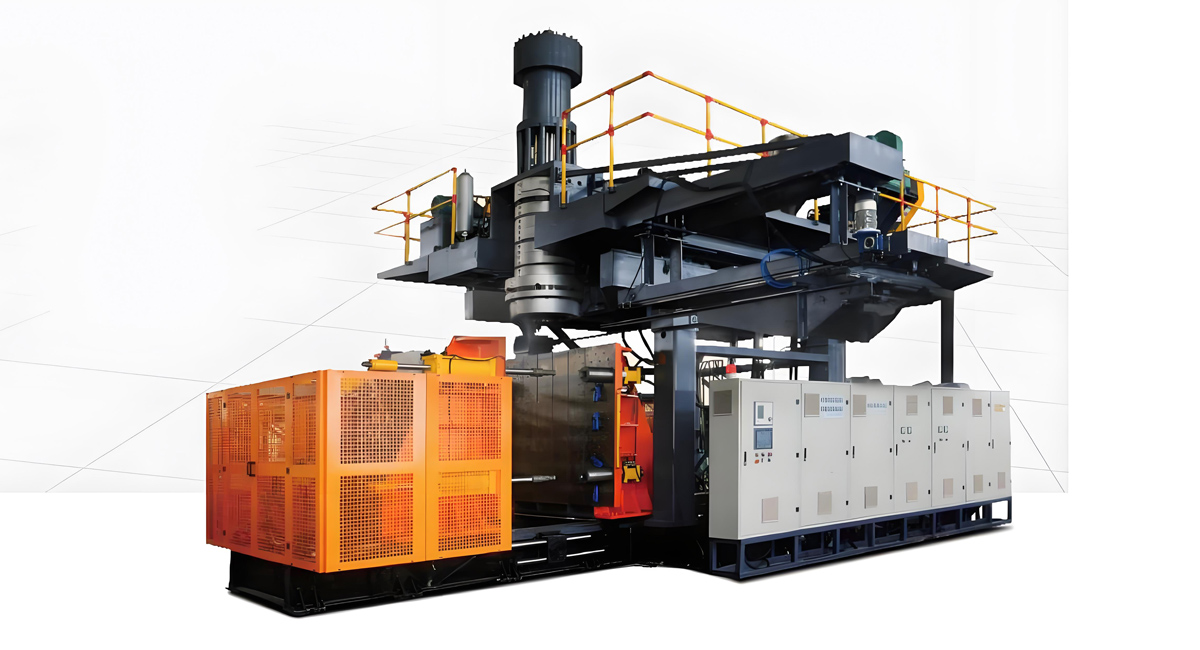
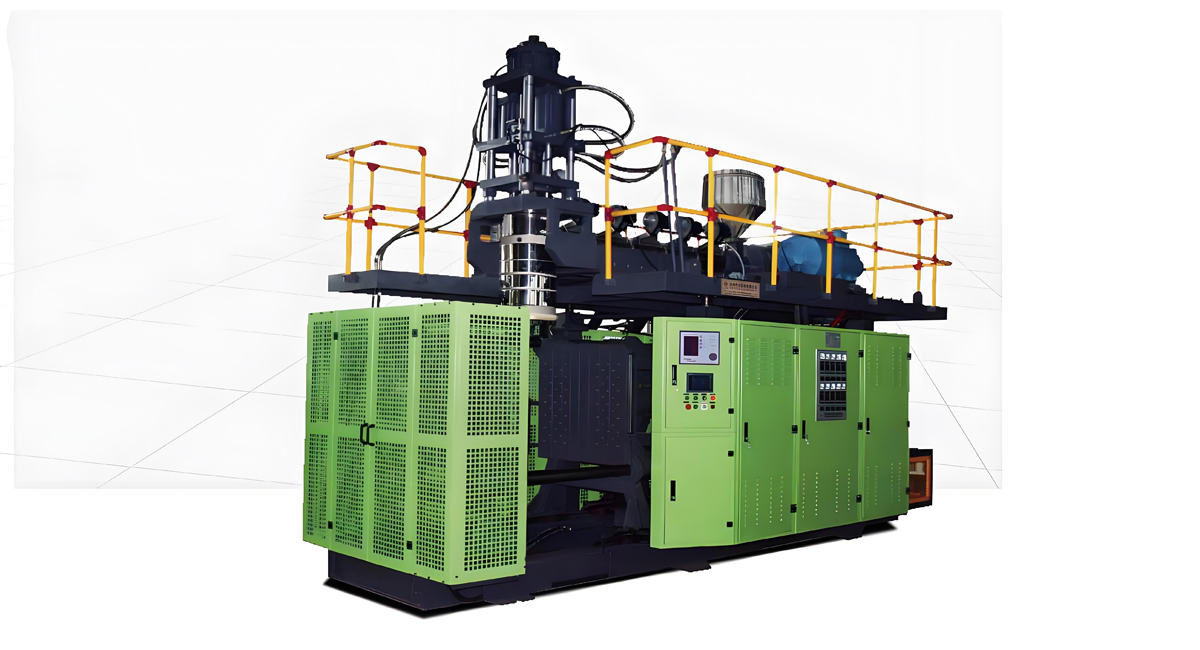
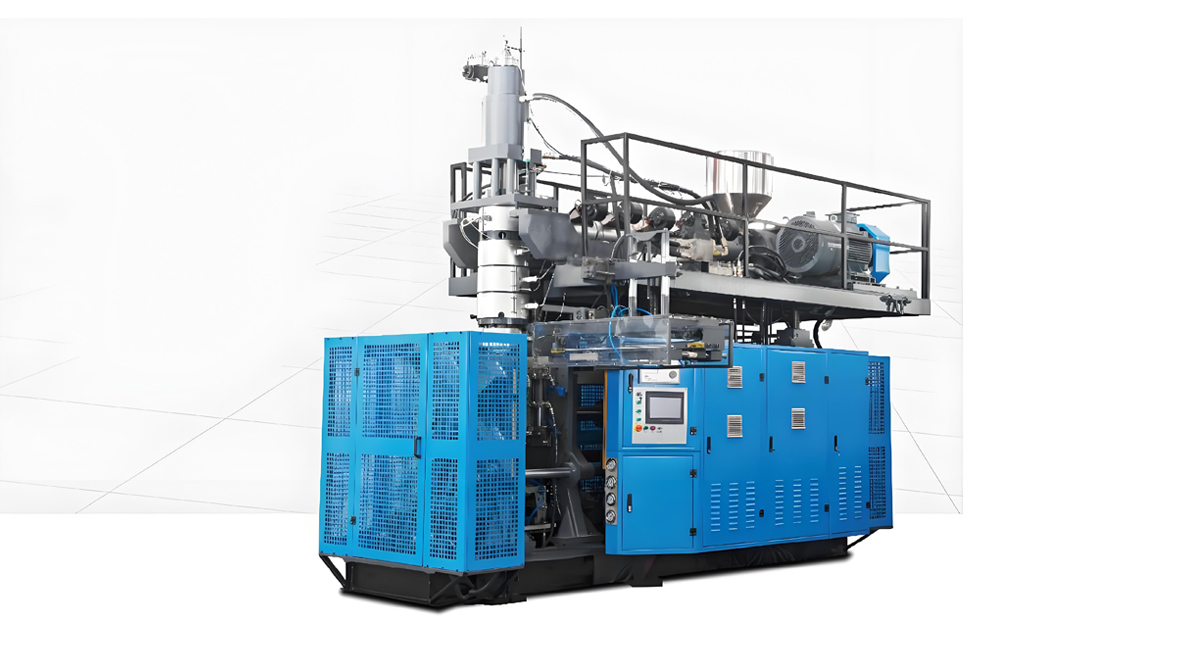
The quality of extrusion blow molding machines directly impacts production efficiency, product quality, operational reliability, and long-term profitability of plastic manufacturing operations. For manufacturers investing substantial capital in new equipment, implementing comprehensive testing procedures before final acceptance and payment is essential to ensure the machine meets performance specifications and quality standards. Apollo China, as a leading manufacturer of extrusion blow molding machines, understands the importance of thorough quality testing and provides detailed testing protocols and support for equipment validation.
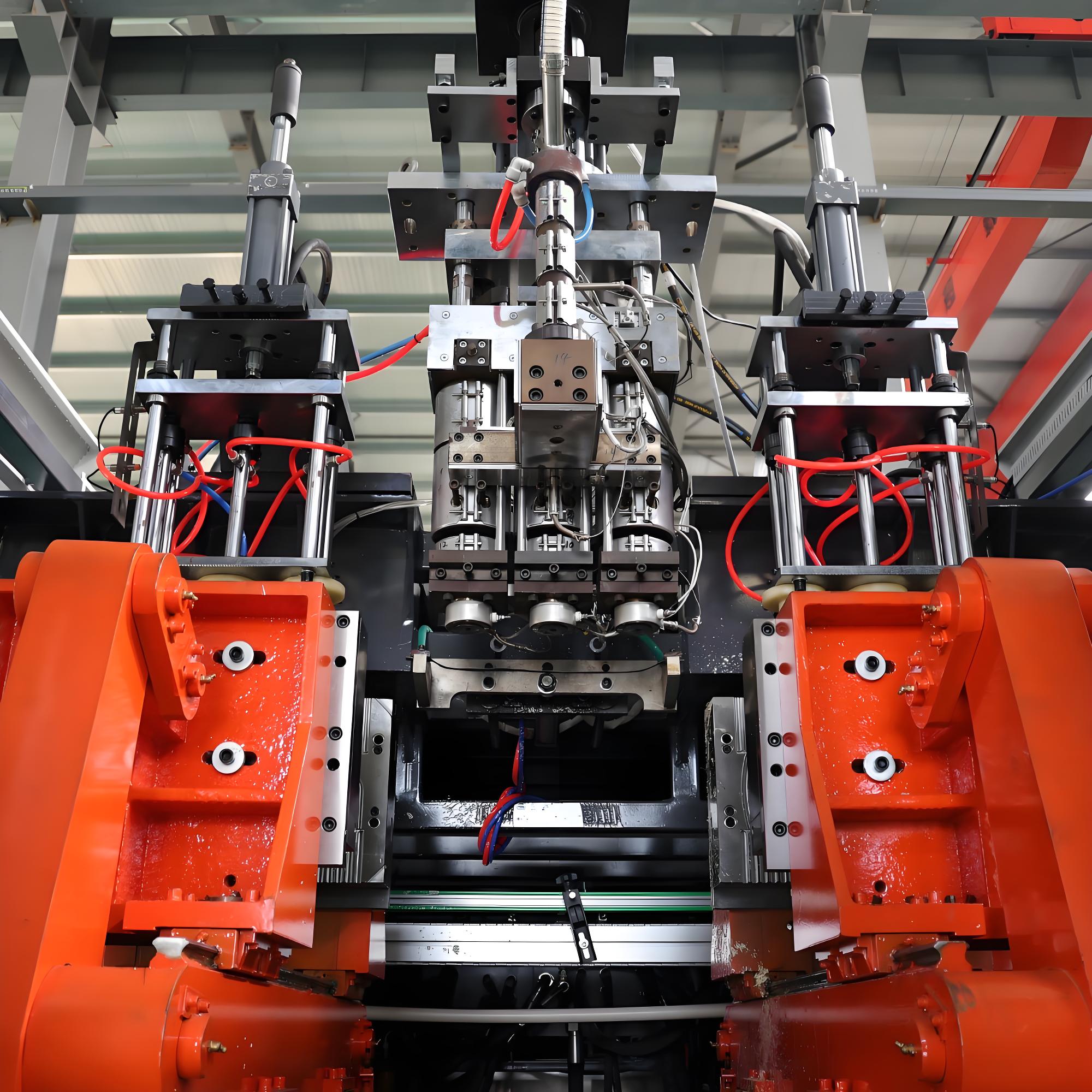
The complexity of extrusion blow molding machines, with their integrated systems including extruders, parison control mechanisms, molds, cooling systems, and automation controls, requires systematic testing across multiple dimensions. Quality assessment encompasses not only the immediate performance demonstration but also evaluation of long-term reliability, maintenance requirements, and compliance with quality standards. Investment in comprehensive testing before final machine acceptance pays dividends through reduced downtime, higher production quality, and lower total cost of ownership throughout the equipment operational life.
This comprehensive guide outlines proven methodologies for testing new extrusion blow molding machines, covering pre-delivery documentation review, installation verification, operational testing, quality consistency assessment, reliability evaluation, and financial analysis of testing investments. By implementing these testing procedures, manufacturers can ensure their equipment investments deliver expected returns and meet production requirements from the first day of operation.
Pre-Delivery Documentation Review
Quality testing of extrusion blow molding machines begins long before the equipment arrives at the buyer’s facility. Comprehensive pre-delivery documentation review establishes baseline quality requirements and ensures the manufacturer has delivered equipment that meets contractual specifications. Apollo China provides extensive documentation packages with each extrusion blow molding machine, enabling buyers to verify specifications before equipment installation.
Technical specification verification involves comparing delivered equipment specifications against the original order contract and technical specifications agreed upon during procurement. Key specifications to verify include extruder diameter and length-to-diameter ratio, maximum shot capacity, mold closing force, clamp stroke, product size capabilities, production capacity per hour, electrical power requirements, and dimensional specifications for footprint and height. For example, if the specified extrusion blow molding machine is rated for 500 bottles per hour with a maximum bottle volume of 2 liters, the documentation should confirm these exact capabilities. Any discrepancies between specifications should be identified and clarified before equipment installation. Apollo China typically provides detailed specification sheets with tolerance ranges, enabling precise verification against contractual requirements.
Quality certification review ensures the equipment meets relevant international and regional quality and safety standards. Critical certifications include CE certification for European markets, UL certification for North America, ISO 9001 quality management system certification for the manufacturer, and compliance with local electrical and safety regulations. Documentation should include original certificates issued by recognized certification bodies with valid dates and specific equipment model coverage. Apollo China’s extrusion blow molding machines typically carry multiple certifications reflecting their global market focus. Buyers should verify that certification numbers match the specific equipment delivered, as different models within a manufacturer’s product line may have different certification status.
Component quality documentation provides insight into the quality of critical machine components. Manufacturers should provide specifications and quality certifications for major components including extruder screw and barrel materials, bearings, electrical components, control systems, hydraulic or pneumatic components, and drive systems. For example, extruder barrels and screws should be manufactured from high-quality alloy steels with appropriate heat treatment specifications. Electrical components should carry appropriate safety ratings from recognized standards organizations. Apollo China typically provides detailed component specifications with manufacturer brand names and model numbers, enabling buyers to verify component quality through independent research if desired.
Maintenance and operation manuals quality assessment provides insight into the manufacturer’s commitment to long-term customer support. Comprehensive manuals should include detailed installation procedures, startup sequences, operation instructions, maintenance schedules, troubleshooting guides, spare parts lists with part numbers, and technical drawings. Manual quality reflects on the manufacturer’s engineering capabilities and support philosophy. Apollo China provides extensive documentation with clear illustrations, step-by-step procedures, and comprehensive technical information that reflects their engineering expertise and customer-focused approach. Poor quality manuals or missing documentation can indicate insufficient manufacturer support capabilities that may cause problems after installation.
Price and payment verification ensures financial terms match contractual agreements. The final invoice should match the originally quoted price unless mutually agreed changes have been made. Payment terms, including advance payment percentage, milestone payments, and final payment conditions, should be clearly documented and match the purchase contract. Apollo China typically requires 30 percent advance payment upon order confirmation, 60 percent before equipment shipment, and the final 10 percent after successful installation and commissioning. Buyers should verify that payment terms align with the contract and that any additional costs such as shipping, installation, or training are properly documented and agreed upon.
Installation and Setup Verification
Proper installation and setup are fundamental to extrusion blow molding machine performance and reliability. Even high-quality equipment cannot perform optimally if installation procedures are not executed correctly. Thorough verification of installation quality provides confidence that the equipment will perform according to specifications and that long-term operational reliability will not be compromised by installation deficiencies.
Foundation and alignment inspection ensures the machine is positioned correctly and level to specification. Extrusion blow molding machines, particularly larger models, require substantial concrete foundations designed to support the machine weight and operating loads without settling or movement. Foundation inspection should verify that foundation dimensions match equipment specifications, that the foundation is level within specified tolerances (typically within 0.5 millimeters per meter), and that anchor bolts are properly installed and tightened. The machine should be aligned with factory production flow to enable efficient material loading and product removal. Apollo China provides detailed foundation specifications and installation guidelines to ensure proper preparation before equipment arrival. Foundation problems can cause vibration, accelerated component wear, and reduced product quality, so thorough verification is essential.
Electrical system verification confirms that power supply, wiring, and safety systems are properly installed and functional. Electrical inspection should include verification that power supply voltage and frequency match equipment requirements, that electrical connections are properly secured with appropriate torque specifications, that grounding systems are installed according to electrical codes, that emergency stop systems function correctly, and that overload protection is properly set. Extrusion blow molding machines typically require three-phase power at 380V 50Hz for international markets or 480V 60Hz for North American markets, with amperage requirements varying from 30 to 200 amps depending on machine size. Apollo China provides detailed electrical connection diagrams and requirements. Electrical testing should include verification of all control functions, safety interlocks, and emergency stop systems before attempting machine operation. Electrical problems can cause safety hazards and equipment damage, so comprehensive testing is critical.
Pneumatic and hydraulic system testing verifies that these critical systems operate correctly without leaks or malfunctions. For hydraulic extrusion blow molding machines, inspection should include verification that hydraulic oil levels are correct, that hydraulic hoses are properly connected and leak-free, that hydraulic pressure relief valves are set to correct pressures, and that hydraulic pumps operate smoothly without excessive noise or vibration. Typical hydraulic system pressures range from 150 to 250 bar depending on machine size and clamp force requirements. For pneumatic machines, compressed air supply should be verified for correct pressure (typically 6 to 8 bar), moisture-free air quality, and leak-free connections. Apollo China typically provides detailed pneumatic and hydraulic diagrams with pressure specifications. System testing should include full operational cycles to verify proper function of all actuators and control systems under operating conditions.
Mold installation verification ensures molds are properly aligned and secured for optimal production quality. Mold inspection should verify that mold alignment pins are properly positioned, that mold clamping bolts are torqued to specifications, that mold temperature control connections are leak-free, and that venting channels are clear and properly positioned. For extrusion blow molding, mold alignment is particularly critical for achieving uniform wall thickness and proper product shape. Alignment tolerances typically range from 0.05 to 0.1 millimeters depending on product requirements. Apollo China provides mold installation guidelines and alignment procedures. Improper mold installation can cause product quality problems, accelerated mold wear, and potential safety hazards during operation.
Operational Performance Testing
Once installation verification is complete, operational performance testing validates that the machine meets performance specifications under actual production conditions. This testing phase represents the most critical component of quality verification, as it demonstrates real-world performance rather than theoretical capabilities. Apollo China recommends comprehensive operational testing before final acceptance and payment to ensure complete customer satisfaction.
Production capacity verification confirms that the machine can achieve the specified production rate consistently over extended operation. Capacity testing should be conducted over sufficient time to demonstrate sustained performance, typically 8 to 24 hours depending on production requirements. During testing, the actual production count should be recorded and compared against the specified capacity. For example, if the machine specification indicates 500 bottles per hour capacity, testing should verify that this rate can be maintained consistently without breakdowns or quality problems. Production capacity tests should include startup sequences to verify that the machine can reach target production rates efficiently, and changeover testing to verify that the specified changeover time between different products can be achieved. Apollo China’s extrusion blow molding machines typically demonstrate production capacities ranging from 200 to 2000 units per hour depending on model and product complexity. Actual achieved capacity should be documented and compared against specifications, with any significant deviations investigated and resolved.
Cycle time analysis provides detailed insight into machine efficiency and potential productivity improvements. Cycle time testing involves measuring the time required for each step in the production cycle, including parison extrusion time, mold closing time, blow molding time, mold opening time, and product ejection time. The total cycle time determines the maximum theoretical production capacity. For example, if the total cycle time is 10 seconds, the theoretical maximum production rate would be 360 units per hour. Actual production rates are typically 80 to 95 percent of theoretical maximum due to material handling, quality checks, and minor interruptions. Apollo China’s extrusion blow molding machines typically achieve cycle times ranging from 6 to 20 seconds depending on product size and complexity. Cycle time analysis helps identify bottlenecks and opportunities for optimization. The actual measured cycle time should be documented and used for production planning purposes.
Material efficiency testing verifies that the machine operates with minimal material waste and scrap rates. Material waste typically occurs through startup scrap, off-specification products, and material degradation. Material efficiency testing should track total material input versus usable product output over an extended production run. For example, if 1000 kilograms of raw material is processed and 950 kilograms of finished product is produced, the material efficiency is 95 percent. Modern extrusion blow molding machines should achieve material efficiency of 90 to 97 percent depending on product complexity and operator skill. Apollo China’s advanced parison control systems help optimize material usage and minimize waste. Material efficiency should be tested with typical production materials to verify that actual efficiency meets or exceeds specifications. Poor material efficiency significantly increases production costs and should be addressed before machine acceptance.
Energy consumption measurement validates that the machine operates within expected energy efficiency parameters. Energy consumption should be measured during actual production operation, including electrical consumption for motors, heaters, and controls, plus compressed air or hydraulic system energy consumption. For example, a mid-size extrusion blow molding machine might consume 15 to 30 kilowatt-hours per hour of operation, depending on production rate and product size. Energy consumption should be normalized by production output, such as kilowatt-hours per thousand units produced, to enable comparison with specifications. Apollo China’s energy-efficient extrusion blow molding machines typically achieve energy consumption 20 to 30 percent lower than older machine designs. Energy consumption testing should be conducted under typical operating conditions and documented for production cost calculations. Higher than expected energy consumption may indicate equipment problems or operational inefficiencies that should be addressed.
Product Quality Consistency Testing
Quality consistency is paramount for extrusion blow molding operations, particularly in industries such as beverage packaging where brand reputation depends on product uniformity. Comprehensive quality testing verifies that the machine can produce products meeting specifications consistently over extended production runs. Apollo China emphasizes quality consistency in machine design and provides testing procedures to verify performance.
Dimensional accuracy verification ensures that produced products meet specified dimensional tolerances. Dimensional testing should include measurement of critical dimensions such as bottle height, diameter, neck finish dimensions, and wall thickness distribution. Measurements should be taken from multiple samples taken throughout the production run to verify consistency. For example, bottle height might be specified as 250 plus or minus 1 millimeters. Testing should verify that at least 95 percent of samples fall within this tolerance range, with typical variation of plus or minus 0.5 millimeters for well-maintained machines. Apollo China’s advanced parison control systems help maintain consistent wall thickness distribution, which is critical for product strength and appearance. Dimensional testing should include statistical process control analysis to verify that the process is capable and stable. Out-of-tolerance products indicate potential machine problems that need resolution.
Surface quality assessment evaluates the appearance and finish of produced products. Surface quality inspection should include evaluation of clarity, color consistency, flash presence, weld lines, surface defects, and overall appearance consistency. For transparent products such as beverage bottles, clarity and absence of bubbles or haziness are critical quality factors. Surface defects such as flow lines, sink marks, or uneven surfaces can indicate machine problems including inadequate mixing, improper temperature control, or mold issues. Apollo China’s extrusion blow molding machines are designed to produce high-quality surface finishes through precise control of extrusion parameters. Surface quality should be evaluated against quality standards, with defects categorized by type, severity, and frequency. Consistent surface quality over extended production runs demonstrates machine stability and process control capabilities.
Wall thickness uniformity testing is particularly important for extrusion blow molded products where product strength and weight depend on consistent wall thickness distribution. Wall thickness should be measured at multiple points around the product circumference and at different heights from base to neck. For example, a 500 milliliter bottle might have specified wall thickness of 0.8 plus or minus 0.1 millimeters. Testing should verify that wall thickness remains consistent throughout the production run and that variation across the product meets specifications. Apollo China’s advanced parison programming systems enable precise control of wall thickness distribution, allowing optimization for strength and material efficiency. Wall thickness variations can cause product failures in use or performance problems in downstream operations such as filling. Testing should include statistical analysis of wall thickness data to verify process capability.
Strength and functionality testing verifies that produced products meet performance requirements. Testing should include drop testing, burst pressure testing, leak testing, and functional testing such as cap fitment. For example, beverage bottles might require drop testing from 1 meter height without breaking, or burst pressure testing at specified pressures. These tests validate that the extrusion blow molding process produces products with adequate strength and integrity. Apollo China’s machines are designed to produce products meeting industry strength standards through consistent molding parameters and proper cooling. Strength testing should be conducted on products from throughout the production run to verify consistency, including products produced during startup, steady-state operation, and shutdown sequences. Performance failures indicate potential problems with material handling, molding parameters, or cooling systems.
Reliability and Durability Testing
Long-term reliability and durability are critical factors in the total cost of ownership for extrusion blow molding machines. While extended reliability testing may not be practical during initial machine acceptance, accelerated testing and analysis of machine design can provide confidence in long-term performance. Apollo China’s machines are designed for reliable operation and extended service life through robust design and quality components.
Component quality inspection during testing provides insight into long-term durability. Critical components including extruder barrels and screws, bearings, seals, drive systems, and control components should be inspected for quality of materials and workmanship. For example, extruder barrels should be manufactured from wear-resistant alloy steels with proper heat treatment and surface finishing. Bearings should be from reputable manufacturers with appropriate load ratings for the application. Apollo China uses high-quality components from leading global suppliers to ensure reliability and long service life. Component quality assessment during testing can identify potential reliability problems before they cause operational failures. Buyers should verify component brands and specifications against requirements.
Stress testing involves operating the machine at or slightly above design specifications to verify robust operating margins. Stress testing might include operating at maximum production rates, maximum product sizes, or slightly elevated temperatures to verify that the machine continues to operate correctly without problems. For example, testing at 110 percent of specified production rate for short periods can verify that the machine has adequate design margins. Apollo China designs machines with adequate safety margins to ensure reliable operation under varying conditions. Stress testing should be conducted carefully to avoid damaging equipment, but appropriate stress tests can provide confidence in design robustness. Problems during stress testing should be investigated to determine if they indicate design deficiencies or normal operational limitations.
Maintenance access and ease evaluation assesses how easily routine and major maintenance tasks can be performed. During testing, maintenance tasks such as screw removal, mold changing, bearing replacement, and control system adjustments should be evaluated for accessibility and ease of execution. Extrusion blow molding machines are complex systems requiring periodic maintenance, and poor maintenance accessibility increases downtime and maintenance costs. Apollo China designs machines with excellent maintenance access, including easily opened guards, accessible service points, and clear service documentation. During testing, the maintenance team should attempt typical maintenance tasks to verify that tools and access are adequate. Maintenance difficulties should be documented and potentially addressed through design modifications or additional training.
Documentation and spare parts availability assessment evaluates the manufacturer’s commitment to supporting the machine over its operational life. Documentation should include complete parts lists with manufacturer part numbers, assembly drawings, and procurement information. Apollo China provides comprehensive documentation and maintains spare parts inventory to support customers throughout equipment life. During testing, the availability of critical spare parts should be verified, including delivery lead times and pricing. Difficulties obtaining spare parts can cause extended downtime and production losses. Buyers should verify that the manufacturer maintains adequate spare parts inventory and has established logistics for rapid parts delivery.
Price and Cost Analysis
Investment in extrusion blow molding machines represents substantial capital expenditure, and comprehensive cost analysis should accompany quality testing to ensure investment decisions are financially sound. Apollo China’s competitive pricing combined with high quality provides excellent value, but thorough cost analysis validates total cost of ownership over the equipment life.
Equipment purchase price comparison should be conducted carefully to ensure fair comparison between different machine offerings. The purchase price of extrusion blow molding machines from Apollo China typically ranges from USD 25,000 to USD 250,000 depending on model size and configuration. For example, a single-station machine for small bottles might cost approximately USD 35,000 to USD 55,000, while a multi-station high-speed machine for beverage bottles might cost USD 150,000 to USD 250,000. Price comparisons should consider included features, automation level, production capacity, and warranty coverage. The lowest price may not provide the best value if critical features are excluded or if quality and reliability are inferior. Apollo China provides detailed quotations that specify included features and options, enabling accurate price comparison. Buyers should request quotations on a standardized basis to ensure fair comparison.
Operational cost analysis should consider energy consumption, material efficiency, labor requirements, maintenance costs, and spare parts consumption over the equipment life. For example, energy costs for a mid-size machine operating 5000 hours per year at 25 kilowatts would be approximately USD 25,000 annually assuming electricity costs of USD 0.20 per kilowatt-hour. Material efficiency improvements of 2 to 3 percent compared to older machines can save substantial material costs, potentially USD 10,000 to USD 30,000 annually depending on production volume. Apollo China’s energy-efficient designs and high material efficiency reduce operational costs significantly compared to older machines. Operational cost analysis should project costs over the machine’s useful life, typically 10 to 15 years, to understand total cost of ownership. Lower operational costs can justify higher initial equipment price through long-term savings.
Maintenance cost estimation should include routine maintenance costs, major overhauls, and replacement parts costs over the equipment life. Routine maintenance costs typically range from 1 to 3 percent of equipment purchase price annually, or approximately USD 2,500 to USD 7,500 for a USD 250,000 machine. Major overhauls including screw and barrel replacement might cost USD 15,000 to USD 50,000 depending on machine size and complexity, with intervals of 5 to 8 years depending on operating conditions. Apollo China’s robust design and quality components extend maintenance intervals and reduce maintenance costs compared to lower-quality machines. Maintenance cost estimates should be based on manufacturer-provided maintenance schedules and spare parts pricing. Unexpected high maintenance costs after purchase can significantly impact return on investment.
Return on investment analysis should project the financial returns from equipment investment over its useful life. For example, a USD 150,000 machine operating 5000 hours annually and producing 500,000 units per year at USD 0.50 gross margin per unit would generate USD 250,000 annually in gross margin. Assuming operational costs of USD 100,000 including materials, energy, and labor, the net annual profit would be USD 150,000. This would provide a simple payback period of approximately 1 year on the equipment investment. Apollo China’s competitive pricing enables excellent return on investment through high productivity and low operational costs. ROI analysis should consider factors such as production volume growth, pricing trends, and equipment depreciation to understand true financial returns. ROI calculations help justify equipment investments to management and ensure financial objectives are met.
Testing cost analysis should consider the costs of conducting comprehensive testing versus the risks of accepting equipment without adequate testing. Testing costs typically include technician time, material used during testing, and production downtime during testing. For example, comprehensive testing over a 3-day period might cost approximately USD 5,000 to USD 10,000 in technician time and materials. This investment provides significant risk reduction by identifying problems before final payment and full production. Apollo China provides support during testing and typically covers material costs for demonstration runs. The cost of not testing adequately could be much higher if significant problems are discovered after payment, including production delays, quality problems, and potential repair costs. Testing investment represents excellent insurance against equipment problems and provides confidence in equipment capabilities.
Testing Documentation and Acceptance Criteria
Comprehensive testing documentation provides a formal record of testing activities and results, establishing a baseline for future performance comparison and warranty claims. Apollo China provides detailed testing protocols and documentation templates to ensure thorough testing and clear acceptance criteria.
Testing protocol development should establish specific acceptance criteria for each testing phase before testing begins. Acceptance criteria should be measurable and objective rather than subjective. For example, instead of criteria such as “good product quality,” specific criteria might be “dimensional accuracy within plus or minus 0.5 millimeters for 98 percent of samples.” Apollo China typically provides suggested testing protocols and acceptance criteria based on equipment specifications and industry standards. Testing protocols should be agreed upon between buyer and seller before testing begins to ensure understanding and agreement on criteria. Clear acceptance criteria prevent disputes and ensure that testing objectives are met.
Testing documentation should include detailed records of all testing activities, measurements, observations, and test results. Documentation should include test dates and times, personnel involved, environmental conditions, equipment settings, test procedures followed, measurement data, observations of any anomalies, photographs of test results and equipment condition, and conclusions from each test phase. Apollo China provides testing report templates to ensure comprehensive documentation. Thorough documentation enables analysis of test results, provides a baseline for future performance comparison, and supports warranty claims if problems develop later. Documentation should be organized, complete, and signed by authorized representatives from both buyer and seller.
Problem documentation and resolution tracking ensures that any problems identified during testing are properly addressed before machine acceptance. Problems should be documented with clear descriptions of the issue, potential causes, and proposed solutions. Resolution should be documented including actions taken, verification that the problem is resolved, and confirmation that the resolution is satisfactory. Apollo China takes testing problems seriously and provides prompt resolution to ensure customer satisfaction. Problem documentation provides a record of issues and their resolution, potentially useful for future reference or warranty claims. Acceptance should be withheld until all significant problems are resolved satisfactorily, particularly problems affecting safety, performance, or quality.
Final acceptance documentation formally completes the testing process and authorizes final payment. Acceptance documentation should include a summary of testing conducted, confirmation that acceptance criteria were met or exceeded, identification of any remaining minor issues and their resolution plans, statement of satisfactory completion, authorization for final payment, and sign-off dates from both buyer and seller. Apollo China provides acceptance documentation templates to ensure proper completion of the procurement process. Final acceptance should be formal with proper signatures and dates to establish clear contract completion. Documentation should be retained for the equipment life as part of technical records.
Conclusion
Comprehensive testing of new extrusion blow molding machines represents essential due diligence for substantial capital investments in plastic manufacturing equipment. Apollo China’s commitment to quality and customer satisfaction is demonstrated through their support for thorough testing procedures and their willingness to ensure machines meet specifications before final acceptance. By implementing systematic testing across documentation review, installation verification, operational performance testing, quality consistency evaluation, reliability assessment, and cost analysis, manufacturers can ensure their equipment investments deliver expected returns and meet production requirements from the first day of operation.
The investment in comprehensive testing, typically representing 1 to 2 percent of equipment purchase price in additional costs, provides substantial risk reduction and confidence in equipment capabilities. Problems identified during testing can be resolved before payment and full production commitment, avoiding costly downtime and production delays later. Apollo China’s collaborative approach to testing, providing technical support and problem resolution, ensures that testing results in mutual satisfaction rather than disputes.
For manufacturers seeking reliable extrusion blow molding equipment, thorough testing procedures combined with Apollo China’s high-quality machines and customer-focused support provide assurance of successful equipment performance and long-term operational reliability. The documented testing results establish performance baselines for future comparison and support warranty claims if needed. By prioritizing comprehensive testing, manufacturers invest in production success rather than accepting equipment risk, positioning their operations for competitive advantage in demanding global markets.