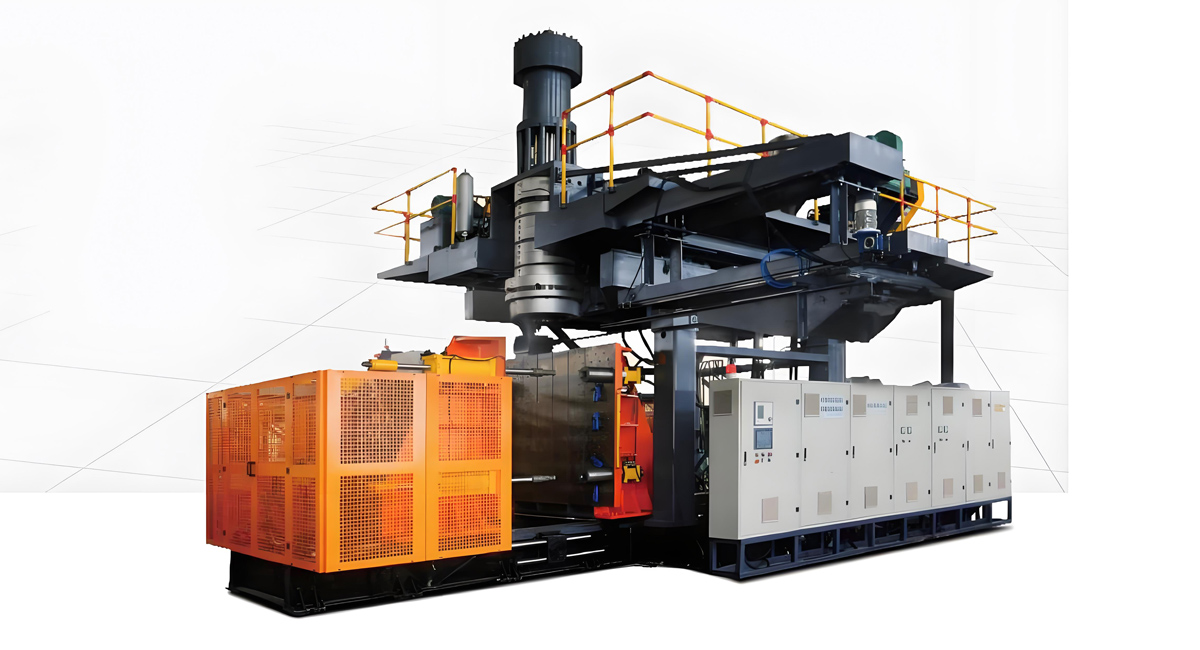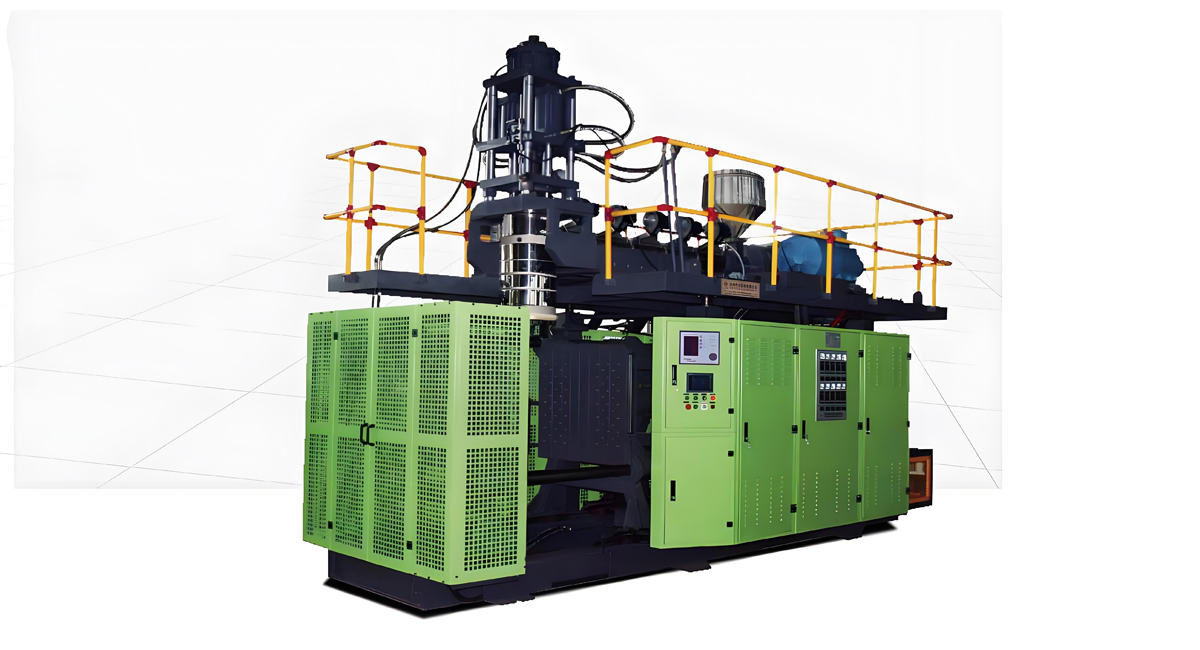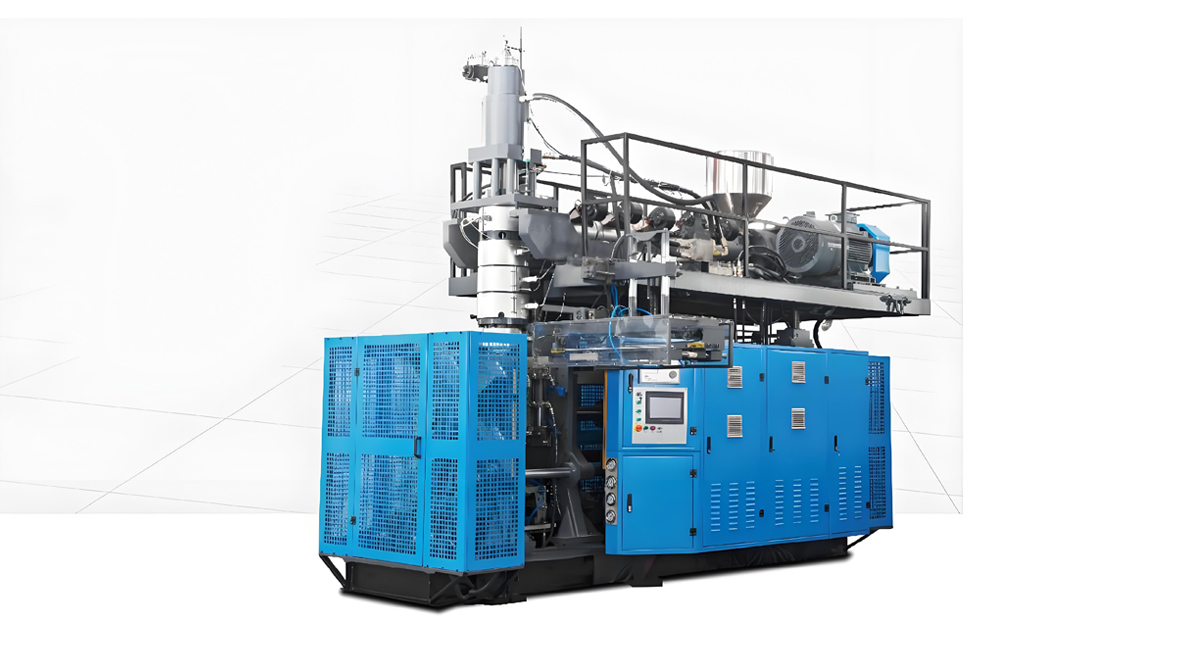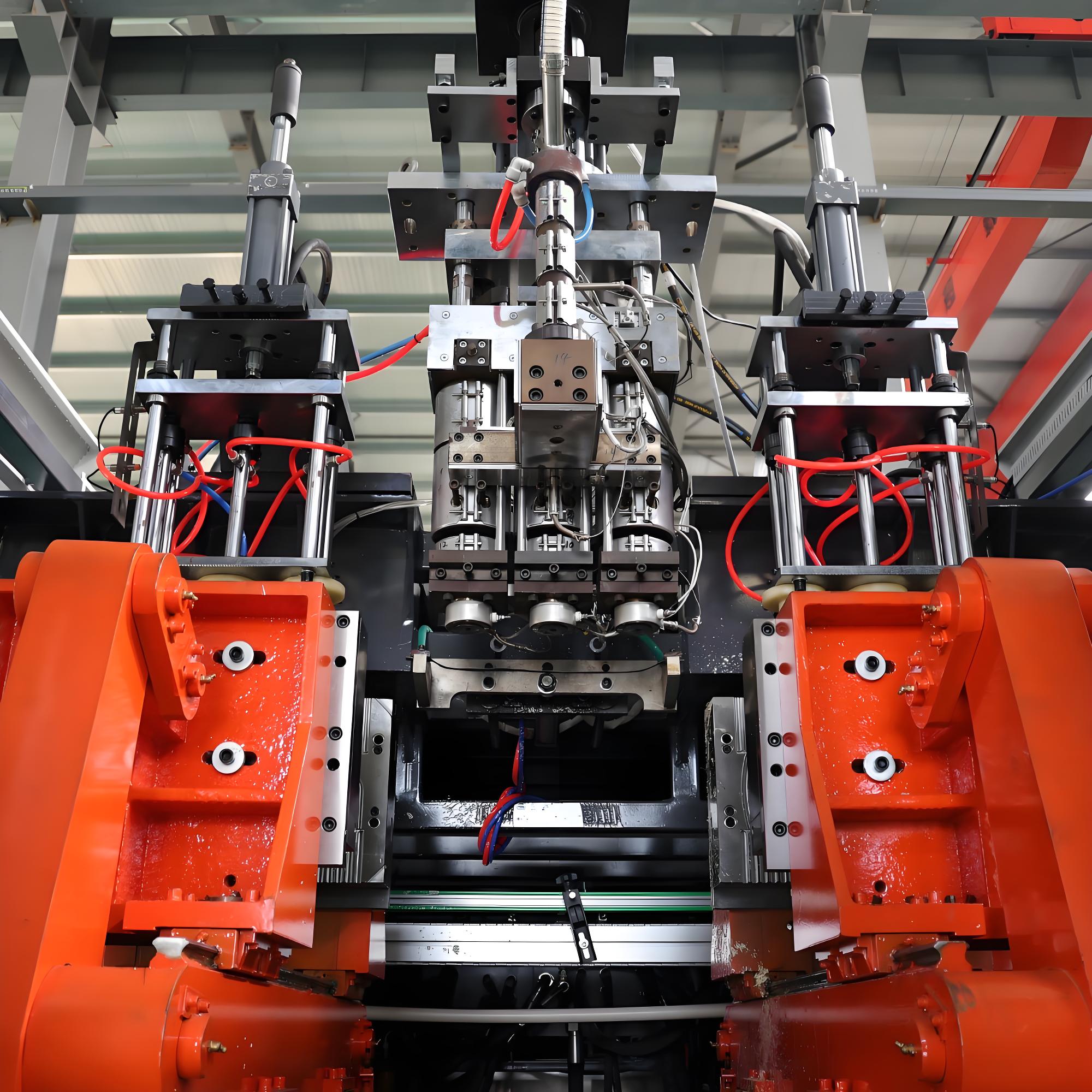
Finding a dependable China extrusion blow molding machine factory has become one of the most critical business decisions for companies seeking high-quality manufacturing equipment at competitive prices. The global demand for plastic products continues to rise exponentially, driven by consumer goods industries, pharmaceutical packaging requirements, and industrial applications that depend on reliable blow molding technology. Extrusion blow molding machines serve as the backbone of countless manufacturing operations worldwide, transforming raw plastic materials into containers, bottles, and hollow parts that billions of consumers interact with daily. Whether you are establishing a new production facility or upgrading existing equipment to meet growing market demands, selecting the right supplier can determine the success or failure of your entire operation. This comprehensive guide will walk you through the essential steps, evaluation criteria, and insider strategies to identify trustworthy manufacturers that deliver consistent quality, reliable technical support, and fair pricing structures that protect your investment over the equipment lifecycle.
Understanding the China Extrusion Blow Molding Machine Market Landscape
The Chinese manufacturing sector has evolved dramatically over the past three decades, transforming from a low-cost labor destination into a sophisticated hub for industrial machinery production that rivals the finest manufacturers in Germany, Japan, and the United States. Chinese extrusion blow molding machine factories now produce equipment that meets or exceeds the quality of Western manufacturers in many performance categories, often at price points that enable manufacturers worldwide to compete more effectively in their respective markets. However, the sheer number of suppliers in the Chinese market creates both tremendous opportunities and significant challenges for international buyers who must navigate a complex landscape of genuine manufacturers, trading companies, and intermediaries who may not have the capabilities they claim. Distinguishing between legitimate manufacturers with genuine production capabilities and intermediaries who simply resell equipment from other sources requires careful investigation and systematic evaluation of multiple factors that reveal true operational capabilities. The market has matured significantly over recent years, with industry leaders demonstrating capabilities that meet or exceed international standards while maintaining competitive pricing structures that benefit buyers worldwide who seek value without compromising quality.
The Evolution of Chinese Manufacturing Capabilities
Chinese extrusion blow molding machine factories have invested heavily in research and development over recent decades, bringing innovative technologies to the market at accelerated rates that outpace many established Western competitors who may be constrained by organizational inertia and legacy product portfolios. Modern facilities in China utilize state-of-the-art computer-aided design systems, precision CNC machining centers, and automated assembly lines that ensure consistent product quality across every machine they produce. The intensely competitive domestic market has forced Chinese manufacturers to continuously improve their offerings, resulting in advanced features such as servo-driven parison programming, multi-layer coextrusion capabilities, and intelligent process control systems that were once exclusive to premium European manufacturers. These technological advancements have democratized access to sophisticated manufacturing equipment that enables smaller manufacturers to compete with industry giants who previously enjoyed monopoly advantages through proprietary technology.
Quality certification standards have also risen dramatically across the industry, with leading manufacturers now maintaining ISO 9001 quality management systems, CE compliance for European markets, UL certification for North American markets, and specialized certifications for specific industries such as food-grade packaging, pharmaceutical applications, and medical device manufacturing. These certifications provide valuable third-party validation of a factory’s commitment to quality assurance and operational excellence that goes beyond internal claims. Beyond basic certifications, progressive factories have implemented comprehensive quality management frameworks that address every aspect of machine manufacturing from component sourcing through final testing and customer delivery, creating systematic approaches that minimize variation and ensure consistent outcomes across all production runs.
The workforce in leading Chinese factories has similarly evolved, with engineering teams now staffed by graduates from prestigious technical universities and experienced professionals who have accumulated decades of industry knowledge working with both domestic and international customers. Training programs ensure consistent skill development across production teams, while incentive structures reward quality performance and continuous improvement initiatives that drive ongoing operational excellence. This human capital development has proven essential in achieving the consistency and precision that international customers demand, transforming the perception of Chinese manufacturing from low-cost commodity production to sophisticated engineering excellence that delivers genuine value.
Market Segmentation and Specialization Trends
The China extrusion blow molding machine factory ecosystem has developed distinct specializations that cater to different market segments, enabling buyers to find suppliers whose focus aligns precisely with their specific application requirements. Some manufacturers focus exclusively on compact machines suitable for small-scale operations, startup ventures, and prototype development where initial investment must be minimized while still achieving professional-quality production capability. Other factories specialize in high-speed industrial systems capable of producing thousands of units per hour for major consumer goods companies and large-scale contract manufacturers. Understanding which segment aligns with your production requirements will narrow your search considerably and improve the likelihood of finding an optimally matched supplier who understands your specific challenges and opportunities.
Specialization often extends far beyond simple machine size categories to encompass specific applications and industry verticals that demand unique expertise and optimized configurations. Factories may concentrate on producing machines optimized for pharmaceutical packaging where regulatory compliance and validation documentation are paramount, cosmetic containers where visual appearance and surface finish determine market success, automotive components where precision and durability requirements are extremely demanding, or industrial storage solutions where cost-effectiveness and reliability drive purchasing decisions. This specialization typically results in optimized machine configurations, pre-configured tooling options, and accumulated expertise that benefits customers within that particular industry vertical far more effectively than generic equipment suppliers who must serve all markets equally.
Regional concentrations of specialized manufacturing have emerged across China, with certain provinces and cities developing world-class reputations for excellence in particular equipment categories that reflect decades of accumulated expertise, supplier ecosystems, and specialized workforce development. These regional clusters benefit from proximity to component suppliers, deep pools of skilled labor, and infrastructure that supports specialized manufacturing in ways that isolated factories cannot match. Understanding these geographic patterns can help buyers identify regions where their specific equipment requirements are best served by manufacturers who have dedicated their entire business focus to those particular capabilities.
Essential Evaluation Criteria for Selecting a China Factory
Thorough evaluation of potential suppliers requires systematic attention to multiple dimensions of capability and reliability that collectively determine whether a factory can genuinely meet your requirements while providing the service quality you deserve from a long-term business partner. Each evaluation criterion contributes to an overall assessment that balances technical capabilities against commercial considerations, quality systems against price competitiveness, and immediate requirements against long-term partnership potential. The evaluation process should be systematic and thoroughly documented, enabling objective comparison across multiple candidates using consistent criteria that prevent personal bias from influencing important decisions.
Production Facility Assessment and Manufacturing Infrastructure
The physical manufacturing environment reveals much about a factory’s operational maturity, management quality, and genuine commitment to producing high-quality equipment rather than simply assembling imported components into presentable packages. When possible, arrange for a virtual or in-person facility tour to directly observe the manufacturing environment and evaluate multiple aspects of their production infrastructure. Modern CNC machining centers demonstrate a factory’s investment in precision component manufacturing that creates actual value rather than simply importing finished parts for assembly. Look for well-organized workshop layouts with clear flow patterns, climate-controlled assembly areas that protect sensitive components from temperature and humidity variations, and dedicated testing facilities where completed machines undergo thorough run testing and quality inspection before shipment to customers worldwide.
Assembly line organization provides clear indications of management efficiency and the effectiveness of quality control procedures throughout the production process. Clean, well-organized assembly stations with clear visual management systems displaying production metrics, quality status, and maintenance schedules suggest disciplined manufacturing processes that minimize variation and ensure consistent outcomes. Watch for dedicated areas where completed machines undergo extended run testing, comprehensive quality verification, and detailed performance documentation before customer shipment. Well-organized factories minimize variation caused by environmental factors, equipment condition variations, or process inconsistency that might otherwise affect the quality and performance of their output.
Documentation practices throughout the organization provide valuable insight into a factory’s quality management maturity and commitment to systematic excellence that distinguishes premium manufacturers from casual assemblers. Well-organized factories maintain comprehensive records of component traceability, testing results, and production specifications that enable thorough investigation of any issues that might emerge years after purchase. This documentation proves invaluable when troubleshooting issues, sourcing replacement parts, or optimizing machine performance throughout the operational lifespan. Request to review sample documentation from recent production runs during your evaluation to assess the thoroughness, organization, and accessibility of their quality records.
Laboratory and testing facilities distinguish serious manufacturers with genuine engineering capabilities from basic assemblers who simply bolt together imported components without understanding the underlying technology. Facilities equipped with material testing equipment, precision dimensional measurement systems, and comprehensive performance testing capabilities demonstrate commitment to verifying quality before products leave the factory rather than relying on customers to discover quality problems. Testing capabilities should include both routine quality verification procedures and more comprehensive testing protocols for customer-specific requirements or industry certifications that validate compliance with demanding standards.
Technical Capabilities and Engineering Expertise
Engineering teams distinguish premium manufacturers with genuine design and development capabilities from basic assemblers of purchased components who have limited ability to customize solutions or solve complex technical problems. Evaluate the size, qualifications, and experience of the engineering department when assessing a potential supplier, recognizing that strong engineering capabilities translate directly into better machine designs, customized solutions for specific applications, and responsive technical support when you encounter challenges during production. Request detailed information about engineering staff qualifications, including educational backgrounds, professional certifications, and relevant industry experience that indicates depth of expertise in blow molding technology.
Research and development investment indicates a factory’s commitment to continuous improvement and technological advancement rather than simply maintaining legacy products without ongoing innovation. Ask about recent product developments, patent filings, and technological innovations that differentiate their equipment from competitors who may offer similar-looking products without genuine technical advancement. Factories that consistently invest in R&D demonstrate long-term viability and the ability to incorporate evolving industry requirements into their product offerings as markets and customer needs change over time. Understanding their innovation pipeline helps assess whether their equipment will remain current and competitive over the expected operational lifespan of the machine you purchase.
Customization capabilities matter significantly for applications requiring specialized configurations that standard machine specifications cannot adequately address. Not all factories can accommodate custom requirements for parison programming, mold interfaces, control system preferences, or auxiliary equipment integration that may be essential for your specific production requirements. Confirm that your potential supplier has successfully delivered customized solutions similar to your requirements in the past, and request detailed examples of previous custom projects along with discussion of the engineering process used to develop those solutions. Engineering flexibility demonstrates confidence in their core capabilities and commitment to customer success beyond simply selling standard products.
Technical documentation quality reflects a factory’s attention to detail, commitment to customer success, and preparation for serving international markets with diverse requirements. Comprehensive operation manuals, clear electrical schematics, detailed maintenance guides, and complete spare parts catalogs indicate professional product support that will serve you well throughout the equipment lifecycle. Poor documentation often signals inadequate after-sales support infrastructure and limited commitment to customer success beyond the initial sale. Evaluate sample documentation during your evaluation process to assess whether instructions are clear, complete, and written for international audiences rather than assuming readers share cultural backgrounds and technical knowledge with domestic users.
Quality Control Systems and Certification Documentation
Comprehensive quality control systems ensure consistent machine performance across all production runs and over the extended time periods that characterize manufacturing equipment operational lifecycles. Inquire about incoming material inspection procedures that verify component quality before assembly begins, in-process quality checkpoints that catch problems early in production before value-adding operations compound quality issues, and final testing protocols that validate complete machine performance before shipment. Factories with robust quality systems catch potential issues before machines reach customers, reducing warranty claims and service interruptions that damage customer relationships and increase support costs for both parties.
Certification documentation provides valuable external validation of quality management practices through independent third-party assessment rather than relying solely on internal claims. Essential certifications include ISO 9001 for general quality management systems, CE marking demonstrating compliance with European safety and environmental requirements, and industry-specific certifications for specialized applications such as food-grade packaging, pharmaceutical manufacturing, or medical devices. Request copies of all relevant certifications and verify their validity directly with issuing organizations when possible, recognizing that some factories display certifications that have expired, been suspended, or even never legitimately obtained.
Warranty terms and comprehensive after-sales support policies reveal a factory’s genuine confidence in their products and commitment to customer success that extends far beyond the initial transaction. Industry-standard warranties typically cover one to two years for mechanical components and electronic control systems, though premium manufacturers often offer extended coverage that demonstrates confidence in their engineering and manufacturing quality. Evaluate the specific scope of warranty coverage, response time commitments for technical support, and the availability of local service support in your region that ensures you can get help when problems arise. Premium manufacturers often offer extended warranty options and proactive support programs that justify higher initial pricing through reduced lifecycle costs and improved uptime.
Supplier quality management extends beyond individual factories to encompass their entire network of component suppliers whose quality directly affects the final product quality you receive. Understanding a factory’s supplier quality management practices provides valuable insight into potential consistency issues that might affect your equipment over time. Factories with rigorous supplier qualification processes, ongoing supplier monitoring programs, and clear accountability for supplier quality issues deliver more consistent products than those with casual supplier relationships that prioritize cost over quality.
Verification Strategies and Due Diligence Procedures
Beyond evaluating documentation and facilities, successful factory selection requires systematic verification of claims and capabilities through multiple independent information sources and rigorous validation methods that confirm what suppliers claim rather than simply accepting their representations at face value. Due diligence investments protect against costly mistakes that would otherwise emerge during equipment installation, ramp-up, and ongoing operation, potentially costing far more than the due diligence process itself. Thorough verification separates confident purchasing decisions from costly regrets that may not become apparent until years after the initial purchase.
Customer Reference Verification and Case Studies
Direct communication with existing customers provides invaluable insight into real-world experiences with a particular factory that no amount of documentation or sales presentation can substitute. Request references specifically from companies operating machines similar to your intended application, and prepare thoughtful questions addressing machine reliability over time, after-sales service quality when problems inevitably arise, spare parts availability and pricing, and overall satisfaction with the purchasing experience and ongoing relationship. Reference conversations should explore both positive experiences and any challenges encountered during the relationship, recognizing that perfect references may not be genuine while critically negative feedback deserves serious consideration during evaluation.
Detailed case studies demonstrating successful implementations offer additional validation of a factory’s capabilities through documented evidence of past performance rather than general claims. Look for comprehensive documentation of machine specifications, production results achieved, and candid customer testimonials that acknowledge both successes and challenges encountered. Premium manufacturers often maintain extensive case study libraries showcasing diverse applications, multiple industry segments, and international customer installations that demonstrate breadth of capability. Case studies should explain how the factory addressed specific customer challenges and delivered measurable results rather than simply describing standard product features.
Industry reputation within professional networks offers another valuable verification channel that provides candid assessments from peers who have direct experience with specific manufacturers. Engage actively with industry associations, attend trade shows where you can speak directly with other attendees, and participate in professional forums where candid discussions reveal what manufacturers are truly like to work with. Negative patterns or recurring complaints across multiple independent sources warrant serious consideration during the evaluation process, while consistently positive feedback from diverse sources builds confidence in a manufacturer’s genuine capabilities.
Third-party inspection services provide professional, objective verification of factory capabilities and product quality that complements other due diligence activities. Companies specializing in factory audits can verify manufacturing capabilities, quality systems, financial stability, and compliance with stated practices through systematic evaluation by experienced professionals. While adding cost to the evaluation process, such inspections provide objective assessments that reduce purchasing risk significantly for substantial equipment investments where the consequences of poor selection would be severe.
Financial Stability Assessment
Financial stability ensures a factory can honor long-term warranty commitments, maintain production continuity throughout your equipment’s operational life, and provide ongoing support for spare parts and technical assistance for the decades that manufacturing equipment typically operates. Manufacturing equipment purchases represent long-term partnerships rather than one-time transactions, making supplier financial health a critical consideration that some buyers unfortunately overlook until problems emerge years after purchase when remedies are limited. The financial stability assessment should receive attention proportionate to the investment size and the importance of ongoing support for your operations.
Business longevity provides a basic indicator of market acceptance and operational stability that correlates with reliable performance over time. Established factories with proven multi-year track records offer lower risk profiles than newly formed entities that may lack mature processes and accumulated expertise. However, newer manufacturers with highly experienced leadership teams and substantial financial backing may also present viable options if their position supports long-term commitment to the market despite shorter operating history. Evaluate the overall business trajectory rather than simply counting years in operation.
Export experience demonstrates familiarity with international business practices, documentation requirements, logistics coordination, and cultural considerations that effective global partnerships require. Factories with established export processes dating back many years deliver smoother purchasing experiences and fewer unexpected complications during shipping, customs clearance, and installation phases that can otherwise frustrate buyers and delay production startup. Ask specifically about their experience serving customers in your region or similar international markets to ensure they understand the particular requirements and challenges you may face.
Communication Quality and Business Relationship Factors
Effective communication proves essential throughout the purchasing process and during the many years of equipment operation that follow the initial transaction. Evaluate communication responsiveness, technical comprehension, cultural awareness, and genuine interest in understanding your requirements when selecting a factory partner. Communication quality during the sales process often predicts the overall relationship experience more accurately than any technical specification or price comparison.
Response Quality and Technical Communication
Initial communication quality during your evaluation process often predicts ongoing relationship dynamics that will characterize your experience throughout the equipment lifecycle. Prompt, thorough, and technically accurate responses indicate professional management competence and organizational capability that enables consistent execution. Evaluate carefully whether representatives demonstrate genuine understanding of your specific requirements or provide generic boilerplate responses that could come from any prospect inquiry regardless of actual needs. The depth, specificity, and relevance of responses provides insight into how seriously the factory takes your inquiry and their genuine capability to address your actual needs.
Language capabilities influence communication clarity and substantially reduce the risk of costly misunderstandings that can plague international business relationships. While English proficiency varies across Chinese manufacturers, many leading factories employ dedicated international sales teams with strong professional language skills developed through years of serving global customers. Assess communication comfort level honestly before committing to substantial orders, recognizing that language limitations that seem manageable initially may become frustrating over years of ongoing communication requirements.
Price Analysis and Total Cost of Ownership Considerations
Price comparison requires careful analysis extending far beyond initial machine costs to encompass comprehensive total cost of ownership calculations that reveal true economic implications of different purchasing decisions over the full equipment lifecycle. The lowest price rarely represents the best value when quality, support, reliability, and long-term operational costs differ substantially across suppliers who may initially appear similar. Comprehensive analysis considers acquisition costs, installation expenses, operational costs, maintenance requirements, spare parts pricing, and the substantial costs of unplanned downtime that unreliable equipment inevitably creates.
China extrusion blow molding machine factory pricing typically ranges from $15,000 for basic manual machines with limited capabilities to over $200,000 for advanced servo-controlled systems with comprehensive automation features and sophisticated process control capabilities. Understanding what each price tier includes helps evaluate value propositions accurately rather than simply selecting the lowest price or most expensive option without understanding the implications of each choice. Price variations often reflect genuine differences in component quality, engineering sophistication, manufacturing precision, and support infrastructure that affect performance and longevity significantly.
Entry-level machines in the $15,000 to $35,000 range suit startup operations, prototype development facilities, and low-volume production requirements where capital must be conserved and risks minimized. These machines typically feature basic control systems, manual operation modes, and simpler mechanical configurations that adequately serve their intended markets. Consider carefully whether capabilities match both current and near-term production requirements rather than assuming lower prices automatically represent better value for your specific circumstances.
Mid-range machines priced between $35,000 and $80,000 offer improved automation, faster cycle times, and enhanced control systems that dramatically increase productivity for operations with meaningful production volumes. These machines typically include programmable logic controllers, intuitive touch screen interfaces, and automated material handling features that reduce operator fatigue and improve consistency. Investment returns through improved productivity often justify higher initial costs for serious production operations where efficiency directly affects competitiveness and profitability.
Premium machines exceeding $80,000 incorporate advanced features such as servo-driven parison control providing unmatched wall thickness precision, multi-layer coextrusion capability enabling sophisticated product designs, and integrated quality monitoring systems that ensure consistent output. High-volume production operations typically achieve attractive return on investment through superior throughput, reduced material waste, and consistent quality that protects brand reputation and customer relationships. Evaluate whether premium features align with your actual requirements rather than assuming highest specification always represents optimal selection.
Apollo Factory: A Model of Reliable China Manufacturing Excellence
Apollo represents the evolution of Chinese manufacturing into world-class industrial equipment production that rivals the finest manufacturers globally while maintaining the customer focus and competitive pricing that have characterized Chinese manufacturing at its best. Their comprehensive commitment to quality, continuous innovation, and genuine customer success exemplifies the characteristics that distinguish premium China extrusion blow molding machine factories from lesser competitors who may offer superficially similar products without the underlying capabilities that ensure long-term satisfaction. Understanding what premium suppliers like Apollo offer helps clarify the evaluation criteria and value expectations that distinguish excellent investments from costly mistakes.
Manufacturing Excellence and Quality Commitment
Apollo operates modern manufacturing facilities equipped with precision machining centers, automated assembly lines, and comprehensive testing infrastructure that ensures every machine meets demanding specifications before shipment. Their quality management system maintains ISO 9001 certification while implementing additional internal standards that exceed international requirements and reflect accumulated expertise in serving demanding global customers. Every machine undergoes rigorous testing protocols before shipment, ensuring customers receive equipment meeting or exceeding all specifications that the purchase agreement establishes.
Engineering teams combine extensive industry experience with cutting-edge design capabilities to develop machines addressing real-world manufacturing challenges that customers face daily. Continuous investment in research and development keeps Apollo at the forefront of extrusion blow molding technology, incorporating advanced features that improve productivity, reduce material waste, and enhance product quality consistently. Innovation priorities reflect direct customer feedback and genuine market trends rather than technology development for its own sake that may not deliver practical benefits.
Customer Support Infrastructure and Global Service Network
Recognizing that equipment purchases represent long-term partnerships rather than one-time transactions, Apollo has established comprehensive customer support infrastructure that serves customers effectively throughout the equipment lifecycle. Technical support teams respond promptly to customer inquiries, providing expert guidance for troubleshooting, maintenance optimization, and process improvement that maximizes the value of every Apollo installation. Support availability across multiple time zones ensures customers can access assistance when they need it regardless of geographic location.
Spare parts availability and efficient logistics systems minimize equipment downtime when maintenance is required, with strategic distribution centers ensuring rapid delivery to international customers at competitive pricing. This commitment to service reliability distinguishes Apollo from competitors who treat export customers as secondary priorities or who lack the infrastructure to support equipment effectively over the decades these machines typically operate. Long-term parts availability ensures customers can maintain peak performance throughout the extended operational lives that quality equipment delivers.
Conclusion and Path Forward
Finding a reliable China extrusion blow molding machine factory requires disciplined evaluation, thorough verification, and strategic thinking about long-term partnership dynamics that will shape your manufacturing capabilities for years to come. The comprehensive framework outlined in this guide provides a systematic approach to navigating the complex supplier landscape and identifying manufacturers who genuinely deserve your trust and business based on objective evidence rather than sales claims. The investment in careful, thorough evaluation pays dividends throughout the entire equipment lifecycle, protecting your investment and ensuring the productive partnership that successful manufacturing requires.
Quality certifications, engineering capabilities, communication responsiveness, and financial stability collectively indicate a factory’s genuine suitability as a long-term equipment partner for your specific requirements. Balancing these factors against pricing considerations ensures optimal value rather than simple cost minimization that often proves more expensive over time. Premium factories demonstrating excellence across multiple evaluation dimensions typically deliver superior return on investment through improved reliability, higher productivity, and responsive support quality that protects your operations.
Apollo exemplifies the characteristics that distinguish reliable China manufacturing partners: technical excellence, quality commitment, comprehensive support infrastructure, and genuine customer success focus that extends far beyond the initial transaction. Your journey to finding the ideal extrusion blow molding machine supplier begins with applying the evaluation principles outlined in this guide while maintaining openness to partnership opportunities that align with your operational requirements and business objectives. The right supplier becomes a true partner in your success, providing ongoing value that grows over time as your business expands and evolves.