Understanding Plastic Pipe Manufacturing Technology
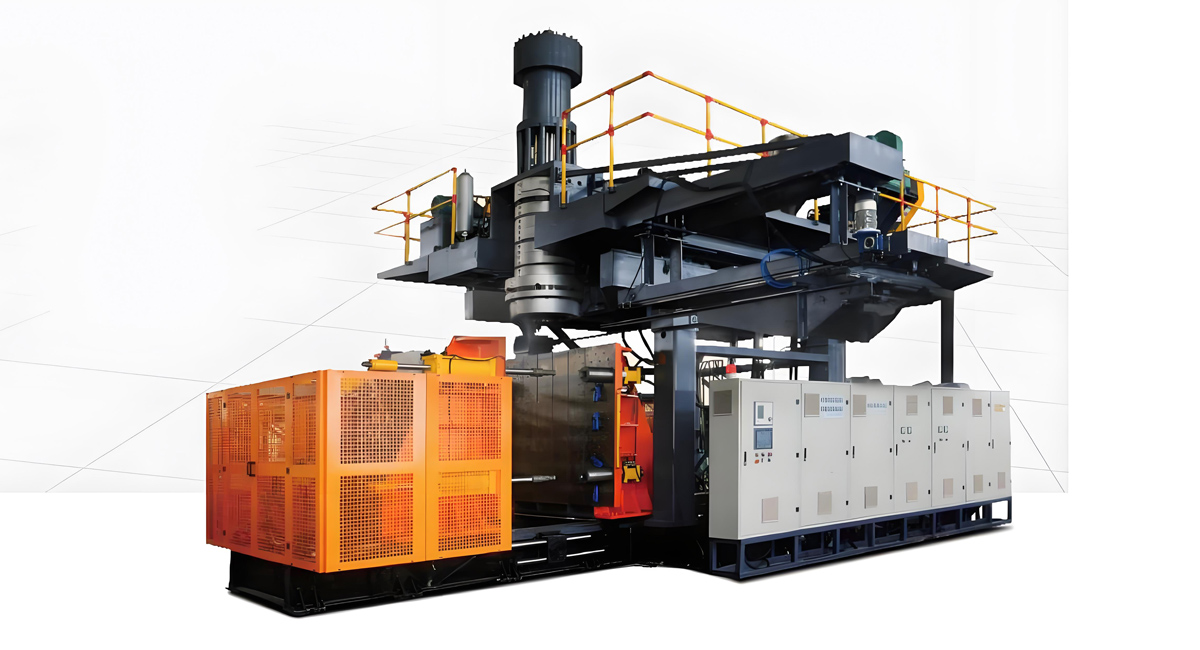
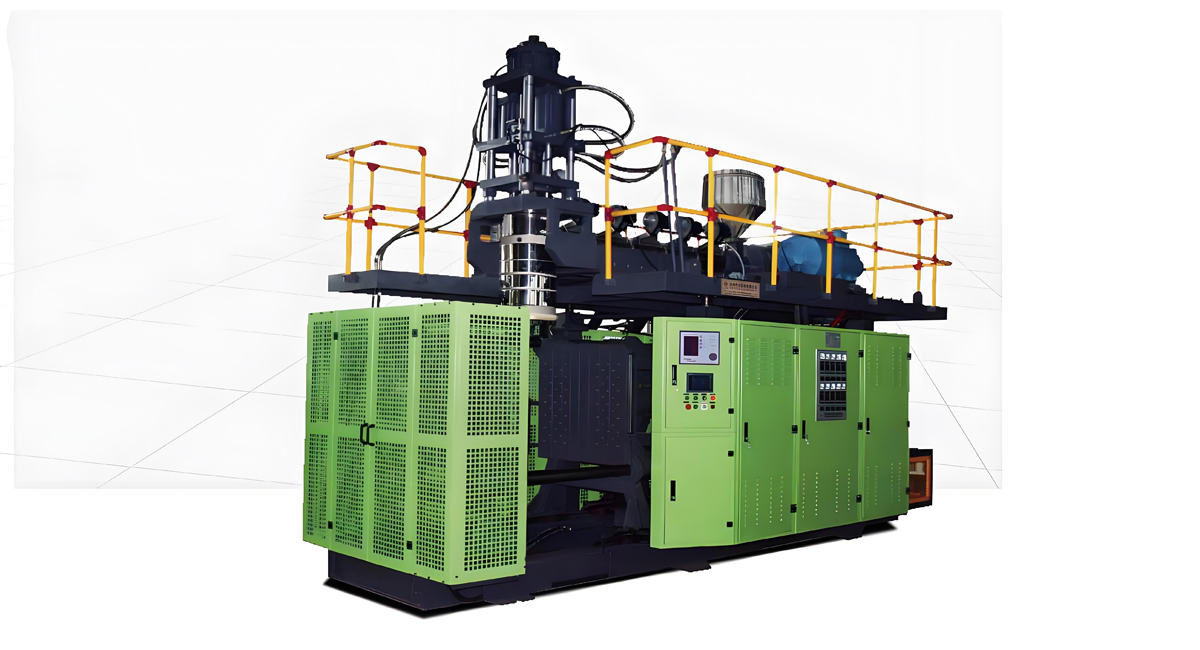
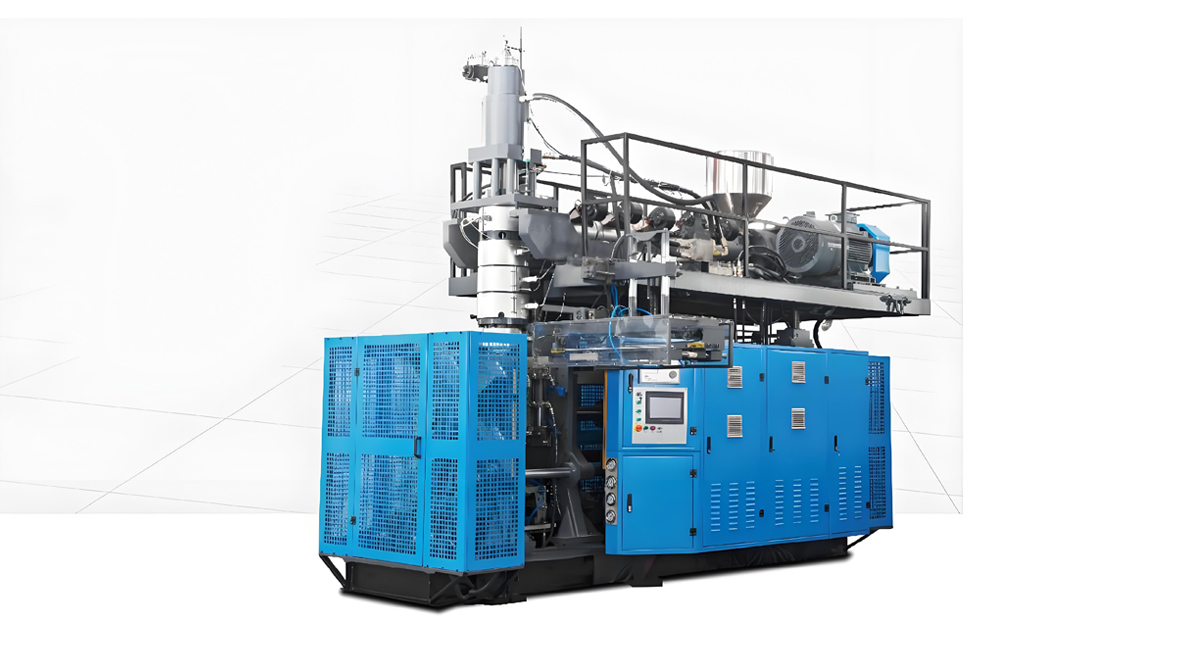
Plastic pipe manufacturing represents a specialized application of extrusion blow molding technology that requires precise control over dimensions, wall thickness, and material properties. Extrusion Blow Molding Machine Custom length pipe production presents unique challenges and opportunities for manufacturers seeking to serve diverse market requirements. Apollo Machinery, with over 20 years of experience and extensive applications across building materials, transportation, and industrial sectors, has developed specialized solutions for plastic pipe production that address the complex requirements of custom length manufacturing.
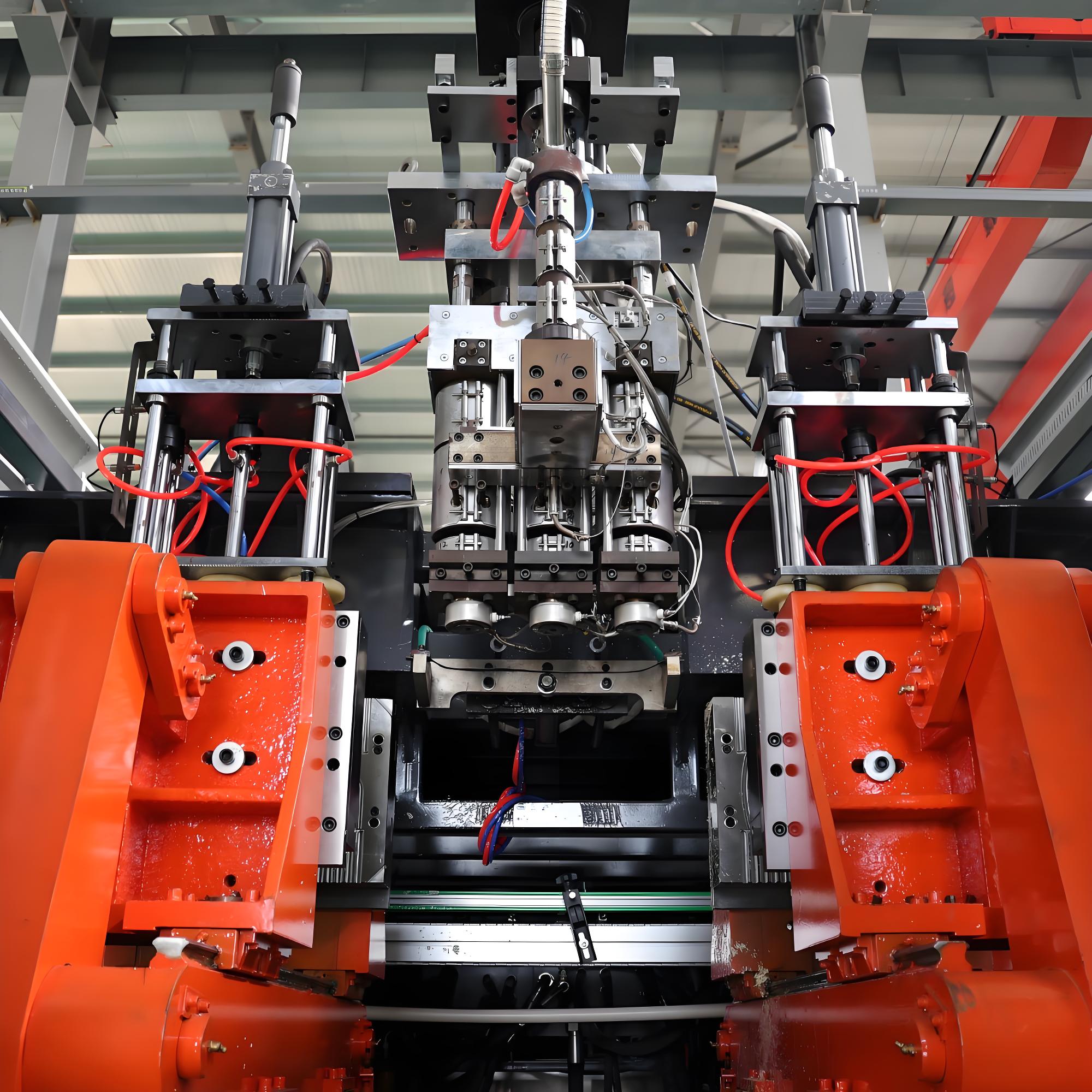
The extrusion blow molding process for plastic pipes involves melting thermoplastic resin, extruding a continuous parison, and then blowing it into pipe molds that form the final shape. Extrusion Blow Molding Machine This technology enables production of pipes ranging from small diameters for irrigation and drainage to large-diameter pipes for industrial applications. The ability to produce pipes in custom lengths provides significant advantages for specific applications where standard pipe lengths create waste, installation challenges, or logistical inefficiencies.
Custom Length Pipe Applications and Benefits
Agricultural and Irrigation Applications
Agricultural applications represent one of the largest markets for custom length plastic pipes. Extrusion Blow Molding MachineIrrigation systems often require pipe lengths that match field dimensions exactly, eliminating cutting waste and reducing installation labor. Standard 6-meter pipe lengths typically require 15-20% cutting waste to match field layouts, while custom-length production can reduce this waste
For a 100-hectare farm requiring 10,000 meters of irrigation pipe, custom-length production can save 1,500-2,000 meters of pipe waste. Extrusion Blow Molding MachineAt $2.50 per meter for HDPE irrigation pipe, this represents $3,750-$5,000 in material savings per project. Additionally, reduced cutting labor and faster installation provide additional economic benefits that justify custom-length production costs.
om-length production costs.
Building and Construction Applications
Building construction projects frequently require custom-length pipes for plumbing, electrical conduit, and HVAC systems. Standard pipe lengths often result in excessive cutting waste and complicated splicing requirements. Custom-length production enables pipes to be manufactured to exact specifications, redu
For a multi-story building project requiring 5,000 meters of conduit piping, custom production matching floor-to-floor dimensions can reduce waste from 15% with standard lengths to 3% with custom lengths. Extrusion Blow Molding MachineThis saves 600 meters of material, representing $900-1,200 in material cost savings at $1.50-2.00 per meter. The faster installation process and reduced splicing requirements provide additional project timeline benefits.
requirements provide additional project timeline benefits.
Equipment Selection for
Selecting appropriate equipment is fundamental to successful custom length pipe production. Extrusion Blow Molding MachineApollo’s machine series includes ABLB (200ML-20L) for smaller diameter pipes and ABLD series (20L-1500L) for larger diameter applications. For pipe production, the ABLD series typically serves most applications, with capacity ranging from 50mm to 500mm diameter pipes depending on mol
Equipment investment for custom length pipe production varies significantly based on capacity and sophistication. Extrusion Blow Molding MachineBasic pipe production machines start at $80,000-120,000 for smaller capacity units, while large-diameter pipe machines can exceed $300,000. When evaluating equipment investments, consider not only purchase price but also ongoing operating costs, maintenance requirements, and production flexibility for different pipe sizes and materials.
so ongoing operating costs, maintenance requirements, and production flexibility for different pipe sizes and materials.
Material Compatibility and Processing
Plastic pipe production requires materials with specific properties for pressure resistance, chemical compatibility, and environmental durability. Common pipe materials include HDPE (high-density polyethylene), PVC (polyvinyl chloride), PP (polypropylene), and specialized m
Material selection significantly impacts production costs and pipe performance. Extrusion Blow Molding MachineHDPE pipe material costs range from $1.80-2.50 per kilogram, while PVC ranges from $2.00-3.00 per kilogram. For a 100mm diameter pipe with 10mm wall thickness, material consumption is approximately 3.5 kilograms per meter, resulting in $6.30-10.50 per meter in material costs depending on resin type and market conditions.
nsumption is approximately 3.5 kilograms per meter, resulting in $6.30-1
Custom length pipe production requires specialized mold design that enables length variations without excessive mold change time. Extrusion Blow Molding MachineAdjustable length molds, modular mold sections, and quick-change mold systems enable efficient production of various pipe lengths from the same basic equipment. Investment in flexible mold systems typically ranges from $15,000-40,000 depending on pipe diameter range and length variation requirements.
pe lengths from the same basic equipment. Investment in flexible mold systems typically ranges from $15,000-40,000 depending on pipe diameter range and length variation requirements.
For a production facility serving multiple market segments requiring pipe lengths from 2 to 12 meters, an adjustable mold system costing $25,000 eliminates the need for multiple fixed-length molds costing $10,000-15,000 each. This investment is recovered within 1-2 years through reduced mold inventory costs, faster changeover times, and increased production flexibility.
Cutting and Finishing Systems
Accurate cutting and finishing systems are essential for producing custom length pipes within tight tolerances. Automated cutting systems, deburring equipment, and quality inspection stations ensure pipes meet customer specifications. Cutting system investment typically ranges from $8,000-25,000 depending on automation level and pipe diameter capabilities.
Precision cutting reduces tolerance from ±5mm with manual cutting to ±2mm with automated systems, reducing customer returns and rework costs. For a facility producing 50,000 meters of pipe annually with 2% rework due to cutting tolerance issues, automated cutting can save 1,000 meters of rework annually, representing $2,000-5,000 in cost savings at $2-5 per meter rework cost.
Production Cost Analysis
Equipment Investment Costs
Complete custom length pipe production requires investment in multiple system components. A typical production line including extrusion blow molding machine ($120,000), mold system ($25,000), cutting system ($15,000), material handling ($10,00
Financing terms significantly impact cash flow and return on investment calculations. Extrusion Blow Molding MachineEquipment leasing options typically require 20-30% down payment with monthly payments of 1.5-2.5% of purchase price. For a $178,000 investment with 25% down payment, monthly payments would be approximately $2,225-3,715 over a 5-year term, affecting cash flow and ROI timing.
nt with monthly
Operational costs for custom length pipe production include electricity, labor, maintenance, and overhead. Extrusion Blow Molding MachineA typical production line consumes 25-40 kW of electricity per hour, costing $3.00-4.80 hourly at $0.12 per kilowatt-hour. Labor requirements for automated production typically include 2-3 operators per shift, with labor costs varying by region but averaging $15-25 per hour per operator.
of electricity per hour, costing $3.00-4.80 hourly at $0.12 per kilowatt-hour. Labor requirements for automated production typically include 2-3 operators per shift, with labor costs varying by region but averaging $15-25 per hour per operator.
Annual operational costs for a 2,000-hour production year might include electricity ($6,000-9,600), labor ($90,000-150,000), maintenance ($8,900-17,800 represen
Production throughput varies significantly based on pipe diameter, wall thickness, and length complexity. Extrusion Blow Molding MachineSmaller diameter pipes (50-100mm) typically achieve production rates of 50-100 meters per hour, while larger diameter pipes (200-400mm) may only achieve 15-30 meters per hour. Optimizing production schedules to match pipe size requirements with appropriate equipment settings maximizes overall fac
Production capacity utilization significantly impacts unit costs. Extrusion Blow Molding MachineA facility operating at 60% capacity might incur $8-12 per meter in total costs, while the same facility operating at 90% capacity might achieve $5-8 per meter in costs due to better allocation of fixed costs. Maximizing capacity utilization through effective scheduling and customer mix management is essential for profitability.
60% capacity might incur $8-12 per meter in total costs, while the same facility operating at 90% capacity might achieve $5-8 per meter in costs due to better allocation of fixed costs. Maximizing capacity utilization through effective scheduling and customer mix management is essential for profitability.
Changeover Efficiency
Custom length production frequently involves changeovers between different pipe diameters, wall thicknesses, and materials. Efficient changeover processes minimize production downtime. Quick-change mold systems, pre-staged materials, and standardized procedures can reduce changeover times from 4-6 hours to 1-2 hours.
For a facility experiencing 20 changeovers monthly, reducing changeover time from 5 to 1.5 hours saves 70 production hours monthly. At 30 meters per hour average production, this represents 2,100 additional meters of production monthly, generating $4,200-10,500 in additional revenue at $2-5 per meter, significantly improving profitability.
Quality Control and Standards
Dimensional Accuracy Requirements
Pipe applications typically r
Investment in quality measurement equipment typically ranges from $12,000-35,000 depending on capabilities and automation level. Extrusion Blow Molding MachineThis investment prevents quality failures that could result in customer claims, project delays, and reputational damage. For a production facility generating $1 million in annual revenue, preventing just 1% of product failures saves $10,000 annually, justifying quality investment within 1-3 years.
on capabilities and automation level. This investment prevents quality failures that could result in customer claims, project delays, and reputational damage. For a production facility generating $1 million in annual revenue, preventing just 1% of product failures saves $10,000 annually, justifying quality investment within 1-3 years.
Testing and Certification
Pipe applications often require testing and certification for pressure ratings, chemical resistance, and environmental durability. In-house testing capabilities for pressure testing, material analysis, and environmental aging provide quality assurance while reducing external testing costs. Testing equipment investment ranges from $8,000-25,000 depending on test types and capabilities.
Certification costs vary by application but typically range from $2,000-10,000 for pipe pressure rating certification alone. For facilities serving multiple market segments with different certification requirements, in-house testing capabilities can reduce ongoing certification costs by 30-50% while enabling faster product development and market entry.
Market Analysis and Pricing Strategy
Market SegmentationAgricultural irrigation markets typically order in volumes of 500-5,000 meters per order with high price sensitivity, requiring production costs of $3-6 per meter to be competitive at $5-9 per meter pricing. Extrusion Blow Molding MachineBuilding construction markets order in 100-2,000 meter batches with moderate price sensitivity, supporting $7-12 per meter pricing with production costs of $4-8 per meter. Industrial applications often require small, specialized orders enabling premium pricing of $15-30 per meter.uiring p
Custom length pipes provide value beyond material cost savings through reduced installation labor, fewer joints and connections, and project-specific optimization. Extrusion Blow Molding MachineValue-based pricing strategies capture some of this value rather than competing solely on material cost. For example, a custom-length pipe saving 20% in installation labor might justify pricing that is 10-15% higher than standard length pipes.
ength pipes provide value beyond material cost savings through reduced installation labor, fewer joints and connections, and project-specific optimization. Value-based pricing strategies capture some of this value rather than competing solely on material cost. For example, a custom-length pipe saving 20% in installation labor might justify pricing that is 10-15% higher than standard length pipes.
Value-based pricing analysis should quantify customer benefits including material waste reduction ($2-5 per meter typical), labor savings ($3-8 per meter), reduced joint complexity ($1-3 per meter), and project timeline acceleration ($2-4 per meter). Total value of $8-20 per meter enables pricing at 50-150% above standard pipe prices while still delivering net customer savings.
Material Optimization and Sustainability
Materia
For a 100mm diameter pipe with 10mm nominal wall thickness, material consumption is 3.5 kilograms per meter. A 10% optimization reduces this to 3.15 kilograms per meter, saving 0.35 kilograms per meter Extrusion Blow Molding Machine. At $2.00 per kilogram for HDPE, this saves $0.70 per meter in material costs. For a facility producing 500,000 meters annually, this represents $350,000 in material cost savings.
all performance specifications.
For a 100mm diameter pipe with 10mm nominal wall thickness, material consumption is 3.5 kilograms per meter. A 10% optimization reduces this to 3.15 kilograms per meter, saving 0.35 kilograms per meter. At $2.00 per kilogram for HDPE, this saves $0.70 per meter in material costs. For a facility producing 500,000 meters annually, this represents $350,000 in
A 30% recycled content blend reduces material costs by approximately 6-12% (accounting for blending costs and potential throughput impacts). Extrusion Blow Molding MachineFor a facility using 2,000 tons of material annually, this represents $48,000-96,000 in annual cost savings at $2,400-4,800 per ton material cost. Environmental benefits and sustainability marketing opportunities provide additional value beyond direct cost savings.
quiring blending with virgin material.
A 30% recyc
Automation systems including automated material loading, pipe handling, and quality inspection reduce labor requirements while improving consistency and throughput. Extrusion Blow Molding MachineAutomated material loading systems cost $8,000-20,000 and eliminate manual labor while maintaining consistent material supply. Pipe handling automation for cutting and stacking systems costs $15,000-35,000 and reduces physical labor while improving safety.
nology Integration
Production Automation
Automation systems including automated material loading, pipe handling, and quality inspection reduce labor requirements while improving consistency and throughput. Automated material loading systems cost $8,000-20,000 and eliminate manual labor while maintaining consistent material supply. Pipe handling automation for cutting and stacking systems costs $15,000-35,000 and reduces physical labor while improving safety.
For a 3-operator production line where each operator costs $20 hourly, automation that reduces labor to 2 operators saves $20 hourly or $40,000 annually assuming 2,000 production hours. Automation investm
Real-time monitoring typically reduces scrap rates by 30-50% through early detection of process deviations. Extrusion Blow Molding MachineFor a facility with 3% scrap rate producing 500,000 meters annually, reducing scrap to 1.5% saves 7,500 meters of material. At $4 per meter total production cost, this saves $30,000 annually, justifying monitoring investment within 6-12 months.
rement systems enhance process control while reducing scrap. Digital monitoring investment typically ranges from $10,000-30,000 depending on capabilities.
Real-time monitoring typically reduces scrap rates by 30-50% through early detection of process deviations. For a facility with 3% scrap rate producing 500,000 meters annually, reducing scrap to 1.5% saves 7,500 meters of material. At $4 per meter total production cost, this saves $30,000 annually, justifying monitoring investment within 6-12 months.
Supply Chain and Logistics
Material Procurement Strategies
Material procurement significantly impacts production costs and consistency. Long-term supply agreements with resin suppliers provide price stability and assured supply during market fluctuations. Bulk purchasing and strategic inventory management reduce material costs while ensuring production continuity.
Annual material contracts typically provide 5-15% pricing discounts compared to spot market purchases while locking in supply. For a facility consuming 2,000 tons of HDPE annually at $2,400 per ton spot price, a 10% contract discount saves $480,000 annually. This price certainty also enables more accurate pricing and margin management.
Inventory and Distribution
Custom length pipe production enables just-in-time inventory strategies that reduce storage costs and inventory carrying expenses. However, managing order complexity and production scheduling becomes critical. Advanced scheduling software costing $5,000-15,000 optimizes production sequences and reduces changeover time.
Inventory carrying costs typically represent 15-25% of inventory value annually. Custom production reducing average inventory from 50,000 meters to 20,000 meters saves carrying costs on 30,000 meters. At $6 per meter value, this saves $10,800-18,000 annually in carrying costs while improving cash flow and reducing storage requirements.
Regulatory Compliance and Standards
Industry Standards and Certifications
Pipe applications require compliance with various industry standards including ASTM, ISO, and regional specifications. Maintaining multiple certifications enables market access but requires ongoing investment in testing, documentation, and quality systems. Annual certification costs typically range from $5,000-25,000 depending on certification scope and frequency.
However, certification requirements create market entry barriers that protect certified producers from low-cost competitors. For a facility serving construction markets requiring ASTM certification, certification costs of $15,000 annually are easily recovered through premium pricing and market exclusivity that would be unavailable without proper certification.
Environmental and Safety Compliance
Environmental regulations regarding plastic production, waste management, and worker safety require compliance investments. Proper ventilation, waste handling systems, and safety equipment represent necessary operational costs. Environmental compliance investments typically range from $20,000-50,000 depending on facility size and regional requirements.
Compliance prevents regulatory fines and potential shutdowns that could cost significantly more than compliance investments. Proper environmental management also enhances company reputation and customer relationships, particularly in environmentally conscious market segments.
The company achieved material waste reduction from 18% to 4%, saving $7 per meter on material costs. Selling custom-length pipes at $8 per meter versus $6 per meter for standard pipes provided 33% pricing premium Extrusion Blow Molding Machine. Annual production of 200,000 meters generated $1.6 million in revenue with 25% gross margins. The investment was recovered in 18 months through combined material savings and premium pricing.
usion blow molding machine ($150,000), adjustable mold system ($30,000), cutting system ($15,000), and auxiliary equipment ($55,000).
The company achieved material waste reduction from 18% to 4%, saving $7 per meter on material costs. Selling custom-length pipes at $8 per meter versus $6 per meter for standard pipes provided
Contractors valued the time savings and reduced complexity, accepting premium pricing of 25% over standard conduit. Extrusion Blow Molding MachineThe manufacturer secured long-term supply agreements with three major construction firms, guaranteeing 300,000 meters of annual production. At $4 per meter average price with 20% margins, the business generates $1.2 million in annual revenue with $240,000 in gross margin, justifying the investment within 14 months.
tom conduit lengths matching building specifications exactly, eliminating cutting waste and reducing installation labor for contractors.
Contractors valued the time savings and reduced complexity, accepting premium pricing of 25% over standard conduit. The manufacturer secured long-term supply agreements with three major construction firms, guaranteeing 300,000 meters of annual production. At $4 per meter average price with 20% margins, the business generates $1.2 million in annual revenue with $240,000 in gross margin, justifying the investment within 14 months.
Future Trends and Market Opportunities
Smart Pipe Technology
Emerging smart pipe technologies incorporating sensors for flow monitoring, leak detection, and condition monitoring represent growing market opportunities. These technologies enable value-added services and premium pricing while requiring additional production capabilities. Sensor integration investment typically adds $2-5 per meter to production costs but enables $10-20 per meter premium pricing.
As smart infrastructure adoption increases, manufacturers developing smart pipe capabilities position themselves for future market growth. The technical capabilities developed for custom length pipe production provide a foundation for adding smart pipe features as market demand develops.
Sustainable Material Development
Advanced sustainable materials including bio-based resins, enhanced recycled content, and biodegradable alternatives are gaining market acceptance. Manufacturers developing capabilities with these materials early can establish market leadership as environmental regulations become more stringent. Processing sustainable materials may require equipment modifications and additional process development investment.
However, first-movers in sustainable pipe technologies often secure long-term supply agreements and premium pricing that justify early investment. Environmental sustainability also aligns with ESG goals of major construction and infrastructure companies, creating additional customer alignment beyond pure cost considerations.
Conclusion and Strategic Recommendations
Custom length plastic pipe production using extrusion blow molding technology provides significant competitive advantages in markets where standard pipe lengths create inefficiencies. The ability to produce pipes to exact customer specifications enables material waste reduction, installati
Successful implementation requires careful market analysis, equipment selection, and production optimization. Focus on high-value market segments where custom length provides significant customer value. Extrusion Blow Molding MachineInvest in flexible production capabilities that enable serving multiple market segments. Implement quality systems and certifications that enable access to regulated markets. Finally, develop material optimization and sustainability strategies that reduce costs while aligning with evolving market requirements.
pport capabilities essential for successful custom length pipe production operations.
Successful implementation requires careful market analysis, equipment selection, and production optimization. Focus on high-value market segments where custom length provides significant customer value. Invest in flexible production capabilities that enable serving multiple market segments. Implement quality systems and certifications that enable access to regulated markets. Finally, develop material optimization and sustainability strategies that reduce costs while aligning with evolving market requirements.