Introduction
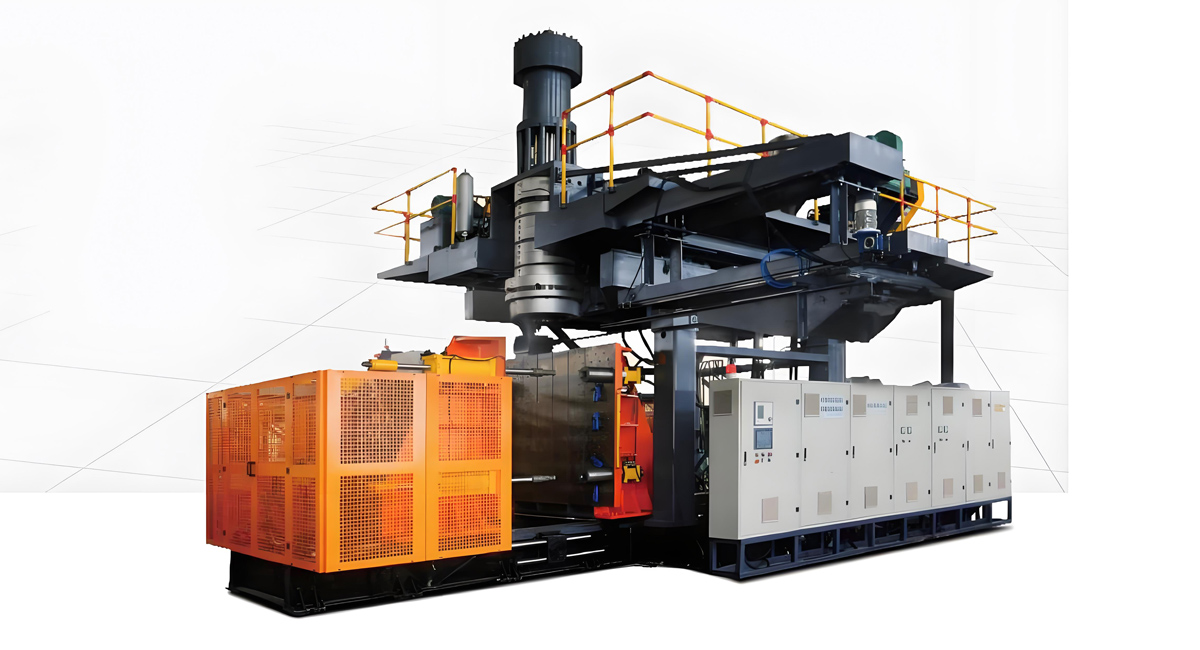
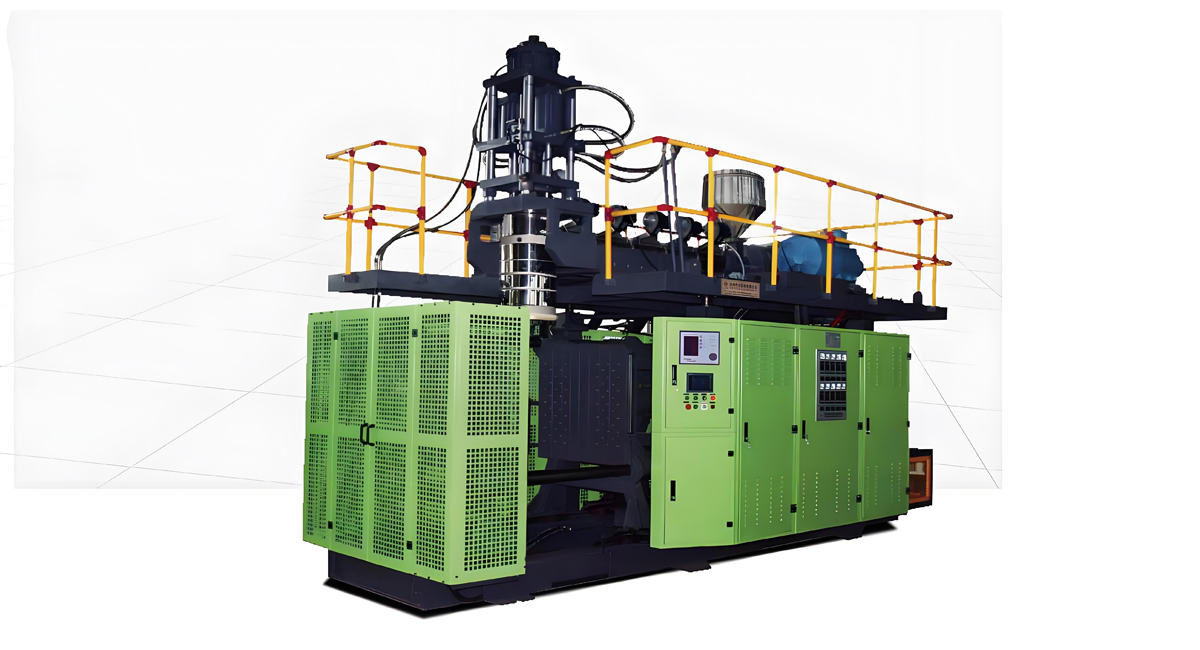
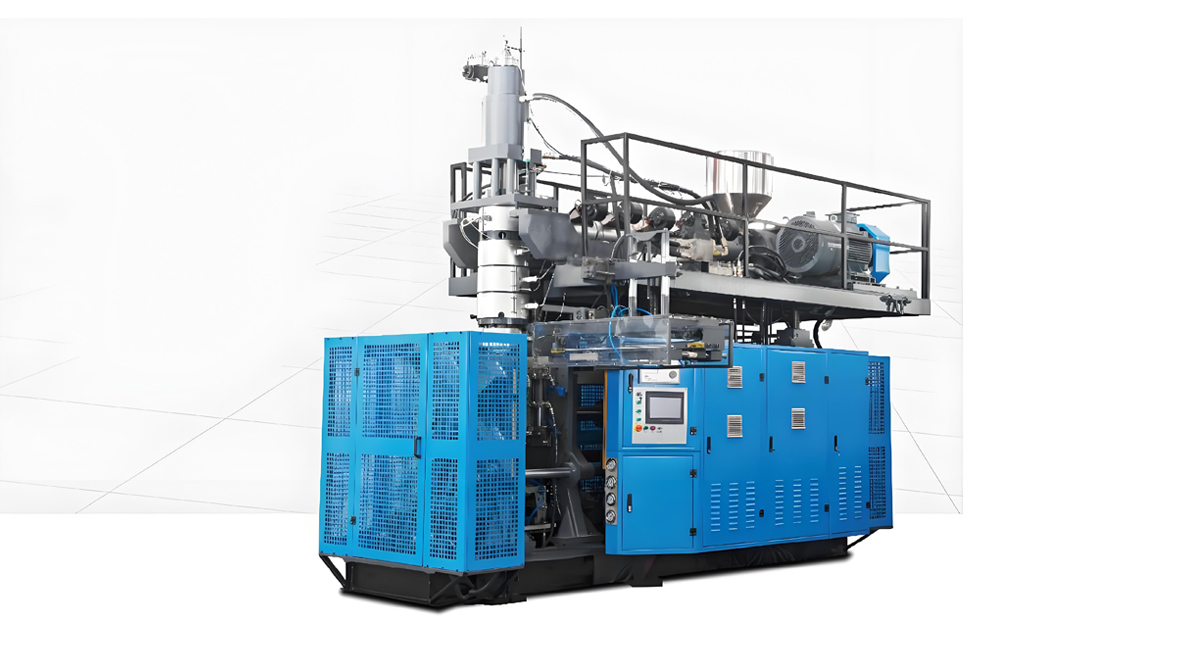
Effective maintenance of extrusion blow molding machines represents critical factor ensuring optimal performance, production consistency, and long equipment life. Apollo Machinery (www.apollo-china.com), with over 20 years experience and 4,000+ machines operating globally, has developed comprehensive maintenance protocols maximizing machine uptime and reducing total cost of ownership. Proper maintenance reduces unplanned downtime by 40-60%, extends equipment lifespan by 30-50%, and maintains product quality consistency throughout machine lifecycle. Investment in preventive maintenance typically yields 300-500% return through reduced downtime, lower repair costs, and consistent product quality.
Maintenance requirements vary substantially based on machine utilization intensity, operating environment, material types processed, and production volume. High-usage facilities operating 24/7 require more frequent maintenance intervals compared to single-shift operations. Apollo Machinery provides customized maintenance schedules based on specific operating conditions and machine utilization patterns. However, comprehensive baseline maintenance schedule applies to all Apollo extrusion blow molding machines regardless of specific operating conditions. This checklist provides complete framework for implementing preventive maintenance program ensuring optimal machine performance.
Proactive maintenance approach focuses on identifying and addressing potential issues before failure occurs, rather than reactive approach responding to breakdown events. Reactive maintenance typically costs 3-5 times more than preventive maintenance due to emergency service requirements, rush parts procurement, and production losses. Apollo recommended maintenance intervals balance preventive maintenance frequency against maintenance cost, providing optimal return on maintenance investment. Following this complete checklist enables maintenance teams to systematically address all critical machine components ensuring reliable operation and consistent product quality.
Daily Maintenance Procedures
Daily maintenance procedures represent foundation of preventive maintenance program, addressing routine inspection and lubrication requirements ensuring safe operation and identifying emerging issues early. Daily maintenance typically requires 15-30 minutes per machine performed by machine operators or maintenance personnel before shift start or during scheduled downtime.
Visual Inspection and Leak Detection
Comprehensive visual inspection provides initial assessment of machine condition and identifies visible issues requiring attention. Daily visual inspection should cover all major machine components and systems.
Hydraulic system inspection involves checking for oil leaks around pump, valves, actuators, and hoses. Minor leaks left unaddressed develop into major failures causing production downtime and oil contamination. Apollo recommends documenting any observed leaks for repair scheduling. Inspect oil level sight glass to verify hydraulic oil level remains between minimum and maximum marks. Oil level decreasing between scheduled oil changes indicates potential leak requiring investigation. Check hydraulic oil condition through sight glass observation. Clear amber color indicates healthy oil condition. Cloudy, dark, or foaming oil indicates contamination requiring oil analysis and potential oil change. Hydraulic oil temperature should stabilize at normal operating temperature (40-55 C) during operation. Elevated operating temperatures indicate cooling system issues or excessive wear.
Lubrication system inspection includes checking automatic lubrication system indicators verifying grease flow to all lubrication points. Manual lubrication points require visual check of grease nipples ensuring cleanliness and accessibility. Check lubrication reservoir level maintaining minimum level ensuring continuous lubrication supply. Document any lubrication points requiring attention or showing signs of inadequate lubrication (rust, discoloration, excessive wear). Apollo ABLB and ABLD series machines feature automatic lubrication systems providing continuous lubrication to critical points. Verify system operation through indicator lights or flow meters.
Air system inspection involves checking for air leaks around pneumatic actuators, valves, and connections. Listen for hissing sounds indicating air leaks, particularly around cylinder seals and valve connections. Air leaks increase operating costs and reduce actuator response speed. Check air pressure gauges verifying system pressure maintains specified set point (typically 6-8 bar). Inspect air filters for contamination and drain water from air treatment system separator. Moisture in pneumatic systems causes component damage and inconsistent operation. Apollo recommends checking air dryer operation ensuring proper moisture removal preventing condensation in air lines.
Electrical system visual inspection involves checking control cabinet door for security ensuring electrical enclosures remain closed. Inspect cable conduits and wireways for damage or loose connections. Note any unusual sounds, smells, or heat from electrical components indicating potential issues. Verify emergency stop buttons function properly by testing each e-stop. Emergency stop functionality represents critical safety system requiring daily verification. Document any observed electrical abnormalities for investigation by qualified personnel.
Mold and Tooling Inspection
Mold and tooling inspection ensures product quality and prevents damage from worn or damaged tooling components. Daily mold inspection typically performed during production monitoring activities.
Mold surfaces inspection involves visually examining mold cavity and core surfaces for damage, wear, or contamination. Look for scratches, nicks, or gouges on mold surfaces affecting product finish and causing quality issues. Check for plastic residue or material buildup on mold surfaces requiring cleaning. Worn mold surfaces produce inconsistent product dimensions and poor surface finish. Document mold condition issues for scheduling mold maintenance or replacement. Apollo mold maintenance services include mold reconditioning and surface treatment extending mold life.
Mold temperature monitoring involves verifying mold surface temperature using infrared thermometer or built-in temperature sensors. Mold temperature significantly affects product quality including wall thickness distribution, surface finish, and dimensional stability. Verify actual mold temperature matches process setpoint within plus or minus 3 C. Significant temperature variations indicate cooling system issues or inadequate cooling flow. Apollo machines feature closed-loop temperature control ensuring consistent mold temperature. Monitor temperature trends identifying emerging cooling system issues before they affect product quality.
Mold alignment and closure verification involves checking proper mold alignment during closure cycle. Misaligned molds cause excessive wear, product flash, and inconsistent product dimensions. Listen for unusual sounds during mold closure indicating binding or misalignment. Verify mold locks properly without excessive force required. Observe mold closure consistency across multiple cycles. Apollo machines feature precision mold alignment systems minimizing wear and ensuring consistent closure. Document any mold closure issues for immediate attention to prevent mold damage.
Mold cooling system inspection involves checking cooling water flow and temperature. Verify cooling water flow meters indicate proper flow rate for each mold cooling zone. Inadequate cooling flow causes poor heat transfer affecting product quality and cycle time. Check cooling water inlet and outlet temperatures. Temperature differential typically 5-10 C indicates adequate cooling flow. Insufficient differential indicates inadequate cooling flow or fouling. Listen for water flow sounds in cooling lines ensuring all zones receiving water. Apollo recommends cleaning cooling channels annually to remove scale buildup reducing cooling efficiency.
Material and Extruder Inspection
Material and extruder inspection ensures material processing consistency and identifies emerging issues with extruder components before they cause production problems.
Material hopper inspection involves checking hopper for contamination, bridging, or empty hopper condition. Hopper contamination causes material inclusions and product defects. Look for foreign material or moisture in hopper requiring cleaning. Verify hopper level indicating sufficient material supply preventing production interruptions. Inspect hopper walls for material buildup requiring cleaning. Material bridging prevents consistent feeding causing inconsistent production. Apollo hoppers feature agitators preventing bridging and ensuring consistent material flow.
Feed throat temperature monitoring involves verifying feed throat temperature remains within specified range. Feed throat temperature too low causes moisture condensation and material bridging. Feed throat temperature too high causes material softening and feeding issues. Typical feed throat temperature setting 50-80 C depending on material. Monitor feed throat temperature for consistency. Significant temperature variations indicate heating system issues or inadequate cooling. Apollo machines feature precise temperature control ensuring consistent feed throat conditions.
Extruder motor current monitoring involves monitoring amperage draw of main extruder motor indicating extruder loading condition. Normal amperage should remain stable within 10-15% of nominal rating. Increasing amperage indicates increasing extruder loading possibly due to screw wear, barrel wear, or material changes. Decreasing amperage indicates reduced loading possibly due to feeding issues or screw degradation. Document amperage trends to identify emerging issues before they cause production problems. Apollo extruder drives feature current monitoring enabling predictive maintenance.
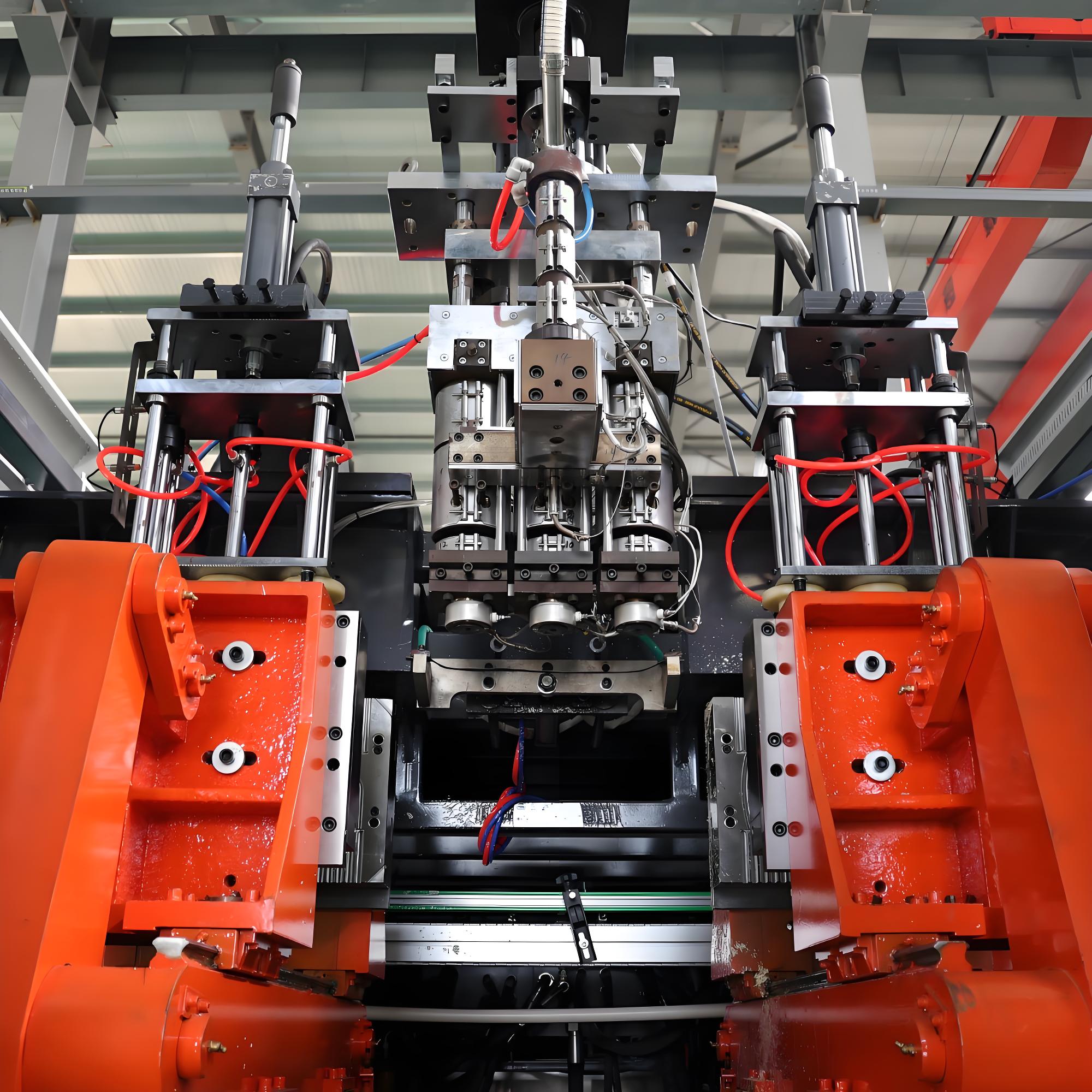
Parison inspection involves visual examination of parison quality during extrusion cycle. Look for surging, uneven wall thickness, bubbles, or discoloration indicating extruder issues. Parison surging indicates screw wear or barrel/screw clearance issues. Uneven wall thickness indicates die head wear or control system issues. Bubbles indicate material moisture or contamination. Discoloration indicates material degradation or overheating. Document parison quality observations for troubleshooting. Apollo die heads feature wall thickness control systems ensuring consistent parison quality.
Weekly Maintenance Procedures
Weekly maintenance procedures provide more detailed inspection and maintenance beyond daily routines, addressing components requiring periodic attention. Weekly maintenance typically requires 1-2 hours per machine performed by maintenance personnel during scheduled downtime.
Lubrication System Maintenance
Comprehensive lubrication system maintenance ensures proper lubrication of all moving components preventing premature wear and ensuring smooth operation.
Lubrication reservoir inspection and refilling involves checking automatic lubrication system reservoir level and refilling as required. Use manufacturer-specified grease type ensuring compatibility with system components. Apollo recommends lithium-based grease NLGI Grade 2 for most applications. Fill reservoir to maximum level ensuring adequate supply until next scheduled maintenance. Record lubricant type, amount, and date for maintenance tracking. Inconsistent lubrication type mixing causes grease degradation and lubrication failure.
Lubrication point inspection involves checking all manual and automatic lubrication points for proper lubrication evidence. Automatic lubrication points should show fresh grease evidence at lubrication nipples or indicators. Manual lubrication points require inspection of nipples for damage or blockage. Clean any contaminated lubrication points ensuring proper lubricant delivery. Replace damaged nipples or fittings preventing lubrication loss. Apollo machines feature lubrication point maps identifying all lubrication points requiring maintenance.
Lubrication system purge and cleaning involves purging lubrication system lines to remove old grease and contaminants every 6-12 months depending on operating conditions. Purge system by running lubrication pump while monitoring grease discharge from lubrication points until fresh grease emerges. System cleaning prevents contaminant buildup and ensures proper lubricant delivery. For heavily contaminated systems, consider complete lubrication system flush and refill. Apollo recommends annual lubrication system cleaning for high-usage machines operating 24/7.
Grease gun inspection and maintenance involves checking grease gun condition and function. Ensure grease gun delivers consistent grease volume without air introduction. Check grease gun seals and O-rings for damage preventing air contamination. Air contamination causes lubrication failure and component wear. Clean grease gun exterior and fittings preventing contaminant introduction during lubrication. Replace worn seals or damaged grease guns ensuring reliable lubricant delivery.
Air and Hydraulic System Inspection
Air and hydraulic system inspection addresses components requiring periodic attention beyond daily visual inspection, ensuring proper system operation and identifying developing issues.
Air filter inspection and cleaning involves checking air intake filters for contamination buildup. Dirty filters reduce air flow causing system performance issues and compressor overheating. Clean or replace filters according to manufacturer recommendations or when differential pressure indicator indicates restriction. Apollo recommends monthly filter inspection for high-usage environments. Use compressed air to clean filter elements taking care not to damage filter media. Replace damaged filters maintaining proper air quality.
Air dryer inspection involves checking air dryer operation and condensate drainage. Verify desiccant material (if adsorption dryer) retains blue color indicating effective moisture removal. Pink or saturated desiccant indicates dryer regeneration cycle issues requiring service. Check condensate drains for proper operation ensuring water removal from compressed air system. Water in pneumatic systems causes component damage and inconsistent operation. Apollo air dryers feature automatic drains and regeneration ensuring consistent air quality.
Hydraulic filter inspection involves checking hydraulic filters for contamination. Check filter condition indicators or differential pressure gauges indicating filter restriction. Standard hydraulic filter change interval typically 1,000-2,000 operating hours depending on operating conditions and oil contamination level. Apollo recommends hydraulic oil analysis every 6 months determining appropriate filter change intervals based on actual oil condition. Clean hydraulic oil with proper filtration extends component life and reduces maintenance costs.
Hydraulic oil sample collection involves collecting representative hydraulic oil sample for analysis. Oil analysis identifies contamination levels, wear metal content, and oil degradation enabling predictive maintenance. Collect sample from active oil line or reservoir drain using clean sampling container avoiding contamination. Send sample to qualified oil analysis laboratory for comprehensive testing. Apollo recommends quarterly oil analysis for critical machines or annually for standard applications. Oil analysis results guide maintenance decisions including oil change intervals and component repair scheduling.
Electrical System Maintenance
Electrical system maintenance ensures reliable operation and prevents electrical failures causing downtime. Electrical maintenance should only be performed by qualified personnel following proper lockout/tagout procedures.
Control panel inspection involves checking control panel interior for loose connections, heat damage, or contamination. Verify all terminal connections remain tight with no signs of arcing or discoloration. Loose connections cause voltage drops, heat generation, and potential component failure. Check for dust or moisture accumulation requiring cleaning. Use vacuum and soft brush to clean panel components avoiding damage to sensitive electronics. Document any connection issues requiring repair. Apollo control panels feature connection torque specifications ensuring proper terminal tightness.
Electrical cabinet ventilation inspection involves checking cooling fans and ventilation openings for proper operation. Blocked ventilation causes electronic component overheating leading to failure. Clean ventilation openings removing dust and debris buildup. Verify cooling fans operate smoothly without unusual sounds or vibration. Check fan guards ensuring proper air flow. Apollo electrical cabinets feature temperature-controlled ventilation ensuring component reliability.
Grounding system verification involves checking equipment ground connections for security and continuity. Proper grounding represents critical safety requirement preventing electrical shock and equipment damage. Verify ground connections at main ground lug, control cabinet ground bus, and machine frame ground points. Measure ground resistance verifying connection integrity. Apollo requires ground resistance less than 5 ohms for safe operation. Document ground connection condition for maintenance records.
Emergency stop and safety device testing involves comprehensive testing of all emergency stop buttons, safety gates, light curtains, and other safety devices. Test each safety device function verifying proper machine response. Verify all emergency stops halt machine motion and prevent restart until reset. Check safety gate interlocks ensuring machine operation only with gates properly closed. Apollo machines feature comprehensive safety systems requiring regular testing ensuring operator protection. Document all safety device test results ensuring proper function.
Monthly Maintenance Procedures
Monthly maintenance procedures provide detailed inspection and preventive maintenance of components requiring monthly attention. Monthly maintenance typically requires 3-5 hours per machine performed by maintenance personnel.
Extruder and Die Head Maintenance
Extruder and die head maintenance addresses components directly affecting product quality and production efficiency requiring periodic attention to maintain optimal performance.
Screw and barrel inspection involves checking screw and barrel condition for wear and damage. Remove screw for inspection measuring diameter along screw length comparing to specifications. Wear clearance exceeding 0.5mm indicates screw and barrel replacement requirement. Measure screw pitch and flight dimensions checking for excessive wear or damage. Inspect barrel interior for scarring, washout, or plating damage. Apollo provides screw and barrel measurement specifications and replacement recommendations based on actual wear measurements. Screw and barrel inspection typically required every 3-6 months depending on operating hours and material abrasiveness.
Die head disassembly and cleaning involves removing die head for thorough cleaning and inspection. Remove accumulated material buildup from die components and flow channels. Inspect die lip condition checking for nicks, burrs, or wear affecting parison quality. Check mandrel condition ensuring concentricity with die body. Inspect spider legs and supports for wear or damage. Clean all components removing material residues and contaminants. Apollo die head cleaning kits provide necessary tools for proper die maintenance. Die head cleaning frequency depends on material type and production requirements, typically monthly for abrasive materials or quarterly for standard materials.
Wall thickness control system calibration involves verifying and adjusting wall thickness control system sensors and actuators. Calibrate distance sensors measuring parison wall thickness using known reference standards. Verify actuators responsive to control signals without binding or delay. Check control system software settings ensuring proper gain and response parameters. Apollo wall thickness control systems feature automated calibration routines reducing setup time and ensuring accuracy. System calibration typically required monthly or whenever product quality issues indicate control system problems.
Heater band inspection and replacement involves checking heater band condition and function. Use infrared thermometer checking heater band temperature consistency across heating zones. Temperature variations greater than 5 C indicate potential heater band failure. Check heater band resistance using multimeter verifying within specification. Replace heater bands with resistance 20% above or below nominal value. Tighten heater band mounting bolts ensuring good thermal contact. Apollo provides heater band specifications and replacement procedures ensuring proper installation. Heater band inspection monthly identifies failing heaters before they cause production problems.
Clamping Unit Maintenance
Clamping unit maintenance ensures proper mold alignment, clamping force, and smooth operation preventing product quality issues and equipment damage.
Clamping force measurement involves verifying actual clamping force matches machine specification. Use clamping force measurement tool or strain gauge method determining actual force delivered. Clamping force decreasing over 10% from specification indicates hydraulic system issues or wear requiring attention. Low clamping force causes mold opening, product flash, and inconsistent product dimensions. Apollo provides clamping force measurement procedures and adjustment specifications. Clamping force verification typically required quarterly or when product quality issues indicate inadequate clamping.
Toggle linkage inspection involves checking toggle linkage condition and lubrication. Inspect toggle pins and bushings for wear or damage. Excessive clearance causes mold misalignment and clamping force loss. Measure pin-to-bushing clearance comparing to specifications. Clearances exceeding 0.2mm indicate replacement requirement. Lubricate toggle linkage points ensuring smooth operation without binding. Check toggle linkage alignment ensuring proper operation geometry. Apollo toggle linkages feature durable construction with long service life when properly lubricated.
Mold platen parallelism verification involves checking mold platen alignment ensuring parallelism within specification. Use dial indicator measuring platen parallelism at multiple points across platen surface. Parallelism tolerance typically 0.1mm per meter. Parallelism exceeding tolerance causes mold misalignment and inconsistent product quality. Adjust platen alignment following manufacturer procedures correcting parallelism issues. Apollo provides platen alignment specifications and adjustment procedures. Parallelism verification typically required quarterly or after significant maintenance work.
Guide bushing and pin inspection involves checking guide bushing and pin condition ensuring smooth platen movement. Inspect bushings for wear, scoring, or damage. Measure bushing internal diameter comparing to specification. Excessive clearance causes platen misalignment and uneven wear. Check guide pins for straightness and surface condition. Replace worn bushings and bent pins restoring proper guidance. Apollo guide systems feature precision construction requiring regular inspection maintaining alignment accuracy. Guide system inspection typically required quarterly.
Cooling System Maintenance
Cooling system maintenance ensures adequate heat removal capacity and efficient operation of temperature control systems affecting product quality and cycle time.
Cooling tower inspection involves checking cooling tower operation and condition. Inspect fan operation verifying smooth rotation without unusual sounds. Check water distribution system ensuring even water flow across tower fill. Look for water leaks or spray issues reducing cooling efficiency. Clean intake screens removing debris blocking air flow. Check water level and makeup water operation ensuring proper water level. Apollo cooling towers feature design minimizing maintenance while providing reliable cooling capacity. Cooling tower inspection typically required monthly during cooling season.
Chiller system inspection involves checking chiller operation and refrigerant condition. Verify chiller delivers specified cooling capacity measured by temperature differential and water flow rate. Check refrigerant sight glass for proper refrigerant charge. Bubbles in sight glass indicate low refrigerant charge requiring investigation. Inspect compressor operation for unusual sounds or vibration. Record chiller operating parameters tracking performance over time. Apollo chillers feature microprocessor controls providing diagnostic information and performance monitoring. Chiller inspection typically required monthly or whenever cooling performance issues arise.
Mold temperature controller verification involves checking controller accuracy and function. Use calibrated thermometer verifying controller setpoint accuracy within plus or minus 1 C. Test controller alarm function ensuring proper response to temperature excursions. Check controller output verifying proper actuator response. Calibrate controllers exhibiting accuracy errors using manufacturer procedures. Apollo temperature controllers feature high accuracy and reliable operation ensuring consistent mold temperature. Controller verification typically required quarterly or when temperature consistency issues arise.
Cooling water treatment involves checking water chemistry and adding treatment chemicals as required. Test water pH, alkalinity, hardness, and biological activity adding treatment chemicals to maintain proper water condition. Improper water treatment causes scale formation, corrosion, and biological growth reducing heat transfer efficiency and damaging components. Apollo recommends quarterly water analysis and treatment adjustment for open cooling systems. Closed cooling systems require annual water quality checks and treatment adjustment.
Quarterly Maintenance Procedures
Quarterly maintenance procedures provide comprehensive inspection and preventive maintenance of major machine components and systems. Quarterly maintenance typically requires 1-2 days per machine performed by maintenance personnel or service technicians.
Hydraulic System Overhaul
Comprehensive hydraulic system maintenance ensures reliable operation and prevents catastrophic failures causing extended downtime.
Hydraulic oil change involves complete oil drain and refill with fresh hydraulic oil. Oil change interval depends on operating conditions and oil analysis results. Apollo recommends oil change every 2,000-4,000 operating hours for standard applications or 1,000-2,000 hours for severe applications. Use manufacturer-specified oil viscosity and type ensuring compatibility with system components. Flush system with flushing oil if switching oil types or if excessive contamination present. Record oil change date and oil type for maintenance tracking. Regular oil change extends component life and reduces repair costs.
Hydraulic filter replacement involves replacing all hydraulic filters during oil change. Replace pressure filters, return line filters, and suction filters using manufacturer-specified filter elements. Use proper filter installation torque ensuring seal integrity without overtightening. Record filter part numbers and replacement dates for maintenance tracking. Apollo provides filter specifications and change intervals ensuring proper filtration and component protection. Filter replacement typically performed with oil change every 2,000-4,000 operating hours.
Hydraulic pump inspection involves checking pump condition and performance. Measure pump output flow and pressure comparing to specification. Reduced output indicates pump wear or internal leakage requiring pump repair or replacement. Check pump shaft seal condition replacing leaking seals. Inspect pump coupling for wear or misalignment. Listen for unusual pump sounds indicating bearing or internal component wear. Apollo hydraulic pumps feature robust construction providing long service life when properly maintained. Pump inspection typically required annually or when performance issues indicate pump problems.
Hydraulic valve inspection involves checking valve condition and function. Test pressure relief valve setting verifying proper opening pressure. Check directional control valves for proper switching and internal leakage. Test flow control valves verifying proper flow regulation. Inspect valve seals and O-rings for wear or damage replacing as required. Apollo hydraulic valves feature precision construction requiring regular inspection maintaining proper system operation. Valve inspection typically required annually or when hydraulic system issues indicate valve problems.
Electrical System Comprehensive Testing
Comprehensive electrical system testing ensures reliability and prevents electrical failures causing extended downtime and potential safety hazards.
Insulation resistance testing involves measuring insulation resistance of motors, transformers, and electrical cables. Use megger tester measuring resistance between conductors and ground. Minimum insulation resistance typically 1 megaohm for 1KV equipment. Values below minimum indicate insulation degradation requiring investigation and potential component replacement. Record insulation resistance values tracking trends over time. Apollo electrical systems feature robust insulation designed for industrial environments. Insulation testing typically required annually.
Motor testing involves comprehensive testing of all motors including extruder motor, hydraulic pump motor, and auxiliary motors. Measure motor current under load comparing to nameplate rating. Check motor starting current verifying proper starting characteristics. Test motor insulation resistance identifying winding issues. Verify motor bearings for smooth rotation without excessive play or noise. Record motor operating parameters tracking performance trends. Apollo motors feature high efficiency and reliable operation when properly maintained. Motor testing typically required annually.
PLC and control system backup involves backing up PLC programs and control system configuration data. Create complete backup of PLC program, HMI configurations, and system parameters storing in secure location. Verify backup integrity by testing restore procedure. Update backup documentation reflecting current program version and date. Apollo PLC systems feature comprehensive programming and diagnostic capabilities requiring regular backup preventing data loss. Control system backup typically required quarterly and after any programming changes.
Electrical thermal imaging involves using infrared camera scanning electrical components for hot spots indicating loose connections or overloaded circuits. Scan circuit breakers, terminal blocks, motor starters, transformers, and other electrical components during loaded operation. Identify temperature anomalies greater than 10 C above ambient or compared to similar components. Document findings and correct issues identified. Apollo electrical systems feature robust construction preventing thermal issues when properly maintained. Thermal imaging typically required annually.
Mechanical Alignment and Wear Assessment
Comprehensive mechanical alignment and wear assessment ensures proper machine operation and identifies components requiring maintenance or replacement before failure.
Screw and barrel alignment verification involves checking extruder alignment ensuring proper screw centering within barrel. Use alignment tools checking screw position relative to barrel at multiple points along length. Misalignment causes uneven wear, reduced output, and quality issues. Adjust alignment following manufacturer procedures correcting misalignment. Apollo provides alignment specifications and procedures ensuring proper alignment. Screw and barrel alignment typically required annually or whenever wear patterns indicate alignment problems.
Shaft and coupling inspection involves checking all rotating shafts and couplings for wear, misalignment, or damage. Inspect shaft surfaces for scoring, wear patterns, or corrosion. Measure shaft runout using dial indicator checking for shaft straightness. Check coupling elements for wear or damage. Verify coupling alignment using laser alignment tools or dial indicators. Apollo rotating assemblies feature precision construction requiring regular inspection maintaining alignment accuracy. Shaft and coupling inspection typically required annually.
Bearing inspection involves checking all major bearings for wear or damage. Listen for unusual bearing sounds during operation indicating potential problems. Measure bearing vibration levels identifying wear patterns. Check bearing lubrication ensuring proper lubricant condition. Measure bearing temperatures identifying overheating issues. Replace bearings exhibiting excessive wear, noise, or heat. Apollo bearings feature premium quality providing long service life when properly lubricated. Bearing inspection typically required annually or when vibration or temperature issues indicate problems.
Wear component replacement involves proactive replacement of components reaching end of service life based on inspection results or service life recommendations. Common wear items include seals, bearings, bushings, gears, and linkage components. Track wear component service life based on operating hours, maintenance records, and manufacturer recommendations. Replace components before failure causing production downtime. Apollo provides wear component service life estimates and replacement parts availability supporting preventive maintenance planning.
Annual Maintenance Procedures
Annual maintenance procedures provide comprehensive machine overhaul ensuring long-term reliability and identifying major components requiring maintenance or replacement. Annual maintenance typically requires 3-5 days per machine performed by maintenance personnel or factory service technicians.
Complete Machine Disassembly and Inspection
Complete machine disassembly enables thorough inspection and maintenance of all components addressing issues not accessible during routine maintenance.
Complete extruder teardown involves removing screw, barrel, and all associated components for detailed inspection and maintenance. Clean all components removing material residues and contaminants. Measure critical dimensions comparing to specifications determining wear extent. Identify components requiring replacement. Perform precision cleaning of all flow channels and surfaces. Apollo extruder teardown kits provide necessary tools and procedures for proper disassembly and reassembly. Complete extruder teardown typically required every 3-5 years depending on operating conditions and wear component life.
Clamping unit disassembly involves removing clamping mechanism components for detailed inspection and maintenance. Disassemble toggle linkage, clamping cylinder, and associated components. Inspect all components for wear, damage, or fatigue. Measure critical dimensions determining extent of wear. Replace worn components including pins, bushings, bearings, and seals. Reassemble with proper alignment and torque specifications. Apollo clamping units feature durable construction with major components designed for rebuild rather than replacement. Clamping unit teardown typically required every 5-7 years.
Die head rebuild involves complete disassembly and restoration of die head components. Remove die lip, mandrel, spider, and all internal components. Clean all components removing material buildup and residues. Inspect all surfaces for wear, damage, or corrosion. Re-machine or replace components exceeding wear specifications. Polish all flow surfaces ensuring smooth material flow. Reassemble with proper alignment and torque specifications. Apollo die head rebuild services restore die heads to new condition extending service life. Die head rebuild typically required every 2-4 years depending on material and usage.
Control system audit involves comprehensive review and update of all control system components and software. Verify PLC program matches backup and update documentation. Review HMI configurations updating parameter settings reflecting current operating conditions. Test all control functions verifying proper operation. Update firmware and software to current versions following manufacturer recommendations. Document system configuration and settings for future reference. Apollo control systems feature expandable architecture supporting system upgrades and enhancements. Control system audit typically required every 2-3 years.
Performance Testing and Calibration
Comprehensive performance testing and calibration verifies machine operation meets specifications and identifies performance deviations requiring correction.
Production capacity verification involves testing actual machine production capacity compared to specification. Run production test measuring actual output rate over defined period. Compare actual capacity to specification determining performance percentage. Capacity reduction greater than 10% indicates component wear or system issues requiring investigation. Verify capacity using representative materials and mold for specific application. Apollo provides capacity verification procedures and specifications. Production capacity testing typically required annually or whenever performance issues arise.
Dimensional accuracy testing involves producing test parts and measuring critical dimensions for accuracy and consistency. Measure multiple parts across production run determining mean dimension and variation. Compare results to specification limits determining process capability. Dimensional issues indicate machine, mold, or process problems requiring investigation. Apollo provides dimensional testing procedures and accuracy specifications. Dimensional accuracy testing typically required annually or after major maintenance work.
Energy consumption analysis involves measuring actual energy consumption during production comparing to expected values. Monitor electrical power consumption using power meter recording kW usage. Measure hydraulic oil temperature and pressure indicating system efficiency. Compare actual consumption to baseline data identifying efficiency losses. Apollo energy-efficient machines feature optimized systems reducing operating costs. Energy analysis typically required annually identifying optimization opportunities.
Safety system verification involves comprehensive testing of all safety systems and devices. Test emergency stop function at all locations verifying proper machine halt. Test safety gate interlocks ensuring machine operation only with gates closed. Test light curtains and safety mats for proper function. Verify audible and visual alarms operate correctly. Apollo safety systems meet international standards providing operator protection. Safety system verification typically required annually ensuring proper function.
Maintenance Documentation and Records
Comprehensive maintenance documentation and records provide critical information supporting effective maintenance program and machine lifecycle management.
Maintenance Log System
Establishing systematic maintenance log system ensures all maintenance activities properly documented and accessible for analysis and planning.
Daily maintenance logs document all daily inspection findings and actions taken. Record inspection results, observations, and any corrective actions performed. Document operator observations during production shifts noting any unusual machine behavior. Daily logs provide immediate record of machine condition and identify trends requiring attention. Apollo provides maintenance log templates supporting systematic daily maintenance recording.
Weekly and monthly maintenance reports summarize periodic maintenance activities and findings. Document inspection results, measurements, and maintenance performed during scheduled maintenance periods. Record any parts replaced or adjustments made. Include photographs or measurements documenting component condition. Weekly and monthly reports provide longer-term maintenance history supporting predictive maintenance analysis. Apollo provides report formats for comprehensive maintenance documentation.
Annual maintenance summaries provide comprehensive overview of machine condition and maintenance performed over complete year. Document all maintenance activities, parts replaced, and cost data. Summarize performance trends identifying improvement opportunities or emerging issues. Annual summaries support budgeting for maintenance activities and capital equipment replacement planning. Apollo provides annual maintenance summary templates supporting lifecycle management.
Maintenance history database compiles all maintenance records in searchable format enabling analysis and trend identification. Database enables querying maintenance history by component, date, or maintenance type identifying patterns and recurring issues. Historical analysis supports predictive maintenance decision-making and maintenance optimization. Apollo provides maintenance tracking software supporting comprehensive record management.
Spare Parts Inventory Management
Effective spare parts inventory management ensures critical parts availability while minimizing inventory cost and obsolescence.
Critical spare parts list identifies components essential for machine operation with long lead times or potential unavailability. Critical parts typically include screws, barrels, major hydraulic components, electrical components, and wear items. Apollo provides recommended critical spare parts lists for each machine model based on component life and lead time. Maintaining critical parts inventory prevents extended downtime awaiting parts delivery.
Inventory tracking system records spare parts usage and stock levels maintaining appropriate inventory levels. Track parts usage by date, machine, and component identifying consumption patterns. Set minimum stock levels triggering reorder before inventory depletion. Record parts expiration dates where applicable ensuring parts usability. Apollo inventory tracking systems support optimal inventory levels reducing carrying cost while ensuring availability.
Inventory optimization analyzes usage data and lead times determining optimal inventory levels. Calculate reorder points based on lead time and usage rate minimizing inventory while preventing stockouts. Identify slow-moving or obsolete inventory adjusting purchasing patterns. Analyze parts reliability identifying frequent failures potentially requiring redesign or replacement. Apollo spare parts specialists provide inventory optimization consulting reducing total inventory cost.
Vendor management ensures reliable parts supply and favorable pricing terms. Maintain relationships with multiple vendors for critical parts preventing supply disruption. Negotiate pricing terms and delivery schedules based on volume commitment. Evaluate vendor performance based on delivery reliability, quality, and price. Apollo spare parts network provides reliable parts supply through factory inventory and authorized distributors worldwide.
Conclusion
Implementing comprehensive maintenance schedule following this complete checklist ensures optimal extrusion blow molding machine performance maximizing uptime, extending equipment life, and maintaining consistent product quality. Apollo Machinery provides complete maintenance support including technical documentation, spare parts availability, and factory service support enabling effective maintenance program implementation. Preventive maintenance investment yields 300-500% return through reduced downtime, lower repair costs, and consistent production performance. Regular maintenance combined with proper operator training and spare parts management creates reliable production foundation supporting business growth and profitability.
Contact Apollo Machinery maintenance specialists for customized maintenance schedule development, spare parts recommendations, and service support tailored to specific operating conditions and production requirements. Factory service teams provide on-site maintenance training, overhaul services, and technical assistance supporting customer maintenance program success. With 20+ years experience and 4,000+ machines in global operation, Apollo provides proven maintenance solutions ensuring customer equipment reliability and production success.