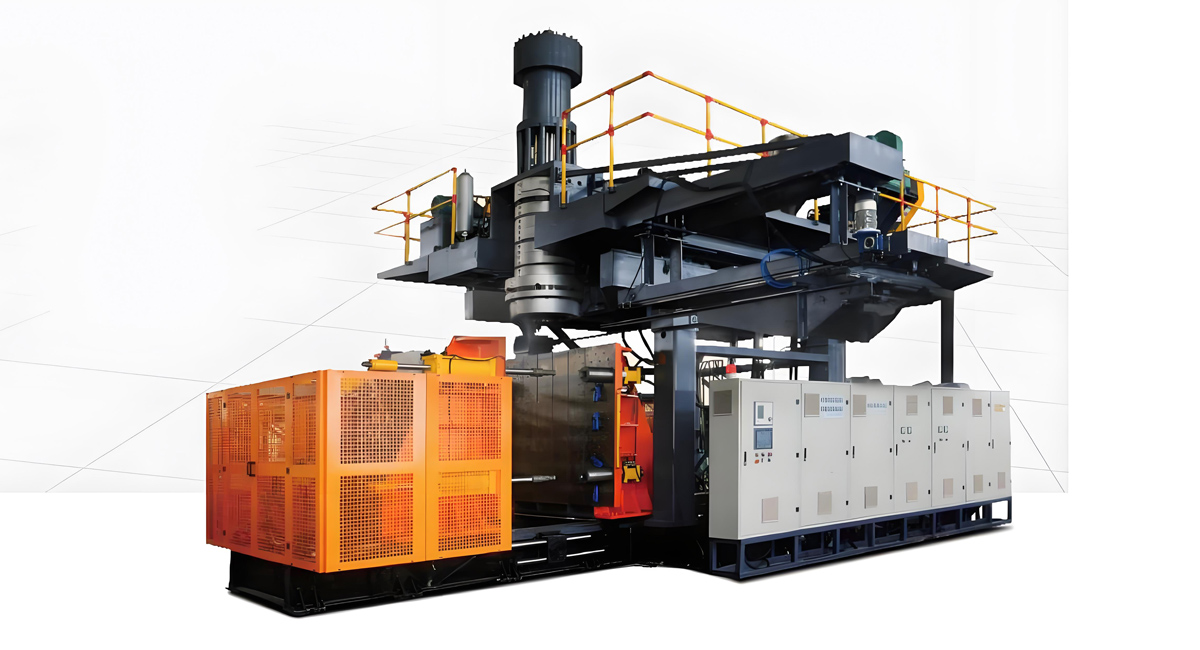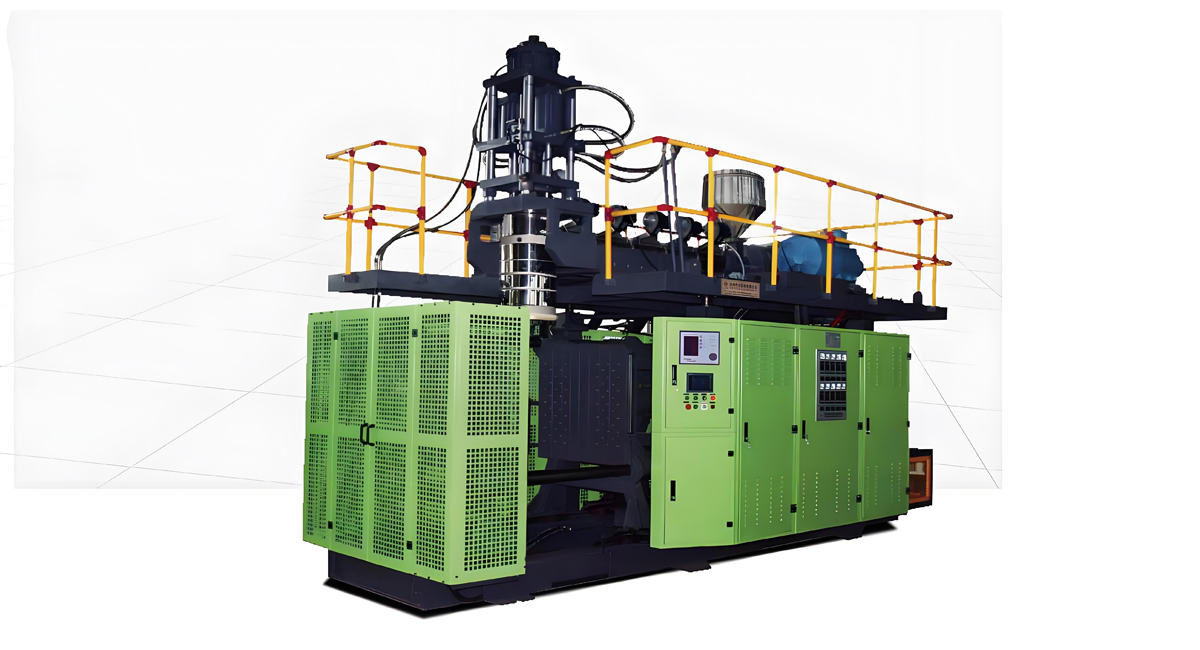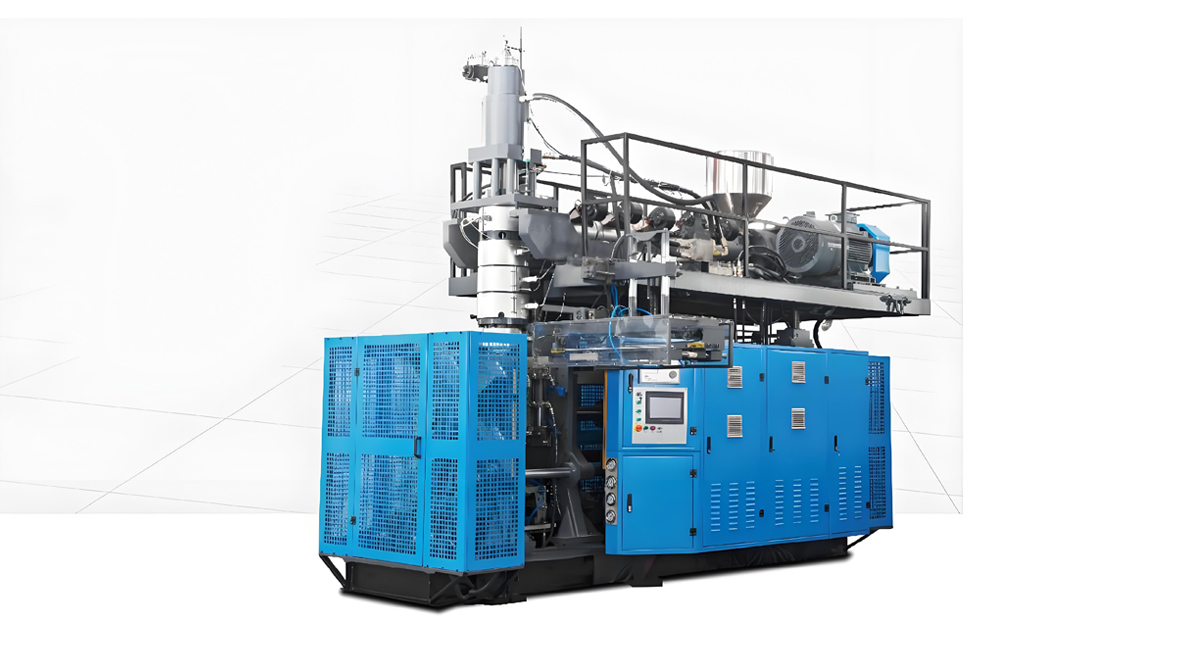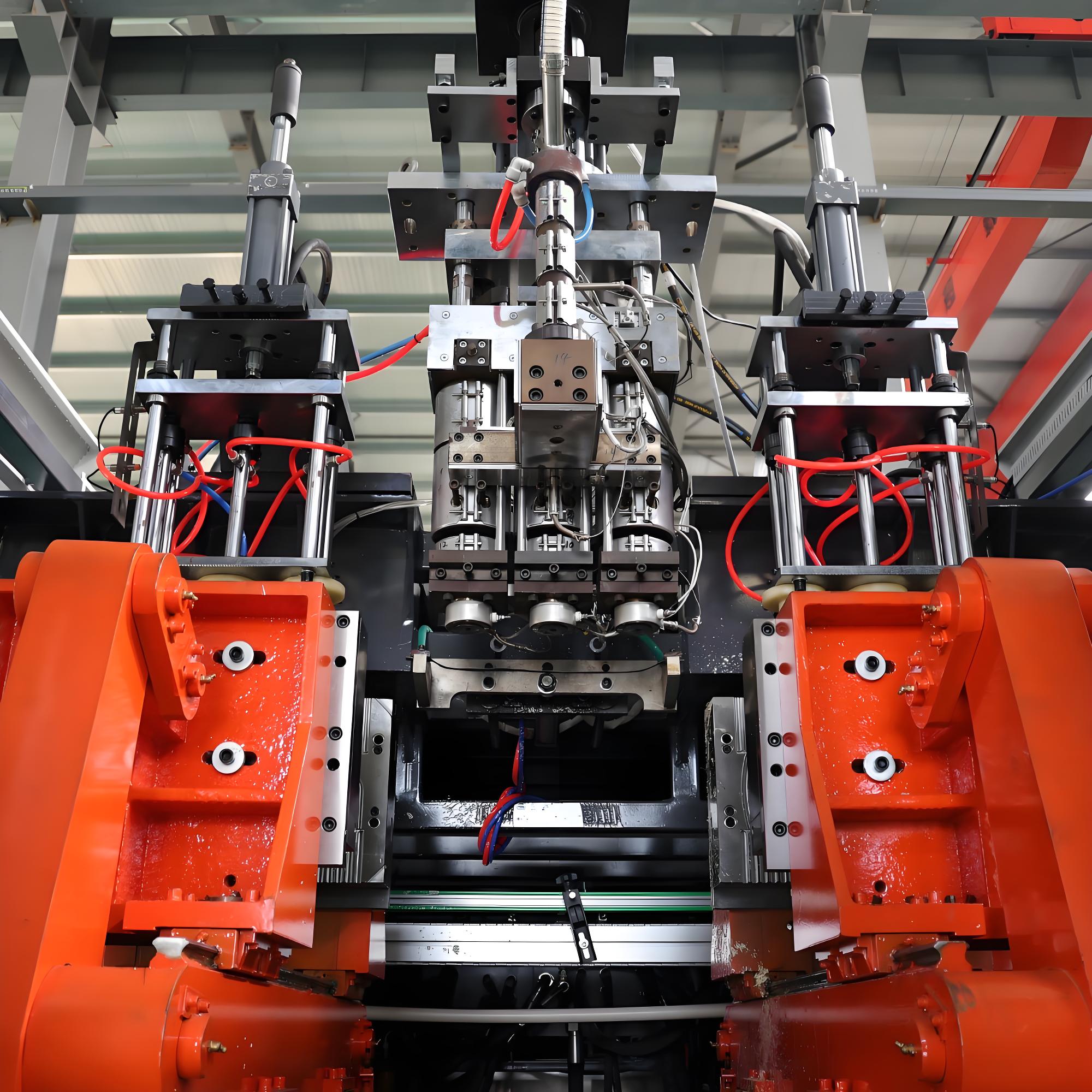
In the competitive landscape of plastic container manufacturing, standard production equipment often fails to meet the unique requirements of specialized applications and diverse production needs. Custom capacity extrusion blow molding machines have emerged as the solution for manufacturers seeking tailored equipment that perfectly matches their production requirements, material specifications, and operational constraints. Apollo, with over 20 years of experience in plastic machinery manufacturing, has developed comprehensive customization capabilities that enable customers to specify exact production capacities, machine configurations, and technological features to optimize their specific applications. This detailed guide explores the comprehensive customization options available in modern EBM machines, examines the process of designing custom capacity equipment, analyzes cost considerations and investment returns, and demonstrates how tailored solutions deliver superior performance compared to standard off-the-shelf equipment.
Understanding Custom Capacity Requirements
Custom capacity extrusion blow molding machines address specific production needs that standard equipment cannot adequately serve. Production requirements vary significantly across different industries, product types, and market segments, creating demand for equipment tailored to exact specifications. Manufacturers requiring unique container sizes, specialized materials, or production rates outside standard machine ranges benefit from custom-designed equipment. Custom capacity machines typically fall into two categories: capacity customization for production volume optimization and dimensional customization for specialized container sizes and shapes. The customization process begins with comprehensive analysis of production requirements including target product specifications, material properties, production volumes, and quality standards.
Production Volume Customization
Production volume requirements drive one of the most common reasons for custom capacity machine specifications. Standard EBM machines typically cover capacity ranges in defined segments, but manufacturers often require equipment optimized for specific production volumes that fall between standard models or require higher efficiency within certain production ranges. For example, a manufacturer requiring consistent production of 8,000 bottles per day may find standard machines either oversized for their needs or lacking efficiency at that specific output level. Custom capacity machines can be engineered with precisely sized extruders, accumulator systems, and clamp mechanisms optimized for the target production rate. This approach eliminates over-investment in oversized equipment while ensuring adequate capacity for production requirements, resulting in optimal capital efficiency and operational cost structures.
Dimensional Capacity Customization
Container dimensions represent another critical factor requiring custom machine specification. While standard machines typically cover capacity ranges from 200ml to 5000L, specific applications require machines optimized for narrow dimensional ranges to maximize efficiency and product quality. A manufacturer specializing exclusively in 5-gallon containers benefits from a machine custom-designed for that specific capacity range, rather than using equipment capable of handling 1-20L containers. Similarly, manufacturers producing very large containers such as 5000L water tanks require specialized equipment with heavy-duty components and unique handling systems not available in standard machine configurations. Custom dimensional capacity specification ensures machine components are appropriately sized for the specific application, optimizing performance, energy efficiency, and product quality.
Material Processing Customization
Different plastic materials require specific processing conditions and machine configurations to achieve optimal results. High-density polyethylene, polypropylene, polycarbonate, and various engineering plastics each present unique processing challenges that benefit from customized machine specifications. Custom machines can incorporate specially designed screws with optimized compression ratios and heating profiles for specific materials. Extruder barrel dimensions, heating zone configurations, and cooling systems can be tailored to the thermal characteristics of target materials. For manufacturers processing multiple materials, machines can be designed with interchangeable components and versatile control systems that enable efficient material changes while maintaining optimal processing conditions for each material type.
Apollo Custom Capacity Machine Series
Apollo offers comprehensive custom capacity EBM machine solutions through their extensive product range and engineering capabilities. The company standard product line covers the full spectrum from small 200ml containers to massive 5000L tanks, providing a strong foundation for custom machine development. Apollo engineering team specializes in modifying standard platforms to meet specific customer requirements while maintaining the proven reliability and performance characteristics of established machine designs.
ABLB Series Custom Capacity Options
The ABLB series provides the foundation for custom capacity machines in the 200ml to 20L range. This versatile platform can be customized across multiple dimensions to meet specific production requirements. Extruder screw diameters can be specified from 45mm to 100mm with custom pitch and compression ratio designs optimized for target materials and production rates. Accumulator heads can be sized from 5L to 25L capacity with custom valve configurations for specific material flow requirements. Clamp force can be customized from 60KN to 280KN to match specific container sizes and molding requirements. For example, a manufacturer requiring specialized production of 8L containers can have an ABLB machine custom-designed with an 80mm screw, 15L accumulator, and 150KN clamp force optimized specifically for that application. This level of customization typically costs 15-25% more than standard machines but delivers 20-30% higher production efficiency in the target application.
ABLD Series Custom Large Capacity Solutions
The ABLD series accumulator head machines provide the platform for custom solutions in the 20L to 1500L capacity range. These large-capacity machines offer extensive customization options for demanding industrial applications. Extruder screw diameters can range from 90mm to 150mm with custom twin-screw configurations for specialized material processing. Accumulator capacities can be specified from 24L to 70L with custom head designs for specific container geometries. Clamp forces can be customized from 280KN to 3500KN with heavy-duty frame designs for large container production. A chemical drum manufacturer requiring specialized production of 200L drums can have an ABLD machine with 120mm dual screws, 45L accumulator, and 1200KN clamp force custom-designed for that specific application. These custom large-capacity machines typically cost 25-40% more than standard models but deliver superior wall thickness control and production consistency compared to adapted standard equipment.
Fully Electric Custom Capacity Solutions
Fully electric machines represent the premium platform for custom capacity solutions, offering advanced control capabilities and environmental benefits. Custom electric machines incorporate precision servo systems for extruder drive, clamp, and all motion axes, enabling exact control of production parameters. Electric drive systems can be customized with specific power ratings and control algorithms optimized for target production rates. The elimination of hydraulic systems in custom electric designs reduces noise levels by 15-20dB and energy consumption by 40-60% compared to hydraulic equivalents. Custom electric machines typically cost 45-85% more than hydraulic models but deliver significant operational savings through reduced energy consumption, lower maintenance requirements, and superior process control. For environmentally sensitive markets or applications requiring maximum precision, custom electric capacity solutions provide compelling value propositions despite higher initial investment.
Customization Process and Engineering Approach
Developing custom capacity EBM machines requires systematic engineering processes that balance specific customer requirements with proven machine design principles. Apollo follows a comprehensive customization methodology that ensures custom solutions deliver reliable performance while meeting exact application requirements. The process encompasses requirements analysis, design specification, engineering development, testing validation, and production implementation phases.
Requirements Analysis Phase
The customization process begins with comprehensive requirements analysis that captures all dimensions of the target application. Technical specifications including container dimensions, material properties, production volumes, quality standards, and operational constraints are documented in detail. Production requirements are analyzed to determine optimal machine sizing and performance specifications. Material characteristics are evaluated to specify appropriate screw designs, heating profiles, and cooling requirements. Site conditions including available utilities, floor space constraints, and regulatory requirements are assessed to ensure final machine compatibility. This detailed requirements analysis typically requires 2-4 weeks for complex applications but provides essential foundation for successful custom machine development. Apollo charges 2,000-5,000 USD for comprehensive requirements analysis, which is credited toward final machine cost if the project proceeds.
Design Specification Phase
Following requirements analysis, Apollo engineering team develops detailed design specifications for the custom capacity machine. This phase encompasses mechanical design, electrical system specification, control system programming, and safety system integration. Mechanical design includes custom component specifications for extruder systems, accumulator heads, clamp mechanisms, and auxiliary equipment. Electrical specifications address motor sizing, control system selection, sensor integration, and power distribution design. Control system programming incorporates process logic for the specific application, including custom parameter sets, production monitoring, and quality control functions. Safety systems are specified according to international standards including CE marking requirements and local regulations. This design specification phase typically requires 4-8 weeks for complex custom machines and costs 15,000-35,000 USD, depending on complexity.
Engineering Development Phase
The engineering development phase transforms design specifications into detailed engineering drawings, component specifications, and manufacturing documentation. This phase involves comprehensive mechanical engineering including detailed design of custom components with stress analysis and material selection. Electrical engineering creates detailed schematics, panel layouts, and wiring diagrams for custom electrical systems. Software engineering develops custom control programs, operator interfaces, and data management systems specific to the application. Process engineering develops production parameters, quality control procedures, and maintenance protocols optimized for the target application. The engineering development phase typically requires 6-12 weeks for custom capacity machines and costs 25,000-60,000 USD depending on complexity and scope of custom engineering required.
Prototyping and Testing
For complex custom capacity machines, prototyping and testing phases ensure the design meets all performance requirements before full production begins. Prototyping may involve building individual custom components or complete machine prototypes depending on project scope and risk. Laboratory testing validates material processing capabilities, production rates, and product quality for the target application. Factory testing under actual production conditions verifies machine performance, durability, and reliability. Customer acceptance testing demonstrates that the custom machine meets all specified requirements and production targets. This prototyping and testing phase typically requires 4-8 weeks and costs 20,000-50,000 USD depending on scope of testing required. While adding to development cost and timeline, this phase significantly reduces risk for complex custom machine investments.
Production and Implementation
The production and implementation phase encompasses final machine manufacturing, customer site preparation, installation, and commissioning. Manufacturing of custom machines typically requires 12-20 weeks depending on complexity and component availability. Customer site preparation includes foundation work, utility connections, and facility modifications to accommodate the custom machine. Installation involves positioning the machine, connecting all utilities, and completing electrical and mechanical connections. Commissioning includes testing all systems, verifying performance specifications, training operators, and achieving full production status. This production and implementation phase typically requires 16-24 weeks from order to full production for custom capacity machines, with costs incorporated into the final machine pricing.
Cost Analysis of Custom Capacity Machines
Investing in custom capacity EBM machines requires careful consideration of total cost including development costs, machine purchase price, operational expenses, and return on investment. Custom machines typically cost more than standard equipment but deliver superior performance and efficiency in target applications. Understanding cost structures and investment returns enables informed decision-making for custom capacity machine investments.
Development and Engineering Costs
Custom capacity machine development encompasses multiple cost categories beyond the base machine price. Engineering costs typically range from 15,000 to 60,000 USD depending on the complexity of customization requirements. Prototyping and testing costs add 20,000-50,000 USD for complex applications requiring performance validation. Documentation and certification costs including CE marking, safety certifications, and regulatory compliance typically cost 5,000-15,000 USD. Project management and coordination costs add approximately 10% of total development costs. These development expenses are typically included in the final machine pricing for custom projects but represent significant investments that must be justified through operational benefits. For moderately complex custom machines, total development costs typically range from 50,000-150,000 USD above the base cost of comparable standard equipment.
Machine Purchase Price
Custom capacity machine purchase prices vary significantly based on capacity, customization level, and technological features. Small custom machines for 200ml to 5L capacities typically cost 45,000-95,000 USD, representing a 30-50% premium over comparable standard machines. Medium custom machines for 5L to 50L capacities typically cost 80,000-180,000 USD, representing a 25-40% premium. Large custom machines for 50L to 500L capacities typically cost 150,000-350,000 USD, representing a 35-45% premium. Extra-large custom machines for 500L to 5000L capacities can cost 250,000-600,000 USD depending on complexity. Fully electric custom machines command an additional 45-85% premium over hydraulic equivalents. While custom machine prices are higher than standard equipment, the total cost of ownership often proves lower when considering operational efficiency, productivity gains, and product quality improvements.
Operational Cost Advantages
Custom capacity machines deliver significant operational cost advantages that offset higher purchase prices over time. Production efficiency improvements of 15-30% reduce per-unit production costs substantially. For a machine producing 10,000 bottles daily, a 20% efficiency gain reduces unit costs by 0.02-0.04 USD per bottle, saving 73,000-146,000 USD annually. Energy consumption optimized for specific applications reduces energy costs by 10-25% compared to oversized standard machines, saving 12,000-35,000 USD annually for machines operating 5,000 hours per year. Material waste reduction through optimized processing saves 3-8% in material costs, adding 15,000-40,000 USD in annual savings for high-volume applications. Maintenance costs optimized for specific operating conditions reduce expenses by 15-25%, saving 5,000-20,000 USD annually. These combined operational savings typically total 105,000-241,000 USD annually, enabling payback periods of 1.5-3 years for the premium investment in custom capacity equipment.
Return on Investment Analysis
Return on investment for custom capacity machines varies based on application, but typically exceeds that of standard equipment for appropriately matched applications. Total investment including development costs and machine premium typically ranges from 80,000-500,000 USD depending on machine size and complexity. Operational savings including production efficiency gains, energy reduction, material waste reduction, and maintenance savings typically total 105,000-241,000 USD annually. This translates to payback periods of 0.5-3 years for the custom investment. Beyond payback, annual net benefits continue for the machine lifetime of 10-15 years, creating substantial cumulative returns. For example, a custom machine with a 200,000 USD investment premium generating 180,000 USD annual savings achieves payback in 1.1 years and generates 2.8 million USD in net benefits over a 15-year machine lifetime. These compelling returns justify custom capacity investments for applications where standard equipment cannot match operational requirements.
Customization Options by Application Type
Different applications require specific customization approaches to optimize performance and product quality. Apollo extensive experience across diverse applications enables development of targeted custom solutions that address the unique requirements of each application type.
Food and Beverage Container Customization
Food and beverage containers require specialized machine configurations to meet stringent hygiene standards and regulatory requirements. Custom machines for food applications incorporate sanitary design features including stainless steel construction in wetted areas, sanitary fittings, and easy-to-clean surfaces. Temperature control systems with precision regulation ensure consistent material processing for food-grade materials. Quick-change systems enable rapid mold changes for different container sizes and shapes while maintaining sanitary conditions. Vision inspection systems integrated into custom machines detect container defects and ensure quality compliance. These custom features typically add 20-35% to machine cost but are essential for food and beverage applications. A custom machine for 5L water bottle production typically costs 120,000-180,000 USD including sanitary design features, compared to 80,000-120,000 USD for standard equipment without food-grade capabilities.
Chemical Container Customization
Chemical containers including drums, jerry cans, and industrial containers require machines optimized for chemical-resistant materials and special wall thickness requirements. Custom chemical container machines incorporate specialized screw designs for processing HDPE and PP with chemical resistance additives. Enhanced parison control systems ensure consistent wall thickness distribution critical for chemical containment. Accumulator head designs optimized for high-viscosity chemical materials enable reliable processing. Heavy-duty construction with corrosion-resistant components withstands challenging chemical processing environments. These customization features typically add 25-40% to machine cost compared to standard equipment. A custom machine for 200L chemical drum production typically costs 250,000-400,000 USD including chemical processing optimizations, compared to 180,000-280,000 USD for standard large-capacity machines.
Pharmaceutical Container Customization
Pharmaceutical containers require the highest precision and cleanliness standards, driving extensive customization requirements. Custom pharmaceutical machines incorporate cleanroom-compatible construction with minimal particulate generation. Precision parison control with 200+ point control capability ensures exact wall thickness accuracy for critical pharmaceutical applications. Inert gas purge systems and specialized barrel designs enable processing of sensitive pharmaceutical materials. Sterile processing capabilities and cleanroom integration enable compliance with pharmaceutical manufacturing standards. Documentation and validation packages support regulatory approval processes. These extensive customizations typically add 40-60% to machine cost but are essential for pharmaceutical applications. A custom machine for pharmaceutical bottle production typically costs 200,000-350,000 USD including pharmaceutical-grade features, compared to 100,000-180,000 USD for standard equipment without pharmaceutical capabilities.
Automotive Component Customization
Automotive components including fuel tanks, reservoirs, and air ducts require machines with specialized capabilities for complex geometries and engineering materials. Custom automotive machines incorporate multi-layer coextrusion capabilities for barrier properties required in fuel tanks. Complex accumulator head designs enable production of intricate automotive component shapes. High-precision control systems ensure dimensional accuracy within tight automotive tolerances. High-temperature capabilities enable processing of engineering materials used in automotive applications. Quick-change systems support multiple automotive components on the same production line. These automotive-specific customizations typically add 30-50% to machine cost. A custom machine for automotive fuel tank production typically costs 300,000-500,000 USD including automotive-specific features, compared to 200,000-350,000 USD for standard large-capacity machines.
Advanced Customization Technologies
Modern EBM machine customization extends beyond basic capacity specification to incorporate advanced technologies that enhance performance, quality, and capabilities. Apollo integrates cutting-edge technologies into custom machines to provide competitive advantages through advanced capabilities.
Multi-Layer Coextrusion Customization
Multi-layer coextrusion capability enables production of containers with multiple material layers for specialized barrier, structural, or aesthetic properties. Custom coextrusion machines incorporate multiple extruders with synchronized material delivery to accumulator heads. Advanced control systems manage precise ratio control between different material layers. Custom die head designs ensure proper layer distribution and adhesion. Material handling systems accommodate multiple material types with different processing requirements. Multi-layer coextrusion adds 80,000-200,000 USD to machine cost depending on the number of layers and material complexity. However, this capability enables production of premium containers with value-added properties that justify higher machine investment. A custom 3-layer coextrusion machine for barrier chemical containers typically costs 350,000-550,000 USD compared to 250,000-400,000 USD for single-layer equipment.
Intelligent Control System Customization
Advanced control systems customized for specific applications provide unprecedented process control and optimization capabilities. Industrial IoT integration enables real-time monitoring, remote operation, and predictive maintenance. Machine learning algorithms optimize process parameters based on production data. Advanced vision systems inspect containers for quality defects with high accuracy. Statistical process control capabilities enable continuous quality monitoring and adjustment. Custom operator interfaces tailored to specific applications improve operator efficiency and reduce training requirements. These advanced control system customizations typically add 25,000-60,000 USD to machine cost but deliver significant benefits in quality, efficiency, and operational capabilities. Custom machines with advanced control systems typically achieve 10-20% higher production efficiency and 5-15% lower defect rates compared to machines with standard controls.
Automation Integration Customization
Comprehensive automation integration customized for specific applications creates fully automated production lines that minimize labor requirements and maximize efficiency. Automated material handling systems transport raw materials and finished containers between machines. Robotic systems perform container handling, trimming, and quality inspection tasks. Automated mold change systems reduce changeover times between production runs. Integrated packaging systems connect directly to the blow molding machine for seamless production flow. While automation integration adds 50,000-200,000 USD to machine costs depending on automation scope, the labor cost savings and productivity gains justify the investment. For high-volume applications with 5000+ hour annual operation, automated systems typically achieve payback in 1.5-2.5 years through reduced labor costs and increased productivity.
Case Studies: Custom Capacity Machine Success Stories
Apollo has delivered numerous custom capacity EBM machines across diverse applications, demonstrating the value of tailored equipment solutions. These case studies illustrate how custom machines address specific challenges and deliver superior performance compared to standard equipment alternatives.
Water Bottling Plant Custom Capacity Solution
A Southeast Asian water bottling plant required specialized equipment for producing 20L water containers. Standard machines either lacked capacity for their 12,000 bottle daily target or required multiple machines, increasing capital and operating costs. Apollo delivered a custom ABLD 80-90 machine with 90mm screw, 30L accumulator, and 1800 pieces per hour capacity specifically optimized for 20L water containers. The machine incorporated high-speed production capabilities and energy-efficient features optimized for HDPE processing. Total investment was 180,000 USD compared to 120,000 USD for standard equipment, but the custom machine delivered 25% higher efficiency and 20% lower energy consumption. The customer achieved full production with one custom machine instead of two standard machines, saving 60,000 USD in capital costs and 45,000 USD annually in operating costs. The payback period for the custom investment premium was just 1.3 years.
Chemical Drum Producer Customization
A European chemical drum manufacturer required machines for producing 200L chemical drums with precise wall thickness control for regulatory compliance. Standard accumulator machines lacked the precision required for chemical containment applications. Apollo developed a custom ABLD 120-150 machine with 120mm dual screws, 50L accumulator, and MOOG 100-point parison control system specifically designed for 200L drum production. The machine featured heavy-duty construction and specialized components for chemical-resistant HDPE processing. Total investment was 320,000 USD compared to 220,000 USD for standard equipment, but the custom machine achieved 15% lower defect rates and 20% higher production efficiency. The customer eliminated regulatory non-compliance issues and reduced material waste by 18%, generating annual savings of 85,000 USD. The custom investment premium paid back in just 1.2 years through quality improvements and production efficiency gains.
Pharmaceutical Packaging Custom Solution
A pharmaceutical packaging company required machines for producing 500ml medicine bottles with precision requirements exceeding standard machine capabilities. The application demanded cleanroom compatibility, precise wall thickness control, and FDA compliance capabilities. Apollo delivered a custom ABLB 65 machine with pharmaceutical-grade construction, MOOG 150-point parison control, and cleanroom-compatible design. The machine featured stainless steel construction, sanitary fittings, and documentation packages supporting regulatory validation. Total investment was 280,000 USD compared to 100,000 USD for standard equipment, but the custom machine enabled pharmaceutical market entry and commanded premium pricing. The customer achieved defect rates below 0.2% compared to 2-3% with standard equipment, enabling significant premium pricing and market expansion. The investment premium paid back in 1.8 years through premium pricing capabilities and reduced quality losses.
Future Trends in Custom Capacity Machines
The future of custom capacity EBM machines promises even greater customization capabilities and performance improvements. Emerging technologies and market requirements will drive continued innovation in custom machine development, enabling manufacturers to achieve unprecedented levels of performance and flexibility.
Modular Design Advancements
Advanced modular design concepts will enable even greater customization flexibility while reducing development time and cost. Standardized modules for extruders, accumulators, clamp systems, and control systems will allow rapid configuration of custom machines from proven components. This approach will reduce development time from current 6-12 month timelines to 3-6 months while maintaining custom machine performance. Module interchangeability will enable easy reconfiguration of machines for different applications, extending equipment useful life and maximizing return on investment. Modular designs will reduce custom machine costs by 20-30% compared to current approaches while delivering equivalent or superior performance.
Digital Twin Technology
Digital twin technology will revolutionize custom machine development by enabling virtual testing and optimization before physical manufacturing. Virtual models of custom machines will simulate performance under various operating conditions, identifying design issues early in development. Process optimization algorithms will determine optimal machine configurations for specific applications before manufacturing begins. Remote commissioning capabilities will enable rapid installation and startup of custom machines. Digital twin technology will reduce prototyping costs by 40-60% and reduce development time by 30-40% while improving final machine performance.
Artificial Intelligence Integration
Artificial intelligence and machine learning will enable custom machines that continuously optimize their own performance for specific applications. Self-optimizing control systems will automatically adjust process parameters to maximize efficiency and quality for the target application. Predictive maintenance capabilities will anticipate component failures before they occur, reducing downtime and maintenance costs. Adaptive process control will compensate for material variations and environmental conditions, maintaining consistent performance. AI integration will increase machine uptime by 10-20% and reduce energy consumption by an additional 5-10% compared to current advanced control systems.
Conclusion
Custom capacity extrusion blow molding machines represent the ultimate solution for manufacturers requiring equipment tailored to their specific production requirements, material specifications, and operational constraints. Apollo comprehensive customization capabilities, spanning from modest modifications to complete machine design, enable delivery of precisely tailored solutions that optimize performance for each unique application. While custom machines require higher initial investment compared to standard equipment, the operational benefits including 15-30% higher production efficiency, 10-25% lower energy consumption, and superior product quality generate compelling returns on investment with payback periods typically under 3 years. The customization process, while requiring 6-12 months for development and 50,000-200,000 USD in engineering costs, delivers machines that outperform adapted standard equipment by significant margins across all performance metrics. As modular design, digital twin technology, and artificial intelligence continue to advance, custom capacity machines will become even more capable and cost-effective. For manufacturers facing unique production challenges or seeking competitive advantages through specialized capabilities, investing in custom capacity EBM machines provides both immediate performance benefits and long-term strategic advantages in increasingly competitive markets.