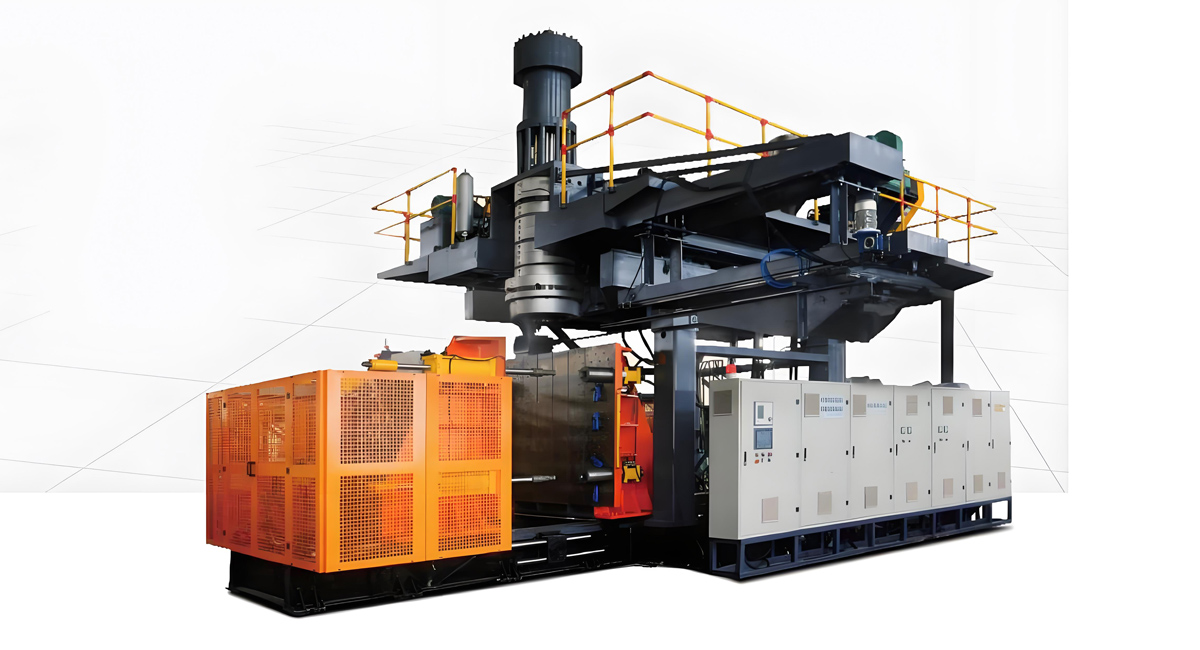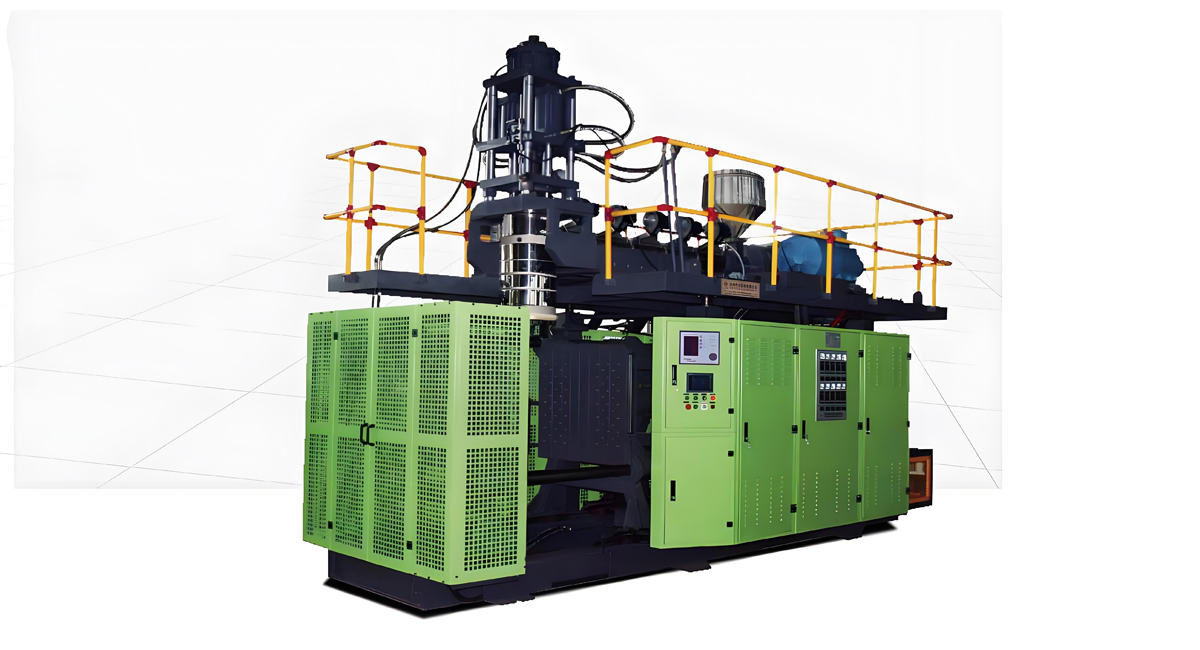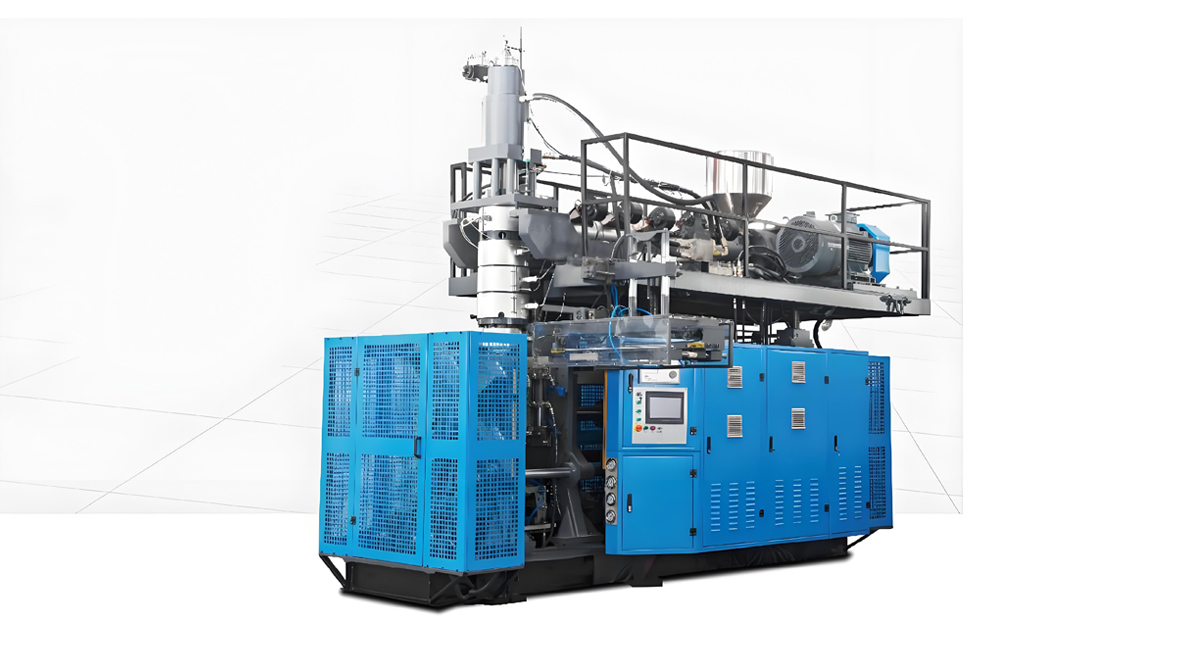
When considering the purchase of an extrusion blow molding machine in 2026, understanding the pricing structure from Chinese manufacturers becomes crucial for making informed investment decisions. The global blow molding equipment market has undergone significant transformations, with Chinese manufacturers establishing themselves as competitive players offering cost-effective solutions without compromising on quality. This comprehensive price guide provides detailed insights into the current market rates, factors influencing pricing, and how buyers can maximize value when sourcing extrusion blow molding machines directly from Chinese factories like Apollo Extrusion Machinery.
The extrusion blow molding machine market in China has experienced remarkable growth over the past decade, driven by increasing demand for plastic containers, packaging solutions, and industrial hollow plastic products. Chinese manufacturers have invested heavily in technological advancements, enabling them to produce machines that meet international quality standards while maintaining competitive pricing advantages. The 2026 price landscape reflects this maturation, with prices typically ranging from $25,000 to $180,000 depending on machine configuration, automation level, and production capacity. When purchasing directly from Chinese factories, buyers can expect to save 30-50% compared to purchasing from local distributors or Western manufacturers, making China an attractive sourcing destination for businesses looking to optimize their capital investments.
Understanding the 2026 Market Pricing Landscape
The pricing structure for extrusion blow molding machines in 2026 is influenced by multiple factors including raw material costs, manufacturing technology, automation features, and competitive dynamics in the global market. Chinese manufacturers like Apollo have established a reputation for delivering machines that balance quality and affordability, making them preferred suppliers for businesses in developing markets and cost-conscious enterprises worldwide. The direct factory pricing model eliminates multiple layers of distribution, allowing customers to access equipment at manufacturer-direct rates while still receiving comprehensive support and warranty services.
Market analysis indicates that the average price for a basic single-station extrusion blow molding machine with manual operation ranges from $25,000 to $45,000 in 2026. These machines typically offer production capacities of 200-800 bottles per hour and are suitable for small to medium production requirements. Mid-range models featuring semi-automatic operation, improved control systems, and enhanced capabilities range from $45,000 to $85,000, offering production capacities of 800-2000 bottles per hour. High-end fully automatic machines with advanced automation, multiple cavities, and sophisticated control systems command prices from $85,000 to $180,000, capable of producing 2000-8000 bottles per hour depending on configuration.
The competitive advantage of Chinese manufacturers stems from their ability to integrate cost-effective manufacturing practices with access to advanced components and technology. Local sourcing of materials, lower labor costs, and economies of scale enable Chinese factories to maintain competitive pricing while delivering machines that meet international standards. Additionally, the concentration of supporting industries around major manufacturing hubs provides access to specialized components and technical expertise, further enhancing the value proposition of sourcing extrusion blow molding machines from China.
Machine Categories and Their Price Ranges
Extrusion blow molding machines are categorized based on their configuration, automation level, production capacity, and application requirements. Each category serves specific market segments and production needs, with corresponding pricing structures that reflect the technology level and capabilities of the machine.
Semi-Automatic Extrusion Blow Molding Machines
Semi-automatic extrusion blow molding machines represent the entry-level segment of the market, offering a balance between affordability and automation for small to medium-scale production operations. These machines typically feature manual loading of parisons and semi-automatic blow molding and ejection processes. The pricing for semi-automatic machines in 2026 ranges from $25,000 to $50,000 depending on mold capacity, production speed, and included features. Basic models with single-cavity molds and production capacities of 200-500 bottles per hour are priced at the lower end of this range, while advanced models with dual-cavity molds, improved control systems, and production capacities up to 1000 bottles per hour command prices approaching $50,000.
Semi-automatic machines are ideal for startups, small manufacturers, and businesses with diverse production requirements that demand flexibility in product changeovers. The lower initial investment requirement makes these machines accessible to businesses with limited capital budgets while still providing the capability to produce high-quality plastic containers and bottles. When evaluating semi-automatic machines, buyers should consider factors such as mold changeover time, operator skill requirements, and the potential for future automation upgrades. The labor costs associated with semi-automatic operation typically amount to $15,000-25,000 annually per shift, which should be factored into the total cost of ownership when comparing with fully automated alternatives.
Fully Automatic Extrusion Blow Molding Machines
Fully automatic extrusion blow molding machines represent the mid to high-end segment of the market, offering complete automation from material feeding to finished product handling. These machines feature automatic parison control, blow molding, product ejection, and sometimes downstream packaging integration. The pricing for fully automatic machines in 2026 ranges from $50,000 to $150,000 for standard configurations, with specialty high-capacity or multi-material machines exceeding $180,000. Production capacities range from 1000-5000 bottles per hour for standard models, with high-capacity configurations capable of exceeding 8000 bottles per hour.
Fully automatic machines are designed for high-volume production environments where labor costs and consistency requirements justify the higher initial investment. The automation features reduce labor requirements by 70-90% compared to semi-automatic systems, resulting in annual labor savings of $40,000-70,000 per machine assuming 24/7 operation. The advanced control systems and consistency features also reduce scrap rates from 5-8% in semi-automatic operation to 2-3% in fully automatic operation, generating additional material savings of $8,000-15,000 annually depending on production volume. When evaluating fully automatic machines, buyers should consider the payback period, which typically ranges from 18-36 months for high-volume operations, making them an excellent long-term investment for growing businesses.
Multi-Cavity and High-Speed Extrusion Blow Molding Machines
Multi-cavity and high-speed extrusion blow molding machines represent the premium segment of the market, designed for maximum production efficiency and capacity utilization. These machines feature multiple parison heads, multi-cavity molds, and advanced control systems optimized for high-speed operation while maintaining product quality consistency. The pricing for multi-cavity machines in 2026 ranges from $120,000 to $180,000 for standard configurations, with specialty high-capacity systems exceeding $250,000. Production capabilities range from 4000-12000 bottles per hour, making these machines suitable for large-scale manufacturing operations and major brand producers.
Multi-cavity machines offer the lowest per-unit production cost among all extrusion blow molding machine categories, with unit costs potentially 40-60% lower than single-cavity systems. The higher initial investment is justified through economies of scale, reduced energy consumption per unit, and lower maintenance costs per production unit. However, these machines require significant production volume to justify the investment, with minimum recommended annual production volumes of 5-10 million units to achieve optimal return on investment. Buyers considering multi-cavity machines should also factor in the costs of additional mold cavities, which can range from $8,000-25,000 per cavity depending on size and complexity, and the requirement for higher material throughput which may necessitate upgrades to material handling systems.
Factors Influencing Pricing Decisions
Multiple factors influence the pricing of extrusion blow molding machines, and understanding these variables enables buyers to make informed decisions that optimize value for their specific requirements. The following key factors should be carefully evaluated when comparing machine options and pricing.
Production Capacity and Speed
Production capacity is the primary determinant of machine pricing, with higher capacity machines requiring more robust construction, larger motors, more advanced control systems, and more sophisticated mold systems. Production capacity is measured in bottles or containers per hour, with pricing increasing exponentially with capacity due to the engineering requirements for maintaining quality at high speeds. Small capacity machines producing 200-500 bottles per hour typically cost $25,000-40,000, while machines producing 5000-8000 bottles per hour range from $100,000-180,000. The incremental cost per additional 1000 bottles of hourly capacity ranges from $15,000-30,000 depending on the technology level and quality standards.
When evaluating production capacity requirements, buyers should consider not only current demand but also future growth projections and market opportunities. Investing in higher capacity machines to accommodate future growth can prevent the need for premature equipment replacement, which typically results in losses of 30-50% of the original equipment value through depreciation and technology obsolescence. However, over-investing in capacity that will remain underutilized represents inefficient capital allocation. A thorough market analysis and production planning exercise should be conducted to determine optimal capacity, typically targeting 70-85% utilization during peak production periods to balance efficiency with flexibility.
Automation Level
The automation level significantly impacts machine pricing, with advanced automation features adding 30-80% to the base machine cost. Basic automation includes automatic parison control and product ejection, while advanced systems incorporate automatic mold changeover, integrated quality control, downstream packaging integration, and remote monitoring capabilities. Automation features range from $8,000-35,000 each depending on complexity, with a fully automated machine costing $60,000-120,000 more than a manual equivalent.
The justification for automation investment should be based on labor cost reduction, quality consistency improvements, and production capacity increases. Labor costs for operating a manual or semi-automatic machine range from $15-25 per hour per operator, with fully automatic machines requiring minimal operator intervention primarily for material loading and general supervision. For three-shift operation, annual labor savings from automation can reach $120,000-200,000 per machine, providing a rapid payback period. Additionally, automation typically reduces product defects by 3-6%, generating material savings of $6,000-15,000 annually depending on production volume and material costs. When evaluating automation options, buyers should calculate the total cost of ownership over the expected 8-12 year machine lifespan, considering not only the initial equipment cost but also labor, material, maintenance, and quality-related costs.
Control System Sophistication
Control system technology and sophistication represent another significant factor in machine pricing. Modern extrusion blow molding machines feature programmable logic controllers (PLCs), human-machine interfaces (HMIs), and advanced sensors that enable precise control of process parameters and real-time monitoring of production performance. Basic control systems with standard PLC and HMI add $5,000-15,000 to machine cost, while advanced systems with recipe management, quality monitoring, and data logging capabilities add $15,000-30,000. Premium control systems featuring predictive maintenance, energy optimization, and remote connectivity can add $20,000-40,000 to machine pricing.
Advanced control systems provide benefits beyond basic operation, including reduced scrap rates, improved energy efficiency, extended equipment lifespan, and enhanced production tracking capabilities. Energy savings of 10-20% are achievable through advanced control systems, resulting in annual energy cost reductions of $8,000-25,000 depending on machine size and local energy rates. Improved process control can reduce material waste by 1-3%, generating additional annual savings of $3,000-10,000. When evaluating control system options, buyers should consider the total operational cost savings over the machine lifespan, which often exceed the additional investment in advanced control systems within 2-4 years of operation.
Build Quality and Component Standards
The build quality and component standards significantly impact machine pricing, with higher quality machines incorporating premium components from renowned manufacturers and featuring robust construction designed for long-term reliability and performance consistency. Standard quality machines typically use domestic Chinese components and construction standards, while premium machines incorporate components from international brands like Siemens, ABB, and Parker, and feature enhanced structural rigidity and precision engineering. The price premium for premium build quality ranges from 20-50% compared to standard machines, representing $15,000-75,000 additional cost depending on machine size and configuration.
While premium build quality involves higher initial investment, it provides significant benefits in terms of reduced maintenance costs, extended equipment lifespan, improved product quality consistency, and reduced downtime. Maintenance costs for premium quality machines typically average 1.5-2.5% of equipment cost annually, compared to 3-5% for standard quality machines. For a $100,000 machine, this represents annual maintenance cost savings of $1,500-3,500. Equipment lifespan also typically extends by 3-5 years for premium quality machines, providing additional value over the total ownership period. When evaluating build quality options, buyers should consider the total cost of ownership including maintenance, downtime, and replacement equipment costs over an equivalent ownership period, rather than focusing solely on the initial purchase price.
Machine Configuration Options and Cost Implications
Extrusion blow molding machines offer various configuration options that can be customized to meet specific production requirements and application needs. Understanding the cost implications of these configuration options enables buyers to optimize their investment for maximum value.
Single vs. Multiple Parison Heads
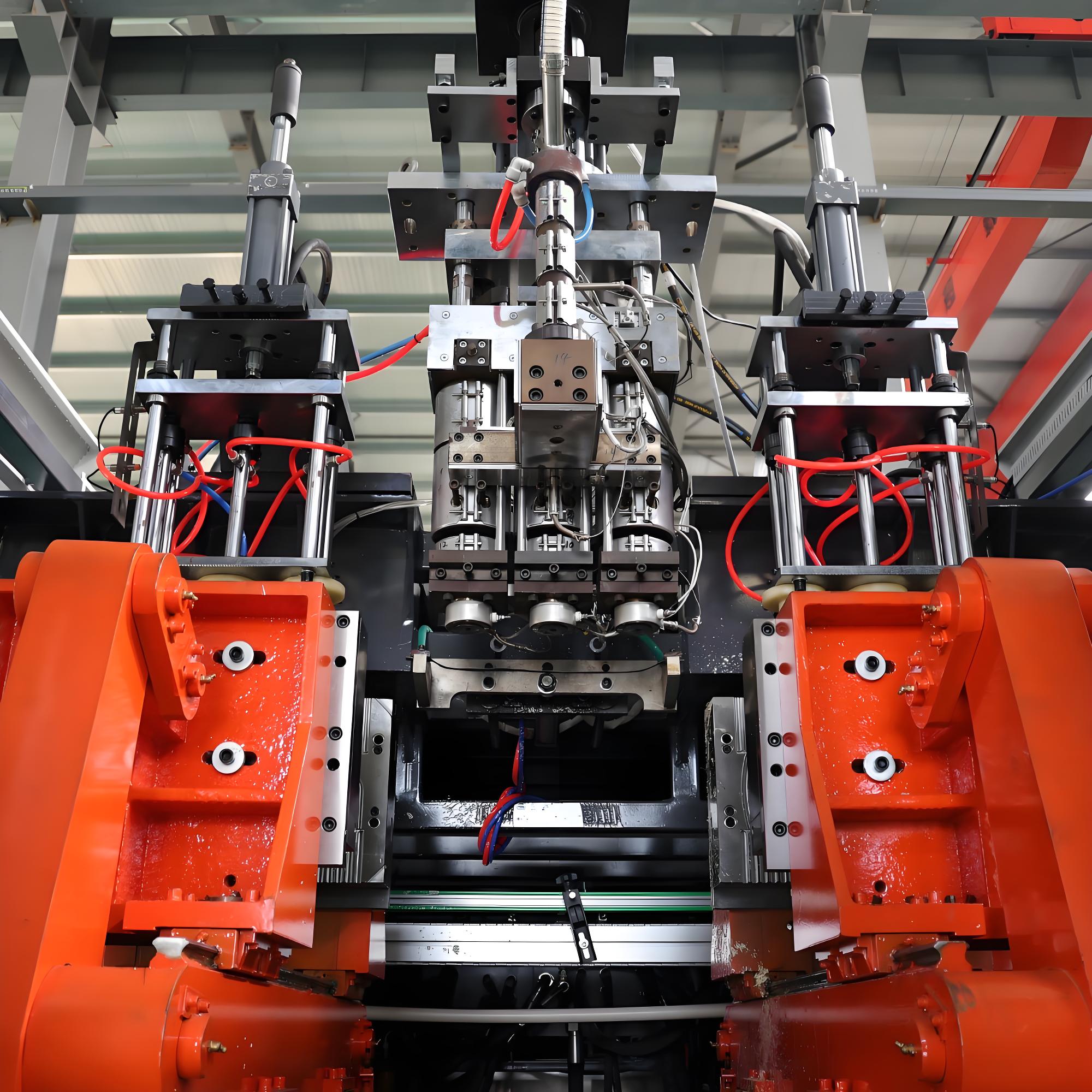
The number of parison heads significantly impacts machine capacity, flexibility, and pricing. Single parison head machines are suitable for applications with consistent product requirements and moderate production volumes, while multiple parison heads enable simultaneous production of different products or increased capacity through parallel operation. Single parison head machines typically cost $25,000-80,000 depending on other specifications, while dual parison head configurations add $25,000-45,000 to the base machine cost. The incremental cost for additional parison heads ranges from $20,000-35,000 per head, with practical limitations typically capping the number of parison heads at 4-6 depending on machine size and application requirements.
Multiple parison heads provide increased flexibility for product changeovers and enable simultaneous production of different container sizes or designs. This capability is particularly valuable for manufacturers serving diverse market segments with varying product requirements. However, the increased complexity of multiple parison head systems requires additional operator skill for setup and maintenance, and may result in slightly lower individual parison quality compared to single-head configurations optimized for specific products. When evaluating parison head configurations, buyers should analyze their product mix, changeover frequency, and production volume requirements to determine the optimal configuration for their operations.
Mold Size and Capacity Options
Mold size and capacity options influence machine pricing, with larger and more complex molds requiring more robust machine construction and more sophisticated control systems. Mold capacity is typically specified in terms of container volume capacity and number of cavities. Small capacity molds producing containers up to 500ml typically cost $5,000-15,000 per cavity, while large capacity molds producing containers exceeding 5 liters cost $15,000-35,000 per cavity depending on complexity and material requirements. The machine itself must be sized appropriately to accommodate the mold dimensions, with larger mold capacities requiring heavier machine construction and more powerful drive systems, adding $10,000-40,000 to machine pricing.
When evaluating mold capacity options, buyers should consider their current production requirements as well as future product development plans and market expansion opportunities. Investing in machines that can accommodate a range of mold sizes provides flexibility for product line expansion and reduces the need for equipment replacement when introducing new products. However, over-investing in mold capacity that will not be utilized represents inefficient capital allocation. A thorough product portfolio analysis should be conducted to determine optimal mold capacity ranges, considering current requirements, planned product introductions, and potential market opportunities.
Material Handling and Integration Options
Material handling and integration options significantly impact machine pricing and total system cost. Basic machines typically include manual material loading and product collection, while advanced systems incorporate automated material handling, in-line quality inspection, and downstream packaging integration. Automated material feeding systems add $8,000-25,000 to machine cost depending on the level of automation and material types being processed. In-line quality inspection systems including vision systems and dimensional verification add $12,000-35,000. Downstream packaging integration including labeling, filling, and case packing can add $25,000-80,000 depending on the level of integration and automation.
Material handling and integration options should be evaluated based on labor cost reduction, quality improvement, and production efficiency gains. Automated material handling can reduce labor requirements by 1-2 operators per shift, generating annual labor savings of $50,000-150,000. In-line quality inspection can reduce defect rates by 2-5%, generating annual material savings of $8,000-25,000. Downstream packaging integration eliminates manual packaging operations, saving 2-4 operators per shift and generating annual labor savings of $100,000-300,000. When evaluating integration options, buyers should calculate the total operational cost savings over the expected system lifespan, considering not only the initial equipment cost but also the ongoing operational benefits.
Additional Costs and Considerations
Beyond the base machine price, buyers should consider additional costs and considerations that significantly impact the total cost of ownership and return on investment calculations.
Shipping and Importation Costs
Shipping and importation costs represent significant additional expenses when purchasing extrusion blow molding machines from Chinese manufacturers. Ocean freight costs for machines shipped from China to major international ports range from $3,000-12,000 depending on machine size, destination, and shipping method. Import duties and customs clearance fees vary by destination country but typically range from 5-15% of the machine value. For a $100,000 machine imported to countries with 10% duties, additional costs would include $10,000 in duties, $6,000 in shipping, and $2,000-3,000 in customs clearance and documentation fees, totaling approximately 18% of the machine value.
Buyers should also consider the costs associated with inland transportation from the port to their facility, which typically range from $1,000-5,000 depending on distance and machine size. Installation and commissioning services from the manufacturer typically cost $5,000-15,000 including travel expenses and technician time. Additionally, insurance during shipping, typically costing 0.5-1% of machine value, should be factored into the total landed cost calculation. Working with experienced freight forwarders and customs brokers can help optimize these costs and ensure smooth importation procedures.
Installation and Training Costs
Installation and training costs are essential considerations when budgeting for extrusion blow molding machine acquisition. Professional installation services typically cost $5,000-15,000 including machine placement, alignment, connection to utilities, and initial calibration. Operator and maintenance training programs typically cost $2,000-5,000 and include comprehensive training on machine operation, maintenance procedures, troubleshooting, and safety protocols. For larger facilities implementing multiple machines, group training programs can reduce the per-machine training cost to $1,500-3,000.
The value of proper installation and training should not be underestimated, as improper installation can result in equipment damage, reduced production efficiency, and increased maintenance costs. Similarly, inadequate training can lead to operator errors, quality problems, and equipment damage. The costs associated with improper installation and inadequate training can easily exceed the investment in professional installation and training services within the first year of operation. When budgeting for new equipment, allocation of 10-15% of the machine value for installation and training is recommended to ensure proper equipment startup and long-term operational success.
Operating Costs and Maintenance Requirements
Operating costs and maintenance requirements represent ongoing expenses that significantly impact the total cost of ownership over the equipment lifespan. Energy consumption varies widely depending on machine size and configuration, with annual energy costs ranging from $15,000-60,000 for typical machines assuming 6000 annual operating hours and local energy rates of $0.10-0.25 per kWh. Material costs depend on production volume and material type, with annual material costs typically ranging from $100,000-500,000 for typical production volumes. Labor costs range from $50,000-200,000 annually depending on automation level and shift coverage.
Maintenance costs typically average 2-4% of equipment value annually for properly maintained machines. This includes routine maintenance, replacement parts, and major overhauls conducted at 3-5 year intervals. Preventive maintenance programs typically cost 1-2% of equipment value annually and can extend equipment lifespan by 2-4 years while reducing unplanned downtime by 50-70%. Spare parts inventory for basic maintenance typically costs $3,000-10,000 depending on machine size and complexity. When evaluating operating costs, buyers should consider the total cost of ownership over the expected 8-12 year equipment lifespan, which typically ranges from 2.5-4 times the initial equipment investment when all operating costs are included.
Warranty and After-Sales Support Costs
Warranty and after-sales support represent critical considerations when purchasing extrusion blow molding machines, particularly from overseas suppliers. Standard warranty coverage from Chinese manufacturers typically ranges from 12-18 months, with extended warranty options available at additional cost of 3-8% of machine value per additional year of coverage. After-sales support services including remote technical assistance, on-site service visits, and ongoing technical consultation typically cost $2,000-8,000 annually depending on service level and frequency.
The value of comprehensive warranty and after-sales support cannot be overstated, particularly for complex manufacturing equipment. Equipment downtime costs can range from $500-5,000 per hour depending on production volume and the criticality of the affected production line. A single day of unplanned downtime can cost $12,000-120,000 in lost production, easily exceeding the annual cost of after-sales support services. When evaluating warranty and support options, buyers should consider the potential costs of downtime and equipment failures, ensuring that adequate support arrangements are in place to minimize operational disruptions.
Apollo Extrusion Machinery Pricing Advantages
Apollo Extrusion Machinery has established itself as a leading Chinese manufacturer of extrusion blow molding machines, offering competitive pricing combined with quality and reliability that meets international standards. The following factors contribute to Apollo’s pricing advantages and value proposition for buyers worldwide.
Direct Factory Pricing Model
Apollo operates a direct factory pricing model that eliminates multiple layers of distribution, enabling customers to purchase equipment at manufacturer-direct rates while still receiving comprehensive support services. This direct sales approach typically saves buyers 25-40% compared to purchasing through local distributors or agents. Additionally, Apollo’s direct relationship with customers enables better communication, faster response times, and more tailored solutions to meet specific customer requirements. The savings from direct factory pricing can amount to $20,000-70,000 for typical machine purchases, representing significant capital savings that can be invested in other aspects of the business operation.
Economies of Scale and Manufacturing Efficiency
Apollo’s manufacturing operations benefit from significant economies of scale, with annual production volumes exceeding 500 machines across various configurations. High production volumes enable Apollo to optimize manufacturing processes, negotiate favorable terms with component suppliers, and achieve efficiency gains that translate to cost savings for customers. These economies of scale enable Apollo to offer pricing that is 15-25% lower than smaller manufacturers while maintaining quality standards and investing in continuous improvement. The manufacturing efficiency gains also support faster delivery times, with standard machines typically available for delivery within 4-8 weeks of order confirmation, reducing lead times by 2-4 weeks compared to industry averages.
Investment in Technology and Quality
Apollo maintains a strong commitment to technology advancement and quality improvement, investing 8-12% of annual revenue in research and development activities. This investment has resulted in advanced machine designs incorporating energy-efficient systems, precise control technologies, and automated features that enhance productivity and reduce operating costs. While these advanced features add value through improved performance and reduced operating costs, Apollo’s direct factory model and manufacturing efficiency enable competitive pricing that makes advanced technology accessible to a broad customer base. Customers typically achieve payback periods of 18-36 months on Apollo equipment through operating cost savings and productivity gains, making Apollo machines an excellent long-term investment.
Comprehensive Support Services
Apollo provides comprehensive support services including installation, training, warranty coverage, and ongoing technical assistance at competitive rates. The comprehensive support package, which includes all these services, typically costs 5-8% of machine value, compared to 10-15% from many competitors. Apollo’s support team includes experienced engineers and technicians with deep expertise in blow molding technology and extensive experience supporting customers worldwide. Remote technical support is available 24/7 through multiple communication channels, and on-site support services are provided with rapid response times, with technicians typically arriving within 48-72 hours of request for major international markets. The value of comprehensive support services is realized through reduced downtime, faster problem resolution, and optimized machine performance throughout the equipment lifecycle.
Making the Purchase Decision
Making an informed purchase decision for extrusion blow molding equipment requires careful consideration of multiple factors beyond simple price comparison. The following guidelines help buyers evaluate their options and select equipment that provides optimal value for their specific requirements.
Requirements Analysis and Production Planning
Conducting a thorough requirements analysis is the foundation for making an informed equipment purchase decision. This analysis should include current production volumes, product specifications, quality requirements, growth projections, and budget constraints. Production planning should consider not only current requirements but also future product development plans and market expansion opportunities. The requirements analysis should also evaluate operator skill levels, facility constraints, utility availability, and integration requirements with existing production systems. This comprehensive analysis ensures that selected equipment meets both current needs and future growth objectives.
Production volume analysis should consider both average and peak production requirements, with equipment typically sized to meet peak demand while operating at 70-85% capacity during normal production periods. Product specifications should include container size, material type, quality requirements, and production tolerances. Growth projections should consider market trends, competitive dynamics, and new product development plans, with equipment typically selected to accommodate 3-5 years of projected growth to maximize return on investment and avoid premature equipment replacement.
Total Cost of Ownership Analysis
Conducting a total cost of ownership analysis provides a comprehensive view of the financial impact of equipment purchase decisions over the equipment lifespan. This analysis should include the initial equipment cost, shipping and installation costs, operating costs including energy, materials, and labor, maintenance costs, and expected resale value at end of life. Operating costs should be calculated based on expected annual production hours, with adjustments for peak and off-peak periods. Maintenance costs should include preventive maintenance, repairs, and expected component replacements based on manufacturer recommendations and industry experience.
The total cost of ownership analysis enables accurate comparison of equipment options with different initial purchase prices but varying operating costs. For example, a premium quality machine with 20% higher initial cost but 30% lower operating costs may provide a better overall value over the equipment lifespan. The analysis should also consider the time value of money, with future costs and benefits discounted to present value using an appropriate discount rate based on the company’s cost of capital and investment return requirements. For most manufacturing businesses, a discount rate of 10-15% is appropriate for equipment investment analysis.
Supplier Evaluation and Selection
Evaluating potential suppliers requires assessment of multiple factors beyond simple price comparison. Key evaluation criteria include technical capabilities, quality systems, financial stability, support infrastructure, and customer references. Technical capabilities assessment should include review of manufacturing facilities, engineering capabilities, product development capabilities, and technology roadmap. Quality systems evaluation should include review of quality certifications, quality control processes, and quality performance metrics. Financial stability assessment should include review of financial statements, business tenure, and financial health indicators.
Support infrastructure assessment should include evaluation of service capabilities, spare parts availability, training programs, and warranty coverage. Customer references should be contacted to understand real-world experiences with the supplier’s products and services, focusing on equipment performance, support responsiveness, and overall satisfaction. Apollo Extrusion Machinery has established a strong track record across all these evaluation criteria, with over 20 years of experience in blow molding machinery manufacturing, ISO 9001 quality certification, and a growing base of satisfied customers across international markets.
Negotiation Strategies and Value Optimization
Effective negotiation strategies can optimize the value received from equipment purchases while maintaining positive supplier relationships. Value optimization should focus on achieving fair pricing while maximizing the value received through added services, extended warranty coverage, and favorable payment terms. Key negotiation points include equipment price, payment terms, delivery schedule, warranty terms, training and support services, and spare parts packages. Successful negotiations typically result in pricing within 5-10% of the supplier’s initial quote while achieving improved terms in other areas that add significant value.
Volume discounts for multiple machine purchases typically range from 5-15% depending on order size and timing. Payment terms including payment schedule and currency options can provide working capital benefits, with suppliers often offering discounts for prepayment or favorable payment schedules. Extended warranty coverage at reduced rates provides additional protection and peace of mind. Training and support services can often be enhanced at favorable rates when included in the initial purchase negotiation. Spare parts packages can be negotiated at discounted rates, reducing future maintenance costs and ensuring rapid availability of critical components.
Conclusion
The 2026 extrusion blow molding machine market offers excellent opportunities for businesses to acquire quality equipment at competitive prices from Chinese manufacturers like Apollo Extrusion Machinery. The comprehensive pricing landscape presented in this guide enables buyers to make informed decisions based on thorough understanding of market conditions, pricing factors, and total cost of ownership considerations. By carefully evaluating their requirements, conducting thorough cost of ownership analysis, and implementing effective negotiation strategies, buyers can optimize their equipment investments and achieve superior returns through improved productivity, reduced operating costs, and enhanced product quality.
The direct factory pricing model offered by Apollo, combined with the company’s commitment to quality, technology advancement, and customer support, provides exceptional value for businesses seeking extrusion blow molding equipment. The competitive pricing structure, comprehensive product portfolio, and strong support infrastructure position Apollo as an ideal partner for businesses seeking to establish or expand their blow molding capabilities. With proper requirements analysis, total cost of ownership evaluation, and supplier selection, businesses can make equipment purchase decisions that support their growth objectives and provide sustainable competitive advantages in their target markets.
For businesses considering extrusion blow molding equipment acquisition, the 2026 market presents favorable conditions with competitive pricing, advanced technology options, and comprehensive support services available from leading Chinese manufacturers. By leveraging the insights provided in this guide and conducting thorough evaluation processes, businesses can make informed decisions that maximize value and support their long-term success in the competitive global marketplace.