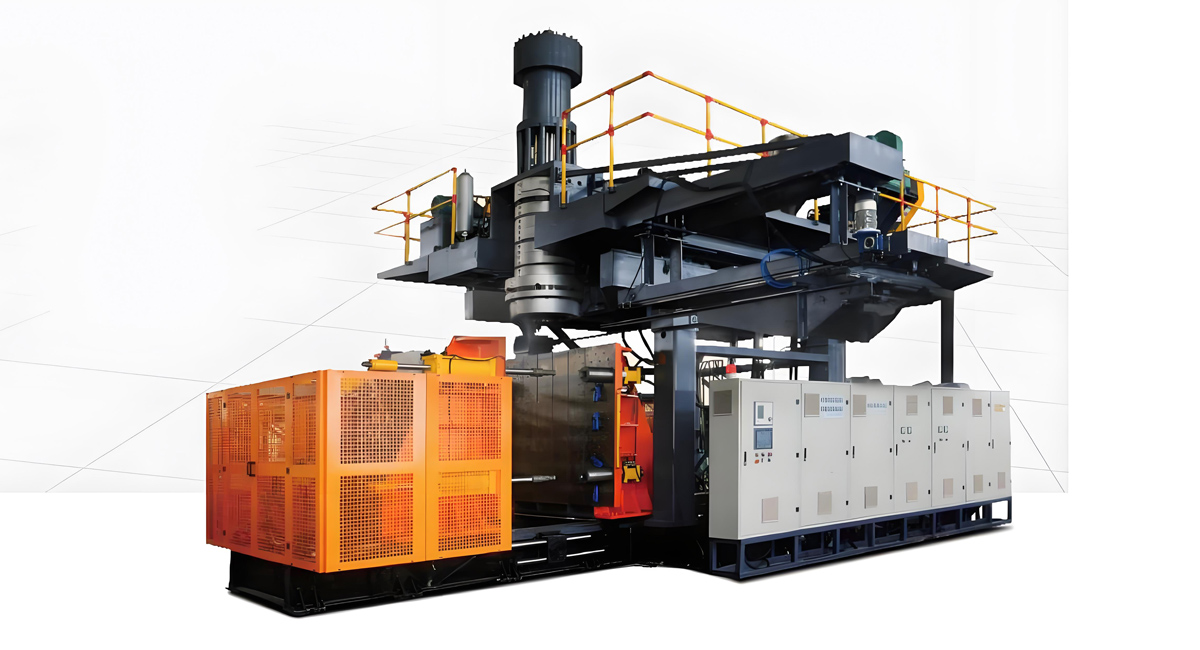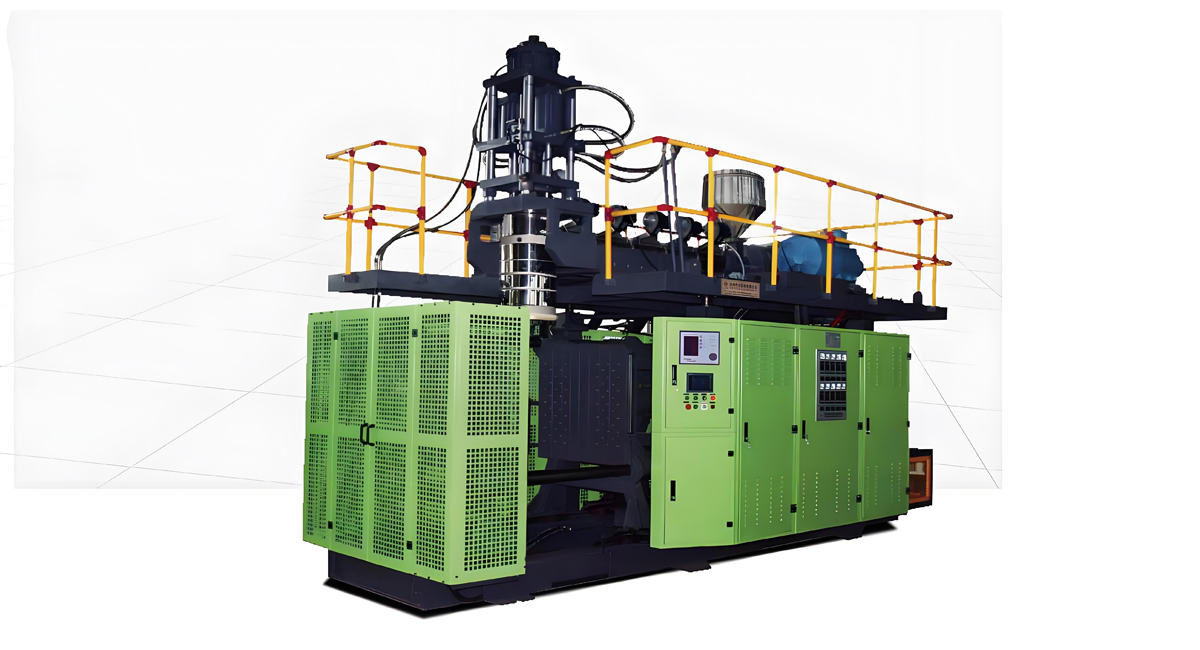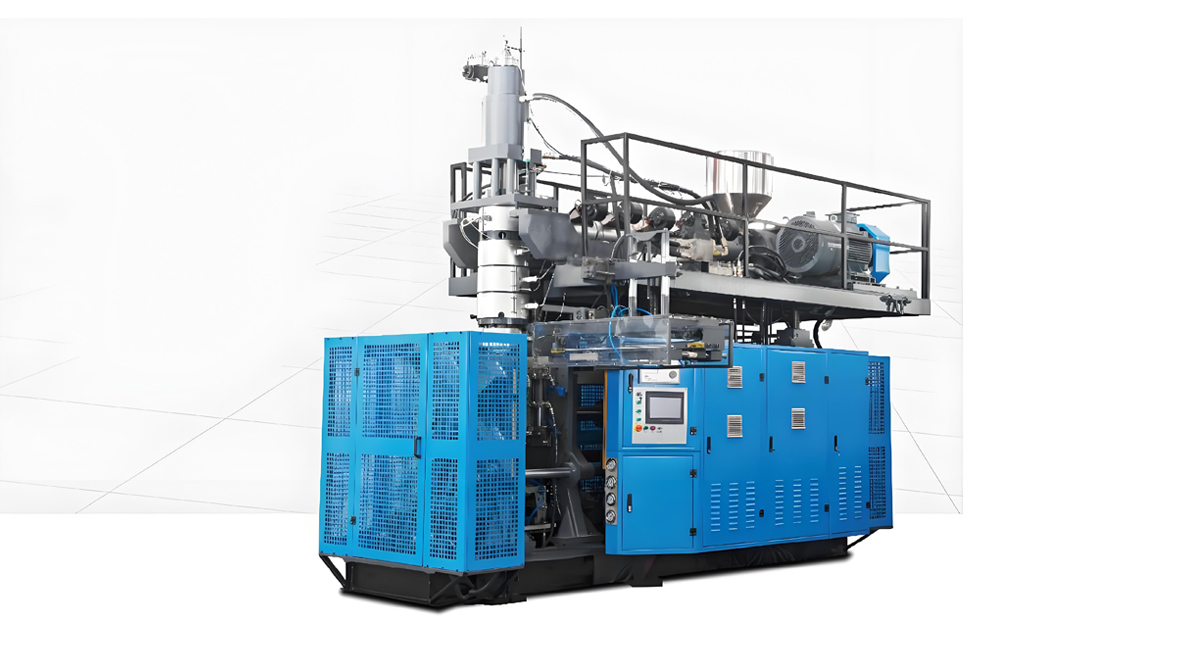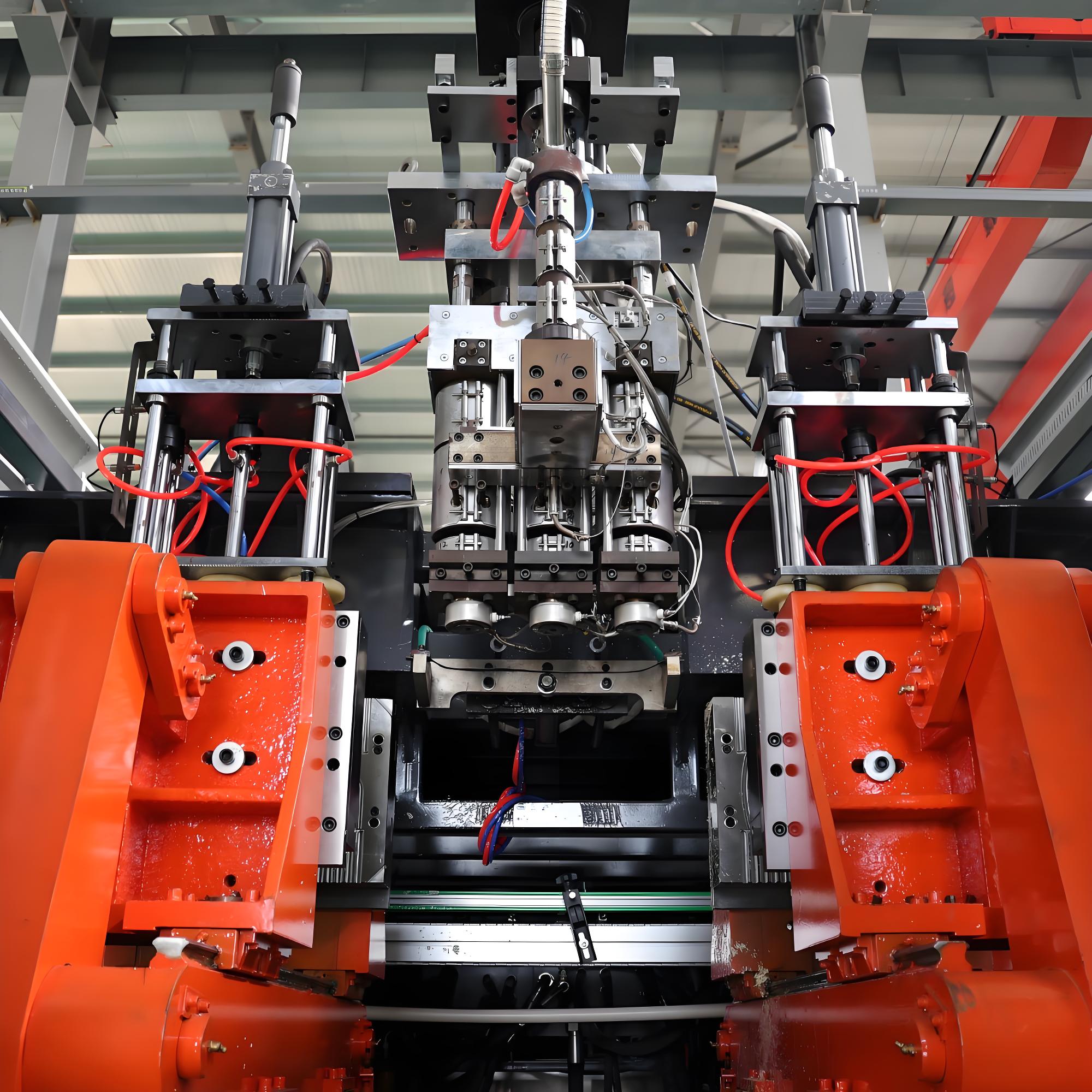

The modern extrusion blow molding machine has evolved from simple mechanical equipment into sophisticated intelligent systems powered by advanced software and control technologies. Smart control systems represent the brain of contemporary EBM machines, enabling unprecedented levels of precision, efficiency, automation, and quality control. Apollo, a leading Chinese EBM machine manufacturer with over 20 years of industry experience, has developed comprehensive software solutions that transform traditional blow molding into intelligent manufacturing processes. This detailed guide explores the complete spectrum of EBM machine software capabilities, examines control system architectures, analyzes advanced features and their production benefits, provides cost analysis for software investments, and demonstrates how smart control systems deliver superior operational performance and competitive advantages.
Evolution of EBM Machine Control Systems
The development of EBM machine control systems has progressed through distinct technological generations, each bringing significant advances in capability, precision, and automation. Understanding this evolution provides context for current capabilities and helps manufacturers make informed decisions about technology investments. The journey from simple relay logic to sophisticated intelligent control systems reflects broader trends in industrial automation and digital transformation.
First Generation: Mechanical Control Systems
Early EBM machines relied entirely on mechanical control systems using relays, timers, and pneumatic valves to sequence operations. These systems provided basic functionality but offered limited precision and no programmability. Process parameters were set manually using mechanical adjustments, requiring significant operator skill and experience. Quality control relied on human inspection and manual adjustments, resulting in high defect rates and inconsistent product quality. These systems lacked data recording capabilities, making process improvement and traceability impossible. While mechanically simple and robust, first-generation systems required extensive manual intervention and produced highly variable product quality. Despite these limitations, some basic EBM machines in developing markets still operate with mechanical controls due to simplicity and low cost.
Second Generation: Early PLC Systems
The introduction of Programmable Logic Controllers in the 1980s marked the first major advancement in EBM machine control. Early PLC systems replaced many mechanical relays with programmable logic, enabling more sophisticated sequencing and basic parameter control. Operators could now set process parameters through simple keypads and digital displays, reducing dependence on mechanical adjustments. Basic data recording capabilities enabled limited process monitoring and quality tracking. However, these early systems remained relatively limited in functionality, with simple interfaces and minimal diagnostic capabilities. Programming required specialized knowledge and expensive programming equipment. Despite limitations, second-generation systems represented significant improvements over purely mechanical controls, enabling more consistent production and reduced operator requirements.
Third Generation: Advanced PLC and HMI Integration
The 1990s and early 2000s saw the integration of Human Machine Interfaces with advanced PLC systems, dramatically improving operator interaction and system capabilities. Touch screen interfaces replaced simple keypads, enabling intuitive operation and comprehensive parameter management. Advanced PLC capabilities enabled sophisticated process control algorithms and real-time monitoring. Recipe management systems stored optimal parameters for different products, enabling rapid changeovers. Enhanced diagnostic capabilities identified issues and provided troubleshooting guidance. Third-generation systems became standard on quality-focused EBM machines, delivering significant improvements in productivity, quality, and ease of operation. These systems laid the foundation for modern intelligent control by combining processing power with user-friendly interfaces.
Fourth Generation: Intelligent Control Systems
Current fourth-generation control systems represent the state of the art in EBM machine technology, incorporating advanced features including predictive maintenance, machine learning algorithms, IoT connectivity, and sophisticated quality control. These systems combine powerful industrial computers with advanced software applications to deliver unprecedented automation and intelligence capabilities. Machine learning algorithms continuously optimize process parameters based on production data and product quality feedback. Predictive maintenance algorithms analyze equipment performance data to anticipate failures before they occur, enabling preventive maintenance and reducing unplanned downtime. IoT integration enables remote monitoring, cloud-based analytics, and factory-wide data integration. Fourth-generation systems transform EBM machines into intelligent manufacturing cells capable of autonomous operation and continuous self-optimization. Apollo has implemented these advanced capabilities across their machine range, positioning the company at the forefront of intelligent EBM technology.
Core Control System Architecture
Modern EBM machine control systems feature sophisticated architectures integrating multiple hardware and software components into cohesive intelligent platforms. Understanding system architecture helps operators and maintenance personnel effectively utilize and maintain these advanced systems. Apollo control architecture demonstrates industry best practices while providing flexibility for different application requirements.
Industrial PLC Core
The Programmable Logic Controller serves as the central processing unit of EBM machine control systems, executing control logic and managing real-time operations. Apollo utilizes Japanese Mitsubishi PLCs across their machine range, selected for reliability, processing power, and global support networks. These high-performance PLCs provide millisecond-level response times, enabling precise control of rapid process events. Multi-CPU configurations enable parallel processing of different machine functions, distributing computational loads for optimal performance. Redundant PLC configurations on critical machines provide fail-safe operation and maximum uptime. The PLC continuously executes control algorithms for all machine functions including extruder control, accumulator operation, mold sequencing, and quality monitoring. Apollo selection of Mitsubishi PLCs ensures component availability and technical support globally, important considerations for international customers.
Human Machine Interface Systems
HMI systems provide the primary operator interface for machine operation and parameter management. Apollo HMIs feature 10.4-inch high-resolution touch screens with intuitive graphical interfaces designed for operator efficiency. Multi-language support including English, Spanish, Russian, and other major languages enables global operation without language barriers. The HMI hierarchy organizes functions logically with main menus for major functions and submenus for detailed parameter access. Graphical displays show real-time process parameters, machine status, and production information in intuitive formats. Alarm screens provide detailed diagnostic information including fault codes, descriptions, and recommended corrective actions. Recipe management interfaces enable easy parameter storage, recall, and modification for different products. Trending screens display historical data for key parameters, enabling process analysis and troubleshooting. These comprehensive HMI capabilities transform complex machinery operation into intuitive, efficient processes.
Distributed I/O Architecture
Modern EBM machines employ distributed I/O architectures that place input and output modules near the devices they control, reducing wiring complexity and improving system reliability. Remote I/O racks positioned throughout the machine connect to the central PLC via industrial networks, enabling faster response times and reduced wiring costs. Fieldbus networks including Profibus, DeviceNet, or EtherCAT provide high-speed communication between the PLC and distributed I/O nodes. This architecture improves system flexibility by enabling easy expansion and reconfiguration as application requirements change. Distributed I/O also enhances reliability by limiting fault propagation, as issues in one section do not affect other machine sections. Apollo distributed I/O design reduces total wiring by 30-40% compared to centralized architectures while improving system diagnostics and fault isolation capabilities.
Servo Control Integration
Servo motor systems provide precise motion control for critical machine functions including extruder drive, clamp movement, and parison programming. Apollo advanced control systems integrate sophisticated servo controllers that communicate with the main PLC through high-speed networks. These controllers implement advanced control algorithms including PID control, feedforward compensation, and trajectory planning for optimal motion profiles. Multi-axis coordination enables synchronized operation of multiple servo axes, critical for high-speed applications. Servo monitoring capabilities track motor performance, temperature, and load conditions, enabling predictive maintenance and early fault detection. Advanced tuning algorithms automatically optimize servo performance for different application requirements. The integration of servo control with the main control system creates seamless motion control that maximizes machine performance while protecting equipment from damage.
Advanced Software Features and Capabilities
Beyond basic machine control, modern EBM machine software incorporates advanced features that deliver significant operational benefits and competitive advantages. These capabilities transform machines from simple production tools into intelligent manufacturing systems capable of optimization, adaptation, and continuous improvement. Apollo comprehensive software suite includes features covering all aspects of machine operation and management.
Parison Control Systems
Parison control represents one of the most critical software capabilities in EBM machines, determining wall thickness distribution and product quality. Apollo implements advanced parison control systems using Japan MOOG technology, offering both 100-point and 30-point control options depending on application requirements. These systems enable precise programming of wall thickness at multiple points along the parison length, optimizing material distribution for specific container geometries. Wall thickness profiles are programmed through intuitive graphical interfaces showing cross-sectional parison thickness. The control system continuously monitors actual parison conditions and adjusts die openings in real time to compensate for material property variations, temperature fluctuations, and other process disturbances. This adaptive control maintains consistent product quality despite process variations. High-resolution parison control enables production of containers with complex geometries and precise weight specifications. The 100-point MOOG system provides exceptional control precision with wall thickness accuracy of plus or minus 0.01mm, critical for demanding applications like pharmaceutical containers and chemical drums where precise weight control is essential.
Process Optimization Algorithms
Advanced process optimization algorithms continuously analyze production data and automatically adjust parameters to optimize performance. Machine learning algorithms identify patterns in process data and product quality metrics, learning optimal parameter combinations for different products and operating conditions. Self-optimizing capabilities automatically adjust melt temperature, screw speed, accumulator timing, and other critical parameters to maintain optimal product quality while maximizing production efficiency. These algorithms consider multiple objectives simultaneously including quality, productivity, energy consumption, and equipment protection. Adaptive algorithms compensate for gradual changes in material properties, machine wear, and environmental conditions, maintaining consistent performance over extended production runs. Process optimization typically improves productivity by 15-25% while reducing defect rates by 20-35% compared to manually optimized processes. The continuous learning nature of these algorithms means that machines become increasingly efficient over time as more production data is accumulated.
Energy Management Systems
Energy management software continuously monitors power consumption across all machine components and identifies opportunities for optimization. Real-time energy consumption tracking breaks down power usage by function including extruder heating, motor drives, cooling systems, and auxiliary equipment. Load balancing algorithms optimize energy usage by coordinating operation of different components to reduce peak power demands and improve overall efficiency. Automatic shutdown of non-essential components during idle periods reduces unnecessary energy consumption. Energy efficiency metrics displayed on the HMI enable operators to understand energy usage patterns and identify improvement opportunities. Apollo energy management systems typically reduce energy consumption by 10-15% compared to similar machines without advanced energy optimization. For machines operating 5,000 hours annually at 100kW average power, this represents savings of 12,500-18,750 USD per year in energy costs alone.
Predictive Maintenance Systems
Predictive maintenance algorithms analyze equipment performance data to anticipate failures before they occur, enabling scheduled maintenance that prevents unplanned downtime. Vibration analysis of motors and pumps identifies bearing wear and alignment issues early in the development process. Temperature monitoring of critical components detects degradation trends that indicate approaching failures. Power consumption analysis identifies changes in electrical signatures that precede mechanical failures. Performance trend monitoring detects gradual degradation in equipment capabilities that indicate maintenance requirements. The system generates maintenance alerts with detailed diagnostic information and recommended corrective actions, enabling proactive maintenance scheduling. Predictive maintenance typically reduces unplanned downtime by 60-80% and extends equipment lifetime by 20-30% compared to reactive or time-based maintenance approaches. For machines producing 500,000 units annually with 2% downtime reduction, this represents additional production capacity of 10,000 units per year.
Quality Control Integration
Integrated quality control systems transform machines from production tools into quality assurance platforms. Vision inspection systems integrated with the main control system automatically inspect every container for defects including dimensional accuracy, wall thickness consistency, surface quality, and closure integrity. Statistical process control continuously monitors key quality parameters and detects deviations that may indicate process problems. Automated weight control systems monitor individual container weights and adjust process parameters to maintain specifications within tight tolerances. Defect tracking and analysis systems categorize defects by type and frequency, identifying root causes and enabling targeted process improvements. Real-time quality data displayed on the HMI enables operators to monitor production quality continuously and respond to developing issues quickly. Apollo integrated quality control systems typically reduce defect rates by 50-70% compared to machines relying solely on manual inspection and periodic quality checks. For high-value applications where scrap costs are significant, these quality improvements deliver substantial financial benefits.
Production Management Capabilities
Comprehensive production management software provides visibility and control over all aspects of production operations. Production planning systems optimize changeover sequences and machine assignments to maximize overall plant efficiency. Performance monitoring dashboards display real-time production metrics including production rates, quality statistics, energy consumption, and equipment utilization. Production reporting generates comprehensive shift, daily, and monthly reports covering all key performance indicators. Material tracking systems monitor material consumption and inventory levels, enabling efficient material management and waste reduction. Operator performance tracking identifies training opportunities and best practices that can be shared across the organization. These production management capabilities transform individual machines into integrated components of comprehensive manufacturing operations management systems. Apollo production management software provides data export capabilities enabling integration with plant-wide ERP and MES systems for complete manufacturing visibility.
Specialized Software Applications
Beyond general control functions, modern EBM machine software includes specialized applications designed for specific production challenges and advanced capabilities. These specialized features address particular application requirements and provide competitive advantages in demanding markets.
Multi-Layer Coextrusion Control
Multi-layer coextrusion machines require specialized software to manage the complexity of multiple extruders, material flows, and layer distribution. Advanced coextrusion control systems synchronize multiple extruders, accumulator heads, and die systems to produce containers with multiple material layers. Ratio control algorithms maintain precise proportions between different material layers throughout the production process. Material interface monitoring ensures proper layer adhesion and identifies delamination issues. Independent temperature control for each material enables optimal processing conditions for different polymers. Layer thickness control systems adjust individual material flow rates to achieve precise layer distribution specifications. Apollo multi-layer coextrusion systems support up to 6-layer structures with independent control over each layer. These capabilities enable production of sophisticated containers with barrier layers, structural layers, and aesthetic layers that provide competitive advantages in packaging applications. Multi-layer systems typically cost 80,000-200,000 USD more than single-layer machines but enable production of premium containers that command significantly higher market prices.
Material-Specific Processing Profiles
Advanced software includes optimized processing profiles for different materials including HDPE, PP, PVC, PETG, and engineering plastics. These profiles incorporate optimal temperature curves, screw speed ranges, pressure settings, and cooling parameters for each material type. Automatic material identification systems can detect material changes and automatically switch to appropriate processing parameters, reducing changeover times and ensuring optimal processing conditions. Material-specific safety parameters protect equipment from damage when processing challenging materials. Processing history tracking maintains records of processing conditions for different materials, enabling continuous improvement and troubleshooting support. Apollo software includes processing profiles for over 50 common plastic materials and can accommodate custom materials through user-defined profiles. This material-specific optimization typically improves material utilization by 5-10% and reduces defect rates by 15-25% for challenging materials.
High-Speed Production Modes
Specialized high-speed production software modes optimize machine performance for applications requiring maximum production rates. High-speed parison control algorithms enable rapid parison formation while maintaining precise wall thickness control. Optimized motion profiles minimize cycle times without sacrificing product quality. Advanced accumulator charging algorithms maximize material throughput. Predictive control algorithms anticipate process events and preposition equipment for fastest possible response. Synchronized coordination between all machine axes eliminates unnecessary delays and ensures optimal sequencing. Apollo high-speed modes typically increase production rates by 20-35% compared to standard operation modes. For machines producing 1,000 bottles per hour in standard mode, high-speed operation can increase output to 1,200-1,350 bottles per hour, generating additional capacity worth 45,000-80,000 USD annually at 50 USD bottle revenue.
Quick-Change Systems
Quick-change software and associated hardware dramatically reduce changeover times between different products and molds. Automated mold recognition systems identify installed molds and automatically load corresponding production parameters. Pre-programmed changeover sequences guide operators through optimized procedures for rapid transitions. Synchronized control of mold heating, material changes, and parameter updates minimizes total changeover time. Changeover time tracking and analysis identify opportunities for further improvement. Apollo quick-change systems can reduce changeover times from 2-3 hours to 30-45 minutes for similar product families. For machines running daily changeovers, this time savings of 1.5-2.25 hours per day increases available production time by 20-30%, equivalent to adding 0.2-0.3 machines in capacity. At 50 USD per hour machine value, this represents annual benefits of 40,000-60,000 USD.
Connectivity and Integration Capabilities
Modern EBM machine software includes comprehensive connectivity features that enable integration with broader manufacturing systems and remote monitoring capabilities. These connectivity features transform isolated machines into networked manufacturing assets that support smart factory initiatives and Industry 4.0 implementations.
IoT and Remote Monitoring
Internet of Things capabilities enable remote monitoring and control of EBM machines from anywhere with internet connectivity. Secure cloud platforms collect real-time data from machines and make it available through web-based dashboards and mobile applications. Remote access enables operators and technicians to monitor machine status, view production data, and receive alerts without being physically present at the machine. Predictive algorithms running in the cloud analyze data from multiple machines to identify patterns and optimize maintenance across entire fleets. Remote diagnostic capabilities enable technical support teams to analyze machine performance and provide troubleshooting assistance without travel. Apollo IoT systems include secure authentication and encrypted communications to protect proprietary information and ensure cybersecurity. Remote monitoring typically reduces technical support costs by 40-60% and improves response times from days to hours or even minutes.
ERP and MES Integration
Enterprise Resource Planning and Manufacturing Execution System integration enables seamless data flow between EBM machines and broader business systems. Production data automatically updates ERP systems for accurate inventory, production scheduling, and cost accounting. Quality data integrates with quality management systems for comprehensive quality tracking and compliance reporting. Maintenance data feeds into asset management systems for optimized maintenance planning and cost tracking. Production orders and schedules downloaded from ERP systems automatically configure machines for optimal production sequences. Apollo provides standard integration protocols including OPC, Modbus, and REST APIs for easy connection to common business systems. Integration typically reduces data entry errors by 80-90% and improves production scheduling accuracy by 15-25%.
Data Analytics and Reporting
Advanced data analytics capabilities transform raw production data into actionable business insights. Statistical analysis tools identify trends, correlations, and opportunities for improvement. Comparative analysis enables benchmarking between different machines, shifts, or operators. Performance dashboards provide at-a-glance views of key metrics including OEE, quality rates, and energy efficiency. Automated reports generate comprehensive documentation for management, customers, and regulatory compliance. Historical data mining enables root cause analysis of quality issues and production problems. Apollo analytics systems include pre-built report templates for common requirements and custom report builders for specialized needs. Data-driven decision making based on these analytics typically improves overall plant performance by 5-15% through better operational insights.
Security and Access Control
Comprehensive security features protect machine software and data from unauthorized access and cyber threats. Multi-level user authentication systems require login credentials with role-based access control to ensure operators only access functions appropriate for their responsibilities. Encrypted communications protect data transmitted between machines and external systems. Audit trails record all user actions and system changes for traceability and compliance requirements. Automated backup systems protect software configurations and production data from loss. Regular security updates address emerging threats and vulnerabilities. Apollo security systems comply with international standards including IEC 62443 for industrial automation security. These security measures protect both intellectual property and production continuity, essential for competitive operations in connected manufacturing environments.
Cost Analysis and Return on Investment
Investing in advanced EBM machine software requires careful consideration of costs and benefits. While software investments typically represent 5-15% of total machine cost, they deliver disproportionate value through productivity improvements, quality enhancements, and operational efficiency gains. Understanding cost structures and returns enables informed investment decisions.
Software Cost Components
EBM machine software costs encompass multiple components beyond the initial license fees. Base control software is typically included in machine price, representing approximately 8-12% of total machine cost. Advanced features including predictive maintenance, energy management, and advanced quality control typically cost 15,000-40,000 USD per module depending on complexity. Custom software development for specialized applications ranges from 25,000-100,000 USD depending on requirements. Annual software maintenance and support contracts typically cost 8-12% of initial software value. Integration with existing plant systems including ERP and MES typically costs 20,000-50,000 USD depending on system complexity and number of machines. Training for operators and technical staff on advanced software features typically costs 5,000-15,000 USD. These various cost components should be considered when planning comprehensive software investments.
Productivity Gains and Revenue Impact
Advanced software capabilities deliver substantial productivity improvements that directly impact revenue. Production rate improvements of 15-35% through high-speed modes, optimized processes, and reduced downtime increase effective capacity without additional equipment. Quality improvements reducing defect rates by 50-70% increase sellable output and reduce material waste. Changeover time reductions of 60-80% increase available production time for flexible production environments. For a machine producing 500,000 units annually at 5 USD revenue per unit, a 20% productivity increase generates 500,000 USD in additional annual revenue. These revenue gains typically justify software investments within 6-18 months, making advanced software among the highest-returning capital investments available to manufacturers.
Operating Cost Reduction
Advanced software delivers substantial operating cost reductions across multiple categories. Energy management systems reducing consumption by 10-15% save 12,500-18,750 USD annually for 100kW machines operating 5,000 hours at 0.25 USD per kWh. Predictive maintenance reducing downtime by 60% prevents production losses worth 75,000-150,000 USD annually for mid-size machines. Quality improvements reducing scrap by 5-8% save 25,000-75,000 USD annually depending on material and product values. Reduced labor requirements through automation and improved efficiency save 30,000-80,000 USD annually depending on labor rates and workforce size. These combined operating cost savings typically total 150,000-350,000 USD annually, providing compelling return on investment for software expenditures.
Quality and Customer Satisfaction Benefits
Quality improvements from advanced software provide strategic benefits beyond direct cost savings. Consistent high quality enhances customer satisfaction and loyalty, supporting higher prices and reduced customer turnover. Reduced customer complaints and returns lower customer service costs and protect brand reputation. Enhanced quality capabilities enable expansion into premium markets with higher value products. Compliance with quality standards enables business with quality-conscious customers including automotive and pharmaceutical companies. While these benefits are difficult to quantify precisely, industry experience suggests they represent 5-10% of total value for manufacturers competing in quality-sensitive markets. For a 10 million USD annual revenue business, this represents 500,000-1,000,000 USD in strategic value.
Implementation and Best Practices
Successfully implementing advanced EBM machine software requires careful planning, proper training, and systematic implementation approaches. Following proven best practices ensures maximum benefit from software investments and smooth transitions to new capabilities.
Software Selection Strategy
Selecting appropriate software capabilities requires alignment between technology investments and business objectives. Prioritize software modules that address specific business challenges and deliver clear ROI. Consider scalability of solutions to ensure they accommodate future growth and changing requirements. Evaluate vendor support capabilities including training, technical support, and future development roadmaps. Request demonstrations and reference site visits to validate claimed capabilities in real-world applications. Assess integration requirements with existing plant systems and ensure compatibility. Apollo provides comprehensive consultation services to help customers select appropriate software configurations for their specific requirements, avoiding over-investment in unnecessary capabilities while ensuring critical needs are addressed.
Implementation Phasing
Phased implementation approaches reduce risk and enable learning and adjustment throughout the process. Start with core capabilities including basic automation, recipe management, and standard quality control to establish foundations. Add advanced capabilities incrementally as operators gain proficiency and initial benefits are realized. Implement predictive maintenance after establishing baseline performance data. Integrate with plant systems after individual machine optimization is complete. This phased approach spreads investment costs over multiple budget periods while building organizational capabilities progressively. Apollo recommends 6-12 month implementation timelines for comprehensive software rollouts across multiple machines, with 2-3 month phases for different capability sets.
Training and Change Management
Comprehensive training programs ensure operators and maintenance personnel can effectively utilize advanced software capabilities. Operator training covers system operation, parameter interpretation, alarm response, and basic troubleshooting. Technical maintenance training addresses system architecture, diagnostics, configuration, and advanced troubleshooting. Management training focuses on data interpretation, performance monitoring, and continuous improvement. Refresher training updates skills as software evolves and new capabilities are added. Change management processes help organizations adapt to new workflows and responsibilities enabled by software capabilities. Apollo provides multi-level training programs at customer facilities or Apollo training centers, tailored to specific organizational requirements and skill levels.
Performance Monitoring and Continuous Improvement
Establishing performance monitoring systems ensures software investments deliver expected benefits and enables continuous improvement. Define key performance indicators covering productivity, quality, energy efficiency, and reliability before implementation. Establish baseline measurements to enable comparison against post-implementation performance. Regularly review performance data against targets and investigate deviations. Conduct periodic reviews of software utilization to ensure all capabilities are being used effectively. Solicit feedback from operators and maintenance personnel to identify improvement opportunities. Apollo provides ongoing support services to help customers maximize value from their software investments through performance monitoring and optimization assistance.
Future Trends and Developments
EBM machine software continues evolving rapidly as technology advances and market requirements change. Understanding emerging trends helps manufacturers plan future investments and maintain technological competitiveness. Apollo actively participates in software technology development, ensuring customers have access to cutting-edge capabilities.
Artificial Intelligence and Machine Learning
Artificial intelligence and machine learning technologies will increasingly transform EBM machine capabilities. Advanced AI algorithms will enable fully autonomous operation where machines continuously optimize themselves without human intervention. Machine learning systems will learn optimal production parameters for new products by analyzing data from similar products. Predictive quality capabilities will forecast potential quality issues before defects occur, enabling preventive adjustments. Natural language interfaces will enable operators to interact with machines using conversational commands and questions. These AI advancements will progressively reduce human requirements while increasing performance and consistency. Apollo is actively researching and developing AI capabilities for integration into future machine software releases.
Digital Twin Technology
Digital twin technology creates virtual replicas of physical machines that enable advanced simulation, optimization, and predictive capabilities. Digital twins will enable testing of production changes and parameter adjustments in virtual environments before implementation on actual machines, reducing risk and accelerating optimization. Process simulation will enable accurate prediction of production rates and quality for new products without physical trial runs. Virtual commissioning will reduce installation and startup times by validating configurations before physical implementation. Lifecycle management capabilities will optimize maintenance and replacement planning based on virtual wear modeling. Apollo plans to incorporate digital twin technology into future product offerings, enabling customers to benefit from these advanced simulation and optimization capabilities.
Augmented Reality Interfaces
Augmented reality interfaces will transform how operators interact with EBM machines and systems. AR glasses and displays will overlay real-time process data, operating instructions, and diagnostic information directly on physical equipment, improving operator efficiency and reducing training requirements. Virtual training environments will enable comprehensive operator training without physical machines, reducing training costs and time. Remote assistance capabilities will enable expert support through visual guidance superimposed on equipment, improving troubleshooting effectiveness. Maintenance instructions and documentation will be contextually displayed on equipment as technicians perform maintenance tasks. Apollo is exploring AR interface technologies to enhance future human-machine interaction capabilities.
Edge Computing Integration
Edge computing capabilities will bring more processing power directly to machines, enabling advanced capabilities without cloud dependency. Local AI execution will enable real-time optimization and decision making at the machine level, improving responsiveness and reducing latency. Advanced data processing at the edge will reduce data transmission requirements while enabling sophisticated analytics. Edge-based digital twins will enable local simulation and optimization capabilities while maintaining synchronization with central systems. Enhanced security will be enabled through local processing of sensitive data. Apollo architecture supports edge computing capabilities, enabling implementation of advanced local processing features as technology matures.
Conclusion
Extrusion blow molding machine software has evolved from simple control systems into sophisticated intelligent platforms that drive productivity, quality, and efficiency. Apollo comprehensive software suite encompasses all aspects of machine operation from basic control to advanced optimization, connectivity, and integration capabilities. The value proposition of advanced software is compelling, with typical returns on investment of 100-300% achieved through productivity gains, operating cost reductions, and quality improvements. As technology continues advancing, EBM machine software will become increasingly intelligent, autonomous, and integrated, delivering even greater value to manufacturers. For companies seeking competitive advantages through manufacturing excellence, investing in advanced EBM machine software represents not just operational improvement but strategic transformation. Apollo proven track record with over 4,000 machines installed in 90+ countries, combined with comprehensive software capabilities and ongoing commitment to technology development, positions the company as the ideal partner for manufacturers seeking to leverage intelligent control for superior production performance. The future of extrusion blow molding belongs to those who embrace and leverage these advanced software capabilities to transform their operations and achieve sustainable competitive advantages.