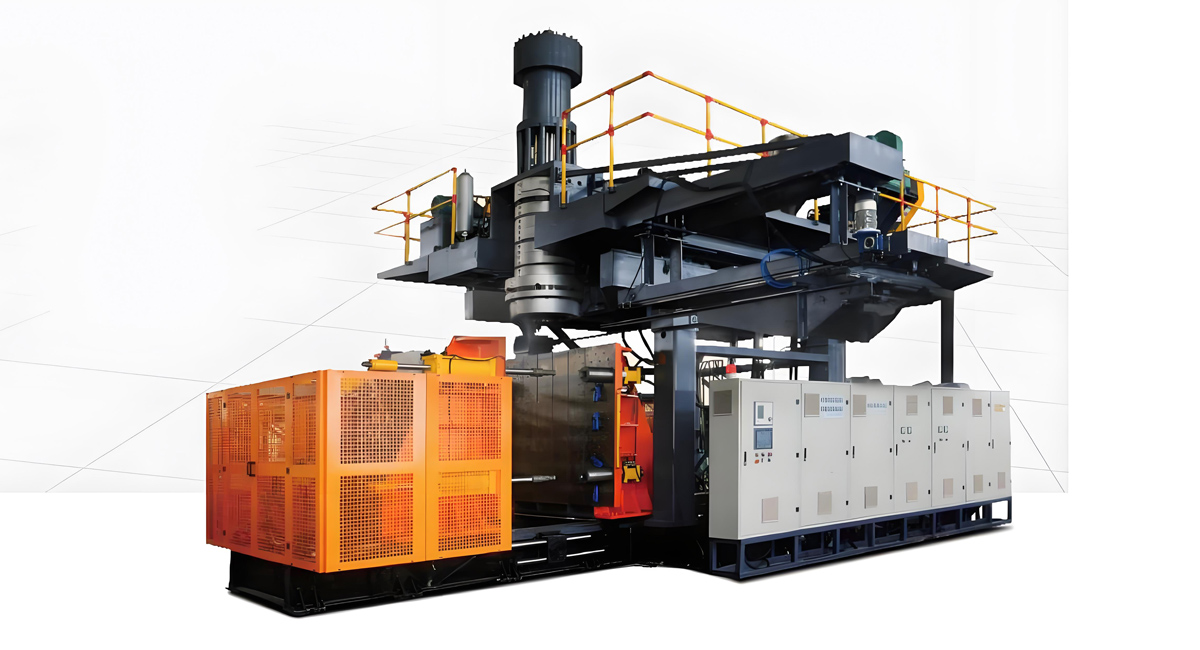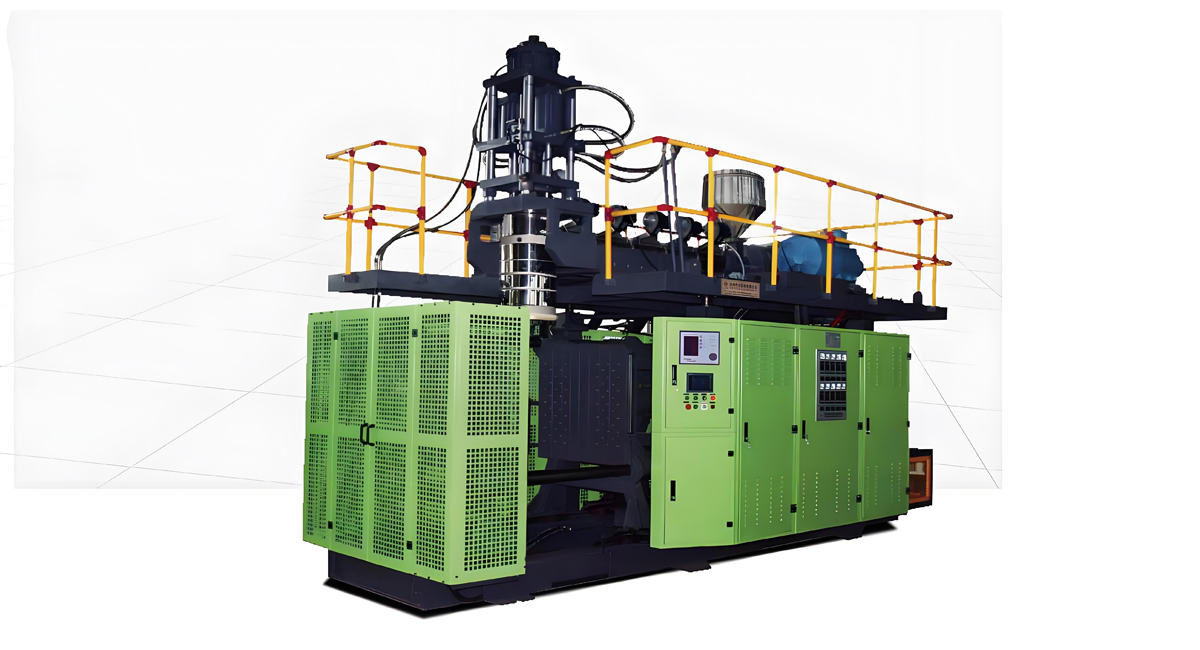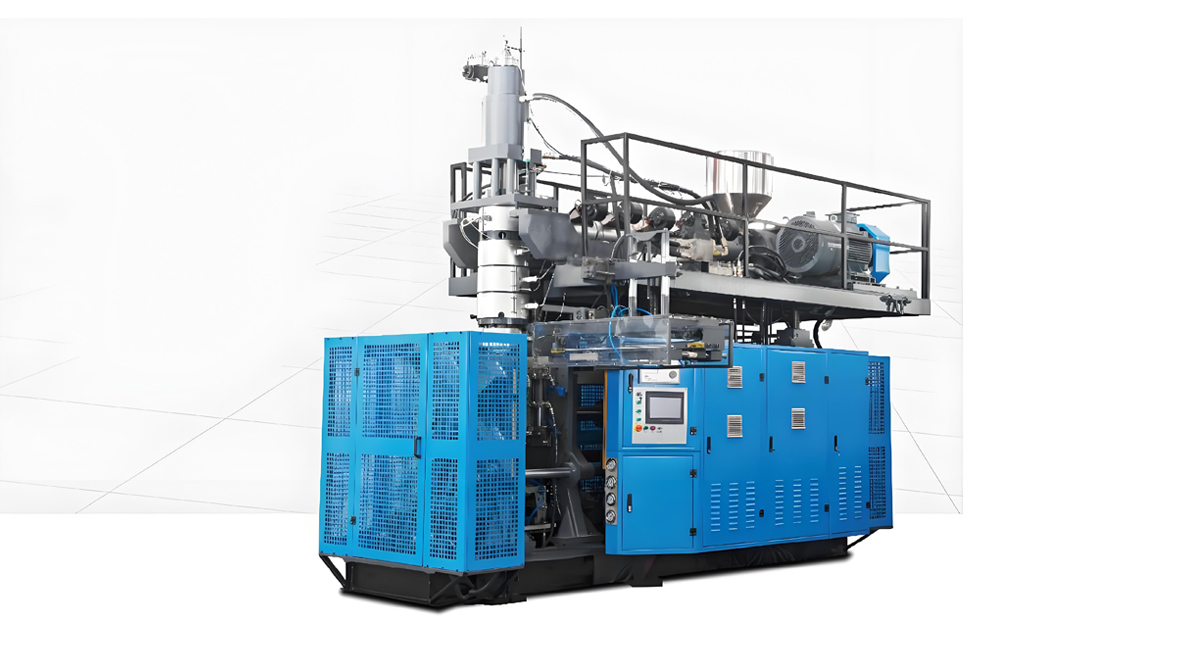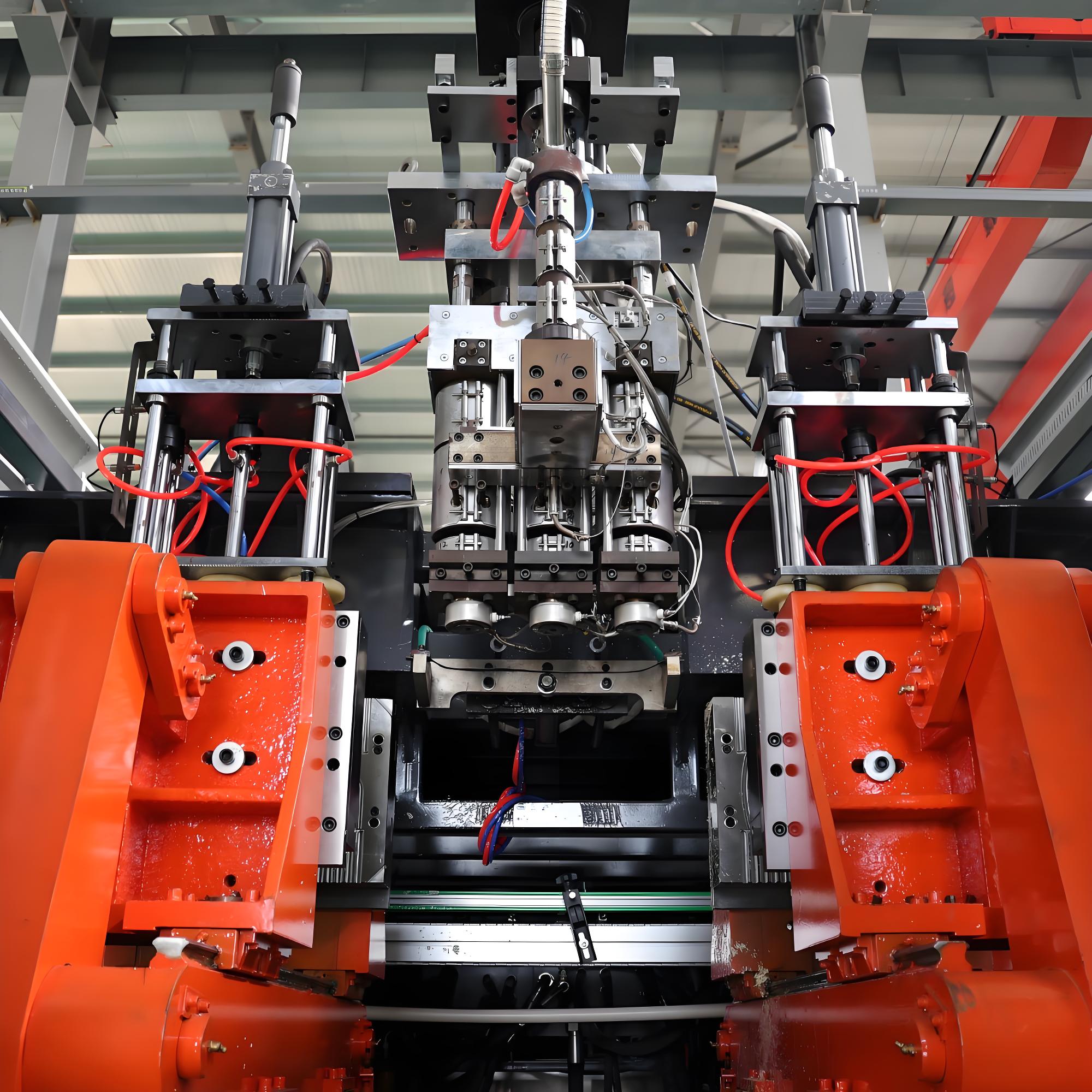
China extrusion blow molding machine fairs and exhibitions represent premier opportunities for international buyers to discover reliable suppliers, compare cutting-edge technologies, and establish business relationships in the global EBM equipment market. These specialized trade shows bring together manufacturers, suppliers, and industry professionals from across the globe, creating an ideal environment for sourcing high-quality extrusion blow molding equipment. The Chinese EBM machine industry has established itself as a dominant force in the global market, with numerous manufacturers competing on technology, quality, and price. This comprehensive guide explores the major EBM machine fairs in China, provides strategies for effective supplier evaluation, examines key manufacturers including Apollo Machinery, offers cost analysis insights, and delivers practical recommendations for successful fair participation.
Major EBM Machine Fairs in China
China hosts numerous industrial exhibitions throughout the year, with specific trade shows dedicated to plastic machinery and extrusion blow molding equipment. These fairs vary in scale, specialization, and international attendance, offering different advantages depending on sourcing requirements and target markets. Understanding the characteristics of each major fair enables buyers to select the most appropriate events for their sourcing objectives.
Chinaplas International Exhibition
Chinaplas stands as the largest and most influential plastics and rubber trade fair in Asia, attracting manufacturers and buyers from across the globe. Held annually in alternating years between Shanghai and Guangzhou, this massive exhibition typically features over 3,800 exhibitors from more than 40 countries and attracts over 180,000 visitors. The EBM machine section at Chinaplas represents one of the most comprehensive displays of extrusion blow molding technology globally, with major Chinese manufacturers showcasing their latest innovations alongside international competitors. The 2025 edition in Shanghai will feature dedicated zones for plastic machinery, raw materials, and auxiliary equipment, providing visitors with complete industry coverage. For international buyers seeking comprehensive supplier comparison, Chinaplas offers unmatched scale and diversity of exhibitors. Exhibition space costs for major manufacturers range from 30,000 to 80,000 USD for booth spaces of 100-200 square meters, reflecting the significant investment manufacturers make in this premier event.
China Plastics Machinery Exhibition
Specialized specifically for plastics machinery, this exhibition focuses exclusively on equipment and technology rather than materials, providing concentrated access to EBM machine manufacturers. Typically held in November in Ningbo, a major plastics machinery manufacturing hub, this fair attracts over 800 machinery manufacturers and 50,000 visitors. The exhibition provides excellent opportunities for in-depth technical discussions with engineering teams and comprehensive equipment demonstrations. The more focused nature of this exhibition enables visitors to spend more time with each supplier, leading to more detailed technical evaluations. Smaller scale compared to Chinaplas creates a more intimate environment for relationship building. Exhibition costs for manufacturers range from 15,000 to 40,000 USD for booth spaces of 50-100 square meters, making it more accessible for mid-sized manufacturers while still featuring major industry players.
Regional Industrial Fairs
Beyond the major national exhibitions, numerous regional industrial fairs throughout China provide opportunities for discovering local EBM machine manufacturers and establishing regional supplier relationships. The Shanghai International Packaging Exhibition typically includes significant extrusion blow molding machine participation, particularly for packaging applications. The Guangzhou International Plastic Exhibition serves the southern China manufacturing region and attracts manufacturers from the Pearl River Delta industrial zone. The Qingdao International Plastics Exhibition provides access to manufacturers based in Shandong province, another important plastics machinery manufacturing region. These regional fairs offer the advantage of easier logistics for visiting specific manufacturing facilities after the exhibition, as many exhibitors are located within reasonable proximity of the fair location. Regional exhibition costs typically range from 8,000 to 25,000 USD for booth spaces of 30-80 square meters, reflecting the smaller scale and regional focus.
International vs. Domestic Fair Selection
Selecting between international and domestic fairs involves trade-offs between scale, specialization, and relationship-building opportunities. International fairs like Chinaplas provide maximum exposure to a wide range of suppliers and enable comprehensive market overview but involve higher travel costs and greater time commitments. These fairs attract more international visitors, providing opportunities to learn about global market trends and technologies. Domestic and regional fairs offer more intimate environments for detailed technical discussions and better opportunities for visiting manufacturing facilities post-exhibition. These fairs typically involve lower travel costs and shorter time commitments but may feature fewer international suppliers. Buyers should consider their specific sourcing requirements when selecting fairs, with international fairs better for initial supplier discovery and domestic fairs more suitable for detailed supplier evaluation and relationship development.
Effective Fair Participation Strategies
Successful participation in China EBM machine fairs requires careful preparation, strategic planning, and efficient time management during the event. The massive scale of these exhibitions can overwhelm unprepared visitors, while well-prepared buyers maximize value and achieve sourcing objectives efficiently. Implementing proven strategies ensures productive fair experiences that lead to successful supplier relationships and equipment procurement.
Pre-Fair Research and Planning
Comprehensive pre-fair research represents the foundation for successful fair participation. Detailed examination of exhibitor lists, available on fair websites 2-3 months before the event, enables identification of target suppliers matching specific requirements. Analysis of company websites, product catalogs, and technical specifications for identified suppliers helps prioritize booth visits and prepare relevant questions. Setting clear objectives for each supplier interaction, whether technology evaluation, price exploration, or relationship initiation, ensures focused and productive discussions. Developing a detailed booth visit schedule with time allocations prevents missing important suppliers while avoiding wasted time on less relevant exhibitors. Pre-fair research typically requires 40-60 hours for thorough preparation but significantly enhances fair efficiency and effectiveness.
Booth Visit Protocols
Structured booth visit protocols maximize information gathering while maintaining professional business relationships. Initial meetings should focus on understanding supplier capabilities, product range, and technical specifications before diving into detailed price negotiations. Requesting product brochures, technical specifications, and company profiles provides reference materials for post-fair evaluation. Asking for demonstrations of key features or technologies, particularly for complex EBM machine functions, validates technical claims and provides practical insights into equipment capabilities. Collecting business cards from key contacts ensures effective follow-up communication. Limiting initial booth visits to 15-20 minutes enables efficient coverage of multiple suppliers while scheduling longer follow-up meetings with promising candidates. Recording immediate impressions and key information after each booth visit prevents memory loss and facilitates post-fair supplier comparison.
Technical Evaluation Framework
Implementing a systematic technical evaluation framework enables objective comparison of different EBM machine suppliers. Developing checklists covering key technical parameters including capacity ranges, extruder specifications, control systems, energy efficiency, and quality standards ensures comprehensive evaluation. Comparing component specifications across suppliers, particularly for critical elements like screws, barrels, pumps, and control systems, reveals quality differences that impact long-term performance. Evaluating warranty terms, after-sales service capabilities, and spare parts availability provides insights into long-term support quality. Assessing manufacturing facilities either through post-fair visits or detailed facility descriptions validates production capabilities and quality control systems. This systematic technical evaluation enables data-driven supplier selection rather than relying on sales presentations alone.
Documentation and Follow-Up
Comprehensive documentation and structured follow-up processes transform fair interactions into successful supplier relationships. Detailed notes covering discussions, technical specifications, pricing information, and commitments from each supplier meeting create reliable records for decision-making. Organizing collected materials including brochures, technical specifications, and business cards facilitates systematic supplier comparison. Following up with promising suppliers within one week of the fair demonstrates serious interest and maintains momentum established during initial meetings. Requesting formal quotations based on specific requirements obtained during fair discussions enables accurate price comparison. Scheduling post-fair meetings either at manufacturing facilities or through video calls enables deeper technical discussions and relationship development. This systematic approach to documentation and follow-up maximizes the value of fair participation and accelerates supplier selection processes.
Key EBM Machine Manufacturers in China
The Chinese EBM machine market features numerous manufacturers competing across different market segments, technology levels, and geographic regions. Understanding the competitive landscape and identifying leading manufacturers provides the foundation for effective supplier selection. Manufacturers vary significantly in capabilities, quality standards, international experience, and pricing strategies, requiring careful evaluation based on specific sourcing requirements.
Apollo Machinery Comprehensive Profile
Apollo Machinery, established over 20 years ago and operating as part of the Wanplas Group, represents one of China leading EBM machine manufacturers with extensive export experience across 90+ countries. The company product range spans the full spectrum from small 200ml containers to massive 5000L tanks, with three main product lines including ABLB series (200ML-20L), ABLD series (20L-1500L), and fully electric series (200ML-20L). Apollo maintains an 8,000 square meter factory with annual production capacity exceeding 100 sets, employing over 200 skilled workers including 30+ engineers in research and development. The company quality system holds ISO 9001 certification with CE marking for European market compliance. Apollo competitive pricing typically ranges 30-45% below European premium brands while maintaining comparable quality for most applications. The company provides comprehensive after-sales service through international distributors and direct support teams, with 7×24 technical support and 500 USD annual free parts allowance for equipment under warranty. Apollo serves diverse markets including food and beverage packaging (48.7% of business), chemical containers (25.3%), pharmaceutical packaging (12.4%), automotive components (8.6%), and other applications (5.0%).
Market Segment Analysis
The Chinese EBM machine market naturally segments across different quality levels and price points. Premium segment manufacturers like Apollo and a few other leading companies focus on high-quality equipment with international components, advanced technology, and export-oriented sales. These manufacturers typically price equipment in the 60,000-300,000 USD range depending on capacity and features, representing 20-40% savings compared to European premium brands. Mid-range manufacturers offer equipment with mixed component sourcing and moderate technology levels, typically priced 40-60% below premium manufacturers. Entry-level manufacturers provide basic equipment with domestic components and limited technology, offering pricing 60-75% below premium equipment but with correspondingly lower performance and quality. Understanding these market segments helps buyers target manufacturers matching their quality requirements and budget constraints. Premium manufacturers like Apollo typically capture 35-45% of export market value despite representing only 10-15% of total manufacturers, reflecting the importance of quality and international standards for export markets.
Geographic Manufacturing Clusters
Chinese EBM machine manufacturing concentrates in several key geographic clusters, each with distinct characteristics and specialties. The Yangtze River Delta region, particularly around Shanghai, Suzhou, and Zhangjiagang, features numerous premium manufacturers with strong export orientation and advanced technology capabilities. Apollo operates from this region, benefiting from proximity to skilled labor, quality component suppliers, and international shipping infrastructure. The Pearl River Delta region around Guangzhou, Dongguan, and Shenzhen hosts many mid-range and entry-level manufacturers focusing on cost-effective solutions for domestic and regional export markets. The Shandong province cluster around Qingdao and Weihai features several manufacturers specializing in large-capacity equipment for industrial and chemical applications. The Bohai Economic Rim including Beijing and Tianjin hosts manufacturers focusing on high-technology equipment and specialized applications. Understanding these geographic clusters helps buyers select manufacturers with appropriate capabilities and potentially arrange post-fair manufacturing facility visits.
Technology Capabilities Comparison
Chinese EBM machine manufacturers demonstrate varying levels of technological capability across different product segments and applications. Premium manufacturers like Apollo offer advanced capabilities including MOOG 100-point parison control, servo-hydraulic systems, fully electric drive options, Industry 4.0 integration, and custom machine development. Mid-range manufacturers typically provide basic automation, conventional hydraulic systems, and standard control systems without advanced features. Entry-level manufacturers focus on simple equipment with manual or semi-automatic operation and basic control systems. Technology capability assessment should focus on specific requirements for target applications, as different applications demand different technology levels. For example, pharmaceutical packaging requires high-precision parison control and sanitary design capabilities typically available only from premium manufacturers. Chemical container production demands heavy-duty construction and specialized processing capabilities available from mid-range to premium manufacturers. Simple water bottle production can be handled effectively by mid-range and even entry-level manufacturers for cost-conscious applications.
Supplier Evaluation Criteria
Systematic supplier evaluation enables selection of reliable partners capable of delivering equipment that meets quality, performance, and support requirements. Developing comprehensive evaluation criteria covering all aspects of supplier capabilities ensures objective comparison and informed decision-making. Successful supplier evaluation requires assessment across multiple dimensions including quality, technology, financial stability, and service capabilities.
Quality System and Certifications
Quality system evaluation provides critical insights into manufacturer capabilities and commitment to consistent equipment quality. ISO 9001 certification demonstrates existence of formal quality management systems, while CE marking indicates compliance with European safety and quality standards. FDA compliance is essential for food and pharmaceutical applications requiring food-grade equipment. Specific process certifications including UL electrical certification and pressure vessel certifications for certain applications provide additional assurance of quality standards. Beyond certifications, examination of quality control processes including incoming material inspection, in-process testing, and final machine testing reveals depth of quality commitment. Manufacturers like Apollo that perform 72-hour continuous run-in testing on every machine before shipment demonstrate comprehensive quality assurance practices. Quality system evaluation should include review of customer references and testimonials from international buyers to validate actual quality performance versus claimed standards.
Technical Capabilities Assessment
Technical capabilities assessment determines whether a manufacturer can deliver equipment meeting specific application requirements. Evaluation should cover product range including capacity coverage and application specialization. Component quality assessment should identify critical component brands and quality levels, particularly for screws, barrels, pumps, motors, and control systems. Control system capabilities should be evaluated including automation level, interface quality, and data management features. Customization capabilities represent important criteria for specialized applications requiring tailored equipment. Research and development capabilities indicate capacity for technological advancement and future support. Apollo demonstrated technical capabilities include three main product lines covering 200ml to 5000L, international brand components including MOOG parison control, Mitsubishi PLCs, and Siemens motors, and custom machine development capabilities for specialized applications.
Manufacturing Facilities and Capacity
Manufacturing facility evaluation provides insights into production capabilities, quality control implementation, and production capacity. Factory size and layout indicate manufacturing scale and capability. Equipment quality including CNC machining centers, welding equipment, and testing facilities affects component quality and consistency. Quality control facilities including measuring equipment and testing capabilities ensure final product quality. Production capacity and lead time analysis determines whether manufacturer can meet delivery requirements. Workforce skill level and training programs affect equipment quality and service quality. Apollo 8,000 square meter factory with annual capacity exceeding 100 sets, CNC machining capabilities, comprehensive testing facilities, and skilled workforce demonstrates robust manufacturing capabilities. Post-fair visits to manufacturing facilities provide the most accurate assessment of manufacturing capabilities and quality control implementation.
International Experience and References
International experience assessment evaluates manufacturer ability to serve global markets and understand international requirements. Export market coverage indicates experience serving different regions with varying requirements and standards. Number of international installations demonstrates global acceptance and reliability. International service capabilities including overseas service centers and distributor networks indicate ability to provide ongoing support. International certifications compliance shows understanding of different regional standards and regulations. Customer references from international buyers provide practical insights into real-world performance in export markets. Apollo experience with installations in 90+ countries, international distributor networks, CE compliance, and customer references across Asia, Africa, Europe, and the Americas demonstrates comprehensive international experience and capability.
Cost Analysis and Pricing Strategies
Understanding cost structures and pricing strategies across different Chinese EBM machine manufacturers enables informed purchasing decisions and effective negotiation. Chinese manufacturers typically offer significant cost advantages compared to European and American brands, but pricing varies considerably across quality levels, technology content, and market segments. Comprehensive cost analysis should consider not only initial purchase price but also total cost of ownership including operating costs, maintenance expenses, and lifetime productivity.
Equipment Pricing by Capacity and Technology
Chinese EBM machine pricing varies significantly based on capacity, technology level, and component quality. Small capacity machines for 200ml to 5L containers range from 25,000 to 55,000 USD for standard models, with premium manufacturers like Apollo typically pricing in the 35,000-50,000 USD range. Medium capacity machines for 5L to 50L containers range from 45,000 to 120,000 USD, with Apollo models typically priced between 65,000-95,000 USD. Large capacity machines for 50L to 500L containers range from 120,000 to 350,000 USD, with Apollo ABLD series typically priced between 150,000-280,000 USD. Extra-large capacity machines for 500L to 5000L containers range from 250,000 to 600,000 USD. Fully electric models command a 45-85% premium over hydraulic equivalents, with Apollo fully electric models ranging from 145,000 to 285,700 USD. Custom machines typically cost 20-40% more than standard equivalents depending on customization complexity. These prices generally represent 30-50% savings compared to equivalent European premium brands while maintaining comparable quality for most applications.
Component Quality Impact on Pricing
Component quality represents a major factor in pricing differences between manufacturers and models. Critical components including screws, barrels, pumps, motors, and control systems vary from domestic Chinese components to premium international brands. Standard models from premium manufacturers like Apollo typically feature international brand components including MOOG parison control, Mitsubishi PLCs, Siemens motors, and Schneider electrical components. These components add 20-30% to equipment cost compared to domestic components but provide significantly higher reliability, longer service life, and easier international spare parts sourcing. Mid-range manufacturers often use mixed component strategies with some international components and some domestic components to balance cost and quality. Entry-level manufacturers typically use primarily domestic components to achieve lowest possible pricing. Understanding component quality differences enables buyers to make informed decisions about cost versus value tradeoffs.
Total Cost of Ownership Analysis
Total cost of ownership analysis provides comprehensive view of equipment economics beyond initial purchase price. Energy consumption varies significantly between models, with fully electric models consuming 0.23-0.35 kWh/kg versus 0.55-0.75 kWh/kg for hydraulic models. Annual energy costs for a 100kW machine operating 5,000 hours annually range from 25,000 USD for electric models to 50,000 USD for hydraulic models, representing significant operational cost differences. Maintenance costs typically range from 2,000-5,000 USD annually for electric models versus 5,000-10,000 USD for hydraulic models. Production efficiency differences of 15-30% between well-designed premium models and basic entry-level models create substantial revenue differences over equipment lifetime. Spare parts availability and pricing varies considerably between manufacturers, affecting long-term maintenance costs. Apollo machines typically demonstrate total cost of ownership advantages of 25-35% over mid-range competitors and 40-50% over entry-level manufacturers when considering energy, maintenance, and productivity differences over a 10-year equipment lifetime.
Payment Terms and Financial Considerations
Payment terms and financial considerations significantly impact total project costs and cash flow requirements. Standard payment terms for Chinese EBM machine exports typically involve 30% deposit, 60% before shipment, and 10% after installation and commissioning. More flexible payment terms may be negotiated but typically involve pricing premiums of 2-5% for extended payment terms. Currency considerations are important as contracts are typically denominated in USD, but exchange rate fluctuations can impact actual costs. Financing options including letters of credit, export financing, and third-party financing may be available through Chinese banks but involve additional costs. Warranty terms typically range from 12-18 months depending on manufacturer, with extended warranties available at additional cost. Understanding these financial considerations enables accurate total project cost calculation and effective cash flow planning.
Post-Fair Supplier Selection Process
Effective supplier selection continues after the fair through systematic evaluation, detailed discussions, and verification of capabilities. Post-fair activities typically account for 50-60% of the total supplier selection effort but are critical for successful procurement decisions. Implementing structured post-fair processes ensures objective supplier assessment and minimizes procurement risks.
Detailed Technical Discussions
Post-fair technical discussions enable deeper exploration of specific requirements and supplier capabilities. Requesting detailed technical proposals based on specific production requirements provides concrete basis for comparison. Requiring equipment layouts, utility requirements, and installation specifications enables accurate facility planning. Asking for customer references and case studies similar to target applications provides practical insights into real-world performance. Conducting video conference meetings with engineering teams facilitates detailed technical discussions and relationship development. Requesting sample machine videos showing production of similar products validates capability claims. Apollo provides comprehensive technical proposals including detailed specifications, equipment layouts, utility requirements, and customer references for all serious inquiries, facilitating informed technical evaluations.
Price Negotiation Strategies
Effective price negotiation requires understanding of manufacturer cost structures and competitive dynamics. Comparison shopping among multiple identified suppliers creates competitive pressure and reveals realistic pricing levels. Volume discounts typically range from 5-15% for multiple machine orders. Trade discounts for equipment without certain features or with alternative component specifications can reduce pricing by 10-25%. Payment term discounts of 2-5% may be available for advance payments. Seasonal discounts during major fairs sometimes offer savings of 3-7% for orders placed during exhibitions. Understanding these discount opportunities enables effective negotiation while maintaining quality standards. Apollo offers competitive pricing with transparent cost breakdowns, focusing on value rather than deep discounting that might compromise quality.
Facility Visits and Quality Verification
Factory visits provide the most comprehensive evaluation of manufacturing capabilities and quality systems. Manufacturing facility tours enable direct observation of equipment quality, component quality, and workmanship. Quality control process observation reveals implementation depth and effectiveness. Testing facility examination demonstrates equipment testing capabilities and procedures. Meeting with engineering and management teams provides insights into company culture and commitment to quality. Apollo regularly welcomes customer factory visits, demonstrating confidence in manufacturing capabilities and quality systems. While factory visits involve travel costs and time investments, they provide invaluable insights that prevent costly mistakes and build confidence in supplier capabilities.
Final Supplier Selection
Final supplier selection should consider all factors comprehensively rather than focusing on price alone. Weighted scoring systems that consider quality, technology, price, service capabilities, and references provide objective comparison methodologies. Risk assessment including financial stability, production capacity, and supply chain reliability prevents selecting suppliers that may not deliver as promised. Trial orders or pilot installations can mitigate risk for large investments but may involve premium pricing. Contract review covering specifications, delivery terms, payment terms, warranty provisions, and dispute resolution prevents misunderstandings. Apollo comprehensive approach covering quality equipment, competitive pricing, international experience, and strong after-sales support makes the company a compelling choice for many international buyers.
Apollo Fair Participation and Meeting Arrangements
Apollo Machinery actively participates in major EBM machine fairs throughout China, providing international buyers opportunities to meet with the company team and evaluate equipment capabilities. Understanding Apollo participation schedule and meeting arrangements enables efficient planning and productive interactions during fair visits.
Chinaplas Exhibition Participation
Apollo maintains consistent presence at Chinaplas exhibitions, typically exhibiting in booths of 100-150 square meters featuring live equipment demonstrations and comprehensive product displays. The 2025 Chinaplas in Shanghai will feature Apollo latest ABLB, ABLD, and fully electric series machines with live demonstrations of key technologies. Company booth typically features equipment for diverse applications including food packaging, chemical containers, and specialized applications. Technical team including engineers and international sales staff are available for detailed technical discussions and business relationship development. Apollo booth typically attracts significant international visitor traffic, demonstrating the company strong international presence and reputation. Pre-scheduled meetings ensure dedicated discussion time with Apollo team members, maximizing value of booth visits.
Regional Exhibition Participation
Apollo also participates in regional exhibitions to maintain market presence and support local relationship development. Regional exhibitions feature focused displays of equipment particularly relevant to regional market requirements. Smaller scale enables more intimate discussions with regional sales and technical staff. Regional exhibitions provide opportunities for meeting Apollo team members who may not attend major international fairs. These exhibitions also offer convenient timing for arranging post-exhibition factory visits due to geographic proximity. Regional exhibitions require less time commitment than major fairs but provide valuable opportunities for relationship building with Apollo regional representatives.
Meeting Arrangement Best Practices
Arranging productive meetings with Apollo at exhibitions requires advance planning and clear communication. Contacting Apollo international sales team 4-6 weeks before exhibitions enables scheduling dedicated meeting times. Providing detailed requirements including application details, capacity requirements, and technical specifications enables Apollo preparation of relevant materials and personnel. Requesting specific demonstrations or equipment viewing based on interest areas ensures efficient use of meeting time. Allowing adequate meeting time of 30-60 minutes for serious discussions ensures comprehensive coverage of technical and business topics. Following up after meetings with specific questions or requests maintains momentum established during initial discussions. Apollo international sales team responds promptly to meeting requests and prepares comprehensive materials for serious buyer inquiries.
Post-Exhibition Follow-Up
Effective follow-up after exhibitions transforms initial meetings into successful business relationships. Providing detailed feedback and clarifications after exhibitions demonstrates serious interest and helps Apollo tailor proposals to specific requirements. Requesting formal quotations based on specific technical requirements enables accurate price comparison. Scheduling follow-up meetings either at manufacturing facilities or through video calls enables deeper technical discussions. Visiting Apollo manufacturing facility for equipment inspection and quality verification provides final confidence before purchase decisions. Apollo comprehensive follow-up process ensures that exhibition meetings lead to successful supplier relationships and equipment procurement.
Future Trends in EBM Machine Exhibitions
EBM machine exhibitions continue evolving with technology trends and market dynamics, creating new opportunities for supplier discovery and evaluation. Understanding emerging exhibition trends and technologies enables buyers to plan fair attendance that maximizes exposure to cutting-edge developments and future supplier capabilities.
Technology Focus Areas
Recent exhibitions show increasing focus on advanced technologies including Industry 4.0 integration, energy efficiency, and sustainable manufacturing. Exhibitors prominently feature fully electric machines demonstrating significant energy savings and reduced environmental impact. Smart manufacturing capabilities including IoT connectivity, predictive maintenance, and automated quality control receive increasing attention. Sustainability-focused features including recycled material processing and energy recovery systems appear prominently in new equipment displays. These technology focus areas provide insights into future equipment capabilities and manufacturer innovation priorities. Apollo continues investing in these advanced technologies, with fully electric machines representing a growing portion of exhibition displays and product development focus.
Virtual Exhibition Options
The COVID-19 pandemic accelerated development of virtual exhibition capabilities that supplement physical fairs. Virtual exhibition platforms enable initial supplier discovery and technology exploration without travel costs and time commitments. Digital product catalogs, video demonstrations, and virtual meetings provide convenient access to manufacturer capabilities. Hybrid exhibition models combining physical attendance with virtual components maximize value and flexibility. While virtual exhibitions cannot fully replace physical interactions, they provide efficient options for initial supplier screening and preliminary discussions. Apollo offers virtual meeting capabilities and comprehensive digital materials to support international buyers who cannot attend physical exhibitions.
Specialized Technical Forums
Major exhibitions increasingly include specialized technical forums and conference sessions addressing industry challenges and solutions. These sessions provide insights into technology trends, application developments, and best practices. Panel discussions featuring industry experts and manufacturer representatives provide perspectives on market dynamics and future directions. Technical workshops offer detailed education on specific technologies and applications. Attending these specialized forums provides valuable insights beyond what can be learned from booth visits alone. Apollo technical representatives regularly participate in these forums, sharing expertise on extrusion blow molding technologies and applications.
Conclusion
China extrusion blow molding machine fairs represent unparalleled opportunities for discovering reliable suppliers and evaluating advanced equipment technologies. Major exhibitions including Chinaplas provide comprehensive market exposure and supplier diversity, while specialized fairs and exhibitions offer deeper technical discussions and relationship development opportunities. Apollo Machinery, with over 20 years of experience, comprehensive product range, and proven international track record across 90+ countries, stands as a premier supplier worth serious consideration during these fairs. Systematic pre-fair preparation, structured booth visit protocols, thorough technical evaluation, and comprehensive post-fair follow-up maximize value from fair participation and lead to successful supplier relationships. Understanding pricing structures, total cost of ownership considerations, and negotiation strategies enables informed procurement decisions that balance quality, technology, and cost. As exhibitions continue evolving with digital capabilities and specialized content, buyers have increasing options for efficient supplier discovery and evaluation. For international buyers seeking reliable EBM machine suppliers, strategic participation in Chinese fairs combined with systematic supplier evaluation provides the most effective path to successful equipment procurement and long-term supplier partnerships.