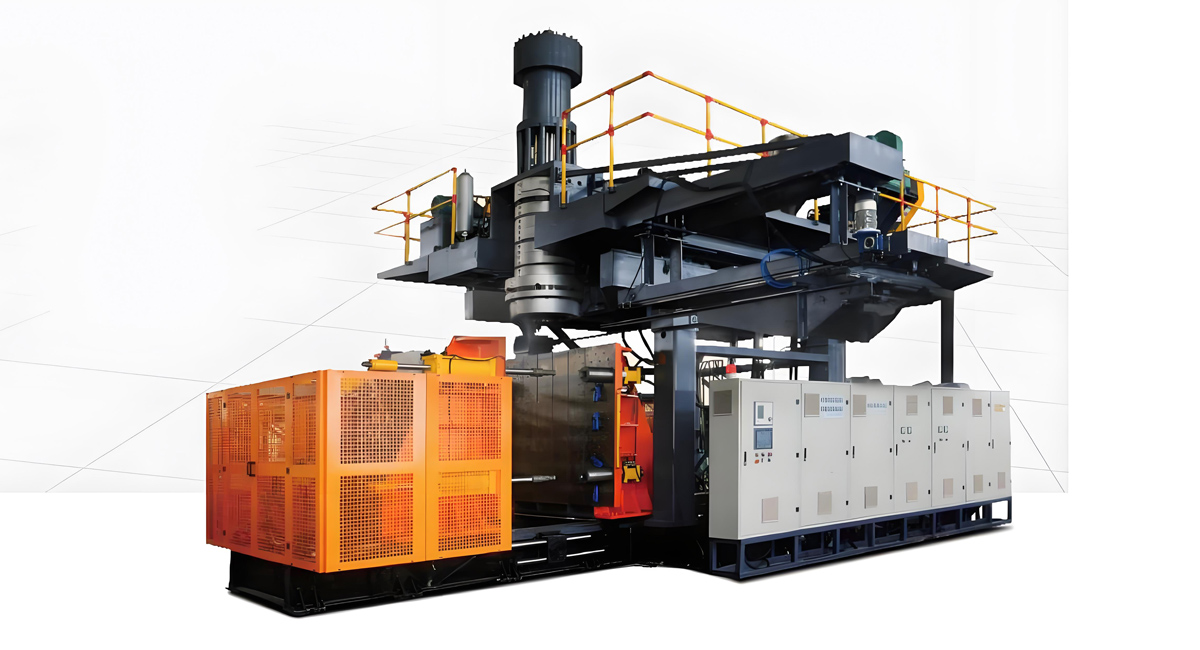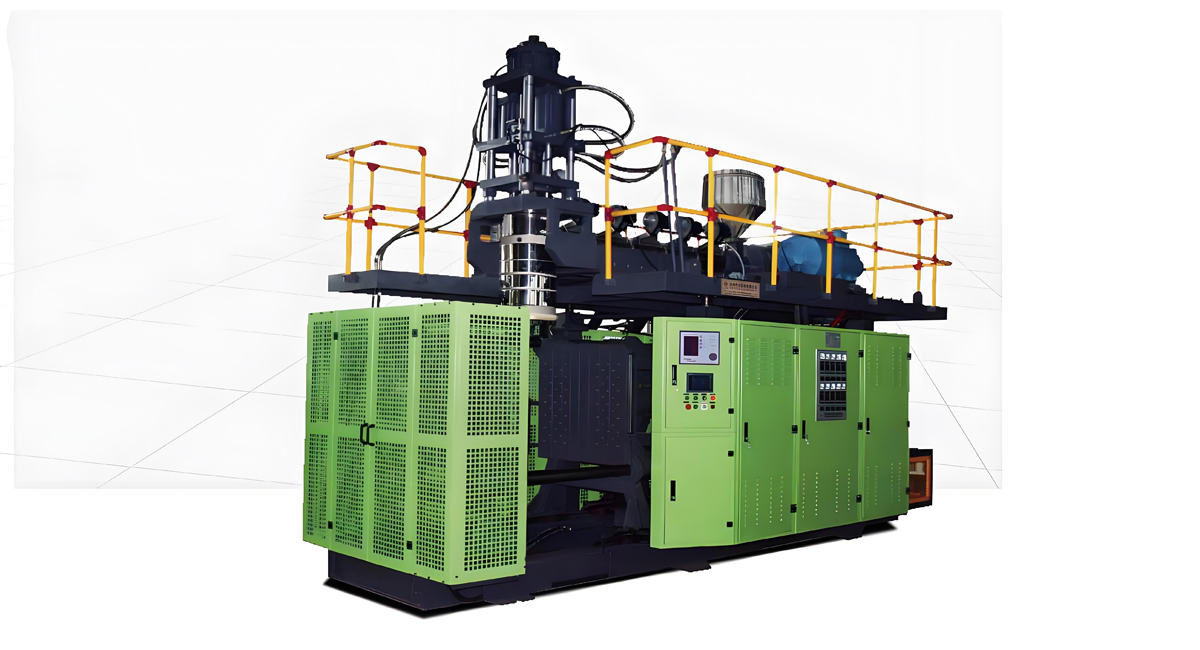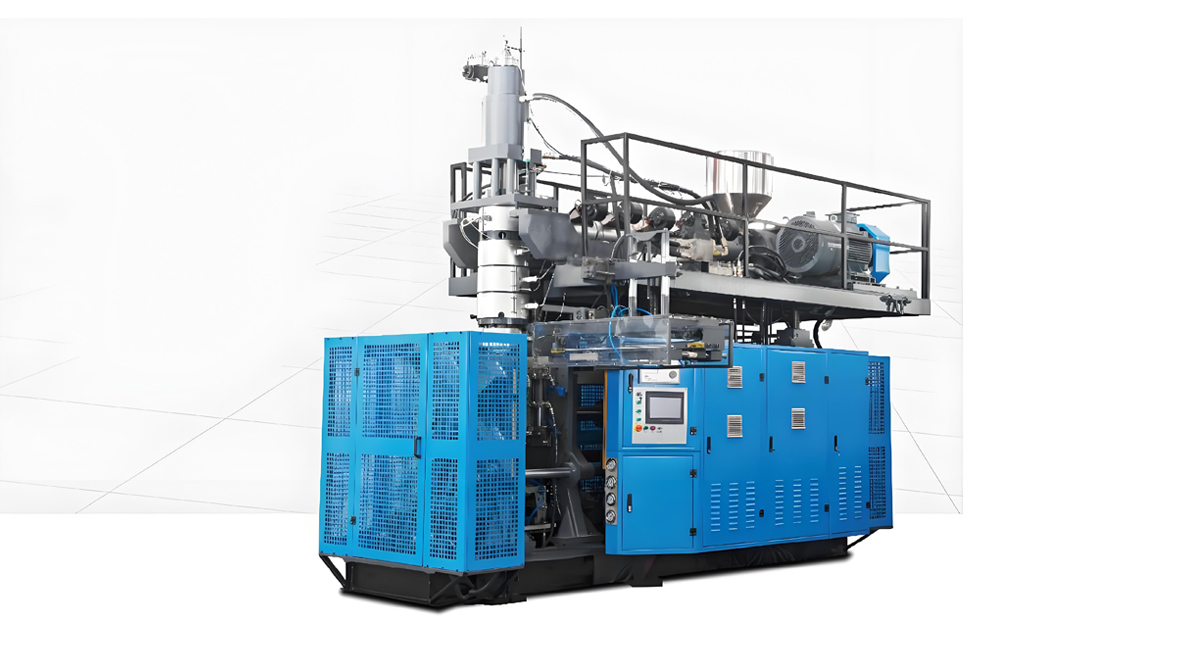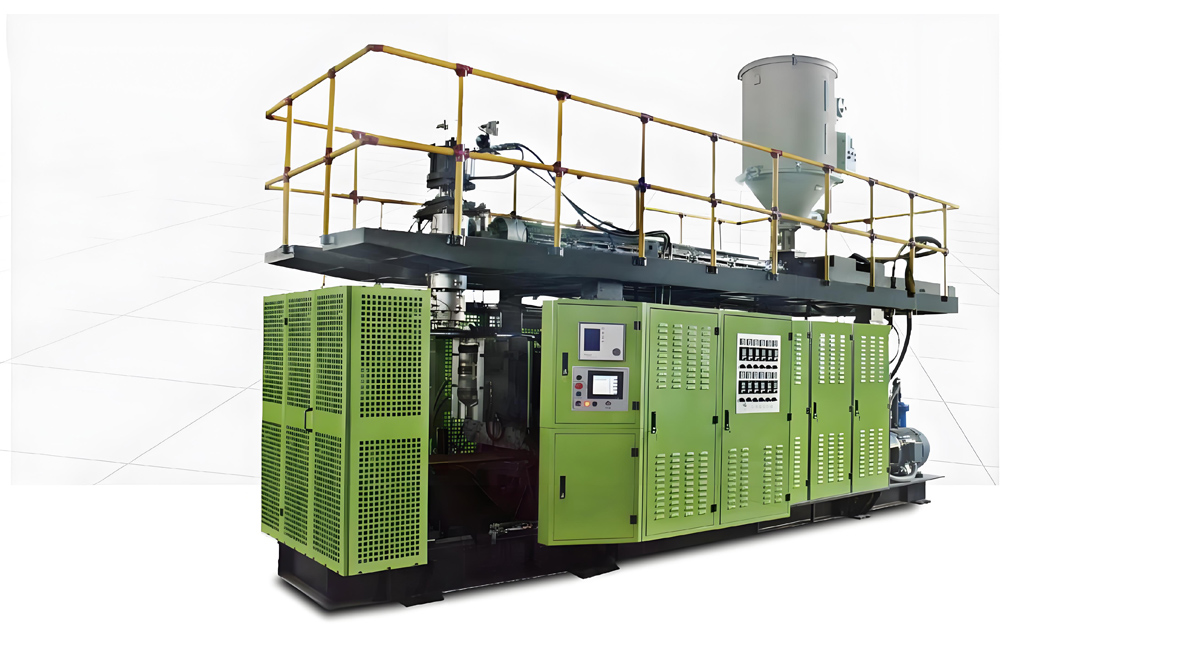
Mastering the operation of extrusion blow molding machines represents a critical skill that directly impacts production efficiency, product quality, and equipment longevity. Apollo Machinery, with over 20 years of experience manufacturing blow molding equipment and more than 4,000 machines operating in over 90 countries, understands that proper training forms the foundation of successful plastic container production. Whether operating Apollo’s ABLB series for 200ml to 20L containers, the ABLD series for 20L to 1500L production, or their fully electric series, comprehensive training ensures operators can maximize machine performance while maintaining safety standards and product quality. This comprehensive training guide provides essential knowledge and techniques that transform novice operators into skilled professionals capable of running extrusion blow molding machines with the expertise of seasoned veterans.
Understanding Machine Fundamentals
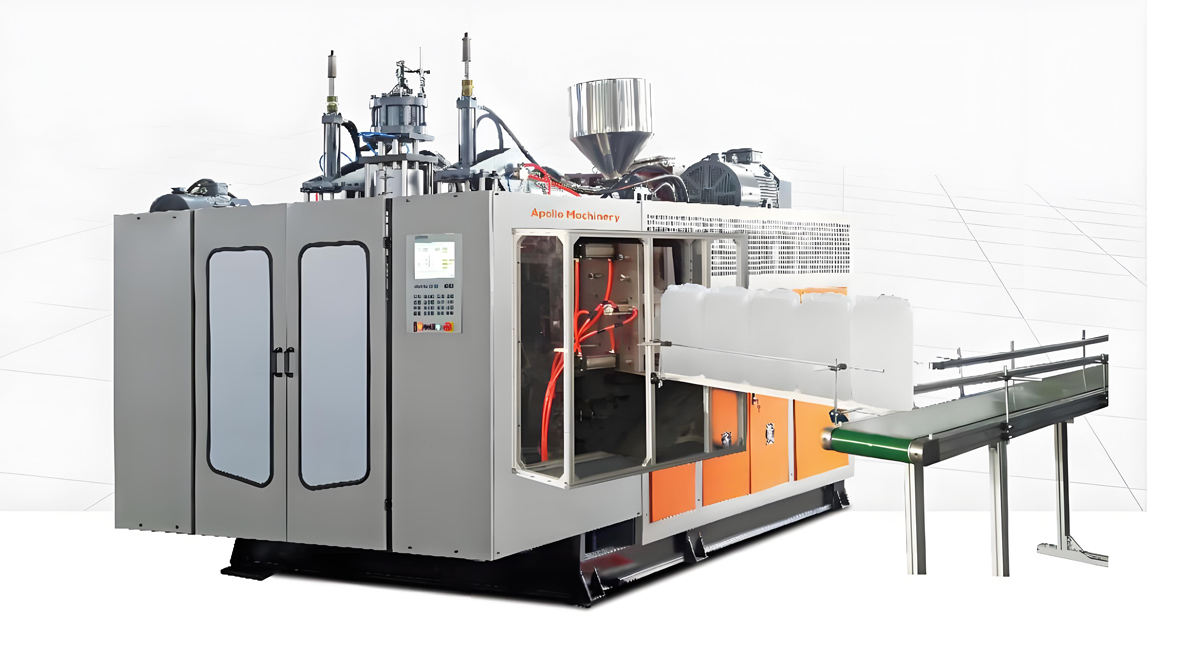
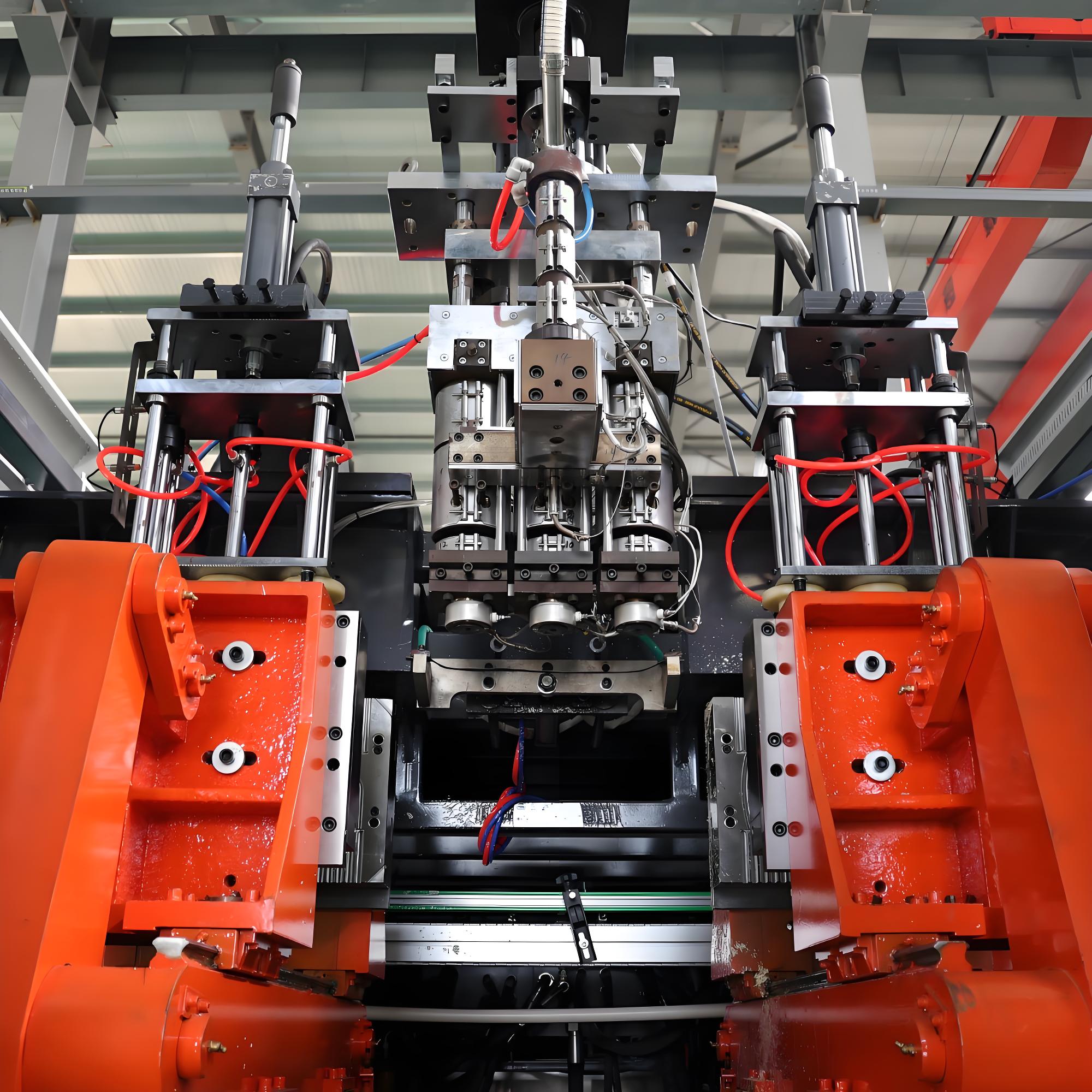
Effective operation begins with thorough understanding of extrusion blow molding machine components and their functions. These complex machines integrate multiple systems including extrusion, mold clamping, blow pin operation, and control systems that work in precise coordination to produce hollow plastic containers. Apollo’s equipment, spanning capacity ranges from 5ml to 5000L, incorporates proven designs refined through decades of manufacturing experience and customer feedback. Understanding how each component contributes to the production process enables operators to diagnose issues, optimize performance, and maintain consistent quality.
The extrusion system forms the heart of the blow molding machine, melting plastic resin and forming the parison that will become the container. This system includes the hopper for material loading, the barrel with heating zones, the screw that plasticizes and conveys material, and the die that forms the parison shape. Apollo’s machines utilize precision extrusion systems that enable consistent material delivery and parison formation across their entire product range. Understanding temperature profiles, screw speed, and die adjustment enables operators to optimize parison quality for different materials and container specifications.
Mold clamping systems provide the force necessary to keep molds closed during the blowing process. These systems must apply consistent pressure while allowing rapid opening and closing for efficient production cycles. Apollo’s equipment incorporates robust clamping systems designed for reliable operation across thousands of production cycles. Understanding clamping force adjustment, mold alignment, and safety interlocks ensures operators can maintain optimal performance while protecting both equipment and personnel.
Blow pin systems deliver compressed air to inflate the parison and form the final container shape. These systems must provide precise timing, adequate air pressure, and proper pin positioning to achieve consistent container quality. Apollo’s designs incorporate advanced blow pin control that enables production of containers with uniform wall thickness and dimensional accuracy. Understanding blow system calibration, air pressure settings, and timing optimization helps operators maximize quality and production efficiency.
Pre-Operation Safety Procedures
Safety represents the paramount consideration in all extrusion blow molding machine operations. The combination of high temperatures, moving parts, and compressed air presents multiple hazards that require comprehensive safety protocols. Apollo’s commitment to safety extends throughout their equipment designs and operational practices, ensuring that operators can work confidently in safe production environments. Understanding and implementing safety procedures protects both personnel and equipment while creating efficient production processes.
Personal protective equipment represents the first line of defense in machine operation. Operators must wear heat-resistant gloves when handling hot components or parisons. Safety glasses protect eyes from potential flying debris or material particles. Hearing protection may be necessary in noisy production environments. Steel-toed boots provide protection against heavy loads and falling objects. Apollo emphasizes proper PPE usage throughout their training programs, recognizing that safety equipment represents essential protection rather than optional accessories.
Machine guarding and safety interlocks prevent access to hazardous areas during operation. Apollo’s equipment incorporates comprehensive guarding solutions that protect operators while allowing efficient operation. Understanding the function and importance of each safety device ensures operators do not bypass or disable safety features. Regular inspection of guards and interlocks maintains protection levels and prevents unsafe operation due to safety device failure.
Lockout-tagout procedures protect operators during maintenance and servicing activities. These procedures require energy isolation and clear identification to prevent unexpected machine startup during maintenance work. Apollo’s training includes comprehensive lockout-tagout protocols that ensure safe maintenance practices. Implementing these procedures for all maintenance activities protects operators from serious injury and demonstrates commitment to safety as a core operational value.
Machine Startup Procedures
Proper machine startup procedures establish the foundation for consistent production and prevent damage to equipment or products. Following established protocols ensures that all systems reach operating conditions in the correct sequence, enabling smooth transition to production mode. Apollo’s equipment incorporates startup sequences designed to minimize material waste and production downtime while maximizing equipment protection. Understanding these procedures enables operators to execute efficient startups that prepare machines for optimal production performance.
Pre-startup inspections verify machine condition and readiness for operation. Operators should check all safety devices, inspect fasteners and connections, verify material supply availability, and confirm that all necessary tools and supplies are readily available. Apollo’s training emphasizes the importance of thorough pre-startup checks, recognizing that preventive inspection prevents many potential problems before they affect production. Developing consistent pre-startup inspection routines creates habits that maintain equipment reliability and production consistency.
Temperature ramping procedures gradually bring extrusion system components to operating temperatures. Rushing this process can cause material degradation, equipment stress, and potential damage. Apollo’s machines feature multiple heating zones that enable precise temperature control throughout the extrusion barrel and die. Understanding proper temperature profiles for different materials and container specifications enables operators to optimize heating cycles for both startup efficiency and product quality.
Material feeding and initial purge operations remove degraded material from previous production runs and establish proper extrusion conditions. Operators must ensure consistent material feeding, monitor pressure buildup, and verify that extrudate quality meets specifications before proceeding with production. Apollo’s experience with various materials including PE, PP, PVC, PA, PC, ABS, PS, EVA, TPU, and PETG provides knowledge base for optimizing startup procedures across different material types. Understanding material-specific startup requirements enables efficient transitions between production runs.
Operational Parameter Optimization
Mastering operational parameter optimization represents the difference between novice operation and professional expertise. These parameters include temperature settings, screw speed, blow pressure, mold temperature, and cycle timing. Apollo’s equipment provides sophisticated control systems that enable precise adjustment of all operational parameters. Understanding the interaction between these parameters and their effect on final product quality enables operators to optimize production for both quality and efficiency.
Temperature control settings affect material viscosity, parison formation, and final container quality. Different materials require different temperature profiles, and even the same material may need adjustment based on container size, wall thickness, and production rate. Apollo’s machines feature multiple heating zones with precise temperature control that enables optimization for various production scenarios. Understanding temperature zone interactions and their effect on material flow enables operators to establish optimal profiles for each production requirement.
Screw speed control regulates material delivery rate and affects both production rate and product quality. Higher speeds increase production output but may reduce quality if material residence time becomes too short. Lower speeds improve material mixing and homogeneity but reduce production efficiency. Apollo’s extrusion systems incorporate screw designs that provide efficient material conveying and mixing across a range of operating speeds. Understanding the balance between production rate and quality enables operators to optimize screw speed for each production scenario.
Blow pressure and timing determine how the parison expands and conforms to the mold cavity shape. Insufficient pressure can result in incomplete filling and wall thickness variation. Excessive pressure can cause flash, uneven walls, or mold damage. Apollo’s blow systems provide precise control over both pressure and timing that enables production of consistent, high-quality containers. Understanding how blow parameters affect final container quality enables operators to optimize settings for each product and mold configuration.
Quality Control Techniques
Effective quality control ensures consistent production of containers that meet specifications and customer requirements. Professional operators continuously monitor production quality and make timely adjustments to maintain consistency. Apollo’s equipment design facilitates quality control through consistent performance and easy adjustment of critical parameters. Understanding quality control techniques and inspection methods enables operators to maintain production within specification while minimizing waste and rework.
Visual inspection represents the first line of quality control, identifying obvious defects such as flash, incomplete filling, surface defects, or color variations. Operators should develop systematic inspection routines that check representative samples at regular intervals. Apollo’s experience across various applications provides knowledge of common defect types and their causes. Recognizing defect patterns and understanding their root causes enables operators to make appropriate adjustments to restore quality.
Dimensional inspection verifies that containers meet specified measurements for height, diameter, and neck finish consistency. Critical dimensions must be monitored regularly, especially during startup after any parameter adjustments. Apollo’s equipment provides consistent dimensional performance when properly operated, but environmental factors and material variations can affect final container dimensions. Understanding which parameters affect which dimensions enables operators to make targeted adjustments to maintain dimensional compliance.
Weight control ensures consistent material usage and wall thickness distribution. Container weight directly affects both production costs and product performance. Operators must monitor weight regularly, especially during startup and after material changes. Apollo’s machines provide consistent material delivery that enables stable weight control when parameters are properly set. Understanding how process variables affect container weight enables operators to maintain weight within specified tolerances while optimizing material usage.
Troubleshooting Common Issues
Even well-maintained machines operated by skilled personnel occasionally experience problems. Professional operators develop troubleshooting skills that enable rapid identification and resolution of production issues. Apollo’s comprehensive support network and 20 years of experience provide extensive knowledge base for resolving problems. Understanding common failure modes and their resolution methods enables operators to minimize downtime and maintain production efficiency.
Parison problems including droop, uneven diameter, or inconsistent thickness often result from temperature profile issues, die adjustment problems, or material variations. Apollo’s experience with various materials and container types provides guidance for optimizing parison quality. Understanding how temperature gradients affect parison characteristics enables operators to adjust profiles to address specific parison problems.
Mold filling issues such as incomplete filling, thin walls, or flash often relate to blow pressure, mold temperature, or venting problems. Apollo’s blow system designs provide adequate pressure and control for most applications, but proper adjustment is essential. Understanding how each variable affects mold filling enables operators to systematically diagnose and resolve filling problems.
Surface defects including sink marks, splay, or rough surfaces often indicate temperature problems, material contamination, or screw design issues. Apollo’s experience processing various materials provides insight into common surface defect causes and their resolution. Understanding material behavior under different thermal conditions enables operators to adjust parameters to eliminate surface defects while maintaining production efficiency.
Material Handling Considerations
Proper material handling ensures consistent material quality and prevents contamination that can affect product quality. Apollo’s equipment processes a wide range of materials including PE, PP, PVC, PA, PC, ABS, PS, EVA, TPU, and PETG, each requiring specific handling procedures. Understanding material-specific handling requirements enables operators to maintain material quality from receipt through processing to final product.
Material drying requirements vary significantly between material types. Some materials like nylon require extensive drying before processing to prevent defects and equipment damage. Others like polyethylene require minimal drying. Apollo’s experience with diverse materials provides knowledge of appropriate drying procedures for each material type. Implementing proper drying procedures prevents moisture-related defects and protects both equipment and product quality.
Material contamination prevention protects both equipment and product quality. Contaminants can cause equipment damage, product defects, and production interruptions. Apollo emphasizes material cleanliness throughout their training programs. Understanding contamination sources and implementing preventive measures maintains material quality and prevents production problems related to contamination.
Material changeover procedures enable efficient transitions between different materials or colors without extended downtime or excessive waste. Apollo’s equipment designs facilitate material changeovers with efficient purging capabilities. Understanding proper changeover procedures minimizes production loss during material transitions while preventing cross-contamination between different materials.
Maintenance Procedures
Regular maintenance prevents unexpected breakdowns and ensures consistent equipment performance. Professional operators understand maintenance requirements and incorporate preventive maintenance into their daily routines. Apollo’s equipment is designed for reliability, but proper maintenance is essential for maintaining performance over extended operational periods. Understanding maintenance requirements and performing tasks according to schedule maximizes equipment uptime and extends service life.
Daily maintenance tasks include cleaning accessible surfaces, checking safety devices, monitoring temperature and pressure readings, and lubricating specified points according to the maintenance schedule. Apollo provides comprehensive maintenance documentation that specifies daily requirements for each machine type. Consistent performance of daily maintenance tasks prevents many potential problems before they affect production.
Weekly maintenance includes more thorough cleaning, inspection of accessible components, and verification of critical settings. These tasks provide opportunities to identify developing problems before they cause production issues. Apollo’s maintenance schedules specify weekly tasks that help maintain equipment in optimal operating condition. Performing weekly maintenance consistently prevents minor issues from becoming major problems.
Monthly maintenance includes detailed inspection of major components, calibration verification, and replacement of wear items as specified. These more comprehensive maintenance tasks require additional time and should be scheduled during planned production downtime. Apollo’s technical support provides guidance for monthly maintenance activities. Performing monthly maintenance according to schedule ensures long-term reliability and performance.
Apollo-Specific Training Considerations
Apollo Machinery incorporates specific features and technologies that require specialized training for optimal operation. Understanding Apollo-specific elements enables operators to maximize the benefits of Apollo equipment design while maintaining safe and efficient operation. Apollo’s 20 years of experience and 4,000 machines operating in over 90 countries have informed equipment design features that enhance performance and reliability.
Apollo’s control systems provide intuitive interfaces for machine operation and parameter adjustment. These systems incorporate features derived from extensive customer feedback and operational experience across diverse applications and global markets. Understanding Apollo control system functionality enables operators to efficiently navigate machine operation and quickly access necessary adjustment functions.
Apollo’s modular design facilitates maintenance and component replacement when necessary. This design approach reduces downtime during maintenance and simplifies parts inventory requirements. Understanding Apollo’s modular design concepts enables operators and maintenance personnel to efficiently perform maintenance activities and minimize production interruption.
Apollo’s energy-efficient designs, particularly in their fully electric series, incorporate operational differences from traditional hydraulic machines. Understanding these differences enables operators to maximize efficiency benefits while adapting to different operational characteristics. Apollo’s training addresses both traditional hydraulic and electric models to ensure operators can work effectively with either technology.
Advanced Operation Techniques
Progressing beyond basic operation to advanced techniques enables operators to maximize equipment performance and productivity. These techniques include optimization for different materials, adaptation to changing conditions, and implementation of advanced production strategies. Apollo’s experience across diverse applications provides foundation for advanced operational knowledge.
Multi-cavity mold operation requires specific techniques for consistent quality across all cavities. Understanding how process parameters affect different cavities enables operators to adjust settings to achieve uniform production across all mold cavities. Apollo’s experience with various mold configurations provides guidance for multi-cavity operation optimization.
Co-extrusion processing enables production of multi-layer containers with specific properties in different layers. This advanced technique requires specialized knowledge and operational skills. Apollo’s equipment supports co-extrusion capabilities when required, and proper training ensures operators can effectively manage these more complex processes.
Production optimization strategies include balancing quality, output, and efficiency to achieve optimal production results. Professional operators continuously seek ways to improve performance while maintaining quality standards. Apollo’s training includes optimization techniques that enable operators to maximize output without compromising quality or equipment reliability.
Continuous Learning and Skill Development
The journey to professional expertise continues beyond initial training through continuous learning and skill development. Technology advances, materials evolve, and production requirements change, requiring operators to continually update their knowledge and skills. Apollo supports ongoing learning through documentation, technical support, and training resources. Embracing continuous learning ensures operators remain at the forefront of blow molding expertise.
Technical documentation provides reference information that supports ongoing learning and problem resolution. Apollo provides comprehensive manuals and documentation for all equipment. Regular review of this material reinforces learning and provides reference information when addressing specific operational questions or challenges.
Peer learning and knowledge sharing among operators accelerates skill development for the entire team. Experienced operators can share insights and techniques that benefit less experienced colleagues. Apollo’s global presence creates opportunities for knowledge sharing across different regions and markets, enriching the collective knowledge base.
Staying current with industry developments and technological advances ensures operators maintain cutting-edge knowledge. Apollo’s ongoing investment in research and development keeps their equipment at the forefront of technology. Understanding these developments enables operators to leverage new capabilities and techniques as they become available.
Conclusion
Mastering extrusion blow molding machine operation transforms basic production capability into professional expertise that maximizes equipment value and production efficiency. Apollo Machinery’s 20 years of experience, 4,000 machines operating in over 90 countries, and commitment to customer success provide comprehensive foundation for operator training and development. Proper training enables operators to run Apollo equipment from the ABLB series to the ABLD series and fully electric models with the confidence and skill of experienced professionals.
Comprehensive training covering safety fundamentals, equipment operation, parameter optimization, quality control, troubleshooting, and maintenance creates well-rounded operators capable of maximizing equipment performance. Apollo’s open factory policy and commitment to customer support ensure that operators receive the training and resources necessary for professional operation. The combination of quality equipment and well-trained operators creates production environments that deliver consistent quality, efficiency, and reliability.
Investment in proper training yields returns through improved quality, reduced downtime, extended equipment life, and enhanced operator confidence. Apollo’s support for operator training reflects their understanding that skilled operators are essential for maximizing equipment value. As production requirements evolve and technology advances, continuous learning ensures that operators maintain their professional edge and continue to contribute to production excellence.
The path from novice to professional requires dedication, practice, and ongoing learning, but the rewards of operational expertise make this journey worthwhile. Apollo’s equipment designed for reliability and performance, combined with comprehensive training and support, provides ideal foundation for developing professional blow molding expertise. Operators who commit to mastering these skills position themselves for long-term success while contributing significantly to their organization’s production capabilities.