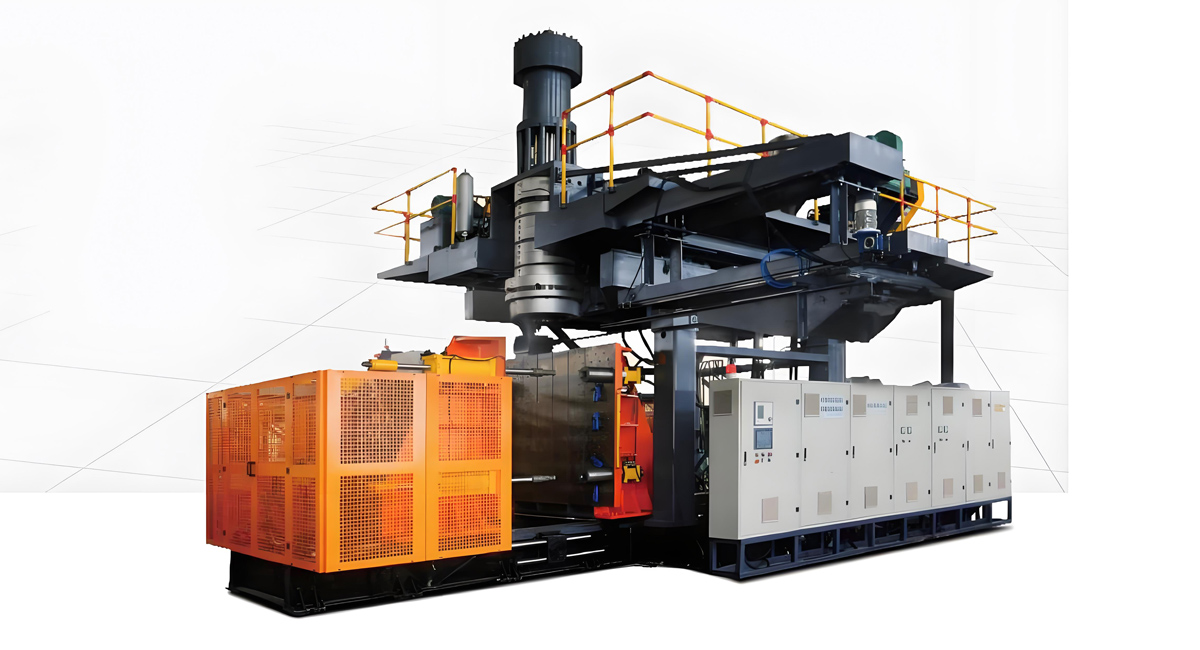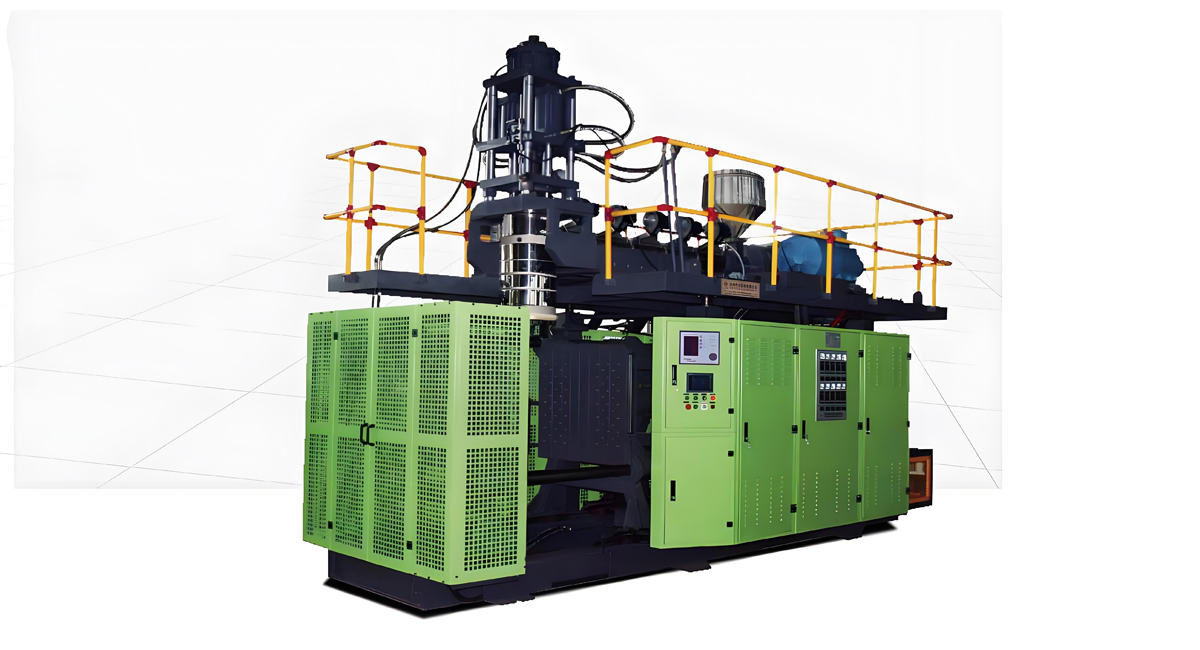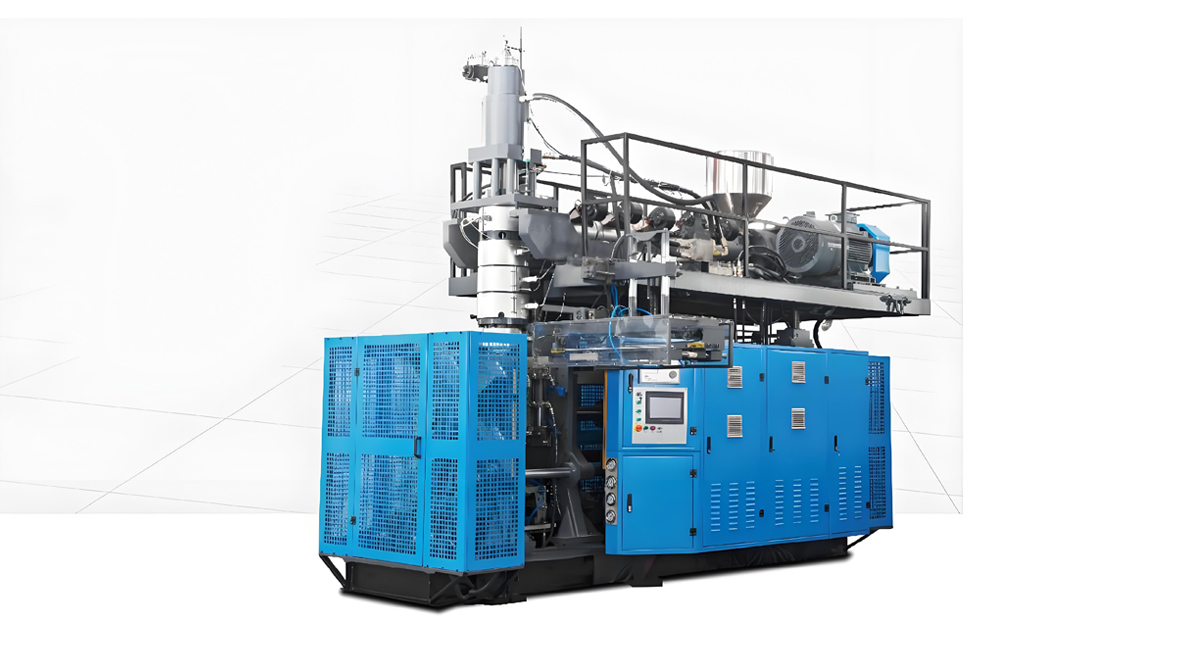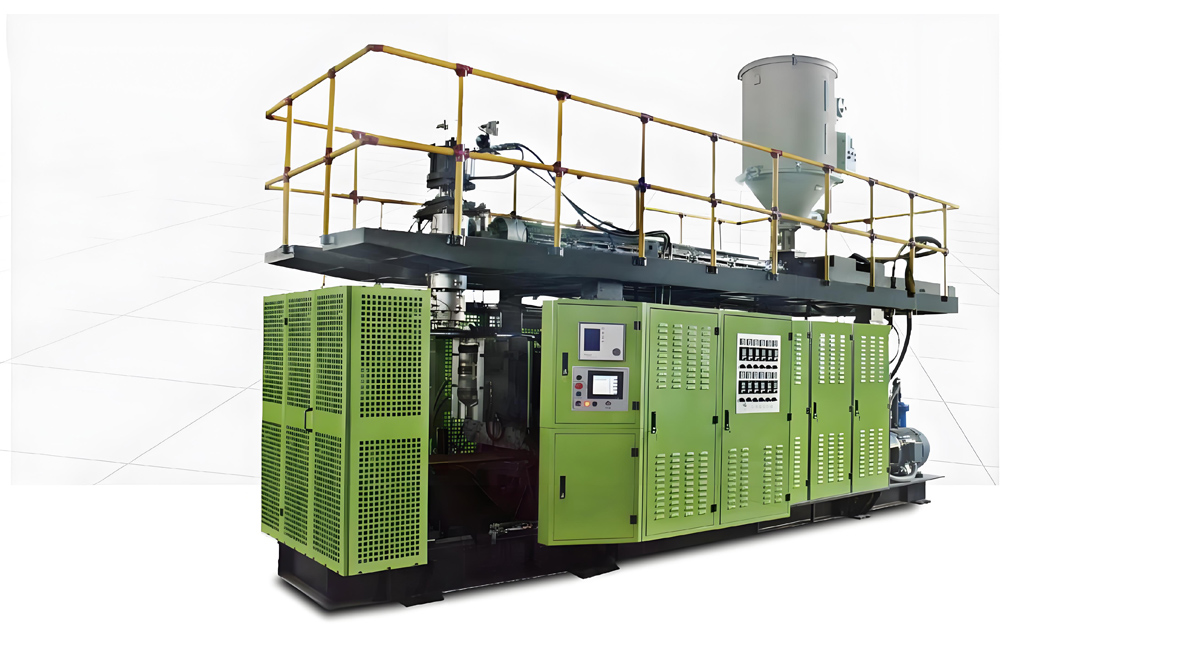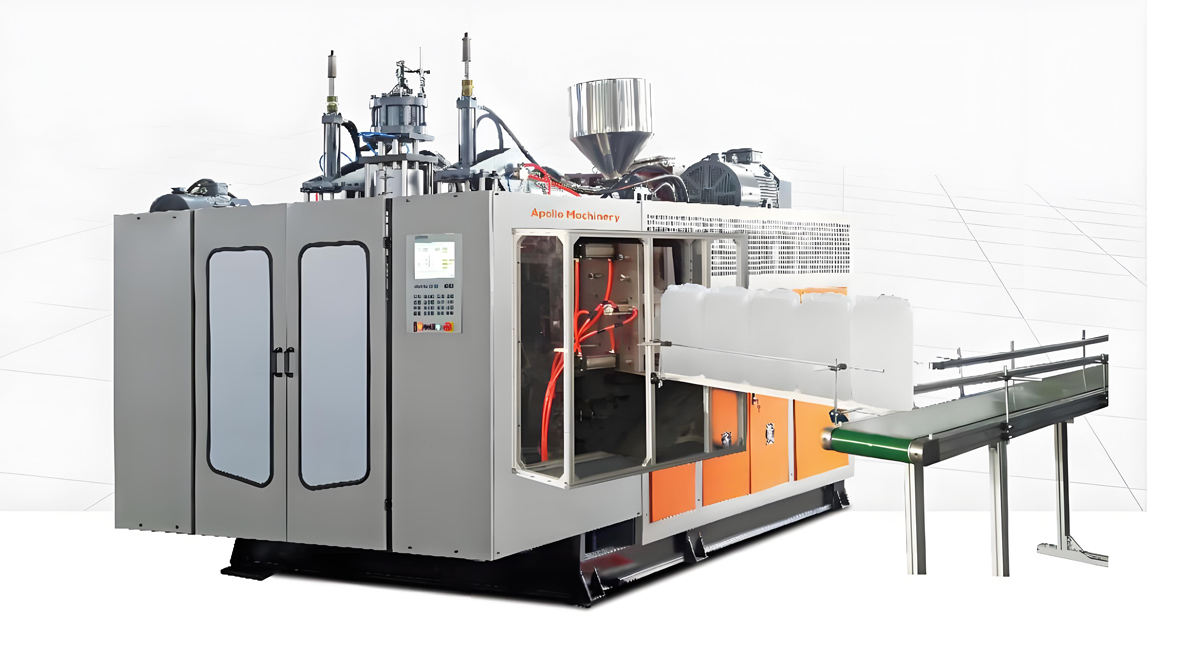
Discover large size extrusion blow molding machines for industrial plastic tanks production. Learn about Apollo’s ABLD series capable of 20L to 1500L tank manufacturing.”>
The production of large industrial plastic tanks presents unique challenges and opportunities that require specialized extrusion blow molding equipment capable of handling substantial material volumes, providing adequate clamping force, and ensuring consistent quality across massive part dimensions. Apollo Machinery, with over 20 years of manufacturing experience and more than 4,000 machines operating in over 90 countries, has developed comprehensive solutions for large tank production through their ABLD series designed for 20L to 1500L capacity containers. These machines represent the culmination of extensive research and practical experience in industrial blow molding, offering manufacturers reliable equipment for producing large plastic tanks used across diverse applications including chemical storage, water treatment, food processing, and industrial containment.
Industrial Plastic Tank Market Overview
The global market for industrial plastic tanks continues to expand as industries increasingly recognize the advantages of plastic materials over traditional metal alternatives for storage applications. Plastic tanks offer superior corrosion resistance, lighter weight, reduced maintenance requirements, and often lower total cost of ownership compared to metal alternatives. These advantages drive demand across chemical processing, water treatment, food and beverage, pharmaceutical, and general industrial applications. Apollo’s equipment serves these diverse markets, providing reliable production capabilities for tanks ranging from 20L to 1500L capacity that meet various industry requirements and regulatory standards.
Material selection for industrial tanks typically emphasizes chemical resistance, structural integrity, and long-term durability under demanding environmental conditions. High-density polyethylene (HDPE) represents the most commonly used material due to its excellent chemical resistance, UV stability, and structural properties. Apollo’s experience with HDPE and other suitable materials including PP, PVC, and specialized compounds enables them to provide equipment optimized for various material requirements. Understanding material characteristics and their impact on tank performance helps manufacturers select appropriate materials and process parameters for specific applications.
Regulatory requirements significantly influence tank design and production processes. Tanks used for potable water storage, food processing, or chemical handling must comply with various regulatory standards including FDA requirements for food contact, NSF standards for water systems, and chemical resistance ratings for industrial applications. Apollo’s equipment produces tanks that meet these diverse regulatory requirements when operated with appropriate materials and process parameters. Understanding regulatory requirements ensures that produced tanks comply with applicable standards for their intended applications.
Large Tank Machine Design Considerations
Large capacity tank production requires specialized machine designs that address the unique challenges of producing massive plastic parts. These challenges include handling substantial material volumes, providing sufficient clamping force to keep large molds closed under high blowing pressures, managing heat removal from large part masses, and ensuring dimensional consistency across large surfaces. Apollo’s ABLD series incorporates design features specifically developed for these challenges, based on their extensive experience in large tank production. Understanding these design considerations helps manufacturers evaluate equipment capabilities and select appropriate machines for their production requirements.
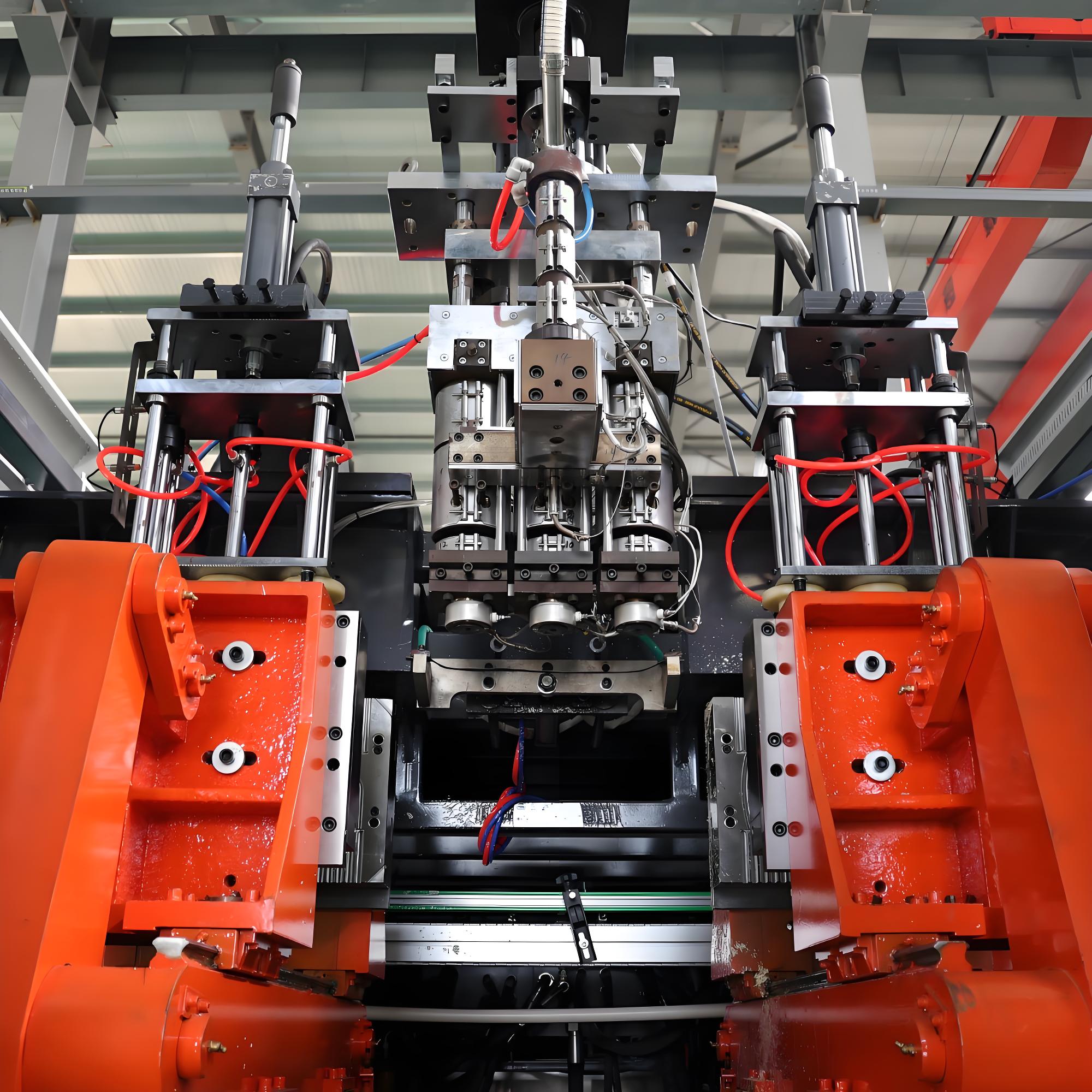
Extruder size and capacity represent fundamental considerations for large tank production. The extruder must deliver sufficient material volume to form large parisons without requiring excessive cycle times. Apollo’s large tank machines incorporate extruders specifically sized for large part production, with adequate screw diameter and length to handle the material volume requirements efficiently. Extruder capacity directly affects production rate, with inadequate capacity leading to unacceptably long cycles or poor parison quality. Understanding extruder sizing principles helps manufacturers match machine capabilities to their production volume requirements.
Clamping force requirements escalate dramatically with increasing tank size. Large molds require substantial force to remain closed under the blowing pressures needed to form large tanks, with typical requirements ranging from hundreds to thousands of tons depending on tank size and wall thickness. Apollo’s ABLD series provides clamping force appropriate for their specified capacity range, ensuring reliable production of tanks up to 1500L. Understanding clamping force requirements helps ensure that selected equipment can handle the molds and operating pressures required for target tank sizes.
Parison control becomes increasingly critical for large diameter tanks. Wall thickness distribution significantly affects tank strength and performance, making precise parison control essential for quality production. Large parisons present additional challenges including droop, uniform diameter control, and consistent wall thickness across large circumferences. Apollo’s machines incorporate advanced parison control systems that enable production of tanks with optimal wall thickness distribution. Understanding parison control principles helps operators optimize settings for specific tank designs and material characteristics.
Apollo ABLD Series Capabilities
Apollo’s ABLD series represents their specialized solution for large container production, covering capacity ranges from 20L to 1500L. This series incorporates design features and capabilities specifically developed for large part production, derived from Apollo’s extensive experience serving diverse global markets. The ABLD series addresses the unique challenges of large tank production while maintaining Apollo’s commitment to quality, reliability, and cost-effective operation. Understanding ABLD series capabilities helps manufacturers evaluate whether these machines meet their specific large tank production requirements.
The ABLD series offers multiple model configurations optimized for different capacity ranges within the 20L to 1500L spectrum. Each model incorporates appropriate extruder sizing, clamping force, and other specifications optimized for its intended capacity range. This range-based approach enables manufacturers to select equipment appropriately sized for their production requirements without paying for excessive capacity. Understanding the specifications and capabilities of each ABLD model helps manufacturers select the most appropriate equipment for their specific tank sizes and production volumes.
Production capacity specifications for ABLD machines address both maximum tank size and production rate capabilities. The machines can produce tanks up to 1500L capacity, with cycle times varying based on tank size, wall thickness, and material characteristics. Apollo provides production rate estimates for typical applications to help manufacturers evaluate throughput capabilities. Understanding production capacity specifications enables realistic production planning and equipment sizing based on market demand projections.
Material processing capabilities across the ABLD series enable production from various materials suited to different applications. HDPE represents the most common material for industrial tanks due to its excellent chemical resistance and structural properties, but other materials including PP and specialized compounds can be processed depending on application requirements. Apollo’s experience with diverse materials enables them to provide process parameters and recommendations for various material options. Understanding material processing capabilities helps manufacturers select appropriate materials for specific tank applications.
Machine Specifications
Extruder specifications for large tank production emphasize both capacity and melt quality. The extruder must deliver sufficient material volume to form large parisons efficiently while maintaining consistent melt quality that ensures proper parison formation and tank properties. Apollo’s large tank extruders incorporate screw designs optimized for HDPE and other common tank materials, providing appropriate shear mixing, melting efficiency, and output stability. Understanding extruder specifications helps manufacturers evaluate whether equipment can meet both production rate and quality requirements.
Clamping unit specifications for ABLD machines provide the force necessary for large mold production. Clamping force requirements depend on mold projected area, blowing pressure, and wall thickness requirements, with larger tanks requiring proportionally higher force. Apollo’s ABLD series provides clamping force appropriate for their specified capacity range, typically measured in tons or kilonewtons. Understanding clamping specifications ensures that selected equipment can handle the molds and operating conditions required for target tank sizes.
Mold capabilities address maximum mold dimensions that can be accommodated. Large tanks require large molds that must fit within machine dimensions and be adequately supported during operation. Apollo’s ABLD machines provide mold mounting surfaces and clearances appropriate for their specified tank capacity range. Understanding mold size limitations helps manufacturers ensure that their mold designs can be accommodated by selected equipment.
Blow system specifications provide the air capacity and pressure necessary for forming large tanks. Large tanks require substantial air volume to inflate to full size, with adequate pressure to achieve proper wall formation and detail replication. Apollo’s blow systems provide compressed air capacity appropriate for large tank production, with pressure regulation capabilities that enable optimization for different tank designs. Understanding blow system specifications ensures that equipment can meet air volume and pressure requirements for specific applications.
Tank Design Considerations
Effective tank design balances structural requirements, manufacturing feasibility, and performance characteristics for intended applications. Large industrial tanks must withstand internal pressures, external loads, environmental conditions, and potential impact while maintaining dimensional stability and structural integrity. Apollo’s experience producing tanks for diverse applications provides insight into design principles that optimize both performance and manufacturability. Understanding tank design considerations helps manufacturers develop tank designs that perform well and produce reliably.
Structural design for large tanks must consider both static and dynamic loads. Internal hydrostatic pressure creates significant stress on tank walls, particularly at the bottom where pressure is highest. External loads including stack loading, seismic forces, and impact loads must also be considered in design. Apollo’s equipment produces tanks with structural characteristics that meet various application requirements when properly designed. Understanding structural design principles helps ensure that tanks can withstand expected service conditions without failure.
Wall thickness distribution optimization represents a critical design consideration for large tanks. Uniform wall thickness is desirable for consistent performance and predictable strength, but achieving perfect uniformity in large tanks can be challenging. Apollo’s parison control capabilities enable production of tanks with consistent wall thickness when designs and process parameters are properly optimized. Understanding how process parameters affect wall thickness distribution helps designers optimize both tank design and production settings.
Reinforcement features including ribs, bosses, and flanges can enhance tank performance and provide attachment points for fittings and accessories. These features require careful design to ensure proper formation during blowing and to avoid stress concentrations that could cause failure. Apollo’s experience with various tank designs enables them to provide guidance on reinforcement feature design and manufacturing feasibility. Understanding reinforcement principles helps designers incorporate features that enhance tank performance without causing production problems.
Fitting and baffle integration requires careful consideration of how these elements are incorporated into the tank during production. Integrated fittings eliminate secondary assembly operations and reduce potential leak points but must be designed to form properly during blowing. Apollo’s experience with various fitting integration methods helps manufacturers select appropriate approaches for their applications. Understanding fitting integration options helps designers select methods that balance performance requirements with manufacturing feasibility.
Production Process Optimization
Optimizing the production process for large tanks involves balancing multiple factors including cycle time, part quality, material usage, and equipment efficiency. Large tank production typically involves longer cycle times than smaller parts due to material volume and heat removal requirements, but process optimization can significantly impact productivity and cost-effectiveness. Apollo’s extensive experience with large tank production provides valuable insights into process optimization strategies. Understanding these optimization principles helps manufacturers maximize production efficiency and product quality.
Temperature control for large tanks requires careful management of multiple heating zones to achieve proper melt quality and parison characteristics. Large parisons require consistent temperature distribution to prevent flow instabilities that could cause wall thickness variations. Apollo’s machines provide multiple heating zones with precise temperature control that enable optimization for large part production. Understanding temperature control principles helps operators establish profiles that ensure consistent parison quality.
Screw speed optimization balances material delivery rate with melt quality considerations. Higher speeds increase production rate but may reduce melt homogeneity if residence time becomes too short. Lower speeds improve mixing and melting but increase cycle time. Apollo’s extruder designs provide appropriate performance across a range of speeds, enabling optimization for specific applications. Understanding screw speed effects helps operators find the optimal balance between production rate and material quality.
Blow pressure and timing optimization directly affect tank formation and wall thickness distribution. Insufficient pressure can result in incomplete mold filling and wall thickness variation. Excessive pressure can cause flash, uneven walls, or mold damage. Apollo’s blow systems provide precise control that enables optimization for each tank design. Understanding blow parameter effects helps operators optimize settings to produce tanks with optimal wall thickness distribution while minimizing flash.
Cooling time optimization represents a critical factor in large tank production since cooling constitutes a significant portion of total cycle time. Large tank masses require substantial time to cool sufficiently for demolding without warping or deformation. Apollo’s machines provide mold temperature control and cooling capabilities that help optimize cooling times. Understanding cooling principles helps operators reduce cycle times while ensuring proper part solidification.
Material Selection and Processing
Material selection significantly impacts tank performance, production characteristics, and cost-effectiveness. HDPE represents the predominant material for industrial tanks due to its favorable combination of properties, but other materials may be appropriate for specific applications. Apollo’s experience processing various materials for tank applications enables them to provide material selection guidance and processing parameters. Understanding material characteristics helps manufacturers select appropriate materials and develop processing parameters for specific applications.
HDPE characteristics that make it ideal for tanks include excellent chemical resistance across a broad pH range, good UV stability when properly stabilized, high impact strength even at low temperatures, and good stiffness-to-weight ratio. These properties make HDPE suitable for diverse applications including chemical storage, water tanks, and industrial containment. Apollo’s equipment is optimized for HDPE processing, with screw designs and temperature control appropriate for this material. Understanding HDPE characteristics helps manufacturers evaluate material suitability for specific applications.
Material stabilization, particularly UV stabilization, represents a critical consideration for tanks used in outdoor applications. Unstabilized HDPE degrades under UV exposure, becoming brittle and losing strength over time. Properly stabilized materials can withstand years of outdoor service without significant degradation. Apollo works with material suppliers to ensure that tank materials include appropriate stabilizers for intended service conditions. Understanding stabilization requirements helps ensure that tanks perform reliably throughout their expected service life.
Material color and opacity options enable tanks to be produced in various colors to suit specific application requirements. White tanks reflect sunlight and reduce heating for light-sensitive contents. Darker colors may be preferred for aesthetic reasons or to hide contents. Transparent tanks enable visual monitoring of contents. Apollo’s equipment processes materials with various colorants effectively. Understanding color and opacity options helps manufacturers select appropriate appearance characteristics for their applications.
Recycled material usage represents both economic and environmental considerations. Recycled HDPE can be used for tank production when appropriate quality standards are maintained. Apollo’s experience with various material formulations enables them to provide guidance on incorporating recycled content while maintaining tank quality. Understanding recycled material considerations helps manufacturers evaluate cost-saving opportunities while ensuring product quality.
Quality Control for Large Tanks
Quality control for large tanks presents unique challenges due to the large surface area, substantial mass, and critical performance requirements. Comprehensive quality verification ensures that tanks meet specifications for dimensions, wall thickness, strength, and leak tightness. Apollo’s experience with quality control for large tanks provides frameworks for ensuring consistent product quality. Understanding quality control requirements helps manufacturers implement effective verification processes.
Dimensional inspection verifies that tanks meet specified dimensions for height, diameter, neck opening, and overall shape. Large tanks require measurement systems capable of handling substantial part sizes while providing adequate precision. Apollo recommends systematic dimensional inspection procedures for large tank production. Understanding dimensional inspection requirements helps manufacturers ensure that tanks meet specifications and fit properly with associated equipment.
Wall thickness measurement and control represents a critical quality characteristic affecting tank strength and performance. Large tanks typically have specified minimum wall thickness requirements with allowable variation. Apollo’s parison control systems enable production of tanks with consistent wall thickness when properly operated. Understanding wall thickness measurement methods helps operators verify compliance with specifications and identify potential process issues.
Pressure testing verifies that tanks can withstand intended internal pressures without failure or leakage. Tanks typically undergo hydrostatic pressure testing at specified test pressures above normal operating pressure to provide safety factors. Apollo’s equipment produces tanks that can pass appropriate pressure tests when properly designed and manufactured. Understanding pressure testing requirements helps ensure that tanks perform safely under intended operating conditions.
Leak detection ensures that tanks are free from leaks that could compromise their function or create safety hazards. Large tanks may be tested by pressurizing and monitoring for pressure decay, or by applying leak detection solutions to potential leak paths. Apollo’s experience with various leak detection methods provides guidance for implementing appropriate procedures. Understanding leak detection requirements helps manufacturers verify tank integrity before delivery to customers.
Production Line Integration
Large tank production requires integration with various auxiliary equipment and handling systems to create efficient production lines. These systems include material handling, part removal, trimming, inspection, and packaging equipment. Apollo’s experience with complete production line integration helps manufacturers design efficient facilities that maximize productivity and minimize handling. Understanding production line integration requirements helps manufacturers plan facilities that support efficient large tank production.
Material handling systems for large tank production must handle substantial material volumes required for large parts. Bulk material silos or hoppers with adequate capacity and reliable feeding systems are essential for continuous production. Apollo provides material handling recommendations for their equipment based on production rates and material characteristics. Understanding material handling requirements helps ensure continuous production without material shortages or contamination.
Part removal systems for large tanks must handle heavy, bulky parts safely and efficiently. Large tanks can weigh hundreds of pounds when full of material, requiring removal systems with appropriate capacity and control. Apollo’s machines can be integrated with various removal systems including robotic handlers and mechanical extraction systems. Understanding part removal requirements helps manufacturers select appropriate systems for their production environment.
Trimming operations remove excess material including flash, gates, and parting line excess. Large tanks may have significant flash that requires trimming before tanks are ready for use. Apollo provides guidance on trimming equipment and techniques for large tank production. Understanding trimming requirements helps manufacturers implement efficient finishing operations.
Inspection stations provide quality verification before tanks proceed to packaging or shipping. Large tanks require inspection stations that accommodate their size and enable comprehensive inspection of all critical characteristics. Apollo’s experience with inspection systems for large tanks helps manufacturers implement appropriate quality verification procedures. Understanding inspection requirements helps ensure that quality issues are identified before delivery to customers.
Apollo Support and Services
Apollo provides comprehensive support and services for large tank production equipment, drawing on their 20 years of experience and global customer base. These services include installation support, operator training, maintenance assistance, and ongoing technical support. Apollo’s commitment to customer success extends beyond equipment delivery to include long-term partnership and support. Understanding available support services helps manufacturers maximize equipment value and performance.
Installation services include engineer site visits to ensure proper equipment installation and initial startup. Apollo’s experienced engineers provide on-site support that ensures equipment is correctly installed and operates properly from initial production. Understanding installation service offerings helps manufacturers plan equipment deployment effectively.
Operator training ensures that production personnel understand proper equipment operation and optimization techniques. Apollo provides comprehensive training tailored to specific equipment and applications. Understanding training availability helps manufacturers develop operator skills that maximize equipment performance and product quality.
Maintenance support provides ongoing assistance to keep equipment operating at peak performance. Apollo’s regular customer visits to inspect machines and track usage status demonstrate their commitment to long-term equipment support. Understanding maintenance support options helps manufacturers implement preventive maintenance programs that prevent unexpected downtime.
Technical support provides ongoing assistance for troubleshooting and process optimization questions. Apollo’s global presence and experience base enable them to provide expert support for diverse applications and operating conditions. Understanding technical support availability helps manufacturers know they have access to expert assistance when needed.
Cost Considerations and ROI
Large tank production equipment represents significant capital investment that requires careful economic evaluation. Understanding cost structures and return on investment considerations helps manufacturers make informed decisions about equipment acquisition and production strategies. Apollo’s experience helping customers evaluate economic factors provides insight into cost-effective approaches to large tank production.
Capital investment for large tank equipment includes machine cost, mold costs, installation expenses, and facility preparation. Apollo’s competitive pricing for ABLD series equipment helps keep capital investment reasonable while providing advanced capabilities. Understanding total investment requirements helps manufacturers budget appropriately for large tank production facilities.
Production cost analysis includes material costs, labor costs, energy costs, and overhead allocation per tank. Apollo’s efficient equipment design helps minimize production costs through energy efficiency and labor-saving features. Understanding production cost structures helps manufacturers price products competitively while maintaining profitability.
Return on investment calculation considers capital costs against projected revenues and cost savings over equipment life. Apollo’s equipment durability and reliability contribute to positive ROI through extended service life and minimal downtime. Understanding ROI factors helps manufacturers evaluate investment decisions and plan business strategies.
Future Trends and Developments
The large tank production industry continues to evolve with new technologies, materials, and market requirements. Understanding future trends helps manufacturers position themselves to capitalize on emerging opportunities and adapt to changing requirements. Apollo’s ongoing investment in research and development ensures that their equipment evolves with industry trends.
Material innovations continue to expand tank application possibilities through improved chemical resistance, higher temperature capabilities, and enhanced UV stability. New compounds and additives enable tanks to serve more demanding applications. Apollo stays current with material developments to support customer requirements for advanced materials.
Energy efficiency improvements continue to reduce operating costs and environmental impact of large tank production. Apollo incorporates energy-efficient features in their equipment designs to minimize consumption while maintaining performance. Understanding energy efficiency trends helps manufacturers reduce operating costs and environmental footprint.
Automation and Industry 4.0 integration enhance production efficiency and quality control through advanced monitoring and control systems. Apollo’s equipment compatibility with automation systems supports modern production environments. Understanding automation trends helps manufacturers implement systems that improve competitiveness.
Conclusion
Large industrial plastic tank production requires specialized equipment designed to handle substantial material volumes, provide adequate clamping force, and ensure consistent quality across large dimensions. Apollo’s ABLD series, representing 20 years of manufacturing experience and serving customers in over 90 countries, provides proven solutions for tank production from 20L to 1500L capacity. Understanding the unique requirements of large tank production enables manufacturers to select appropriate equipment and implement processes that deliver reliable, high-quality tanks for diverse industrial applications.
Success in large tank production requires comprehensive understanding of machine capabilities, material characteristics, design principles, and quality requirements. Apollo’s extensive experience across diverse global markets provides valuable insights into optimizing large tank production for both performance and cost-effectiveness. Their commitment to customer success extends beyond equipment delivery to include comprehensive support services that maximize equipment value throughout its service life.
The investment in Apollo’s ABLD series equipment represents not just machine acquisition but partnership with an experienced manufacturer who understands large tank production challenges and solutions. With 4,000 machines operating globally, Apollo has demonstrated their capability to provide equipment that meets demanding production requirements across diverse applications and markets. Manufacturers seeking reliable large tank production capabilities will find in Apollo a proven partner capable of delivering equipment that meets both current needs and future growth requirements.