
Introduction to HDPE Extrusion Blow Molding Technology
HDPE extrusion blow molding machines represent the cornerstone technology for efficient plastic bottle production across various industries worldwide. These specialized machines transform High Density Polyethylene raw materials into durable, lightweight, and cost-effective bottles that serve applications from water packaging to industrial containers. The extrusion blow molding process offers distinct advantages for HDPE materials, including excellent melt strength, superior bottle wall uniformity, and consistent production quality that manufacturers rely upon for high-volume bottle manufacturing operations.
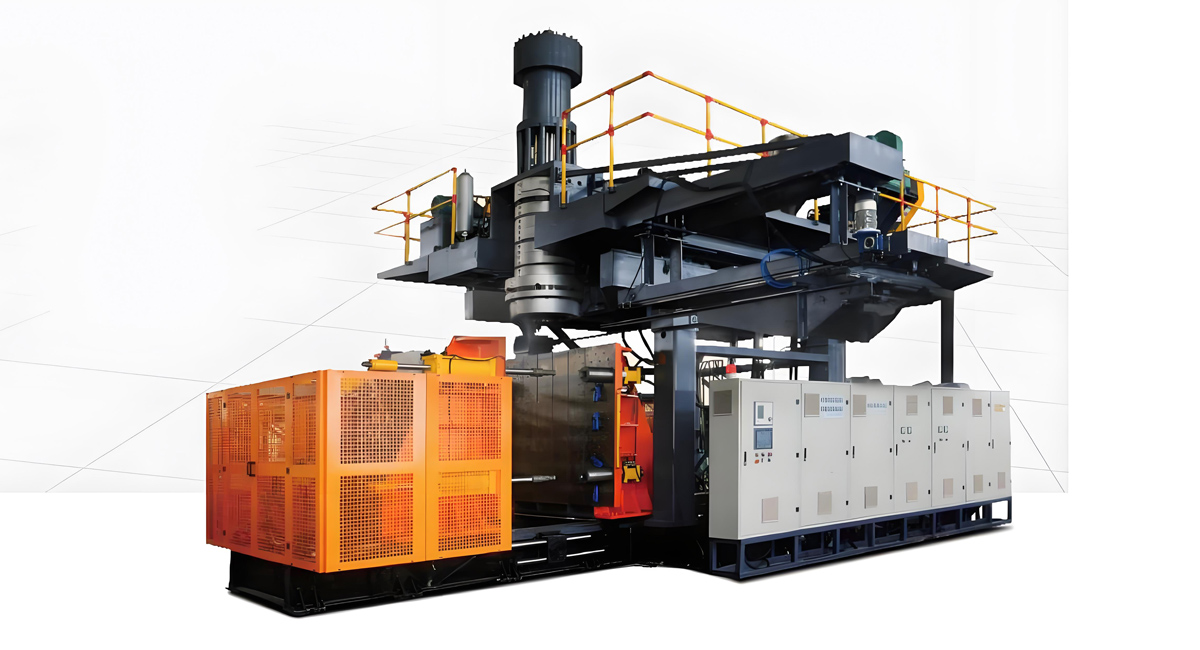
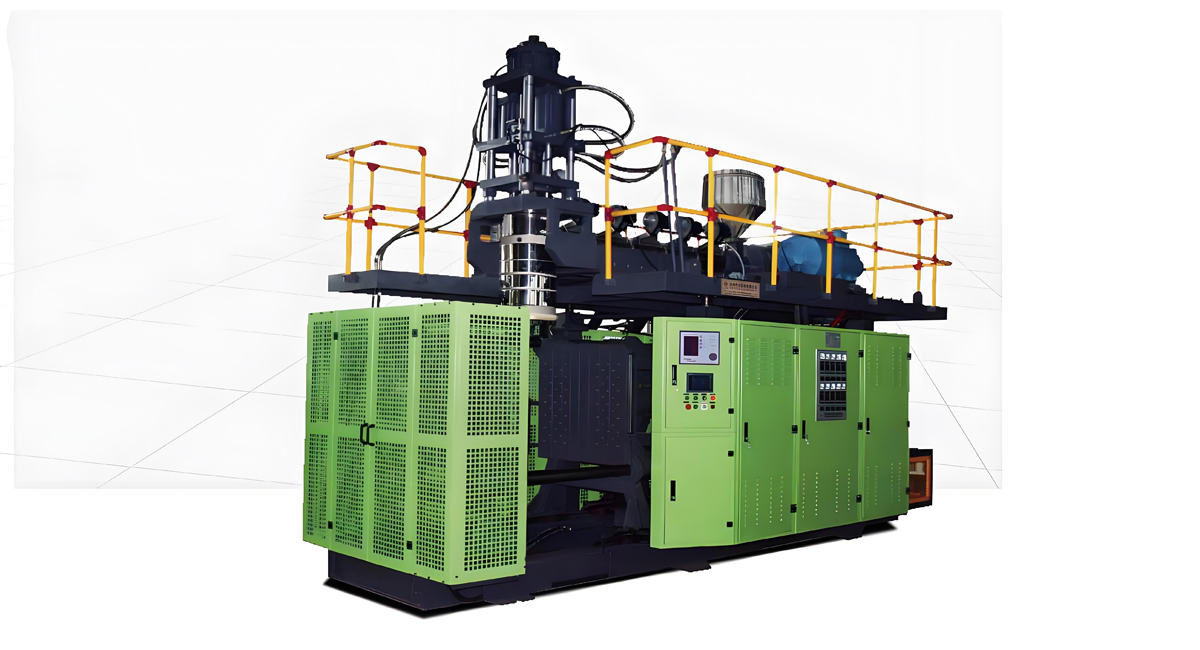
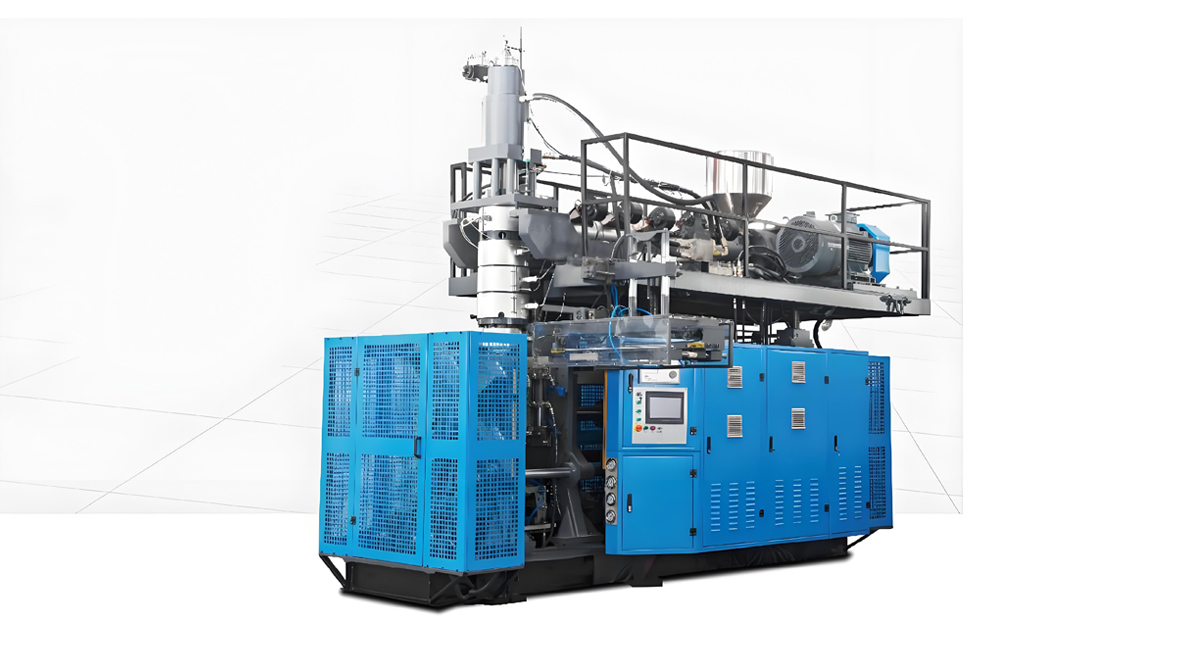
Apollo Extrusion Blow Molding machines have established industry leadership in HDPE bottle production through decades of technological innovation and process optimization. The integration of advanced extrusion systems, precision mold handling, and automated quality control ensures that every bottle meets stringent specifications while maintaining production efficiency. As demand for HDPE bottles continues growing in packaging, automotive, and industrial sectors, selecting the right extrusion blow molding equipment becomes critical for competitive manufacturing operations.
Understanding HDPE Material Properties and Processing Requirements
High Density Polyethylene possesses unique material characteristics that make it ideal for bottle production while requiring specific processing considerations. HDPE offers excellent chemical resistance, impact strength, and moisture barrier properties that protect bottled contents effectively. The material exhibits low moisture absorption, dimensional stability, and good environmental stress crack resistance essential for bottle applications requiring long-term performance under various conditions.
Processing HDPE through extrusion blow molding demands precise temperature control, optimal melt flow rates, and consistent parison formation to achieve uniform bottle wall thickness. HDPE typically processes between 160 to 220 degrees Celsius depending on grade and machine configuration. Material viscosity must be carefully managed to prevent sagging while ensuring complete mold filling without weak spots or thin areas that compromise bottle integrity.
Material Selection and Grade Considerations
Different HDPE grades offer varying characteristics suited to specific bottle applications. Bottle grades typically feature specific melt flow indices ranging from 0.3 to 2.0 grams per 10 minutes depending on bottle design and processing requirements. Food-grade HDPE requires FDA compliance and additional quality certifications for beverage and food packaging applications. Recycled HDPE content requires careful processing consideration to maintain bottle quality while supporting sustainability initiatives.
Material selection impacts processing parameters, mold design considerations, and final bottle performance characteristics. Specialty HDPE grades include UV-stabilized formulations for outdoor applications, antistatic versions for electronic component packaging, and high-purity grades for pharmaceutical and medical bottle applications. Understanding material specifications enables optimal machine configuration and processing parameter selection for consistent production results.
Complete HDPE Bottle Production Process Overview
The HDPE extrusion blow molding process transforms raw HDPE resin into finished bottles through a continuous cycle of material preparation, extrusion, forming, cooling, and finishing. The process begins with material drying and feeding systems that deliver HDPE pellets to the extrusion unit at controlled rates. The extruder melts, homogenizes, and forms HDPE into a hollow tube called a parison that hangs between mold halves.
When molds close around the parison, compressed air inflates the plastic to conform precisely to mold cavity details, creating bottle shape and features. Controlled cooling cycles solidify the bottle shape before mold opening and product ejection. The cycle repeats continuously, with modern Apollo machines achieving cycle times between 3 to 10 seconds depending on bottle size and complexity.
Parison Formation and Control Systems
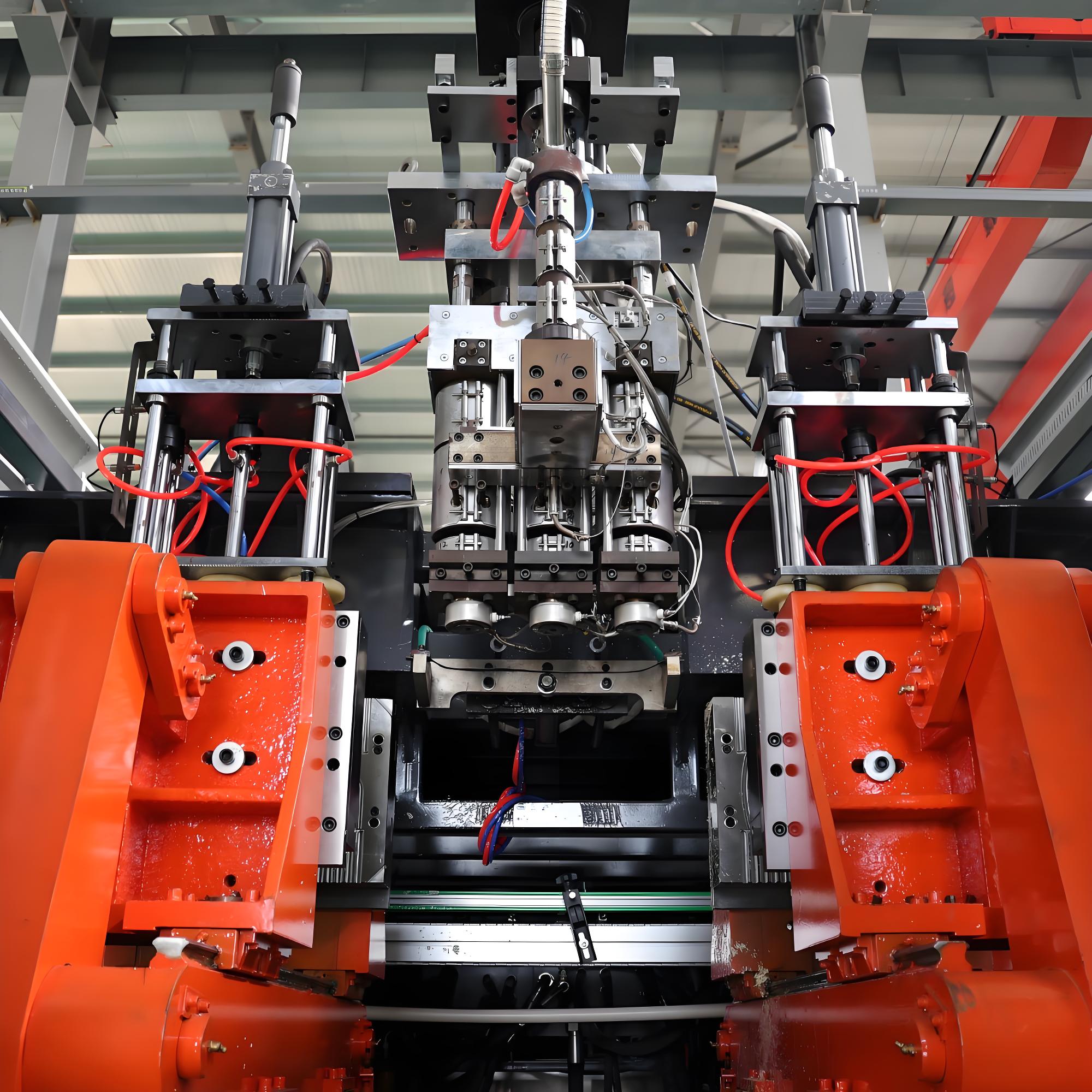
Parison formation represents the most critical stage in HDPE bottle production, determining wall thickness uniformity and overall bottle quality. Apollo machines utilize programmable parison control systems that adjust parison wall thickness along its length through die lip adjustment during extrusion. This technology ensures uniform bottle walls despite variations in bottle geometry and design complexity.
Advanced parison programming enables manufacturers to optimize material usage while maintaining structural integrity. Wall thickness mapping ensures material concentrates in high-stress areas while minimizing material in less critical zones. Sophisticated control algorithms compensate for HDPE melt behavior variations, temperature fluctuations, and production speed changes to maintain consistent bottle quality across extended production runs.
Apollo HDPE Extrusion Blow Molding Machine Features
Apollo Extrusion Blow Molding machines incorporate advanced technology specifically optimized for HDPE bottle production requirements. The machines feature high-performance extruders with specially designed screw geometry that provides superior melting and homogenization of HDPE materials. Precision temperature control systems maintain consistent melt temperature throughout the process, essential for HDPE processing characteristics and final bottle quality.
The machine design includes robust clamping systems that accommodate high production speeds while maintaining dimensional accuracy. Advanced mold handling systems enable quick mold changes for flexible production capabilities. Integrated quality monitoring systems detect defects automatically, reducing waste and ensuring only quality bottles proceed to downstream operations.
Extruder Design and Configuration
Apollo extruders for HDPE applications feature length-to-diameter ratios optimized for complete melting and homogeneous melt preparation. Screw designs include specific mixing sections that ensure uniform temperature and composition throughout the HDPE melt. Barrel heating zones provide precise temperature control with minimal thermal gradients, critical for consistent HDPE processing.
Extruder capacity ranges from 30mm to 120mm screw diameter, accommodating production from laboratory scale to high-volume manufacturing operations. Drive systems provide consistent screw speed control within 0.1 percent accuracy, essential for consistent parison formation and bottle quality. Modular design enables equipment upgrades and capacity expansions as production requirements evolve.
Mold Systems and Configuration Options
HDPE bottle molds require precise engineering to achieve optimal bottle quality and production efficiency. Apollo offers complete mold design and manufacturing services for HDPE bottle applications ranging from small cosmetic containers to large industrial drums. Mold materials include aluminum alloys for prototyping and limited production, hardened steel for high-volume production, and specialty alloys for challenging processing conditions.
Mold cooling systems incorporate optimized channel layouts that ensure uniform cooling and consistent cycle times. Advanced mold temperature control options enable processing optimization for different HDPE grades and bottle designs. Quick-change mold systems reduce setup time between product changes, improving production flexibility and equipment utilization.
Production Capacity and Efficiency Analysis
HDPE extrusion blow molding machine capacity varies significantly based on bottle size, design complexity, and machine configuration. Small bottle production lines can achieve outputs exceeding 15,000 bottles per hour, while larger containers reduce production capacity proportionally. Apollo machines optimize cycle times through advanced motion control, efficient cooling systems, and automated material handling that minimizes non-productive time.
Production efficiency factors include material utilization rates, energy consumption, labor requirements, and equipment uptime. Modern Apollo machines achieve material utilization rates exceeding 98 percent through precise parison control and minimal scrap generation. Energy-efficient designs reduce operating costs through optimized heating systems, regenerative drive technology, and intelligent power management.
Cost Analysis and Price Estimation
HDPE extrusion blow molding machine investment varies based on production capacity, automation level, and configuration requirements. Entry-level systems for small-scale production typically range from 50,000 to 80,000 US dollars for basic single-station machines with manual operation. Mid-range production systems suitable for growing operations range from 100,000 to 180,000 US dollars, featuring enhanced automation and higher capacity capabilities.
High-production systems for large-scale manufacturing operations represent investments between 200,000 to 450,000 US dollars, incorporating full automation, multiple stations, and advanced quality control systems. Operating costs include HDPE material consumption averaging 1.20 to 1.80 US dollars per kilogram depending on grade and quality requirements. Energy consumption typically ranges from 0.15 to 0.35 US dollars per kilogram of processed HDPE based on machine efficiency and local energy costs.
Labor requirements vary from one operator for basic systems to minimal manual intervention for fully automated lines. Maintenance costs average 2 to 4 percent of machine value annually for properly maintained equipment. Return on investment calculations should consider production volume, product pricing, market demand, and competitive positioning to determine optimal equipment investment levels.
Applications and Product Range
HDPE extrusion blow molding machines produce diverse bottle products across numerous industries and applications. The packaging industry represents the largest application sector, producing water bottles, beverage containers, personal care packaging, and household chemical containers. Industrial applications produce drums, intermediate bulk containers, automotive fluid reservoirs, and specialty containers for chemicals and lubricants.
Medical and pharmaceutical applications require specialized HDPE grades and clean room production capabilities for compliance with regulatory requirements. Agricultural applications produce pesticide containers, fertilizer bottles, and irrigation system components. Each application category requires specific machine configurations, quality standards, and production capabilities tailored to industry requirements and product specifications.
Market Demand and Production Trends
Global demand for HDPE bottles continues growing driven by packaging industry expansion, beverage market development, and industrial sector growth. Sustainability initiatives drive demand for lightweight HDPE bottles that reduce material consumption while maintaining performance requirements. Recycled content requirements influence production processes and material specifications, creating demand for machines capable of processing recycled HDPE with consistent quality.
Production trends include increasing automation levels, enhanced quality control integration, and energy efficiency improvements. Smart manufacturing capabilities enable real-time process monitoring, predictive maintenance, and production optimization. Market competition drives continuous improvement in machine efficiency, product quality, and total cost of ownership.
Quality Control and Standards Compliance
HDPE bottle quality encompasses dimensional accuracy, mechanical properties, appearance standards, and functional performance requirements. Apollo machines incorporate integrated quality monitoring systems that measure bottle dimensions, wall thickness, weight consistency, and defect detection in real-time. Statistical process control capabilities enable continuous quality improvement and variation reduction.
Industry standards and regulatory requirements vary by application and geographic market. Food contact applications require FDA compliance and specific migration limit testing. Medical applications require ISO 13485 quality system certification and biocompatibility testing. Industrial applications may require specific chemical resistance testing and impact performance standards.
Testing and Quality Assurance Protocols
Comprehensive quality assurance protocols include incoming material testing, in-process monitoring, and finished product verification. Material testing verifies HDPE grade specifications, melt flow characteristics, and contamination levels before production. Process monitoring tracks critical parameters including temperature profiles, pressure readings, cycle times, and energy consumption throughout production runs.
Finished product testing includes dimensional verification, drop testing, leak testing, compression testing, and burst pressure testing depending on application requirements. Non-destructive testing methods verify wall thickness uniformity without product damage. Traceability systems track production parameters for each production lot, enabling quality issue investigation and continuous improvement.
Installation and Setup Requirements
HDPE extrusion blow molding machine installation requires appropriate facility preparation and infrastructure support. Floor space requirements vary based on machine configuration but typically range from 150 to 400 square feet including material handling and product accumulation areas. Electrical requirements include three-phase power supply with appropriate amperage capacity based on machine size and configuration.
Compressed air systems provide blow air for bottle formation and control air for machine operation. Typical requirements include compressed air at 8 to 10 bar pressure with 2 to 5 cubic meters per minute capacity depending on machine size. Water cooling systems remove process heat and maintain optimal operating temperatures. Cooling requirements range from 20 to 100 liters per minute based on machine capacity and production speed.
Operator Training and Skill Requirements
Effective HDPE extrusion blow molding operation requires trained personnel with understanding of material properties, machine operation, quality requirements, and troubleshooting techniques. Apollo provides comprehensive training programs covering machine operation, maintenance procedures, safety protocols, and quality control methods. Training duration varies from one week for basic operation to three weeks for advanced programming and optimization.
Operator skills include material handling, process parameter adjustment, quality monitoring, equipment maintenance, and production scheduling. Technical troubleshooting abilities enable rapid response to production issues and equipment malfunctions. Continuous training ensures operators maintain proficiency with evolving machine technology and production requirements.
Maintenance and Service Support
Regular maintenance ensures optimal machine performance and extends equipment service life. Preventive maintenance schedules include daily cleaning and inspection, weekly lubrication and calibration, monthly component inspection, and annual comprehensive servicing. Apollo provides detailed maintenance documentation and support to facilitate systematic maintenance program implementation.
Technical support services include telephone support for immediate assistance, remote diagnostics through machine connectivity, and on-site service for complex issues requiring hands-on intervention. Spare parts availability ensures minimal downtime during component replacement or repair. Maintenance contracts provide comprehensive support coverage and predictable maintenance costs.
Common Maintenance Requirements
Routine maintenance tasks include extruder screw and barrel inspection for wear patterns, heater element verification for proper operation, die lip cleaning and inspection for damage, mold surface maintenance, and lubrication of moving components. Temperature control systems require periodic calibration to ensure accurate temperature control. Hydraulic systems need fluid analysis and replacement at recommended intervals.
Predictive maintenance technologies monitor equipment condition and anticipate component failure before production disruption occurs. Vibration analysis, thermal imaging, and oil analysis provide early warning of developing issues. Maintenance scheduling based on condition monitoring reduces unscheduled downtime and maintenance costs while maximizing production availability.
Energy Efficiency and Sustainability
Modern HDPE extrusion blow molding machines incorporate energy efficiency features that reduce operating costs and environmental impact. Apollo machines utilize servo drive systems that consume energy only when required, reducing energy consumption compared to traditional hydraulic systems. Regenerative braking systems capture energy during deceleration phases, feeding it back into the system for reuse.
Insulation on heated surfaces reduces heat loss and improves energy efficiency. Optimized cooling systems minimize water consumption while maintaining proper cooling performance. Energy monitoring systems provide real-time energy consumption data, enabling energy optimization and cost reduction. Life cycle analysis considers total energy consumption including manufacturing, operation, and eventual equipment recycling.
Sustainable Production Practices
Sustainable HDPE bottle production incorporates material efficiency, energy optimization, waste reduction, and environmental responsibility. Material efficiency improvements through parison optimization reduce HDPE consumption per bottle, minimizing resource use and environmental impact. Recycling capabilities enable integration of recycled HDPE content into production, supporting circular economy principles.
Waste reduction initiatives minimize production scrap through precise process control and quality monitoring. Scrap recovery systems collect and reprocess production waste, reducing material waste. Environmental compliance ensures operations meet regulatory requirements for emissions, wastewater discharge, and waste management.
Comparison with Alternative Bottle Production Methods
HDPE extrusion blow molding offers distinct advantages compared to alternative bottle production methods including injection blow molding and injection stretch blow molding. Extrusion blow molding provides superior capability for producing bottles with handles, complex geometries, and larger sizes that challenge alternative methods. The process enables easy mold changes for flexible production of diverse bottle types.
Production costs for extrusion blow molding typically range lower than alternative methods, particularly for larger bottles and containers requiring thicker walls. Material waste during production runs lower due to efficient parison control and minimal sprue requirements. Equipment investment generally lower for comparable production capacity, improving return on investment for many applications.
Selection Criteria for Production Method
Production method selection depends on bottle design requirements, production volume, quality standards, and cost considerations. Extrusion blow molding excels for handle-equipped bottles, wide-mouth containers, and applications requiring design flexibility. Injection blow molding provides superior dimensional accuracy for small precision bottles. Injection stretch blow molding offers exceptional clarity and mechanical properties for PET applications.
Economic analysis should consider equipment investment, production speed, material costs, labor requirements, and energy consumption across the production lifecycle. Technical evaluation should assess capability to meet quality requirements, design flexibility, production volume scalability, and market responsiveness. Integration with existing production systems and future growth plans should influence final selection decisions.
Frequently Asked Questions
What HDPE grades are best suited for extrusion blow molding?
HDPE grades with melt flow indices between 0.3 and 2.0 grams per 10 minutes work well for extrusion blow molding applications. Lower melt flow grades provide better melt strength for larger bottles, while higher melt flow grades fill complex molds more easily. Bottle-specific grades from major resin suppliers include additives for UV protection, antistatic performance, and enhanced processability. Material selection should consider bottle design, production requirements, and end-use performance specifications.
How is wall thickness controlled in HDPE bottle production?
Wall thickness control in HDPE extrusion blow molding relies on programmable parison control systems that adjust die lip position during extrusion. These systems vary parison wall thickness along its length to compensate for stretching during blow molding, ensuring uniform final wall thickness. Advanced systems incorporate multiple control points and real-time feedback to maintain consistent wall thickness despite production variations. Precise wall thickness control optimizes material usage while maintaining bottle strength requirements.
What maintenance does HDPE extrusion blow molding equipment require?
HDPE extrusion blow molding machine maintenance includes daily cleaning and inspection, weekly lubrication, monthly component verification, and annual comprehensive servicing. Critical maintenance items include extruder screw and barrel inspection for wear, die lip cleaning and calibration, heater element verification, mold surface maintenance, and temperature control calibration. Scheduled preventive maintenance reduces unscheduled downtime, extends equipment life, and maintains consistent production quality. Apollo provides detailed maintenance schedules and support for all machine models.
What production capacity can HDPE extrusion blow molding achieve?
HDPE extrusion blow molding production capacity varies widely based on bottle size, machine configuration, and automation level. Small bottle production can exceed 15,000 bottles per hour on high-speed equipment. Medium-sized bottles typically produce 5,000 to 10,000 bottles per hour. Large containers may produce 200 to 500 units per hour depending on size and complexity. Capacity optimization requires proper machine selection, mold design, and production system integration to balance speed, quality, and efficiency.
How do energy costs compare between machine configurations?
Energy consumption varies significantly between machine configurations based on drive systems, cooling methods, and automation level. Servo-electric machines typically consume 30 to 50 percent less energy than hydraulic machines of similar capacity. Advanced energy recovery systems further reduce energy consumption by capturing and reusing energy from deceleration phases. Energy monitoring data shows consumption ranging from 0.5 to 2.5 kilowatt-hours per kilogram of processed HDPE depending on machine efficiency and configuration. Energy cost analysis should consider local energy rates and production volume when evaluating machine options.
Conclusion and Best Practices
HDPE extrusion blow molding technology provides efficient, reliable, and cost-effective solutions for plastic bottle production across diverse industries. Success in HDPE bottle manufacturing requires understanding material characteristics, machine capabilities, process optimization, and quality management principles. Apollo Extrusion Blow Molding machines deliver the performance, reliability, and flexibility necessary for competitive HDPE bottle production.
Key success factors include proper material selection for application requirements, optimized process parameters for consistent quality, comprehensive quality control systems, systematic maintenance programs, and continuous operator training. Investment decisions should consider total cost of ownership including equipment, operation, maintenance, and upgrade costs over the equipment lifecycle. Production system design should balance current requirements with future growth needs to ensure long-term value.
The HDPE bottle market continues evolving with sustainability initiatives, quality requirements, and competitive pressures driving innovation in machine technology and production methods. Apollo remains committed to advancing extrusion blow molding technology through continuous research and development, ensuring customers receive state-of-the-art solutions for HDPE bottle production requirements. Partnering with experienced equipment providers like Apollo ensures access to technical expertise, application knowledge, and ongoing support essential for long-term production success.