Introduction to Multi-Layer Co-Extrusion Technology
Multi-layer co-extrusion blow molding represents the pinnacle of plastic manufacturing technology, enabling production of sophisticated plastic products with multiple functional layers optimized for specific performance requirements. Apollo Extrusion Blow Molding multi-layer technology combines multiple material streams into single parison structures, creating containers with precisely engineered properties including barrier performance, mechanical strength, aesthetic characteristics, and cost optimization. This advanced technology enables manufacturers to differentiate products through superior performance while optimizing material costs.
The fundamental principle of multi-layer co-extrusion involves simultaneous extrusion of multiple material layers through specially designed dies that maintain layer integrity while combining layers into unified parison structures. Each layer contributes specific properties to the final product, with barrier layers preventing gas transmission, structural layers providing mechanical strength, surface layers enhancing appearance, and cost-optimized layers reducing material expenses. The result is precisely engineered products impossible to produce through single-layer processes.
Layer Structure Design and Material Selection
Multi-layer container design requires careful consideration of layer sequence, material selection, and thickness distribution to achieve optimal performance characteristics. Common layer structures range from simple three-layer configurations to complex seven-layer or higher systems for demanding applications. Typical three-layer structures include barrier layer sandwiched between structural layers, or surface layers surrounding core layers for aesthetic purposes. Advanced structures may include multiple barrier layers, tie layers for material compatibility, and specialized functional layers.
Material selection for each layer depends on required functionality and compatibility with adjacent layers. Barrier materials include EVOH for oxygen barrier, PVDC for moisture barrier, and nylon for chemical barrier. Structural materials include HDPE, PP, and PET for mechanical properties. Tie layers promote adhesion between incompatible materials. Surface materials provide appearance properties including clarity, color, and texture. Each material selection considers processing characteristics, performance requirements, and cost considerations.
Common Layer Configurations
Three-layer structures provide basic barrier performance and material optimization for moderate applications. Typical configurations include HDPE-tie-EVOH-tie-HDPE for oxygen barrier containers, PP-tie-nylon-tie-PP for chemical resistance, and PET-tie-barrier-tie-PET for premium applications. Five-layer structures add additional functionality through secondary barrier layers, structural reinforcement, or specialized surface properties. Seven-layer and higher structures enable premium performance through multiple specialized layers addressing diverse performance requirements.
Layer thickness distribution varies based on performance requirements and cost optimization. Barrier layers typically range from 2 to 10 percent of total wall thickness, providing sufficient barrier performance while minimizing expensive material usage. Structural layers comprise the majority of wall thickness, providing mechanical strength and dimensional stability. Surface layers maintain thickness sufficient to provide appearance properties while minimizing material cost.
Apollo Multi-Layer Co-Extrusion Machine Features
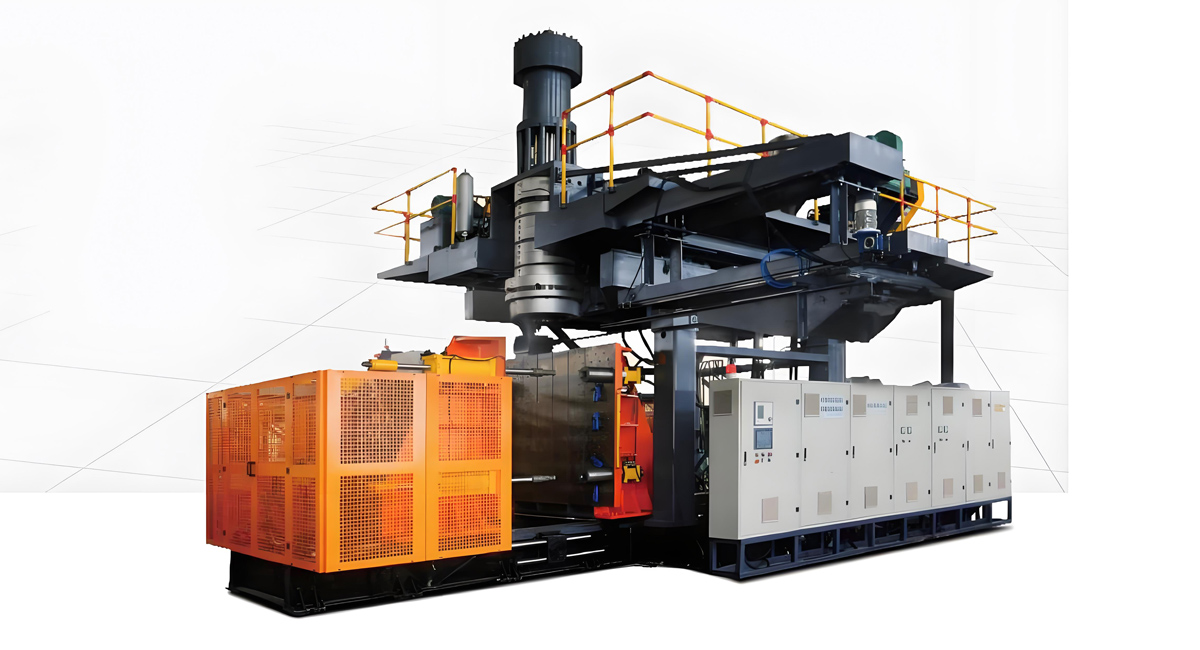
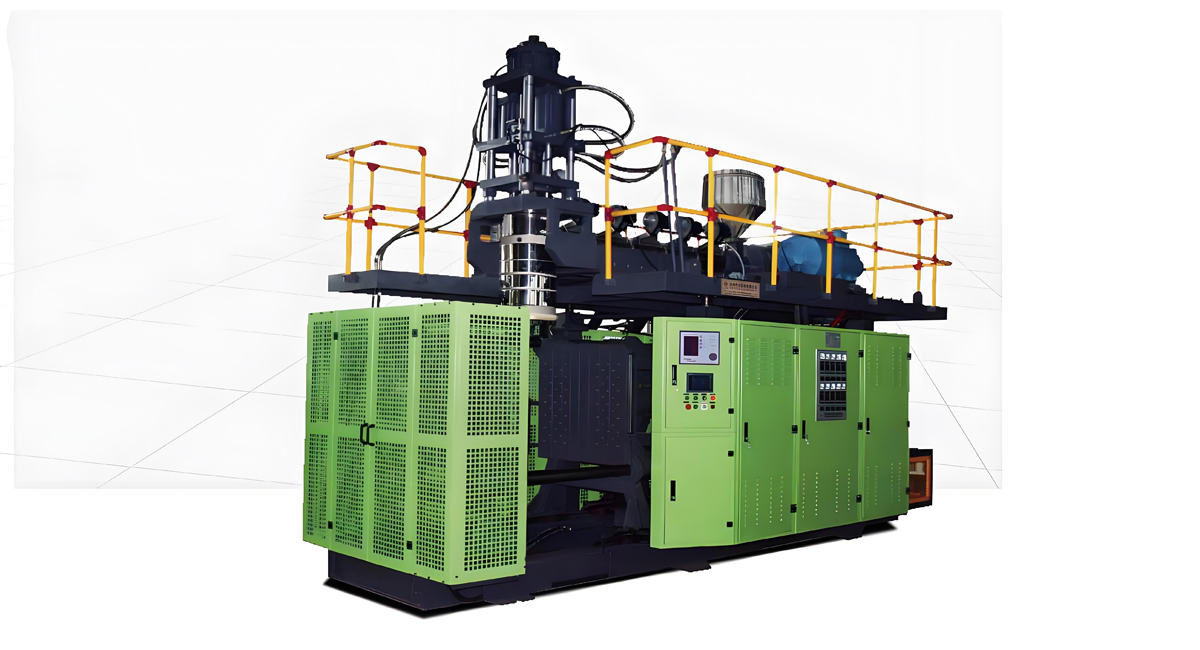
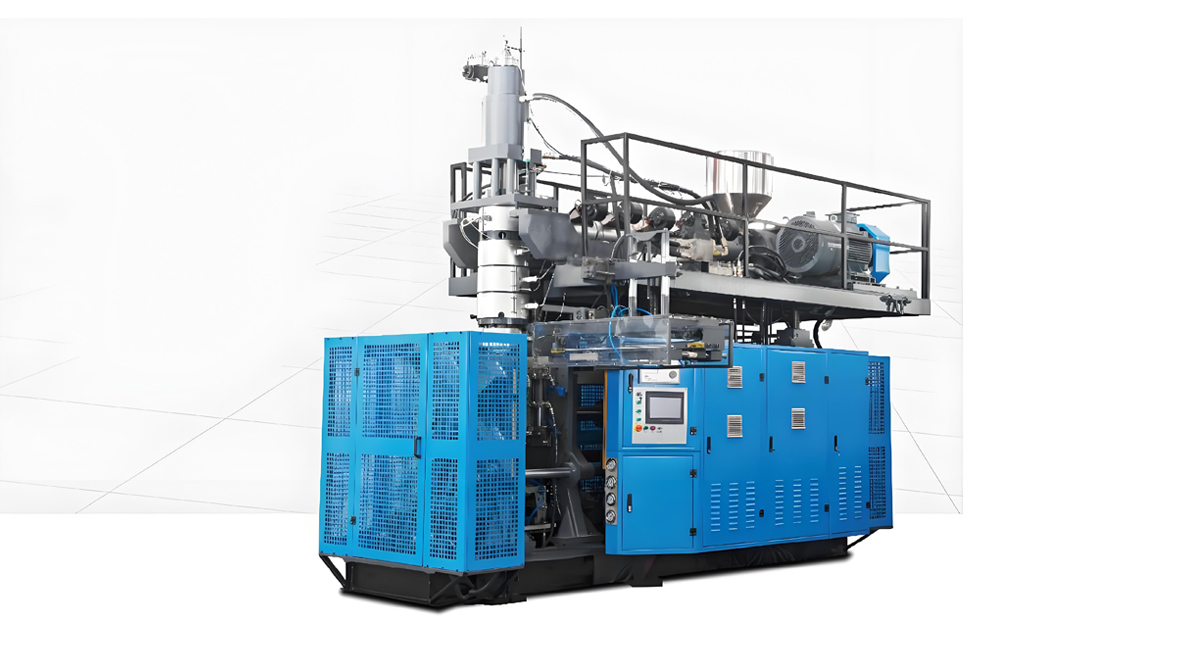
Apollo multi-layer co-extrusion blow molding machines incorporate advanced technology specifically designed for multi-layer production requirements. Multiple extruder systems operate independently to maintain precise material delivery to each layer. Sophisticated die design maintains layer separation and uniform thickness throughout extrusion process. Advanced control systems coordinate multiple material streams with precise timing and flow control.
Machine design ensures consistent layer distribution around parison circumference and along parison length. Layer thickness control systems enable precise material distribution optimization for performance and cost. Mold design accommodates multi-layer structures while maintaining proper layer bonding and distribution. Quality monitoring systems verify layer integrity and thickness distribution throughout production runs.
Extruder Systems and Configuration
Multi-layer co-extrusion requires multiple extruders dedicated to specific layers, with extruder selection based on material requirements and layer thickness. Barrier layer extruders typically feature smaller diameters for precise flow control of expensive materials. Structural layer extruders feature larger diameters for high-volume material delivery. All extruders incorporate precise temperature control and screw design optimized for specific materials.
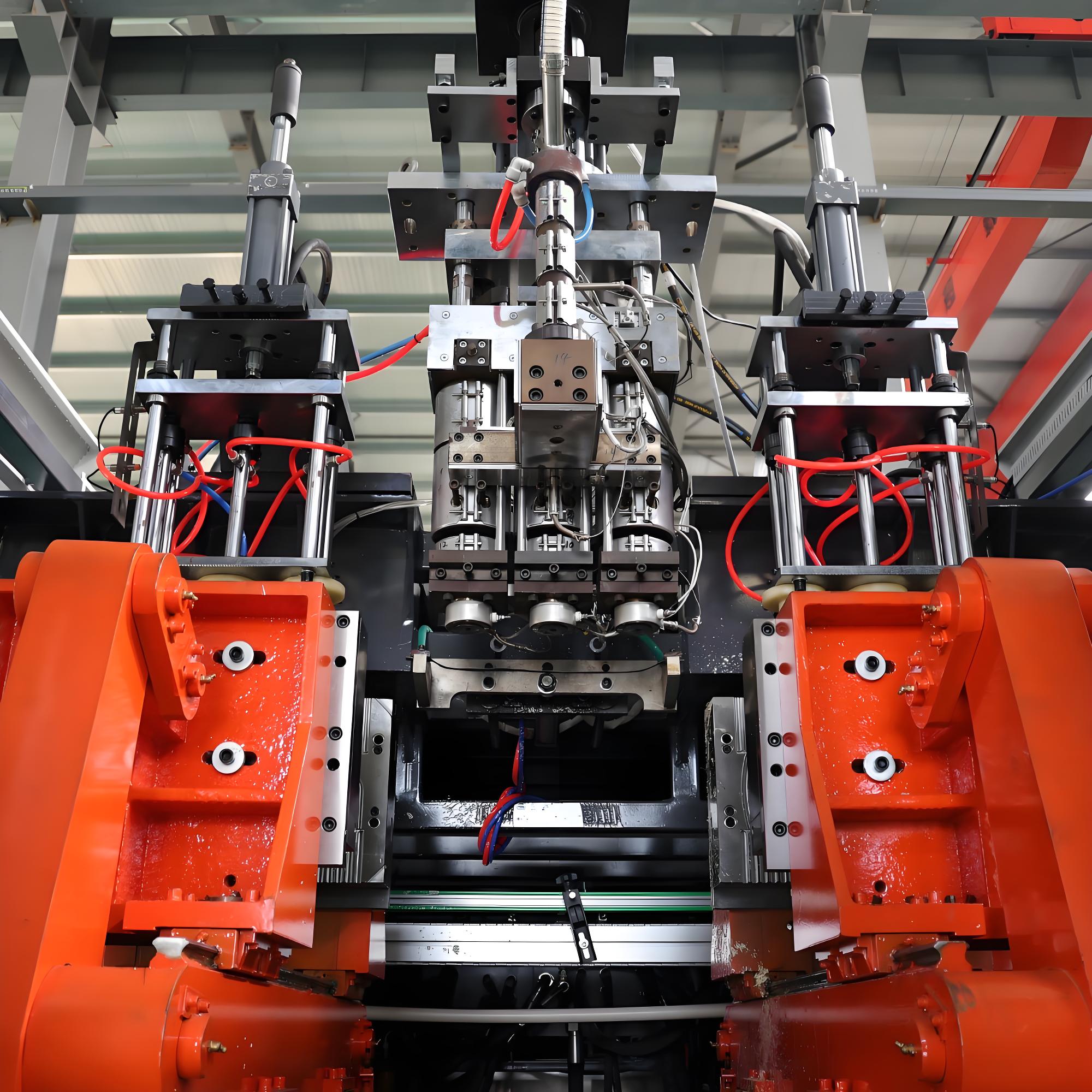
Extruder configurations range from three extruders for basic three-layer systems to seven or more extruders for advanced multi-layer structures. Extruder positioning and manifold design minimize material flow distance and residence time, maintaining material quality and preventing degradation. Individual extruder control enables independent optimization for each layer material and processing requirements.
Die Systems and Layer Formation
Multi-layer co-extrusion die systems represent the critical technology enabling precise layer formation and control. Concentric die designs arrange material streams around common axis, with each material flowing through annular channels surrounding previous layers. Spiral mandrel designs ensure uniform layer distribution around parison circumference, preventing thickness variations that would compromise performance or appearance.
Die lip design incorporates individual layer control enabling precise thickness adjustment for each layer independently. Advanced die designs incorporate rotating systems that eliminate layer seam lines, creating continuous layer structures around parison circumference. Temperature control maintains optimal material flow characteristics for each layer while preventing material degradation or interface issues.
Layer Interface and Bonding
Layer interface integrity represents critical quality factor for multi-layer containers, requiring proper material compatibility and processing conditions. Compatible materials directly bond without special requirements, enabling simpler layer structures. Incompatible materials require tie layers promoting adhesion between layers, adding complexity but enabling superior material combinations.
Processing conditions including temperature, pressure, and flow dynamics influence layer bonding quality. Proper temperature matching between adjacent layers ensures effective bonding without material degradation. Flow pattern optimization prevents layer mixing or instability during extrusion. Post-extrusion processing maintains layer integrity through proper handling and processing before molding operations.
High-End Applications and Product Examples
Multi-layer co-extrusion technology enables high-end plastic products serving demanding applications across diverse industries. Food and beverage packaging utilizes multi-layer structures for extended shelf life through oxygen and moisture barrier properties. Automotive applications require multi-layer fuel systems with chemical resistance and permeation control. Industrial containers use multi-layer designs for chemical resistance and product protection.
Medical applications demand multi-layer containers with specific barrier properties and regulatory compliance. Cosmetics packaging utilizes multi-layer designs for premium appearance and product protection. Agricultural applications benefit from multi-layer containers with UV resistance and chemical compatibility. Each application category leverages multi-layer capabilities to achieve performance unattainable through single-layer materials.
Specific Application Examples
Food packaging applications include juice bottles with oxygen barrier extending shelf life, dairy containers with UV protection and aroma retention, and ready-to-eat food containers with oxygen and moisture barrier properties. Beverage applications include carbonated drink bottles with CO2 barrier, wine bottles with oxygen barrier preventing oxidation, and sports drink bottles with multiple barrier layers for product protection.
Automotive fuel containers utilize multi-layer construction with permeation barriers preventing fuel vapor emission and chemical resistance against fuel components. Industrial chemical containers require multi-layer designs with chemical barrier layers protecting container contents from environmental effects. Medical containers use multi-layer designs with specific barrier properties maintaining sterility and protecting sensitive contents.
Production Process and Quality Control
Multi-layer co-extrusion production requires specialized process control ensuring layer integrity, thickness accuracy, and consistent quality. Material drying systems remove moisture from multiple material types before processing, preventing defects and ensuring consistent processing characteristics. Temperature control systems maintain optimal temperatures for each material stream while managing interface temperature between layers.
Process monitoring includes layer thickness measurement, interface integrity verification, and overall dimension accuracy. Advanced monitoring systems measure individual layer thickness non-destructively during production, enabling real-time adjustment for quality maintenance. Visual inspection verifies layer distribution uniformity and detects interface issues or defects affecting product performance.
Quality Assurance Systems
Quality assurance for multi-layer products encompasses individual material quality, layer thickness accuracy, interface integrity, and overall product performance. Material testing verifies each material meets specifications before processing. Layer thickness measurement systems ensure accurate thickness distribution for each layer according to design specifications. Interface testing verifies proper bonding and adhesion between layers.
Barrier testing verifies permeation resistance according to application requirements, including oxygen transmission rate, water vapor transmission rate, and specific chemical permeation depending on intended use. Mechanical testing verifies structural integrity and performance characteristics. Visual inspection ensures acceptable appearance and detects defects affecting quality or performance.
Cost Analysis and Economic Considerations
Multi-layer co-extrusion blow molding machine investment represents significant capital expenditure but enables premium product positioning and material cost optimization. Basic multi-layer systems for three-layer production typically range from 250,000 to 400,000 US dollars depending on configuration and capacity. Advanced multi-layer systems with seven or more layers and sophisticated control capabilities range from 500,000 to 900,000 US dollars for high-end applications.
Operating costs include multiple material types with varying prices, requiring careful material cost optimization. Barrier materials typically cost 4 to 10 times more than structural materials, creating incentive to minimize barrier layer thickness while maintaining performance. Material optimization through precise layer thickness control reduces expensive material usage while maintaining performance, improving overall economics.
Return on Investment Analysis
Return on investment for multi-layer systems considers equipment premium, material cost optimization, product pricing premium, and market expansion opportunities. Material savings through optimized layer structures typically reduce material costs by 5 to 15 percent compared to single-layer solutions with equivalent performance. Product pricing premium for superior performance enables revenue enhancement improving return on investment.
Market expansion through differentiated products creates additional revenue streams not available with single-layer products. High-end applications command premium pricing improving profitability. Payback periods typically range from 24 to 48 months depending on production volume, product pricing, and market demand. Long-term competitive advantage through differentiated capabilities provides sustained value beyond initial payback period.
Technical Challenges and Solutions
Multi-layer co-extrusion presents unique technical challenges requiring specialized solutions and expertise. Material compatibility between layers requires careful selection and testing to ensure proper bonding and performance. Layer interface stability must be maintained throughout processing and product lifecycle. Layer thickness uniformity must be controlled precisely to ensure consistent performance and cost optimization.
Processing parameters for multiple materials with different characteristics require sophisticated control systems and operator expertise. Material degradation prevention requires proper temperature management and residence time control for each material stream. Layer separation or delamination prevention requires proper interface management and processing optimization.
Advanced Technical Solutions
Tie layer development enables bonding between incompatible materials, expanding material combination possibilities and performance optimization opportunities. Computational fluid dynamics modeling optimizes die design for uniform layer distribution and stable flow patterns. Advanced control algorithms coordinate multiple extruders with precise timing and flow control, maintaining layer integrity under varying production conditions.
In-line layer thickness monitoring systems provide real-time measurement and feedback control, ensuring consistent quality and material optimization. Rotating die systems eliminate layer seam lines, improving appearance and performance. Advanced material compatibility testing ensures reliable bonding between layers across processing variations and environmental conditions.
Material Compatibility and Layer Bonding
Material compatibility represents fundamental consideration for multi-layer co-extrusion success, determining layer bonding quality and long-term performance. Compatible materials share similar chemical characteristics enabling direct bonding through molecular interdiffusion at layer interfaces. Polyolefins including HDPE, PP, and various copolymers generally exhibit good compatibility, enabling direct bonding without tie layers.
Incompatible materials require tie layers promoting adhesion through chemical bonding mechanisms. Tie layer materials typically include modified polyolefins with functional groups promoting bonding to diverse materials. Material selection considers compatibility with both adjacent layers, processing characteristics, and performance requirements. Testing verifies bonding strength and long-term stability under application conditions.
Interface Testing and Validation
Interface testing verifies bonding quality and performance characteristics under application conditions. Peel testing measures adhesion strength between layers, quantifying bonding effectiveness. Environmental exposure testing evaluates interface stability under temperature variations, humidity exposure, and chemical exposure simulating actual use conditions. Long-term aging tests verify interface durability over product lifecycle.
Microscopic examination verifies interface morphology and bonding characteristics. Thermal analysis evaluates interface transitions and compatibility. Performance testing simulates actual use conditions to verify interface maintains integrity under stress. Comprehensive validation ensures reliable performance throughout product service life.
Barrier Performance and Optimization
Barrier performance represents primary motivation for multi-layer co-extrusion, providing superior protection for sensitive contents against environmental factors. Oxygen barrier performance prevents oxidation and spoilage for food and beverage products, extending shelf life and maintaining quality. Moisture barrier prevents water vapor transmission protecting dry foods and hygroscopic products. Chemical barrier prevents permeation of aggressive chemicals protecting both contents and environment.
Barrier material selection depends on specific barrier requirements, processing compatibility, and cost considerations. EVOH provides exceptional oxygen barrier but requires moisture protection through encapsulation layers. PVDC offers combined oxygen and moisture barrier with broader processing window. Nylon provides good chemical barrier with mechanical properties contributing to overall performance. Each material offers specific advantages for different applications.
Barrier Performance Measurement
Barrier performance quantification requires standardized testing methods providing comparable results across materials and designs. Oxygen transmission rate measurement determines oxygen permeability under specified temperature and humidity conditions. Water vapor transmission rate measurement quantifies moisture barrier performance. Specific permeation testing for target chemicals verifies chemical barrier effectiveness.
Barrier performance optimization involves material selection, layer thickness optimization, and processing parameter control. Computational modeling predicts barrier performance based on material properties and layer configuration. Experimental verification confirms predicted performance and validates design assumptions. Ongoing monitoring ensures consistent barrier performance throughout production.
Design Flexibility and Customization
Multi-layer co-extrusion technology provides exceptional design flexibility enabling customization for specific application requirements. Layer sequence, material selection, and thickness distribution combine to create precisely engineered products meeting exacting performance specifications. Design iterations enable optimization through material combinations and layer configurations impossible with single-layer materials.
Customization capabilities extend beyond technical performance to include aesthetic characteristics and functional features. Surface layer materials provide clarity, color, texture, and printability optimization. Structural layers contribute design features including shape retention, impact resistance, and thermal properties. Custom solutions address unique requirements across diverse industries and applications.
Rapid Prototyping and Development
Multi-layer co-extrusion prototyping enables rapid development and testing of new layer combinations and product designs. Pilot-scale production systems enable material and design validation before full-scale equipment commitment. Material testing programs evaluate layer combinations and compatibility before production implementation. Design simulation reduces development time through virtual testing and optimization.
Development teams collaborate with customers to optimize layer configurations for specific requirements. Material suppliers provide technical support and specialty materials for challenging applications. Testing capabilities validate performance under simulated use conditions. Rapid development cycles accelerate time to market for innovative multi-layer products.
Installation and Setup Requirements
Multi-layer co-extrusion blow molding machine installation requires specialized infrastructure and preparation beyond basic blow molding equipment requirements. Floor space requirements range from 300 to 600 square feet depending on machine configuration and auxiliary equipment. Electrical requirements include three-phase power with capacity for multiple extruder drives, heating systems, and control systems. Power requirements typically range from 150 to 400 kilowatts depending on machine size and configuration.
Material handling systems must accommodate multiple material types with dedicated storage, drying, and feeding systems for each material. Each material requires separate drying system with temperature and dew point control for that specific material. Material feeding systems prevent contamination and cross-contamination between different materials. Complex piping and manifold systems deliver materials to appropriate extruders.
Utility Requirements
Compressed air systems provide blow air for container formation and control air for machine operation, with requirements ranging from 5 to 10 cubic meters per minute at 8 to 10 bar pressure. Cooling water systems remove process heat from extruders, dies, and molds, with requirements ranging from 50 to 200 liters per minute depending on machine size and production requirements. Temperature control systems require sufficient heating and cooling capacity for multiple material streams.
Environmental control may be required for temperature and humidity sensitive materials, particularly hygroscopic materials requiring controlled storage and handling conditions. Ventilation requirements may differ from single-layer equipment due to multiple materials with different processing characteristics. Installation planning must address specific requirements for multi-layer systems.
Operator Training and Skill Requirements
Multi-layer co-extrusion operation requires specialized training encompassing multiple material processing, layer control systems, and complex troubleshooting techniques. Apollo provides comprehensive training programs covering machine operation, material handling, layer control, quality monitoring, and troubleshooting. Training duration typically ranges from three weeks for basic operation to six weeks for advanced process optimization and troubleshooting.
Operators develop understanding of multiple material processing characteristics, interaction between layers, and impact of processing parameter changes on layer integrity and final product quality. Advanced operators develop capability to diagnose layer-related issues and implement corrective actions without trial-and-error approaches that waste material and time.
Advanced Operator Skills
Effective multi-layer operation requires understanding of material compatibility, interface bonding mechanisms, and layer distribution optimization. Operators develop skills interpreting layer thickness monitoring data and adjusting processing parameters to maintain specifications. Troubleshooting skills enable identification of layer-related issues including interface problems, thickness variations, and material degradation.
Process optimization abilities enable operators to adjust parameters for multiple materials simultaneously, balancing requirements across different materials. Material changeover procedures manage multiple materials simultaneously without cross-contamination. Quality assurance understanding enables operators to recognize quality issues and implement preventive actions.
Maintenance and Reliability
Multi-layer co-extrusion equipment requires specialized maintenance procedures addressing multiple extruders, complex die systems, and sophisticated control systems. Preventive maintenance schedules include daily cleaning and inspection of material handling systems to prevent cross-contamination, weekly lubrication and calibration of multiple extruder drives, monthly inspection of die systems for wear and damage, and annual comprehensive servicing of all systems.
Die maintenance requires particular attention due to critical role in layer formation and quality. Regular die cleaning removes material residue preventing contamination between layers. Periodic die inspection checks for wear patterns, damage, or deterioration affecting layer distribution. Die calibration ensures accurate layer thickness control and uniform distribution.
Reliability Considerations
Multi-layer systems incorporate multiple components creating potential reliability challenges compared to single-layer systems. However, robust design and redundant systems where appropriate maintain reliability despite complexity. Individual extruder isolation prevents single extruder issues from affecting entire system. Quick-change capabilities enable rapid replacement of problematic components minimizing downtime.
Predictive maintenance technologies monitor critical components including extruder drives, heating systems, and control systems anticipating failures before production disruption. Condition-based maintenance optimizes maintenance intervals based on actual equipment condition rather than fixed schedules. Comprehensive spare parts inventory ensures rapid component replacement minimizing downtime.
Future Trends and Technology Development
Multi-layer co-extrusion technology continues advancing with innovation in materials, equipment design, and process control capabilities. New barrier materials with improved performance and reduced cost expand application possibilities and improve economics. Active layer technologies incorporate functional additives providing oxygen scavenging, antimicrobial properties, or other active functionality beyond passive barrier performance.
Advanced control systems incorporate artificial intelligence and machine learning algorithms optimizing layer distribution and processing parameters automatically. Digital twin technology creates virtual models of multi-layer processes enabling optimization and troubleshooting without physical experimentation. Real-time monitoring and control capabilities continue advancing with improved sensor technology and data analytics.
Emerging Applications
Emerging applications leverage multi-layer capabilities for innovative products addressing evolving market needs. Sustainable packaging solutions incorporate bio-based and recycled materials in multi-layer structures balancing sustainability with performance. Smart packaging incorporates active layers extending shelf life or providing freshness indicators. Lightweight optimization reduces material usage while maintaining performance through advanced layer design.
Medical applications advance through multi-layer containers providing enhanced barrier properties and regulatory compliance. Automotive applications expand through multi-layer fuel systems meeting increasingly stringent emissions standards. Industrial applications benefit from multi-layer containers with enhanced chemical resistance and product protection. Continuous innovation expands multi-layer co-extrusion applications and capabilities.
Selection Criteria and Implementation Strategy
Selecting multi-layer co-extrusion equipment requires systematic evaluation of technical requirements, market opportunities, and economic factors. Technical evaluation assesses layer requirements for target applications, material compatibility considerations, and performance specifications. Market analysis evaluates demand potential, pricing premium opportunity, and competitive differentiation capability.
Economic analysis considers equipment investment, material cost optimization, pricing premium potential, and return on investment timeline. Implementation strategy includes pilot production, market testing, and scale-up planning. Supplier selection emphasizes technical expertise, application support, and long-term partnership capabilities.
Implementation Best Practices
Successful implementation follows systematic approach including thorough needs assessment, prototype development, market validation, and scale-up planning. Collaboration with experienced equipment providers like Apollo ensures appropriate technology selection and application expertise. Operator training and process development occur before full-scale production, ensuring operational readiness and process optimization.
Quality system development addresses specific requirements for multi-layer products including layer integrity verification, barrier performance testing, and interface quality assurance. Supply chain development ensures reliable material supply for multiple materials with appropriate quality certification. Marketing and sales activities communicate value proposition of multi-layer products to customers.
Frequently Asked Questions
What are the advantages of multi-layer co-extrusion compared to single-layer containers?
Multi-layer co-extrusion provides multiple advantages including superior barrier performance through specialized barrier layers, material cost optimization through using expensive materials only where needed, enhanced performance through combining materials with complementary properties, product differentiation through capabilities unavailable with single materials, and ability to meet demanding application requirements impossible with single-layer solutions. Multi-layer containers can achieve barrier performance, chemical resistance, or aesthetic characteristics requiring compromises or impossible with single-layer materials.
How many layers can co-extrusion systems handle?
Co-extrusion systems can handle from three layers in basic configurations to ten or more layers in advanced systems. Three-layer systems provide basic barrier and material optimization capabilities. Five-layer systems enable more complex performance combinations including multiple barrier types or structural reinforcement. Seven-layer and higher systems enable premium performance with multiple specialized layers addressing diverse requirements. Apollo offers configurable systems enabling expansion from basic to advanced layer configurations as requirements evolve.
What materials are commonly used in multi-layer structures?
Common materials include structural materials like HDPE, PP, and PET providing mechanical strength and dimensional stability. Barrier materials include EVOH for oxygen barrier, PVDC for moisture and oxygen barrier, and nylon for chemical barrier. Tie layers include modified polyolefins promoting adhesion between incompatible materials. Surface materials include clear or colored materials providing appearance and printability. Material selection considers performance requirements, compatibility, processing characteristics, and cost optimization goals.
How is layer thickness controlled and monitored?
Layer thickness control combines precise die design, individual extruder flow control, and real-time monitoring systems. Die design with individual layer control elements enables precise thickness adjustment for each layer. Extruder flow control maintains consistent material delivery to each layer. In-line monitoring systems measure layer thickness non-destructively during production using specialized sensors providing real-time feedback for automatic adjustment. Operators can adjust layer thickness distribution through die settings and extruder flow control balancing performance requirements and material cost optimization.
What is the return on investment for multi-layer co-extrusion equipment?
Return on investment for multi-layer systems typically ranges from 24 to 48 months depending on production volume, material savings, product pricing premium, and market demand. Factors improving ROI include material cost reduction through layer optimization averaging 5 to 15 percent, product pricing premium from superior performance capabilities, market expansion through differentiated products, and competitive advantage from unique capabilities. Payback period varies significantly based on specific application and market conditions, but premium products in high-value markets typically achieve faster payback through enhanced margins and market differentiation.
Conclusion: High-End Performance Through Multi-Layer Technology
Multi-layer co-extrusion blow molding represents advanced manufacturing technology enabling production of sophisticated plastic products with precisely engineered performance characteristics. Apollo Extrusion Blow Molding multi-layer technology delivers proven solutions for demanding applications requiring superior barrier performance, material optimization, and product differentiation. The technology enables manufacturers to create value through products unattainable through conventional single-layer processes.
Success requires understanding material compatibility, layer design principles, processing requirements, and quality assurance methods. Apollo multi-layer machines provide the technology foundation, application expertise, and support capabilities essential for successful multi-layer production implementation. Comprehensive training, technical support, and continuous improvement ensure customer success in challenging multi-layer applications.
The future of high-end plastic product manufacturing increasingly depends on multi-layer capabilities as performance requirements advance and competition intensifies. Apollo remains committed to advancing multi-layer co-extrusion technology through continuous research and development, enabling customers to lead markets through innovative product capabilities. Strategic investment in multi-layer technology positions manufacturers for sustainable competitive advantage in demanding markets requiring superior performance and differentiation.