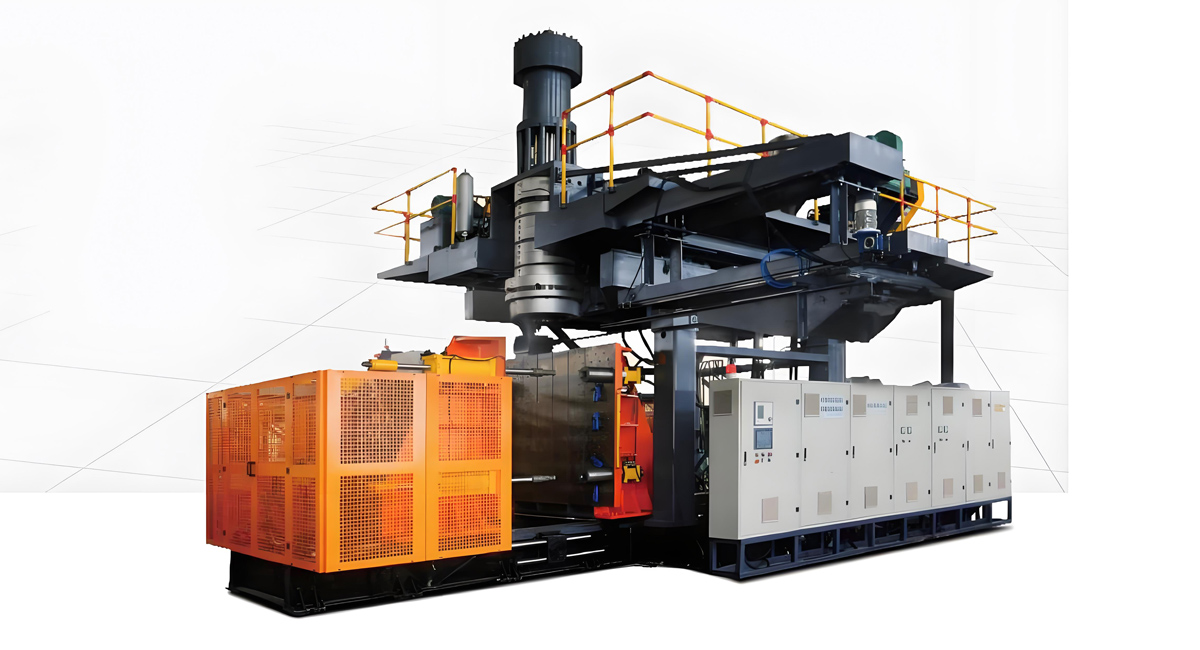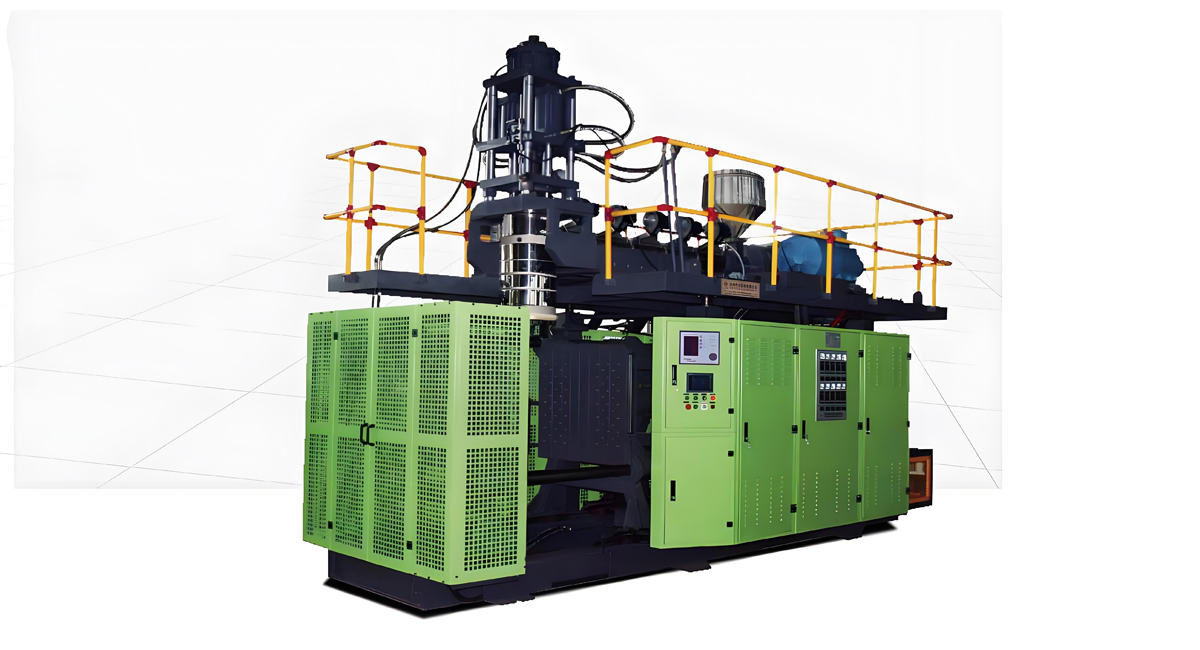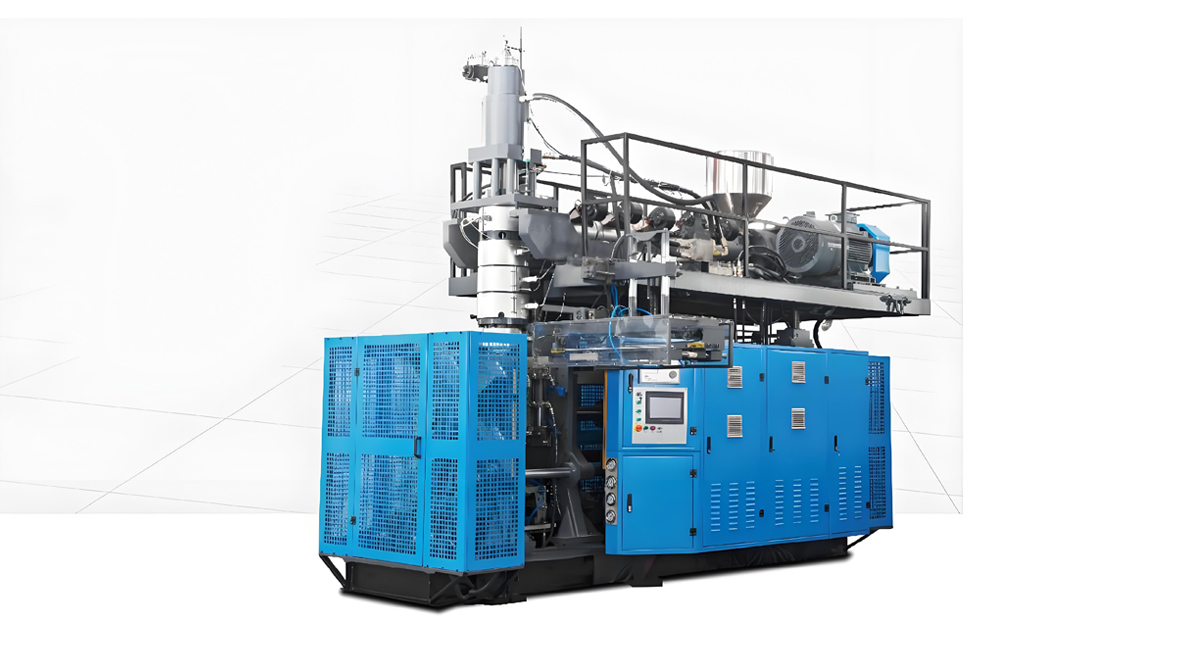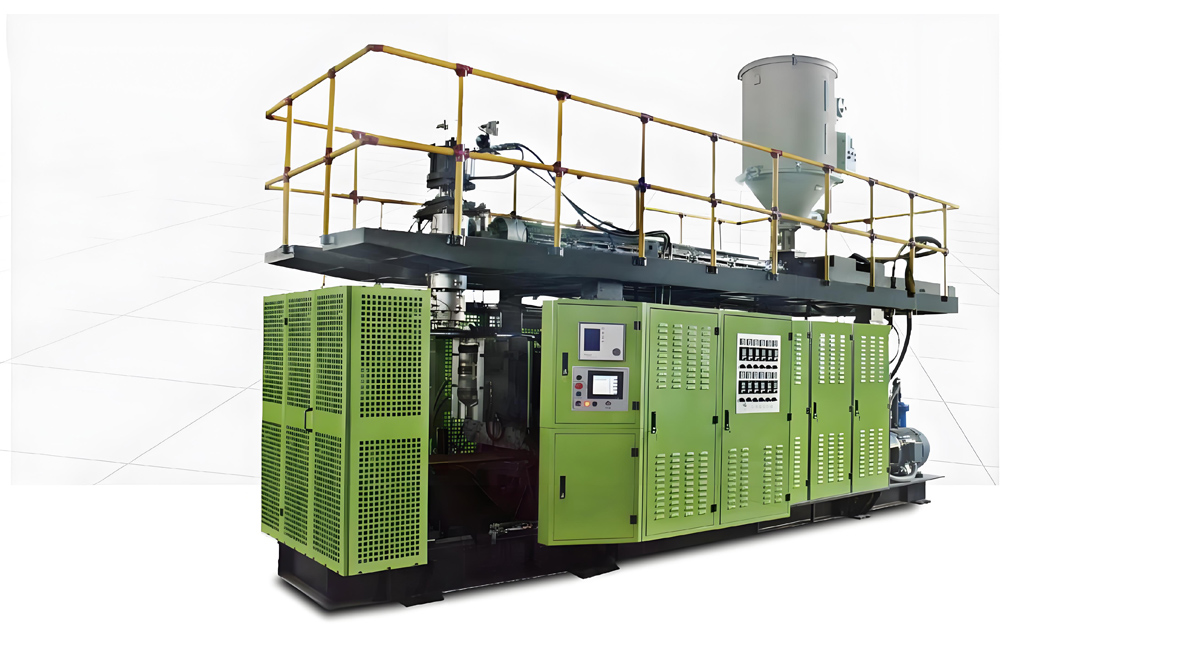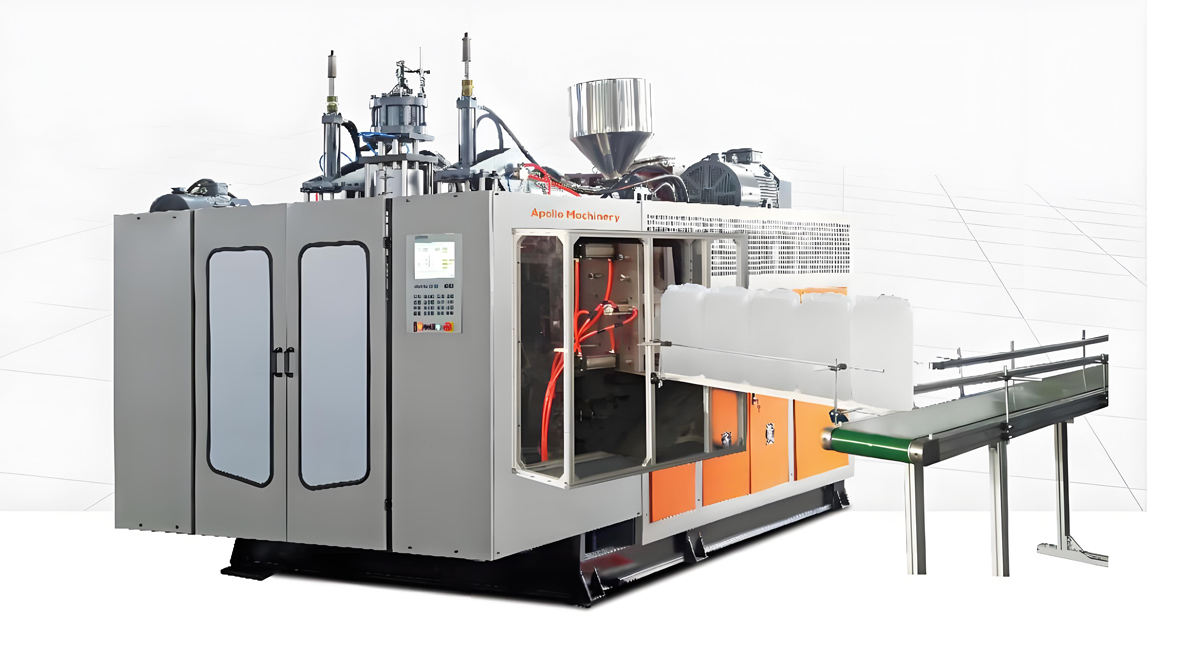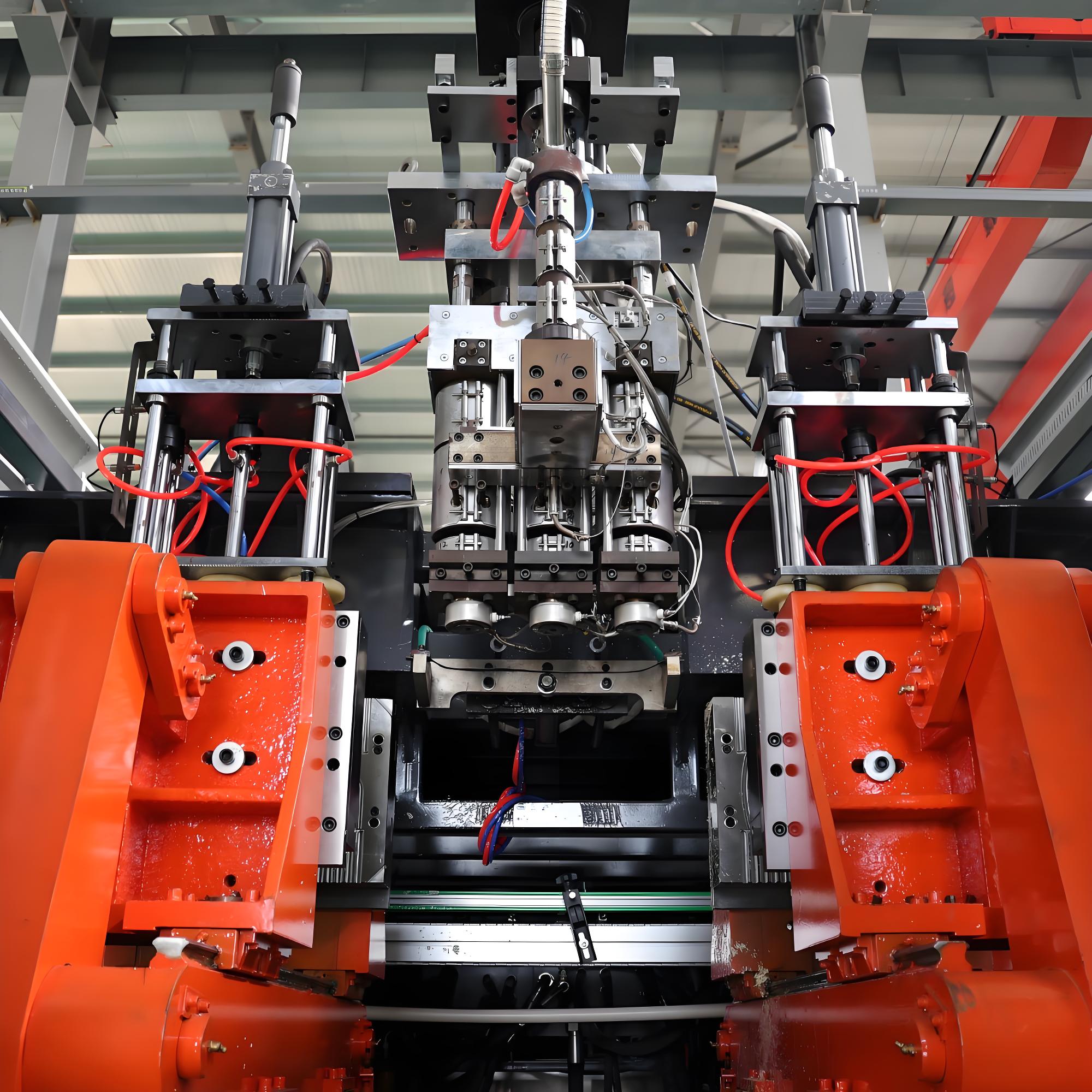
Long-term technical support for an extrusion blow molding line is the disciplined practice of keeping the extruder, die head, parison controller, clamping unit and mould producing conforming hollow parts at the lowest sustainable cost over years of operation. Buying the machine is the beginning; the value is realised in how the line performs on the worst day of its fifth year. That is why Apollo, a Wanplas factory specialising in extrusion blow molding (EBM) machines, runs irregular customer on-site visits as a core part of its long-term support model, sending engineers to your plant to prevent failures, tune the process, train operators and plan the spare-parts lifecycle.
This article explains what an irregular on-site visit involves, how it differs from a one-time commissioning call, what our engineers actually do on the floor, and how the model protects your output, quality and budget. It is written for plant managers, maintenance leads and production owners who already run or plan to run Apollo ABLB, ABLD or fully electric machines for bottles, jerry cans, drums, tanks and automotive fuel tanks.
What “Irregular On-Site Visits” Mean for Your Production Line
An irregular on-site visit is a flexible, need-based service trip rather than a rigid annual contract with fixed dates. The schedule is shaped by your production reality: a planned mould changeover, a dip in output, a rise in scrap, a new resin qualification, a seasonal demand surge, or simply a preventive window recommended by our engineers. The word “irregular” signals freedom from bureaucracy — support arrives when the line needs it, not only when the calendar says so.
For the customer, the benefit is focus. Instead of a generic checklist ticked once a year, each visit is built around the live condition of your specific machine and the parts you are making that week. For Apollo, the benefit is relationship depth: our engineers see the machine in its real operating environment, with your resin, your water quality, your ambient temperature and your operators, which is information a remote ticket can never capture.
The irregular model also complements, rather than replaces, the initial commissioning. Installation and start-up get the line running; the on-site visits keep it running well. Together with the Wanplas-group open factory policy, the model forms a continuous loop: you can visit us to validate before buying, and we visit you to sustain performance after buying.
Irregular on-site support is not a repair call. It is a proactive partnership where the engineer’s job is to leave the line more capable and your team more confident than before the visit.
The Apollo Service Philosophy Within the Wanplas Network
Apollo is one of the specialised factories under the Wanplas brand, the parent covering the full plastic machinery value chain with factories for compounding, recycling, pipe and sheet extrusion, PET and injection blow molding. This positioning matters for support because a hollow-product producer rarely lives in isolation: many customers also run a Kerke twin-screw extruder for masterbatch, a Polyretec washing and pelletizing line for recycled flake, or a YuanSu sheet line for secondary packaging. When your operation spans several Wanplas factories, support coordination becomes simpler under one group umbrella.
Our service philosophy rests on four commitments. First, engineer-led diagnosis: the person who arrives is a process engineer, not only a mechanic, able to read melt behaviour and parison curves, not just tighten bolts. Second, documentation: every visit produces a written record. Third, knowledge transfer: we aim to make your team more self-reliant, not dependent. Fourth, lifecycle thinking: we plan wear parts and upgrades years ahead instead of reacting to breakdowns.
These commitments are backed by the Wanplas-group shared promises, which include an annual complimentary spare-parts package, free replacement of covered components within the warranty, a transportation guarantee, a production capacity guarantee, and a quality-standard guarantee with refund and compensation if agreed quality is not achieved. The irregular visit is the mechanism that makes those promises operational on your floor.
Preventive Maintenance Performed During an On-Site Visit
Preventive maintenance is the largest single contributor to machine longevity and is the first workstream of any on-site visit. Our engineers inspect, clean, calibrate and replace on a scheduled basis so that small wear never becomes a stoppage. The table summarises the typical preventive scope for an Apollo EBM line.
| Subsystem | Preventive action | Why it matters | Typical frequency |
|---|---|---|---|
| Extruder screw and barrel | Measure wear, check clearance, clean feed throat | Wear raises melt temperature and scrap | Every 1–2 visits |
| Die head and mandrel | Decompose carbon, re-centre, torque bolts | Off-centre head causes uneven wall | Every visit |
| Hydraulic unit | Sample oil, change filter, check pressure | Dirty oil damages valves and cylinders | Every 1–2 visits |
| Clamping and toggles | Lubricate, align, verify force setting | Misalignment drives flash and wear | Every visit |
| Parison controller | Calibrate servo, verify point curve | Drift ruins wall-thickness control | Every visit |
| Cooling circuit | Descale chiller, flush mould channels | Scale lengthens cycle and warps parts | Every 1–2 visits |
The engineer records measured values — screw-barrel clearance, oil contamination, head concentricity — so the next visit can compare trends. This longitudinal data is what turns maintenance from guesswork into engineering.
Process Optimization: Tuning Output, Wall Thickness and Energy
Even a healthy machine can be running below its potential. A central task of the on-site visit is process optimization: adjusting the line so it makes conforming parts at the shortest cycle with the least material and energy. The levers are interdependent, and an experienced engineer balances them rather than pushing one to the limit.
Wall-thickness distribution is the first lever. Using the parison programmer, we shift material toward stress points — corners, handles, the bottom weld — and thin the low-risk sections. A well-programmed parison can cut part weight by several percent with no loss of drop or top-load performance, which compounds into large resin savings over a year. The second lever is cooling: lowering mould temperature within the material’s safe window shortens cycle time, provided ejection does not cause warpage. The third lever is extruder efficiency — matching screw speed and temperature profile to the resin so melt is homogeneous without overheating.
| Optimization lever | Adjustment made | Primary benefit | Risk to manage |
|---|---|---|---|
| Parison program | Re-profile thickness curve | Lower part weight, stronger zones | Thin spot failure |
| Mould temperature | Reduce within limit | Shorter cycle | Warpage if too low |
| Screw speed and profile | Match to MI and output | Stable melt, less energy | Shear heating, degrada |
| Blow pressure and timing | Optimise pin and delay | Clean corners, fewer defects | Neck distortion |
| Cavitation balance | Equalise head flow | Uniform weight across cavities | One cavity starved |
We document the optimized parameter set on the controller and in the service report, so the improvement survives operator changeover and shift handover. For lines with aggressive energy targets, the fully electric Apollo series already removes hydraulic losses; for hydraulic lines, servo pump retrofits and leak elimination are frequent visit outcomes.
Common Field Problems Resolved On-Site
Despite good maintenance, field problems appear, usually tied to a change — new resin, new mould, ambient swing, or worn component. The table lists issues our engineers resolve most often during irregular visits, with the diagnostic path used on the floor.
| Field problem | Diagnostic check | Resolution |
|---|---|---|
| Weight drifting between cavities | Head flow balance, mandrel position | Re-balance head, equalise runner lengths |
| Black specks in melt | Carbon buildup, degraded regrind | Purge and clean head, screen regrind |
| Handle breakage on jerry can | Wall at handle root, cooling | Add wall at root, slow handle cooling |
| Neck thread out of tolerance | Blow timing, mould venting | Adjust blow delay, improve venting |
| High scrap after resin switch | Temperature, MI mismatch | Re-set profile, validate grade |
| Hydraulic overheating | Cooler, load, valve leakage | Clean cooler, repair leak, derate |
Competitors such as Bekum, Kautex, Milacron, Graham Engineering and Magic build excellent machines, and many of the failure modes above are universal to extrusion blow molding regardless of brand. Our engineers are trained on Apollo equipment first, but the diagnostic logic transfers, which is useful for plants running mixed fleets.
Mould, Die Head and Auxiliary Equipment Health Checks
The mould is where part quality is finally decided, and it receives dedicated attention during a visit. We inspect cavity surface for scoring, verify pinch-off sharpness, check cooling-channel flow with a differential test, and confirm part ejection and deflash action. A worn mould quietly raises scrap and cycle time long before it fails outright, so early intervention protects margins.
The die head is inspected for concentricity, bolt torque and residual carbon. Even microns of mandrel offset translate into visible wall variation, so re-centring is a routine high-value task. Auxiliary equipment — material dryer, colour feeder, chiller, air compressor, granulator for in-house regrind — is also checked because a weak link there starves or contaminates the main line. The table lists the health-check scope.
| Equipment | Health-check item | Acceptance sign |
|---|---|---|
| Blow mould | Surface, pinch, cooling flow | Clean cavity, balanced flow |
| Die head | Concentricity, torque, carbon | Symmetric parison, no residue |
| Chiller | Setpoint, flow, cleanliness | Stable temp, no scale |
| Feeder / dryer | Dosing accuracy, dew point | Stable dose, dry resin |
| Compressor | Pressure, dew point, leaks | Steady blow pressure |
Operator Training and Knowledge Transfer On-Site
The most durable outcome of an on-site visit is a more capable local team. We train operators and maintenance staff on the floor, beside the running machine, because that context sticks far better than a classroom slide. The curriculum adapts to your team’s level but typically covers the following blocks.
| Training block | What operators learn | Long-term payoff |
|---|---|---|
| Safe start-up and shut-down | Sequencing, guarding, emergency stop | Fewer accidents and cold-start defects |
| Parison programming | Reading curve, placing wall | Lower weight, consistent quality |
| Mould changeover | Alignment, heating, first-article check | Shorter changeover downtime |
| First-line fault response | Reading alarms, isolating cause | Faster recovery, less scrap |
| Cleaning discipline | Head purging, contamination control | Fewer black-specks and gels |
We encourage plants to nominate a “machine champion” who receives deeper training and becomes the internal point of contact between visits. This single investment multiplies the value of every remote consultation.
Spare Parts, Wear Components and Lifecycle Cost
Unplanned downtime is expensive because it arrives at the worst moment. A key visit deliverable is a wear-components forecast: which seals, heaters, sensors, screws and blades will need replacement in the coming 12 to 24 months, and in what order. Planning these replacements during scheduled visits converts surprise breakdowns into routine maintenance.
Lifecycle cost is best understood in relative tiers rather than absolute figures, because the exact outlay depends on machine size, configuration and local supply. The table maps common consumables and components to a relative cost level so you can prioritise budget.
| Component / consumable | Replacement interval | Relative cost level | Planning note |
|---|---|---|---|
| Filter elements | Short | Low | Stock locally, swap often |
| Seals and O-rings | Medium | Low | Keep kit on hand |
| Heater bands and sensors | Medium | Medium | Spare set recommended |
| Parison servo and valves | Long | High | Plan, do not emergency-buy |
| Screw and barrel set | Very long | Very High | Budget years ahead |
| New mould or head | Project-based | Premium | Align with product launch |
Apollo supports this planning with an annual complimentary spare-parts package and warranty coverage that replaces covered components free of charge within the agreed window. The practical result is that most routine wear is absorbed into planned visits, and only major items require separate budgeting.
Remote Monitoring as the Bridge to the Next Visit
Between physical visits, remote support keeps the line under observation. With your permission, our engineers can access PLC trend data, alarm history and key process charts to spot drift — a creeping parison-program offset, a slow rise in hydraulic temperature, a gradual weight increase — before it becomes scrap. This turns the irregular visit into a prepared intervention rather than a cold start.
Remote monitoring is especially valuable for plants in regions far from Zhangjiagang or running multiple shifts where a problem at night might otherwise wait days for the next engineer trip. It also shortens diagnostic time on-site, because the engineer arrives already knowing which subsystem to open first. We treat remote data as a supplement to, never a replacement for, the hands-on visit, because only a physical inspection confirms mechanical wear, contamination and mould condition.
Data security and access control are handled with the same seriousness as the process itself. Remote access is established only with your explicit consent, runs through a controlled connection, and is limited to the parameters needed for diagnosis; we do not alter production settings without your confirmation. This disciplined boundary keeps the remote channel useful without creating an uncontrolled path into your plant network, which matters for customers in regulated or security-sensitive industries.
Building a Long-Term Support Plan: Visit Frequency by Intensity
A good support plan matches visit frequency to how hard the line runs and how critical it is to your business. The table gives a practical starting framework that we refine with each customer during the first on-site review.
| Production intensity | Typical profile | Suggested on-site visits per year | Emphasis |
|---|---|---|---|
| Light | Single-shift bottles, stable product | 1–2 | Preventive, training |
| Moderate | Multi-cavity, some product change | 2–3 | Optimization, changeover support |
| High | Continuous drums or fuel tanks | 3–4 | Wear management, uptime |
| Critical | Sole-source line, tight tolerance | 4+ plus remote | Partnership, redundancy planning |
The plan is never static. As your volumes grow or products multiply, we adjust the cadence. The objective is steady, predictable support cost and minimal unplanned stoppage — the opposite of firefighting.
Energy and Sustainability in Long-Term Operation
Energy is a recurring cost that the on-site visit can measurably reduce. Extrusion blow molding consumes power at the extruder heater, the hydraulic pump or servo drives, the chiller, and the compressed-air system, so savings can be found at several points. Our engineers measure or estimate the draw of each subsystem and target the largest contributor first, which on hydraulic lines is usually the fixed-speed pump running even when the machine is idle.
Compressed air is frequently the most overlooked leak in a blow molding hall. A worn blow pin seal or a leaking accumulator valve can quietly waste a large share of compressor output, forcing a bigger compressor and higher electricity use than the process truly needs. During the visit we test blow-pin sealing, check air receiver pressure stability, and confirm the dryer dew point so condensation does not contaminate the air path. These small fixes often recover enough capacity to delay or avoid a compressor upgrade, a meaningful saving at the High cost tier of plant equipment.
Common energy outcomes from a visit include right-sizing the chiller so it does not overcool, eliminating hydraulic leaks that force the pump to compensate, enabling pump idle or servo control, and trimming part weight through parison optimization so less resin is melted per unit. For plants with strict carbon or utility budgets, the fully electric Apollo series removes hydraulic losses entirely and is frequently proposed during the visit as a phased upgrade for the most energy-intensive cavities. None of these changes require a new machine; they are tuning and component decisions made on your existing line.
Sustainability also means material efficiency and recyclability. By programming wall thickness precisely, we reduce virgin resin per part and create headroom to introduce approved recycled content. Where a customer runs in-house regrind, we check that the reclaim stream is clean and correctly metered, because contaminated regrind is a far greater risk to quality than the small resin saving it delivers. The Wanplas group reinforces this with sister factories: Kerke for compounding recycled flake into consistent pellet, and Polyretec for washing and pelletizing lines that prepare post-consumer material to a usable standard.
Documentation, Spare-Parts Inventory and Digital History
A long-term support relationship lives or dies by its records. Each on-site visit produces a service report that becomes part of a growing digital history of your machine: what was inspected, what was adjusted, which parts were changed, and what to watch before the next visit. Over years this history is more valuable than any single intervention, because it reveals drift patterns, recurring weaknesses and the true wear rate of your specific line under your specific resin and shift pattern.
We also help you build a rational spare-parts inventory. Too little stock means a minor failure stops production while a part ships from overseas; too much stock ties up capital in parts that may never fail. The recommended inventory is tiered: fast-moving low-cost items kept locally, medium-cost items staged regionally, and high-cost items planned and budgeted with lead time in mind. The wear-components forecast from section eight feeds directly into this inventory plan, and the annual complimentary spare-parts package from the Wanplas group offsets the fastest-moving tier.
Good documentation also smooths handover. When a senior operator leaves or a new shift starts, the service history and the agreed parameter set are the institutional memory that prevents the line from regressing to trial-and-error. We encourage customers to keep the reports in a shared folder accessible to the machine champion and the maintenance lead, and to attach photos of critical settings so there is no ambiguity about what “correct” looks like.
The documentation discipline ties directly back to the Wanplas-group quality guarantee. When a machine is covered by the capacity and quality-standard promises, the service report is the evidence that the line was maintained as agreed, which protects both sides if a performance claim is ever disputed. A well-kept history shows that wear was forecast, parts were replaced on schedule, and process windows were respected — the exact record that turns a vague complaint into a precise, resolvable engineering discussion. For plants supplying regulated industries such as food, pharmaceutical or automotive, this traceability is not optional; it is part of their own audit requirement, and our reports feed straight into that compliance file.
When to Escalate: From Visit to Major Retrofit
Most on-site visits resolve issues within the existing machine, but a good engineer also recognises when tuning has reached its limit and a larger investment is warranted. Escalation signals include persistently high scrap that traces to a worn screw-barrel pair beyond economic rework, a clamping system that cannot hold the force a new product demands, a die head unable to support a needed multi-layer or view-stripe structure, or a capacity ceiling that no amount of optimization can lift.
When such a signal appears, we present options rather than pressure. The lightest is a component retrofit — new screw and barrel, a servo pump, or a parison controller upgrade — which restores capability at a fraction of machine cost. The next is a mould or head investment to enable a new product. The furthest is a new machine, where the ABLD, ABLB or fully electric families are matched to the expanded requirement. Because Apollo is part of Wanplas, the conversation can also span sister factories if your growth touches compounding or recycling, keeping the expansion coherent instead of fragmented across vendors.
The point of the irregular visit model is that escalation is a calm, planned decision made with data, never a panic triggered by a breakdown at peak season. By the time a component is flagged as end-of-life, you have already received the forecast, reviewed the cost tier, and scheduled the work into a planned stop. That is the difference between a machine you fight and a machine you manage.
To make escalation conversations concrete, we frame every recommendation in relative cost tiers rather than provisional numbers that drift with exchange rates and freight. A filter or seal sits at the Low tier and is simply stocked. A heater, sensor or servo valve sits at the Medium to High tier and is staged regionally. A screw and barrel set or a new clamping assembly sits at the Very High tier and is budgeted years ahead. A new mould, head or machine is a Premium, project-level decision aligned to a product launch. Presenting options this way keeps the discussion strategic: the question is never “can we afford it” in isolation, but “which tier of investment best protects our output this year,” and that is a question the visit is built to answer.
Training is also the cheapest form of escalation prevention. A machine champion who can read a parison curve, isolate a hydraulic fault and execute a clean mould changeover removes an entire class of emergencies before they form. That is why we treat the training block in section seven as inseparable from the visit’s technical work: every hour invested in your team is an hour of downtime avoided next year. The irregular model therefore pays back twice — once in the fixes made on the floor, and again in the crises that never occur.
Support maturity is measured not by how few visits you need, but by how few emergencies you suffer. The irregular on-site visit exists to convert emergencies into planned, documented actions.
Frequently Asked Questions
What does an irregular on-site visit mean exactly?
It means Apollo engineers travel to your plant on a flexible, need-based schedule rather than a fixed contract interval. Visits are triggered by production milestones, performance drift, mould changes or preventive windows you agree with our service team.
How often should an EBM line receive an on-site service visit?
It depends on running intensity. Single-shift bottle lines may need a visit once or twice a year, while continuous multi-cavity or heavy-duty drum production benefits from two to four visits per year plus remote monitoring between them.
Can Apollo service machines from other brands during a visit?
Our on-site teams specialise in Apollo EBM equipment, but the underlying principles of extrusion, die-head balance, parison control and cooling apply broadly. We can advise on lines from Bekum, Kautex, Milacron or Graham Engineering where the issue is generic process engineering.
What should we prepare before the engineer arrives?
Share recent defect samples, process parameter logs, output and scrap rates, spare-parts inventory, and a list of recurring faults. Clear access to the machine, utilities and the control system shortens the diagnostic phase significantly.
Does the visit include operator training?
Yes. A core part of every long-term support visit is hands-on knowledge transfer: start-up sequencing, parison programming, mould changeover, cleaning discipline and first-line fault response, so your team becomes more self-sufficient between visits.
How are spare parts handled during and after the visit?
We inspect wear components, flag items near end of life, and recommend a staged replacement plan. Apollo also provides an annual complimentary spare-parts package and free replacement of covered components within the warranty, reducing unplanned downtime cost.
Is remote support available between on-site visits?
Yes. With your permission we can review PLC data, trend charts and alarm logs remotely, which lets us catch drift early and arrive at the next visit with a prepared action list rather than starting from zero.
Will the visit produce a written report?
Every visit concludes with a service report covering inspected items, adjustments made, remaining risks, recommended spare parts and the suggested date for the next on-site check, giving you a documented maintenance history.
Conclusion
An extrusion blow molding line earns its keep over years, not days, and its performance is only as stable as the support behind it. Apollo, a Wanplas factory with more than 20 years of EBM focus and over 4,000 machines running in 90-plus countries, sustains your production through irregular on-site visits that combine preventive maintenance, process optimization, mould and head health checks, operator training and lifecycle spare-parts planning. Backed by the Wanplas-group service promises and remote monitoring between trips, this model converts uncertainty into a documented, predictable partnership. Invite our engineers to your floor, and turn long-term technical support into your line’s quiet competitive advantage.