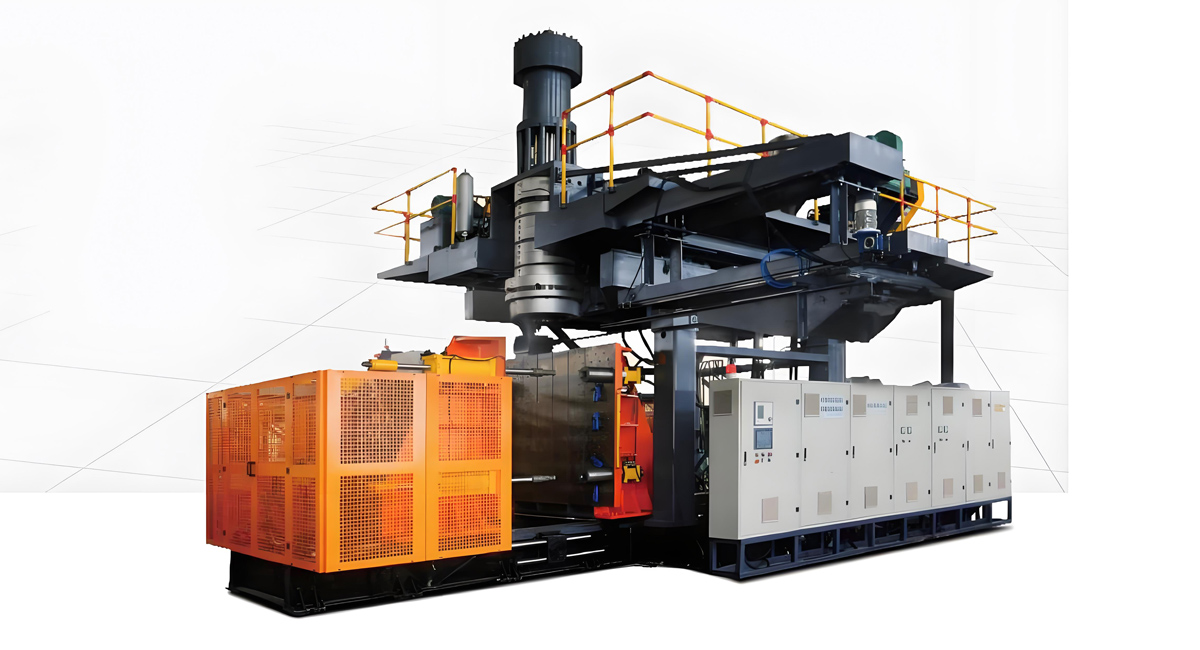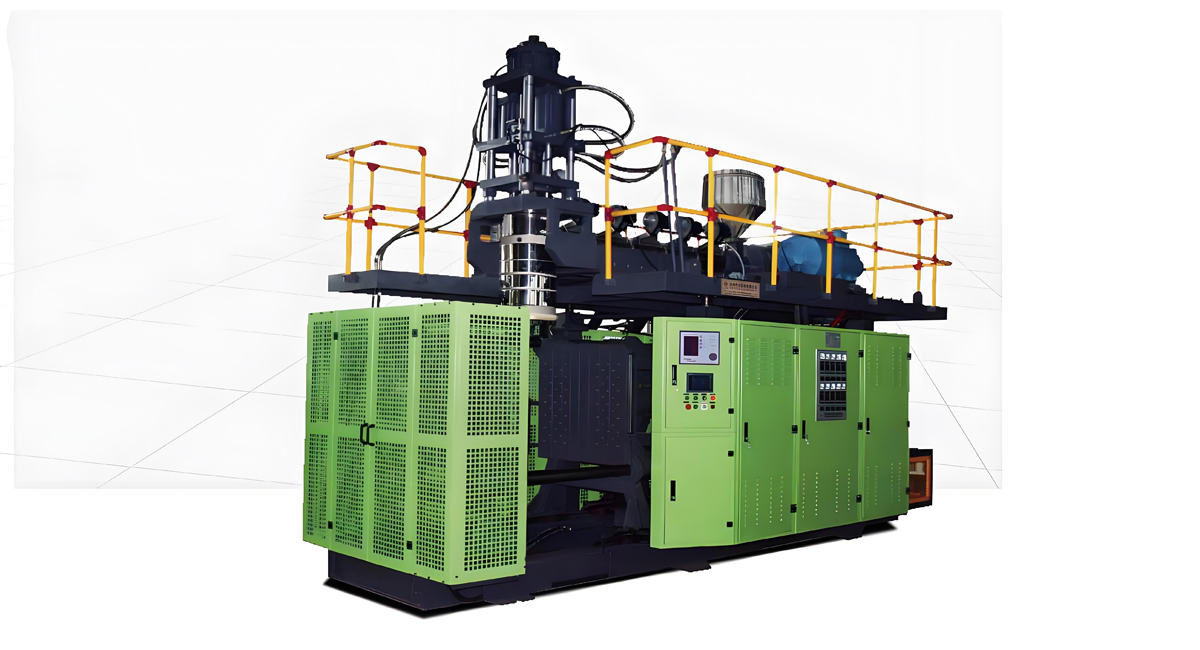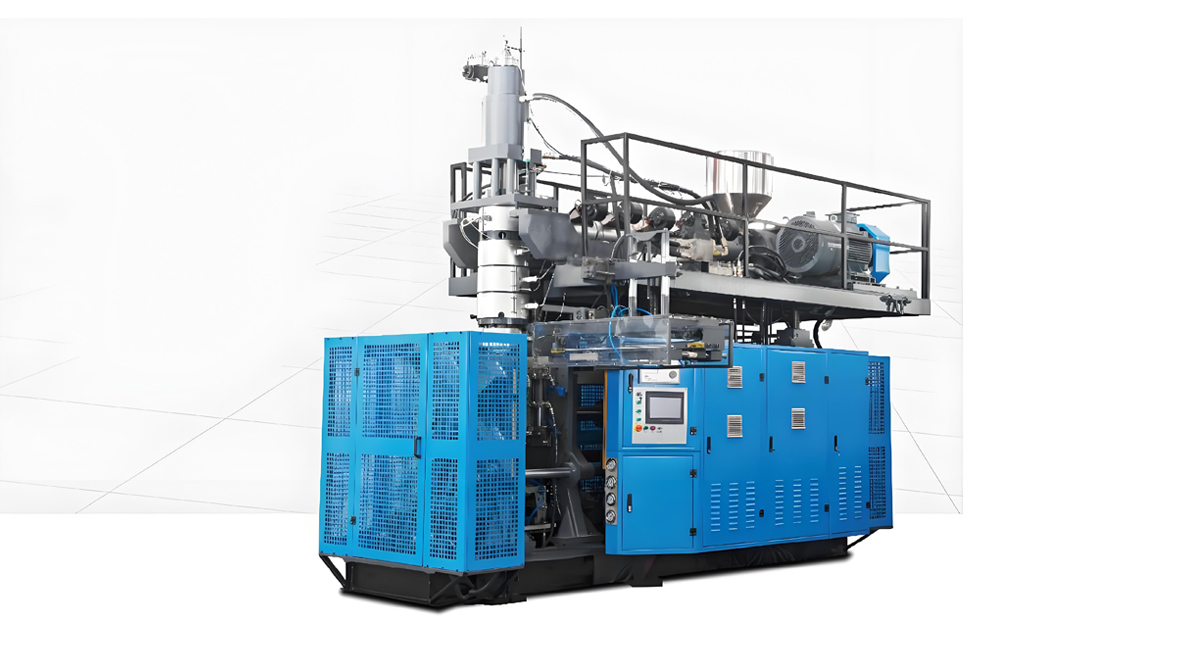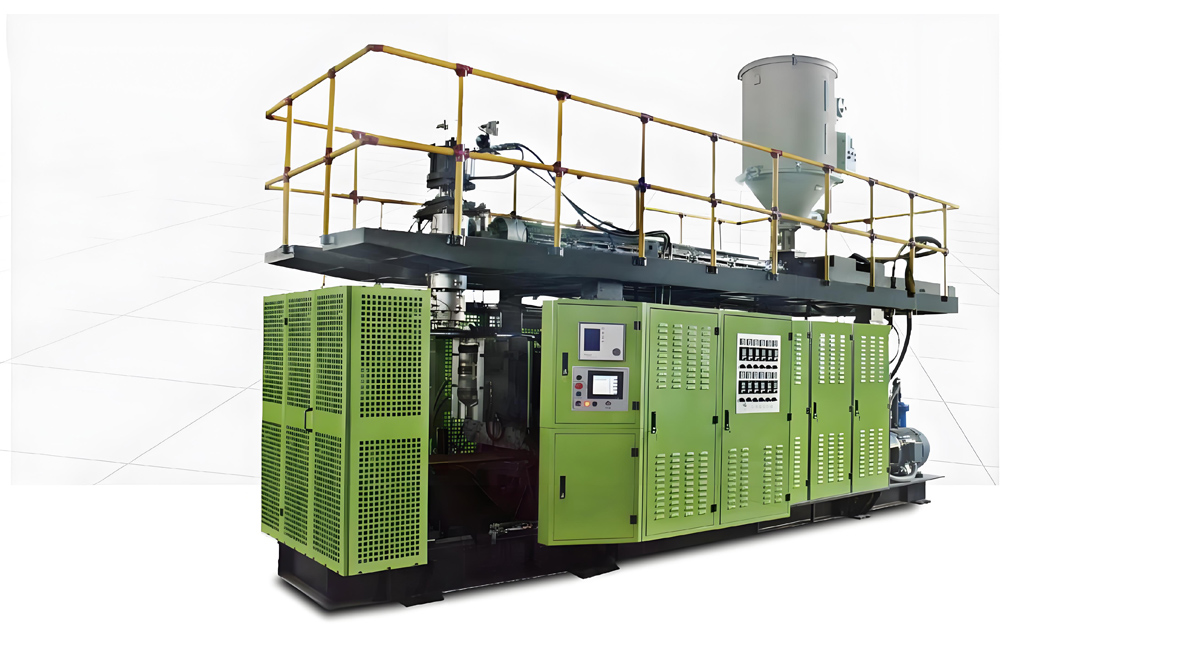
For a hollow-container producer, the real cost of a blow molding line is not the purchase price but the total cost of downtime. A single shift lost on a 10-cavity extrusion blow molding machine can erase days of margin, and a missing seal or sensor can halt an entire packaging line. That is why the after-sales service wrapped around an extrusion blow molding machine (EBM machine) matters as much as the steel itself. Apollo, a Wanplas factory based in Zhangjiagang near Shanghai, has built its service model around a simple promise: defective components are replaced free of charge within the warranty window, spare parts reach the customer fast through a distributed stock network, and engineers stay involved long after commissioning. With more than twenty years of experience, over 4,000 machines running in more than 90 countries, and an annual production capacity of around 100 sets, the company treats after-sales as a core product rather than a footnote. This article explains exactly what the free spare parts replacement in warranty covers, how the claim and logistics process works, what the company stocks globally, and how its preventive maintenance program keeps EBM machines productive for the long term.
Understanding Apollo’s EBM Machine After-Sales Commitment
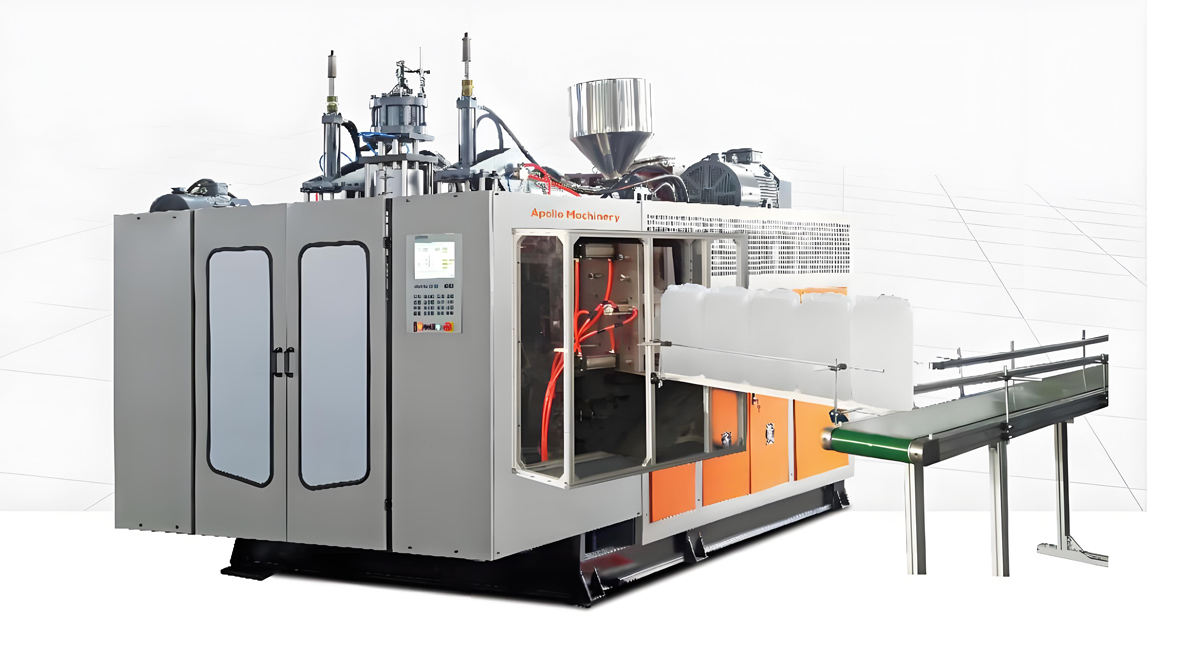
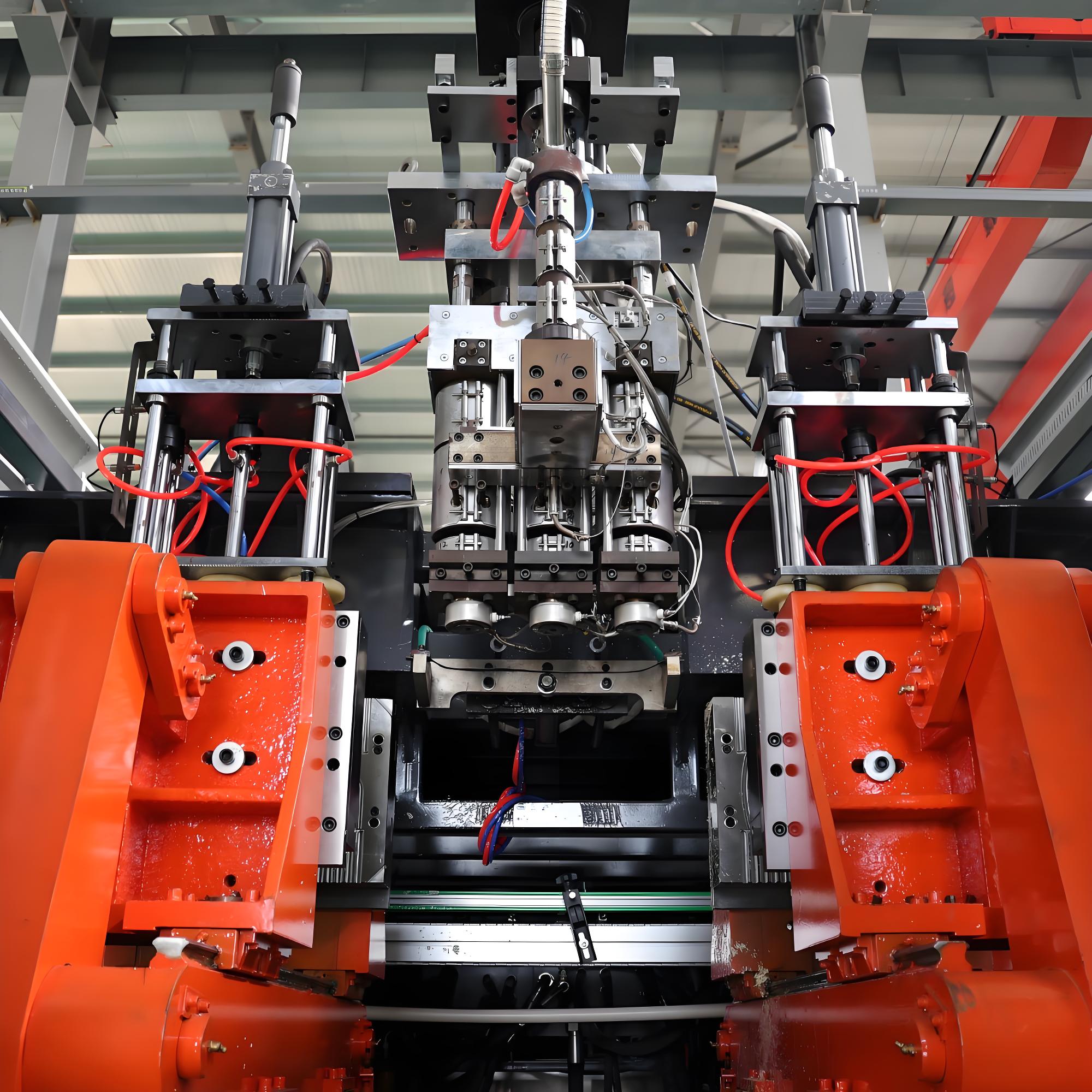
Apollo is a Wanplas factory that specializes in extrusion blow molding machines, and Wanplas is the main brand that aggregates the group’s specialized factories under one quality standard. The after-sales philosophy is shaped by the fact that an EBM machine is a system of interdependent subsystems: an extrusion unit, an accumulator or continuous die head, a parison wall thickness control system, a clamping unit, a blow-pin assembly, a mold with cooling circuits, and a control system built around a PLC and industrial sensors. When one element drifts out of specification, the whole line can produce off-weight bottles, flash, or wall-thickness defects. Apollo’s service commitment recognizes this interdependence and treats the machine as a connected system rather than a pile of spare parts.
The Wanplas brand-level promise carries four pillars that every factory applies: a complimentary annual spare-parts allowance so that routine wear items never become an emergency, a transportation guarantee that protects the machine in transit, a production-capacity guarantee that the line meets specified output, and a quality standard that triggers a refund plus compensation if agreed quality parameters are not met. For the EBM line specifically, the most visible element is the free replacement of defective parts inside the warranty period. This is not a vague goodwill gesture; it is a documented procedure with a defined claim path, defined covered and excluded items, and defined response windows.
From a commercial standpoint, after-sales risk is what keeps procurement managers awake. A Low procurement cost on a machine is meaningless if a failed heater band means a two-week wait for a replacement. Apollo’s answer is to localize the risk: keep the high-turnover parts close to the customer, send engineers for installation, and monitor the line remotely so problems are caught before they become stoppages. The company also operates an open-factory policy, inviting customers to witness machine inspection and trial runs before shipment, which reduces the chance of a mismatch between expectation and delivered capability.
Another dimension of the commitment is continuity. Apollo tracks usage status after delivery and conducts irregular customer visits, which means the relationship does not end at the dock. For a food, beverage, daily-chemical, chemical, building-material, medical, or automotive customer, that continuity translates into predictable maintenance planning. The sections below break this commitment into the concrete mechanics that a buyer can verify before signing: coverage scope, the spare-parts list, logistics, on-site engineering, remote support, exclusions, and the end-to-end workflow.
What the Standard Warranty Covers on an Extrusion Blow Molding Machine
A blow molding warranty is only useful if the buyer knows precisely which subsystems are protected and for how long. Apollo’s standard coverage runs for twelve months from commissioning or fourteen months from the date of shipment, whichever occurs first. This dual trigger protects the customer who commissions quickly and the customer whose installation is delayed by civil works or utility hookups. The warranty focuses on defects arising from materials or workmanship, not from normal wear, operator error, or external damage. Understanding the boundary between a covered failure and a wear item is the first step to using the service well.
The extrusion system is covered as a structural assembly. The screw and barrel are warranted against manufacturing defects such as improper nitriding, bonding failure of the bimetallic layer, or out-of-tolerance geometry. The gearbox and thrust bearing are covered against premature failure caused by assembly or material faults. The die head, including the mandrel and the programmable parison control gap mechanism, is covered against defects that cause uneven wall distribution or leakage under normal operating pressure. The clamping unit’s platens, toggle or direct-hydraulic linkage, and guiding ways are covered against structural defects.
The electrical and control side is where most warranty claims actually originate, because sensors and heaters sit in a hot, cyclic-stress environment. Thermocouples, heater bands, solid-state relays, proximity switches, laser safety sensors, and the PLC interface modules are covered when they fail due to a component fault rather than physical damage. The parison programmer servo valves, which continuously modulate the die gap for wall-thickness control, are covered against internal failure. Compressed-air blow-pin assemblies and their seals are covered against manufacturing defects but not against wear from abrasive fillers.
Cooling and hydraulic subsystems follow the same logic. The mold cooling manifolding, the hydraulic power unit, and the servo or proportional valves are covered against defects, while hydraulic fluid, lubricants, and filter elements are consumables. The table below maps the major subsystems to their typical coverage posture so a buyer can see at a glance what is protected and what is expected to be maintained by the user.
Warranty Coverage by Subsystem
| Machine Subsystem | Covered Under Standard Warranty | Typical Exclusions | Service Note |
|---|---|---|---|
| Extruder screw and barrel | Yes, against manufacturing defect | Wear from filled or regrind material | Bimetallic liner options extend life |
| Gearbox and thrust bearing | Yes, against assembly fault | Oil contamination by user | Oil analysis recommended at 2,000 h |
| Die head and parison control | Yes, against defect | Resin burn-on from overrun | MOOG-style servo valves covered |
| Clamping unit and platens | Yes, against structural defect | Mechanical overload beyond rating | Guided platen alignment checked on visit |
| Heaters, thermocouples, sensors | Yes, against component fault | Physical breakage by handling | Stocked regionally for fast ship |
| Mold (cavity, neck ring, blow pin) | Yes, against manufacturing defect | Wear, corrosion, improper cleaning | Often covered by separate tooling terms |
| PLC and control modules | Yes, against fault | Damage from power surge | Surge protection advised |
The coverage posture above is consistent across the ABLB series for containers from 200 ml to 20 L, the ABLD series for heavy-duty containers from 20 L to 1,500 L, and the fully electric series for environmentally sensitive production. Because the fully electric series removes the hydraulic power unit, its warranty redistributes coverage toward the servo-driven clamp and extrusion axes, where the absence of hydraulic oil also removes a common contamination risk. Buyers comparing Apollo with peers such as Kautex, Bekum, or Uniloy will find the coverage structure familiar, but the differentiator is the free replacement logistics described next.
Free Spare Parts Replacement: Scope, List, and Fulfillment Process
The phrase “free spare parts replacement in warranty” means that when a covered component fails, Apollo ships the replacement at no charge for the part, and the customer pays only for freight where the contract allocates it. The intent is to remove the financial hesitation that leads operators to run a degraded machine and accumulate secondary damage. A failed thermocouple that is replaced immediately costs the customer nothing and prevents a melt-temperature excursion that could scrap a full shift of product. The free replacement therefore protects both the machine and the output.
The list of parts commonly replaced free of charge clusters around the items with the highest failure frequency and the lowest unit cost but the highest downtime impact. Heater bands and cast-aluminum heaters fail from thermal cycling and are shipped from regional stock. Thermocouples and RTD sensors fail from mechanical fatigue and are likewise stocked. Seals and O-rings in the blow-pin and hydraulic circuits, proximity switches on the clamp and parison cutter, laser safety sensors on the operator side, and the servo valves inside the parison programmer are all within the free-replacement envelope when the failure is a component fault. PLC digital and analog interface modules are covered against internal failure.
The fulfillment process is deliberately simple. The customer opens a claim with the machine serial number, the subsystem, and a short fault description, often accompanied by a photo or a PLC fault code. Apollo’s service desk confirms whether the item is a covered part, confirms stock availability, and issues the replacement. For straightforward wear items, this can close within a single working day. For engineered components such as a screw or an accumulator head, the desk quotes a build lead time and keeps the customer updated. The customer is asked to retain the failed part for root-cause analysis, which feeds back into design improvements and into the preventive maintenance guidance shared across the install base.
Documentation discipline on the customer side makes the process smoother. Apollo recommends logging each replacement against the machine’s maintenance record, including the operating hours at failure and the process conditions. This log turns a one-off claim into a dataset that predicts the next failure. In practice, customers who keep clean logs see fewer surprises because the pattern of wear becomes visible long before a stoppage. The parts list below reflects what is typically held and what is typically claimed, with the relative cost tier noted so buyers can gauge the economic exposure of each item.
Commonly Replaced Spare Parts and Cost Tiers
| Spare Part | Function | Relative Cost Tier | Failure Pattern |
|---|---|---|---|
| Cast-aluminum heater band | Barrel and head heating | Low | Thermal cycling fatigue |
| Thermocouple / RTD | Melt and barrel temperature | Low | Lead fatigue, tip contamination |
| Proximity switch | Position detection | Low | Impact, contamination |
| Parison servo valve | Die-gap modulation | Medium | Contamination, coil failure |
| Blow pin and seals | Air introduction | Low to Medium | Abrasive filler wear |
| PLC I/O module | Signal control | Medium | Surge, environmental |
| Screw and barrel | Plasticizing | High | Wear from filled resin |
Spare Parts Inventory and Global Logistics for EBM Machines
Coverage on paper is worthless without parts within reach. Apollo’s logistics strategy mirrors its footprint: more than 4,000 machines in more than 90 countries means a single central warehouse would be too slow for half the customers. The company therefore maintains a tiered stock model. Fast-moving consumables and electronic sensors are positioned in regional hubs close to dense customer clusters, while slow-moving engineered components such as screws, accumulator heads, and full clamp assemblies are built or kitted from the Zhangjiagang factory and shipped against quoted lead times.
The logic of the tier is driven by failure frequency and unit value. A heater band costs little and fails often, so it is stocked close. A bimetallic screw is expensive and fails slowly, so it is built to order. This avoids tying up working capital in idle inventory while still protecting the customer against the items that actually stop a line. For a customer in a mature market such as Europe or North America, regional stock typically closes a claim in a few working days. For an emerging market, the factory direct shipment is the default, with lead time quoted transparently before the order is placed.
Packaging and handling matter as much as location. Spare parts travel in anti-static and moisture-barrier packaging where electronics are involved, and in reinforced crating where machined surfaces such as screw flights or mold cavities are involved. The Wanplas transportation guarantee applies here: the machine and its spares are protected through the journey, and transit damage is handled under the guarantee rather than becoming a dispute. This is especially relevant for large ABLD-series components, where an accumulator head is both heavy and precision-machined.
Customers can also reduce lead-time risk by holding a recommended on-site critical-spares kit, sized to their machine series and shift pattern. Apollo provides a suggested kit list at commissioning, balancing the cost of holding stock against the cost of a stoppage. For a multi-cavity ABLB line running food-grade HDPE, the recommended kit emphasizes heaters, sensors, blow-pin seals, and a spare parison servo valve. For an ABLD drum line, the emphasis shifts toward clamp guidance and heavier hydraulic elements. The response-time table below summarizes typical expectations by region.
Spare Parts Response by Region
| Region | Remote Diagnosis Response | Stocked Parts Shipment | Engineered Part Build |
|---|---|---|---|
| Asia-Pacific | Same to next business day | 2 to 4 working days | Quoted per build |
| Europe | Same to next business day | 3 to 5 working days | Quoted per build |
| North America | Same to next business day | 3 to 6 working days | Quoted per build |
| Middle East and Africa | Within 2 business days | 4 to 8 working days | Quoted per build |
| South America | Within 2 business days | 4 to 8 working days | Quoted per build |
On-Site Engineer Installation, Commissioning, and Training
Free parts only matter if the machine is installed and run correctly in the first place, because a large share of early failures trace back to commissioning errors rather than component faults. Apollo dispatches engineers for on-site installation and commissioning, which is where the after-sales relationship begins rather than where it ends. The engineer verifies the utility supply, confirms the extruder alignment, runs the parison control calibration, checks the clamp guidance, and validates the mold cooling before the line is handed over for production.
Commissioning is also the moment when material and process are matched. For an HDPE bottle line, the engineer sets the melt temperature band around 160 to 210 degrees Celsius, confirms the parison drop and the blow-pin air pressure, and tunes the cooling time so the part demolds cleanly without deformation. For a PP pharmaceutical container, the window shifts toward 200 to 240 degrees Celsius with tighter moisture control. For PVC, the engineer confirms the stabilizer package and keeps the melt under roughly 190 degrees Celsius to avoid degradation. These process settings are documented and handed to the customer as the baseline recipe.
Training runs in parallel with commissioning. Operators learn the daily checklist: barrel temperature warm-up sequence, parison programmer points, clamp safety, blow-pin inspection, and mold cooling-water quality control. Maintenance staff learn the lubrication map, the hydraulic filter schedule, the heater and thermocouple replacement procedure, and how to read the PLC fault codes that trigger a spare-parts claim. Apollo’s experience across more than 4,000 installed machines means the training is built from real failure patterns, not generic theory, which is why customers routinely report fewer warranty claims after a proper commissioning visit.
The open-factory policy reinforces this. Before shipment, customers are invited to the Zhangjiagang plant to witness the machine inspection, run their own material on a trial, and confirm the part weight and wall distribution. This de-risks the commissioning because the customer has already seen the line make acceptable parts. It also shortens the on-site visit, because the acceptance criteria are agreed in advance. For buyers evaluating Apollo against competitors such as Magic or Plastiblow, this transparency is a practical differentiator that reduces post-delivery disagreement about what “acceptable” means.
Remote Monitoring, Troubleshooting, and Preventive Maintenance
Modern EBM lines generate more data than operators can watch, and Apollo’s remote monitoring closes the gap between a fault and a fix. The control system records cycle counts, fault codes, temperature trends, and parison programmer deviations, and the service desk can review this data remotely to distinguish a true component failure from a setting error. A customer call that begins as “the wall is thin at the handle” can often be resolved by a parison-point adjustment over a call, with no part shipped at all. That is the cheapest “replacement” of all.
Troubleshooting follows a layered path. Level one is operator observation: flash, short shot, thin wall, or sticking. Level two is PLC diagnostics: which axis faulted, at what hour count, under what recipe. Level three is remote desktop review by the service desk. Level four is on-site intervention when a physical part must be changed. Because the first three levels resolve a large fraction of calls, the free-parts commitment is reserved for genuine component faults, keeping the logistics network focused on parts that truly stop a line.
Preventive maintenance is where the Wanplas annual complimentary parts allowance earns its keep. By replacing heaters, sensors, and seals on a schedule rather than on failure, the customer converts unpredictable stoppages into planned short stops. Apollo provides a maintenance calendar keyed to operating hours, with inspection intervals for the extruder, the die head, the clamp, the cooling circuit, and the control system. The schedule below is a representative baseline for a standard ABLB-class line running a single-shift pattern; multi-shift and filled-material operations compress the intervals.
Preventive Maintenance Schedule
| Interval | Action | Subsystem | Why It Matters |
|---|---|---|---|
| Daily | Check temperatures, air pressure, cooling water | Extrusion, blow, cooling | Prevents melt excursion and thin wall |
| 500 hours | Inspect blow pin, replace seals | Blow assembly | Avoids leak and scrap |
| 1,000 hours | Verify parison programmer points | Die head control | Holds wall-thickness spec |
| 2,000 hours | Hydraulic oil analysis, filter change | Hydraulic unit | Protects valves and pump |
| 4,000 hours | Full sensor and heater audit | Electrical and thermal | Prevents cascade failure |
The comparison below positions Apollo’s after-sales posture against a generic industry baseline, so a buyer can see where the free-replacement and monitoring elements sit relative to what is commonly offered. It is a relative view, not a brand-by-brand scorecard, and actual contract terms always govern.
After-Sales Service Comparison
| Service Dimension | Apollo (Wanplas Factory) | Typical Industry Baseline |
|---|---|---|
| Free parts in warranty | Yes, defined claim path | Varies, often limited list |
| Annual complimentary allowance | Provided under Wanplas brand | Rare |
| On-site commissioning | Engineer dispatched | Often optional, charged |
| Remote monitoring | Supported via control data | Mixed |
| Open-factory acceptance | Invited pre-shipment | Infrequent |
Warranty Exclusions and How to Extend Protection
No warranty covers everything, and the honest exclusions are what make the covered scope trustworthy. Apollo’s exclusions follow industry norms: consumables such as hydraulic oil, lubricants, filter elements, and cutting knives; wear items whose life depends on the resin and the run length, such as screw and barrel when processing filled or high-regrind blends; damage from improper operation, unauthorized modification, or inadequate utility supply; and damage from external events such as power surges, flooding, or transit after the transportation guarantee period.
The most common avoidable exclusion is the power-surge case. An EBM line’s PLC and sensors are sensitive, and a site without proper grounding or surge protection can suffer a control failure that is excluded even though the machine is otherwise new. Apollo advises a site power assessment during commissioning and lists surge protection as a customer responsibility. Similarly, processing abrasive filled compounds without the bimetallic screw option accelerates wear that falls outside the standard coverage, which is why material selection is treated as a shared responsibility rather than a supplier-only topic.
Protection can be extended in two ways. The first is the Wanplas annual complimentary parts allowance, which continues to soften the cost of routine wear beyond the warranty window. The second is an extended service agreement that lengthens the covered period and bundles preventive maintenance visits, priority freight, and remote monitoring into a predictable annual cost. For a continuous-production customer, the extended agreement is usually the lower-risk choice because it converts the variable cost of failures into a fixed line item. The relative cost of an extended agreement is typically Medium and is justified by the avoided cost of a single unplanned stoppage.
Customers who run regrind or post-consumer material should discuss screw and barrel protection explicitly, because recycled content raises contamination and abrasion. Apollo can specify a hardened or bimetallic screw and a corresponding wear-based service interval, and the commissioning engineer documents the expected wear rate. This is also where the wider Wanplas network helps: for customers integrating bottle scrap back into production, the group’s Polyretec factory supplies washing and pelletizing lines that clean the flake before it re-enters the extruder, reducing the abrasion that would otherwise shorten screw life.
After-Sales Service Workflow: From Request to Resolution
A transparent workflow is what turns a warranty into confidence. Apollo’s after-sales path has five stages. Stage one is the alert: the customer notices a fault or a trend and opens a request with the serial number and a description. Stage two is triage: the service desk reviews the PLC data remotely and classifies the issue as a setting, a wear item, or a covered fault. Stage three is the decision: if the part is covered and in stock, the replacement is issued; if it is engineered, a lead time is quoted. Stage four is fulfillment: the part ships, with transit protected by the transportation guarantee. Stage five is closure: the failed part is returned for analysis, the fix is documented, and the maintenance record is updated.
This workflow is deliberately instrumented so that every claim teaches the next one something. Returned parts are examined for root cause, and patterns across the install base feed back into design changes, such as a more robust heater clamp or a better-sealed sensor connector. The same data informs the preventive maintenance calendar, so the schedule a customer receives in 2026 reflects the field experience of more than 4,000 machines. That feedback loop is the quiet advantage of a high-volume specialist compared with a low-volume boutique supplier.
For the buyer, the practical takeaway is to treat after-sales as a selection criterion with the same weight as clamping force or screw diameter. Ask for the covered-parts list in writing, confirm the regional stock position for your geography, confirm whether on-site commissioning and the annual allowance are included, and agree the maintenance-record format up front. A supplier who answers these questions crisply, as Apollo does through its Wanplas-factory service framework, is a supplier whose line will still be running when the warranty has long expired.
Frequently Asked Questions
How long is the standard warranty on an Apollo extrusion blow molding machine?
The standard coverage runs for twelve months from commissioning or fourteen months from the date of shipment, whichever occurs first. Wear parts and consumables follow a separate, shorter schedule, and an extended service agreement can lengthen the covered period well beyond the standard window.
Which spare parts are replaced free of charge during the warranty period?
Defective components caused by material or manufacturing faults are shipped free of charge. This covers core items such as heaters, thermocouples, seals, sensors, parison controller servo valves, and PLC interface modules, subject to the documented claim procedure and to confirmation that the failure is a component fault rather than operator damage.
How fast can Apollo dispatch spare parts to my factory?
Common wear parts held in regional stock typically ship within a few working days, with mature markets at the faster end of the range. Non-stocked engineered components such as screws and accumulator heads are built to order with a clearly quoted lead time before dispatch, so the customer is never left guessing.
Is on-site installation included, or is it charged separately?
Apollo dispatches engineers for on-site installation, commissioning, and operator training as part of the standard engagement, and this visit is where the maintenance baseline and the accepted part recipe are established. Travel and living cost allocation can vary by region and should be confirmed at quotation stage.
Does the free replacement cover the blow mold and neck ring?
The mold is covered against manufacturing defects, while normal wear, corrosion, and improper cleaning are excluded. Because tooling life depends heavily on the resin, cooling-water quality, and cleaning method, mold care is a shared responsibility and is addressed in the commissioning training.
What is the annual complimentary spare-parts allowance?
It is a Wanplas brand-level commitment that provides a recurring annual allowance of complimentary spare parts, softening the cost of routine wear both during and after the warranty window. The exact scope and any freight allocation are set in the contract and should be confirmed for the customer’s region.
Can Apollo monitor my machine remotely to prevent failures?
Yes. The control system records cycle counts, fault codes, and process trends that the service desk can review remotely to separate a setting error from a true component fault. Many issues are resolved by a parameter adjustment during the call, avoiding any part shipment and any stoppage.
How should I prepare my site to avoid excluded damage?
Confirm stable voltage and proper grounding with surge protection, supply clean cooling water at the specified temperature and quality, and follow the documented material guidelines especially when running filled or recycled content. A site power assessment during commissioning is the cheapest insurance against an excluded control failure.
Conclusion
An extrusion blow molding machine is only as reliable as the service wrapped around it, and Apollo’s after-sales model is built to keep the line running rather than to argue about clauses. Free spare parts replacement in warranty, a distributed stock network, on-site commissioning, remote monitoring, and a preventive maintenance calendar together convert the unpredictability of failures into a managed, planned process. As a Wanplas factory with more than twenty years of experience and over 4,000 machines in more than 90 countries, Apollo treats after-sales as a core product, backed by the brand’s complimentary parts allowance, transportation guarantee, capacity guarantee, and quality standard. For buyers evaluating EBM machine after-sales service, the practical step is to request the covered-parts list and the regional stock position in writing, confirm the commissioning and allowance terms, and choose the extended agreement if continuous production makes downtime unacceptable. The result is a blow molding line whose support structure is as engineered as the machine itself.