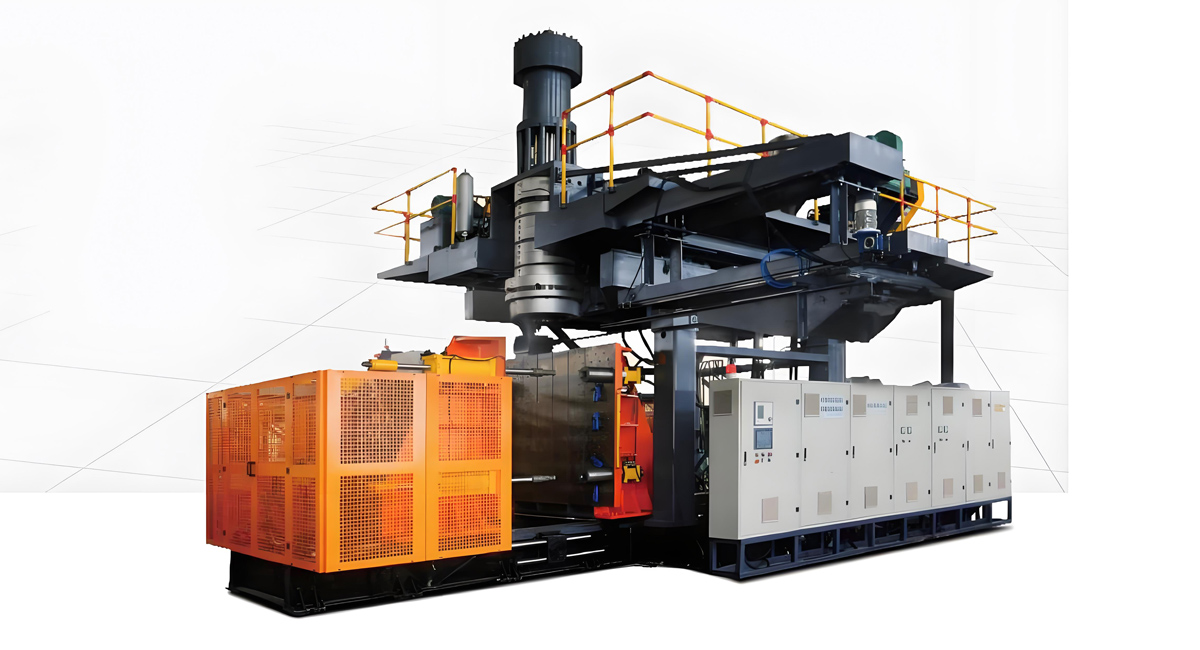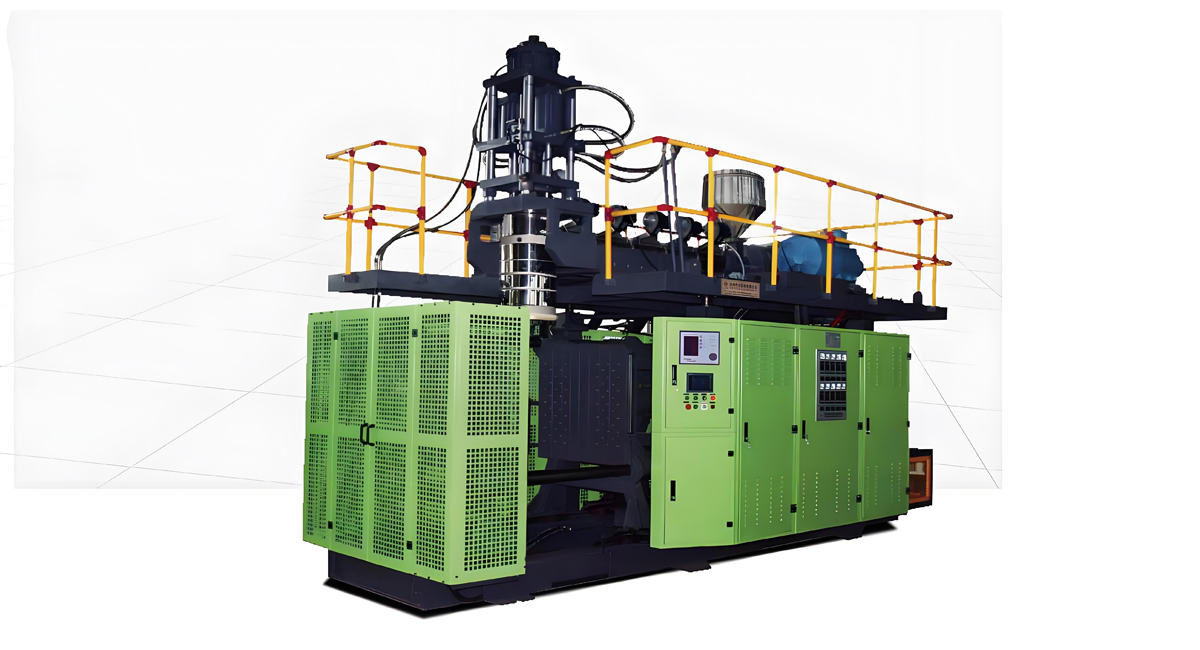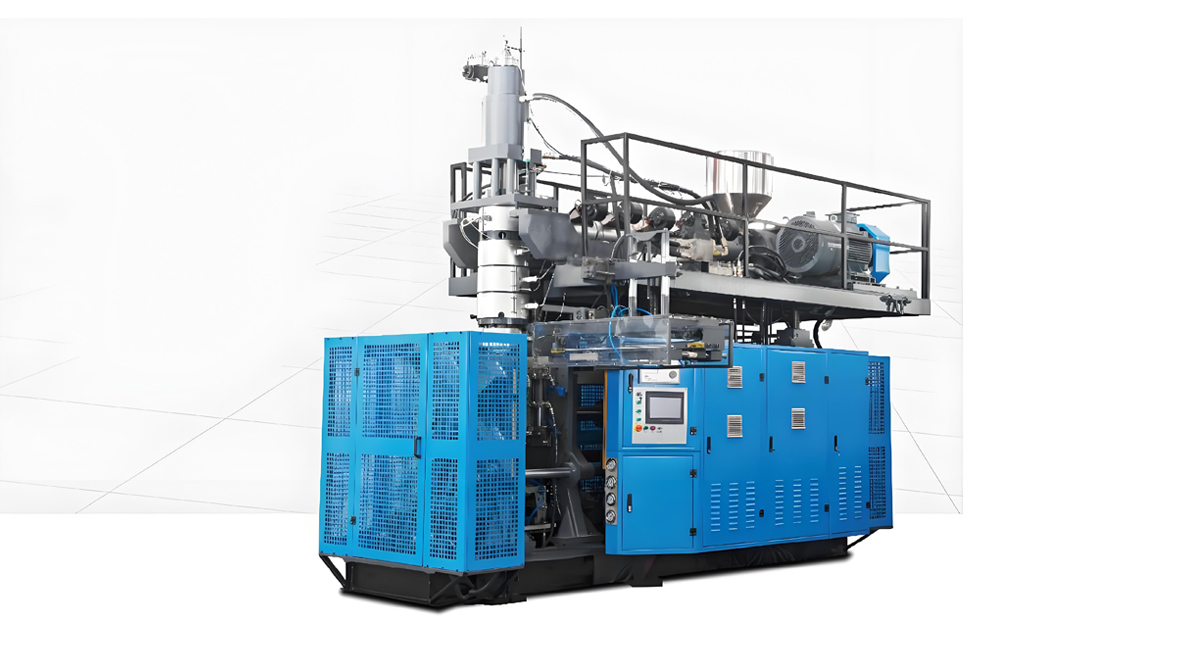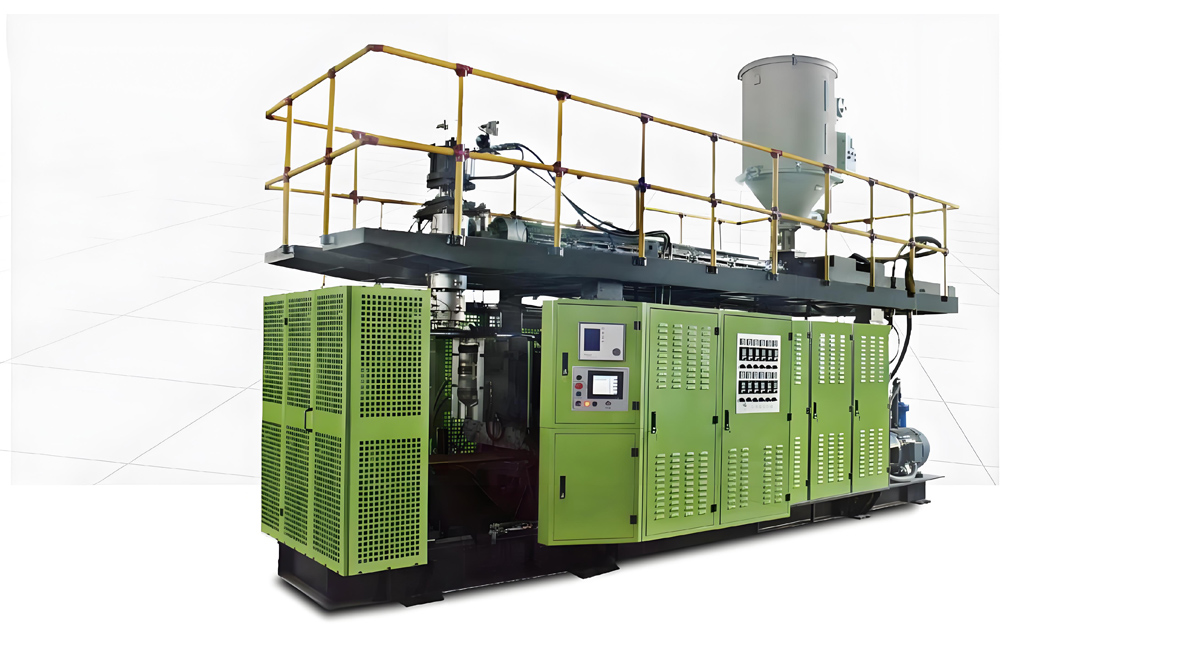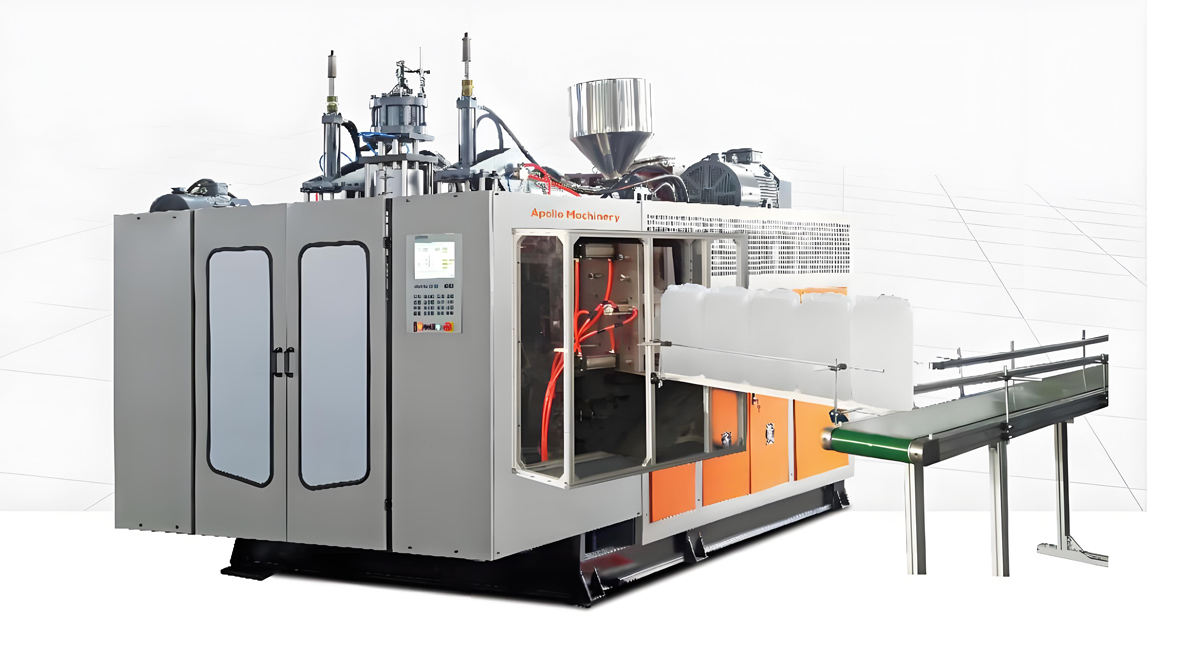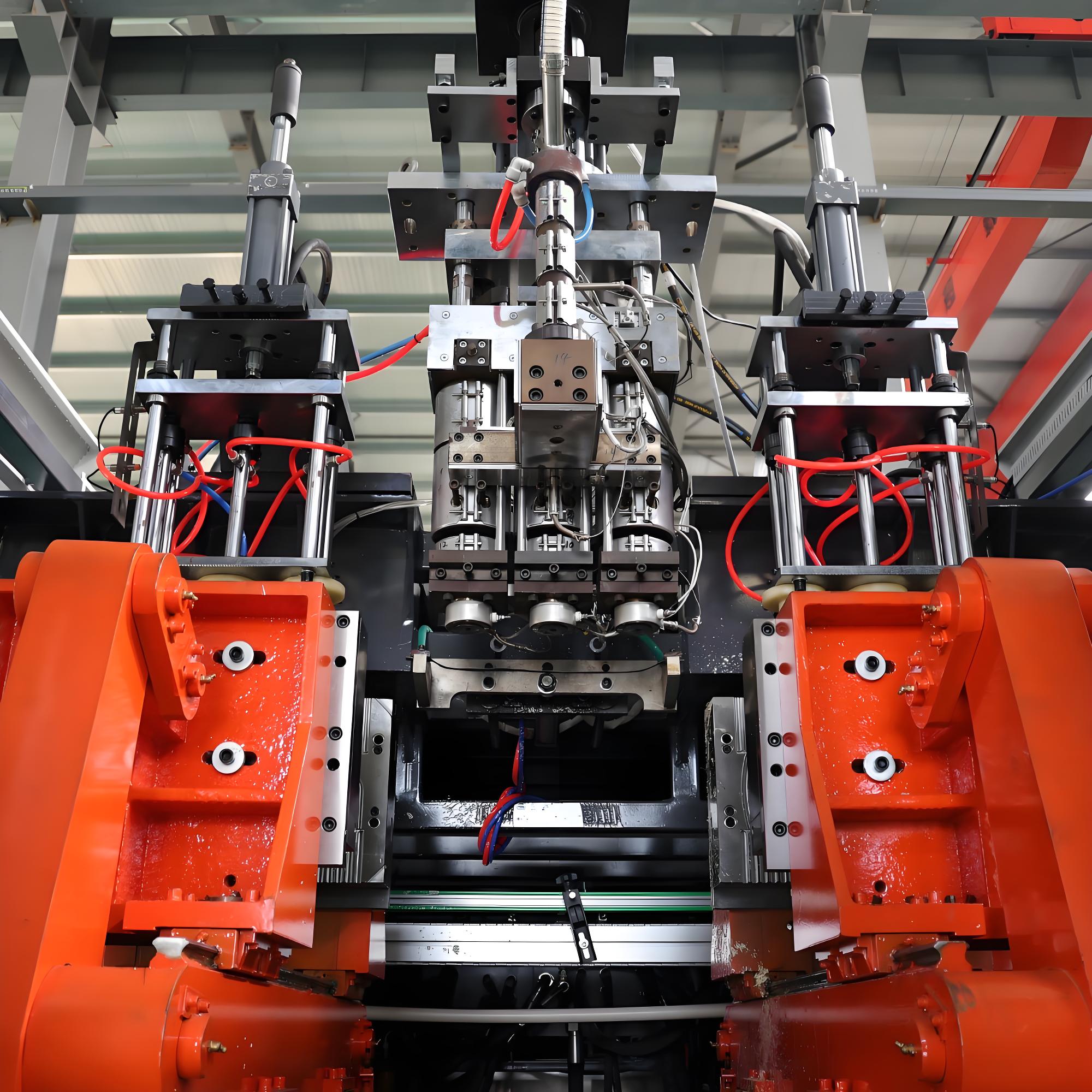

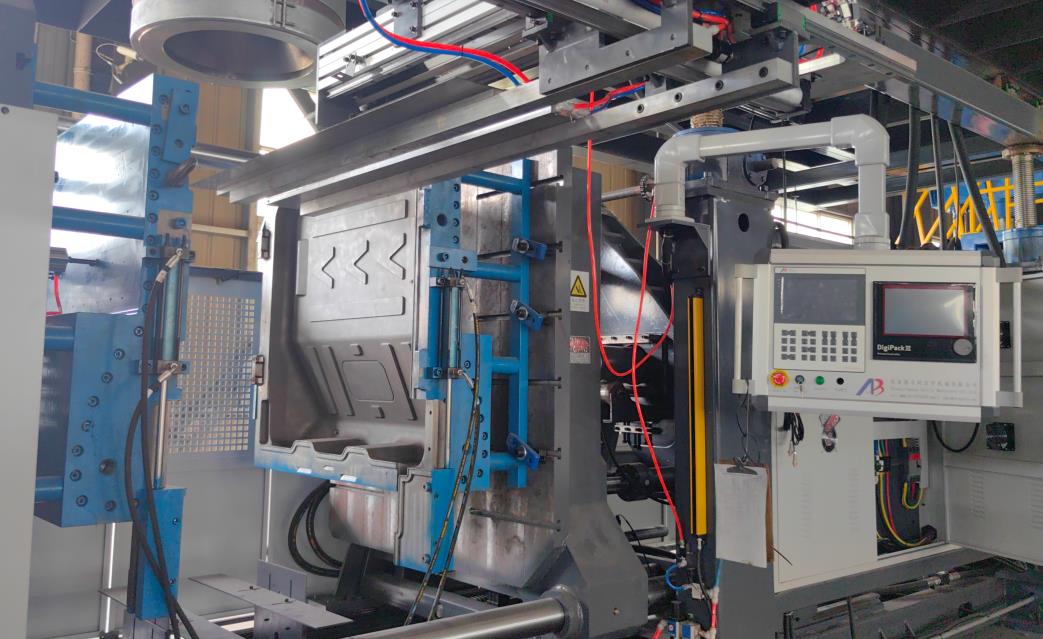
Extrusion blow molding machines are core equipment in the plastic packaging industry, widely used in producing detergent bottles, food containers, industrial barrels, and other products. Regular and standardized maintenance is crucial to ensure stable equipment operation, extend service life, improve production efficiency, and reduce scrap rates. This article details the key maintenance items of extrusion blow molding machines, covering periodic maintenance, wearing parts replacement, and special system maintenance, providing a comprehensive guide for equipment operators and maintenance personnel.
I. Periodic Maintenance Plan
Periodic maintenance is divided into daily, weekly, monthly, and annual maintenance based on the operation cycle, with clear inspection items and operation standards to ensure systematic equipment maintenance.
1. Daily Maintenance (Before, During, and After Operation)
- Pre-operation Inspection: Check the level and cleanliness of hydraulic oil, lubricating oil, and cooling water, ensuring they are within the specified range and free of impurities.
- Inspect the tightness of all connecting bolts, especially those of the screw, barrel, clamping mechanism, and mold, and tighten any loose bolts in a timely manner.
- Verify the normal operation of electrical systems, including power supply, PLC controllers, sensors, and emergency stop buttons, ensuring no abnormal signals or loose wiring.
- Check the air pressure and air tightness of the pneumatic system, ensuring the pressure is stable at 0.6~0.8MPa and there is no air leakage at pipelines and joints.
During-operation Monitoring: Monitor the operating temperature of key components: the temperature of the hydraulic system should be controlled at 30~50℃, and the extrusion temperature of materials (such as HDPE) should be stable at 170~210℃.
Observe the operation status of the screw, barrel, and clamping mechanism, paying attention to abnormal noises, vibrations, or leaks.
Check the flow rate and temperature of cooling water to ensure effective cooling of the mold, barrel, and other components.
Record equipment operation parameters, including production capacity, molding cycle, and energy consumption, for subsequent maintenance reference.
Post-operation Cleaning and Inspection: Clean the mold, barrel mouth, and parison die head to remove residual plastic and impurities, avoiding material accumulation affecting subsequent production.
Turn off the power, air supply, and water supply, and clean the equipment surface and surrounding environment.
Inspect the wear of key parts such as blow pins and mold cavities, and record any abnormal conditions.
2. Weekly Maintenance
- Comprehensively clean the die head and parison controller, and check the precision of the wall thickness control system (such as MOOG 100-point parison controller) to ensure the wall thickness deviation is within ±2%.
- Inspect the lubrication system, including lubricating oil pumps, pipelines, and nozzles, ensuring smooth oil supply and no blockages. Replenish lubricating oil as needed.
- Check the wear of the mold guide rails and clamping slider, and apply lubricating grease to reduce friction.
- Test the operation of the automatic deflashing system and in-mold labeling system, ensuring the deflashing precision is ±1mm and the labeling is firm.
- Inspect the safety protection devices, such as safety doors and light curtains, to ensure they function normally and can trigger emergency stops when necessary.
3. Monthly Maintenance
- Calibrate the temperature control system and pressure sensors to ensure the temperature control precision is ±1℃ and the pressure measurement is accurate.
- Check the quality of hydraulic oil, including color, transparency, and viscosity. If there is oxidation, contamination, or water ingress, replace the hydraulic oil and clean the oil filter (replacement cycle is generally 6~12 months).
- Inspect the wear of the screw and barrel, and measure the inner diameter of the barrel and the outer diameter of the screw to check the fit clearance. If the clearance exceeds the limit, plan for repair or replacement.
- Check the sealing performance of the hydraulic system, including cylinders, valves, and pipelines, and replace damaged seals to avoid oil leakage.
- Test the emergency stop function and fault alarm system to ensure the equipment can shut down quickly and alarm accurately in case of abnormalities.
4. Annual Maintenance
- Fully disassemble and inspect the screw, barrel, and clamping mechanism, including bearings, gears, and connecting rods. Replace worn components and perform precision calibration.
- Overhaul the electrical system, including PLC, frequency converter, and wiring terminals. Clean the electrical cabinet, check the insulation performance of wires, and replace aging wires and components.
- Inspect the servo motor and hydraulic pump, measure the motor insulation resistance and pump output pressure, and perform maintenance or replacement if there is a decline in performance.
- Check the wear of the cooling water pipeline, descale the pipeline, and replace the water filter to ensure smooth water flow and good cooling effect.
- Conduct a comprehensive performance test of the equipment, including production capacity, molding precision, and energy consumption, and adjust parameters to restore optimal performance.
II. Wearing Parts Replacement Standards
Wearing parts are key components affecting equipment stability. Regular inspection and timely replacement are required to avoid sudden failures. The following are common wearing parts and their replacement cycles and standards:
| Wearing Part | Material | Replacement Cycle | Replacement Standard |
|---|---|---|---|
| Screw/Barrel | 38CrMoALA | 8~10 years | Fit clearance exceeds 0.5mm; serious wear, scratches, or deformation on the surface; material plasticization is uneven |
| Die Lip Seal | High-temperature resistant rubber | 6~12 months | Sealing failure, material leakage at the die lip; hardening, cracking, or aging of the seal |
| Heating Coil | Nickel-chromium alloy | 1~2 years | Uneven heating, low heating efficiency; damage, short circuit, or open circuit of the coil |
| Blow Pin | Stainless steel | 8~12 months | Wear of the air outlet, uneven air supply; deformation or corrosion of the pin body; poor sealing at the connection |
| Hydraulic Seal | NBR/Viton | 6~12 months | Oil leakage; hardening, cracking, or loss of elasticity of the seal |
| Filter Element (Hydraulic Oil/Air) | Filter paper/metal mesh | 3~6 months | Serious contamination, blockage; pressure difference exceeds the specified value |
III. Special System Maintenance
Extrusion blow molding machines consist of multiple special systems, and targeted maintenance is required to ensure their coordinated operation.
1. Hydraulic System Maintenance
- Maintain the hydraulic oil level within the specified range, and keep the oil tank clean, avoiding dust, water, and other impurities entering.
- Regularly clean the oil filter and oil cooler to ensure good heat dissipation and unobstructed oil circulation.
- Control the operating temperature of the hydraulic system at 30~50℃. If the temperature is too high, check the cooling system and eliminate faults in time.
- Avoid long-term overload operation of the hydraulic system, which may cause premature wear of pumps, valves, and other components.
2. Electrical System Maintenance
- Keep the electrical cabinet dry and clean, and regularly remove dust to prevent short circuits caused by dust accumulation.
- Check the tightness of wiring terminals, and re-tighten them if there is loosening to avoid poor contact.
- Regularly inspect the operation status of PLC, frequency converter, and other core electrical components, and update the control program if necessary.
- Ensure the grounding of the electrical system is reliable to prevent electric shock accidents and equipment damage.
3. Extrusion System Maintenance
- Before starting up, preheat the barrel and die head according to the material characteristics, and ensure the temperature is stable before feeding to avoid cold material blocking the screw.
- Regularly clean the screw and barrel, especially when replacing materials or colors, to avoid material cross-contamination.
- Check the parison controller and die lip fine-tuning mechanism regularly to ensure precise control of parison thickness.
- Avoid empty operation of the screw for a long time, which may cause excessive wear of the screw and barrel.
4. Blow Molding System Maintenance
- Inspect the blow air pipeline and valve regularly, ensuring stable air pressure and no air leakage.
- Clean the mold cavity and cooling channel regularly to ensure uniform cooling and smooth bottle surface.
- Check the mold clamping force regularly, and adjust the pressure according to the product size to avoid insufficient clamping force leading to flash or excessive clamping force causing mold damage.
- Maintain the quick mold change mechanism, ensuring flexible operation and short mold change time (generally less than 1.5 hours).
IV. Maintenance Safety Precautions
- Before performing any maintenance work, must turn off the power, air supply, and water supply, and hang a “Maintenance in Progress” sign to prevent accidental startup.
- When working on high-temperature components (such as barrel, die head), wait for the temperature to drop to a safe range (below 50℃) to avoid burns.
- Use special tools for maintenance, and ensure the tools are in good condition and calibrated correctly.
- Operators must wear personal protective equipment, such as safety helmets, gloves, and goggles, to ensure personal safety.
- For complex maintenance work (such as disassembly of the screw and barrel), professional technicians should be arranged to operate, and detailed maintenance records should be kept.
Summary
The maintenance of extrusion blow molding machines is a systematic project that requires strict adherence to periodic maintenance plans, timely replacement of wearing parts, and targeted maintenance of special systems. By establishing a complete maintenance system and detailed records, we can effectively improve the stability and reliability of the equipment, extend its service life, reduce operation and maintenance costs, and ensure the smooth progress of production. It is recommended that enterprises formulate personalized maintenance plans according to the model, usage environment, and production load of the equipment, and regularly train maintenance personnel to improve their professional skills and operational level.