
1. Introduction to Plastic Pallets
Plastic pallets are one of the most important load carriers in modern logistics, warehousing, and supply chain systems. They are widely used in industries such as food & beverage, pharmaceuticals, chemicals, manufacturing, retail, and international logistics. Compared with traditional wooden and metal pallets, plastic pallets offer significant advantages, including long service life, stable dimensions, resistance to moisture and chemicals, easy cleaning, and recyclability.
With the rapid development of warehouse automation, standardized logistics, and global trade, the demand for high-quality plastic pallets has increased steadily. Especially in automated warehouses and conveyor systems, pallets must meet strict requirements for flatness, impact strength, load capacity, and consistency, which makes plastic pallets a preferred choice worldwide.
Currently, plastic pallets are mainly manufactured by two processes:
- Blow molding (hollow blow molding)
- Injection molding
Each process has its own technical characteristics, investment requirements, and application scenarios. Understanding these differences is essential for manufacturers, investors, and equipment suppliers.

2. Blow Molded Plastic Pallet Manufacturing Process
2.1 Overview of Blow Molding Technology
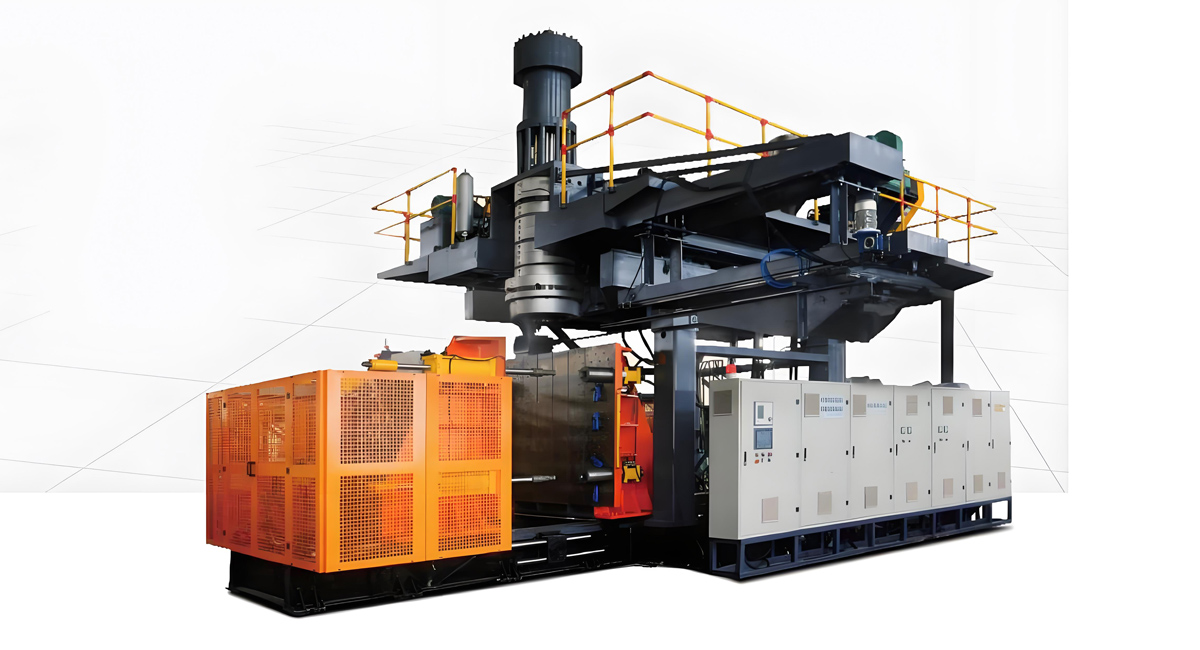
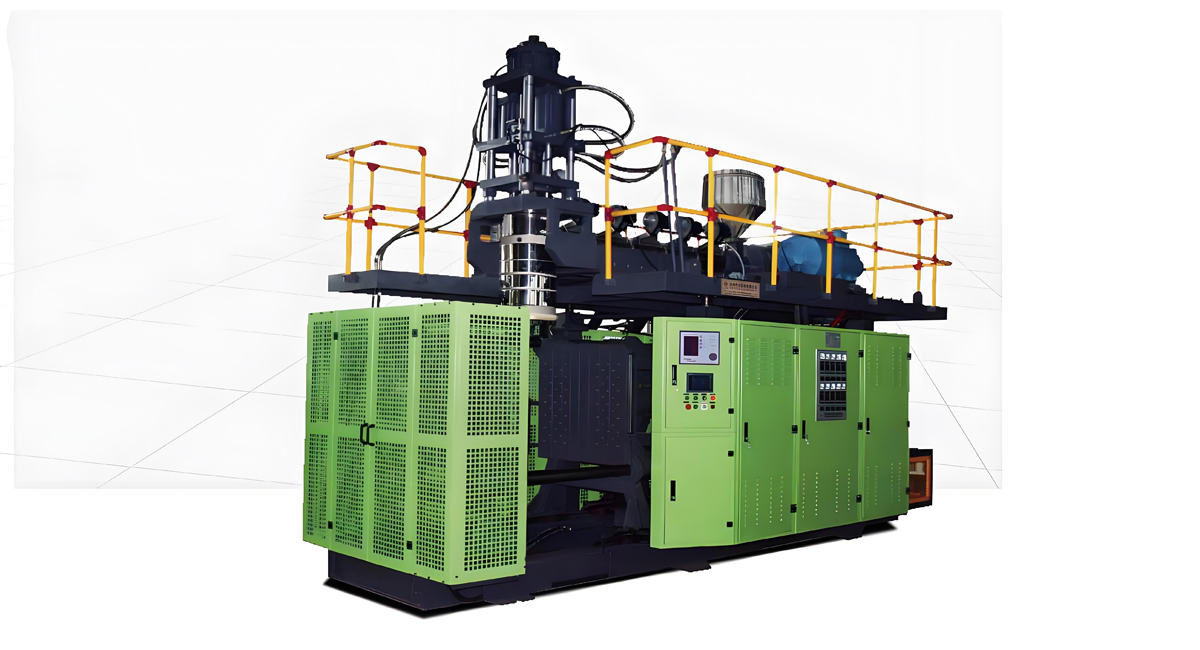
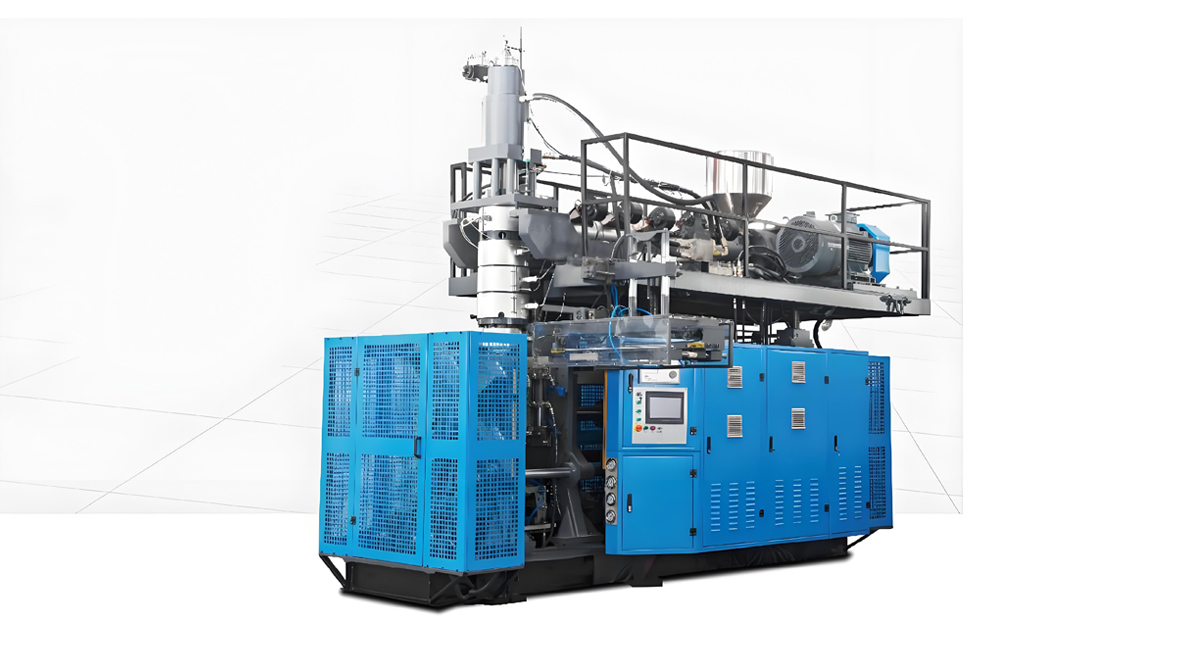
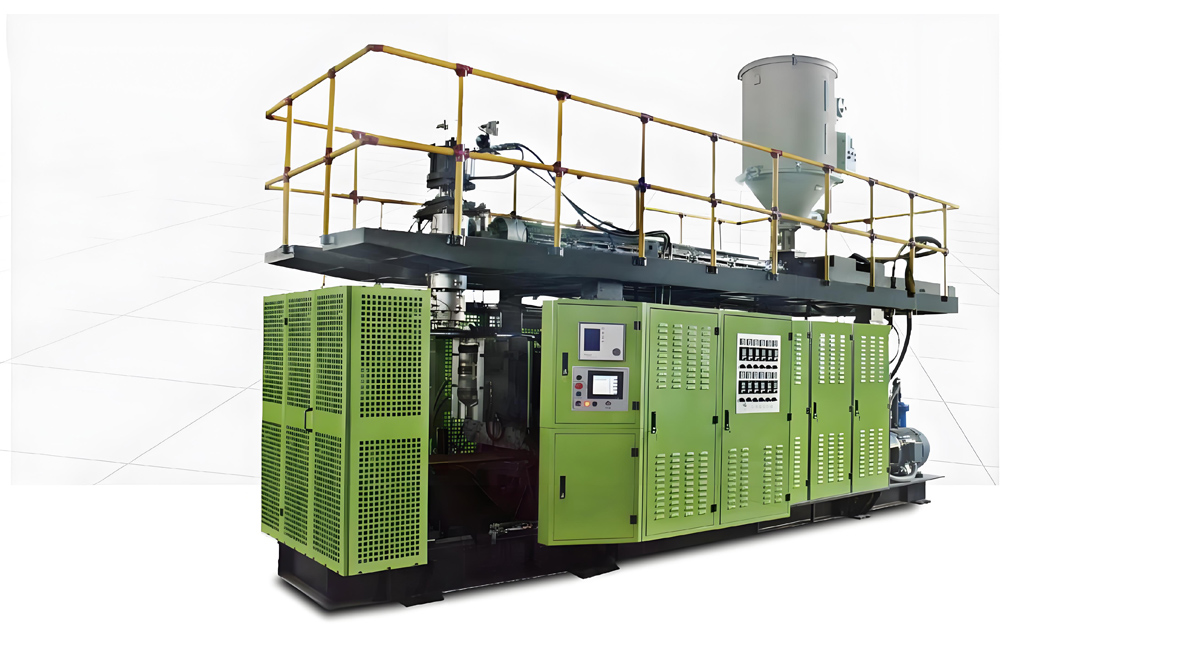
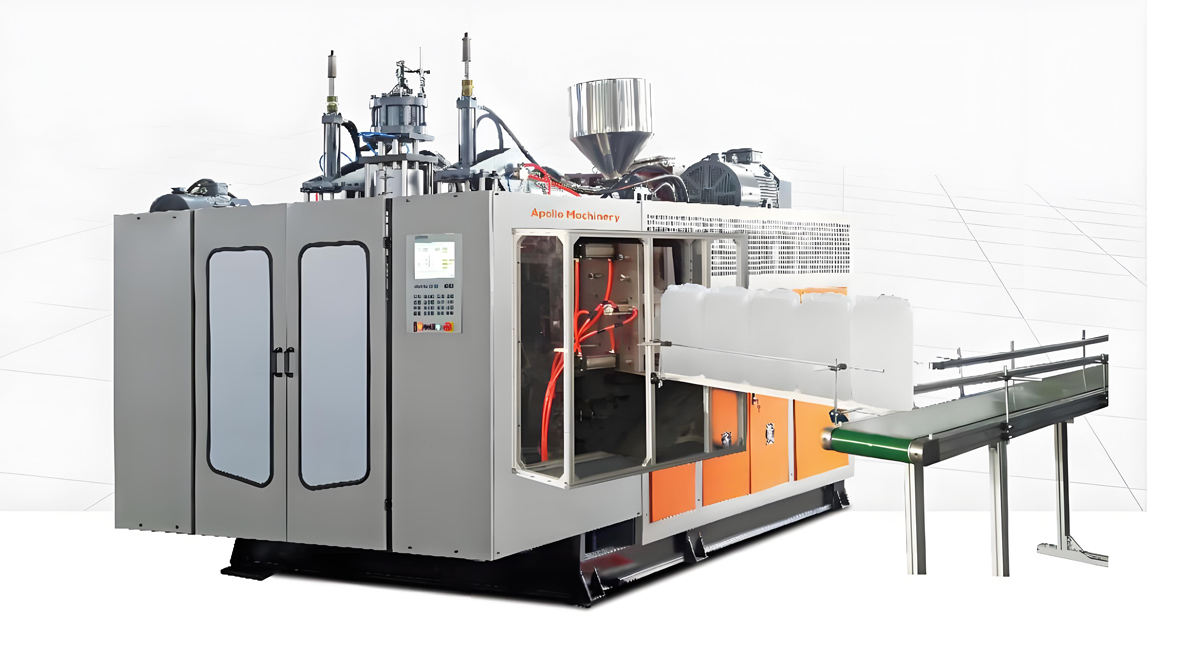
Blow molded plastic pallets are produced using extrusion blow molding technology, which forms hollow products with a double-wall structure. This process is especially suitable for producing heavy-duty, high-impact pallets.
2.2 Blow Molding Process Flow
- Raw Material Feeding
High-density polyethylene (HDPE) is commonly used due to its excellent impact resistance and toughness. - Plasticizing & Extrusion
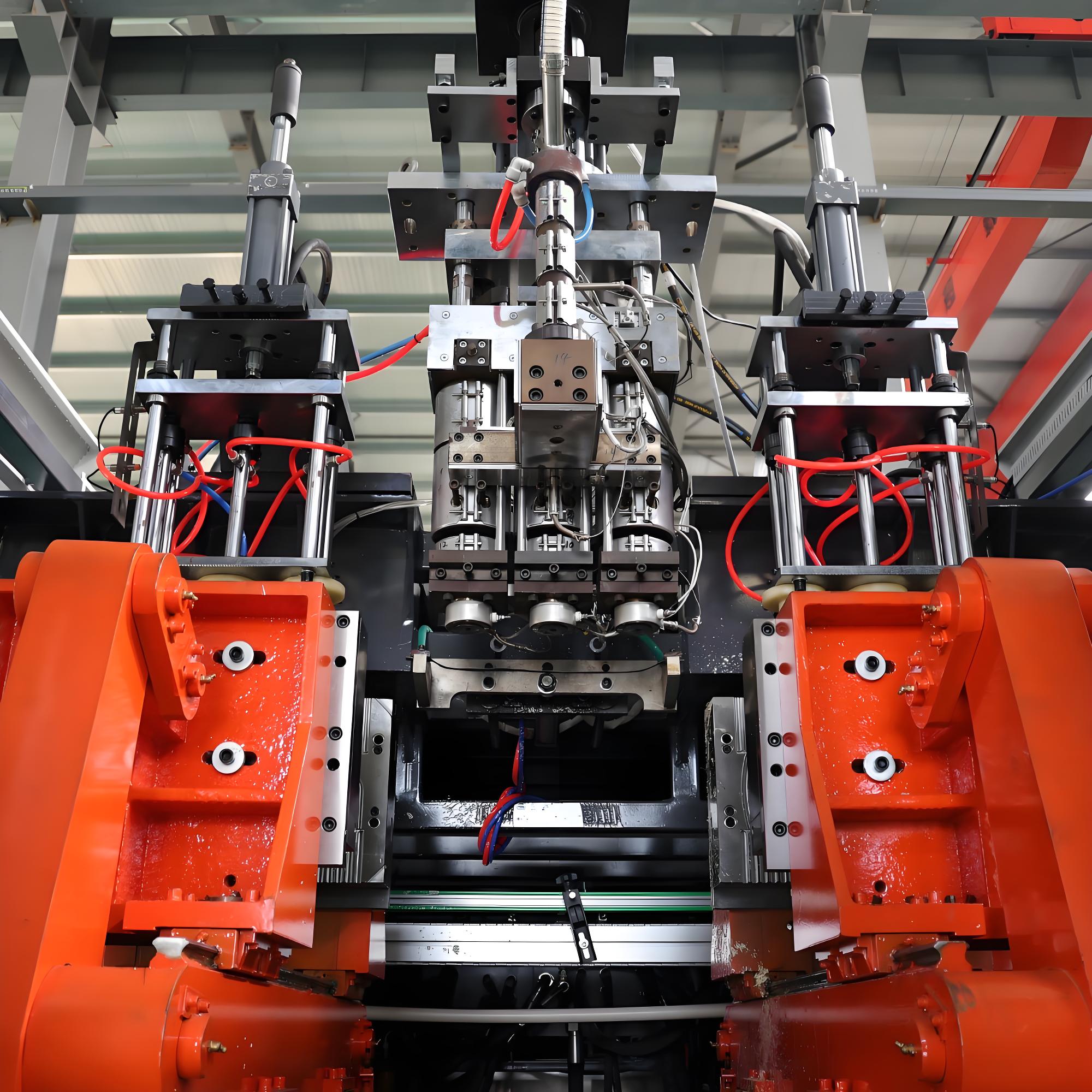
The material is melted and extruded into a tubular parison. - Mold Closing & Air Blowing
The mold closes around the parison, and compressed air inflates it to fit the mold cavity. - Cooling & Shaping
The pallet is cooled inside the mold to ensure dimensional stability. - Demolding & Trimming
The finished pallet is removed and excess material is trimmed.
2.3 Characteristics of Blow Molded Pallets
- Hollow structure with high impact resistance
- Excellent performance in low-temperature environments
- Thick corners and reinforced edges
- Suitable for heavy-duty and export pallets
- Lower mold cost compared with injection molding
3. Injection Molded Plastic Pallet Manufacturing Process
3.1 Overview of Injection Molding Technology
Injection molded pallets are produced by injecting molten plastic into a closed mold under high pressure. This process is widely used for high-volume, standardized pallet production.
3.2 Injection Molding Process Flow
- Material Drying & Feeding
- Plasticizing in the Injection Unit
- High-Pressure Injection into Mold
- Cooling and Solidification
- Ejection of Finished Pallet
3.3 Characteristics of Injection Molded Pallets
- Solid or rib-reinforced structure
- High dimensional accuracy
- Smooth surface and good appearance
- Ideal for automated warehouses and conveyor systems
- High production efficiency for mass production

4. Blow Molding vs. Injection Molding: Technical Comparison
| Item | Blow Molding | Injection Molding |
|---|---|---|
| Structure | Hollow, double-wall | Solid or ribbed |
| Impact Resistance | Excellent | Good |
| Mold Cost | Lower | Very high |
| Machine Tonnage | Medium | Very large (3000–5000T) |
| Energy Consumption | Lower | Higher |
| Product Weight | Lighter | Heavier |
| Best Application | Heavy-duty, export | Automation, standard logistics |
5. Investment Cost Analysis
5.1 Blow Molding Pallet Production Line Investment
- Blow molding machine: USD 250,000 – 500,000
- Blow mold: USD 50,000 – 100,000
- Auxiliary equipment (chiller, crusher, air compressor): USD 50,000 – 80,000
- Total investment: USD 350,000 – 680,000
5.2 Injection Molding Pallet Production Line Investment
- Injection molding machine (3000–5000T): USD 800,000 – 1,500,000
- Injection mold: USD 150,000 – 300,000
- Auxiliary systems (robot, dryer, mold temperature controller): USD 80,000 – 150,000
- Total investment: USD 1,000,000 – 1,900,000
6. Daily Maintenance and Spare Parts
6.1 Blow Molding Machine Maintenance
Daily Maintenance
- Check hydraulic oil level and temperature
- Inspect air pressure and cooling system
- Clean die head and extrusion area
Common Spare Parts
- Heater bands
- Thermocouples
- Hydraulic seals
- Cutting blades
- Air valves
6.2 Injection Molding Machine Maintenance
Daily Maintenance
- Clean screw and barrel
- Check clamping unit lubrication
- Inspect electrical and servo systems
Common Spare Parts
- Screw & barrel
- Nozzle
- Hydraulic valves
- Sensors
- Ejector pins
7. Market Demand and Industry Trends
7.1 Global Market Demand
- Growth driven by e-commerce and logistics
- Replacement of wooden pallets due to environmental regulations
- Strong demand in Asia, Middle East, Europe, and North America
7.2 Future Trends
- Lightweight and high-strength pallet design
- Increased use of recycled HDPE
- Higher demand for export and heavy-duty pallets
- Automation-compatible pallet standards
8. Recommended Production Lines for 1m × 1.2m Plastic Pallets
8.1 Blow Molding Production Line Recommendation (1m × 1.2m)
Recommended Configuration
- Accumulator-type blow molding machine
- Extrusion output: ≥ 120 kg/h
- Suitable for HDPE
- Mold: double-station pallet mold
Advantages
- Lower initial investment
- Strong impact resistance
- Suitable for heavy-load logistics and export markets
- Flexible for small and medium manufacturers
Typical Output
- 40–60 pallets per hour
- Pallet weight: 18–25 kg
8.2 Injection Molding Production Line Recommendation (1m × 1.2m)
Recommended Configuration
- Injection molding machine: 3000–4500 tons
- Large single-cavity pallet mold
- Automatic robot unloading system
Advantages
- High consistency and precision
- Ideal for automated warehouses
- High output for mass production
Typical Output
- 30–50 pallets per hour
- Pallet weight: 20–30 kg
9. Conclusion
Both blow molding and injection molding play critical roles in the plastic pallet industry. Blow molding offers lower investment cost, better impact resistance, and flexible production, while injection molding provides high efficiency, precision, and automation compatibility. For manufacturers targeting the 1m × 1.2m pallet market, selecting the right process depends on budget, target customers, and long-term production strategy.