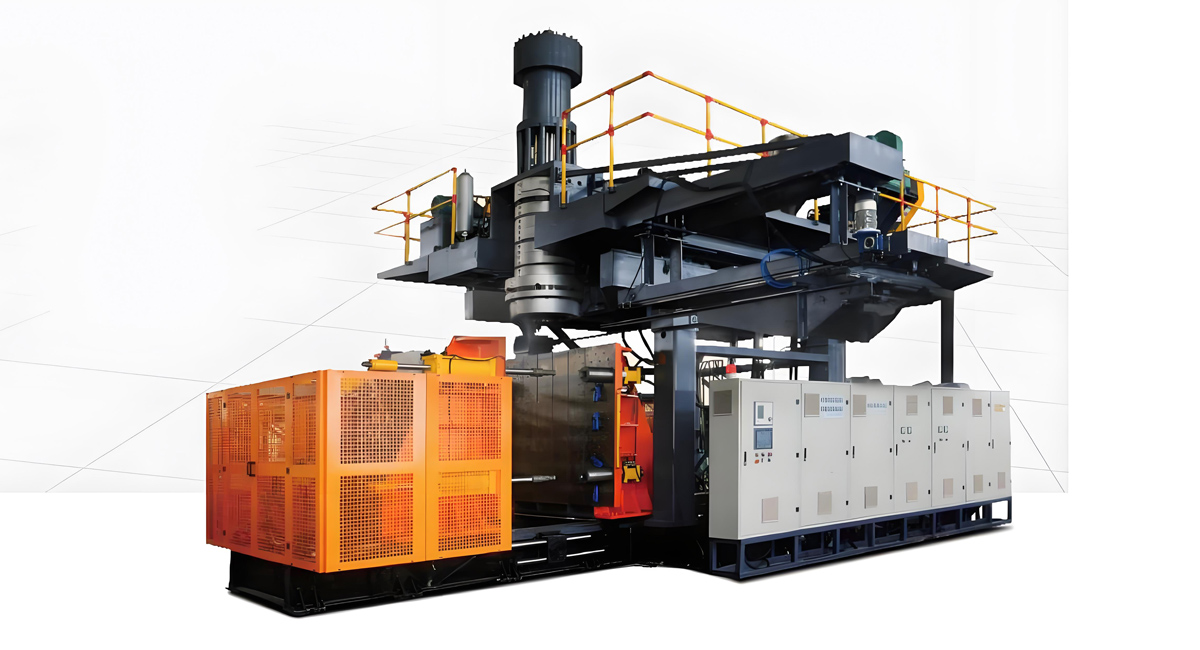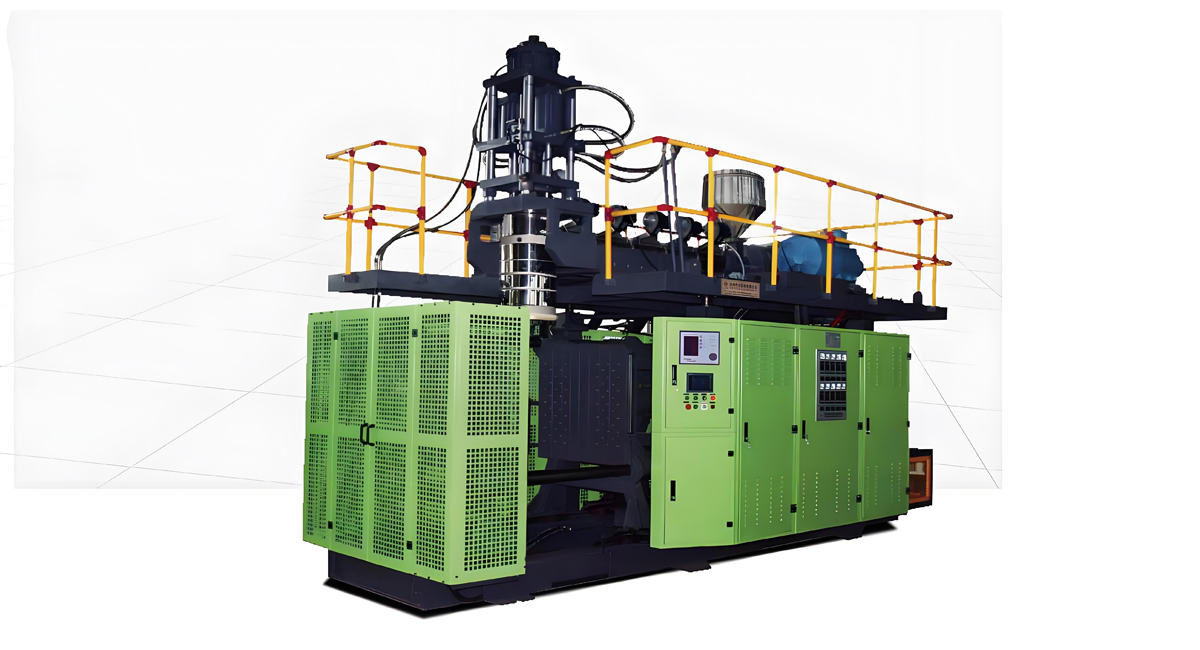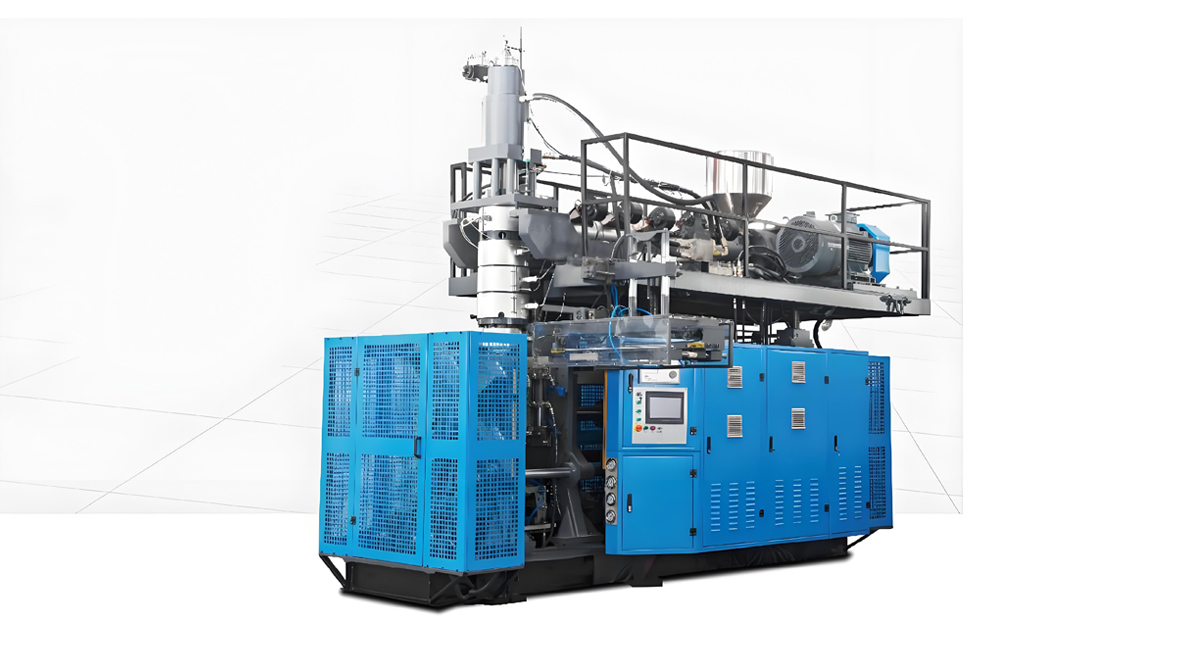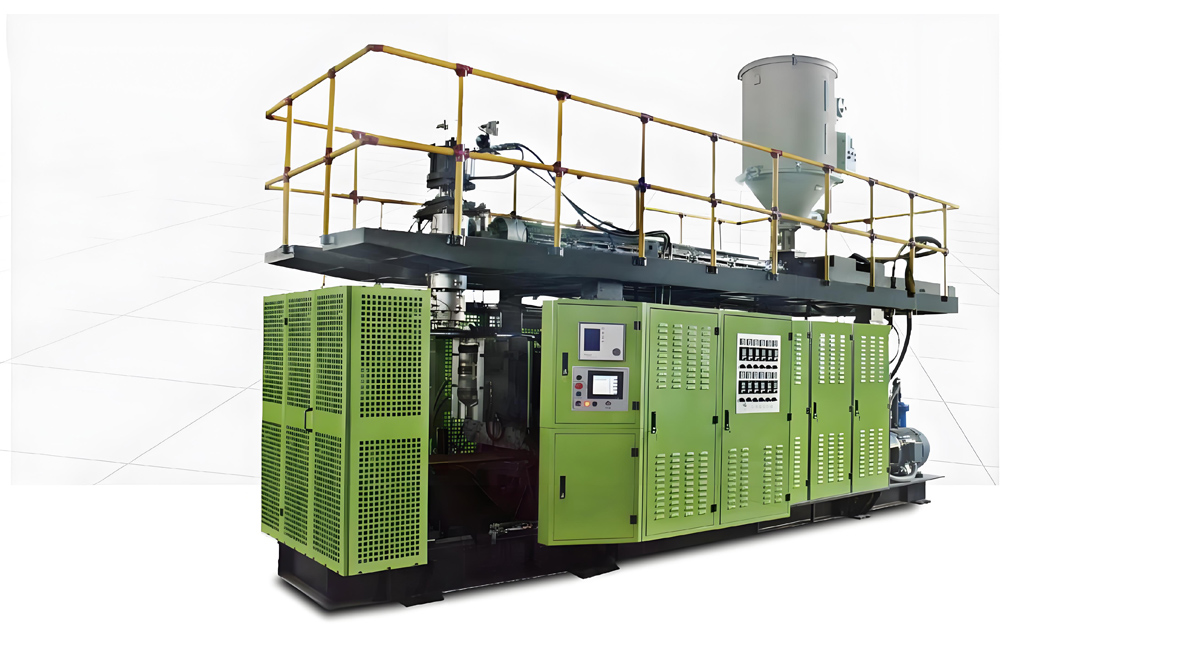
As a typical hollow plastic product, the production core equipment for detergent bottles mainly consists of extrusion blow molding machines (suitable for mainstream materials such as HDPE and LDPE), and some high-end small capacity PET detergent bottles can use injection pull blowing equipment. When selecting equipment, it is necessary to consider the product characteristics of detergent bottles (chemical corrosion resistance, sealing, wall thickness uniformity, and shape adaptability), production capacity requirements, cost budget, and environmental protection requirements from multiple dimensions such as process type, equipment parameters, manufacturer selection, and supporting systems. The following is a detailed selection plan:
Ⅰ. Selection of core production processes and equipment types
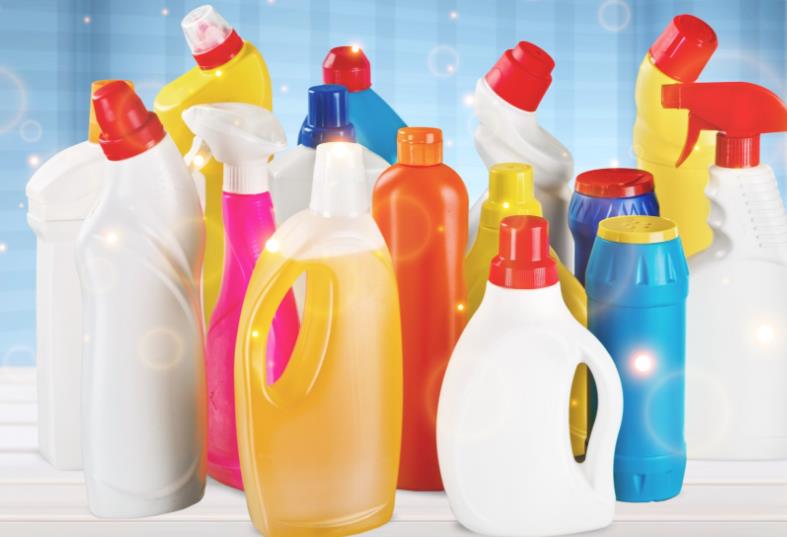
The material of detergent bottles is mainly high-density polyethylene (HDPE) and low-density polyethylene (LDPE) (accounting for over 90%), with a few high-end products using PET (transparent texture requirement). The corresponding core production processes and equipment types are as follows:
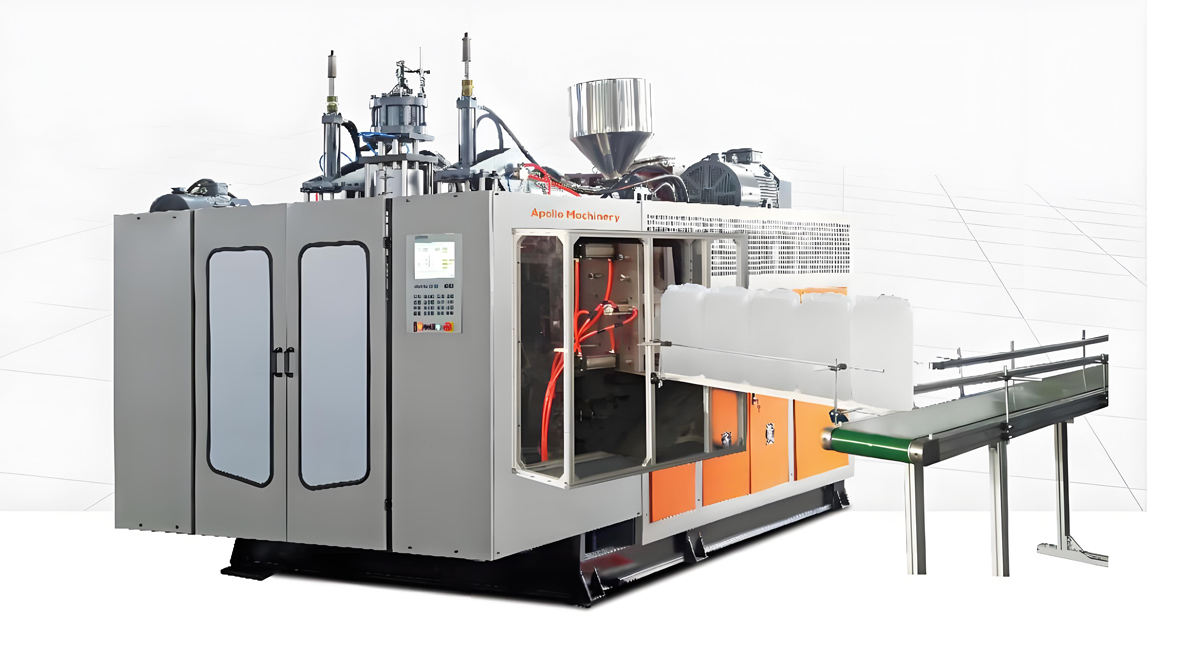
1. Mainstream process: Extrusion blow molding machine (suitable for HDPE/LDPE detergent bottles)
Extrusion blow molding machine is the preferred equipment for detergent bottle production, which can achieve full coverage of 100ml (travel package) to 5L (home package), support irregular bottles (with handles, special curved surfaces), handle integrated molding, multi-layer co extrusion barrier and other functions, fully matching the production needs of detergent bottles. According to the driving method, it can be divided into three types of devices that are suitable for different scenarios:
Fully electric extrusion blow molding machine: The core advantages are high precision (wall thickness deviation ≤± 1%), low energy consumption (30-50% energy-saving compared to traditional hydraulic presses), low noise (≤ 75dB), high cleanliness (zero oil pollution), suitable for large-scale, high-precision production (daily production capacity ≥ 50000 bottles), especially suitable for high-end detergent bottles (such as mother and baby specific, imported brands) or scenes with clean production environment requirements. Representative models include Guangdong Leshan Intelligent Sailong series, Suzhou Tongda Machinery HSE series, and Zhangjiagang Apollo ABLB75 dual station model.
Electro hydraulic hybrid extrusion blow molding machine: Integrating the advantages of electric and hydraulic, key actions such as mold closing and needle blowing are driven by servo motors (to ensure accuracy), while heavy-duty actions such as extrusion and mold locking are driven by hydraulic motors (to reduce costs). It has outstanding cost-effectiveness and is suitable for medium to large-scale production (daily production capacity of 20000 to 50000 bottles). It is the mainstream choice for most detergent bottle manufacturers. Representative models include Zhangjiagang Lianguan Machinery SKYREEF BLUE series and Hebei Sanqing Intelligent Six Mode High Speed Rotating Model.
Traditional hydraulic extrusion blow molding machine: low initial investment, mature technology, suitable for small batch production (daily production capacity ≤ 20000 bottles) or start-up enterprises. The disadvantages are high energy consumption, average accuracy (wall thickness deviation ± 3-5%), and high maintenance costs (requiring regular replacement of hydraulic oil). Representative manufacturers include the economical models of Jucheng Plastic Machinery in Cangzhou and Luhong Plastic Machinery in Shandong.
2. Special process: Injection pull blow molding machine (compatible with PET transparent detergent bottles)
For PET detergent bottles with small capacity (≤ 500ml), high transparency and high rigidity (such as high-end hand sanitizer bottles and essence bottles), injection drawing blow molding machines are required to produce products with more uniform wall thickness, higher transparency and better mechanical strength, which can realize the integrated molding of “injection molding preform stretching inflation”. Representative manufacturers include Guangzhou Dailong (high-speed PET bottle specific model) and Guangdong Jinming Precision Machinery (multi-layer co extrusion injection, pull and blow molding model).
Ⅱ. Equipment key parameter matching (core selection basis)
1. Material adaptation parameters
HDPE/LDPE material: Equipment with a screw aspect ratio of 28:1-32:1 should be selected to ensure uniform plasticization. The segmented heating temperature of the material barrel should be controlled at 150-220 ℃ (HDPE is slightly higher than LDPE), and the screw should be made of double alloy material (wear-resistant, suitable for additives in detergent bottle raw materials).
PET material: The injection molding equipment needs to be equipped with a dedicated PET screw (low shear design to avoid material degradation), heating temperature of 260-280 ℃, and stretching ratio controlled at 1:3-1:4 (to ensure transparency and rigidity).
2. Capacity and efficiency parameters
Single station extrusion blow molding machine: with a production capacity of 1000-3000 bottles/hour (1L specification), suitable for small batch production or multi variety switching.
Dual station extrusion blow molding machine: with a production capacity of 3000-6000 bottles/hour (1L specification), it is a cost-effective choice for medium to large batch production.
Rotary extrusion blow molding machine: 6-12 die positions, with a production capacity of 6000-12000 bottles/hour (1L specification), suitable for large-scale production (such as the main production lines of top brands such as Blue Moon and Libai). Representative models include Guangdong Leshan Intelligent “Aurora” series high-speed rotary models.
3. Product adaptation parameters
Capacity range: The equipment needs to cover the target product capacity, with mainstream detergent bottles having a capacity of 1-5L. Choose models that can be adapted to 200ml-10L (with reserved capacity flexibility), such as Zhangjiagang Apollo ABLD80/90 series (adapted to 1-20L).
Style adaptation: For detergent bottles with handles, equipment that supports “integrated handle molding” should be selected (to avoid subsequent assembly and improve efficiency). The mold should be designed with a dedicated handle cavity, and the mold closing mechanism should have sufficient clamping force (to prevent the billet from overflowing during inflation).
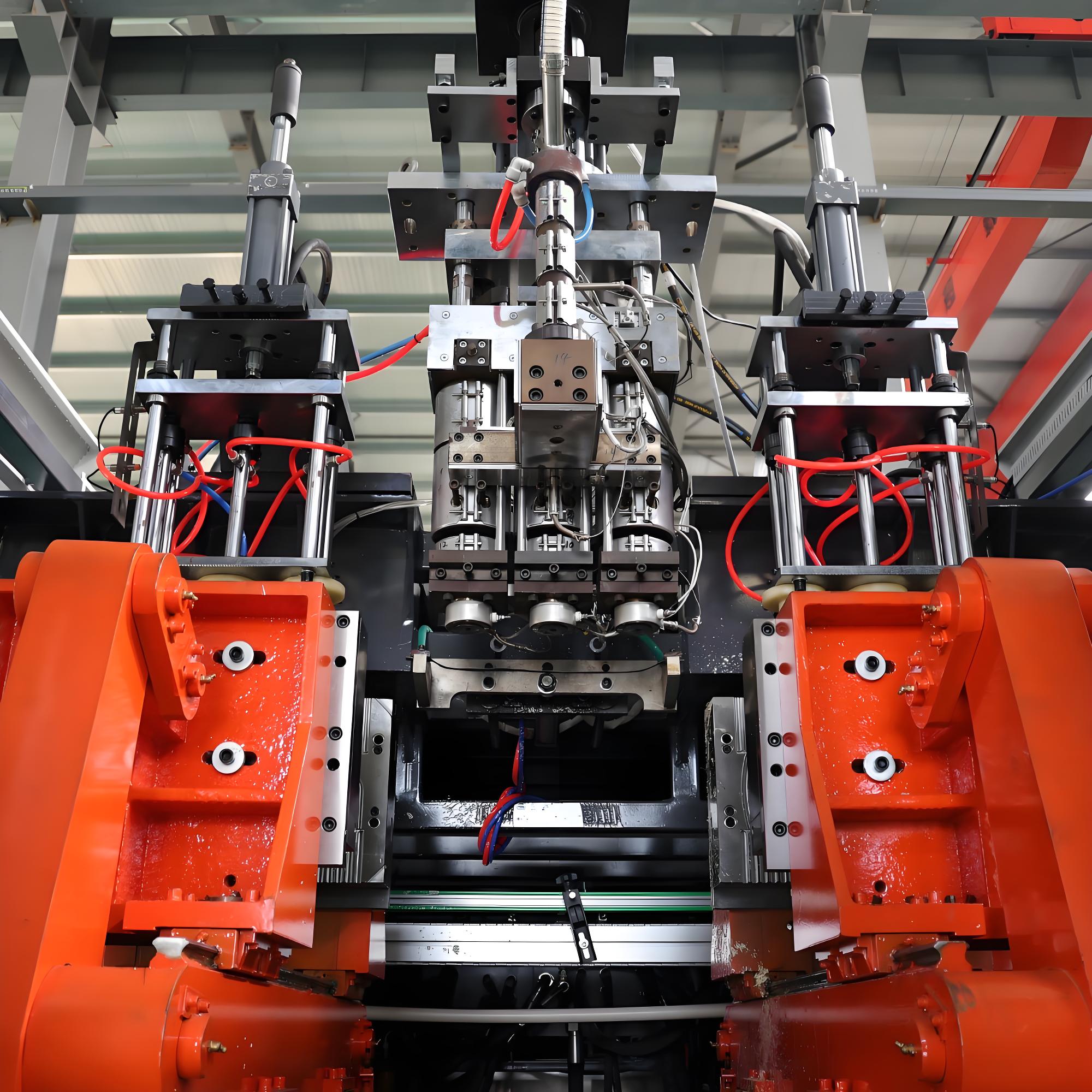
Wall thickness control: The detergent bottle needs to ensure uniform wall thickness (to avoid leakage), and equipment equipped with a “dynamic wall thickness control system” (100 point or above preform controller) should be selected, such as the 10 stage injection pressure wall thickness control function of Suzhou Tongda Machinery, which can accurately adjust the wall thickness distribution of the bottle body, bottom, and mouth.
Sealing requirements: The accuracy of the bottle mouth thread directly affects the sealing. The equipment needs to be equipped with a high-precision mold positioning system (repeated positioning accuracy ± 0.02mm), and the inflation pressure control accuracy ± 0.01MPa (to ensure clear thread forming).
4. Environmental protection and energy-saving parameters
Priority should be given to equipment with servo drive systems (energy-saving by over 30%) and electromagnetic induction heating (energy-saving by 35% compared to traditional resistance heating), which comply with environmental policy requirements.
For biodegradable detergent bottles (such as PLA material), it is necessary to choose equipment that is compatible with bioplastics, and optimize the flow channel design of screws and molds (to avoid degradation), such as the environmentally friendly all electric motor type of Fujian Ruisu Machinery.
Ⅲ. Recommended by high-quality equipment manufacturers (suitable for detergent bottle production)
1. Recommended high-end electric models
Guangdong Leshan Intelligent Equipment Co., Ltd.: Sailong series fully electric blow molding machine, suitable for 1-5L detergent bottles, with a molding cycle of only 19.6 seconds, a mold positioning accuracy of 0.03mm, supporting handle integrated molding and multi-layer co extrusion, energy-saving 50% -60%, suitable for large-scale high-end production.
Suzhou Tongda Machinery Co., Ltd.: HSE fully electric series, controlled by Japanese Mitsubishi PLC, equipped with ball linear guide for opening and closing mold mechanism, wall thickness uniformity of ± 0.05mm, can provide an integrated solution of “blow molding trimming detection”, suitable for customized shaped detergent bottles.
Zhangjiagang Apollo Machinery Co., Ltd.: ABLB75 dual station fully electric motor type, with a capacity covering 200ml-20L. The original dual head system ensures the stability of the billet, and the 100 point wall thickness controller is suitable for the production of large detergent buckets (5L). It has been exported to 74 countries with reliable quality.
2. Recommended models with high cost-effectiveness for electro-hydraulic mixing
Zhangjiagang Lianguan Machinery Co., Ltd.: SKYREEF BLUE series, electric hydraulic hybrid drive, suitable for PE material detergent bottles, with a production capacity of 3000-5000 bottles/hour (1L), equipped with an external jacket water cooling system, high cooling efficiency, suitable for medium to large-scale production.
Hebei Sanqing Intelligent Technology Co., Ltd.: Six mode high-speed rotary blow molding machine, three-layer co extrusion+servo drive, energy-saving by 30%, production capacity of over 6000 bottles/hour, supporting assembly line customization, suitable for large-scale production in the daily chemical industry.
3. Recommended PET injection molding and blowing models
Guangzhou Dayilong Packaging Machinery Co., Ltd.: High speed PET injection pull blow integrated machine with a production capacity of 72000 bottles/hour (500ml), suitable for small capacity transparent detergent bottles. The servo energy-saving control system has reached the international leading level, and customers include top enterprises such as Coca Cola and Blue Moon.
Guangdong Jinming Precision Machinery Co., Ltd.: Multi layer co extrusion injection, pull and blow molding machine, capable of producing PET/barrier layer composite bottles (to prevent detergent components from penetrating), with a wall thickness deviation of ± 3 μ m, suitable for high-end functional detergent bottle production.
Ⅳ. Selection of supporting equipment (ensuring production efficiency and product quality)
1. Core supporting equipment
Mold: Choose a professional hollow blow molding mold manufacturer (such as Taizhou Huangyan Rongda Plastic Machinery Factory). The mold cavity needs to be polished (to ensure smooth bottle body and easy printing), equipped with efficient cooling water channels (to shorten cooling time and improve production capacity), and made of P20 or H13 mold steel (with strong durability).
Automatic feeding system: equipped with a vacuum feeding machine and a dryer (to remove moisture from the raw materials and avoid bottle bubbles), suitable for large-scale production and reduce manual intervention.
Wall thickness control system: It is recommended to equip high-end production lines with imported wall thickness controllers (such as Bekum from Germany and Tahara from Japan) or high-precision systems from China (such as Suzhou Tongda Machinery’s self-developed system) to ensure wall thickness uniformity.
Edge trimming equipment: Choose an online automatic edge trimming machine (such as the Guangdong Leshan intelligent matching model) to remove bottle mouth and bottom burrs, improve product appearance, and increase efficiency by three times compared to manual edge trimming.
2. Post processing supporting equipment
Printing/Labeling Equipment: For bottles that require brand identification printing, a rotary screen printing machine or heat transfer machine should be equipped; The labeling requirement is to choose a fully automatic self-adhesive labeling machine (such as the equipment provided by Guangzhou Dayilong) to ensure smooth and bubble free labeling.
Testing equipment: sealing tester (for detecting bottle mouth leakage), wall thickness tester (for sampling wall thickness uniformity), visual inspection machine (for removing defective products), to ensure product qualification rate.
Packaging equipment: fully automatic packing machine, sealing machine, suitable for packaging finished products after large-scale production.
Ⅴ. Selection principles and precautions
1. Core principles for selection
On demand matching of production capacity: Determine the equipment type based on one’s own annual output (small batch selection of workstation hydraulic press, medium batch selection of electro-hydraulic mixer, large batch selection of fully electric rotary machine), to avoid waste or insufficient production capacity.
Material priority adaptation: HDPE/LDPE bottles are preferred for extrusion blow molding machines, while PET transparent bottles are preferred for injection blow molding machines to ensure that the equipment matches the characteristics of the raw materials and avoid product quality issues.
Balance between precision and cost: High end brands or exported products can choose all electric motor models, while ordinary civilian products can choose electro-hydraulic hybrid models, controlling investment costs while ensuring quality.
Service and after-sales guarantee: Choose manufacturers with mature cases and fast after-sales response in the daily chemical industry (such as Leshan Intelligence, Jinming Precision Machinery, Apollo Machinery), ensure equipment failure response within 24 hours, provide installation and commissioning, personnel training, and lifelong maintenance services.
2. Precautions
Mold compatibility: The equipment needs to support quick mold change (mold change time ≤ 30 minutes), making it easy to produce multiple types of detergent bottles (such as switching between different capacities and shapes).
Chemical resistance adaptation: The screws, barrels, and mold heads of the equipment should be made of corrosion-resistant materials to avoid wear and tear caused by the acidic and alkaline components in the detergent raw materials.
Environmental policy compliance: Prioritize the selection of energy-saving, low-noise, and zero pollution equipment that complies with national environmental policies and avoids the cost of later rectification.
The core choice for detergent bottle production equipment is the extrusion blow molding machine (HDPE/LDPE mainstream material), which needs to be selected based on production capacity, product positioning, and budget to choose fully electric, electro-hydraulic hybrid, or traditional hydraulic models. Key parameters need to match material characteristics, capacity range, styling requirements, and precision requirements. It is recommended to give priority to manufacturers with mature experience in the field of daily chemical packaging, such as Leshan Intelligent, Tongda Machinery, Apollo Machinery, etc., and to provide supporting equipment such as molds, trimming, and printing to form a complete production line. For PET transparent detergent bottles, injection, pulling, and blowing equipment from Dailon and Jinming Precision Machinery can be used. When selecting, it is necessary to consider production efficiency, product quality, environmental compliance, and after-sales support to ensure the long-term stable operation of the equipment and meet the large-scale production needs of detergent bottles.