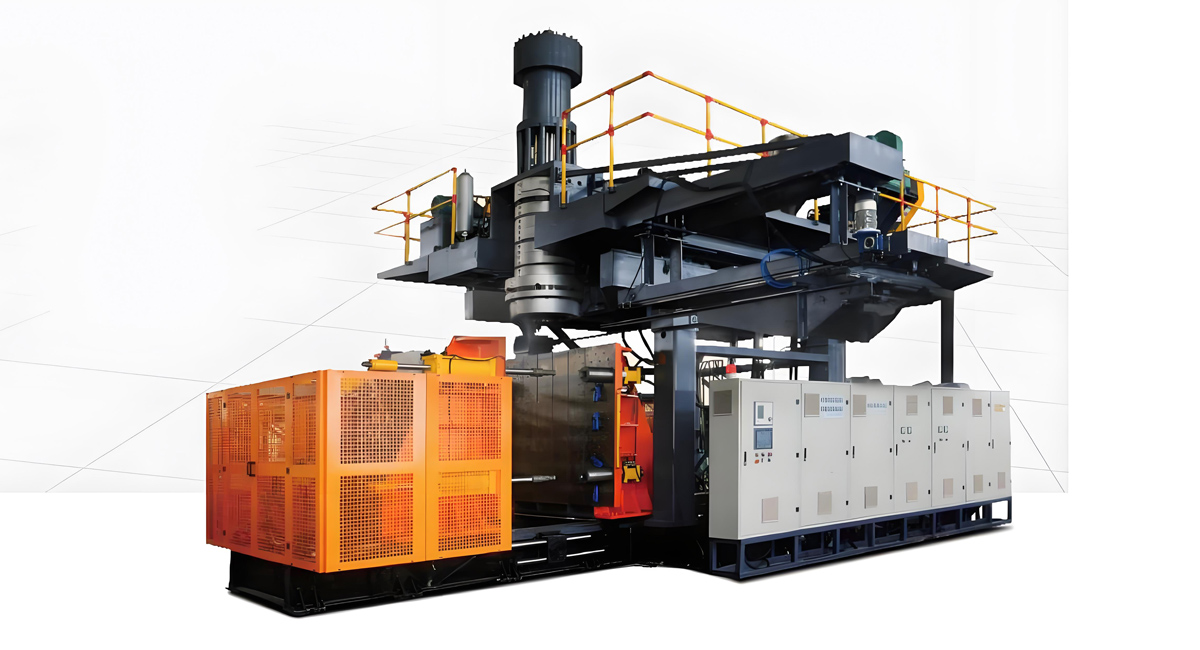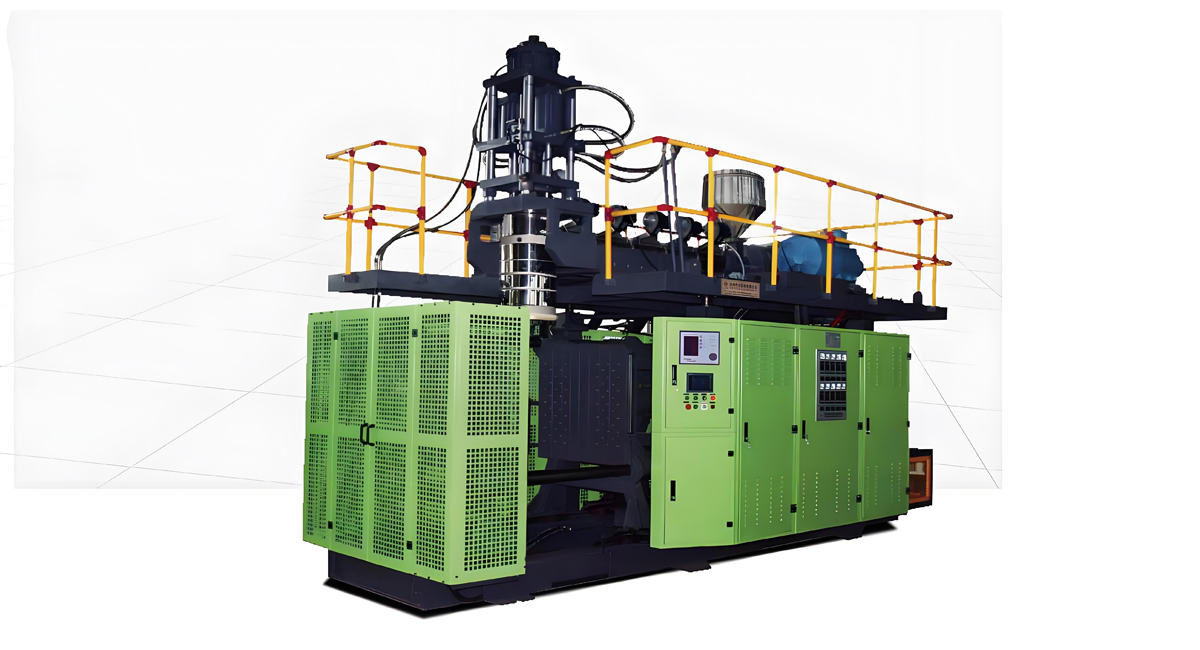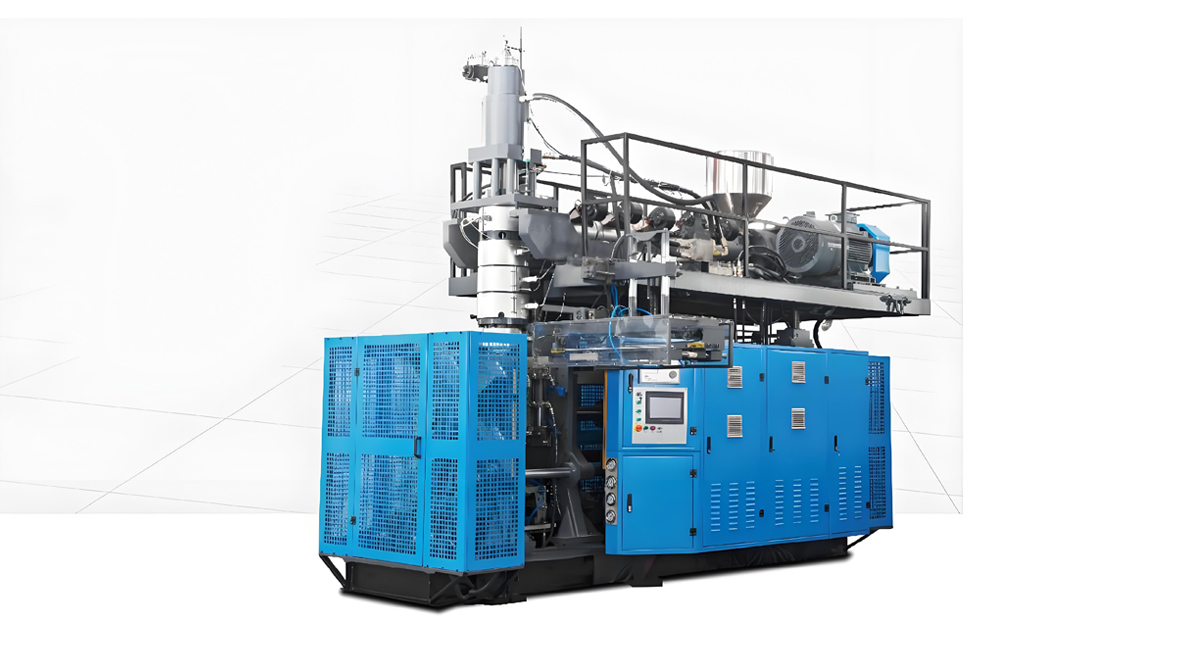
Introduction to China-Made Extrusion Blow Molding Machines
Chinese extrusion blow molding machine manufacturers have significantly improved quality standards and technological capabilities, offering machines that compete effectively with European and American brands while providing substantial cost advantages. However, navigating the Chinese market requires understanding critical quality features, technological capabilities, and supplier characteristics that distinguish superior machines from lower quality options. This comprehensive guide explores essential features to evaluate when selecting China-made extrusion blow molding machines, with specific focus on Apollo quality standards and manufacturing excellence.
Extrusion System Quality and Performance
The extrusion system represents the heart of any blow molding machine, directly affecting product quality, production efficiency, and operational reliability. Evaluating extrusion system quality requires attention to multiple technical specifications and manufacturing standards.
Extruder Screw and Barrel Design
High-quality extrusion blow molding machines feature precision-engineered screw and barrel designs optimized for specific material requirements. Apollo extruder screws feature advanced flight designs ensuring uniform melting and material homogeneity, with L/D ratios ranging from 25:1 to 33:1 depending on model and application. Barrel temperature control should provide at least 5-7 heating zones with precision of ±1°C, enabling optimal processing conditions for diverse materials. High-grade nitrided steel or bimetallic barrel construction provides extended service life, particularly when processing abrasive materials like filled compounds. Screw diameters ranging from 80-120mm in dual extruder configurations enable flexible material processing capabilities across various product sizes.
Drive System Configuration
Modern extrusion blow molding machines should feature advanced drive systems combining power efficiency with precise control. Apollo machines offer both hydraulic and electric drive options, with electric drives providing superior energy efficiency (up to 40% reduction compared to hydraulic systems) and precise speed control. Variable frequency drives enable speed optimization for different materials and products while reducing energy consumption during partial load operation. Drive system power ratings should match production requirements, with Apollo systems offering motor power from 37-132 kW per extruder depending on machine model. Robust drive systems ensure stable extrusion operation even under demanding production conditions.
Temperature Control and Regulation
Precise temperature control represents critical requirement for consistent product quality. Quality machines feature multi-zone temperature control with PID controllers providing precise regulation. Apollo systems incorporate temperature feedback sensors at multiple points along barrel and die, enabling real-time monitoring and adjustment. Independent control for each extruder enables processing of different materials simultaneously for multi-layer applications. Temperature uniformity across barrel zones should not exceed ±2°C under steady-state conditions, with Apollo systems typically achieving ±1°C uniformity. Advanced control systems should provide temperature profiling capabilities enabling optimization for different materials and products.
Clamping and Mold System Capabilities
The clamping system provides the force necessary to keep molds closed during the blowing process, directly affecting product quality and dimensional accuracy. Evaluating clamping system quality requires understanding force requirements, mold mounting capabilities, and control precision.
Clamping Force and Performance
Adequate clamping force ensures proper mold closure preventing flash formation while maintaining dimensional accuracy. Apollo machines offer clamping forces ranging from 210-1800 KN (approximately 21-184 tons) to accommodate diverse product sizes and requirements. Clamping force should be selected based on maximum product projection area and material characteristics, with adequate safety margin typically 20-30% above calculated requirements. Clamping systems should provide consistent force application across full mold area, with Apollo systems featuring precision control ensuring uniform pressure distribution even for large product sizes.
Mold Mounting and Adaptability
Quality machines feature flexible mold mounting systems accommodating various mold sizes and configurations. Apollo clamp plates accommodate mold sizes up to 1600x2200mm depending on model, providing versatility for diverse product ranges. Mold mounting systems should feature precision alignment capabilities ensuring proper mold registration and preventing product quality issues. Quick-change mold systems reduce downtime between product changes, with some Apollo models featuring automated mold change capabilities. Mold mounting surfaces should be precision machined and hardened to resist wear and maintain alignment accuracy over extended service life.
Clamping Control Precision
Precise clamping control enables optimization of clamp force for different products while protecting molds and machine components. Advanced systems provide proportional control adjusting clamp force based on blow pressure requirements. Apollo clamping systems feature electronic position sensing enabling precise control of clamp opening and closing motions. Clamping speed control enables optimization for different product sizes and cycle requirements, with some models featuring multi-speed clamping cycles for maximum efficiency. Proper clamping control extends mold life and reduces maintenance requirements while ensuring consistent product quality.
Blowing and Pinch System Design
The blowing system provides air pressure to inflate the parison against mold surfaces, while pinch systems seal and cut the product. These systems significantly affect product quality, material efficiency, and operational consistency.
Air Pressure and Control
Reliable air pressure systems provide consistent blowing performance essential for product quality. Apollo machines feature air pressure systems delivering 0.8-1.2 MPa (approximately 115-175 psi) with precise pressure regulation. Multi-stage blowing capability enables optimized air delivery patterns for different products, with some Apollo models featuring programmable blowing profiles. Air consumption requirements vary with product size and configuration, typically 1.0-6 m3/minute depending on machine model. Quality systems include pressure monitoring and regulation ensuring consistent operation while protecting against overpressure conditions.
Pinch System Precision
Precise pinch systems ensure proper product sealing, flash separation, and dimensional accuracy. Apollo pinch systems feature hardened tool steel components providing long service life even with abrasive materials. Adjustable pinch gap control enables optimization for different material thicknesses and product requirements. Some advanced models feature servo-controlled pinch systems providing programmable motion profiles for maximum efficiency. Proper pinch system design minimizes material waste while ensuring consistent product quality and dimensional accuracy.
Head and Parison Control
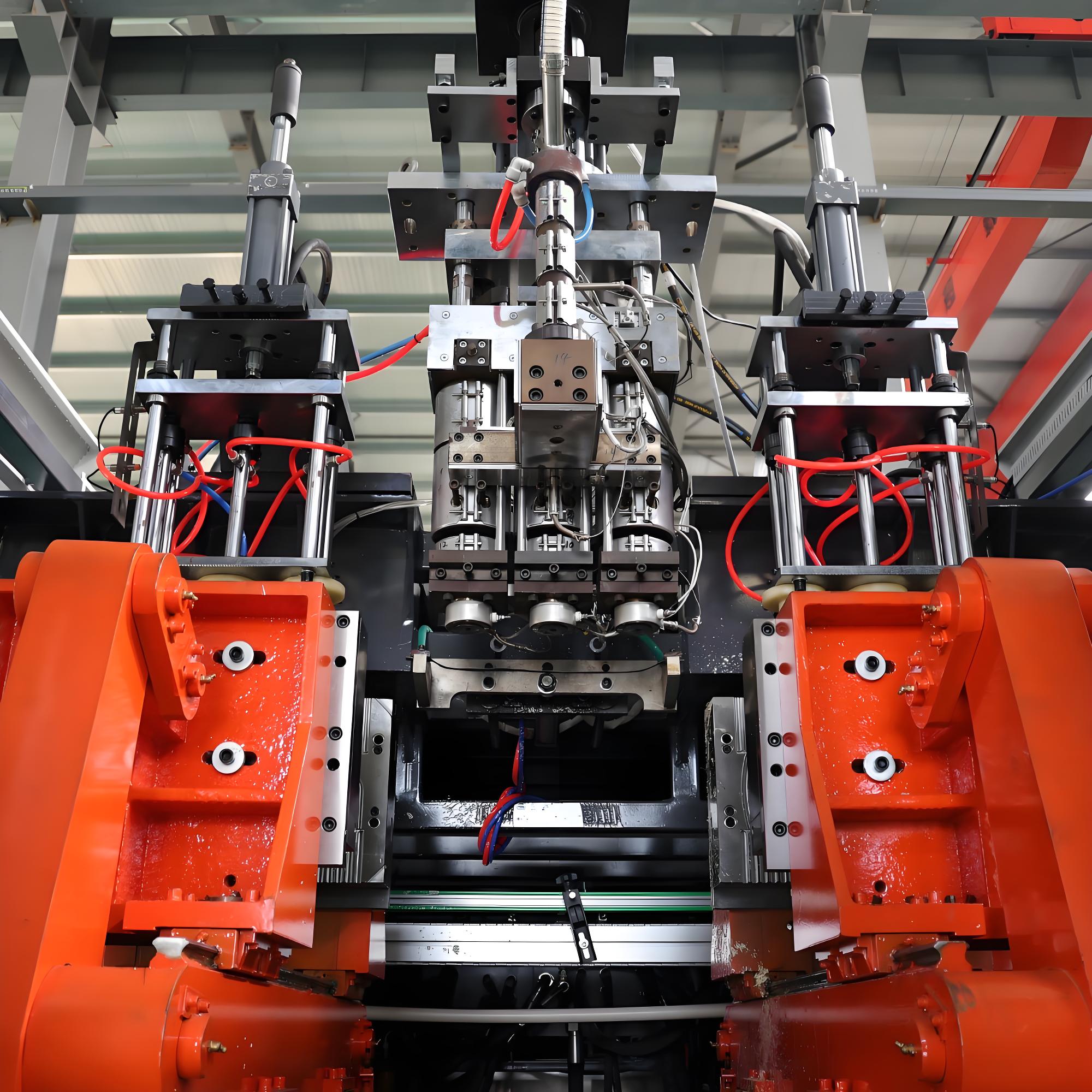
Advanced head designs and parison control systems enable precise wall thickness control and material distribution. Apollo machines feature sophisticated parison programming systems enabling wall thickness control at multiple points along parison length. Electronic wall thickness sensors provide real-time feedback for closed-loop control, ensuring consistent product quality. Multiple head configurations including dual head options enable simultaneous production of multiple products for increased efficiency. Head designs should provide uniform material distribution with minimal dead zones, reducing material waste and improving product consistency.
Automation and Control System Features
Modern extrusion blow molding machines incorporate sophisticated automation and control systems that significantly affect operational efficiency, ease of use, and production consistency. Evaluating control system quality requires understanding hardware capabilities, software functionality, and integration potential.
PLC Control System Quality
Quality machines feature industrial-grade PLC systems from reputable manufacturers providing reliable operation. Apollo machines incorporate PLC systems from leading manufacturers including Siemens, Mitsubishi, or Omron depending on market region and customer preference. Control systems should provide intuitive operator interfaces with touchscreen displays enabling easy operation and monitoring. Machine memory should enable storage of multiple production recipes enabling rapid changeover between products. Remote monitoring capabilities enable production monitoring and troubleshooting from remote locations, with some Apollo models offering internet connectivity options.
HMI Interface Design
Human-machine interfaces should provide intuitive operation while delivering comprehensive monitoring and control capabilities. Apollo HMI systems feature clear graphical displays showing real-time machine status, production parameters, and production statistics. Alarms and diagnostics should provide clear descriptions of problems and recommended corrective actions. Touchscreen interfaces should enable direct parameter adjustment without requiring extensive training. Multi-language support enables operation by diverse workforce personnel, with Apollo systems supporting English, Chinese, and other major languages upon request.
Production Monitoring and Data Collection
Advanced monitoring systems provide real-time production data enabling performance optimization and quality assurance. Apollo machines feature production counters tracking cycle times, production quantities, and machine efficiency. Data logging capabilities enable historical analysis of production performance identifying optimization opportunities. Network connectivity enables integration with plant-wide MES systems for comprehensive production management. Some advanced models provide predictive maintenance alerts based on machine operating parameters and component wear prediction.
Construction Quality and Durability Features
Machine construction quality directly affects service life, maintenance requirements, and long-term operational reliability. Evaluating construction quality requires attention to materials, fabrication standards, and durability features.
Structural Frame Design
Robust structural frames provide foundation for reliable operation under demanding conditions. Apollo machines feature heavy-duty steel construction with appropriate cross-sections and reinforcement ensuring stiffness and resistance to deflection. Frame designs incorporate access platforms and maintenance access while maintaining structural integrity. Welding should follow quality standards with proper preparation and welding procedures ensuring structural integrity. Finish coatings including powder coating or paint provide corrosion resistance and aesthetic appearance. Frame design should accommodate transportation requirements while maintaining machine alignment during installation.
Component Quality and Sourcing
Quality machines incorporate reputable components from established suppliers ensuring reliability and availability of spare parts. Apollo selects components from global suppliers including bearings from SKF, NSK, or equivalent, hydraulic components from Bosch Rexroth, Parker, or equivalent, and electrical components from Schneider, Siemens, or equivalent. Component selection should consider local availability of spare parts to minimize downtime for component replacement. Quality machines provide comprehensive documentation including component specifications and recommended suppliers for spare parts.
Surface Finish and Corrosion Protection
Quality machines feature appropriate surface finishes and corrosion protection ensuring long service life even in challenging environments. Apollo machines feature powder coating or high-quality paint systems providing corrosion resistance and attractive appearance. Stainless steel components in areas contacting materials provide corrosion resistance for applications requiring sanitary conditions. Proper sealing and protection of electrical components prevent moisture and dust ingress. Fasteners should be corrosion-resistant with appropriate plating or coating for long service life.
Safety Features and Compliance
Safety represents critical consideration for any industrial equipment, with quality machines incorporating comprehensive safety features and compliance with relevant standards. Evaluating safety features requires attention to protective devices, emergency systems, and regulatory compliance.
Machine Guarding and Safety Interlocks
Comprehensive guarding protects operators from moving parts and potential hazards. Apollo machines feature full guarding on moving components including extruder drives, clamping systems, and other hazardous areas. Safety interlocks prevent machine operation when guards are opened or safety conditions are violated. Guard materials should be sturdy and transparent where appropriate enabling observation while providing protection. Interlock systems should be robust and difficult to defeat while enabling legitimate maintenance access.
Emergency Stop Systems
Multiple emergency stop buttons provide rapid machine shutdown capability in emergency situations. Apollo machines feature emergency stop buttons at multiple locations including main control panel, mold area, and material loading area. Emergency stop systems should directly cut power to hazardous motion while maintaining control system operation for diagnostics. Emergency stop systems should be regularly tested and maintained ensuring proper functionality. Clear labeling and accessibility of emergency stop devices enable rapid response to emergencies.
Regulatory Compliance
Quality machines comply with relevant international standards including CE marking for European markets, UL/ETL certification for North American markets, and appropriate local standards for other regions. Apollo machines comply with international safety standards including ISO 13849, IEC 61508, and relevant machinery directives. Compliance documentation should be provided including certificates of conformity and declarations of compliance. Machine design should incorporate risk assessment results addressing identified hazards with appropriate protective measures.
Energy Efficiency Considerations
Energy consumption represents significant operating cost for blow molding operations, with quality machines incorporating features reducing energy usage while maintaining production capacity. Evaluating energy efficiency requires understanding drive systems, insulation, and heat recovery potential.
Drive System Efficiency
Modern drive systems provide substantial energy savings compared to traditional hydraulic systems. Apollo electric drive machines reduce energy consumption by 30-40% compared to equivalent hydraulic machines while providing superior control. Variable frequency drives enable energy savings during partial load operation by matching motor speed to actual demand. Regenerative braking capabilities on servo drives recover energy during deceleration phases, particularly beneficial for machines with frequent cycle variations. Properly sized drive systems avoid energy waste from oversized motors running at partial load.
Thermal Insulation and Heat Management
Proper insulation reduces heat loss from heated surfaces, improving energy efficiency and workplace safety. Apollo machines feature thermal insulation on barrel sections, heater bands, and other heated surfaces reducing heat loss by 30-50%. Insulation materials should be durable and easily removable for maintenance access. Heat recovery systems can capture waste heat from cooling systems for facility heating or other applications, particularly relevant for operations in colder climates. Proper thermal management improves energy efficiency while creating more comfortable working conditions.
Auxiliary Equipment Integration
Efficient auxiliary equipment including chillers, loaders, and material drying systems contribute to overall energy efficiency. Apollo machines feature optimized connections and control interfaces enabling efficient operation of auxiliary equipment. Integrated control systems coordinate main machine and auxiliary equipment operation optimizing overall energy consumption. Variable speed pumps and fans in auxiliary equipment provide additional energy savings opportunities. Proper sizing of auxiliary equipment ensures efficient operation without oversizing waste.
Service and Support Capabilities
Reliable service and support represents critical consideration for long-term machine operation and return on investment. Evaluating support capabilities requires understanding technical assistance availability, spare parts availability, and training programs.
Technical Support Availability
Quality manufacturers provide responsive technical support addressing operational problems and optimization questions. Apollo provides comprehensive technical support including phone, email, and remote diagnostic capabilities. Support staff should have deep technical knowledge of machine operation and maintenance practices appropriate for the specific machine models. Response times should meet production requirements with some suppliers offering 24/7 support for critical applications. Support documentation including operation manuals, maintenance guides, and troubleshooting references should be comprehensive and readily accessible.
Spare Parts Availability
Reliable spare parts availability minimizes downtime from component failures or scheduled maintenance. Apollo maintains comprehensive spare parts inventory including wear parts, electrical components, and mechanical components. Spare parts should be available with reasonable lead times, with common items stocked for immediate shipment. Proper documentation including spare parts lists and recommended stocking quantities enables customer planning and preparation. Spare parts pricing should be reasonable and transparent, with some suppliers offering spare parts packages with new machine purchases.
Training and Knowledge Transfer
Comprehensive training programs enable effective machine operation and maintenance by customer personnel. Apollo provides operator training covering machine operation, basic troubleshooting, and safety procedures. Maintenance training covers preventive maintenance procedures, component replacement, and machine adjustment techniques. Training may be provided at customer facility or at Apollo factory depending on customer preference and complexity. Training materials including videos, manuals, and quick reference guides support ongoing knowledge transfer and refreshment.
Quality Assurance and Testing Standards
Rigorous quality assurance and testing procedures ensure machine quality and reliability before delivery to customers. Understanding quality assurance approaches provides insight into manufacturer commitment to quality.
Factory Testing Procedures
Quality machines undergo comprehensive factory testing before shipment verifying performance and reliability. Apollo performs extensive factory testing including operation under load, material processing verification, and extended operation periods testing. Testing should include verification of all machine functions including safety systems, control systems, and auxiliary equipment integration. Customers may witness factory testing or receive detailed test reports documenting machine performance. Proper testing before shipment minimizes startup problems and ensures machines meet specification requirements.
Component Quality Verification
Quality verification of incoming components ensures machine quality starts with proper component selection. Apollo verifies component quality through supplier qualification programs and incoming inspection. Critical components including bearings, motors, and electrical components should undergo testing before installation. Material certifications verify metal quality for structural components and wear parts. Component traceability enables identification and correction of quality problems if issues occur after installation.
Assembly Quality Control
Rigorous assembly quality control ensures proper machine construction and assembly. Apollo implements assembly quality control procedures including dimensional verification, alignment checks, and electrical testing. Assembly personnel should receive appropriate training and follow documented assembly procedures ensuring consistency. Quality checkpoints throughout assembly process catch problems early reducing rework and ensuring final quality. Final inspection before shipment verifies all quality requirements are met and machines are ready for customer installation.
Cost Considerations and Value Analysis
While initial cost represents important consideration, total cost of ownership including operating costs, maintenance expenses, and productivity should guide purchasing decisions. Understanding cost structure enables proper value comparison between different machine options.
Initial Investment Analysis
China-made extrusion blow molding machines typically cost 40-60% less than equivalent European or American machines while providing comparable performance. Apollo machine pricing ranges from $45,000-85,000 for medium capacity models to $160,000-250,000 for maximum capacity configurations depending on features and automation level. Initial cost should be evaluated against performance capabilities, quality features, and included equipment. Lower-cost options may lack critical features or components, creating higher long-term costs through reduced productivity or increased maintenance.
Operating Cost Considerations
Operating costs including energy consumption, labor, maintenance, and consumables vary significantly between different machine designs and configurations. Electric drive Apollo machines typically consume 30-40% less energy than equivalent hydraulic machines, representing substantial annual savings for continuous operation. Automation features reduce labor requirements while improving consistency. Quality construction reduces maintenance frequency and component replacement costs. Proper evaluation of operating costs over expected machine life provides accurate total cost comparison.
Productivity and Value Calculation
Machine productivity including cycle times, changeover times, and uptime directly affects revenue potential and return on investment. Apollo machines feature optimized cycle times and rapid changeover capabilities maximizing production efficiency. Reliable operation with minimal downtime increases effective production capacity. Material efficiency through precise control reduces material waste and raw material costs. Value analysis should consider productivity improvements over expected machine life rather than focusing solely on initial cost.
Apollo Quality Standards and Competitive Advantages
Apollo has established strong reputation for quality extrusion blow molding machines providing excellent value combining advanced technology, robust construction, and competitive pricing. Understanding Apollo’s specific advantages provides context for evaluating machine features and quality.
Manufacturing Excellence
Apollo manufacturing facilities incorporate advanced machining equipment, quality control systems, and assembly procedures ensuring consistent machine quality. Factory investment in modern CNC equipment enables precise component manufacture with tight tolerances. Quality management systems following ISO standards ensure consistent quality across production runs. Skilled workforce with extensive experience in blow molding machine manufacturing provides expertise in machine design and assembly. Continuous improvement programs identify and implement quality enhancement opportunities.
Technological Innovation
Apollo invests in technological innovation incorporating advanced features providing competitive advantages. Continuous research and development programs address customer requirements and emerging market opportunities. Collaboration with material suppliers and technology partners ensures Apollo machines support latest materials and processing requirements. Innovation focuses on productivity improvements, energy efficiency, and ease of operation providing tangible customer benefits. Apollo machines incorporate proven technologies ensuring reliability while incorporating innovative features enhancing performance.
Customer-Focused Approach
Apollo maintains strong customer focus providing machines meeting specific customer requirements rather than offering only standard configurations. Customization capabilities enable machine adaptation for specific products or production requirements. Application engineering support helps customers optimize machine configuration for their specific applications. Responsive customer service addresses customer questions and issues promptly. Long-term customer relationships built on mutual success guide Apollo business approach.
Evaluation and Selection Process
Systematic evaluation process ensures selection of appropriate machine meeting specific requirements while providing excellent value. Proper evaluation considers production requirements, quality expectations, support needs, and total cost of ownership.
Requirements Definition
Clear requirements definition provides foundation for machine evaluation and selection. Production requirements including product range, production volume, and material specifications guide machine selection. Quality expectations including dimensional tolerances, appearance requirements, and consistency levels influence equipment features and capabilities. Facility constraints including space, utilities, and operator skills affect machine configuration and automation level selection. Budget considerations balance initial investment against long-term value and operational costs.
Supplier Assessment
Thorough supplier assessment identifies reliable manufacturers capable of providing suitable equipment and support. Supplier experience and reputation in blow molding machine manufacturing provides insight into reliability and expertise. Customer references from similar applications validate supplier claims and provide practical insights. Quality certifications and compliance with international standards indicate commitment to quality. Manufacturing facility visits when possible provide direct observation of quality systems and manufacturing capabilities.
Machine Evaluation and Comparison
Detailed machine evaluation compares different options against defined requirements and expectations. Technical specifications provide quantitative comparison of performance capabilities. Demonstration of similar machines when possible provides validation of claimed performance. Cost analysis including initial investment, operating costs, and maintenance requirements enables total cost comparison. Support capabilities assessment ensures adequate service and technical assistance available. Systematic evaluation ensures informed decision-making based on comprehensive analysis.
Conclusion and Recommendations
China-made extrusion blow molding machines offer excellent value combining advanced technology, quality construction, and competitive pricing when selecting appropriate manufacturers like Apollo. Focusing on critical quality features including extrusion system performance, clamping system capabilities, control system sophistication, and construction quality ensures selection of machines providing reliable long-term operation. Apollo machines excel across these critical feature categories while providing responsive support and comprehensive after-sales service.
Key Selection Criteria
Machine selection should prioritize features matching specific application requirements rather than generic specifications. Extrusion system quality and control directly affects product quality and consistency. Clamping system performance determines dimensional accuracy and production capability. Control system sophistication influences operational efficiency and ease of use. Construction quality and component selection determine reliability and maintenance requirements. Apollo machines demonstrate excellence across all critical criteria while providing competitive pricing.
Next Steps
Contact Apollo technical sales to discuss specific machine requirements and receive personalized recommendations. Request detailed machine specifications and performance data for models matching production requirements. Consider facility visits to Apollo manufacturing facility for direct observation of quality systems and manufacturing capabilities. Develop comprehensive evaluation criteria including technical specifications, quality features, support capabilities, and total cost considerations to ensure informed purchasing decision. Reference customer contacts for similar applications provide practical insights into machine performance and supplier reliability.