
How to Reduce Scrap and Improve Wall Thickness Control in Extrusion Blow Molding
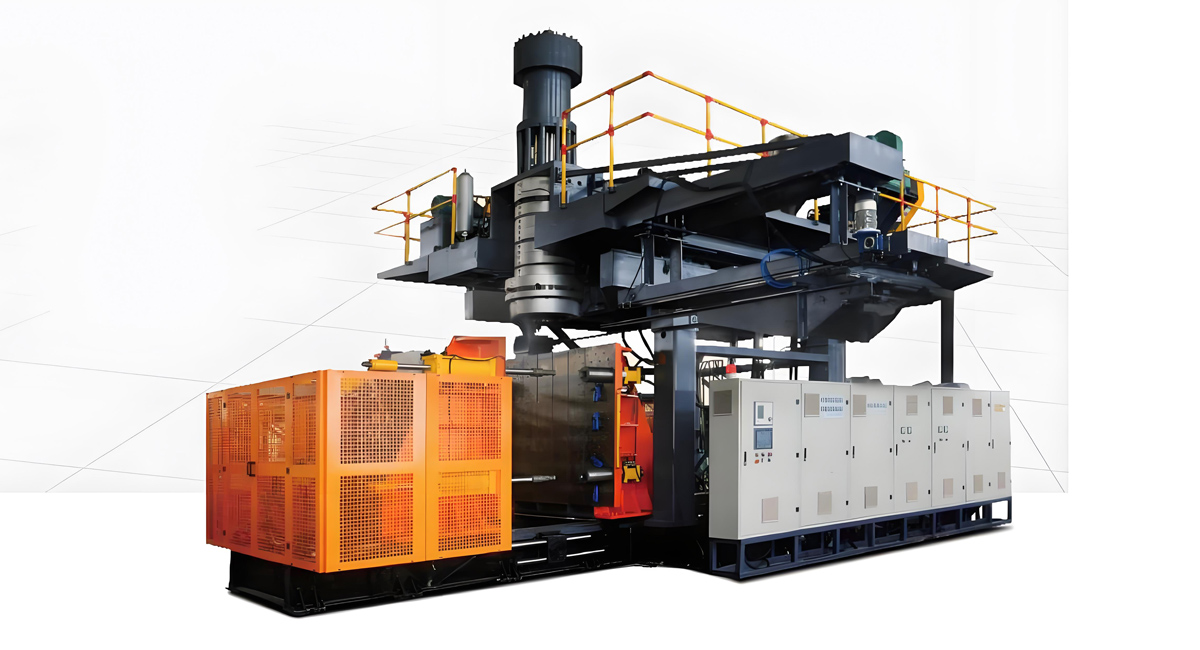
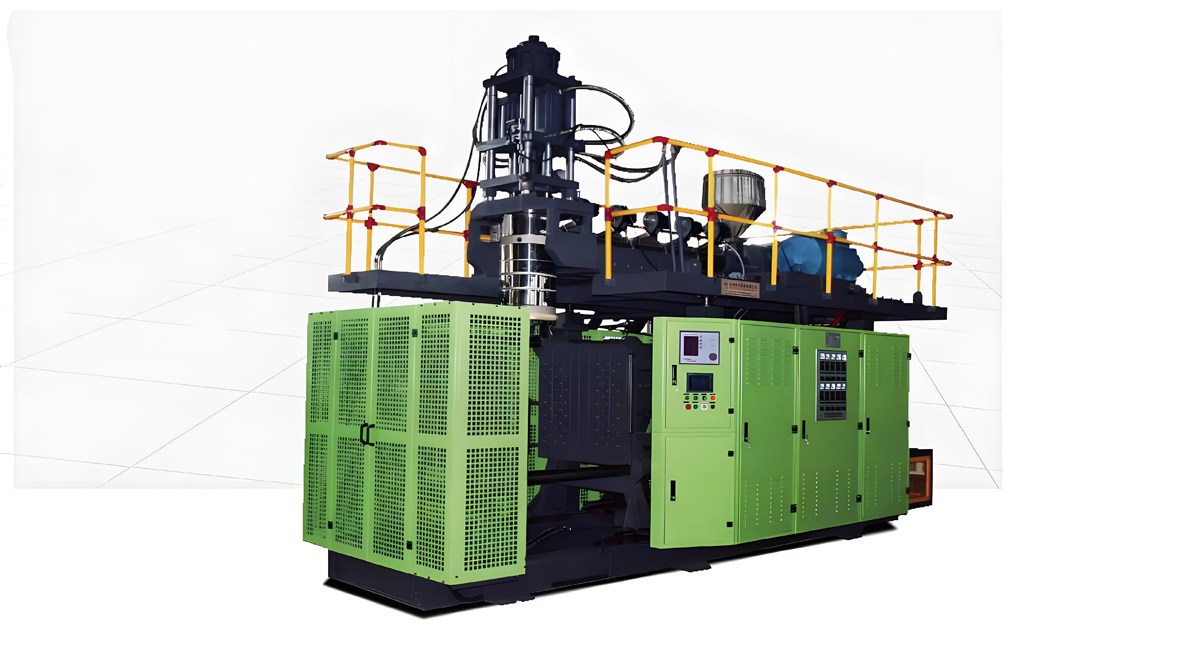
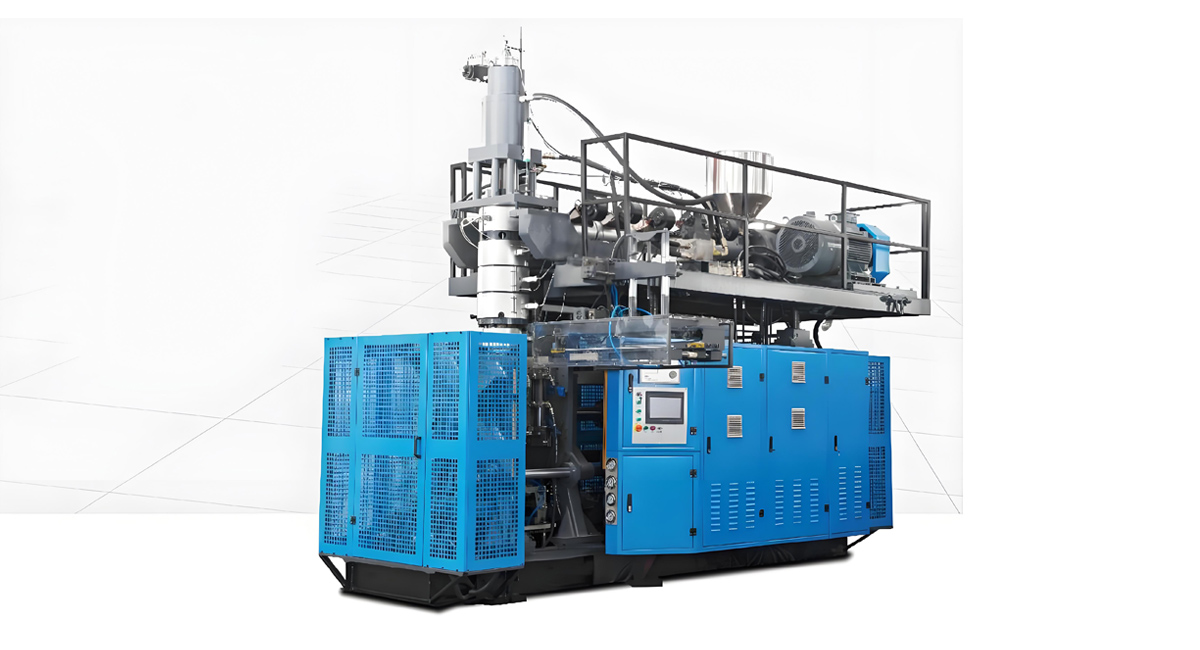
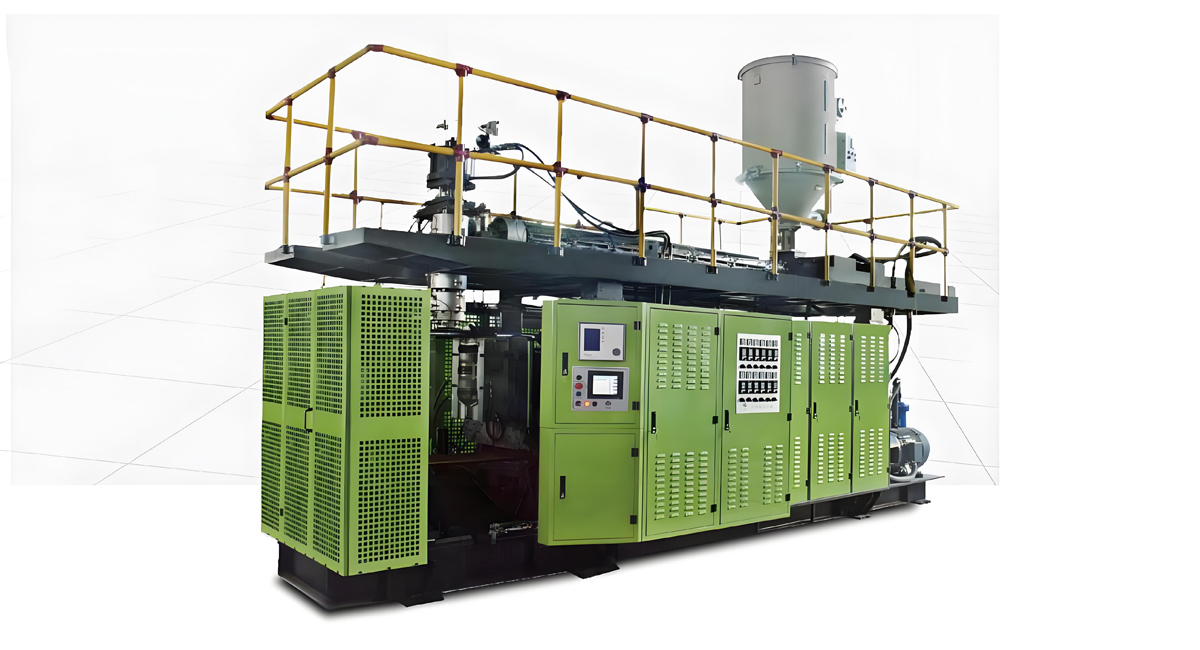
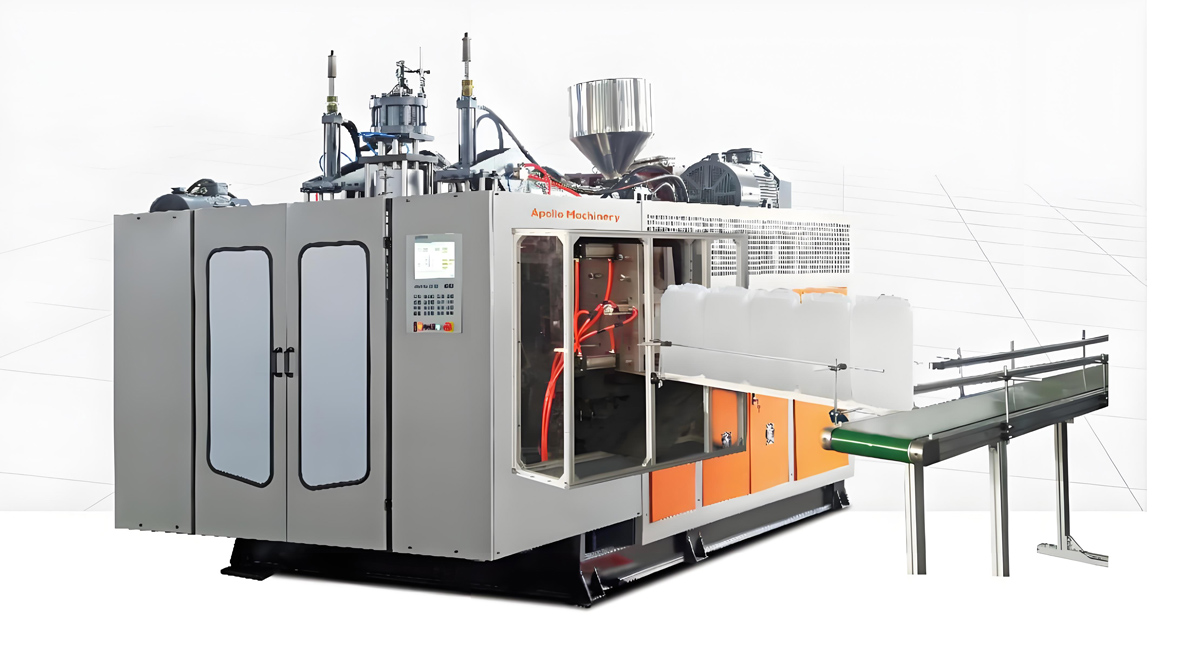
Scrap and uneven wall thickness represent the largest hidden costs on any blow molding line, silently eroding margins through wasted resin and rejected parts. This guide provides a comprehensive engineering approach to mastering these critical variables within an Extrusion Blow Molding Machine environment. We examine parison programming precision, die head setup accuracy, melt strength management, mold cooling efficiency, and optimal process settings. Furthermore, we detail defect diagnosis techniques and rigorous measurement protocols to ensure consistent quality. A full cost analysis quantifies the financial impact of these improvements, offering clear benchmarks for return on investment. Apollo manufactures advanced extrusion blow molding machines covering a capability range from 5ML to 5000L, including the ABLB Series for small containers up to 20L and the ABLD Series for large industrial drums up to 1500L. Our Fully Electric series also serves the 200ML to 20L segment with high precision. By applying these methods, operators can significantly reduce material waste and improve dimensional stability. This article equips you with practical knowledge to enhance productivity and profitability. You will gain actionable strategies to minimize defects and achieve superior wall thickness control across your production runs today.
Why Wall Thickness and Scrap Dominate Production Cost
Resin represents the single largest variable expense in blow molding operations, making scrap elimination the most direct lever for protecting profit margins. Every kilogram of polymer discarded due to out of specification parts erodes revenue without generating sellable product. Consider a medium output line producing one million bottles annually on an ABLB Series machine. If the average wall thickness exceeds the minimum functional requirement by just five percent, the plant wastes significant material volume. Conversely, precise control allows processors to target the absolute lower limit of tolerance, saving thousands of dollars in raw materials each year. Uneven walls force operators to set heavier overall targets to ensure no section falls below specification, which unnecessarily inflates resin consumption and cycle times.
Scrap is not merely a material loss; it consumes critical machine time, electrical energy, and labor resources. A single defective unit requires the full extrusion, parison formation, and cooling cycle, only to be rejected at inspection. This inefficiency compounds rapidly across high volume runs. For context, scrap costs on a medium output line can range from fifteen thousand to fifty thousand dollars annually, depending on resin prices and defect rates. These figures are indicative estimates and vary by region and material type. Achieving consistent wall distribution requires a stable Extrusion Blow Molding Machine with precise die gap control and synchronized head speed. Poor uniformity leads to weak spots that burst during testing or excessive weight in heavy zones. By optimizing process parameters, manufacturers reduce both material waste and non productive downtime. The goal is not just compliance but efficiency, ensuring every gram of resin contributes to a saleable container rather than landfill or regrind streams.
What Controls Parison Formation and Wall Distribution
Parison formation is the critical first step in determining final container quality on any Extrusion Blow Molding Machine. The process begins when molten polymer exits the die head, creating a tube of material that must maintain structural integrity until the mold closes. Melt strength is paramount here because it resists gravitational sag. If the melt lacks sufficient viscosity or molecular weight, gravity pulls the parison downward, thinning the upper sections while thickening the lower areas before clamping occurs. This vertical distortion directly causes uneven wall thickness and increases scrap rates significantly.
Die swell also plays a vital role as the polymer expands upon exiting the die gap. The extrusion rate combined with the specific die gap setting determines the initial parison weight per unit length. Operators must balance these parameters carefully to ensure enough material reaches the base without overfilling the neck area. Once the mold closes, it pinches the top and bottom of the parison, trapping air which then expands to fill the cavity corners. This inflation process stretches the thinnest areas first, often leading to weak spots in complex geometries like handles or sharp corners.
Base thickness is particularly challenging because material tends to accumulate at the bottom during sagging, yet stretching during blow off can still cause failure if distribution is poor. Modern equipment such as the ABLB Series for containers from 200ML to 20L and the ABLD Series for larger volumes up to 1500L offer precise axial parison programming to counteract these physical forces. For smaller, high precision applications, Fully Electric series machines provide superior control over die movement. Investing in advanced control systems typically requires a budget of fifty thousand to two hundred thousand US dollars depending on capacity and automation level, though this is an indicative range subject to configuration changes. Proper parison management reduces material waste and ensures consistent wall distribution across the entire container surface.
Parison Programming for Even Wall Thickness
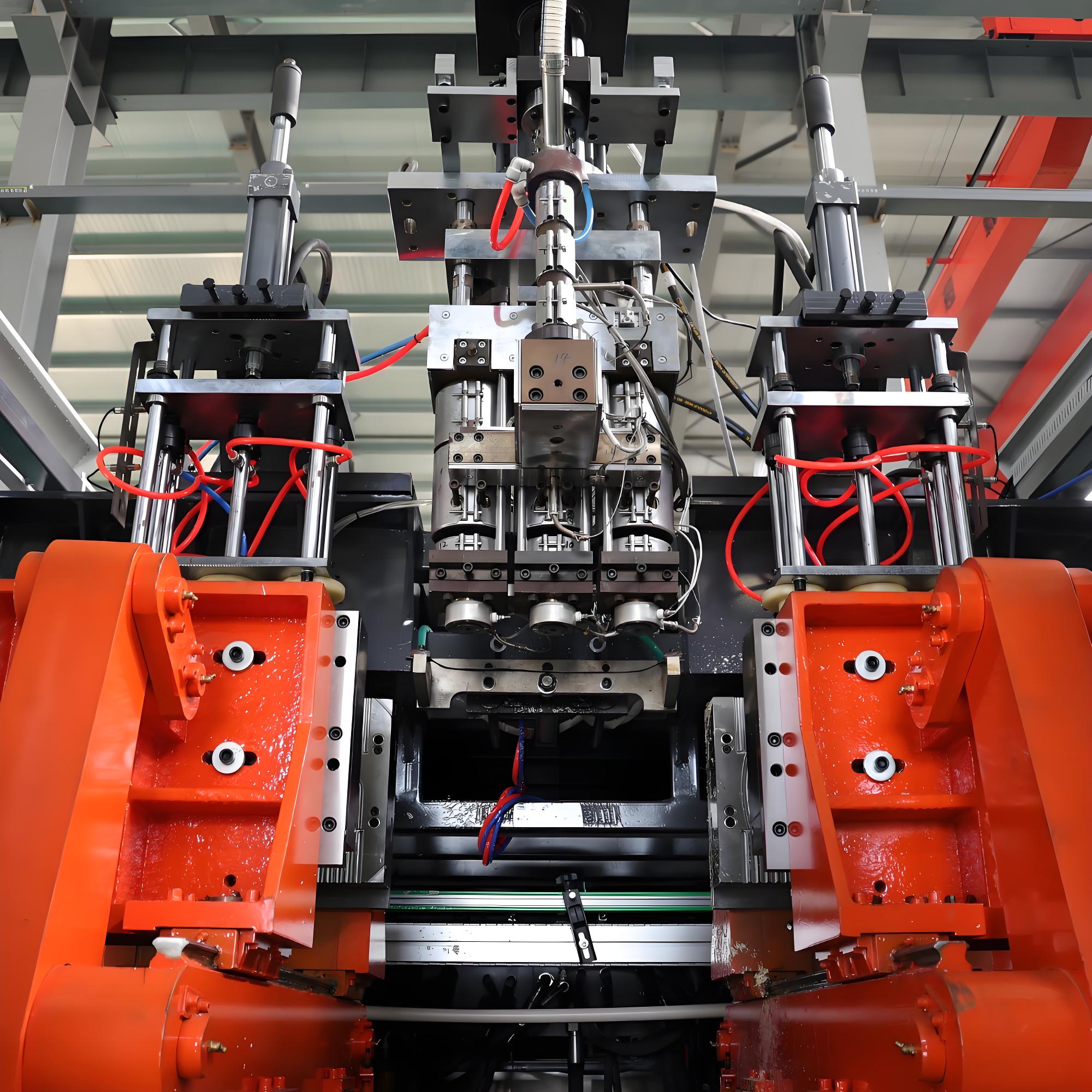
Parison programming is the cornerstone of precise wall thickness control in extrusion blow molding. By dynamically adjusting the die gap during extrusion, an Extrusion Blow Molding Machine places resin exactly where structural strength is required. This technique prevents excessive material accumulation at the neck and base while ensuring sufficient coverage across complex geometries like handles or large drum corners. Operators define specific programming points along the parison length to create a tailored wall thickness profile. For instance, a bottle with an integrated handle demands thicker walls at stress concentration zones, whereas a 1500 liter drum from the ABLD Series requires uniform reinforcement against hoop stress. Building such profiles starts with section weight measurements taken from trial runs. Engineers map these weights to specific die gap settings, iteratively refining the program until target weights are met within tight tolerances. Over programming is a common pitfall that wastes valuable resin and increases cycle times without improving part quality. A typical wall thickness range for standard containers sits between 0.3 and 1.2 millimeters, though this varies significantly based on container volume and material grade. Investing in advanced control systems for the Fully Electric series or ABLB Series models can cost between fifty thousand and two hundred thousand US dollars depending on automation levels. This budgetary range assumes standard configurations and excludes auxiliary tooling costs. Proper tuning reduces scrap rates by minimizing thin spots that lead to burst failures and thick sections that cause cooling issues. Consistent parison control ensures dimensional stability and material efficiency, directly impacting production economics.
Die Head Setup, Die Gap and Melt Flow
The die head is the critical interface determining parison uniformity in any Extrusion Blow Molding Machine. Even minor deviations in die gap uniformity cause immediate wall thickness variation, leading to scrap and weak containers. A worn or dirty head introduces streaks and uneven extrusion because polymer melt encounters inconsistent resistance across the circumference. Regular inspection is vital. Operators must check for carbon buildup or scratches that disrupt flow laminar behavior. Cleaning intervals depend on resin type but generally occur every two hundred hours of operation. To verify straightness, visually inspect the falling parison against a reference line or use laser alignment tools if available. A bent paron signals misalignment or internal damage requiring immediate attention.
Die swell is another key factor. As melt exits the die, it expands due to elastic recovery. This expansion must be compensated for by precise gap settings. Higher melt temperatures reduce viscosity and alter swell ratios, so thermal stability within five degrees Celsius is essential. Continuous heads suit high speed production of small bottles like those on the ABLB Series or Fully Electric series, where consistent flow is paramount. Accumulator heads handle large volumes for the ABLD Series by storing melt before extrusion, allowing better control over wall thickness in heavy containers. Tuning differs significantly. Continuous heads rely on screw speed and temperature profiles, while accumulator heads require precise ram timing and valve pin actuation to manage pressure spikes. Refurbishing a damaged die head typically costs between five hundred and two thousand US dollars, depending on complexity and material hardness. This is an indicative range; actual quotes vary by region and vendor. Neglecting this maintenance leads to higher long term scrap rates than the refurbishment cost itself.
Resin, Melt Strength and Reprocessing
Resin selection fundamentally dictates parison stability and final wall uniformity. Polyethylene grades vary significantly in melt strength, which directly influences sag resistance during extrusion. High density polyethylene offers robust rigidity but may require specific molecular weight distributions to prevent excessive thinning at the base of large containers. Polypropylene presents a more challenging profile due to its semi crystalline nature and lower melt strength, often necessitating chain extension or nucleating agents to stabilize the parison on an Extrusion Blow Molding Machine. Barrier resins like ethylene vinyl alcohol demand precise temperature control because narrow processing windows can lead to immediate viscosity drops and uneven walls.
Regrind management is equally critical for consistent output. Introducing recycled material alters melt flow index values, typically increasing viscosity as polymer chains degrade or crosslink. A regrind ratio exceeding twenty percent often causes parison pulsation and visible streaks in the final part. Therefore, maintaining a strict maximum of fifteen to twenty percent regrind ensures predictable rheology. Consistency in the source of this recycled material is vital because mixing different resin lots introduces variable contamination levels that trigger die lines or gels.
Moisture content must remain below three hundred parts per million for hygroscopic materials to avoid bubble formation and surface defects. Contamination from dust or foreign particles creates weak points that fail pressure tests. Regular filtration and drying systems are essential investments. While basic auxiliary dryers cost between five thousand and fifteen thousand US dollars, advanced dehumidifying units range from twenty thousand to forty thousand US dollars depending on capacity. These figures represent indicative budget ranges for standard industrial setups. Proper material handling prevents costly scrap rates that quickly exceed the capital outlay for these systems, ensuring long term profitability for packaging producers operating ABLB Series or Fully Electric series equipment.
Mold Cooling and Its Effect on Wall and Cycle
Mold cooling dictates both dimensional stability and production speed in extrusion blow molding. Effective heat removal ensures the parison solidifies uniformly, preventing warpage and maintaining consistent wall thickness across complex geometries. Properly designed cooling channels within the mold halves are critical for extracting thermal energy efficiently from the polymer melt. When coolant temperature and flow rate remain stable, the part cools evenly, reducing internal stresses that lead to distortion. Uneven cooling creates differential shrinkage rates, causing localized thinning or thickening and resulting in high scrap rates during quality inspection.
The relationship between wall thickness and cooling time is roughly quadratic, meaning doubling the wall thickness can quadruple the required dwell time. Consequently, optimizing thermal management allows processors to target lighter part weights without compromising structural integrity. A well maintained Extrusion Blow Molding Machine with precise temperature control systems enables this balance by minimizing cycle times while preserving part quality. For typical polyethylene containers in the 200ML to 20L range produced on an ABLB Series machine, cooling phases often occupy between fifteen and forty five seconds depending on resin grade and ambient conditions. This indicative range varies significantly with mold design complexity and coolant velocity.
Investing in advanced thermal regulation hardware can yield substantial savings. Upgrading existing tooling or integrating high performance temperature controllers typically costs between five thousand and twenty thousand US dollars, though this estimate depends heavily on mold size and system integration requirements. Such improvements reduce cycle times by ten to fifteen percent, directly lowering per unit production costs. Consistent coolant flow prevents hot spots that cause thickness variation, ensuring repeatable results on every shot.
Process Settings That Reduce Scrap
To minimize scrap rates on an Extrusion Blow Molding Machine, operators must master five critical variables: blow pressure, blow time, mold temperature, extrusion speed, and parison drop. Each setting directly influences wall thickness distribution and defect formation. For instance, insufficient blow pressure often leads to thin walls in corners, while excessive pressure can cause webbing or stress whitening. Similarly, adjusting mold temperature within a tight range of 20 to 40 degrees Celsius ensures proper material flow without premature cooling cracks. Extrusion speed must match the parison weight to prevent sagging, especially when producing containers ranging from 5ML to 5000L capacity. Parison drop timing is equally vital; delaying it by even half a second can cause excessive neck thickness and uneven body walls.
A structured trial method is essential for consistent results. Change only one parameter at a time while holding all others constant, then record dimensional data and visual defects meticulously. This isolation prevents confounding variables that obscure root causes. For example, if you adjust blow time on an ABLB Series machine running 200ML bottles, observe how wall uniformity shifts before touching extrusion speed. Such discipline transforms guesswork into repeatable science. High precision controls are standard on Fully Electric series models for small to medium volumes, offering tighter repeatability than hydraulic systems. While upgrading to advanced control packages might cost between 15,000 and 30,000 US dollars, indicative budget ranges vary by supplier and region, the reduction in material waste often pays back this investment within twelve months through lower resin consumption and fewer rejected parts.
Diagnosing Scrap by Defect Type
Diagnosing scrap begins by categorizing defects to identify root causes efficiently. Thin corners often result from poor programming or excessive sag during parison formation. When material stretches too thinly at the base, structural integrity fails. Correct this by adjusting extrusion speed profiles and optimizing cooling times on your Extrusion Blow Molding Machine. Properly calibrating the accumulator head ensures consistent material distribution across complex geometries like handles or necks. Flashing occurs when molten plastic escapes between mold halves due to insufficient clamping force or worn die gaps. Check hydraulic pressure settings and inspect sealing surfaces for damage. Replacing worn seals typically costs under five hundred dollars, while upgrading to a high precision die may range from two thousand to eight thousand US dollars depending on complexity. Weld lines appear as weak seams where material streams meet inside the mold cavity. These defects usually stem from low melt temperatures or unfavorable die geometry that disrupts flow convergence. Increase barrel temperature settings gradually by ten degrees Celsius and verify internal die design compatibility with your resin grade. Sagging parisons indicate excessive melt temperature or excessively slow extrusion rates, causing gravity to distort wall thickness before blowing. Reduce melt temperature and increase screw speed to maintain shape retention. For large containers in the ABLD Series range, precise thermal control is critical to prevent waste. Regular maintenance of heating bands and thermocouples prevents drift that leads to these common issues. By systematically addressing each defect type with targeted adjustments, manufacturers significantly reduce material waste and improve overall production efficiency without requiring expensive machine replacements or extensive downtime for troubleshooting.
Measuring Wall Thickness and Setting Targets
Accurate wall thickness measurement is the foundation of consistent extrusion blow molding performance. Operators should begin with destructive section cutting, slicing bottles at defined intervals to weigh specific segments and calculate average thickness directly from mass and area. This manual method provides a baseline for calibration. For routine monitoring, portable ultrasonic gauges offer nondestructive spot checks, while online systems integrated into an Extrusion Blow Molding Machine provide continuous data streams on every cycle. Sampling plans must be rigorous, checking multiple points per bottle and across the entire production run to capture spatial variation.
Setting a target thickness requires balancing material savings against structural integrity. Aim for the minimum value that satisfies drop test and burst pressure specifications, typically reducing resin usage by five to ten percent without compromising quality. Statistical process control charts track these measurements in real time, revealing subtle drifts caused by die wear or melt temperature fluctuations before they generate significant scrap. By analyzing standard deviation trends, engineers can intervene early, adjusting screw speed or parison programming. Implementing such monitoring systems on an ABLB Series machine for small containers or an ABLD Series unit for large drums typically costs between fifteen thousand and fifty thousand US dollars, depending on sensor complexity and integration depth. This investment pays back quickly by minimizing resin waste and preventing costly batch rejections. Consistent data collection transforms reactive troubleshooting into proactive process management, ensuring stable wall profiles across the entire five milliliter to five thousand liter capability range.
Automation and Scrap Reduction
Automation transforms an Extrusion Blow Molding Machine from a manual craft into a predictable industrial process. Automatic take out systems eliminate human variability in part handling, which is critical for maintaining consistent cycle times on the Fully Electric series. These high speed platforms benefit significantly from robotic removal because they reduce dwell time and prevent heat creep that causes wall thickness drift. Integrating inline leak testing catches micro defects before parts leave the machine, preventing costly downstream rejections. A typical inline pressure decay tester adds roughly fifteen to twenty thousand dollars to the line budget, though prices vary by supplier and integration complexity. Weight checking stations provide real time feedback on parison programming, allowing operators to adjust extrusion rates instantly rather than waiting for end of shift audits. Vision inspection systems further enhance quality control by detecting surface flaws or neck finish irregularities that manual checks often miss. These in process checks pay back fastest when producing high volume consumer packaging where scrap rates exceed three percent. For lower volumes, the capital expenditure might take longer to recoup, but the reduction in labor and waste still offers strong value. By combining these automated checks with precise servo driven controls, manufacturers achieve tighter tolerance windows. This integration ensures that every bottle meets strict specifications without relying on post production sorting, ultimately driving down total cost per unit while improving overall equipment effectiveness across the ABLB Series and larger capacity lines.
Cost and Price Analysis of Scrap Reduction
Consider a typical production line running an ABLB Series machine for 200ML bottles at five hundred thousand units per year. If scrap rates sit at three percent due to poor wall thickness control, you discard fifteen thousand containers annually. Assuming resin costs two dollars per kilogram and each preform weighs forty grams, annual material waste totals twelve hundred kilograms. At four dollars per kilogram for virgin HDPE, this represents a direct loss of forty eight hundred dollars purely in raw material. This figure excludes energy, labor, and machine downtime associated with restarting failed cycles.
Improving wall thickness uniformity through precise die head adjustment or automated parison programming can reduce scrap to under one percent. Saving two percent of production volume recovers ten thousand units annually. Beyond material savings, this reduction lowers disposal fees and reduces the carbon footprint of wasted polymer. The financial impact scales significantly on larger containers produced by an ABLD Series machine handling up to 1500 liters.
Investment in quality control tools varies widely. Ultrasonic wall thickness gauges range from fifteen thousand to thirty five thousand dollars depending on automation level. Die head refurbishment typically costs between two thousand and five thousand dollars, while upgrading a legacy Extrusion Blow Molding Machine with servo driven parison control may require twenty thousand to fifty thousand dollars. These are indicative budget ranges for standard industrial configurations and should be verified with current supplier quotes.
Payback periods often fall under twelve months when factoring in reduced resin purchases and lower disposal costs. For high volume packaging, the cost per container drops by several cents, directly boosting margin. A clear caveat applies: actual savings depend on resin price volatility, machine uptime, and specific product geometry. Operators must audit their current scrap data before committing capital to ensure accurate return on investment projections for their specific facility conditions.
Operating Discipline and Operator Training
Scrap rates in extrusion blow molding often stem from inconsistent operator habits rather than mechanical faults. Strict operating discipline is essential for maintaining tight wall thickness control on every Extrusion Blow Molding Machine. Operators must follow standardized startup procedures, ensuring melt temperature and parison programming stabilize before production begins. Recording key parameters such as screw speed, die gap, and cooling time in a logbook creates a baseline for consistent output. Shift handover protocols should explicitly communicate any deviations or adjustments made during the previous run to prevent knowledge gaps that lead to defects.
Clear work instructions reduce variation by eliminating guesswork when responding to common issues like parison sagging or uneven wall distribution. Training programs must emphasize recognizing early signs of quality drift, enabling immediate corrective action before scrap accumulates. A culture of measurement sustains these gains by requiring operators to verify wall thickness at regular intervals using ultrasonic gauges. This data driven approach allows teams to correlate specific machine settings with dimensional outcomes. For facilities managing diverse container sizes from 5ML to 5000L, this discipline ensures that both the ABLB Series and the ABLD Series perform reliably. Investing in operator competence is cost effective compared to material waste. While training costs vary, indicative budgets range from two thousand to five thousand dollars per technician, excluding equipment downtime. Consistent practice transforms routine operation into a controlled process, significantly lowering overall scrap rates and improving yield across all production lines.
Maintenance for Consistent Wall Control
Wall thickness consistency relies heavily on disciplined maintenance rather than reactive troubleshooting. Start by inspecting die head components weekly for polymer degradation or carbon buildup that disrupts melt flow uniformity. Even minor residue accumulation can cause localized thinning, directly increasing scrap rates during high speed production runs on an Extrusion Blow Molding Machine. Heater bands require monthly resistance checks to ensure thermal stability across all zones. A single failing band creates temperature gradients that distort parison sag behavior, leading to uneven wall distribution in containers ranging from small bottles to large drums within the ABLB Series capacity range.
Air system integrity is equally critical because fluctuating pressure alters parison inflation dynamics. Check filters and dryers regularly to prevent moisture contamination which causes surface defects and structural weakness. Mold alignment must be verified using precision gauges every quarter. Misalignment as small as 0.1 millimeters can induce uneven cooling stresses and wall variation, particularly in heavy duty ABLD Series molds handling volumes up to 1500 liters. Cooling water treatment prevents scale buildup that insulates mold surfaces and extends cycle times unpredictably. Scheduled refurbishment of worn heads and molds restores original tolerances, preventing gradual drift in quality. Budget approximately fifteen hundred to three thousand dollars annually for consumables and minor repairs per line, though this indicative range varies by region and usage intensity. Proactive care ensures long term dimensional stability and reduces material waste significantly across the entire 5ML to 5000L capability spectrum.
How Apollo Helps Customers Reduce Scrap
Apollo supports customers in reducing scrap through precise machine selection and expert setup guidance for every Extrusion Blow Molding Machine we deliver. As a Chinese manufacturer covering capacities from 5ML to 5000L, we ensure the right equipment matches your specific container requirements. For small bottles, our ABLB Series and Fully Electric series handle 200ML to 20L containers with high precision. For larger industrial containers, the ABLD Series covers 20L to 1500L applications effectively.
We provide detailed die head and parison setup guidance to optimize wall thickness control from the start. Proper parison programming minimizes material waste and prevents weak spots that lead to rejects. Our engineers assist with initial trials to fine tune parameters, ensuring consistent quality before full production begins. This hands on support reduces trial and error time significantly.
After sales service includes remote diagnostics and local technical assistance to maintain peak performance. We help operators troubleshoot issues quickly to minimize downtime and scrap rates. Investing in the right machine typically ranges from 50,000 to 300,000 US dollars depending on size and automation level, though these are indicative budget figures only. By combining accurate machine selection with thorough setup support and responsive after sales care, Apollo helps manufacturers achieve stable production and lower scrap rates efficiently across our full product range.
결론
Achieving consistent wall thickness and minimizing scrap requires mastering parison programming, maintaining die head precision, ensuring resin consistency, and enforcing rigorous cooling protocols. These factors collectively determine output quality and operational efficiency. Reducing scrap directly impacts profitability, as every rejected container represents wasted material and machine time. For instance, lowering scrap rates by five percent on a mid sized production line can save thousands of dollars annually in raw materials alone. Precise measurement tools are essential for verifying these gains and identifying subtle process drifts before they become costly defects. Apollo supports customers with extrusion blow molding machines designed to facilitate this level of control across the full capability range from 5ML to 5000L. Whether utilizing the ABLB Series for smaller containers or the ABLD Series for large industrial drums, our equipment integrates advanced programming capabilities that simplify setup and enhance repeatability. This engineering focus helps manufacturers achieve stable production runs while maintaining strict quality standards.