
Introduction to Cosmetic Spray Bottle Production
The cosmetic industry represents one of the most dynamic and competitive sectors in the global packaging market, with spray bottles being essential containers for perfumes, body sprays, hair care products, and various personal care applications. Extrusion blow molding machines play a critical role in manufacturing these bottles, offering the capability to produce high-quality containers with precise dimensional control and excellent surface finish. The demand for cosmetic spray bottles continues to grow as consumer preferences evolve toward premium packaging that enhances product appeal and functionality. Manufacturers seeking to enter or expand in the cosmetic packaging market must understand the specific requirements of spray bottle production and select appropriate equipment.
Cosmetic spray bottles present unique challenges compared to other packaging applications due to stringent requirements for surface quality, dimensional precision, and material clarity. These bottles often feature complex geometries, multiple cavity configurations, and precise threading for spray pump attachment. The extrusion blow molding process must deliver consistent wall thickness distribution, uniform material distribution, and excellent surface characteristics to meet the exacting standards of cosmetic brands. Advanced extrusion blow molding technology has evolved to address these specific requirements, enabling production of premium quality spray bottles at competitive costs.
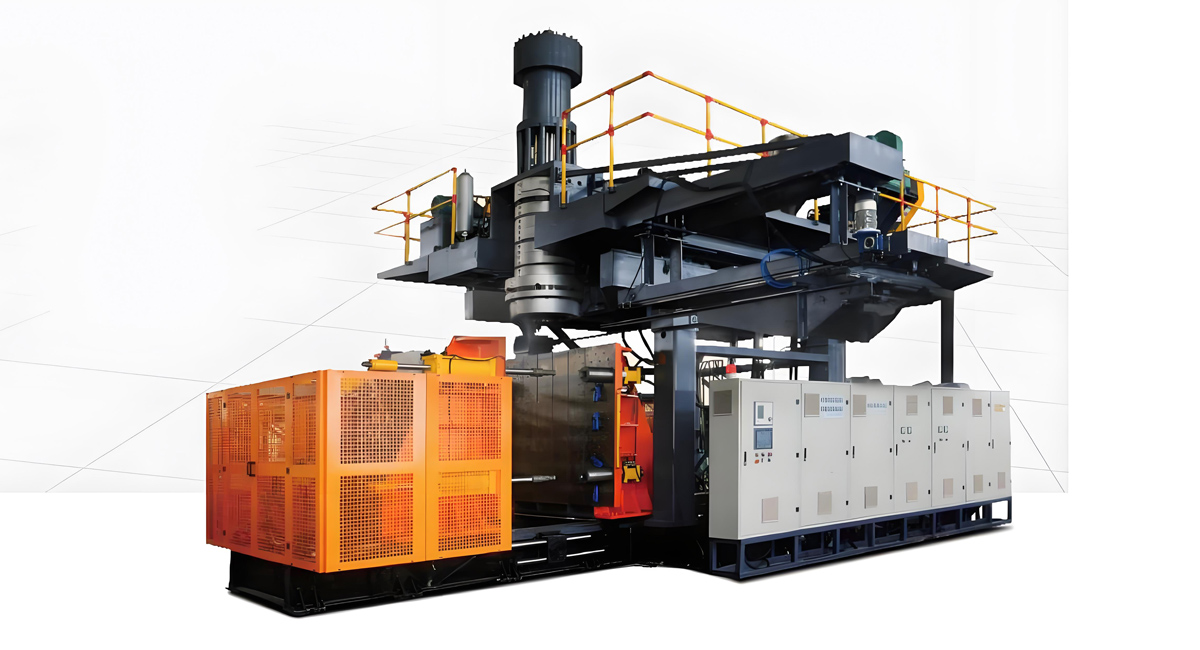
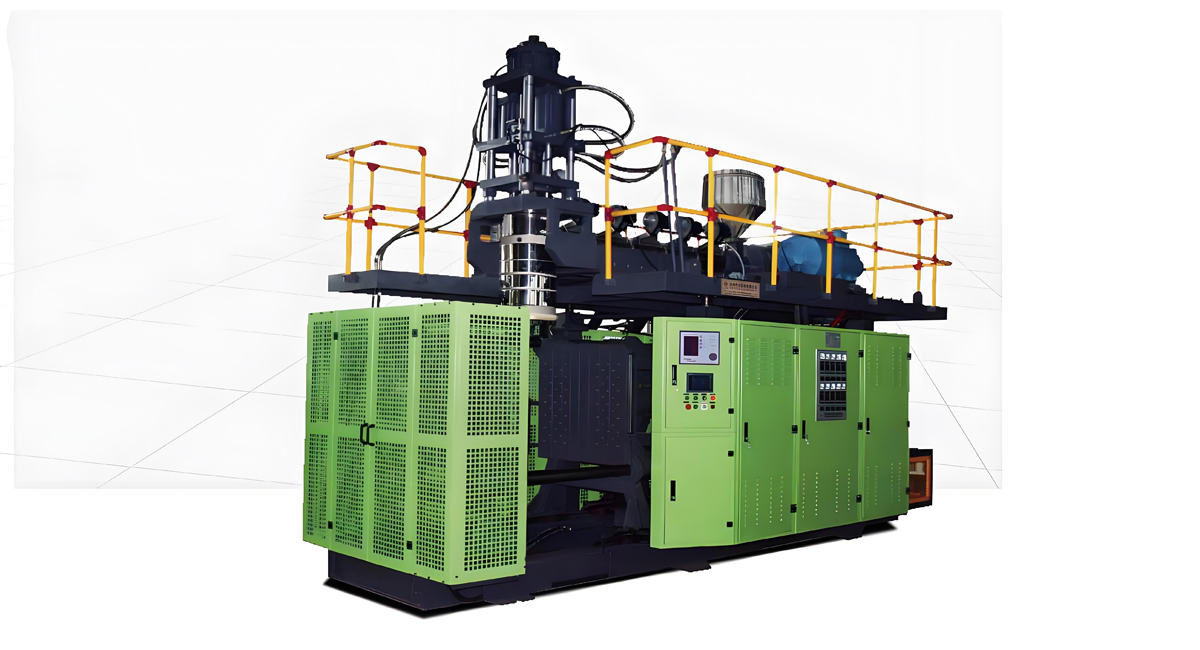
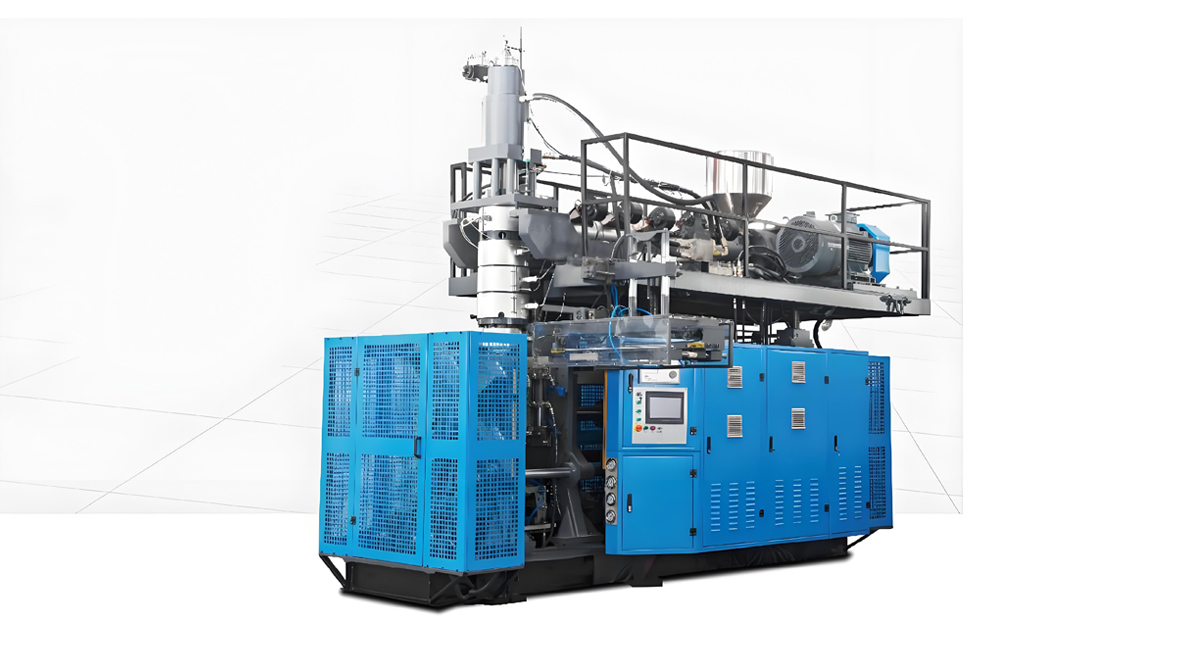
Apollo Extrusion Blow Molding Machines have been specifically designed and optimized for cosmetic spray bottle production, incorporating features that address the unique requirements of this demanding application. The machines combine advanced control systems, precision molding capabilities, and production flexibility to meet the diverse needs of cosmetic packaging manufacturers. With decades of experience in the packaging equipment industry, Apollo understands the critical importance of surface quality, dimensional accuracy, and production efficiency in cosmetic spray bottle production. The company’s commitment to innovation ensures that their machines incorporate the latest technological advances to maximize productivity and product quality.
Mini Capacity Extrusion Blow Molding Machines
Mini capacity extrusion blow molding machines represent an ideal solution for cosmetic spray bottle production, particularly for applications requiring smaller production volumes, frequent product changeovers, or development of new bottle designs. These machines typically offer cavity configurations ranging from 1 to 4 cavities, making them suitable for pilot production, niche market products, and applications where production volumes do not justify larger capacity equipment. Mini capacity machines provide the flexibility to produce various bottle sizes and designs while maintaining economical operation through lower capital investment and reduced operating costs.
The compact footprint of mini capacity extrusion blow molding machines makes them particularly suitable for smaller production facilities or environments where floor space is limited. Despite their smaller size, these machines incorporate advanced features and capabilities typically found in larger capacity models. Modern mini capacity machines feature sophisticated control systems, precision parison programming, and automated functions that enable consistent production quality and reduce operator dependency. The balance between capacity, features, and investment level makes mini capacity machines an attractive option for many cosmetic packaging applications.
Production capacity for mini capacity extrusion blow molding machines typically ranges from 300 to 2,500 bottles per hour depending on bottle size, material, and machine configuration. This capacity range is suitable for many cosmetic spray bottle applications, particularly for premium products, specialty formulations, or markets with moderate demand. The machines can be configured for single-stage or two-stage operation depending on production requirements and material characteristics. The flexibility to adapt to different production scenarios makes mini capacity machines versatile solutions for diverse cosmetic packaging needs.
Apollo offers a range of mini capacity extrusion blow molding machines specifically designed for cosmetic spray bottle production. These machines incorporate features such as advanced parison control, precision mold temperature control, and automated handling systems that are particularly beneficial for high-quality cosmetic bottle production. The machines are designed for easy mold changeover to accommodate the frequent design changes common in cosmetic packaging. Apollo’s expertise in cosmetic applications ensures that their machines deliver the surface quality and dimensional precision required by premium cosmetic brands.
Machine Configuration and Features
The configuration and features of extrusion blow molding machines for cosmetic spray bottles must address the specific requirements of high-quality container production. Key considerations include parison control systems, mold temperature management, clamp systems, and material handling capabilities. The selection of appropriate machine configuration directly impacts production efficiency, product quality, and operational costs. Manufacturers must evaluate these features carefully when selecting equipment for cosmetic spray bottle production.
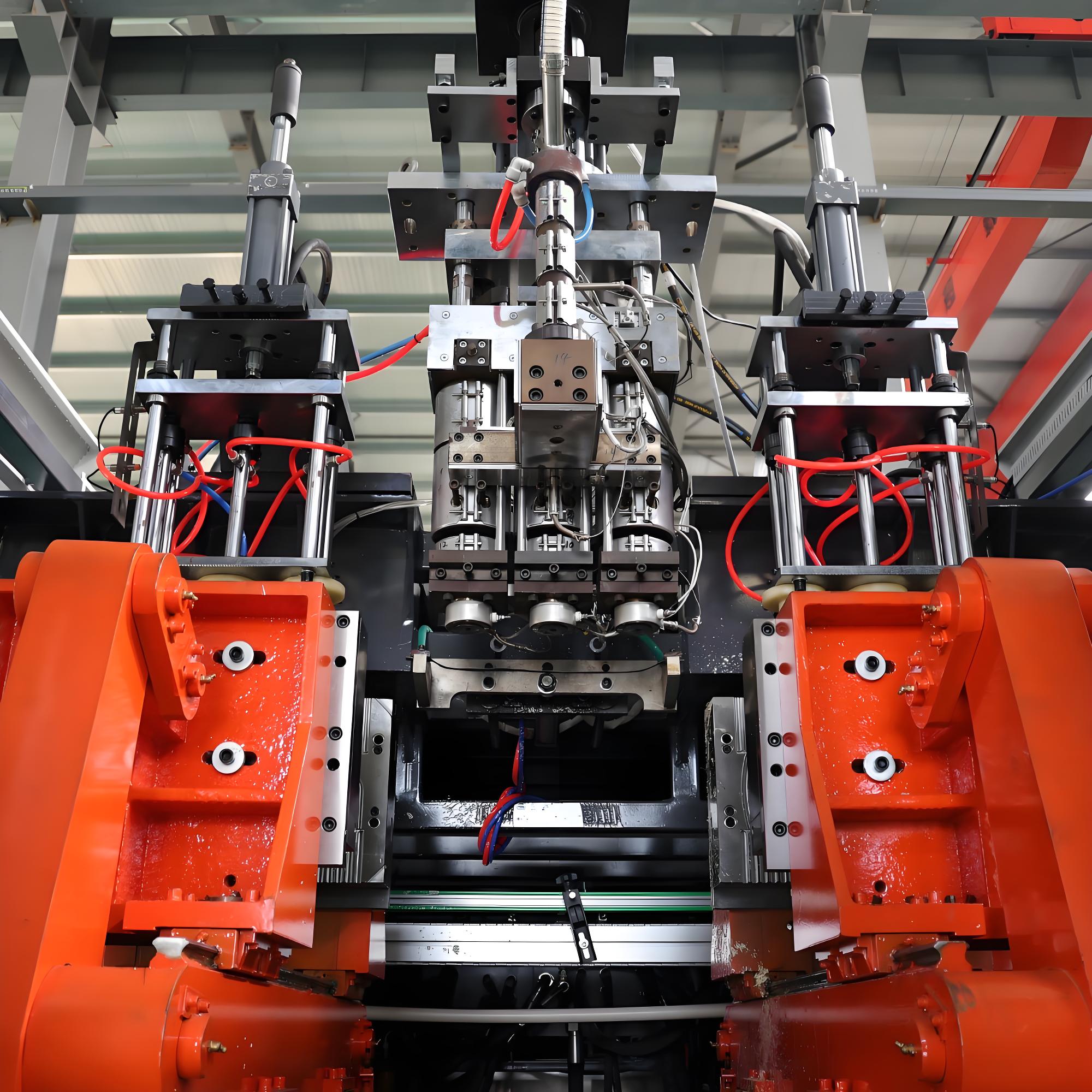
Advanced parison control systems represent a critical feature for cosmetic spray bottle machines, enabling precise control over wall thickness distribution and material usage. These systems typically employ multiple die points or programmable wall thickness control that allows adjustment of parison profile to optimize bottle characteristics. Precise parison control is essential for achieving consistent wall thickness distribution, minimizing material usage, and ensuring dimensional accuracy. Advanced systems can store multiple parison programs for different bottle designs, enabling rapid changeover between products.
Mold temperature control systems are particularly important for cosmetic spray bottle production to achieve optimal surface finish and crystallization characteristics. Precision temperature control across the mold surface ensures uniform cooling and consistent product quality. Systems may include individual zone control for different mold sections, enabling optimization of cooling profiles for complex bottle geometries. Proper mold temperature management is essential for preventing defects such as sink marks, warpage, and surface irregularities that would be unacceptable in premium cosmetic packaging.
Clamp systems for cosmetic spray bottle machines must provide adequate clamping force while maintaining precision alignment and uniform pressure distribution. The clamping system affects dimensional accuracy, flash formation, and overall product quality. Systems may include hydraulic, electric, or hybrid configurations depending on specific requirements. Electric clamp systems offer advantages in terms of precision control, energy efficiency, and reduced maintenance requirements. The selected clamp system must accommodate the range of mold sizes and cavity configurations anticipated in production.
Material Considerations for Cosmetic Bottles
Material selection represents a fundamental consideration in cosmetic spray bottle production, directly affecting product performance, appearance, and cost. Different materials offer varying characteristics in terms of clarity, chemical resistance, barrier properties, and processability. Understanding material properties and processing requirements is essential for selecting appropriate equipment and optimizing production conditions. The choice of material significantly impacts machine configuration, processing parameters, and overall production economics.
High-density polyethylene (HDPE) is widely used for cosmetic spray bottles due to its excellent chemical resistance, good barrier properties, and processability. HDPE offers good clarity when properly processed and can be produced in various colors and with different surface finishes. The material provides good impact resistance and is compatible with a wide range of cosmetic formulations. HDPE processing requires appropriate temperature control and screw design to achieve optimal melt quality and parison characteristics. The material’s relatively low cost makes it attractive for many cosmetic packaging applications.
Polypropylene (PP) offers advantages for cosmetic spray bottles including high clarity, good chemical resistance, and excellent hot fill capabilities. PP provides higher temperature resistance compared to HDPE, making it suitable for products requiring hot filling or sterilization. The material offers good barrier properties against moisture and gases, extending product shelf life. PP processing requires careful control of crystallization to achieve optimal clarity and dimensional stability. The material’s good processability enables production of complex bottle geometries with high surface quality.
Polyethylene terephthalate (PET) represents the premium material choice for cosmetic spray bottles, offering exceptional clarity, excellent barrier properties, and premium appearance. PET provides superior gloss and clarity compared to HDPE and PP, making it the preferred choice for high-end cosmetic products. The material offers excellent chemical resistance and is compatible with a wide range of cosmetic formulations. PET processing requires more sophisticated equipment and processing control due to its hygroscopic nature and crystallization characteristics. The higher material cost is justified by the enhanced product appeal and performance.
Production Process Optimization
Optimization of the production process is essential for achieving efficient and cost-effective cosmetic spray bottle manufacturing. Process optimization encompasses material handling, processing parameters, quality control, and maintenance practices. Implementing optimized production processes enables manufacturers to maximize productivity, minimize scrap, and reduce overall production costs. Continuous process improvement is necessary to maintain competitiveness in the dynamic cosmetic packaging market.
Material handling systems for cosmetic spray bottle production must ensure consistent material quality while preventing contamination. Drying systems for hygroscopic materials such as PET are essential to prevent defects caused by moisture. Material feeding systems should provide consistent material supply to the extruder to maintain stable processing conditions. Material quality control including incoming material inspection and proper storage practices prevents processing problems and product defects. Proper material handling is particularly important for cosmetic applications where surface quality is critical.
Processing parameter optimization is essential for achieving consistent product quality and maximizing production efficiency. Key parameters including extruder temperature profile, parison programming, blow pressure, and mold temperature must be optimized for each material and bottle design. Statistical process control techniques can be implemented to monitor key process parameters and identify trends that may indicate developing problems. Documented processing parameters for each product enable consistent reproduction and facilitate troubleshooting.
Quality control systems for cosmetic spray bottle production must address dimensional accuracy, surface quality, and functional performance. In-process monitoring of critical dimensions ensures that products meet specifications. Surface inspection systems can detect defects that would be unacceptable in cosmetic packaging. Functional testing of threading and spray pump compatibility ensures proper performance. Statistical quality control data provides insight into process stability and capability. Comprehensive quality control systems prevent shipping of defective products and identify areas for process improvement.
Cost Analysis and Pricing
Understanding the cost structure of cosmetic spray bottle production is essential for evaluating economic feasibility and pricing products appropriately. Costs include capital equipment investment, operating costs, material costs, and labor costs. Analyzing these cost components enables manufacturers to identify opportunities for cost reduction and optimize overall profitability. Accurate cost analysis is particularly important in the competitive cosmetic packaging market where cost pressures are significant.
Capital equipment investment for mini capacity extrusion blow molding machines typically ranges from 60,000 to 150,000 dollars depending on configuration, automation level, and included features. Basic models with limited automation and manual operations fall at the lower end of this range, while fully automated models with advanced control systems and integrated quality inspection represent the higher investment levels. The selected equipment should match production requirements while providing appropriate capability for anticipated growth. Financing options are often available to spread capital costs over time.
Operating costs for cosmetic spray bottle production include energy consumption, maintenance, consumables, and overhead. Energy consumption typically represents 15 to 25 percent of total operating costs, varying with machine size and production volume. Maintenance costs including routine maintenance, spare parts, and repairs typically represent 5 to 10 percent of operating costs annually. Consumables including mold release agents, lubricants, and quality control supplies typically represent 3 to 5 percent of operating costs. Understanding and managing these costs is essential for economic operation.
Material costs represent a significant component of overall production costs, typically ranging from 40 to 60 percent of total costs depending on material selection and product design. HDPE typically costs between 1.50 and 2.50 dollars per kilogram, while PP typically costs between 1.80 and 3.00 dollars per kilogram. PET represents the most expensive option at between 2.50 and 4.00 dollars per kilogram. Material optimization through proper parison control and minimal wall thickness requirements can significantly reduce material costs while maintaining product quality.
Labor costs for cosmetic spray bottle production vary significantly depending on automation level, production volume, and labor market conditions. Fully automated machines may require minimal operator labor for setup, monitoring, and quality control, while less automated machines require more active operator involvement. Labor costs typically represent 10 to 20 percent of total operating costs. Investing in automation can reduce labor costs but requires higher initial capital investment. The optimal automation level balances labor cost reduction with investment requirements.
Apollo Extrusion Blow Molding Machine Features
Apollo Extrusion Blow Molding Machines incorporate advanced features specifically designed to address the requirements of cosmetic spray bottle production. These machines combine proven technology with innovative features to deliver superior performance in demanding cosmetic packaging applications. Apollo’s extensive experience in the packaging industry has enabled the development of machines that address the specific challenges of high-quality container production while maintaining operational efficiency and cost-effectiveness.
Advanced parison control systems in Apollo machines enable precise wall thickness distribution and material optimization. The systems typically employ programmable wall thickness control with multiple adjustment points, allowing fine-tuning of parison profile for each bottle design. The control systems store multiple parison programs for rapid changeover between products. Precise parison control minimizes material usage while ensuring consistent product quality, contributing to both cost reduction and quality improvement. The systems are particularly beneficial for cosmetic applications where material optimization is critical due to material costs.
Precision mold temperature control in Apollo machines ensures optimal surface finish and dimensional accuracy. Individual zone control allows optimization of cooling profiles for complex bottle geometries. Consistent mold temperature reduces cycle time variations and improves product consistency. The temperature control systems incorporate efficient heating and cooling capabilities to minimize energy consumption while maintaining precise temperature control. Proper mold temperature management is essential for preventing surface defects that would be unacceptable in premium cosmetic packaging.
User-friendly control systems in Apollo machines facilitate operation and reduce training requirements. Touch-screen interfaces provide intuitive operation and real-time monitoring of machine status. Recipe management systems store processing parameters for different products, enabling rapid changeover. Remote monitoring capabilities allow supervision of multiple machines from a central location. The control systems incorporate diagnostic functions to facilitate troubleshooting and maintenance. Advanced control features contribute to both operational efficiency and product quality consistency.
Maintenance and Reliability
Maintenance practices and equipment reliability significantly impact production efficiency and operating costs in cosmetic spray bottle production. Implementing preventive maintenance programs ensures equipment reliability and prevents unplanned downtime. Understanding common maintenance requirements and potential failure modes enables proactive maintenance planning. Reliable equipment performance is particularly important in cosmetic packaging where production schedules must be met to support product launches and seasonal demand variations.
Preventive maintenance programs should include regular inspection of critical components, lubrication of moving parts, and replacement of wear items according to established schedules. Critical components including extruder screws and barrels, die heads, and clamping systems require particular attention. Documentation of maintenance activities and equipment history facilitates trend analysis and prediction of maintenance needs. Preventive maintenance reduces the likelihood of unplanned downtime and extends equipment service life, contributing to production efficiency and cost control.
Operator training and standard operating procedures ensure consistent machine operation and prevent problems caused by improper operation. Training should cover normal operation, troubleshooting common problems, safety procedures, and basic maintenance activities. Standard operating procedures document correct operation sequences and critical parameters to be monitored. Well-trained operators can identify developing problems early and take appropriate action to prevent more serious issues. Investment in training and documentation pays dividends through improved equipment reliability and reduced downtime.
Spare parts management ensures availability of critical components when needed for maintenance or repairs. Maintaining an appropriate spare parts inventory based on equipment criticality and lead time for replacement prevents extended downtime. Critical spare parts for key systems should be kept in stock, while less critical parts can be ordered as needed. Establishing relationships with reliable spare parts suppliers ensures timely availability of components. Effective spare parts management minimizes the impact of equipment failures on production schedules.
Quality Assurance and Testing
Quality assurance systems are essential for cosmetic spray bottle production to ensure products meet the stringent requirements of cosmetic brands and consumers. Quality assurance encompasses incoming material inspection, in-process monitoring, final product testing, and customer feedback analysis. Implementing comprehensive quality systems prevents shipping of defective products and identifies opportunities for process improvement. Quality assurance is particularly critical in cosmetic packaging where product appearance and performance directly impact brand perception.
Incoming material inspection ensures that raw materials meet specifications for cosmetic spray bottle production. Testing should include verification of material type, melt flow characteristics, color, and moisture content for hygroscopic materials. Material testing should be performed on incoming lots to prevent processing problems and product defects. Documentation of material test results provides traceability and facilitates troubleshooting. Consistent material quality is essential for achieving stable processing conditions and consistent product quality.
In-process quality monitoring provides real-time feedback on production quality and enables rapid response to developing problems. Critical dimensions should be measured at regular intervals to verify conformance to specifications. Surface inspection identifies defects that would be unacceptable in cosmetic packaging. Process parameter monitoring including temperature profiles and pressures identifies trends that may indicate process drift. Statistical process control techniques enable analysis of process capability and identification of improvement opportunities.
Final product testing ensures that finished products meet all quality requirements before shipment. Testing should include dimensional verification, visual inspection of surface quality, and functional testing of threading and compatibility with spray pumps. Sampling plans should be established based on risk assessment and customer requirements. Documentation of test results provides quality records and facilitates analysis of quality trends. Comprehensive final testing prevents shipping of defective products that could damage customer relationships.
Market Trends and Future Developments
The cosmetic spray bottle market continues to evolve in response to changing consumer preferences, sustainability concerns, and technological advancements. Understanding market trends enables manufacturers to position their products effectively and invest in appropriate technologies. Future developments in both materials and equipment will continue to reshape the cosmetic packaging landscape. Staying current with market trends is essential for maintaining competitiveness in this dynamic market.
Sustainability concerns are increasingly influencing cosmetic packaging choices, driving demand for recycled materials and lightweight designs. Extrusion blow molding machines must be capable of processing recycled content while maintaining product quality. Equipment improvements focusing on energy efficiency and reduced material consumption align with sustainability objectives. Manufacturers developing capability with recycled materials and sustainable production practices will be well-positioned for future market demands. Sustainability initiatives may initially increase costs but can provide competitive advantages and access to growing market segments.
Premium packaging trends continue to drive demand for higher quality cosmetic spray bottles with enhanced appearance and functionality. This trend requires advanced processing capabilities and precise control to achieve superior surface finish and dimensional accuracy. Equipment with advanced parison control, precision mold temperature management, and sophisticated quality inspection systems will be increasingly important. Premium packaging typically commands higher prices, justifying investment in more advanced equipment and processing technologies.
Technological advancements in extrusion blow molding equipment continue to expand capabilities and improve performance. Advanced control systems incorporating artificial intelligence and machine learning enable optimization of processing parameters and predictive maintenance. Improved parison control systems provide more precise material distribution and reduced material consumption. Enhanced quality inspection systems incorporating vision technology detect subtle defects. Staying current with technological advancements enables manufacturers to maintain competitive capabilities and explore new market opportunities.
Conclusion
Extrusion blow molding machines for cosmetic spray bottles represent sophisticated equipment that must meet exacting standards for product quality while maintaining economic operation. The selection of appropriate machine configuration, understanding of material requirements, and implementation of optimized production processes are essential for success in this competitive market. Apollo Extrusion Blow Molding Machines provide advanced features and capabilities specifically designed for cosmetic spray bottle production, enabling manufacturers to achieve the quality and efficiency required for market success.
Mini capacity machines offer an attractive entry point into cosmetic spray bottle production, providing flexibility and appropriate capacity for many applications. The balance between capacity, features, and investment level enables manufacturers to select equipment that matches their current needs while providing growth capability. Apollo’s range of mini capacity machines incorporates features that address the specific requirements of cosmetic packaging while maintaining cost-effectiveness.
As the cosmetic packaging market continues to evolve, manufacturers must stay current with market trends and technological advancements. Sustainability initiatives, premium packaging demands, and technological developments will continue to shape market requirements. Apollo’s commitment to innovation and customer success ensures that their equipment will continue to evolve to meet emerging needs in cosmetic spray bottle production.