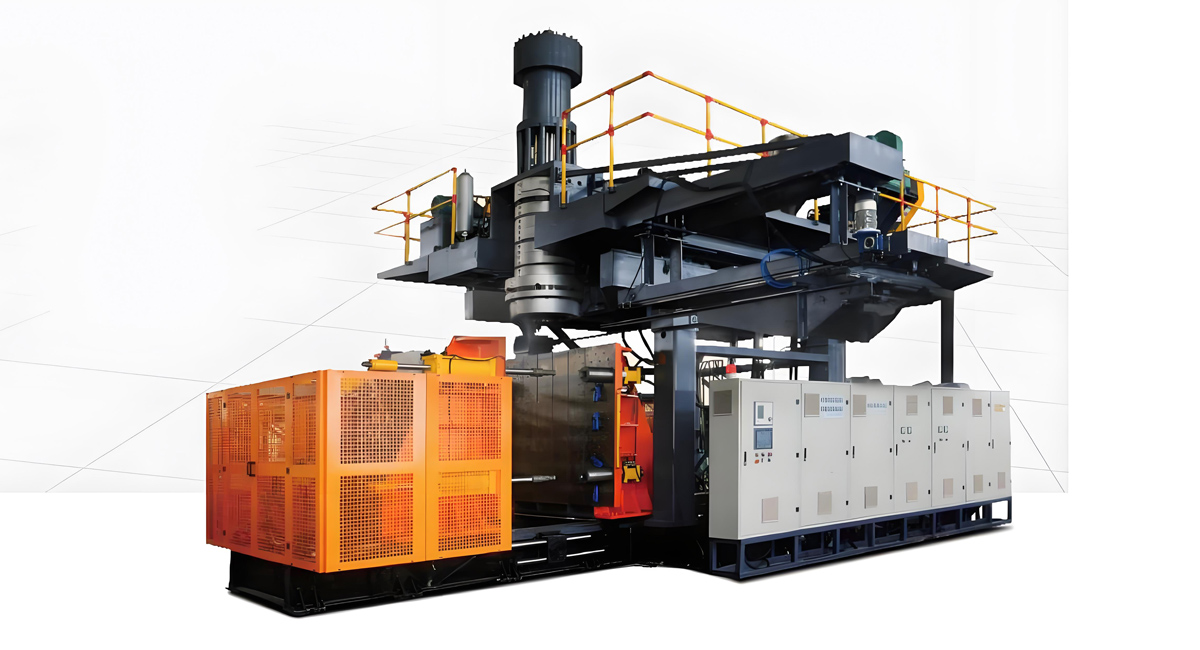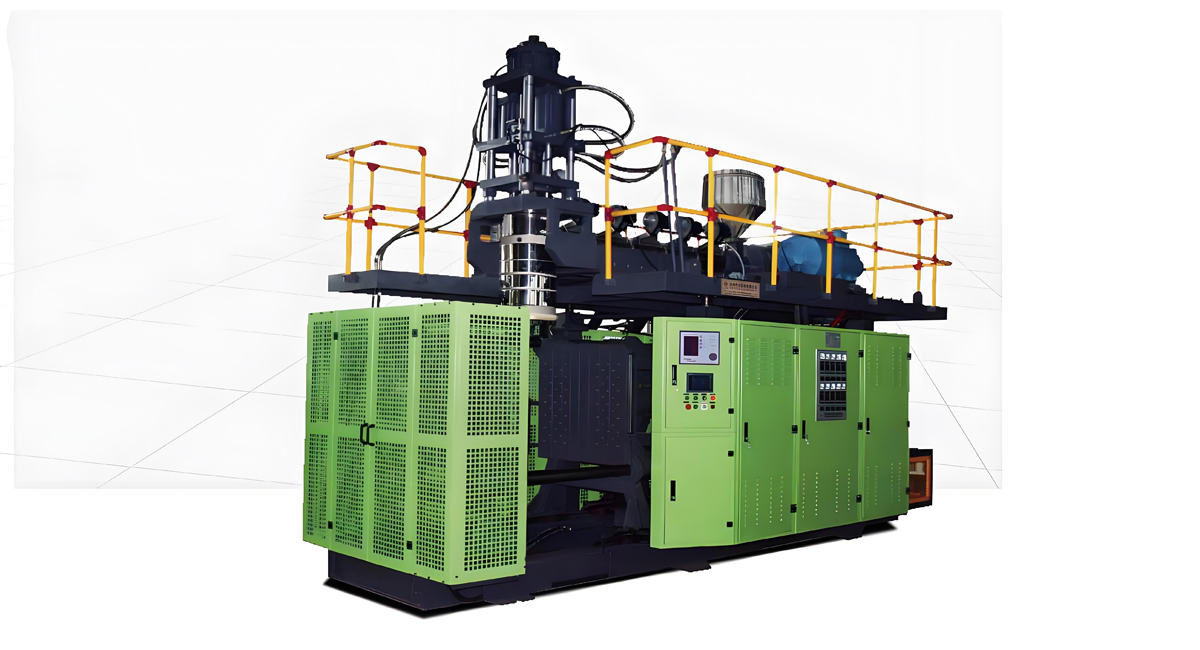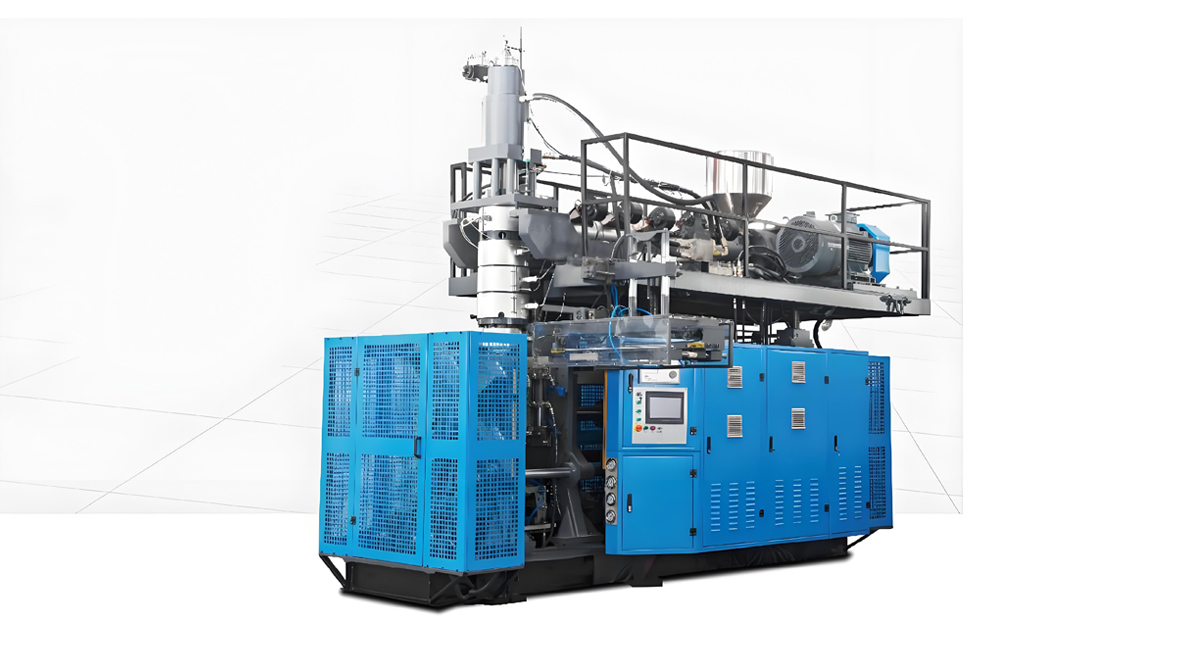
The plastic manufacturing industry continues to grow at an unprecedented rate, with startups and small businesses seeking cost-effective solutions to enter this profitable market. If you are looking to start your own plastic production business without breaking the bank, understanding the options available for budget extrusion blow molding machines from China becomes essential. This comprehensive guide explores everything you need to know about acquiring an affordable extrusion blow molding machine that delivers professional results while keeping your initial investment manageable.
China has established itself as a global leader in manufacturing extrusion blow molding equipment, offering machines that combine reliability, performance, and competitive pricing. For entrepreneurs and small-scale manufacturers, the Chinese budget extrusion blow molding machine market presents an attractive opportunity to access industrial-grade equipment at a fraction of the cost compared to Western alternatives. The key lies in understanding what features are essential for your production needs and how to identify the best value proposition among available options.
Understanding Budget Extrusion Blow Molding Machine Basics
Before diving into specific purchasing considerations, it is crucial to understand what constitutes a budget extrusion blow molding machine and how it differs from premium models. A budget extrusion blow molding machine refers to equipment that offers essential production capabilities at a lower price point, making it accessible for businesses with limited capital. These machines typically provide the core functionalities needed for hollow plastic product manufacturing while optimizing costs through streamlined design and standard configurations.
The Fundamental Working Principle of Extrusion Blow Molding
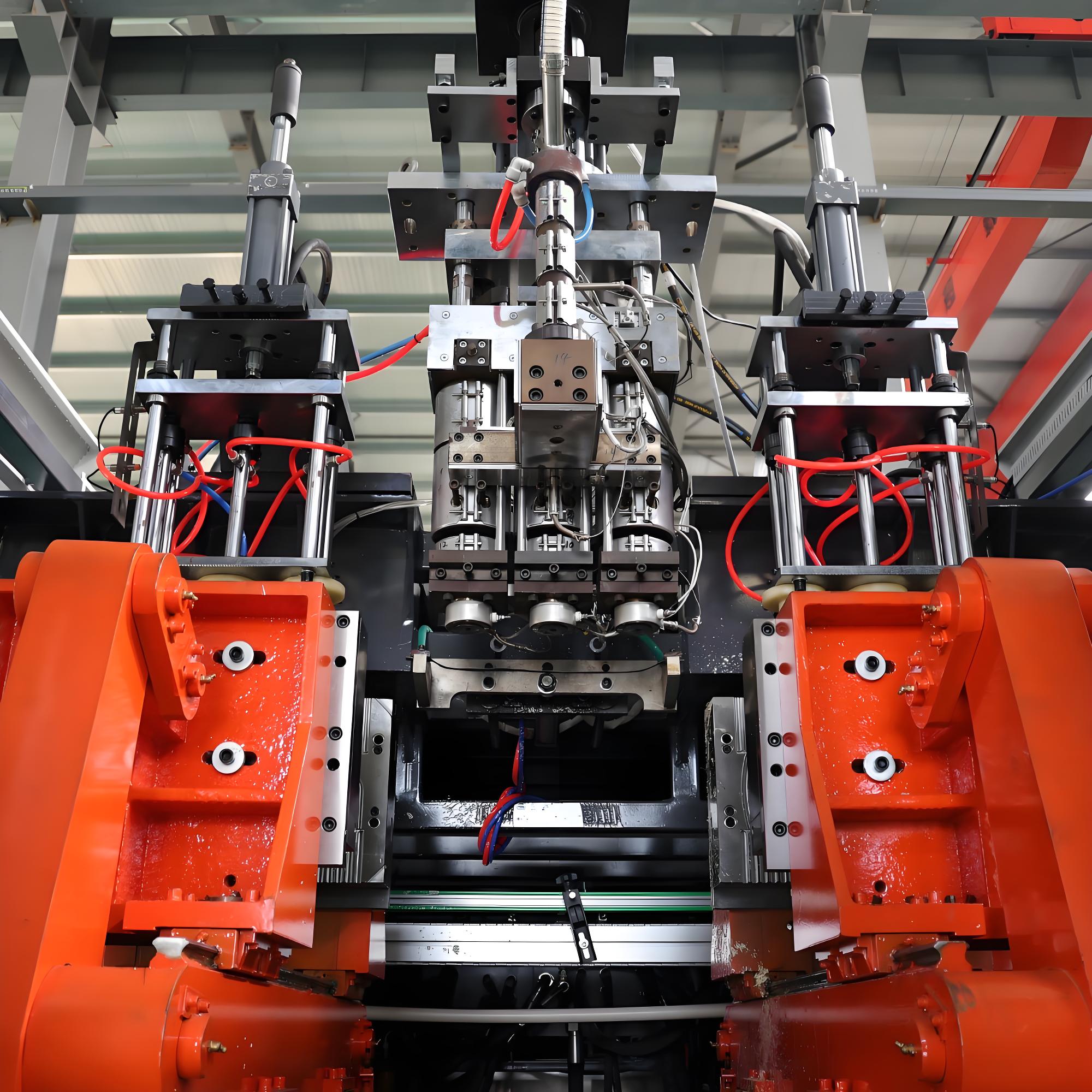
Extrusion blow molding is a manufacturing process that produces hollow plastic parts by inflating a heated plastic parison within a mold cavity. The process begins with plastic resin being melted and extruded through a die head to form a tube-shaped preform called a parison. This hot plastic tube is then clamped into a mold, and compressed air is introduced through a blow pin to expand the plastic against the cold mold walls. Once the plastic cools and solidifies into the desired shape, the mold opens and the finished part is ejected.
Understanding this process helps startup owners appreciate why different extrusion blow molding machine configurations exist and how budget models still deliver consistent, high-quality results. The technology has matured significantly over decades, allowing even entry-level machines to produce professional-grade plastic containers and products. Modern budget extrusion blow molding machines incorporate advanced control systems and precision engineering that were once exclusive to expensive industrial equipment.
Key Components of a Budget Extrusion Blow Molding Machine
A standard budget extrusion blow molding machine consists of several critical components that work together to produce hollow plastic products. The extruder system melts and mixes plastic resin, while the die head forms the parison. The clamping unit holds the mold securely during the blowing process, and the hydraulic or pneumatic system provides the force needed for mold movement and part ejection. Control systems manage temperature, timing, and production cycles to ensure consistent output quality.
Budget models typically feature single-layer extrusion capability, which is sufficient for most common applications such as containers, bottles, and simple hollow shapes. These machines often utilize standard clamping forces and extrusion rates optimized for small to medium production volumes. While premium machines offer multi-layer coextrusion and higher production speeds, budget options focus on delivering reliable single-layer production at accessible price points.
Why Choose a Chinese Budget Extrusion Blow Molding Machine
The decision to purchase manufacturing equipment from Chinese manufacturers offers multiple advantages beyond just the initial price tag. Chinese extrusion blow molding machine manufacturers have invested heavily in research and development, resulting in equipment that meets international quality standards while remaining competitively priced. Companies like Zhangjiagang Apollo Machinery Co., Ltd. have accumulated over 20 years of experience and now supply machines to more than 90 countries worldwide.
Cost Comparison: China vs. Western Manufacturers
When evaluating the total cost of ownership, Chinese budget extrusion blow molding machines demonstrate significant advantages. A comparable machine from a European manufacturer might cost between $150,000 and $300,000, while Chinese budget models with similar capabilities typically range from $25,000 to $80,000 depending on specifications and production capacity. This dramatic price difference allows startups to either enter the market with lower capital requirements or acquire additional equipment to increase production capacity.
The cost breakdown for a typical Chinese budget extrusion blow molding machine includes the base machine price ranging from $25,000 to $60,000 for standard models capable of producing containers from 200ml to 20 liters. Semi-automatic models suitable for small-batch production can start as low as $15,000 to $25,000, making them ideal for entrepreneurs testing market demand before committing to larger investments. Fully automated models with advanced features typically fall in the $60,000 to $100,000 range but still represent substantial savings compared to Western alternatives.
Quality Standards and Reliability
Modern Chinese manufacturers have dramatically improved their quality control processes and manufacturing precision. Leading companies implement comprehensive inspection procedures and utilize international quality management systems to ensure their machines meet stringent standards. Many manufacturers offer machines compatible with various plastic materials including PE, PP, PVC, PA, PC, ABS, PS, EVA, TPU, and PETG, demonstrating their ability to produce equipment that handles diverse production requirements.
The perception that budget means inferior quality no longer applies to Chinese extrusion blow molding equipment. Manufacturers now incorporate proven engineering principles and utilize quality components from reputable suppliers. While some cost reduction comes from lower labor costs and optimized manufacturing processes, essential quality aspects such as machine precision, durability, and performance are maintained at high standards. Many Chinese machines now feature the same control systems and precision components found in premium equipment.
Investment Analysis for Startup Businesses
For startups considering entering the plastic manufacturing industry, conducting a thorough investment analysis helps determine the appropriate budget extrusion blow molding machine for your specific situation. Understanding the total initial investment, operating costs, and expected return on investment enables informed decision-making that supports long-term business success.
Initial Investment Breakdown
The initial investment for starting a plastic manufacturing business with a budget extrusion blow molding machine includes several components beyond the machine purchase price. The machine itself represents the largest expense, typically accounting for 50 to 70 percent of total startup costs. Additional expenses include auxiliary equipment such as air compressors, material handling systems, and mold investments. Facility preparation including electrical installations, ventilation systems, and workspace setup should also be factored into your budget planning.
A comprehensive initial investment breakdown for a small-scale startup operation typically includes the following estimated costs: the extrusion blow molding machine itself ranges from $25,000 to $60,000 depending on capacity and automation level. Initial mold investment for basic product designs typically costs between $3,000 and $10,000 for standard configurations. Auxiliary equipment including air compressor, material dryer, and material handling systems adds approximately $5,000 to $15,000. Facility preparation and installation services typically range from $3,000 to $8,000 depending on existing infrastructure. Initial raw material inventory and working capital should budget around $5,000 to $15,000 depending on production scale and customer payment terms.
Operating Costs and Profitability Projections
Understanding ongoing operating costs helps calculate realistic profitability projections and break-even timelines. The primary operating costs for an extrusion blow molding operation include raw material expenses, labor costs, energy consumption, maintenance and repairs, and overhead costs such as facility rent and administrative expenses. For budget extrusion blow molding machines, energy efficiency and maintenance requirements vary based on machine specifications and usage patterns.
Raw material costs typically represent the largest variable expense, with plastic resin prices fluctuating based on market conditions and material type. For common applications using polyethylene or polypropylene, material costs generally range from $1,000 to $1,500 per ton depending on grade and supplier. A typical small-scale operation producing 10,000 to 50,000 containers per month might consume 2 to 10 tons of raw material monthly, resulting in material costs of approximately $2,000 to $15,000 per month.
Labor costs depend heavily on location and automation level. Budget extrusion blow molding machines with semi-automatic or basic automatic operation typically require 2 to 4 operators per shift depending on production volume and complexity. Energy costs for a standard budget extrusion blow molding machine typically range from $500 to $1,500 per month depending on local electricity rates and production intensity. Maintenance costs for well-maintained budget machines generally amount to 2 to 5 percent of the machine purchase price annually, typically between $500 and $3,000 per year.
Return on Investment Timeline
For startups investing in a budget extrusion blow molding machine, realistic ROI expectations help guide business planning and growth strategies. The payback period depends on factors including production efficiency, market demand, pricing strategy, and operating cost management. On average, startups investing in quality budget extrusion blow molding equipment can expect to achieve ROI within 18 to 36 months under normal operating conditions.
Profitability projections should account for realistic production volumes based on machine specifications. A typical budget extrusion blow molding machine in the 200ml to 20L capacity range can produce approximately 500 to 2,000 containers per hour depending on product size and complexity. Assuming an average selling price of $0.50 to $2.00 per container for standard products, a machine operating at 60 percent capacity could generate monthly revenue ranging from $15,000 to $50,000 after reaching full production capability.
Selecting the Right Budget Extrusion Blow Molding Machine
Choosing the appropriate machine for your specific needs requires careful evaluation of multiple factors including production capacity requirements, product specifications, available budget, and future growth potential. Understanding the differences between available machine categories helps narrow down options and identify the best fit for your startup operation.
Capacity and Size Considerations
Budget extrusion blow molding machines are available in various capacity ranges, and selecting the appropriate size depends primarily on your target product specifications and expected production volumes. The ABLB series from Apollo, for example, offers models suitable for producing containers ranging from 200ml to 20L, covering a wide spectrum of common applications including bottles, containers, and jars for various industries.
For startups focused on small containers such as pharmaceutical bottles, cosmetic containers, or small household product bottles, machines in the 50ml to 2L capacity range offer optimal efficiency. These smaller machines typically feature faster cycle times and lower energy consumption while producing high volumes of small containers. For businesses targeting larger containers such as industrial chemical containers, agricultural chemical bottles, or large storage tanks, machines capable of producing 5L to 20L products become necessary despite potentially longer cycle times.
Automation Level Options
Budget extrusion blow molding machines range from semi-automatic to fully automatic configurations, each offering different cost-benefit profiles for startup operations. Semi-automatic machines require more operator involvement but offer the lowest entry price points, making them suitable for businesses with limited capital or those just testing market potential. These machines typically cost between $15,000 and $25,000 and are ideal for small-batch production and custom orders.
Automatic extrusion blow molding machines incorporate material handling, part ejection, and quality monitoring features that reduce labor requirements and increase production consistency. These machines typically fall in the $30,000 to $60,000 price range and offer significant advantages for businesses expecting to scale production or requiring consistent output quality. The increased initial investment is often justified by lower labor costs and higher production efficiency over time.
Material Compatibility and Versatility
Different plastic materials offer varying properties suited for specific applications, and your budget extrusion blow molding machine must be capable of processing your target materials effectively. Common materials including polyethylene (PE) and polypropylene (PP) are widely used and offer excellent processing characteristics on budget machines. More specialized materials such as PVC, PC, or PETG may require specific machine configurations or additional equipment for optimal processing.
For startups planning to serve diverse markets, selecting a machine capable of processing multiple material types provides flexibility to adapt to changing market demands. Budget extrusion blow molding machines typically handle standard materials well, but verifying material compatibility before purchase ensures the machine can meet your current and future production requirements. Manufacturers like Apollo offer detailed material processing guidelines for their machines, helping buyers make informed decisions about material compatibility.
Features to Prioritize on a Budget Machine
When working with limited capital, understanding which features provide the best return on investment helps prioritize purchasing decisions. Not all features contribute equally to production quality, efficiency, and profitability, and focusing resources on essential capabilities ensures maximum value from your budget extrusion blow molding machine purchase.
Essential Features for Quality Production
Temperature control systems represent perhaps the most critical feature for ensuring consistent product quality. Precise temperature management across the extruder, die head, and mold zones directly impacts material melt quality, parison consistency, and finished product properties. Budget machines should still offer multi-zone temperature control with reliable precision to produce consistent results batch after batch.
Clamping system quality determines mold security during the blowing process and affects product dimensional accuracy and defect rates. A robust clamping system with adequate force for your target products prevents flash formation and ensures proper sealing during inflation. Budget machines should offer adjustable clamping force and reliable clamping force maintenance throughout production runs.
Control System Capabilities
Modern extrusion blow molding machines rely on electronic control systems to manage production parameters and ensure consistent operation. Budget machines typically incorporate programmable logic controllers (PLCs) with operator interfaces for setting and monitoring production parameters. While advanced machines may offer touch-screen interfaces and extensive automation features, reliable basic control functionality is essential even on budget models.
Key control system features to prioritize include intuitive parameter setting interfaces, real-time production monitoring capabilities, fault detection and报警 systems, and reliable emergency stop functionality. These features impact both production quality and operator safety, making them essential investments even when seeking budget options. The control system should allow easy adjustment of critical parameters including blow ratio, cooling time, and cycle timing to accommodate different product requirements.
Energy Efficiency Considerations
Energy consumption represents a significant ongoing expense for any manufacturing operation, making energy efficiency an important consideration even when purchasing budget equipment. Modern extrusion blow molding machines incorporate various energy-saving features including variable frequency drives, efficient heating systems, and optimized cycle timing that reduce electricity consumption without sacrificing performance.
When evaluating budget options, comparing energy consumption specifications helps identify machines that offer lower operating costs over their operational lifetime. While energy-efficient models may carry slightly higher initial prices, the ongoing energy savings often justify the investment. Look for machines with energy-efficient motors, effective insulation systems, and optimized heating element configurations that minimize heat loss and reduce power consumption.
Setting Up Your Budget Extrusion Blow Molding Operation
Successfully launching a plastic manufacturing business requires more than just acquiring equipment. Proper setup, installation, and initialization procedures ensure your budget extrusion blow molding machine operates efficiently and produces quality products from the start. Understanding these requirements helps plan timelines and budget for necessary support resources.
Facility Requirements and Preparation
Proper facility preparation ensures your extrusion blow molding operation meets safety requirements and operates efficiently. Essential facility considerations include adequate electrical supply matching machine power requirements, effective ventilation systems for managing heat and potential fumes, sufficient floor space for machine installation and material handling, and proper foundation or mounting arrangements for stable machine operation.
Electrical requirements for budget extrusion blow molding machines typically range from 30 to 100 kilowatts depending on machine size and heating requirements. Three-phase power supply is generally required for industrial extrusion equipment. Dedicated electrical circuits and proper grounding ensure safe operation and protect sensitive control systems from electrical interference. Most manufacturers provide detailed electrical specifications to guide facility preparation.
Installation and Initial Setup Support
Many Chinese manufacturers offer installation support and technical assistance to help buyers commission their new equipment. Understanding available support options helps plan the installation process and identify any additional resources needed. Some manufacturers provide on-site installation services, while others offer detailed guidance documents and remote technical support for buyers preferring self-installation.
Typical installation support services include machine positioning and leveling, electrical and utility connections, initial machine calibration, operator training, and trial production runs. For startups without experienced technical staff, selecting a manufacturer that provides comprehensive installation support reduces commissioning time and ensures proper machine setup. Remote support via video conferencing has become increasingly common, allowing manufacturers to guide buyers through installation procedures effectively.
Operator Training Requirements
Proper operator training ensures your team can operate the budget extrusion blow molding machine safely and efficiently while producing quality products. Training requirements vary based on operator experience and machine complexity, but all operators should receive comprehensive instruction on machine operation, safety procedures, and basic troubleshooting. Most manufacturers provide operation manuals and training materials with machine purchases.
Essential training topics include machine startup and shutdown procedures, parameter adjustment for different products, material changeover procedures, basic maintenance tasks, safety protocols and emergency procedures, and quality monitoring and defect identification. Investing time in thorough operator training pays dividends through reduced errors, improved efficiency, and extended machine life. Many manufacturers offer additional training services or on-site training programs for businesses requiring more comprehensive preparation.
Maintenance Strategies for Long-Term Success
Implementing a proactive maintenance strategy protects your investment and ensures consistent production quality throughout your machine operational lifetime. Budget extrusion blow molding machines benefit from regular maintenance just as much as premium equipment, and establishing proper maintenance procedures from the start establishes good operational practices.
Preventive Maintenance Schedule
Preventive maintenance activities performed on regular schedules help identify and address potential issues before they cause production problems or equipment damage. Establishing a comprehensive preventive maintenance schedule ensures critical maintenance tasks are performed consistently and nothing is overlooked. The maintenance schedule should include daily checks, weekly maintenance activities, monthly inspections, and periodic major maintenance tasks.
Daily maintenance activities typically include visual inspection of machine condition, checking fluid levels and temperatures, cleaning die heads and nozzles, and verifying safety equipment functionality. Weekly maintenance might include lubrication of moving parts, inspection of hydraulic connections, cleaning of air filters, and verification of temperature calibration. Monthly tasks often include more thorough inspections, component adjustments, and cleaning of heating elements and sensors.
Common Issues and Troubleshooting
Understanding common issues that occur with extrusion blow molding machines helps operators identify and address problems quickly, minimizing production disruptions. Budget machines may experience some common challenges related to material processing, mechanical wear, or control system issues. Developing troubleshooting skills among operators reduces reliance on external service support and improves overall operational efficiency.
Common issues include wall thickness variations resulting from improper temperature control or parison programming, flash formation indicating insufficient clamping force or worn mold components, surface defects caused by material contamination or improper processing temperatures, and production inconsistencies related to control system calibration or sensor issues. Having troubleshooting guides and spare parts readily available ensures quick resolution when issues arise.
Growing Your Business with Your Budget Extrusion Blow Molding Machine
Your initial budget extrusion blow molding machine purchase represents just the first step in building a successful plastic manufacturing business. Understanding growth strategies and expansion opportunities helps maximize the return on your initial investment while positioning your business for long-term success. The flexibility of extrusion blow molding technology supports various growth paths depending on market opportunities and business objectives.
Product Line Expansion Opportunities
Starting with a limited product line allows focused market entry while building production expertise and customer relationships. As your business stabilizes, expanding product offerings diversifies revenue streams and reduces dependence on any single product or customer. Budget extrusion blow molding machines support product line expansion through different bottle sizes, shapes, and materials as market demand develops.
Product expansion strategies include adding complementary product sizes within your current machine capacity range, developing products for new industry segments, introducing specialized materials for specific applications, and creating custom products for unique customer requirements. Each expansion opportunity should be evaluated for market potential, production feasibility, and profitability before investing in new molds or process development.
Capacity Scaling Options
As demand grows, increasing production capacity through additional equipment or operational improvements helps capture market opportunities without sacrificing service quality. Options for capacity scaling include adding a second machine for parallel production, optimizing cycle times and production efficiency on existing equipment, implementing multi-cavity molds to increase output per cycle, and extending operating hours through additional shifts.
The budget extrusion blow molding machine you select should support future scaling plans by maintaining compatibility with expanded production requirements. Machines with modular designs or upgradeable features provide flexibility for capacity increases without requiring complete equipment replacement. Planning for scalability during initial purchase ensures your equipment investment continues supporting business growth over time.
Conclusion
Acquiring a budget extrusion blow molding machine from China presents an excellent opportunity for startups and small businesses to enter the plastic manufacturing industry with manageable initial investment. The combination of competitive pricing, improving quality standards, and comprehensive support from established manufacturers makes Chinese equipment increasingly attractive for entrepreneurs worldwide. By understanding your production requirements, evaluating machine options carefully, and implementing proper operational practices, you can build a successful manufacturing business on a budget.
The key to success lies in thorough planning, realistic expectations, and commitment to quality and customer service. Your budget extrusion blow molding machine represents a foundation for building a sustainable business, and the decisions you make during the acquisition and setup phases will impact your operation for years to come. Take time to research options, compare offerings, and select equipment that truly meets your needs rather than simply choosing the lowest price option.
With proper planning and execution, your investment in a budget extrusion blow molding machine can generate returns for many years while providing the flexibility to adapt to changing market conditions and customer requirements. The plastic manufacturing industry continues to offer strong growth potential, and businesses that enter the market with quality equipment and sound business practices position themselves for long-term success.