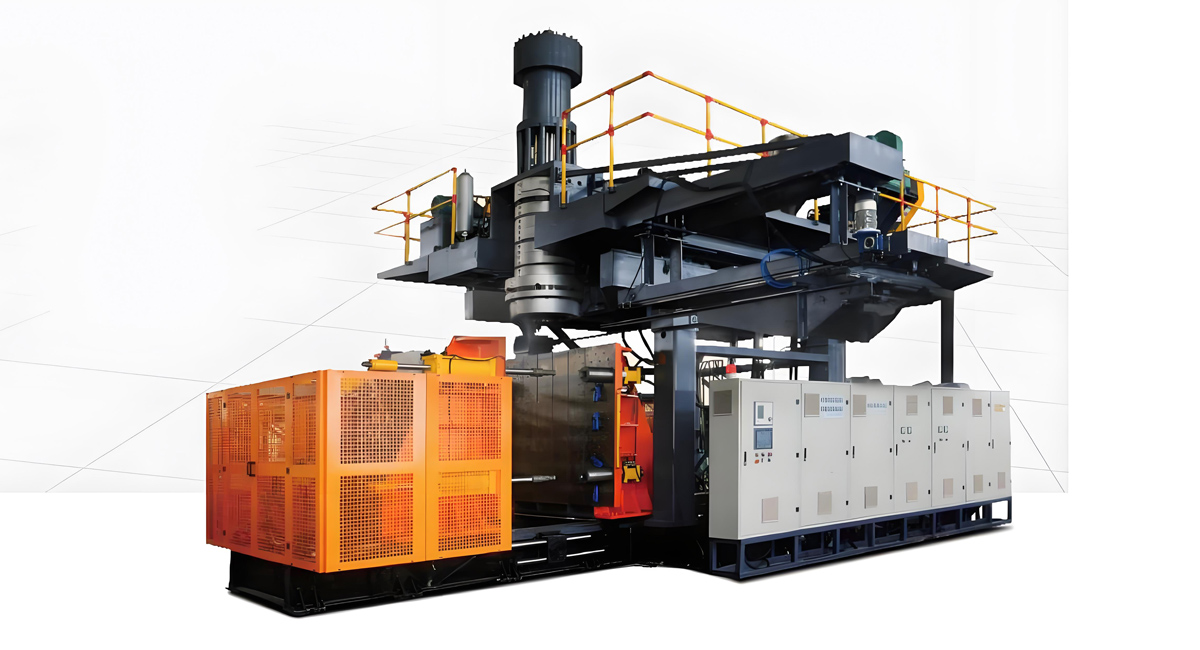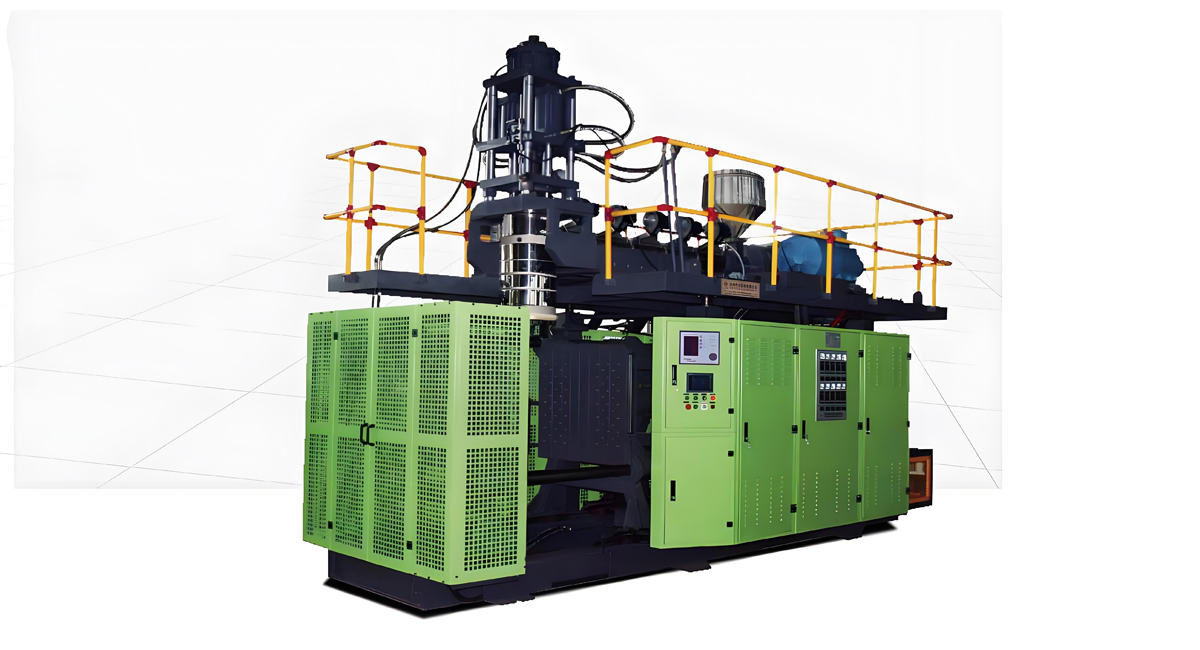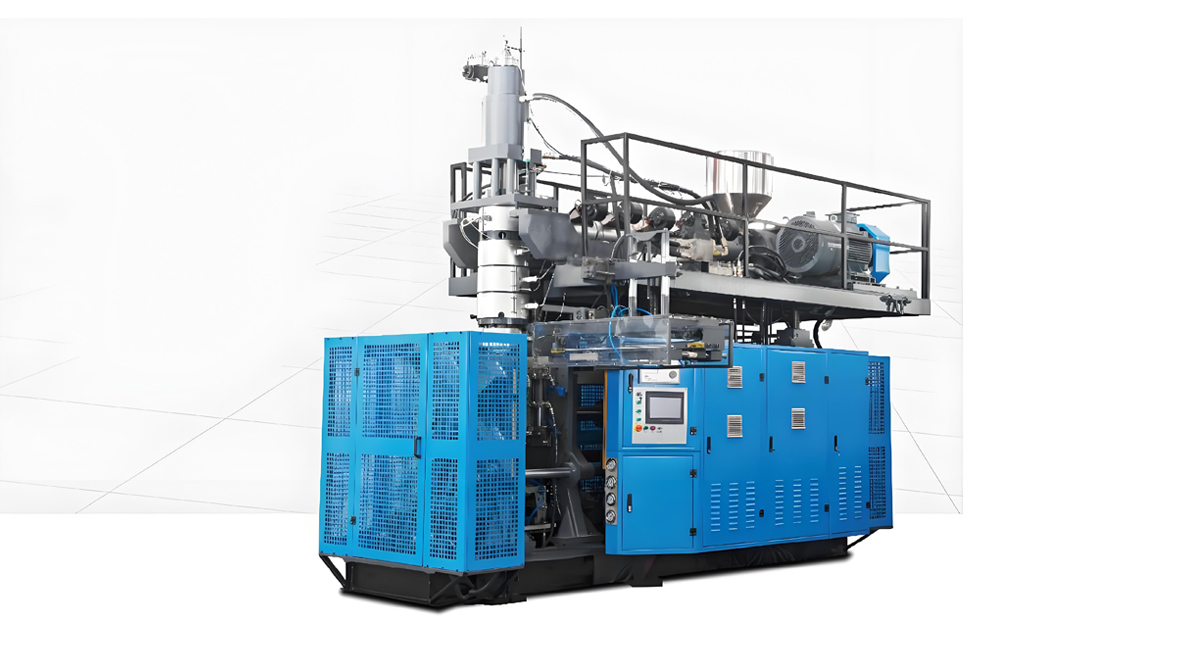
The industrial container market demands robust manufacturing equipment capable of producing large-volume containers that meet rigorous performance specifications. Extrusion blow molding machines designed specifically for industrial container production enable manufacturers to create heavy-duty containers ranging from 20 liters to 200 liters or larger. These specialized machines combine high clamping forces, generous platen dimensions, and powerful extrusion systems to process the thick walls and large volumes characteristic of industrial containers.
Industrial containers serve essential functions across numerous sectors including chemical processing, food ingredients, automotive fluids, agricultural chemicals, and industrial waste management. The containers must withstand demanding handling conditions, maintain contents integrity, and provide reliable long-term service. Meeting these requirements demands manufacturing equipment engineered specifically for industrial container production rather than general-purpose machines operating at the limits of their capability.
Understanding Industrial Container Requirements
Industrial containers face usage conditions fundamentally different from consumer packaging. Contents may include corrosive chemicals, abrasive materials, temperature-sensitive products, or foods requiring precise storage conditions. Container materials must resist chemical attack, maintain structural integrity under stacking loads, and protect contents from contamination throughout the product lifecycle that may extend over many years.
Regulatory compliance represents another critical requirement for industrial containers. Chemical containers must meet United Nations packaging standards for hazardous materials transport. Food-grade containers require compliance with FDA regulations and similar international standards. Pharmaceutical containers must satisfy stringent good manufacturing practice requirements. These compliance obligations influence material selection, production processes, and quality assurance procedures.
Size and Capacity Considerations
Industrial container sizes typically range from 20 liters to 200 liters, with 60-liter and 200-liter capacities representing common standardization points across many industries. The 200-liter drum remains the global standard for bulk liquid transport, creating consistent demand for machines capable of producing containers meeting these dimensions. Single-station machines can typically produce containers up to 60 liters, while larger containers require multi-station carousel machines or specialized heavy-duty equipment.
Production efficiency requirements influence the economic viability of different container sizes. Larger containers distribute fixed production costs across more volume, but slower cycle times may offset this advantage. A thorough production cost analysis should consider cycle time, material yield, labor requirements, and equipment utilization for each target container size.
Material Selection for Industrial Applications
High-density polyethylene represents the dominant material for industrial containers due to its excellent chemical resistance, impact strength, and cost-effectiveness. HDPE grades formulated specifically for industrial container production offer enhanced environmental stress crack resistance and improved melt strength for thick-wall extrusion. These specialized grades command premium prices but provide essential performance characteristics for demanding applications.
Polypropylene provides superior chemical resistance for certain applications while offering improved high-temperature performance compared to HDPE. Co-extrusion techniques enable multi-layer container construction combining different materials to optimize specific properties. For example, an EVOH barrier layer can improve oxygen barrier performance while outer HDPE layers provide mechanical strength and chemical resistance.
Recycled content integration addresses sustainability requirements while maintaining performance specifications. Post-consumer recycled materials can be incorporated in outer layers or specific container zones to achieve recycling content targets without compromising critical performance properties. Material suppliers offer PCR grades specifically characterized for industrial container applications.
Machine Specifications for Large Container Production
Producing large industrial containers requires extrusion blow molding machines with specifications significantly exceeding those of general-purpose equipment. Clamping force, platen size, extrusion capacity, and cycle time capability all require careful evaluation to ensure adequate performance for target container specifications. Understanding these technical requirements enables informed equipment selection and productive discussions with machine manufacturers.
Clamping System Requirements
Large containers with thick walls generate substantial forces during the blow molding process. The clamping system must apply sufficient force to maintain mold closure against the pressure developed during parison inflation while enabling rapid opening and closing for efficient cycle times. Industrial container machines typically require clamping forces ranging from 50 tons for smaller containers up to 500 tons or more for the largest industrial drums.
Hydraulic clamping systems remain the dominant choice for industrial container production due to their proven reliability and ability to apply high forces consistently. Dual-platen toggle designs offer excellent force multiplication and fast opening/closing speeds. Some manufacturers utilize servo-hydraulic systems combining hydraulic power with electronic control for optimized performance and energy efficiency.
Mold mounting systems for large containers require robust construction capable of withstanding repetitive high-force operations. Standardized mounting patterns facilitate mold changes while ensuring accurate positioning. Quick-release clamping features reduce changeover times for manufacturers producing multiple container sizes on the same equipment.
Extrusion System Capacity
Large containers require substantial material delivery capacity to fill thick-wall parisons within reasonable cycle times. The extrusion system must deliver high output rates while maintaining precise control over parison dimensions and wall thickness distribution. This combination of capacity and precision distinguishes industrial container machines from general-purpose equipment.
Screw designs for industrial container production optimize melting capacity and mix quality for high-output processing. Long L/D ratios typically ranging from 24:1 to 30:1 provide adequate melting capacity and homogeneous material delivery. Barrier flight designs improve melting efficiency while maintaining material properties through controlled shear exposure.
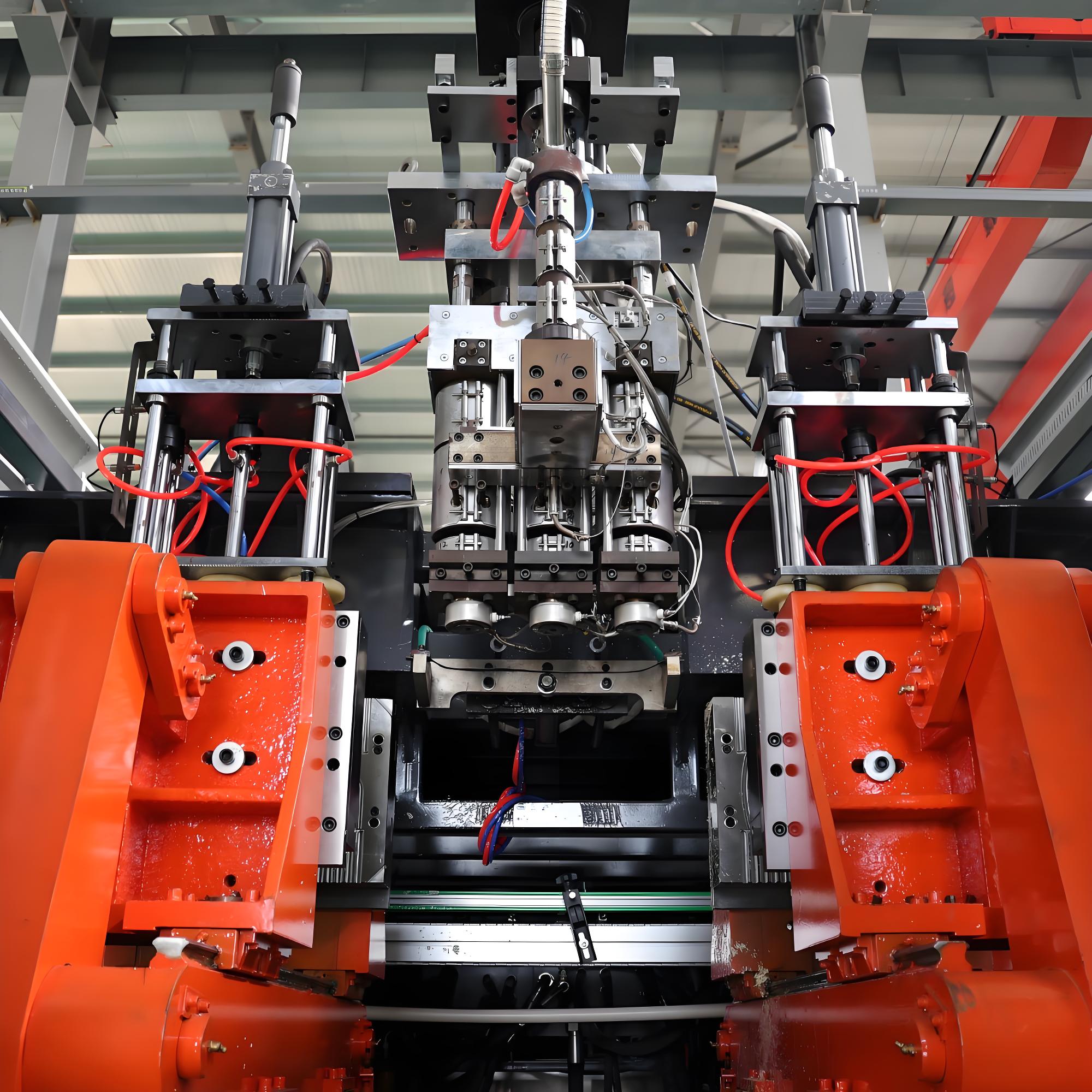
Die head design critically influences parison quality and production efficiency. Accumulator head designs enable rapid parison delivery by storing melt volume for quick discharge during the blowing phase. Die lip geometry and air ring systems control parison thickness uniformity and surface quality. Advanced parison programming enables wall thickness variation optimized for specific container geometries.
Cycle Time Optimization
Cycle time directly impacts production efficiency and container cost. Industrial container cycles typically range from 60 seconds for smaller containers to 180 seconds or more for large drums, depending on wall thickness and cooling requirements. Understanding the factors limiting cycle time enables targeted optimization efforts.
Cooling represents the primary constraint on cycle time for most industrial containers. Thick walls require extended cooling periods to achieve adequate part temperature before ejection. Improved cooling efficiency through optimized mold channel design, intensified cooling methods, and efficient cooling water supply systems can meaningfully reduce cycle times.
Blow ratio optimization influences cycle time by affecting cooling efficiency and material distribution. Lower blow ratios require longer cooling times but may provide more uniform wall thickness for specific container geometries. Simulation tools enable optimization of blow ratios and cooling parameters to minimize cycle time while achieving required part quality.
Cost Analysis for Industrial Container Production
Production cost analysis for industrial containers encompasses multiple cost categories including equipment investment, material costs, labor, overhead allocation, and quality-related costs. Comprehensive cost models enable comparison of different production scenarios and identification of optimization opportunities. This analysis framework supports both equipment selection decisions and ongoing production management.
Equipment Investment Requirements
Industrial container extrusion blow molding machines represent substantial capital investments reflecting their heavy-duty construction and production capability. Single-station machines capable of producing containers up to 60 liters range from approximately 120,000 to 350,000 dollars depending on specifications and automation level. Multi-station carousel machines for larger containers command premium prices ranging from 400,000 to over 1,500,000 dollars.
Equipment selection should consider both current production requirements and anticipated future needs. Machines with higher specifications than immediately required may provide flexibility for expanded product offerings or production growth without requiring additional equipment investment. However, excess capacity carries its own costs through higher depreciation, maintenance requirements, and opportunity cost of capital.
Ancillary equipment requirements include material handling systems, cooling water supplies, compressed air systems, and part handling equipment. Auxiliary investments typically add 15 to 30 percent to the base machine cost. Installation, foundation preparation, and commissioning services add further to total project costs. Comprehensive budget planning should incorporate all these elements.
Operating Cost Components
Material costs typically represent the largest operating expense for industrial container production, often comprising 50 to 70 percent of total production cost. Material pricing varies by polymer type, grade, and purchase volume. HDPE material for industrial containers typically costs between 1.20 and 1.80 dollars per kilogram depending on market conditions and contract terms. Material yield optimization through improved process control and reduced scrap directly impacts profitability.
Labor costs depend on production automation level, local wage rates, and production efficiency. Highly automated production lines may require only one operator per machine, while semi-automatic operations may need multiple workers for material handling, quality inspection, and packaging activities. Labor costs typically range from 8 to 25 dollars per hour depending on location and worker skill levels.
Energy costs for industrial container production include electricity for machine operation, lighting, climate control, and auxiliary equipment. Industrial container machines typically consume between 30 and 80 kilowatts during production operation depending on size and cycle rate. Energy costs at 0.10 dollars per kilowatt-hour translate to 3 to 8 dollars per machine-hour in electricity expense.
Total Cost of Ownership Analysis
Total cost of ownership analysis extends beyond initial acquisition and operating costs to encompass maintenance, repairs, downtime costs, and eventual equipment disposal or replacement. This comprehensive view enables more accurate comparison of equipment options with different price points and performance characteristics.
Maintenance costs for industrial blow molding machines typically range from 5 to 10 percent of initial equipment value annually for preventive maintenance programs. Major repairs and component replacements add further to lifecycle costs. Equipment reliability directly impacts maintenance costs and production losses from unplanned downtime.
Quality-related costs including scrap, rework, and customer returns add to production costs while potentially damaging brand reputation. Industrial containers failing to meet specifications may require complete rejection and reproduction, doubling the effective production cost for defective units. Quality investment in process monitoring and control systems often generates attractive returns through reduced defect rates.
Quality Assurance for Industrial Containers
Industrial container quality requirements span multiple dimensions including dimensional accuracy, material properties, visual appearance, and functional performance. Comprehensive quality assurance programs verify compliance with specifications while enabling continuous improvement in production efficiency. Meeting quality requirements consistently builds customer confidence and reduces costly quality failures.
Dimensional Verification
Dimensional accuracy ensures containers meet assembly and handling requirements throughout their service life. Critical dimensions include overall height, diameter at various points, neck finish dimensions, and wall thickness distribution. Coordinate measuring machines and specialized gauges enable precise dimensional verification during development and production.
Wall thickness uniformity critically influences container performance for pressurized or vacuum-loaded contents. Non-uniform walls create weak points susceptible to failure under load or during handling. Parison programming optimization and process control systems help maintain consistent wall thickness across production runs.
In-line thickness measurement systems provide real-time monitoring during production, enabling immediate detection and correction of process variations. Ultrasonic thickness measurement and gamma ray attenuation systems offer capabilities suited to different production requirements and accuracy needs. Statistical process control techniques analyze thickness data to identify trends requiring corrective action.
Material Property Verification
Melt flow rate testing verifies material consistency and detect contamination or degradation affecting processing or final properties. Regular sampling and testing during production confirms material conformance to specifications. Material certificates from suppliers provide starting point verification but do not eliminate the need for in-house testing.
Impact resistance testing verifies containers can withstand handling and transport conditions without damage. Drop testing, pendulum impact testing, and top-load testing evaluate different aspects of mechanical performance. Testing protocols should reflect actual handling conditions including temperature extremes that may affect material properties.
Chemical resistance verification ensures containers maintain integrity when filled with target contents over extended storage periods. Stress crack resistance testing evaluates susceptibility to environmental stress cracking that can cause premature failure. Compatibility testing with specific chemical formulations may be required for specialized applications.
Leak Testing and Functional Verification
Leak testing verifies container closure systems and wall integrity to prevent product leakage during storage and transport. Various testing methods including pressure decay, vacuum decay, and bubble emission testing provide different sensitivity levels and throughput capabilities. Testing protocols should reflect expected storage conditions including temperature variations and orientation changes.
Stackability testing verifies containers can withstand stacking loads during warehouse storage and transport. Creep testing evaluates long-term deformation under sustained loads. Accelerated aging testing simulates extended storage periods to predict long-term performance. These functional tests complement material and dimensional verification to ensure complete quality assurance.
Production Planning and Efficiency Optimization
Efficient industrial container production requires systematic attention to production planning, scheduling, and continuous improvement. Optimization efforts across multiple dimensions can significantly improve production economics and customer service levels. Understanding the relationships between different production parameters enables effective prioritization of improvement initiatives.
Production Scheduling Strategies
Production scheduling for industrial containers balances multiple objectives including equipment utilization, inventory levels, and customer delivery requirements. Bottle neck identification and management ensures maximum throughput from constrained resources. Changeover planning minimizes downtime while supporting production of required product variety.
Batch size optimization considers trade-offs between production efficiency and inventory costs. Longer production runs improve efficiency through reduced changeover frequency but increase inventory carrying costs and working capital requirements. Just-in-time production principles can be applied to industrial container manufacturing when changeover efficiency permits.
Maintenance scheduling integrates preventive maintenance activities with production planning to minimize impact on output capacity. Condition-based maintenance approaches using monitoring data can optimize maintenance timing and reduce unnecessary interventions. Computerized maintenance management systems support systematic maintenance planning and tracking.
Yield Optimization and Scrap Reduction
Material yield optimization reduces production costs by maximizing the proportion of input material converted to acceptable product. Flash control, trimmed material recovery, and startup scrap reduction contribute to improved yield. Process optimization and operator training address root causes of yield losses.
Startup and transition scrap represents significant yield loss during production changes and shift startups. Procedure optimization, material conservation practices, and efficient startup methods reduce startup scrap volumes. Quality verification during startup ensures acceptable product while minimizing startup time and waste.
Scrap material recycling enables partial recovery of material value from production waste. On-site grinding systems process flash and reject parts for reincorporation into production. Material degradation during recycling limits the proportion of recycled content that can be used without affecting quality. Recycled content tracking supports sustainability reporting requirements.
Apollo Industrial Container Production Solutions
Apollo Manufacturing offers a comprehensive range of extrusion blow molding machines specifically engineered for industrial container production. The product line spans single-station machines for containers up to 60 liters through multi-station systems capable of producing 200-liter drums at high production rates. Apollo’s industrial container machines emphasize reliability, efficiency, and quality consistency essential for competitive manufacturing operations.
Single-Station Industrial Container Machines
Apollo’s single-station industrial container machines provide cost-effective production for containers ranging from 20 to 60 liters. These machines feature robust hydraulic clamping systems with clamping forces from 50 to 150 tons depending on model. Generous platen dimensions accommodate various mold configurations while maintaining the structural integrity required for heavy-duty industrial production.
Standard equipment includes accumulator head extrusion systems with parison programming capability for wall thickness optimization. Temperature-controlled die heads ensure consistent parison quality across varying production conditions. Control systems incorporate recipe storage for efficient product changes and statistical process monitoring for quality assurance.
Typical pricing for Apollo single-station industrial container machines ranges from 150,000 to 280,000 dollars depending on specifications and options selected. Delivery times typically range from 12 to 20 weeks from order confirmation. Installation and commissioning services ensure successful startup and operator training.
Multi-Station Carousel Production Systems
Apollo’s multi-station carousel machines serve high-volume production requirements for 60-liter to 200-liter industrial containers. Carousel designs with four to six stations enable efficient cycle overlap where cooling, blowing, and ejection occur simultaneously on different stations. This parallel processing significantly improves throughput compared to single-station designs.
Clamping forces ranging from 200 to 500 tons accommodate the high forces required for large container production. Heavy-duty platen construction ensures consistent performance under repetitive high-force operation. Quick-change mold systems reduce changeover times for multi-product production facilities.
Carousel machine pricing typically ranges from 500,000 to 1,200,000 dollars for standard configurations, with premium specifications and automation options increasing costs further. These machines require substantial floor space, utility connections, and foundation preparation. Lead times for carousel systems typically range from 16 to 28 weeks.
Selecting the Right Machine for Your Requirements
Equipment selection for industrial container production requires careful evaluation of multiple factors including production volume requirements, container specifications, material requirements, and budget constraints. Systematic evaluation using a structured decision framework ensures comprehensive consideration of all relevant factors. Supplier consultation and equipment demonstrations provide valuable insights during the selection process.
Capacity and Volume Requirements
Production volume requirements directly influence machine specifications and configuration. High-volume production of standardized containers may justify investment in dedicated equipment optimized for specific container sizes. Lower volumes or diverse product portfolios favor more flexible machines capable of accommodating multiple container sizes on the same equipment.
Volume projections should consider both current requirements and anticipated growth. Equipment with modest excess capacity provides flexibility for growth without requiring immediate additional investment. However, significant excess capacity increases fixed costs and may represent inefficient capital allocation.
Seasonal demand variations influence equipment requirements and production planning. Facilities with highly seasonal demand may benefit from equipment capable of high-speed production during peak periods. Alternatively, additional equipment can provide surge capacity while maintaining reasonable base-load utilization of primary machines.
Container Specifications and Complexity
Container specifications including size, weight, wall thickness, and structural features determine machine requirements. Complex containers with deep ribs, thick flanges, or specialized closures may require particular mold designs or processing approaches that influence machine selection. Early consultation with mold manufacturers and equipment suppliers helps identify potential challenges.
Multi-layer container construction requiring co-extrusion capabilities adds complexity to both machine and mold requirements. Barrier layer positioning, layer thickness control, and material compatibility all require careful consideration. Not all industrial container machines support co-extrusion, so this requirement must be identified early in the selection process.
Regulatory compliance requirements for specific applications may impose additional constraints on equipment selection. Food-grade production may require equipment constructed with food-contact-compliant materials and cleaning capabilities. Pharmaceutical applications may require validation documentation and quality assurance capabilities exceeding standard industrial equipment.
Conclusion and Strategic Considerations
Industrial container production through extrusion blow molding offers substantial market opportunities for manufacturers with appropriate equipment capabilities. The combination of large container handling, thick-wall processing, and quality assurance requirements demands specialized equipment rather than general-purpose machinery. Careful equipment selection based on comprehensive analysis of requirements and economics positions manufacturers for competitive success.
Investment decisions should incorporate both quantitative financial analysis and qualitative strategic considerations. The lowest-cost equipment may not provide the best overall value if it lacks capabilities required for target products or cannot support anticipated growth. Premium equipment with higher specifications may generate returns through expanded market opportunities and reduced operational challenges.
Ongoing production optimization through quality improvement, efficiency enhancement, and continuous improvement methodology ensures long-term competitiveness. Industrial container manufacturing rewards systematic attention to operational excellence. Manufacturers who invest in people, processes, and equipment position themselves for sustained success in demanding markets.