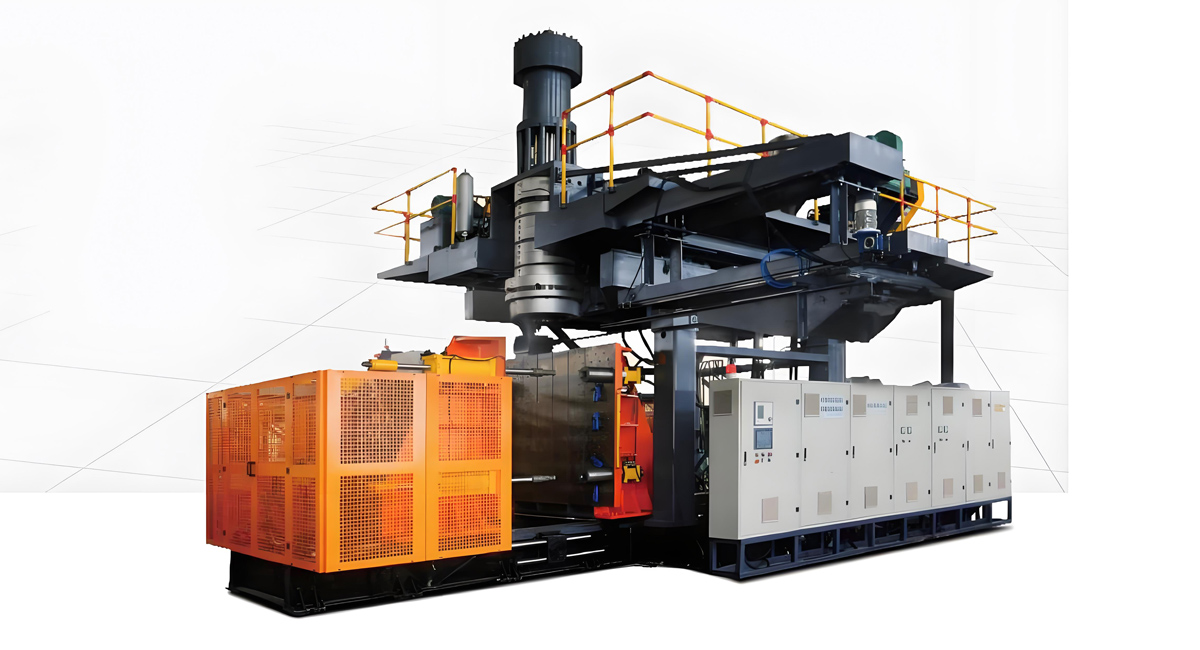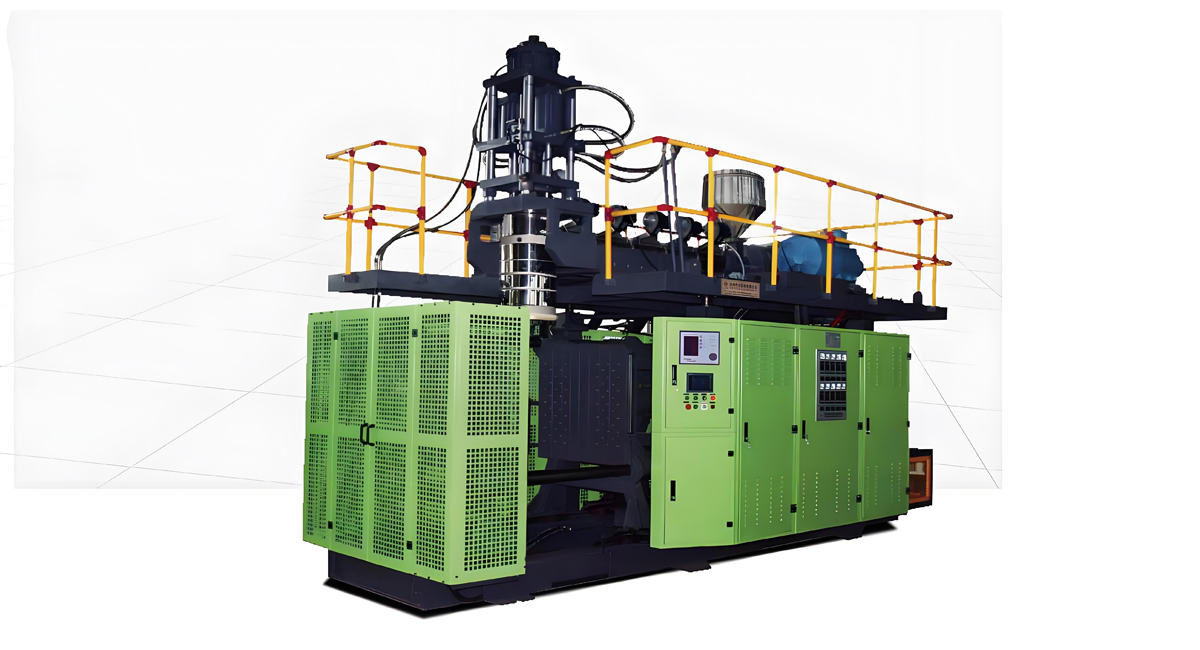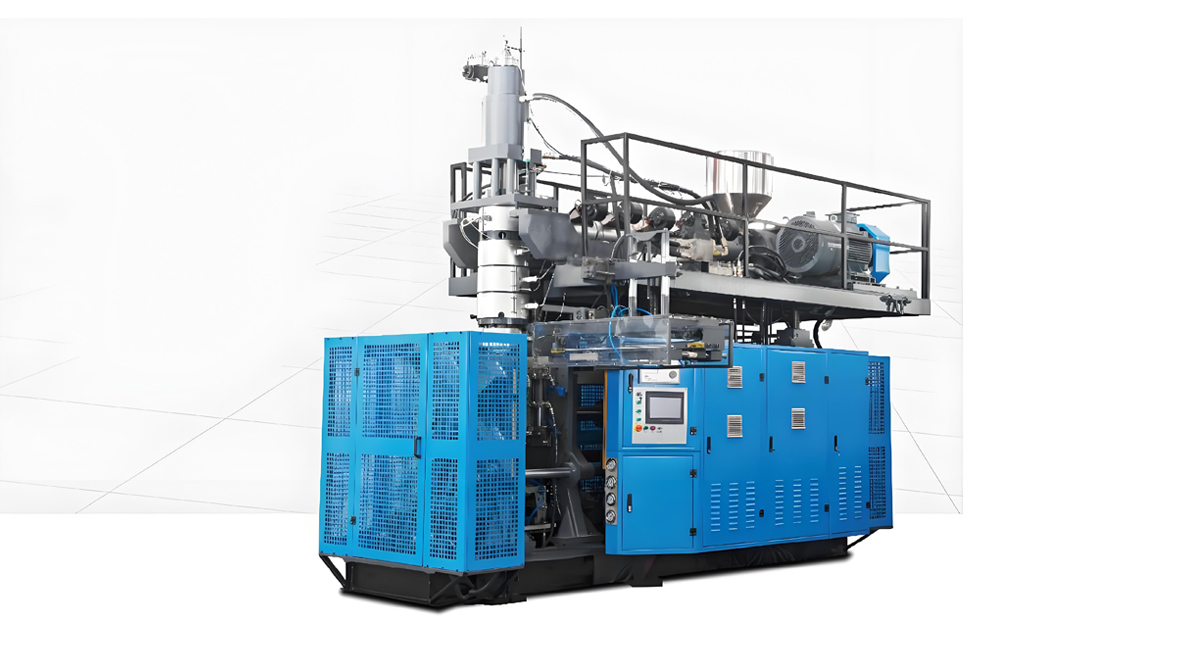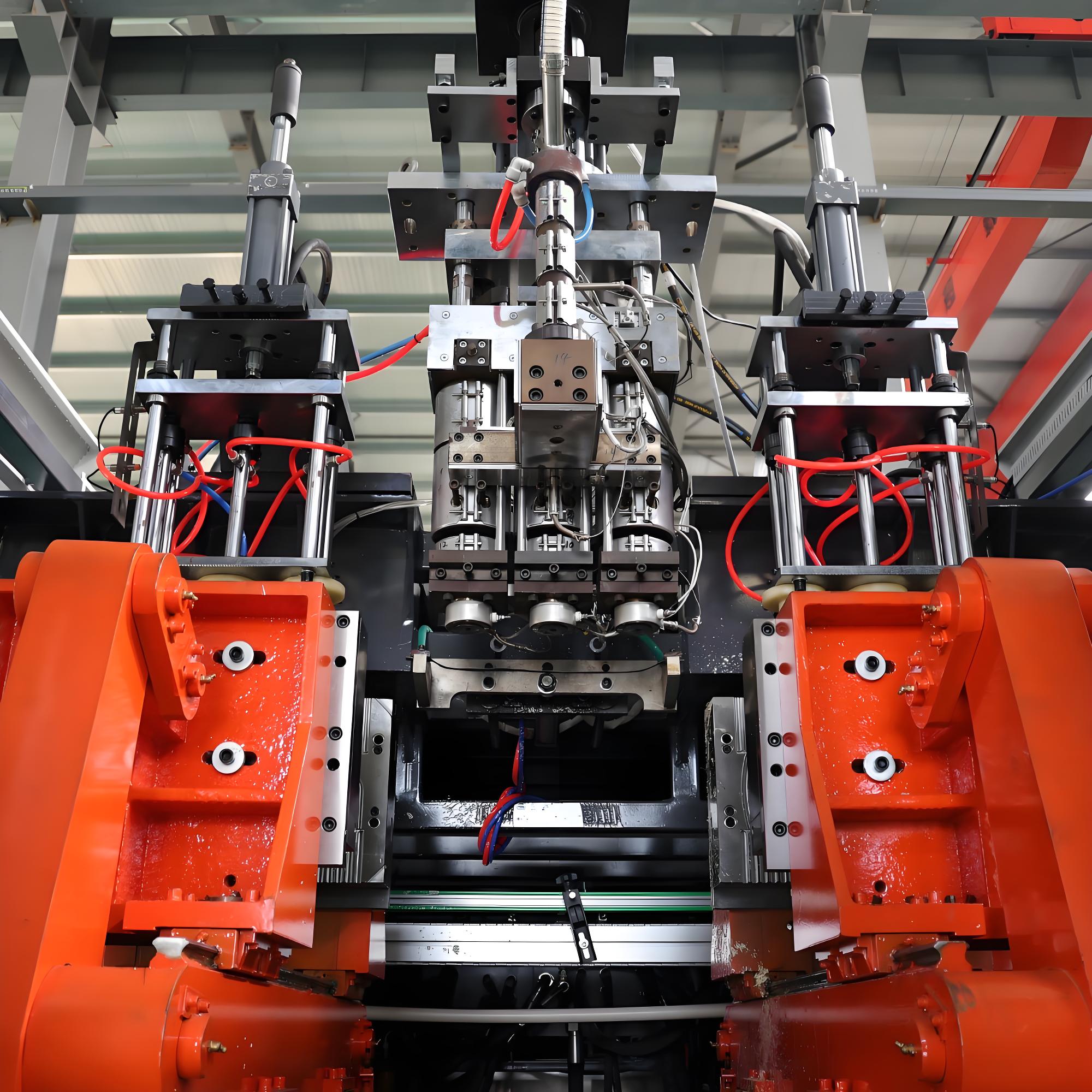
The transition from hydraulic to electric extrusion blow molding machines represents one of the most significant technological advancements in the plastic container manufacturing industry. Electric machines deliver substantial energy savings, superior precision, reduced environmental impact, and lower operating costs compared to traditional hydraulic models. Apollo extrusion blow molding machines incorporate state-of-the-art electric drive technology that provides all these advantages while maintaining the production capacity and reliability that manufacturers require. This comprehensive analysis examines the energy efficiency, technical advantages, economic benefits, and long-term value of electric blow molding machines compared to hydraulic alternatives.
Energy consumption represents one of the largest operating costs in blow molding operations, often accounting for 30-40% of total production costs. Electric blow molding machines address this cost driver through fundamentally different power delivery systems that eliminate energy losses inherent in hydraulic systems. Apollo electric models achieve 30-40% energy reduction compared to hydraulic equivalents, translating to annual savings of $15,000 to $50,000 depending on machine size and operating hours. These savings continue throughout equipment lifetime while providing additional benefits including improved precision, reduced maintenance, and cleaner operation.
Energy Efficiency Comparison and Analysis
Power Consumption Fundamentals
Electric blow molding machines utilize servo motors that drive each machine function directly, eliminating the energy losses that occur in hydraulic systems during power conversion from electric to hydraulic and back. Hydraulic systems require electric motors to drive hydraulic pumps, which pressurize hydraulic fluid that then powers actuators through valves and hoses. Each conversion step introduces energy losses, with typical hydraulic systems achieving only 40-50% overall energy efficiency from electrical input to mechanical output.
Electric blow molding machines achieve 85-95% energy efficiency by eliminating hydraulic conversion steps and using servo motors that consume power only when actually performing work. The servo motors in Apollo electric machines feature regenerative braking that recovers energy during deceleration, feeding it back into the electrical system rather than dissipating it as heat. This energy recovery capability provides additional savings particularly in applications with frequent acceleration and deceleration cycles.
Quantified energy consumption data clearly demonstrates the electric advantage. A hydraulic ABLB 90 model producing 5L HDPE containers typically consumes 25-30kW during operation, while an electric ABLE 80 model producing similar containers consumes only 15-18kW. Over a typical 6000-hour annual operating period, this represents energy savings of approximately 42,000-72,000 kWh, equivalent to $6,300-$10,800 annually at typical industrial electricity rates of $0.15 per kWh.
Energy Savings by Machine Function
Different machine functions contribute to overall energy consumption, and electric systems provide advantages across all major operational areas. The extruder drive system typically represents the largest energy consumer, accounting for 40-50% of total energy consumption in hydraulic machines. Electric extruder drives in Apollo machines consume 35-45% less energy than hydraulic equivalents while providing superior speed control and torque characteristics.
Clamping systems in hydraulic machines maintain pressure through continuous hydraulic pump operation even when the mold is stationary, resulting in significant energy waste. Electric clamping systems in Apollo machines maintain position through servo motor braking that consumes minimal power, eliminating this waste. Energy savings in clamping alone reach 50-60% compared to hydraulic systems.
Blowing systems represent another area where electric technology provides substantial energy savings. Hydraulic blowing systems maintain pressure through continuous pump operation even between blowing cycles, while electric systems generate pressure on demand and consume minimal power during idle periods. Additionally, electric blowing systems provide precise pressure control that reduces compressed air waste compared to hydraulic systems that may over-pressurize to compensate for control limitations.
Environmental Impact Reduction
Energy consumption directly correlates with environmental impact through power plant emissions and resource consumption. The 30-40% energy reduction achieved by electric blow molding machines translates directly into reduced carbon emissions and environmental footprint. For a typical mid-size blow molding operation with three machines operating 6000 hours annually, electric models reduce CO2 emissions by approximately 200-300 tons per year compared to hydraulic equivalents.
Hydraulic systems present additional environmental concerns beyond energy consumption. Hydraulic oil leaks represent a significant environmental hazard and regulatory liability, with potential fines and cleanup costs for contamination incidents. Electric systems eliminate hydraulic oil entirely, removing this environmental risk entirely. The absence of hydraulic oil also eliminates disposal requirements for used hydraulic oil, which typically requires special handling as hazardous waste.
Noise pollution represents another environmental consideration where electric models provide advantages. Hydraulic systems generate noise levels exceeding 85 decibels during normal operation, creating workplace noise concerns and requiring hearing protection in many facilities. Apollo electric machines operate at 70-75 decibels, reducing noise pollution by 10-15 decibels and improving workplace conditions. The reduced noise levels may enable facility expansion without additional noise mitigation measures.
Technical Advantages of Electric Systems
Precision and Control Superiority
Electric servo systems provide significantly better positional accuracy and speed control compared to hydraulic actuators. Apollo electric machines achieve positioning accuracy within 0.03mm compared to 0.05-0.08mm for hydraulic systems, enabling superior control over container dimensions and wall thickness consistency. This precision directly translates to improved product quality, reduced material waste, and enhanced consistency across production runs.
Speed control advantages of electric systems include acceleration rates up to twice those of hydraulic systems and the ability to decelerate more precisely at target positions. These capabilities enable faster cycle times while maintaining quality, with Apollo electric machines achieving cycle time reductions of 20-25% compared to hydraulic equivalents. The faster acceleration also enables more complex motion profiles that optimize processing for specific container designs.
Electric control systems provide more responsive and precise pressure control compared to hydraulic systems. Apollo electric machines can maintain blow pressure within 0.01 MPa compared to 0.03-0.05 MPa for hydraulic systems, enabling more consistent container formation and better control over wall thickness distribution. This precision reduces material usage by enabling thinner walls while maintaining container strength and leak-proof performance.
Consistency and Repeatability
Electric systems provide exceptional consistency from cycle to cycle and across production runs, essential for maintaining product quality standards. The precise control over position, speed, and pressure enables Apollo electric machines to maintain container dimensions within tighter tolerances than hydraulic models. This consistency reduces quality inspection requirements and scrap rates while improving customer satisfaction through reliable product performance.
Temperature stability in electric machines contributes to processing consistency. Without the heat generation from hydraulic pumps and motors, electric systems maintain more stable operating temperatures, reducing thermal drift that affects processing parameters. Apollo electric machines maintain processing temperatures within 1°C of setpoint compared to 2-3°C variations typical in hydraulic systems, resulting in more consistent material behavior and product quality.
Production lot-to-lot consistency benefits from electric system advantages in parameter control and repeatability. Apollo electric machines maintain quality across production lots with less variation in dimensions, wall thickness, and visual quality compared to hydraulic systems. This consistency is particularly valuable for applications requiring strict quality standards such as food and pharmaceutical containers where quality variations are unacceptable.
Reduced Maintenance Requirements
Electric blow molding machines require significantly less maintenance than hydraulic systems, reducing operating costs and improving equipment uptime. Apollo electric machines eliminate hydraulic oil, filters, seals, pumps, and valves that require regular replacement and maintenance in hydraulic systems. The primary maintenance items in electric machines are servo motor bearings and drive components, which typically have service lives 3-5 times longer than hydraulic components.
Maintenance cost analysis demonstrates substantial savings with electric systems. Hydraulic machines typically require annual maintenance costs of $5,000-$10,000 including hydraulic oil changes, filter replacements, seal replacements, and pump maintenance. Apollo electric machines typically require only $2,000-$3,000 in annual maintenance, primarily consisting of periodic bearing lubrication and inspection. Over a 10-year equipment life, this represents maintenance savings of $30,000-$70,000 compared to hydraulic alternatives.
Equipment uptime benefits from reduced maintenance requirements and increased reliability. Electric systems have fewer moving parts and no hydraulic components that can fail, resulting in higher mean time between failures. Apollo electric machines typically achieve 98-99% uptime compared to 95-97% for hydraulic systems, translating to 120-360 additional production hours annually for a two-shift operation. This increased productivity provides additional revenue and faster return on investment.
Apollo Electric Machine Specifications and Models
ABLE 80 Model Specifications
The ABLE 80 electric blow molding machine from Apollo represents the optimal balance of production capacity and energy efficiency for containers up to 10L capacity. This model incorporates all-servo drive systems throughout, providing energy savings and precision advantages across all machine functions. The ABLE 80 serves applications including water bottles, jerrycans, and industrial containers requiring high quality and energy efficiency.
Technical specifications include 80mm screw diameter with L/D ratio of 24:1, providing sufficient plasticizing capacity for most standard blow molding materials. The servo drive system provides 30kW of power to the extruder, with additional servo drives for clamping, die head positioning, and blowing functions. Total installed power is 37kW, compared to 55-60kW for equivalent hydraulic machines, representing substantial energy savings.
Production capacity for the ABLE 80 ranges from 400-1200 containers per hour depending on container size and wall thickness requirements. The machine features dry cycle times as low as 3.5 seconds for small containers, with precise control throughout the cycle that maintains quality even at high speeds. Clamping force of 100kN accommodates containers up to 10L with adequate safety margins for various mold designs.
Dimensions of the ABLE 80 measure 3.5 meters in length, 1.8 meters in width, and 2.8 meters in height, fitting within typical factory layouts while providing access for maintenance and operation. The machine weight of 6.5 tons provides stability during operation while remaining within most factory floor loading specifications. Noise level during normal operation does not exceed 75 decibels, making the machine suitable for various workplace environments.
ABLE 100 Model Specifications
The ABLE 100 electric machine extends production capacity to containers up to 20L while maintaining energy efficiency and precision advantages of electric drive technology. This model serves applications including large water containers, chemical jerrycans, and industrial containers requiring higher capacity than the ABLE 80 can accommodate. The ABLE 100 provides the energy efficiency advantages of electric technology for larger container production.
Technical specifications include 100mm screw diameter with L/D ratio of 24:1, providing enhanced plasticizing capacity for larger containers. The servo drive system provides 45kW of power to the extruder, with additional servo drives for all other machine functions. Total installed power is 55kW, compared to 80-90kW for equivalent hydraulic machines, representing energy savings of 35-40% despite the larger capacity.
Production capacity for the ABLE 100 ranges from 200-800 containers per hour depending on container size and wall thickness requirements. The machine maintains the fast cycle times of the ABLE 80 despite the larger capacity, with dry cycle times as low as 4.5 seconds for 5L containers. Clamping force of 150kN accommodates containers up to 20L and enables production of multi-cavity molds for smaller containers.
Dimensions of the ABLE 100 measure 4.2 meters in length, 2.0 meters in width, and 3.2 meters in height, reflecting the larger size required for increased capacity. The machine weight of 9.5 tons provides stability for large container production. Despite the larger size, the machine maintains the quiet operation characteristic of electric systems, with noise levels not exceeding 76 decibels during normal operation.
ABLE 120 Model Specifications
The ABLE 120 represents Apollo’s largest electric blow molding machine, designed for containers up to 30L capacity while maintaining the energy efficiency and precision advantages of electric drive technology. This model serves applications including large industrial containers, fuel tanks, and specialized containers requiring high capacity and quality. The ABLE 120 demonstrates that electric technology provides advantages even for large-scale blow molding operations.
Technical specifications include 120mm screw diameter with L/D ratio of 24:1, providing the substantial plasticizing capacity needed for large containers. The servo drive system provides 60kW of power to the extruder, with additional high-power servo drives for other machine functions. Total installed power is 75kW, compared to 120-140kW for equivalent hydraulic machines, representing energy savings of 40% even at this large scale.
Production capacity for the ABLE 120 ranges from 100-400 containers per hour depending on container size and wall thickness requirements. The machine achieves production rates comparable to hydraulic systems while consuming significantly less energy. Clamping force of 200kN accommodates containers up to 30L and enables production of large containers with heavy walls or multiple cavities for smaller containers.
Dimensions of the ABLE 120 measure 5.0 meters in length, 2.4 meters in width, and 3.8 meters in height, reflecting the substantial size required for large container production. The machine weight of 14 tons provides the necessary stability for large capacity production. Despite the large size and capacity, the machine maintains quiet operation with noise levels not exceeding 78 decibels during normal operation.
Economic Analysis and ROI Calculation
Initial Investment Comparison
Electric blow molding machines carry higher initial investment compared to hydraulic equivalents due to the cost of servo motors, drives, and associated control systems. Apollo ABLE 80 electric machine typically costs $55,000-$60,000 compared to $35,000-$40,000 for an equivalent hydraulic ABLB 90 model, representing a premium of 45-55%. Similarly, the ABLE 100 electric model costs $75,000-$85,000 compared to $50,000-$55,000 for hydraulic equivalents, representing a premium of 40-50%.
The investment premium for electric technology must be evaluated against the total cost of ownership over equipment lifetime. While the initial cost is higher, the ongoing savings from energy efficiency, reduced maintenance, and improved productivity typically offset the premium within 18-30 months depending on operating conditions. After this payback period, the electric machines provide net savings throughout their operational life.
Financing considerations affect the evaluation of electric versus hydraulic investments. The higher initial cost of electric models may affect financing terms and cash flow, but the operating cost savings improve cash flow after the initial payback period. Some financial institutions offer preferential financing terms for energy-efficient equipment that can reduce the effective cost of the electric premium.
Operating Cost Savings Breakdown
Energy savings represent the largest component of operating cost advantages for electric machines. For an ABLE 80 operating 6000 hours annually producing 5L containers, energy costs are approximately $13,500 per year compared to $22,500 for a hydraulic equivalent, representing annual savings of $9,000. These savings continue throughout equipment life and increase with energy cost inflation.
Maintenance cost savings contribute significantly to overall operating cost advantages. Electric machines typically require $2,000-$3,000 in annual maintenance compared to $5,000-$10,000 for hydraulic models, representing annual savings of $3,000-$7,000. These savings accumulate throughout equipment life and reduce unexpected maintenance costs that can disrupt production schedules.
Productivity improvements from faster cycle times and better uptime provide additional economic benefits. Electric machines typically produce 10-15% more containers per hour due to faster cycle times and have 2-4% higher uptime due to reduced maintenance requirements. For a machine producing 500 containers per hour in two-shift operation, this represents additional production of 50,000-100,000 containers annually, providing substantial additional revenue.
Total Cost of Ownership Analysis
Total cost of ownership analysis over a 10-year equipment life demonstrates the compelling economic advantage of electric technology. For an ABLE 80 compared to an equivalent hydraulic machine, the analysis includes initial investment premium of $20,000, annual energy savings of $9,000, annual maintenance savings of $4,000, and additional production value of $12,000 from increased productivity.
Over 10 years, cumulative savings include $90,000 in energy costs, $40,000 in maintenance costs, and $120,000 from increased production, totaling $250,000 in savings against the initial $20,000 premium. This represents a net benefit of $230,000 over the equipment lifetime, clearly demonstrating that electric technology provides superior value despite higher initial cost.
For companies with higher electricity costs or more intensive operating schedules, the savings are even more substantial. Companies operating three shifts or paying above-average electricity rates may achieve payback periods of 12-18 months instead of 18-30 months. Companies in regions with energy taxes or carbon pricing programs face additional costs for hydraulic systems that increase the economic advantage of electric machines.
Application Suitability and Use Cases
Food and Beverage Packaging
Food and beverage packaging applications benefit particularly from electric blow molding machines due to hygiene requirements, quality standards, and energy cost sensitivity. Electric systems eliminate hydraulic oil contamination risks that could affect food-grade container production, while providing the precision needed for consistent container dimensions and appearance. The energy savings are particularly valuable for high-volume beverage production where energy costs represent a significant portion of total production costs.
Water bottle production represents an ideal application for electric machines due to high production volumes, energy sensitivity, and quality requirements. Apollo ABLE 80 and 100 machines produce water bottles with exceptional clarity and dimensional consistency while reducing energy costs by 30-40% compared to hydraulic alternatives. The precision control enables thinner walls without compromising strength, reducing material usage by 5-10% compared to hydraulic machines.
Beverage containers with complex designs or multiple materials benefit from the precision control of electric systems. The ability to precisely control position, speed, and pressure enables production of containers with complex geometries or multiple materials that would be difficult or impossible with hydraulic systems. The consistency of electric systems ensures that each container meets quality standards even with complex designs.
Pharmaceutical and Medical Packaging
Pharmaceutical and medical packaging applications demand the highest quality standards and absolute contamination prevention. Electric blow molding machines meet these requirements through clean operation without hydraulic oils, exceptional consistency, and the ability to maintain precise processing conditions. Apollo electric machines are designed for clean room compatibility and meet pharmaceutical industry requirements for equipment quality and documentation.
Pharmaceutical bottle production requires absolute consistency in dimensions, wall thickness, and visual appearance to ensure proper dosing and customer acceptance. Electric machines provide the precision and consistency needed to meet these requirements while reducing energy costs. The ability to maintain tight tolerances across production lots is essential for pharmaceutical applications where quality variations are unacceptable.
Medical device containers and sterile packaging benefit from the clean operation and precise control of electric systems. The absence of hydraulic oil eliminates contamination risks that could compromise sterility. The precise temperature and pressure control enables production of containers with exact specifications required for medical applications. Apollo provides documentation and validation support for pharmaceutical and medical applications.
High-Volume Industrial Applications
High-volume industrial applications including chemical containers, automotive parts, and industrial containers benefit from electric technology through energy savings, productivity improvements, and reduced maintenance costs. These applications typically operate long hours and have high energy consumption, making energy savings particularly valuable. The productivity improvements from faster cycle times and higher uptime provide significant competitive advantages.
Chemical jerrycan production benefits from electric technology through energy cost reduction and improved quality consistency. The precise control enables production of leak-proof containers with consistent quality while reducing energy consumption by 30-40%. The ability to produce containers with precise wall thickness distribution optimizes material usage and ensures container performance under chemical exposure.
Automotive fluid containers and fuel tanks represent demanding applications requiring high quality and precise control. Electric machines produce these containers with the dimensional accuracy and material consistency needed for automotive applications. The energy savings are valuable for automotive suppliers facing pressure to reduce costs while maintaining quality. The reduced maintenance requirements help prevent production disruptions that could affect automotive just-in-time delivery schedules.
Installation and Integration Considerations
Electrical Infrastructure Requirements
Electric blow molding machines have different electrical requirements compared to hydraulic machines that must be considered during installation planning. While electric machines typically have lower total power consumption, they have higher peak power demands during rapid acceleration phases. Apollo electric machines require stable power supplies with adequate capacity to handle peak demands while maintaining voltage stability within 5% of nominal voltage.
Power factor correction may be necessary for electric machines to optimize electrical efficiency and avoid utility penalties. Apollo electric machines incorporate power factor correction capabilities that maintain power factor above 0.95 under normal operating conditions. Proper electrical grounding and surge protection are essential to protect sensitive servo drives and control systems from power disturbances.
Electrical service sizing should consider the actual power requirements rather than nameplate ratings. Apollo provides detailed electrical load profiles for each machine model to enable accurate electrical infrastructure planning. In many cases, electric machines require smaller electrical services than equivalent hydraulic machines due to lower overall energy consumption despite higher peak power demands.
Floor Space and Layout Considerations
Electric blow molding machines have compact footprints compared to hydraulic equivalents, requiring less floor space for the same production capacity. Apollo ABLE models typically require 20-30% less floor space than equivalent hydraulic ABLD or ABLB models, enabling more efficient facility utilization. The compact size also simplifies installation in existing facilities with limited available space.
Layout considerations include access for maintenance and service, material handling integration, and operator positioning. Apollo provides detailed dimension drawings and layout recommendations for each machine model to optimize facility utilization. The compact size of electric machines often enables additional production equipment or storage areas in the same facility footprint.
Environmental control requirements differ for electric machines compared to hydraulic systems. Electric machines generate less heat during operation, reducing HVAC requirements for temperature control. The absence of hydraulic oil eliminates fire protection requirements specific to hydraulic oil and reduces ventilation requirements. These factors contribute to lower facility operating costs for electric machine installations.
Training and Knowledge Requirements
Operating and maintaining electric blow molding machines requires different knowledge and skills compared to hydraulic systems. Operators must understand servo system operation, parameter programming, and digital control interfaces. Maintenance personnel require knowledge of servo drives, electrical systems, and digital control systems rather than hydraulic components and systems.
Apollo provides comprehensive training programs for electric machine operation and maintenance, covering machine functions, control system operation, parameter optimization, and preventive maintenance procedures. Training programs are customized to customer requirements and may include on-site training at customer facilities after machine installation.
The transition from hydraulic to electric technology represents an organizational change that affects operator roles and maintenance practices. Apollo supports this transition through training, documentation, and ongoing technical support to ensure that customer personnel develop the knowledge and skills needed for effective operation and maintenance of electric machines.
Future Trends and Technology Development
Advanced Automation Integration
Electric blow molding machines are ideally suited for integration with advanced automation systems due to their precise digital control and fast response characteristics. Apollo machines incorporate interfaces and communication protocols that enable integration with automated material handling, quality inspection, and packaging systems. The precise control of electric systems enables fully automated production with minimal human intervention.
Industry 4.0 capabilities including IoT sensors, cloud connectivity, and predictive maintenance are more readily implemented in electric systems due to their digital control architecture. Apollo electric machines support remote monitoring, data analytics, and automated parameter optimization that enhance productivity and quality while reducing operating costs. These smart capabilities provide competitive advantages in increasingly competitive markets.
Artificial intelligence and machine learning applications are emerging for optimizing blow molding processes. The precise control and data availability from electric machines enable AI applications that optimize processing parameters in real-time, predict quality issues before they occur, and automatically adjust for material variations. These advanced capabilities will provide additional competitive advantages for electric machine users.
Material Innovation Compatibility
Material innovations including bio-based polymers, advanced composites, and recycled materials require precise control over processing conditions that electric systems provide exceptionally well. Apollo electric machines process these advanced materials with the same precision and consistency as traditional materials, enabling adoption of sustainable and high-performance materials without sacrificing production efficiency.
Bio-based polymers often have different processing characteristics compared to conventional polymers, requiring precise temperature and shear control. Electric systems provide the precision needed to process these materials successfully while maintaining productivity. The energy efficiency of electric machines is particularly valuable for bio-based polymers that may have higher processing costs than conventional materials.
Recycled materials and post-consumer recycled (PCR) content present processing challenges including variable material properties and contamination. Electric systems provide the precise control needed to compensate for material variations and maintain product quality with recycled content. The energy efficiency of electric machines improves the environmental benefits of using recycled materials by reducing energy consumption during processing.
Energy Management and Sustainability
Energy management systems integrate with electric blow molding machines to optimize energy consumption and reduce environmental impact. Apollo electric machines support energy management systems that monitor consumption patterns, identify optimization opportunities, and integrate with facility-wide energy management initiatives. These capabilities help manufacturers meet sustainability goals while reducing operating costs.
Renewable energy integration is more feasible with electric machines due to their lower energy consumption and compatibility with variable power sources. Solar panels, wind power, and other renewable sources can more easily supply the reduced power requirements of electric machines. This compatibility supports carbon reduction initiatives and reduces dependence on grid electricity.
Carbon footprint reduction is achieved through multiple factors including reduced energy consumption, elimination of hydraulic oil production and disposal, and reduced material waste from improved precision. Life cycle assessments show that electric blow molding machines reduce carbon footprint by 30-50% compared to hydraulic equivalents, supporting sustainability initiatives and meeting customer requirements for environmentally responsible production.
Conclusion
Electric extrusion blow molding machines represent the future of the plastic container manufacturing industry, providing compelling advantages in energy efficiency, precision, reliability, and environmental impact compared to hydraulic systems. Apollo electric machines deliver 30-40% energy savings, 45-60% reduction in maintenance costs, and 10-15% improvement in productivity while providing superior precision and consistency. The higher initial investment is recovered within 18-30 months through operating cost savings, after which electric machines provide net savings throughout their operational life.
The technical advantages of electric systems including servo-driven precision, reduced maintenance requirements, and improved uptime provide operational benefits that enhance productivity and product quality. Environmental advantages including reduced energy consumption, elimination of hydraulic oil, and lower noise emissions support sustainability initiatives and improve workplace conditions. These combined advantages make electric technology the clear choice for new equipment purchases and replacements.
As energy costs continue rising and environmental regulations become more stringent, the economic and operational advantages of electric blow molding machines will become increasingly compelling. Companies investing in electric technology today position themselves for long-term competitive advantages through lower operating costs, improved quality, and reduced environmental impact. Apollo electric machines provide the technology foundation for sustainable, efficient blow molding operations well into the future.