
Abstract
With the increasing emphasis on green manufacturing and energy conservation in the plastics industry, the energy consumption of blow molding machines has become a significant component of production costs. Statistics indicate that energy costs account for approximately 10%–20% of the total manufacturing cost of plastic products. Therefore, accurately evaluating machine energy consumption and implementing effective energy-saving strategies are essential for reducing operating costs, improving equipment utilization, and enhancing industrial competitiveness. This paper introduces methods for calculating the energy consumption of blow molding machines, analyzes the energy distribution of major subsystems, and discusses optimization strategies involving equipment configuration, process parameters, and intelligent control systems. The study provides practical guidance for the energy-efficient design and retrofitting of blow molding equipment.
1. Introduction
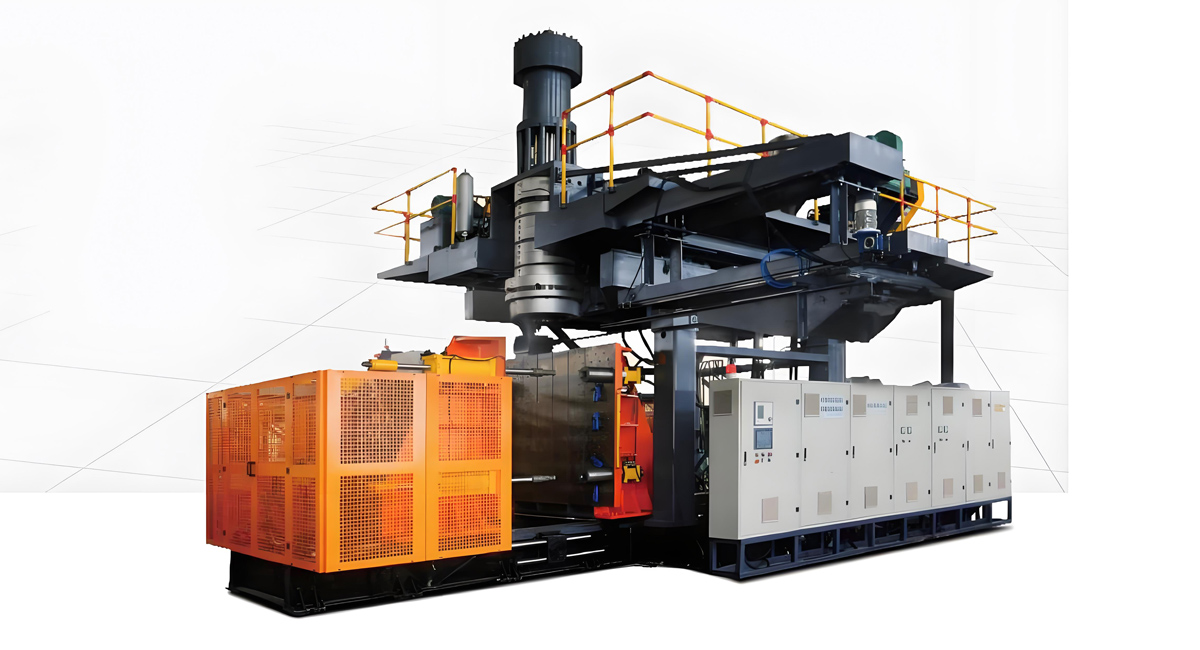
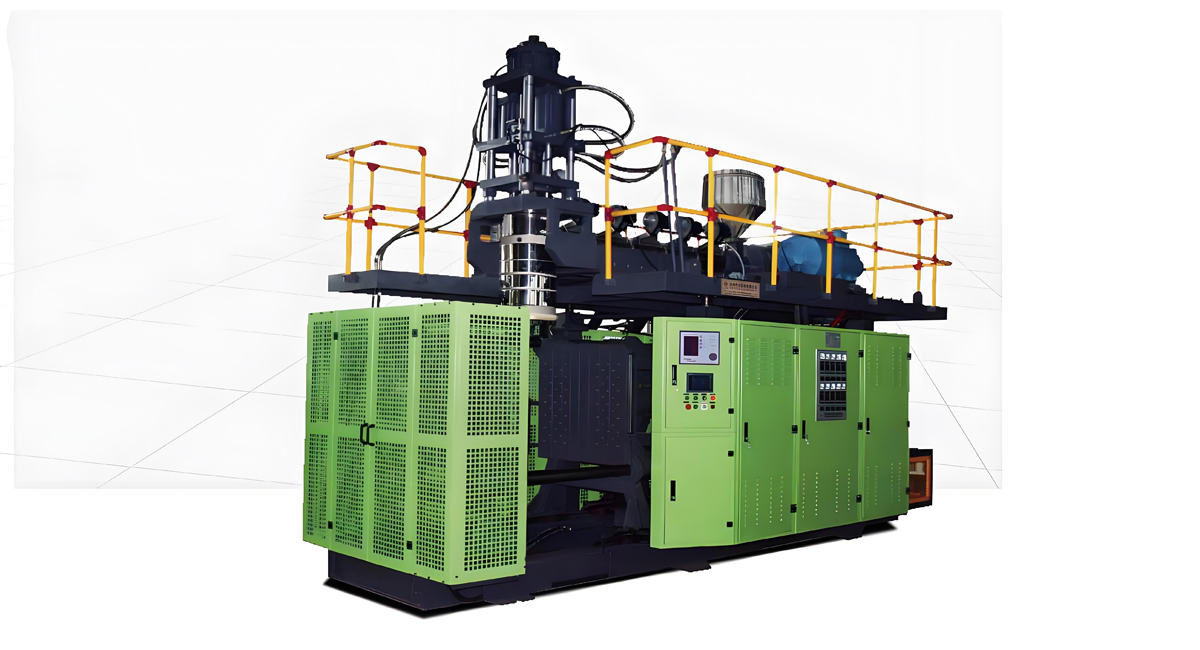
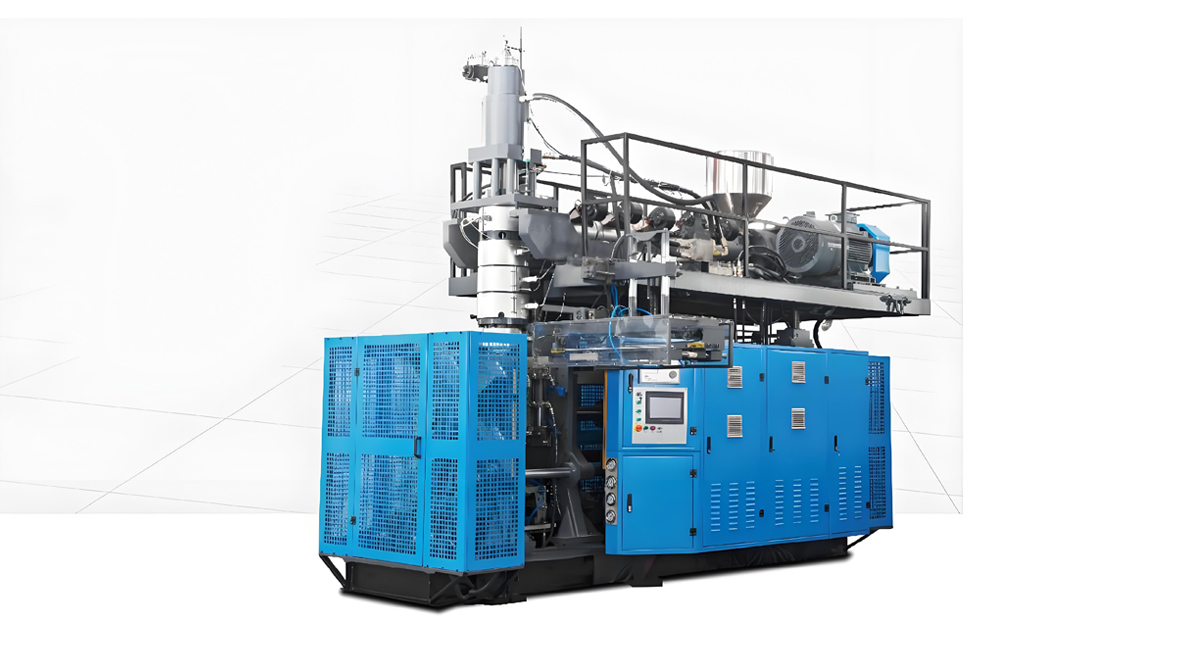
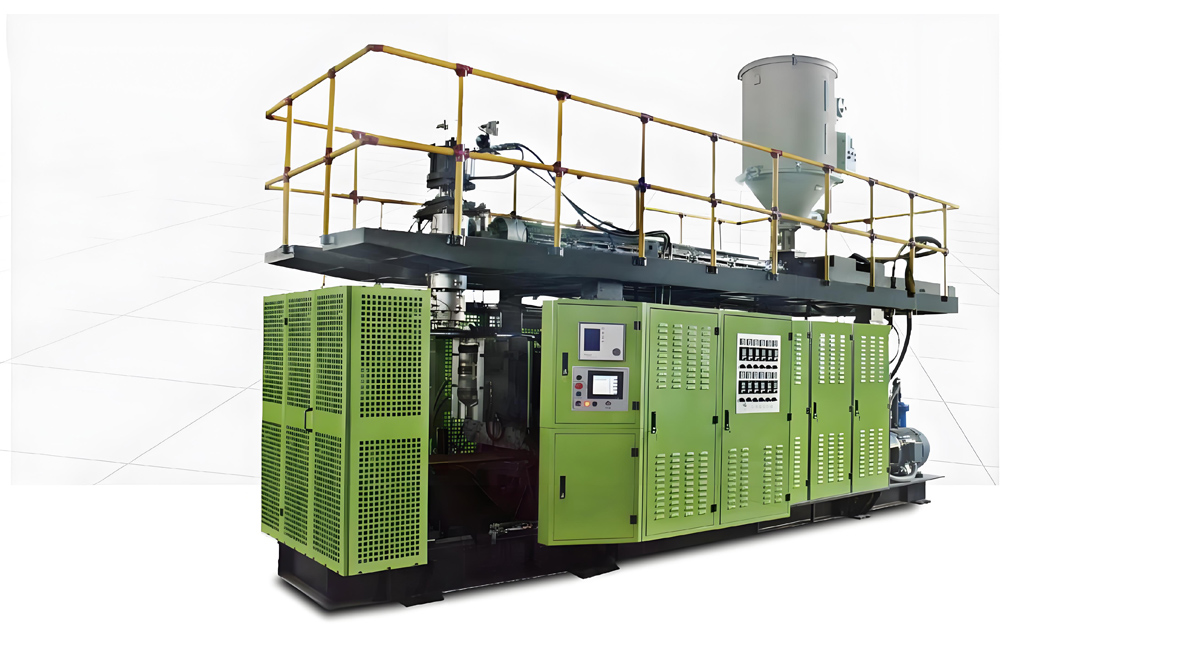
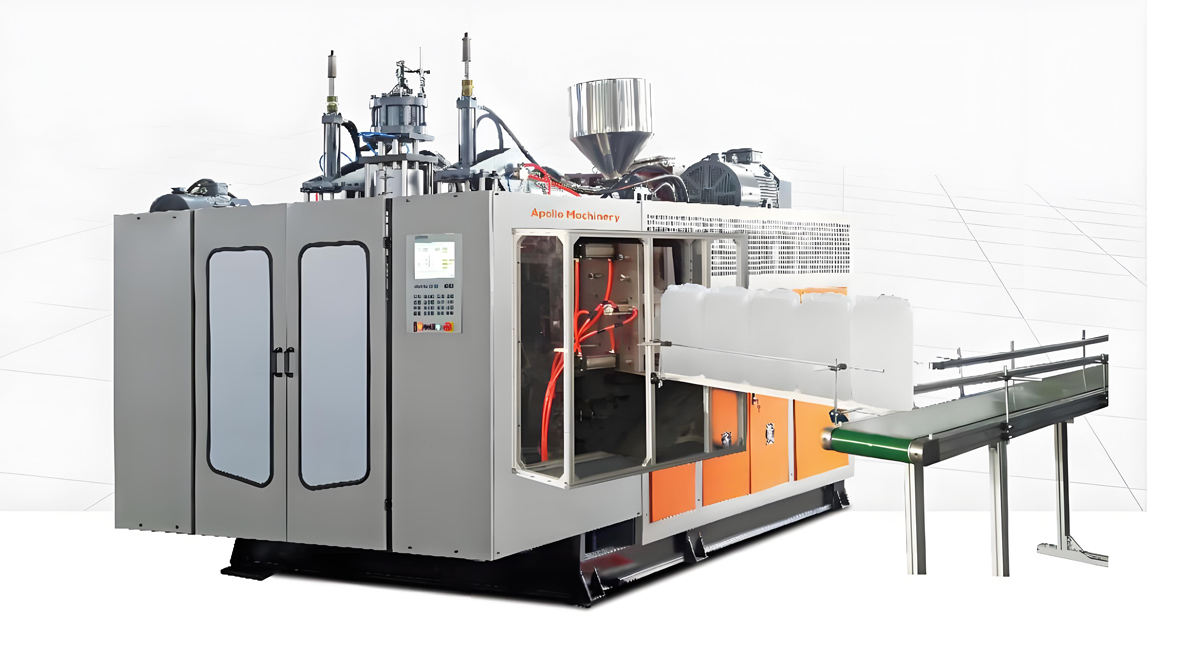
Blow molding is one of the most widely used manufacturing processes for producing hollow plastic products, including bottles, containers, automotive fuel tanks, industrial drums, and technical components. During production, electrical energy is consumed by several subsystems, including the extrusion unit, heating system, hydraulic system, compressed air system, and cooling system. Since these subsystems exhibit different operating characteristics, understanding their individual energy consumption is essential for identifying opportunities for energy savings.
A systematic energy consumption analysis not only reduces electricity costs but also improves process stability, product quality, and equipment reliability.
2. Energy Consumption Distribution of Blow Molding Machines
The total energy consumption of a blow molding machine can generally be divided into five major subsystems:
- Extrusion drive system
- Barrel and die heating system
- Hydraulic system
- Compressed air system
- Cooling system
Although the exact distribution depends on machine type, product design, and production conditions, the typical energy consumption ratio is as follows:
| Subsystem | Typical Energy Share |
|---|---|
| Extrusion drive | 30%–40% |
| Heating system | 20%–30% |
| Hydraulic system | 15%–30% |
| Compressed air system | 10%–25% |
| Cooling system | 5%–15% |
Among these, the extrusion drive, heating, and hydraulic systems account for the majority of total energy consumption and therefore represent the primary targets for energy optimization.
3. Methods for Calculating Energy Consumption
3.1 Total Energy Consumption
The simplest and most widely adopted method is the average power approach:
E = P × T
where:
- E = total energy consumption (kWh)
- P = average operating power (kW)
- T = operating time (h)
For example, consider a blow molding machine with an installed power of 138 kW operating at an average load factor of 60%.
The average operating power is:
138 × 60% = 82.8 kW
If the machine operates continuously for 20 hours per day, the daily electricity consumption is:
82.8 × 20 = 1656 kWh
This method is suitable for production planning, energy budgeting, and economic evaluation.
3.2 Subsystem-Based Energy Analysis
For more accurate assessment, the total energy consumption should be divided into individual subsystems.
Extrusion System
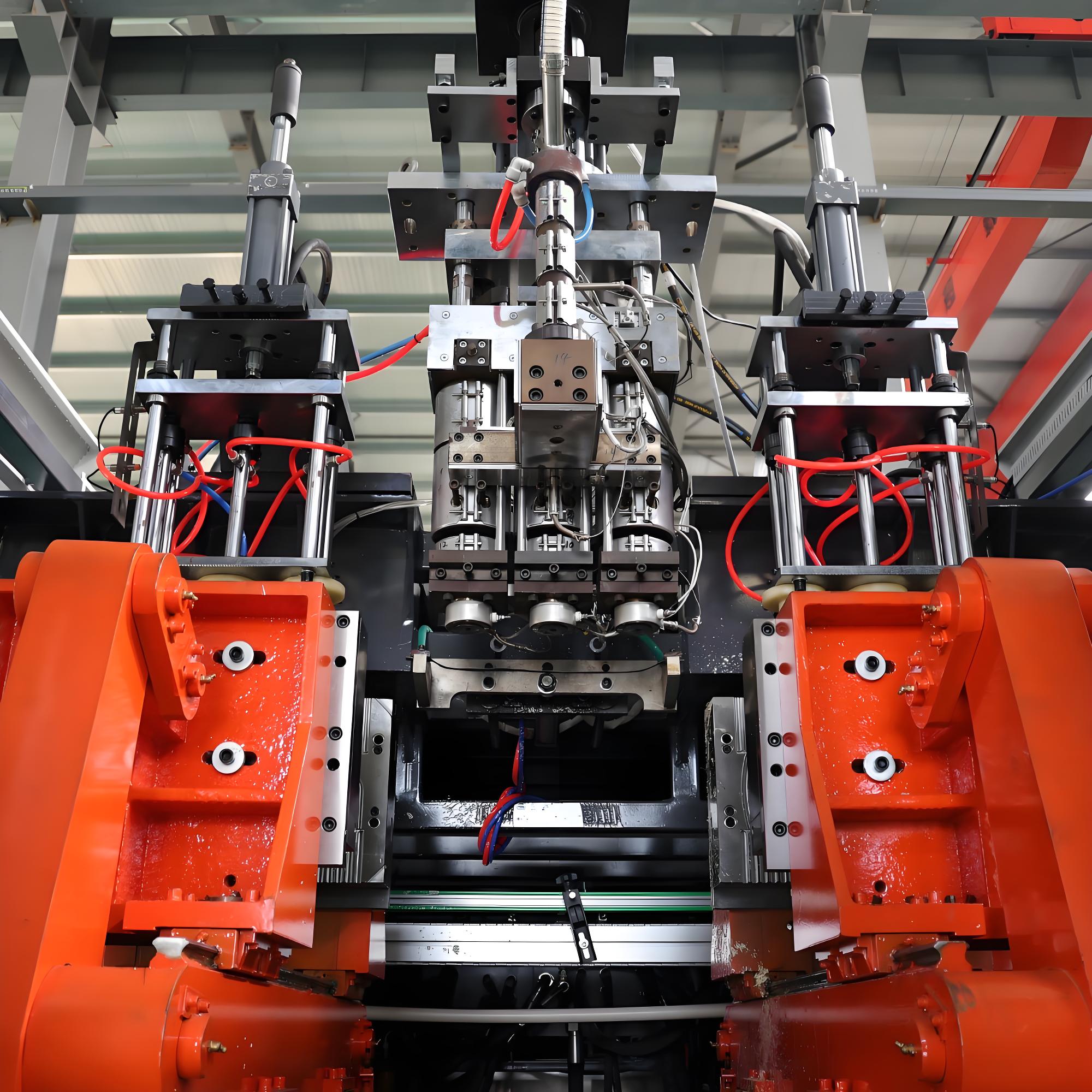
The extrusion system mainly consists of the main drive motor, gearbox, and screw assembly.
For a 55 kW motor operating at an 80% load, the average power consumption is approximately 44 kW.
Heating System
The heating system includes barrel heaters and die heaters controlled by PID temperature regulation.
Since heaters operate intermittently rather than continuously at full power, the average power consumption is typically 30%–60% of the rated heating capacity.
For example, a heating system rated at 40 kW may consume approximately 18 kW on average.
Hydraulic System
Conventional hydraulic systems employ fixed-displacement pumps that operate continuously, even during cooling or waiting periods, resulting in significant energy losses.
Servo-hydraulic systems automatically adjust motor speed according to pressure and flow demand, reducing average power consumption from approximately 18–20 kW to 7–10 kW.
Compressed Air System
Compressed air is indispensable during the blowing stage and represents one of the largest energy consumers, particularly in high-pressure bottle production.
For example, a 15 kW air compressor operating for 20 hours consumes approximately 300 kWh per day.
Cooling System
The cooling system includes chillers, circulating pumps, and cooling towers.
Its average power consumption generally ranges from 50% to 70% of the installed capacity.
Therefore, the total machine energy consumption can be expressed as:
E_total = E_extrusion + E_heating + E_hydraulic + E_compressed air + E_cooling
This decomposition enables engineers to identify the largest energy-consuming subsystems and prioritize energy-saving measures.
4. Specific Energy Consumption
Compared with total electricity usage, specific energy consumption provides a more meaningful indicator of production efficiency.
Common performance indicators include:
- kWh/kg of plastic processed
- kWh per product
- kWh per 1,000 products
For example, if a machine consumes 1,600 kWh while producing 4,000 kg of plastic products in one day, the specific energy consumption is:
1600 ÷ 4000 = 0.40 kWh/kg
If 16,000 bottles are produced during the same period, the energy consumption per bottle becomes:
1600 ÷ 16000 = 0.10 kWh per bottle
Specific energy consumption is widely used for machine benchmarking and energy performance evaluation.
5. Energy-Saving Optimization Strategies
5.1 Servo Hydraulic System
Hydraulic systems offer the greatest energy-saving potential in conventional blow molding machines.
Unlike fixed-speed hydraulic pumps, servo motors adjust their speed according to real-time pressure and flow requirements.
Typical energy savings range from 20% to 50%, while simultaneously reducing oil temperature, system noise, and maintenance requirements.
5.2 High-Efficiency Drive Systems
Replacing conventional induction motors with permanent magnet synchronous motors (PMSMs), combined with variable-frequency drives (VFDs), significantly improves drive efficiency.
Typical energy savings range from 5% to 15%, while providing better speed control and improved process stability.
5.3 Heating System Optimization
Traditional mica heaters suffer from considerable heat loss.
Replacing them with ceramic heaters, thermal insulation covers, and optimized PID temperature control can substantially reduce heating energy consumption.
Typical energy savings are 10%–30%.
5.4 Screw and Die Optimization
High-efficiency barrier screws and mixing screws improve plastic melting and mixing performance while reducing extrusion torque.
Optimized die flow channels decrease melt pressure losses, thereby lowering motor load and improving product quality.
Typical energy savings range from 5% to 15%.
5.5 Compressed Air Optimization
Compressed air systems are frequently overlooked despite their significant energy consumption.
Energy-saving measures include:
- Eliminating air leakage
- Optimizing blowing pressure
- Multi-stage blowing control
- Low-pressure air recovery
- Improved blow pin design
These measures can reduce compressed air energy consumption by 10%–30%.
5.6 Cooling System Optimization
Installing variable-frequency drives on cooling pumps and cooling towers allows cooling capacity to match actual production demand.
Optimizing cooling time also shortens the production cycle, increasing machine productivity while reducing energy consumption.
5.7 Process Parameter Optimization
Optimizing barrel temperature, screw speed, extrusion rate, blowing pressure, and cooling time minimizes unnecessary energy consumption without compromising product quality.
For instance, reducing the production cycle from 20 s to 18 s decreases the energy consumption per product by approximately 10% while increasing production capacity.
5.8 Intelligent Energy Management
Modern energy management systems integrate smart electricity meters, PLC data acquisition, and Manufacturing Execution Systems (MES) to monitor the energy consumption of each subsystem in real time.
By analyzing machine load, specific energy consumption, and subsystem performance, continuous process optimization can achieve an additional 5%–10% reduction in energy usage.
6. Recommended Energy-Saving Configurations
According to investment level, energy-saving measures can be classified into three categories.
Low-investment solutions include thermal insulation covers, optimized PID temperature control, and compressed air leakage elimination. These measures require minimal investment while typically reducing energy consumption by 5%–15%.
Medium-investment solutions include servo hydraulic systems, variable-frequency cooling pumps, permanent magnet synchronous motors, and energy monitoring platforms. These upgrades generally achieve overall energy savings of 15%–30%.
High-investment solutions include high-efficiency screw designs, low-pressure-loss dies, intelligent control systems, and comprehensive machine upgrades. These configurations are particularly suitable for new equipment development or complete production line modernization and may achieve energy savings exceeding 30%.
7. Conclusions
The energy consumption of blow molding machines is determined by the combined performance of multiple interconnected subsystems rather than by a single component. Significant reductions in energy consumption can be achieved through systematic optimization of the drive system, hydraulic system, heating system, compressed air system, cooling system, and process parameters.
By establishing scientific energy consumption models, conducting subsystem-level energy analyses, and evaluating specific energy consumption, manufacturers can accurately identify major energy consumers and implement targeted optimization strategies.
For continuously operated blow molding machines, comprehensive implementation of servo hydraulic technology, high-efficiency drive systems, advanced heating technologies, compressed air optimization, and intelligent energy management can typically achieve overall energy savings of 20%–40%. As Industry 4.0 and smart manufacturing continue to evolve, data-driven energy monitoring and intelligent optimization are expected to become the core technologies for the next generation of energy-efficient blow molding equipment.