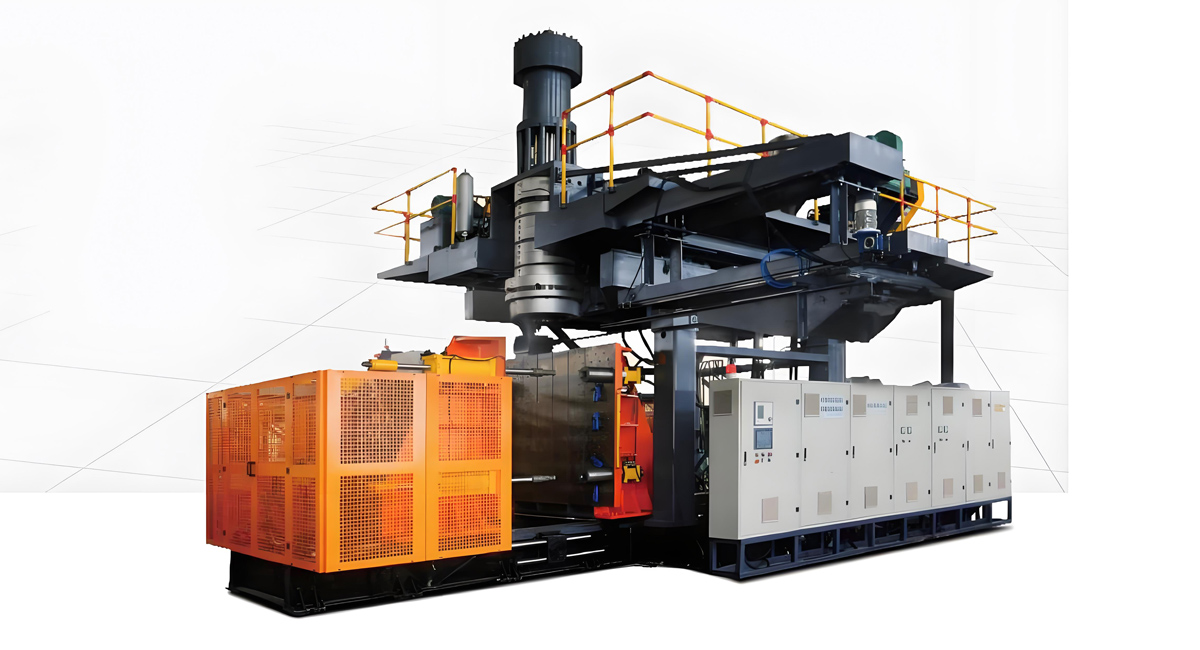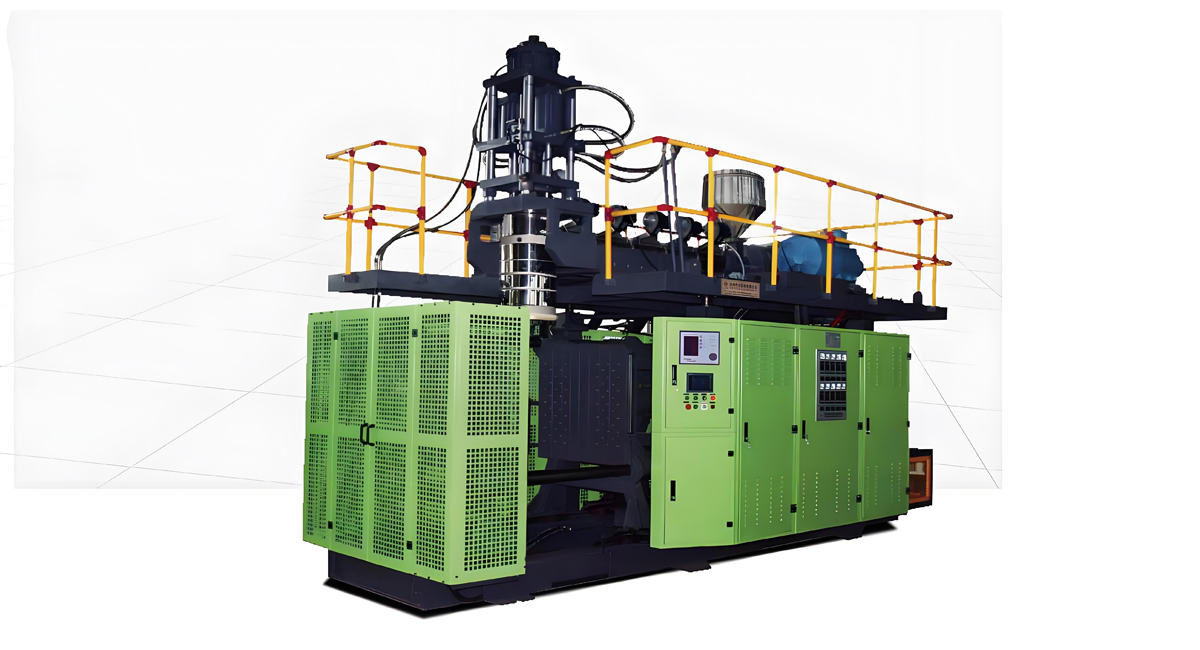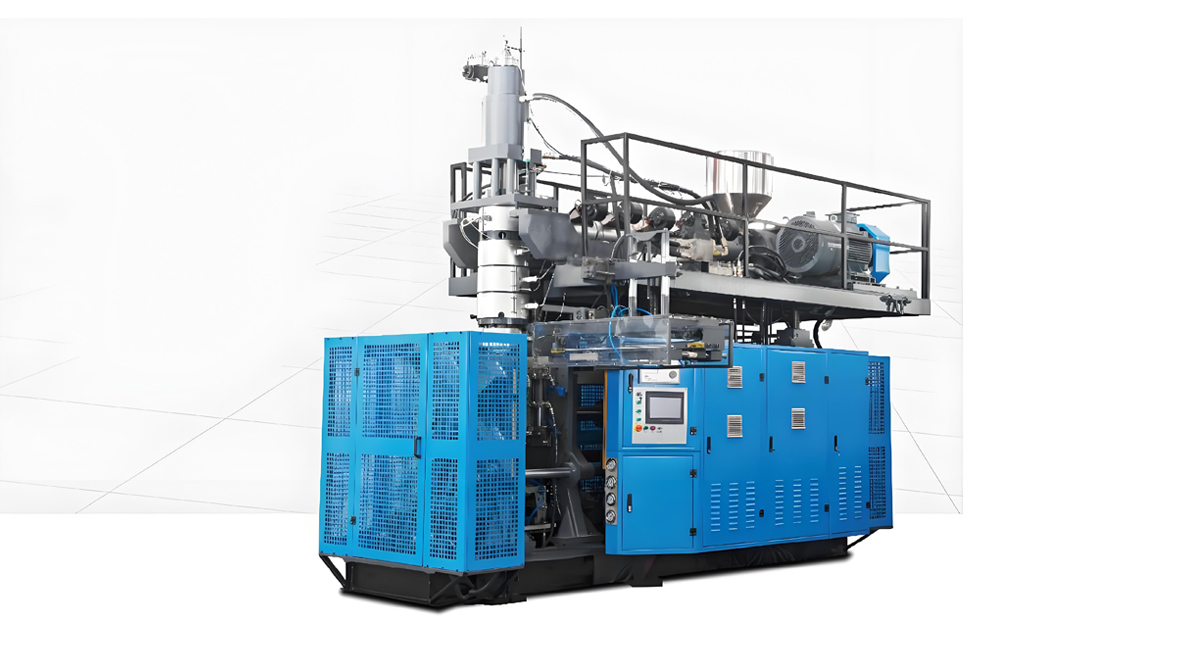

Modern plastic manufacturing operations increasingly demand production systems capable of sustained high-volume output that maximizes equipment utilization and meets escalating market demand. High speed extrusion blow molding machines represent critical infrastructure for factories pursuing 24/7 continuous production strategies that eliminate downtime, optimize throughput, and deliver the consistent output volumes industrial customers require. Understanding high speed EBM technology, operational requirements, and implementation considerations enables plastic factories to evaluate and deploy systems that transform production capabilities and competitive positioning. The competitive landscape increasingly rewards efficiency leaders while penalizing operations unable to match market demands for responsive, high-volume production capability.
The Evolution Toward Continuous Manufacturing Excellence
Global manufacturing competition has intensified pressure on plastic factories to maximize equipment productivity while maintaining quality standards that discerning customers demand. Traditional production models accepting scheduled downtime, batch production inefficiencies, and equipment underutilization have become unsustainable competitive disadvantages in markets where efficiency leaders capture disproportionate market share and profitability. The evolution from traditional batch-oriented production toward continuous excellence reflects market dynamics that continue favoring efficiency improvements. Operations failing to advance their production capabilities find themselves increasingly disadvantaged against competitors investing in production excellence.
Market Dynamics Driving Production Speed Requirements
Consumer goods companies serving high-volume markets require supplier partners capable of delivering massive quantities within compressed timeframes. Contract manufacturing arrangements increasingly specify capacity commitments and delivery schedules that demand equipment operating near maximum theoretical throughput. Factories unable to meet these requirements lose access to lucrative long-term supply agreements that provide stable revenue and growth opportunities. Supplier qualification processes increasingly include capability assessment that measures production efficiency alongside quality standards.
Inventory management strategies have shifted toward just-in-time models that reduce working capital requirements while increasing supplier responsiveness demands. Manufacturing operations must produce and ship quickly, leaving no margin for equipment limitations that create production bottlenecks. Just-in-time arrangements require reliable, high-speed production capability that minimizes lead times while maintaining the flexibility to accommodate demand variations. These requirements pressure manufacturers to invest in production capability that enables responsive fulfillment.
Competitive pricing pressures force factories to maximize output per unit of time while controlling per-unit production costs. Labor costs, facility expenses, and equipment depreciation all scale with time, making throughput directly tied to profitability. Operations maximizing productive time achieve cost advantages that translate into competitive pricing capability or improved margins. Cost efficiency analysis increasingly focuses on throughput metrics that reveal true production economics.
E-commerce growth has accelerated demand cycles while compressing order-to-delivery timelines. Rapid fulfillment requirements demand manufacturing flexibility combined with speed capability that enables quick response to unpredictable demand patterns. Equipment selection must consider not only average throughput but peak production capability when market conditions require maximum output. E-commerce dynamics particularly reward production capability that enables fast response to small-batch orders.
Economic Fundamentals of High Speed Production
Equipment utilization directly impacts return on investment calculations that justify capital equipment purchases. Machines achieving ninety percent utilization versus seventy percent utilization generate substantially higher returns despite similar acquisition costs. High speed capability combined with reliability engineering maximizes utilization potential that represents the true measure of equipment investment value. Utilization analysis should consider realistic operating schedules rather than theoretical maximums that rarely materialize.
Fixed cost allocation across production units drives per-unit costs that determine competitive viability. Every hour of non-productive time distributes fixed costs across fewer units, increasing per-unit burden. Continuous high-speed production minimizes this allocation challenge by maximizing units during productive periods. Fixed cost analysis reveals the true cost of downtime that casual observation might overlook.
Labor efficiency improvements from high-speed equipment partially offset higher equipment investment costs. Single operators can manage multiple high-speed machines that would require dedicated operators at lower speeds. This labor efficiency contributes to favorable total cost of ownership despite premium equipment pricing. Labor analysis should consider not only current labor costs but anticipated changes in labor availability and compensation.
Capacity leverage enables serving additional customers and markets that lower-speed equipment could not address. High speed capability expands effective capacity that might enable business growth without proportional equipment investment. Strategic capacity analysis should consider market opportunities that high-speed capability might enable rather than focusing solely on current production requirements.
High Speed EBM Technology Fundamentals
Achieving exceptional production speeds in extrusion blow molding requires integrated advancement across multiple technology domains. Understanding these technology components reveals how modern high speed EBM machines deliver performance that transforms factory operations. Technology integration separates premium high-speed equipment from basic machines that cannot achieve sustained production excellence.
Advanced Servo Drive Systems
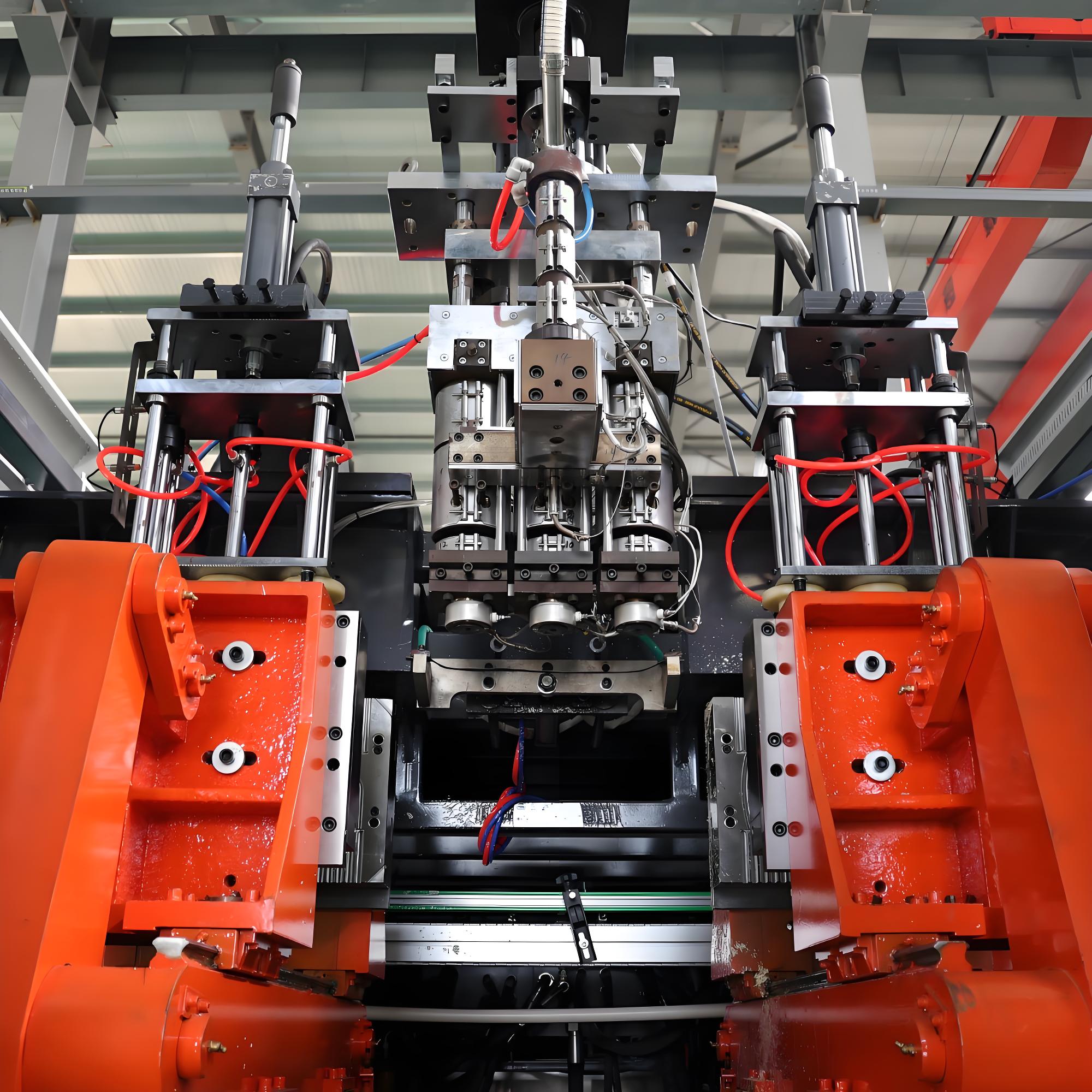
Servo motor technology has revolutionized blow molding control systems by providing precise, responsive actuation previously impossible with hydraulic or mechanical systems. High speed EBM machines incorporate multiple servo drives controlling critical functions including clamp actuation, extruder synchronization, parison programming, and auxiliary movements. Servo technology advantages extend beyond speed to include precision, efficiency, and reliability that mechanical systems cannot match.
Servo-driven clamp systems enable rapid approach and retract movements while maintaining precise positioning accuracy required for quality container production. Acceleration and deceleration profiles optimized through sophisticated control algorithms minimize cycle time without inducing mechanical stress that might reduce equipment longevity. Clamp system optimization balances speed against mechanical considerations that might compromise long-term reliability.
Servo-controlled parison programming provides instantaneous response to thickness commands, enabling sophisticated wall distribution profiles at speeds that hydraulic systems cannot match. This capability proves essential for high speed production where control system lag would otherwise compromise thickness consistency. Programming sophistication directly affects both quality and efficiency that premium customers require.
Energy efficiency improvements from servo technology reduce operating costs while supporting sustainability objectives. Servo drives consume power proportional to actual work performed rather than continuously as hydraulic systems require, generating substantial energy savings during high-speed operation. Energy efficiency becomes increasingly important as energy costs rise and sustainability requirements intensify.
Precision Mold Systems for High Speed Operation
Mold design for high speed production addresses thermal management, part ejection, and wear resistance challenges that intensify at elevated cycle rates. Advanced mold designs incorporate cooling channel configurations optimized for rapid heat removal that enables shorter cycle times without compromising part quality. Mold investment increases with speed capability requirements, reflecting the precision engineering that high-speed operation demands.
Thermal control systems maintain mold temperatures within narrow ranges despite rapid cycling that would otherwise cause temperature fluctuations affecting part consistency. Precision temperature control through specially designed cooling circuits ensures repeatable conditions that high speed quality production requires. Temperature control precision becomes more critical at higher speeds where temperature variations have less time to self-correct.
Wear considerations intensify at high production speeds, requiring mold materials and surface treatments that resist degradation from extended high-stress operation. Quality mold construction using appropriate materials and coatings maintains precision and appearance despite demanding usage patterns. Mold longevity analysis should consider wear rates at projected production speeds rather than assuming standard wear patterns.
Quick-release clamping mechanisms and automated mold change systems reduce downtime during product transitions. High speed equipment intended for continuous operation must minimize time lost to changeovers, with automated systems enabling rapid configuration changes between different container specifications. Changeover efficiency increasingly matters as product variety increases and batch sizes decrease.
Process Control and Monitoring Systems
Advanced process control systems maintain quality consistency despite accelerated production speeds that leave no margin for manual adjustment. Closed-loop control systems continuously monitor critical parameters and make adjustments faster than human operators could respond, enabling sustained high-speed quality production. Control system sophistication differentiates equipment capable of sustained high-speed quality production from machines that sacrifice quality for speed.
Real-time monitoring displays provide operators immediate visibility into production status, enabling rapid identification and response to any deviations from acceptable parameters. Dashboard interfaces presenting key performance indicators help operators maintain focus on production objectives while ensuring quality standards. Monitoring investment supports both quality assurance and operational optimization that maximize equipment effectiveness.
Predictive maintenance systems analyze equipment performance data to identify developing issues before they cause unexpected failures. Vibration analysis, temperature trending, and wear pattern recognition anticipate maintenance requirements, enabling scheduled interventions that prevent unplanned downtime. Predictive capabilities transform maintenance from reactive problem-solving to proactive reliability management that maximizes uptime.
Integration with factory management systems enables comprehensive production tracking that supports quality documentation, yield analysis, and operational optimization. Data collection from high speed equipment provides insights that enable continuous improvement across production operations. Integration architecture should support both current requirements and future expansion that operational sophistication demands.
Apollo High Speed EBM Machine Capabilities
Apollo has developed comprehensive high speed EBM machine capabilities addressing the demanding requirements of 24/7 continuous production operations. Their engineering focus combines speed optimization with reliability and quality consistency that continuous operations require. Apollo capabilities demonstrate how premium engineering translates into production performance that competitive markets demand.
Speed Performance Specifications
Apollo high speed EBM machines achieve cycle rates exceeding traditional equipment through optimized mechanical design, advanced servo control, and efficient thermal management. Specific performance varies by container size and configuration, with some applications achieving cycle rates below two seconds per part. Speed specifications should be validated through application testing rather than assumed from generic performance claims.
Throughput capabilities range from approximately one thousand to over three thousand containers per hour depending on container specifications and production configuration. This throughput range addresses diverse market requirements while maintaining per-container economics that support competitive pricing. Throughput analysis should consider actual container specifications rather than theoretical maximums that specific applications might not achieve.
Speed consistency throughout production runs ensures sustained output rather than initial bursts followed by degradation. Apollo machines maintain specified speeds across extended production periods, delivering predictable output that production planning requires. Sustained speed capability matters more than peak speeds that might not be maintainable across actual production runs.
Reliability Engineering for Continuous Operation
Component selection for Apollo high speed machines prioritizes durability and longevity over cost minimization. Premium bearings, precision-machined components, and robust construction ensure sustained performance despite demanding continuous operation requirements. Component quality directly affects reliability that continuous production depends upon for success.
Thermal management systems prevent overheating that would limit production speed or cause component failures. Efficient cooling systems maintain temperatures within acceptable ranges regardless of production intensity, enabling uninterrupted operation. Thermal analysis should consider worst-case scenarios that might stress cooling systems beyond normal operating conditions.
Diagnostic capabilities built into Apollo machines enable proactive maintenance that prevents failures before they interrupt production. Continuous monitoring of critical parameters identifies developing issues, enabling intervention during planned downtime rather than causing unexpected stoppages. Diagnostic system investment supports reliability that prevents costly production interruptions.
Quality Consistency at Speed
Wall thickness consistency at high production speeds requires control systems capable of maintaining precision despite rapid process changes. Apollo servo-controlled parison programming maintains thickness within specification across all production, ensuring consistent quality regardless of production speed. Quality capability at speed differentiates equipment designed for high-speed production from machines merely capable of fast cycling.
Precision temperature control ensures consistent material processing despite rapid cycling that might otherwise cause temperature variations affecting product quality. Multiple zone temperature control with fast-response heating and cooling maintains conditions that high speed quality production requires. Temperature control becomes more challenging at high speeds where process dynamics leave less time for correction.
Quality monitoring systems provide immediate detection of any parameters falling outside acceptable ranges, enabling rapid correction before substantial quantities of non-conforming product accumulate. This capability protects quality reputation while minimizing waste from quality escapes. Quality monitoring investment delivers returns through reduced waste and customer satisfaction that quality consistency enables.
Implementing 24/7 Continuous Production Operations
Achieving genuine 24/7 continuous production requires more than capable equipment, demanding comprehensive operational systems that address all factors limiting sustained operation. Equipment capability represents necessary but insufficient condition for continuous production excellence that operational systems enable. Implementation planning should address operational requirements alongside equipment selection.
Preventive Maintenance Programs
Scheduled maintenance intervals must balance equipment longevity against production requirements, with timing optimized based on actual equipment condition rather than arbitrary schedules. Predictive maintenance approaches using equipment monitoring data enable timing adjustments that maximize productive time while preventing unexpected failures. Maintenance optimization balances reliability investments against production opportunity costs that excessive maintenance might create.
Maintenance procedures must be efficient without compromising quality or thoroughness. Well-trained maintenance teams using proper tools and procedures complete required work quickly while ensuring maintenance quality that enables continued reliable operation. Maintenance efficiency affects both direct maintenance costs and production downtime that extended maintenance might cause.
Spare parts inventory management ensures parts availability when needed without excessive carrying costs. Critical wear items should be stocked on-site while longer-lead items may rely on rapid supplier availability. Strategic inventory decisions balance availability against cost while considering criticality that different parts represent.
Operator Training and Staffing Strategies
High speed continuous production demands operators skilled in equipment operation, quality monitoring, and basic troubleshooting. Comprehensive training programs develop these competencies while emphasizing safety and quality consciousness essential for sustained high-performance operation. Training investment returns through improved performance and reduced errors that productivity and quality depend upon.
Staffing models for continuous operation must address breaks, shifts, and absences without creating production gaps. Cross-trained operators capable of managing multiple equipment enable flexibility that continuous operations require. Shift scheduling ensures adequate coverage throughout all production periods while respecting labor requirements and regulatory constraints.
Performance incentives aligned with production and quality objectives motivate operators to maintain focus and excellence throughout demanding continuous production schedules. Clear expectations and measurement systems reinforce desired behaviors while providing recognition for achievement. Incentive design should balance production metrics against quality indicators that prevent optimization toward throughput at quality expense.
Material Supply and Logistics Coordination
Raw material supply chains must support continuous production without material shortages that halt operation. Vendor relationships ensuring reliable supply, inventory management maintaining adequate reserves, and delivery scheduling coordinating with production needs prevent material-related production interruptions. Supply chain reliability increasingly matters as production speeds increase and inventory buffers decrease.
Finished goods logistics must accommodate continuous production output that traditional batch-oriented shipping models may struggle to absorb. Docking capacity, storage systems, and shipping scheduling must scale with production capability to prevent backlogs that limit production. Logistics capability should match production capability to prevent throughput constraints downstream from manufacturing.
Waste handling and recycling systems must manage increased output volumes without creating bottlenecks that constrain production. Material recovery systems, waste removal scheduling, and recycling partnerships enable sustainable high-volume operation. Waste management efficiency affects both cost and sustainability compliance that increasingly influence operational decisions.
Cost Analysis for High Speed EBM Investment
High speed EBM equipment represents substantial investment that requires careful analysis to justify and optimize. Comprehensive cost evaluation considers both direct costs and strategic factors that influence return on investment. Investment analysis should consider scenarios representing different outcomes rather than single-point projections that assume everything goes as planned.
Equipment Investment Requirements
High speed EBM machine pricing typically ranges from $85,000 to $180,000 depending on speed capability, automation level, and control system sophistication. Premium pricing reflects advanced technology and precision engineering that enable exceptional performance. Price variations should be evaluated against capability differences that might justify premium investments.
Auxiliary equipment requirements including material handling systems, quality inspection equipment, and packaging integration may add $20,000 to $60,000 to total equipment investment. These supporting systems must match high speed production capability to avoid creating bottlenecks that limit overall throughput. Total system capability matters more than individual equipment specifications.
Installation and commissioning costs including foundation preparation, electrical infrastructure, and startup support typically range from $8,000 to $25,000. These costs must be included in total investment analysis to ensure complete understanding of financial requirements. Site preparation analysis should consider both direct costs and opportunity costs that installation downtime might create.
Operational Cost Considerations
Energy consumption represents a significant operational expense for high speed equipment, with annual electricity costs potentially ranging from $25,000 to $60,000 depending on local energy pricing and equipment utilization. Energy efficiency features that premium equipment offers may justify higher acquisition costs through reduced operating expenses. Energy cost projections should consider rate structures and potential increases over equipment lifespan.
Maintenance costs for high speed equipment include scheduled maintenance, wear parts replacement, and unplanned repairs. Annual maintenance budgets typically range from $8,000 to $20,000 for well-maintained equipment, with costs increasing as equipment ages beyond initial warranty periods. Maintenance cost projections should consider age-related increases that extended operation might cause.
Labor costs depend on staffing models, wage levels, and operator productivity. High speed equipment may reduce per-unit labor costs through improved operator-to-machine ratios while requiring higher-skilled operators commanding premium compensation. Labor analysis should consider both direct costs and productivity improvements that affect total labor requirements.
Return on Investment Analysis
Throughput advantages of high speed equipment compared to standard machines may enable serving additional customers or markets previously inaccessible due to capacity constraints. Revenue opportunity from expanded market access contributes to return on investment beyond simple per-unit cost advantages. Strategic positioning analysis should consider market opportunities that capacity expansion might enable.
Pricing flexibility may result from lower per-unit costs enabling competitive pricing that wins business from higher-cost competitors. Even modest per-unit cost advantages translate into substantial profits at high production volumes. Pricing analysis should consider competitive dynamics that might limit pricing power despite cost advantages.
Equipment longevity benefits from high quality construction may reduce total cost of ownership despite higher initial investment. Premium equipment lasting fifteen years versus ten years for budget alternatives may deliver superior returns despite higher acquisition costs. Longevity analysis should consider maintenance patterns and component life that affect realistic equipment lifespan.
Comparison with Standard and Mid-Speed Equipment
Evaluating high speed equipment requires comparison against alternatives that serve different market segments and operational requirements. Understanding relative advantages and disadvantages enables appropriate selection decisions that align with actual requirements. Comparative analysis should consider both quantitative factors and strategic considerations that pure financial analysis might overlook.
Speed and Throughput Comparison
Standard EBM equipment typically achieves cycle rates from five to ten seconds, producing approximately three hundred to seven hundred containers per hour depending on container specifications. This throughput suits lower-volume applications but cannot meet demands of high-volume continuous production. Standard equipment represents appropriate choice for applications without volume pressure.
Mid-speed equipment offers intermediate performance with cycle rates from three to five seconds, producing approximately seven hundred to one thousand two hundred containers per hour. This category addresses many commercial applications while representing moderate investment levels. Mid-speed equipment often represents optimal balance between capability and investment for moderate-volume operations.
High speed equipment delivers exceptional performance with cycle rates under three seconds, producing over one thousand two hundred containers per hour and often exceeding two thousand containers per hour for optimized applications. This capability commands premium investment but enables economic advantages at high volumes. High-speed equipment investment should be validated against confident volume projections that justify premium pricing.
Investment and Operating Cost Comparison
Standard equipment acquisition costs typically range from $35,000 to $70,000, representing lower capital requirements that may suit startup operations or limited-volume applications. Operating costs remain reasonable but per-unit economics suffer at higher volumes. Standard equipment selection should consider not only current requirements but growth potential that might necessitate equipment upgrades.
Mid-speed equipment pricing typically ranges from $55,000 to $95,000, offering capability improvements over standard equipment at moderate investment premiums. Operating costs reflect improved efficiency with per-unit costs below standard equipment. Mid-speed equipment often represents appropriate investment level for operations with moderate but growing volumes.
High speed equipment requires investment from $85,000 to $180,000, representing substantial commitment that requires confident volume projections to justify. Operating costs per unit may be lowest in this category, delivering superior returns when volumes support the investment. High-speed investment analysis should stress-test assumptions against scenarios representing different volume outcomes.
Application Suitability Analysis
High volume applications with consistent demand patterns most strongly favor high speed equipment investment. Contract manufacturing serving large consumer goods companies, commodity packaging production, and similar high-volume applications benefit most from exceptional throughput capability. Application analysis should confirm volume consistency rather than assuming patterns will continue.
Product mix flexibility requirements may favor mid-speed equipment capable of serving diverse requirements without requiring multiple high-speed machines. The optimal choice depends on specific volume and mix characteristics of each operation. Mix analysis should consider not only current product diversity but trends toward greater variety that might shift optimal equipment selection.
Quality-critical applications may require slower production speeds regardless of equipment capability. Pharmaceutical, food, or other regulated applications may not benefit from speed optimization where quality assurance takes precedence over throughput. Quality requirement analysis should confirm whether speed capability aligns with actual quality requirements that might constrain achievable speeds.
Best Practices for Continuous Production Excellence
Sustaining 24/7 continuous production requires systematic attention to operational excellence factors that enable consistent performance over extended periods. Operational discipline differentiates factories that achieve continuous excellence from those that struggle despite capable equipment. Best practices should be documented, trained, and continuously improved based on operational experience.
Production Planning and Scheduling
Production scheduling must balance throughput objectives against maintenance requirements, changeover needs, and quality considerations. Optimized scheduling maximizes productive time while ensuring necessary support activities receive appropriate attention. Scheduling optimization should consider both efficiency and flexibility that operational demands might require.
Changeover planning should minimize time lost to product transitions while ensuring quality during transitions. Changeover procedures optimized for speed without compromising execution quality enable more frequent product changes when market requirements demand flexibility. Changeover efficiency increasingly matters as market dynamics favor greater product variety.
Buffer time allocation for unexpected issues prevents production losses when problems arise. Having capacity reserves enables response to issues without compromising delivery commitments or creating excessive pressure on operations. Capacity buffer analysis should balance efficiency against resilience that unplanned events might demand.
Quality Assurance in High Speed Environments
Process capability optimization ensures high speed production operates within specification limits that protect quality reputation. Statistical process control identifies capability gaps requiring attention while confirming sustained capability where achieved. SPC implementation should focus on critical parameters that quality and efficiency depend upon.
Inspection system calibration ensures measurement accuracy that enables reliable quality decisions. High speed production demands inspection systems capable of assessment rates matching production speeds without sacrificing accuracy. Inspection capability should match production capability to prevent quality escapes that reputation depends upon avoiding.
Quality documentation must keep pace with high production volumes, requiring automated systems that record necessary data without creating operator burden or production delays. Electronic systems enable comprehensive documentation at speeds manual approaches cannot support. Documentation systems should satisfy regulatory requirements while minimizing operational burden that might distract from production priorities.
Continuous Improvement Culture
Operational data analysis reveals improvement opportunities that data-driven approaches can identify. Production metrics, quality indicators, and maintenance records provide insight into optimization possibilities that attentive analysis reveals. Data analysis should be systematic and regular rather than occasional reaction to visible problems.
Employee suggestion programs engage operational staff in improvement activities, leveraging front-line knowledge that often identifies issues invisible to management. Recognizing and implementing valuable suggestions builds improvement culture while developing employee engagement. Suggestion programs should include evaluation criteria that ensure promising ideas receive serious consideration.
Technology monitoring keeps operations informed of advances that might improve performance. Trade publications, equipment supplier communications, and industry events provide exposure to innovations that might benefit specific operations. Technology awareness should be systematic rather than dependent on occasional exposure that might miss relevant developments.
Future Trends in High Speed Manufacturing
Technology evolution continues advancing high speed manufacturing possibilities while market dynamics shift production requirements. Understanding these trends informs strategic planning that positions operations for future success. Trend analysis should consider both opportunities and threats that emerging developments create for current competitive positions.
Automation and Robotics Integration
Automated material handling increasingly integrates with high speed equipment, reducing labor requirements while improving consistency. Robotic systems for part removal, quality inspection, and packaging integration extend automation benefits beyond core production equipment. Automation investment should consider current requirements alongside anticipated evolution that might increase automation benefits.
Artificial intelligence applications in process control enable optimization approaches previously impossible with traditional control systems. Machine learning algorithms identifying optimal operating parameters may push performance beyond human-designed control approaches. AI capability development should consider data availability and integration requirements that effective AI implementation demands.
Fully automated production cells integrating multiple operations reduce human involvement in routine activities while enabling continuous operation without fatigue limitations. This evolution toward lights-out manufacturing represents the ultimate continuous production achievement. Lights-out capability represents aspirational target for most operations but signals direction that capability development should consider.
Industry 4.0 and Smart Manufacturing
Connected equipment enabling real-time monitoring across factory operations provides unprecedented visibility into performance and issues. Network integration enables coordinated optimization across multiple machines rather than isolated individual machine management. Connectivity investment should consider security requirements alongside capability benefits that networked operations enable.
Cloud-based analytics enable insights from data sets too large for local analysis, identifying patterns and optimization opportunities invisible to traditional approaches. Subscription-based analytics services democratize access to sophisticated analysis capabilities. Analytics capability development should consider data quality and availability that effective analysis depends upon.
Digital twin technology enables simulation and optimization of production systems without physical experimentation, reducing optimization costs while accelerating improvement timelines. Digital twin investment should consider modeling complexity and accuracy requirements that meaningful simulation demands. Digital capability development should align with operational priorities that simulation might address most beneficially.
Conclusion
High speed EBM machines enabling 24/7 continuous production represent transformative capabilities for plastic factories pursuing competitive excellence. Understanding technology fundamentals, operational requirements, and investment implications enables informed decisions about equipment that will shape factory performance for years to come. Investment decisions create constraints that persist throughout equipment lifecycles, making thorough analysis increasingly important.
Apollo high speed EBM equipment combines exceptional performance with reliability and quality consistency that continuous operations demand. Their engineering focus on all factors limiting sustained high-speed production delivers machines that perform as promised while supporting operational excellence. Premium equipment investments typically prove economical despite higher initial costs when lifecycle performance and reliability are considered.
Return on investment for high speed equipment depends on volume levels, competitive dynamics, and operational excellence that equipment capability alone cannot guarantee. Strategic equipment selection combined with operational commitment enables factories to achieve returns that justify substantial investment. Investment analysis should consider scenarios representing different outcomes rather than single-point projections that assume favorable conditions.
Manufacturing competition will continue intensifying, rewarding efficiency leaders while penalizing underperformers. Factories investing in high speed capability and operational excellence position themselves for success in markets where only the most capable producers will thrive. Strategic capability development creates advantages that compound over time as operational excellence builds competitive position that less capable competitors cannot easily replicate.