Apollo Extrusion Blow Molding for Günlük Kimyasal Ambalaj
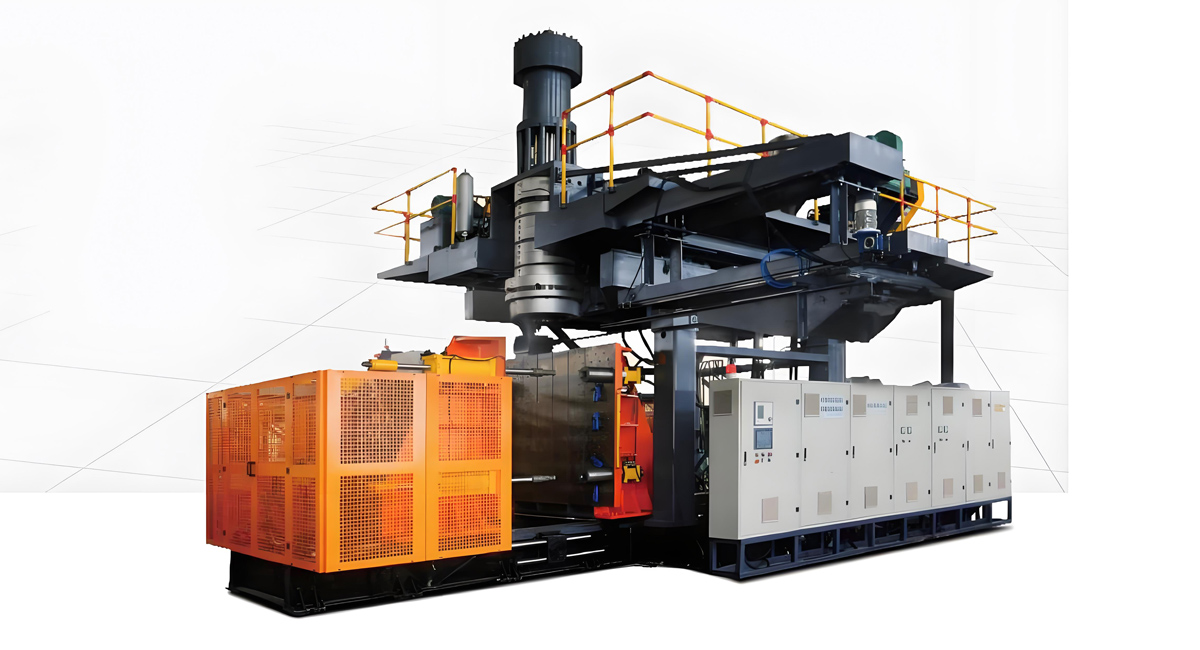
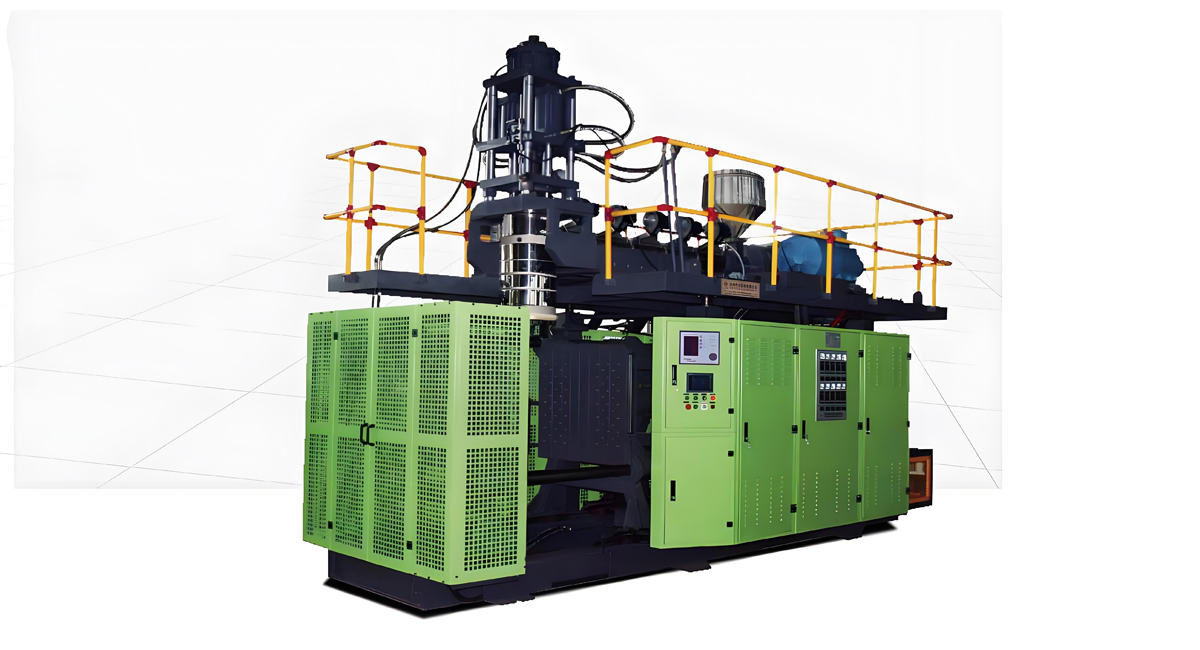
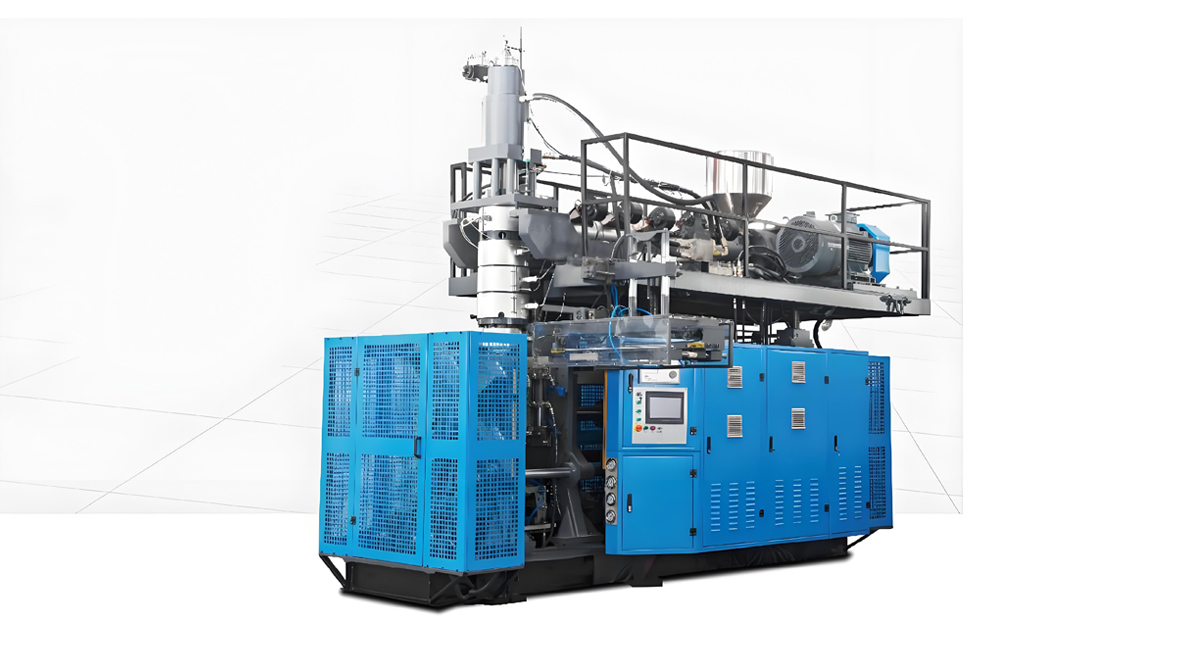
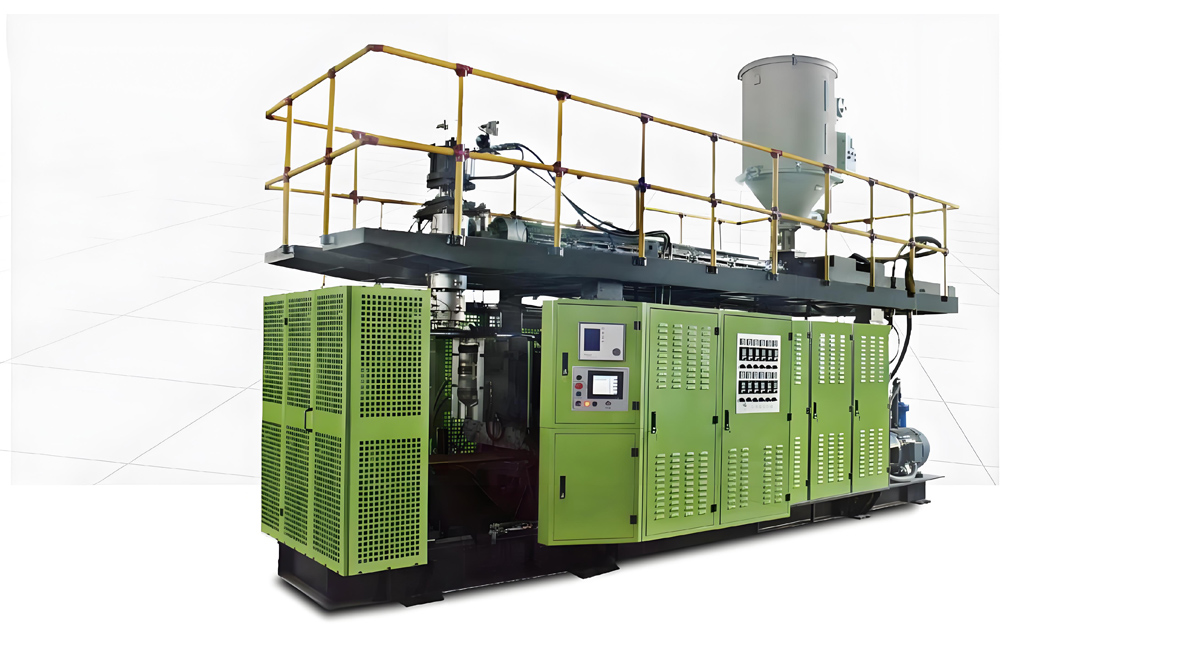
Apollo is a Wanplas factory based in Zhangjiagang near Shanghai, with more than twenty years of dedicated experience in automatic extrusion blow molding (EBM) machines and over four thousand sets running in more than ninety countries. As a Wanplas factory, Apollo focuses exclusively on the extrusion blow molding process and supplies ten series with more than eighty models covering hollow plastic ürünler from a few hundred milliliters up to very large industrial containers. Daily chemical manufacturers face a distinct packaging challenge because detergents, fabric softeners, disinfectants, and specialty cleaners often contain surfactants, alkalis, solvents, and fragrances that can stress or attack the container wall over months of storage. A fifteen liter container sits in the middle of this demand range, large enough to require rapid parison formation yet still produced at the volumes that justify an accumulator head design. This article explains why an accumulator head EBM machine is the right platform for corrosion resistant daily chemical storage containers and how Apollo configures its machines to meet that requirement.
Why Corrosion Resistance Starts With the Container, Not the Filling Line
When a daily chemical product is described as corrosive, the concern is rarely an aggressive acid that eats through metal, but rather a slow chemical interaction between the formulation and the polymer wall that causes stress cracking, swelling, or loss of barrier properties. Laundry detergent concentrates, for example, combine high pH builders with surfactants that can plasticize certain resins, while chlorine based disinfectants demand polymers that tolerate oxidation. The container therefore has to be selected first on chemical compatibility, and only then on cost and appearance. Extrusion blow molding is especially well suited to this task because it produces a seamless, one piece hollow body with no weld line along the sidewall, which removes the weakest path for permeation. Apollo machines process the full range of daily chemical grade resins including HDPE, PP, PVC, and PETG, giving the packager a material choice that matches the aggressiveness of the product inside.
The second reason corrosion resistance is a container level decision is that the failure mode is usually localized. A bottle neck thread that was over-torque tightened, a handle hinge that carries repeated load, or a base corner that sits in a puddle of spilled product will all see higher stress than the flat sidewall. In blow molding, wall thickness distribution is controllable, so the engineer can add material exactly where the chemical and mechanical load concentrates. An accumulator head machine supports this control because the parison is delivered in one fast shot rather than being dragged slowly from the die, reducing sag and letting the programmer assign thickness along the parison length with much greater accuracy. For a fifteen liter daily chemical container that may be stacked, dropped, and stored for extended periods, that programmability is what converts a generic bottle into a corrosion resistant storage container.
How an Accumulator Head Solves the Fifteen Liter Parison Problem
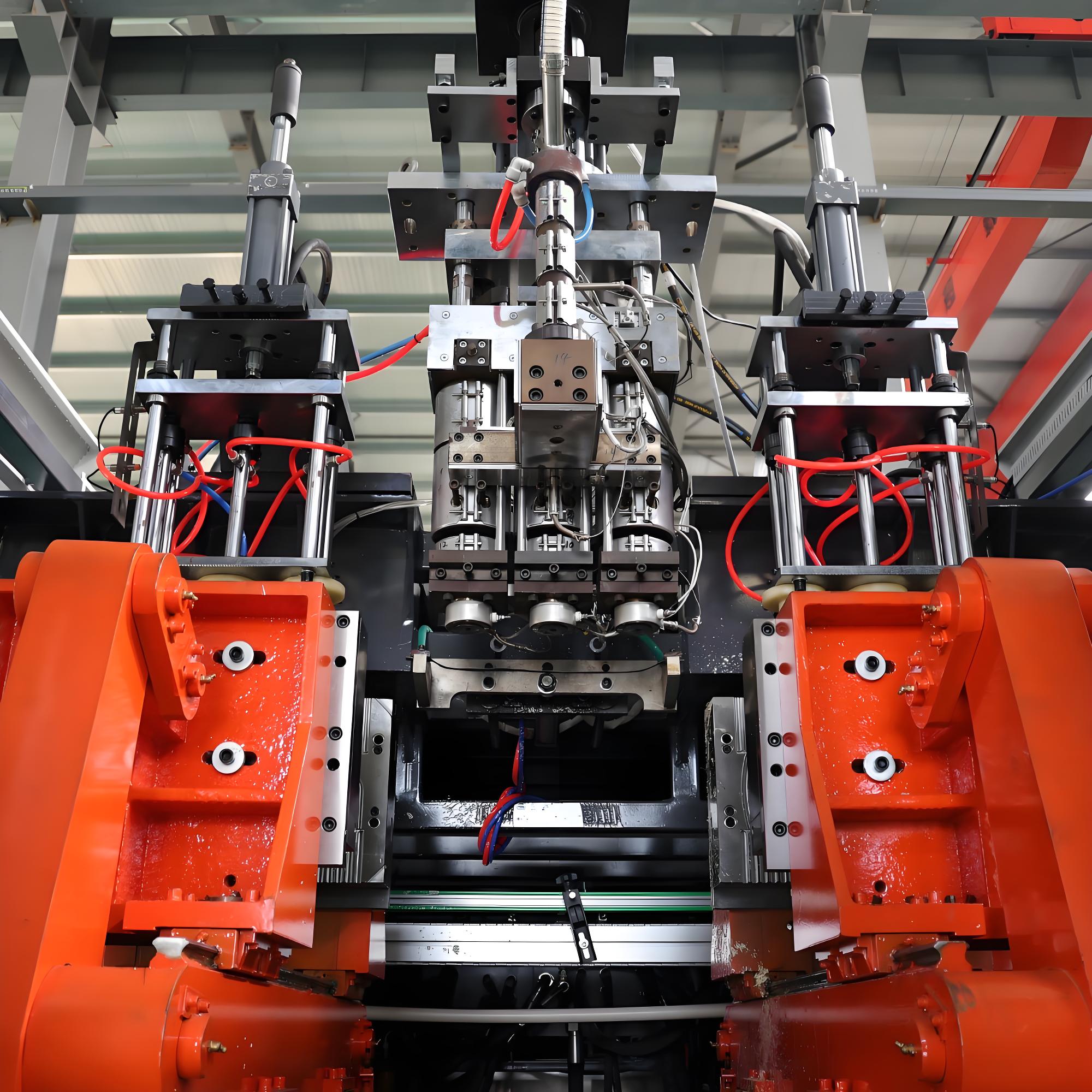
In continuous extrusion blow molding, the parison is extruded slowly downward from the die while the clamp unit waits, and for small bottles this works well because the parison is light and short. At fifteen liters the parison is long, heavy, and hot, so a continuously extruded parison begins to sag and thin under its own weight before the mold closes, producing an uneven wall and a weak container. The accumulator head addresses this directly by melting the resin in the main extruder and storing it in a separate accumulator chamber equipped with a high speed hydraulic ram. Once enough melt is accumulated, the ram pushes the entire parison out through the die in a fraction of a second, so the parison is formed fast enough to hold its programmed shape. This rapid, uniform extrusion is the core reason an accumulator head configuration is preferred for containers in the five to twenty liter band.
Beyond preventing sag, the accumulator head gives the process engineer a stable melt that has been homogenized in the accumulator, which improves color and additive dispersion for daily chemical grades that contain pigments, fragrances, or antimicrobials. It also shortens the mold open time because the parison is ready almost instantly, raising the effective output per station compared with a pure continuous machine of the same size. Apollo offers the accumulator head as a configuration within its ABLB series, which covers containers from two hundred milliliters up to twenty liters, so a fifteen liter daily chemical container sits comfortably inside the design envelope. The result is a machine that protects wall uniformity, supports higher throughput, and still runs the same corrosion resistant resins the daily chemical sector requires.
Selecting the Right Polymer for Chemical Resistance
Material choice is the foundation of a corrosion resistant daily chemical container, and the three practical candidates are HDPE, PP, and PETG, with PVC available for specialty formulations. HDPE is the dominant choice because its non polar structure resists most surfactants, dilute alkalis, and many solvents, and it retains good low temperature toughness so a dropped fifteen liter jug does not shatter. PP offers a higher continuous use temperature and better resistance to some polar chemicals, which matters for hot fill or autoclave style ürünler, though it is more prone to stress cracking under certain surfactant loads. PETG delivers clarity and a premium look for specialty cleaners but at a higher material cost and with more careful drying, while PVC remains useful where stiffness and chemical tolerance intersect for specific industrial formulations.
The table below summarizes the practical trade offs that a daily chemical packager weighs when specifying a fifteen liter container, using density, chemical resistance, and typical end use as the decision columns. These are representative values for commodity daily chemical grades and should be confirmed against the specific formulation and the resin supplier datasheet before tooling.
| Material | Density (g/cm³) | Chemical Resistance | Typical Daily Chemical Use |
|---|---|---|---|
| HDPE | 0.94 to 0.97 | Excellent to most surfactants and alkalis | Laundry detergent, bleach, disinfectant |
| PP | 0.90 to 0.91 | Good, better heat resistance | Fabric softener, hot fill cleaners |
| PETG | 1.27 | Good, clear premium look | Specialty and cosmetic cleaners |
| PVC | 1.35 to 1.45 | Moderate, formulation dependent | Industrial specialty formulations |
Apollo ABLB Accumulator Head Configuration
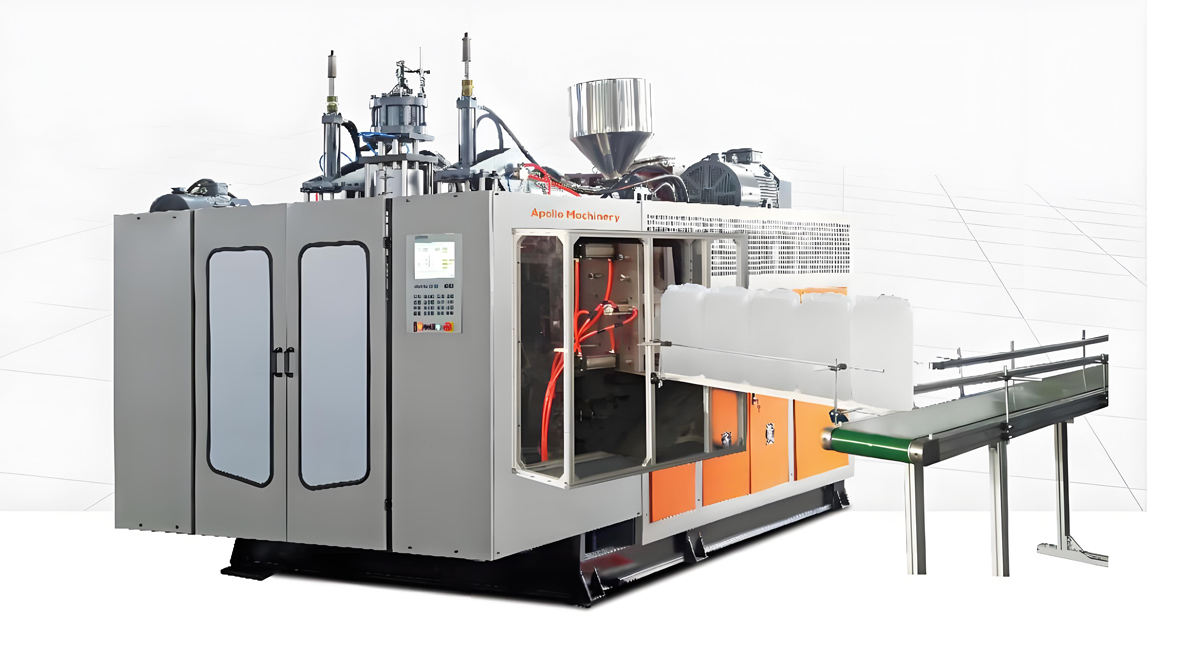
The ABLB series is Apollo’s core extrusion blow molding line for containers from two hundred milliliters to twenty liters, and the accumulator head configuration extends it into the upper portion of that range where parison sag becomes the limiting factor. For a fifteen liter daily chemical container, Apollo typically configures a single head or dual head layout depending on whether the customer needs one large container per cycle or two smaller related articles. The extruder uses a hardened barrel and a screw optimized for high density polyethylene, with an L/D ratio chosen to give full plasticizing without excessive shear heating that could degrade heat sensitive additives. Clamping is handled by a robust platen system sized for the projected area of a fifteen liter mold, and the whole machine is built around the Wanplas shared quality standard that backs every Apollo unit.
Representative specifications for the accumulator head configurations are listed below. These values describe the engineering envelope Apollo applies to fifteen liter daily chemical production and are confirmed during machine sizing against the customer’s actual container drawing, resin, and target output.
| Configuration | Container Range | Screw Ø (mm) | L/D | Power (kW) |
|---|---|---|---|---|
| ABLB single head accumulator | 5 to 15 L | 70 to 90 | 24 to 28 | 45 to 75 |
| ABLB dual head accumulator | 10 to 20 L | 90 to 100 | 24 to 28 | 70 to 110 |
| ABLB view stripe option | 5 to 15 L | 70 to 90 | 24 to 28 | 48 to 78 |
Fully Electric Alternative for Sensitive Formulations
Not every daily chemical formulation tolerates the hydraulic oil environment of a conventional accumulator head machine, and some premium or pharmaceutical adjacent ürünler require the cleanest possible processing condition. Apollo’s fully electric series covers the same two hundred milliliter to twenty liter range using servo driven movements with no hydraulic system, which removes the risk of oil mist and reduces energy consumption per part. For a fifteen liter container the fully electric machine trades some raw clamping speed for a cleaner, quieter, and more precisely repeatable cycle, which is valuable when the container carries a sensitive formulation or when the plant has strict environmental requirements. The accumulator principle can still be applied in an electric driven variant where a servo ram delivers the parison, preserving the rapid extrusion benefit while keeping the hydraulic free profile.
The table below contrasts the two platforms so a daily chemical packager can match the machine to the product risk profile. Both run the same corrosion resistant resins, and both are supplied as Apollo machines under the Wanplas factory network, so the choice is about process cleanliness and energy rather than material compatibility.
| Platform | Drive Type | Cleanliness | Energy Level | Best Fit |
|---|---|---|---|---|
| ABLB accumulator head | Hydraulic ram | Standard | Medium | High volume detergent jugs |
| Fully electric | Servo, no hydraulics | High | Low to Medium | Sensitive or low contamination needs |
Mapping Daily Chemical Products to the Right Container
Daily chemical plants rarely make a single product, so the fifteen liter accumulator head machine should be evaluated against the full portfolio it will run. A thick bleach with high pH and oxidizer load wants maximum HDPE wall and a tight neck seal, while a translucent fabric softener benefits from a view stripe so the fill level is visible on the shelf. A concentrated cleaner sold through professional channels may need a tamper evident closure and a heavier handle, whereas a private label detergent simply needs a reliable, low cost body. Extrusion blow molding accommodates all of these on one machine by changing the mold and the parison program, which is why Apollo positions the ABLB series as a flexible daily chemical workhorse rather than a single product machine.
The application map below connects typical daily chemical ürünler to the resin and process choice that Apollo recommends, based on the corrosion and handling profile of each product family. This is the same logic Apollo applies during machine sizing and mold design for daily chemical customers.
| Daily Chemical Product | Recommended Resin | Key Requirement | Apollo Process |
|---|---|---|---|
| Laundry detergent | HDPE | Impact and stack strength | Accumulator head EBM |
| Disinfectant and bleach | HDPE | Oxidation resistance | Accumulator head EBM |
| Fabric softener | PP or HDPE | View stripe option | EBM with stripe |
| Specialty cleaner | PETG | Clarity and premium look | EBM, dried resin |
Wall Thickness Programming and Multi Layer Options
Corrosion resistance is not only about the bulk resin but about how the wall is distributed, because a thin spot is where chemical attack and mechanical stress combine to cause failure. Apollo accumulator head machines use a parison programmer that varies the die gap as the ram pushes melt through the head, so thick sections can be placed at the handle, the neck, and the base while the flat panels stay lighter to save material. For daily chemical containers this programming typically adds material at the handle hinge and the base corner, the two zones most exposed to repeated load and to spilled product pooling underneath. A well programmed fifteen liter container therefore passes drop and stack tests while using less resin than a uniformly thick bottle.
Where the formulation is especially aggressive, Apollo can supply a multi layer co extrusion head that places a barrier or virgin skin layer against the product side and a recycled or filled layer on the outside, improving both chemical resistance and cost efficiency. The accumulator head is compatible with this approach because each layer is metered into the accumulated melt and delivered together in the fast parison shot. Multi layer construction is common for containers that must meet stricter permeation limits or that carry solvents outside the comfort zone of a single resin. Apollo configures layer ratios during machine sizing and validates them on the customer’s actual resin before shipment.
Process Parameters That Protect Container Quality
Running a fifteen liter accumulator head machine for daily chemical containers is a balance of melt temperature, parison speed, blow pressure, and cooling time. The melt temperature must be high enough for full plasticizing yet low enough to avoid thermal degradation of heat sensitive additives such as enzymes or fragrances, so Apollo sets a zone profile along the barrel and monitors it with closed loop control. The accumulator ram speed is tuned so the parison exits fast but without turbulence that would trap air, and the blow pin delivers calibrated pressure to push the melt against the mold surface for a clean, defined shape. Cooling time scales with wall thickness, and for a fifteen liter container it is the dominant part of the cycle, so Apollo optimizes the cooling circuit and mold temperature to keep output stable without warpage.
Another parameter that matters for corrosion resistant containers is the neck finish accuracy, because a leaking closure lets the product attack the thread and the label area even when the body is sound. Apollo machines hold the neck calibration through a fixed blow pin and a precisely machined neck insert, and the parison programmer can thicken the neck zone to resist the torque of an over tightened cap. For daily chemical customers who run several cap styles, Apollo designs interchangeable neck inserts so one mold base serves multiple closures. These process details are documented in the machine recipe management system so the same container can be reproduced shift after shift with minimal operator judgment.
Matching the Machine to Production Volume
Choosing between the ABLB accumulator head and the fully electric platform should follow the customer’s volume, formulation risk, and energy target rather than a generic preference. A plant filling tens of thousands of fifteen liter detergent jugs per month gains the most from the accumulator head hydraulic machine because it maximizes output per station and absorbs the higher clamping force needed for a large mold. A plant making a lower volume but sensitive specialty cleaner may prefer the fully electric machine for its clean profile and lower energy draw. Both are Apollo machines and both draw on the Wanplas shared engineering and service backbone, so the decision is operational rather than brand based.
The selection guide below translates common daily chemical requirements into the Apollo configuration that fits, using container size, product risk, and output as the columns. Apollo uses this same logic when a customer sends in a container drawing and a target monthly volume for a quotation.
| Customer Requirement | Product Risk | Output Need | Recommended Apollo Configuration |
|---|---|---|---|
| 15 L detergent jug | Standard | High | ABLB accumulator head, single or dual |
| 15 L bleach container | Higher | High | ABLB accumulator head, thicker neck program |
| Sensitive specialty cleaner | High | Medium | Fully electric accumulator variant |
| Multi SKU private label | Standard | Medium | ABLB with interchangeable neck inserts |
Quality Assurance and In House Testing Before Shipment
Every Apollo extrusion blow molding machine is run and verified at the factory before it is shipped, which is especially important for a fifteen liter daily chemical container where a hidden defect only shows up after thousands of cycles in the customer plant. Apollo conducts a pre delivery test using the customer’s actual or representative mold and resin, measuring parison consistency, wall thickness distribution, neck dimension, and drop performance. The Wanplas shared quality standard backs this testing with a clear commitment: if the delivered machine fails to meet the agreed quality specification, the customer is entitled to a refund plus compensation, which aligns Apollo’s incentive with the buyer’s risk on a capital purchase.
In addition to the running test, Apollo documents the machine recipe, the spare parts list, and the maintenance schedule so the customer can start production without a long learning curve. Critical components such as the barrel, screw, accumulator ram, and control system are inspected and traced, and the PLC program is backed up on removable media for fast recovery. For daily chemical customers this documentation reduces the chance that a settings drift causes a slow rise in scrap or a gradual loss of wall uniformity, both of which would undermine the corrosion resistance the container was designed to deliver. Apollo’s open factory policy also lets customers witness the test run before the machine leaves Zhangjiagang.
Installation, Service, and Spare Parts Destek
Apollo supports each machine from commissioning through the full production life, beginning with engineer on site installation and training so the customer team can operate, clean, and maintain the accumulator head system confidently. Because daily chemical production often runs multiple shifts, Apollo tracks usage status after startup and performs irregular customer visits to catch wear before it becomes downtime, and the Wanplas network coordinates technical response across regions. The shared Wanplas service promise includes USD 500 free parts every year, free replacement of damaged parts within the warranty period, a transportation guarantee, and a production capacity guarantee, so a daily chemical packager buying an Apollo fifteen liter machine is covered on both the machine and the consumable side of ownership.
Training covers parison programming, mold changeover, and the routine checks that keep wall thickness stable, because the corrosion resistance of the final container depends as much on consistent operation as on the original mold design. Apollo also supplies wearing parts such as extruder screens, blow pins, and neck inserts from stock, and the accumulator head seals are specified for the expected resin and additive package so they do not become a hidden failure point. Customers are welcome to visit the Apollo factory to review the machine, discuss formulation specific tuning, and confirm the support plan before placing an order, which is part of the open factory approach shared across the Wanplas group.
Frequently Asked Questions
Why choose an accumulator head for a 15 liter container?
A fifteen liter parison is heavy and hot, so continuous extrusion causes it to sag and thin before the mold closes, producing an uneven wall. The accumulator head stores melted resin and pushes the full parison out in a fast shot, holding the programmed shape and letting the programmer control wall thickness accurately. This is why Apollo applies the accumulator head within its ABLB series for containers in the five to twenty liter range, including daily chemical jugs.
Which resin is best for corrosive daily chemical storage?
HDPE is the most common choice because its non polar structure resists surfactants, dilute alkalis, and many solvents while staying tough at low temperature. PP suits hotter or more polar formulations, PETG gives a clear premium look for specialty cleaners, and PVC serves certain industrial formulations. Apollo machines process all of these, and the final choice should be confirmed against the specific product formulation and the resin datasheet.
Can the same machine run multiple daily chemical ürünler?
Yes. Extrusion blow molding changes product by swapping the mold and adjusting the parison program, so one Apollo ABLB accumulator head machine can run detergent, bleach, and softener containers with different neck and handle designs. Interchangeable neck inserts let a single mold base serve several closures, which is useful for private label and multi SKU daily chemical plants.
Does the machine support multi layer or barrier containers?
Apollo can supply a co extrusion head that places a barrier or virgin skin layer against the product side and a recycled or filled layer outside, improving chemical resistance and cost. The accumulator head delivers all layers together in the fast parison shot, so multi layer construction remains compatible with the rapid extrusion that large containers require. Layer ratios are validated on the customer’s resin before shipment.
How does Apollo verify quality before delivery?
Each machine is run at the factory with the customer’s actual or representative mold and resin, measuring parison consistency, wall thickness, neck dimension, and drop performance. The Wanplas quality standard commits to refund plus compensation if the agreed specification is not met. Customers may also witness the test run under Apollo’s open factory policy before the machine leaves the plant.
What service and spare parts support is included?
Apollo provides on site installation, training, usage tracking, and irregular visits, backed by the Wanplas shared promise of USD 500 free parts every year, free warranty replacement of damaged parts, transportation guarantee, and production capacity guarantee. Wearing parts such as screens, blow pins, and neck inserts are stocked, and the accumulator head seals are specified for the expected resin and additive package.
Is a fully electric machine available for sensitive formulations?
Yes. Apollo’s fully electric series covers the same two hundred milliliter to twenty liter range with servo driven, hydraulic free movement, which removes oil mist risk and lowers energy use. An electric driven accumulator variant preserves the rapid parison benefit while keeping the clean profile, making it suitable for sensitive or low contamination daily chemical ürünler that still need a fifteen liter container.
Work With Apollo on Your Daily Chemical Container Line
A fifteen liter accumulator head EBM machine is the practical answer when a daily chemical product needs a corrosion resistant, seamlessly molded container produced at real volume, and Apollo brings more than twenty years of extrusion blow molding focus to that requirement as a Wanplas factory. The combination of accumulator head parison control, programmable wall thickness, multi layer capability, and verified pre shipment testing gives packagers a container they can trust through storage, stacking, and transport. If you are specifying a fifteen liter daily chemical container, share your drawing, resin, and target output with Apollo so the engineering team can configure the right ABLB accumulator head or fully electric machine, validate it on your material, and invite you to witness the test run at the Zhangjiagang factory before delivery.