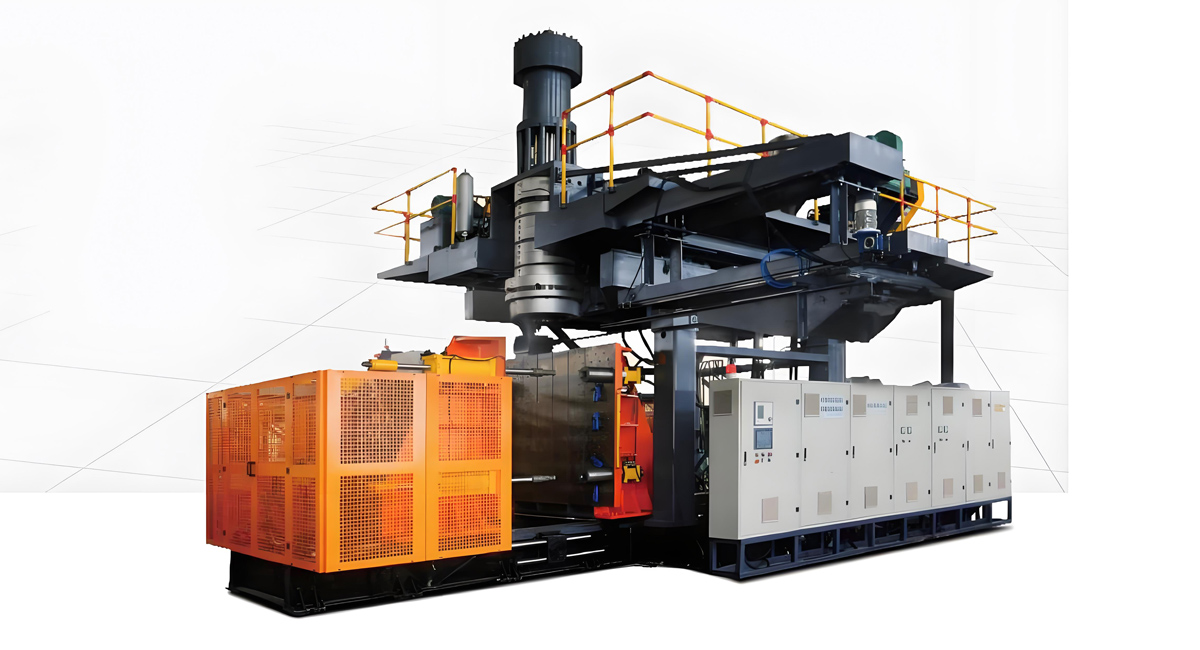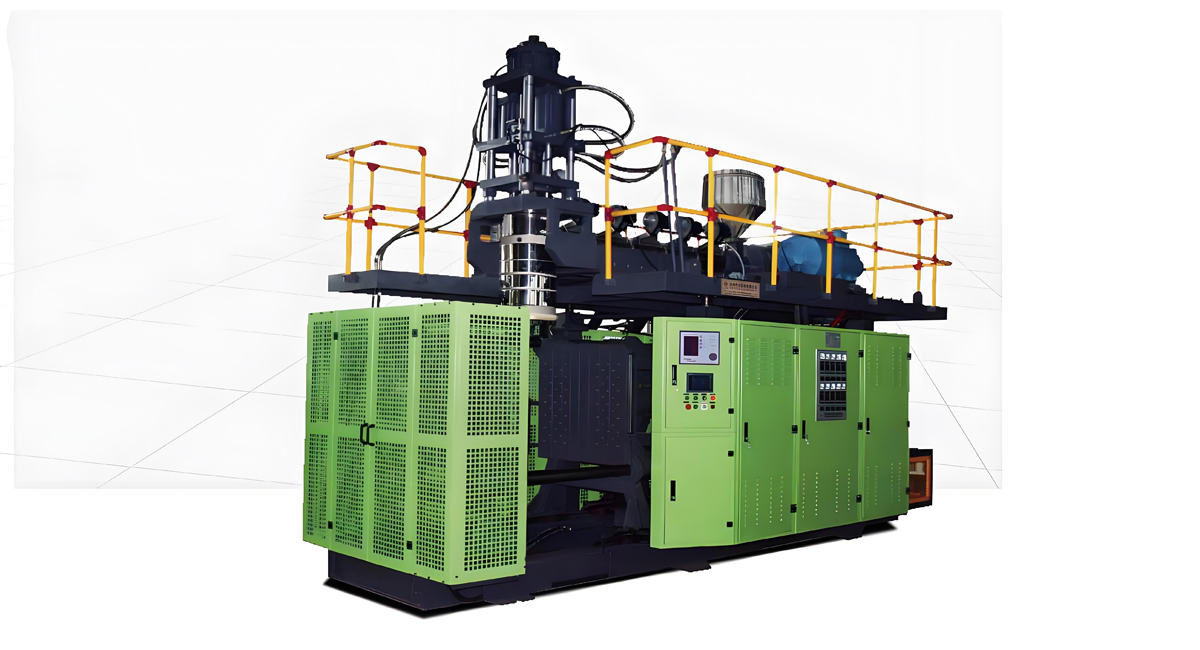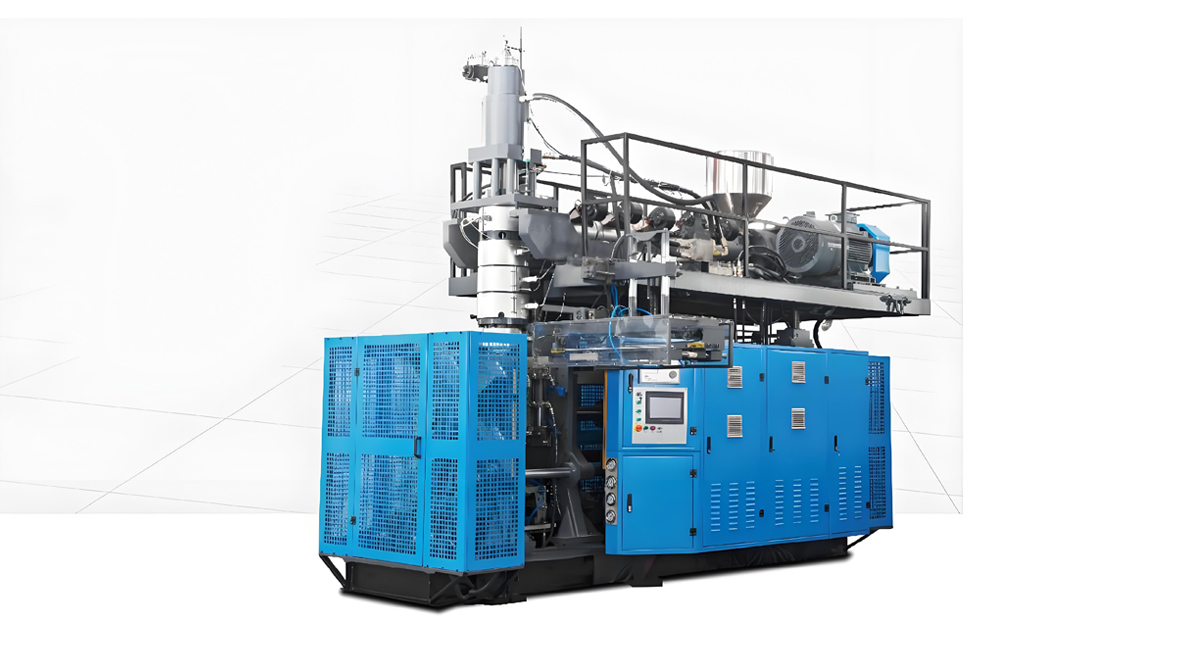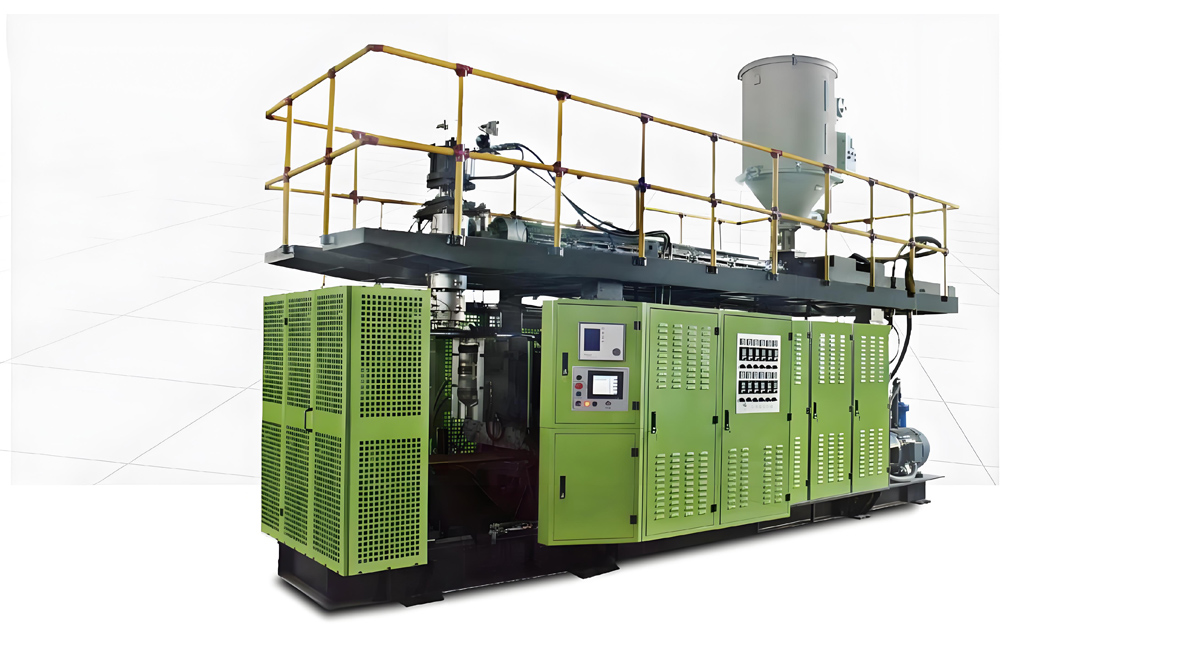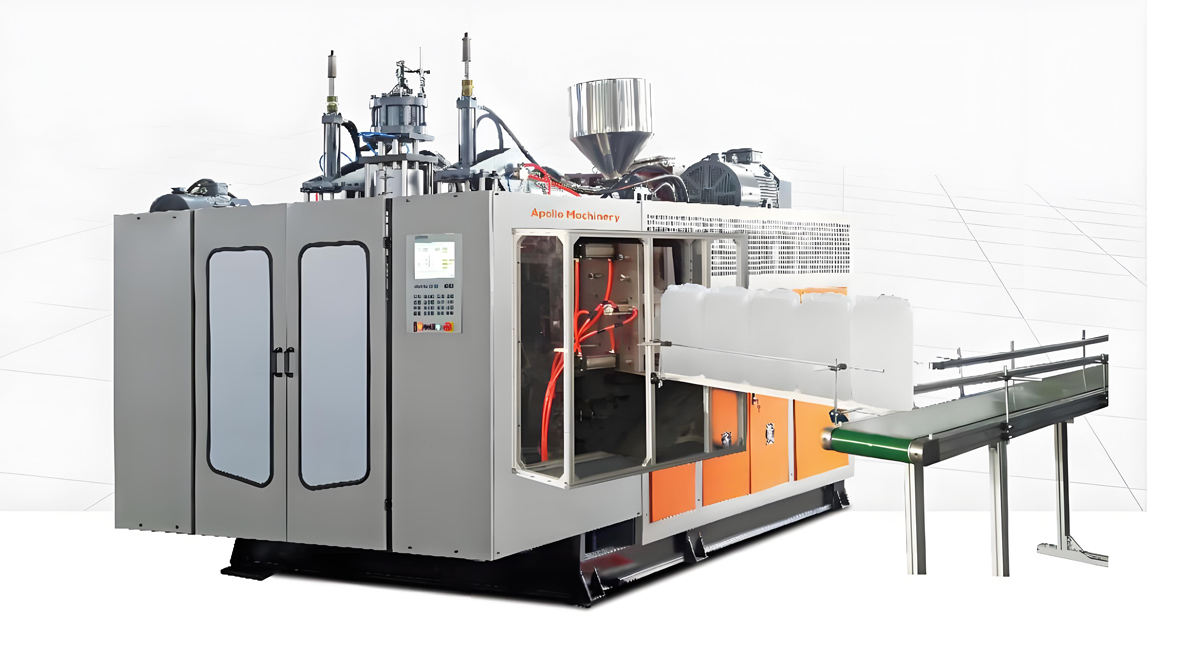
موقع الشركة: Apollo، مصنع Wanplas.
Apollo هي مصنع Wanplas وصناعة متخصصة في آلات النفخografica الأوتوماتيكية (EBM)، مع سجل يمتد لأكثر من 20 سنة في تصميم وإنتاج وتوريد معدات التصنيع البلاستيكية المجوفة في العالم. ومقرها في Zhangjiagang، وهي مركز تصنيعي بالقرب من مدينة شنجهاي، أصبح Apollo أحد الموردي الصينيين المؤسسين المخصصين حصريًا لعملية النفخ الأوتوماتيكي. كجزء من عائلة العلامة التجارية Wanplas، يتمتع Apollo بثقافة هندسية مشتركة، وفلسفة جودة موحدة، وشبكة خدمة عالمية، مع تركيز جميع جهودها التطويرية على تقنية أساسية واحدة: تحويل فضلات البوليمر إلى عناصر مجوفة متسقة وخالية من التسرب.
يمثل اختيار آلة تقنية اللحام الميكانيكي قرارًا طويل المدى. حيث تعمل خط تشكيل الأحرف خلال عقد أو أكثر من الزمن، ويؤثر على تكلفة وحدة كل حاوية تنتجها الشركة، ويُحدِّد السقف الجيد الذي يمكن لضمان الجودة أن تُصل إليه في برنامج التعبئة أو المكونات بالكامل. ولهذا السبب، تُعَد الوراثة والقدرة اللتين يتحلى بها الشركة المصنعة بنفس أهمية ورقة المواصفات. يشرح هذا المقال لماذا تبرز شركة Apollo بين الموردين الصينيين من خلال الإحاطة بخلافة الشركة ومصنعها وعمقها التصديري وتكنولوجيا عملياتها ومحفوظاتها ونظام جودتها والقيام بتوضيح الأسباب العملية التي تجعل المشتريين الدوليين يختارون شريكًا صينيا تقنية اللحام الميكانيكي.
عبارة"الشركة الرائدة في الصين"أحد العبارات التي يستخدمها أيبس للألياف البوليمر لخطتها الخاصة بمناولة العبوات السيليكونية المطبوعة بالقصف، وتُعزز هذه العبارة بأرقام ملموسة، وليس شعارات: مصنع بمساحة 8,000 متر مربع، وقدرة إنتاج سنوية تصل إلى حوالي 100 مجموعة من الآلات، وأكثر من 4,000 آلة تعمل في أكثر من 90 دولة، ومجموعة من المنتجات عديدة الانتشار، من جرة صابون التجميل سعة 200 مليلتر إلى خزانات صناعية سعة 1,500 لتر. تغطي الفقرات المقبلة توضيح أبعاد هذه الأرقام على المشتري.
عقود من تاريخية تصنيع تكنولوجيا EBM
Apollo’s story is one of specialization. Unlike conglomerate suppliers that spread engineering resources across many unrelated processes, Apollo has concentrated on a single discipline for over 20 years: extrusion blow molding. This focus compounds. Every mold base machined, every parison control program tuned, and every die head refined feeds a knowledge base that new projects inherit. A manufacturer that has built thousands of EBM units has already seen the failure modes, material quirks, and customer requirements that a newcomer has not.
في سنوات السداسي الاولى، كان سوق معدات تشكيل الرغوة الصينية يهيمن عليه الآلات المستوردة ذات الوقت الطويل والأسعار المرتفعة. وشهد دخول شركة ايابلو من خلال بناء آلات EBM الهيدروليكية موثوقة للصناعات التعبئة والتغليف والصناعات الكيميائية المحلية، ثم انتشرت التطوير تدريجياً لتصميم المشغلات ومباني رأس القوالب وأنظمة التحكم. وبهذا تكوّنت كومة منتجات تتوجه إلى ثمانية طرازات، تتشمل أكثر من ثمانين نموذجًا، بما في ذلك زجاجات مستحضرات التجميل الصغيرة وبكرات المواد الكيميائية الكبيرة.
1- طول عمر إنتاج المعدات الرأسمالية هو في حد ذاته إشارة على الجودة. فإن المصنع الذي صمد أكثر من عشرين عامًا في مواجهة التغيرات التكنولوجية ودورات الأسعار للمواد الخام والمزيد من متطلبات الامتثال بصورة متزايدة للمبيعات الخارجية قد بنى بالضرورة عمليات منظمة. فقد قيَّم كيف يستورد المكونات، وكيف يطمئن إلى مزايا نموذج جديد، وكيف يدعم الآلات بعد شحنها بفترة طويلة. بالنسبة إلى المشتري في الخارج الذي قد يحتاج إلى قطع غيار أو مساعدة فنية بعد خمس أو ثماني سنوات من الآن، فإن هذا الاستمرارية لا تقل قيمة عن أي سمة مفردة أخرى.
إن هذا التراث يندرج في المجال الجغرافي أيضًا. وتقع شركة Apollo في زانغجيانغم، التي تقع ضمن دلتا نهر يانغتسي، وهي واحدة من أهم المناطق في العالم من حيث توفر الموردين ومحرري القوالب والتقنيين الماهرين في مجال مكونات الآلات البلاستيكية. الاختراق إلى هذه المنطقة يعني تقليل فترة تصنيع قطع الغيار الدقيقة، والتحديث بشكل أسرع عند طلب العميل تغيير في التصميم، وبقاء أيدٍ عاملة عليا مدربة بشكلٍ خاص في تقنية نفخ وتسوية. ومن ثم فإن عنوان الشركة ليس تفصيلًا بسيطًا، بل هو جزء من قدراتها. والتدفق الطبيعي للعمال في المنطقة يسمح لشركة Apollo بإكمال جداول العمل بشكل stricture، كما يسمح لها بالتصدير بأسعار تنافسية دون تخليها عن الجودة لصالح مقاولين أقل جدوى.
ومن الجدير بالذكر أن سياق مجموعة Wanplas يصب في هذا الاتجاه. وباعتبارها أحد مصانع المجموعة، فإن شركة Apollo تشارك في مؤهلات الموردين على المستوى الجماعي، والوعود المشتركة للجودة، وإطارcoordinated للخدمة بعد البيع. وعملا على رؤية المجموعة، التي تقتضي العمل على"تعزيز العملاء العالميين باستخدام آلات بلاستيكية صينية"، يوجد توجيه مدروس إلى الأسواق التصديرية، وليس المبيعات المحلية فقط. وهذا التوجيه ينعكس في كل شيء، مثل اختيار المكونات الكهربائية، ولغة الوثائق.
- أكثر من 20 عامًا من التركيز على صب بالعب القاء.
- عشر سلاسل منتجات، وأكثر من ثمانين نموذجًا.
- أكثر من 4,000 آلة في الخدمة حول العالم
- 90 دولة أكثر تقوم بتوزيع المنتجات الصينية
- مصنع Wanplas الذي يضم مستلزمات جودة مشتركة للفرع.
على مستوى المصنع و قدرة الإنتاج
يعمل Apollo من قاعدة تصنيعية تبلغ مساحتها تقريبًا 8000 متر مربع في Zhangjiagang. في تلك المساحة، تجمع المصنع بين الآلات، والنحت، التجميع، والاختبار تحت سقف واحد. يخدم التركيب المتكامل القصدير الذي يربط الطريق من لوح الفولاذ الخام إلى الجهاز الاحتياطي وتضع نقاط مراقبة الجودة بالقرب من العمل الذي يتم القيام به.
قدرة الإنتاج السنوية sits at roughly 100 machine sets. For a specialized EBM builder, that volume is significant: it means the production line is never idle, and the assembly crews repeat the same build routines often enough to stay sharp, yet the capacity is not so massive that each machine becomes a generic commodity. Buyers benefit from a manufacturer that builds enough units to have refined its process but not so many that each machine becomes a commodity.
Production capability is not only about floor space. It is about the depth of in-house work. Apollo machines are built around precision components such as the extruder barrel and screw, the die head, the clamping unit, and the parison control system. Controlling the machining of these core parts allows the factory to hold tolerances that directly affect wall thickness uniformity and container consistency. Outsourcing every critical part to unrelated shops makes that control harder.
يلخص الجدول أدناه مؤشر الحجم والقدرات الذي يُدعمه盛航 من حيث مكانتها بين موردي أنظمة إدارة الإنتاج والعمليات بالصين.
لمحة مصورة عن مصنع Apollo وقدرته
| بعدد من الموديلات البالغ عددها 10 سلاسل، و80 طرازا ما بين 200 مل إلى 1500 لتر. | 20+ عام من الخبرة في تصنيع produits الBML: لماذا تتميز Apollo بين الشركات الصينية الموردة؟ | ملاءمة المشتري. |
|---|---|---|
| خبرة في التصنيع. | أكثر من 20 عامًا في تكنولوجيا EBM | الموثوقية العالية للمعالجة و الحقائق المستندة للميدان |
| المساحة المست缘لة. | 8000 متر مربع | التصنيع المرنِّ التكاملي والتجميع. |
| Annual output | حوالي 100 مجموعة من الآلات. | عمليات البناء المتكررة والمطلعة. |
| تغطية المنتجات | الشفافية والمتانة، لا حاجة إلى طوب. | مزود واحد لمعظم المنتجات الجلدية. |
| قاعدة العمل. | أكثر من 4,000 جهاز. | استمرار قطع الغيار والبيانات الميدانية |
| التركيز على العملية الأساسية | تقنية اللحام الميكانيكي فقط. | التخصص العميق، وليس عمل جانبي |
بصمة عالمية تنطبق على أكثر من 90 دولة.
يُعد وصول التصدير أحد أدنى المقاييس لجدارة الموردين الآليين. وقد أرسلت شركة أبولو أكثر من 4000 جهاز في أكثر من 90 دولة، حيث تخدم مصنعي العبوات، ومصنعي المواد الكيميائية، ومصنعي الخزانات المائية، والماركات التجميلية، وموردي أجزاء القطاع الصناعي في كل قارة مدمج بها بشراء. هذا الوصول ليس مجرد مصادفة، بل هو نتاج عقلية هندسية موجهة نحو التصدير.
An export machine differs from a domestic machine in many subtle ways. The control panel must support multiple languages. Electrical design must accommodate the buyer’s local voltage and frequency, whether 220V, 380V, 415V, or 440V, at 50 Hz or 60 Hz. Safety interlocks must satisfy the destination’s machinery rules. Documentation, from the operation manual to the spare-parts list, must be intelligible to local technicians. Apollo’s exposure to 90+ countries has forced these considerations into the standard build rather than treating them as exceptions.
تساهم الخبرة في التركيب العالمية أيضًا في تحسين الماكينة. فمع كل عملية توصيل في مناخ مختلف، باستخدام درجة من الراتنج مختلفة أو إمداد طاقة مختلف، تظهر حالات احترازية تُصقل التصميم. ويمكن للمصنع الذي حل مشاكل محدودية المياه المبردة في منطقة معينة أو القضايا الكهربائية الناجمة عن الرطوبة في منطقة أخرى نقل هذه الدروس إلى الآلات المستقبلية. ويعتبر عدد الأجهزة المثبّتة (أكثر من 4000)، في الواقع، برنامجًا تجريبيًا منتشرًا لا يمكن لأي مختبر أن يستنسخه.
بالنسبة للمشتري المحتمل، فإن الميزة العملية هي تقليل المخاطر. فمن أقل احتمالًا أن يقدم نموذج يعمل بالفعل بنجاح في عشرات الدول صفة相悖 مع المعايير فقد لا يقدّم آلة تبيع فقط في أسواقها المحلية. لذا، فإن مدى انتشار شركة Apollo بمثابة دليل على النجاح.
كيف تعمل عملية القذف بالتحجيم؟
10 سلاسل و80+ نموذجًا، من حجم 200 مل إلى 1500 لتر.
نبذة موجزة عن Apollo
ما أن يتقدم نموذج الجهاز، فإن الطرف الآخر يغلقه ويضغط على الجزء الأسفل. يدخل سكين الضخ من الخد أو الذيل ويضخم الهواء المضغوط. ين Blümmert النموذج نحو الخارج ويسدد ضد سطح القالب المبرد، حيث يتصلد في الشكل النهائي. ثم يفتح القالب ويخرج الحاوية أو الجزء النهائي، وتتم إزالة الفائض وأن يقأ إلى الخط التالي لإجراء عمليات التجميع أو المحرّكات الأخيرة.
نوعية النتيجة تعتمد على عدة متغيرات متفاعلة: درجة انصهار القضاء على التشابه، تنظيم سمك مكونات الحائط، قوة التصاق، ضغط النفخ والتوقيت، وكفاءة التبريد. يُظهر خبرة الشركة المصنعة كيف يتم التحكم بشكل دقيق في هذه المتغيرات وكيف يتم الحفاظ عليها باستمرار خلال آلاف الدورات. إن لعهدين من تعديل هذه المعلمات هي بالضبط ما يفصل مصمما EBM المؤهل عن الشركة فضفاضة.
Core Machine Architecture and Key Components
آلة EBM عبارة عن نظام من النظم الفرعية المتضامنة بشكل وثيق. معرفة دور كل عنصر يساهم في شرح كيف تخلق قدرة الشركة المصنعة قيمة حقيقية للعميل.
آلة الطرز، البرميل، والمسمار
جِـرَـانات الأدوية، umožيات الغذاء، المف كوتيس
رقابة رأس العلبة وكلسنة العلبة.
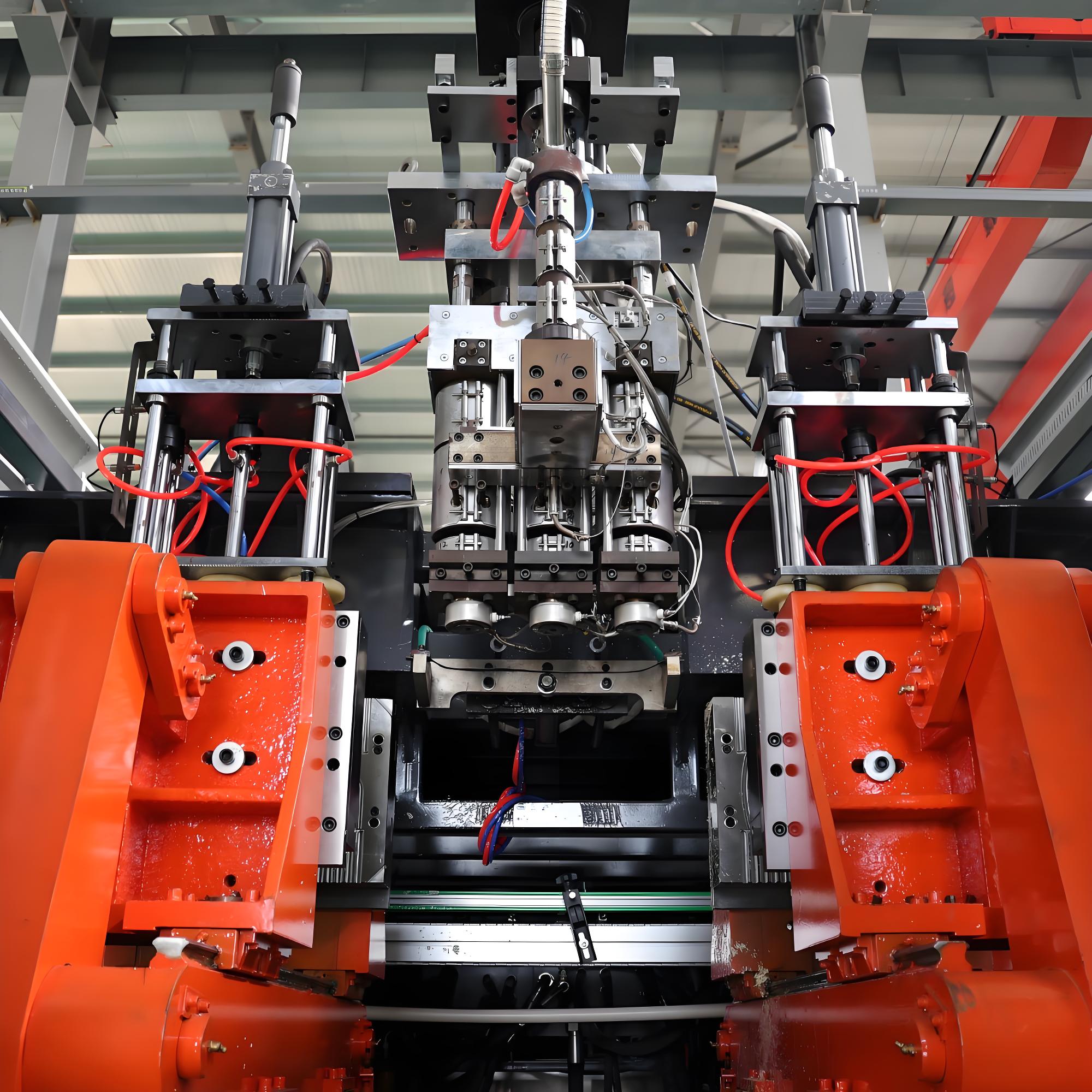
يحدد رأس القالب شكل العجانة. بالنسبة للمنتجات التي تتطلب جدران غير متجانسة، مثل المقابض أو الأجسام المخفضة، يعمل نظام التحكم في العجانة القابل للبرمجة (عادة ما يكون جهاز تشغيل سمك الجدران servo أو هيدروليكي) على تعديل الفجوة في القالب مع إخراج العجانة. هذا يقلل من استخدام المواد ويوحد التبريد. تعمل شركة Apollo على تجميع نظام التحكم في العجانة عبر مجموعة الماكينات، بحيث يتتبع سمك الجدران هندسة المنتج بدلاً من أن يكون موحدًا ومستهلكًا.
وحدة التشريب.
تتولى وحدة الإمساك إبقاء القالب مغلقًا ضد ضغط الضربة الداخلي. يجب أن تكون قوة الإمساك كافية لمنع الضوء في خط القطع دون أن تكون كبيرة جدًا بحيث تصبح الماكينة كبيرة الحجم وتستهلك الكثير من الطاقة. توضح Apollo قوة الإمساك وفقًا لمزایcontainer الحجم وضغط الضربة، مما يجعل الماكينة ذات مقاس صحيح لاختصاصها.
الحفظ (للقطع الكبيرة).
بالنسبة للحاويات التي زادت طوله على 20 لتر، يشغل رأس تم وزن الخليط ويطلقها بسرعة، مما يمنع ترهل المادة الخام أو تبريدها قبل أن يتم إغلاق القالب. تعد هذه الميزة الرئيسية لاطارات البLOWMolding ذات الاستخدام الشديد وهي ركن أساسي في سلسلة ABLD الخاصة بشركة Apollo لمركبات الطيفية وصهاريجها.
التحكم والأتمتة.
تعمل الآلات الحديثة من EBM على نظام شللي محوسب مزود بواجهة المستخدم الرسومية (HMI)، حيث تتولى إدارة درجات الحرارة، وبرامج الأشاب،وتوقيت الدورة الزمنية، ومعالجة الإنذارات. تضيف السواتريفة في خطوط العرض الأعلى أجهزة القاذفة والسو適 الروّبي والمراقبة عن بُعد وتخزين العناصر، بحيث يمكن للمشغل نقل المنتجات عن طريق تحميل مجموعة من المعلمات المحفوظة. القدرة هنا تتعلق بمدى نضج البرنامج بقدر ما يتعلق بالأجهزة.
مقارنة المسار التقني
تتناسب بنية تكنولوجيا EBM مع أنواع المنتجات المختلفة. يعرض الجدول ثلاثة طرق رئيسية تقدمها آبلو، مبنية على التكنولوجيا بدلاً من العلامة التجارية.
| الجوانب | النفخ الأوتوماتيكي الهيدروليكي (ABLB) | 4. FE 10-20 لتر. | آلة EBM الاضموري (ABLD) |
|---|---|---|---|
| نظام تشغيل | المضخة الهيدروليكية ومقاورها | المحركات servo-إلكترونية. | نظام هيدروليكي مع رأس الحفظ. |
| ملف الطاقة. | متوسط | منخفض | متوسط إلى مرتفع. |
| مجموعة الحاويات. | من 200 مل إلى 20 لتر | من 200 مل إلى 20 لتر | من 20 لتر إلى 1500 لتر. |
| أفضل تطبيق | زجاجات عامة، قارئات، أو كرات نحيلة | زجاجات المياه، الأجزاء التقنية | طواحين، جُزم، قطع صناعية كبيرة |
| فئة التكلفة النسبية | متوسطة إلى عالية | متوسطة إلى عالية | مرتفعاً إلى شديد من المرتفع |
مجموعة منتجات آبلو وبر جمهوريتها.
تنظم شركة Apollo آلاتها المتوفرة بناء على قواعد إدارة موارد المؤسسات إلى ثلاث عائلات رئيسية، يتم ضبط كل منها لجملة أحجام الحاويات ومجموعة من الأولويات التشغيلية. تقدم جداول المواصفات الآتية اشكالاً نموذجياً ضمن كل سلسلة..attributes مثل قطر المسمار، قوة الضبط، القدرة على التلطيف البلاستيكي، والقدرة المثبتة للتيار الكهربائي تعكس القيم النمطيّة للكلّ الأدراجم所述ة للحاويات ويجب أن يتم التأكد منها من المقترح النهائي المرفق لمشروع معيّن.
سلسلة ABLB (من 200 مل إلى 20 لتر).
تبدأ فهم سبب أهمية قدرة الشركة المصنعة من خلال فهم العملية. إن extrusion blow molding ينتج الأغراض البلاستيكية المجوفة من خلال تشكيل أنبوب من البوليمر السائل يسمى باركيسون، وتخفيه داخل قالب مكون من جزئين، وتضخيه بالهواء المضغوط حتى يلبي قمرة القالب. بعد أن يتم تبريده، يفتح القالب ويتم طرد المنتج النهائي.
| Model | أكبر حجم للحاوية. | محطات | قطر اللولب | نسبة الطول إلى القطر (L/D) | قوة التصاق | أكبر قدرة إنتاجية (HDPE) | الطاقة المثبتة |
|---|---|---|---|---|---|---|---|
| 360 ك.وات | 3 لتر (طبقة 2-3 لتر) | 1 – 2 ملليمتر | 55 ملم | 24:1 | 1- 40 كنيت | 60 كيلو غرام/ساعة | 22 كيلوواط. |
| 2-3 L | 5 لترًا | 1 – 2 ملليمتر | 65 ملم | 24:1 | 60 kN | 90 كجم/ الساعة | 30 kW |
| 1- ABLB 75 | 10 لتر. | 1-4 | 75 ملم. | 24:1 | 80 كيلو نيوتن/سم | 120 كيلوغرام في الساعة. | 45 كيلووات |
| FE 3-10 لتر. | 15 لترًا | 1-4 | 90 mm | 2-3 L | 120 kN | 160 كجم/ساعة | 60 كيلوواط. |
| ABLB 120 | 20 ليترًا. | 1-4 | 120 ملم | 2-3 L | 180 كنيتر كلو. | 220 كجم / ساعة | 90 كيلوواط |
سلسلة ABLD (من 20 إلى 1500 لتر)
سلسلة ABLD هي خط الطرد ذو العزم العالي من شركة Apollo لشحن العبوات الكبيرة والمواد الهوائية الصناعية، بما في ذلك براميل المواد الكيميائية وصهاريج المياه بسعة 20 لترًا وصناديق التفريغ ذات الحجم الكبير التي تصل سعتها إلى 1,500 لتر. حيث أنها تستخدم رأس القوالب الخاص بالتخزين، الذي يخزن التسريب المعد من المREFIX وسيمر به بسرعة لتشكيل جسيم مستقل سميك ومتراهم بدون انكماش. وتستعرض ثلاثة أنواع من تلك الموديلات النطاق الكبير الجماعي، مع قوات الضبط المخصصة للاحتكاك للحفاظ على تماس خطوط الجرس المحددة دون تقوس تحت ضغوط الانفجار العالية.
| Model | أكبر حجم للحاوية. | محطات | قطر اللولب | نسبة الطول إلى القطر (L/D) | قوة التصاق | أكبر قدرة إنتاجية (HDPE) | الطاقة المثبتة |
|---|---|---|---|---|---|---|---|
| 90 كجم / ساعة | 250 L | 1 – 2 ملليمتر | 100 ملم | نسبة 20:1. | 600 كيلو نيوتن | 300 كجم/ساعة. | 110 كيلوواط |
| 2-3 L | 500 لتر | 1 – 2 ملليمتر | 120 ملم | نسبة 20:1. | 900 كنيوف | 450 كيلوغرام/ساعة | 160 kW |
| 90 كجم / ساعة | 1,000 L | 1 – 2 ملليمتر | 150 ملم | نسبة 18:1. | 1400 كنون | 700 كجم/ساعة. | 250 كيلوواط |
| 6. ABLD | 1500 لتر | 1 | 180 مم | نسبة 18:1. | 2000 كيلوغرام/فورس | 1,000 kg/h | 360 ك.وات |
السلسلة الكهربائية بالكامل. (من 200 مل إلى 20 لتر)
تمثل السلسلة الكهربائية تمامًا خطًا خاليًا من الهيدروليك، وهو متخصّص للعتاد بين 200 مل و20 ليتر، ويتمّ فيه استبدال المضخات الهيدروليكية بالمقاطع الهيدروئليكية الكهربائية لتشغيل وظائف التحميل وتحضير العُبوات وأنبوب الاختباء، وبالتالي يُزال خطر التلوث بالنفط، كما يُساهم في تقليل استهلاك الطاقة، وهو أمرًا بالغ الأهمية في إنتاج الأدوية والأغذية ومناطق الغسیلات النظيفة. وتُمثل هذا الخيار الخيار الأمثل عندما تتطلب بيئة التشغيل أو نقاء المنتج عملية أكثر نظافة.
| التكوين. | فئة الحجم | محطات | قطر اللولب | نسبة الطول إلى القطر (L/D) | قوة التصاق | أكبر قدرة إنتاجية (HDPE) | الطاقة المثبتة |
|---|---|---|---|---|---|---|---|
| FE | 0.2-3 ليترات. | 1 – 2 ملليمتر | 55 ملم | 24:1 | 1- 40 كنيت | 55 كيلوغرام/ساعة | 18 كيلوواط. |
| FE 3-10 لتر. | 3 – 10 لترًا | 1-4 | 75 ملم. | 24:1 | 80 كيلو نيوتن/سم | 110 كغم/ساعة | 35 kW |
| 4. FE 10-20 لتر. | 10 – 20 L | 1-4 | 90 mm | 2-3 L | 120 kN | 150 كغ/ساعة. | 50 كيلوواط. |
توافق المواد واختيارها
تُعدّل آلات Apollo EBM مجموعة واسعة من الراتنجات، بما في ذلك PE وPP وPVC وPA وPC وABS وPS وEVA وTPU وPETG. يتولى اختيار المادة مهمة أداء الحاوية، ويجب أن يغبط تكوين الماكينة سلوك ذوبان الراتنج، واستقراره الحراري، وحاجاته إلى التبريد. حيث يبين الجدول التالي المواد الشائعة التي تدخل في تصنيع EBM، وما هي الحاويات المألوفة والمميزات التي تجعلها مناسبة.
| المادة | حاويات سلسلة EBM النموذجية. | الخاصية الرئيسية | ملاحظة المعالجة |
|---|---|---|---|
| PE (HDPE / LDPE / LLDPE).. | علب برميل، زجاجات، دلاء | مقاومة الرطبة التي تتعامل مع الإجهاد البيئي بشكل ممتاز، درجة انصهار منخفضة | راتنج EBM الأكثر شيوعًا; سهلة المعالجة |
| PP | عمليات نظيفة ودقيقة ومهاجمة للطاقة | مقاومة درجات الحرارة المرتفعة، وإمكانية التلامس الحي | يتطلب ضبط درجة الحرارة بعناية. |
| البولي فينيل كلوريد (PVC). | عبوات مستحضرات التجميل، وعاء شفاف | الوضوح ومقاومة المواد الكيميائية. | درجة حرارة المعالجة المنخفضة؛ يتطلب استقرارًا حراريًا |
| 7. PA (نيلون). | خزانات الوقود، والقطع الهندسية | حاجز الهيدروكربونات، القوة الميكانيكية | تتطلب التجفيف قبل المعالجة |
| PC | أكواب المياه والأجزاء التقنية | مقاومة التأثيرات, transparency | درجة حرارة الانصهاح عالية؛ وقدتصب الحاجة إلى التجفيف. |
| ABS. | الأبواب التقنية. | المتانة، السطوح الجيدة. | نافذة معالجة متوسطة |
| نظام PS. | الأكياس الخاصة بمنتجات الألبان واستبدالها. | واضحة ورابطة. | قابلة للكسر؛ مقاومة تأثير منخفضة |
| EVA / TPU | أنابيب مرنة وأجزاء ناعمة | 1- نعومة ومرونة | نافذة معالجة واسعة. |
| PETG | جُغازات مستحضرات التجميل الشفافة. | سلسلة ABLB (بدائل 200 مل إلى 20 لتر). | خيار جيد للبلاستيك المستخدم في قوارير المشروبات (PET) من أجل التوضيح. |
يبدأ فترة العمل في آلة التصدير. يتم تحميل كريات البوليمر من حوض إلى بالة، حيث تقوم قناة دائرية بتحريكها وزيادة ضغطها وتمنحيها من خلال حركة التكسير الميكانيكية وأحزمة التسخين. ثم يتم دفع الخليط السائل عبر رأس منقم، والذي يشكّل باركيسون مثالي على شكل أنبوب مع سمك جداراً متناقصة. في آلات هذا النوع من الينبوع يوضع الخلاص الذي يتم إنتاجه باستمرار، وفي آلات المجتمع يتم تخزين كمية كبيرة من الخليط السائل ثم يخرج سريعًا membentuk باركيسون سميك للغاية من أجل الحاويات الكبيرة.
الصناعات المستهدفة والمنتجات النهائية
تقوم آلات "أباتشي" بخدمة قطاعات واسعة من الصناعات، كما يدرج ملف الشركة ثمانية مجالات تطبيقية. ويبين تحديد كل من هذه المجالات للنتائج النهائية الممثلة بشكل ملموس مدى تنوع ما يحققه المشتري.
- الأغذية والمشروبات– زجاجات المياه، وعصا زيت الطعام، وزجاجات الحليب ومشتقات الحليب، وعصا التوابل، وحزم المشروبات. تستلزم درجات الاتصال بالطعام المعالجة النظيفة، وعندما يتطلبها السوق، عوامل وتقنيات نظافة المواد وآلات تتلاءم مع اللوائح، مثل تلك الصادرة عن الجهات التنظيمية FDA و EU 10/2011.
- النعومة والمتانة.
- الصناعة الكيميائيةحمولة 90 كجم/ الساعة إلى 200 كجم من برميلات الكيماويات وأقراص الحبوب والمحفوطات، وهذا يتطلب حدًا متساويًا للصناعات الكيميائية، مثل HDPE، والموصلية السكنية التي توفرها كل خط من خط ABLB وخط ABLD.
- مواد البناء – أنابيب تخزين المياه تصل إلى 1500 ليتر، مصابيح المرفق، ومكونات حشو الرغوة. تلتزم سلسلة ABLD بالأحجام الكبيرة.
- الطب والأدوية- علب الحبات، الحاويات المعقمة، وعبوات المميعات التشخيصية. وفي هذه الحالة، تقوم السلسلة الكهربائية تمامًا بإزالة مخاطر التلوث بالنفط، وتدعم عملية أكثر نظافة.
- إنتاج السياراتـ، زجاجات سائل غسيل الزجاج، خزانات المبرد، ومنخفضات الهواء حيث تكون درجات البولي أميد والبولي إيثيلين الشائعة.
- النقل.طواحين الوقود، وصهاريج الاد-بلو، وخزانات السوائل لشاحنات، والآلات الزراعية، والاستخدام البحري.
- الثقافة والرياضة— السلع الرياضية التي يمكن النـُفخ بها والسليمة الجدران (الخراطة)، والـتلاعب بها، والـمزيد من العناصر الترويجية التي تُصنَع بكميات متوسطة.
هذا الطيف يعني أن خط آبلو يمكن أن يخدم المعدّنة الذي يوفر العديد من الصناعات، كما يعني أن المصنع قد واجه متطلبات التنظيم والأداء في كل قطاع. وأن المعرفة المكتسبة في التطبيقات هذه تدمج في نصائح تصميم القوالب، والتوصيات المادية، ودعم التشغيل.
نظام الجودة، المعايير والامتثال.
بالنسبة إلى الآلة الرأسمالية التي ستعمل لأعوام في بلد آخر، تحظى نظام الجودة الذي يقف وراءها بالاهتمام مثل المواصفات. كما يجمع نهج “أباتشي” بين فحص المنتجات عند الدخول، ومراقبة سير العمل، واختبار القبول النهائية، بحيث يتم التصديق على الآلة قبل شحنها.
يغطي فحص الاستيراد الأجزاء التي تؤثر على الموثوقية بشكل كبير، مثل المشعوق والبراميل والعناصر الهيدروليكية والخوادم الكهربائية والموجه الصناعي والبرمجة اللوحية. وتيسّر عمليات مراقبة المتابعة تقارير لأدنى حدود القياس على أدوات الخلط وأطوار السينماتين وتتحقق من الأبعاد حسب الاستخدام. وعادةً ما يضم الاختبار النهائي اختبار تشغيل بواسطة المنتج المتجه إليه، والتحقق من مدة الدورة وطبيعة سمك الجدران ومستوى اكتمال الصفائح.
من ناحية المعايير، فإن الآلات المخصصة للعملاء الأوروبيين يتم تصنيعها لتتوافق مع متطلبات سلامة الآلات الأوروبية، كما يتم تحديد الخطوط المتصلة بالأغذية والأدوية باستخدام مواد وممارسات صحية تتناسب مع الإطارين الإقليميين المعتمدين للتواصل مع مواد الاتصال الغذائية مثل FDA و EU 10/2011 حيث تتطلب سوق المصير ذلك. كما تدعم شركة أبولو الفحص الخارجي من هيئات معتمدة قبل الشحن، مما يوفر للمشترين الأجانب تحققًا مستقلًا عند بوابة المصنع.
مواد البناء – خزانات تخزين المياه بقدرة تصل إلى 1500 لتر، وإكسسوارات مواسير، ومكونات رغوية. وتشكل الخزانات الكبيرة الإقليم الخاص بسلسلة محامل ABLD.
| مجال الطلب | What Apollo Provides | فائدة المشتري. |
|---|---|---|
| إدارة الجودة. | نظام الفحص المرحلي والاختياري والنهائي. | جودة تصنيع متسقة على مدار عمليات التكوين. |
| أمان الآلات (أوروبا). | التصميم والمستندات المتوافقة مع المعايير CE. | الدخول إلى السوق وصحة أماكن العمل. |
| الاتصال بالطعوم. | التناسب في المواد والغاية الصحية (FDA، EU 10/2011 حيثما يلزم) | يسلط الجدول الضوء على واقع متطلبات الامتثال الذي يمكن أن يتوقع المشتري مناقشة معالجته عند تكوين آلة معينة للسوق المعنية. |
| التحقق المستقل | الامتثال لحاويات المواد الغذائية والأدوية. | تأكيد الجودة المستهدفة |
| التوافق الكهربائي. | الجهد والاتجاه بحسب الوجهة (220 فولت إلى 440 فولت، 50/60 هرتز). | إمكانية التشغيل والتوصيل في موقع المشتري. |
القوة الهندسية والبحوث والتطوير.
ثبت أن Núñez يعيش عمرًا طويلًا فقط إذا استمر بالتحسين. وتظهر قوة عاملة ابولو في التقنيات الثلاث التالية: تطوير رأس القالب و التحكم في عملية العملية، وتصميم المسمار والخرطوم للمواد المختلفة، وبرامج أنظمة التحكم. والتحسين المستمر لرأس القالب يقلل من التفاوت في العملة المعدنية ويقلل من مضيعة المواد؛ والمراقبة السليمة لبرامج عملية صناعة القوارير تتيح للماكينة الواحدة العمل على أنماط متعددة من القوارير؛ والبرامج المتطورة للتحكم التخليص من مدة تغيير المنتجات.
تساعد التخصصات التي يتمتع بها المصنع هنا. لأن كافة اهتمامات البحث والتطوير يصب في اتجاه صب القذف بالولاعة، فإن كل تحسن يؤدي إلى تراكمية داخل عملية واحدة بدلا من أن تنشر على عدد من الآلات غير ذات الصلة. والنتيجة هي هيكل منتج يشتمل على عشرة سلاسل وأكثر من ثمانين طرازا، كل منها يحكي عن دروس مستفادة من طبيعة العمل.
تدعم عمق الهندسة المشتري بشكل مباشر. عندما يقترح العميل حاوية جديدة، يمكن لشركة آبلو تحليل هندسة الجزء وتوصية الفئة المناسبة للآلة ومفهوم القالب، بالإضافة إلى محاكاة توقع سماكة الجدران ووقت الدورة قبل قطع المعدن. وهذا الخبير الفني الأولي يقلل من المخاطر التي قد ينطوي عليها عدم الأداء الكافي للخط المقدم بالمقارنة مع خطة الإنتاج.
التم Boyle هي النص الثاني في المعادلة. لأن جودة تحول النبضات تُحدَّد بما سيطرتُ عليه العجينة وفيما سيطرتُ عليه الآلة، تعمل فريق الهندسة في Apollo بشكل وثيق مع تصميم العجينة، وموازنة تخطيط القنوات المبردة، وإحكام خط التفرّق، ودقة العنق، واستراتيجية التفريغ باستخدام الراتينج وغرض الدورة. يمنح العجينة المصممة بشكل جيد وقت تبريد أقصر، ويقلل الحطامات، ويمد عمر الأشوائب، وكل هذه الأمور تؤثر مباشرة على تكلفة الوحدة الخاصة بالمشتري. ومن الناحية العملية، يعني ذلك أن الآلة والعجينة يتم هندستهما كمنظومة واحدة بدلاً من مشتريات منفصلة، وهذا هو الفرق بين الخط الذي يعمل فقط والحلقة التي تعمل بربح.
لماذا تختار المورد الصيني من نوع EBM.
سؤال"لماذا ننصح بشراء من مورد صيني للمكائن على درجة EBM بدلاً من علامة تجارية أوروبية ذات نوعية ممتازة؟" امثل، والجواب الصادق يتعلق بكلفة الملكية والقدرة على الإمداد من سلسلة التوريد، وليس فقط الفجوة السعرية. الشركات المصنعة الصينية العصرية مثل Apollo تدمج العديد من المزايا.
- Mature supply chainتشانغجياغانج والمنطقة المحيطة بها في دلتا اليانغتسي تستوفي شبكات منتظمة من موردي المكونات، مثل المسامير، البراميل، الأجزاء الهيدروليكية، الأجزاء الكهربائية، والأ قواعد. هذا يُصّبط أوقات المتطلبات ويخفض تكلفة المنتجات دون التنازل عن الجودة عند اعتماد التجهيزات.
- Competitive cost tiers-تدير خط معدات التصنيع المتطورة الصيني القادرة عادةً طبقة منخفضة إلى متوسطة التكلفة مقارنةً بالطبقة المفرطة وبأسعار أعلى من العلامات التجارية الغربية أو اليابانية المتجذرة، مع توفير وظيفة أساسية متقدمة قابلة للمقارنة بالنسبة لمعظم الحاويات القياسية.
- الانضباط التصديري.-شركات التوريد التي تخدم أكثر من 90 دولة لديها وثائق متعددة اللغات، ومرونة الجهد، ومطابقة الوجهة، مما يقلل من عبء التعقيم لدى المشتري.
- هندسة مرنة.— مع القيام بالأشغال الميكانيكية داخل المصنع، وتوفير مجموعة متخصصة من المنتجات، يمكن للمصنع المتخصص تكييف إجراءات عمل الماكينة أو تكوين القوالب بشكل أسرع من شركة متجذرة كبيرة تضم منظمات متنوعة من العملاء.
- دعم دورة الحياة.- الاستراتيجية العامة المشتركة، مثل مبلغ 500 دولار أمريكي مجانًا لتكملة قطع الآلة سنويًا والوصول إلى المصنع المفتوح، يجعل الملكية طويلة الأجل جديرة بالأثقاء.
يشكل تغيُّر التكلفة غير القادر على السيطرة ليس القدرة، بل التكيّف: حيث قد تفضل التطبيقات ذات السرعة العالية للغاية، أو الدقة الفائقة، أو المواد غير العادية على الأجهزة المورَّدة الفاخرة. بالنسبة للكثوب الغالبية العظمى من الزجاجات، وجرابس المعدن، والدrumات، والخراطيم، والأجزاء الانبوبية الصناعية، يوفر المورد الصيني المنقوص مثل آبولو قيمة أعلى.
توصية اختيار الماكينات.
في الجدول التالي يتم تحويل متطلبات العملاء الشائعة إلى طراز Apollo الموصى به. إنها نقطة بداية، والاختيار النهائي يعتمد على هدف الإنتاج، والراتب憸، وجوانب الحاوية، والتي تتأكد منها Apollo خلال التكوين.
| دعم الفحص المسبق للشحن من قبل جهة خارجية. | نموذج Apollo الموصى به | Rationale |
|---|---|---|
| 200 مل-3 لتر، زجاجات، كيماويات يومية. | 360 ك.وات | صغر الحجم، اقتصادية، القدرة على التكرار العالية. |
| علب صغيرة د/ل سعة 5 لترات، متعددة الأغراض. | 2-3 L | نتائج متوازنة وميكانيزم منخفض. |
| عبوات المواد الغذائية أو المواد الكيميائية سعة 10 لترات. | 1- ABLB 75 | خيار المعامل المتعددة لتحقيق إنتاج أعلى. |
| براميل سعتها 15 ليترا إلى 20 ليترا. | ABLB 90 / ABLB | قوة الضبط العليا للحوضات الكبيرة. |
| متطلبات العميل. | 90 كجم / ساعة | رأس البطارية للخرسانة السميكة |
| خزان سعة 500 لتر أو 1000 لتر أو غلاف IBC. | ABLD 500/ABLD | تقليم شديد التحميل والإخراج. |
| خزان مياه سعة 1,500 لترا. | 6. ABLD | أكبر فئة لخط الإنتاج الانسيابي المتدفق一次. |
| عمليات تخريجات شركات الأدوية أو تلك التي تتطلب بيئات نظيفة. | السلسلة الكهربائية بالكامل. | عدم وجود زيت هيدروليكي، واستخدام أقل للطاقة. |
| 3. جرات مستحضرات التجميل ذات الطول الكبير. | ABLB 75 (المراحل المتعددة) أو آلة كهربائية كاملة | برميل كيميائي بقدرة 200 لتر. |
التزامات الخدمة والدعم
لا تكون الماكينة جيدة إلا إذا كانت هناك دعم قوي خلفها، وهذا هو ما تعززه hima من خلال إطار عمل مجموعة Wanplas. وتشمل ضمانات الخدمات المشتركة مبلغ 500 دولار أمريكي كاحتياطي لأجزاء مجانية سنوياً، واستبدال مجاني للأجزاء التالفة خلال فترة الضمان، وضمان النقل، وضمان الطاقة الإنتاجية، وضمان معايير الجودة مع إمكانية الاسترداد والتعويض إذا لم يتم تحقيق الالتزامات المتعلقة بالجودة.
- Pre-shipment testing-تُشغل الآلات وتفتَش في المصنع بهدف إنتاج الحاوية الفعلية للعميل، قبل الإطلاق.
- التركيب والتشغيل بواسطة مهندس.تشترك أبلو في توفير المهندسين لإعداد موقع عملية التشغيل وتدريب المشغلين.
- تتبع استخدام الآلة ومتابعة.تراقب المصنع حالة استخدام الماكينات وتجري زيارات غير منتظمة للعملاء لإزالة المشكلات في وقت مبكر.
- سياسة قطع الغيار- تتمتع القطعة المجانية التي تبلغ قيمتها 500 دولار أمريكي سنويًا، بالإضافة إلى استبدال الأجزاء التالفة التي تخضع لضمان الجودة مجانًا، بما يساهم في التنبؤ بتكاليف دورة الحياة.
- التدريب.- يتعلم المشغلون تشغيل الآلة، وتغيير قوالبها، والصيانة الأساسية، واستجابة الأعطال.
- التشغيل عن بعد والصيانة– باستخدام أنظمة PLC و HMI الحديثة، تساعد الفحوص عن بُعد في حل المشكلات بسرعة دون الحاجة إلى زيارة الموقع.
- Open-factory policy — Buyers are welcome to visit the plant to audit capability, review workmanship, and discuss projects face to face.
يعد هيكل الدعم هذا ذا قيمة خاصة للمستوردين الجدد لمعدات الطهي بالبخار، حيث يحصلون على شريك بدلاً من معاملة واحدة فقط. يجمع التاريخ الطويل الذي يمتد لفترة 20 عاماً، و5000 مكينة مثبتة، والسياسة المحددة المتعلقة بالقطع، بين عملية شراء رأس المال وعلاقة مبنية على الإدارة.
الأسئلة الشائعة
منذ متى تقوم شركة أبلو بتصنيع آلات صب النفخ على طبقة من فيلم؟
تتمتع شركة Apollo بأكثر من 20 عاماً من التاريخ كمُصنّع مهني آلات العُمل الإصلاحات، وتعمل كمنتج مصنع Wanplas مُخصًص لكل عملية واحدة. ويتجلى تركيز هذه الشركة على مدى عقدين في نتاجاتها العشارية ودمجها من ثمانين طراز.
ما هو حجم إنتاج مصنع Apollo؟
مصنع تشانغجياغانج يشغل مساحة حوالي 8000 متر مربع ولديه قدرة إنتاج سنوية تبلغ حوالي 100 مجموعة آلات. يحافظ تصنيع الآلات، والتصنيع، والتجميع على العناصر المهمة مثل المسمار، الحاوية، ورأس القالب تحت مراقبة الجودة المباشرة.
ما هي المواد التي يمكن أن تعمل عليها آلات شركة آبلو إي بي أم؟
تقوم الماكينات بمعالجة البولي إيثيلين، والبولي بروبلين، والبولي كلوريد الفينيل، والبولي أمين، والبولي كربونات، والأبس، والبولستيرين، والإفيا، والتينو، وبي تيجي. وهذا التنوع يتيح للمورِّد الواحد خدمة العديد من التطبيقات الغذائية والمائية والصناعية والصناعية والتطبيقات الدوائية بألواح من الراتنج والاتساق المطلوب.
ما هي أحجام الحاويات التي تغطيها آلات Apollo؟
تغطي سلسلة ABLB 200 مل إلى 20 لترًا، في حين أن سلسلة ABLD الثقيلة تغطي 20 لترًا حتى 1500 لترًا للبراميل، الخزانات، والمواد الصناعية الكبيرة. وتعمل كلتا السلاستين معًا على تلبية معظم المنتجات البلاستيكية المجوفة التي من المرجح أن يقوم بها المُعْقَر.
هل تزوّد Apollo بتوريد الدعم ما بعد البيع وقطع الغيار؟
تنقسم السلسلة ABLB إلى تلك بقدرة تترواح بين 200 مل حتى 20 لترًا، في حين تنقسم السلسلة الثقيلة ABLD إلى تلك بقدرة تصل إلى 1500 لتر للأباري والاحصائيات الصناعية الكبيرة. وتغطي السلالتين معًا معظم المنتجات البلاستيكية الخالية التي يُحتمل أن يصنّعها معالج.
لماذا نختار موردًا صينيًا لمعدات التصنيع المتطورة بدلاً من العلامات التجارية المستوردة ليبرأ سعرها المرتفع؟
يقدم الموردون الصينيون لمشاريع خدمة التكييف البيئي (EBM) مثل شركه Apollo، سلسلة توريد محلية ناضجة، انضباط التصدير الذي يمتد إلى أكثر من 90 دولة، وتسعيات فاتورة قابلة للمنافسة، ومهندسين سريعين الاستجابة، في حين تتوافق مع معايير محو النفوذ CE ومتطلبات الاتصال بالطعام من أجل التصدير. تقدم معظم الزجاجات والدُرف و الحُبار من هذا الزواج أقل تكلفة إجمالية للاستخدام.
كيف يساعد رأس البطارية في التعامل مع الحاويات الكبيرة؟
بالنسبة للحاويات التي تزيد مساحتها عن 20 لتر، يستوعب المجمع ضربة صلبة مسبقة التحضير ويطلقها بسرعة لتكوين باريون سميك قبل أن يتعرض للتشوى أو التبريد. وتتضمن هذه التقنية الأساسية لسلسلة ABLD أمانة الحدود بين جدران البرميل والصهاريج.
هل ماكينات Apollo ملائمة للحاويات المطابقة للمنتجات الغذائية والصيدلة؟
نعم. يتم تحديد خطوط التغذية واللقاحات بالمواد المناسبة والممارسات الصحية، وعندما تتطلب السوق المستهدفة ذلك، تقدم التصاميم متفقة مع الإطاريات مثل إدارة الغذاء والدواء (FDA) ومرفق 10/2011 التابع للاتحاد الأوروبي. كما إنه من خلال طراز فيليت كليك يولد قدرةً فائقة تحد من خطر تلوث الزيت الهيدروليكي ما يخلق بيئة إنتاج أكثر نظافةً.
هل يمكن أن تلبي خط من آبلو احتياجات منتجات متعددة الأشكال؟
في نطاق حجم الحاوية، يمكن ذلك. تتيح تحكم باريسون القابل للبرمجة وتخزين الوصفة والتصميم المنظم لتثبيت القالب لسترة ABLB أو آلة كهربائية بالكامل بالتبديل بين إعمال زوائد زجاجات وأجسام زجاجية متجانسة عن طريق تحميل مطابقة لمعلمات تم حفظها وتغيير القالب.
ما الذي يجب أن يستعده المشتري قبل طلب العرض؟
أجل، توفر المصنع عيّنة مكتملة من المهندس في الموقع، وفحصًا قبل الشحن، وتدريبًا للمشغل، ودعمًا عن بُعد لتشغيل المنتجات وصيانتها، وزيارات لعرض منتجات المصنع، وتوفر 500 دولار أمريكي حصة تنظيف peças بشكل سنوي بموجب سياسة خدمة Wanplas بما في ذلك استبدال الأجزاء التالفة التي يغطيها الضمان بشكل مجاني.
الاستنتاج
يستند مكانة شركة Apollo بين موردي حياكة حقن البلاستيك في الصين إلى نقاط القوة القوية التي يمكن التدقيق فيها، تلك التوجه المستمر لأكثر من 20 عاماً إلى تقنيات حقن البلاستيك بالانتشار، ومصنع مساحته 8000 متر مربع يضم حوالي 100 مجموعة من الآلات ذات الطاقة السنوية، وأكثر من 4000 آلة تعمل في أكثر من 90 دولة، واختيار منتجات متنوعة تتراوح من عبوات 200 ملilliters إلى tanques سعته 1500 لتر. وباعتبارها مصنع من مجموعة Wanplas، فإنها تشمل إثبات فلسفة الجودة على مستوى المجموعة وسياسة الخدمة المحددة التي تشمل منح مجاني بقيمة 500 دولار أمريكي سنوياً لتغير الأجزاء.
بالنسبة إلى المشتريين الذين يقومون بتقييم استثمار النفخ، يكون القرار أقل أهمية بالنسبة لميزة واحدة وأكثر أهمية لقدرة الشريك على توصيل خط موثوق به، ودعمه لأ годы، وتعديله حسب التغيرات في الاحتياجات. وباعتباره متخصّصًا في التصدير، وقدرته على التعامل مع مجموعة واسعة من المواد، ومحفظة الآلات التي تضم ثلاث سلاسل، فإن Apollo يتصدره كرؤية موثوقة لتنفيذ استدفيات العبوات، jerry cans، البراميل، خزانات المياه، نصف التجميل، والمكونات المجوفة الصناعية على حدٍ سواء.
إذا كنت تخطط لفك تصميم خط EBM جديد أو استبدال خط مصاب بالتآكل، فبإمكانك إرسال مواصفات الحاوية، والغرض النهائي، ومتطلبات المواد إلى شركة Apollo للحصول على تكوين مخصص وإجراء معاينة في المصنع. ومَنْerktُ أيضًا لزيارتك للمصنع لاستعراض جودة العمل بشكل مباشر، وإجراء اختبار على منتجك قبل اتخاذ القرار. وسيكون أسرع طريق لشراء منتج بتأكد هو إجراء محادثة واضحة حول الجزء الخاص بك ومصنعك.