회사 포지셔닝: Wanplas 공장인 Apollo
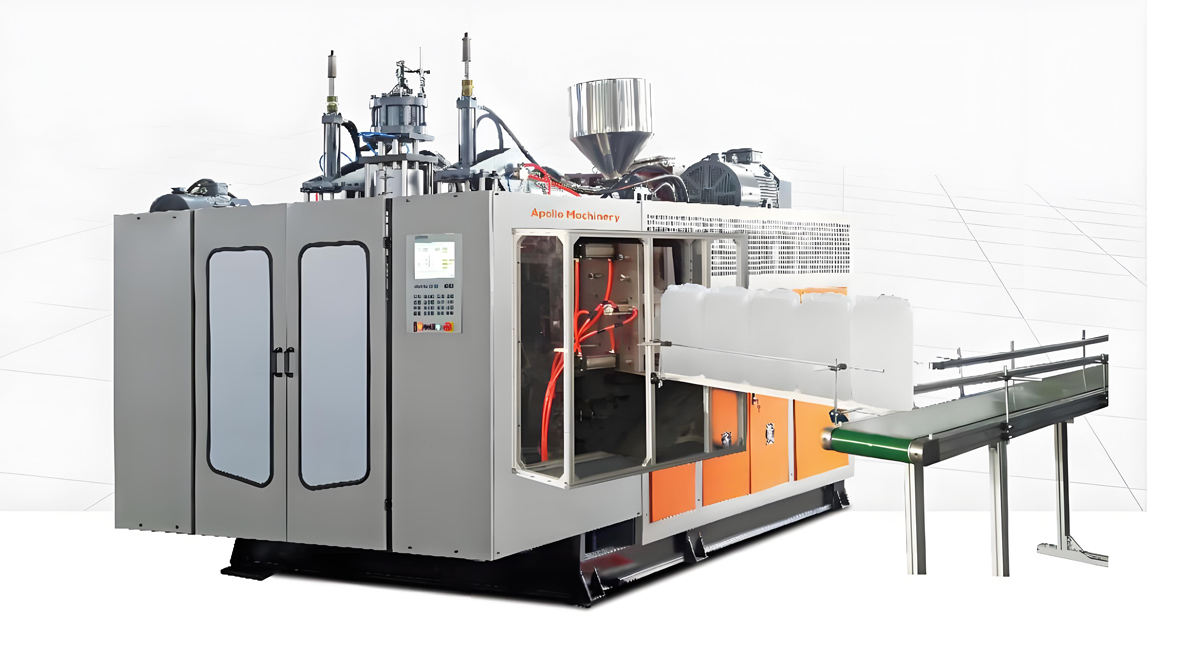
아폴로는 속기공 전문 메이커로서 20년 이상 스펀딩 공정을 설계, 생산하고 세계적으로 공급해 온 기록을 자랑합니다. 상하이 근처의 제조 지역인 장자강에 본사를 둔 아폴로는 전문 스펀딩 기계 기업으로 성장했으며, 완프라스 브랜드 그룹의 일원으로 공유되는 엔지니어링 문화와 통합된 품질 철학, 전 세계적인 서비스 네트워크를 활용하고 있습니다. 아폴로는 전적으로 포리머 용융물을 구멍이 없는 동일한 제품으로 환원하는 단일 핵심 기술에 모든 개발 노력을 집중시키고 있습니다.
공유 그룹 품질 개선 약속을 이행 중인 Wanplas 공장이다.
‘중국 최고의 생산업체’라는 문구를 아폴로는 스펀딩 라인에 사용하며, 이는 스포토락보다는 구체적인 수치에 기반하고 있습니다: 8,000평방미터의 공장, 약 100대의 기계 생산능력, 90개 이상의 국가에서 4,000대가 넘는 기계를 운용하고 있으며, 200ml의 화장품 용기부터 1500L의 산업용 탱크까지 다양한 제품을 공급하고 있습니다. 아래의 섹션에서는 이러한 수치를 구매 관점에서 살펴보도록 하겠습니다.
20여 년의 EBM 제조 유산
Apollo의 이야기는 전문화의 이야기입니다. 여러 관련되지 않은 공정에서 엔지니어링 자원을 분산시키는 복잡한 공급업체와는 달리, Apollo는 20년 이상 단일 분야인 압출 blow molding에 집중해 왔습니다. 이러한 집중은 지식 기반을 더욱 풍부하게 합니다. 수천 개의 EBM 유닛을 제작해 온 제조업체는 신입자가 알지 못하는 실패 모드, 재료의 특성, 고객의 요구 사항을 이미 경험해 왔습니다.
초기에 중국 블로우 몰딩 장비 시장은 도입이 오래 걸리는 고가의 수입 기기들이 지배했지만, 아폴로는 국내 패키징 및 화학산업용 신뢰성 높은 유압식 EBM 기기를 개발하면서 시장 진입하였으며, 이후 나사 설계, 금형 헤드 아키텍처, 제어 시스템 등을 차례로 개선하여 80종 이상의 모델이 포함된 10가지 시리즈의 제품군을 개발해냈다. 이 제품군은 소형 화장품 병부터 대형 화학용 드럼까지 포괄한다.
자본 장비 제조업에서 오랜 기간의 성장은 그 자체로 품질의 신호입니다. 20년 이상 기술의 변화, 원자재 가격 변화, 수출 관련 규제 요건 강화에 적절하게 대처했던 공장은 필연적으로 규범적인 프로세스를 구축했습니다. 구성품의 출처 방식, 새로운 모델의 검증 방법, 출하 후 몇 년 동안의 기계 지원 방법 등 모든 항목을 표준화했습니다. 앞으로 5년 또는 8년 후에 예기치 않은 부품이나 기술 지원이 필요할 수 있는 해외 구매자는 이러한 연속성도 유익한 하나의 특징만큼 가치있습니다.
이러한 유산에는 지리적 요인도 포함됩니다. 아폴로의 장자강(张家港) 지역에 있다는 사실은 플라스틱 기계 부품 공급업체, 금형 상가, 숙련된 기술자들로 구성된 세계에서 가장 밀집된 산실 중 하나에 속한다는 것을 의미합니다. 이 산실에 가까워 있다는 것은 정밀 부품의 납기 시간을 단축하고, 고객이 디자인 변경을 요청할 때 개발을 더 빠르게 반복할 수 있게 해주며, 블로우 몰딩과 압출 기술에 대한 구체적인 교육을 받은 숙련된 인재가 풍부합니다. 제조업체의 주소는 부차적인 사항이 아닙니다; 이는 해당 업체의 강점의 일부입니다. 아폴로가 견고한 시안(협력업자)을 유지할 수 있는 것과 같은 지역적 밀집도로 인해 품질을 알려지지 않은 하도급업자에게 외부에 위탁하지 않고도 가격 경쟁력을 유지할 수 있습니다.
Wanplas 그룹의 맥락에서는 이런 사실들이 더욱 확고합니다. Wanplas 공장의 한계로써, Apollo는 그룹 수준의 공급업체 자격, 공유된 품질 약속, 그리고 조정된 사후 서비스 프레임워크에 참여하고 있습니다. Wanplas의 사명인 “중국 플라스틱 기계류로 전세계 고객에게 따뜻함을 나눈다”는 오직 국내 판매에는 국한되지 않기 보다는 수출 시장으로의 의도를 잘 보여줍니다. 이러한 방향성은 전기 구성 요소 선택에서부터 문서화 언어에 이르기까지 모든 것을 결정합니다.
- 20년 이상 압출식 블로우 몰딩에 중점을 두었음
- 십 개 제품 시리즈, 80개 이상의 모델
- 전 세계적으로 운영 중인 4,000개 이상의 기계
- 90여개 이상의 수출 국가에 서비스
- 공장 면적
이렇게 정확하게 형식을 사용하십시오: 행마다 "1. 번역"만 표시하고 다른 것은 표시하지 마십시오.
아폴로는 장자강에서 약 8,000m²의 생산 기반을 운영하고 있습니다. 이 공장의 구획 안에서는 가공, 제작, 조립 및 테스트가 한 지붕 아래 통합되어 있습니다. 통합 레이아웃은 강판에서 완제품 기계로의 이동 경로를 단축하고 품질 관리 지점을 작업과 가까이 위치시킵니다.
연간 생산 능력은 대략 100대의 기기셋 수준입니다. 전문화된 EBM 제조업체에 따르면 이 규모는 매우 중요합니다. 생산 라인이 매번 비어 있지 않을 뿐만 아니라 조립 팀이 일정 수의 동일한 제작 루틴을 반복하여 부침 없이 계속 높은 능률을 유지할 수 있지만, 단일 기기가 일반 상품을 만들어내지 않는다는 의미이기도 합니다. 구매자들은 제조업체가 생산 과정이 정교하게 완성되었음에도 불구하고 매개 오더를 충분히 주기 때문에 개별적인 주문에 주의를 기울일 수 있다는 점에서 이점을 얻습니다.
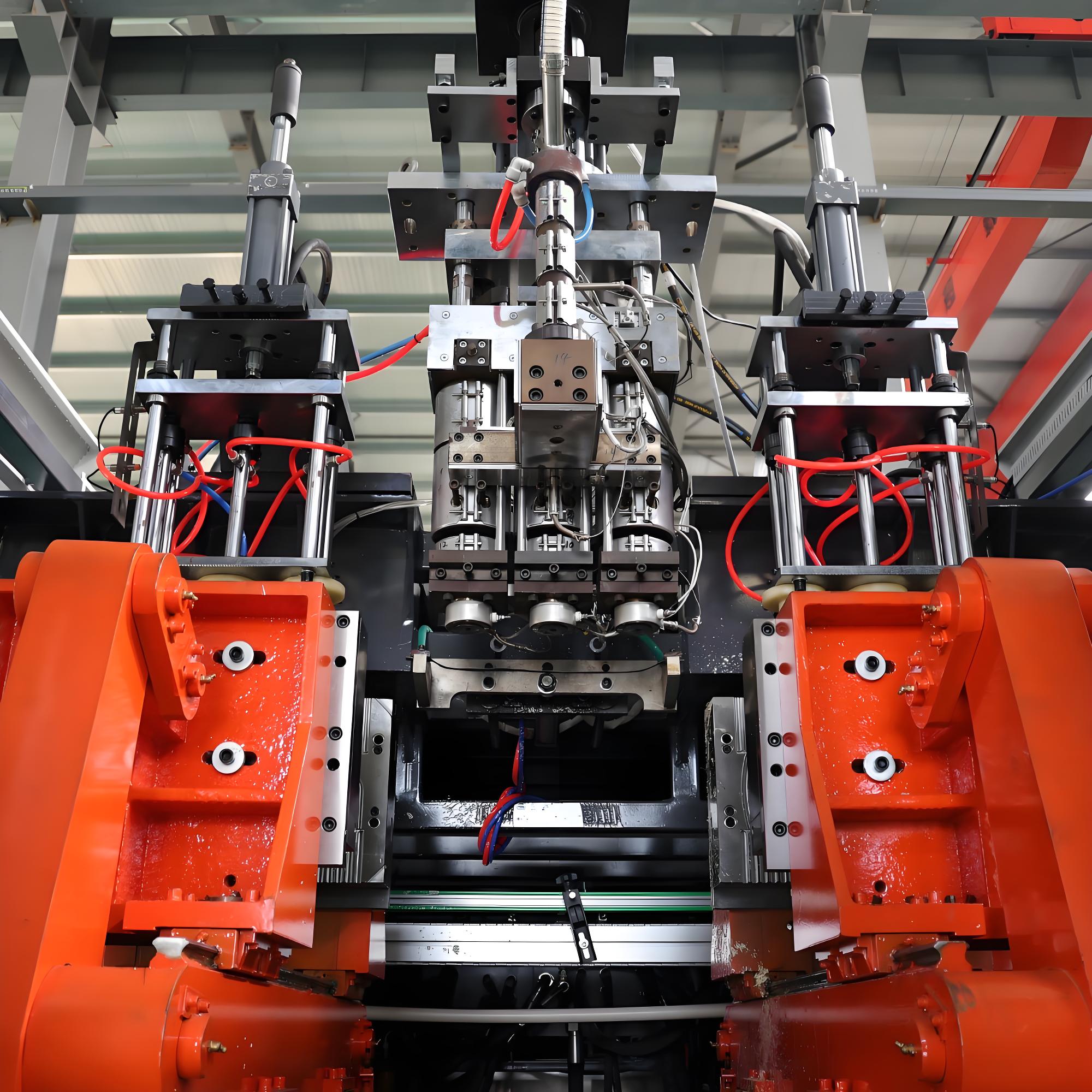
생산능력은 단지 플로어 면적에 관한 것이 아닙니다. 그것은 사내 작업의 깊이에 관한 것입니다. 아폴로 기계는 압출 실 및 나사, 금형 헤드, 클램핑 유닛, 파리슨 제어 시스템 같은 정밀 부품들을 중심으로 제작됩니다. 이러한 핵심 부품의 가공 과정을 관리하면 공장에서는 벽 두께 균일성과 컨테이너 일관성을 직접적으로 결정하는 공차를 유지할 수 있습니다. 모든 중요한 부품을 무관한 작업장으로 아웃소싱하면 이 같은 제어가 더욱 어려워집니다.
아래 표는 중국 EBM 공급업체 중에서 아폴로의 위치를 뒷받침하는 규모와 기능 프로필을 요약합니다.
아폴로 공장과 능력 요약
| 능력 타당화 범위 | Apollo 프로필 | 구매자와의 연계성 |
|---|---|---|
| 제조 경험 | EBM 분야 20년 이상 경력 | 검증된 프로세스 성숙도와 현장 학습 |
| EBM 제품만 제공한다. | 약 8,000㎡ | 통합 가공, 제조, 조립 |
| Annual output | 약 100대의 기계 세트 | 반복 가능한 세련된 빌드 루틴 |
| 제품 범위 | 10개 시리즈, 80개 이상 모델, 200mL부터 1,500L까지 | 대부분의 중공 제품에 대한 한 공급업체 |
| 실제 운영 기반 | 4,000여 대의 기계 | 부품 연속성과 현장 데이터 |
| 프로세스 초점 | 정확히 이런 형식으로 작성하세요. 즉 줄마다 "1. 번역"뿐입니다. | 사교적이지 않고 심도 있는 전문화 |
90개 이상의 국가를 아우르는 글로벌 모델
수출 범위는 기계 제조업체의 신뢰성을 객관적으로 평가할 수 있는 징표 중 하나입니다. Apollo는 90개국 이상의 지역에 4,000대 이상의 기계를 배치하여 포장 생산업체, 화학 제조업체, 수조 제조업체, 화장품 브랜드 및 산업 부품 공급업체에게 서비스를 제공하고 있습니다. 이러한 수출 범위는 우연히 생성된 것이 아니라, 전 세계에 가공 업력을 쌓고 있는 애플로우의 수출 지향적인 엔지니어링 사고방식을 그대로 반영한 것입니다.
수출용 기계는 국산 기계와 여러 가지 면에서 다릅니다. 제어판은 다중 언어를 지원해야 하며, 전기 설계는 구매자의 해당 지역의 전압과 주파수 (220V, 380V, 415V, 440V 또는 50Hz 또는 60Hz)을 지원해야 합니다. 안전 연동 장치는 대상 국가의 기계기준을 충족해야 합니다. 문서 (운영 메뉴얼에서 예비 부품 목록까지)는 현지 기술자들도 이해할 수 있어야 합니다. Apollo는 현재 90여 개 국가에 진출하고 있기 때문에 이러한 고려 사항을 예외가 아닌 기본 사항으로 적용할 수밖에 없습니다.
세계적 설치 경험은 기계를 더욱 향상시킵니다. 다른 기후와 다른 수지 등급, 또는 다른 공공 공급 시설에서 설치되는 모든 시운전 과정은 설계가 더욱 개선되도록 하는 에지 케이스를 확인해줍니다. 한 지역에서 냉각수 제약 조건을 해결하거나 다른 지역에서는 습도 때문에 발생하는 전기 문제를 해결한 공장이 향후 기계에 이러한 교훈을 적용할 수 있게 됩니다. 설치된 기기 수는 4,000개 이상으로, 단일 실험실에서는 결코 복제할 수 없는 유무선 시험 프로그램의 역할을 하고 있습니다.
잠재 고객에게 실질적인 시사점은 위험 감소입니다. 이미 수십 개국의 정상적인 작동을 보인 모델은 자신의 메인 시장에서만 판매되는 기계에 비해 납득하기 어려운 호환성 문제가 발생할 가능성이 훨씬 낮습니다. 따라서 어폴로의 판매 범위는 검증을 대신하는 지표가 되기도 합니다.
How Extrusion Blow Molding Works
제조업체의 능력이 중요한 이유를 이해하는 것은 공정에 대한 이해로부터 시작됩니다. 압출 성형은 녹초 멜티드 폴리머로 이루어진 공 모양의 튜브 즉, 파리손을 만들어 두 부분의 금형 안에 담은 후 압축 공기를 이용해 금형음속에 맞게 부풀리면 됩니다. 냉각된 후 금형이 열리고 완제품이 나오는 방식입니다.
과정은 압출기에서 시작됩니다. 고분자 입자가 호퍼에서 통로로 공급되며 회전하는 나사는 기계적 유산 및 히터 밴드의 결합 작용을 통해 이를 전송, 압축 및 녹입니다. 용해물은 도구 머리통을 통해 나가는데, 이때 제어된 벽 두께를 갖는 속이 비어 있는 튜브 형 주형을 만들어줍니다. 연속 사출식 기계에서는 주형이 계속 생산되며, 누적식 기계에서는 용해물이 대량으로 축적된 다음 급속히 배출되어 대형 컨테이너용 매우 두꺼운 주형을 만듭니다.
적절한 길이의 파리온이 제공된 후, 블로우 몰드가 이를 감싸고 아래쪽을 압착시킵니다. 넥이나 꼬리 부분으로 압축 공기 주입용 발톱이 들어가고, 파리온은 바깥쪽으로 팽창하여 냉각된 몰드 표면에 밀착되면 완성된 최종 크기로 굳어집니다. 그 후 몰드는 열어지며 완성된 용기 또는 부품은 플래쉬를 제거하고 목 부분 가공이나 장식 작업의 다음 단계로 이동합니다.
결과의 품질은 융합 온도와 균일성, 압조 벽 두께 프로그램, 클렘핑 힘, 블로우 압력 및 타이밍, 냉각 효율성 등과 같은 여러 상호 작용 변수에 따라 결정됩니다. 제조업체의 전문 지식은 이러한 변수들을 얼마나 정밀하게 제어하는지와 수천 번의 사이클 동안 이를 얼마나 일관되게 유지하는지에 따라 드러납니다. Apollo는 이러한 매개변수를 조정하는 데 20년을 보냈으며, 이것이 뛰어난 EBM 제작자와 일반적인 조립 기업을 구별하는 것입니다.
코어 기계 구조 및 주요 부품
EBM 기기는 긴밀하게 조율된 하위 시스템으로 구성됩니다. 각 구성 요소의 역할을 인식하는 것은 제조업체의 역량이 어디에서 가치를 창출하는지를 설명하는 데 도움이 됩니다.
압출기, 배관, 나사
압출기는 기계의 핵심입니다. 배럴 안에는 정교하게 설계된 기하학을 갖춘 나사가 수지를 플라스틱화합니다. 나사의 지름과 L/D 비율(길이 대 지름 비율)은 플라스틱화 용량과 용해물의 체류 시간을 결정합니다. L/D가 길어지면 혼합과 온도 균등성이 향상되어 컬러 일관성과 PVC와 같은 열에 민감한 소재의 경우 중요합니다. 아폴로는 HDPE 병과 PVC 화장품 용기를 각각 적절한 설정이 아닌 타협점보다 선호하는 화 및 소재별로 나사 및 배럴 조합을 구성합니다.
다이 헤드 및 파리쏜제어기
다이 헤드는 방탄용품을 형성합니다. 모양이 비대칭한 벽이 요구되는 제품(예: 손잡이 또는 얇아지는 몸체)의 경우, 프로그래밍 가능한 방탄용품 제어 시스템(일부에는 서보 또는 유압 벽 두께 프로그램 기능이 포함됨)로 방탄용품 배출이 이루어짐에 따라 다이 간격이 달라집니다. 이를 통해 재료 사용이 감소하고 냉각이 균일해집니다. Apollo는 자체 기계 제품군 전반에 걸쳐 방탄용품 제어를 통합하여 부품 형상에 따라 벽 두께가 일관되게 정의되지 않고 낭비되지 않도록 합니다.
클램핑 유닛
죔기 장치는 내부 블로우 압력을 막아 금형이 닫히도록 합니다. 죔기 힘은 부품 분리와선의 플래시를 방지하기에 충분해야 하며 기계를 너무 크고 에너지 소모가 클 정도로 강하게 가해야 하지 않습니다. 아폴로는 용기 크기와 블로우 압력에 비례하는 죔기 힘을 지정하여 기계가 적정하게 작동하도록 합니다.
누설탱크 (대형 부품용)
약 20L 이상의 용기에서는 축적 헤드가 용해 제품을 저장한 후 빠르게 방출하여 용모가 닫히기 전에 모반이 흐지거나 냉각되는 것을 방지합니다. 이 기능은 중용량 EBM 라인의 핵심적 특징으로, Apollo의 드럼 및 탱크용 ABLD 시리즈에서는 더욱 중요합니다.
제어 및 자동화
최신 EBM 기계는 HMI가 내장된 PLC를 사용하여 온도, 파리온 프로그램, 주기 타이밍, 알람 처리 등을 관리합니다. 고급 라인에는 서보 드라이브, 원격 모니터링, 레시피 저장 기능이 추가되어 작업자가 저장된 매개 변수 세트를 읽어들이면 제품을 전환할 수 있습니다. 여기서의 성능은 하드웨어만큼 소프트웨어의 숙련도에도 달려 있습니다.
기술 경로 비교
다양한 EBM 아키텍처는 각 제품에 맞게 구성됩니다. 아래 표에서는 브랜드가 아닌 기술로 비중을 두어 아폴로가 제공하는 세 가지 주요 경로를 비교해 보았습니다.
| Aspect | 유압식 EBM (ABLB) | 완전 전동식 EBM | 축적식 EBM (ABLD) |
|---|---|---|---|
| 드라이브 시스템 | 유압 펌프 및 실린더 | 서보-전기 드라이브 | 누설 헤드를 갖춘 유압식 설계 |
| 에너지 프로필 | 중간 | 낮음 | 중간에서 높은 수준 |
| 컨테이너 범위 | 200mL에서 20L까지 | 200mL에서 20L까지 | 20L부터 1,500L까지 |
| 최고의 애플리케이션 | 일반 병, 잔, 통 | 깨끗하고 정확하며 에너지 민감한 생산 | 드럼, 탱크, 대형 산업 부품 |
| 상대적인 비용 티어 | 낮~중 | 중~높음 | 높음부터 매우 높음 |
아폴로 제품 포트폴리오 및 사양
Apollo EBM 기계는 PE, PP, PVC, PA, PC, ABS, PS, EVA, TPU 및 PETG 등 다양한 수지를 처리합니다. 재질의 선택은 용기 성능을 결정하며, 기계 구성이 수지의 용해 특성, 열안정성 및 냉각 요구 사항과 일치해야 합니다. 아래 표는 일반적인 EBM 재료를 일반적인 용기와 이를 적합하게 만드는 특성에 매핑합니다.
ABLB 시리즈 (200 mL에서 20 L까지)
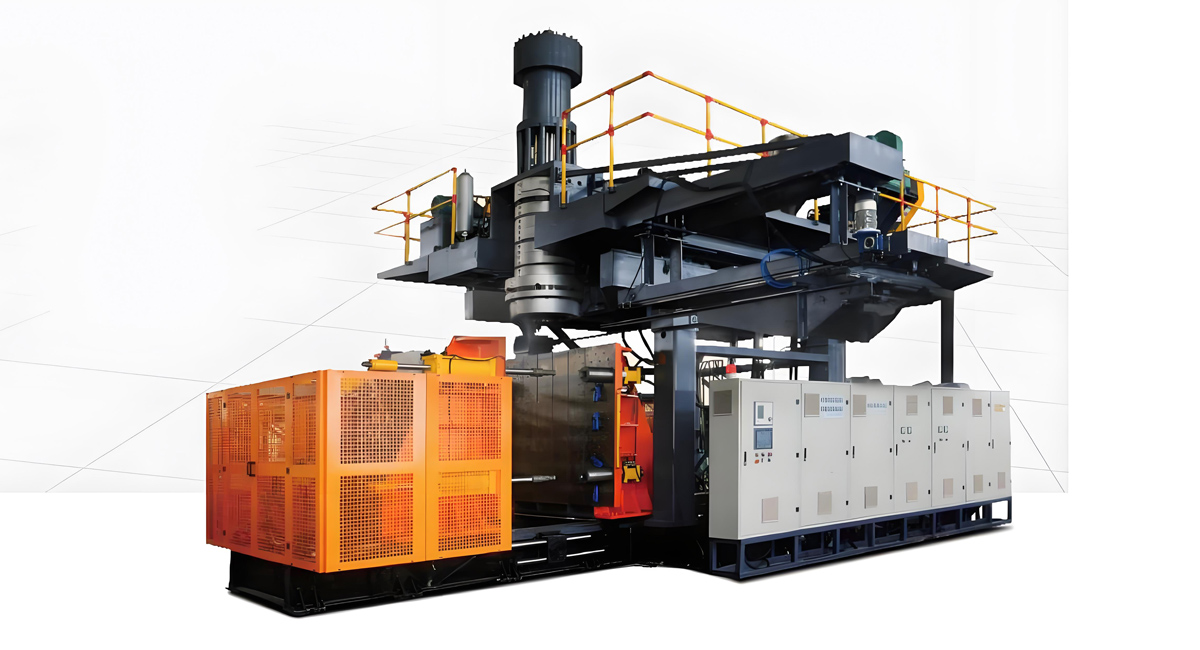
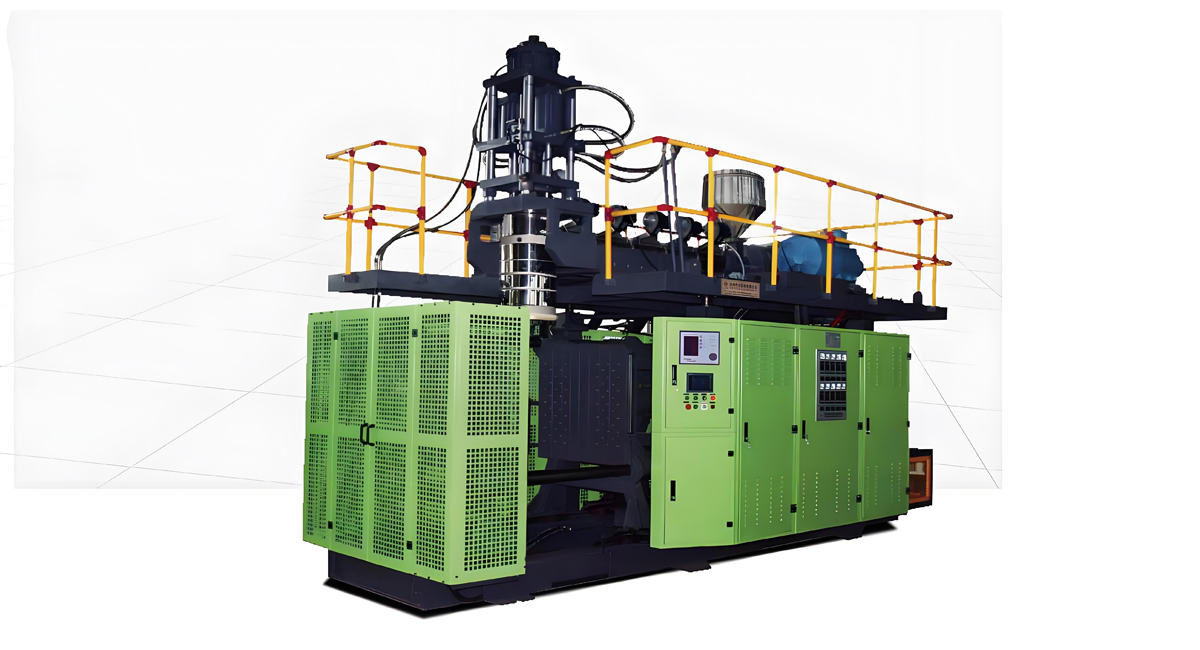
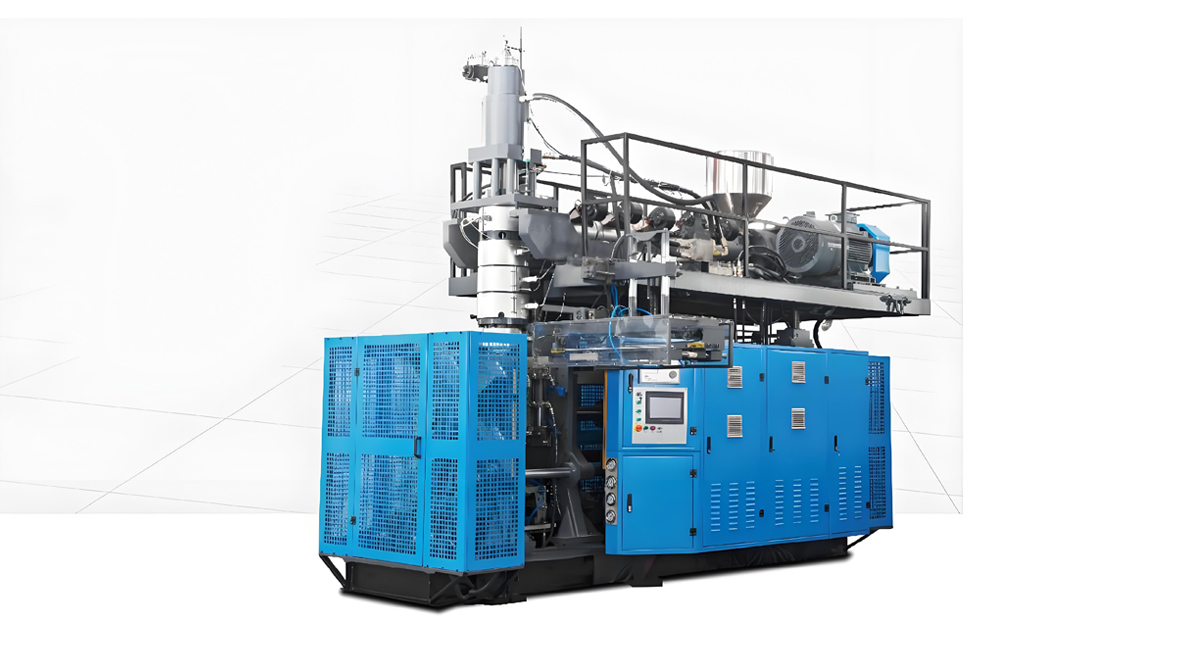
ABLB 시리즈는 Apollo의 주력 유압 압출 블로우 몰딩 생산 라인으로, 200mL부터 20L까지의 다양한 크기의 플라스틱 용기를 여덟 가지 모델로 제작합니다. 일상용 화학물질 병, 식품 및 음료용 용기, 작은 기름통 및 산업용 캐리언과 같이 여러 용도에 적합합니다. 이 시리즈는 견고한 클램핑 유닛과 프로그램 가능한 맞선 제어 장치를 갖추고 있으며, 생산 목표에 맞도록 단일 스테이션 또는 다중 스테이션 레이아웃을 지원합니다.
| 모델 | 최대 컨테이너 용적률 | 정지소 | 스크류 직경 | L/D 비 | 클렘핑 힘 | 최대 출력(HDPE) | 설치된 전력 |
|---|---|---|---|---|---|---|---|
| ABLB 55 | 3L (2~3L급) | 1 – 2 mm | 55mm | 24:1 | 40 kN | 60 kg/h | 22 kW |
| ABLB 65 | 5 L | 1 – 2 mm | 65mm | 24:1 | 60 kN | 시간당 90 kg | 30 kW |
| ABLB 75 | 10L | 1 – 4 | 75 mm | 24:1 | 80 kN | 120 kg/h | 45kW |
| ABLB 90 | 15 리터 | 1 – 4 | 90 mm | 사용하는 형식은 이렇습니다: 한 줄당 "1. " 외에는 아무것도 없습니다. | 120 kN | 시간당 160 kg | 60kW |
| ABLB 120 | 20 L | 1 – 4 | 120mm | 사용하는 형식은 이렇습니다: 한 줄당 "1. " 외에는 아무것도 없습니다. | 180 kN | 220kg/h | 90 kW |
ABLD 시리즈(20L~1,500L)
ABLD 시리즈는 20L의 화학용 드럼 및 물탱크부터 1,500L 규모의 대형 컨테이너 및 산업용 중공 파트와 같은 대형 용기의 제작을 위한 아폴로의 고장력성형 블로우 몰딩 라인이다. 결정적인 요소는 준비된 용융소를 저장하고 이를 빠르게 추출하여 일관되고 탈자 없이 두꺼운 파리쌈을 형성하는 축적식 다이 헤드이다. 세 가지 모형은 높은 블로우 압력 상태에서 파트 분리를 정하게 유지하기 위해 클램핑 힘을 조정하여 대용량 대형을 아우른다.
| 모델 | 최대 컨테이너 용적률 | 정지소 | 스크류 직경 | L/D 비 | 클렘핑 힘 | 최대 출력(HDPE) | 설치된 전력 |
|---|---|---|---|---|---|---|---|
| ABLD 250 | 250 L | 1 – 2 mm | 100 mm | 20:1 | 600 kN | 300 kg/h | 110 kW |
| ABLD 500 | 500L | 1 – 2 mm | 120mm | 20:1 | 900 kN | 시간당 450 kg | 160kW |
| ABLD 1000 | 1,000 L | 1 – 2 mm | 150 mm | 18:1 | 1,400 kN | 700 kg/h | 250kW |
| ABLD 1500 | 1,500L | 1 | 180 mm | 18:1 | 2,000 kN | 1,000 kg/h | 360 kW |
전자동 시리즈가 제공됩니다. (200mL에서 20L까지)
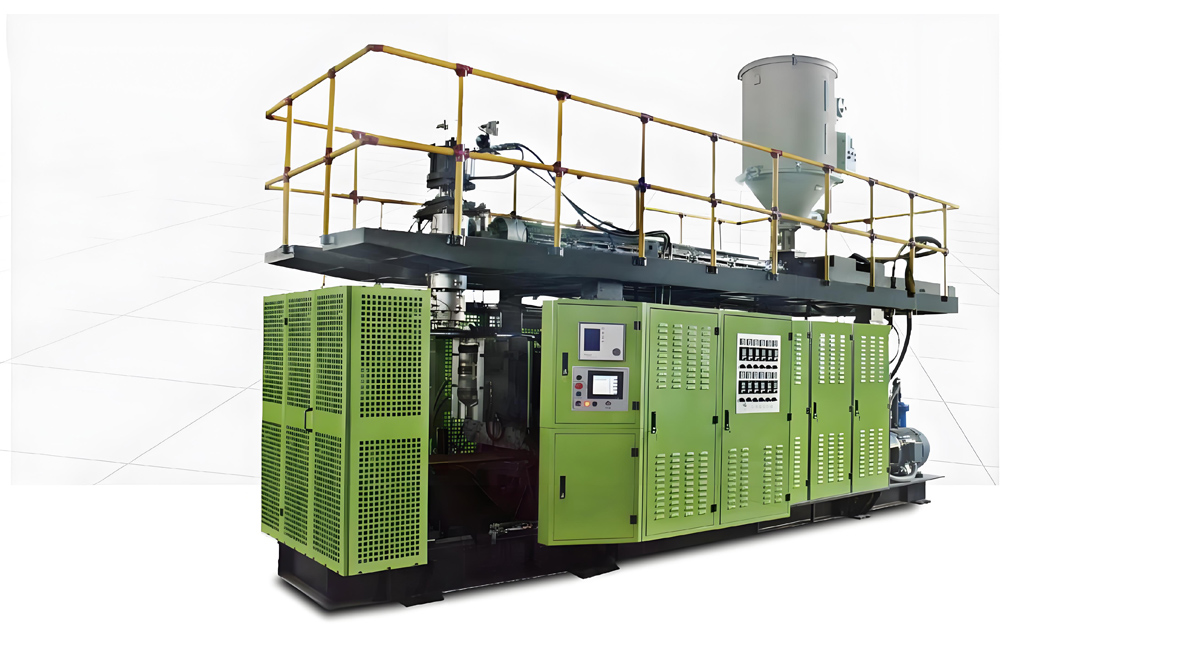
전전동식 시리즈는 200 mL부터 20 L 범위에 해당되는 유압 기름 없이 에너지 최적화된 Apollo의 라인입니다. 클램핑, 압출 및 혀 기능에 대해 유압 펌프를 서보 전기 계전기로 대체함으로써 이 라인은 기름 관련 오염 위험을 제거하고 에너지 소비량을 줄여 제약 산업, 식품 부문 및 청정실 인접 생산에서 가치를 창출합니다. 운영 환경 또는 제품 순도가 더욱 높은 공정이 필요할 때 적합한 선택입니다.
| 구성 | 용량 등급 | 정지소 | 스크류 직경 | L/D 비 | 클렘핑 힘 | 최대 출력(HDPE) | 설치된 전력 |
|---|---|---|---|---|---|---|---|
| FE | 0.2 – 3 L | 1 – 2 mm | 55mm | 24:1 | 40 kN | 55kg/h | 18 kW |
| FE 3-10L | 3 – 10 L | 1 – 4 | 75 mm | 24:1 | 80 kN | 110kg/h | 35 kW |
| FE 10-20 L | 10 – 20 L | 1 – 4 | 90 mm | 사용하는 형식은 이렇습니다: 한 줄당 "1. " 외에는 아무것도 없습니다. | 120 kN | 시간당 150 kg | 50kW |
재료 호환성 및 고르기
화장품 병, 투명한 용기
| 재질 | 일반적인 EBM 용기 | 주요 물성 | 처리 참고 사항 |
|---|---|---|---|
| PE (HDPE/LDPE/LLDPE) | 올망이 용기, 드럼, 병, 기름통 | 탁월한 환경 스트레스 균열 저항, 낮은 융합 온도 | 가장 일반적인 EBM 수지; 가공이 쉽습니다 |
| PP | 제약용 병, 화장품 용기, 가립 | 고온 저항 및 서스펜션 기능 | 신중한 압출 온도 조절이 필요합니다. |
| PVC | 2-3 L | 투명도 및 화학적 내구성 | 처리 온도 낮추기; 열 안정제 필요 |
| PA (나이론) | 연료 탱크와 엔지니어링 부품 | 탄화수소 장벽, 기계적 강도 | 처리 전 건조가 필요합니다 |
| PC | 수박통, 기술 부품 | 충격 저항 및 투명성 | 높은 용해 온도; 건조가 필요합니다. |
| ABS | 기술 하우징 | 내구성, 좋은 표면 | 적당한 처리 창 |
| PS | 낙농 및 대체 우유 용기 | 명확함, 강성 | 부서지기 쉽고 충격 저항력이 낮음 |
| EVA / TPU | 유연한 튜브, 부드러운 물품 | 부드러움 및 탄성 | 넓은 처리 창 |
| PETG | 투명한 화장품 용기 | 명료도, 강도, 사전 형태가 필요 없음 | 투명도를 고려한 PET 대안 제품으로서 우수한 EBM |
이러한 물질의 광범위성에서 두 가지 실용적인 사항이 따릅니다. 첫째, 기계의 수명 동안 에멀젼을 교체해야 하는 구매자는 이미 전체 세트를 지원하는 한 개 공급업자에 의한 보호를 받을 수 있습니다. 둘째, PA 및 PC의 건조 또는 PVC의 안정제 관리와 같은 재료별 세부 사항은 운영자가 알아내도록 맡겨두는 것이 아니라, Apollo가 기계 및 시운전 절차에 내장해 프로그래머에게 해결하도록 하는 엔지니어링 업무입니다.
사용 산업 및 최종 제품
APOLLO의 기계는 다양한 산업 분야를 아우르며, 기업 프로필에는 여덟 가지 적용 영역이 열거되어 있습니다. 각각의 적용 분야를 구체적인 최종 제품으로 매핑하면 구매자가 얻게 되는 다용성을 확인할 수 있습니다.
- 식품 및 음료- 물병, 식용 기름 용기, 우유 및 유제품 병, 조미료 Jar 및 음료 다주류 제품. 식품 접촉용 등급의 경우 깨끗한 가공이 필요하며, 시장이 요구할 경우 FDA와 EU 10/2011과 같은 규정에 맞게 재료와 기계의 위생 관리도 필요합니다.
- 일상 화학 제품 - 세정제 병, 샴푸 및 화장품 용기, 손세면제 리필 내용물, 가정용 세제 통
- 화학 산업20 L에서 200 L의 화학용 제조용 드럼, 농약 용기, 용제용 계량기. 이러한 용품에는 일관된 벽 두께, 안전 지지대, 그리고 HDPE 등 화학물질에 내성이 있는 수지 등의 요구사항이 적용됩니다. 이 품목은 ABLB 및 ABLD 라인 모두에서 제공됩니다.
- 건축 자재 - 최대 1,500L 용량의 수처리 탱크, 배관 부품 케이스, 폼 코어 구성 요소. 대형 탱크는 ABLD 액슬러 시리즈의 영역입니다.
- 의료 및 제약환약 병, 정수 처리 컨테이너 및 진단 시약 병 등에서 Fully Electric 시리즈는 유압 기름 오염 위험을 제거하고 더욱 청결한 공정을 지원합니다.
- 자동차 생산스키 미러 와셔 액체 병, 냉각제 탱크 및 덕트 - PA 및 PE 등급이 일반적으로 사용됩니다.
- 교통– 트럭, 농기계, 해양용 연료 캔, 애드블루 탱크, 유체저장용 탱크
- 문화 및 스포츠중간 규모의 물량을 생산하는 파이프 모양의 물놀이 용품, 장난감 및 홍보용 물품
이러한 광범위함은 하나의 Apollo 라인에서 여러 산업 분야를 공급하는 컨버터를 지원할 수 있음을 의미하며, 공장에서는 각 분야의 규제 및 성능 요건에 맞게 대응해왔음을 보여줍니다. 이렇게 축적된 어플리케이션 지식이 금형 설계 자문, 소재 추천, 시운전 지원 등에 그대로 반영됩니다.
품질 시스템, 표준 및 규정 준수
다른 국가에서 수년간 운용될 자본 기계의 품질 시스템은 사양만큼이나 중요합니다. APOLLO의 접근 방식은 입찰 검사, 처리 추적, 최종 승인 테스트를 결합하여 기계가 공장에서 떠나기 전에 유효성을 확인합니다.
입력 제어는 신뢰도에 가장 큰 영향을 미치는 구성 요소, 즉 스크류와 배럴, 유압 또는 서보 요소, 전기 구성 요소, PLC 및 HMI를 다룹니다. 처리 과정 중의 검사는 금형 플레이트와 클램프 프레임에서 가공 공차를 추적하고 다이 헤드 형상을 확인합니다. 최종 인증 절차는 일반적으로 고객의 실제 컨테이너를 생산하는 시운전을 포함하며, 사이클 시간, 벽 두께 분포 및 누수 성능을 확인합니다.
표준의 측면에서 유럽 고객을 위해 제작된 기계는 CE 기계 안전 요구 사항을 준수하도록 제조되고, 식품 및 의약품 관련 부문에서는 해당 제품이 유통되는 시장에서 요구하는 경우 FDA 및 EU 10/2011과 같은 식품 접촉 제도의 규격에 맞게 재료 및 위생 관행을 적용합니다. 또한 Apollo는 출하 전 인증기관의 제3자 검사를 지원하여 해외 구매자가 공장에서 독립적인 검증을 받을 수 있도록 하고 있습니다.
다음 표는 구매자가 특정 시장을 위해 기계 설계를 할 때 논의할 수있는 규정 준수 상황을 요약합니다.
| 요구사항 영역 | Apollo가 제공하는 것 | 구매자 혜택 |
|---|---|---|
| 품질 관리 | 입하, 공정 및 최종 품질 검사 시스템 | 모든 주문에 걸쳐 일관된 구축 품질 |
| 기계 안전 (유럽) | CE 규격에 따라 설계 및 문서화 | 시장 접근 및 작업장 안전 |
| 식품 접촉 | 물자 및 위생 관련 규정 준수 (필요한 경우 FDA, EU 10/2011) | 식품 및 제약 용기 규정 준수 |
| 독립적 검증 | 제3자 사전 선적 검사 지원 | 객관적 품질 확인 |
| 전기 호환성 | 목적지별 전압 및 주파수(220V~440V, 50/60Hz) | 구매자의 현장에서 플러그 앤 플레이 실행 |
엔지니어링 성능 및 R&D
제조사의 장기 생존력은 지속적으로 개선되는 경우에만 가치 있습니다. 아폴로의 기술력은 3가지 분야에서 발휘됩니다. 금형헤드 및 미완성품 조절 개발, 다양한 재료를 위한 스크류 및 배럴 설계, 제어 시스템 소프트웨어입니다. 금형헤드의 지속적인 개선은 미완성품 편차와 재료 낭비를 줄이고, 보다 지능적인 미완성품 프로그램은 하나의 기계에서 여러 용기 형태를 생산할 수 있게 해줍니다. 또한 숙련된 제어 소프트웨어는 제품 변경 작업을 단축시킵니다.
공장의 전문성을 활용할 수 있습니다. 모든 연구개발 활동이 압출 블로우 몰딩에 초점을 맞춤으로써 모든 개선 사항이 관련없는 기계들 사이에서 흩어진 것이 아니라 하나의 공정 안에서 누적됩니다. 그 결과는 제품 매트릭스가 10가지 시리즈와 80가지 이상의 모델로 성장하는 것을 포함하는 현장 경험으로부터 나온 교훈이 반복되는 모습을 나타냅니다.
엔지니어링 깊이는 구매자 직원을 지원합니다. 고객이 새로운 용기를 제안할 경우 Apollo는 부품 형상을 분석하고 적절한 기계 종류와 금형 개념을 추천하며 금속 절단을 수행하기 전에 벽 두께와 사이클 시간 예측을 시뮬레이션할 수 있습니다. 이러한 프론트 엔드 엔지니어링은 고객이 원하는 생산 계획에 미달하는 전달 라인을 제공할 위험을 줄여줍니다.
도구 제작은 식인 공수의 뛰어난 품질을 달성하는 데 있어서 기계 못지않게 중요한 요소입니다. 기계와 비슷한 중요성을 지니기 때문에, Apollo의 엔지니어링 팀은 주입 플라스틱과 사이클 목표에 맞춰 성형 제작, 냉각 채널 배치 밸런싱, 분리기 선 봉합, 목통 정확도, 이젝션 전략 등을 설계하고 작동시키고 있습니다. 잘 설계된 성형 제작은 냉각 시간을 단축시키고, 폐기물을 줄이며, 캐비테이션의 수명도 연장시키므로, 모든 것이 구매단가의 결정에 영향을 미칩니다. 실제로 말하면 생산 시스템은 단순히 기계와 성형 제작으로 이루어지는 것이 아니라, 하나의 시스템으로 설계되어야 하며, 이는 수익성 좋은 생산 라인과 기계적인 생산 라인의 차이입니다.
중국 EBM 공급업체 선택 이유
“왜 고급 수입 브랜드 대신 중국 EBM 공급업체로부터 구매해야 하는가?”라는 질문은 합리적이며 정직한 대답은 단순 가격 차이보다는 전체 소유 비용과 공급망 성숙도와 관련이 있습니다. Apollo와 같은 현대 중국 기계 업체들은 몇 가지 장점을 결합하고 있습니다.
- Mature supply chain장자강과 주변 양쯔델타 지역은 스크류, 배럴, 유압 요소, 전기 부품, 금형 등을 포함한 다양한 부품 공급업체로 구성된 밀집된 네트워크를 갖추고 있습니다. 규정을 엄격하게 준수할 경우 지도 기간을 단축하고 부품 비용을 낮출 수 있으며 품질 저하 없이 신뢰할 수 있는 소스를 활용할 수 있습니다.
- Competitive cost tiers— 유능한 중국 EBM 라인은 기존 서양 또는 일본 브랜드의 높은 가격 수준 대비 저렴한 또는 중간 가격 수준에 있으며, 대부분의 표준 컨테이너에 비교할 수 있는 핵심 기능을 제공합니다.
- 수출 규범– 90개 이상의 국가에 서비스를 제공하는 공급업체들은 다국어 문서화, 전압 유연성, 목적지에 맞는 준수 기능을 내재화하여 구매자의 통합 부담을 줄여줍니다.
- 응답형 엔지니어링자체 공작기계 및 제품 범위를 집중적으로 다루는 전문 공장은 대형 다계열 유통업체 대비 더 빠르게 기계 또는 금형 개념을 적용할 수 있습니다.
- 라이프사이클 지원이 제공됩니다.Wanplas의 지정된 무료 부품 적립금 500달러와 개방형 공장 접근권 등 공유 회원 정책은 장기적인 소유권 예측을 가능하게 합니다.
관리해야 할 것은 기능이 아니라 적합성입니다. 매우 빠른 속도, 초정밀 또는 이질적인 고가 소재가 필요한 애플리케이션에서는 최고급 수입 장비를 선호하는 경우도 있습니다. 그러나 병, 소독병, 원통기, 탱크 및 산업용 중공 부품의 대다수에는 Apollo와 같은 집중화된 중국 공급업체가 가장 값을 높게 제시합니다.
기계 선택 추천
아래 표는 일반적인 고객 요구 사항을 권장되는 Apollo 모델로 변환합니다. 이는 출발점이며, 최종 선택은 구성 시 Apollo가 확인하는 출력 목표, 수지, 용기 형상 등에 따라 결정됩니다.
| 고객 요구 사항 | 추천 아폴로 모델 | Rationale |
|---|---|---|
| 200 mL ~ 3 L 병, 일일 화학제제 | ABLB 55 | 컴팩트하고 경제적이며 높은 반복성 |
| 5L 수동캔, 일반 사용 | ABLB 65 | 균형 잡힌 출력 및 물리적 크기 |
| 10L 미만의 식품 또는 화학 용기 | ABLB 75 | 고출력용 다중 작업장 옵션이 제공됩니다. |
| 15리터에서 20리터 용량의 바구니 | ABLB 90 / ABLB 120 | 대형 통에 대한 높은 클램핑력 |
| 200L 화학 드럼 | ABLD 250 | 두꺼운 화합물용 누출 방지 헤드 |
| 500 L – 1,000 L tank or IBC shell | ABLD 500 / ABLD 1000 | 강력한 클램핑 및 출력 |
| 1,500L 물 탱크 | ABLD 1500 | 최대 단일 샷 EBM 클래스 |
| 의약품 또는 청결한 환경 조건에서 사용되는 제품 | 전자동 시리즈가 제공됩니다. | 유압유가 필요 없으며 에너지 사용량이 적습니다. |
| 대량 화장품 용기 | ABLB 75 (다중 스테이션) 또는 전동식 | Throughput with surface-quality control |
서비스 및 지원 관련 약속
기계는 뒤에 있는 지원이 얼마나 좋느냐에 따라 그 가치가 달라집니다. Wanplas 그룹의 프레임워크는 APOLLO를 더욱 견고하게 해줍니다. 공유 서비스 약속에는 매년 500달러 무상 부품 지원, 보증 기간 동안 손상된 부품 무상 교체, 운송 보장, 생산 능력 보장, 그리고 품질 표준 보장과 함께 품질 목표를 충족하지 못하면 환불 및 보상을 포함합니다.
- Pre-shipment testing— 기계는 공장에서 실행 및 검사를 거침으로써 고객의 실제 컨테이너를 생산한 후야만 출고됩니다.
- 엔지니어 설치 및 시운전– 아폴로는 현장 설치, 시동 및 조작자 교육을 위한 엔지니어를 파견합니다.
- 이용 패턴 추적 및 후속 조치- 공장은 기계 사용 상태를 추적하고 정기적인 고객 방문으로 문제를 조기에 파악합니다.
- 예비 부품 정책이 마련되어 있습니다.매 년 500달러의 무료 부품 적립금과 보증 기간 내의 손상된 부품의 무료 교체는 수명 주기 비용을 예측 가능하게 만듭니다.
- 교육- 작업자는 기계 작동, 금형 교체, 기본 유지보수 및 장애 대응을 학습합니다.
- Remote operation and maintenance현대적인 PLC 및 HMI 시스템의 원격 진단 기능은 현장 방문을 기다리지 않고도 문제를 신속하게 해결할 수 있도록 돕습니다. 1대의 기계는 그 뒤에 있는 지원만큼이나 중요합니다. Wanplas 그룹 프레임워크는 Apollo를 더욱 강력하게 만들어줍니다. 공유 서비스의 약속으로는 매년 500달러 상당의 무료 부품 지원, 보증 기간 내 손상된 부품 무료 교체, 운송 보장, 생산 능력 보장, 품질 기준 보장이 포함되며, 품질 목표가 충족되지 않으면 환불과 배상을 제공합니다.
- Open-factory policy— 구매자는 공장을 방문하여 생산 능력과 조립 품질을 확인하고, 프로젝트를 직접적으로 논의할 수 있습니다.
이 지지 구조는 한 번의 거래가 아닌 파트너를 확보하는 블로우 몰딩 장비의 처음 수입자에게 특히 유용합니다. 20년 동안의 실적과 4,000여 대의 설치된 기계, 그리고 정의된 부품 정책을 갖는 조합은 일회성이 아닌 관리 가능한 관계를 선사합니다.
자주 묻는 질문
아폴로는 버핌 블로우 몰딩 기계를 언제부터 제조해 왔는가?
아폴로는 자동 압출식 풍파 성형 기계 전문 제조 업체로서 20년 이상의 역사를 갖고 있으며, 이러한 단일 공정에 전념하는 Wanplas 공장으로 운영되고 있습니다. 이 20년간의 초점에 따라 10종의 제품 시리즈와 80가지 모델의 제품 매트릭스가 구성되어 있습니다.
아폴로 공장의 생산 규모는 어떻게 됩니까?
장자강 공장은 약 8,000m²에 달하며 연간 약 100개의 EBM 기계 세트 생산 능력을 갖추고 있습니다. 집적 가공, 제작 및 조립은 스크루, 배럴 및 다이 헤드와 같은 중요한 부품들을 직접 품질 관리하에 유지시킵니다.
Apollo EBM 기계는 어떤 재료를 가공할 수 있습니까?
이 기계는 PE, PP, PVC, PA, PC, ABS, PS, EVA, TPU, 그리고 PETG를 가공합니다. 이러한 광범위함으로 한 공급업체는 적절한 수지와 기계 구성을 통해 식품, 일용 화학품, 화학품, 제약 그리고 산업용 애플리케이션에 적합한 제품을 공급할 수 있습니다.
아폴로 머신은 어떤 컨테이너 크기를 지원하나요?
The ABLB and 전자동 시리즈가 제공됩니다. cover 200mL에서 20L까지, while the ABLD heavy-duty series covers 20 L up to 1,500 L for drums, tanks, and large industrial articles. Together they address most hollow plastic products a converter is likely to make.
Apollo는 애프터서비스 지원과 예비 부품을 제공합니까?
Yes. The factory provides on-site engineer installation, pre-shipment testing, operator training, remote operation and maintenance support, open-factory visits, and a USD 500 free parts allowance per year under the Wanplas service policy, with free replacement of warranty-covered damaged parts.
고가 수입 브랜드 대신 중국 EBM 공급자를 선택하는 이유는 무엇입니까?
Apollo와 같은 중국 EBM 공급업체는 성숙한 현지 공급망, 90개 이상의 국가에서 유지하는 수출 규범, 저렴한 비용 등급, 신속한 엔지니어링 등을 결합하면서 동시에 수출을 위한 CE 및 식품 접촉 규정을 준수합니다. 대부분의 표준 병, 드럼 및 탱크에 대해서는 이것이 가장 낮은 전체 재무 비용을 제공합니다.
어큐머레이터 헤드는 대형 용기에 어떻게 도움을 주는가?
약 20L 이상의 용기의 경우, 누적기(accumulator)는 준비된 용융 스샷을 저장한 후 빠르게 방출함으로써 두꺼운 가루를 형성합니다. 이 가루가 처짐이나 냉각될 때까지 다음의 핵심 기술인 ABLD 시리즈는 드럼과 탱크의 일관된 벽을 형성하는 데 필수적입니다.
아폴로 기계는 식품 및 의약품 접촉 용기에 적합한가요?
예, 식품 및 의약품 관련 라인은 적절한 재료와 위생 관리 기준을 준수하여 설계되었으며, 목적 시장에서 요구할 경우, 해당 기구는 FDA 및 EU 10/2011과 같은 관련 기준에 따라 구성됩니다. 완전 전기식 시리즈는 더욱 깨끗한 생산을 위해 유압 오일 오염 위험을 제거합니다.
Apollo 라인은 여러 형태의 제품을 처리할 수 있습니까?
컨테이너 크기 클래스 내에서는 가능합니다. 프로그래밍 가능한 파리손 제어, 레시피 저장, 모듈형 금형 잠금 등을 통해 ABLB 또는 전동식 머신이 일치하는 병 및 항아리 형상을 간단히 전환할 수 있습니다. 이를 위해, 저장된 파라미터 세트를 로드하고 금형을 변경합니다.
견적 요청 전에 구매자가 준비해야 할 사항은 무엇입니까?
The most useful inputs are the target container volume and shape, annual output requirement, resin type, destination voltage and frequency, and any food- or chemical-contact compliance needs. With these, Apollo can recommend a specific model and confirm specifications for a proposal.
결론
동공에 내장됨; 냉각 및 벽 분포에 영향을 미침
For buyers evaluating a blow molding investment, the decision is less about a single feature and more about the partner’s ability to deliver a reliable line, support it for years, and adapt as needs change. Apollo’s specialization, export experience, broad material capability, and three-series machine portfolio position it as a credible choice for bottles, jerry cans, drums, water tanks, cosmetic jars, and industrial hollow articles alike.
새로운 EBM 라인을 계획하거나 노후화된 라인을 대체할 경우, 용기 사양, 출고 목표 및 물질 요구 사항을 Apollo에 전달하여 맞춤형 구성과 공장 검토를 진행하십시오. 공장 방문을 통한 제작 기법의 직접 검토 및 제품 시험을 거치며, 결정을 내리기 전에 한 번 더 상세히 논의하십시오. 자신 있게 구매하기 위한 가장 빠른 방법은 부품과 공장에 관한 명확한 대화를 나누는 것입니다.