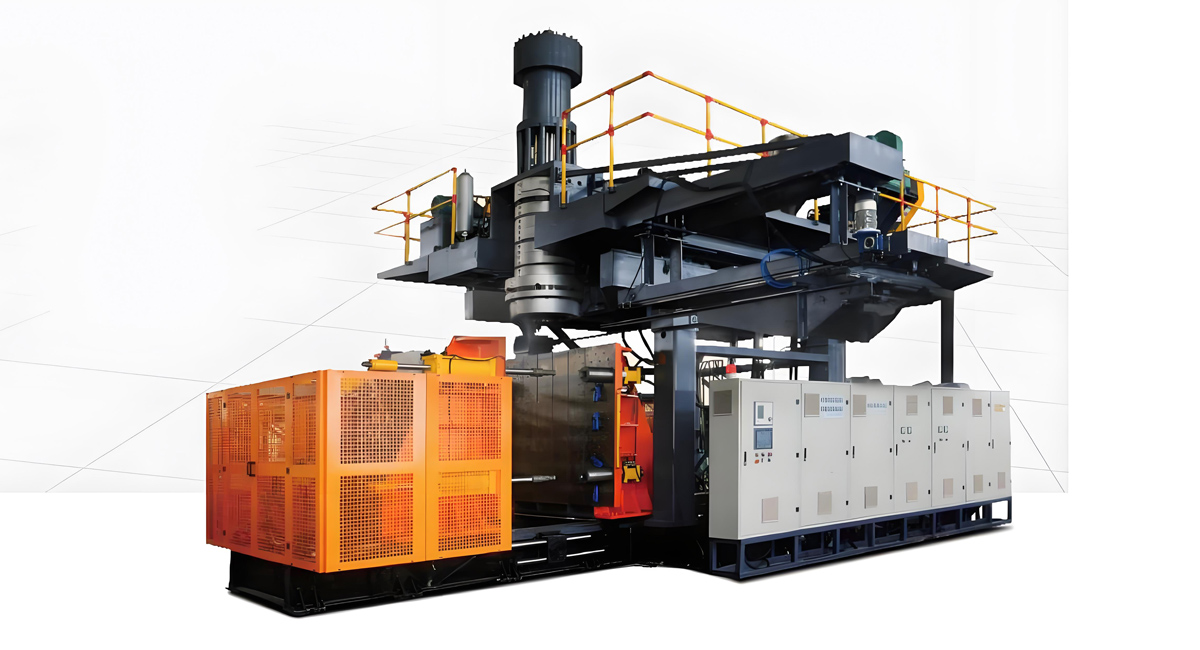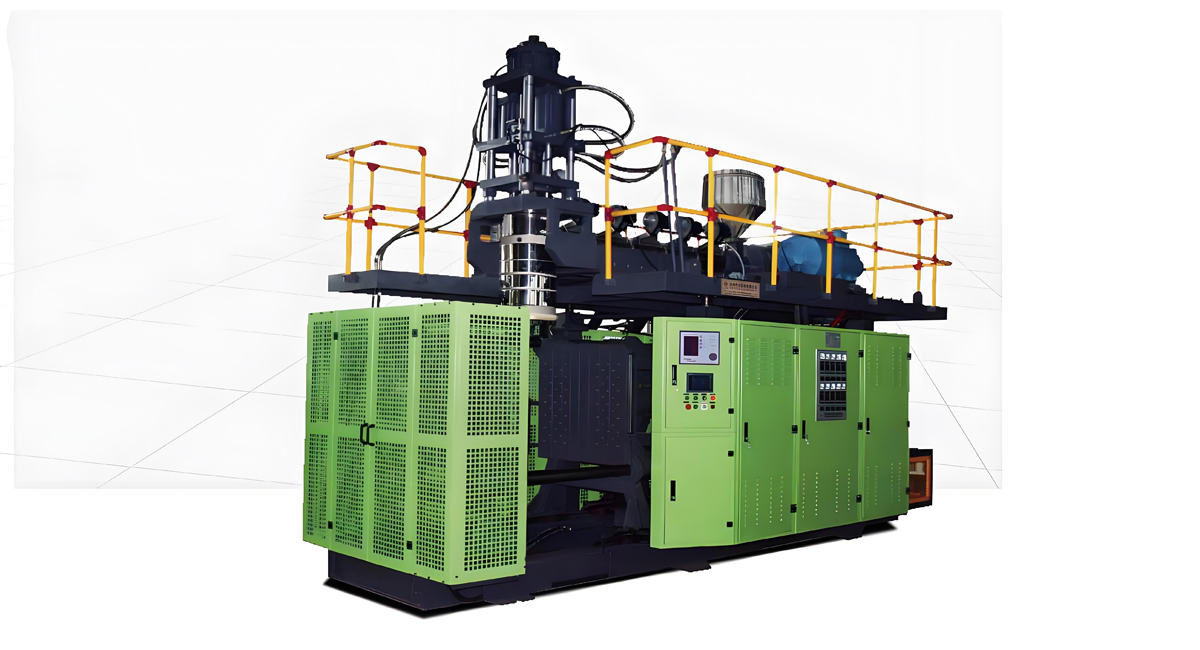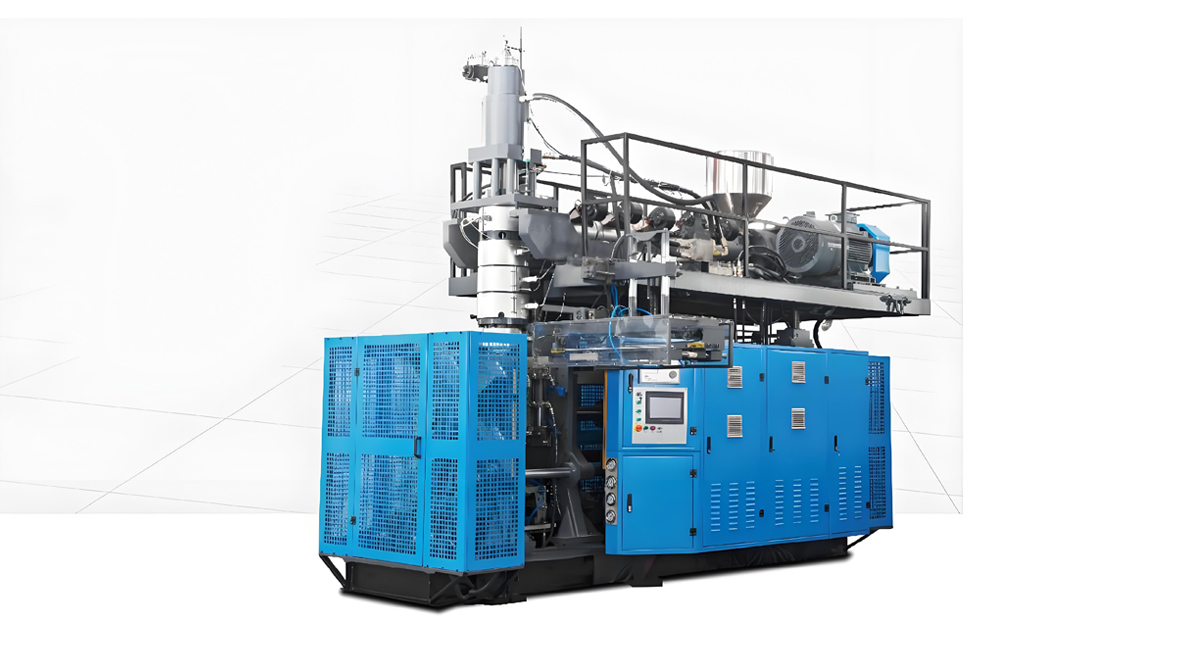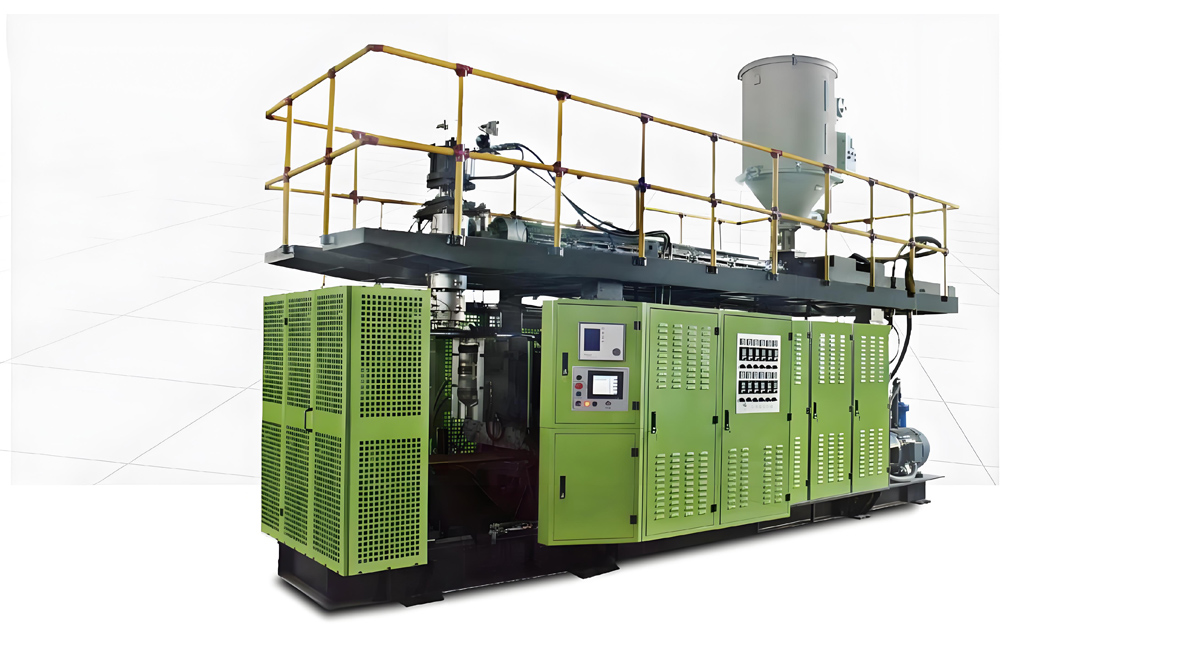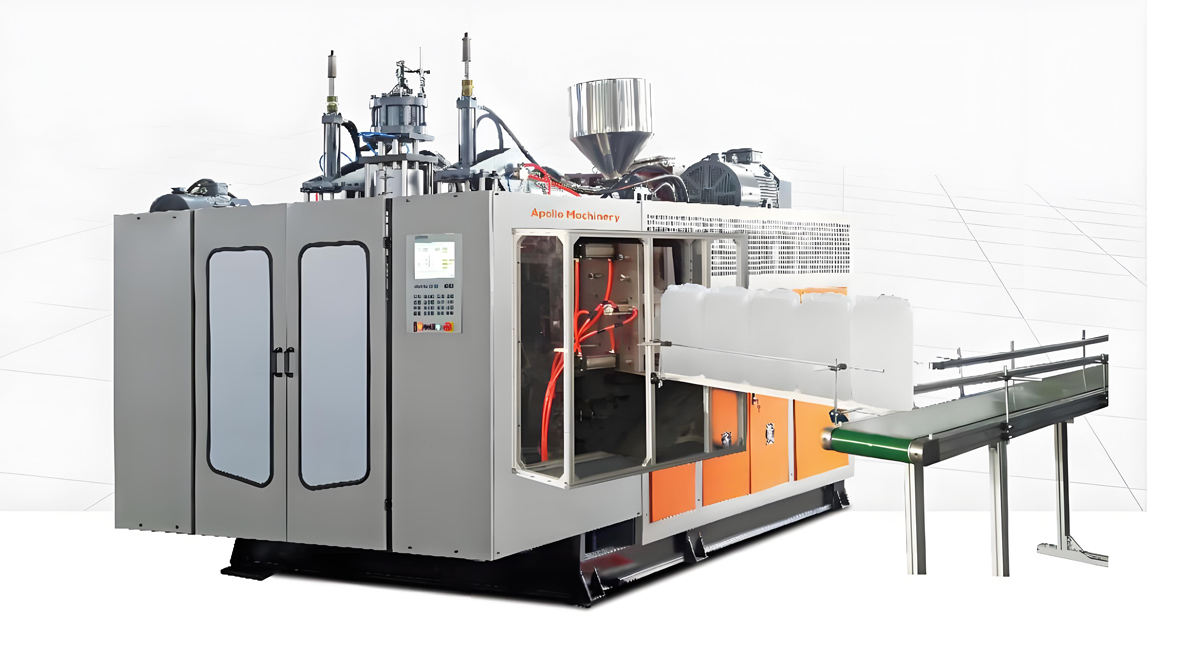
إن المعالجة بالقص والتسخين (بصفتها دعامة في تغليف البلاستيك الممغوط) قد أصبحت من الصعب التفريق بينها عن أي آلة أخرى بسيطة أل由 السبب أن نطاق العمل وقوة السعة تكفي لتشغيل زجاجة ضغط صغيرة مغلفة سعة 200 ميلليلتر إلى صهريج صناعي سعة 1500 لتر على مسار تكنولوجي واحد مستمر. بالنسبة لمصممي العبوات، المنتجين الكيميائيين، وقصاري المعدات حول العالم، السؤال غالبًا لا يكون بشأن ما إذا كانت المعالجة بالحقن والتسخين تعمل أم لا، بل حول من شريك الآلات يمكن أن يوفّر مثلايلاً ثابتًا من الإمدادات الآلية والقطع الأصلية والدعم عبر الحدود. إن شركة Apollo، التي تبعد 8,000 متر مربع من مصنع Wanplas، تقدم إجابة على هذا السؤال مع سجل histórical من الصدارة يستحيل إطالة معادلته: 20+ عامًا من التصنيع المتخصص في أحد مصانع لىتشينجواجانغ يبعد 40 ميلًا من شنغهاي، و4,000+ آلات لمعالجة الحقن والتسخين تعمل بشكل موثوق في أكثر من 90 دولة. هذا العرض يستعرض كيف وصلت هذه الآلات إلى المصانع بكلا القارات الست، وسلسلة تستحق النظر بها، والقطاعات التي يتلقاها، ونموذج الدعم الذي يديرها للنجمة.
تأسست شركة Apollo، أحد مصانع Wanplas، لتصميم وإنتاج آلات البخ (التص leerblowing) التلقائي في إطار مهمة مجموعة Wanplas لتوفير آلات البلاستيك الصينية للعملاء العالميين. ويغطي نطاق منتجات المصنع عشر سلاسل تضم أكثر من ثمانين نموذجاً، موزعة حول ثلاث عائلات أساسية تغطي بلاستيك كل وعاء مقوس يحتاج إليه المنتج. لا يمثل هذا النطاق الكبير مصادفة، بل هو reflux الناتجة عن استراتيجية هندسية مدروسة: توحيد المنصة، ثم تصيير رأس التفريع، ومزيل القوالب، ومضخة البخ/التسرب، بحيث تتناسب تماماً مع نوع الملء والبضائع والنواتج التي يحتاجها العميل. وفي الأقسام التالية، نعرض لتحليل التكنولوجيا، وسلسلة الآلات، ومصادر التطبيق، ومنطق الاختيار، والوعد التقديمي الذي يشرح معاً السبب الذي يجعل أكثر من 4000 آلة تعمل فعاً في أكثر من 90 دولة.
سيجد القراء الذين يعملون في خط التعبئة، أو يحددون محتويات مصنع كيميائي، أو يشترون المعدات لمورد طبي أو سيارات توجيهًا عمليًا هنا. نوضح ما يفعله التعبئة بالضغط بالغراء بشكل جيد، وأين تناسب هذا الطريق مقابل عمليات النصب البديلة، وكيف تتوافق سلسلة ABLB وABLD وكهربائي بالكامل من Apollo مع المنتجات الحقيقية، وكيف يتم الاختيار من بينها. نوضح أيضا الضمانات الخدمية – التفتيش في المصنع، التنصيب على الموقع، وإمداد 500 دولار من قطع الغيار المجانية كل سنة- التي تحمي استثمار المشتري بعد إحكام الغطاء على الحاوية وشحن الماكينة.
ما يجلبه تقطيع الحرارة بالرحى إلى تغليف المنتجات العالمية
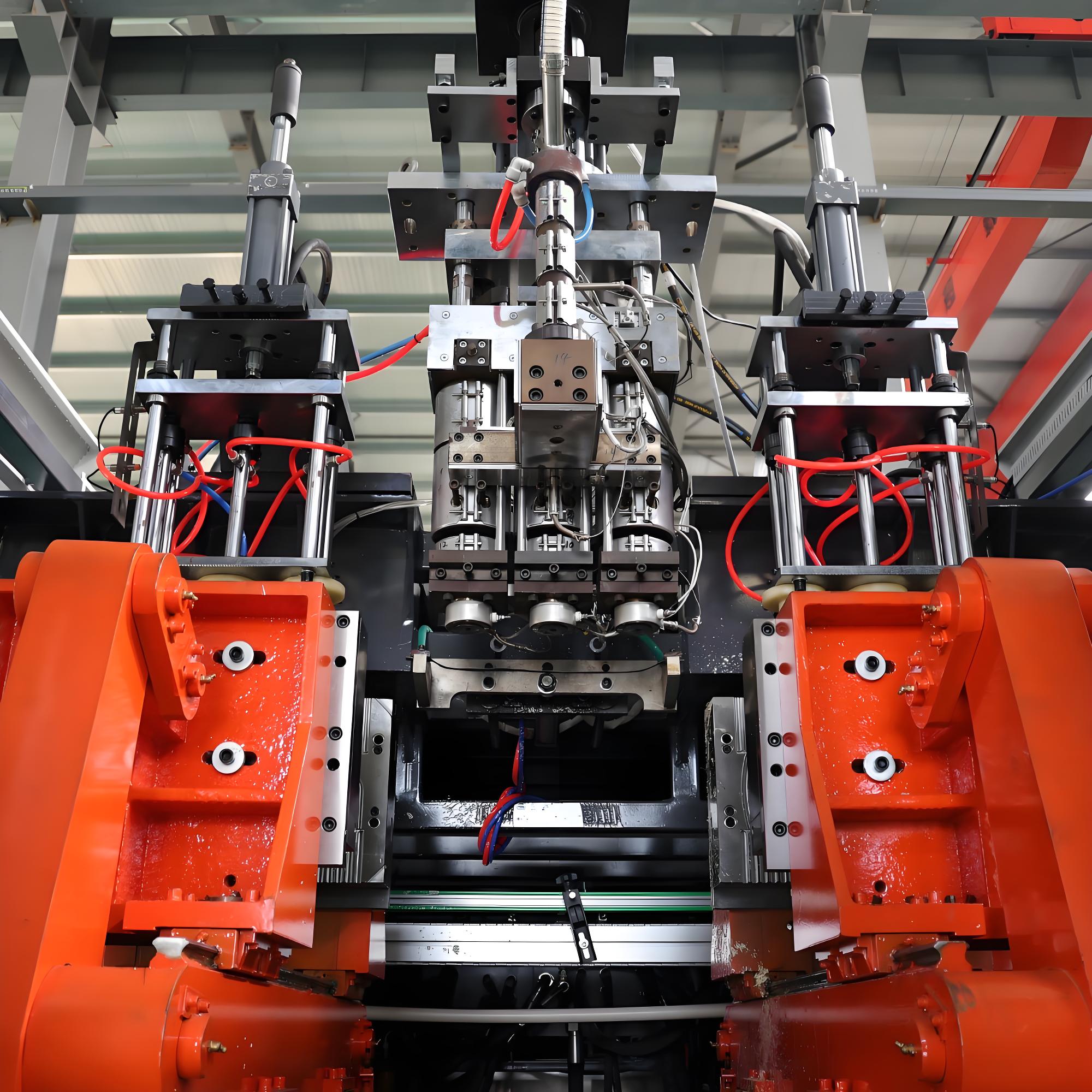
الطرد بالفراغ هو عملية متواصلة يتم فيها تشكيل البلاستيك الممغوط إلى أنبوب مثقاب يسمى براشون، ويوضع داخل قالب مبرد، ويتم تفريغه بالهواء المضغوط حتى يتخذ شكل التجويف. تبدأ العملية في آلة الطرد، حيث يتم بلسم المنتج في برميل بواسطة شقي دوارة وتضغط من خلال رأس تصنيع ينصّق البراشون. ثم يسخن غطاء الهواء براشون الأمر ليضغط على جدار القالب المبرد، وتبرد القطعة وتصاب بالصلابة قبل أن يتم فتح القالب وتطير الصنبور النهائي. هذا الروابط البسيط والقوي هو ما يجعل الطرد بالفراغ لطريقة التصنيع الأكثر تنوعًا للأجسام المقعرة.
تعد المميز في بلوام بالنفخ بالخراطة العالية النطاق. حيث يمكن لعائلة تقنية واحدة إنتاج زجاجة من الشامبو ذات سعة 200 ملilter وضخام استيراديي كبيرة 1500 لترات، إذ تعمل الجائحة الخاصة بنفس النظام الفيزيولوجي، والقوة الضاغطة، وبكرة الهرم، لذلك يمكن تطوير مقاييس جديدة لضبطها على حجم الكيسة وأسلوب التصنيع. وتوفر هذه عملية إنتاج مميزة عموما للتاجر لأكبر نطاق ممكن من الأحجام والحركات والإطارات. ومنافس her في مجال النخالة البلاستيكية., أو النصب بالينابيع، أو منطوية رغوة بيت (ORPET).
وذلك في ضوء أن مرونة المواد هي الركيزة الثانية. حيث تعمل طريقة صب القالب بالتدفق على البلاستيكات التجارية والهندسية التي تهيمن على صناعة العبوات: البولي إيثيلين بنسبة إحكام مرتفعة ونسبة إحكام منخفضة، والبولي بروبيلين، والبولي كلوريد الفينيل، والبولي أميد، والبولي كربونات، والاكريليت نترات البوتاديين ستيرين، والستايرين، والبولي إيثيلين فاينيلات، والبولي يوريثان الحراري،، وإي بي تي جي. وثالثها: كل مادة تحمل سلوكاً مختلفاً أثناء التضريب، لذلك يتعين ضبط جرعة العجلة في جهاز الطحن، وطبقات درجات حرارة المكره، وتكوينات عجين الصب. وقد تم تصميم أجهزة آپولو خصيصاً لتبادل هذه الراتنجات من خلال إدارة الوصفات على نظام التحكم، الأمر الذي يسمح للمنتجي وهو في مرحلة صب عبوات المواد الغذائية في الصباح، ثم عبوات المواد الكيميائية في وقت لاحق على نفس المنصة.
يعد التحكم بسمك الجدران التفصيلا الهندسيا الذي يفصل الخط المربح عن الخط الغالي أو المضيء. وفي العصر الحديث، يستخدم تصنيع «التلخيم حقن منذرة» جهاز تحكم «الفردنة» المبرمج، والذي يغير فاصل القالب مع تركيز الفردنة، ويضع المزيد من المواد في الأماكن التي تحتاج حجية العبوة، مثل القاعدة، والز claw، ونقاط التحميل، وإلى أقل أماكن لم تكن بها حاجة لذلك. ويؤدي هذا الامتيار إلى تقليل استخدام المواد، وتقليص الوقت اللازم للتبريد، وتحسين أداء الخسارة. لأي عميل يقوم بإنتاج ملايين العبوات في السنة، فإن توفير بضعة غرامات في كل زجاجة يؤدي إلى انخفاض في التكلفة، وهو ما يقلل من تكلفة الخط، وهو سبب رئيسي في التوسع المتواصل في قاعدة المنتجات المثبتة لدى Apollo في الأسواق التي تركز على التكاليف.
الطاقة هي العامل الثالث. إن آلات النتوء بالدعامة بالتحريك الهيدروليكي تستهلك الطاقة من أجل تحريك الدعامة ودفع آلة النتوء، كما أن الزيت الهيدروليكي يحمل خطر الصيانة والتلوث. تخلص سلسلة كهربائي بالكامل تمامًا من النظام الهيدروليكي، وتستعيض عنه بتحريك المضاعفات والهدب الكهربائي. والنتيجة هي انخفاض استهلاك الطاقة، وعمل أكثر هدوءًا، وعدم وجود زيت في منطقة الإنتاج – وهو لعامل حاسم في بيئات الأغذية والطبية ومختبرات التنظيف. سنسير إلى هذه السلسلة في قسم المنتج، لأن المسار الكهربائي يُعد بشكل متزايد الخيار الافتراضي للخطوط الجديدة في الصناعات المنظمة.
cuenca ورقة الدليل 6 fl axible, elastic 7 medical and pharmaceutical containers demand cleanliness and traceability: nebulizer bottles for respiratory care, packaging for irrigation and drainage, and sterilant jars for medical devices.. series بترول. سلسلة ABLB هو الخيار الأول بين خطوط Apollo، ومتاحة بأقل من ثماني نماذج تتراوح من 200 مل إلى 20 لترًا لأشكال الزجاجات والأغطية وحراب وعاملية وبطاريات. هذه هي آلات نتوء بالدعامة القياسية ذات مواصفات فردية أو مزدوجة أو ثلاثة أو أربعة مراكز لضمان توافق عدد الطلبات مع الإنتاج المطلوب. يتطابق قطر المسمار مع حجم القالب، وتتحدد قوة الإمساك حسب مساحة القالب المبلغ عنها. ويحتوي الجدول أدناه على معايير ممثلة للثماني نماذج؛ ويتم تأكيد القيم الدقيقة على ملخص تصميم الزجاجة عند التفعيل.
الجودة والامتثال: على عاداتك. يجب أن تلبي الحاويات التي تلامس الأغذية أو الأدوية معايير الاتساق مع المواد الغذائية مثل لوائح إدارة الأغذية والعقاقير في الولايات المتحدة ودليل 10/2011 في أوروبا. يجب أن تتحمل حاويات المواد الكيميائية محتواها وتقاوم الاختلاط والانتقال. تقوم أبلو ببناء الآلات وفقا لمتطلبات الأجهزة CE وإدارة الجودة ISO، كما تُصمم أجزاء الاتصال بالأغذية والأدوية وفقا للمعايير ذات الصلة عند طلبها. هذه القدرة على الامتثال، بالإضافة إلى النطاق الفني المذكور أعلاه، هي ما يسمح للمصنع في تشانجسيجانغ ببيع الخطوات إلى أكثر من 90 دولة تتمتع بكتب قواعد مختلفة.
قاعدة أجهزة Apollo المثبتة والتي تضم 4000 آلة وأكثر في أكثر من 90 دولة
إن عدد مثل 4 آلاف آلة في 90 دولة، لن يكون مفيداً إلا إذا أنعكست عليه إنجازات repeatable، وليس شحنات لمرة واحدة. لقد تحقق شركة Apollo، المصنع التابعة لشركة Wanplas، هذا الحجم بفضل عقود من الرقي المستمر في نفس الأسر العائلية من الآلات، وقدرة إنتاجية سنوية تقدر بـ 100 مجموعة تقريباً، وسياسة خدمة تتبع الآلة بعد أن تغادر المصنع. وتتركز القاعدة المثبتة في التطبيقات التي تعتبر فيها التسوية الحرارية بالنفخ أقوى حالياً: الزجاجات والحاويات الزجاجية لاستخدام المواد الغذائية ومستلزمات الحياة اليوميّة، دوروم ودبابات مواد الكيماويات وصناعة التشييد، والحاويات التقنية المستخدمة في سلاسل الإمداد الطبي والعقاري والرحلات السياحية.
الجغرافيا تلخص قصة الطلب. الأسواق الناشئة ذات الصناعات المتزايدة للمنتجات الاستهلاكية تعتمد آلات Apollo بسبب نسبة الخصم إلى السعة المفضلة والتخصيص الكهربائي المحلي، الذي يجعل التثبيت سهلاً. الأسواق المتطورة تعتمد عليها حيث تلبي سلسلة كهربائي بالكامل المعايير المتعلقة بالمحلات النظيفة والطاقة حيث لا تستطيع خطوط هيدروليكية أقدم عمرا. والمشترك بين الاثنين هو أنه يمكن للمشتري تحديد الحاوية، والاستلام الآلة المقابلة، وفحصها في المصنع، وتثبيتها والحصول على الدعم دون إنشاء منظمة خدمة منفصلة. وهذا العلاقه من البداء إلى النهاية هو الذي يغير الآلة الأولى إلى آلة ثانية وثالثة.
يهمنا الهيكل المعماري للمنتج من الأساس، وليس ببيع قائمة متفق عليها من الآلات غير المتصلة ببعضها البعض، بل إن أيفرن نظم سلسلةها العشر إلى منصة تشارك في تكنولوجيا المولد، والتثقيب، والتحكم. بينما يمكن للمنتج الذي يبدأ باستخدام ABLB 55 للزجاجات ذات الحجم 3 ليترات، أن يضيف فيما بعد ABLB 150 للوحات ذات الحجم 20 ليترا، أو يتقدم إلى سلسلة ABLD للحاويات الكبيرة، ويستعين بتقنية التحكم ذاتها، وبأحجام الأجزاء البديلة، وبرنامج تدريب الموظفين. هذا التفكير المنضمن يقلل من التكلفة الإجمالية للإمتلاك ويساعد العملاء على البقاء في برنامج أيفرن حيث تنمو أعمالهم.
يعتبر الموثوقية معالجا هادئا للعدد 4000 آلة. ويضم كل آلة إطار شد قوي ومقطع ومضغوط ومضغوط، ومنظومة تحكم منطقية يمكن برمجتها ومزود بواجهة بشرية لتخزين وصفات الإعداد والتذكير بها. ويقدم مجموعة وَنْبَلاس الضمان لهذا المعيار المشترك للجودتها، والذي يوفر استرداد نقدي بالإضافة إلى تعويض بنسبة 10% في حالة عدم وجود ضمان للجودة التي تتوافق مع المواصفات المتفق عليها. وفي حين أن هذا الضمان مهم للمشترين في الخارج الذين لا يمكنهم إرجاع الآلة بسهولة، إلا أنه من الأهمية بمكان أيضا بالنسبة لأوقات دورات الآلة، لأنه ينتقل جزءا من مخاطر المشتريات إلى الشركة المصنعة.
الدعم يتوازى مع القاعدة. مع وجود مصانع في أكثر من 90 دولة، ترسل ابولو مهندسين للتنصيب في الموقع، وتتبع حالة الاستخدام لاحقًا، مع زيارات عاجلة للعملاء للتعامل مع المشكلات قبل أن تصبح ضائعًا. نهج قطع الغيار المجانية بقيمة 500 دولار سنويًا يعني أن المشتري لن يجد نفسه في حالة عجز بسبب التأخير المستغرق لتسليم طلب خاص لقطعة صيانة صغيرة وحاسمة. جنبا إلى جنب مع سياسة التفتيش المفتوح في المصنع، تشكل هذه الضمانات نموذج خدمة مصمم للعمل على مسافة كبيرة- وهذا بالضبط هو واقع القاعدة العالمية.
ما يرويه الأكتشاف حول المشكلة هو أن الحجم والخدمات يعززان بعضهما البعض. فمؤلفات التثبيت الأكثر luasا تُسهم في نشر التكاليف الهندسية، وتحسن استجابة قطع الغيار الأسرع، وتصنع مكتبة من التطبيقات المعبّأة التي يمكن للعميل التالي الاستفادة منها. لمثلي في البلد 91 ليس他是 حالة اختبار؛ فهو يورث دروس 4000 آلة سابقة. وهذه الوراثة هي المنتج الحقيقي الذي تبيعه شركة Apollo، وتعزى هذة السيطرة إلى توسع حالة العميل العالمي.
سلسلة آلات Apollo المصممة للإنتاج على مستوى العالم
يتقسيم Apollo مدى سلسلة نفخه الى ثلاث عائلات تواجه العملاء وتغطي نطاق 200 مل إلى 1500 لترًا. تخدم سلسلة ABLB عملاء تبيع أحجار صغيرة إلى متوسطة الديناميكية من 200 مل إلى 20 لترًا. تخدم سلسلة ABLD مصنعي الملاط الأكبر في حجم 20 لترًا إلى 1500 لترًا. تغطي عائلة كهربائي بالكامل نفس النطاق من 200 مل إلى 20 لترًا لكن مع عدم وجود هيدروليكات لتحقيق إنتاجٍ نظيف ومنخفض الطاقة. وتقدم كل عائلة جدول مواصفات مبني على الممارسات الهندسية الأساسية لنوع الجهاز.
سلسلة ABLB – من 200 مل إلى 20 لترًا: ثمانية طرازات
سلسلة ABLB هي الخيار الأول بين خطوط Apollo، ومتاحة بأقل من ثماني نماذج تتراوح من 200 مل إلى 20 لترًا للأشكال العادية من زجاجات وأغطية ومصابيح وعاملية وبطاريات. وهي آلات نتوء بالدعامة القياسية ذات مواصفات فردية أو مزدوجة أو ثلاثة أو أربعة مراكز لضمان توافق عدد الملزمات مع الإنتاج المطلوب. يتطابق قطر المسمار مع حجم القالب، وتتحدد قوة الإمساك حسب مساحة القالب المقدرة. ويحتوي الجدول أدناه على معايير ممثلة للثماني نماذج؛ وتُصادق على القيم الدقيقة على ملخص تصميم الزجاجة عند التفعيل.
| Model | 000 آلة قبلية. هذه التوارث هي المنتج الحقيقي الذي تبيعه ابولو، وهذا هو السبب في أن حالة المشتري العالمي لا تتوقف عن النمو. | محطات | قطر المسمار (ملليمتر) | قوة المشبك (كيلو نيوتن) | الناتج (عدد الأجهزة في الساعة تقريبًا) |
|---|---|---|---|---|---|
| ألبل 55 | 200 مل – 3 لترات | 1 – 2 | 50 | 40 | 600 – 1200 |
| 1- ABLB 65 | 200 مل – 5 لترات | 1 – 2 | 55 | 60 | 500 – 1000 |
| 1 - نظام الآيلو 75 | 500 مل ـ 6 L | 1-3 | 60 | 80 | 450 – 900 |
| ABLB 80 | 500 مل – 8 ل | 1-3 | 65 | 100 | 400 – 800 |
| 1- أبل 90 | 1 لتر – 10 لترات | 1 – 4 | 70 | 120 | 350 – 700 |
| 1- ABLB 100 | 2 L – 12 L | 1 – 4 | 75 | 150 | 300 – 600 ملليلتر |
| ABLB 120 | 3 لتر – 15 لتر | 1 – 4 | 80 | 180 | 250 – 500 |
| ABLB 150 | 5 لترات – 20 لترا | 1 – 4 | 90 | 220 | 200 – 450 |
تتناسب سلسلة ABLB مع العملاء الذين بحاجة إلى تغطية حجمية مرنة من منصة واحدة. يمكن لمُصنّع اللبن أن يعمل على معصرة من 1 لتر على معصرة ABLB 90 ثم يُضيف لاحقًا معصارة 150 لترًا لكارتون 20 لترًا دون تغيير فلسفة التحكم. جعلت وحدة التحكم في disculpar programmable وذاكرة التوابل على شاشة الإنسان-الآلة من تحويلات الجهاز سريعةً، ومنع حماية المخرج عند تشغيل المُرسِّل للعديد من SKU.
سلسلة ABLD – من 20 لترًا إلى 1500 لتر، ذات كفاءة عالية
إن سلسلة ABLD هي العائلة القوية من Apollo للملئيات الكبيرة مثل البرميل والقواريف وعربات المراهنة وأنواع أخرى من ملئيات الجسم الكبيرة التي يتراوح حجمها من 20 ليتر إلى 1500 ليتر. تستخدم هذه الآلات رأس مجفف يحفظ المادة المنصهرة ويوفر باردا كبيرا في ضربة واحدة سريعة، مما يحول دون انين البارد أو التبريد قبل إغلاق القالب. ترتفع قوة التثبيت إلى عدة مئات كيلونيوتن، كما أن العملية المتعددة الطبقات لتصنيع اللب متاحة لبناء مثابرة أو هياكل نوى إعادة السحق. تمثل النماذج الثلاثة أدناه نطاق الآلات القوية.
| Model | الحاوية القصوى (L) | رأس المركم | قطر المسمار (ملليمتر) | قوة المشبك (كيلو نيوتن) | خيار الطبقات |
|---|---|---|---|---|---|
| ABLD 1000 | 20 – 200 لتر | منفرد/متداخل | 100 | 400 | حجم العبوة |
| أي بي ال دي 2000 | 100 – 500 L | ثنائي | 120 | 600 | حجم العبوة |
| ABLD 5000 | 200 – 1500 لتر | مزدوج / كبير | 150 | 800 | حجم العبوة |
سلسلة ABLD هي الآلة التي تقف وراء الحاويات الجزيئية التي يتم استخدامها في المصانع الكيميائية ومعالجة المياه والزراعة. تسمح التصفيح المتعدد الطبقات للشركة المنتجة بوضع آذن تم إعادة تدويرها أو إعادة طحنها بين الأقمشة الجديدة، مما يقلل من تكلفة المواد مع الحفاظ على سطح خارجي نقّي. بالنسبة لتخزين المواد الكيميائية، يمكن إضافة طبقة حائلة تقاوم المحتويات الحميسة. هذه الخيارات هي السبب في ظهور العائلة القوية في قاعدة تغطي 90 دولة في أي مكان يجب فيه تخزين ومعاينة المواد السائلة أو المسحوقية بطريقة آمنة.
سلسلة جميعها كهربائية: من 200 ملّي إلى 20 ليتر، بدون هيدروليك
تغطي سلسلة كهربائي بالكامل نفس النافذة التي يغطيها نظام الآلات البرجية ومازلة التلقيم ذات الحركة الهيدروليكية (ABLB)، لكنها she ersetzt كل وظائف الهيدروليكية بمشروبات servo-electricesy. لا توجد وحدة طاقة هيدروليكية، ولا خزان الزيت، ولا خراطيم هيدروليكية في منطقة الإنتاج. يتم تشغيل المصيدة وبرمجة نقل القوالب ومدخل التحوير بالكامل بواسطة أنظمة تحكم servo-electric الكهربائية تحت نظام مراقبة حلقة مغلقة. يحدد الجدول أدناه هذه الأسر.
| Model | 000 آلة قبلية. هذه التوارث هي المنتج الحقيقي الذي تبيعه ابولو، وهذا هو السبب في أن حالة المشتري العالمي لا تتوقف عن النمو. | محطات | Drive | الطاقة مقابل الهيدروليكية | أحادي / متعدد |
|---|---|---|---|---|---|
| بالكامل كهربائي 55 | 200 مل – 3 لترات | 1 – 2 | زيت هيدروليك | منخفض | لا شيء |
| 75 لاسلكي بالكامل | 500 مل ـ 6 L | 1-3 | زيت هيدروليك | منخفض | لا شيء |
| كامل كهربائي (90) | 1 لتر – 10 لترات | 1 – 4 | زيت هيدروليك | منخفض | لا شيء |
| كهربائي بالكامل 120 | 3 لترًا – 20 لترًا. | 1 – 4 | زيت هيدروليك | منخفض | لا شيء |
سلسلة كهربائي بالكامل هي الإجابة الصحيحة لعمليات الإنتاج الخاصة بالمواد الغذائية والعلاجات الطبية، التي لا يمكن التسامح مع انبعاجات زيت القرص أو الصرف، ولالمصانع التي تفرض قيود صارمة على الطاقة ودرجة الصوت. لأن أجهزة الحركة المؤتمتة تستعمل الطاقة فقط عند التحرك، فإن نموذج الطاقة مناسب مقارنةً بالضخ الهيدروليكي الدائم. تحدد شركة Apollo هذه السلسلة لعملاء يعانون من متطلبات بيئية عالية، وهي تمثل نسبة متنامية من الطلبات الجديدة في قاعدة العمل على الصعيد العالمي.
نطاق تطبيق المواد عبر الأقسام
جميع العائلات الثلاث تقوم بتجهيز نفس مجموعة البوليمر، لكن استخدام المنتج النهائي هو الذي يحدد الص Denver مراد الصحيح. يشير الجدول بالأسفل إلى المواد الشائعة إلى الحاويات النموذجية والعائلة المتقدمة، لذلك يمكن للمشتري أن يرى المنطق قبل الوصول إلى دليل الاختيار.
| المادة | الخاصية الرئيسية | الحاويات النموذجية | Apollo Family |
|---|---|---|---|
| البولي إيثيلين (HDPE / LDPE) | آمن للاستخدام الغذائي، مقاوم للمواد الكيميائية | العبوات والبحرانات والدrumات | ABLB / نظام الطاقة الكامل / ABLD |
| PP | متين، شفاف | منتجات طعامٍ وعلاجٍ. | ABLB / كهربائي بالكامل.. |
| الـ PVC. | متين وفاقع | مستحضرات التجميل والطبية | ABLB |
| PA | الهندسة، الحاجز | الوقود والأجزاء الفنية | آب. ال. دي. ال. |
| PC | تعمل مع الضغط، والاشتراكات القوية، والمنتجات الطبية | زجاجات مياه، وزجاجات رياضية. | ABLB |
| ABS | التأثير، جودة السطح | أجزاء السيارات والتقنية | ABLB / ABLD |
| PS | صلب وقشر | منتجات الألبان ومستحضرات التجميل | ABLB |
| EVA / TPU | تطبيقات مواد البناء تشمل الأوعية المقفلة، وحاويات الخليط، وتج示 مواد اللصق والتشحيم والطلاء، وأجنحة الأكياس الرغوية. وتستحضر هذه النماذج عادةً عبوات 1 لتر إلى 20 لتر وحاويات مختلفة على سلسلة ABLB، مع اختيار البولي بروبيلين أو البولي إيثيلين المنخفض الكثافة لمقاومة القطرام والأغلاقات الكيميائية. كما يستخدم قطاع البناء قنوات وأنماط تقنية كبيرة من خطوط Wanplas الأخرى، لكن فيما يتعلق بغلاف القطع، تُعتبر مجموعة عبوات ABLB هي الملائمة؛ ويجب أن تتحمل هذه الأوعية معاملة site عمليات البناء. | آلات النتوء البيثلاني الحكسي (ISBM) | ABLB |
| بي تي جي | شفاف، صلب. | للعلاجات التجميلية والشاشات | ABLB |
توضح هذه العائلات، مجتمعةً، مدى النطاق الواسع في حالة أبولو على المستوى العالمي. قد يدير عميل واحد آلات ABLB لتعبئة الزجاجات، واطالات ABLD لتخزين المواد الجافة، ويُقود جميعهم بعلاقة خدمة واحدة. هذه هي ميزة المنصة التي تعتمد عليها قاعدة من 4000 جهاز آلي.
كيف تقدم آلات Apollo خدماتها لثمانية من أهم الصناعات العالمية
تصل آلات ضخ تقريع الضرب لدى Apollo إلى المستخدمين النهائيين من خلال ثماني صناعات متقدمة، كل واحدة منها لها متطلبات تصنيع العبوات الخاصة بها. معرفة هذه التطبيقات يساعد المشتري على فهم المكان الذي تناسب فيه سلسة معينة والإنتاج النهائي الذي يجب أن تنتجه. القوة الكبيرة التي تتمتع بها عملية ضخ تقريع الضرب هي أنها واحدة آلة يمكن استخدامها في عدة من هذه الصناعات فقط بتغيير القاعدة وإنجاز مكوّنات المواد المناسبة.
الأغذية والمشروبات
يعتبر قطاع الأغذية والمشروبات أكبر مستهلكون للحاويات الطويلة والمتوسطة: زجاجات الماء، وزجاجات زيت الطعام، وزجاجات الحليب والألبان، وجرار الجوز بحسباء المحاليل، وحاويات العصير. وتتم هذه الإنتاج في نطاق الأسرة ABLB وال PSV المدفأة بالكامل من أنواع HDPE و PP و PETG. ومع إشتراطات التلامس للمواد الغذائية، محدد سطح مقابض القطع والفقرات والنماذج بحيث تلبي معايير FDA أو EU 10/2011 اعتمادًا على السوق الأم工. والأداء العالي وقوة المغلاق الشديدة تقلل الميزانية في هذه الفئة التي تنخفض أسعارها بشكل كبير.
المواد الكيميائية اليومية Products
تغطي إنتاج المواد الكيميائية اليومية مثل شامبو غسيل الجسم ومذيبات، والكريمات، وطرود التنظيف، غالبًا مع مقابض وأطراف معزولة ومع أشكال زخرفية. تستخدم هذه العبوات سلسلة ABLB لتغطية أحجام من 200 مل إلى 20 لترًا، بما في ذلك قوارير التنظيف بالعملية الآلية المستخدمة لتسليم المواد الكيماوية في الجزء الأكبر. يشكل البلاستيك PVC والPETG جزءًا شائعًا حيث تكون البساطة وثبات السلة خطوة مهمة. تسمح نقل الماكينة السريعة وتخزين الوصفات بتبديل SKU خلال إمكانية حركة عملية، وهو ما يجعل الموردين الكيماويين اليوميين جزءًا ثابتًا من القاعدة العالمية.
الصناعة الكيميائية
تحتاج الصناعة الكيميائية إلىotin التي تقاوم المحتويات العنيفة وتتمكن من الصلبات والنقل والتخزين في الهواء الطلق. هذه هي موطن سلسلة ABLD الثقيلة: برامير 20 لترًا إلى 200 لتر، برامير 100 لتر إلى 500 لتر، وحاويات جُمَّعِ المازوت المتوسطة(1500 لتر). يضيف اللقس في الطبقات المتعددة شقًا حاجزًا أو أنبوبًا متداولًا، بهدف تحقيق التوازن بين التكلفة والأداء. تتطلب برميات المواد الكيميائية مراقبة جدران محكمة وأغلاقًا آمنًا، وكل ذلك تتم إنتاجه من قبل منصة ABLD الخاصة بللعازبوخ.
مواد البناء
تطبيقات مواد البناء تتضمن الأوعية المقفلة، وحاويات الخليط، وتج示 مواد اللصق والتشحيم والطلاء، وأجنحة الأكياس الرغوية. وتستحضر هذه النماذج عادةً عبوات 1 لتر إلى 20 لتر وحاويات مختلفة على سلسلة ABLB، مع اختيار البولي بروبيلين أو البولي إيثيلين المنخفض الكثافة لمقاومة القطرام والأغلاقات الكيميائية. كما تستخدم قطاع البناء قنوات وأنماط تقنية كبيرة من خطوط Wanplas الأخرى، ولكن بالنسبة لغلاف القطع، فإن مجموعة عبوات ABLB هي الفئة المناسبة، ومهما كان الأمر، يجب أن تتحمل هذه الأوعية معاملة site عمليات البناء.
الطب والأدوية
آلات النتوء بالدعامة هي من بين خيار التشييد الأبنيوي القوي في الجزء العالمي من عالم التعبئة، نظراً لقدرتها على التطوير من زجاجة صغيرة إلى حاوية كبيرة، ولها القدرة على التكيف مع العديد من البوليمرات، ومع الحفاظ على انخفاض تكلفة الأدوات – فهي النظام الوركي الأوسع نطاقاً من أي طريقة لحلقي البلاستيك.
إنتاج السيارات
تستخدم المصانع المتخصصة في إنتاج السيارات أجزاء مصنوعة من البلاستيك البليود على شكل لفات مثل زجاجات سائل يمهل المرآة، ومستوعبات السائل المبرد، والأنابيب، والمكونات ذاتية التنamel. حيث تتم إنتاج تلك الأجزاء على السلسلة ABLB للأزواج الصغيرة، والتيار ABLD للاحتياطيات الأكبر. وتستخدم البوليمر المتخصصة مثل PA و ABS في المراكز حيث المطلوب مقاومة للحرارة، الوقود، أو الصدمات. كما تقدر شركات الوالدائها من المنتجات مقدار تكرار الإنتاج، والقدرة على التحقق من صلاحية المنتج وفقًا للمواصفات الخاصة بالشركة قبل إنتاج الكميات الكبيرة.
النقل
تنقل الحاويات والأنابيب المستخدمة في مجالات الخدمات اللوجستية والزراعة والبحرية: خزانات المياه المحمولة، حاويات الوقود وخزانات جدار النفاثة الخفيفة (DEF) والحاويات المحمولة للسوائل. ينتج خط إنتاج ABLD الوحدات التي تمتد من 200 لتر إلى 1500 لتر، وتنقل السوائل بشكل آمن. وفي مجال النقل، يعتبر مقاومة التسريب واستقرار الأشعة ultraviolet وحلول التغطية السليمة ذات الأولوية، كما تساعد الهياكل متعددة الطبقات على تحقيق هذه المعايير مع التحكم في تكاليف المواد.
الثقافة والرياضة
من بين السلع الثقافية والألعاب، تشمل القنينات الرياضية القابلة لإعادة الاستخدام، وأدوات الدعم بالتطاير، وأجسام اللعب، والحاويات الترويجية. وتفضل هذه المنتجات الأجزاء البلاستيكية الشفافة أو الملونة من مادة PC أو PETG أو TPU في سلسلة ABLB وسلسلة كهربائي بالكامل. ويعكس سوق قنينات الماء الرياضية بصفة خاصة الحرية في التصميم – من ناحية المقابض والشكل الانسيابي، وهيكل الجدار المزدوج – وهو ما يمكن تحقيقه عبر عملية القطع بالعملة الحرارة من دون أثر سلبي على أدوات التصنيع، على عكس الطرق الأخرى. ويظهر هذا القطاع كيف يمكن للآلة نفسها التي تنتج برميلًا كيميائيًا أن تصنع قارورة مياه من طراز محدد أيضًا.
بعد ترسيم القطاعات الثمان إلى سلسلتها، أصبحت الاستراتيجية واضحة. تستخدم المنتجات الصغيرة والنظيفة ومرتبطة بالتصميم إما آبل زد أو آبل إلكتريك بالكامل. أما منتجات الكيماويات والتكنولوجيات الاّمنة ا فائدة منها لاستخدام آبل زد. فالمشترون في أي من هذه القطاعات لا يعتمدون على آلة تجريبية وإنما يتماشون مع تطبيق يعمل بالفعل في أكثر من 90 بلداً.
اختيار سلسلة أبولو المناسبة: دليل اختيار المشتري.
تصل آلات Gebäude® لـ Apollo إلى المستخدمين النهائيين عبر ثماني صناعات رئيسية، كل واحدة منها لها متطلبات كيان مختلفة. فهم هذه التطبيقات يساعد المستورد على تحديد السلسلة التي تناسبها والإنتاج النهائي الذي يجب أن تنتجها. يُسهم ريادة غبويه® في البلاستيك البلاستيكي في أن يمكن لعائلة واحدة من الماكينات أن تخدم العديد من هذه الصناعات عن طريق تغيير العفن ومعها وصفة المادة فقط.
| متطلبات العميل: | يبدأ اختيار آلة الإنضاج بالطي من متغيرين: حجم الإطار والمادة، ثم بيئة الإنتاج والإنتاج المطلوب. الدليل أدناه يقوم بتحويل المتطلبات الشائعة إلى سلسلة Apollo مناسبة. إنه نقطة انطلاق؛ يتم تأكيد التوضع النهائي خلال مراجعة الحاسوبية بالمصنع على الرسم الفني للكيان العميل، والكمية المستهدفة، وظروف المنطقة. | السبب |
|---|---|---|
| من 200 مل – 20 لتر ,الانتاج القياسي. | سلسلة ABLB. | مجموعة من ثمانية أنماط، تكلفة معتدلة، عمليات تبادل سريعة. |
| من 200 مل إلى 20 لتر، غرفة نظيفة أو وجود ضجيج منخفض | مجموعة كاملة العمومية الكهربائية. | عدم وجود معدات هيدروليكية، طاقة منخفضة، عدم تلويث الزيت. |
| طواحين وحواجز قدرتها 20 إلى 200 لتر. | ABLD 1000 | جهاز إعادة التعبئة متعدد الاستخدامات، بقوة التثبيت عالية. |
| 200 لتر – 1500 لتر أجهزة تخزين صومعة القحل و وحدات التغليف بالبلط | ABLD 2000 / 5000 | خيار الصناديق المخزنة الكبيرة متعددة الطبقات |
| HDPE food bottles | كيس البولي ايثيلين المبطن أو الكيس الكهربائي الكامل. | خاصية المواد، مطابقة لقواعد الاتصال الغذائي |
| 1- براميل كيميائية مزودة بحواجز | ABLD مع طبقات متعددة | مقاومة المواد الكيميائية، وفرق توفير الموازنة الأساسية. |
| المنتجات الطبية والصيدلانية، نظيفة. | كهربائي بالكامل | منطقة خالية من الزيت، وقدرة عالية على التكرار. |
| العبوات المصنوعة باليد، من 5 إلى 20 لتر. | آبل زد – 150 | قوة الضغط وعد كبير العدد من المحطات للمقابض |
خالي من الückeاء.
يتم التعبير عن التكلفة من خلال مصطلحات نسبية، وليس العملة. سلسلة ABLB تقع في مستوى استثمار متوسط للانتاج القياسي. السلسلة Electric بالكامل تنخفض إلى مستوى متوسطة إلى عالية بسبب أن المحركات المؤازرة أغلى في البداية ولكنها تعود بالخسائر من خلال انخفاض الطاقة والصيانة. سلسلة ABLD الثقيلة تقع على مستوى عال إلى muito elevado بسبب الاحتياط، المشبك، وحجم الإطار. خلال فترة حياة الماكينة، تثبت السلالتان الكهربائية والثقيلة في بعض الأحيان أفضل قيمة من خلال انخفاض تكلفة التشغيل، وهذا هو السبب وراء تخريج Apollo قرار حول إجمالي تكلفة الملكية وليس سعر الشراء وحده.
مقارنة التقنية: تقنية EBM مقابل طرق تعليب الحقول الأخرى.
غالبًا ما يسأل المشتري عن كيفية المقارنة بين حلائص التشكيل الحثي والتشكيل الحثي باستخدام الحإطارات والحلول التشكيلية. الإجابة هي أن كل مسار يملك جزءًا مختلفًا من خريطة الحاويات. المقارنة أدناه هي التقنيات مقابل التقنيات، وليس العلامة التجارية مقابل العلامة التجارية، مما يساعد المشتري على التأكد من أن حلاحوش التشكيل الحثي هو الخيار الصحيح قبل اختيار سلسلة أبلون.
| الجانب | تقنية العزل الفني وإرجاع القالب (EBM) | صب الحقن بالضغط (IBM). | مرنة، شفافة |
|---|---|---|---|
| نطاق حجم الحاوية. | سعة 200 مل – 1500 لتر. | 3 مل - 1 لتر. | 100 مل – 3 لتر (حاويات PET). |
| الإنفجار/البتر. | يحتاج إلى صب سلكات رفرفية. | خال من البلوز | خال من البلوز |
| 1- تكلفة الأدوات | متوسط | عالية المستوى | عالية المستوى |
| Best for | مجموعة واسعة من المنتجات، مثل اسطوانات ومقابض. | الدواء الدقيق، بدون تشذيب | أكياس PET الموجهة، المنصهرة. |
| المخلفات المتضمنة في المواد | منخفض إلى متوسط القدرة | منخفض جدًا. | منخفض جدًا. |
| خيار متعدد الطبقات. | أبدًا (ABLD). | الأقلام ذات الحد المحدود. | الأقلام ذات الحد المحدود. |
يوضح المقارنة سبب هيمنة عمليات الناعمة والتفريغ على الفئة الواسعة من الحاويات. وفي مجال الأجزاء الطبية الصغيرة ذات الدقة العالية، تبدو عملية الناعمة والتدفير هي الخيار الأفضل. كما يحقق تسرب الناعمة والفصل أفضل النتائج في تصنيع دُرَر حركة البوليمرات المُوجه (PET) المخصصة للمشروبات الغازية. لكن لا تُعتمد هذه العملية على حاويات تزيد مساحتها عن 1500 ليتر أو على قارورات الجير التي يتم نقلها بحمولات ثقيلة. أما بالنسبة للمنتجين الذين يحتاجون إلى منصة واحدة مرنا، فإن عمليات الناعمة والتفريغ هي الحجر الأساس الذي تقوم عليه الشركة، حيث تتيحها عائلات أبل الثلاثة نطاقها الشامل.
كما توجد زاوية تتعلق بنضج العملية. لقد تم استخدام مصغرة النفخ بالخرطوم منذ عقود في تحسين تحكم الباريسون (منقي الشعيرات)، ومقاطع التثبيت (المنفاخ)، وتصميم الحافظة. وتتمثل ميزة شركة أبلو والتي تتمتع بخبرة تزيد عن عشرين سنة في هذا المجال في أن منطق التحكم، وأدراج القالب، وأطواق التثبيت تراكمت فيها الخبرة من خلال الآلاف من الحاويات الواقعية. ويتمثل خيار المشتري المصغرة بالخرطوم في الأختيار طريق ناضج ومتمرس بشكل جيد مع خبرة دائمة من الموردين، كما هو مستوصف حالة آلات 4000 على مستوى القارات.
الخدمة العالمية والدعم الموجودين خلف كل آلة من آلات Apollo.
أن الآلة ليست إلا جيّدةٌ بقدر الدعم الذي يليها عبر الحدود. تقوم شركة Apollo، التي هي مصنع تابعة لمجموعة Wanplas، ببناء خدمتها العالمية على أربع تعهدات تحمي المشتري منذ لحظة وضع النظام وحتى سنوات التشغيل. هذه الضمانات هي onderdeel من المعيار القياسي لمجموعة Wanplas وتطبق على كل آلة ماكنة تقوم شركة Apollo بل شحنها في جميع أنحاء العالم.
استعراض المصنع قبل الشحن
تتبع أبلون سياسة مصنعًا مفتوحًا. قبل تجميع الجهاز، يُرحب الزبون أو مفتشته بزيارة مصنع تشانجياجانج ورؤية تجربة تشغيل على العوارض والمواد الخاصة بهما. هذه المعاينة تحلل زمن الدورة و سمك الجدران والشكل النهائي في حاوية حقيقية، مما يزيل الغموض عن شراء من مسافات طويلة. بالنسبة للمشترين الذين لا يستطيعون السفر، يشارك أبلون سجلات التجارب ومقاطع فيديو حتى يكون قبولها مُثبتًا، وليس افتراضيًا.
تركيب ومدخلة في الموقع
بعد الوصول، ترسل شركة أبولو فريقًا من المهندسين لعمليات التثبيت والتشغيل وتدريب المشغلين. يقوم المهندس بتوصيل المرافق، وإجراء الإنتاج الأول، وتسليم فريق عمل مدرب. نظرًا لأن نظام التحكم يحفظ الوصفات على بطاقة، يمكن نقل المعلمات من تجربتين المصنع مباشرة إلى الجهاز المخصص للعميل، مما يخفض فترات التحميل إلى مرحلة الإنتاج الكاملة. يتم بعد ذلك تتبع حالة الاستخدام، وتتمكن الزيارات غير المنتظمة للعملاء من الكشف عن أي معاناة قبل أن تصبح الفشل.
قطع غيار مجانية بـ 500 دولار أمريكي كل عام
تمنح سياسة مجموعة Wanplas ما قيمته 500 دولار من قطع الغيار المجانية سنويًا لكل عميل من عملاء أبولو. بالنسبة للمنتجات الصغيرة ولكنها ذات أهمية بالغة – الأختام وملاجات تسخين أجهزة الاستشعار وأزرار التفجير – يعني هذا أن المشتري لن يواجه أي عطل طول الوقت في انتظار وضع الطلب المدفوع في سجلات الجمارك. وتأتي سياسة قطع الغيار بالإضافة إلى الاستبدال الموثق للأجزاء التالفة، مما يضمن تغطية كل ما يتعلق بالبنية التحتية الروتينية والعيوب الحقيقية في غضون هذه الفترة.
ضمانات النقل والسعة والجودة.
ثلاثة وعود تغلق فجوة المخاطر للشراء من خارج البلاد. ويغطي ضمان النقل الآلة أثناء النقل. ويضمن ضمان قدرة الإنتاج أن الخط يتوافق مع الناتج المتفاوض عليه. ويعمرt ضمان معايير الجودة اتفاقا على استرداد الأموال بالإضافة إلى تعويض قدره 10% إذا لم تتوافق الآلة مع المواصفات المتفاوض عليها. combined, تعني ذلك أن مستهلكًا في دولة إنانية يتسلم نفس الضمان مثل المستهلك المحلي.
| الضمان. | الالتزام. |
|---|---|
| تفتيش المصنع. | الترحيب قبل الشحن، التجربة على العينة الخاصة بالعميل. |
| التثبيت في الموقع. | مهندسونا الذين يتم إرسالهم لإجراء التشغيل والتدريب. |
| الأجزاء المجانية | 500 دولار أمريكي سنويًا |
| ضمان النقل | الجهاز مصحوب عند التنقل. |
| ضمان السعة. | الإلتزام بالكمية المتفق عليها للإنتاج. |
| ضمان الجودة | استرداد المدفوعات بالإضافة إلى تعويض بنسبة 10% في حال فشل المواصفات |
يعد هذا النموذج من الخدمة Komponen حيز العمل غير المرئي من حالة الماكينات ال 4,000 والموزعة في 90 دولة. الجزء المرئي هو الماكينة الموجودة على الأرض؛ والجزء غير المرئي هو التفتيش والمهندس عند بدء التشغيل وقطع الغيار المجانية وضمانات الاستمرار في تشغيلها. يصف المشترون بشكل مستمر أن علاقة الدعم، أكثر من أي مو описحة، هي ما يحولهم إلى الاستخدام التالي للماكينة - وأن السلوك المتكرر هو ما يكلف قاعدة installée عالمية.
أسئلة يجب طرحها
ما أحجام الحاويات التي يمكن أن تنتجها آلات ماكنة Apollo لرفحن الإسكان بالصورة؟
آلات Apollo تغطي من 200 ملليلتر حتى 1500 لتر. سلسلة ABLB و كهربائي بالكامل تُغطي من 200 ملليلتر إلى 20 لتر، في حين تغطي سلسلة ABLD الثقيلة من 20 لتر إلى 1500 لتر في براميل وحاويات وسعات سائل أخرى. يتم اختيار النموذج الحقيقي من مخطط الحاوية وكمية الإنتاج المستهدف.
ما المواد العملية على آلات النفخ بالأوتوماتيكي من Apollo؟
تؤخذ آلات تصنيع économique blow moulding آبلو على التوالي مادة PE وPP وPVC وPA وPC وABS وPS وEVA وTPU وPETG، ويوحد اختيار المواد مع متطلبات الاستخدام النهائي مثل الاتصال بالأغذية أو المقاومة الكيميائية أو الشفافية أو التصادم، كما يتم تكوين رأس المسمار والسلاح والعروة وفقًا لذلك.
كيف تختلف السلسلة الكهربائية بالكامل عن آلات EBM الهيدروليكية؟
تتطلب جمل الطبية واللقاحات دمج الصفاء والمجرى الزمني: زجاجات المهدئات المستنشقة، وعملات التنقيح والوصول إلى المياه، وعبوات المعقمات، وحامصي الأجهزة الطبية. تُفضل هذه السلسلة بما فيها من كاميرات تحكم وميزات جديدة، ذلك لانها تعزل الزيت الهيدروليكي من منطقة الإنتاج وتخفض خطر الجسيمات والملوثات. ويستخدم البولي بروبيلين والبولي إيثيلين المنخفض الكثافة بشكل شائع، ويتم تحديد أجزاءها لتفوق معايير الأجزاء بالتحرير الطبية. كما ان التحكم الإلكتروني في غلق السيارة يحسن التكرار كما من أهم بالنسبة للمنتجات المنظمة.
ما هي الخدمة العالمية التي تقدمها شركة أبولو بعد التسليم؟
تقدم apool مراقبة المصنع قبل الشحن، وتركيب الموقع وتشغيله من قبل المهندسين المرسلين، وتتبع الاستخدام، وإجراء زيارات غير منتظمة من العملاء، وخدمة قطع الغيار المجانية بقيمة 500 دولار أمريكي سنوياً، بالإضافة إلى ضمانات النقل والسعة والجودة وفق معيار مجموعة Wanplas.
كيف أختار السلسلة المناسبة من شركتي 'آبولو' لمنتجي؟
قم بمطابقة حجم الحاوية والمواد إلى السلسلة: نطاق 200 مللتر إلى 20 لترات للاستخدام القياسي، ويحتاج نفس النطاق مع مستودع نظيف أو منخفضة الضوضاء إلى سلسلة كهربائي بالكامل؛ وعبوات وقوارير سعة 20 إلى 1500 لترات تستخدم سلسلة ABLD الثقيلة. يوفر جدول الاختيار في هذا المقال تبويبًا أكثر تفصيلاً.
هل آلات Apollo معتمدة في الأسواق الدولية؟
آلات Apollo مصممة لتحاكي direktives CE للمكائن، وتعتمد ISO في إدارة الجودة. يمكن تحديد أجزاء الاتصال بالغذاء والطبية لتتماشى مع متطلبات FDA و EU 10/2011 المتعلقة بالاتصال بالغذاء، حسب المادة والبلد المستهدفين، إذ يتوفر للخدم نفسها في 90 بلدا على الأقل بمختلف القواعد القانونية.
هل يمكن لشركة Apollo customize آلاتها لتتناسب مع الجهد المحلي والعنقيات؟
نعم. تقوم آلات Apollo بتخصيص توليفة الجهد الكهربائي، وتصميم القوالب، وأداء الرأس في تشطيب الانبثال، والاستخدام المتعدد الطبقات في القذف للمشابك، حتى تلائم طلبات العميل في مخطط الحاوية، مصدر الطاقة المحلي، والكمية المستهدفة من الإنتاج. تُستعرض التخصيصات خلال مرحلة التفتيش في المصنع قبل بناء الآلة.
لماذا تختار النفخ الأوتوماتيكي بدلاً من عمليات النقش الأخرى؟
يغطي عملية إخراج الإسطوانة ADM أوسع نطاق من الحاويات بدءًا من الزجاج الصغيرة إلى حاويات existentes الإجمالية 1500 ليتر، كما أنها تحافظ بسهولة على مقابض مقابض والأشكال غير المتماثلة، وتوفر تكلفة معدات إنتاج معتدلة، كما تدعم السرعات المتعددة على السلسلة المصممة للخزن الثقيل. إنه الطريق الأكثر مرونة للنقل الملصق البلاستيكي في ثماني صناعات تتولىها Apollo.
الاستنتاج
في حالة أكثر من 4000 جهاز تجهيز بلاستيكي يحتوي على تقنية الصب بالهواء الساخن يعمل في أكثر من 90 دولة، هذه ليست قصة نموذج واحد مثير فحسب، بل هي قصة نظام كامل: تقنية مجهزة بمكبرات الضخ وتركيبات متعددة، ثلاثة تجمعات تم تصميمها بجودة عالية، ثمانية صناعات مستخدمة، ونموذج خدمة مصمم لمأمونته في مختلف الأماكن. تتمتع شركة Apollo، التي هي مصنع تابع لمجموعة Wanplas، بخبرة تزيد عن 20 عاماً في مجال الصب بالهواء الساخن وتضم مصنعا بمساحة قدرها 8 آلاف متر²، وهي توفر ماكينات يمكن للخبراء الجدد تحديدها بالتحديد والحرص، ويمكن للمشترين الكبار توسيع هذه الماكينات استخداماً دون أن يضطروا لتعلم كرة الأرضية نفسها كلياً. تغطي سلسلة ABLB و ABLD و كهربائي بالكامل نطاق تقلبات مساوي 200 ملليلتر إلى 1500 ملليلتر في المواد التالية: بلاستيك البولي إيثيلين والبولي بروبلين والبلاستيك المسبك البولي كلوريد الفينيل والبولي أمين و البولي كربونات والبوليستر والكايرنول، بالإضافة إلى أي المواد الأخرى، ما يعني أن أي حاوية مجوفة ليست أمراً دون حل.
وإذا نظر المشتري إلى الخيارات المتاحة، فإن المطلق العملي هو البدء من الحاوية: حجمها، والمواد المستعملة، والإنتاج المطلوب. وهذا يشير إلى مجموعة من المنتجات، وتحوي دليل الإختيار في هذه المقالة على وتحويل المتطلبات إلى توصية. ثم يأتي اختبار المصنع، وتركيب المنتج على منصة العمل، والوصول إلى قطع الغيار المجانية بمبلغ 500 دولار أمريكي في السنة، وضمانات النقل والقدرة والجودة، مما يقلل من المخاطر التي usually تزعج المشتري في الخارج. وفي إطار رسالة Wanplas المتمثلة في إغماية العملاء الدوليين بالأجهزة البلاستيكية الصينية، تمكنت شركة Apollo من جعل عملية العولمة بالترغيب من الخيار المضمون والمدعوم على ستة قارات.
في سلسلة كهربائي بالكامل، تغذى جميع الميزات والإساءة في أطر servo-electric. وهذا يحد من خطر تلويث الزيت، ويقلل استهلاك الطاقة، ويزيد من صوت التشغيل، ويطبقه التطبيق بشكل أفضل في مناطق التنظيف التجميلية وأماكن تصنيع الأغذية من الآلات الهيدروليكية التقليدية. هذا يوفر استثماراً عالي إلى متوسطة، يتم تعويضه من خلال توفير المال في العمليات.