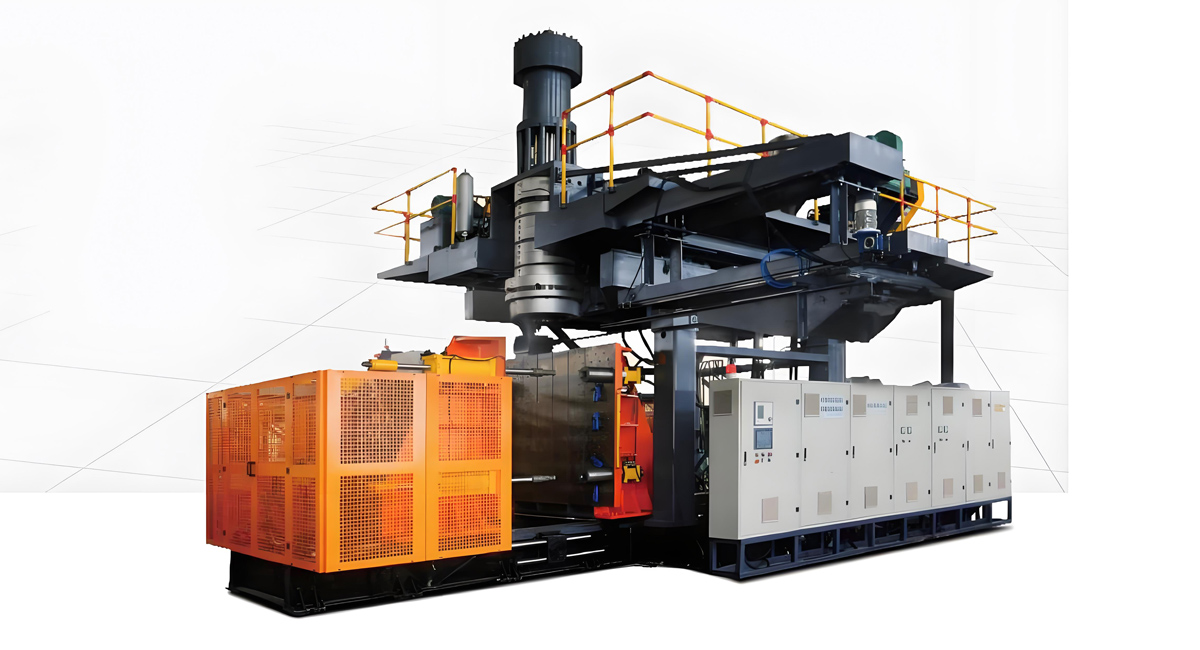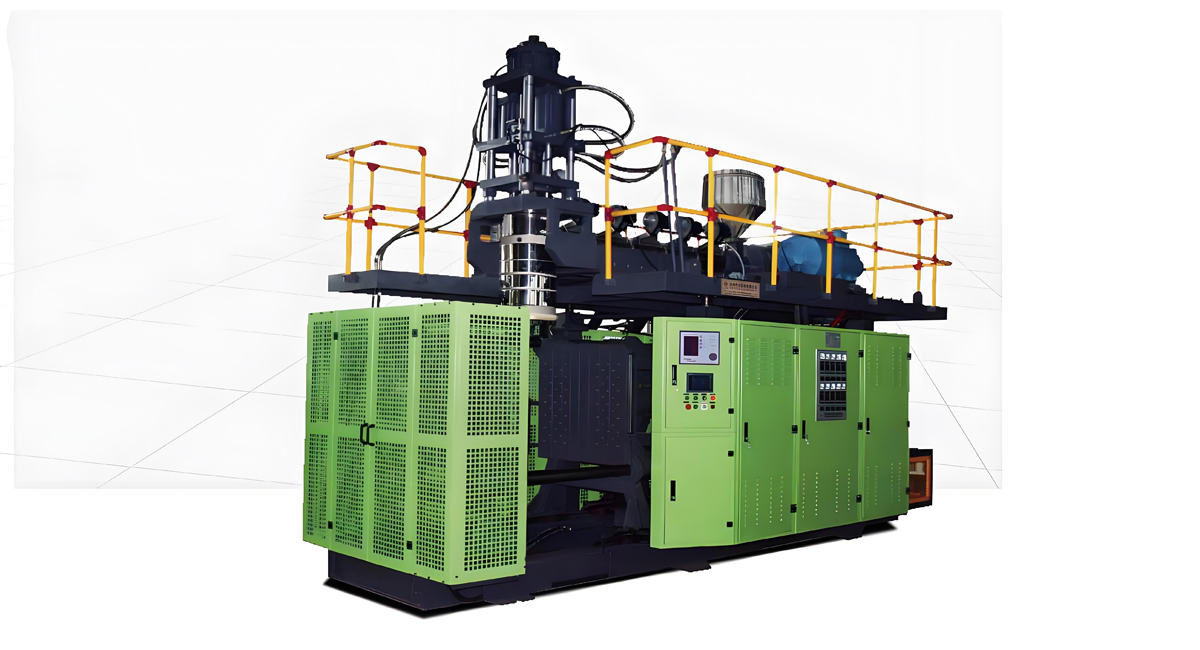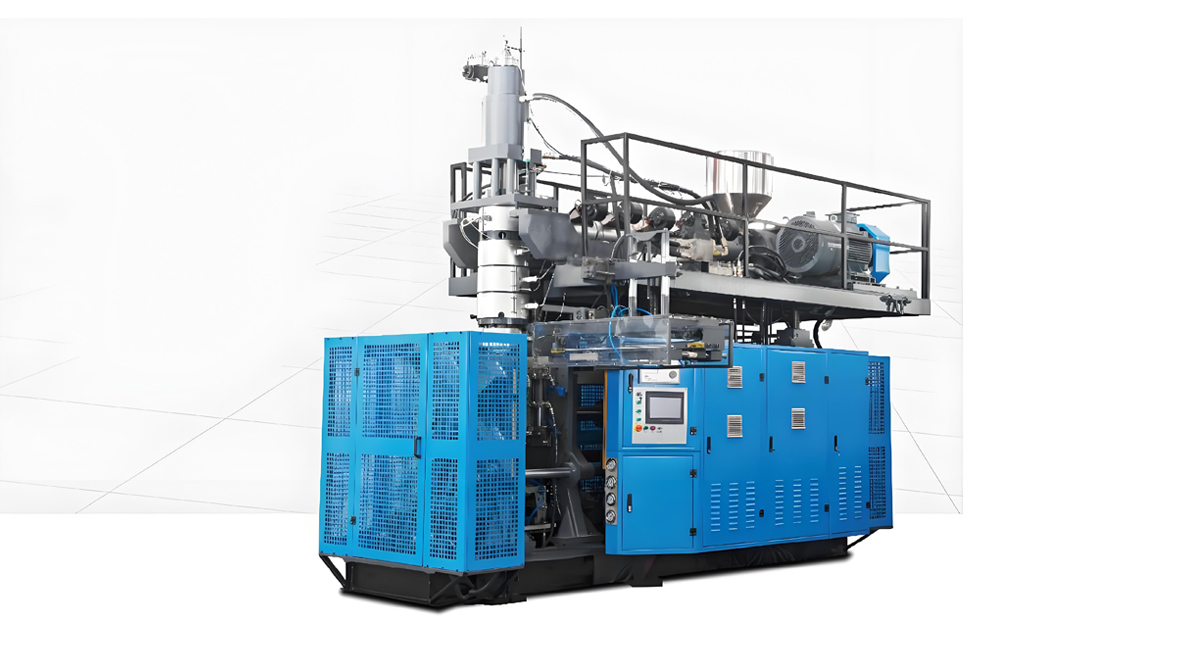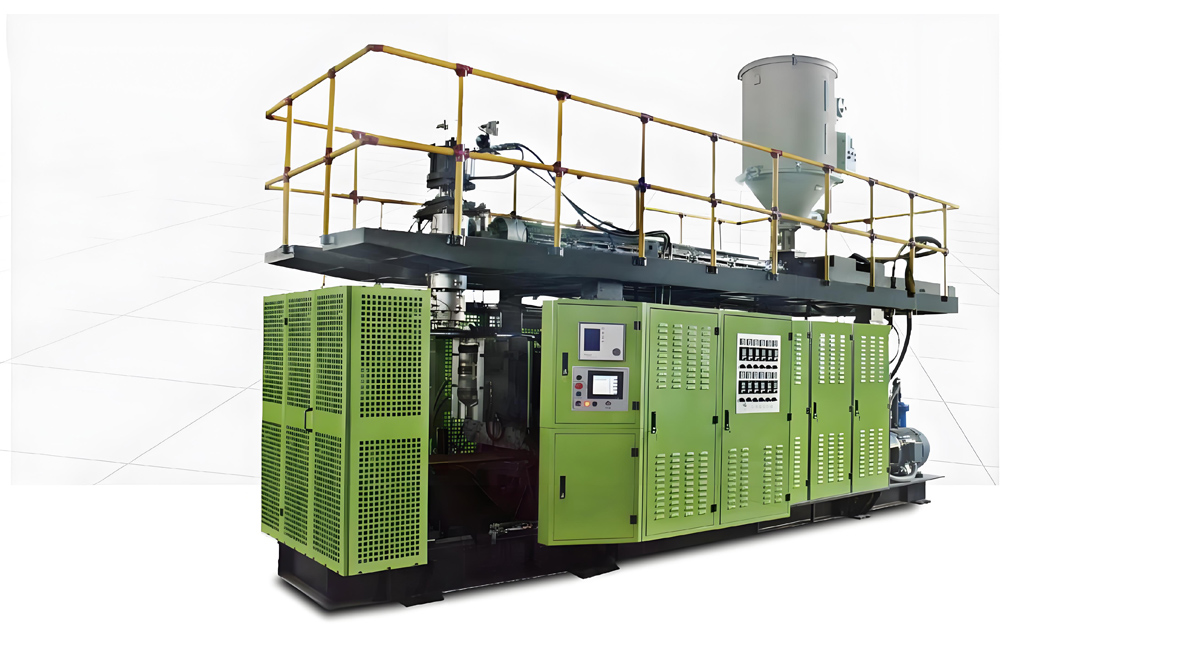
प्लास्टिक ब्लो मोल्डिंग उद्योग एक निर्णायक पांच-वर्षीय चरण में प्रवेश कर रहा है। 2026 से 2030 के बीच, बोतलों, जेरीकैन, ड्रम, टैंकों और तकनीकी खाली पार्ट्स बनाने वाले मशीनों में परिवर्तन होगा। इन मशीनों से हटकर, जुड़े, डेटा-चालित और कम कार्बन उत्पादन प्रणालियों की ओर बढ़ेगा। ब्रांड स्वामी, अनुबंध पैकेजरों और औद्योगिक विनिर्माता के लिए, यह परिवर्तन अब ललचाने वाला नहीं है: पैकेजिंग की हल्कीकरण के नियम, बद्ध की जाने वाली पुनर्चक्रण सामग्री संबंधी कानून, सख्त खाद्य और रासायनिक सुरक्षा आवश्यकताएं, और बढ़ते श्रम लागत सभी मिलकर समझते हैं कि एक प्रतिस्पर्धी ब्लो मोल्डिंग लाइन क्या प्रदान करनी चाहिए। यह लेख, इस परिवर्तन की गतिशीलाओं की विश्लेषण करता है, सबसे महत्वपूर्ण बुद्धिमान और कम कार्बन टेक्नोलॉजी को समझाता है, और यह दिखाता है कि एक आधुनिक एक्सट्रूशन ब्लो मोल्डिंग (EBM) प्लेटफॉर्म इन प्रवृत्तियों को उत्पाद, गुणवत्ता और ऊर्जा उपयोग में मापन योग्य लाभों में बदलने में कैसे मदद करता है।
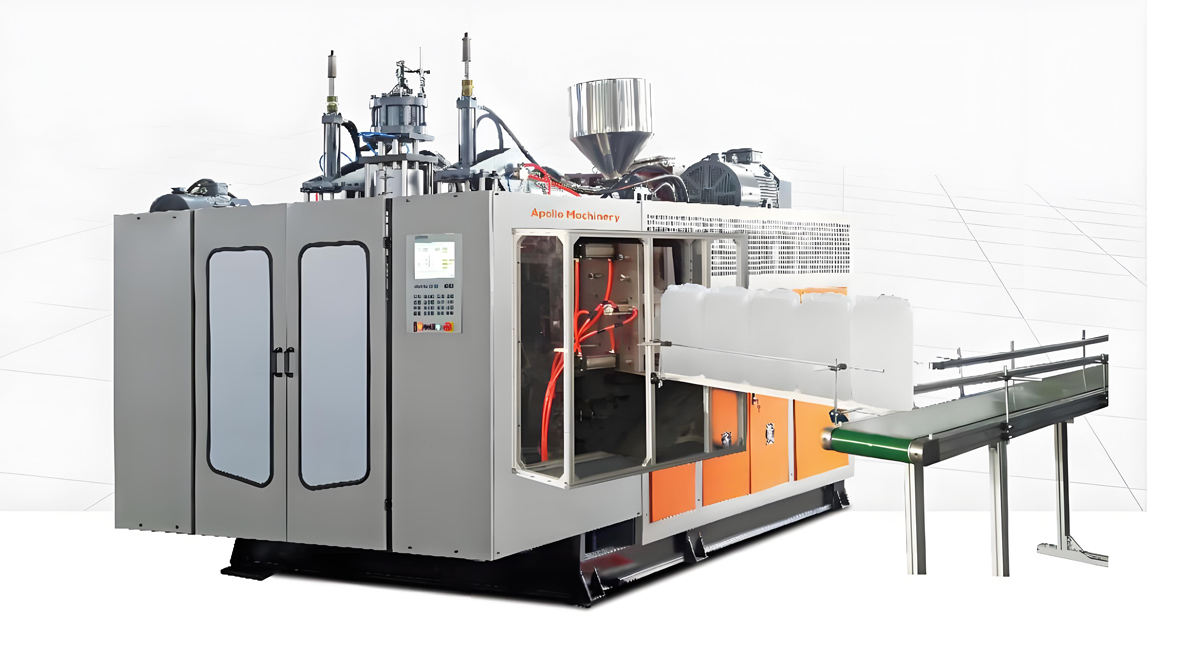
Wanplas की एक फैक्ट्री, Apollo ने शंघाई के पास जांच़्ज़ियांग में स्वचालित एक्सट्रूशन ब्लो मोल्डिंग मशीनों का निर्माण करने में 20 वर्ष से अधिक समय बिताया है, और 90 से अधिक देशों में 4,000 से अधिक सेट चल रहें हैं। Wanplas ब्रांड नेटवर्क के हिस्से के रूप में, Apollo ने अपने ABLB, ABLD और पूर्ण रूप से इलेक्ट्रिक सीरीज को उस प्रेशर के आधार पर डिज़ाइन किया है, जो इस लेख में वर्णित है: पुनर्नवीनीकरण रेजिन को साफ चलाने की आवश्यकता, ऊर्जा को काटने के बिना उत्पादन को खोए बगैर, और फैक्ट्री मैनेजर्स को फ्लोर पर हर मशीन की वास्तविक समय में उपलब्धता प्रदान करना। चाहे आप एक छोटी बिल्डिंग में काम करें या एक बड़े औद्योगिक पार्क, नीचे दिए गए ट्रेंड्स आपके अगले पूंजीगत निर्णय को आकार देंगे।
ब्लो मोल्डिंग को बदलने वाले तंत्र 2026-2030
चार संरचनात्मक बल एक साथ ब्लो मोडलिंग प्रौद्योगिकी को एक ही दिशा में कैंसल कर रहे हैं। प्रत्येक बल को समझने से स्पष्ट हो जाता है कि बुद्धिमान और कम कार्बनिक विशेषताएं मशीनों में डिज़ाइन की जा रही हैं, न कि बाद में रिट्रोफिट के रूप में जोड़े जाने के बजाय। पहला बल पैकेजिंग का वजन कम करना है: ब्रांड मालिक और नियामक कम रेजिन से समान सुरक्षा प्रदर्शन चाहते हैं, जो मजबूत वॉल मोटाई नियंत्रण की आवश्यकता रखता है, जिसे पुराने ओपन-लूप मशीनें लगातार प्रदान नहीं कर सकती हैं।
दूसरा बल रीसाइकल सामग्री नियमों से है। प्रमुख बाजारों में अब कानूनों में पैकेजिंग में अधिकतम रीसाइकिल पॉलीमर की प्रतिशत बतायी जाती है। ये नियम आमतौर पर पेय और व्यक्तिगत देखभाल के बोतलों में रपीईटी और गंधरोधक व डाइस और रसायन की पैकिंग में रएचडीपी पर केंद्रित रहते हैं। ब्लो मुोल्डिंग लाइन में उच्च रीग्राइंड अनुपात से पॉलिमर के पिघलने के व्यवहार में बदलाव आता है, इसलिए मशीन बेहतर मिश्रण, स्थिर तापमान नियंत्रण और सामग्री के अनुकूल प्रसंस्करण विंडो के साथ इस समस्या को दूर करनी चाहिए।
तीसरी ताकत भोजन और रसायन सुरक्षा आवश्यकताओं की अपट्रेंड है। भोजन सामग्री वाले कंटेनरों को एफडीए और यूरोपीय संघ 10/2011 जैसी नियमों को पूरा करना होगा, जबकि केमिकल ड्रम और जरीकैन को परिवहन नियमों के तहत मशीनिकल डुरेबिलिटी और केमिकल रेजिस्टेंस के रूप में साबित करना होगा। मेडिकल और कोस्मेटिक बोतलें साफ़ प्रसंस्करण और ट्रैक करने योग्य सामग्री का उपयोग करने के लिए आवश्यकताओं को जोड़ते हैं। इन सभी नियमों के साथ, सिस्टम लाइनें बता सकती हैं कि बैच समानता की स्थिति में है, क्लीनिंग को वैध करे सकती है, और प्रोसेस रेसिपी को सुरक्षित कर सकती है।
चौथा बल मजदूरी की लगातार बढ़ती लागत है, जिससे बिना कर्मचारी वाली और अंधेरे में संचालन आकर्षक हो जाता है। एक लाइन, जिसमें एक शिफ्ट प्रति कर्मचारी की आवश्यकता होती है ताकि खराबियों और पारिस्थितिक रूपों को समायोजित किया जा सके, चलाने के लिए लगातार अधिक महंगी होती जा रही है। मशीन विजन, स्वचालित विधि संकलन और दूरस्थ निगरानी के आर्थिक मानदंड इसलिए आइंस्टीनियन विचारवाद से ज्यादा कर्मचारियों को काम पर रखने पर मूल्यांकन पर आधारित हैं।
ये चार शक्तियां एक-दूसरे को मजबूती देती हैं। वजन को कम करने के लिए बंद-सर्किट दीवार नियंत्रण की आवश्यकता होती है; पुनश्च्रुति सामग्री के लिए स्थिर प्लास्टिफिकेशन की आवश्यकता होती है; सुरक्षा दस्तावेज़ों के लिए रेसिपी और बैच रिकॉर्डिंग की आवश्यकता होती है; और श्रम की मांग को पूरा करने के लिए स्वायत्तता की आवश्यकता होती है। ऐसे मशीनों का संरचना जो इन सभी को अलग-अलग एड-ऑन के रूप में लेती है, संघर्ष करती है। अगले खंडों में वर्णित बुद्धिमान, कम-कार्बोन प्लेटफॉर्म इन सबको एक साथ संबोधित करती है।
नियम सभी चार बलों पर एक गति बढ़ाने के रूप में कार्य करता है। जब सरकारें न्यूनतम पुनर्नवीनीकरण सामग्री की प्रतिशत या एक कॉर्पोरेट दावे एक ब्रांड को कार्बन के उत्सर्जन में कमी करने के लिए बाध्य करता है, तो नई मशीनों के लिए खरीद शर्तें एक रात में बदल जाती हैं। पहले केवल कीमत और उत्पादन पर मशीनों का मूल्यांकन करते हुए उपभोक्ता अब ऊर्जा सूचकांक, पुनर्नवीनीकरण सामग्री के क्षमता और डेटा ट्रैकिंग का भी मूल्यांकन करते हैं। इसी कारण 2026-2030 की अवधि इससे पूर्व के अपग्रेड चक्रों से अलग है: आवश्यकताएं बाहरी और बाध्यकारी हैं, अनिवार्य अद्वितीय नहीं। इस परिवर्तन के पहले बनाई गई मशीनें बुद्धिमत्ता और कम कार्बन चलने वाले विशेषताओं को महंगे अतिरिक्तों के रूप में देखती हैं, जबकि अगले पांच वर्षों के लिए तैयार की गई मशीनें अधिकारों को मानकों के रूप में बनाते हैं, जिससे उपभोक्ता नियमों की मांग के अनुसार तैयार हो जाता है।
बुद्धिमान विनिर्माण: जुड़ा, स्वयं- अनुकूलित लाइनें
स्मार्ट ब्लो मोल्डिंग एक चतुर सेंसर से नहीं शुरू होता है। यह संचार के साथ शुरू होता है: प्रत्येक मशीन चक्र की गणना, ऊर्जा का उपभोग, बर्बाद उत्पादों की गणना और त्रुटि कोड को एक संयंत्र-स्तरीय MES या SCADA प्रणाली में रिपोर्ट करता है। यह संचार एक सारणी के मशीनों को एक माप्य मशीनीकृत उत्पादन प्रणाली में परिवर्तित करता है, जिसमें समग्र उपकरण प्रभावकारिता (OEE) एक संख्या है जो प्रबंधकों को महीने के अंत में अनुमानित किए जाने के बजाय वास्तविक समय में पढ़ सकते हैं।
संयंत्र संचार: MES और SCADA
MES (मैन्युफैक्चरिंग अम्ल संचालन प्रणाली) और SCADA (आपराधिक नियंत्रण और डेटा संग्रह) मशीन नियंत्रक के ऊपर स्थित होते हैं। ब्लो मोल्डिंग मशीन अपने उत्पादन डेटा को मानक इंटरफेस के माध्यम से प्रदर्शित करती है, और MES इसे संयंत्र के सभी स्थानों पर एग्रीगेट करता है। व्यावहारिक लाभ वास्तविक हैं:
- परिवर्तन, आदेश और सामग्री प्रजाति द्वारा स्वचालित उत्पाद रिपोर्टिंग, जिससे χειदह मैनुअल फॉर्मों को समाप्त करने की आवश्यकता होती है।
- जब साइकिल समय विचलित होता है या स्क्रैप एक सीमा के ऊपर बढ़ जाता है, तो जल्दी चेतावनी दी जाती है।
- उपयोग को विशेष मशीनों और उत्पादों को संबद्ध करने वाले ऊर्जा डैशबोर्ड।
- एक पूरा बैच को रेजिन लॉट, मोल्ड और उपयोग किए गए प्रोसेस रेसिपी से जोड़ने वाली ट्रैकेबिलिटी।
कई SKUs चलाने वाले अनुबंध पैकेजर के लिए, इस स्तर की सटीकता खाद्य-तकनीकी और फार्मास्यूटिकल दस्तावेजों को व्यावहारिक बनाती है, न कि उन्हें बोझ बनाती है। Wanplas की इंजीनियरिंग पद्धति डेटा संग्रह को एक मूल क्षमता के रूप में देखती है, न कि एक अवसरात्मक विकल्प के रूप में।
खराबी का पता लगाने के लिए मशीन विज़न का उपयोग करें।
मशीन विज़न ने शॉर्ट शॉट, फ़्लैश, प्रदूषण, रंग परिवर्तन और दीवार-चौड़ाई के असामान्यताओं के लिए प्रीफॉर्म्स और तैयार किए गए बोतलों की जांच की है। प्रशिक्षित निरीक्षण सॉफ़्टवेयर के साथ जोड़ा गया एक कैमरा स्टेशन अनुपयुक्त पार्टों को पैकिंग तक पहुंचने से पहले ही अस्वीकार कर देता है। स्वचालित निरीक्षण की तुलना में, विज़न सभी नाटकों में एकरूप रहता है, कभी थकता नहीं है और यह आंकता है कि किस तरह का दोष आया और कब। एक बुद्धिमान लाइन पर, विज़न के परिणाम MES को फीड करते हैं, जिससे विशिष्ट दोष में वृद्धि के कारण स्वत: ही रख-रखाव या रेसिपी की समीक्षा हो जाती है।
बंद सर्किट पैरिसन दीवारों की मोटाई नियंत्रण
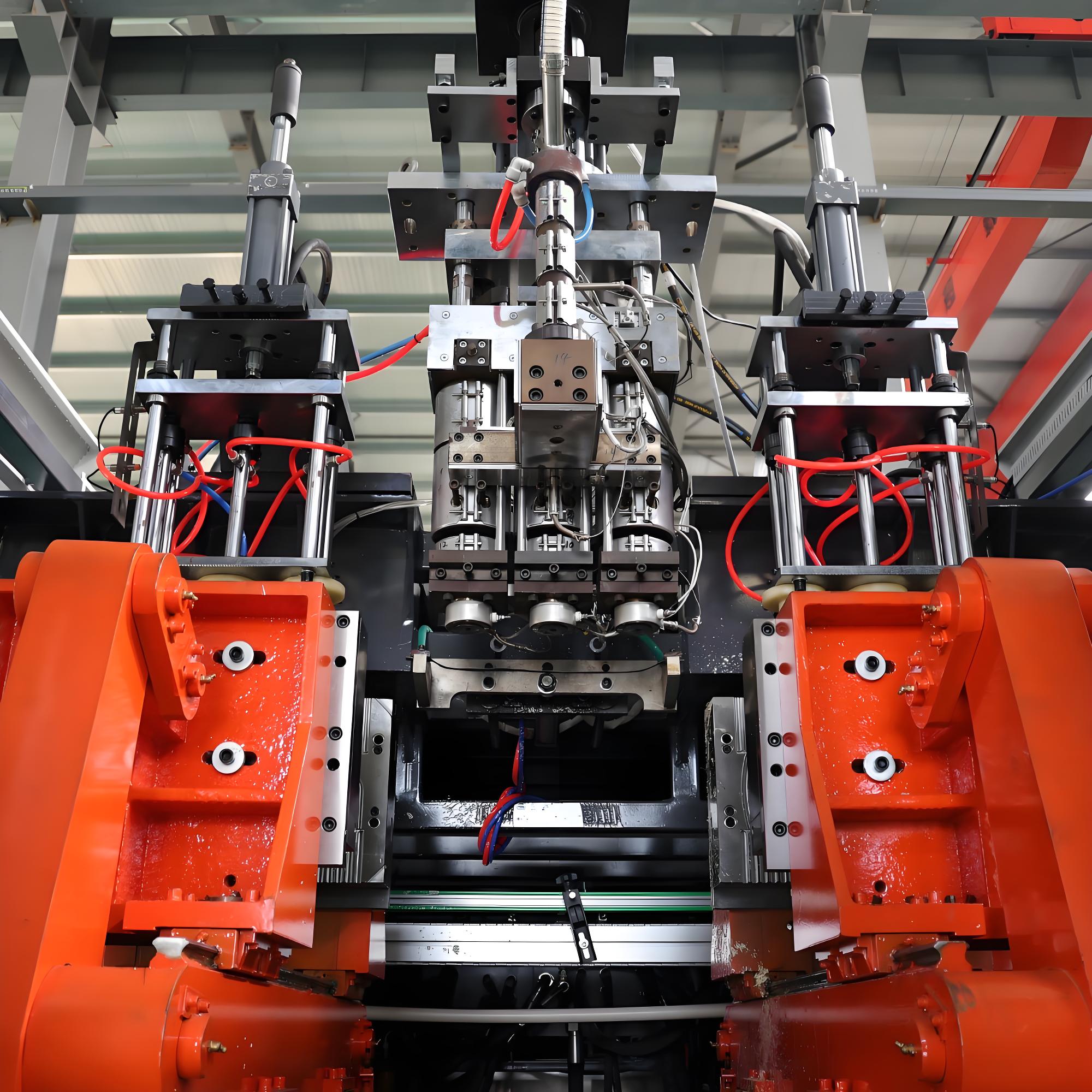
परिसर सुपाच्य पॉलिमर का हल्का ट्यूब है जो मोल्ड में पकड़ा जाना से पहले मोल्ड से निष्कर्षित होता है। दीवार मोटाई प्रोग्रामिंग परिसर के आकार को बनाती है ताकि सामग्री ऐसी जगह आती हो जहाँ तैयार हिस्सा मजबूती की आवश्यकता होती है, सामान्यतः आधार और हैंडल में भारी और फ्लैट पैनलों में पतला। बंद-चक्र नियंत्रण अर्थ है कि मशीन वास्तविक परिसर या तैयार दीवार की जांच करती है और प्रोग्रामिंग को स्वचालित रूप से समायोजित करती है, जिससे रेजिन लॉट और कटाने के समय का उतार-चढ़ाव, बेलर का तापमान बदलाव और वातावरण की परिवर्तन को समायोजित किया जाता है। यह वजन कम करने का सबसे प्रत्यक्ष मार्ग है: यह आपको रेजिन को हटाने की अनुमति देता है बिना कंटेनर को कमजोर होने देने।
OEE डैशबोर्ड और पहले और बाद का बेंचमार्क
जब सूचना प्रणाली स्थापित हो जाती है, तो OEE मुख्य मेट्रिक बन जाता है। परंपरागत रूप से संचालित हाइड्रोलिक एक्सट्रूज़न ब्लो मोल्डिंग लाइन के सामान्य रूप से 65 प्रतिशत OEE प्राप्त होता है, जो नियमित कॉन्फ़िगरेशन, अधिक ख़राब वेस्ट, लंबे समय के लिए मोल्ड बदलने और योजना के अंतर्गत न रहने वाले उत्पादन निलंबन से सीमित है। एक बुद्धिमान लाइन, जो MES पदार्थता, मशीन विज़न, बंद-चक्र के परिशन नियंत्रण और तेज़ी से परिवर्तन को एक साथ लाती है, आमतौर पर 85 प्रतिशत OEE प्राप्त करती है। सुधार केवल तभी होता है, जब अकेले बेस साइकल में सुधार हो, बल्कि तब भी, जब उपलब्ध समय और अच्छी उपज पर छिपे हुए नुकसान को दूर किया जाता है।
कम कार्बन उत्सर्जन के उत्पादन मार्ग
कम कार्बन ब्लो मोल्डिंग एक अनुपालन रणनीति के साथ-साथ एक लागत रणनीति भी है। एक इक्सट्रूशन ब्लो मोल्डिंग लाइन की संचालन लागत का बड़ा हिस्सा ऊर्जा है, और उस ऊर्जा का अधिकांश हिस्सा रेसिन को प्लास्टिक बनाने, कुंजी जकड़ने की शक्ति रखने और अतिरिक्त प्रणालियों जैसे ठंडक यंत्र और कम्प्रेसर चलाने में जाता है। निम्नलिखित तकनीक उन सभी भारों पर हमला करती हैं।
सेवर ड्राइव, हाइड्रोलिक शक्ति का स्थानांतरण
सर्वाधिक लाभ यह है कि परम्परागत हाइड्रोलिक पंप को संकुचक और, जहाँ हो सके, मुद्रण के लिए सर्वो-इलेक्ट्रिक ड्राइव के साथ बदल दिया जाता है। एक हाइड्रोलिक यूनिट लगातार पंप को चलाती है और अतिरिक्त प्रवाह को गर्मी के रूप में हटाती है; एक सर्वो-नियंत्रण प्रणाली केवल आवश्यकता पर ही शक्ति प्रदान करती है। एक्सट्रूशन ब्लो मोइलिंग के लिए, सर्वो-रिटफिट और पूरी तरह इलेक्ट्रिक मशीनों में आमतौर पर ऊर्जा की खपत 30 प्रतिशत से 50 प्रतिशत कम हो जाती है, और बर्फकामक-फीड मशीनों पर सबसे अधिक अपरिहार्य बचत होती है, जो लंबे समय तक दबाव बनाए रखते हैं।
टंकी की इन्सुलेशन और हॉट-रनर प्रभावकता
रेजिन को प्लास्टिसाइज करने वाले डिब्बे के साथ आसपास के हवा से गर्मी निकल जाती है। टैंक और नक्काशी के सिर पर धुंधा के उतारने से गर्मी के नुकसान लगभग 8 प्रतिशत से 12 प्रतिशत तक कम हो जाता है। अनुकूलित हॉट-रनर और नक्काशी की आकार-वृत्ति से झंझा गर्मी और निवास समय कम हो जाता है, जिसकी 5 प्रतिशत से 10 प्रतिशत तक मौजूदगी में वृद्धि होती है। ये लगभग हर ईबीएम प्लेटफार्म के लिए लागत कम, तेजी से वापसी वाली संशोधन हैं।
गर्मी रिकवरी और चर-फ्रीक्वेंसी सहायक मशीनें
इउट्रूजन और ठंडा करने से गर्मी निकलती है जो आमतौर पर जलेदार होती है। फैक्ट्री स्थान को गर्म करने या प्रक्रिया की पानी के पहले गर्म करने के लिए इउट्रूजन या कंप्रेसर की गर्मी को पुनर्प्राप्त करना, बड़े लाइनों पर साइट ऊर्जा का 10 प्रतिशत से 15 प्रतिशत वापस ला सकता है। चिलर और एयर कंप्रेसर्स को स्व-चक्र वैरिएबल-फ्रीक्वेंसी ड्राइव के साथ जोड़ना उन्हें लोड को ट्रैक करने की अनुमति देता है, न कि फ्लैट-आउट पर चलाना, साइडलाइन की कंज्यूमिंग में 10 प्रतिशत से 20 प्रतिशत का बचत कर सकता है।
पुनर्नवीनीकरण सामग्री और पतली दीवार डिजाइन
सामग्री चुनाव स्वयं एक कार्बन लीवर है। 25 प्रतिशत से 100 प्रतिशत रीसाइक्ल किया हुआ रेजिन तक रपीटी या एचडीपीई मिश्रण चलाना, प्रत्येक बोतल के अट्ठाइस्ड कार्बन को असली पॉलीमर के मुकाबले कम करता है, तथापि, रीग्राइंड साफ, सूखा और सिफारिशित पिघल प्रवाह सूचकांक विंडो में हो। बंद श्रृंखला परिशम की नियंत्रण द्वारा संभव बनाए गए पतले दीवार डिजाइन, प्रत्येक कंटेनर में 8 प्रतिशत से 15 प्रतिशत तक रेजिन को कम करता है, जबकि गोली प्रदर्शन को बरकरार रखता है। साथ में, सामग्री रणनीतियां अक्सर प्रत्येक भाग के आधार पर उपकरण की क्षमता से बेहतर प्रदर्शन करती हैं।
कम-करबन उत्पादन एक एकल अपग्रेड नहीं है, बल्कि एक एक क्रम है: सरवो ड्राइव, बारेल इंसुलेशन, गर्मी पुन: इस्तेमाल, पुनर्नवीनीकरण सामग्री और पतली दीवारों का अनुकूलन। प्रत्येक लेयर अपने आप में छोटा होता है, लेकिन जब इन सभी को मिला दिया जाए तो वे लाइन से बाहर निकलने वाले प्रत्येक कंटेनर के ऊर्जा बिल और कार्बन फुटप्रिंट दोनों को पुन: स्वरूपित करते हैं।
अर्पादा के नई अवधि के लिए ब्लोव मोल्डिंग समाधान
अपोलो अपने उत्पाद श्रृंखला का निर्माण करता है ताकि उपर्युक्त चरम और कम कार्बन प्रवृत्तियां पूरी तरह से स्टैंडर्ड कंटेनर स्पेक्ट्रम पर उपलब्ध हो जाएं, 200 मिलीलीटर व्यक्तिगत देखभाल की एक बोतल से लेकर 1500 लीटर के औद्योगिक टैंक तक। तीन मुख्य परिवार छोटे और मध्यम कंटेनरों के लिए ABLB श्रृंखला, बड़े ड्रम और टैंकों के लिए ABLD श्रृंखला, और उच्च पर्यावरणीय आवश्यकताओं वाले उत्पादन के लिए पूरी तरह से इलेक्ट्रिक श्रृंखला हैं। प्रत्येक परिवार मूल और पुनर्चेतन रेजिन दोनों के स्थिर प्लास्टिकाइजेशन और विधि-चालित, दोहराने योग्य परिचालन के लिए डिज़ाइन किया गया है।
ABLB श्रृंखला: 200 मिलीलीटर से 20 लीटर तक मानक एक्सट्रूज़न ब्लो मोल्डिंग
ABLB श्रृंखला, 200 मिलीलीटर से 20 लीटर तक के कारोबार के हृदय का काम करती है: बोतलें, नागरिक जेल और कंटेनर। यह खाद्य, पेय, रोजमर्रा की रसायन और रासायनिक पैकेजिंग निर्माताओं के लिए कार्यात्मक मशीन है। नीचे दिए गए ग्राफ में, सबसे आम तीन ABLB आकारों की आम तौर पर स्थिति का सारांश दिया गया है। निश्चित रूप से नट का व्यास, स्टेशन की संख्या और तनाव को आपकी टंकी ड्राइंग और लक्ष्य उत्पादन के अनुसार संशोधन के दौरान पुष्ट किया जाता है।
ABLB श्रृंखला विनिर्देशों का परिचय
| मॉडल | कंटेनर आयतन | स्टेशनों तक | प्रक्रिया का प्रकार | Key Feature | चरित्रिक उत्पाद |
|---|---|---|---|---|---|
| ABLB 55 | 200 मिलीलीटर से 5 लीटर तक | एकल / डबल | जारी गतिशील EBM | कॉम्पैक्ट फुटप्रिंट, तेजी से परिवर्तन | बोतलें और छोटी जेरीकैन: |
| एबीएलबी 75 | 2 लीटर से 10 लीटर | दोहराया / मल्टी | जारी गतिशील EBM | संतुलित उत्पादन और लचीलापन | जेरिकन, डिशवॉशिंग पाउडर के बोतल |
| ABLB 90 | 5 L – 20 L | दोहराया / मल्टी | जारी गतिशील EBM | उच्च इउट्रूजन और क्लैंप क्षमता | बड़ी जर्जर कैन, पोकल |
ABLD सीरीज: 20 एल से 1500 एल भारी-धातु झुकाव मोल्डिंग
औद्योगिक पैकेजिंग के लिए, ABLD श्रृंखला 20 लीटर से 1500 लीटर तक के धूलर, सामान वाले जर्जर केन, और टैंकों का हस्तांतरण करती है। ये मशीनें आकुलेटर या हाई ड्यूटी पारिशन सिस्टम का उपयोग करके, बड़े भागों के लिए आवश्यक बड़े मिश्रण मात्रा को प्रदान करती हैं, जबकि वॉल डिस्ट्रीब्यूशन को नियंत्रण में रखती है। ये मशीनें जब स्टैक लोड, ड्रॉप इंपैक्ट, और रसायन सुरक्षा डिफ़ॉल्ट होते हैं, तब सही विकल्प होती है।
ABLD और पूर्ण इलेक्ट्रिक विनिर्देशों की समीक्षा
| मॉडल परिवार | कंटेनर आयतन | प्रेरणीय प्रकार | Key Feature | चरित्रिक उत्पाद |
|---|---|---|---|---|
| ABLD सीरीज | 20 लीटर से 1500 लीटर | हाइड्रौलिक/सेर्वो-हाइब्रिड | एक्यूम्यूलेटर पैरिसन, भारी क्लैंप | ड्रम, टैंक, बड़े जार |
| पूर्ण रूप से इलेक्ट्रिक श्रृंखला | 200 मिलीलीटर – 20 लीटर | पूर्ण रूप से इलेक्ट्रिक सर्वो | नहीं है हाइड्रोलिक, कम ऊर्जा, साफ | उच्च पर्यावरण आवश्यकताओं वाली बोतलें |
सभी Apollo परिवार PE, PP, PVC, PA, PC, ABS, PS, EVA, TPU और PETG का प्रोसेस करते हैं, और वे अनुशंसित लीक प्रवाह विंडो के भीतर पुनर्चक्रित मिश्रणों को स्वीकार करने के लिए संशोधित हैं। Apollo श्रेणी में अधिकतम कंटेनर क्षमता लगभग 5000 मिलीलीटर है, जबकि ABLD परिवार औद्योगिक टंकों के लिए 1500 लीटर तक विस्तारित है। सामग्री अनुकूलन वाला पेंच और भंडारण तापमान प्रोफाइल पुनर्चक्रित सामग्री को स्थिर रखते हैं, जो उपरोक्त में चर्चा की गयी कार्बन कम कार्यप्रणाली के केंद्र में है।
2026-2030 तकनीक रोडमैप और मशीन का चयन
निहित सड़क नक्शा यह तय करता है कि प्रत्येक तकनीक आज कहां है और 2030 तक कहां होगी। परिपक्वता को बाजार हिस्से के बजाय अपनाने की स्टेज के रूप में व्यक्त किया गया है, क्योंकि एक खरीददार के लिए अभ्यासीय प्रश्न यह नहीं है कि एक विशेषता कितनी आम होती है, बल्कि यह कि इसे मानक बनाने के लिए पर्याप्त रूप से साबित किया गया है या नहीं।
तालिका 1: 2026 से 2030 तक तकनीकी विकास रोडमैप
| वर्षों तक | तकनीक | परिपक्वता 2026 में | अपेक्षित पूर्णता 2030 |
|---|---|---|---|
| 2026 | बंद चक्र परिसर दीवार मोटाई प्रोग्रामिंग | प्रारंभिक अपनावन | मुख्यधारा |
| 2027 | मशीन-अवस्था की खामी की पहचान | परीक्षण (पिलोतििंग) | मुख्यधारा |
| 2028 | कारखाने भर में MES/SCADA कनेक्टिविटी: | मुख्यधारा | Standard |
| 2029 | सेर्वो-इलेक्ट्रिक ड्राइव के रूप में डिफ़ॉल्ट | मुख्यधारा | Standard |
| 2030 | AI-चालित स्वायत्त प्रक्रिया अनुकूलन | परीक्षण (पिलोतििंग) | प्रारंभिक अपनावन |
तालिका 2: पारंपरिक EBM बनाम बुद्धिमान EBM
| मीट्रिक | परंपरागत हाइड्रोलिक EBM | सक्षम EEM / EBM |
|---|---|---|
| समग्र उपकरण क्षमता (OEE) | ~ 65 प्रतिशत | ~85 प्रतिशत तक |
| Scrap rate | 6 – 8 प्रतिशत | 2–3 प्रतिशत |
| यूनिट ऊर्जा सूचक (कैसी) | 100 (बेसलाइन) | 55 – 70 |
| मोल्ड परिवर्तन समय | ~ 90 मिनट | ~25 मिनट |
| अनियोजित या अस्थायी काम बंदी | उच्च, प्रतिक्रिया करने वाला | कम, भविष्यवाणियों द्वारा निर्धारित |
| Operators per line | 1 – 2 | 0–1 (बिना मानव की सहायता वाले) |
तालिका 3: कम कार्बन मापदंड, ऊर्जा की बचत और लागू मशीनें
| कम कार्बन माप | ऊर्जा / सामग्री की बचत | लौकिक मशीन |
|---|---|---|
| हाइड्रोलिक को बदलने वाला सर्वो ड्राइव | 30 – 50 प्रतिशत ऊर्जा | सभी EBM, पूरी तरह से इलेक्ट्रिक श्रृंखला |
| टैंक इन्सुलेशन चादर | 8-12 प्रतिशत ऊर्जा | All EBM |
| अनुकूलित हॉट-रनर और नक्काशी | 5–10 प्रतिशत ऊर्जा | इंजेक्शन और स्ट्रेच-ब्लॉ, EBM मोल्ड हेड |
| हस्तांतरण और कम्प्रेसर गर्मी पुनर्चक्रण | 10 – 15 प्रतिशत साइट ऊर्जा | बड़े एबीएलडी और केन्द्रित संयंत्र |
| rPET / rHDPE मिश्रण 25 - 100 प्रतिशत | प्रति भाग कम जमा कार्बन | सभी EBM में तैयार रीग्राइंड शामिल है |
| पेरिशन नियंत्रण के माध्यम से पतला दीवार डिजाइन | 8-15 प्रतिशत सामग्री | बोतलें और जार |
| परिवर्तनीय आवृत्ति सहायक उपकरण | 10–20 प्रतिशत सहायक ऊर्जा | चिलर, कम्प्रेसर, लोडर |
तालिका 4: आवश्यकता के अनुसार मॉडल का चयन सलाह
| उत्पादन स्तर | आउटपुट लक्ष्य | सामग्री | सिफारिशीय Apollo मॉडल | वैधानिकता |
|---|---|---|---|---|
| छोटी कार्यशाला | निम्न तक मध्यम | पीई, पीपी, पुनर्नवीनीकृत मिश्रण | ABLB 55 | कम्पैक्ट, 5 लीटर तक की बोतलों के लिए तेजी से बदलाव |
| मध्यम मशीन | मध्यम या उच्च स्तर | PE, PP, PVC, पुनर्नवीनीकरण | ABLB 75 / ABLB 90 | 2 एल – 20 एल के ज्वालामुखी और पंक्तियां शामिल हैं |
| बड़ी उद्योग पार्क | उच्च, अनवरत | HDPE, पुनर्नवीनीकरण, रासायनिक ग्रेड | ABLD सीरीज | 20 एल – 1500 एल ड्रॉम, टंकी, भारी मात्रा में जर्जर कंटेनर |
| उच्च पर्यावरण आवश्यकता | Medium | शुद्ध पीई, पीपी, पीईटीजी | पूर्ण रूप से इलेक्ट्रिक श्रृंखला | कोई हाइड्रौलिक्स, सबसे कम ऊर्जा, साफ संचालन |
चयन में लागत स्तर को भी ध्यान में रखा जाना चाहिए। एक छोटी कामगारखाना ABLB 55 का उपयोग करके कम से मध्यम पूंजी प्रोफ़ाइल के साथ प्रवेश कर सकती है। मध्यम सेट-अप मध्यम प्रोफ़ाइल में होता है और इसके लिए ABLB 75 या 90 का उपयोग होता है। ABLD उपकरण और ऑटोमेशन के साथ बड़ा पार्क उच्च से बहुत उच्च प्रोफ़ाइल के साथ आता है, लेकिन यह बड़े पैमाने पर सबसे कम एकरसित लागत प्रदान करता है। पूर्ण रूप से इलेक्ट्रिक श्रृंखला उच्च गुणवत्ता के उपकरण प्रोफ़ाइल के साथ आती है, लेकिन संवेदनशील आवेदनों के लिए जीवनकाल की ऊर्जा और रखरखाव की सबसे कम लागत प्रदान करती है।
सामग्री विज्ञान: पुनरुत्पादित और इंजीनियरिंग रेसिन के प्रौद्योगिकी को अपनाएं।
उपरोक्त बुद्धि और कम कार्बन प्रवृत्तियों अंततः मशीन के टैंक में पॉलिमर के साथ मुलाकात करते हैं। कोई भी कंट्रोल सिस्टम कितना भी उन्नत क्यों न हो, मशीन को पॉलिमर की पिघल को निरंतर प्लास्टिकाइज और होमोजेनाइज करना आवश्यक होता है, और इससे जुड़ी कठिनाइयाँ रिसाइकल सामग्री और इंजीनियरिंग रेजिन के उपयोग के साथ बढ़ जाती हैं। इसलिए, सामग्री के व्यवहार को समझना, एक आधुनिक ब्लो मोल्डिंग लाइन के लिए अनिवार्य है, न कि एक अतिरिक्त जानकारी।
पिघलने की गति और पुनर्नवीनीकरण सामग्री विंडो
रेजिन का वर्णन मोल्ड फ्लो इंडेक्स (MFI) द्वारा किया जाता है, जो कि मानक स्थितियों में पिघलने का कितना आसानी से होता है। बोतलों और जेरीकानों के लिए उपयोग किए जाने वाले नई HDPE और पीपी आम तौर पर मध्यम MFI पटरियों का हिस्सा होता है, जो कठोरता और प्रक्रिया के लिए संतुलन बनाता है। सफाई और पुन: संशोधन के बाद, पुनर्प्राप्त HDPE और rPET, प्राथमिक परिस्थितिजन्य इतिहास और प्रदूषण के कारण, आमतौर पर व्यापक MFI भिन्नता दिखाई देती है। ब्लो मूविंग लाइन जो 25 प्रतिशत से 100 प्रतिशत रिसाइकिल सामग्री को चलाने के लिए आवश्यक है, उस भिन्नता को सहन करने वाला एक केशिक दर और बैरल तापमान प्रोफ़ाइल होना चाहिए, ताकि पारेन पिन्च-ऑफ़ में झपकी या कमजोर जंग न हो।
अभियांत्रिकी रेजिन: PA, PC, ABS और PETG
दूषित पॉलीओलेफिन से आगे, कई तकनीकी हॉल पार्ट्स को इंजीनियरिंग प्लास्टिक का उपयोग किया जाता है। पॉलियामाइड (PA) रसायनों के प्रतिरोध और कठोरता प्रदान करता है, जिससे स्वास्थ्य संबंधी कार्बोरेटरों के तरल पदार्थ के कंटेनरों के लिए यह उपयोगी होता है, लेकिन यह आर्द्रता के प्रति संवेदनशील है और प्लास्टिज़िशिंग से पहले सावधानीपूर्वक सूखा होना चाहिए। पॉलीकार्बोनेट (PC) और PETG क्लैरिटी और प्रभाव दर प्रदान करते हैं, जिससे उच्च-स्तरीय सौंदर्य और चिकित्सा बोतलें बनती हैं, लेकिन उन्हें निरोधी अवस्था से बचने के लिए सावधानीपूर्वक ताप नियंत्रण की आवश्यकता होती है। एक्रोनाइट्राइल ब्यूटेडीन स्टायरन (ABS) कठोरता और सतह शुल्क प्रदान करता है, जो विश्वसनीय घटकों के लिए उपयोगी होता है। प्रत्येक सामग्री एक संकीर्ण प्रसंस्करण खंड के साथ आती है, इसलिए फार्मूला प्रबंधन और स्थिर बेल हेयरिंग मल्टी-मैटीरियल उत्पादन को एक प्लेटफार्म पर व्यावहारिक बनाते हैं।
पुनर्नवीनीकृत चिपक का निर्माण: क्रिस्टलाइजेशन और वायु संक्रमण हटाने
विशेष रूप से पुनर्नवीनीकृत PET को, इसके पीसने और नमी को कम करने के बाद ही साफ़ रूप से संसाधित किया जा सकता है, क्योंकि बाकी की नमी जलयोजनिक चेन विभाजन और धुंध का कारण बनती है। एक सही रूप से तैयार रीग्राइंड स्ट्रीम, जो अनुशासित खुराक के साथ संयुक्त है, एक्सट्रूज़न ब्लो मोल्डिंग मशीन को उच्च पुनर्नवीनीकरण अनुपात लेने की अनुमति देता है, जबकि मशीन की गुणवत्ता संशोधित सीमा के भीतर रखी जाती है। वनप्लास इंजीनियरिंग दृष्टिकोण अंतर्निहित प्रबंधन को पाश की एक घटना के रूप में देखता है, न कि ग्राहक की अलग-अलग समस्या के रूप में, क्योंकि इसमें दो को अलगाव में अनुकूलित नहीं किया जा सकता है।
होमोजेनाइजेशन, फिल्ट्रेशन और प्रदूषण नियंत्रण
पुनर्नवीनीकरण चैनलों में अस्वाभाविकता होती है: लेबलों, धातुओं और गेल्स के अवशेष। बैरल और डाई में, अच्छे स्क्रीविक मिक्सिंग सेक्शंस लिड को समान रूप से रखते हैं, जबकि स्क्रीन पैक और लिड फिल्टरिंग ठोस अनावश्यक पदार्थों को पकड़ते हैं, इससे पहले कि वे पारिशन तक पहुंचें। इस के बदले में दबाव होता है: बेहतर फिल्टरिंग के कारण लिड की ऊँचाई बढ़ती है और ऊर्जा का उपयोग बढ़ जाता है। एक बुद्धिमान लाइन लिड के दबाव को निगरानी करती है और जब स्क्रीन बदलने का समय है तो चेतावनी देती है, जिससे अचानक गुणवत्ता में गिरावट को रोका जा सकता है। रंग और अनुपूरक मास्टर बैच खुराक को गैरियोंिक रूप से मापा जाता है, जिससे छड़ी और गुणवत्ता लंबे समय तक उत्पादन प्रक्रिया में समान रहती है।
सामग्री विज्ञान यह भी बताता है कि पतली दीवार हल्कापन और पुनरुत्पादित सामग्री को एक साथ इंजीनियर करना क्यों आवश्यक है। एक पैनल से रेसिन को हटाने से इसे मिट्टी के कमरा प्रतिबल में कमी आती है, इसलिए रेसिन ग्रेड और किसी भी पुनरुत्पादित भाग को चुना जाना चाहिए ताकि सिकुड़ें दीवार पर पिंपल टेस्ट और स्टैक टेस्ट पास हो। बंद चक्र मिश्रण नियंत्रण पुल के रूप में कार्य करता है: यह बचाए गए सामग्री को सही स्थान पर रखता है जहाँ दीवार को इसकी आवश्यकता है, ताकि हल्कापन गुणवत्ता के लिए कोई जिम्मेदारी न बने।
कुल स्वामित्व और रखरखाव रणनीति की लागत
एक ब्लो मोल्ड निवेश केवल खरीद मूल्य पर नहीं, बल्कि उसके पूरे जीवनकाल पर मूल्यांकित किया जाता है। कुल स्वामित्व लागत (TCO) ऊर्जा, रेशा, श्रम, रखरखाव और अव्यवस्था में शामिल होती है। बुद्धिमान और कम कार्बन विशेषताएं एक साथ कई को संबोधित करके खुद के लिए मूल्य देते हैं, और तंत्रसंगत रखरखाव योजना लाभ को संरक्षित करती है।
पर्याप्त ऊर्जा सबसे बड़ी कार्यभार के रूप में
लगातार चलने वाले रेखा के लिए, आमतौर पर रेजिन के बाद बिजली प्राथमिक संचालन खर्च है। सर्वो ड्राइव, डब्बे के इन्सुलेशन, गर्मी पुनर्विकास और स्वचालित आवृत्ति सहयोगी ऐसे खर्च को पहले वर्णित प्रतिशतों में कम करते हैं और क्योंकि वे हर शिफ्ट की हर घंटे कार्य करते हैं, तो रेजिन कम होने से पहले भी वार्षिक बचत काफी होती है। Wanplas समूह ऊर्जा को नियंत्रणीय एक वैरियंट के रूप में प्रस्तुत करता है: वहीं MES डैशबोर्ड जो OEE को रिपोर्ट करता है, प्रति हजार बोतल ऊर्जा भी रिपोर्ट करता है, जिससे व्यावहारिकता एक नारे से एक पंजिका-पट्टे पर मॉनीटर किए जाने वाले KPI में बदल जाती है।
अतिरिक्त पार्ट्स, वारंटी और वार्षिक मुफ्त-पार्ट्स नीति
ट्रिप्स, बैरल, ब्लो पिन और सील जैसे पहनने वाले भाग सामान्य उपभुत्य तत्व हैं। Wanplas समूह हर वर्ष 500 अमेरिकी डॉलर का मुफ़्त स्पेयर पार्ट्स प्रदान करता है और वारंटी अवधि के भीतर क्षतिग्रस्त पार्ट्स को मुफ़्त में बदल देता है, जिससे रखरखाव बजट स्थिर हो जाता है और अनियोजित रोकटोक कम हो जाती हैं। विशेषज्ञ सहायकों की एक दस्तावेज़ित सूची रखकर, मशीन के कार्य चक्र के अनुसार उनके आकार निर्धारित करके, एक एक व्यक्ति अनुपलब्ध घटक द्वारा एक लाइन को गतिरोध में डालने से बचा जा सकता है।
कनेक्टिविटी के माध्यम से प्रेडिक्टिव रखरखाव।
एक बुद्धिमान लाइन केवल असफलताओं की रिपोर्ट नहीं करती, बल्कि उन्हें ट्रेंड करती है। पिघल दबाव में वृद्धि, चक्र समय में बढ़ोतरी या एक गुच्छ पर अधिक मलबे, ये सब अधिकांश घटनाएं हैं, जो बताते हैं कि एक घटक विचलित हो रहा है। योजना के अनुसार रोक के दौरान इन संकेतों पर कार्रवाई करने से, फैक्टरी किसी भी तेज चलने वाले ऑर्डर के दौरान एक कठिन विफलता के कारण होने वाले अधिक महंगे अप्रत्याशित निष्क्रियता से बच सकती है। यह है, जहां MES संबंध और रखरखाव योजना एक संपूर्ण कार्यप्रवाह में विलीन हो जाते हैं।
मोल्ड की देखभाल, प्रशिक्षण और गुणवत्ता गारंटी
फोम कंटेनर की बनावट को निर्धारित करते हैं, इसलिए इनका रखरखाव महत्वपूर्ण है। वेंटिंग और ठंडा करने वाले चैनलों का नियमित सफाई, छिद्रो का कोण का परीक्षण और ठंडा जल की गुणवत्ता की निगरानी करने से आयाम स्थिरता को उच्च स्तर पर रखना संभव है। आप्रवासन प्रशिक्षण चक्र को पूरा करता है: एक प्रशिक्षित आप्रवासी सही तरीके से रेसिपी तैयार करता है, डैशबोर्ड पढ़ता है और असामान्यताएं जल्दी से पहचानता है। वानप्लास की उत्पादन क्षमता की गारंटी और गुणवत्ता मानक की गारंटी के साथ, ये प्रक्रियाए मशीन की सेवा जीवन के दौरान न केवल उत्पादन बल्कि प्रतिष्ठा दोनों को भी सुरक्षित रखती हैं।
रणनिष्ठा की तह इसमें: एक व्यावहारिक अपग्रेड पथ:
गंतव्य का पता लगाना, उसके तक पहुँचने से अधिक आसान है, खासकर बहाल हाइड्रोलिक मशीनों वाले कारखाने के लिए। अच्छी खबर यह है कि स्मार्ट और कम कार्बन विशेषताएं चरणों में लागू की जा सकती हैं, जिससे निवेश और अचानक परिवर्तन को बजट चक्रों के दौरान बांटा जा सकता है न कि एक बार में मांगा जा सकता है।
फ़ेज़ वन: कनेक्ट करें और मापें
सबसे कम जोखिम वाला पहला कदम यह है कि मौजूदा मशीनों पर MES या SCADA कनेक्टिविटी स्थापित की जाए। हार्डवेयर को बदले बिना केवल OEE, हजार बोतल प्रति ऊर्जा और दोष प्रकार के अनुसार अपशिष्ट मापें, पता चलता है कि वास्तव में नुकसान कहाँ है। कई कारखाने पाते हैं कि एक बार-बार आने वाले दोष या धीमी मोल्ड बदलाव उनकी अपशिष्ट का प्रमुख कारण है, जो अगली निवेश को एकदम परिभाषित करता है। मापना भी, प्रत्येक बाद की सुधार को ठीक पाने के लिए आधार बनाता है।
चरण दो: दृष्टि और परीक्षण नियंत्रण के साथ गुणवत्ता को स्थिर करना
तस्वीरों के साथ, अगला चरण मशीन विजन और परिसीमन नियंत्रण को शामिल करता है। विज़न मैन्युअल निरीक्षण की प्रायोगिकता को समाप्त करता है, जबकि परिसीमन नियंत्रण रेजिन सुरक्षित रूप से उपयोग करने और अवशेष को कम करने की अनुमति देता है। दोनों सुविधाओं से तुरंत अधिकतम लाभ मिलता है क्योंकि कम सामग्री और कम नकारात्मक परिणामों के कारण लागत घट जाती है, इसलिए वे आमतौर पर अगले चरण में शामिल होते हैं। पुनर्ग्रहित सामग्री या हल्कीमत के दबाव में आने वाले संयंत्रों के लिए, यह चरण उस लक्ष्य को तकनीकी रूप से हासिल करने वाला होता है।
चरण तीन: विद्युतिकीकरण और ऊर्जा की वापसी
गुणों के स्थिर होने पर, ऊर्जा चरण में हाइड्रोलिक ड्राइवों को त्यागकर सर्वोएस प्रणालियों में जगह मिलती है, बैरल इन्सुलेशन को जोड़ा जाता है, और गर्मी की पुन: उपयोग और स्थिर-जटिल सहायक उपकरणों को शामिल किया जाता है। यहां की बचत, पहल के पहले चरण में स्थापित डैशबोर्ड द्वारा लगातार मापी जाती है, इसलिए लाभ को देखा जा सकता है, न कि मानना पड़ता है। बड़ी ABLD लाइनों और केंद्रित संयंत्रों में, सबसे तेज़ स्पष्ट लाभ होता है क्योंकि उनके ऊर्जा भार सबसे अधिक होता है।
चरण चार: स्वायत्तता और निरंतर सुधार।
अंतिम चरण में, कनेक्टेड, इलेक्ट्रिक और गुणवत्ता-स्थिर लाइन के ऊपर भविष्यवाणी वाले रखरखाव और, जहां यह उचित है, AI आधारित प्रक्रिया अनुकूलन शामिल है। इस चरण में, संयंत्र, रूटीन उत्पादन के लिए प्रकाश-प्राप्त संचालन की ओर बढ़ता है, जहाँ कर्मचारी अपवाद प्रबंधन, नई उत्पाद के परिनिधन और निरंतर सुधार पर ध्यान केंद्रित करते हैं न कि निरंतर स्वचालित समायोजन पर। हर संयंत्र को 2030 तक चरण चार तक पहुंचने की आवश्यकता नहीं है, लेकिन पहले चरण महत्वपूर्ण होते हैं, इसलिए अब से शुरू करना पूर्णता हासिल करने से अधिक महत्वपूर्ण है।
इसी वजह से इस चरणबद्ध तर्क का वर्णन किया गया 2026-2030 का मार्गदर्शिका एकल स्विच के बजाय परिपक्वता चरणों में व्यक्त की जाती है। 2026 में मापना शुरू करने वाला ग्राहक दशक समाप्त होने से पहले ही एक बुद्धिमान, कम कार्बन वाले लाइन को चलाने में सक्षम हो सकता है, जबकि एक ऐसा ग्राहक जो एक टर्नकी चमत्कार का इंतजार करता है, नीतियों के पहले आगमन का पाया जा सकता है। अपोलो और वैनप्लास इंजीनियरिंग नेटवर्क प्रत्येक चरण को कॉन्फ़िगरेशन की समीक्षा, ऑन-साइट कमीशनिंग और प्रशिक्षण के साथ समर्थन करता है, ताकि अपग्रेड यात्रा आध्यात्मिक होनी की बजाय प्राण्याश्रित हो।
विभिन्न उद्योगों में अनुप्रयोगों।
ब्लो-उन्मुक्त हॉल पार्ट्स लगभग हर उपभोक्ता और औद्योगिक आपूर्ति श्रृंखला को प्रभावित करते हैं। अंतिम उत्पाद के साथ मशीन को जोड़ने से तकनीकी चर्चा वास्तविक जरूरतों के आधार पर होती है, न कि शाब्दिक क्षमता पर।
- खाद्य और पेय उत्पादों के लिए – पानी, खाना पकाने के तेल, सॉस और दुग्ध बोतलों जहां खाद्य-तकनीकी अनुपालन (FDA, EU 10/2011) और हल्कापन डिज़ाइन का दौड़ता हैं।
- रोज दिन रंगों वाली सामग्रियों जैसे- डिटरजेंट, शैम्पू और फ्लोर क्लीनर के बोतलों और जर्जर कैन्स, जिनमें अक्सर पुनर्नवीनीकरण सामग्री के लक्ष्य निर्धारित किए जाते हैं।
- रसायन उद्योग:सोल्वेंट्स, एसिड और जो मशीनी स्थायित्व और रासायनिक प्रतिरोध की आवश्यकता है उनके लिए HDPE ड्रम और जर्जर बॉटल:
- निर्माण सामग्री:लेपनों, कोटिंग्स और निर्माण रसायनों के लिए टैंक और बड़े कंटेनर।
- Medical and pharmaceutical:सटीक बोतलें और कंटेनर, जहां साफ प्रसंस्करण और पदार्थ का ट्रैकिंग महत्वपूर्ण है।
- कार उत्पादन:तकनीकी पॉलिमर में निर्मित पाइपलाइन, भंडारण टैंक और तरल पदार्थ की कंटेनर।
- परिवहन और वित्तीय प्रबंधन:तरलों के प्रबंधन के लिए बुल्क जेरेकैन और मध्यम बड़े वॉल्यूम धारकों।
- सांस्कृतिक और खेल goods:बॉल, बूय, और हॉल की खेल सामग्री।
प्रत्येक अनुप्रयोग के लिए, वही मशीन परिवार रेसिपी और मोल्ड विकल्प के माध्यम से समायोजित किया जा सकता है। Wanplas समूह के शेयर किए हुए इंजीनियरिंग ज्ञान का अर्थ है कि इसका नेटवर्क पर विकसित सामग्री और प्रक्रिया विशेषज्ञता, Apollo ब्लो मोल्डिंग कॉन्फ़िगरेशन के लिए लागू की जाती है, किसी भी बहन लाइन को नामित या निर्भर नहीं करती है।
आप एक प्लांट बना सकते हैं इसका सेवा और समर्थन।
मशीन खरीदना कई सालों की एक संबंध की शुरुआत है, इसलिए Apollo और Wanplas ब्रांड स्पष्ट और लागू समर्थन प्रदान करता है, न कि वाक्यांशों में भरे झूठे वादे।
- मशीनरी स्वीकार्यता परीक्षण:प्रत्येक मशीन को शिपमेंट के पहले कारखाने में चलाया जाता है और जांच की जाती है, और प्रमुख पैरामीटर रिकॉर्ड किए जाते हैं।
- स्थापना और दर्ज की गई:Apollo के इंजीनियर मशीन को इंस्टॉल, एलाइन और आपकी रेजिन और उत्पाद के लिए ट्यून करने के लिए आपकी जगह पर आते हैं।
- संचालन और रखरखाव की नीति:वैनप्लास ग्रुप हर साल मुफ्त में 500 अमेरिकी डॉलर की बिक्री पर और वारंटी अवधि के भीतर क्षतिग्रस्त भागों का नि: शुल्क बदलाव प्रदान करता है।
- ऑपरेटर प्रशिक्षण:हाथों-पर-चालन-क्षण संचालन, रेसिपी सेटअप, नियमित रखरखाव और मूल कमी वजह के निदान को शामिल करता है।
- Remote operation support:संबद्ध लाइनों की मदद से दूरस्थ रूप से निगरानी और मार्गदर्शन किया जा सकता है, और एक अप्रिय घटना होने पर प्रतिक्रिया समय को कम किया जा सकता है।
- Open-factory policy:ग्राहकों को मशीन की क्षमता की जांच करने और संशोधन के बारे में चर्चा करने के लिए Zhangjiagang सुविधा का दौरा करने के लिए स्वागत है।
ये वादे वानप्रेलस की ब्रांड गारंटी का हिस्सा हैं, जो परिवहन की गारंटी, उत्पादन क्षमता की गारंटी और गुणवत्ता मानकों की गारंटी भी प्रदान करता है। स्थानीय परीक्षण, स्थानीय अवलोकन, वार्षिक मुफ्त भागों और समग्र दृश्यता का संयोजन है जो एक खरीदार को अनिश्चितता की जगह विश्वास के साथ कारखाना निर्माण करने में सक्षम बनाता है।
अक्सर पूछे जाने वाले प्रश्न
व्यावहारिक रूप से बुद्धिमान ब्लो मूविंग उत्पादन का क्या अर्थ है?
स्मार्ट उत्पादन प्रत्येक ब्लो मोल्डिंग मशीन को एक संयंत्र-स्तरीय MES या SCADA प्रणाली से जोड़ता है, ताकि चक्र के आंकड़े, ऊर्जा उपयोग, बर्बाद दर और आउटेज समय स्वचालित रूप से दर्ज किए जाएं। मशीन पर ही, मशीन विज़न पूर्व वितरित या तैयार की गई बोतलों में खराबी की जांच करता है, और बंद लूप पैराइज़न प्रोग्रामिंग क्लोज़ आउट में दीवार की मोटाई को सतत रूप से समायोजित करता है। परिणाम यह है कि कम खराबियां होती हैं, पूर्वानुमानित उत्पादन होता है, और प्रबंधकों द्वारा किसी भी जुड़े डिवाइस से पढ़े जाने वाले OEE डैशबोर्ड होता है।
एक सर्वो गति वाले ब्लो मूलेजिंग मशीन कितना ऊर्जा बचा सकती है?
एक पारंपरिक हाइड्रोलिक क्लैंपिंग और एक्सट्रूजन ड्राइव को सर्वोइलेक्ट्रिक प्रणाली से बदलना, सामान्यतः कंटेनर के आकार और कार्य चक्र पर निर्भर करता है, इसमें 30 प्रतिशत से 50 प्रतिशत तक ऊर्जा की खपत कम हो जाती है। बड़े कंटेनर और एकसार से संचालित मशीनें, दबाव रखने में अधिक समय बिताती हैं, इसलिए उनमें सबसे अधिक वास्तविक बचत होती है। अतिरिक्त बचत बैरल इन्सुलेशन, वैरियब-फ्रिक्वेंसी सहायक उपकरणों और पुनर्खरीदे गए एक्सट्रूजन की ऊष्मा से प्राप्त होती है।
क्या मानक एक्सट्रूज़न ब्लो मोल्डिंग लाइनों पर पुनर्नवीनीकृत सामग्री जैसे rPET या rHDPE को संसाधित किया जा सकता है?
हां। मौजूदा एप्रेशन ब्लो मूलिंग मशीनें 25 प्रतिशत से 100 प्रतिशत रीसाइकल रेजिन के मिश्रण को प्रोसेस करती हैं, पर सिवाय इसके कि रीग्राइंड साफ, सूखा और अनुशंसित फ्लो इंडेक्स विंडो के अंदर है। क्रिस्टलाइजेशन और डिह्यूमिडिफायर ड्राईिंग जैसी सामग्री की तैयारी, साथ ही उचित रूप से ट्यून किए गए स्क्रीव और बैरल का तापमान प्रोफ़ाइल, भोजन से संपर्क में आने वाले और केमिकल पैकेजिंग के अनुप्रयोगों के लिए पिघल के समरूपता को स्वीकार्य रखता है।
एक छोटे कार्यशाला में कौन सा अपोलो मशीन श्रृंखला बड़ा औद्योगिक पार्क के लिए उपयुक्त है?
5 लीटर तक की बोतलों का उत्पादन करने वाले छोटे कारखाने के लिए, ABLB 55 श्रृंखला एक अच्छा विकल्प है। 2 से 20 लीटर तक के जर्जरकैन और कंटेनरों का निर्माण करने वाले मध्यम उद्यमों के लिए, ABLB 75 या ABLB 90 श्रृंखला उपयुक्त है। 20 से 1500 लीटर तक के ड्रम, जर्जरकैन और टैंक जैसे सामान बनाने वाले बड़े उद्योग परिसरों के लिए, ABLD शक्तिशाली श्रृंखला का चयन करना चाहिए, यह बिजली संचालन वाले इकाइयों के साथ जोड़कर उच्च पर्यावरणीय आवश्यकताओं वाले कामों के लिए किया जा सकता है।
भोजन, फार्मास्यूटिकल्स और रसायन विज्ञान के उपयोग के लिए ब्लो मोल्ड्ड पैकेजिंग के लिए कौन-से मानक लागू हैं?
खाद्य और पेय कंटेनरों को FDA और EU 10/2011 जैसे खाद्य-तकनीकी विनियमन का पालन करना होता है। दवा और सौंदर्य प्रसाधनों के बोतल कई बार साफ़ प्रोसेसिंग और ट्रेस करने योग्य सामग्री की आवश्यकता होती हैं। रसायनिक ड्रम और जर्जरकान मशीनरी दुनिया की भौतिक टिकापन और रासायनिक प्रतिरोध के लिए मान्यता प्राप्त करने की आवश्यकता होती है। प्रणाली स्तर पर, कारखानों ISO 50001 के लिए ऊर्जा प्रबंधन, ISO 14001 के लिए पर्यावरण प्रबंधन, और CE के लिए मशीनरी सुरक्षा के लिए प्रयास करते हैं।
क्या एक बंद-चक्र के समानांतर दीवार-बीज मोटाई नियंत्रण इन्वेस्टमेंट के लायक है?
ऐसी किसी भी कंटेनर के लिए जहां सामग्री की लागत, गिरावट का प्रभाव या स्टैक लोड महत्वपूर्ण है, क्लोज़-लूप परिओन प्रोग्रामिंग तुरंत लाभ प्रदान करता है। जहां भाग आवश्यक होता है, केवल उस जगह पर ही सामग्री डालने से पत्थर नियंत्रण से अपशिष्ट कम हो जाता है और प्रति बोतल रेजिन की उपयोगिता बढ़ जाती है, साथ ही एकता में सुधार होता है। एक चालकहीन लाइन पर, यह डेटा भी एमईएस तक वापस भेजता है, इस प्रकार गुणवत्ता की घटना से पहले ही डिफ्रेंडिंग को ठीक करता है।
एपोलो कैसे कमीशनिंग और लंबे समय तक संचालन का समर्थन करता है?
Apollo मशीन निर्माण की स्वीकृति परीक्षण करता है, इंजीनियरों के साथ जहाज करता है, स्थानीय स्थापना और कमीशन के लिए, और जब शुरू कर दिया जाता है, तो मशीन का उपयोग को ट्रैक करता है। वानप्लास ग्रुप नीति $500 का मुफ्त स्पेयर पार्ट्स प्रदान करती है, वारंटी के भीतर क्षतिग्रस्त पार्ट्स की मुक्त प्रतिस्थापन, दूरस्थ संचालन समर्थन, ऑपरेटर प्रशिक्षण, और खुले फैक्टरी नीति, जो खरीद से पहले ग्राहक की जांच गतिविधियों का स्वागत करती है।
पारंपरिक से स्मार्ट EBM में जाने पर वास्तविक OEE में कितना सुधार हो सकता है?
एक पारंपरिक रूप से संचालित हाइड्रोलिक एक्सट्रूज़न ब्लो मोल्डिंग लाइन आमतौर पर 65 प्रतिशत के आसपास के OEE पर काम करती है। MES कनेक्टिविटी, मशीन विज़न, बंद-लूप पराइज़न नियंत्रण और तेज़ मोल्ड बदलने के साथ, एक स्मार्ट लाइन आमतौर पर 85 प्रतिशत OEE तक पहुंचती है। लाभ कम बर्बाद, कम परिवर्तन समय, और अस्थायी आउटेज की कमी के बजाय त्वरित आधार चक्र से नहीं आता है।
निष्कर्ष
2026-2030 के समय अंतरंग रूप से होल्डिंग संयंत्रों के वर्तमान बनाने वाले कार्रवाइयों को उन कार्रवाइयों से अलग किया जाएगा, जिन्होंने परिष्कार किया है। दिशा स्पष्ट है: मशीनों को संयंत्र प्रणालियों से जोड़ें, मशीन विज़न और बंद चक्र परीक्षण नियंत्रण को गुणवत्ता की सुरक्षा के लिए इस्तेमाल करें, हाइड्रोलिक ऊर्जा को सेवा पेटेंट के साथ बदलें, और रिसाइकल सामग्री को आधार में शामिल करें, न कि इसे अपवाद के रूप में व्यवहार करें। प्रत्येक चरण स्वतंत्र रूप से लागत, अनुपालन या क्षमता के आधार पर तर्कसंगत है, और इनका संयोजन उन संयंत्रों का निर्माण करता है जो चलाना सस्ता, कर्मचारियों को रखना आसान और सख्त नियमों के लिए तैयार है। जिन्हें प्रारंभिक परिवर्तन करना शुरू होता है, वे अनुपालन के दबाव को प्रतिस्पर्धात्मक लाभ में परिवर्तित करते हैं, जबकि जो इसे अग्रिम करते हैं, वे उसी नियमों को विरासत में मिलते हैं जिनकी अनुकूलन के लिए समय कम होता है और रीट्रोफिट बिल अधिक बढ़ जाता है।
Wanplas फैक्टरी Apollo, ABLB, ABLD और पूरी तरह से इलेक्ट्रिक इक्सट्रूशन ब्लो मोल्डिंग श्रृंखला को इस भविष्य के लिए सटीक रूप से बनाता है, जिसमें पुनर्चक्रित रेजिन का स्थिर प्लास्टिकाइजेशन, रेसिपी पर निर्भर प्रतिलिपि प्रतिष्ठा और Wanplas ब्रांड की सेवा का समर्थन है। यदि आप किसी नई लाइन की योजना बना रहे हैं या मौजूदा लाइन को अपग्रेड कर रहे हैं, तो कंटेनर ड्राइंग, लक्ष्य उत्पादित की मात्रा और सामग्री विनिर्देश को Apollo टीम के साथ साझा करें। हम एक कनफिग्रेशन की सिफारिश करेंगे, फैक्टरी स्वीकार्यता परीक्षण करेंगे, और आपको अपनी कार्यशाला देखने के लिए आमंत्रित करेंगे ताकि आप यह सुनिश्चित कर सकें कि आपका कमिटमेंट सही है। अगले पांच वर्ष उन संयंत्रों के लिए हैं जो बुद्धिमानी से और साफ तरीके से उत्पादन करते हैं, और सही मशीन यह पहला निर्णय है जो आपको वहां पहुंचाता है।