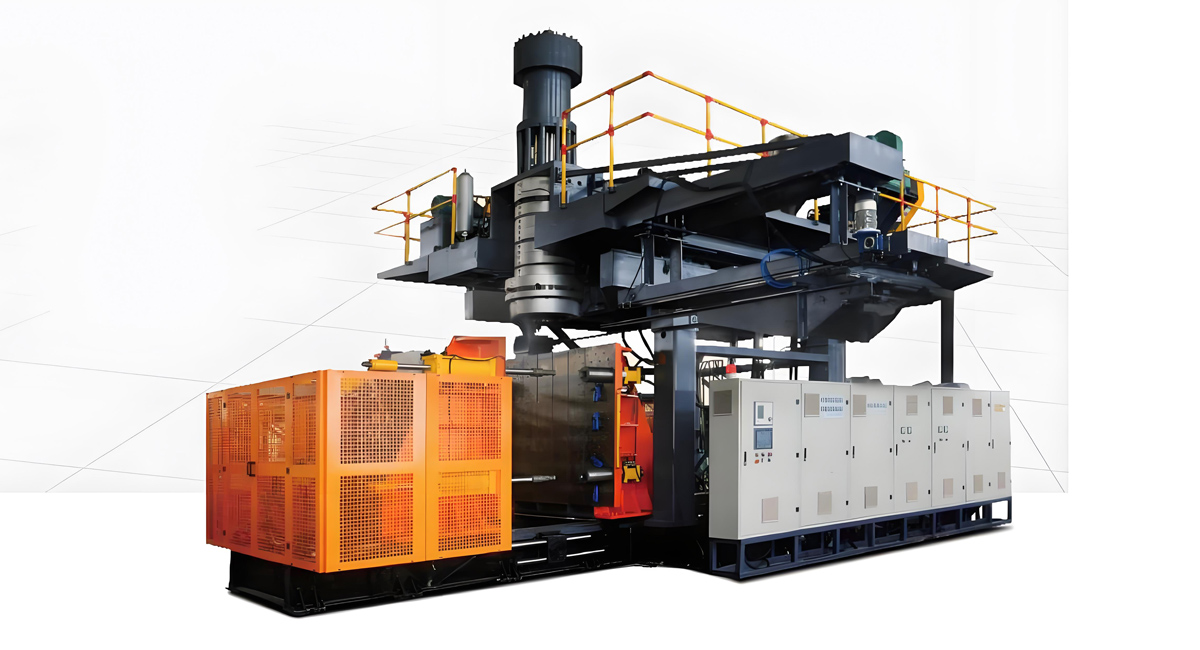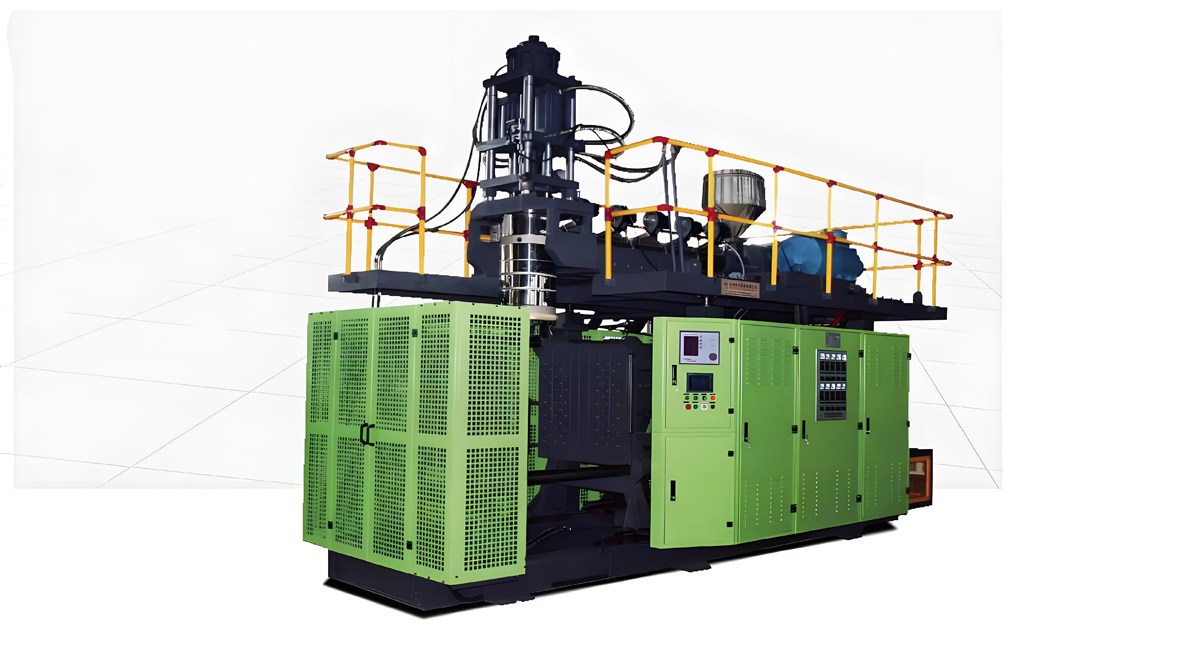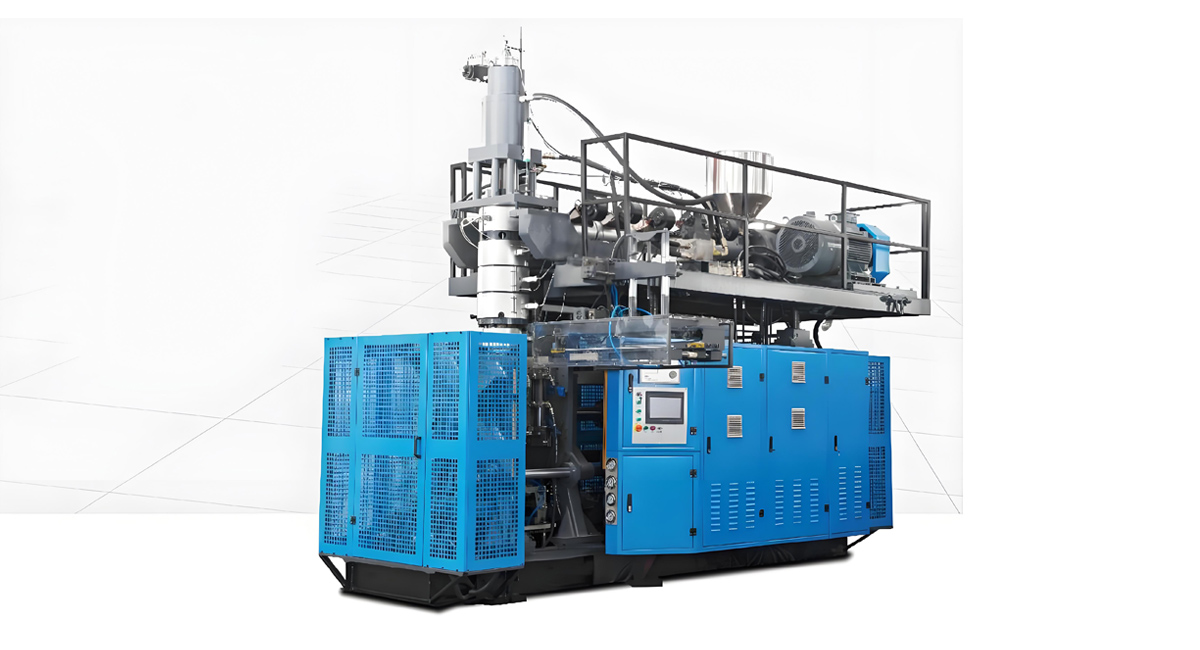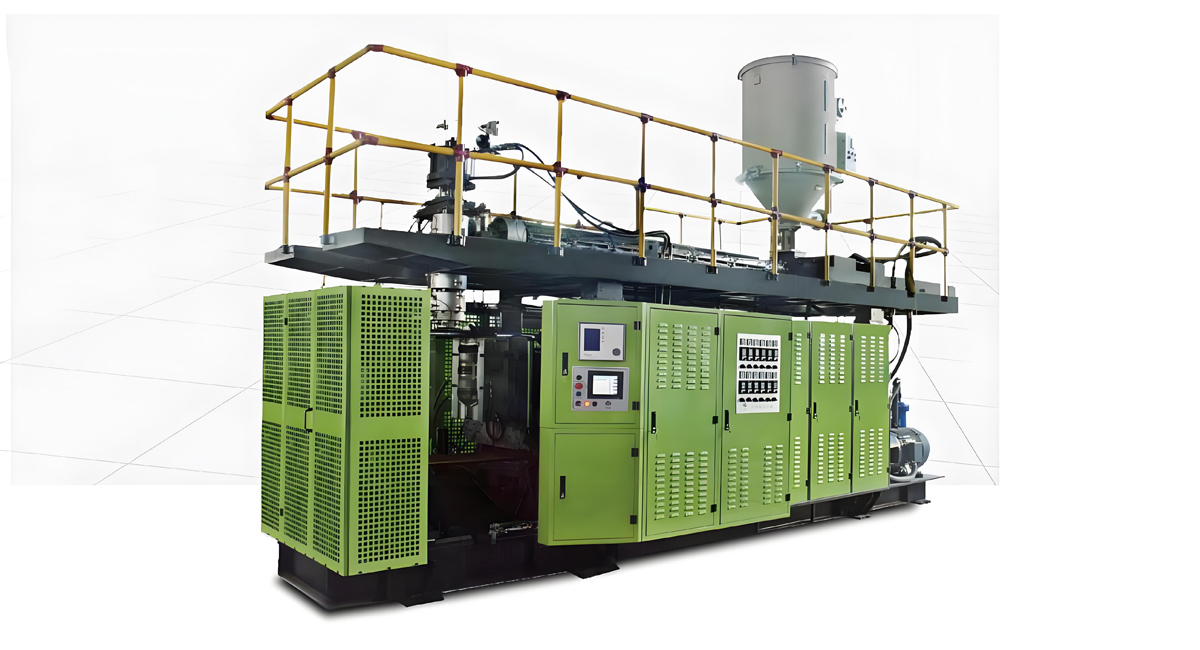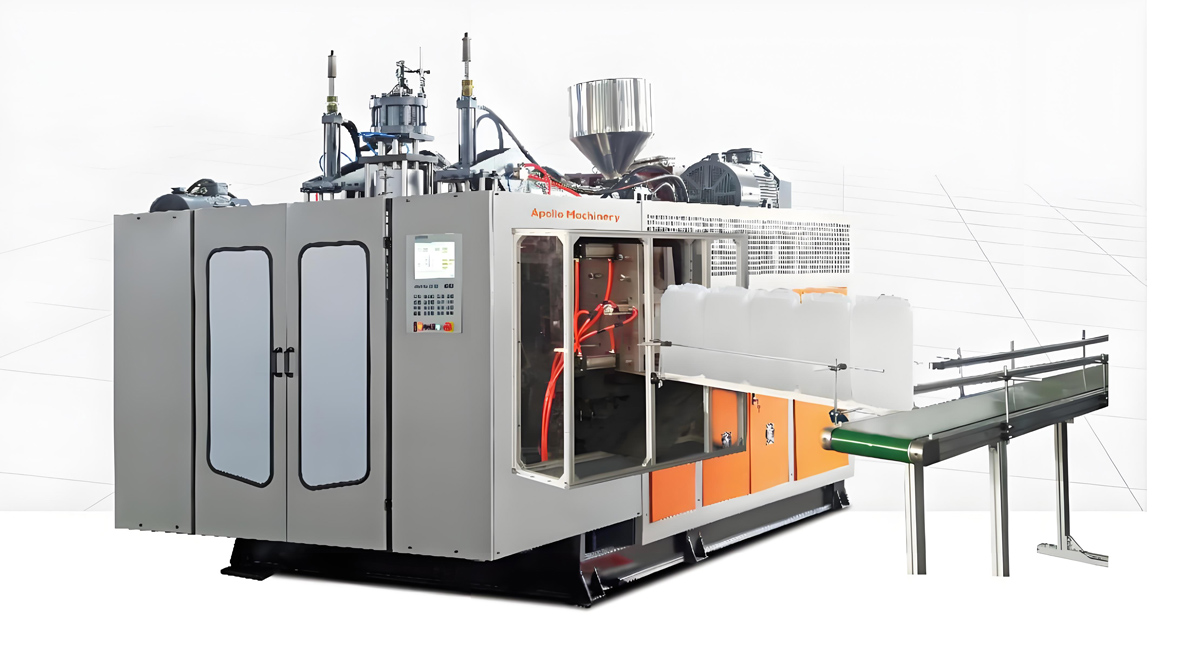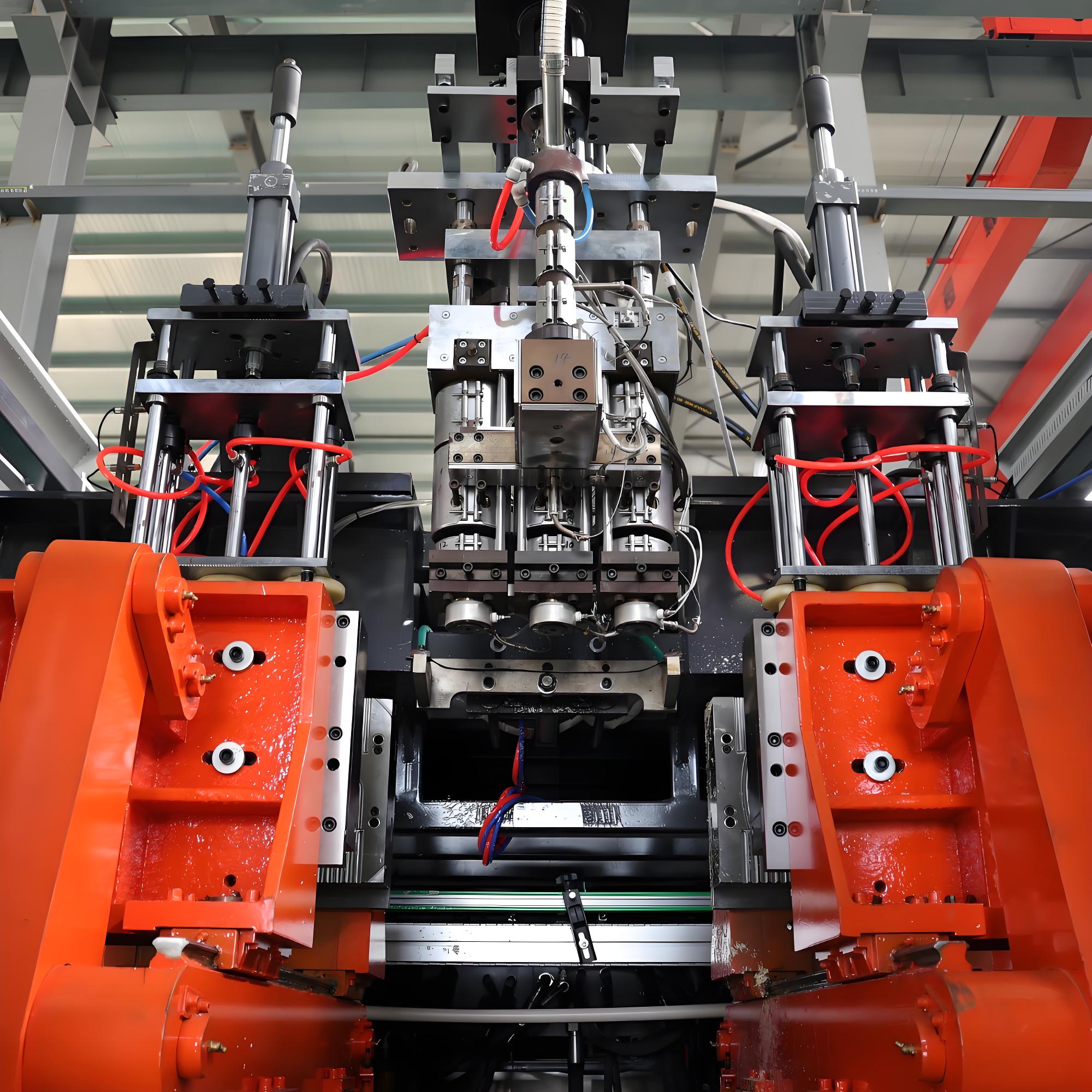

Walk down almost any street, into any school or airport, or to the curb outside a home and you will meet one of the most numerous and globally consequential products of the extrusion blow molding machine: the blow-molded waste and recycling bin. Wheeled curbside carts, public litter bins, color-coded recycling containers, and backyard compost vessels are overwhelmingly produced by extrusion blow molding from high-density polyethylene, much of it recycled. This is one of the largest and most socially visible applications of the technology, and it sits at the center of themes that touch everyone on earth: urban sanitation, the circular economy, zero-waste policy, and the fight against plastic pollution. This article provides a global application analysis of waste and recycling bin production on extrusion blow molding machines, covering the materials, the double-wall process, machine configurations, durability, color coding, automation, and the trends reshaping municipal and consumer waste handling. For bin manufacturers, municipal buyers, and equipment suppliers, understanding this production system is the key to containers that survive years of rough handling while embodying the recycling message they promote.
What Are Blow-Molded Waste and Recycling Bins
A blow-molded waste or recycling bin is any large, hollow, usually double-wall polyethylene container formed by extrusion blow molding whose job is to hold, sort, transport, or compost solid waste. The category is broader than the kitchen bin. Wheeled curbside carts of a hundred liters and more carry household trash and recyclables to collection trucks. Static public bins line streets, parks, transit stations, and campuses. Color-coded recycling stations separate paper, plastic, glass, and metal at offices and venues. Compost and organic-waste bins divert food scraps from landfill. Clinical and industrial bins serve specialized streams. What unites them is a seamless, dent-resistant, weatherproof hollow shell that must survive drops, impacts, UV, and harsh cleaning for years. Because the product itself is made of plastic, it is also the most visible proof of recycling in daily life, which is why the same industry that makes bins increasingly makes them from the very plastic they collect.
Why Extrusion Blow Molding for Bins
Among forming technologies, extrusion blow molding is uniquely suited to large, hollow, tough containers. Steel bins rust, dent, and are heavy to lift and roll. Injection molding makes rigid parts but cannot produce a large seamless hollow shell without welding pieces together, and the tooling cost for a large bin body is enormous. Rotational molding makes hollow items but at slow cycles and with less precise wall control, which matters when weight and cost are decisive across millions of units. Extrusion blow molding, by extruding a parison and inflating it inside a cooled double-wall cavity, produces a single seamless polyethylene shell with programmable wall distribution and excellent impact resistance at a cost point that fits municipal tenders. It also scales from a small desk bin to a two-hundred-liter wheeled cart on the same machine family. For the volumes and price points of global waste management, seamlessness, impact resistance, and controllable wall make extrusion blow molding the default technology.
The Global Scale of Bin Demand
Waste and recycling bins are needed in every city, town, and household, and demand is structural and growing. Urbanization concentrates people and waste, and every new district needs curbside carts and public bins. Recycling and landfill-diversion mandates, adopted across continents, multiply the number of separate bins per household from one to three, four, or more. Tourism, transit, and events require durable public containers. Composting mandates add organic-waste streams. Unlike consumer electronics, bins are bulky and best produced near their markets, so capacity is regional rather than concentrated in a single exporter. This global, decentralized demand makes bin blow molding a resilient, strategically important application of the machine, and it makes the bin one of the most quietly essential outputs of the plastics industry for public health and the circular economy.
Materials for a Rough Life
The resins behind blow-molded bins are chosen first for toughness and weatherability, then for sustainability. High-density polyethylene is the workhorse because it resists impact, moisture, and most waste chemicals, and it is the plastic most readily recycled back into bins. For public and curbside bins, recycled content is now a specification rather than a bonus, with many programs requiring a high percentage of post-consumer or post-industrial resin in the body. UV stabilizers and pigments are compounded in so colors stay coded and the surface does not chalk or embrittle under years of sun. Color is functional, not cosmetic, because it encodes the waste stream, so pigments must be stable and consistent. Because the body may one day be reground into a new bin, contamination control during production matters as much as mechanical properties, which is why leading producers run closed-loop regrind within the plant.
The Double-Wall Blow Molding Process
The defining process for bins is double-wall blow molding. Instead of a single shell, the parison is inflated against a cavity shaped to form two skins joined at the edges, creating a hollow, rigid chamber that resists dents and insulates against temperature. The cycle begins with extruders melting resin, often blended with regrind, and feeding a die head that forms a heavy parison; for large carts an accumulator head stores melt and releases it quickly. The mold closes, pinches off the perimeter, and a blow pin inflates the parison so it conforms to both cavity walls. After cooling, the part is ejected to trimming, handle or wheel mounting, and lid assembly. Because a bin body is large and load-bearing when full, wall-thickness control and a flawless pinch-off weld are critical, and the cycle, measured in minutes, integrates downstream cutting, fitting, and leak testing around the blow molder.
Machine Configurations for Large Bodies
Bin producers select machine architecture around body size, annual volume, and product mix. Accumulator-head continuous-extrusion machines dominate large wheeled carts because they deliver the mass and parison speed these parts require. Shuttle and rotary configurations multiply throughput by running several molds per machine, which helps producers meet the seasonal surges of municipal rollouts. Large platens and high clamp force hold big molds against internal pressure. Because bin programs run for years and volumes are enormous, machine builders emphasize durability, recipe storage, and repeatability, and modern lines integrate deflashing, handle welding, wheel and axle insertion, and printing into a single cell around the blow molder. For double-wall bodies, the die and parison tooling are engineered to form two skins reliably, a specialized competency among machine suppliers that separates commodity molders from qualified bin producers.
Parison Programming for Weight and Cost
The economic engine of blow-molded bins is parison programming. A controller varies die-gap and parison thickness along its length so material lands where stress concentrates, such as along rims, bases, and handle bosses, while thinning on broad flat walls to save resin and weight. Without careful programming, a cart body would be thickened everywhere to avoid thin spots, wasting kilogrammes on every unit and raising cost and carbon. With it, the same strength and impact resistance is achieved at lower weight, and the savings multiply across millions of bins per year. Recipe management stores the parison profile per bin size, enabling rapid, repeatable changeovers between product families. For large bin bodies where wall uniformity governs both durability and cost, programming precision is the single most important capability a bin line can invest in.
Wall Thickness, Rigidity, and Stacking
A blow-molded bin gains rigidity from its double-wall geometry, which resists denting far better than a single skin. Designers balance wall thickness, corner radii, and base structure to hit a target load rating, the margin that lets a full bin survive stacking, tipping, and collection truck compaction. Because a curbside cart that splits or a public bin that crushes creates mess and cost, rigidity reserve is a designed-in safety factor, not an afterthought. Getting this balance right distinguishes a reliable bin from a failing one, and it is a key criterion when qualifying a production line for municipal service. Nesting and stacking geometry is engineered so empty bins ship and store densely, which quietly lowers freight and warehouse cost across the supply chain.
UV, Weather, and Cleaning Durability
Bins face one of the harshest outdoor lives of any blow-molded goods: continuous ultraviolet radiation, rain and freeze-thaw, heat, and mechanical abuse from collection and public use. Polyethylene resists moisture and most waste chemicals, but UV attacks the polymer chain unless stabilized, causing surface chalking and eventual embrittlement. Stress-crack resistance matters where lids hinge and axles mount. Bins are also pressure-washed and chemical-cleaned repeatedly, so colorfastness and surface integrity must survive aggressive service. Producers validate weatherability through accelerated UV and thermal aging, and reputable suppliers publish expected service life. Because a bin that cracks in the street creates litter and hygiene risk, durability validation is a non-negotiable step in bin production, and it is why municipal tenders specify minimum wall and stabilizer requirements.
Lids, Wheels, Pedals, and System Integration
A waste bin is rarely a bare body; it becomes a system through fittings. Hinged or snap lids keep out rain, pests, and odor. Wheels and axles turn heavy carts into rollable containers that a single worker can move. Foot pedals provide hands-free opening for hygiene. Locking or locking-ready rims support pay-as-you-throw and secure collection. Because these features see the highest stress, they must be located in thicker wall regions and molded or welded with care to avoid leak paths or pull-out. Designing the bin and its fittings as one engineered system, rather than bolting parts on afterward, is what separates a reliable bin from a failing one, and it is a key criterion when qualifying a production line for demanding municipal service where a broken wheel strands an entire route.
Municipal and Curbside Collection Applications
Municipal curbside collection is the largest single driver of bin blow molding, and its growth is an environmental-policy story. Wheeled carts carry household trash, mixed recycling, and organic waste to automated trucks, improving hygiene and worker safety while raising diversion rates. Cities rolling out multi-stream recycling multiply carts per home, and procurement happens in enormous tender volumes. Because a failed cart leaks, splits, or jams a collection arm, these products are infrastructure for public health and climate goals. Producers serving municipalities emphasize consistent wall, color-coded lids, UV life, and rapid large-volume supply during rollout seasons, and the sector’s global expansion, from emerging cities to mature retrofit programs, is the strongest long-term tailwind for bin blow molding worldwide.
Public Space and Street Bins
Public bins are a distinct and essential sub-category. Street, park, transit, and campus bins must resist vandalism, weather, and misuse while staying easy to empty and clean. Many are wall-mounted, hooded, or aperture-designed to discourage improper disposal and pest access. Because these products affect public hygiene and the appearance of shared space, they are built to robust, often specified standards, and color and labeling communicate the waste stream. Producers document impact resistance, colorfastness, and ease of servicing, and the consequences of failure, a split public bin or a jammed liner, make quality non-negotiable. For suppliers, public-space bin supply is a defensible, specification-driven market rather than a pure price game, and it rewards producers who control both body and fitting quality.
Compost and Organic Waste Bins
Compost and organic-waste bins are a fast-growing category as cities and households divert food scraps from landfill to soil. These bins must resist moisture, microbial activity, and often ground contact, while remaining light enough to handle. Home compost vessels, kerbside organic carts, and community collection containers all rely on the same seamless, chemical-resistant polyethylene shell. Because organic waste is wet and odorous, lid seal and drainage design matter more than for dry recycling. Producers emphasize tight seals, UV life, and compatibility with composting environments, and the category’s expansion is tied directly to climate and landfill-diversion policy. For a bin industry often scrutinized in the plastic debate, the organic-waste bin is a concrete contribution to circular, low-emission waste handling.
Recycling, Color Coding, and Circularity
Bins are at the front line of the recycling debate, and that makes circularity a defining trend for the category. Because most bins are mono-material polyethylene, they are readily recyclable at end of life, and reprocessed resin re-enters the very bodies that collect it, closing the loop within the plant. Leading producers specify high post-consumer recycled content in the cart body while keeping performance intact, and color-coded lids teach citizens which stream is which. Take-back and recovery programs collect end-of-life bins before they become waste. For a product sometimes criticized during the plastic debate, demonstrating that a bin is recyclable, long-lived, and made with recovered material is a powerful story, and it rewards producers who control resin quality and contamination precisely rather than chasing the cheapest feedstock.
Quality Control and Testing
Blow-molded bins expose process drift seriously because failure means leaks, splits, or stranded collection routes. Drop and impact tests confirm a full or empty body survives handling and truck compaction. Load and stacking tests verify rigidity and wall reserve. Wheel, axle, and pedal cycle tests simulate years of use. Accelerated UV and thermal aging predicts service life. Wall-thickness mapping verifies no section falls below specification, especially along rims and bases. The correct response to any defect is to treat it as process data, trace it to a controllable parameter such as die-gap program, melt temperature, or blow timing, and correct the root cause rather than patching individual parts, which only hides a systemic issue that will recur across the next production run of thousands.
Defects and Troubleshooting
Several defects recur across bin programs, and each points to a controllable cause. Thin walls at bases or rims indicate poor parison programming and risk split or dent under load. Weld-line or pinch-off weakness, where melt fronts meet, signals uneven temperature or low blow pressure and is dangerous on a load-bearing body. Flash or sharp parting lines reflect worn molds or clamp issues and can injure handlers or snag bags. Sink marks or short shots reveal material or temperature problems. Bubbles, gels, or contamination indicate resin or environmental issues, and contamination is especially serious when the body is destined for closed-loop regrind. The disciplined response is to stabilize the parison program, verify melt temperature and blow pressure, and inspect tooling on a schedule, because a bin that fails in service creates hygiene risk and collection disruption.
Automation and Industry 4.0
Bin lines are increasingly automated because large, awkward bodies and consistency both matter, and because traceability supports tender compliance. Robotic handling moves heavy bodies without marking them. Automated deflashing, handle welding, wheel and axle insertion, printing, and leak testing integrate around the blow molder for a largely hands-free flow. Recipe management, remote diagnostics, and data logging support the batch traceability that municipal and corporate buyers require. Advanced sites feed cycle and quality data into manufacturing systems and apply predictive maintenance to avoid unplanned downtime that could delay a municipal rollout. Because a missed delivery of carts can stall a city’s collection contract, the digital layer is not optional; it is a contractual requirement, and equipment buyers should choose machines with open data interfaces rather than isolated controls.
Choosing the Right Machine for a Bin Program
Selecting a machine begins with the product mix: small desk bins, mid-size public containers, or two-hundred-liter wheeled carts, then annual volume and target markets. Define the largest and smallest bodies and the peak seasonal output first, then match accumulator-head architecture, number of cavities or molds, clamp force, and platen size to the target. Decide automation and downstream integration from labor cost and specification expectations. Confirm material compatibility for your recycled-content, regrind, and color-coding strategy. Verify parison control resolution, double-wall capability, and downstream testing such as drop and wheel-cycle checks. Insist on reference installations at similar bin scale and on local spare-parts support, because a stopped bin line during a municipal rollout can breach a public contract. Finally, model total cost per unit of compliant, durable output rather than comparing headline machine prices. The right machine delivers your bins, at your volume, tough and consistent, at the lowest sustainable cost.
Safety and Functional Requirements
Bin safety is designed in, not inspected in. Structural design keeps wall thickness and geometry within limits that survive drops, compaction, and stacking. Lids and hinges must operate safely through their rated cycle life. Wheels and axles must carry rated loads without pull-out. For public bins, tamper resistance and safe edges protect users. Because a bin failure can injure a worker, leak waste, or disrupt a collection route, producers document design limits and operating guidance, and leading suppliers provide specification and installation support rather than simply selling a body. For clinical or industrial waste streams, additional containment and labeling requirements layer on, and the bin becomes part of a regulated handling chain rather than a simple container.
Regulatory Landscape
Bin production is shaped by a patchwork of standards and policies that vary by use and region. Municipal procurement often specifies recycled content, color coding, dimensions, and durability minimums. Waste and recycling regulations set diversion targets that drive multi-stream bin demand. Chemical and clinical waste rules add containment and labeling requirements. Recycling and plastics regulations add further requirements on content and end-of-life recovery. Because a single bin model may be sold across regions, leading suppliers certify to the strictest relevant standard and maintain documentation auditors demand. For producers, regulation is a market-entry gate, and it is the reason bin blow molding carries more compliance overhead than general industrial containers, while also rewarding suppliers who can prove circular credentials.
Comparing Blow-Molded Bins with Alternatives
Understanding the blow-molded bin requires comparing it with alternatives. Welded steel bins offer familiarity but rust, dent, and are heavy to roll. Injection-molded bins can be rigid but cannot make a large seamless hollow body without welded sections and carry enormous tooling cost for large sizes. Rotational molding makes large hollow items but at slow cycles and with less precise wall control, which matters at municipal volumes. Blow-molded polyethylene’s sweet spot is a large, seamless, lightweight, dent-resistant hollow container with programmable wall control and double-wall rigidity, produced at municipal volumes. Choosing the right method is a function of volume, size, durability need, and total cost rather than a single best technology, but for mainstream curbside carts and public bins extrusion blow molding is the settled choice.
Applications by Sector
The blow-molded bin serves an unusually wide set of sectors, which is why global demand is deep and resilient. Municipalities use wheeled carts and public bins for collection and hygiene at enormous scale. Recycling programs use color-coded containers to teach and enforce sorting. Composting uses organic-waste carts and vessels for climate goals. Commerce and transit use bins for offices, airports, and stations. Healthcare and industry use specialized containers for controlled streams. Each sector layers its own standard on top of the common structural need, but all rely on the same manufacturing DNA: seamless polyethylene, precise blow molding, and rigorous quality control. This breadth means a single blow-molding platform can serve many waste-handling programs, stabilizing capacity utilization for producers through seasonal and regional changes in procurement.
Common Mistakes in Bin Production
Several mistakes recur across bin programs. Under-investing in parison control forfeits the easiest weight and cost savings on a large body. Ignoring wall distribution at rims and bases causes split or dent under load. Treating molds as commodities leads to flash and weak pinch-offs that compromise fittings. Skipping or under-sampling drop and wheel-cycle testing ships risk on a safety-critical container. Neglecting UV stabilization and resin consistency destabilizes long-term durability. Allowing contamination into closed-loop regrind undermines recycled-content claims. Failing to document recipes and material traceability makes audits and recalls harder. Under-specifying automation invites labor and consistency problems at municipal volumes. Each of these is avoidable with disciplined engineering, and avoiding them is often the difference between a profitable, compliant bin program and a chronic source of scrap, field failures, and customer escalation.
A Lightweighting and Circularity Case Study
To illustrate the economics, consider a producer of wheeled curbside carts applying precise parison programming to move wall thickness from a uniform heavy section to a programmed profile that thickens only along rims, bases, and handle bosses. At the scale of millions of carts per year, even a modest per-unit weight reduction removes substantial tonnage of resin from the supply chain and lowers material cost, provided drop and load tests still pass with margin. Combined with a high recycled-content body and a bulk recovery program that collects end-of-life carts before they become waste, the producer turns a commodity container into a demonstrably efficient and circular product. The investment is mostly in parison-control capability and qualified recycled supply, which pay back through material savings and brand preference. Multiply this logic across a national collection rollout, and wall-thickness control becomes one of the highest-return actions available, which explains why leading bin blow molders invest in it now.
Frequently Asked Questions
Why are many bins blow-molded? Because the process produces seamless, lightweight, dent-resistant hollow containers with programmable wall control and double-wall rigidity at low cost, ideal for carts, public bins, and compost vessels. Are blow-molded bins recycled? Yes, most are mono-material polyethylene, readily recycled and often made with post-consumer recycled content. How long do bins last? With proper UV stabilization and installation, polyethylene bins serve for many years outdoors and longer when sheltered. Why are bin colors important? Color encodes the waste stream, so stable, coded lids teach citizens how to sort. Can a bin be too light? Yes, under-weight bodies dent or split, so lightweighting must preserve tested wall reserve rather than simply thinning everywhere.
Conclusion
Blow-molded waste and recycling bins are among the most consequential outputs of the extrusion blow molding machine, quietly underpinning urban sanitation, recycling diversion, composting, and the visible promise of a circular economy in daily life. From double-wall rigidity and parison programming to UV durability, color-coded sorting, wheeled curbside carts, public-space hygiene, organic-waste diversion, recycled-content bodies, and the recovery of end-of-life bins, the production system is mature yet continuously evolving. For suppliers and buyers, success lies in matching machine and tooling to the product mix and municipal volume, designing for impact and wall reserve, controlling wall distribution to save mass and cost, and choosing partners who support the line across rollout seasons and collection contracts. As global attention on sanitation, climate, and plastic circularity intensifies, the bin industry’s ability to deliver tough, consistent, and genuinely recyclable containers will define its next decade, and the extrusion blow molding machine will remain at the center of that essential story.