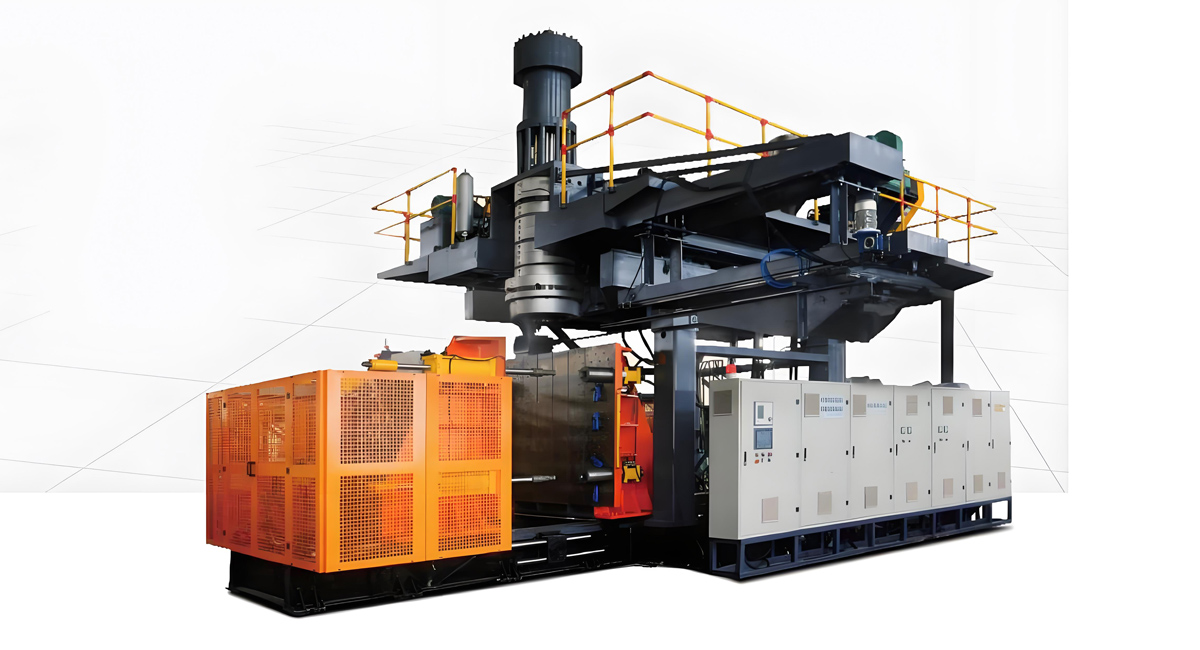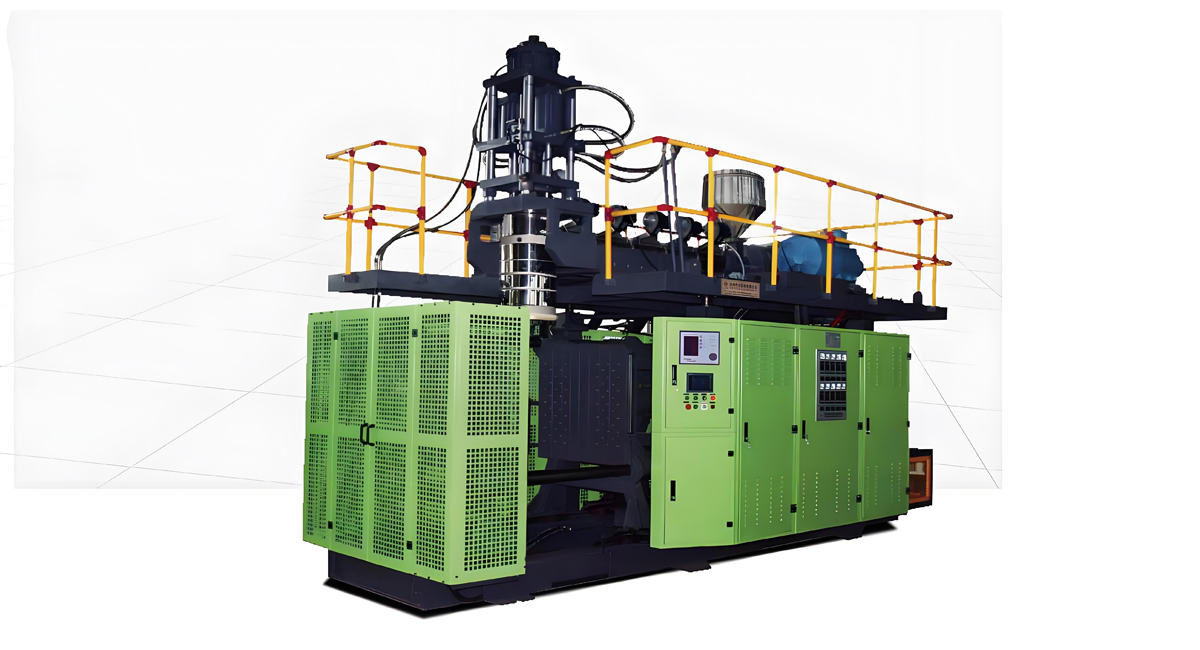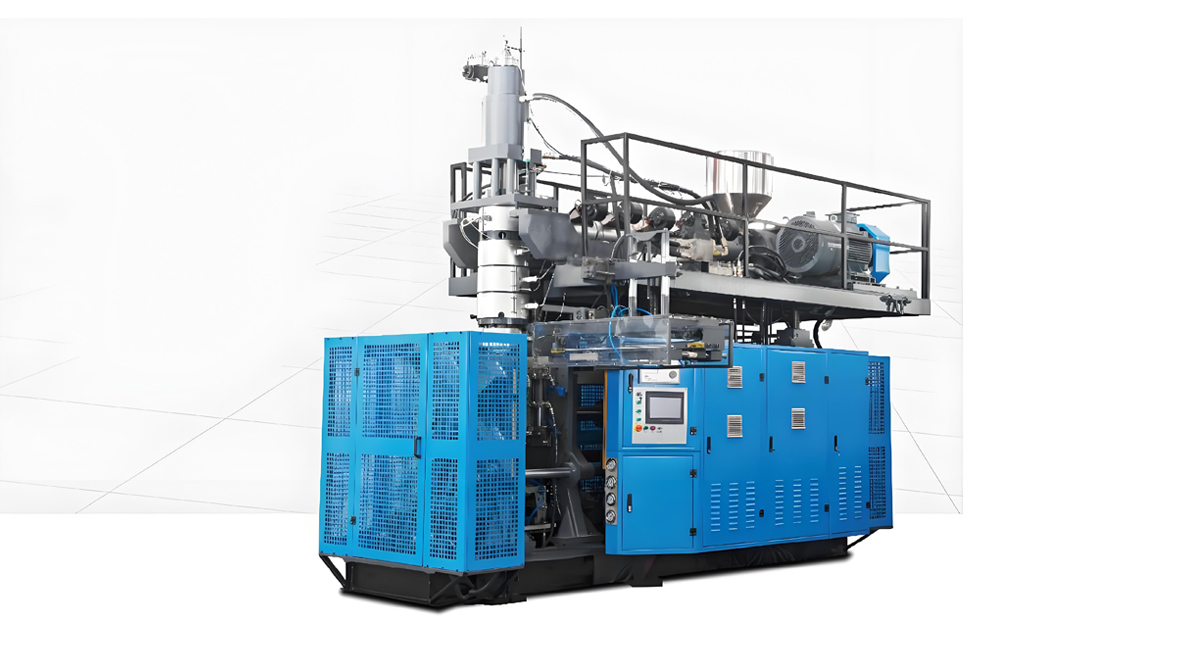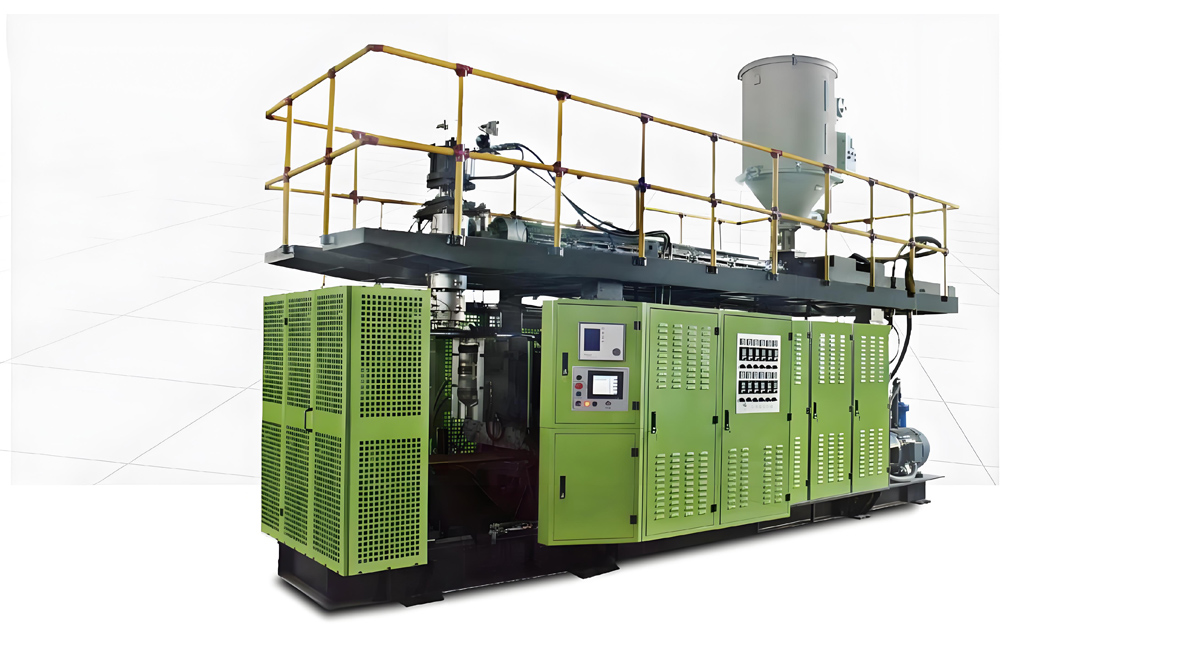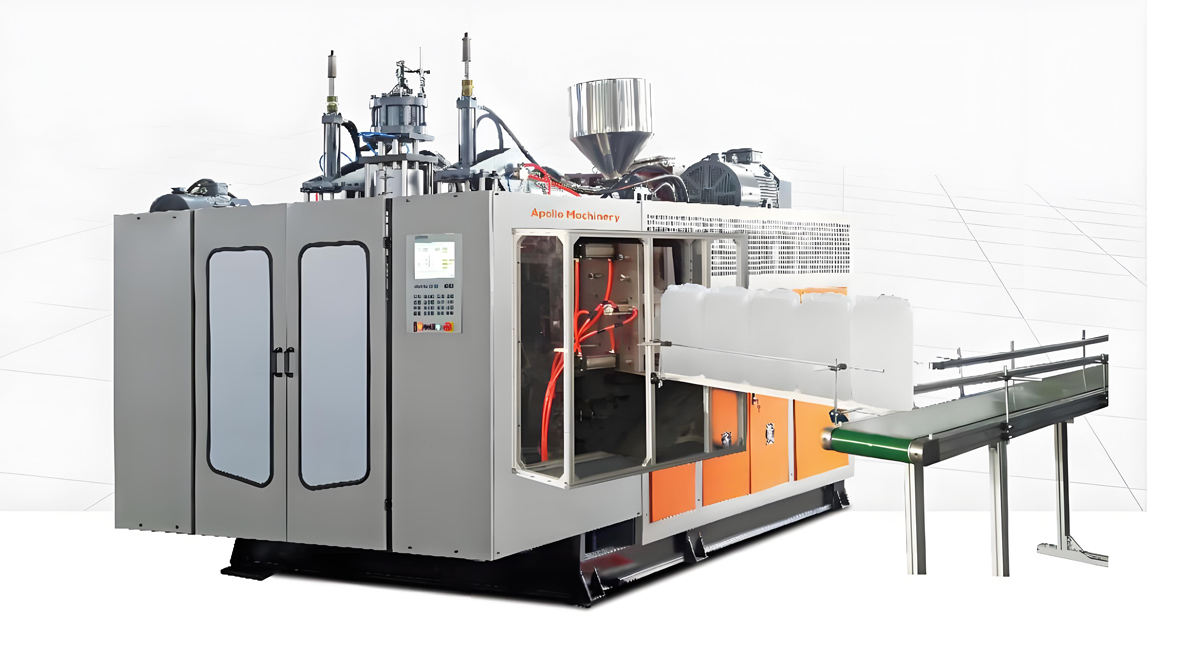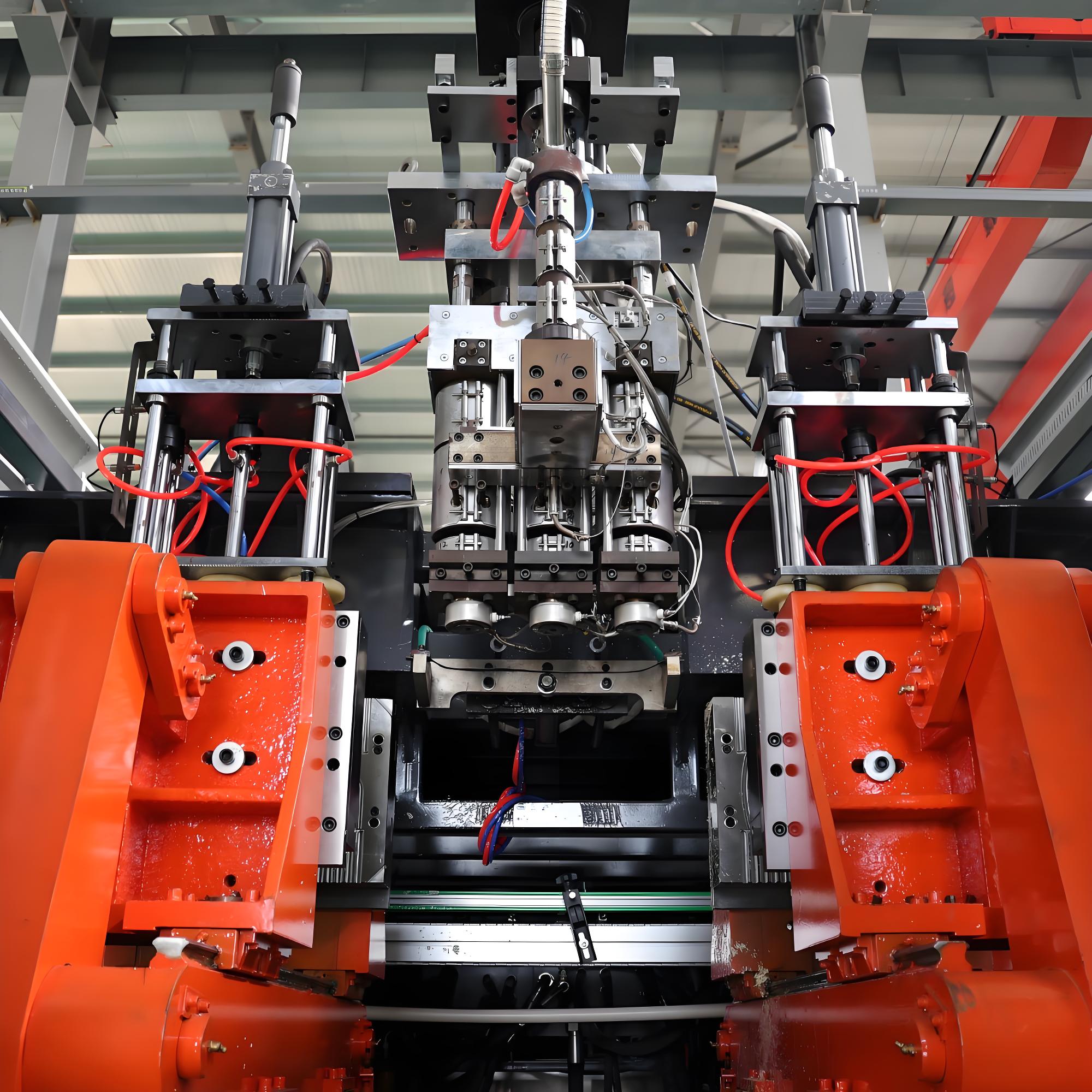

Extrusion blow molding is the dominant process for producing hollow plastic containers across Southeast Asia, from 200 ml cosmetic bottles to 30 L chemical drums. Yet the single biggest barrier to a stable production line in this region is rarely the polymer or the mold, it is the local power supply and the tropical climate. A standard extrusion blow molding machine designed for a clean 400 V, 50 Hz, three-phase grid in Europe or a 480 V plant in North America will struggle the moment it is plugged into a rural Indonesian substation, a Philippine 60 Hz network, or a Vietnamese workshop where voltage swings by fifteen percent during the day. Apollo, a Wanplas factory with more than 20 years of experience in extrusion blow molding machines and over 4,000 units running in more than 90 countries, treats voltage and climate adaptation as a core engineering discipline rather than an afterthought. This article explains the concrete, field-proven 220V customized local adaptation solution that Apollo delivers for Southeast Asian customers, covering power grid reality, electrical re-engineering, hot and humid climate protection, machine configuration, raw material behavior, parison wall thickness control, compliance, and lifecycle support.
1. Southeast Asia Power Grid Reality: A Fragmented Voltage Landscape
Southeast Asia is not a single electrical market. Each country, and often each province within a country, operates a different nominal voltage, frequency, earthing system, and grid stability profile. For a blow molding machine manufacturer, this fragmentation means a one-size-fits-all 380 V or 400 V design is simply not viable. The first step in any successful deployment is a site power survey that records the actual supply at the customer’s main distribution board, not the theoretical national standard.
Indonesia runs a 220 V single-phase and 380 V three-phase network at 50 Hz under PLN, but the delivered voltage in outer islands and industrial estates can sag well below nominal during peak load. The Philippines presents a particular challenge because much of the legacy grid still operates at 60 Hz with a 230 V single-phase and 400 V three-phase nominal, a heritage of the American colonial era, so any motor or inverter must be frequency-aware. Vietnam uses 220 V single-phase and 380 V three-phase at 50 Hz, yet rural and newly industrialized zones experience frequent voltage dips and brownouts. Thailand is nominally 220 V single-phase and 380 V three-phase at 50 Hz with relatively stable supply in the eastern economic corridor, but older provincial factories still see weak feeders. Malaysia is the most standardized at 230 V single-phase and 400 V three-phase, 50 Hz, but even there the permissible tolerance and earthing practice differ from European practice.
The practical consequences for an extrusion blow molding machine are severe. The barrel and die head heating bands, the servo drives and inverters, the PLC, the hydraulic pump motor, and the blow pin actuators all assume a stable supply. When the line voltage drops by ten to fifteen percent, heater power falls by roughly twenty percent because power scales with the square of voltage, so the melt temperature drifts downward and the parison becomes colder and harder to blow. When voltage spikes, electronic components age prematurely. When the frequency is unstable or differs from the design, induction motors draw abnormal current and run hot.
Compounding the problem, many Southeast Asian sites suffer harmonic pollution from neighboring welding shops, compressor banks, and unreliable diesel generators used as backup. Harmonics distort the current waveform feeding the inverter and PLC power supply, triggering nuisance trips. Frequent tripping is not merely an annoyance, it interrupts the continuous extrusion cycle, freezes a half-formed parison in the die, and can require a full purge before production resumes. A robust 220V customized local adaptation solution must therefore treat the grid as a hostile, variable source and engineer around it.
| Country | Single-Phase Nominal | Three-Phase Nominal | 頻度 | Typical Field Risk |
|---|---|---|---|---|
| Indonesia | 220 V | 380 V | 50 Hz | Plus or minus 10 to 15 percent swing, weak rural feeders |
| Philippines | 230 V | 400 V | 60 Hz (legacy) | 60 Hz mismatch with 50 Hz motors, brownouts |
| Vietnam | 220 V | 380 V | 50 Hz | Frequent dips, generator backup harmonics |
| Thailand | 220 V | 380 V | 50 Hz | Stable in corridor, weak in provinces |
| Malaysia | 230 V | 400 V | 50 Hz | 標準化されているが、アース方式が異なる(TN-S vs TT) |
The takeaway for any buyer is simple. Specifying an extrusion blow molding machine for Southeast Asia begins with a power quality study, and the machine itself must be engineered so that a plus or minus ten to fifteen percent voltage swing, an occasional phase loss, and high harmonic content never stop production or destroy electronics. The next section details how Apollo achieves exactly that.
2. 220V Customized Electrical Adaptation Engineering
The 220V customized local adaptation solution is a layered electrical architecture. Instead of forcing a European 400 V machine onto a 220 V socket, Apollo redesigns the electrical system around the voltage that the customer actually has, while preserving the performance of the extrusion and clamping systems. The goal is graceful operation across the full tolerance band and automatic protection when the supply leaves it.
The first layer is the control circuit transformer. The PLC, HMI, sensors, and solenoid valves run on low safety voltage, so Apollo fits an isolating control transformer that converts the local 220 V or 380 V supply down to a regulated 220 V control bus and a 24 V DC instrument bus. This transformer provides galvanic isolation, suppresses common-mode noise from the grid, and keeps the logic circuits clean even when the mains are dirty. For sites with only single-phase 220 V, the control transformer is selected with enough kVA headroom to ride through dips without saturating.
The second layer is heater re-rating. The barrel and die head heating bands are the largest electrical load on a blow molding machine, often accounting for forty to sixty percent of total draw. Apollo re-specifies these heating bands to the local voltage, arranging the barrel and die head heater zones as 220V partitions rather than 380V or 400V partitions. This ensures the heater watt density and surface temperature stay correct, so the polymer melt profile is identical to a machine running on a higher voltage. If a customer later upgrades to three-phase, the zones can be re-connected in delta or star without replacing the bands.
The third layer is servo drive and inverter input adaptation. The main extruder motor, the hydraulic pump motor, and the servo axes are driven by inverters and servo drives. Apollo selects drives with a wide input range, typically 200 to 240 V for single-phase units and 340 to 460 V for three-phase units, so they tolerate the regional swing. Where only 220 V single-phase is available and the motor is large, a step-up transformer or a phase converter raises the supply to three-phase for the power section, while the control stays on the isolating transformer. Because the Philippines runs at 60 Hz, Apollo programs the drives and confirms the motor nameplate for 60 Hz operation so the synchronous speed and cooling fan performance remain correct.
The fourth layer is stabilization and protection of the control cabinet. Apollo fits an automatic voltage regulator, also called an AVR or servo stabilizer, on the incoming line feeding the control cabinet, holding the PLC and HMI supply within a tight band. A small online UPS backs up the PLC and HMI so that a momentary outage does not lose the recipe or trigger a cold restart. Phase sequence protection and under-voltage protection relays cut the machine safely if a phase is lost or the voltage collapses, preventing reverse rotation of the extruder and protecting the screw from a frozen melt.
The fifth layer is earthing. Southeast Asia mixes TN-S and TT systems. In a TN-S system the protective earth and neutral are separate from the transformer to the outlet, while in a TT system the customer must drive a local earth electrode because the supply neutral is earthed at the source only. Apollo documents the required earth electrode resistance, supplies the correct terminal scheme, and verifies the protective conductor continuity during commissioning. A wrong earth in a TT zone can leave the cabinet floating and make the touch screen unstable, so this step is never skipped.
| Subsystem | Standard Design | 220V カスタマイズデザイン | Purpose |
|---|---|---|---|
| Control circuit | 400 V direct | Isolating transformer to 220 V / 24 V DC | Noise isolation, logic safety |
| Barrel and die head heaters | 380 to 400 V zones | 220V partitions, reconnectable | Correct watt density at local voltage |
| Main and servo drives | 380 to 460 V only | 200~240 Vまたは340~460 Vの幅広い入力 | Tolerate plus or minus 15 percent swing |
| Control cabinet supply | None | AVR stabilizer plus online UPS | Ride through dips and outages |
| Protection | Overload only | Phase sequence and under-voltage relays | Safe shutdown on phase loss or sag |
| Earthing | TN-S assumed | 現場でTN-SまたはTTが確認済み | Stable screen, safe touch voltage |
The result is a machine that starts every morning without a voltage gamble. For buyers comparing suppliers, the question to ask is not whether the machine can run on 220V, but how many of these five layers the supplier has actually engineered. Apollo documents each layer on the electrical schematic and verifies it during the 72-hour factory test before shipment.
3. Hot and Humid Climate Adaptation Strategy
Voltage is only half the Southeast Asian challenge. The other half is the climate. Across Indonesia, the Philippines, Vietnam, Thailand, and Malaysia, the ambient temperature routinely sits between 30 and 38 degrees Celsius, and relative humidity ranges from 75 to 90 percent for much of the year. For an extrusion blow molding machine, this environment attacks the control cabinet, the hydraulic system, and the raw material at the same time.
The control cabinet is the most vulnerable point. Warm, saturated air carries moisture that condenses on cold metal surfaces, especially overnight when the cabinet cools faster than the room. Condensation on a PLC backplane or a drive heatsink causes tracking, corrosion, and random faults. Apollo answers this with two combined measures. A small anti-condensation cabinet heater keeps the internal air a few degrees above the dew point whenever the cabinet is powered down, and a sealed cabinet air conditioner with a dehumidifying function controls the internal temperature and removes moisture during operation. The target is to hold the cabinet interior below 35 degrees Celsius and well below the room dew point.
Mechanical protection follows. Apollo specifies IP54 as the baseline ingress protection for the cabinet and offers IP55 where the machine sits near open process water or washdown zones. All external terminals and connectors use tropicalized, anti-corrosion plating. The printed circuit boards in the HMI and drive receive a conformal coating that resists moisture, salt spray, and fungal growth. Cable entries use sealed glands. These steps matter because mold and corrosion silently raise the failure rate of a machine that looks fine on the day it is installed.
The hydraulic system faces a different problem. High ambient temperature raises the hydraulic oil temperature, and tropical oil degrades faster. Apollo selects a hydraulic oil grade suited to the climate, typically an anti-wear ISO VG46 with enhanced oxidation stability, and fits an oil cooler or a water-to-oil heat exchanger to hold the oil temperature at or below 55 degrees Celsius. An oil temperature switch warns the operator before the oil reaches a damaging level. Keeping the oil cool protects the pump, the valves, and the servo-hydraulic wall thickness controller from cavitation and seal hardening.
Finally, raw material moisture control is essential. Many Southeast Asian plants store resin in non-climate-controlled warehouses where the bags absorb humidity. While HDPE and PP are not strongly hygroscopic, surface moisture and condensation on the pellet surface can cause splay and hazy bottles, and materials such as PETG or ABS would need aggressive drying. Apollo pairs the machine with a dehumidifying dryer or at minimum a hopper dryer with a closed, desiccant-regenerated air loop, targeting a dew point near minus 40 degrees Celsius for moisture-sensitive grades. The drying hopper is insulated and the feed throat is kept dry so the melt enters the barrel clean.
Hot and humid adaptation is not a coating you spray on at the end. It is a design decision applied to the cabinet, the hydraulics, the electronics, and the material path so the machine survives a 38-degree-Celsius, 90-percent-humidity July in Jakarta or Ho Chi Minh City.
| Climate Stress | Failure Mode | Apollo Countermeasure |
|---|---|---|
| 30 ~ 38 ℃の周囲温度 | Drive and PLC overheating | Cabinet air conditioner, IP54 or IP55, tropicalized parts |
| 75 to 90 percent humidity | Condensation, corrosion, mold | Anti-condensation heater, conformal coating, sealed glands |
| High oil temperature | Seal hardening, cavitation | ISO VG46 tropical oil, oil cooler, 55 C limit switch |
| Moist warehouse storage | Splay, haze, poor weld | Dehumidifying dryer, minus 40 C dew point feed |
沿岸部や河川デルタの地域で購入する場合、Apollo は露出している締結部にステンレスハードウェアを装備し、フレームに熱帯用塗料システムを採用する高度な防食パッケージも提供しています。このパッケージのコストレベルは中レベルで、最も過酷な施設でもサービス間隔が大幅に延長されます。
4. Machine Series and Process パラメータ Configuration
With the electrical and climate foundations in place, the next question is the machine itself. Apollo, a Wanplas factory, builds three main extrusion blow molding series that together cover containers from 0.1 L to 30 L. The ABLB series handles 200 ml to 20 L on continuous extrusion, the ABLD series covers 20 L to 1500 L for heavy-duty drums and tanks using accumulator heads, and the Fully Electric series covers 200 ml to 20 L with no hydraulic system for the cleanest and most energy-efficient operation.
The screw is the heart of the extruder. For Southeast Asian HDPE, PP, and PVC work, Apollo fits single-screw extruders with diameters from 50 mm to 90 mm. The length-to-diameter ratio, or L/D ratio, ranges from 24:1 to 28:1. A 24:1 screw is sufficient for straightforward HDPE bottle grades, while 28:1 improves melt homogeneity and lets the machine absorb a higher regrind ratio or a wider MFR spread, which is common with locally sourced resin. The compression ratio is chosen per material, lower for heat-sensitive PVC and higher for HDPE and PP.
A central architectural choice is continuous extrusion versus accumulator head. Continuous extrusion forms the parison without interruption and is the right choice for containers from 0.1 L up to about 10 L on single or double station machines, giving excellent wall control and high cavitation. An accumulator head stores a shot of molten polymer and releases it rapidly, which is required for containers from 10 L to 30 L and for multi-layer or high-output jobs where the parison would otherwise cool and sag during a slow continuous drop. The accumulator also evens out the extruder load, which helps on weak grids because the motor sees a steadier average draw rather than a peak each cycle.
Station count and cavitation define output. Apollo offers single-station and double-station layouts, with mold cavities from 1 to 6 depending on container size. A small 500 ml HDPE bottle might run 4 or 6 cavities on a double station, while a 20 L drum uses a single cavity. The clamping force is matched to the projected blow area and the internal air pressure, so larger containers need proportionally higher clamping force to avoid flash at the parting line.
Temperature zoning is material-specific. HDPE typically processes with barrel zones around 160 to 200 degrees Celsius and a die head near 190 to 210 degrees Celsius. PP runs slightly higher, around 200 to 230 degrees Celsius, and is more sensitive to shear heating. PVC is the most temperature-sensitive and is kept in a narrow 170 to 195 degrees Celsius window with a carefully profiled screw to avoid degradation. Apollo programs these zones on the PLC and stores them as recipes, so an operator switches from HDPE to PP with a single selection rather than manual tuning.
| パラメータ | Small Bottle Range | Medium Range | Large Drum Range |
|---|---|---|---|
| Container volume | 0.1 to 2 L | 2 to 10 L | 10~30 L |
| Screw diameter | 50 to 60 mm | 65 to 75 mm | 80 to 90 mm |
| L/D ratio | 24:1 to 26:1 | 25:1 to 28:1 | 26:1 to 28:1 |
| Head type | Continuous | Continuous or accumulator | Accumulator head |
| Station and cavities | Double, 2 to 6 | シングルまたはダブル、1~4人用 | Single, 1 |
When comparing brands, Apollo positions against established names such as Bekum and Kautex from Germany and Magic from Italy, while emphasizing that the Southeast Asian 220V and climate package is built in from the factory rather than retrofitted. For customers who also run PET, the Wanplas group’s YuDa factory supplies PET bottle blow molding machines, and for injection blow molding the group’s Aibim factory covers pharmaceutical and cosmetic small containers, so a buyer can source a complete hollow-product portfolio from one brand family.
5. Local Raw Material Adaptation: HDPE, PP, and PVC
Southeast Asia has a growing local supply of polyolefins, and many blow molders blend imported resin with regional grades to manage cost. The behavior of that resin on the machine determines whether wall thickness, bottle weight, and appearance meet spec. Apollo tunes the extrusion blow molding machine to the actual resin rather than to a textbook grade.
For HDPE blow molding, the common local and regional blow-molding grades fall in a melt flow rate band of 0.2 to 0.5 g per 10 minutes measured at the 21.6 kg load condition, often reported as condition E. Density sits between 0.950 and 0.960 g per cubic centimeter, which is typical high-density blow-molding resin. These grades give the stiffness and environmental stress crack resistance needed for detergent and chemical bottles. Environmental stress crack resistance, or ESCR, is a key requirement for bottles holding aggressive surfactants, and Apollo works with the customer to confirm the grade meets the needed ESCR threshold before locking the process.
Regrind, or recycled process scrap, is normal in blow molding because the tail and flash are centrally returned. A practical regrind ratio is 20 to 30 percent of clean, same-color scrap blended with virgin. Above that level, the melt flow rate of the blend drifts and wall thickness control becomes harder, because the parison programmer was profiled for a specific viscosity. Apollo compensates by re-profiling the parison and slightly adjusting barrel temperature, and the remote monitoring system flags when the regrind ratio changes. Food-contact applications require documented regrind hygiene, so Apollo recommends a closed-loop regrind system rather than open scrap bins.
PP is chosen where higher temperature resistance or clarity is needed, such as hot-fill or some pharmaceutical containers. PP blow grades have a lower melt flow rate than HDPE for comparable stiffness and need a hotter, more shear-aware profile. PVC is used for clear or specialized containers and demands the tightest temperature window and the most careful screw design to avoid degradation that releases acid and plates the die. Apollo supplies a dedicated PVC screw and barrel treatment for such jobs.
| Material | Typical MFR (21.6 kg) | Density | Process Note |
|---|---|---|---|
| HDPE blow grade | 0.2 to 0.5 g per 10 min | 0.950 ~ 0.960 g / cm3 | Confirm ESCR, allow 20 to 30 percent regrind |
| PP blow grade | Lower than HDPE | Around 0.90 g per cm3 | Hotter profile, hot-fill capable |
| PVC clear grade | Not MFR rated this way | Around 1.35 to 1.40 g per cm3 | Narrow 170 to 195 C window, PVC screw |
The practical recommendation is to qualify the resin with Apollo before mass production. A one-day material trial at the factory, or a remote recipe based on the resin datasheet, prevents the most common defect in tropical plants: variable bottle weight caused by an uncharacterized local blend. This is where the Wanplas group’s material knowledge, shared across its factories, helps a buyer match resin, machine, and mold from the start.
6. Parison Wall Thickness Control and Energy-Saving Design
Wall thickness control is where an extrusion blow molding machine turns resin into profit. A parison programmer, also called a parison controller, varies the die gap as the parison is extruded so the wall is thick where the bottle needs strength, such as the base and handle, and thin where material is wasted. Apollo fits a 100-point parison programmer built on a servo-hydraulic or servo-electric actuator that moves the mandrel with high repeatability. One hundred points means the programmer divides the parison length into one hundred controllable segments, far finer than the older 16 or 32 point systems, so even complex shapes get a smooth, optimized profile.
エネルギーの削減は、良好な制御のもう一つの利点です。可変排気量ポンプでは、需要に合わせて油圧流量を調整することで、固定ポンプよりもエネルギーを削減できます。アポロの伺進動油圧の板厚制御システムでは、さらに進歩しており、サーボモーターはアクチュエータが動作する際のみ稼働し、動作の間はほぼゼロの消費で軽減され、連続的な固定ポンプに比べ、板厚制御サブシステムのエネルギーを最大50~60%削減します。フルエレクトリックシリーズでは、ガンプ、パリソン、ブロウのすべてをサーボモーターで駆動するため、非常に静かで効率的なオプションとなっており、クリーンルームや食品用環境に最適です。
To make the savings tangible, Apollo reports unit product energy in kilowatt-hours per kilogram of finished bottle. A conventional hydraulic HDPE bottle line might sit in a higher band, while a servo-hydraulic or fully electric line drops the figure into a lower band, with the exact number depending on container size, cavitation, and regrind ratio. Over a year of three-shift operation in a high-tariff Southeast Asian market, the difference between a fixed pump and a servo-hydraulic line is meaningful enough to influence the payback on the machine. The Wanplas group frames this as part of its energy-efficiency commitment, and the YuDa factory reports comparable heating-oven savings on its PET lines.
| Drive Architecture | Relative Energy Use | Wall Control Precision | Best Use |
|---|---|---|---|
| Fixed pump hydraulic | Baseline (High) | Good with programmer | Cost-sensitive, large drums |
| Variable pump hydraulic | 20 to 40 percent lower | Good with programmer | 一般的な中間量 |
| Servo-hydraulic | Up to 50 to 60 percent lower | Excellent, 100-point | High-volume, material saving |
| Fully electric | Lowest, no hydraulics | Excellent, 100-point | Clean, food, pharmaceutical |
The 100-point programmer also shortens the time to a good bottle. Instead of hand-trimming the parison over many cycles, the operator loads a proven profile, runs a few samples, and fine-tunes only the points that need it. In a tropical plant where resin viscosity shifts with humidity and regrind, this repeatability protects both material cost and first-pass yield.
7. Certification and Compliance Across ASEAN Markets
Selling blow-molded containers in Southeast Asia means meeting a stack of national certification and food-contact rules. The machine and the product are regulated separately, and Apollo supports the buyer on both sides. At the machine level, Apollo builds to CE Machinery Directive 2006/42/EC as a baseline, which covers essential health and safety requirements for the guarding, electrical safety, and emergency systems.
For the finished container, the main marks are country-specific. Indonesia requires SNI certification for many plastic household and food containers, with testing by an accredited lab and factory verification. Thailand requires TISI marking under the Thai Industrial Standards Institute for applicable 製品. Malaysia requires SIRIM certification, and Vietnam requires the CR conformity mark for regulated goods. Each of these affects how the bottle is labeled and what raw material documentation the brand owner must keep. Apollo supplies the machine test reports, electrical schematics, and material contact declarations that help the buyer prepare the product dossier.
Food-contact compliance is governed by the resin and any additives. In the United States market and for export-oriented plants, FDA 21 CFR 177 sets the rules for polyethylene and polypropylene food-contact articles, covering extractives and allowable substances. The Chinese standard GB 4806.7 regulates plastics in food contact and is relevant for plants supplying Chinese-invested factories or the broader Asian supply chain. Apollo documents that the machine surfaces touching the melt, such as the screw, barrel, and die, use food-grade compatible steels and that no non-compliant release agents are used, so the process supports a clean dossier.
確認に関する最大の注意すべき点は、国ごとに認定コストやリードタイムが異なることです。SNIとSIRIMでは、工場内の監査を含む中程度から高い費用がかかりますが、TISIとベトナムのCRマークでは製品カテゴリーによって違います。アポロでは、実包装ラインの検査を行う際の費用を予算に計上し、検査実施後ではなく、同時に予算に組み込むことを推奨しています。なぜなら、ラボでの試験に使うボトルサンプルは実包装ラインから取得されるからです。これらのマークは、アポロに対する代金を支払うものではなく、第三者による適合性確認の費用であるため、購入者はその管理のために国のサポートを得ます。
| Market | Container Mark | Machine Baseline | Food-Contact Reference |
|---|---|---|---|
| Indonesia | SNI | CE Machinery Directive | FDA 21 CFR 177, GB 4806.7 |
| Thailand | TISI | CE Machinery Directive | FDA 21 CFR 177, GB 4806.7 |
| Malaysia | SIRIM | CE Machinery Directive | FDA 21 CFR 177, GB 4806.7 |
| Vietnam | CR mark | CE Machinery Directive | FDA 21 CFR 177, GB 4806.7 |
Apollo’s role is to deliver a machine whose documentation, guarding, and material contact surfaces make these marks straightforward to achieve. The brand also draws on the wider Wanplas network when a project needs, for example, a washing and pelletizing line from the Polyretec factory to close the loop on regrind, keeping the whole solution inside one quality system.
8. 配達、設置、およびアフターセールスサポート
東南アジア向けパッケージの最後のリンクは納入とライフサイクルサポートです。アポロの押出ブローモールングマシンは概ね12.03メートルの長さ、2.35メートルの幅、2.69メートルの高さという内寸で、40フィートのハイキューブコンテナ(40HQ)に梱包されます。輸送のために一部分解されており、加圧ユニット、押出機とバレル、金型ヘッドとマランデル、金型、制御キャビネットなどは、熱帯海運に適した防湿梱包で分けられ、明確にラベルが付いています。
On arrival, Apollo engineers travel to the site for installation and commissioning. The typical on-site period is 7 to 14 days depending on model size, utility readiness, and whether the customer also needs operator training. Commissioning includes levelling the base, reconnecting the voltage-specific heater zones, verifying earthing, loading the material recipe, running the parison programmer, and producing approved samples. Because the 220V customized local adaptation solution was validated at the factory, on-site electrical work is mostly connection rather than redesign.
Spare parts planning is critical in regions where a missed shipment means a stopped line for weeks. Apollo ships a matched spare-parts kit with every machine and publishes a replacement interval list. The fastest-wearing items are the heating bands, the die head mandrel and core, the screw and barrel pair, and the hydraulic seals. Heating bands are consumable and are replaced on a scheduled hour basis; the screw and barrel are inspected at planned intervals and replaced when wear reaches the tolerance that affects melt stability; seals are swapped during preventive maintenance. The table below gives a planning reference.
| Spare Part | Typical Replacement Interval | Why It Wears |
|---|---|---|
| Heating band | Scheduled hours, faster in heat | Thermal cycling, humidity |
| Die head mandrel and core | Planned inspection interval | Abrasion, parison contact |
| ねじとバルブ | Long interval, wear-tolerance based | Shear, filler, regrind |
| Hydraulic seal | Preventive maintenance cycle | Oil temperature, pressure |
Remote operation and maintenance close the loop. The PLC and HMI support remote connectivity so Apollo engineers can read alarms, review cycle data, and adjust parameters without flying in for every issue. This remote layer is especially valuable across the archipelago geography of Indonesia and the Philippines, where a site visit is a logistics project. The Wanplas group backs this with its annual free spare-parts policy and a quality guarantee, and Apollo tracks each installed machine’s usage status so it can ship the right part before a failure spreads.
For buyers scaling from one line to several, Apollo offers mold changeover packages and recipe libraries per product, so adding a new bottle is a software and tooling task rather than a re-engineering project. The 220V customized local adaptation solution stays constant across the fleet, which simplifies training and spares inventory.
Frequently Asked Questions
Can an extrusion blow molding machine really run on 220V single-phase power in Southeast Asia?
Yes. Apollo re-rates the barrel and die head heating bands to 220V zones, selects single-phase input inverters or adds a step-up transformer for the main drive, and protects the PLC with an automatic voltage regulator and UPS. For machines above the ABLB medium range, a three-phase 380V or 400V supply is still recommended, but the electrical architecture is designed to tolerate the regional swing.
What is the difference between continuous extrusion and accumulator head blow molding?
Continuous extrusion forms a parison without interruption and suits containers from 0.1L up to about 10L on single or double station machines. An accumulator head stores molten material and releases it in one fast shot, which is required for large containers of 10L to 30L and for multi-layer or high-output production where parison drop time must be minimized.
高湿度は制御キャビネットと原材料にどのように影響しますか?
Relative humidity of 75 to 90 percent causes condensation inside the cabinet and moisture pickup in hygroscopic resins. Apollo fits anti-condensation cabinet heaters, a sealed cabinet air conditioner, conformal coating on control boards, and a dehumidifying dryer for the material to keep dew point near minus 40 degrees Celsius.
How much regrind can be mixed into HDPE blow molding?
A practical regrind ratio is 20 to 30 percent of clean, same-color process scrap. Above that, melt flow rate variation grows and wall thickness control becomes harder, so the parison programmer profile and barrel temperature must be re-tuned. Food-contact grades require documented regrind hygiene, ideally through a closed-loop regrind system.
Which certifications are needed to sell blow molded containers in ASEAN countries?
Indonesia requires SNI marking, Thailand requires TISI, Malaysia requires SIRIM, and Vietnam requires the CR conformity mark for many household and food containers. The machine itself should carry CE Machinery Directive compliance, and food-contact parts must satisfy FDA 21 CFR 177 and GB 4806.7.
How is the machine shipped and installed at a Southeast Asian factory?
The machine is partially disassembled and loaded into a 40HQ container with the clamp unit, extruder, mold, and control cabinet packed separately. On-site installation and commissioning by Apollo engineers typically takes 7 to 14 days depending on model and utilities readiness.
What spare parts wear out fastest on an EBM machine in hot climates?
Heating bands, die head mandrel and core, screw and barrel, and hydraulic seals age fastest under high ambient temperature and voltage stress. Apollo ships a matched spare-parts kit and recommends scheduled replacement intervals tracked through remote PLC monitoring.
Does Apollo provide remote maintenance for machines in Southeast Asia?
Yes. The PLC and HMI support remote connectivity so Apollo engineers can read alarms, adjust parameters, and guide local technicians. This is backed by the Wanplas group policy of free spare parts each year and on-site engineer visits when required.
Conclusion
東南アジア向けの押出吹き付け成形機は、大半の汎用供給元が無視する細部に基づいて成功も失敗も判断されます:壁面での電圧、キャビネット内の湿度、ホッパー内の樹脂。20年以上にわたって押出吹き付け成形を手がけてきた、90カ国以上で4,000機以上稼働しているWanplas工場「アポロ」では、これらを、具体的な回答が得られる技術上の問題として扱っています。220Vにカスタマイズされた現地適応ソリューションでは、キャビネットの空調・IP54/55の保護・熱帯に適した電子部品・気候適応型油圧装置・材料乾燥などで構成される高湿度気候パッケージ、絶縁制御変圧器、電圧定格ヒーターゾーン、広い入力範囲のサーボおよびインバーター駆動装置、AVRプラスUPS保護、および確認済みのTN-SまたはTT接地などが重ねられるようになりました。適切なねじとL/D比、連続・蓄圧式ヘッドの選択、100個の出図計算機、およびサーボ油圧またはフル電動のエネルギー削減機能と組み合わせると、当社のラインは日頃から稼働し、熱帯地域の年間を通じてボトルの重さを保ちます。ASEAN認定のサポート、40HQの納品、7日から14日間の調整、リモートメンテナンスなどを備えているアポロは、東南アジアの吹き付け成形業者に、他人のグリッドや気候に合わせたものではなく、独自のニーズに合った機械を提供します。完全な中空製品ポートフォリオの実現のため、WanplasグループではYuDaとAibim工場を通じてPETおよび射出吹き付け成形を追加しています。いずれの工場も、焦点は常に高い品質を確保することです。