
Introdução:
Wall thickness distribution is the single most critical quality parameter in extrusion blow molding. It determines container strength, material usage, and cycle time simultaneously. In a typical high speed production line running an ABLB Series machine for 200ML bottles, a mere five percent reduction in average wall thickness translates to significant annual resin savings. For large containers produced on an ABLD Series unit handling volumes up to 1500L, the stakes are even higher because the parison mass is substantial. Every gram of excess plastic adds cost and weight without adding functional value. Conversely, insufficient thickness leads to burst failures, rejected batches, and costly downtime. The central lever for managing this balance is parison programming.
Parison programming refers to the precise control of die gap movement during extrusion. By adjusting the vertical position of the mandrel or moving the outer ring in a fully electric series machine, the operator can vary the wall thickness along the height of the bottle. This dynamic adjustment compensates for gravity sag and stretching forces that naturally thin the material at specific zones. Without this capability, manufacturers are forced to use uniform thick walls to ensure safety margins, resulting in wasted resin and slower cooling times. Modern extrusion blow molding machine controllers allow complex profiles with multiple segments, enabling tailored strength where needed and thinness where possible.
The economic impact of poor parison control is immediate. Consider a line producing 10 million units annually. A ten gram overweight per bottle results in one hundred thousand kilograms of wasted resin. At current polyethylene prices, this represents tens of thousands of dollars in lost profit per year. Effective programming reduces this waste while maintaining structural integrity. This article explores the engineering principles behind parison programming, detailing how to optimize wall distribution for various container geometries and production speeds.
| Topic | Typical Wall Variation Range | Primary Benefit |
|---|---|---|
| Uniform Parison | 0% variation | Simple setup, lower initial tuning time |
| Linear Taper | 10-20% top to bottom | Compensates for gravity sag in tall bottles |
| Multi Segment Profile | 5-30% localized zones | Optimizes strength at corners and bases |
| Dynamic Sag Control | 15-40% mid body | Prevents thinning in large volume containers |
Understanding these variations allows engineers to match machine capability with product requirements. Whether using a compact Fully Electric series unit for small food grade packaging or a robust ABLD Series system for industrial drums, the programming logic remains the foundation of efficient production.
Principles of Parison Formation and Sag
The parison is the continuous tube of molten plastic extruded through the die head before it enters the mold. Its quality determines the final container performance. In an extrusion blow molding machine, this formation happens in seconds. The wall thickness profile is effectively locked in during the initial extrusion phase because subsequent stretching and cooling cannot fully correct severe distribution errors. Understanding the physics of melt behavior is essential for programming accurate die gap movements.
Melt Strength and Viscosity
Melt strength defines the ability of the polymer to resist deformation under its own weight and external forces. High density polyethylene, commonly used in ABLB Series applications for bottles up to 20L, exhibits varying melt strength depending on resin grade and temperature. If the melt is too weak, the parison collapses prematurely. If it is too viscous, it resists stretching, leading to uneven walls. Operators must balance extrusion temperature with screw speed to maintain a stable parison. A typical target for medium viscosity HDPE is a melt flow index between 0.3 and 1.0 g/10 min, ensuring sufficient body for handling without excessive sag.
Die Swell and Dimensional Accuracy
When molten plastic exits the die gap, it expands due to elastic recovery. This phenomenon, known as die swell, increases the parison diameter beyond the physical die opening. The swell ratio typically ranges from 1.1 to 1.4 for standard polyethylene grades. Programmers must account for this expansion when calculating initial wall thickness. If the die gap is set to produce a nominal 1.5 mm wall, the actual extruded wall might be 1.65 mm due to swell. Failing to compensate results in overweight containers and slower cooling cycles. Precise calibration of the die head geometry relative to the expected swell ratio is critical for consistent output on high speed lines.
Sag Behavior Over Time
Sag refers to the downward movement of the parison under gravity before the mold closes. This behavior is time dependent and increases with parison length. For large containers produced on an ABLD Series machine handling volumes up to 1500L, sag can cause significant thinning at the top and thickening at the bottom if not compensated. The rate of sag depends on polymer viscosity and extrusion speed. Dynamic programming adjusts the die gap during extrusion to counteract this natural flow.
| Parâmetro | Faixa típica | Impact on Wall Distribution |
|---|---|---|
| Die Swell Ratio | 1.1 to 1.4 | Increases initial wall thickness by 10 to 40 percent |
| Sag Rate | 2 to 10 mm per second | Causes top thinning and bottom accumulation |
| Melt Temperature | 180 to 230 degrees Celsius | Higher temperature increases sag and reduces strength |
Parison Programming Methods and Control Points
Axial wall programming adjusts the die gap along the vertical axis of the extruded parison. This method compensates for uneven stretching during mold closure. The control system moves the outer ring or mandrel to vary the annular opening. In a modern extrusion blow molding machine, this movement is synchronized with the extrusion speed and sag profile. The goal is to create a parison that stretches into a uniform wall thickness after inflation. Without precise programming, gravity causes the top of the parison to thin excessively while the bottom accumulates material, leading to weak shoulders and heavy bases.
Point by Point Programming
Point by point programming defines specific die gap positions at discrete time intervals or extrusion lengths. The controller interpolates between these set points to create a stepped profile. This method is common in older hydraulic systems found on entry level ABLB Series machines. It offers simplicity and robustness but may lack the smoothness required for complex geometries. Operators typically define five to ten points per parison cycle. Each point corresponds to a specific height in the final bottle, such as the neck, shoulder, body, and base. Adjusting these points allows quick tuning for standard containers with simple shapes.
Continuous Control
Continuous control uses high speed servo motors to adjust the die gap dynamically throughout the entire extrusion stroke. This approach provides infinite resolution and smoother wall transitions. The Fully Electric series units excel in this area, offering response times under fifty milliseconds. Such precision is vital for large volume containers produced on an ABLD Series machine, where sag effects are pronounced over long parison lengths. Continuous control reduces stress concentrations and improves burst strength consistency. It also enables faster cycle times by optimizing material distribution without trial and error adjustments.
| Programming Method | Response Time | Typical Application |
|---|---|---|
| Point by Point | 100 to 200 milliseconds | Simple bottles, low volume runs, basic ABLB Series setups |
| Continuous Servo | 10 to 50 milliseconds | Complex shapes, high speed lines, Fully Electric series units |
| Hybrid Hydraulic | 50 to 100 milliseconds | Medium volume, cost effective upgrades for legacy machines |
Building programming curves requires iterative testing. Engineers measure wall thickness at multiple points using destructive tests or ultrasonic gauges. They then adjust the control curve to match target specifications. A typical tuning cycle might take two hours per product changeover on a mid range line. The initial investment in advanced control software ranges from five thousand to fifteen thousand dollars, depending on complexity and vendor options. This cost is often recovered within six months through resin savings and reduced scrap rates.
Die Head and Die Gap Setup for Even Walls
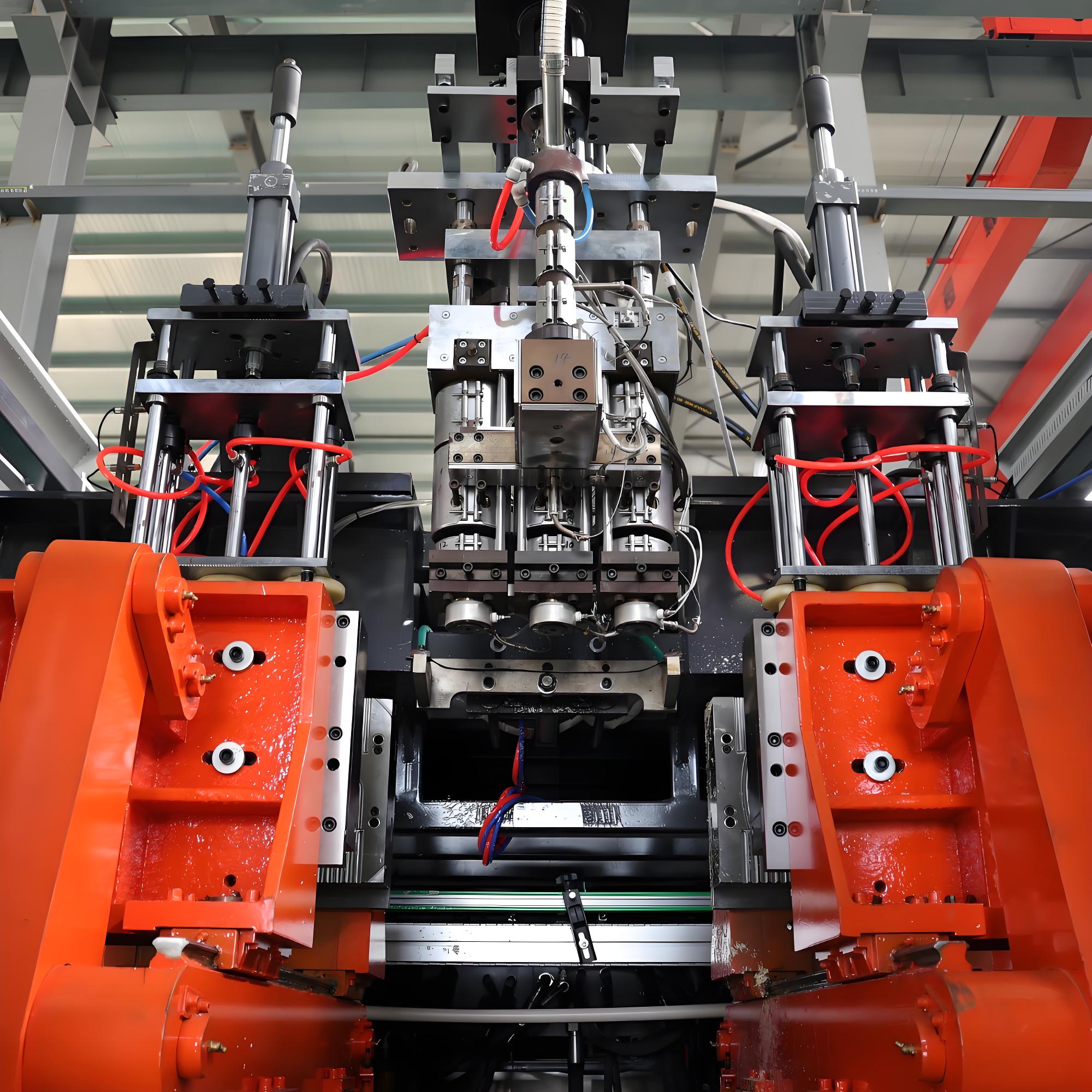
The die head is the mechanical interface that converts molten polymer into a uniform tube. Its geometry dictates the initial flow distribution before programming adjustments take effect. In an extrusion blow molding machine, even the most sophisticated control software cannot correct severe flow imbalances caused by poor die design or incorrect assembly. A well maintained die head ensures consistent melt velocity across the annular gap, which is the foundation for predictable wall thickness.
Die Head Geometry and Flow Balance
The internal channels of the die head must distribute melt evenly to every point on the circumference. If the flow path length varies around the ring, some sections arrive faster than others, creating uneven parison thickness. Engineers use spiral manifolds or stack layers to equalize pressure drop. For high speed production on a Fully Electric series unit, precision machining tolerances within five microns are required to prevent flow irregularities. Poor geometry leads to elliptical parisons that fail to fit properly in the mold, causing localized thin spots. Regular inspection of the die lips for wear is essential, as even slight deviations can disrupt flow balance over thousands of cycles.
Die Gap Setting and Initial Thickness
The static die gap determines the nominal wall thickness before any programming occurs. This setting is adjusted via shims or mechanical screws on the outer ring. A typical starting gap for a 1.5 mm wall bottle might be 0.8 mm, accounting for die swell. If the gap is too wide, the parison becomes weak and prone to sag. If too narrow, it increases back pressure and energy consumption. Operators must verify that the gap is concentric using feeler gauges at multiple points around the circumference. A deviation of just 0.1 mm can result in a ten percent variation in wall thickness across the bottle diameter.
Mandrel Adjustment and Centering
The mandrel forms the inner surface of the parison. It must be perfectly centered relative to the outer die ring. Eccentricity causes one side of the parison to be thicker than the other, leading to weak points opposite the thick zone. Adjusting the mandrel position requires careful alignment tools. On larger containers produced by an ABLD Series machine, thermal expansion differences between the steel mandrel and the die body can shift centering during operation. Pre heating the die head to operating temperature before final adjustment minimizes this error.
| Componente | Typical Tolerance | Effect of Deviation |
|---|---|---|
| Die Gap Concentricity | 0.05 mm | Causes oval parison and uneven wall thickness |
| Mandrel Centering | 0.1 mm | Creates thick and thin zones on opposite sides |
| Die Lip Wear | 0.02 mm per year | Gradual loss of flow balance and profile accuracy |
Resin Behavior and Its Effect on Wall Control
The choice of resin fundamentally alters parison dynamics. Each polymer grade exhibits unique melt strength, viscosity, and cooling rates. An extrusion blow molding machine must adapt its programming curves to match these material properties. A profile optimized for high density polyethylene will fail when running polypropylene due to differences in sag resistance and die swell. Engineers must treat resin selection as a critical variable in wall thickness control rather than a fixed parameter.
Melt Strength Variations Among Polymers
High density polyethylene offers moderate melt strength, making it suitable for standard bottles on an ABLB Series machine. However, high molecular weight grades are required for large containers to prevent excessive sag during long extrusion times. Polypropylene has lower melt strength and higher shrinkage, demanding faster mold closure and tighter temperature control. Barrier resins such as ethylene vinyl alcohol or nylon layers in multilayer structures often have very low melt strength, requiring coextrusion dies with precise layer distribution to avoid interface breakup. These materials typically demand narrower processing windows compared to single layer polyethylene.
Sag Tendency and Programming Adaptation
Sag tendency dictates how aggressively the die gap must be adjusted during extrusion. Low melt strength resins sag rapidly, causing thin tops and thick bottoms. To counteract this, programming curves for polypropylene often include more aggressive initial gap reductions to build up material at the top before stretching occurs. In contrast, high viscosity HDPE allows slower sag compensation. For large volume applications on an ABLD Series unit, using a resin with higher melt flow index resistance can reduce programming complexity but may increase cycle time due to slower cooling.
| Resin Type | Melt Strength | Sag Tendency | Typical Programming Adjustment |
|---|---|---|---|
| HDPE Medium Viscosity | Moderate | Baixo a médio | Standard linear taper, 5 to 10 percent gap reduction |
| Polypropylene | Baixo | Materiais de alta qualidade | Aggressive top thickening, rapid mold closure required |
| Multilayer Barrier | Variable | High in core layers | Precise layer ratio control, reduced extrusion speed |
Adapting settings for different resins requires careful testing. Switching from HDPE to PP on the same line may necessitate a new die head or significant software recalibration. The cost of resin trials and scrap during changeover can range from two thousand to five thousand dollars per product switch, depending on batch size and material price. Understanding these behavioral differences ensures that wall distribution remains consistent across diverse packaging requirements.
Wall Thickness Measurement and Calibration
Accurate measurement closes the loop between programming intent and physical reality. Without reliable data, operators adjust blindly, risking scrap or underweight containers. In an extrusion blow molding machine, wall thickness varies not only axially but also circumferentially due to mold fit and cooling unevenness. Effective calibration requires a systematic approach to sampling, target definition, and feedback integration.
Measurement Methods and Sampling Strategy
Traditional destructive testing involves cutting the bottle into horizontal sections and measuring each with calipers or micrometers. This method provides high accuracy for specific points but is slow and wasteful. Modern lines increasingly use online ultrasonic sensors that scan the rotating mold or parison in real time. These systems provide continuous data on wall distribution without stopping production. For small containers produced on a Fully Electric series unit, automated vision systems can also detect surface irregularities linked to thin walls. A standard sampling protocol requires measuring at least five axial zones and four circumferential points per sample to capture full variability.
Target Setting and Tolerance Bands
Targets must balance minimum burst strength with maximum material savings. Typical tolerance bands for consumer packaging are plus or minus ten percent of nominal thickness. For industrial drums made on an ABLD Series machine, tighter tolerances of five percent may be required to ensure stackability. Engineers define these targets based on drop test and pressure test results. If the average wall is below target but strength tests pass, further material reduction is possible. Conversely, if variation exceeds tolerance even with adequate average thickness, programming adjustments are needed to stabilize flow.
| Measurement Method | Accuracy | Cost Estimate | Application Suitability |
|---|---|---|---|
| Destructive Sectioning | Materiais de alta qualidade | Low setup, high labor | Initial tuning, audit checks, low volume runs |
| Online Ultrasonic Scanning | Médio a alto | 15000 to 40000 dollars | Continuous monitoring, high speed lines |
| Automated Vision Systems | Médio | 20000 to 50000 dollars | Surface defect detection, thin wall alerting |
Calibration Routine and Feedback Loops
Calibration begins with establishing a baseline using destructive tests. The control system then maps measured deviations to specific programming points. For example, if the shoulder is consistently five percent thin, the die gap at that extrusion segment is widened slightly. This iterative process continues until measurements fall within tolerance for three consecutive batches. Advanced systems use closed loop feedback where online sensors automatically adjust the next cycle’s profile. While such automation adds upfront cost, it reduces manual intervention and stabilizes quality during long production runs on an ABLB Series line.
Diagnosing Uneven Walls, Thin Spots and Base Weight
Wall defects rarely stem from a single cause. They result from interactions between programming errors, mechanical wear, and process instability. Effective troubleshooting requires systematic observation of defect patterns. In an extrusion blow molding machine, the location and shape of thin spots reveal whether the issue lies in flow balance, sag compensation, or mold alignment. Operators must distinguish between random variations and consistent profiles to apply the correct fix efficiently.
Symptom Mapping and Root Cause Analysis
Thin shoulders usually indicate insufficient material at the top of the parison. This often results from excessive sag before mold closure or a die gap that is too narrow during the initial extrusion phase. Conversely, thick bases suggest over compensation for sag or incorrect programming at the end of the stroke. Circumferential thin spots point to mechanical issues such as eccentric mandrels or worn die lips. For large containers produced on an ABLD Series machine, base weight control is critical because excess resin accumulates in the heel area due to gravity and stretching dynamics. Adjusting the final programming points can reduce this accumulation without compromising bottom strength.
Corrective Action Strategies
Corrective actions must target the specific stage of parison formation where the defect originates. If thin spots appear consistently at the same height, adjust the corresponding die gap segment in the programming curve. If defects vary randomly around the circumference, inspect mechanical alignment and clean the die head. Temperature fluctuations also cause intermittent wall variations; stabilizing melt temperature reduces these inconsistencies. For small bottles on a Fully Electric series unit, rapid servo response allows fine tuning of short parisons where sag effects are minimal but flow balance is sensitive to minor die imperfections.
| Sintoma | Causa provável | Ação corretiva |
|---|---|---|
| Thin Shoulder | Excessive sag or narrow initial gap | Increase top die gap or reduce extrusion time |
| Thick Base | Over compensation at end of stroke | Reduce final die gap opening or adjust sag profile |
| Circumferential Variation | Eccentric mandrel or worn die lips | Re center mandrel and replace die components |
| Random Thin Spots | Melt temperature fluctuation | Stabilize heater zones and check screw speed |
Resolving these issues typically requires one to two hours of tuning per defect type. The cost of scrap during this process can reach five hundred dollars per hour for high volume lines using premium resins. Regular preventive maintenance of the die head and calibration of programming curves minimize the frequency of such interventions, ensuring stable production on ABLB Series and other mid range units.
Matching ABLB, ABLD and Fully Electric Series to Wall Tasks
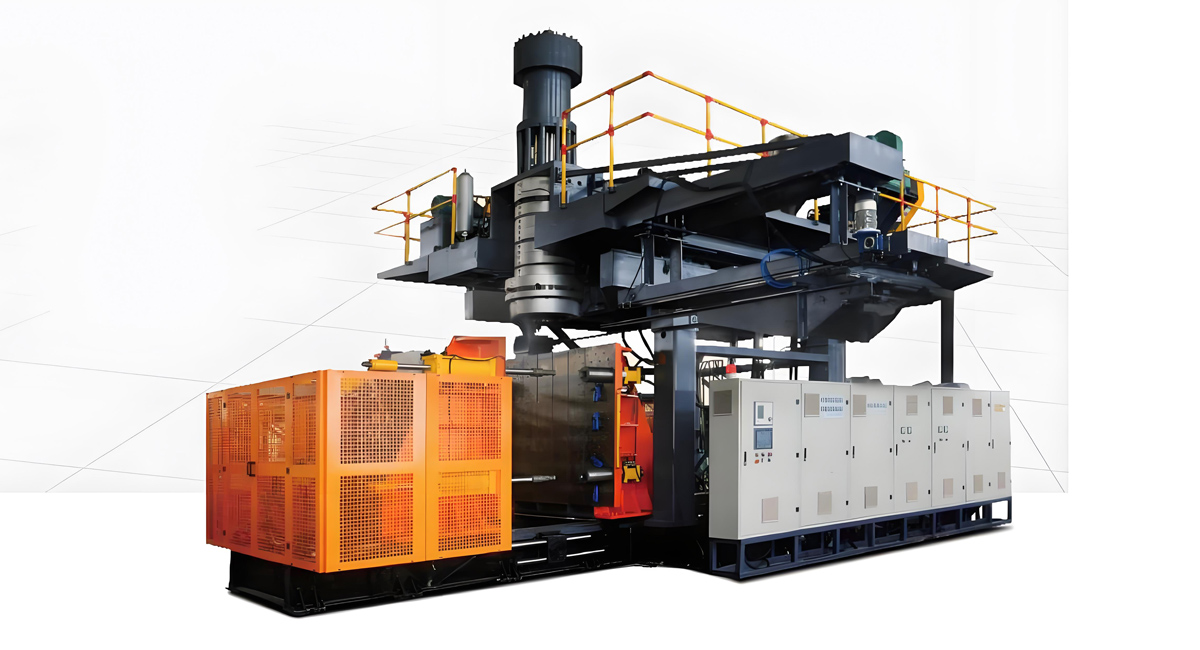
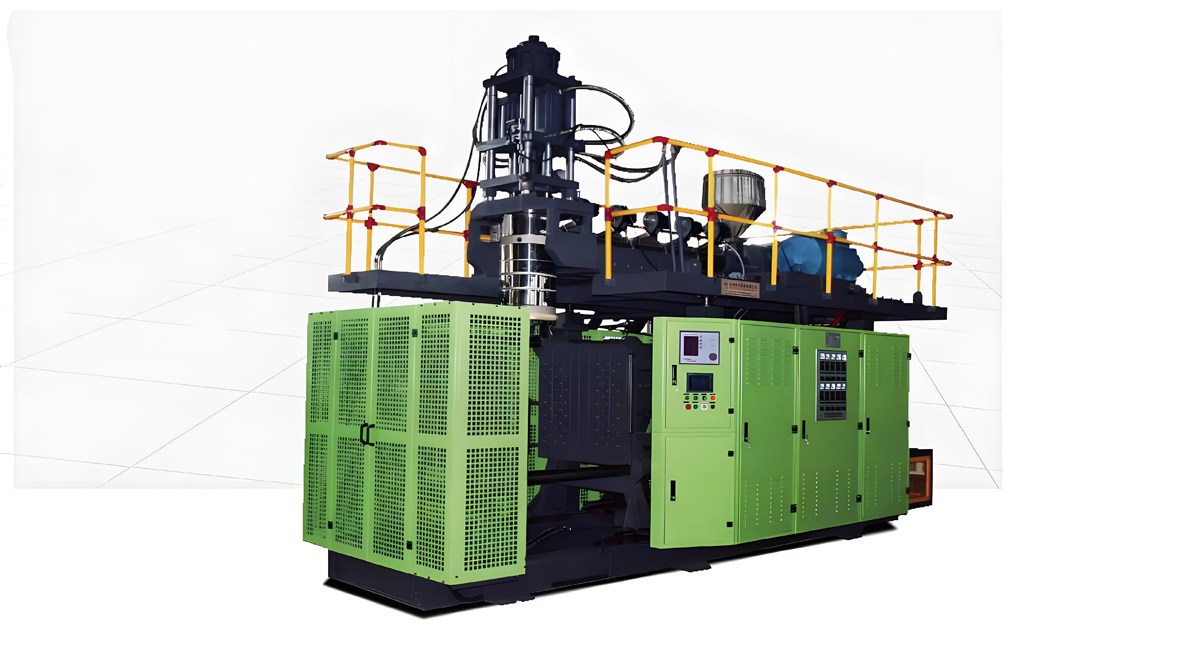
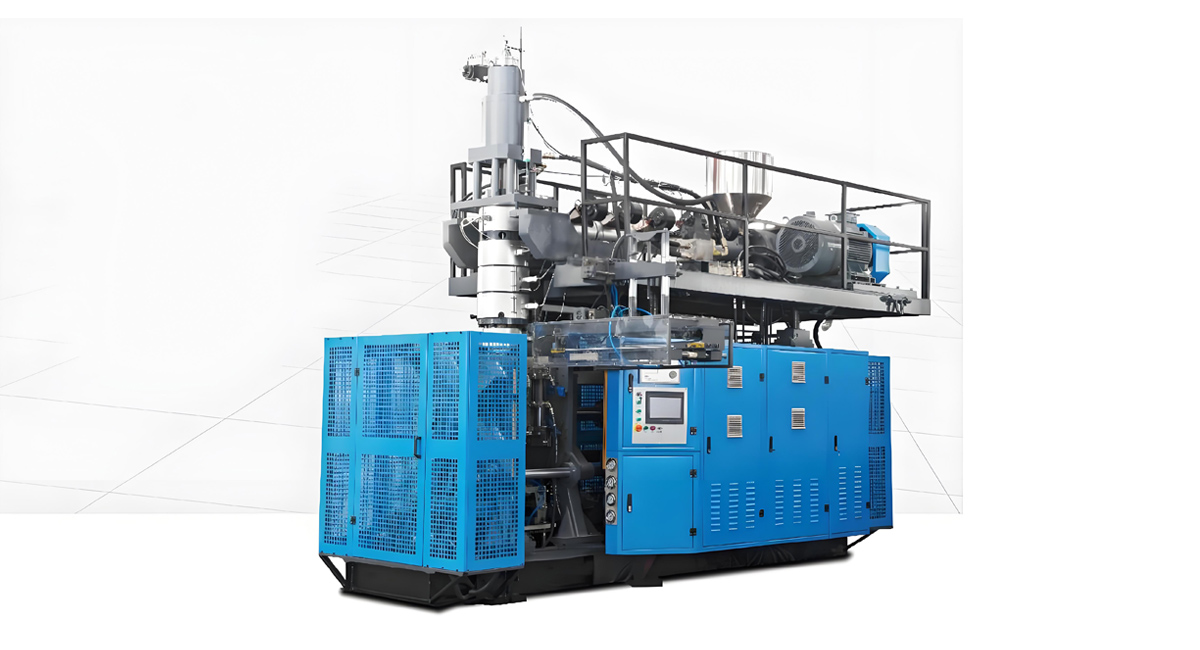
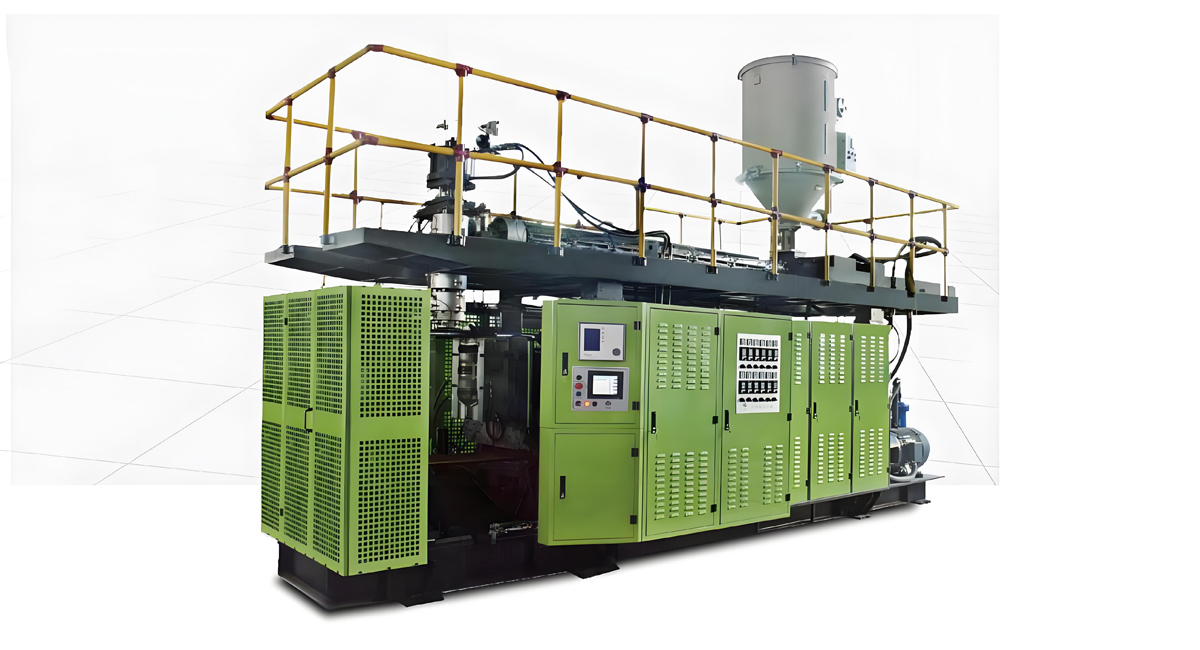
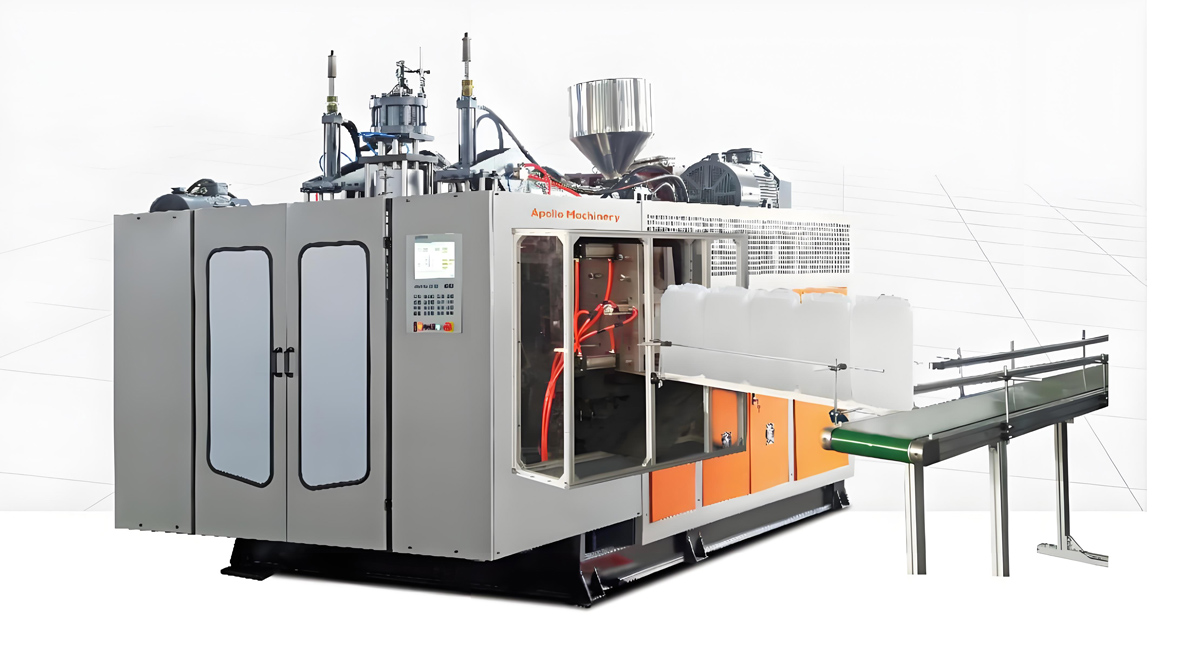
Selecting the right extrusion blow molding machine depends on container size, wall complexity, and production speed. Each Apollo series offers distinct mechanical advantages for specific wall control challenges. The ABLB Series handles mid range volumes with robust hydraulic actuation. The ABLD Series manages large containers where sag compensation is critical. The Fully Electric series provides high precision for small to medium bottles requiring tight tolerances. Understanding these capabilities ensures optimal material usage and quality consistency across the product portfolio from 5ML to 5000L.
ABLB Series for Mid Range Consistency
The ABLB Series covers containers from 200ML to 20L, making it ideal for standard consumer packaging like detergent bottles and jugs. Its hydraulic die gap adjustment offers reliable performance for moderate programming complexity. Wall distribution tasks here typically involve simple linear tapers or basic multi segment profiles. The system handles sag effectively for these sizes without requiring ultra fast response times. Operators can achieve wall variations of ten to fifteen percent with standard tuning. This series is cost effective for high volume runs where cycle time stability matters more than extreme geometric complexity.
ABLD Series for Large Volume Sag Control
Large containers from 20L to 1500L demand significant sag management. The ABLD Series features extended die heads and powerful actuators to maintain parison integrity during long extrusion strokes. Wall programming here must counteract substantial gravity effects, often requiring aggressive top thickening and bottom thinning curves. The machine’s robust clamping force ensures even stretching despite heavy parison weight. Programming curves for these units are complex, with many control points to prevent base accumulation and shoulder failure. This series excels in industrial drums and bulk containers where uniform wall thickness is vital for structural strength.
Fully Electric Series for Precision Small Containers
The Fully Electric series targets 200ML to 20L applications with high speed servo driven die adjustment. Response times under fifty milliseconds allow dynamic compensation for rapid sag changes in small parisons. This precision enables tighter wall tolerances of five percent, reducing resin waste significantly. It suits food grade packaging and pharmaceutical containers where weight consistency is regulated. The clean operation and energy efficiency also lower long term operating costs compared to hydraulic systems.
| Series | Container Range | Wall Control Strength | Typical Programming Complexity |
|---|---|---|---|
| ABLB Series | 200ML to 20L | Moderate, robust for standard shapes | Low to Medium, simple taper profiles |
| Série ABLD | 20L to 1500L | High, manages severe sag and weight | High, multi segment dynamic curves |
| Fully Electric series | 200ML to 20L | Very High, fast servo response | Medium to High, precise micro adjustments |
Process Settings That Stabilize Wall Distribution
Stable wall thickness requires harmonizing thermal and mechanical parameters. Programming curves define the ideal geometry, but process stability ensures that geometry is reproducible cycle after cycle. In an extrusion blow molding machine, fluctuations in melt temperature or head pressure cause random deviations that no software can fully compensate. Operators must maintain a steady state to allow precise die gap adjustments to take effect consistently.
Melt Temperature and Viscosity Stability
Melt temperature directly controls polymer viscosity and die swell. A variation of just five degrees Celsius can alter wall thickness by three to five percent due to changes in flow resistance. For high density polyethylene, the optimal range is typically 190 to 210 degrees Celsius at the die exit. Lower temperatures increase viscosity, reducing sag but requiring higher extrusion pressure. Higher temperatures promote sag and thinning, especially in tall containers produced on an ABLD Series machine. Consistent heating requires well calibrated thermocouples and stable heater bands. Regular maintenance of these components prevents drift that leads to batch to batch quality issues.
Extrusion Speed and Head Pressure Balance
Extrusion speed determines the parison length per unit time. If speed varies, the programming points no longer align with the correct heights in the mold. Head pressure fluctuations indicate inconsistent screw feed or melt homogeneity. Stable head pressure ensures uniform flow through the die channels. On a Fully Electric series unit, servo driven screws provide precise control over both speed and pressure, minimizing these variations. For hydraulic systems like the ABLB Series, maintaining constant pump pressure and checking for internal leaks is essential to prevent pulsation in the melt stream.
Cooling Balance and Solidification Control
Cooling affects how much the parison stretches before solidifying. Uneven mold cooling causes differential shrinkage and warpage, which can be mistaken for wall thickness errors. The heel area often cools slower than the body, leading to apparent thickening. Balanced cooling channels in the mold tool are critical. For large containers, extended cooling times may be necessary to prevent deformation while maintaining cycle efficiency.
| Process Parameter | Typical Control Range | Impact on Wall Stability |
|---|---|---|
| Melt Temperature | Plus or minus 3 degrees Celsius | Directly affects viscosity and sag rate |
| Head Pressure | Plus or minus 5 bar | Ensures uniform flow through die channels |
| Extrusion Speed | Plus or minus 2 percent | Maintains alignment of programming points with mold height |
Energy and Material Savings from Better Wall Control
Precise parison programming directly reduces resin consumption by eliminating excess material in non critical zones. When wall thickness is optimized rather than uniformly thickened, average container weight drops significantly. For a standard one liter HDPE bottle, reducing the average wall by ten percent saves approximately two grams per unit. While this seems minor, it accumulates rapidly across high volume production lines using an extrusion blow molding machine such as the ABLB Series or Fully Electric series units. The financial impact extends beyond raw material costs to include energy savings from faster cooling cycles and reduced waste handling.
Resin Reduction and Cost Impact
Resin typically accounts for sixty to seventy percent of total production cost in blow molding facilities. A five percent reduction in average weight translates to a direct five percent cut in material expenses. Additionally, thinner walls cool faster, allowing shorter cycle times and higher output rates without compromising quality. This efficiency gain offsets the initial investment in advanced control software or servo upgrades. For large containers produced on an ABLD Series machine, even small percentage reductions yield substantial tonnage savings annually due to the high mass of each unit.
Reject Rate Reduction and Operational Efficiency
Better wall control minimizes weak spots that cause burst failures during filling or transport. Lower reject rates mean less scrap resin and fewer machine stoppages for quality checks. A typical line might see a two percent reduction in rejects after optimizing programming curves, saving thousands of dollars in lost production time and disposal fees. The cost of implementing these improvements varies. Upgrading control systems on existing machines ranges from five thousand to fifteen thousand dollars, while new high precision units may cost fifty thousand to one hundred twenty thousand dollars depending on capacity and automation level.
| Annual Output | Weight Reduction per Unit | Estimated Annual Resin Savings |
|---|---|---|
| 1 Million Units | 2 grams | 2000 kg, approx 3000 dollars |
| 5 Million Units | 5 grams | 25000 kg, approx 37500 dollars |
| 10 Million Units | 10 grams | 100000 kg, approx 150000 dollars |
These figures assume a resin price of one dollar fifty cents per kilogram. Actual savings depend on local material costs and energy rates, but the trend consistently favors precision programming for long term profitability.
Cost and Price Analysis of Wall Control Upgrades
Investing in advanced parison control requires evaluating capital expenditure against operational savings. The decision depends on production volume, resin prices, and existing machine capabilities. For older hydraulic lines like the ABLB Series, retrofitting servo driven die adjustment offers a cost effective path to improved wall distribution without replacing the entire extrusion blow molding machine. Newer installations such as the Fully Electric series units include these features by default, reducing the need for upgrades but requiring higher initial capital. Understanding the budget breakdown helps manufacturers justify expenditures to management and plan long term maintenance strategies.
Hardware and Software Investment Ranges
Retrofitting a servo actuator for die gap control typically costs between eight thousand and fifteen thousand dollars per station. This upgrade enables continuous programming instead of point by step adjustment, significantly improving sag compensation. For large containers produced on an ABLD Series machine, the actuation system must handle higher forces, increasing the cost to twenty thousand to thirty five thousand dollars. Control software licenses for advanced profile editing range from three thousand to eight thousand dollars depending on vendor and feature set. These prices are indicative and vary by region and supplier agreements.
Measurement Systems and Training Costs
Online wall measurement systems provide real time feedback but carry significant upfront costs. Ultrasonic scanning units range from fifteen thousand to forty thousand dollars, while automated vision systems can exceed fifty thousand dollars for complex geometries. Training engineers on programming logic and troubleshooting is often overlooked but essential. A typical training program costs two thousand to five thousand dollars per team member. Without skilled operators, even the most advanced hardware fails to deliver consistent results.
| Upgrade Option | Typical Price Range | Payback Driver |
|---|---|---|
| Servo Die Actuation Retrofit | 8000 to 15000 dollars | Resin savings from optimized wall profiles |
| Advanced Control Software License | 3000 to 8000 dollars | Faster changeover and reduced tuning time |
| Online Ultrasonic Measurement | 15000 to 40000 dollars | Reduced reject rates and real time quality control |
| Operator Training Program | 2000 to 5000 dollars | Improved consistency and lower scrap during setup |
Payback periods for these upgrades typically range from six months to two years. High volume lines running premium resins see faster returns due to larger material savings per unit. For example, a line producing five million bottles annually can recover the cost of a servo retrofit in under one year through resin reduction alone. Manufacturers should prioritize upgrades that address their most frequent quality issues, whether sag control or flow balance, to maximize return on investment.
Startup, Changeover and Recipe Management
Efficient production relies on structured startup sequences and reliable recipe storage. In an extrusion blow molding machine, each product requires a specific programming curve, temperature set point, and cooling time. Managing these parameters systematically reduces downtime and ensures consistent wall thickness across batches. Operators must follow standardized procedures to avoid trial and error tuning that wastes resin and time.
Startup Sequencing for Stable Walls
Startup begins with heating the die head and mold to target temperatures. Cold starts cause uneven flow and poor parison formation, leading to immediate scrap. Once thermal equilibrium is reached, operators initiate extrusion at low speed to verify flow balance before engaging full cycle mode. For large containers on an ABLD Series machine, this phase may take thirty to sixty minutes to stabilize melt viscosity. Checking die gap concentricity during warm up prevents mechanical errors from propagating into the first production run.
Grade Changeover Procedures
Changing resin grades requires purging the system thoroughly to remove residual material. Different polymers have varying melt strengths and sag rates, so programming curves must be adjusted accordingly. A switch from HDPE to polypropylene on a Fully Electric series unit demands recalibration of die gap profiles due to higher shrinkage and lower melt strength. Purging typically consumes five to ten kilograms of resin per changeover. Cleaning the screw and die head prevents cross contamination that can affect color and mechanical properties.
Recipe Storage and Version Control
Modern controllers allow storing hundreds of recipes with detailed programming curves. Each recipe includes temperature zones, extrusion speed, die gap positions, and cooling times. Version control ensures that proven settings are not overwritten by temporary adjustments during troubleshooting. For facilities running multiple products on an ABLB Series line, organized recipe libraries reduce changeover time from hours to minutes.
| Changeover Type | Typical Duration | Resin Waste Estimate | Key Adjustment Focus |
|---|---|---|---|
| Same Material Different Size | 15 to 30 minutes | 2 to 5 kg | Programming curve and mold tool swap |
| Different Material Grade | 45 to 90 minutes | 5 to 15 kg | Temperature zones and sag compensation profile |
| Major Die Head Change | 2 to 4 hours | 10 to 20 kg | Mechanical alignment and full re calibration |
Proper recipe management minimizes human error and preserves institutional knowledge. When a skilled engineer tunes a complex profile, saving that data ensures reproducibility even when different operators run the line.
Operator Training and Discipline
Advanced programming software cannot compensate for inconsistent operator behavior. Human intervention is often the largest source of wall thickness drift in production facilities. Skilled operators understand how process variables interact with parison dynamics, allowing them to make precise adjustments rather than random guesses. In an extrusion blow molding machine, discipline in following standard operating procedures ensures that optimized recipes remain effective over long runs.
Essential Skills for Wall Consistency
Operators must interpret visual and tactile cues from the parison before it enters the mold. Recognizing early signs of sag, flow imbalance, or temperature drift allows proactive correction. Training programs should focus on reading programming curves and understanding how die gap changes affect specific bottle zones. For instance, adjusting the top segment on an ABLB Series unit requires knowing that small changes have amplified effects due to stretching ratios. Technicians also need proficiency in using measurement tools like ultrasonic gauges to verify wall distribution without stopping production unnecessarily.
Preventing Drift Through Standardization
Drift occurs when operators manually tweak settings to mask underlying mechanical or thermal issues. A strict protocol requires documenting every adjustment and reverting to approved recipes if quality does not improve within two cycles. This discipline prevents the accumulation of small errors that lead to significant waste. For large containers produced on an ABLD Series machine, where sag effects are pronounced, unauthorized changes to extrusion speed can cause catastrophic wall thinning. Regular audits of recipe logs help identify habitual deviations that indicate training gaps or equipment wear.
| Training Focus | Skill Outcome | Impact on Wall Control |
|---|---|---|
| Curve Interpretation | Precise segment adjustment | Reduces trial and error tuning time by fifty percent |
| Measurement Verification | Data driven decisions | Catches drift before scrap accumulates |
| Changeover Protocol | Consistent setup execution | Lowers resin waste during grade switches |
Investing in operator competence yields direct financial returns. A well trained team can reduce changeover times from ninety minutes to thirty minutes, saving thousands of dollars annually in lost production. Training costs typically range from one thousand to three thousand dollars per employee, a fraction of the potential savings from reduced scrap and improved uptime on Fully Electric series units.
Maintenance of Die Head and Programming Actuators
Preventive maintenance preserves the mechanical precision required for accurate parison programming. Wear in the die head or actuators introduces errors that software cannot fully correct, leading to inconsistent wall thickness and increased scrap rates. In an extrusion blow molding machine, components operate under high thermal and mechanical stress. Regular inspection and calibration ensure that programmed movements translate precisely into physical gap adjustments, maintaining quality standards across long production cycles.
Die Head Inspection and Cleaning
Die lips accumulate carbonized resin over time, altering flow dynamics and causing streaks or uneven walls. Operators should inspect die heads during every grade changeover for signs of wear or deposit buildup. Cleaning requires careful scraping to avoid scratching critical surfaces that guide melt flow. For high speed lines using the Fully Electric series units, even minor surface imperfections can disrupt laminar flow in small parisons. Replacing worn die components typically costs between five hundred and two thousand dollars per set, depending on size and material hardness.
Actuator Calibration and Lubrication
Servo actuators controlling die gap movement require periodic calibration to ensure positional accuracy. Backlash or wear in guide rails causes hysteresis, meaning the actual gap differs from the commanded position. This error is critical for large containers produced on an ABLD Series machine, where precise sag compensation depends on exact gap changes. Lubrication of linear guides and ball screws reduces friction and extends service life. Calibration checks should occur monthly or after any major repair to verify that programming curves align with physical reality.
Sensor Maintenance for Feedback Systems
Online measurement sensors must remain clean and aligned to provide reliable data. Dust, resin mist, or mold release agents can obscure ultrasonic transducers or vision cameras, leading to false readings. Regular cleaning of sensor lenses and verification against manual measurements prevents drift in closed loop systems.
| Componente | Maintenance Interval | Typical Cost Impact |
|---|---|---|
| Die Head Cleaning | Every changeover | 50 to 200 dollars labor per event |
| Actuator Calibration | Monthly or after repair | 100 to 300 dollars for specialized tools |
| Sensor Verification | Semanal | Minimal if in house, high if outsourced |
How Apollo Supports Wall Thickness Optimization
Apollo engineering support extends beyond machine delivery to active optimization of wall distribution during commissioning. Clients often face challenges with resin savings or complex geometries that require specialized programming knowledge. Apollo engineers conduct on site trials to calibrate parison curves for specific container designs, ensuring the extrusion blow molding machine achieves target weight and strength metrics from day one. This hands on approach reduces the learning curve for in house teams and accelerates time to market for new products.
On Site Trials and Calibration
During commissioning of an ABLB Series or Fully Electric series unit, engineers perform destructive wall testing at multiple axial points. They adjust die gap profiles iteratively until measurements fall within strict tolerance bands. For large containers produced on an ABLD Series machine, this process includes optimizing sag compensation to prevent base accumulation and shoulder thinning. Trials typically last three to five days, depending on product complexity. The goal is to establish a baseline recipe that minimizes resin use while maintaining burst strength standards.
Training and Knowledge Transfer
Apollo provides structured training programs focused on programming logic and troubleshooting. Operators learn how to interpret wall measurement data and make precise adjustments without guesswork. This knowledge transfer empowers manufacturers to manage changeovers independently, reducing reliance on external support for routine tasks. The cost of such comprehensive commissioning and training packages ranges from ten thousand to twenty five thousand dollars, depending on machine size and scope.
| Support Service | Typical Duration | Primary Outcome |
|---|---|---|
| Commissioning Trials | 3 to 5 days | Optimized programming curves for target wall weight |
| Operator Training | 2 to 3 days | Proficiency in recipe management and troubleshooting |
| Remote Technical Support | Ongoing | Rapid resolution of drift or quality issues |
This integrated support model ensures that the mechanical capabilities of the machine are fully utilized. By combining precise hardware with expert programming guidance, Apollo helps manufacturers achieve consistent wall thickness distribution and significant material savings across their production lines.
Conclusão
Wall thickness control in extrusion blow molding depends on the precise interaction of die geometry, melt behavior, and programming logic. The central lever is dynamic parison adjustment, which compensates for sag and stretching to distribute material only where strength is required. From small containers on a Fully Electric series unit to large drums produced by an ABLD Series machine, the principles remain consistent: optimize flow balance, stabilize process parameters, and calibrate actuators regularly.
Material savings are achieved by reducing average wall weight without compromising structural integrity. A five percent reduction in resin usage directly improves profit margins, especially when combined with lower reject rates from stable quality control. Effective programming requires accurate measurement feedback and disciplined operator practices to prevent drift during long production runs. Investing in advanced servo systems and online sensors accelerates this optimization, though the initial cost must be weighed against annual resin savings and reduced downtime.
The path to lower scrap begins with understanding the specific constraints of each resin grade and container geometry. Whether using an ABLB Series for standard bottles or specialized setups for food grade packaging, systematic tuning of die gap profiles ensures uniform walls. Regular maintenance of die heads and actuators preserves mechanical precision, allowing software commands to translate accurately into physical results. By integrating these technical practices with skilled human oversight, manufacturers can achieve consistent quality and significant cost efficiency across their entire product range from 5ML to 5000L.