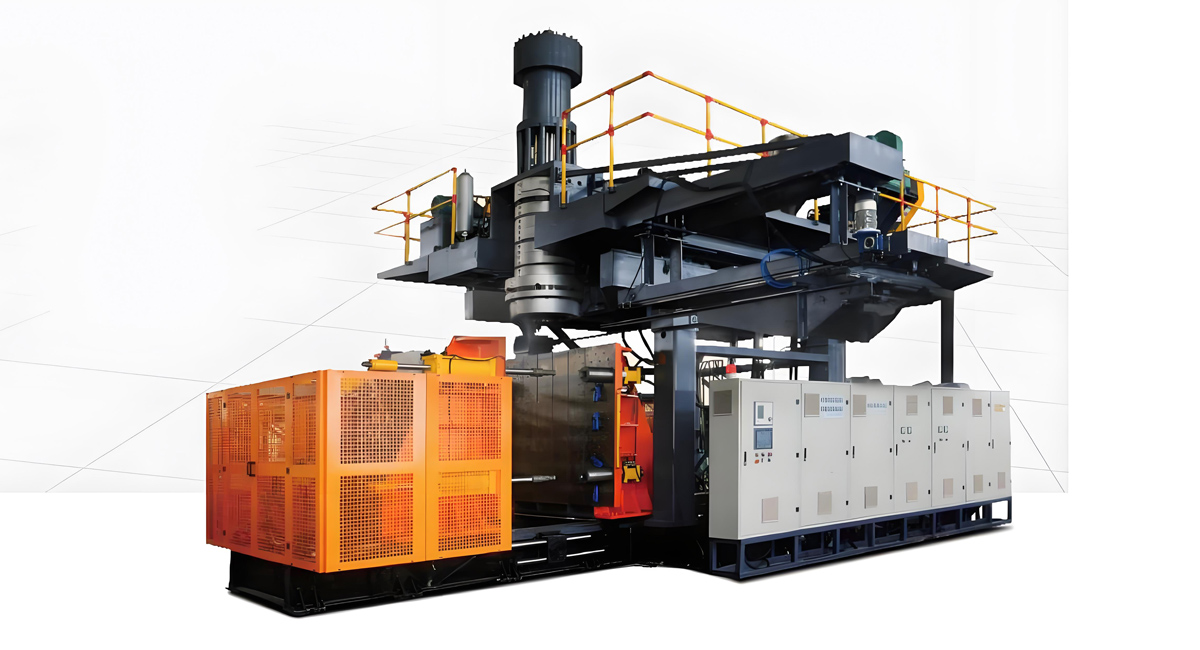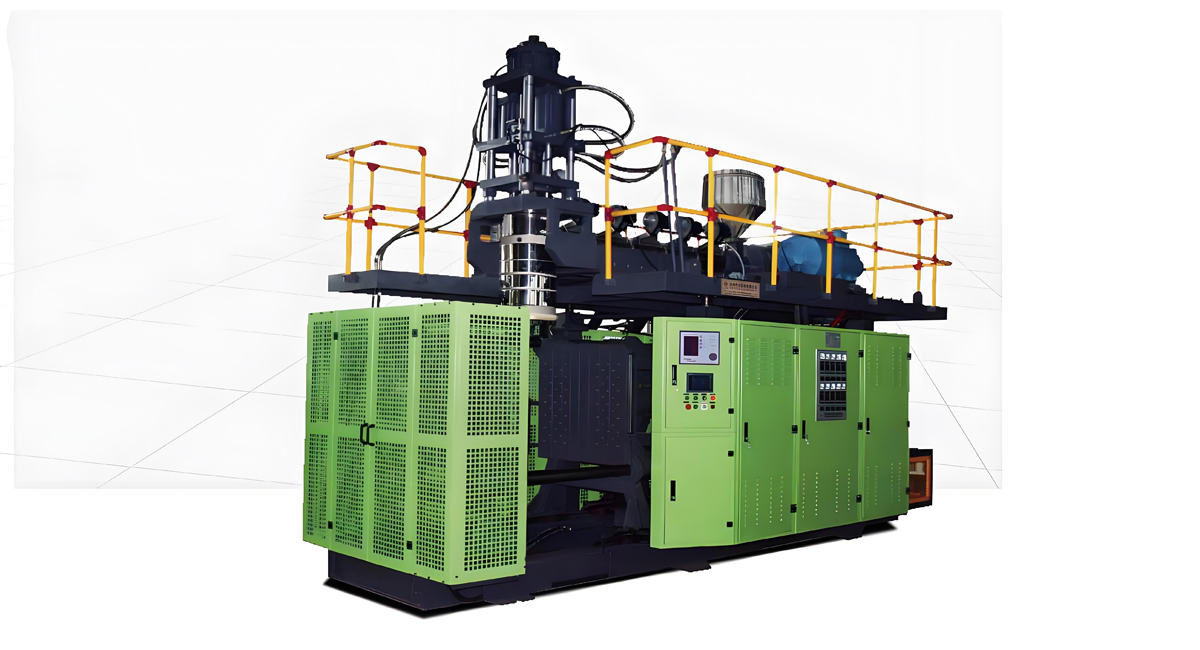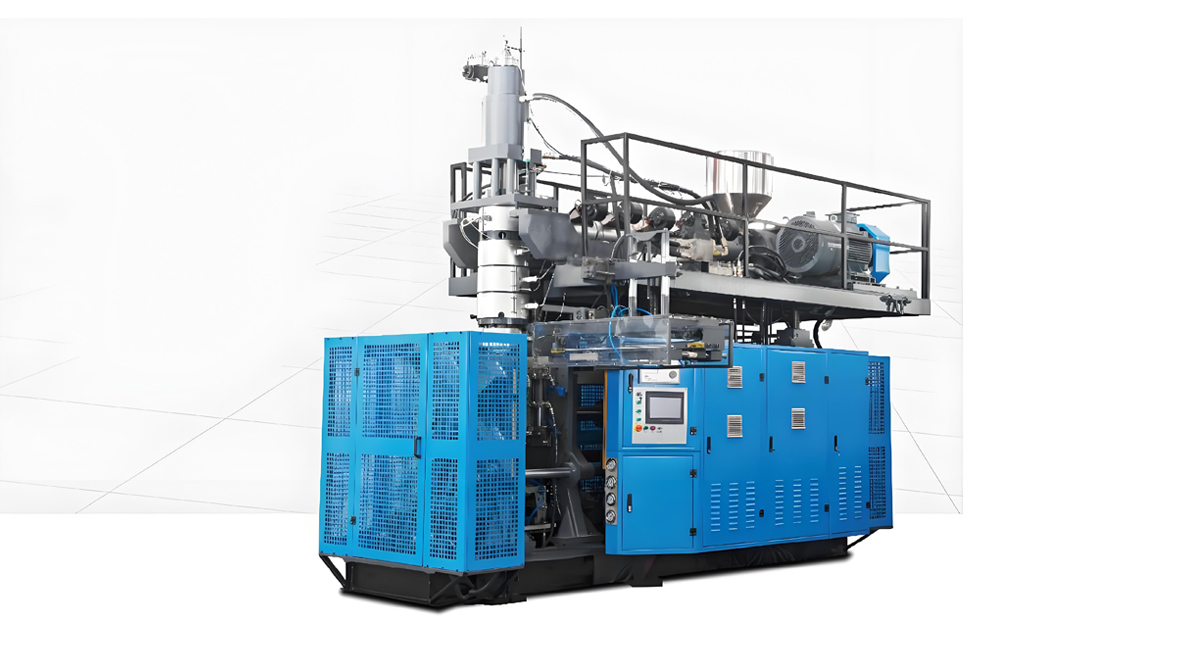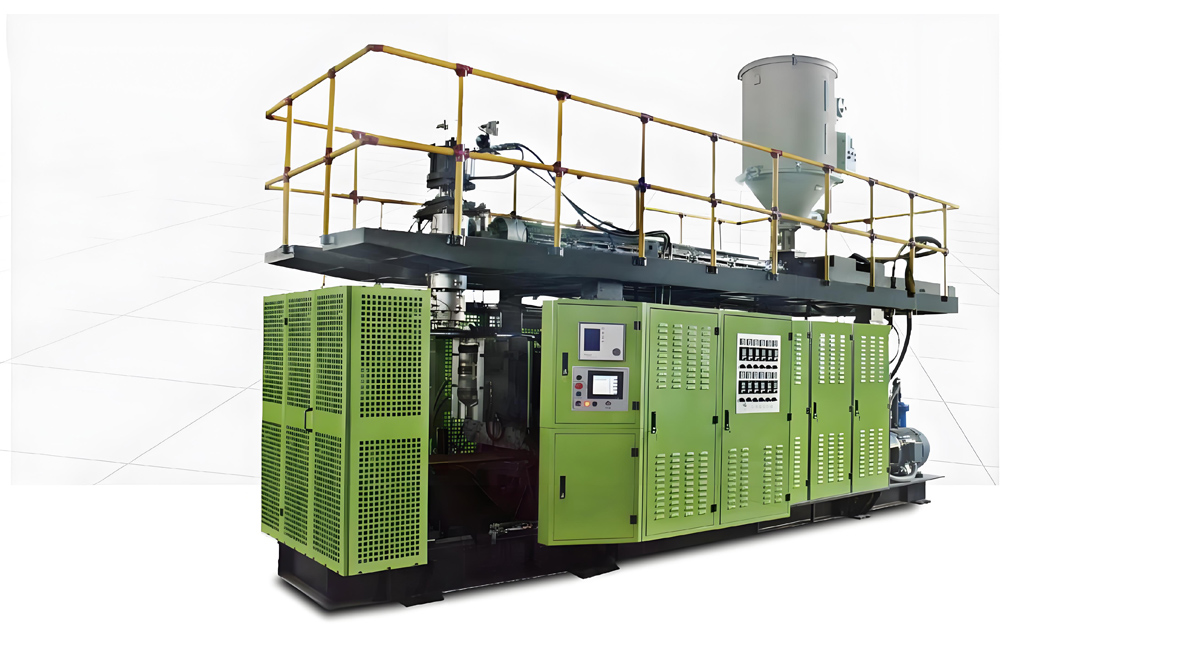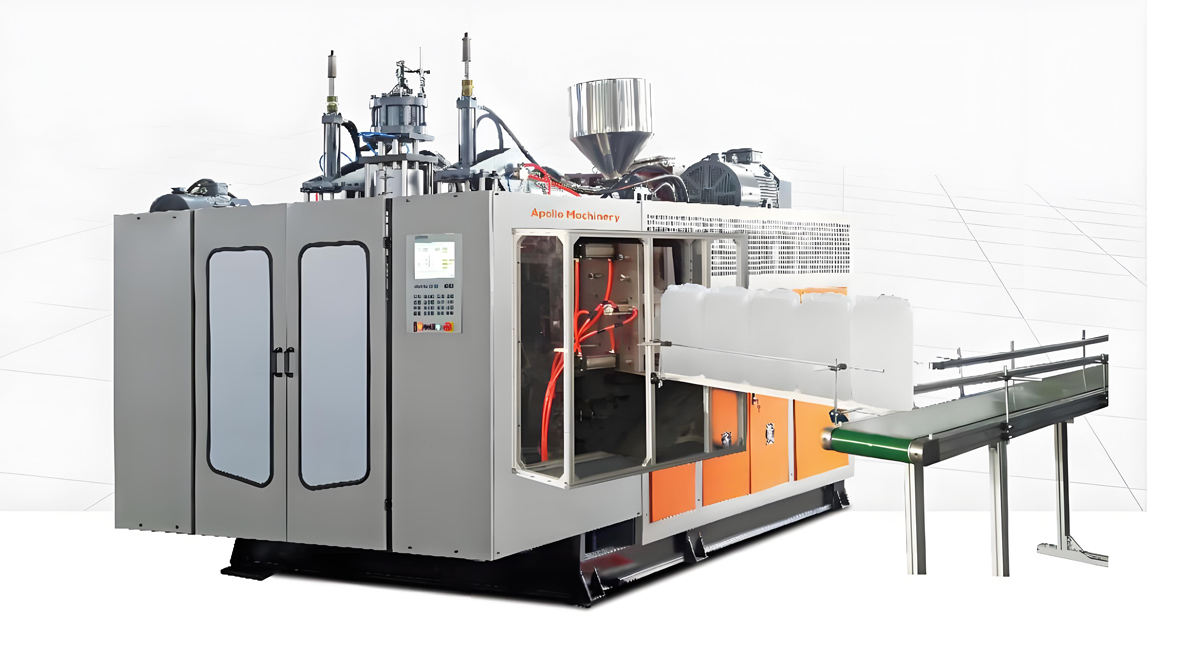
Una máquina de moldeo por soplado totalmente eléctrica de 400 ml es la forma más confiable de producir a gran escala botellas de cuidado de la piel sin rastros visibles en el cuerpo y la zona del hombro. Para las marcas de cosméticos, una línea de rastros o un borde desigual no es un defecto cosmético menor. Es una razón para rechazar la producción en la línea de llenado, una fuente de quejas de los clientes y un costo oculto en el trabajo de acabado secundario. El moldeo por soplado por extrusión, o EBM, sigue siendo el proceso predominante para las botellas de cuidado personal y para el cuidado de la piel de 400 ml porque puede manejar una amplia gama de materiales, admite estructuras multicapa y se escala desde sesiones piloto hasta millones de unidades al año. La diferencia entre una botella aceptable y una botella de alta calidad se reduce a la precisión con que la máquina controla la fuerza de cierre del molde y el grosor de la pared del material central.
Apollo, una fábrica de Wanplas, es un fabricante de máquinas de moldeo por soplado de extrusión automática con más de 20 años de historia. La fábrica opera con una zona de producción de
Este artículo explica por qué las botellas para cuidado de la piel requieren rastros nulos, cómo una máquina de moldeo por soplado totalmente eléctrica supera a una máquina hidráulica convencional en términos de limpieza y precisión, las causas reales de los rastros en una botella de 400 ml y cómo la serie real de máquinas de Apollo convierte ese conocimiento en producción en masa reproducible. Abarcamos la comparación entre el EBM totalmente eléctrico y el hidráulico, las causas radiculares de los rastros en la línea de partimiento y en la fuerza de sujeción, los requisitos cosméticos como el acabado de la superficie y la precisión del cuello, los detalles técnicos de la uniformidad del grosor de la pared, la selección de materiales y una tabla de selección práctica que relaciona el volumen de producción y el tamaño de la botella con el modelo Apollo adecuado. Al final, tendrá una base técnica clara para especificar una línea de botellas para cuidado de la piel de 400 ml sin rastros.
Por qué las botellas de cuidado de la piel requieren flash cero
Las botellas de cuidado de la piel se colocan en un estante de venta al por menor, donde el paquete es la primera impresión del producto. Una botella de 400 ml de loción, suero o limpiador se manipula, fotografía y evalúa por su apariencia mucho antes de que se pruebe su fórmula. La superposición, que es la fina capa de plástico en exceso que se presiona en la línea de separación del molde, destruye esa primera impresión. Incluso una ligera veta a lo largo de la costura lateral o una materia abrasiva en la base se interpreta como un producto de baja calidad. En cosméticos de alta gama, la percepción de calidad es inseparable de la calidad real, por lo que la ausencia de superposición es un requisito comercial, y no solo técnico.
Más allá de su aspecto, el flash crea problemas reales a la baja del proceso. El desfluss manual incrementa el costo de mano de obra y introduce un manejo que puede rayar la superficie de la botella. El recorte mecánico puede dejar marcas perceptibles o generar polvo de plástico que contamina el interior de la botella, lo que es inaceptable para los productos destinados al contacto con la piel. Tampoco es aceptable un flash inconsistente, que provoca que el peso de la botella varíe, lo que complica el control del volumen de llenado y aumenta el riesgo de llenado insuficiente o exceso en la línea de llenado. Para una marca que produce millones de unidades al año, incluso una fracción de un gramo de desperdicio evitado, multiplicado por el volumen, representa una significativa pérdida de materia prima.
El segmento de cuidado de la piel también se superpone a las regulaciones farmacéuticas y de cuidado personal. Los envases que entran en contacto con la piel deben cumplir con las expectativas de higiene, y muchas marcas los rellenan en entornos controlados. Cualquier proceso que genere nieblas de aceite o partículas plásticas finas aumenta la carga de limpieza y el riesgo de contaminación. Esta es la razón por la que el moldeo por soplado por extrusión totalmente eléctrico ha pasado de ser una opción de sala limpia de nicho a una opción común para la producción cosmética. Al eliminar el sistema hidráulico, la máquina elimina la fuente dominante de contaminación en la planta de producción, al tiempo que obtiene la precisión de servo necesario para mantener prácticamente cero inducción de resalto.
Un tamaño de 400 ml es el punto óptimo para la tecnología. Es lo suficientemente grande como para que la instrumentación de múltiples cavidades y el ciclado rápido sean importantes para la economía, pero lo suficientemente pequeño como para que la programación del espesor de la pared y la precisión del molde tengan una fuerte influencia en el aspecto. El mismo diseño de la botella que parece imperceptible en una máquina totalmente eléctrica puede mostrar una costura visible en una línea hidráulica más antigua simplemente porque la fuerza de sujeción varía de ciclo a ciclo. Comprender esta distinción es la base del resto de este artículo.
EBM completamente eléctrico vs Máquina de moldeo a chorro hidráulica EBM.
Una máquina de moldeo por soplado completamente eléctrica reemplaza la bomba hidráulica, las válvulas y el depósito de aceite por motores servo y actuadores accionados eléctricamente para cada eje: extrusión, programación de la parta, fijación, soplado y retirada de la pieza. Una máquina hidráulica convencional utiliza aceite a presión para mover los mismos ejes. Ese único cambio arquitectónico produce diferencias en la limpieza, el uso de energía, la repetibilidad y el control de los «golpes», lo que afecta directamente a la calidad de las botellas de cuidado de la piel de 400 ml.
La diferencia más importante para los cosméticos es la ausencia de aceite hidráulico. Las máquinas hidráulicas pueden sufrir fugas en las juntas y accesorios, y la bomba genera calor y vapor de aceite, incluso cuando está completamente sellada. En un entorno de llenado de productos para el cuidado de la piel o farmacéuticos, esa contaminación representa una responsabilidad en materia de cumplimiento y higiene. Una máquina completamente eléctrica no tiene circuito de aceite en la zona de trabajo, lo que simplifica la clasificación de las salas blancas y reduce la carga de trabajo de limpieza. Wanplas suministra equipo posterior, como transportadores, detectores de fugas y desengrasadores, que se integran de forma natural en una celda de producción limpia en torno a un moldeador de soplado completamente eléctrico.
La repetibilidad es el segundo factor decisivo. Los servomotores mantienen la posición y la fuerza dentro de una banda muy ajustada en cada ciclo. La fuerza de fijación, que es la variable más importante para el sangrado, se puede ajustar y mantener con alta resolución. La fuerza de fijación hidráulica tiende a cambiar con la temperatura del aceite, el desgaste de las válvulas y la carga de la bomba, por lo que la presión de la línea de separación varía ligeramente de un ciclo a otro. Durante un largo proceso de producción, esa variación se manifiesta como sangrado intermitente o, por el contrario, como una fijación excesiva que acorta la vida del molde. La siguiente tabla resume la comparación práctica.
| Atributo | EBM completamente eléctrico | Máquina de moldeo a chorro hidráulica EBM. |
|---|---|---|
| Sistema de accionamiento | Motor de servos en todos los ejes | Bomba hidráulica y válvulas |
| Fuerza de sujeción. control | Presa servo de alta resolución, muy estable. | Basado en la presión del aceite, varía con la temperatura. |
| Control del espesor de la pared del material | Programa de parison del servomando, punto por punto. | Hidráulico o servo: más ruido en la señal. |
| Limpieza para el uso en cuidado de la piel | No niebla de aceite, ambiente fácil de limpiar | Riesgo de fugas de aceite y vapor |
| Consumo de energía | Solo se utiliza energía cuando se mueve | La bomba funciona continuamente, con una pérdida de reposo más alta |
| Tensión de rastros en la botella de 400 ml | Línea de separación muy baja y consistente. | Variación moderada, de ciclo a ciclo. |
| Ruido y calor en el espacio de trabajo | Bajo | Temperatura más alta en la bomba y el enfriamiento del aceite. |
| Costo de inversión relativo. | 2. Premium. | Medio |
La comparación es entre tecnologías, no entre marcas. Ambos tipos de máquinas pueden producir una botella de 400 ml, pero la arquitectura totalmente eléctrica permite al ingeniero de procesos un control más estricto y limpio de las dos variables que determinan el pellizco: la fuerza de sujeción en la línea de separación y el espesor de la pared del parison. En esos dos controles radica la victoria o la derrota del pellizco cero.
Causas generales de superposición en botellas cosméticas de 400 ml.
En una botella moldeada por soplado en extrusión, la chispa aparece en la línea de separación del molde, donde se unen las dos mitades del mismo. El paraiso fundido queda atrapado entre las cavidades, y si la presión que empuja las mitades juntas no se ajusta perfectamente a la presión del material que intenta escapar, sale una fina veta de plástico. En el caso de una botella de 400 ml para cuidado de la piel, predominan tres causas principales: una superficie de separación imperfecta u oxidadas, una fuerza de agarre insuficiente o desbalanceada y un programa de paraiso que suministra demasiado material a la zona de chispa.
La primera causa raíz es la propia línea de separación. La hendidura del molde debe ser plana, limpia y apta uniformemente a lo largo de toda su longitud. Un rasguño, un abultamiento, un fragmento o una acumulación de resina degradada en la superficie de separación deja un espacio a través del cual se escapa el fundido. En una botella de 400 ml, la costura recorre toda la altura del cuerpo, por lo que un defecto localizado cerca del hombro o la base produce un flash visible de larga duración. El mantenimiento regular del molde, la limpieza adecuada y la correcta temperatura del molde protegen la línea de separación. El servicio de personalización de la máquina de Apollo incluye el diseño del molde y la orientación para el control de la temperatura del molde, para que la línea de separación permanezca limpia durante las operaciones en serie prolongadas.
La segunda causa raíz es la fuerza de sujeción. La fuerza de sujeción debe superar la presión interna del soplado, multiplicada por la superficie proyectada en la línea de separación, con un margen de seguridad. Si la fuerza es demasiado baja, el molde abre una línea de descascarilla y se forma la granalla. Si la fuerza es irregular, un lado de la botella emite granallas, mientras que el otro lado está carente o sometido a tensiones. Una máquina completamente eléctrica aplica una fuerza de sujeción servo que es tanto alta como uniforme, por lo que suprime la granalla de manera efectiva. El riesgo en las máquinas hidráulicas es que la temperatura del aceite y la carga de la bomba cambian la fuerza aplicada durante la operación, por lo que una configuración que era correcta al inicio se aleja del rango de tolerancia hacia la tarde.
La tercera causa raíz es el programa de parison. El parison extruido es un tubo de plástico fundido cuyo grosor de la pared se programa punto por punto. Si el programa deja demasiado material en el punto en que se cierra el molde, ese exceso no tiene donde ir sino por la línea de partimiento. Por el contrario, demasiado material en la zona de pinche puede provocar una soldadura débil en la parte inferior. El arte del rastro nulo es ajustar el peso del parison y la distribución a la cavidad para que en el momento de la fijación el plástico fundido llene exactamente la cavidad sin excesos en la junta. Es por eso que el control del grosor de la pared, que se analiza más adelante, es inseparable del control del rastrillo.
Reducir el borde en la zona de apertura mediante un programa de parison
| Root cause | Síntoma típico en una botella de 400 ml. | Dirección correctiva. |
|---|---|---|
| Defecto en la superficie de separación | Ardor localizado a lo largo de una región de costuras. | Mantenimiento de los moldes, limpieza, restablecimiento de la superficie. |
| Fuerza de sujeción baja o desequilibrada. | Chispa en todo el costado, que empeora a medida que el utillaje se calienta. | Aumentar y estabilizar la fuerza de sujeción del servomotor. |
| Exceso del programa de parison. | Rastro constante en el hombro o la base | Máquina de moldeo de soplado por extrusión continua |
| La presión de soplo es demasiado alta | Destello fino y ligero volumen de la línea de separación. | Optimizar la presión y el tiempo de nebulización. |
| La temperatura de fusión del material es demasiado alta | Exceso de ardor y variación dimensional. | Menor temperatura del cuerpo y de la matriz, comprobación de cizallamiento. |
Observe que ninguna de estas causas fundamentales se resuelve con una sola configuración mágica. El pellizco es un problema del sistema, y la máquina totalmente eléctrica es valioso precisamente porque elimina la inestabilidad que hace que las otras variables sean difíciles de mantener. Con un tornillo de servomotores estable y un programa de parison estable, el operador puede ajustar la matriz y el proceso una vez y confiar en que el resultado se repita durante horas.
¿Cómo las máquinas totalmente eléctricas eliminan el destello?
La plataforma totalmente eléctrica es la elección adecuada cuando la prioridad de la marca es la consistencia de apariencia y el proceso sin contaminación en lugar del precio más bajo posible de la máquina. También es la mejor opción cuando el diseño de la botella cambia con frecuencia, porque las recetas servo para la fuerza de sujeción y el perfil del parison se almacenan de forma digital y se pueden recuperar para cada producto, reduciendo la variación al realizar una transición. Para las marcas de cuidado de la piel que gestionan varias SKU de 400 ml, la gestión de recetas es una característica de productividad silenciosa pero valiosa.
La precisión de ajuste con servomecanismo significa que la fuerza de cierre es generada por un actuator de servomecanismo eléctrico con retroalimentación de posición y fuerza en circuito cerrado. El controlador conoce la fuerza exacta en la línea de separación y la mantiene, independientemente de la temperatura del aceite, ya que no hay aceite. Para una botella de 400 ml, la fuerza de ajuste requerida es modesta en términos absolutos, pero debe ser coherente. Una máquina completamente eléctrica puede mantener esa fuerza dentro de una banda estrecha durante la totalidad del turno, por lo que la línea de separación o bien sellará con limpieza o, si refleja, la causa será claramente el molde o el programa, en lugar de un desfase de la máquina. Esa claridad diagnóstica ahorra horas de prueba y error.
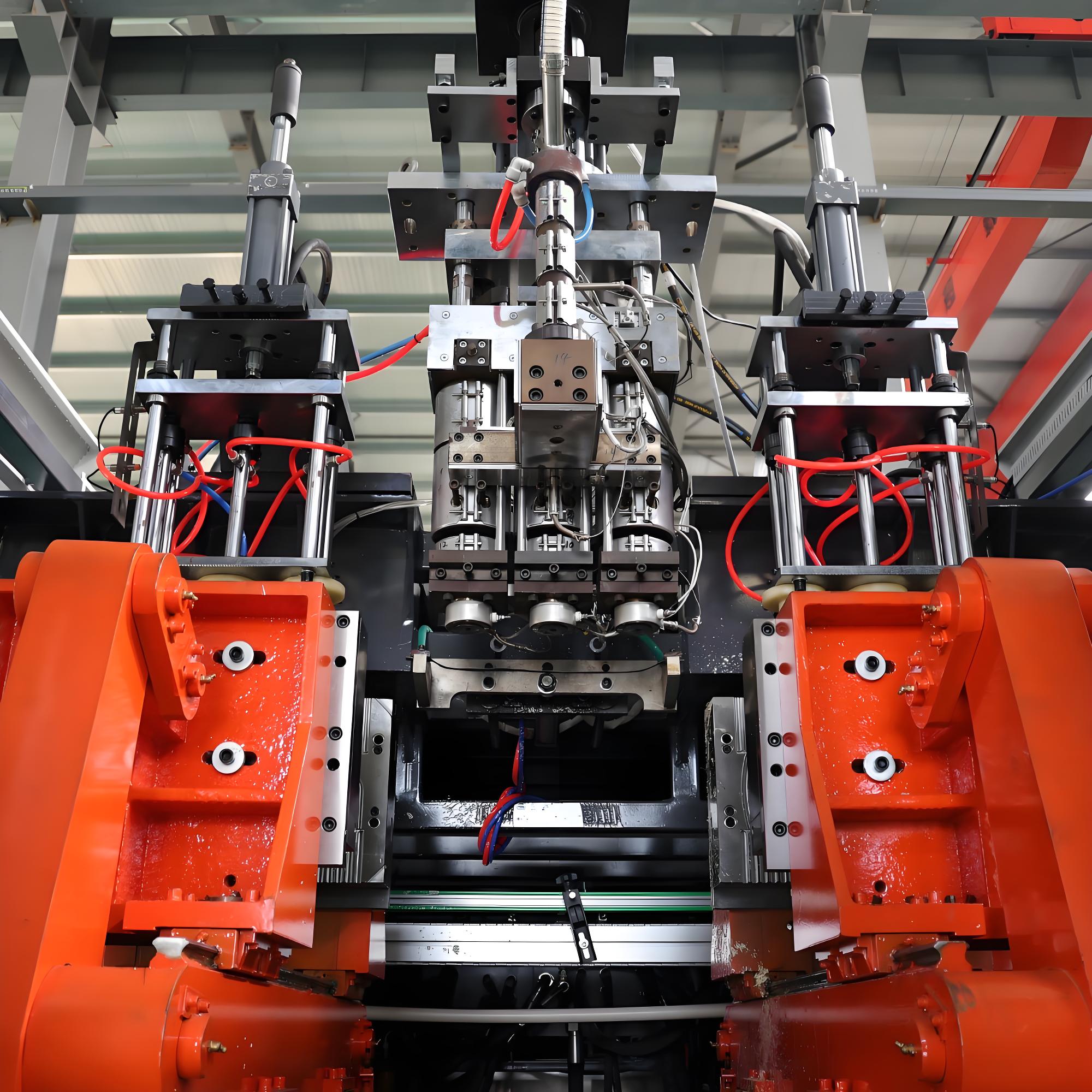
El control de parison es el segundo pilar. El programador de parison ajusta el espacio entre matrices o la velocidad de extrusión en muchos puntos a lo largo de la longitud del parison, normalmente de 20 a 64 puntos, dependiendo del controlador. Un aparato totalmente eléctrico acciona este programador con un servo que responde con mayor rapidez y precisión que una versión hidráulica, lo cual permite obtener un perfil de pared más suave. El ingeniero programa el parison de manera que las regiones del borde y la base, que son las zonas propensas a la fusión, reciban exactamente el material que necesitan y no más. El resultado es una botella con paredes uniformes y una línea de separación que se cierra sin exceso de fundido.
El medio de operación limpio es el tercer pilar y la razón por la que los productores de cosméticos eligen específicamente la plataforma totalmente eléctrica. Sin aceite hidráulico se evita la formación de nieblas grasientas en el molde, la botella o las superficies de la sala limpia. La menor generación de calor significa que la temperatura ambiente cerca de la máquina es más estable, lo que ayuda tanto a la ventana de procesamiento de resina como al cargamento de la sala limpia. Wanplas, como la marca matriz, incorpora esto como parte de un estándar de calidad más amplio: las máquinas más limpias producen botellas más limpias, y las botellas más limpias protegen tanto a la marca como al consumidor final.
Un modo útil de pensar en las tres causas es separarlas en el estado del molde, la fuerza de la máquina y el programa de procesamiento. La tabla siguiente relaciona cada causa con su síntoma típico y su dirección de corrección.
Requisitos de calidad para botellas cosméticas
Una botella de cuidado de la piel de 400 ml debe satisfacer un conjunto de requisitos de calidad que van más allá de la simple contención. Los más visibles son el acabado de la superficie y la ausencia de rastros, pero la precisión del cuello, la baja contaminación y la compatibilidad con salas limpias son igualmente importantes para una marca que llena y envía a gran escala. Cada requisito se corresponde con una capacidad específica de la máquina y el proceso.
El acabado de la superficie es el primer requisito. Las botellas cosméticas suelen ser claras, con tintes o con brillo, y cualquier marca de flujo, depósito o irregularidad en la junta son visibles a través de la pared o en la superficie. La calidad de la superficie del molde, la limpieza de la resina y la estabilidad del procesamiento contribuyen a ello. Una máquina completamente eléctrica ofrece una ventana de procesamiento estable que minimiza los defectos de flujo, mientras que un control preciso del parison evita secciones finas que podrían mostrarse como áreas lisas o irregulares. Para una presentación de primera calidad, Apollo recomienda el pulido de moldes validado y un sistema de manipulación de resina controlada para mantener la fusión limpia.
La precisión del cuello es el segundo requisito y es fácil subestimarlo. El cuello de la botella soporta la tapa, el forro de cierre y, a menudo, una bomba o dispensador. Si la ovalidad del cuello, el perfil del hilo o la superficie de sellado varían, las tapas se desprenden o tienen problemas de roscado en la línea de llenado. El moldeo por soplado forma el cuello capturando el présario entre la mitad de la placa del molde y luego soplando el cuerpo, de forma que la precisión del cuello depende de la colocación del présario, el alineamiento del pin de soplado y la precisión del molde. El control servo del pin de soplado y la entrega consistente del présario mejoran la repetibilidad entre los cabezales, razón por la cual la plataforma completamente eléctrica es la preferida para las botellas con cierres funcionales.
Muy baja contaminación es el tercer requisito. Los productos para el cuidado de la piel entran en contacto con la piel y muchas formulaciones son sensibles a las partículas o residuos químicos. El polvo que se crea de forma repentina y el vapor de aceite son los principales contaminantes generados por el proceso en el moldeo por soplado. Una máquina totalmente eléctrica elimina completamente el vapor de aceite y un control de polvo repentino adecuado elimina la mayoría de las partículas generadas de forma repentina. Combinado con el manejo limpio de la resina y un entorno controlado, el interior y el exterior de la botella permanecen lo suficientemente limpios como para aplicaciones exigentes del cuidado personal.
Los aspectos de las salas limpias son el cuarto requisito. Un ambiente controlado es más fácil de lograr y mantener alrededor de una máquina que no produce aerosoles de aceite ni genera tanto calor. La planta de la máquina, los caminos de retorno de aire y el sistema de suministro de material deben diseñarse para la clase de sala limpia deseada. Wanplas suministra equipo de destino equiparado, como transportadores cerrados y inspectores de fugas en línea, que apoyan un diseño celular limpio. El punto práctico es que la moldeadora por soplado es solo un elemento; toda la celda debe diseñarse de modo que la botella no se vuelva a contaminar una vez que sale del molde.
Una botella de producto para la piel de 400 ml se evalúa en tres momentos: en el estante por el consumidor, en la línea de llenado por el tapón y el sellado, y en el laboratorio de calidad por su peso y consistencia de la pared. El moldeo por soplado de extrusión completamente eléctrico es el proceso que protege todos esos elementos a la vez
Serie totalmente eléctrica de Apollo para la producción sin flash
La Serie totalmente eléctrica de Apollo cubre recipientes desde 200 ml hasta 20 L. Está diseñada para productos que requieren altos niveles de sostenibilidad y limpieza. En el caso de una botella de cuidado de la piel de 400 ml, la serie está configurada como una línea de doble estación y múltiples cavidades, con un programa de parison servo y estrujamiento servo. La ausencia de un sistema hidráulico es la característica definitoria y es la razón por la que la máquina se adapta a las células de producción de cuidado personal limpio.
La plataforma totalmente eléctrica es la elección adecuada cuando la prioridad de la marca es la consistencia estética y un proceso sin contaminación en lugar del menor precio posible de la máquina. También es la mejor opción cuando el diseño de la botella cambia con frecuencia, pues las recetas servo para la fuerza de sujeción y el perfil del parison se almacenan digitalmente y se pueden recuperar para cada producto, reduciendo la variación al realizar una transición. Para las marcas de cuidado de la piel que gestionan varias SKU de 400 ml, la gestión de recetas es una característica de productividad silenciosa pero valiosa.
La siguiente tabla de especificaciones muestra una configuración representativa de la serie Apollo totalmente eléctrica para la producción de botellas cosméticas de 400 ml. Las especificaciones finales se confirman según el pedido y el diseño del molde, ya que el número de espacios, el tamaño de los tornillos y la potencia instalada dependen exactamente del peso, el material y el rendimiento objetivo de la botella. Apollo proporciona esta confirmación durante las etapas de cotización y aceptación de la fábrica.
| Especificaciones. | Apollo Completamente eléctrico. Series (400ml class) |
|---|---|
| Zona base | Máquina de moldeo por soplado totalmente eléctrica |
| Rango de volumen del contenedor | De 200 ml a 20 litros (intervalo de series). |
| Número de estaciones. | Estación doble (es típico para producción de masa de 400 ml) |
| Número de cavidades para 400 ml. | 2 a 4 cavidades (depende del peso de la botella) |
| Diámetro del tornillo | De 55 a 65 mm (depende de la configuración) |
| L/D ratio | Entre 20:1 y 24:1. Una máquina de moldeo por soplado totalmente eléctrica elimina la inflamación a través de tres capacidades interrelacionadas: precisión de fijación servo, control del parison servo y un entorno de funcionamiento limpio y térmicamente estable. Cada capacidad ataca una de las causas básicas mencionadas anteriormente y, juntas, convierten un objetivo de calidad difícil en un estándar de producción reproducible. |
| Sistema de mordaza. | Sujeción por servo, control de fuerza de alta resolución |
| Fuerza de sujeción. | Entre 50 y 80 kN (dependiendo de la configuración) |
| Zona de parison | Programador de parison servo, multipunto |
| Potencia instalada | Entre 30 y 45 kW (dependiendo de la configuración). |
| Materiales procesables. | PE, PP, PVC, PA, PC, ABS, PS, EVA, TPU, PETG |
| Sistema hidráulico | Ninguno (completamente eléctrico) |
Esta serie es el corazón técnico de una línea de botellas de cuidado de la piel sin flash. Su valor no es un solo número, sino la combinación de estrujamiento servo, control del parison servo y funcionamiento libre de aceite. Cuando una marca necesita una apariencia uniforme en la estantería a lo largo de una larga campaña de producción, esa combinación es la que protege el resultado.
Serie ABLB de Apollo para la producción en serie versátil.
La serie ABLB de Apollo cubre contenedores de 200 ml a 20 L y es la línea de moldeo con extrusión continua de referencia en la gama de Apollo. Cuando se opta por la serie totalmente eléctrica para la producción de contenedores de apariencia limpia, baja contaminación y de máxima calidad, se elige la Serie ABLB cuando una fábrica necesita producir una amplia variedad de tamaños de botellas en un mismo nivel, o cuando la prioridad es un rendimiento probado y económico para los productos de cuidado personal y químicos de uso diario.
La serie ABLB se basa en una cabeza de extrusión continua estable y una unidad de fijación resistente. Está bien adaptada para botellas de 400 ml para el cuidado de la piel y el cuidado diario, cuando el entorno de producción no requiere la pureza libre de aceite de la línea totalmente eléctrica, o cuando la misma máquina también debe elaborar recipientes más grandes. Muchos fabricantes de paquetes a medida y marcas de productos químicos de uso diario operan máquinas ABLB para las botellas de champú, jabón corporal y loción, en las que el tamaño de 400 ml es uno de varios de la familia de productos.
En particular para aplicaciones de cuidado de la piel, la serie ABLB puede equiparse con un control preciso de chorro y un molde bien mantenido para alcanzar un nivel de migración muy bajo. No es libre de aceite como la línea totalmente eléctrica, por lo que la ventaja de las salas blancas es menor, pero para el llenado estándar de productos de cuidado personal, el proceso es más que suficiente. La guía de selección que se presenta más adelante en este artículo ayuda a decidir entre ambas series en función de la producción, los requisitos de contaminación y el presupuesto.
| Especificaciones. | Apollo ABLB Series (400ml class) |
|---|---|
| Zona base | Resistencia química, tacto suave |
| Rango de volumen del contenedor | De 200 ml a 20 litros (intervalo de series). |
| Número de estaciones. | Estación única o doble (dependiendo de la configuración) |
| Número de cavidades para 400 ml. | 2 a 4 cavidades (depende del peso de la botella) |
| Diámetro del tornillo | Entre 50 y 70 mm (dependiendo de la configuración). |
| L/D ratio | Entre 20:1 y 24:1. Una máquina de moldeo por soplado totalmente eléctrica elimina la inflamación a través de tres capacidades interrelacionadas: precisión de fijación servo, control del parison servo y un entorno de funcionamiento limpio y térmicamente estable. Cada capacidad ataca una de las causas básicas mencionadas anteriormente y, juntas, convierten un objetivo de calidad difícil en un estándar de producción reproducible. |
| Sistema de mordaza. | Pinza hidráulica o asistida por servo (depende del modelo). |
| Fuerza de sujeción. | Circa 50 a 90 kN (depende de la configuración) |
| Zona de parison | Controlador de parison programable, multipunto. |
| Potencia instalada | Entre 25 y 50 kW (depende de la configuración) |
| Materiales procesables. | PE, PP, PVC, PA, PC, ABS, PS, EVA, TPU, PETG |
| Costo de inversión relativo. | Medio |
Ambas series comparten las ventajas de la plataforma de Apollo: la misma compatibilidad de materiales, el control del proceso basado en la receta y el acceso a la política de servicio del grupo Wanplas. La decisión práctica entre ellas se basa en la sensibilidad a la contaminación y en el presupuesto, lo cual se aborda directamente en la tabla de selección.
Uniformidad del espesor de la pared en el proceso EBM completamente eléctrico.
La uniformidad del espesor de la pared es el héroe silencioso de una buena botella de cuidado de la piel de 400 ml. Incluso las paredes hacen que la botella tenga una sensación sólida, resista el impacto de las caídas y tenga el mismo peso de un dispositivo al siguiente. Las paredes desiguales crean puntos suaves que se deforman bajo la torsión de la tapa o durante el apilamiento, y desperdician material en las zonas gruesas mientras corren riesgo de fallar en las zonas delgadas. En el moldeo por soplado por extrusión, la uniformidad de las paredes está determinada por el programador del parison.
El parison se extruye como un tubo hueco. Mientras cuelga, la gravedad y la geometría de la matriz harían naturalmente que el parison fuera más grueso en la parte superior y más delgado en la parte inferior si no se controlaba. El programador del parison varía el espacio de la matriz o la velocidad de extrusión a lo largo de la longitud, de manera que el tubo final presente el perfil deseado. Cuando ese tubo se infla en la matriz, un parison bien programado se convierte en una botella con paredes que se ajustan a las necesidades estructurales: ligeramente más gruesas en la base para resistir impactos, controladas en el cuerpo para el peso y limpios en el hombro y el cuello para el aspecto.
Una máquina totalmente eléctrica mejora esto de dos maneras. En primer lugar, el servo que acciona el programaador de parison responde más rápido y con menos histéresis que un actuador hidráulico, por lo que el perfil programado se reproduce de forma más fiel. En segundo lugar, ya que el resto de la máquina es servoestable, el parison no se ve perturbado por fluctuaciones en el ajuste o en la extrusión, por lo que el perfil que se deposita es el perfil que finalmente se obtiene en la botella. El beneficio práctico es que, una vez que se ha desarrollado una buena receta, se puede repetir una turno tras otro.
La tabla siguiente muestra cómo las decisiones de programación de parison se traducen en resultados de la botella. Se trata de una visión simplificada, pero refleja la lógica que utiliza un operador al ajustar una botella de 400 ml para productos de cuidado de la piel.
| Zona de parison | Objetivo de programación | Resultado de la botella. |
|---|---|---|
| Región del cuello. | Pared controlada, pincel limpio en la parte superior | Cuello preciso, sellado de tapa adecuado. |
| Región del hombro: | Pared moderada, sin exceso en la junta. | Sin parpadeos, hombro suave. |
| Región del cuerpo. | Pared uniforme, optimizada para el peso. | Peso homógeno, buena rigidez |
| Región base | Ligeramente más gruesa para el impacto | Resistencia a las gotas, posición estable. |
La uniformidad también es una historia de sostenibilidad. Una botella de 400 ml que requiere menos material para lograr el mismo rendimiento reduce el consumo de resina en una campaña de alto volumen. Wanplas, como la marca principal, enfatiza esta eficiencia como parte de la fabricación responsable: un mejor control de las paredes significa menos plástico por botella y menor huella de carbono por unidad llena. Para una marca de cuidado de la piel con compromisos de sostenibilidad, esto es una ventaja medible.
Selección de materiales para botellas de 400 ml para productos de cuidado de la piel.
La elección de la resina determina el aspecto, la textura y la compatibilidad química de una botella de cuidados de la piel de 400 ml. La plataforma de moldeo por soplado por extrusión de Apollo procesa una amplia gama de materiales, incluidos PE, PP, PVC, PA, PC, ABS, PS, EVA, TPU y PETG. En el caso de los cosméticos, las opciones más comunes son el polietileno, el polipropileno y el PETG, mientras que los resinas especiales se utilizan para crear barreras o para garantizar una alta transparencia.
El polietileno de alta densidad, o HDPE, es la opción predeterminada para muchas botellas de atención personal. Ofrece buena resistencia química, un tacto suave y facilidad de procesamiento en EBM. El polietileno de baja densidad, o LDPE, proporciona una botella flexible que se prefiere para lociones y aceites. El polipropileno, o PP, proporciona mayor resistencia a la temperatura y opciones de sonoridad y claridad más nítidas, lo que es útil para productos que pueden requerir carga caliente o que desean una sensación más rígida. Se escoge el PETG cuando el objetivo de la marca es una botella transparente con un aspecto brillante, como el vidrio, aunque requiere un cuidado especial en el secado y el control del procesamiento.
En el caso de los productos para el cuidado de la piel con ingredientes activos, la compatibilidad química es importante. Algunas formulaciones interactúan con ciertas resinas o necesitan una capa de barrera. El moldeado por soplado con extrusión de múltiples capas, en el que una capa de barrera, como el nailon o el EVOH, se encuentra entre las capas estructurales, se puede considerar para fórmulas sensibles al oxígeno o a la humedad. Wanplas ofrece el equipo downstream correspondiente y el know-how de coextrusión a través del grupo, por lo que una marca de cuidado de la piel puede discutir las estructuras de barrera con el equipo de ingeniería de Apollo.
La tabla a continuación resume las opciones típicas de material para una botella para el cuidado de la piel de 400 ml y la razón por la cual se elige cada una. Estos son puntos de partida; la elección final debe basarse en la química de las fórmulas, la temperatura de llenado y la presentación deseada en los estantes.
| Material | Uso típico en botellas de productos para el cuidado de la piel de 400 ml. | Propiedad clave. |
|---|---|---|
| HDPE. | Loción, crema, cuidado diario | 400 ml, sala limpia, alta producción |
| LDPE | Botellas de presión, aceites. | Flexibilidad y fácil dispensación. |
| PP | Botellas rígidas, productos de carga caliente | Resistencia al calor, textura crujiente |
| PETG | Botellas transparentes de alta calidad. | Claridad similar al cristal. Brillo. |
| PVC (donde sea permitido). | Claridad con formulaciones específicas | Clearencia, barrera moderada |
| Capa de barrera de PA o EVOH | Formulaciones sensibles o perfumadas. | Barrera contra el oxígeno o la humedad. |
Regulaciones de contacto con alimentos y cosméticos, como las normas de la FDA, la UE 10/2011 y las normas nacionales pertinentes, se aplican a la resina y a cualquier aditivo. Apollo suministra máquinas que procesan resinas conformes; el propietario de la marca sigue siendo responsable de seleccionar materiales adecuados y certificados y de validar la botella final con la autoridad pertinente o el cuerpo de evaluación. El trabajo de la máquina consiste en convertir esa resina certificada en una botella limpia y consistente, sin introducir contaminación.
Guía de selección: Ajuste de la salida a los modelos de Apollo
La selección de la máquina Apollo adecuada para una botella de cuidado de la piel de 400 ml comienza con tres variables: la producción anual, el número de cavidades y el requisito de contaminación. La producción determina el número de cavidades y estaciones. El requisito de contaminación decide si la plataforma totalmente eléctrica está justificada. El rango de presupuesto a continuación ajusta la decisión entre las dos series. La tabla inferior proporciona un punto de partida práctico; la configuración final se confirma con el equipo de ingeniería de Apollo en función del dibujo exacto de la botella y el material plástico.
| Requisito | Modelo Apollo recomendado. | Por qué |
|---|---|---|
| Frasco de 400 ml, sala limpia, aspecto premium, producción media. | Serie totalmente eléctrica, doble estación, 2 cavidades. | Sin aceite, control de flash servo, cuello constante |
| Claridad, barrera moderada | Completamente eléctrico. Series, double station, 3 to 4 cavities | Hierros las cavidades conservando la precisión del servomotor. |
| 400 ml, cuidado personal estándar, tamaños mixtos. | La serie ABLB, estación doble, con 2 a 4 cavidades, | Gama versátil, rendimiento comprobado, coste medio. |
| Botellas de 400 ml y más grandes en un solo suelo | Serie ABLB, estaciones configurables. | Cubre de 200 ml a 20 litros en una misma plataforma. |
| Frasco de 400 ml, formulación con barrera, activos sensibles. | Serie totalmente eléctrica con opción de múltiples capas. | Proceso limpio más coextrusión con barrera |
| Receta nombre y almacenada | ABLB Series single station or Completamente eléctrico. pilot config | Menor compromiso al tiempo que se prueba el diseño. |
Generalmente, una máquina de dos estaciones con herramientas de múltiples cavidades es el estándar para la producción en masa de 400 ml, ya que superpone la extrusión del parseo y el soplado para maximizar el tiempo de funcionamiento. Las máquinas de una estación son más simples y económicas, pero ciclan más lentamente, por lo que son adecuadas para trabajos de ensayo o con volúmenes bajos. El número de cavidades está limitado por el área de fijación disponible y el peso del parseo que puede entregar la rosca en el ciclo objetivo, por lo que es por eso que el dibujo exacto del envase conduce a la propuesta final.
El nivel de presupuesto resulta evidente. La línea completamente eléctrica se encuentra en un nivel de inversión premium, pero se recupera a través de una menor cantidad de chatarra, menor consumo de energía, menor carga de limpieza y menos botellas rechazadas. La serie ABLB se encuentra en un nivel de inversión medio y es la opción pragmática para volumen estándar de productos para el cuidado personal. Ambas están soportadas por la misma política de servicio del grupo Wanplas, por lo que la decisión depende de la adecuación del proceso y no de la calidad del apoyo.
Servicio y soporte.
La compra de una máquina de moldeo por soplado marca el inicio de una larga relación de producción, y Apollo estructura su servicio para mantener la línea en funcionamiento y lograr botellas homogéneas. El apoyo comienza antes del envío y continúa durante toda la vida de la máquina.
La prueba de aceptación en fábrica es el primer paso. Antes de que la máquina abandone la fábrica de Zhangjiagang, se ejecuta con el molde y el material del cliente, cuando es posible, y se registran los parámetros clave. Esto verifica que el ajuste, el programa de parison y la producción cumplan la especificación acordada. Wanplas aplica un estándar de calidad compartido en sus fábricas, y la garantía de capacidad de producción de Apollo significa que la máquina se construye para cumplir la producción contratada.
La instalación y puesta en marcha se realizan después de la entrega. Apollo envía ingenieros para la instalación en el lugar, la configuración de la máquina y el ajuste del proceso. Dado que el control del flash depende de la interacción correcta del molde, el programa de parada y la fuerza de sujeción, el hecho de que los ingenieros originales ajusten las primeras reproducciones de producción protege el resultado sin flash. El equipo también registra el estado de uso después de la puesta en marcha y realiza visitas irregulares a los clientes para captar los problemas a tiempo.
La política de recambios es sencilla y está respaldada por el grupo Wanplas. Apollo aplica la política del grupo de 500 USD en recambios gratuitos por año, y los recambios dañados dentro del periodo de garantía se reemplazan sin cargo. La garantía de transporte y los estándares de calidad, que incluyen reembolso más compensación si no se cumplen los compromisos de calidad, brindan al comprador una red de seguridad clara. Esta política es un compromiso a nivel de marca de Wanplas compartido por las fábricas especializadas del grupo.
La formación y el soporte remoto cierran el ciclo. Los operadores y el personal de mantenimiento reciben formación sobre el funcionamiento de la máquina, el cambio de molde, la programación del parison y el mantenimiento de rutina. Para obtener soporte continuo, Apollo utiliza monitoreo remoto para que los ingenieros puedan revisar los datos del PLC y las tendencias del proceso, y luego guiar al equipo local a través de los ajustes. Esto reduce el tiempo de inactividad y protege la consistencia de la botella para cuidado de la piel de 400 ml a lo largo de los años.
Finalmente, Apollo acoge visitas a la fábrica abierta. Los clientes potenciales y existentes pueden visitar el taller, inspeccionar la calidad de la construcción e incluso realizar una prueba de muestras en la máquina correspondiente. Para una marca de cuidado de la piel que apuesta por la apariencia de la botella en los estantes, ver en persona el proceso sin reflejos es a menudo la validación más convincente.
Preguntas frecuentes
¿Qué causa el destello en una botella cosmética de 400 ml fabricada mediante moldeo por soplado por extrusión?
El flash en una botella cosmética de 400 ml se produce principalmente por tres factores: una línea de separación desigual o desgastada en el molde, una fuerza de ajuste insuficiente o desequilibrada en la ruptura del molde y un programa de parison incorrecto que coloca demasiado material en la zona de flash. Las máquinas completamente eléctricas reducen el flash mediante la aplicación de una fuerza de ajuste de servo precisa y reproducible, y controlando el grosor de la pared punto por punto.
¿Por qué elegir una máquina de moldeo por soplado totalmente eléctrica en lugar de una máquina hidráulica para los envases de cosméticos?
Una máquina de moldeo por soplado completamente eléctrica elimina la unidad de potencia hidráulica, por lo que no hay niebla de aceite, fugas hidráulicas ni calor generado por una bomba hidráulica. Esto crea un entorno de producción más limpio para las botellas de cuidado de la piel y farmacéuticas. Los servomotores también brindan un control de sujeción y del parismo más preciso, que es el fundamento técnico de la producción sin relumbrón.
¿Es posible que una máquina EBM totalmente eléctrica fabrique una botella de 400 ml sin necesidad de pasos de ajuste?
En la mayoría de los procesos de moldeo por soplado de extrusión, un pequeño flash en la cola y el cuello todavía requiere un paso de eliminación de flash, pero las máquinas totalmente eléctricas minimizan el flash hasta conseguir un borde fino y homogéneo que es fácil de quitar. El objetivo de la producción sin flash es eliminar el flash visible en la línea de separación en el cuerpo y el hombro de la botella, no necesariamente eliminar la cola pequeña.
¿Qué serie de máquinas Apollo se adapta a una botella de cuidados de la piel de 400 ml para un rendimiento medio a alto?
Para una producción que sea amigable con las salas blancas y que tenga un bajo nivel de contaminación, la serie completamente eléctrica de Apollo, configurada con una estación doble y un molde de múltiples cavidades, es la mejor opción para envases de 400 ml para el cuidado de la piel. La serie Apollo ABLB es una excelente opción cuando es necesario producir una amplia gama de tamaños de recipientes, desde 200 ml hasta 20 l, en el mismo nivel.
¿Cómo afecta la uniformidad del grosor de la pared a una botella cosmética?
El grosor uniforme de la pared evita los puntos débiles, mejora la resistencia a caídas y mantiene el peso de la botella consistente. Un programador de parison con servo motor ajusta el diámetro del parison extruido en muchos puntos para que la botella de 400 ml final tenga paredes uniformes, lo que reduce el uso de materiales y protege la calidad visual.
¿Qué materiales son adecuados para las botellas de 400 ml para cuidado de la piel en una máquina EBM?
Más de 20 años de experiencia en moldeado por inyección/extrusión;
¿Qué apoyo proporciona Apollo después de que se envíe la máquina?
Apollo realiza las pruebas de aceptación de fábrica antes del envío, envía ingenieros para la instalación en el lugar y la puesta en marcha, proporciona formación al operador, ofrece soporte para el monitoreo remoto y la solución de problemas, y aplica la política de grupo Wanplas de proporcionar 500 dólares en piezas de repuesto cada año. Los clientes son bienvenidos a visitar la fábrica para realizar una auditoría y realizar una prueba con muestras.
¿Es posible la producción en salas blancas con una máquina de moldeo por soplado por extrusión?
Sí. Una máquina totalmente eléctrica sin hidráulica es mucho más fácil de colocar en un entorno limpio controlado, ya que elimina la principal fuente de contaminación por aceite. Con una adecuada gestión del aire y el manejo de materiales, es posible producir botellas para cuidado de la piel y farmacéuticas en condiciones de sala blanca.
Conclusión
Una máquina de moldeo por soplado completamente eléctrica de 400 ml es la manera más directa de producir en masa frascos de higiene personal con cero escapes. La tecnología consigue mantener el control de los escapes en dos frentes: la fuerza de sujeción por servomotor, que permanece estable durante todo el turno, y la programación de la parison por servomotor, que coloca exactamente la cantidad adecuada de material en el hombro y la base. Al eliminar el sistema hidráulico, también se eliminan el vapor de aceite y el calor, razón por la que la solución completamente eléctrica es la más adecuada para la producción de cosméticos y productos farmacéuticos limpios.
Apollo, una fábrica de Wanplas con más de 20 años de experiencia en moldeo por soplado por extrusión y con más de 4.000 juegos de máquinas operativas en más de 90 países, ofrece dos plataformas probadas para la botella de 400 ml para el cuidado de la piel. La Serie Completamente eléctrico. ofrece una producción de aspecto premium sin aceite con el control más preciso de la luz de moldeo, mientras que la Serie ABLB ofrece un rendimiento versátil y económico en un intervalo de tamaños que va desde los 200 ml hasta los 20 litros. Ambos procesan todo el conjunto de materiales, desde PE y PP hasta PETG y estructuras de barrera, y ambos se sustentan en las pruebas de aceptación de fábrica, la puesta en funcionamiento in situ, la formación, el soporte remoto y la política de Wanplas relativa a los repuestos gratuitos de 500 dólares al año.
Si planea una línea de botellas de 400 ml para productos de cuidado de la piel, el siguiente paso es compartir su dibujo de la botella, el volumen objetivo y el material con el equipo de ingeniería de Apollo. Ellos confirmarán la serie correcta, el número de cavidades y la configuración, lo invitarán a una audición de fábrica y a una prueba con muestras, y le ayudarán a construir una célula de producción limpia, estable y sin saltos que proteja su marca en el estante y en la línea de llenado.