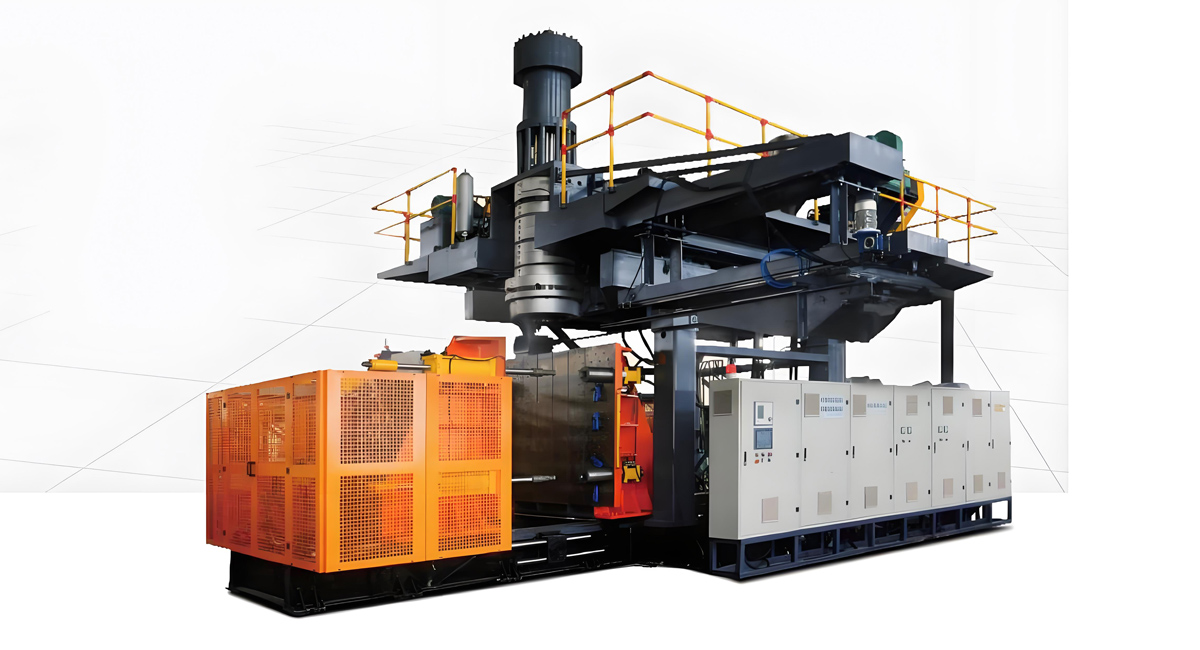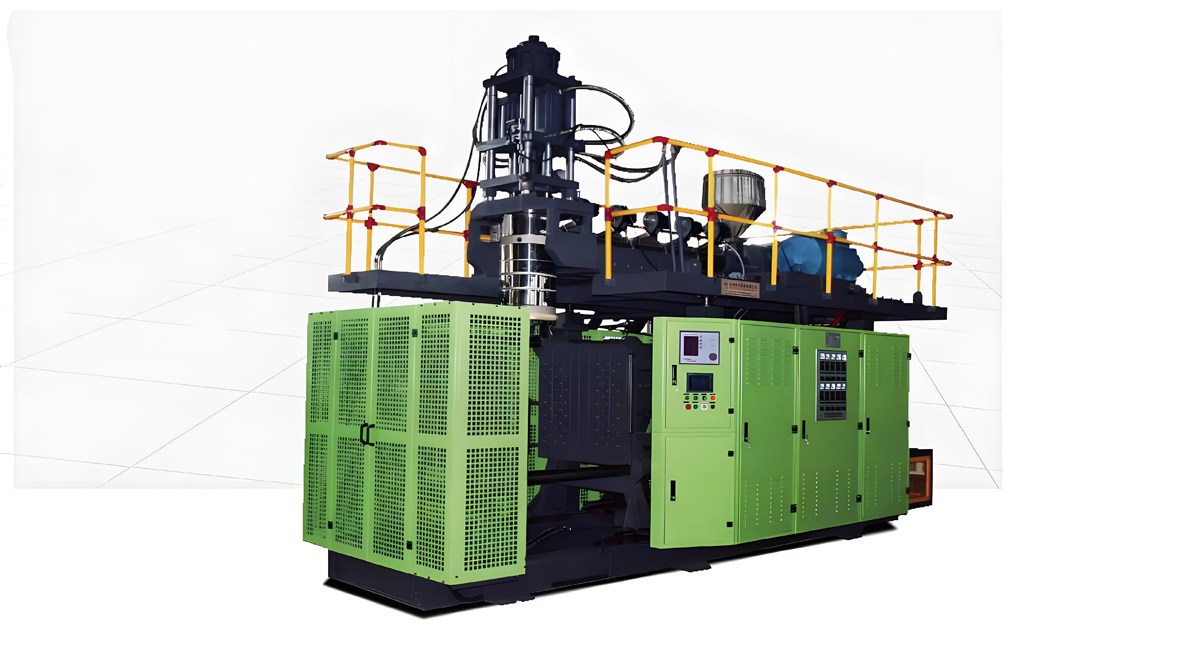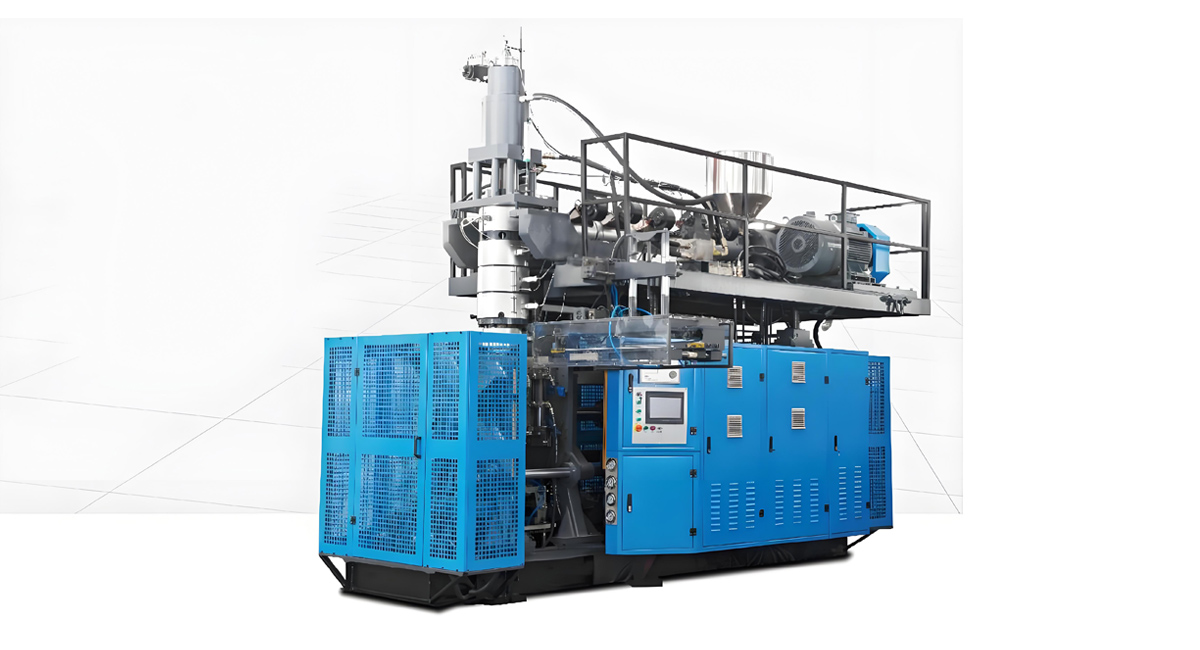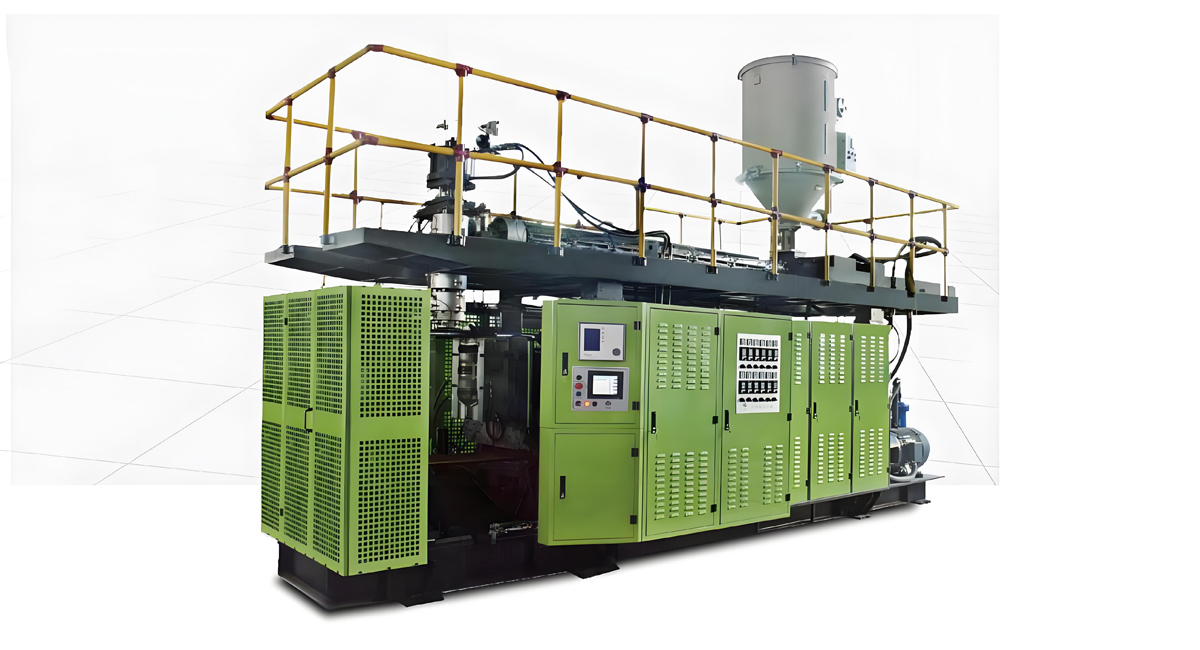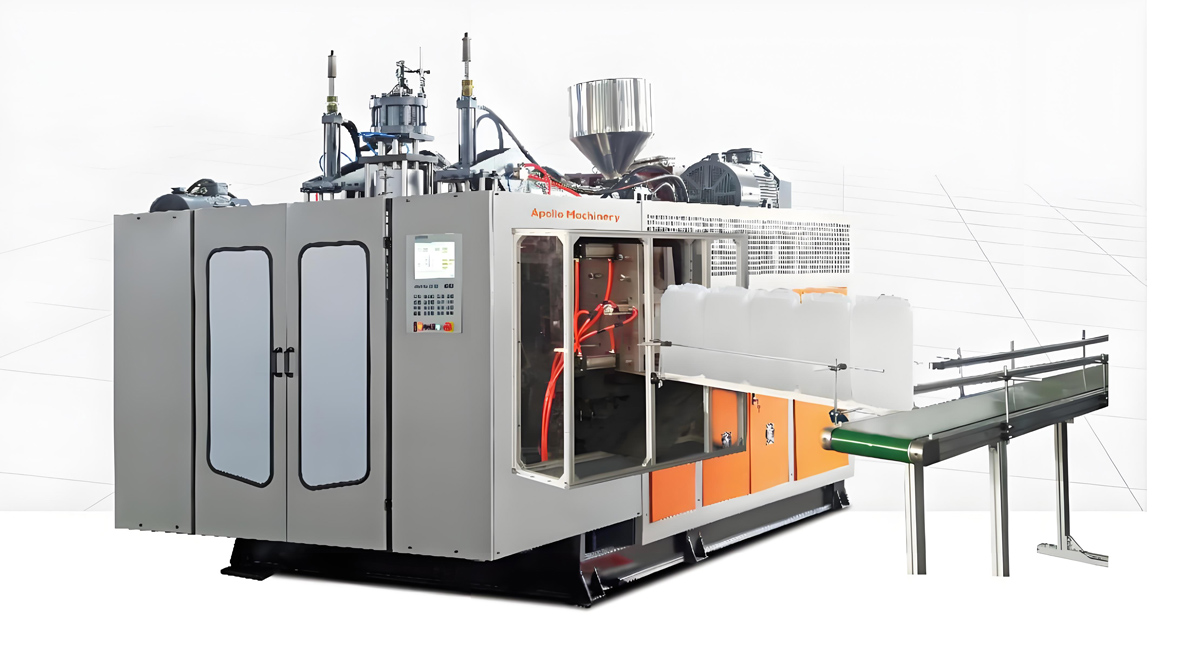

Medical and pharmaceutical packaging is the most demanding end-use for any plastic container process. A bottle that holds an infusion fluid, a respiratory medication, or a diagnostic reagent is not judged only on appearance or drop strength; it is judged on biocompatibility, extractables and leachables, container closure integrity, and the ability to prove every one of those properties through validated documentation. An машина для экструзионного формования под давлением that is specified, cleaned, and validated for medical-grade work is the production foundation that lets a converter enter this segment. This guide explains why extrusion blow molding fits pharmaceutical and medical packaging, which products it makes best, the material and regulatory framework that governs it, how the machine and cell should be configured, the market forces driving demand, and what a buyer should verify before placing an order.
Таблица содержания
Why Медицинская упаковка Chooses Extrusion Blow Molding
Products Made by Extrusion Blow Molding in Pharma
Materials and Resin Requirements for Медицинский класс
The Regulatory and Quality Framework
Configuring the Machine for Medical-Grade Runs
Quality Control and Defect Prevention
Sterilization Compatibility and the Sterile Barrier
Market Context Through 2035
Cost Perspective in US Dollars
Supplier and Machine Список проверки выбора
Getting Started With Medical-Grade Production
Заключение
Why Медицинская упаковка Chooses Extrusion Blow Molding
Pharmaceutical and medical packaging is produced by several plastic processes, and each has a place. Injection stretch blow molding makes clear, high-barrier PET bottles for tablets and some liquids. Injection molding makes caps, closures, and rigid device housings. Extrusion blow molding occupies the segment where the container needs a complex neck, an integral handle or feature, a squeezable wall, a multilayer barrier, or a mid-to-high volume at a manageable tooling cost. For infusion bottles, respiratory components, dropper bottles, and reagent vials, the машина для экструзионного формования под давлением is often the most practical choice because it forms a hollow part with a finished neck and a controlled wall in a single continuous cycle.
The material freedom of extrusion blow molding is the first reason it suits medical work. The process readily runs polyethylene, polypropylene, PETG, and the cyclic olefin polymers and copolymers that are prized for low extractables and high clarity. A converter can switch between a squeezable low-density polyethylene dropper bottle and a rigid polypropylene infusion bottle on related tooling, which keeps program launch cost down. Material freedom also extends to multilayer structures: a barrier layer such as ethylene vinyl alcohol can be sandwiched between medical-grade skins to protect oxygen-sensitive formulations without exposing the barrier to the product or the environment.
The second reason is design freedom at the neck and the parting line. Many medical containers need a precise neck finish for a tamper-evident cap, a Luer connection, or a sterile welding flange, and extrusion blow molding holds that geometry repeatably. Integral features such as viewing measure-graduations, hanging eyes for IV bags and bottles, and ergonomic grips are formed in the same shot rather than assembled later, which reduces part count and contamination risk. For a quality system, fewer assembled parts means fewer interfaces to validate.
The third reason is economics at the volumes medical programs actually run. A fully validated injection stretch blow molding line is excellent for very high, stable volumes of a single shape, but the tooling and validation overhead can be hard to justify for a portfolio of low-to-mid volume pharmaceutical stock-keeping units. The машина для экструзионного формования под давлением reaches competitive per-part cost across a broader mix, which is exactly the profile of contract manufacturers serving multiple drug and device clients.
Products Made by Extrusion Blow Molding in Pharma
The range of medical and pharmaceutical containers produced on extrusion blow molding equipment is wider than many buyers expect. Understanding the typical product set helps a converter match machine configuration to demand.
Infusion and Irrigation Bottles
Large-volume parenteral containers, commonly called IV bottles, are a classic extrusion blow molding product. They are typically molded in polypropylene or polyethylene at volumes from 100 milliliters up to 1000 milliliters and beyond, with a precisely formed neck for a rubber stopper and an aluminum cap, or for a sterile weld to a downstream filling line. Infusion bottles must resist the stresses of autoclaving or gamma sterilization, hold a uniform wall to survive shipping and handling, and present a clean, particle-free interior. An машина для экструзионного формования под давлением with tight parison control and clean-air enclosure is the standard way to make them at scale.
Respiratory and Inhaler Components
Respiratory care uses blow-molded parts in several forms. Spacer chambers for metered-dose inhalers are large, thin-walled, transparent or translucent components that must be free of visible particulates and low in static charge. Reservoir bulbs and connector housings for nebulizer systems are squeezable, durable, and compatible with the medication formulation. While the metered-dose canister itself is metal, the surrounding plastic interface parts are frequently extrusion blow molded because the process delivers the required wall uniformity and surface quality at a reasonable cost. Selecting a low-extractable resin and validating the component against the drug formulation is the critical step for these parts.
Ophthalmic and Otologic Dropper Bottles
Eye-drop and ear-drop bottles are small, squeezable containers with a precise dispensing tip, usually made from low-density polyethylene or polypropylene. The squeeze-to-dispense behavior depends on controlled wall thickness and a consistent tip bore, both of which an машина для экструзионного формования под давлением with servo parison programming delivers. Because the product contacts a sensitive mucosal surface, the bottle must meet extractables and leachables expectations and must be filled and closed in a controlled environment.
Oral Liquid, Pediatric, and Unit-Dose Bottles
Oral liquids, pediatric suspensions, and effervescent or unit-dose formulations are packaged in blow-molded bottles sized from 30 milliliters to 500 milliliters. These containers often carry child-resistant closures and measuring caps, and they must protect a formulation that may be sweetened, flavored, or alcohol-based. Multilayer extrusion blow molding lets a converter add a barrier skin for alcohol-containing or solvent-based oral liquids without changing the contact layer the patient ultimately touches.
Diagnostic and Reagent Bottles
Clinical chemistry, immunoassay, and molecular diagnostic reagents are shipped in small, precise bottles and vials that demand dimensional accuracy and low background contamination. Reagent bottles from 5 milliliters to 250 milliliters are commonly extrusion blow molded in PETG or polypropylene for clarity and chemical resistance. The unspoken requirement here is consistency: a reagent bottle that varies in wall or neck from lot to lot can disrupt automated capping and labeling lines, so the машина для экструзионного формования под давлением must hold process capability across long production runs.
Enteral Feeding and Urology Bottles
Enteral feeding containers and urology irrigation bottles are larger medical devices that benefit from the integral-handle and hanging-eye features extrusion blow molding forms naturally. These are medical devices rather than drug primary packaging, so they are evaluated under device quality systems, but the production discipline, cleanroom environment, and traceability expectations are the same.
Materials and Resin Requirements for Медицинский класс
Material selection for medical and pharmaceutical blow molding starts from the same polymer families used in food packaging but is governed by a different set of biocompatibility and extractables expectations. The base resins most used are polyethylene, polypropylene, PETG, and cyclic olefin polymer or cyclic olefin copolymer. Each is chosen for a combination of chemical resistance, clarity, sterilization tolerance, and low extractables.
Polypropylene is the workhorse for infusion and irrigation bottles because it tolerates heat and radiation sterilization and offers a favorable extractables profile when sourced as a medical-grade, low-additive resin. Polyethylene, especially low-density polyethylene, is preferred for squeezable dropper bottles and for parts that must flex without cracking. PETG gives clarity and toughness for diagnostic and device components, though it requires controlled drying and is sensitive to hydrolysis if processed wet. Cyclic olefin polymer and cyclic olefin copolymer are increasingly specified where maximum clarity, the lowest extractables, and excellent moisture barrier matter, such as in high-value diagnostics and premium respiratory parts, even though they raise material cost and demand precise drying and melt control on the машина для экструзионного формования под давлением.
The decisive difference from food-grade work is the extractables and leachables requirement. Extractables are compounds that can be released from the container material under aggressive laboratory conditions, while leachables are the subset that actually migrates into the drug or formulation under real storage conditions. Regulatory guidance, including the Качество продукции Research Institute recommendations and the relevant United States Pharmacopeia chapters on extractables and leachables, expects sponsors to assess these substances and demonstrate they stay within safety thresholds for the intended product and duration. A medical-grade resin is therefore selected not only for being pharmacopeia-compliant in its base polymer but for carrying a documented additive package with minimal, characterized extractables.
Sterilization compatibility is the other material gate. Containers may be terminally sterilized by steam autoclave, ethylene oxide gas, gamma irradiation, or electron-beam irradiation. Each stresses the polymer differently: steam demands heat resistance, ethylene oxide leaves residues that must off-gas, and gamma and electron-beam can embrittle or discolor some grades. The resin and any colorant or masterbatch must be chosen and validated for the sterilization method the product will actually use, and the машина для экструзионного формования под давлением cell must keep the chosen material free of contamination that could complicate sterilization validation.
The Regulatory and Quality Framework
Medical and pharmaceutical packaging operates inside the strictest quality systems in plastic manufacturing. A converter entering this segment must understand which framework applies to each product and document compliance per batch.
Biocompatibility: USP Class VI and ISO 10993
For containers and components that contact the body or a drug, biocompatibility is the first test. In the United States, the United States Pharmacopeia biological reactivity tests for plastics, commonly referenced as Class VI, evaluate a material’s response in vivo and in vitro and are widely used as a screening benchmark for medical plastics. Международный стандартly, ISO 10993, the biological evaluation of medical devices, provides a structured program of endpoints, chemical characterization, and risk assessment. A resin that passes these evaluations and is supplied with the corresponding certificate is the baseline for any pharmaceutical blow-molded container.
Quality Systems: ISO 13485 and ISO 15378
The quality management system behind the production is as important as the resin. ISO 13485 specifies requirements for a medical device quality management system and is the expectation for suppliers of device components such as respiratory parts and enteral bottles. For primary packaging of medicinal products, ISO 15378 extends a quality system with good manufacturing practice expectations specific to pharma packaging, covering risk management, contamination control, and traceability. A converter running an машина для экструзионного формования под давлением for pharmaceutical work is expected to hold one or both of these certifications and to demonstrate them during customer audits.
Current Good Производство Practice
In the United States, drug product and many drug-contact materials are governed by current good manufacturing practice regulations, while medical devices are governed by the quality system regulation. In the European Union, pharmaceutical manufacturers follow good manufacturing practice guided by the European Medicines Agency, and medical devices follow the Medical Device Regulation with its own quality requirements. In Japan, the Pharmaceuticals and Medical Devices Agency oversees both, and in China the National Medical Products Administration regulates drugs and devices. For a packaging supplier, the practical implication is that the production environment, the change-control procedure, and the batch record must satisfy the good manufacturing practice expectations of every market the container is shipped to.
Cleanroom Классификация and Environmental Control
Environmental control is where pharmaceutical blow molding diverges most visibly from industrial production. Depending on the product, blowing, deflashing, and inspection may take place inside a cleanroom classified under ISO 14644, with Class 8 or cleaner environments common for non-sterile pharmaceutical components and cleaner classes for aseptic or sterile barrier operations. The cleanroom controls airborne particulate and microbial load, and the машина для экструзионного формования под давлением is integrated so that the parison, the bottle, and the open neck are never exposed to uncontrolled room air. Even for non-sterile products, a controlled environment reduces visible and sub-visible particulates that would otherwise trigger rejection at the filling line.
Validation: IQ, OQ, PQ
Every medical-grade cell is validated rather than merely commissioned. Квалификация установки confirms the machine, utilities, and cleanroom meet design. Операционная квалификация demonstrates the process holds setpoints across the operating range. Квалификация производительности proves the installed, operated process consistently makes conforming containers, and it is where extractables and leachables studies are generated for the actual container and material. Change control then governs any later modification to resin, mold, machine, or environment, because in pharmaceutical packaging a change is not complete until its documentation is complete.
Configuring the Machine for Medical-Grade Runs
Compliance for medical packaging is built on the production line, not claimed on a certificate. An машина для экструзионного формования под давлением that serves pharmaceutical programs needs specific configuration choices beyond a standard industrial cell.
Cleanroom or clean-air integration is the first requirement. The preferred layout places the blow molder, deflasher, and leak tester inside a classified room, with material fed through a sealed, dedusted path so polymer powder and ambient dust never reach the parison. Where a full cleanroom is not yet justified, a positive-pressure clean-air cabinet around the parison formation and bottle ejection zone is the minimum, and it is often sufficient for non-sterile components. Dedicated or rigorously cleaned lines prevent cross-contamination from industrial colorants or unknown regrind, and the clean-out is documented as a qualified procedure.
Многослойное экструдирование is the tool of choice when a barrier or a protected core is needed. A virgin medical-grade skin over a controlled, characterized core, or an ethylene vinyl alcohol barrier layer between skins, lets a converter meet both economy and protection goals on the same машина для экструзионного формования под давлением. For oxygen-sensitive or solvent-based formulations, the barrier layer is what preserves shelf life without changing the contact surface the patient touches.
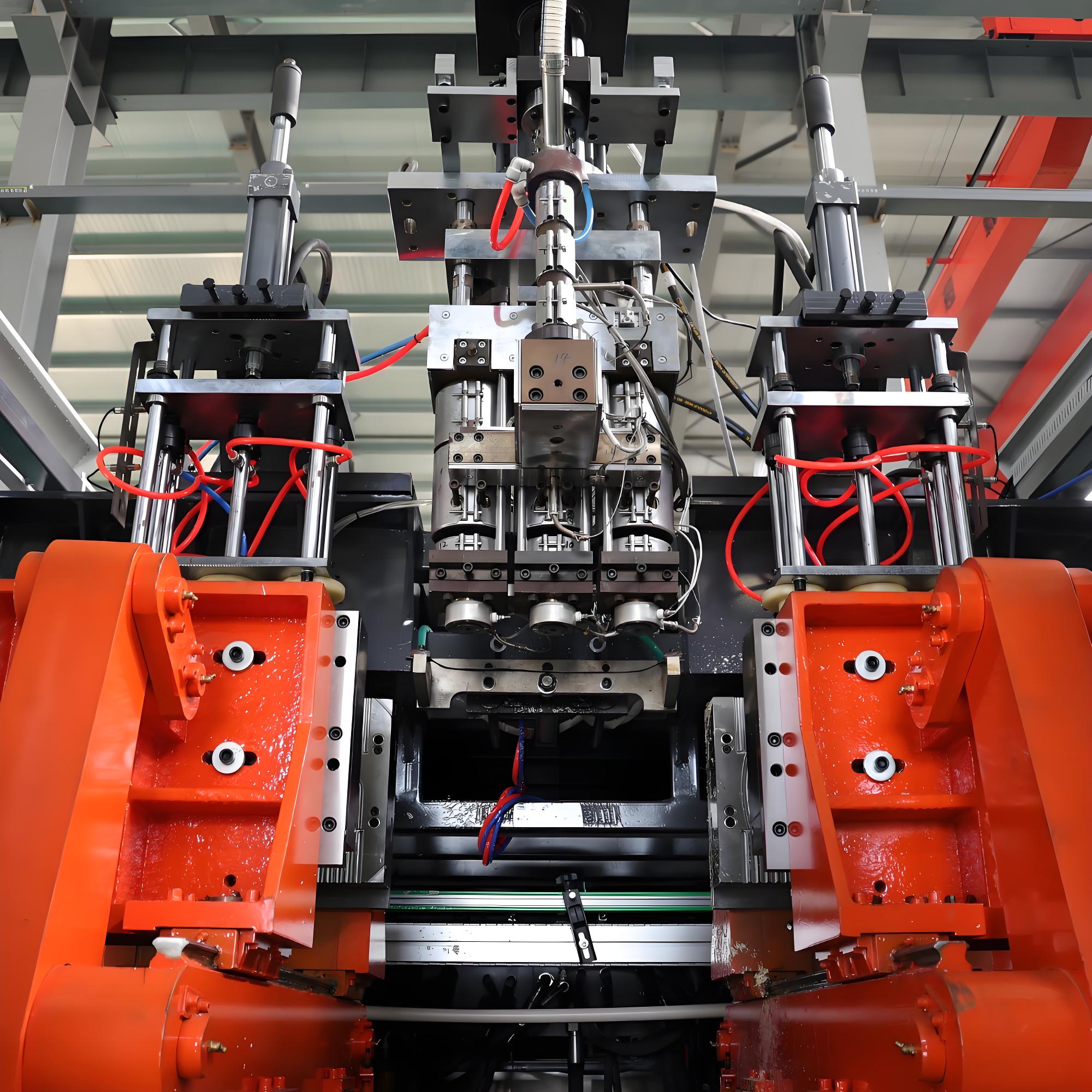
Precision and inspection capability separate a medical cell from a general one. Servo-driven parison programming holds wall thickness within a tight band, which matters because thin spots invite leaker and particulate problems and thick spots waste validated material. Automated deflashing removes flash without handling the bottle by hand. In-line leak testing, by pressure decay, vacuum, or dye methods, verifies container closure integrity, either on every bottle or on a validated statistical sample. Machine-vision inspection checks for short shots, black specks, neck defects, and particulates, and rejects non-conforming parts before they reach the filler. Each of these stations feeds a batch record that links the finished bottle back to resin lot, machine parameters, and inspection results.
Отслеживаемость and clean-in-place features complete the cell. Resin is received against a certificate of analysis, weighed and logged by lot, and consumed against the corresponding batch record. The машина для экструзионного формования под давлением logs cycle parameters automatically, and the cleanroom logs environmental monitoring. Together these habits mean that if a customer audit or a market incident occurs, the converter can produce, within hours, the document chain from finished container to approved resin and validated process.
Quality Control and Defect Prevention
Medical-grade production has defect priorities that differ from industrial work because the failure modes are contamination, leakage, and bioburden rather than merely appearance. Visible and sub-visible particulates come from charred powder, degraded regrind, or a contaminated hopper; sealed feeding, dedusting, and strict regrind control prevent them. Weak or leaking necks come from poor parison control or worn blow pins; precise wall programming and scheduled pin maintenance prevent them. Surface defects come from mold contamination; documented mold cleaning and rapid disassembly prevent them. Because the cost of a pharmaceutical field failure dwarfs any saving at the press, the disciplined cell treats these as compliance events, not cosmetic complaints.
Container closure integrity is the single most important functional test for a drug or device container. A leak path, however small, can admit microbial contamination or allow formulation loss and dose change. Leak testing therefore sits at the heart of the medical cell, and the method is chosen to match the container and its risk: pressure-decay testing for robust bottles, vacuum or dye testing where sensitivity must be higher, and statistical or one-hundred-percent testing depending on the validated process and the product risk. An машина для экструзионного формования под давлением that feeds bottles directly into an automated tester, with rejects diverted and logged, is the reliable way to hold integrity across a long run.
Bioburden and microbial control close the loop. Even non-sterile pharmaceutical components have bioburden limits, and sterile products have none at release. Environmental monitoring of the cleanroom, control of compressed air and cooling water, and validated cleaning of molds and conveyors keep bioburden within specification. The quality system records these controls per batch so that the container shipped is the container documented.
Sterilization Compatibility and the Sterile Barrier
Many medical and some pharmaceutical blow-molded containers are sterilized after molding, and the container must survive the chosen method without becoming a source of leachables or physical failure. Steam autoclaving demands heat-resistant resins and stable geometries. Ethylene oxide sterilization is compatible with most polyolefins but requires validated off-gassing and residual monitoring. Gamma and electron-beam irradiation are widely used for pre-filled and device components but can embrittle or yellow some grades, so the resin and masterbatch are qualified for the dose the product will receive.
The sterile barrier system is the second half of the story. A blow-molded container becomes sterile-only-use when it is sealed inside a validated sterile barrier, typically a Tyvek or medical-film pouch, and the seal integrity is itself tested and documented. For an машина для экструзионного формования под давлением supplier, supporting the sterile barrier means controlling the container’s flange or lid seating so the later seal is repeatable, and controlling particulates so the barrier is not compromised at filling. The container and the barrier are validated together, because a perfect bottle inside a failing pouch is still a non-sterile product.
Market Context Through 2035
The market context supports sustained investment in pharmaceutical and medical blow molding. The global pharmaceutical packaging market was valued at roughly 120 billion USD in 2025 and is projected to grow at a compound annual rate near 8 percent, reaching approximately 225 billion USD by 2035, driven by biologics, prefilled systems, aging populations, and rising generic and biosimilar volumes. The medical plastics segment, which includes blow-molded containers and components, sits within a broader medical polymers market estimated above 35 billion USD in 2026 and growing steadily as single-use medical devices and disposable respiratory products expand. Blow-molded plastic pharmaceutical packaging specifically, covering bottles, vials, and device components, is a multi-billion-dollar slice that grows in step with parenteral and respiratory drug demand.
Regional demand is uneven and informative. North America and Europe are mature, regulation-driven markets where qualification, documentation, and cleanroom capability win programs even when unit price is not the lowest. Asia Pacific is the fastest-growing region, propelled by expanding domestic pharmaceutical manufacturing, local regulatory maturation, and rising healthcare access, and it is where much new medical-grade blow molding capacity is being added. Japan and China, regulated respectively by the Pharmaceuticals and Medical Devices Agency and the National Medical Products Administration, reward suppliers that can present complete validation and change-control records. For a converter deciding where to deploy an машина для экструзионного формования под давлением, pharmaceutical production offers durable demand, regulatory moats that protect qualified suppliers, and a clear path to premium positioning against undifferentiated industrial capacity.
Cost Perspective in US Dollars
Medical-grade production carries a measurable cost premium over industrial runs, and a buyer should budget for it explicitly rather than discover it after qualification. A purpose-configured машина для экструзионного формования под давлением for pharmaceutical work, including servo parison control, clean-air or cleanroom integration, multilayer capability, and automated leak testing and vision, typically ranges from about 150,000 to 850,000 USD depending on cavitation, mold size, and the level of environmental control built in. A dedicated cleanroom or clean-air cell adds capital and ongoing operating cost for filtration, monitoring, and gowning, commonly from tens of thousands to several hundred thousand USD depending on class and footprint.
Validation and extractables and leachables studies are recurring program costs rather than one-time machine costs. A full E and L assessment for a new container and material, conducted by an accredited laboratory, can run from roughly 15,000 to 80,000 USD depending on the number of simulated and real-time leachables evaluated and the complexity of the formulation. Biocompatibility testing per material, change-control revalidation after any resin or process change, and cleanroom environmental monitoring add ongoing expense. A capable машина для экструзионного формования под давлением configured for quick, documented clean-out and fast changeover lowers the cost of running multiple low-volume pharmaceutical stock-keeping units. Over a multi-year program, these compliance costs are small relative to the protection they buy against recall, rejection, and patient-safety risk, and qualified medical suppliers typically command a premium that more than covers the overhead.
Supplier and Machine Список проверки выбора
For a buyer specifying an машина для экструзионного формования под давлением or a converter for medical and pharmaceutical packaging, the evaluation should go well beyond output and price. Confirm that the supplier holds ISO 13485 and, where primary pharmaceutical packaging is involved, can demonstrate ISO 15378 or equivalent good manufacturing practice alignment. Confirm cleanroom or clean-air capability at the blowing and inspection stages. Confirm dedusting and sealed, contaminant-free material feeding. Confirm multilayer co-extrusion if a barrier or protected core is needed. Confirm servo parison control for tight wall uniformity. Confirm automated deflashing, in-line leak testing, and machine-vision inspection with reject diversion and logging. Confirm batch traceability from resin lot through machine parameters to finished container. Confirm the supplier can provide biocompatibility certificates, extractables and leachables data, and a disciplined change-control procedure. A supplier that presents this validated package wins medical programs even when the unit price is not the lowest, because the cost of a qualification failure or a market rejection is far larger than any saving on the equipment.
Getting Started With Medical-Grade Production
Entering medical and pharmaceutical blow molding is less about buying a different машина для экструзионного формования под давлением and more about building a documented, validated system. Start by selecting one or two medical-grade resin grades with biocompatibility certificates and a characterized, low-extractable additive package, and lock the formulation with the supplier. Reserve or rigorously clean a line, document the clean-out, and validate the environment to the required cleanroom class. Commission extractables and leachables studies on your first container from an accredited lab, and build the per-batch documentation package that links resin, process, inspection, and test results. Train operators on contamination control as a compliance requirement, not a housekeeping nicety. With those pieces in place, the same machine technology that makes industrial containers can make trusted medical and pharmaceutical packaging, and the validation file, not the steel, becomes the competitive asset.
Medical and pharmaceutical packaging is also where sustainability and compliance increasingly meet. Recyclable polyolefin containers, reduced material through precise wall control, and barrier designs that extend shelf life without heavy post-consumer content all align with both environmental goals and patient-safety goals. A converter running a barrier-capable, wall-precise машина для экструзионного формования под давлением can therefore satisfy a sustainability target and a pharmaceutical quality target on the same line, provided the documentation for every layer and lot is maintained separately and completely. The capability that used to be a differentiator, qualified medical-grade blow molding, is becoming a baseline expectation for suppliers selling into regulated healthcare markets, and the discipline described throughout this guide is exactly what makes that convergence safe.
Заключение
Medical and pharmaceutical packaging is where container quality, biocompatibility, and good manufacturing practice meet, and an машина для экструзионного формования под давлением is only as qualified as the resin, the environment, and the documentation behind it. The rules are clear: select a biocompatible, low-extractable resin; validate the process through installation, operational, and performance qualification; control the environment to the required cleanroom class; test container closure integrity on every relevant lot; and document every batch back to the approved material and validated machine. With a pharmaceutical packaging market growing near 8 percent a year toward more than 200 billion USD, and with regional demand shifting toward Asia Pacific while mature markets reward documentation discipline, the converters who build this competence now will own the lower-risk, higher-trust position for the next decade. Around the world, regulators and healthcare buyers are raising the bar at the same time that demand for safe, sterile, and reliable medical containers keeps climbing. The technology is ready; the frameworks are established; the only variable left is execution.