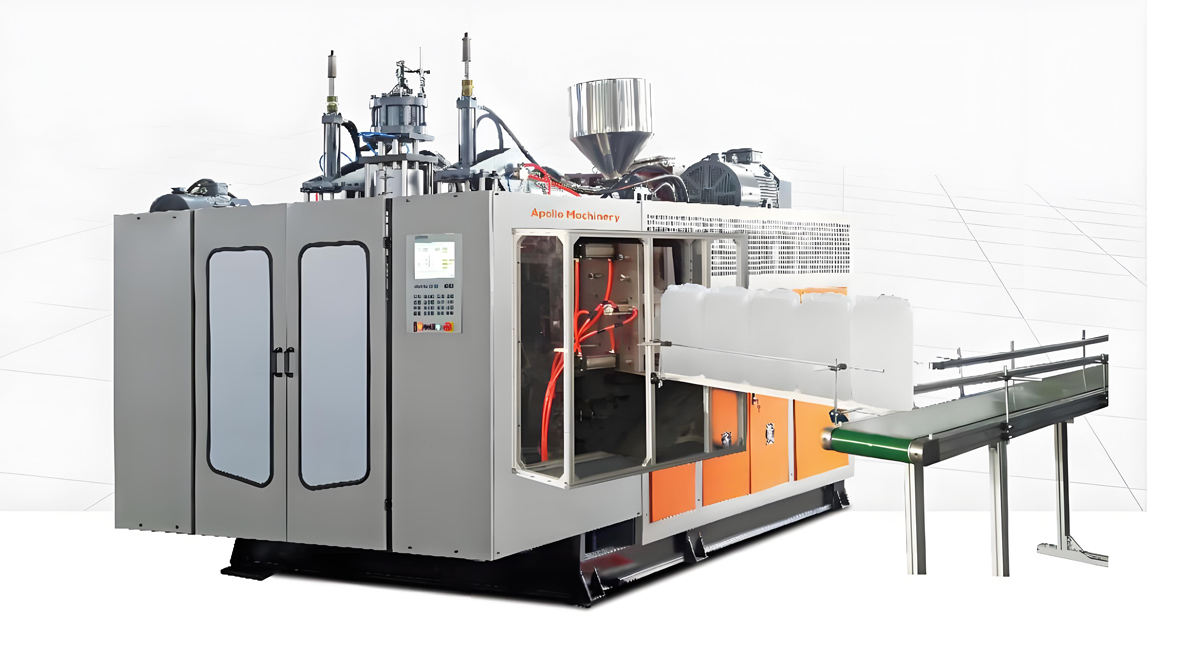
पेशकश: 100 मिलीलीटर ट्रैवल साइज़ केस्कमिकू बोतलों के लिए एक स्थिर लाइन का निर्माण
ग्लोबल ट्रैवल साइज़ कॉन्सेप्ट की सेक्टर लगातार बढ़ रहा है क्योंकि एयरलाइंस तरल पदार्थों के नियमों को सख्त कर रही हैं, होटल आमंत्रितकिट को मानक बना रहे हैं, और उपभोक्ता सर्प, एसेंस, टोनर, लोशन और फेशियल स्प्रे के लिए "मिनी लेकिन प्रीमियम" आदत को अपन रहे हैं। इस मांग के केंद्र में आती है तुच्छ 100 मिलीलीटर की बोतल: काबिन प्रतिबंधों को साफ करने के लिए छोटी है, एक वास्तविक दिनचर्या को देने के लिए पर्याप्त बड़ी है, और इसकी उत्पादन मात्रा उन सभी सुधारों को पुरस्कृत करती है जिनमें कॉन्सिस्टेंसी और लागत शामिल है। ब्रांड के मालिकों और कॉन्ट्रैक्ट फिलर्स के लिए प्रश्न अब यह नहीं है कि क्या ट्रैवल साइज़ की बोतलें बननी चाहिए, बल्कि उन्हें कैसे बनाया जाएं, बिना सतह की गुणवत्ता, दीवार की मोटाई की एकरूपता, या उत्पादन की स्थिरता में समझौता किए जाने के।
यही कारण है कि अकुमुलेटर मुक्त एक्सट्रूज़न ब्लो मोल्डिंग मशीन का महत्व बढ़ जाता है। एक अकुमुलेटर मुक्त EBM मशीन एक कॉन्टिन्युअस के निर्माण के लिए एक संचालित नाली वाला डाई हेड से सीधा निर्माण करती है, न कि एक स्टोरेज सिलेंडर से, जिससे छोटे कॉन्टेनर को समान रूप से नियंत्रित और पूर्व निर्धारित ढंग से निर्मित किया जा सकता है। Wanplas फैक्ट्री Apollo ने 20 वर्ष से अधिक समय से ऐसे ही काम के लिए एक्सट्रूज़न ब्लो मोल्डिंग मशीनें बनाई हैं, जहां 90 से अधिक देशों में 4000 से अधिक सेट और 8000 वर्ग मीटर के एक उत्पादन आधार पर यह मशीनों का इस्तेमाल किया जा रहा है। इस लेख में, हम बताते हैं कि अकुमुलेटर मुक्त EBM क्या करना है, यह कॉस्मेटिक बोतलों के 50ml से 150ml आकारों के लिए क्यों उपयोग किया जाता है, Apollo के किस मॉडल को निर्दिष्ट करना है, HDPE, PETG और PP के लिए इन मशीनों को कैसे सेट किया जाए, और एक स्थिर, कम लागत वाला ट्रेवेल साइज़ बोतल लाइन की योजना कैसे बनाई जाए।
निम्नलिखित खंडों में, हम डाई हेड का सिद्धांत, दीवार की मोटाई को स्थिर करने वाले पेरिसन नियंत्रण, ABLB 55 और छोटे पूर्णतया इलेक्ट्रिक श्रृंखला को कंक्रीट मशीन के उदाहरण के रूप में, FDA, EU 10/2011, और ISO 22716 के माध्यम से सामग्री और सौंदर्य अनुपालन रास्ते, और सही कॉन्फ़िगरेशन के लिए आउटपुट लक्ष्य को नक्शा देने वाली गाइड कवर करते हैं। लक्ष्य अभ्यासात्मक है: अंत में, आपको एक आपूर्तिकर्ता को संक्षिप्त विवरण देना, सेल का आकार तय करना और पोर्टेबल आकार के एक प्रोजेक्ट को खराब होने से बचाने के लिए आम गलतियाँ करने से बचना चाहिए।
एक्सट्रूशन ब्लो मोल्डिंग में "एक्यूमुलेटर मुक्त" का वास्तविक अर्थ
एक एक्क्य्यूलर-फ्री EBM मशीन एक इक्सट्रूज़न ब्लो मोल्डिंग सिस्टम है जिसके डीहेड़ से पेरिशन लगातार पिघले हुए स्ट्रीम से होकर निकलता है, इसमें कोई अलग-अलग एक्क्य्युलर (स्टोरेज सिलेंडर) नहीं होता है जो भंडारण करता है और फिर तेजी से पिघले हुए मटेरियल को डीहेड़ में प्रवाहित करता है। यह अंतर महत्वपूर्ण है क्योंकि एक्क्य्यूलर एक विशेषता है जो बहुत बड़े पार्ट्स के लिए डिज़ाइन किया गया है: ड्रम, टैंक और औद्योगिक कंटेनर जिनकी जरूरत है कि उनमें तेजी से बड़ा मात्रा में पिघला हुआ मटेरियल दिया जाए। 100 मिलीलीटर की बॉटल के लिए, यह तेज वितरण अप्रासंगिक होता है और यहां तक कि प्रतिकूल भी होता है, क्योंकि पार्ट छोटा है और पेरिशन शॉर्ट है। निरंतर, एक्क्य्यूलर-फ्री इक्सट्रूज़न लगातार गति से पिघले हुए मटेरियल को चलाता रहता है और एक सर्वो मोटर के जरिये पेरिशन प्रोग्रामर को पेरिशन के लंबाई में दीवार की शेप देने की अनुमति देता है।
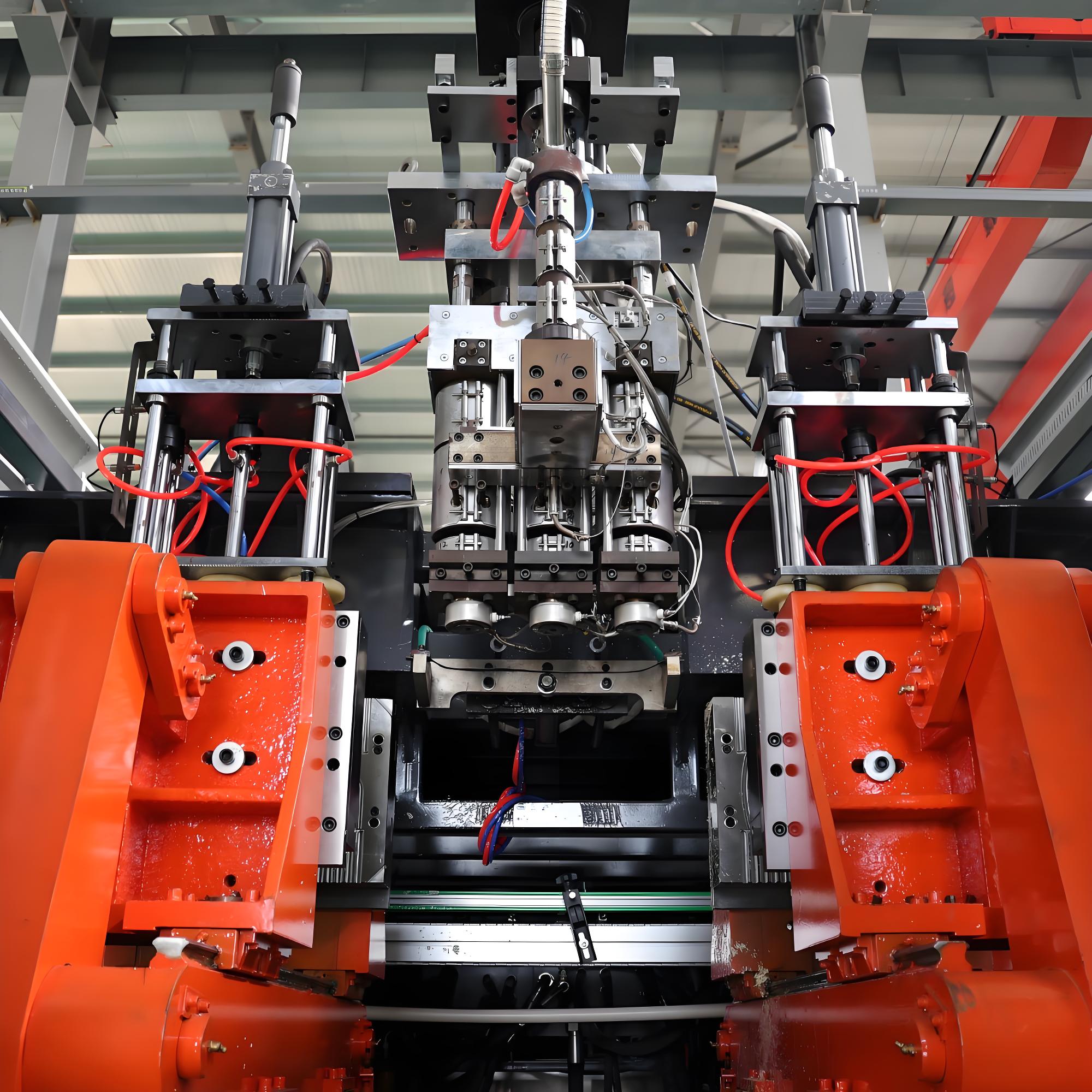
लगातार इक्सट्रूजन डाइ हेड एकुटरर फ्री डिजाइन का दिल है। धागे और बैरल से पिघलने वाले पदार्थ प्लेट और डाई हेड से होते हुए एक आंदोलनीय मंड्रेल या सेट के सर्वो प्रकार के ट्रिपल्स के माध्यम से गुजरता है, जहां अणारिय गैप को बदलता है, जिससे प्रत्येक बिंदु पर पारिशन की दीवार कितनी मोटी या पतली हो जाए, यह पर आधारित है। क्योंकि कोई एकुटर फिलिंग और डंपिंग साइकल नहीं है, समय को संवेदनशील बनाया जाता है, मिश्रण इतिहास छोटा हो जाता है, और पारिशन के सतह का रंग और शुद्धता भी बढ़ जाता है। ऐसे कॉस्मेटिक बोतलों में जहां बाहरी पूर्णता, लेबलिंग और चमक एक खामियों से मुक्त पारिशन के सतह पर निर्भर होती है, यह एक प्रत्यक्ष गुणवत्ता लाभ है।
परिचय का नियंत्रण एक सर्वो प्रोग्रामर द्वारा किया जाता है, इस श्रेणी में आमतौर पर कई पुल लंबाई चरणों के साथ MOOG प्रकार का सर्वो हाइड्रोलिक परिचय नियंत्रण होता है। प्रत्येक नियंत्रण बिंदु परीक्षण के लिए एक दीवार मोटाई लक्ष्य निर्धारित करता है, जिससे बोतल लोड धारक आधार और गर्दन पर मोटा हो सकता है और शरीर के साथ-साथ सामग्री को बचा जा सकता है। परिणाम स्थिर दीवार प्रोफ़ाइल है, गुहाओं के बीच और शॉट के बीच, जो ट्रैवल साइज़ के बोतलों के लिए स्थिर उत्पादन की आधार है जो उच्च गुहाओं की संख्या में उत्पादित होते हैं।
प्रक्रिया की दृष्टि से, एक्विजेनर-मुक्त ईबीएम एक छोटे कंटेनरों के लिए अधिक सरल और पुनरावर्तनीय मार्ग है। आगंतुक रहस्य कम है, दबाव चोटी कम हैं, और छेद पारीय दर के साथ एक अधिक सीधी संबंध है। यह सीधी रिलेशनशिप वह चीज है जो एक ऑपरेटर को तनाव से मुक्त रखती है, एक एक्विजेनर डंप के थपेड़े से लड़ने की बजाय। एक 100 मिलीलीटर लोशन या मिस्ट बोतल को कई गुहाओं वाले मोल्ड में चलाने पर, इस नियंत्रण को थिक स्पॉट्स, फ्लैश और अधिक तंग वजनी बैंड से बचाने की ओर परिवर्तित होता है।
क्यों 50 मिलीलीटर से 150 मिलीलीटर तक के सौंदर्य प्रसाधन के बोतलों का आकार एकदम सही फिट है
यात्रा आकार की सौंदर्य उत्पादों के बोतलें एक निचली, क्षतिग्रस्त वजन श्रेणी में स्थित होते हैं, जो निरंतर रूप से संपीडना की ताकतों को और अधिक प्रभावी बनाता है। 100 मिलीलीटर HDPE की एक बोतल का आमतौर पर वजन 8 से 14 ग्राम के बीच होता है, जो दीवारों के डिजाइन, नाक के प्रकार और यह हाथ पकड़ने वाला है या डिस्पेंसर स्ट्रॉव है पर निर्भर करता है। 50 मिलीलीटर का नमूना इसका आधा होता है, और 150 मिलीलीटर का संस्करण थोड़ा अधिक वजन करता है। उनमें से कोई भी एक संपीडक फो seen शॉट की पिघल क्षमता और तेज भराव नहीं करना होगा। उन्हें सटीकता, दोहराव और एक साफ सतह की आवश्यकता होती है, जो एक संपीडक मुक्त डाई हेड के साथ अधिक आसानी से पूरा किया जा सकता है।
इस श्रेणी के भीतर उत्पाद परिवारों को ध्यान में रखें। लोशन और एमुल्खेस्टर की बोतलों में नरम और दबाने योग्य दीवार और भरने और गिराने का सामना कर सकने वाला स्थिर कंधा होना चाहिए। इशेशेंस और सीरम की बोतलें कसकर गला होने वाली कसाव तैयारियों की जरूरत होती हैं, जिससे पंप या हल्का बिंदु बिना लीक वाला बैठता है। टोनर और फेशियल स्प्रे की बोतलें चमकदार और एकरूप शरीर की जरूरत होती हैं क्योंकि वे अक्सर साफ या रंगीन होती हैं और एक शेल्फ पर खड़ी होती हैं, जहां सतह की खामियां स्पष्ट होती हैं। स्प्रे और हल्के छोटी बोतलें एक स्थिर आधार की जरूरत होती हैं, जिससे वे दर्पण पर सीधे खड़ी रहती हैं। एक्यूम्य्लेटर-मुक्त तरीका इन सभी को पूरा करता है क्योंकि पारिसन वॉल को सामग्री को उस जगह पर चिपकाने के लिए सॉफ्टवेयर किया जा सकता है, जहां बोतल का तनाव होता है और उसे वहां हटाने के लिए।
लागत ही सबसे बड़ी बाधा है। एक संग्रहक गहन, उसके हाइड्रोलिक सिलेंडर, और उसकी तेजी से क्लैंपिंग लॉजिक, उच्च पूंजी और रखरखाव लागत जोड़ता है जो एक छोटी बोतल लाइन की आवश्यकता नहीं है। स्टार्ट-ओट-कंटीन्यू इकसूचिंग का चयन करके, एक हेरमेट, मशीन का स्वयं का क्षेत्र छोटा रखता है, हाइड्रोलिक तेल की मात्रा कम रखता है, और बोतल प्रति बोतल ऊर्जा कम रखता है, जबकि एक ट्रैवल-आकार कार्यक्रम की आवश्यकता को बहुविकल्पी हेरमेटिंग के माध्यम से पूरा करता है। बचत केवल खरीद मूल्य में नहीं है, बल्कि एक कंटीन्यू मशीन द्वारा अधिक अनुकूल रूप से उपयोग किए जाने वाली हाइड्रोलिक तरल का हर दिन के चलने, फ़िल्टरिंग, और गर्मी का प्रतिदिन शुल्क में भी है।
स्थिरता, वो सिलेब्रिटी है जो ग्राहकों को पेशेवरों द्वारा पहली सप्ताह में नहीं बल्कि पहली डेमो के बाद पता चलती है। क्योंकि कोई संपीडक उतार नहीं होता है, तो पैरिसन कूलिंग पिघलित तापमान और दर पर जाने के लिए होता है, इसलिए क्लैंप और ब्लो संयोजन को कसकर समन्वय किया जा सकता है। सर्वो मशीन के पैरिसन प्रोग्रामर की मदद से और अच्छी शीतलन के साथ, 100 मिलीलीटर का बोतल एक दोहरावपूर्ण चक्र में समा जाता है, जहां वजन की भिन्नता एक तंग श्रेणी में ही रहती है। यह श्रेणी ही है, जो एक फिलर को एक सौंदर्य ब्रांड को एक निर्दिष्ट भरावित मात्रा का वादा करने की अनुमति देती है, और केवल "सुरक्षित होने के लिए" सामग्री की ओवरपैकिंग नहीं करती है।
एक्वैक्टर मुक्त मार्ग का एक और सुदृढ़ लाभ यह है कि यह रीग्राइंड का किस प्रकार उपयुक्त भार देता है। यात्रा आकार की रेखाएँ प्रत्येक पिंच में गर्दन और कबाड़ उत्पन्न करती हैं, और क्योंकि निरंतर हेड शॉट के निवास को छोटा रखता है, इस कबाड़ को पुनर्प्राप्त किया जा सकता है, पिसा जा सकता है, और नियंत्रित अनुपात में वापस प्रवाहित किया जा सकता है। HDPE चलाने वाला एक फिलर प्लांट के भीतर सर्किट को बंद कर सकता है, जिससे बोतल पर सामग्री की लागत घट जाती है जबकि दीवार की प्रक्रिया स्थिर रहती है। छोटा निवास, गर्मी संवेदनशील रंग मास्टर मिक्स को भी संरक्षित करता है, इसलिए प्रकीर्णित लोशन की बोतल का रंग पहला हांपर से अंत तक स्थिर रहता है और पिंच गर्म होने पर ड्रिफ्ट नहीं होता। एक ब्रांड के लिए जो रंगों को मौसमी रूप से बदलता है, इस नियमता ने एक ही शेल्फ पर मिलान नहीं होने वाले बैचों के बारे में ग्राहकों की तमाम शिकायतों को दूर कर दिया है।
ABLB 55: 100ml की बोतलों के लिए एक कम्पैक्ट वर्कहॉर्स
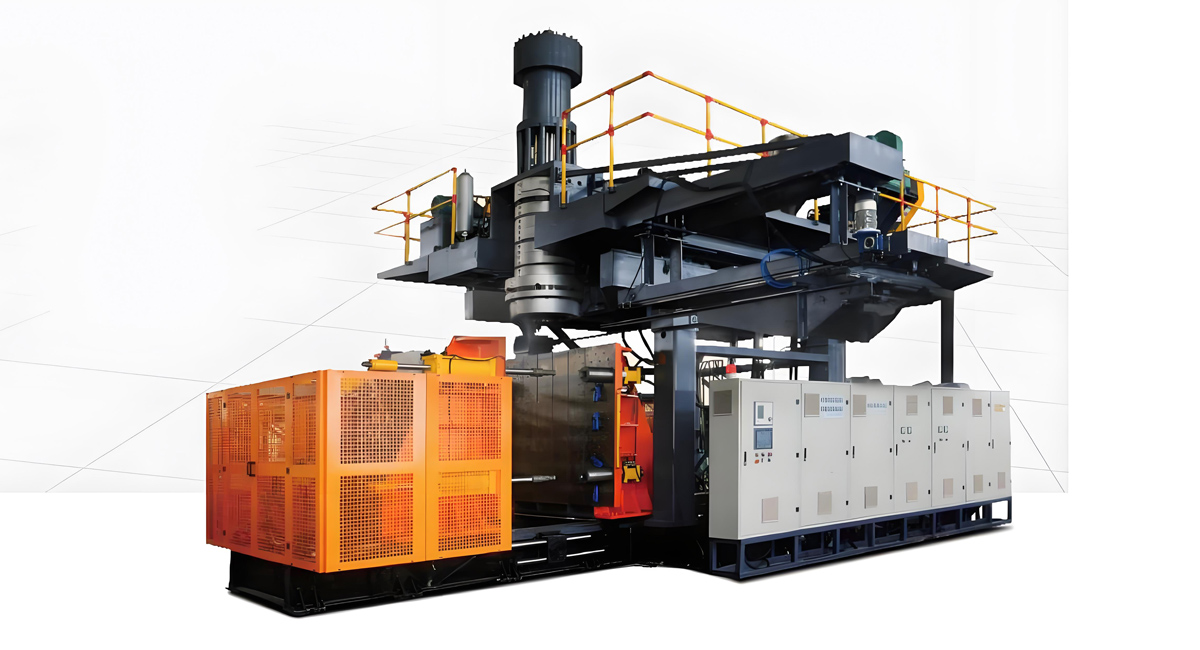
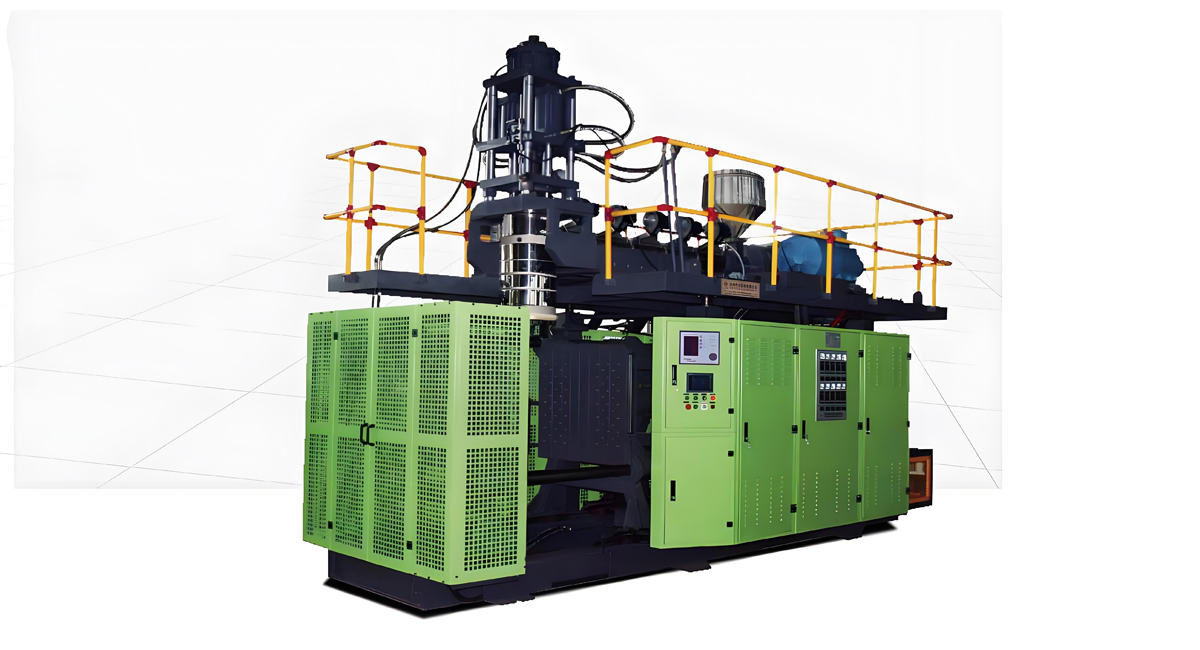
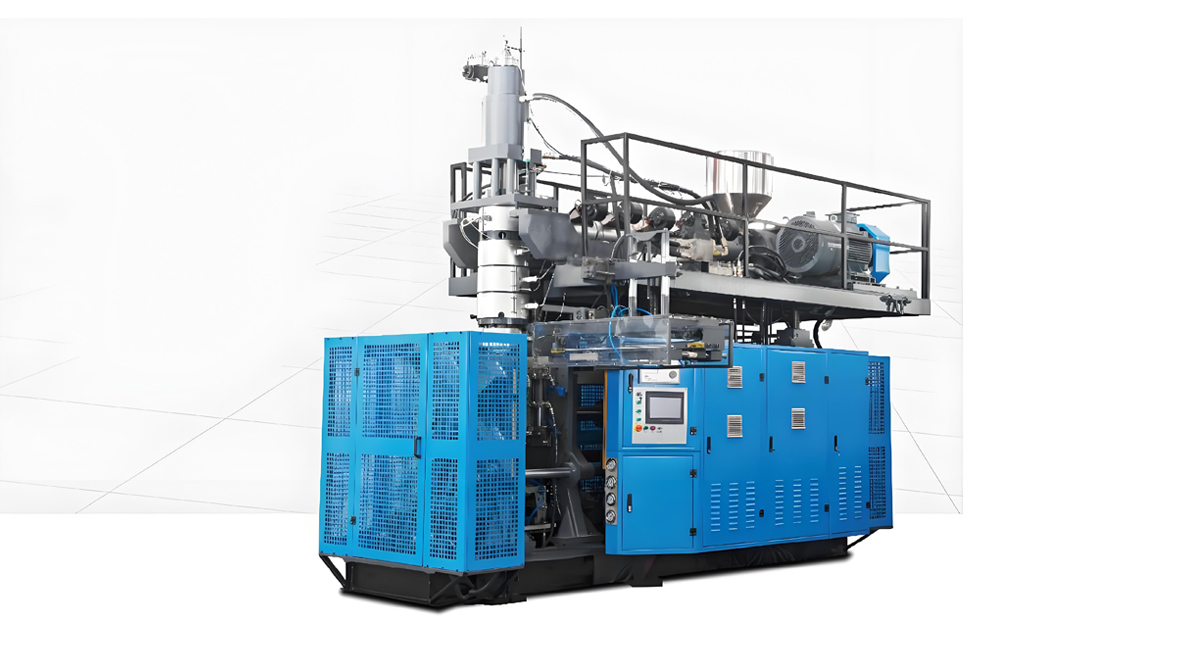
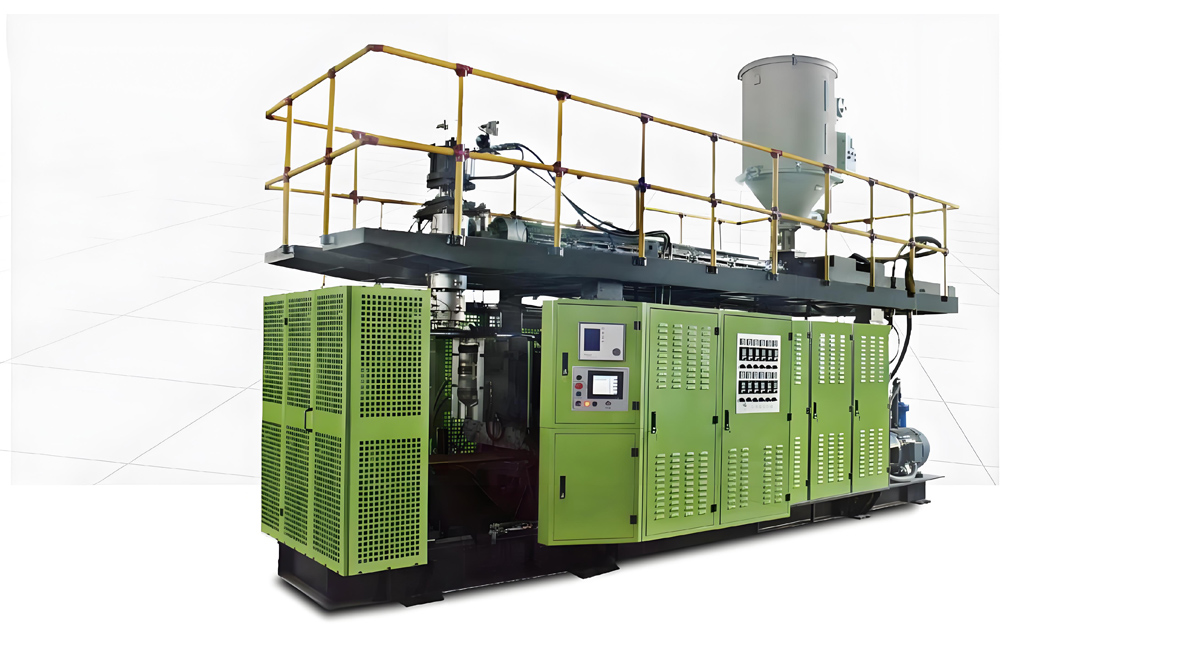
अपोलो की एबीएलबी श्रृंखला में 200 मिलीलीटर से 20 लीटर तक के कंटेनर शामिल हैं, जो आठ मशीन प्रकारों के बीच शामिल हैं, और एबीएलबी 55 साधारण सदस्य है, जो छोटे से मध्यम आकार के खोखले घटकों के लिए बनाया गया है। हालांकि, इसकी नाममात्र एक धैर्य क्षमता कई लीटर रेंज तक पहुंचती है, लेकिन एबीएलबी 55 का उपयोग अधिकतम उत्पादन छोटे कंटेनर के लिए किया जाता है, जब इसे कई धैर्य मोल्ड्स के साथ संचालित किया जाता है, जो एक बार में कई 50 मिलीलीटर से 150 मिलीलीटर के धैर्यों पर इसकी उत्पादन को विभाजित करते हैं। यह एक छोटी बोतल पर घंटे के अनुसार उच्च संख्या में बोतलें निकालने का मानक तरीका है, बिना किसी बड़े और अधिक महंगे प्रोफाइल पर जाना पड़ता है।
ABLB 55 में एक मिश्रण दर के लिए अनुक्रमित एकल स्प्रिंग एक्सट्रूडर का उपयोग किया जाता है। स्प्रिंग व्यास 45mm से 55mm के बीच और L / D अनुपात 22 से 25 के बीच होता है, जो HDPE, PP और PETG के स्थिर प्लास्टिसाइजिंग के लिए संतुलित गियरोमीट्री है। डाई हेड एककूली है और जारी है, और वॉल नियंत्रण के लिए सर्वो मोटर द्वारा संचालित है। क्लैंप एक पतला दीवार वाला छोटा बोतल के लिए न्यूनतम चौड़ाई शक्ति के अनुरूप है, जिससे प्लेटें तेज़ हैं और चक्र छोटा है।
प्रैक्टिकल रूप से, एक ABLB 55, जो 100 मिलीलीटर HDPE लोशन की बोतलों के लिए एक मल्टीकैविटी मोल्ड में कॉन्फ़िगर किया गया है, एक स्थिर और किफ़ायती कोशिका प्रदान करता है। निम्नलिखित तालिका में प्रतिनिधि स्पेक्ट्रम का विवरण दिया गया है। सटीक मान पृथक मोल्ड और सामग्री के लिए कारखाने से उद्धृत मूल्य के आधार पर पुष्टि किए जाते हैं, लेकिन सीमा मशीन परिवार की प्रतिनिधि है और लेआउट और उपयोगिता योजना के लिए एक सार्थक आधार है।
| पैरामीटर | ABLB 55 (दर्शनात्मक) | 100 मिलीलीटर यात्रा बोतलों के लिए नोट्स |
|---|---|---|
| मशीन श्रृंखला | ABLB श्रृंखला, लगातार EBM | Wanplas फैक्ट्री का Apollo |
| अधिकतम कंटेनर संकुचन (एक गुहा के साथ) | 3 लीटर तक। | 50-150 मिलीलीटर के लिए बहु-मोहरीयां उपयोग की जाती हैं |
| स्क्रू व्यास | 50mm (उपयोगी सीमा 45-55mm) | छोटी बोतलों के लिए स्थिर पिघल दर |
| एल / डी अनुपात | 22-25 | अच्छा प्लास्टिकाइजिंग, कम शेक |
| गुहाओं की संख्या (100 मिलीलीटर) | 2 से 8 पॉकेट | गर्दन और शरीर की आकार पर निर्भर करता है |
| परिमौसम नियंत्रण | MOOG सर्वो प्रोग्रामर, 20-32 बिंदु | प्रोग्राम्स वॉल ऐलांग पेरिसन |
| मरने की गला-फाड़ प्रकार। | एक्यूमुलेटर के फ्री कंटीन्यू कल-हेड | साफ सतह, कम शिखा |
| गर्दन की विशिष्टता | 24/410, 20/410, 18/415, अनुकूलित | पंप या कैप का फिनिश मैच करना |
| साइकल समय (100 मिलीलीटर, 4 गुहाएँ) | Approximately 10-14 सेकंड | मोल्ड कोल्डिंग पर निर्भर |
| इस फॉर्मेट का प्रयोग करें: "1. " प्रत्येक लाइन पर, कुछ और नहीं। | 1,000-1,500 बीपीएच तक | उच्च गुहा संख्या BPH को बढ़ाती है |
| दीवार की मोटाई की सहिष्णुता। | 0.03-0.05 mm अ livello | एक गुफा से दूसरे गुफा तक स्थिर |
| एक्सट्रूडर ड्राइव | समायोज्य आवृत्ति या सेवो | उत्पाद के लिए ऊर्जा समायोजित करना |
| हीटिंग जोन | 4-5 बॉल जोन प्लस हेड | बंद चक्र तापमान नियंत्रण |
| इनस्टॉल की गई शक्ति | लगभग 22-35kW | अंतिम कॉन्फ़िगरेशन से पुष्टि करें |
| हवा की आवश्यकता | साफ और सूखी संपीड़ित हवा, 6-10 बार। | धुआँ और पायनेटिक वाल्व |
ABLB 55 सही विकल्प है जब प्राथमिकता एक साबित, कामकाजी हाइड्रोलिक क्लैंप प्लेटफॉर्म की होती है, जो नियंत्रित लागत पर कोस्मेटिक बोतलें बनाने के लिए लंबे शिफ्टों तक चल सकती है। यह भी जटिल है: एक ही मशीन 100ml लोशन की बोतल से 150ml स्प्रे बोतल में बदल सकती है, इसीलिए कई SKU वाले ठेकेदार कंपनियों के लिए एक ही प्लेटफ़ॉर्म पर परिष्कृत करने की सुविधा है।
छोटी पूर्ण इलेक्ट्रिक श्रृंखला: साफ, शांत, कम ऊर्जा
एपोलो भी 200 मिलीलीटर से 20 लीटर तक की एक सफाईपूर्वक इलेक्ट्रिक ब्राउनिंग-प्रज्वलन मोल्डिंग श्रृंखला बनाता है, और छोटे अंत के लिए यह सुंदरता ग्रेड की बोतलों के लिए एक मजबूत चयन है, जहां संभवत: सबसे साफ माहौल और बोतल प्रति बोतल की सबसे कम ऊर्जा मायने रखती है। पूरी तरह से इलेक्ट्रिक मशीन में हाइड्रोलिक पावर यूनिट हट जाता है और क्लैंप, प्लेटिनम, और पैरिसन एक्शन को सर्वो-इलेक्ट्रिक अक्षों से बदल दिया जाता है। कैमिकल कॉस्मेटिक्स के मामूली आकार के लिए यह तीन निश्चित लाभ लाता है: उत्पादन क्षेत्र में कोई हाइड्रोलिक तेल नहीं, कम शोर और प्रति हजार बोतल की ऊर्जा में मापनीय कमी।
समर्थन के दृष्टिकोण से, इलेक्ट्रिक मशीन ISO 22716 के पीछे के सौंदर्य प्रसंस्करण मानसिकता को समर्थन देती है। कम तेल का अर्थ है कम विषाणुतरिक्षों के खतरे, आसान सफाई, और फॉर्म के आसपास शांत तापीय वातावरण। लागत के दृष्टिकोण से, इलेक्ट्रिक अक्ष केवल तब शक्ति प्राप्त करता है, जब वह चलता है। इस वजह से, अपटर्न और बफ़र अवधि में बहुत कम लागत होती है, जो एक अनवरत SKU की जगह, विभिन्न बैचों को चलाने वाली लाइनों के लिए उपयुक्त है।
| पैरामीटर | छोटा पूर्ण रूप से इलेक्ट्रिक श्रृंखला (प्रतिनिधि) | यह त्वचा का टब क्यों मदद करता है |
|---|---|---|
| ड्राइव आर्किटेक्चर | पूरी तरह से इलेक्ट्रिक, सर्वो मॉडल | कोशिका में कोई हाइड्रोलिक तेल नहीं |
| स्क्रू व्यास | 45-55mm | छोटे बोतल के पिघल की दर से मेल खाती है। |
| एल / डी अनुपात | 22-25 | स्थिर प्लास्टिसाइजिंग |
| कैविटी (100ml) | 2 से 6 धैर्य वयस्क | स्वच्छ कमरे के अनुकूल बैच |
| परिमौसम नियंत्रण | सर्वो मॉडलर प्रोग्रामर | टाइट वॉल कंट्रोल |
| प्रत्येक टब में शामिल ऊर्जा | हाइड्रोलिक आधार मूल्य से कम | केवल कदम के समय में ही शक्ति |
| शोर स्तर | हाइड्रोलिक प्रणाली से कम प्रभाव | बेहतर शॉप-फ्लोर। |
| प्रदूषण का खतरा | घटतम तेल संपर्क | जीएमपी के मानदंडों का समर्थन |
| उत्पादन (100 मिलीलीटर) | ABLB 55 से तुलनीय BPH | थोड़ा कम गुहा अधिकतम |
ABLB 55 और छोटे पूर्ण रूप से इलेक्ट्रिक श्रृंखला के बीच का चयन केवल बेहतर बोतल बनाने के बारे में नहीं है, बल्कि ऑपरेटिंग मॉडल के बारे में है। उच्च मात्रा, कीमत के सहारे वाली भरने वाला ABLB 55 के लिए गुहा प्रमुखता और कम प्रवेश लागत के लिए झुकता है। एक प्रीमियम कॉस्मेटिक ब्रांड या क्लीन रूम आधारित भरने वाला पूरी तरह से इलेक्ट्रिक श्रृंखला के लिए तेल-मुक्त संचालन और कम ऊर्जा के लिए झुकता है। दोनों एककूली जारी मशीनें हैं, इसलिए परिचय गुणवत्ता की कहानी एक ही है।
सामग्री: केमिकल ग्रेड बोतलों के लिए HDPE, PETG, और पीपी
यात्रा आकार के सौंदर्य बोतलें छोटे सूची के पॉलीओलेफिन और क्रिस्टल अमोर्फस रेशों से बने हैं, प्रत्येक की एक अलग व्यवहार एक अक्रायो फ्री डाई हेड पर होती है। एचडीपीई संयुग, लूज लॉशन और इमुल्सन बोतलों के लिए है: यह कठिन, रासायनिक प्रतिरोधी, कम लागत वाला और आसानी से प्रोसेस किया जाता है। पीपी तब चुना जाता है जब एक बोतल गर्म भरने या ऑटो क्लेव शैली के सफाई के लिए उच्च तापमान प्रतिरोध की आवश्यकता होती है, और जब एक हल्की चौड़ी दीवार की आवश्यकता होती है। पीईटीजी सादे, चमकदार विकल्प है सर्पी, एसेंस और प्रीमियम धुंध के लिए जहां ट्रांसपैरेंट प्रस्तुति उत्पाद को बेचती है, हालांकि इसकी सावधानीपूर्वक जमने और एक शुद्ध पैराशायर सतह की आवश्यकता है खुरदरापन को रोकने के लिए।
एक एक्क्यूमुलेटर मुक्त जारी सिर पर, सामग्री का चयन सेट पॉइंट्स को नियंत्रित करता है। HDPE एक मध्यम बेस तापमान पर चलता है और यह एक व्यापक प्रसंस्करण विंडो है, यही कारण है कि यह नई ट्रैवल आकार की लाइन के लिए सबसे सहज है। पीपी को एक उच्च और सटीक तापमान के क्षेत्र और एक महीन फीड की आवश्यकता होती है, और यह थोड़ा अधिक समा जाता है, इसलिए मोड़ और ठंडा करना पोस्ट मोड़ रॉकिंग (मेंटेनेंस) के लिए व्यावहारिक होना चाहिए। पीईटीजी को तरल-मिल्क में नमी को बाहर रखने के लिए धूमधाम के पूर्व-सूखे होने, एक स्वच्छ सिर, और एक धीमी पैरिसन ड्रॉप की आवश्यकता होती है, ताकि सतह चमकदार न हो, बल्कि कांटेदार।
संयोजन वह जगह है जहां सौंदर्य प्रसाधन आम पैकेजिंग से अलग होते हैं। त्वचा की देखभाल के लिए उपयोग में लिया जाने वाला एक बोतल खाद्य सामग्री के संपर्क में आने के दौरान भी खाद्य संपर्क और सौंदर्य प्रसाधन के नियमों को पूरा करना चाहिए। संयुक्त राज्य अमेरिका में, यह मार्ग खाद्य सामग्री के संपर्क में आने वाली सामग्रियों के लिए एफडीए आवश्यकताओं के माध्यम से चलता है; यूरोपीय संघ में, यह यूरोपीय संघ नियम 10/2011 के माध्यम से चलता है, जो प्लास्टिक सामग्रियों और खाद्य सामग्रियों के संपर्क में आने के लिए संबंधित लेखों के लिए आधार रेशों के संदर्भ के रूप में काम करता है। पूरी भराव प्रक्रिया के लिए अच्छी उत्पादन प्रथाओं का संरचना ISO 22716, सौंदर्य प्रसाधन के GMP मानक द्वारा की जाती है, जिसने बोतल को बनाने, संभालने, स्टोर करने और ट्रैक करने का तरीका निर्धारित किया है। अपोलो मशीनें स्पष्टीकरण मार्गों का समर्थन करने के लिए सेट की जाती हैं, जिससे पिघलित पथ को साफ रखा जाए, हेड डिजाइन को साफ करने के लिए सरल बनाया जाए और प्रक्रिया को दस्तावेज़ित किया जाए।
| सामग्री | सामान्य बोतल का उपयोग। | पिघलन तापमान की सीमा | सुखाने की जरूरत | मशीन की सेटिंग पर ध्यान केंद्रित करना |
|---|---|---|---|---|
| HDPE | लोशन, एमुल्सन, शैम्पू | 190-230C | न तो कोई | व्यापक विंडो, तेज चक्र |
| PP | ताप मिक्स, कठोर दीवार | 210-250C | हल्की, सूखी सामग्री। | कड़ा तापमान, संकुचन |
| पेटजी | सिरूर, इच्छा, मिस्त | 220-250 डिग्री सेल्सियस | आवश्यक, 4 घंटे से अधिक | साफ सिर, धीमी गिरावट |
दिए गए तालिका एक शुरुआती बिंदु है, ना ही कोई रेसिपी। निश्चित सेटपॉइंट्स जल प्रतिलिपि और लक्ष्य मोल्ड पर एक संक्षिप्त परीक्षण से आते हैं, क्योंकि रंगाणा, रीग्राइंड अनुपात, और नेक इंसर्ट सभी एक कम्ब्यूसर फ्री डाई हेड पर शिफ्ट करते हैं। यात्रा आकार के कार्यक्रम के बिंदु यह है कि एक कम्ब्यूसर फ्री हेड इन परीक्षणों को आसान बनाता है: बिना कम्ब्यूसर को निष्कासित करने और एक छोटे, स्थिर आवरण के साथ, एक सामग्री परिवर्तन कुछ सेटपॉइंट्स की दिशा में होता है, न कि एक लंबी, नुकसानदायक पुन की ओर।
एक्यूमुलेटर के तुलना में जालन के सिर की लगातार चलती क्षमता: एक सीधा तुलनावारेख
खरीदार कभी-कभी यह पूछते हैं कि कम बोतल मशीन में एक कम्ब्यूसर क्यों नहीं जोड़ा जाता "शक्ति के लिए।" ईमानदार जवाब यह है कि 50ml से 150ml के बोतलों में कम्ब्यूसर लागत और जोखिम को बढ़ाता है, लेकिन मूल्य को नहीं। नीचे दी गई तुलना प्रौद्योगिकी के खिलाफ प्रौद्योगिकी है, जो इसे मूल्यांकन की एकमात्र न्यायसंगत तरीका है। दोनों कानूनी हैं; वे विभिन्न हिस्सों को सेवा करते हैं।
| Aspect | एक्क्यूमुलेटर (भंडारण सिलेंडर) का सिर | एक्यूमुलेटर के फ्री कंटीन्यू कल-हेड |
|---|---|---|
| अच्छा पार्ट का आकार | बड़े आकार: 5 लीटर से 1500 लीटर +। | छोटा से मध्यम: 50 मिलीलीटर से 20 लीटर |
| परिमौरी की आपूर्ति | निर्वहन से पहले चार्ज करना | निरंतर नियंत्रित बहुलक उत्पादन |
| सतह की गुणवत्ता | बड़े इकाइयों पर अच्छा प्रदर्शन | इस फॉर्मेट का उपयोग करें: "1. " प्रत्येक पंक्ति में, कुछ और नहीं। |
| पिघलने का निवास समय | सिलेंडर में अधिक समय | कम समय, कम विनाश की संभावना |
| दीवार नियंत्रण | छोटे भागों पर धातु | विस्तृत, सर्वो प्रोग्रामित। |
| पूंजी लागत | छोटी बोतल के उपयोग के लिए अधिक | छोटी बोतल के उपयोग के लिए कम |
| हाइड्रोलिक भार | डंप के दौरान उच्च दर | निम्न और स्थिर |
| प्रत्येक टब में शामिल ऊर्जा | उपयोग करें - सिर्फ यह शैली: "1. अनुवाद" एक-एक पंक्ति में, कोई दूसरा नहीं। | छोटे आकार में कम |
| छोटे आकार में अधिक | धीमी पर्ज | तेजी से साफ़ करना |
चिकित्सा के उपकरणों के यात्रा आकार के बोतलों के लिए, प्रत्येक पंक्ति समान तरीके से बिंदु देती है। जारी, एक्यूरेटर-फ्री हेड बेहतर सतह, अधिक नियंत्रित दीवार, कम लागत, और तेज़ी से परिवर्तन प्रदान करता है। एक्यूरेटर केवल तब जीतता है जब भाग इतना बड़ा हो जाता है कि एक नाखून पर्याप्त रूप से जल्दी नहीं उबाल सकता, जो कि 100ml में कभी नहीं होता है।
50 मिलीलीटर, 100 मिलीलीटर और 150 मिलीलीटर के बोतलों को मशीन कॉन्फ़िगरेशन के साथ मैप किया गया है।
यात्रा के आकार की सीमा के भीतर, तीन सामान्य मात्रा अलग-अलग मोल्ड और गुहा योजना की आवश्यकता होती हैं। 50 मिलीलीटर की बोतल अधिक गुहाओं में चल सकती है क्योंकि प्रत्येक शॉट कम होता है, इसलिए एक सिंगल परमिशियन ड्रॉप अधिक गुहाओं को फीड कर सकता है। 100 मिलीलीटर की बोतल सबसे अधिक सामान्य बनने के लिए एक संतुलन बिंदु है। 150 मिलीलीटर की बोतल गुहा प्रति मोल्ड के लिए थोड़ा अधिक पिघले की आवश्यकता होती है, इसलिए गुहा की संख्या थोड़ी कम हो सकती है अगर मशीन में अधिक सॉक कैपेसिटी नहीं है। निम्नलिखित तालिका तीन मात्राओं को एक समझने योग्य अपोलो संरचना से जोड़ती है।
| पैकेज का आयतन | सिफ़्ट किए गए मॉडल | क्षैतिज चैनल | उत्पाद (BPH, HDPE) | मानक चक्र |
|---|---|---|---|---|
| 50ml | ABLB 55 या छोटा इलेक्ट्रिक | 4 to 8 | 1,500 - 2,500 | 8-11 सेकंड |
| 100ml | ABLB 55 या छोटा इलेक्ट्रिक | 2 से 6 | 1,000-1,800 | 10-14 सेकंड |
| 150 मिलीलीटर | ABLB 55 (या ABLD, बड़े आकार के मामले में) | 2 से 4 | 700-1,300 | 12-16 सेकंड |
परिवर्तन की गति
100 मिलीलीटर ट्रैवल बॉटल रन को स्थिर करने वाले प्रमुख पैरामीटर
स्थिर उत्पादन एक ही जादुई सेटिंग नहीं बल्कि कुछ अच्छी तरह नियंत्रित पैरामीटर का उत्पाद है। पहला है, टाइटन और बारील की स्थिति: एल/डी 22 से 25 के बीच 45mm से 55mm के टाइटन के साथ, प्लास्टिकाइजेशन एकरूप होना चाहिए ताकि परीसन में नर्म या खुरदरी पट्टियां नहीं हों। दूसरा है, पिघले हुए तापमान की स्थिरता, जो बंद चक्र क्षेत्र नियंत्रण द्वारा की जाती है ताकि परीसन शॉट के बीच फूल न पाए या झुक जाए। तीसरा है, परीसन प्रोग्रामिंग, जिसमें MOOG सर्वो मोटर ने सतह की मोटाई को प्रवाह के साथ सौंपता है, जिससे सामग्री बेस और नोक पर रखी जाती है और शरीर से इसे हटाया जाता है।
वॉल मोटाई की सहिष्णुता स्थिरता को दर्शाने वाला एक माप है। अच्छी रूपरेखा वाले मुक्त सेल में स्थानीय दीवार कक्ष से कक्ष तक +0.03 से 0.05 मिमी के भीतर होती है, जो बोतल की वजन को एक सिकुड़े हुए स्तर में रखती है और बोतल के कैप पर फटने वाले पतले कंधे को रोकती है या शीर्ष पर लीक होने वाले पतले जलमग्न आधार को। गर्दन की विनिर्देश उतनी ही महत्वपूर्ण हैं: 24/410 या 20/410 की अनुमानित व्यास के साथ लिपटा हुआ पंप या कैप मजबूती से बैठता है, इसलिए गर्दन की इन्सर्ट और शीर्ष पर दबाव को ध्यान से सेट किया जाना चाहिए। Apollo ने गर्दन के उपकरण को ग्राहक के कैप या पंप के ड्राइंग के अनुरूप बनाया है ताकि बोतल भरने के लिए तैयार पहुंच सके।
सायकल और प्रति घंटा बोतलें, यहाँ पर व्यवसाय के सिद्धांत निहित हैं। 100 मिलीलीटर और चार नुक्सान वाले मोल्ड के साथ, 10 से 14 सेकंड के सायकल की अनुमानित प्रति घंटा उत्पादन 1000 बोतलों से अधिक होती है, और 8 नुक्सान वाले 50 मिलीलीटर के मोल्ड की मदद से 2500 बोतलों प्रति घंटा तक पहुंचा जा सकता है। उत्पादकता श्रोणों की संख्या और शीतलन की दक्षता के साथ बढ़ती है, इसलिए सीमा लगाना आमतौर पर मोल्ड शीतलन नहीं बल्कि एक्सट्रूडर होता है। इस कारण ही Apollo शर्तों के साथ मशीन जोड़ता है: संतुलित पानी पाइप, पर्याप्त चिलर क्षमता, और एक मोल्ड जो तेज, समान गर्मी हटाने के लिए बनाया गया है। मोल्ड शीतलन में कुछ सेकंड की बचत, एक बड़े हथौड़े से अधिक उत्पादन होती है।
योजना के अन्तर्गत, 100 मिलीलीटर के सेल को ब्लो मोल्डिंग और पनुमैटिक्स के लिए 6 से 10 बार में साफ, सूखा व्यथित हवा की आवश्यकता होती है, ठंडक देने के लिए वैक्यूम साइजिंग के साथ एक ठंडक देने वाला सिलिंडर, और ABLB 55 के लिए 22kW से 35kW के इंस्टॉल किए गए रेंज में तीन फेस की विद्युत शक्ति। पूरी तरह से इलेक्ट्रिक श्रृंखला स्थापित विद्युत शक्ति को कम करती है और तेल कूलर को हटा देती है। इनमें से कोई भी ब्लो मोल्डिंग सेल के लिए असामान्य नहीं है, जो इस कारण का बेनिफिट है – एक ट्रैवल साईज लाइन एक मौजूदा सौंदर्य प्रस्तुतकर्ता कारखाने में बिना विशेष इंफ्रास्ट्रक्चर के फिट हो सकती है।
स्थिर उत्पादन भी यह निर्भर करता है कि बोतल मोल्ड से बाहर निकलने के बाद क्या होता है। एक अच्छी तरह से डिज़ाइन की गई सेल में मोल्ड को ठंडा करना, एक समायोजित टूटना या व्यू चेक करना, और एक व्यवस्थित ट्रिम पथ जोड़ना शामिल होता है जिससे तैयार की गई बोतल को भरने से पहले किसी दूसरी समाप्ति की आवश्यकता नहीं होती। क्योंकि एकड़कमर मुक्त परमैसन एकरूप होता है, तो पार्श्व रेखा पर फ़्लैश और टेल अग्रणी भविष्यवाणी करने योग्य होते हैं, जो एक सरल रोटरी कटर या डिफ्लासर को बिना शरीर को परिभ्रम नहीं लगाते हुए उन्हें साफ़ करने की अनुमति देता है। जब खराब सामान एक लाइन में मौजूद किरकरी द्वारा जल्दी पकड़ा जाता है, तो दीवार या गर्दन में छिद्र एक रोक के बजाय रीजेक्ट की एक पैलेट के रूप में दिखाई देता है, और ऑपरेटर सामग्री को दूषित करने से पहले परमैसन कार्यक्रम को ठीक करता है। एक्सट्रूजन से निरीक्षण तक की यह बंद लूप, एक ऐसा डेमो को अलग करती है जिसका स्वरूप अच्छे से लगता है, वहीं एक लाइन को एक मिलियन बोतल में अच्छी बनाए रखती है।
चयन मार्गदर्शिका: सही एपोलो मॉडल के साथ उत्पादन लक्ष्य का समर्थन करना
चयन का सबसे तेज़ तरीका महीने के उत्पादन की मात्रा और बोतल मिश्रण से शुरू करने से है, फिर गतियां और मॉडल पर वापस जाना है। एक ब्रांड जो एक 100ml SKU लॉन्च करता है और प्रति वर्ष कुछ लाख बोतलें बनाता है, एक एकल ABLB 55 के साथ दो से चार गुहाओं के साथ मोल्ड चलाया जा सकता है और इसमें बढ़ने की जगह है। एक अनुबंध भरने वाला जो कई ब्रांडों के लिए 50ml से 150ml के बीच मिश्रित उत्पादन करता है, throughput के लिए ABLB 55 कोशिकाओं पर मानकों को मान्य कर लेना चाहिए और तेल मुक्त, उच्च गुणवत्ता वाले परिचय के लिए एक छोटी पूर्ण रूप से इलेक्ट्रिक कोशिका जोड़ना चाहिए। नीचे दी गयी तालिका एक साधारण सिफारिश नक्शा है।
| मांग | Recommended Apollo model | सेटअप | Why |
|---|---|---|---|
| एक 100 मिलीलीटर SKU, प्रवेश मात्रा | ABLB 55 | 2-4 नलिकाएं | न्यूनतम लागत, बढ़ने की अवसर |
| 50-150ml का मिश्रित, उच्च आकार | ABLB 55 (बहु कोशिकाएं) | 4-8 क्षैतिज चैनल | सर्वश्रेष्ठ गुहा ऊंचाई |
| प्रमुख, तेल मुक्त, GMP पर ध्यान केंद्रित | छोटा पूर्ण रूप से इलेक्ट्रिक श्रृंखला | 2-6 गर्मी प्रत्यारोपण | छोटे पूर्ण-चुंबकीय चयन |
| क्लियर PETG सिरम बोतलें | ABLB 55 या छोटा इलेक्ट्रिक | सूखा पीईटीजी, साफ सिर | लक़ीर सतह नियंत्रण |
| हॉट फिल PP बोतलें | ABLB 55 | PP सेटिंग, संकुचन मोल्ड | तापमान स्थिर प्लेटफॉर्म |
| 1 लीटर से अधिक की भविष्य की क्षमता | अब ABLB 55, बाद में ABLD | साझा करने योग्य टूलिंग की जानकारी | कोई तेल, कम ऊर्जा |
इस नक्शे में निर्णय को सरल बनाए रखा है: ABLB 55 लागत और मात्रा के लिए, छोटे पूर्ण वायुहीन इलेक्ट्रिक मोटर्स स्वच्छता और उच्च गुणवत्ता के लिए, और बैटरी रहित। Apollo, एक Wanplas कारखाने के रूप में, जब एक परियोजना ब्लो मोल्डर से अधिक की आवश्यकता होती है, तो Wanplas समूह के माध्यम से पड़ने वाले क्षमताओं को भी समन्वय कर सकता है, ताकि एक भरावकारक अनछुए आपूर्तिकर्ताओं से अनुकूल परिशोधन के बिना एक पूरा लाइन का निर्धारण कर सके।
अनुप्रयोग उद्योग and End Products
Apollo का एक्सट्रूडन ब्लो मूंगिंग मशीन खाद्य एवं पेय, रोजमर्रा के रासायनिक उत्पाद, रासायनिक उद्योग, निर्माण सामग्री, चिकित्सा एवं फ़ार्मास्युटिकल, मोटर वाहन निर्माण, परिवहन, सांस्कृतिक एवं खेल की वस्तुएं की आवश्यकताओं को पूरा करती हैं। ट्रैवल साइज के कॉस्मेटिक बोतल प्रोजेक्ट के लिए सबसे अधिक संबंधित उत्पाद रोजमर्रा के रासायनिक उत्पाद और चिकित्सा एवं फार्मास्युटिकल हैं, क्योंकि ये छोटे, परीक्षण सेंसिटिव, अनुपालन जागरूक बोतलों का निर्माण करते हैं। रोजमर्रा के रासायनिक उत्पाद में लोशन, शैंपू, बॉडी वॉश, टोनर शामिल हैं, जो होटल और एयरलाइन सुविधा प्रोग्रामों में प्रमुख हैं। चिकित्सा एवं फार्मास्युटिकल में नमूना ट्यूब, एक बार उपयोग वाली स्किनकेयर और छोटे डायग्नोस्टिक कंटेनर शामिल हैं, जिनकी ट्रेसिंग एवं शुद्ध प्रसंस्करण की आवश्यकता होती है।
एक एक्यूमुलेटर-मुक्त 100 मिलीलीटर सील में कंक्रीट अंतिम उत्पादों में यात्रा लोशन की बोतलें, चेहरे की एमुल्सन की बोतलें, एसेंस और सैर्पों की बोतलें, टोनर की बोतलें, चेहरे की स्मॉग और स्प्रे की बोतलें, नमूना शैम्पू और कंडीशनर की बोतलें, और छोटी हैंड सैनिटाइज़र की बोतलें शामिल हैं। इन सभी में सफाई वाली पारिसन सतह और निरंतर निचोड़न की कड़ी दीवार नियंत्रण का लाभ मिलता है। भोजन और पेय उत्पाद तब दिखाई देते हैं, जब एक ब्रांड छोटे सॉस, शहद या पेय शॉट बोतलों में विस्तार करता है, जहां FDA और EU 10/2011 रास्ते महत्वपूर्ण हो जाते हैं। एक सौंदर्य प्रसाधन की बोतल बनाने वाली एक ही मशीन, एक सामग्री और सेटिंग बदलकर एक अनुपालन खाद्य संपर्क की बोतल बना सकती है, जो दोनों श्रेणियों के लिए उपयोगी है।
यात्रा आकार की प्रवृत्ति छोटे विवरण, देखभाल और साफ़ बोतलों के रूप में भवन निर्माण सामग्री और कार मशीनरी उत्पादन से भी परस्पर जुड़ी है, लेकिन ये एक छोटी हिस्सेदारी का प्रतिनिधित्व करते हैं। बात यह है कि 100ml एक्वायर मुक्त सेल कोई एक नई तकनीक वाली मशीन नहीं है; यह एक लचीला छोटी बोतल प्लेटफॉर्म है जो एक भरने की फैक्टरी कई उद्योगों के बीच कई SKUs से लोड करने में सक्षम है, ताकि मांग उत्पाद रेखाओं के बीच परिवर्तन करते समय निवेश को सुरक्षा मिले।
एक स्थिर उत्पादन शुरू के लिए सेवा और समर्थन
मशीन खरीदना आसान काम है; इसे वर्षों तक स्थिर रूप से चलाना ही वास्तविक परीक्षण है। Wanplas के रूप में, Apollo अपने इक्सट्रूशन ब्लो मूर्लिंग मशीनों को Wanplas समूह के सेवा व्यवहार की गारंटी प्रदान करता है, जिसे ब्रांड नेटवर्क के भीतर साझा किया जाता है। शिपमेंट से पहले, प्रत्येक मशीन को फैक्ट्री में जांच और परीक्षण किया जाता है, जिसमें संवादित मोल्ड और सामग्री पर परीक्षण चलाया जाता है ताकि खरीदार मशीन जाने से पहले बोतलें देख सके। इस फैक्ट्री की स्वीकृति चरण मेरूप, गर्दन और पैरिसन की समस्याएं पकड़ लेता है, जबकि इनकी परवाह तुरंत कम की जाती है।
पहुंचने पर, अपोलो इंजीनियर मशीन की स्थानीय स्रोत पर स्थापना और कमीशनिंग का समर्थन करते हैं, इसे स्थानीय वोल्टेज, पानी और हवा के लिए कॉन्फ़िगर करते हैं, और संचालक को परियोन प्रोग्रामिंग, मोल्ड बदलें और दैनिक रखरखाव के बारे में प्रशिक्षित करते हैं। वैनप्लास समूह नीति में USD 500 की प्रतिवर्ष मुफ्त स्पेयर पार्ट्स शामिल हैं, जो एक छोटी सी बोतल लाइन द्वारा उपयोग किए जाने वाले पहनने वाले आइटमों को कवर करती हैं, और कवरेज के दौरान क्षतिग्रस्त पार्ट्स के लिए वारंटी प्रतिस्थापन। दूरस्थ समर्थन के माध्यम से कारखाने PLC डेटा की जाँच कर सकता है और दो बार के बीच त्रुटि खोज करने का मार्गदर्शन कर सकता है, जिससे एक सेटिंग के चुराने या एक सेंसर की त्रुटि होने पर समय की कमी आती है।
एपोलो एक खुला कारखाने नीति का पालन करता है: ग्राहकों को आकर, परीक्षण करना, और उत्पादन की आधार को जांच करना स्वागत है, जब तक कि वह प्रतिबद्ध न हों। जहां बोतल किसी ब्रांड के नाम से जुड़ती है, तो इस प्रकार की पारदर्शिता महत्वपूर्ण होती है। कारखाने में परीक्षण, साइट पर कमीशन, साल भर के निशुल्क पार्ट्स, प्रशिक्षण और दूरस्थ निगरानी के संयोजन के कारण ही निर्देशों की एक शीट स्थिर और उच्च जोखिम वाली उत्पादन लाइन में बदल जाती है।
परिवार के विकास का रास्ता
एक 100 मिली EBM मशीन पर "अकमुलेटर मुक्त" क्या मतलब है?
यह कहता है कि मशीन डाई हेड से निरंतर निकास के माध्यम से प्रत्येक परीक्षण बनाती है, जिसमें भंडारण सिलेंडर नहीं होता जो पिघले हुए सामग्री को लाद रहा हो या बहा रहा हो। 100 मिलीलीटर की बोतल के लिए यह एक साफ-सुथरा सतह, अधिक परिष्कृत दीवार नियंत्रण, और एक अकुटेटर हेड की तुलना में कम लागत प्रदान करता है, जो कई बड़े हिस्सों के लिए बनाया गया है।
अक्सर पूछे जाने वाले प्रश्न
हां। ABLB 55 ABLB श्रृंखला का एक छोटा सदस्य है और छोटी बोतलों पर चलाने पर इसकी सर्वश्रेष्ठ अर्थव्यवस्था प्राप्त होती है, जब मल्टी-गर्मी प्रत्यारोपण मोल्ड का उपयोग किया जाता है। 100ml HDPE की बोतल आराम से दो से छह गर्मी प्रत्यारोपणों में चलती है, और 50ml की बोतल 100 मिलीलीटर की बोतल के समान प्लेटफॉर्म पर आठ गर्मी प्रत्यारोपनों में चला सकती है।
मिनी लोटियन और कोस्मेटिक कंटेनर के लिए, 150ml स्केल पर उत्पादन के लिए सबसे अच्छा सामग्री कौन सी है?
HDPE पंप किए जाने वाले लोशन और इमल्शन की बोतलों के लिए प्राथमिक विकल्प है क्योंकि यह मजबूत, कम लागत वाला और प्रसंस्करण करने में आसान है। PP गर्म भरने या मजबूत दीवारों की जरूरतों के लिए उपयुक्त है, वहीं PETG सर्जरी और ज्वाला के लिए स्पष्ट, चमकदार महंगे लुक प्रदान करता है, लेकिन इसमें सूखने और अवशोषित सिर की आवश्यकता होती है।
एक 100 मिलीलीटर सील प्रति घंटे कितने बॉटल्स बना सकता है?
चार खोखले मोल्ड और अच्छा ठंडक के साथ, 100ml HDPE बोतल, ABLB 55 या छोटे पूर्णतः विद्युत मशीन पर लगभग 1,000 से 1,800 बोतल प्रति घंटे की गति से चलती है। आठ खोखले 50ml मोल्ड 2,500 बोतल प्रति घंटे तक पहुंच सकता है। ठंडक की दक्षता, न कि नाली के साइज, आमतौर पर सीमा है।
क्या ये बोतलें FDA और यूई की सौंदर्य उत्पाद नियमों को पूरा करती हैं?
मशीन रास्तों को समर्थित करती है। रेजिन का चयन, अमेरिका में FDA के खाद्य संपर्क आवश्यकताओं और यूरोपीय संघ में EU 10/2011 के अनुसार किया जाता है, वहीं ISO 22716 मानक पर आधारित तरीकों से निवेशक माहौल में अच्छी उत्पादन प्रक्रिया सुनिश्चित की जाती है। बोतलों को रेजिन डाटा शीट और परीक्षण रिपोर्ट के साथ विशिष्ट सामग्री तथा बाजार के लिए मान्यता दी जाती है।
क्या पूरी तरह से इलेक्ट्रिक मशीन के लिए अतिरिक्त शुल्क तुलनात्मक रूप से ABLB 55 के लिए अधिक मूल्यवान है?
बेहतरीन या क्लीन रूम-उन्मुख सौंदर्य भरने के लिए, हां: पूरी तरह से इलेक्ट्रिक श्रृंखला हाइड्रॉलिक तेल को हटा देती है, प्रत्येक बोतल पर ऊर्जा कम कर देती है, तथा यह शांत रूप से चलती है, जो कि जीएमपी मानचित्र के अनुकूल है। उच्च मात्रा, लागत केंद्रित कार्यक्रम के लिए, एबीएलबी 55 वैसे ही अच्छी परियां गुणवत्ता प्रदान करता है जिसमें अधिक गुहा ऊंचाई और कम प्रवेश लागत होती है।
क्या वॉल की मोटाई घनत्व मैं उम्मीद कर सकता हूँ?
एक दुरुस्त बैटरी मुक्त सेल स्थानीय दीवार की मोटाई को थैली से थैली में ± 0.03 से 0.05 मिमी के भीतर रखता है। यह कटा हुआ बैंड बोतल के वजन को स्थिर रखता है और कैप के साथ या शेल्फ पर फिल्टर होने वाले पतले कंधों या आधारों को रोकता है।
यात्रा आकार की सौंदर्य प्रसाधन की बोतलों के लिए सबसे अच्छा सामग्री कौन-सी है?
क्योंकि सिर एककूली और साफ करने में आसान है, परिवर्तन मुख्य रूप से एक मोल्ड बदलने और एक परिचय प्रोग्राम तथा कुछ सेटपॉइंट कदमों के माध्यम से किया जाता है। मैच किए गए गर्दन टूलिंग और तैयार किए गए प्रोग्राम के साथ, प्रशिक्षित ऑपरेटर कई ट्रैवल साइज़ विकल्पों को चलाने वाले भरने वाले के लिए एक छोटे रुके पर SKU बदल सकते हैं।
मैं एक 100 मिलीलीटर का लोशन की बोतल से 150 मिलीलीटर की स्प्रे बोतल में कितनी तेज़ी से बदला जा सकता हूं?
100 मिलीलीटर के एक भंडारण मुक्त EBM मशीन पर्यटन आकार के सौंदर्य उत्पादों के लिए एक प्राकृतिक विकल्प है, क्योंकि यह पार्ट आकार का अनुरूप है। एक भंडारण मुक्त डाई हेड से लगातार विस्तार आपके साफ सतह, उत्कृष्ट दीवार नियंत्रण और छोटे बॉटल्स के लिए आवश्यक निर्बाध साइकल प्रदान करता है, वहीं ड्रमों और टैंकों के लिए निर्मित एक भंडारण के लागत और उछाल से बचाता है। Apollo, एक Wanplas फैक्ट्री, जिसका 20 वर्ष से अधिक का अनुभव विस्तारित ब्लो मोल्डिंग में है और 90 देशों में 4,000 से अधिक मशीन काम कर रही हैं, ABLB 55 और पूर्ण रूप से इलेक्ट्रिक सीरीज को इस काम के लिए निश्चित रूप से प्रभावी प्लेटफॉर्म के रूप में पेश करता है।
व्यावहारिक योजना सीधे है। लागत और खोखले सिर की ऊंचाई के लिए ABLB 55 पर मानक बनाएं, ऑयल-फ्री, कम ऊर्जा उपयोग वाले छोटे पूरी तरह से इलेक्ट्रिक श्रृंखला चुनें जहां प्रीमियम या GMP-आधारित कार्यक्रम फिट होता है, सही सूखने और तापमान विंडो के साथ मशीन को HDPE, PP या PETG के लिए सेट करें, और शरीर का आकार घटाते समय दीवारों की मोटाई को आधार और गर्दन पर लॉक करने के लिए MOOG सर्वो मोटर प्रोग्रामर का उपयोग करें। मासिक मात्रा को कालीनों के साथ मैप करें, कारखाने की आंतरिक परीक्षण से उत्पादन की पुष्टि करें, और रेखा स्थिर रहने के लिए वार्षिक 500 USD के शुल्क से मुफ्त स्पेयर पार्ट्स, साइट पर कमीशन, प्रशिक्षण और दूरस्थ निगरानी पर Wanplas समूह का समर्थन पर भरोसा करें।
यदि आप एक यात्रा आकार के सौंदर्य प्रसाधन की बोतल लाइन की योजना बना रहे हैं, तो हमें अपनी बोतल मात्रा, नेकल फिनिश, लक्ष्य उत्पादन और सामग्री भेजें, और हम एक संकटित विनिर्देश और एक फैक्ट्री परीक्षण के साथ अनुकूलित ABLB 55 या पूरी तरह से इलेक्ट्रिक कॉन्फ़िगरेशन का प्रस्ताव देंगे। आपको हमारे कारखाने में आने के लिए भी स्वागत है, अपने मोल्ड पर एक परीक्षण देखें, और प्रक्रिया को देखने से पहले निर्णय लें। हमारी टीम आपकी स्थिर, लागत प्रभावी यात्रा आकार की बोतल उत्पादन सेल को विकसित करने में आपकी मदद करने के लिए तैयार है।
मशीन से अधिक, एक ट्रैवल साइज प्रोग्राम की सफलता इसके आसपास के सहयोग पर आधारित है। बेंच पर सही दिखने वाली एक बोतल, हजारवां शॉट पर चली जाती है और इसे कण्ट्रोल में रखने वाली थोड़ी अधिक मूल्य वाली मशीन की तुलना में अधिक महंगी है। एक सौ सिक्योरिटी ब्रांड या भरे सामान को एक कंटीन्यूस एग्जॉस्टर फ्री मशीन चुनकर, उसमें सही सामग्री विंडो सेट करके, और वानप्लास ग्रुप के परीक्षण, पुर्जों, और दूरस्थ समर्थन पर भरोसा कर, उन्हें एक रेखा मिल जाती है जो मार्जिन को सुरक्षित रखती है, अनुपालन का पालन करती है, और एक ही 100 मिलीलीटर SKU से एक पूरा 50 मिलीलीटर से 150 मिलीलीटर तक का ट्रैवल रेंज स्केल करती है, बिना प्रत्येक बार प्रक्रिया को फिर से सीखने की जरूरत।